• +Works
    • Arabic Abstractions II
    • Mechanical Imprints
    • Arabic Abstractions
    • Emerging Artist Space
    • Group Shows
    • ARTIST STATEMENT
    • CV
    • CONTACT
  • +Conversations
Menu

Sohail Yamin

Conversations With Colour
  • +Works
  • +Exhibitions
    • Arabic Abstractions II
    • Mechanical Imprints
    • Arabic Abstractions
    • Emerging Artist Space
    • Group Shows
  • +ABOUT
    • ARTIST STATEMENT
    • CV
    • CONTACT
  • +Conversations

Topkapi Palace

October 29, 2022

I feel that the best part of Istanbul’s historical sites is that they seemed to be concentrated in pockets. You catch a tram to one location and chances are that you will be able to see a handful of places in a single visit. The pre-Covid hustle and bustle of tourist is back, which makes for a lively environment but unfortunately, also increases the chance of getting photobombed.

When we visited, a number of sites were partially closed to the public because of restoration works, luckily Topkapi Palace was open.

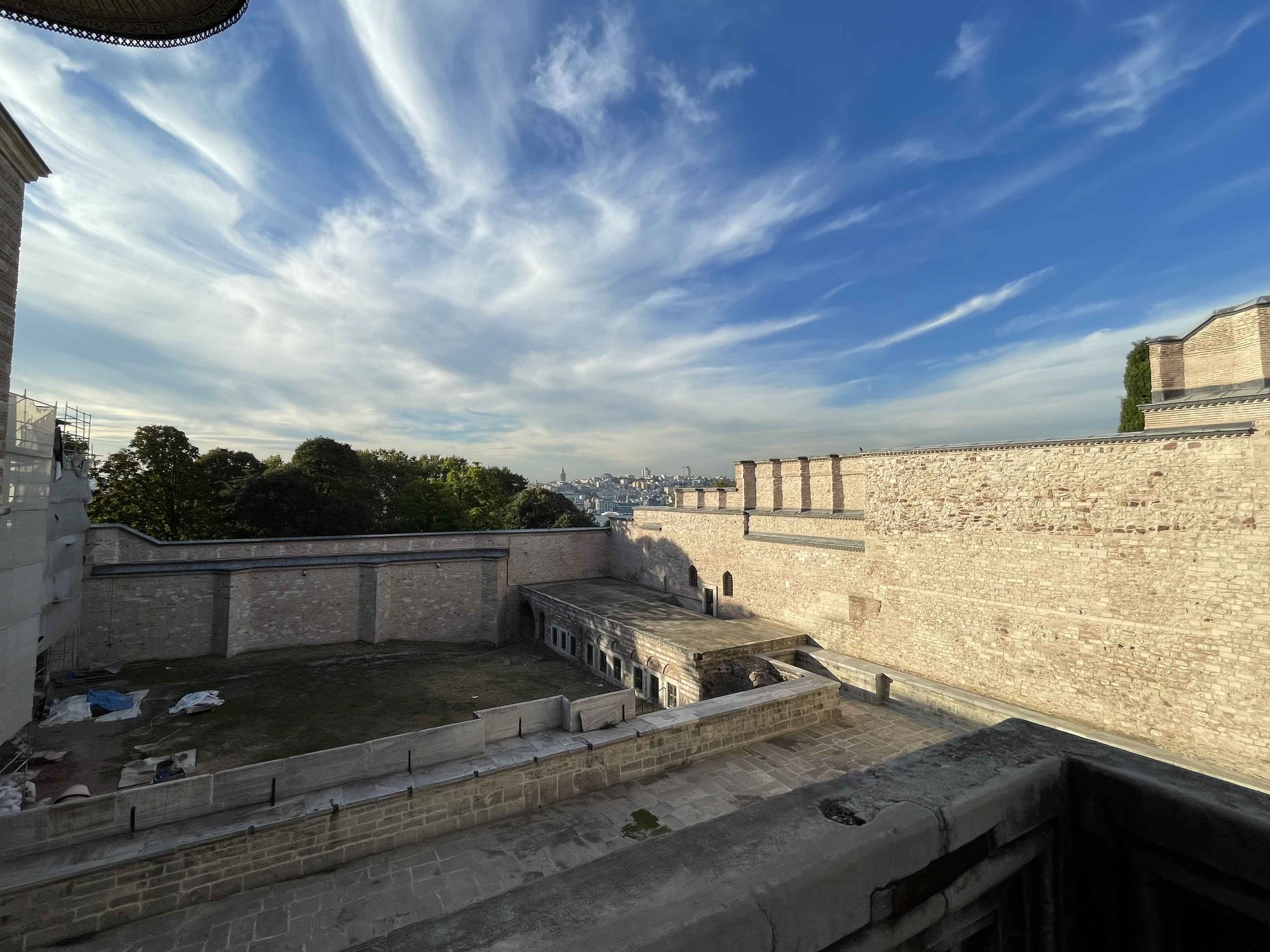
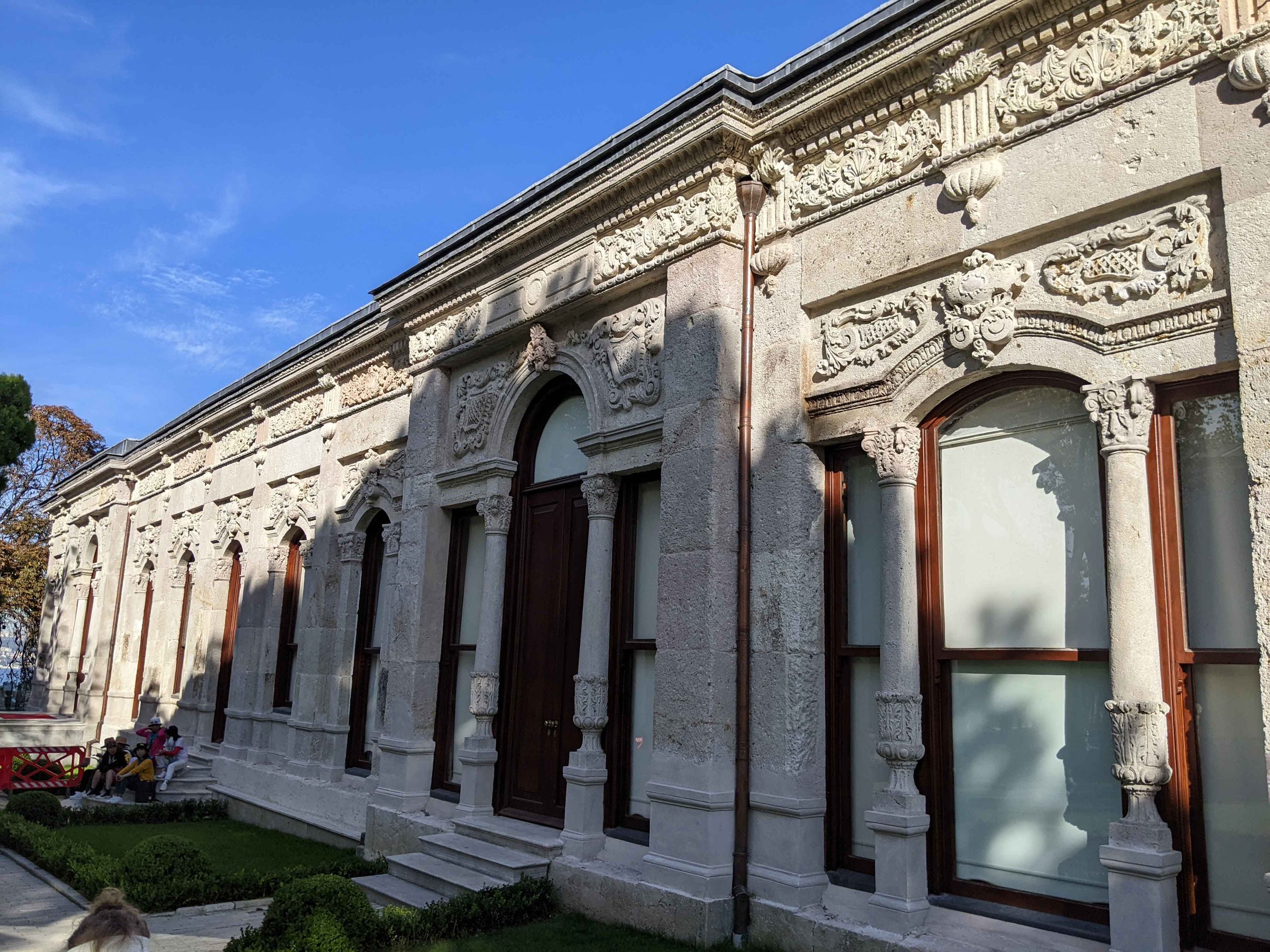
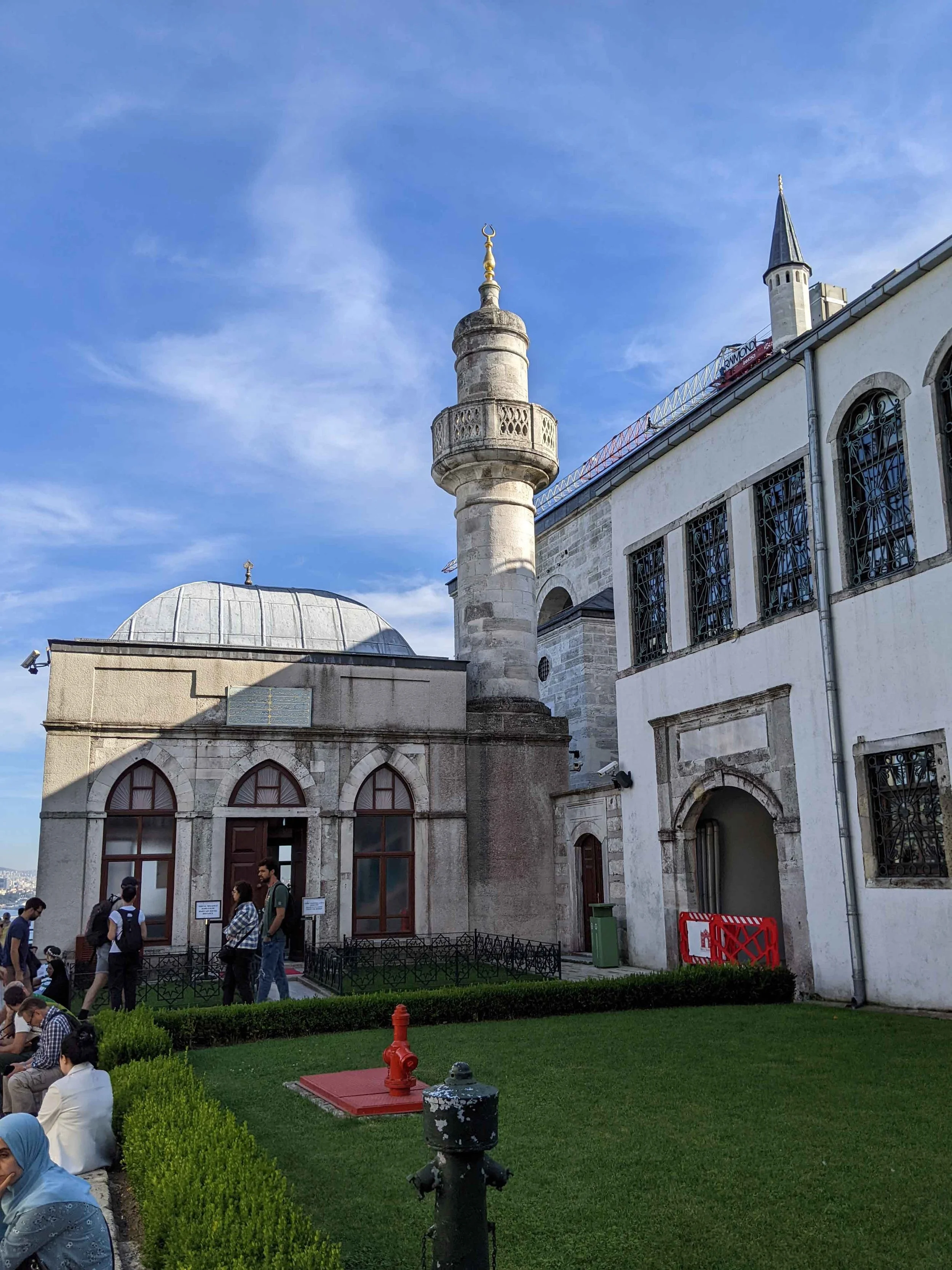
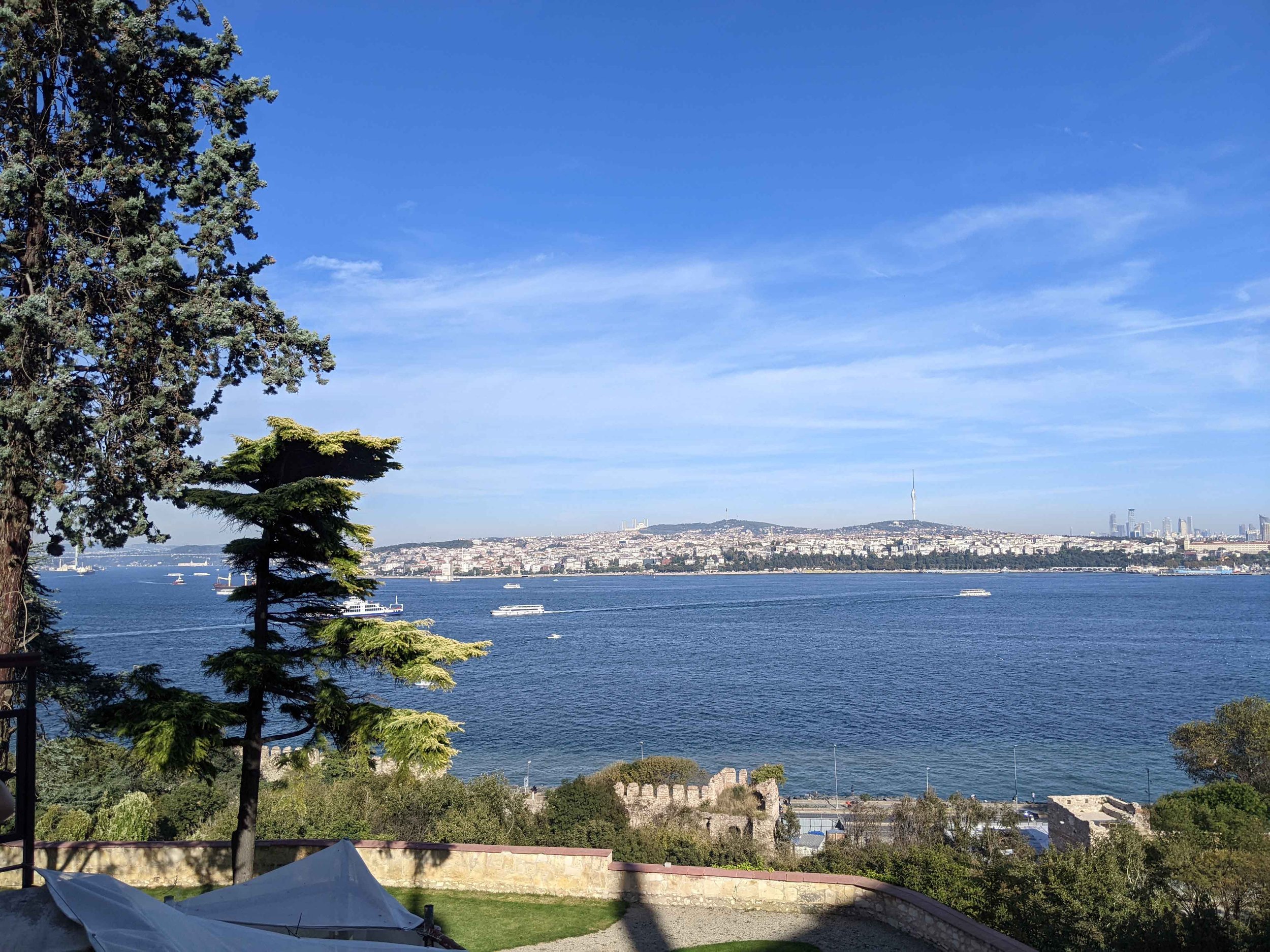
Topkapı Palace (literally translated as ‘Cannon gate palace’) was built by Sultan Mehmed II during the 14th century and is located in the historic peninsula bounded by the Marmara Sea, the Bosphorus Strait, and the Golden Horn inlet.

The palace remained the sultan’s main residence and center of government until the mid-19th century, after which the official residence was shifted to Dolmabahçe Palace. It was converted into a museum in 1924 when Turkey became a republic.

Spread over an area of 350,000m2, this palace, with its historic buildings, collections, and nearly 300,000 archive documents, is considered one of the largest museum palaces in the world.


THE MUSEUM

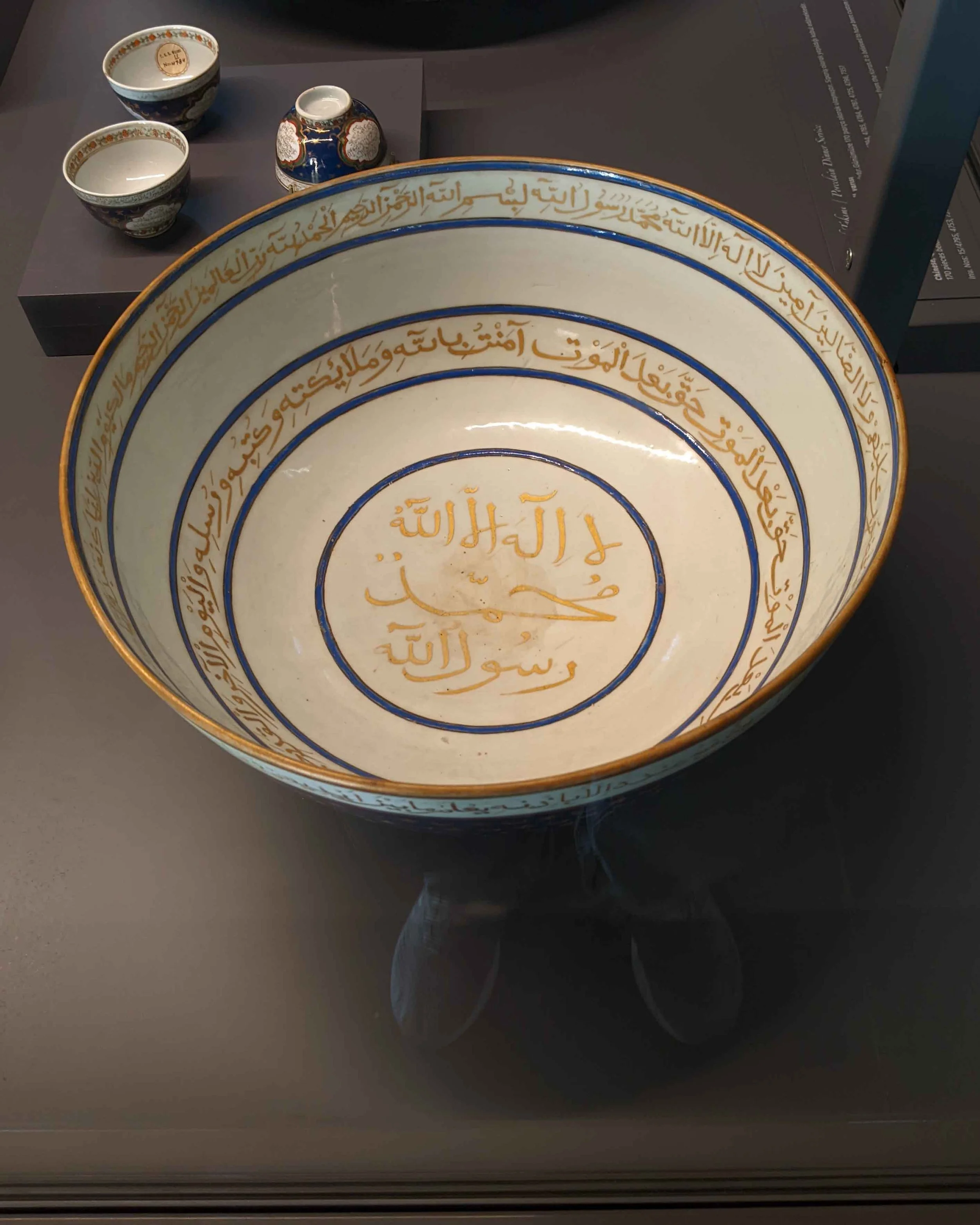
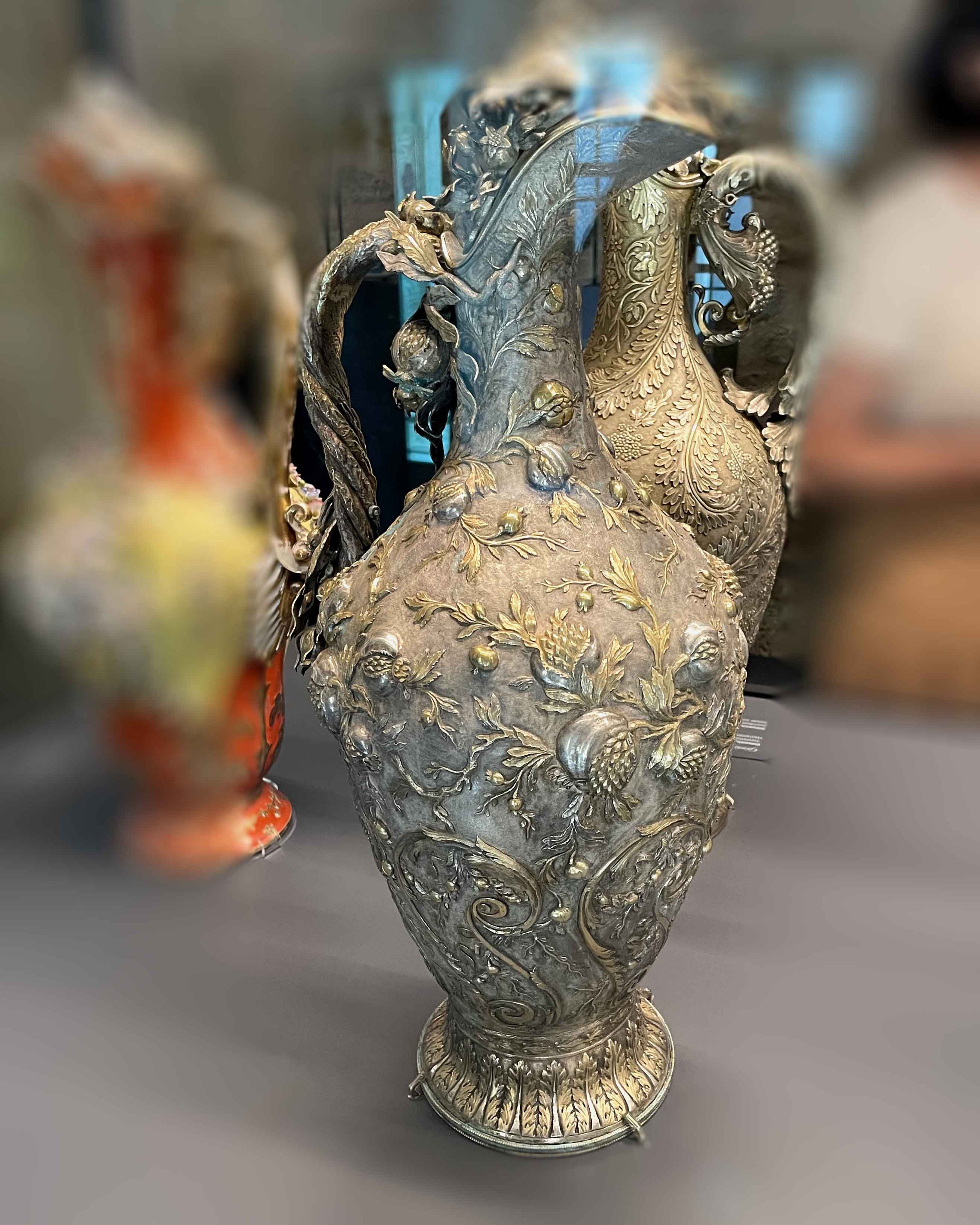
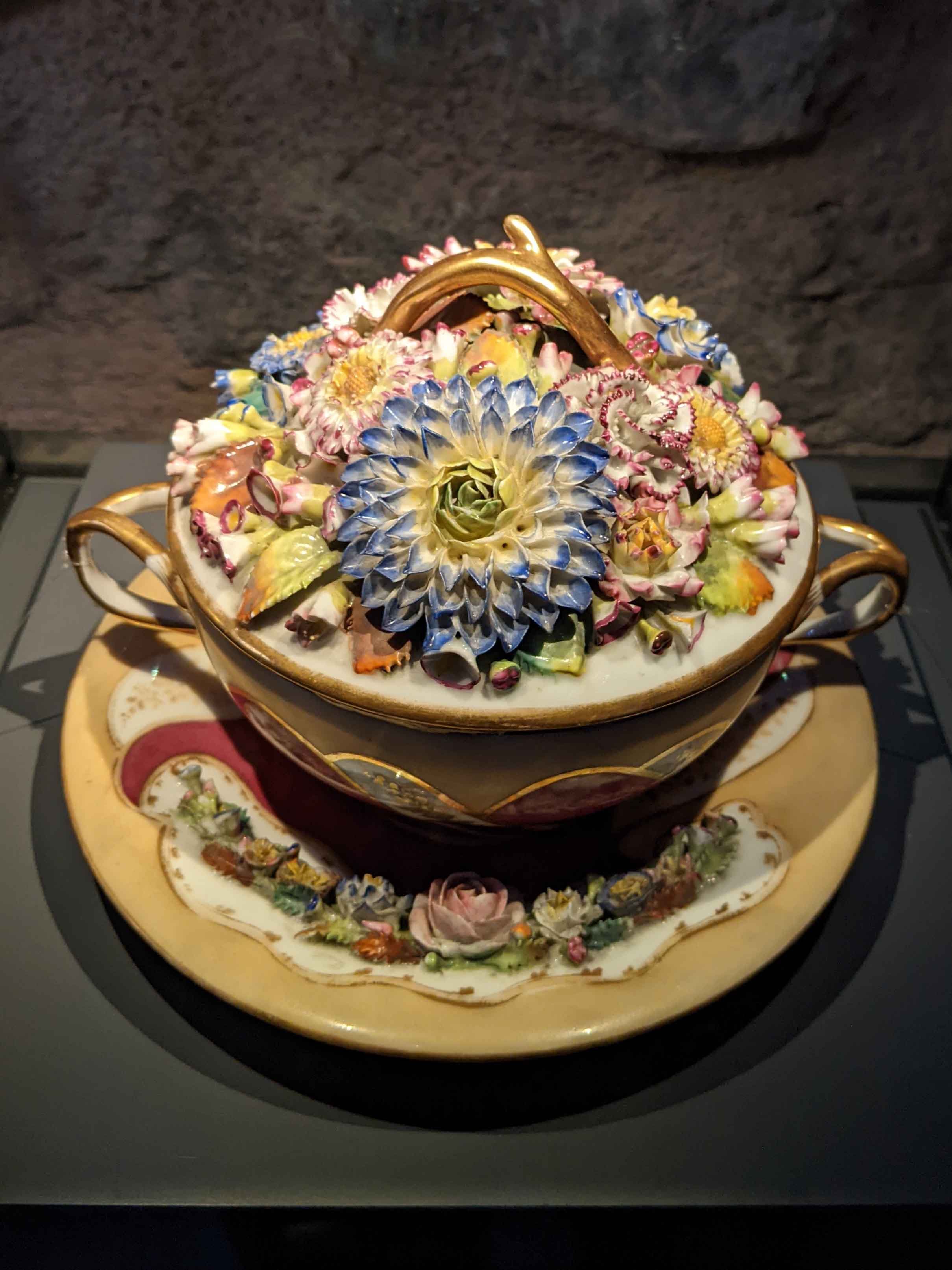
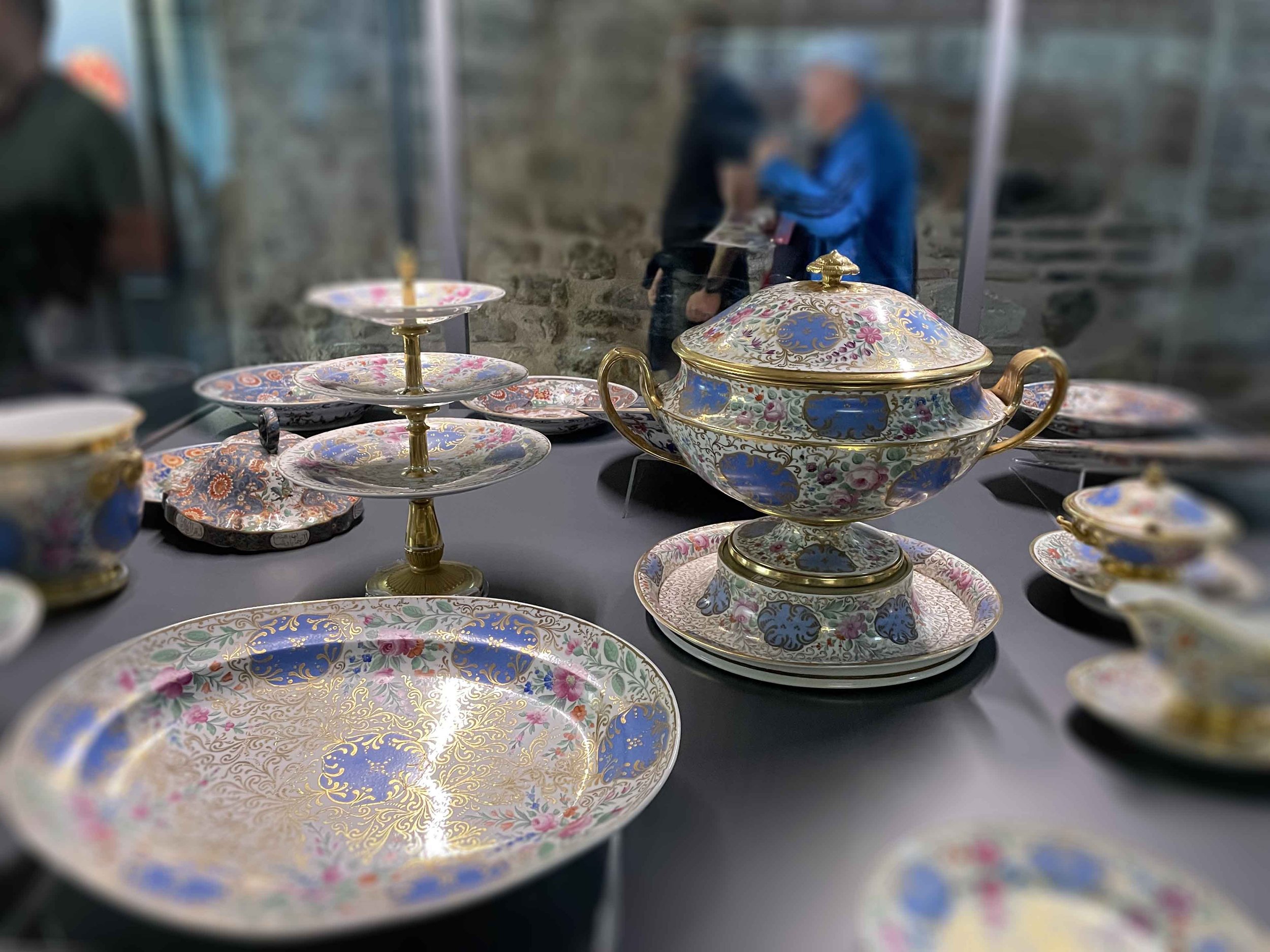
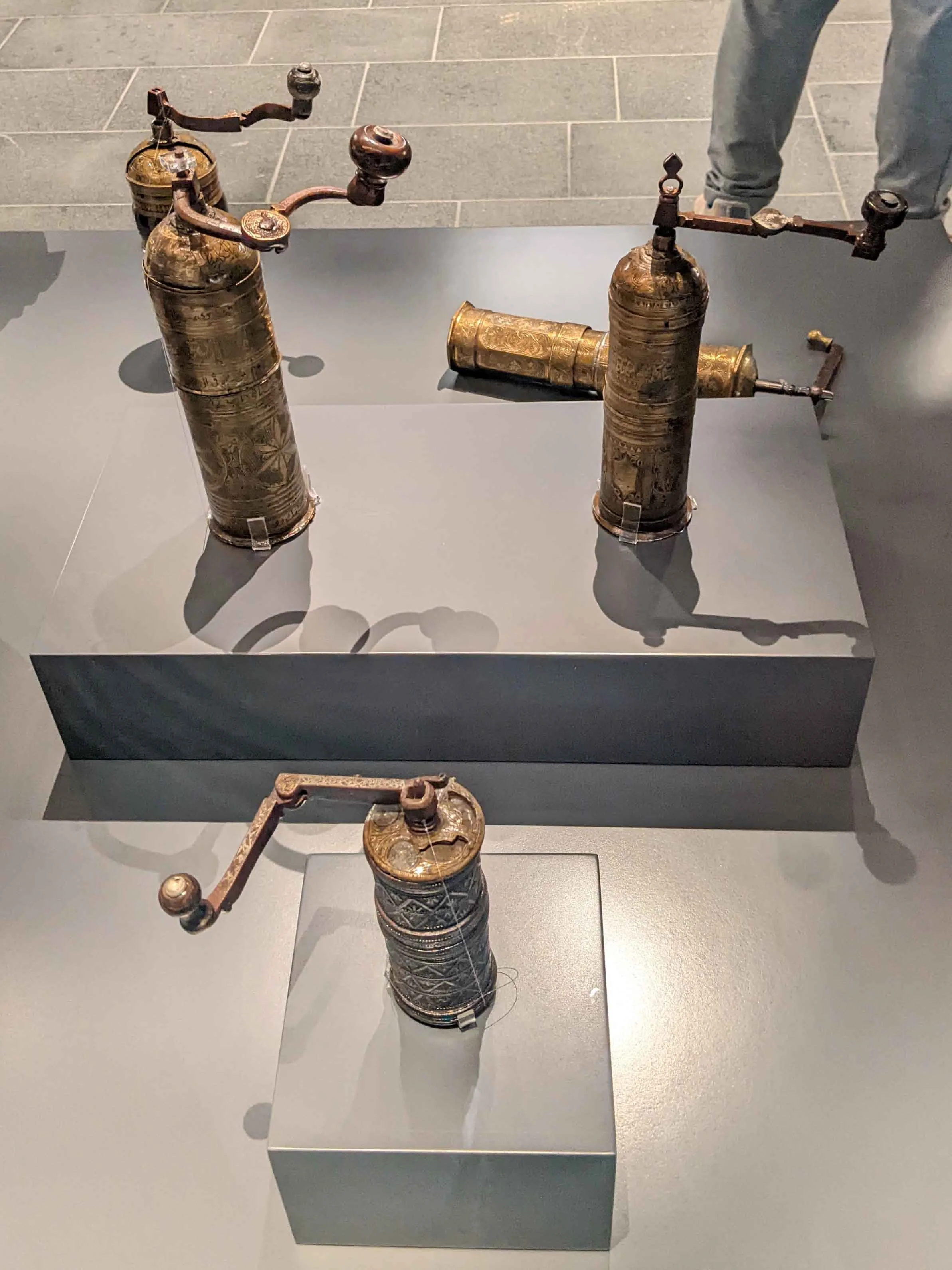
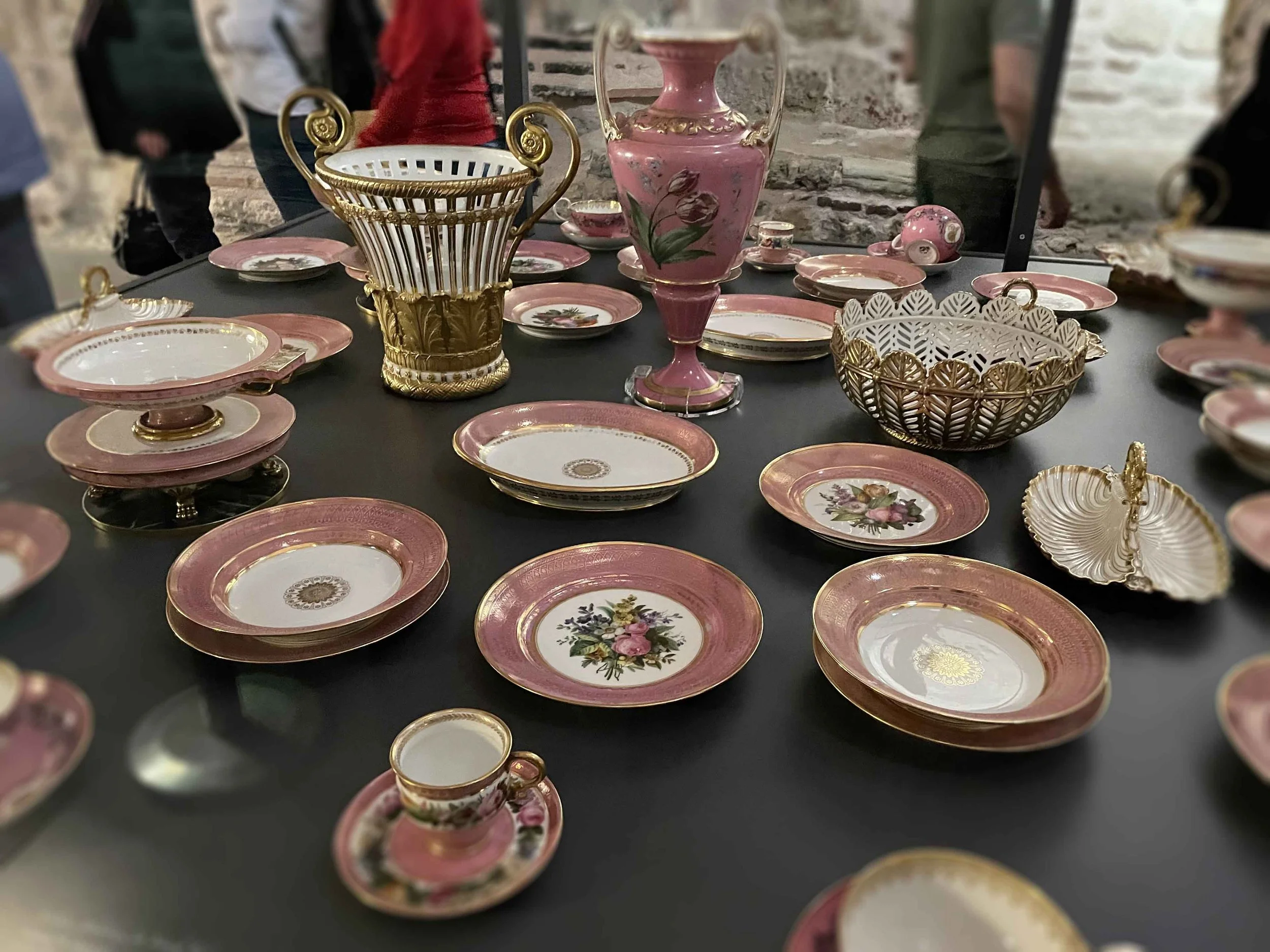
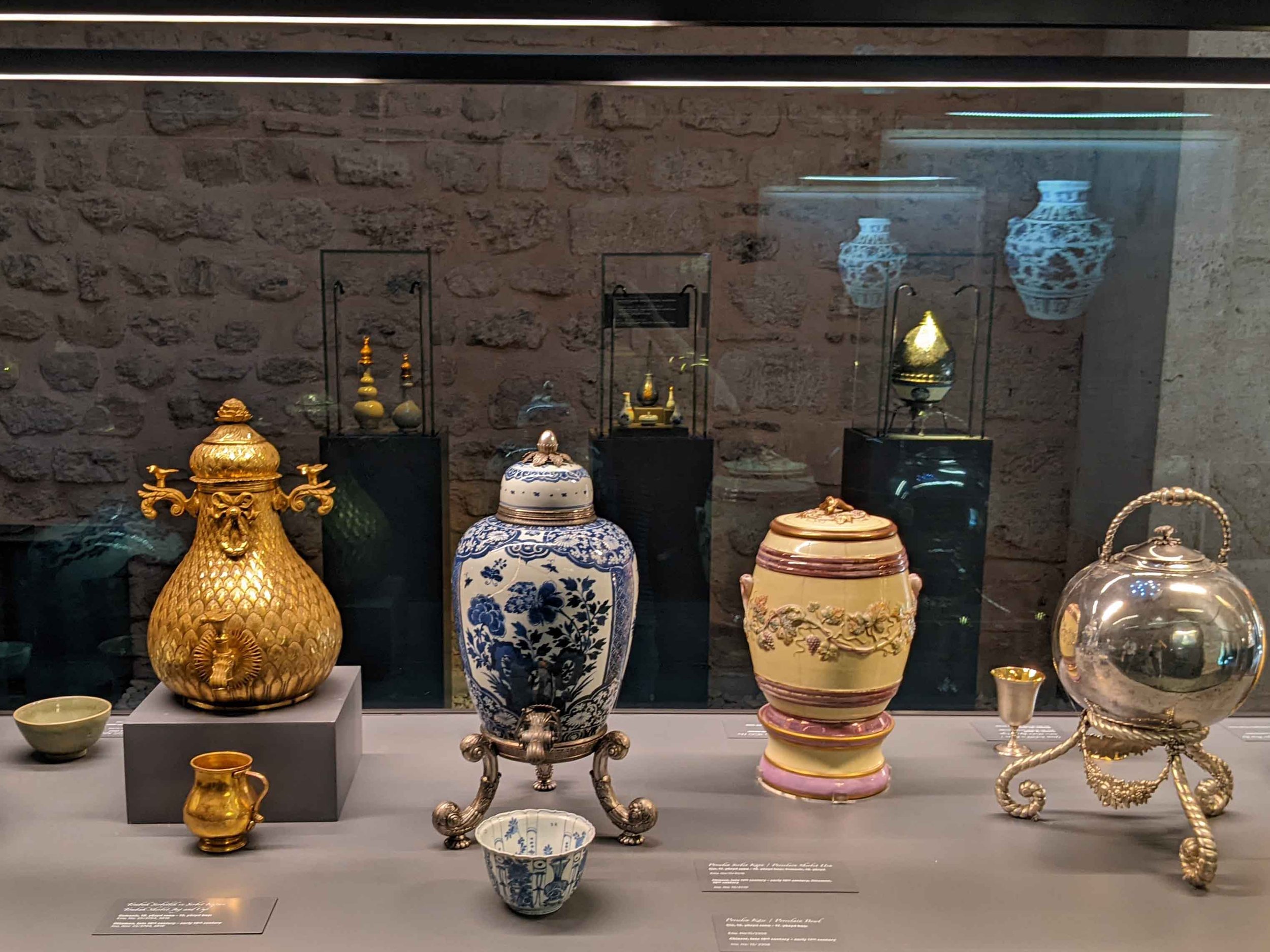
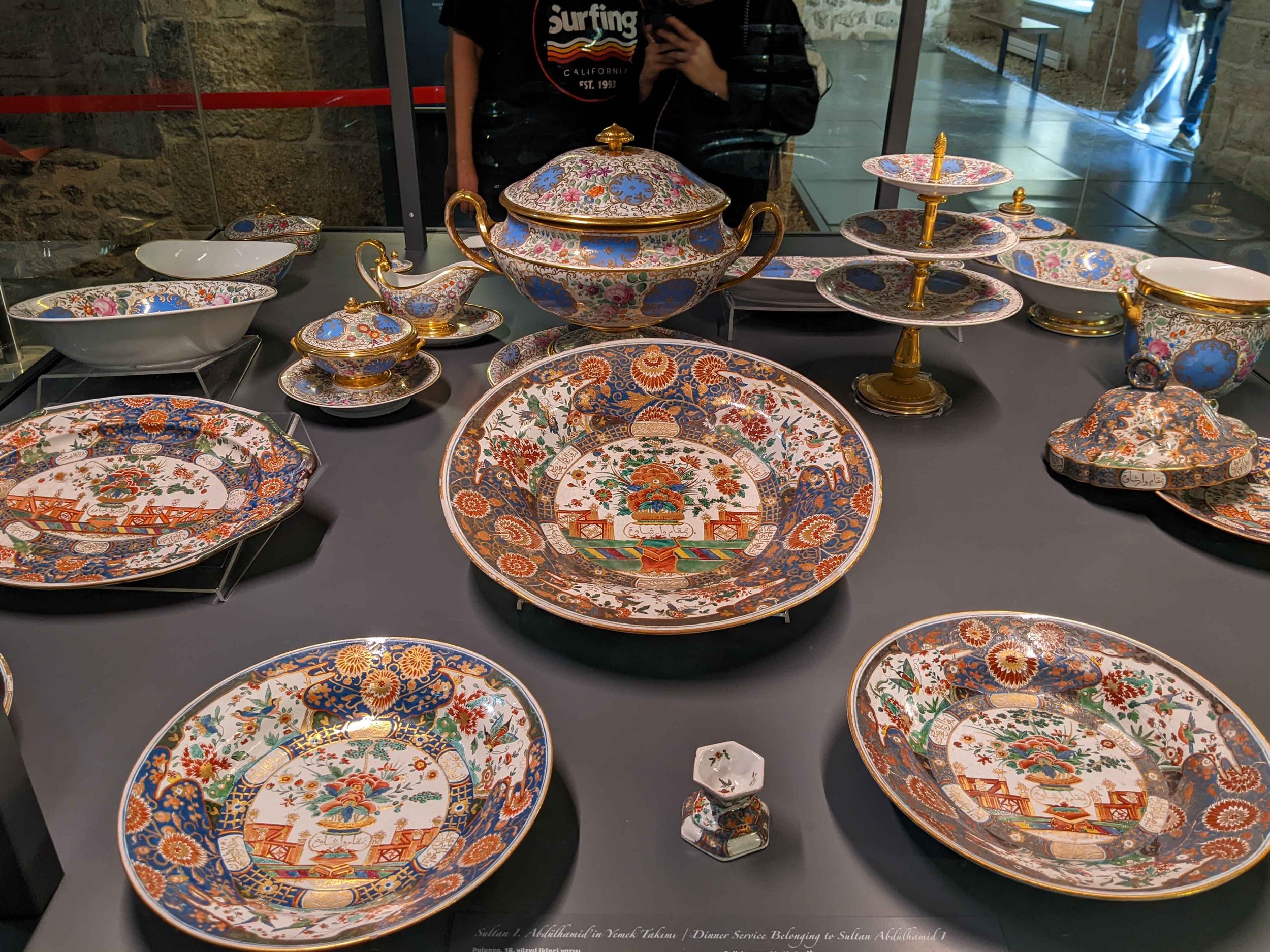
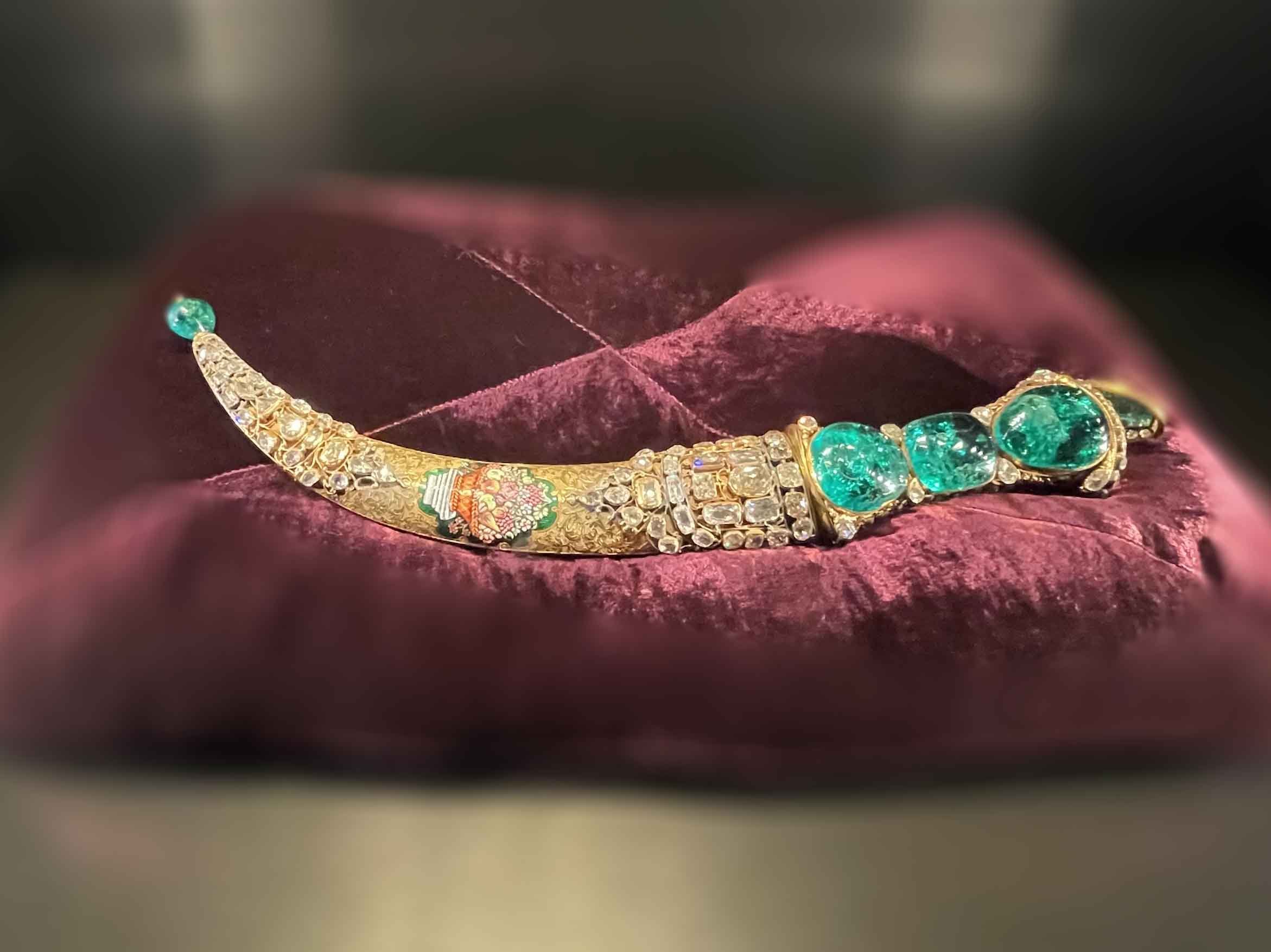
The museum houses one of the best collections of royal and extravagant European, Chinese, and Japanese porcelain and glassware. They are also displays of the Sultan’s kitchen and the utensils used to prepare food and feed the army of people working at the palace.
12a.jpg
a17.jpg
a12.jpg
a18.jpg
a19.jpg
a13.jpg
a15.jpg
a16.jpg
a4.jpg
a6.jpg
a2.jpg
a8.jpg
a9.jpg
a14.jpg
a10.jpg
a20.jpg
a1.jpg
a3.jpg
a21.jpg
a7.jpg

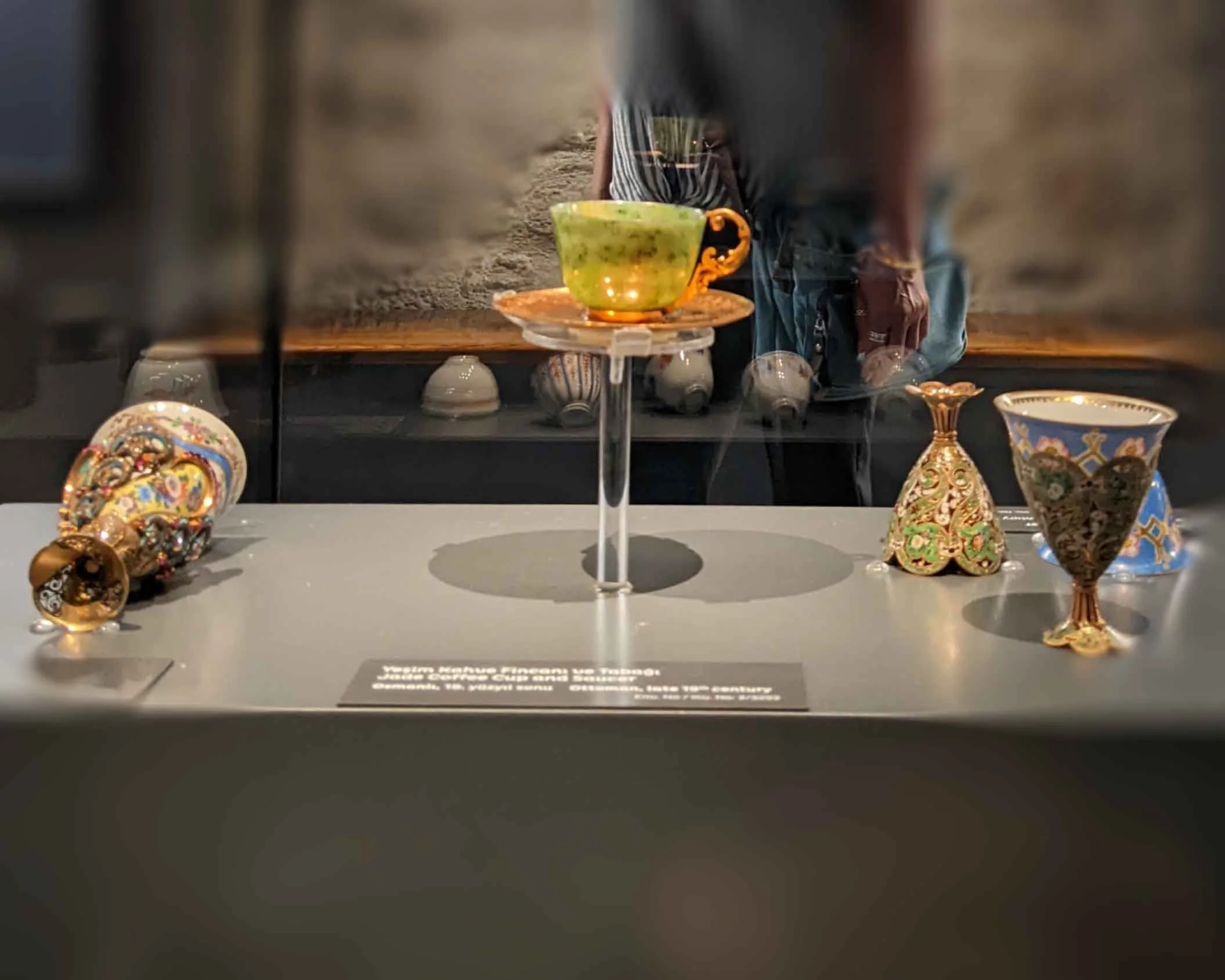
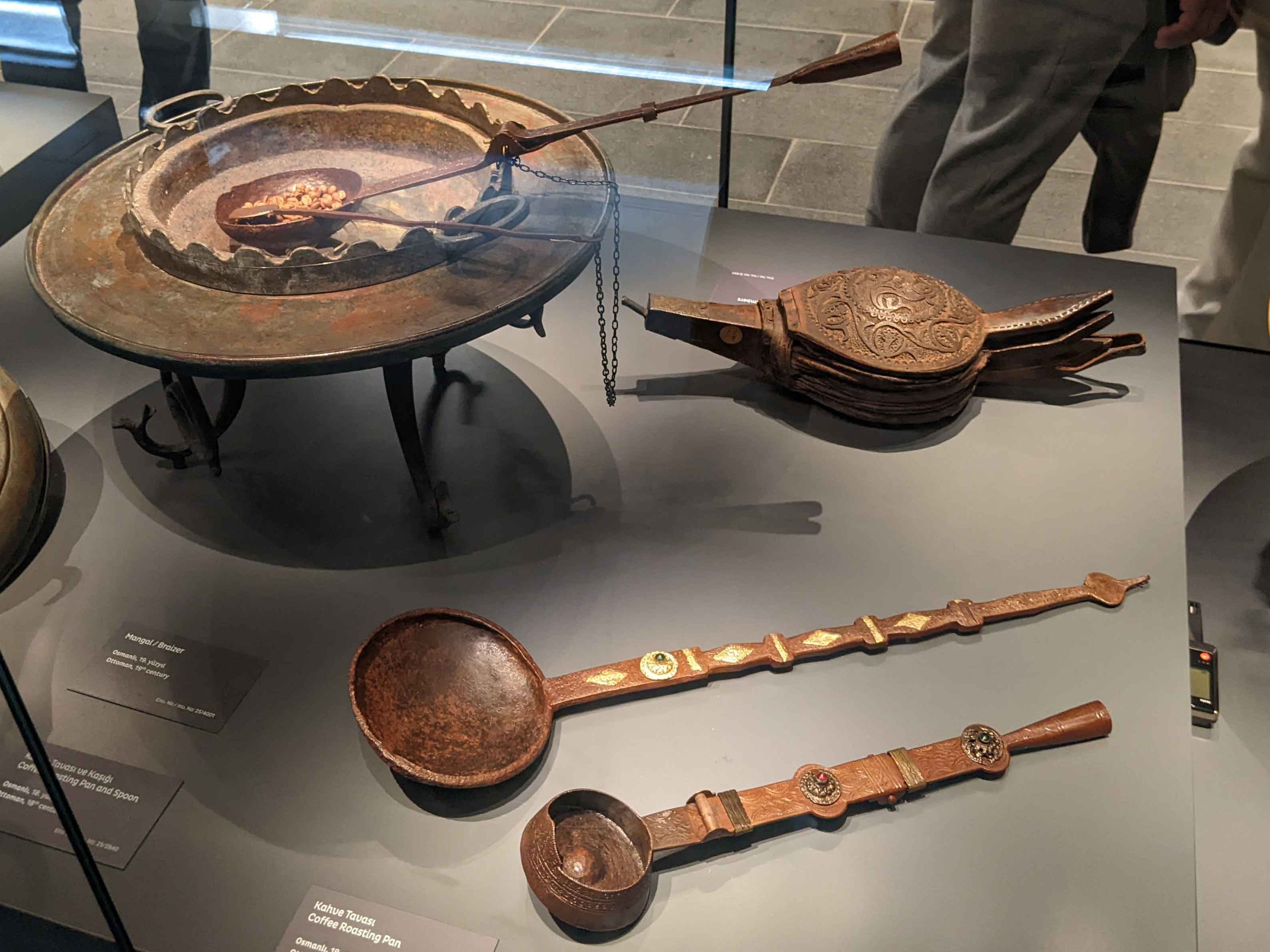
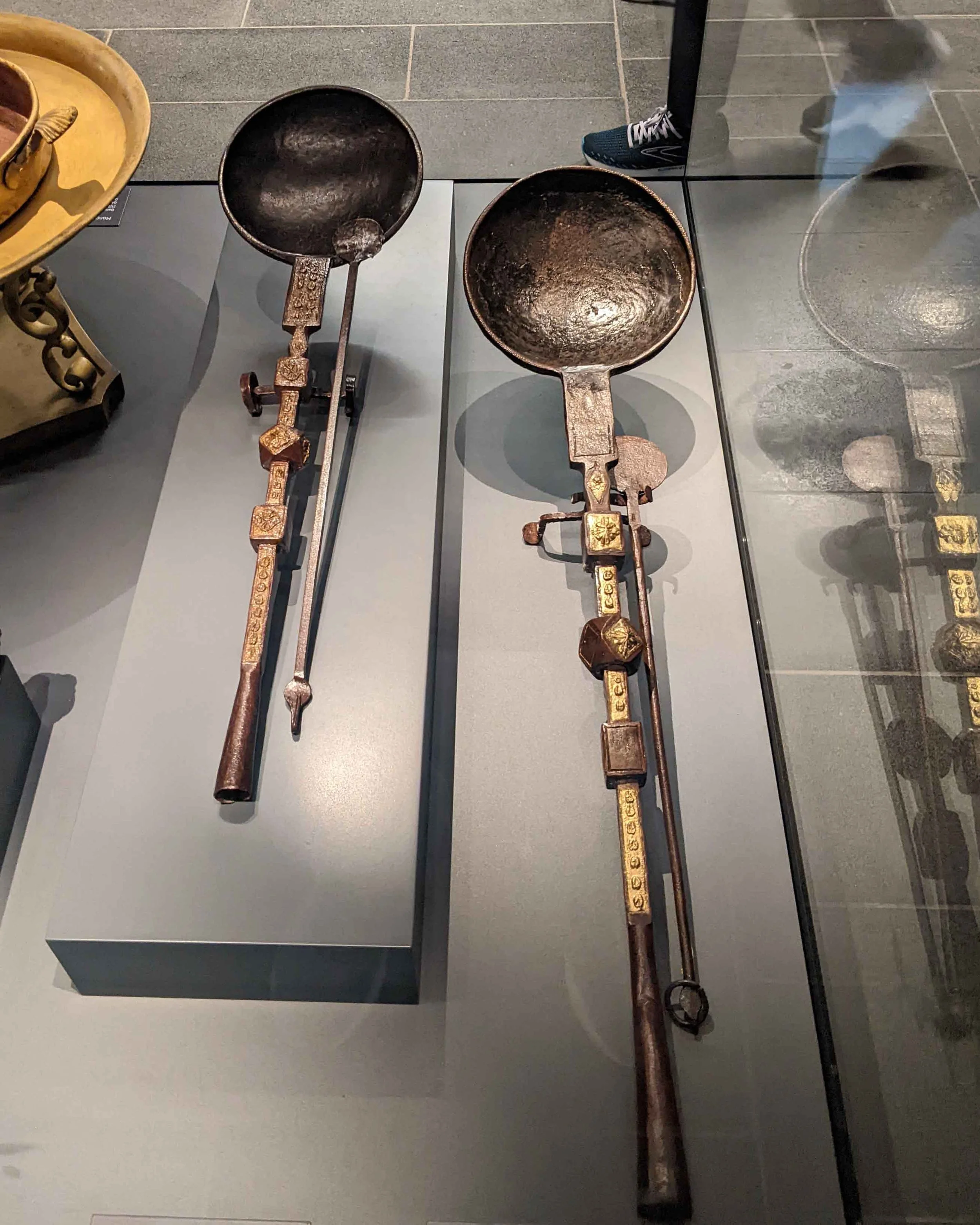
Coffee culture existed at the Ottoman palace and continued in the traditional manner during the 19th century. The museum has a whole section dedicated to this facet of palace life. Coffee was presented to the Sultan and his guest in special ceremonies featuring specially trained staff and utensils.


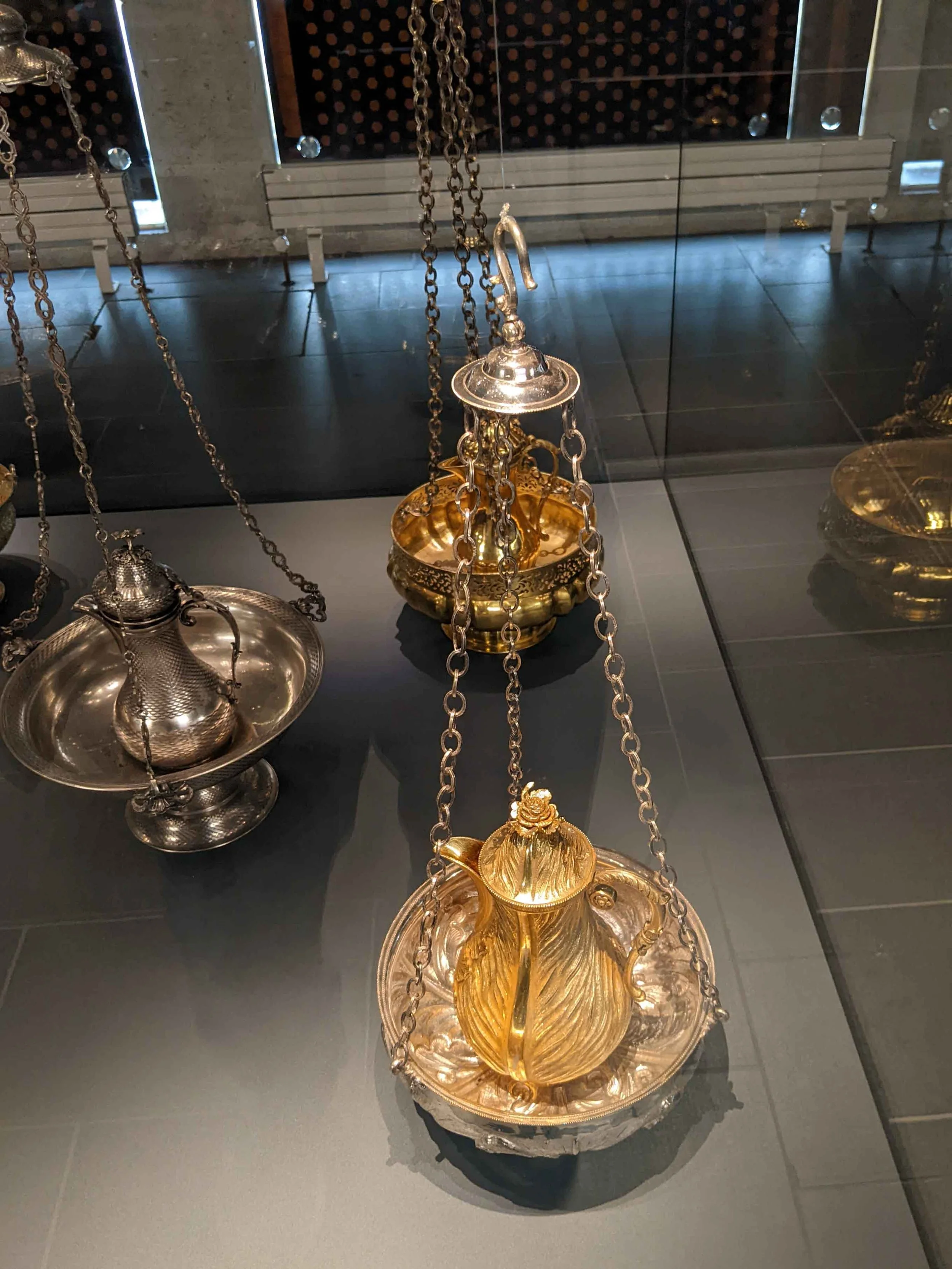
In the harem, coffee was served by female attendants known as’ kahveci kalfa’ trained in the rituals of its presentation. One of the attendants carried the velvet or satin cloth adorned with gold thread, pearls, or diamonds, and others the jeweled cups and holders on a gold or silver tray. A third brought the coffee jug on its chafing dish, where it was kept hot by embers, and a fourth filled the cups, placed each in a holder, and offered them to the guests.


Wouldn’t it be nice, to have coffee served with similar pomp and glory at the local Starbucks instead of the usual frowned-faced attendants?

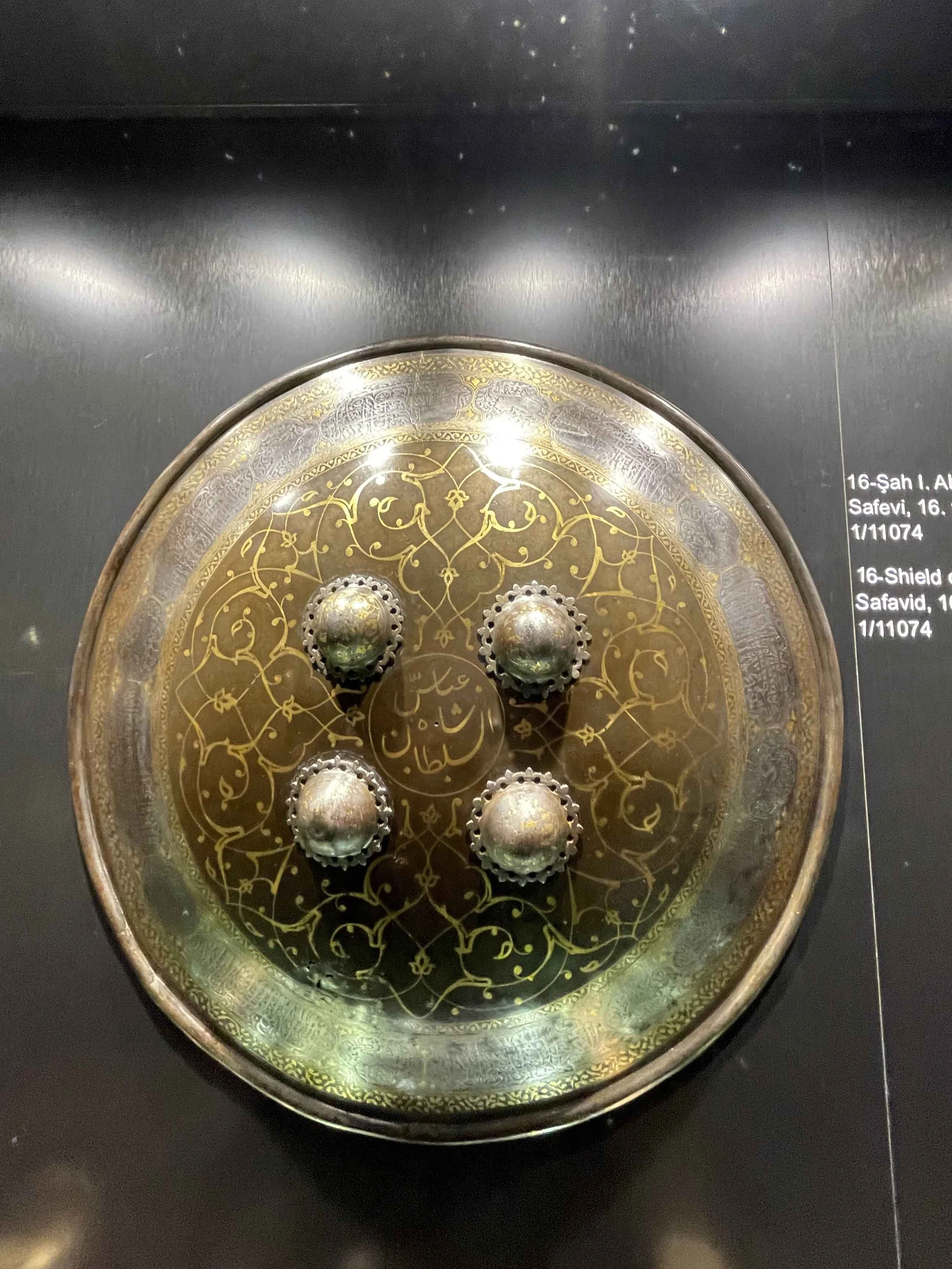
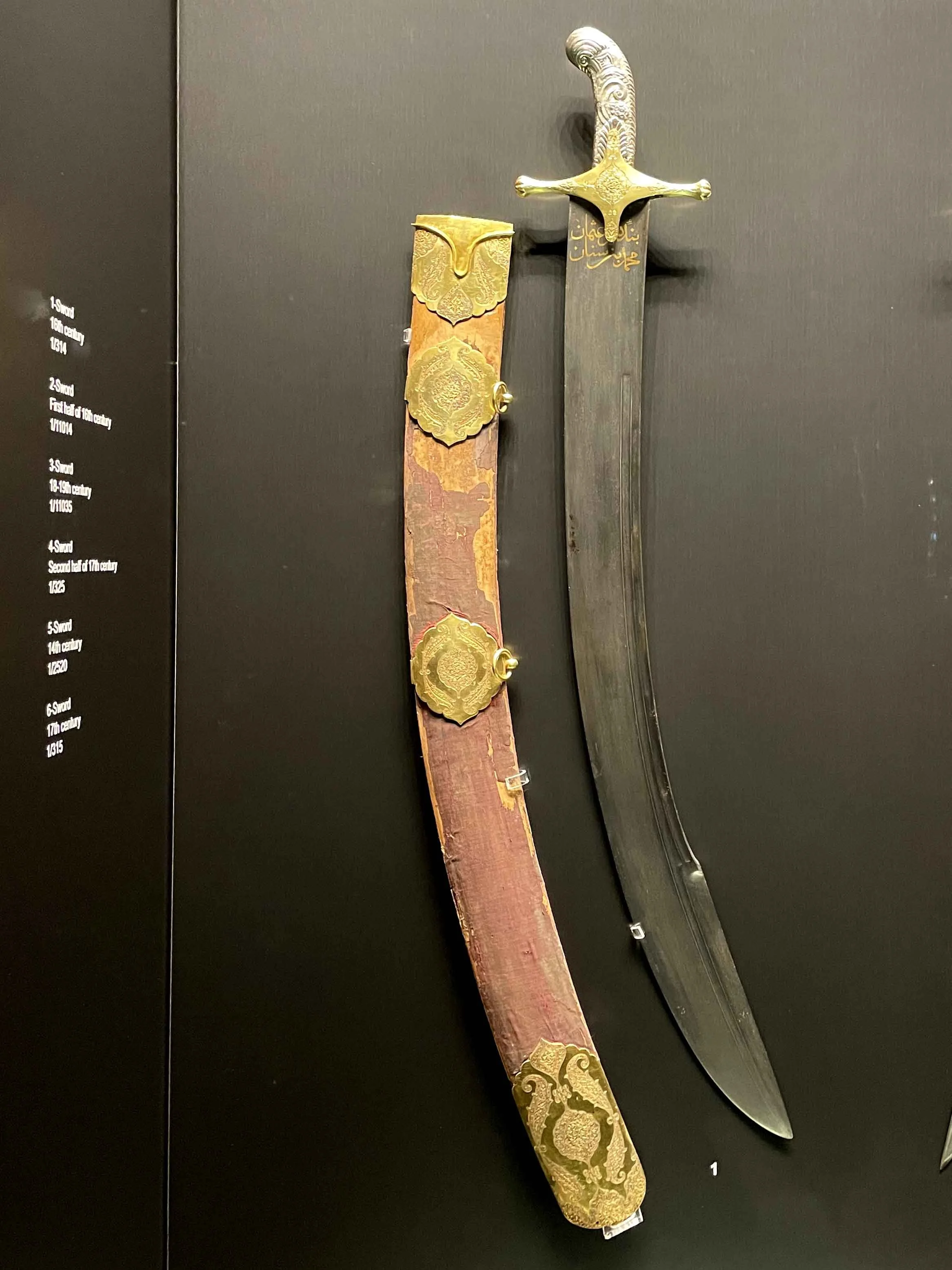
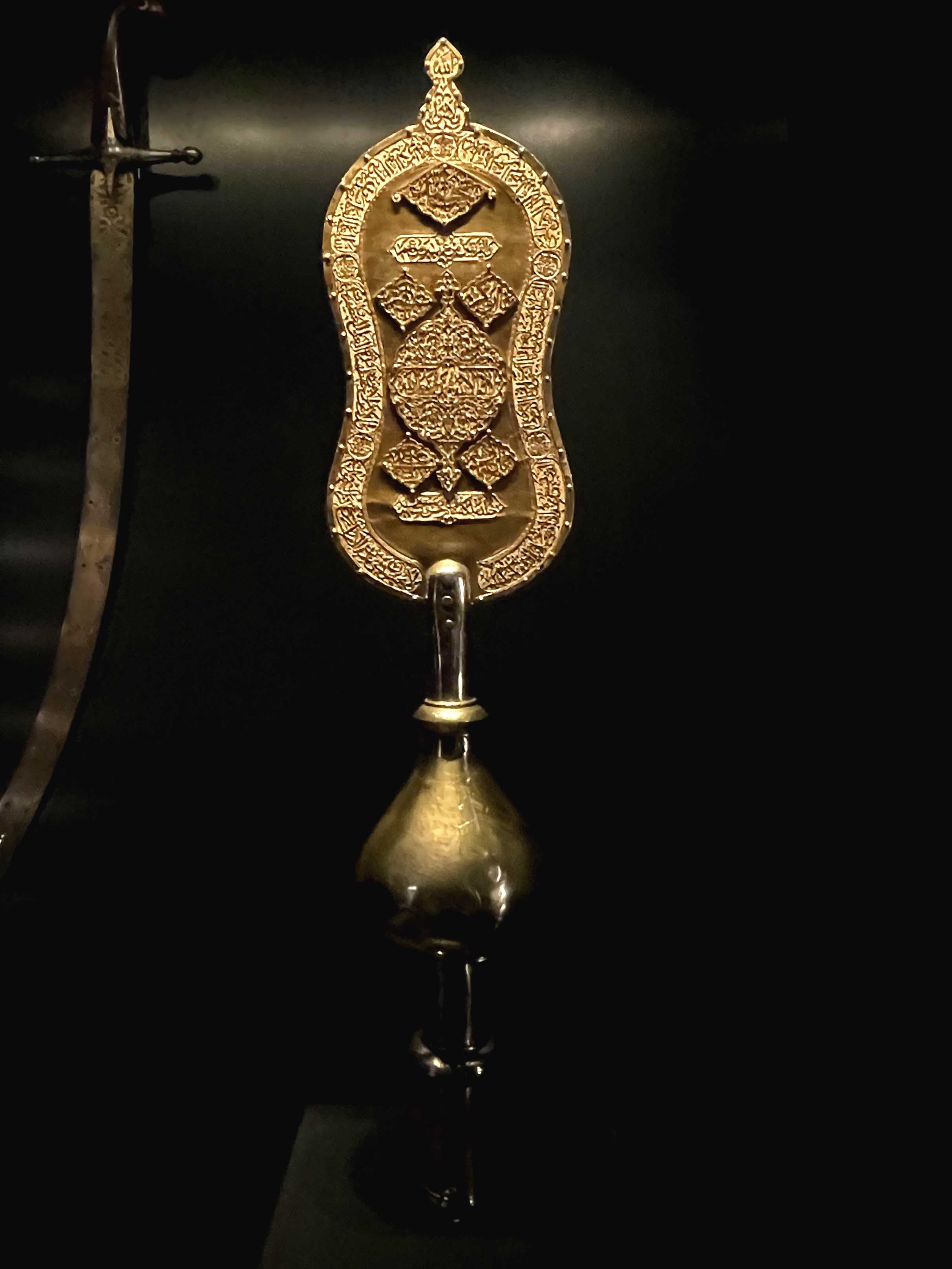
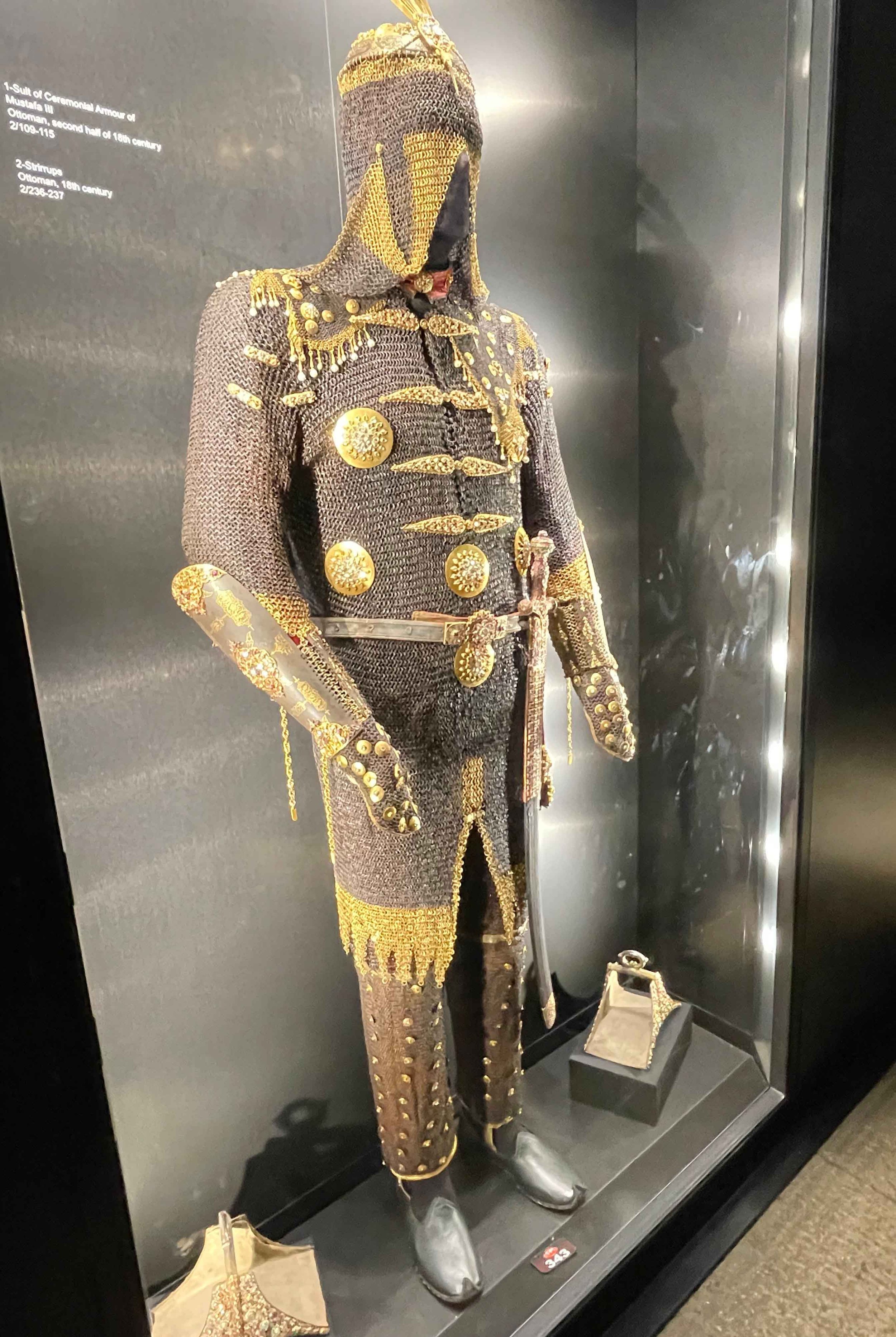
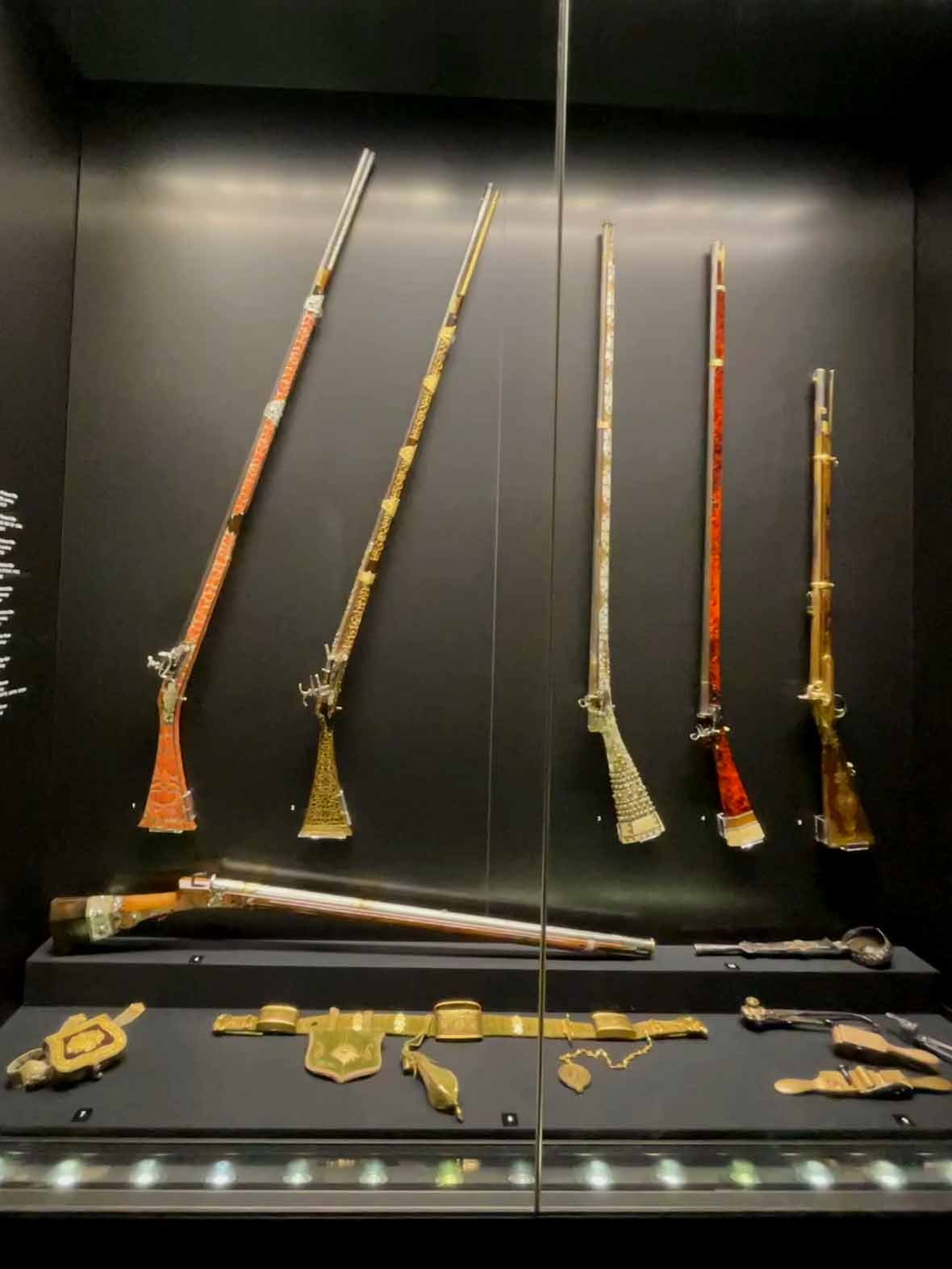
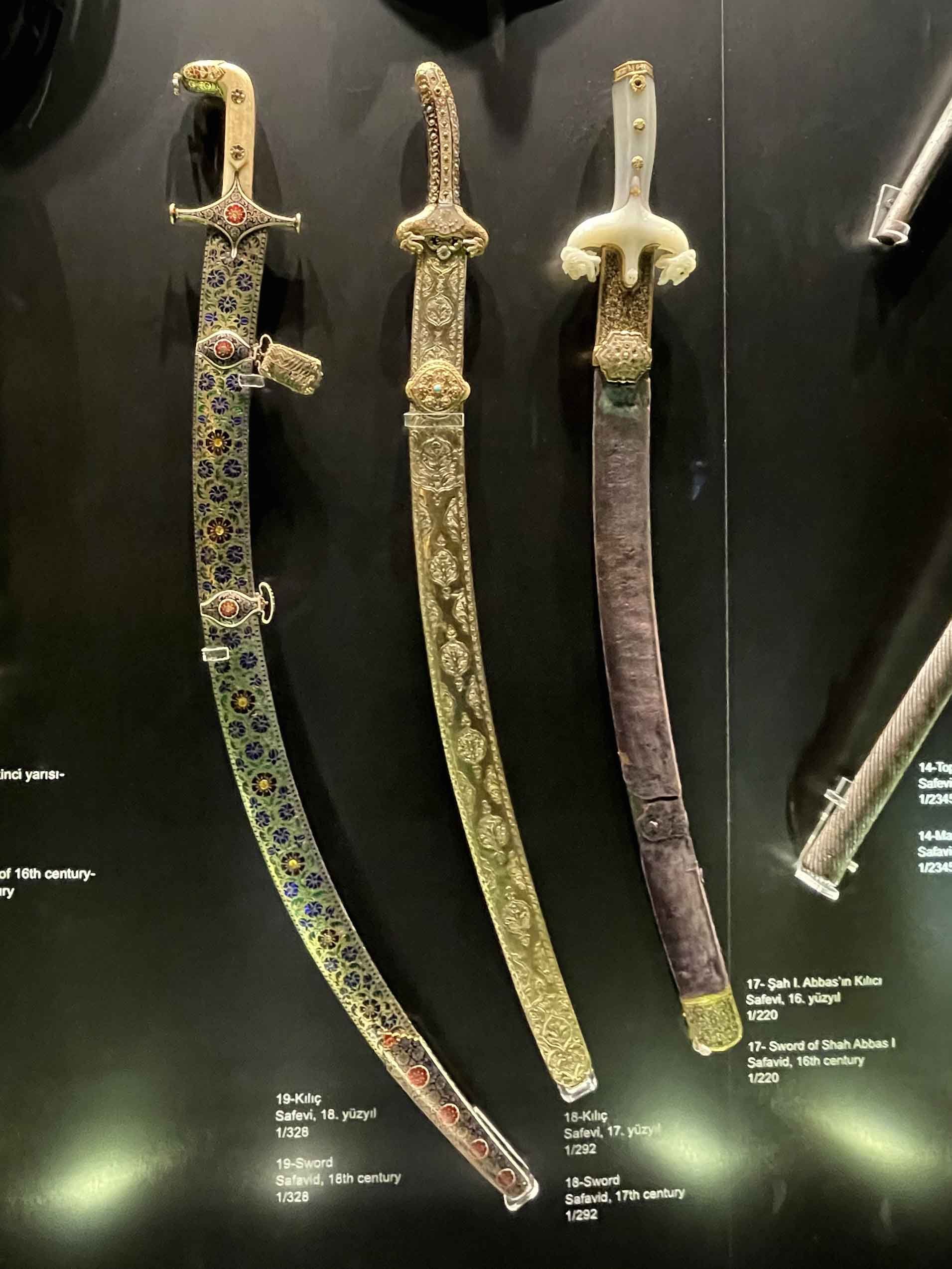
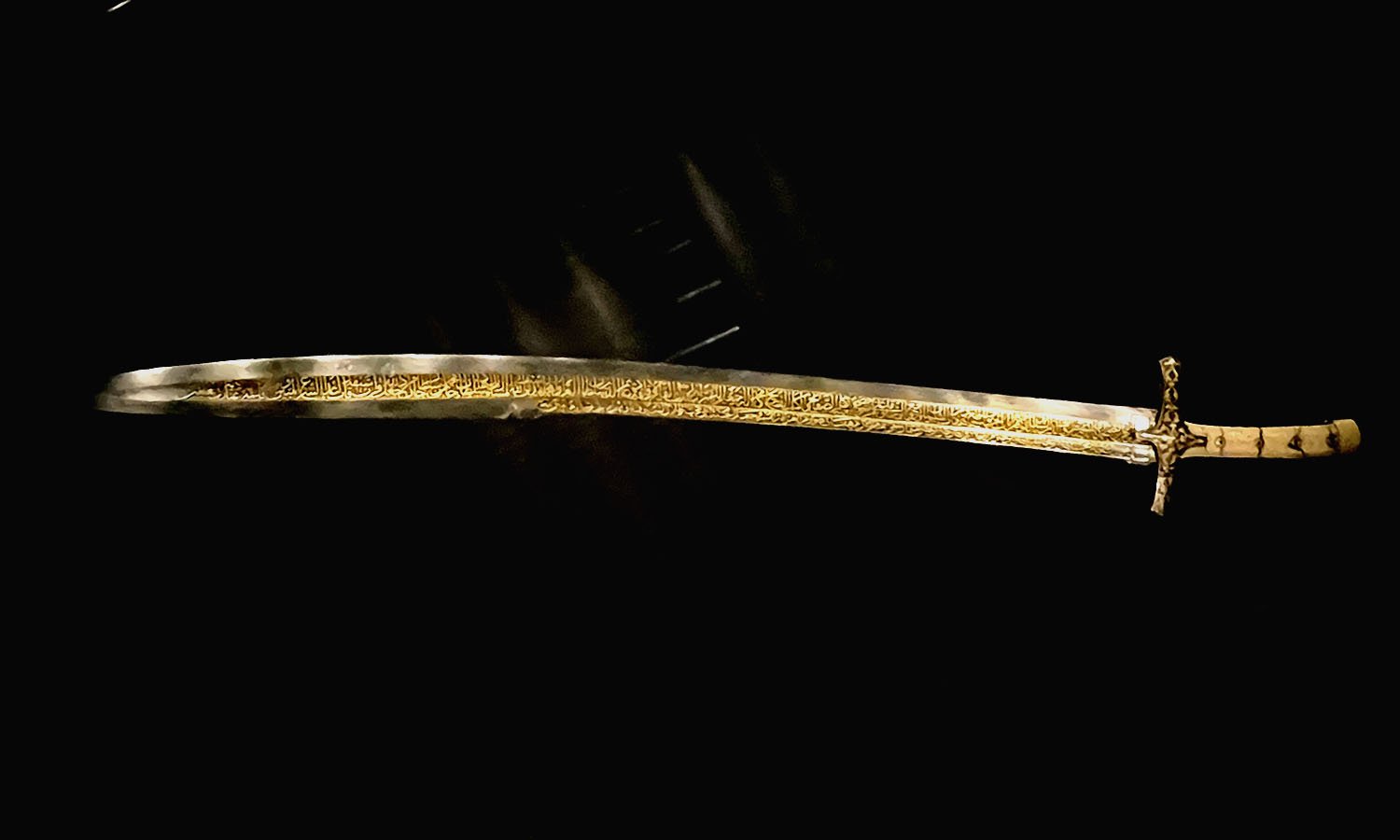
The weapons collection at the Topkapi Palace Museum is one of the richest and most diverse collections in the world. It comprises of thousands of weapons of various origins such as Indian, Arab, Turkish, Persian, Mamluk, Abbasid, European, Japanese, Crimean Tartar, and Umayyad. Spanning over 1,300 years, the collection consists of weapons that were transferred from the armies and those that were used by the palace guards.


THE HOLY RELICS
b4.jpg
b2.jpg
b3.jpg
b1.jpg

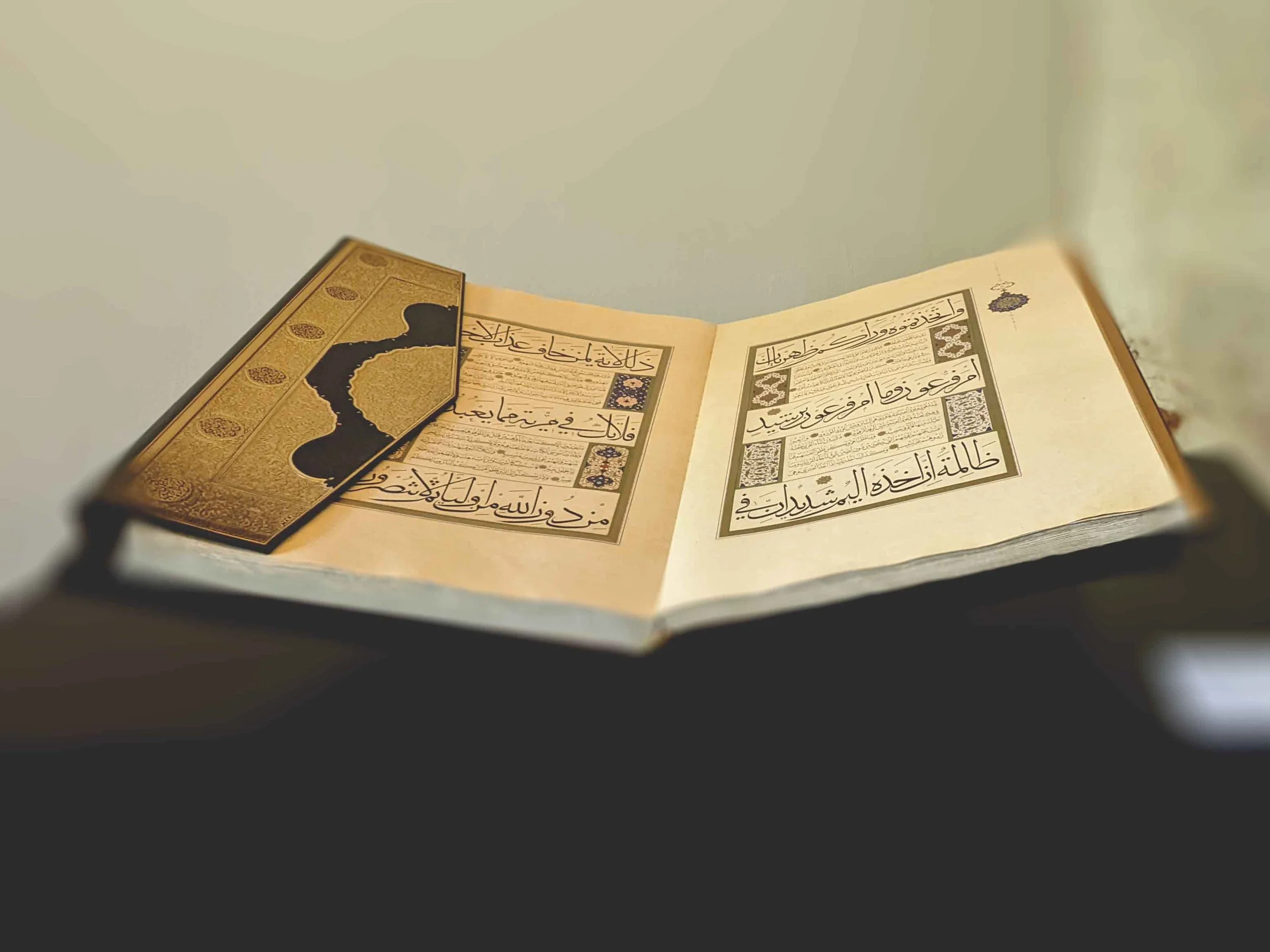
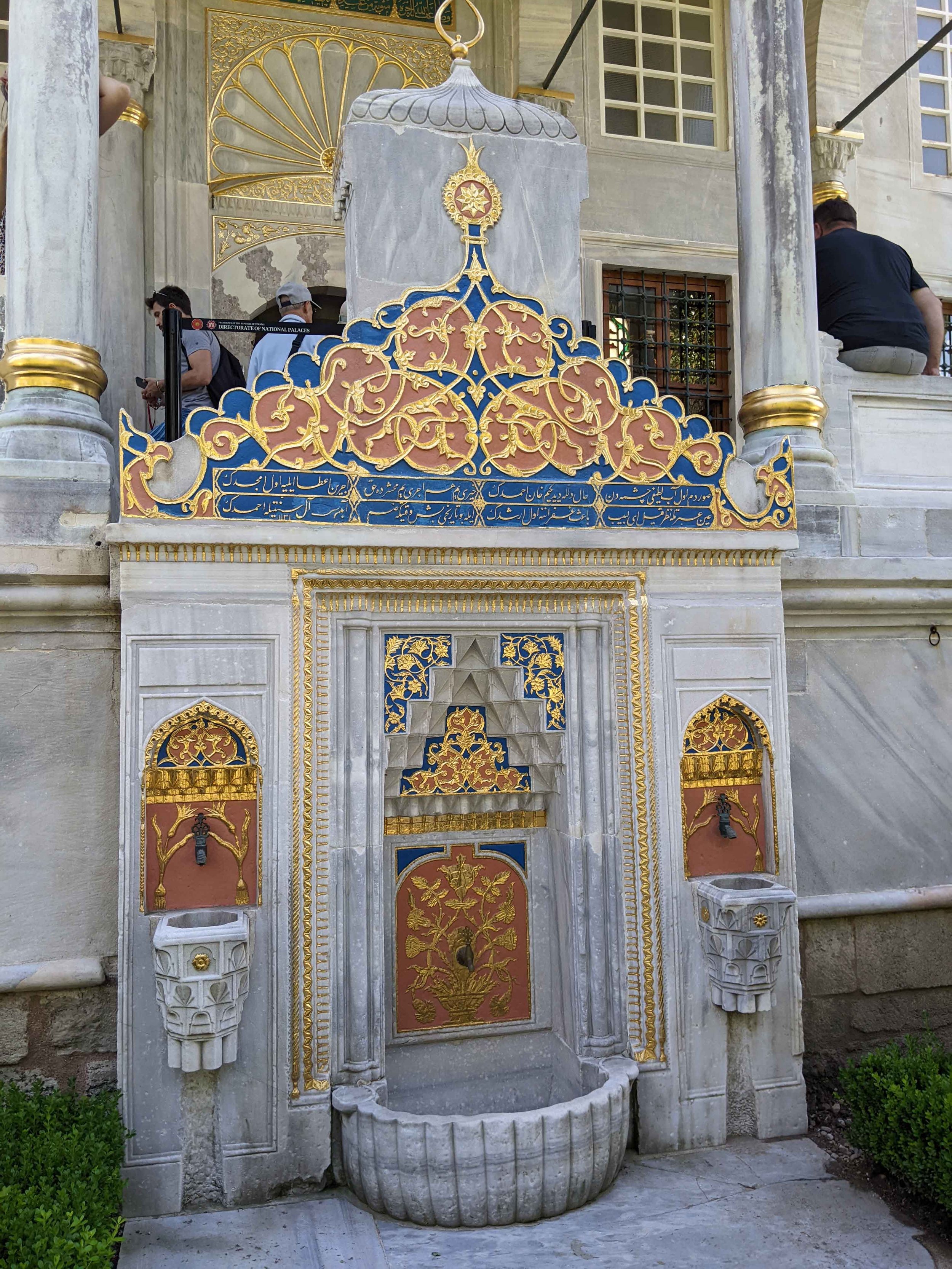
Outside the Library building in the centre of the third courtyard, we found a long queue of people that seemed to be moving at a snail’s pace. People from all over the world, Muslims, and non-Muslims flocked outside this ‘Has Oda’ or the chamber of the holy relics to view the most precious relics of the Islamic world. Note, only limited visitors are allowed to enter the chamber at a time, and women are required to cover their heads with a scarf before entering the chambers.

The Ottomans collected the Holy Relics attributed to the prophets from all over the empire and brought them to Istanbul for safekeeping. It is said that the Ottoman sultans wanted to keep the Holy Relics close to themselves because they thought that the location of the relics would qualify Istanbul as the centre of the Islamic world.

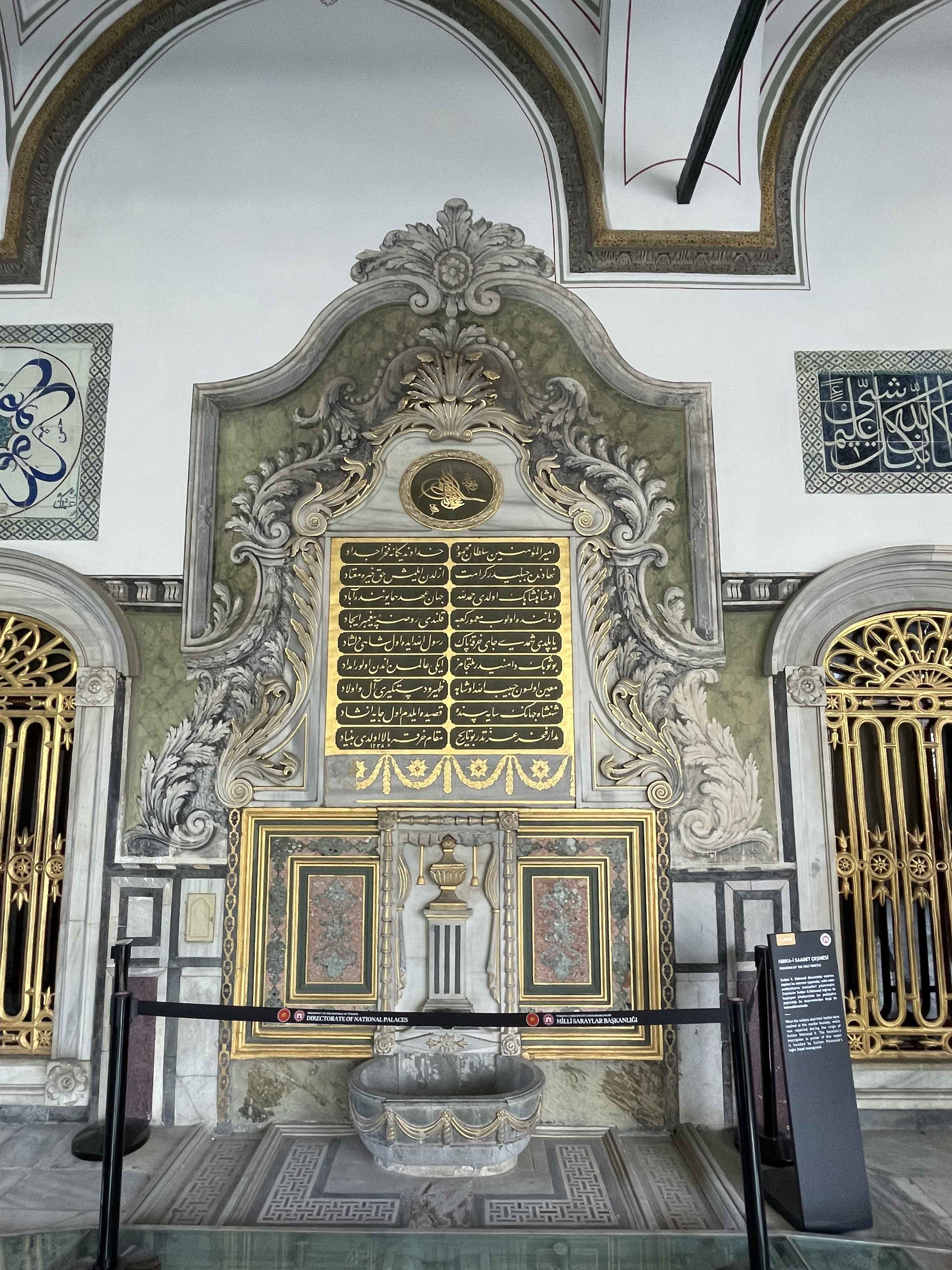
Each of the relics is highly prized and has its own history/mythology and was collected over generations and kept inside mosques and ancient monasteries. Among this collection are the Holy Mantle, the bow, and the sword of the Prophet Mohammad (peace be upon him). There are also holy relics attributed to other prophets such as the staff of Moses; the sword of David; the robe of Joseph; and the swords of the Prophet Muhammad’s companions.

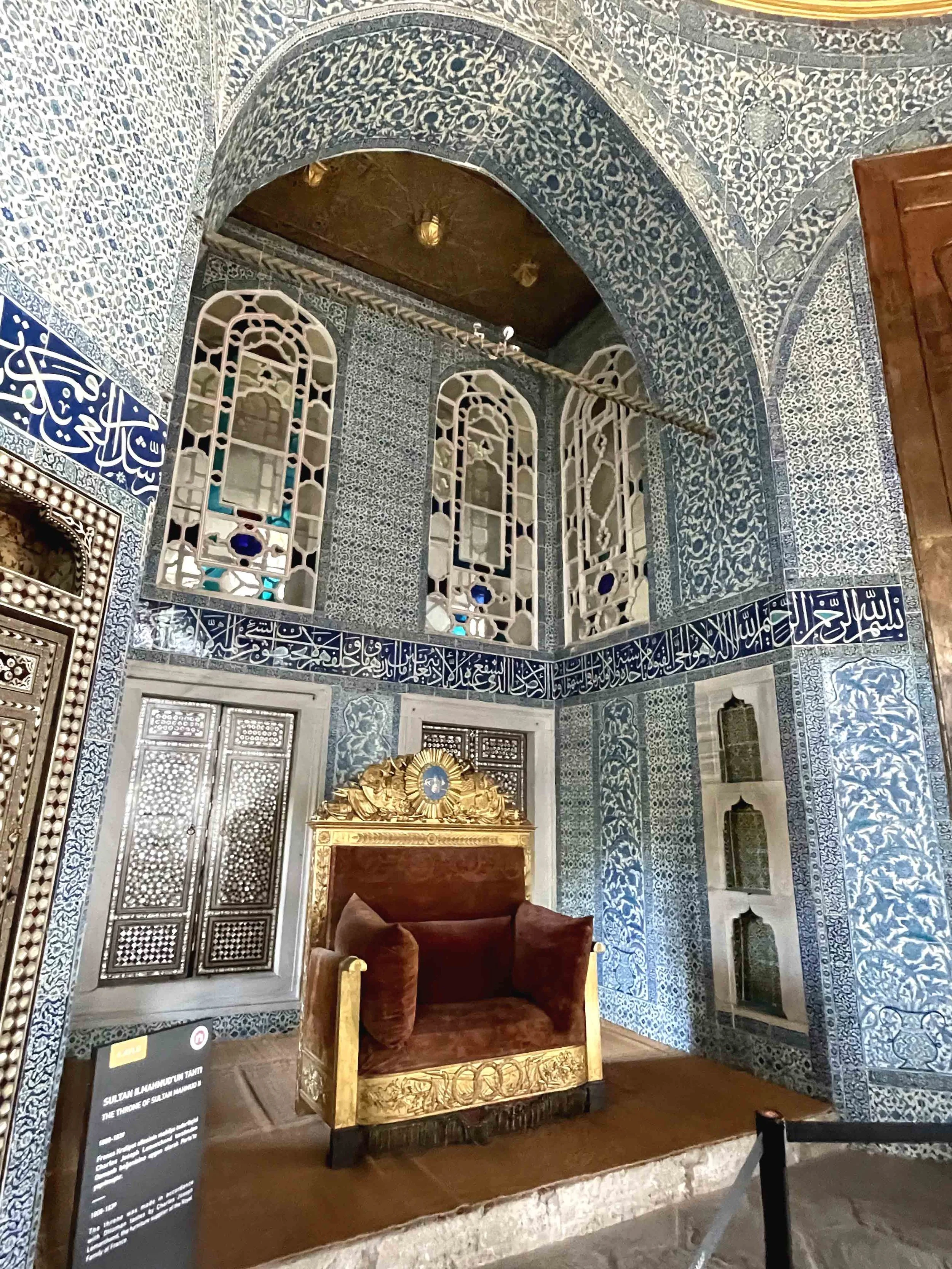
The collection is housed in the Privy Chamber, where the sultan lived and kept his throne. It is said that, prior to their accession to the throne, the sultans would come to this room to pray and receive homage from the Privy Room officials before leaving for the ceremony. Even now, an imam inside a glassed-off chamber recites the Koran around the clock.


LIBRARY

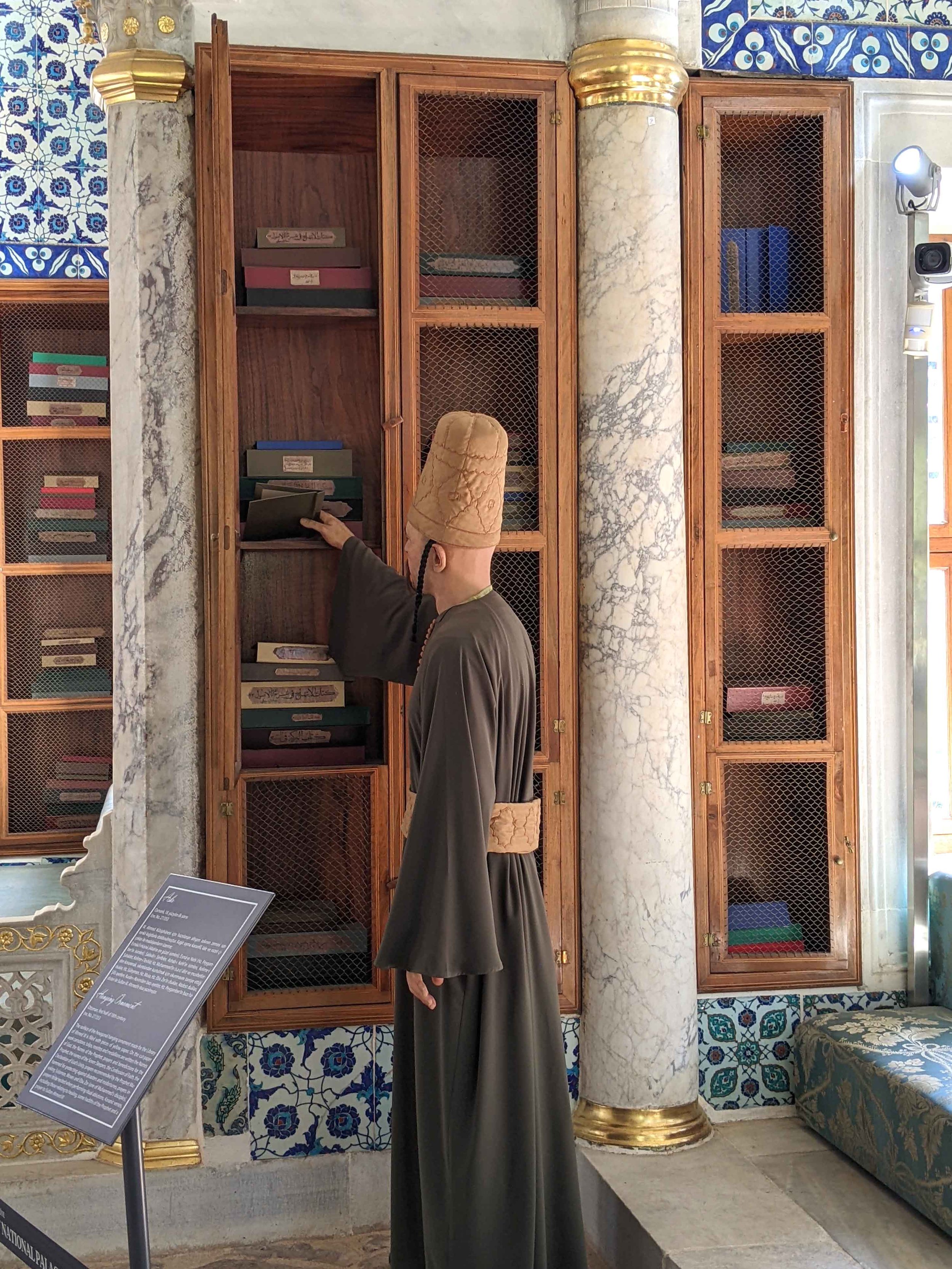
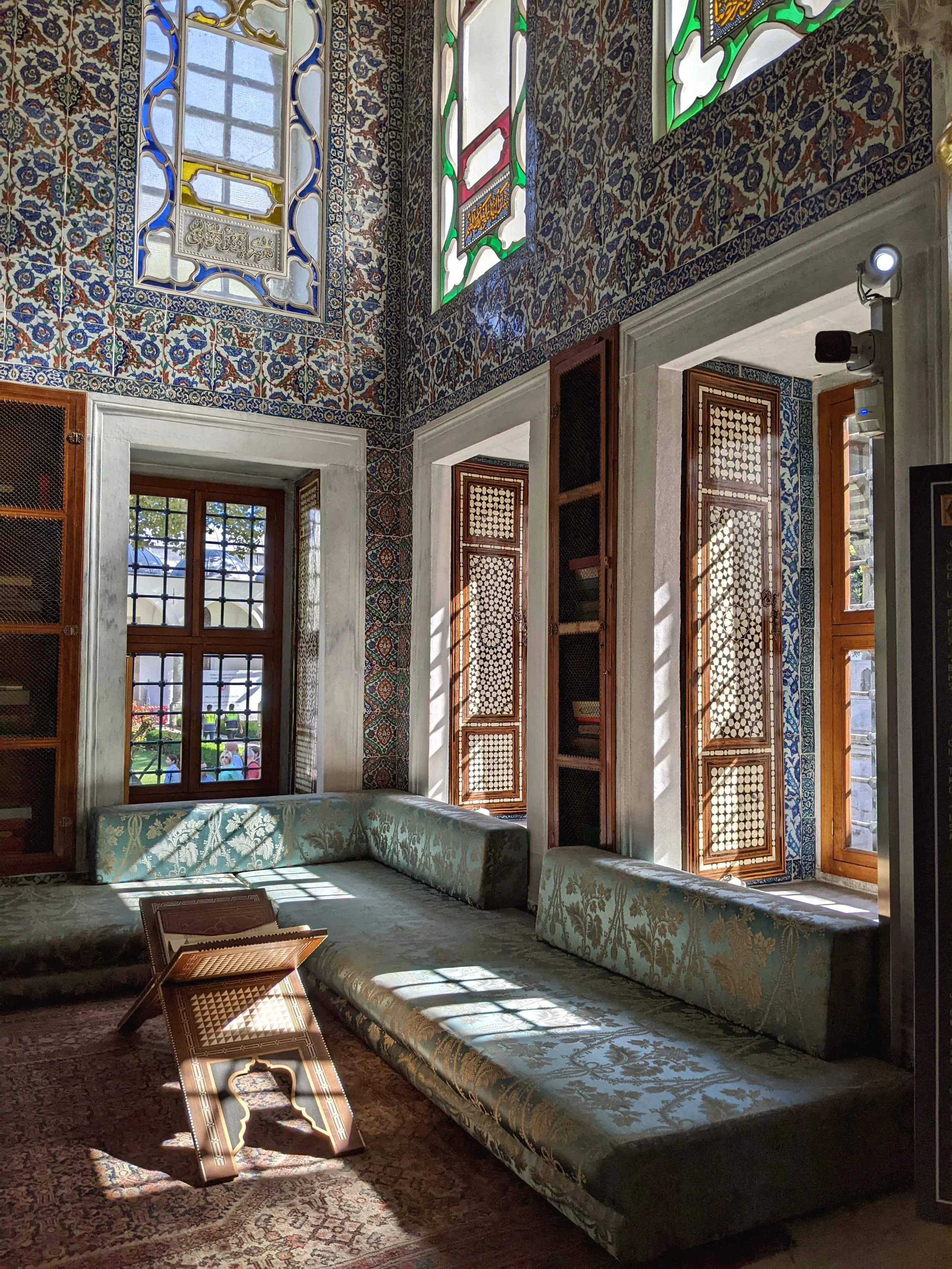
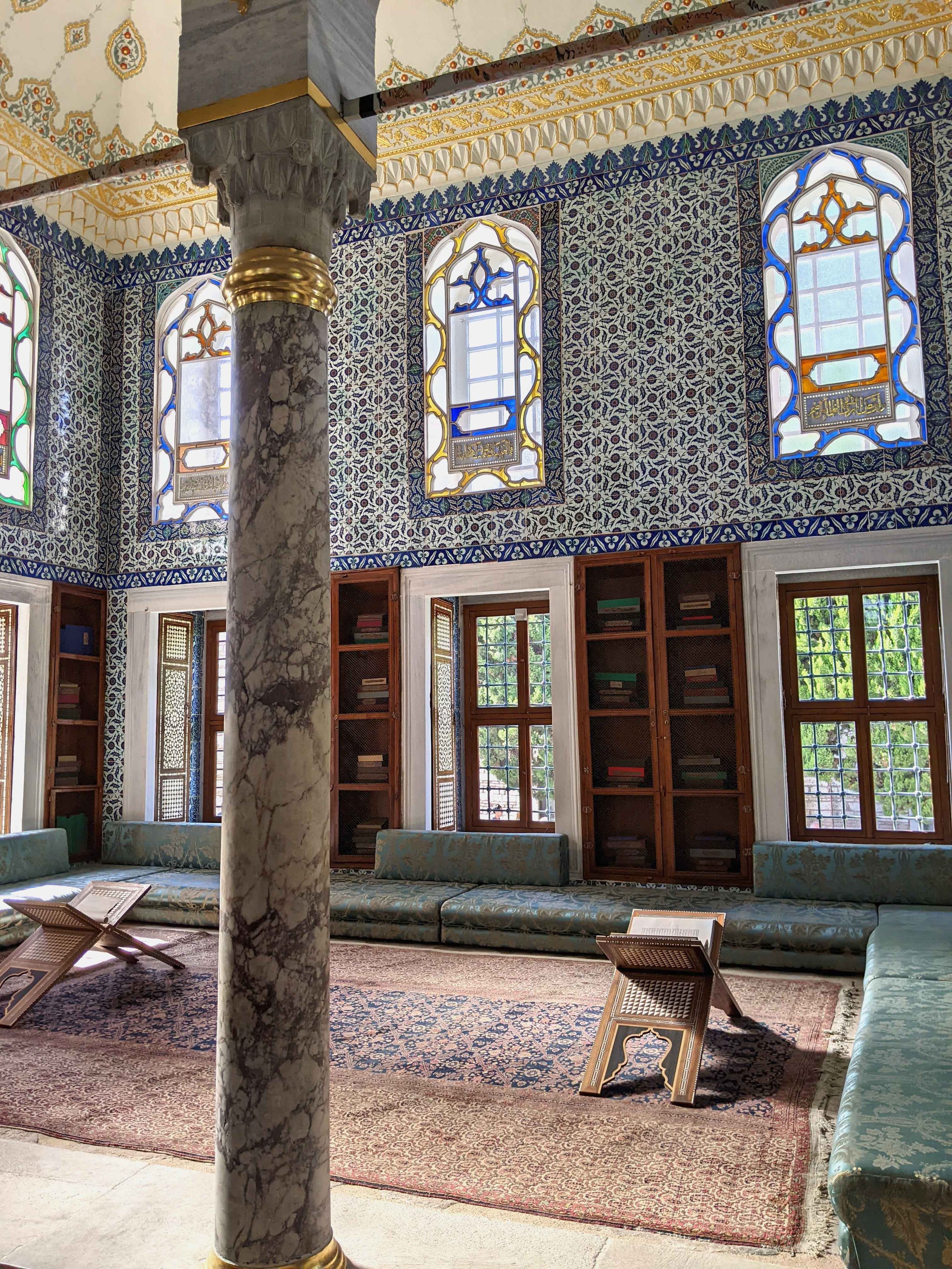
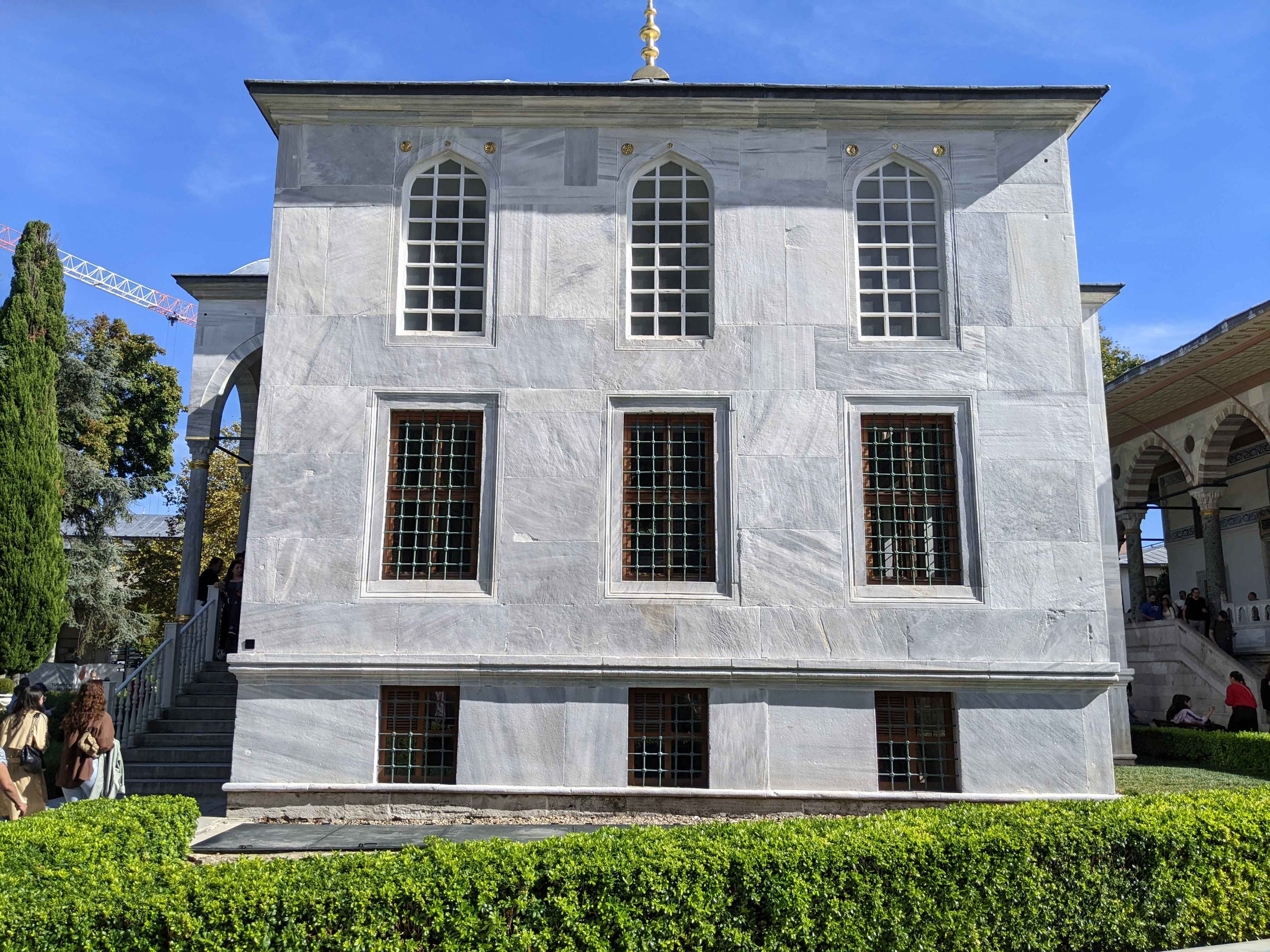
What wouldn’t I give for a library like this! The interior of this building is breathtaking, and the location is serene. Imagine sipping a coffee on a diwan googling away to one heart’s content, without a worry in the world.

The library was built by Sultan Ahmed III in the 18th century and stored archival records and books. The learned men of the times dedicated their works to the sultans, and this was supplemented by, literary works acquired during various conquest.

In the present day, this collection presents an indispensable source of information for historians and perhaps provides the only extant official records of the Ottoman dynasty.
c3.jpg
c4.jpg
c1.jpg
c2.jpg
c5.jpg
c6.jpg

THE PALACE AND THE HAREM

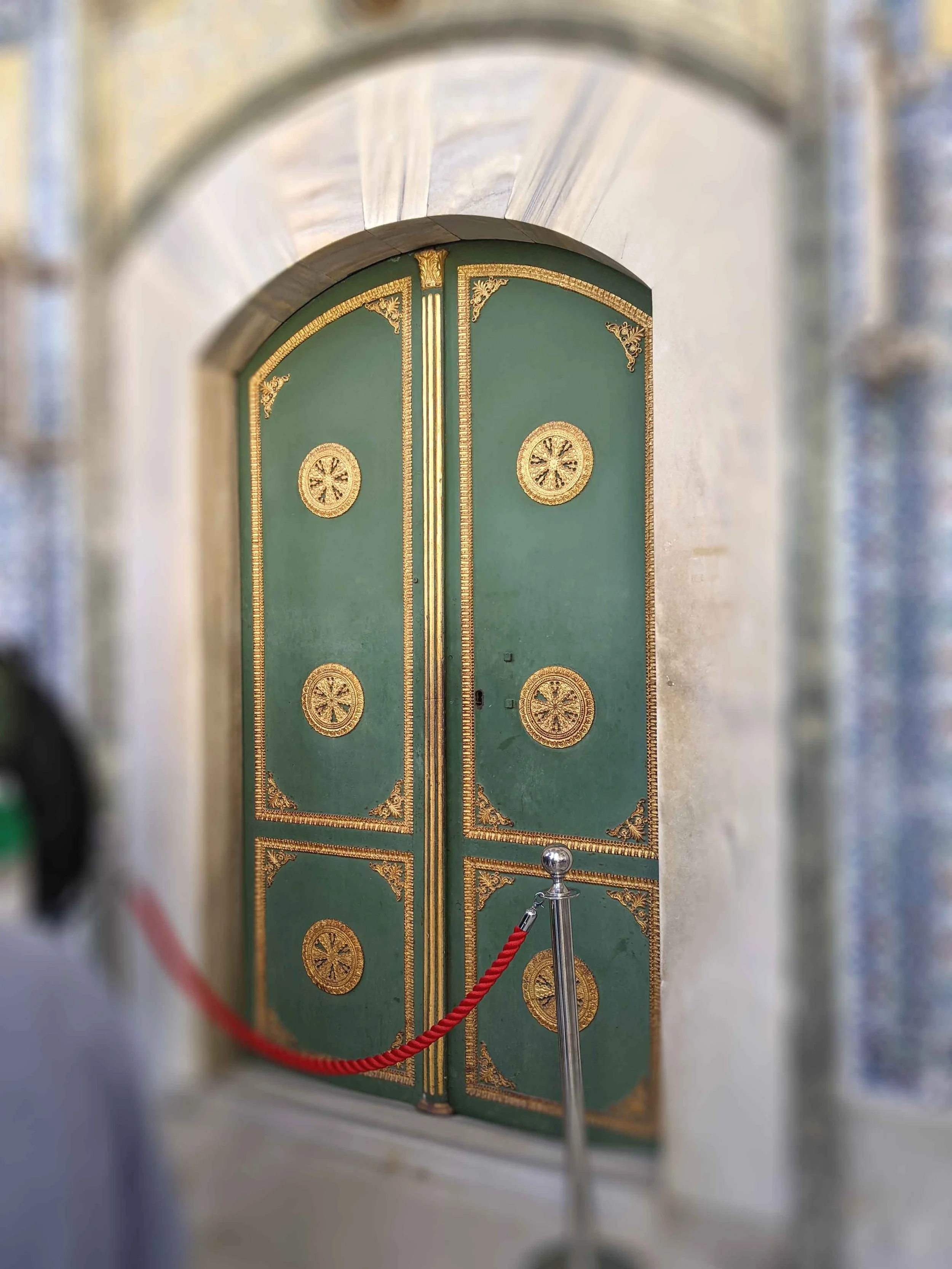
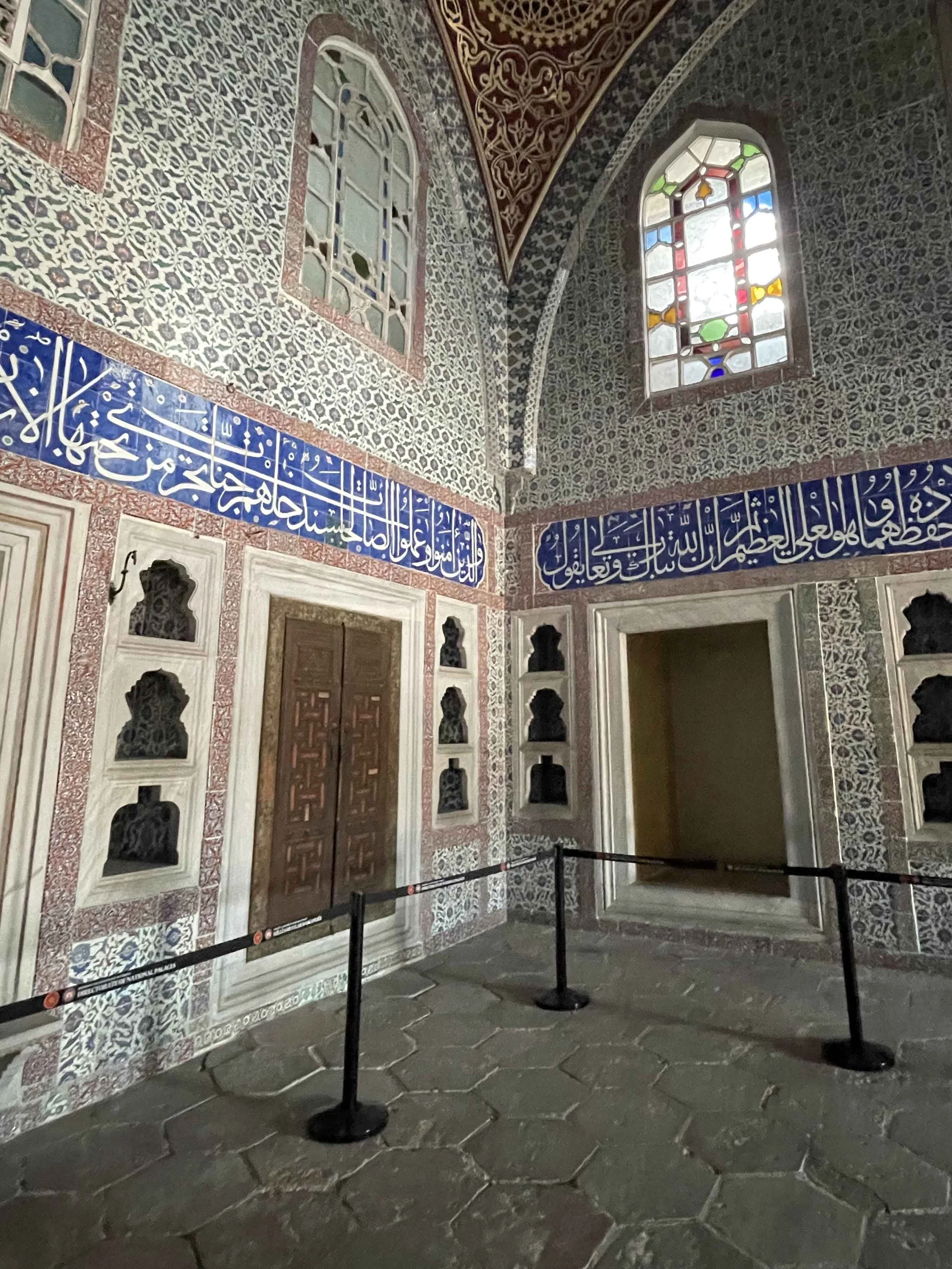
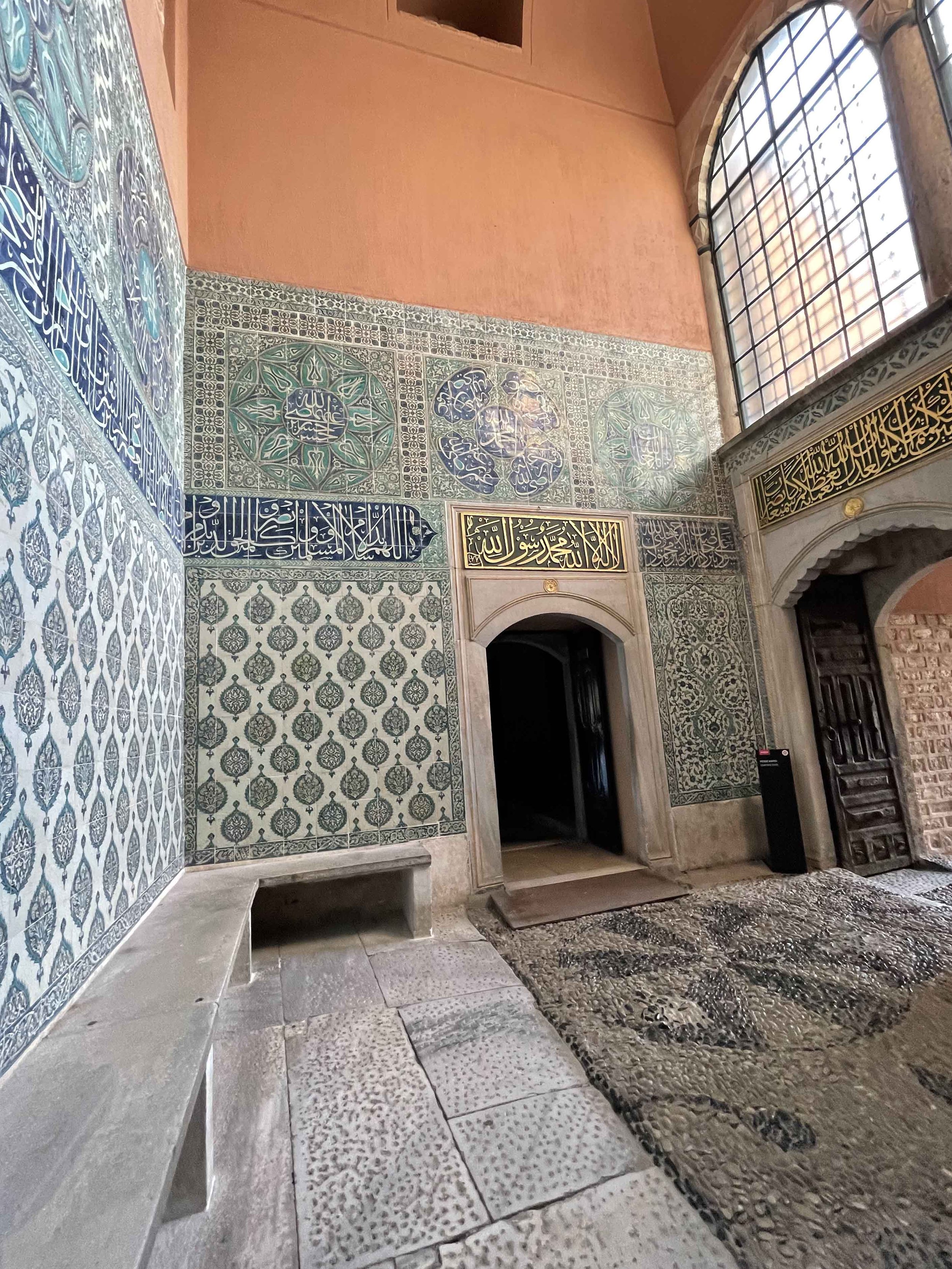
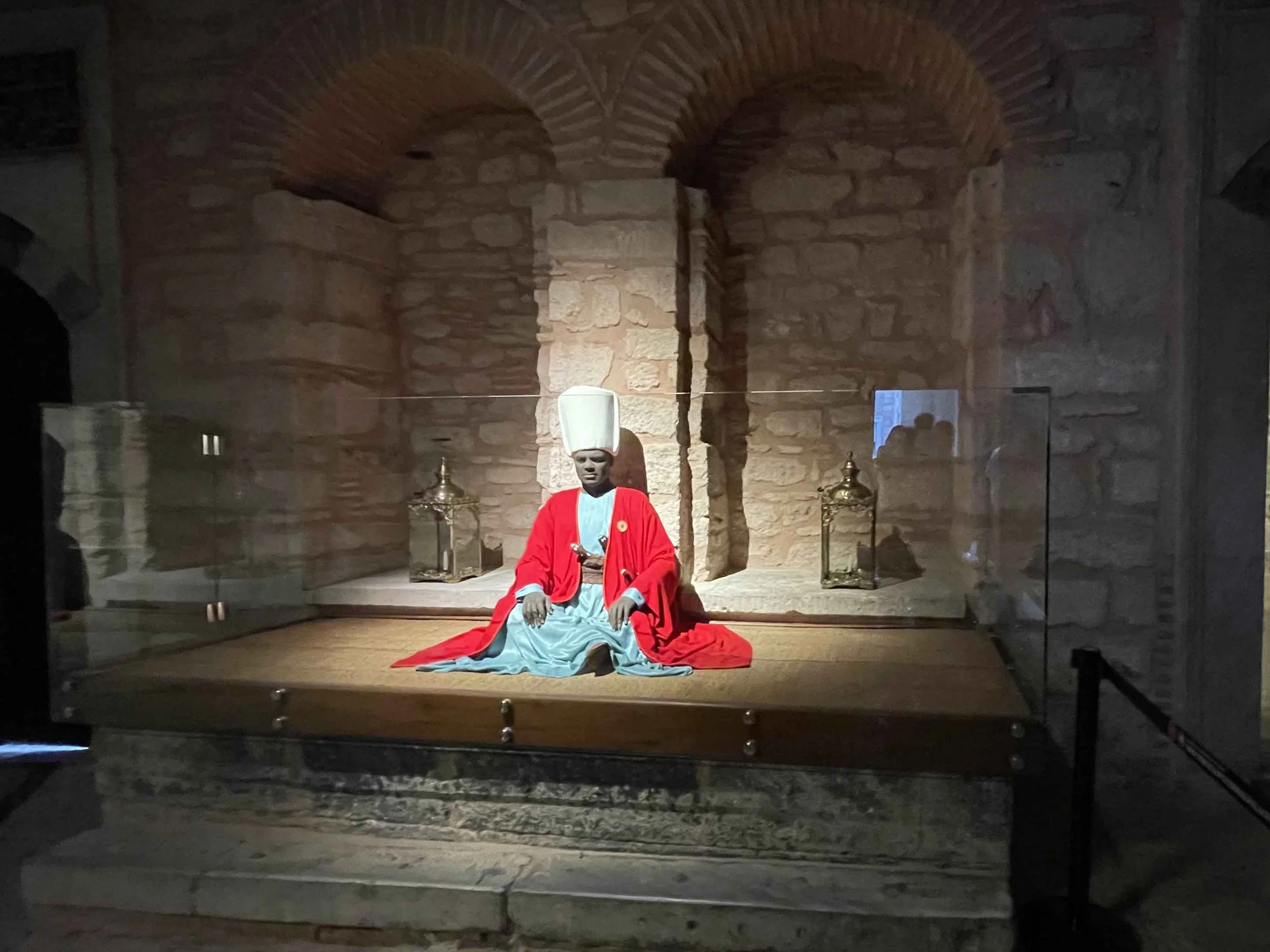
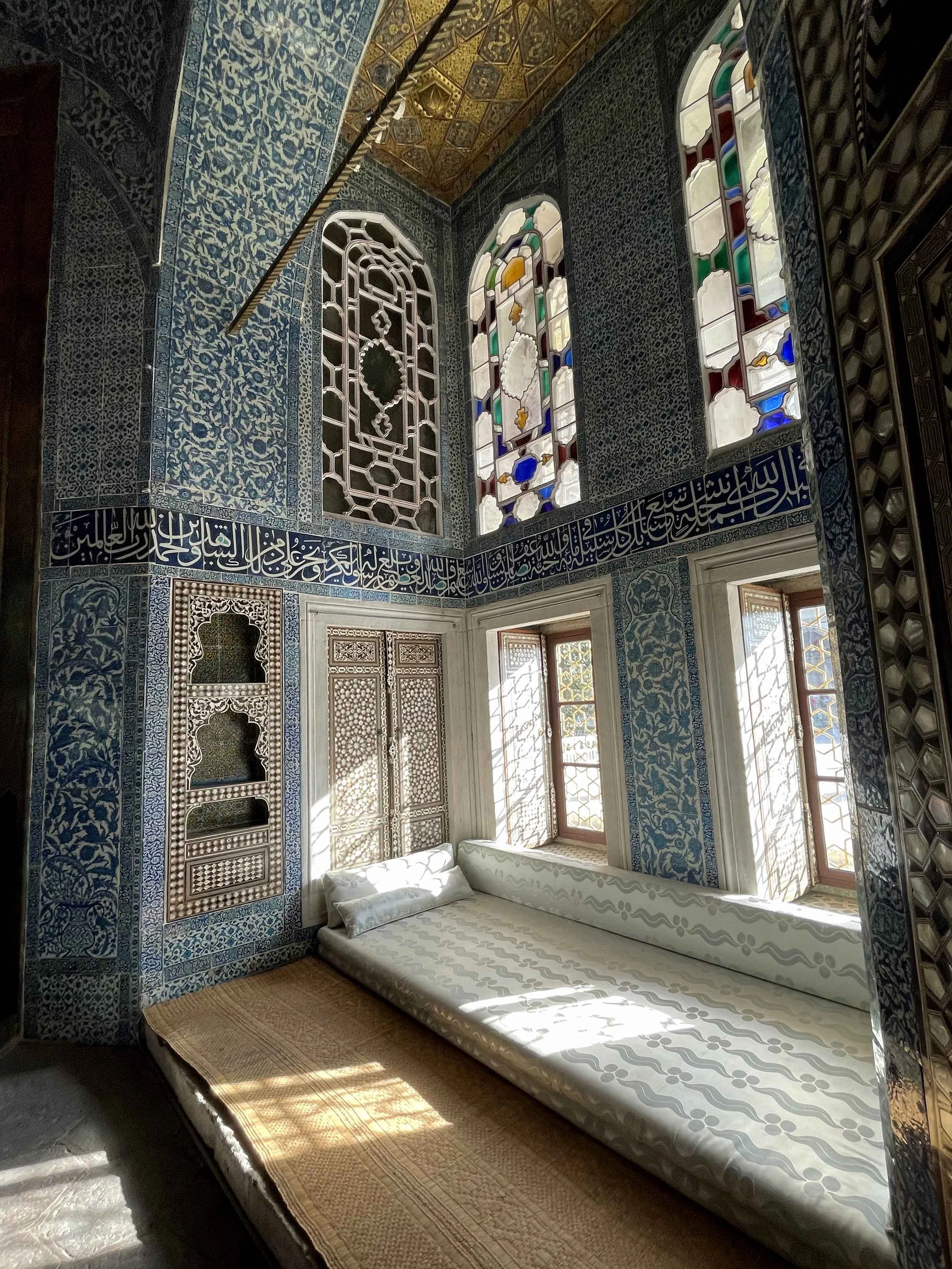
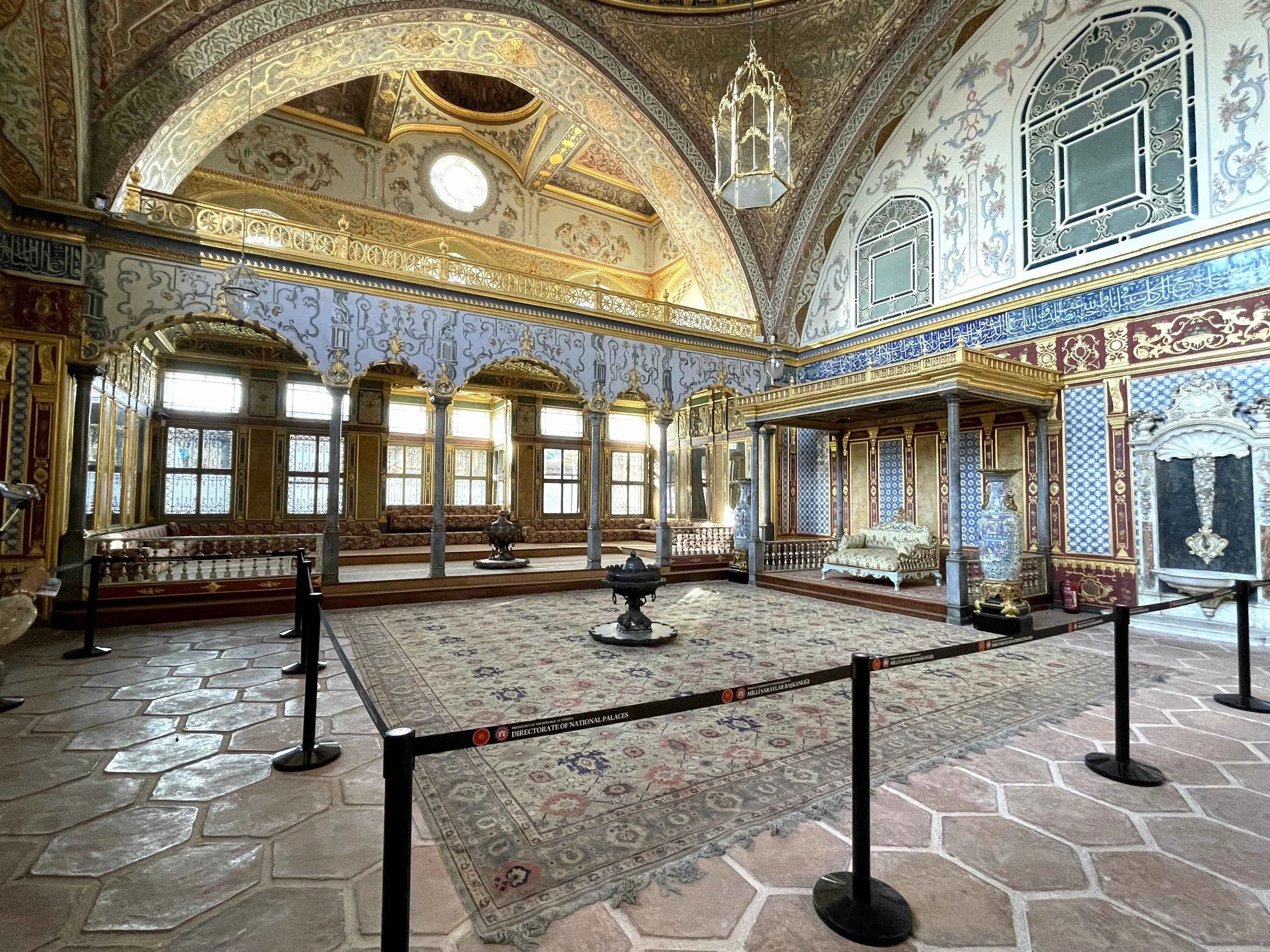
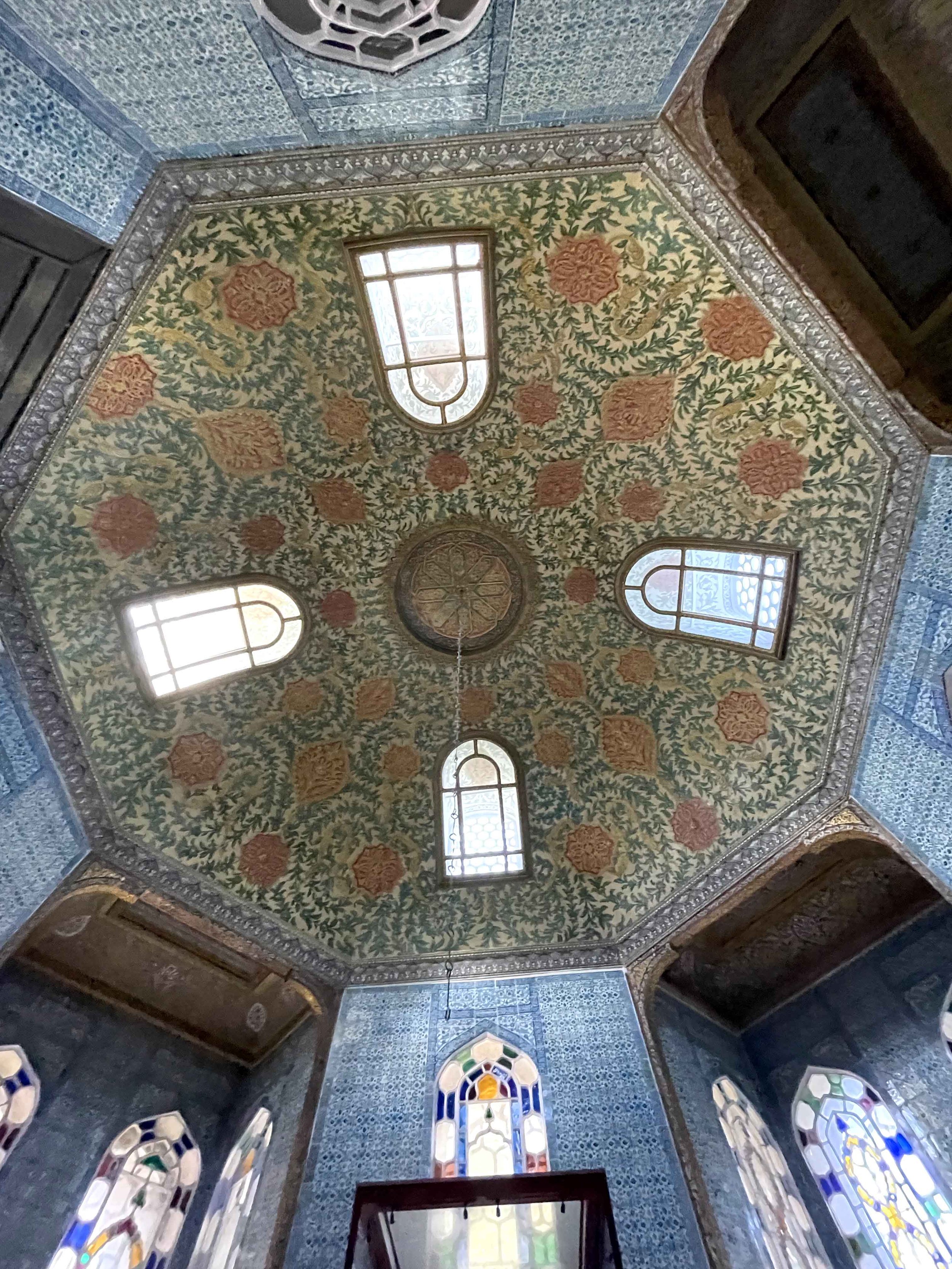
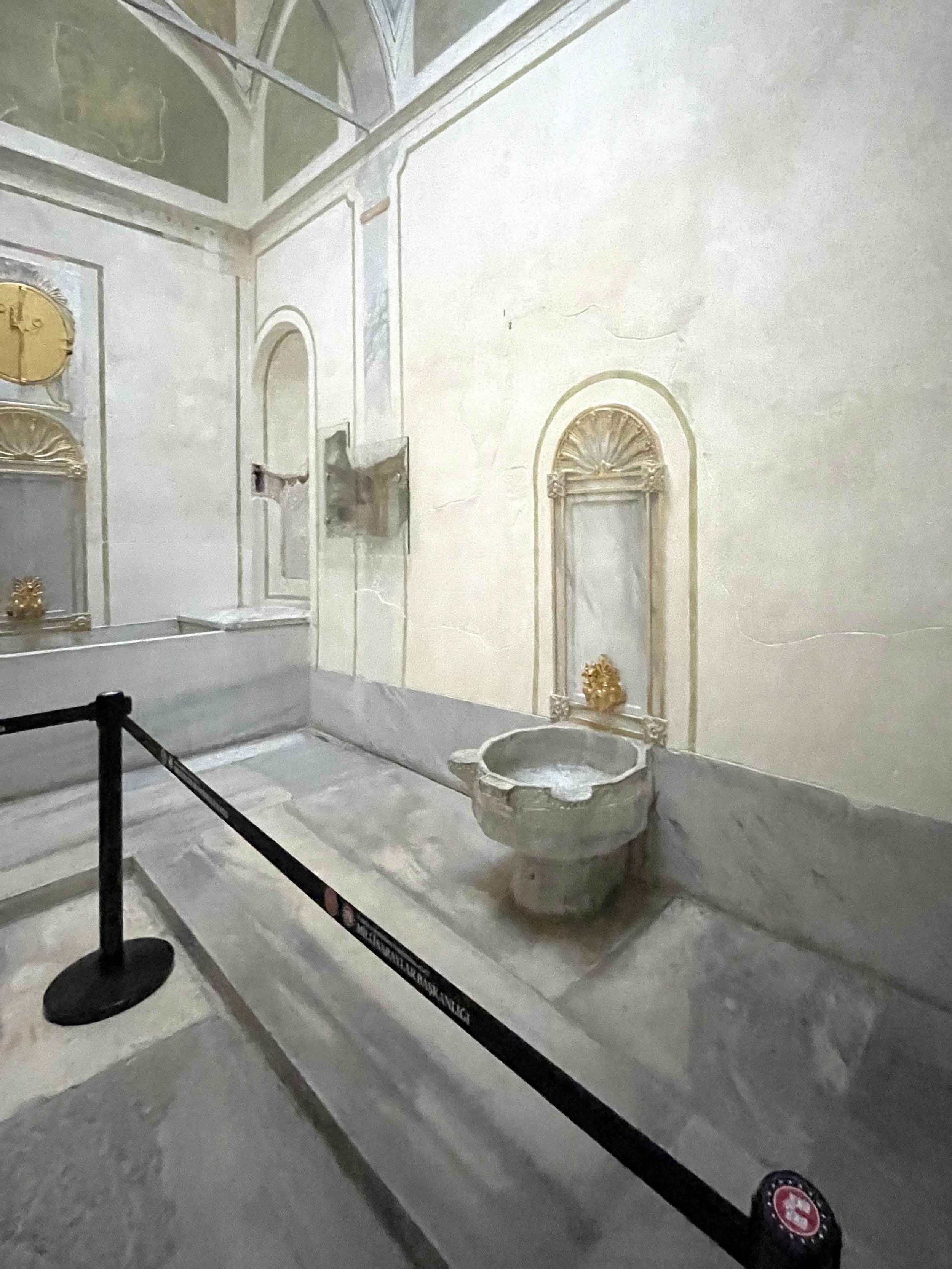
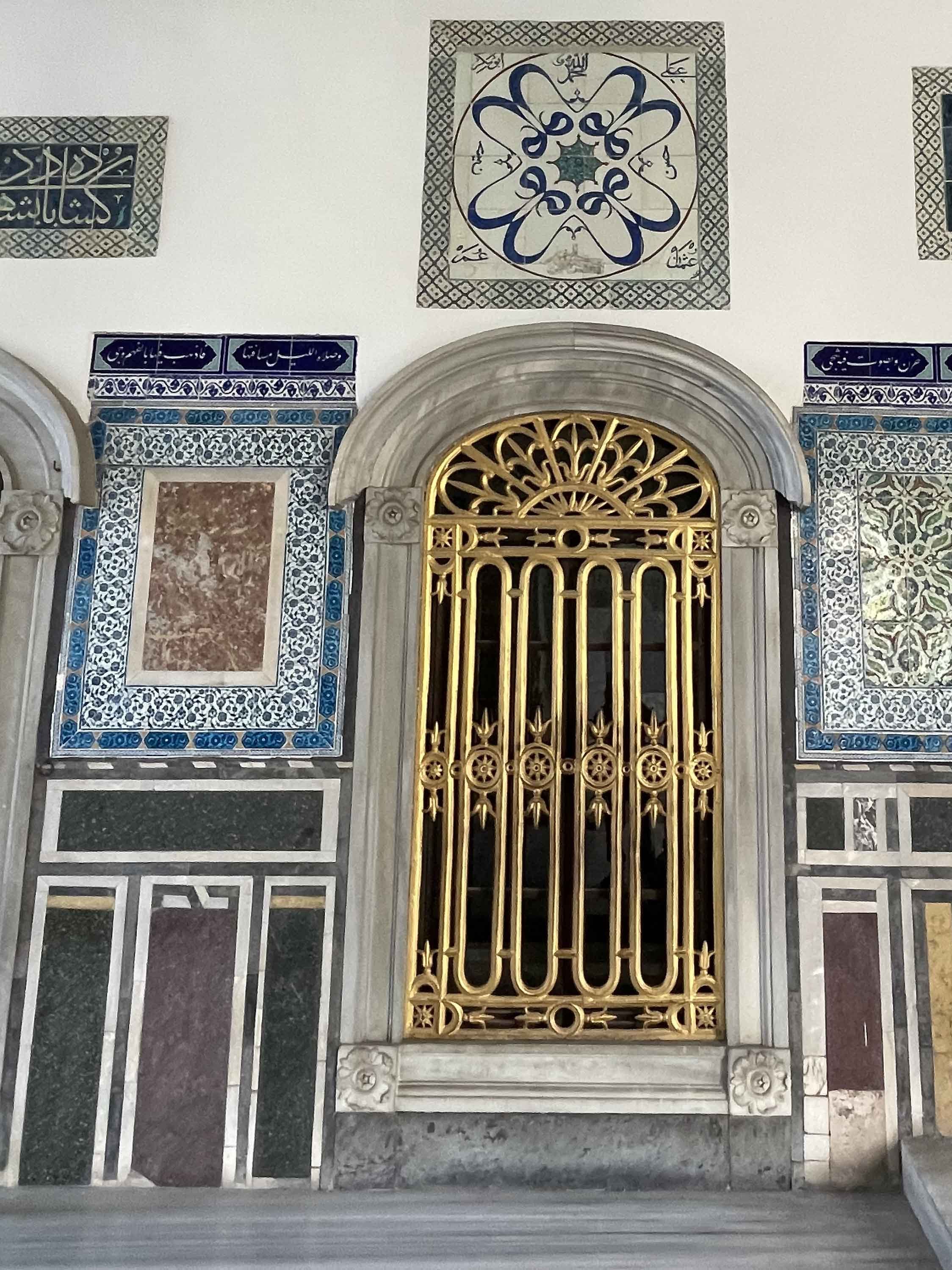
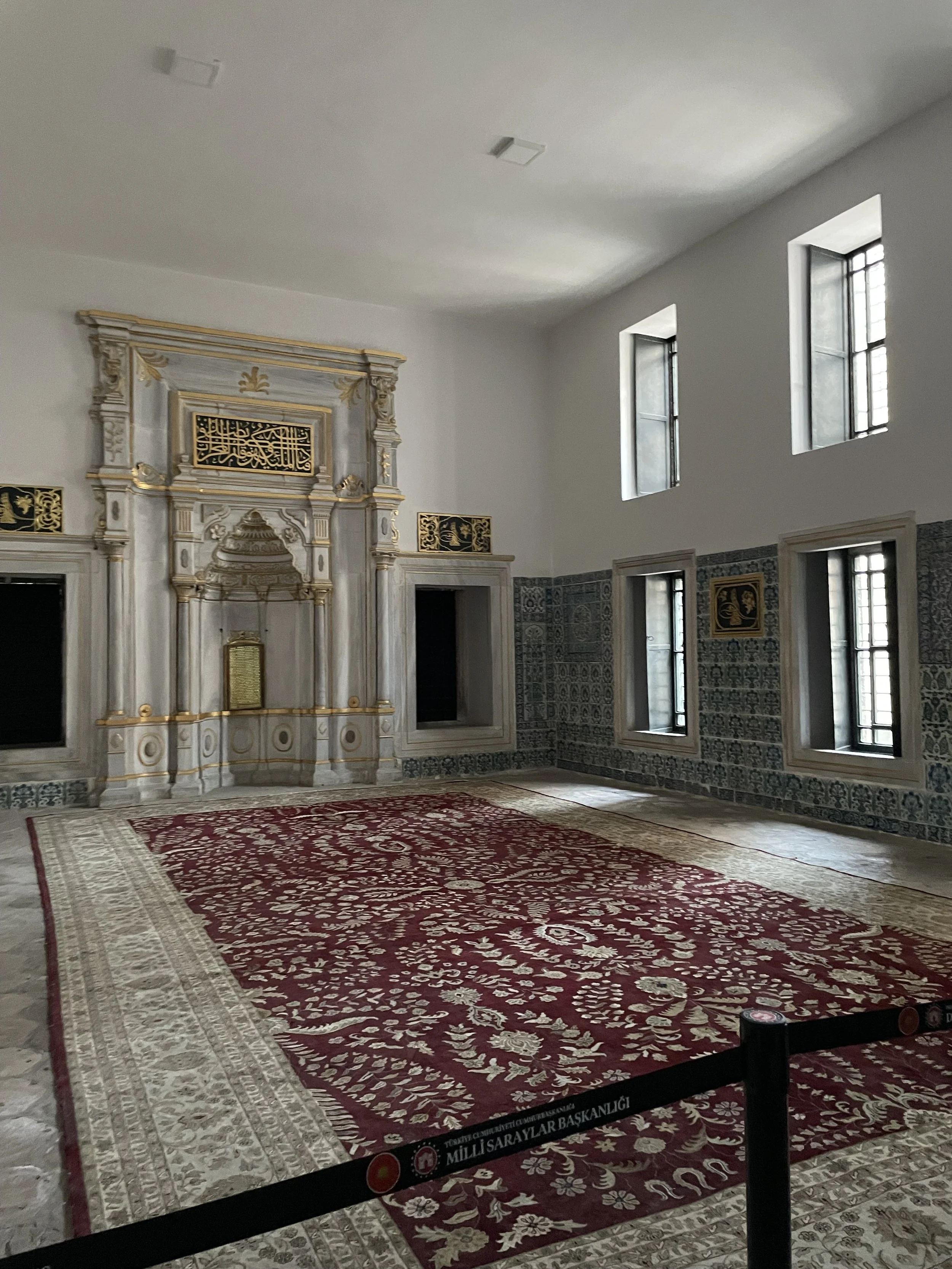
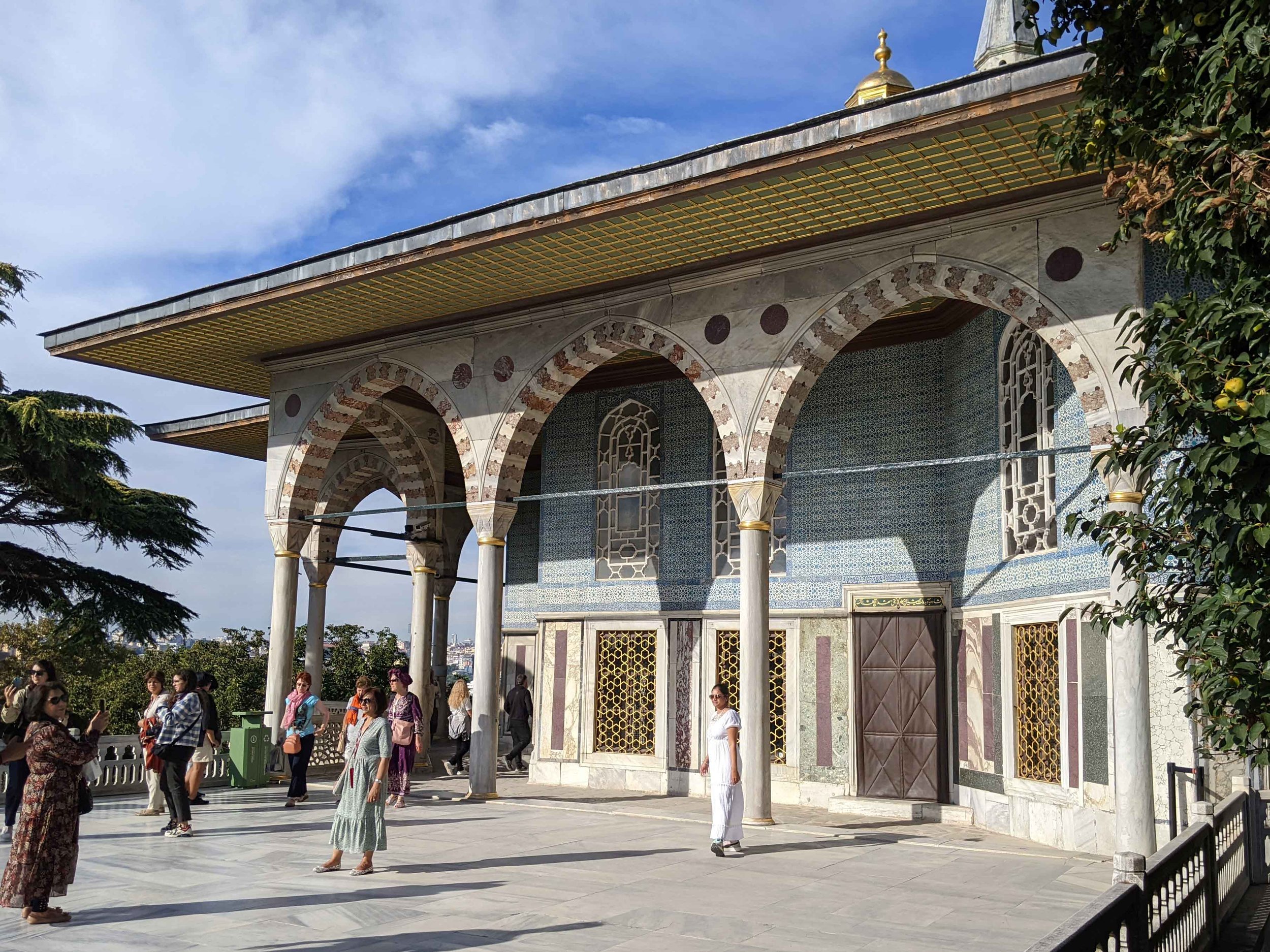
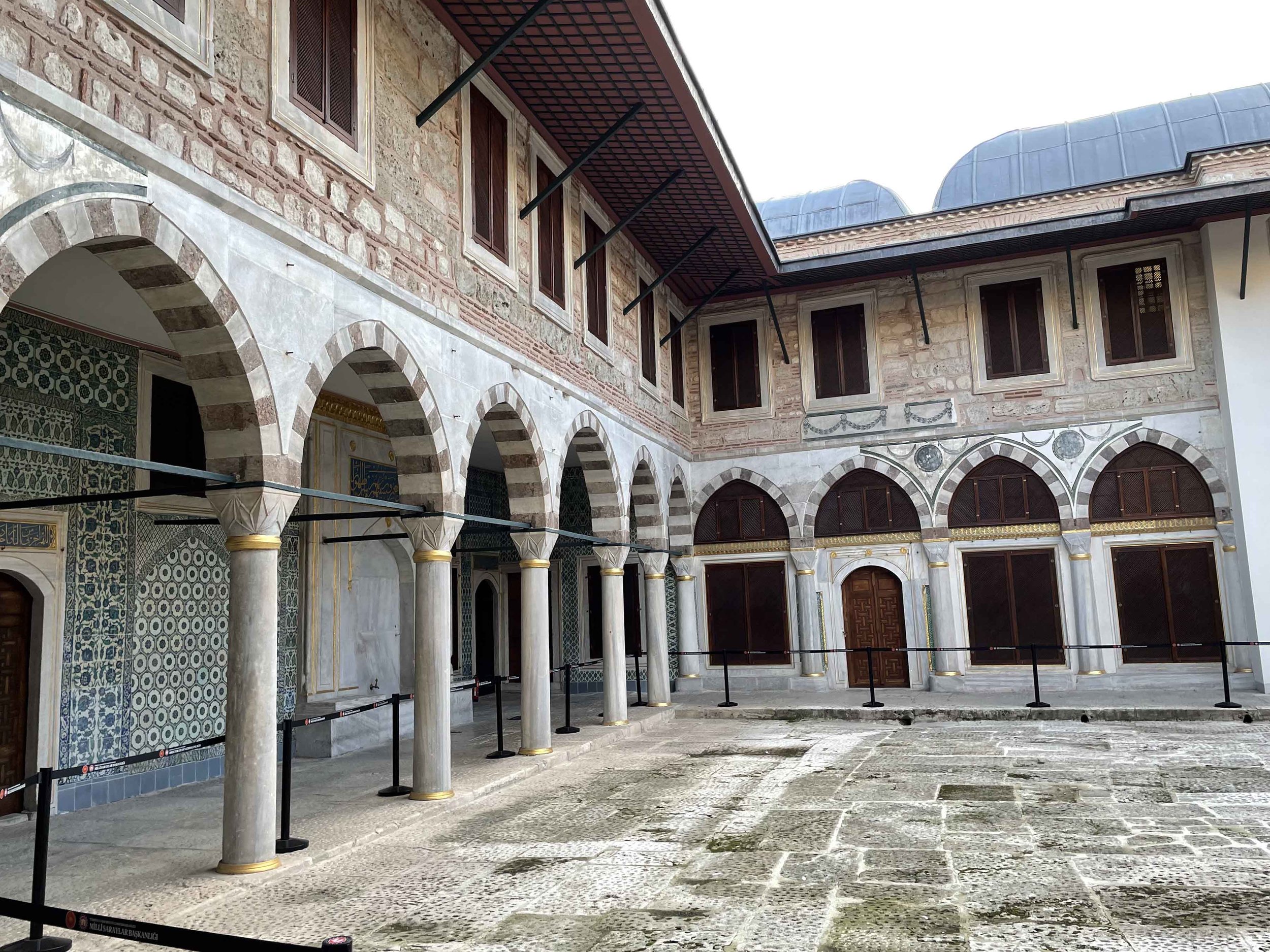
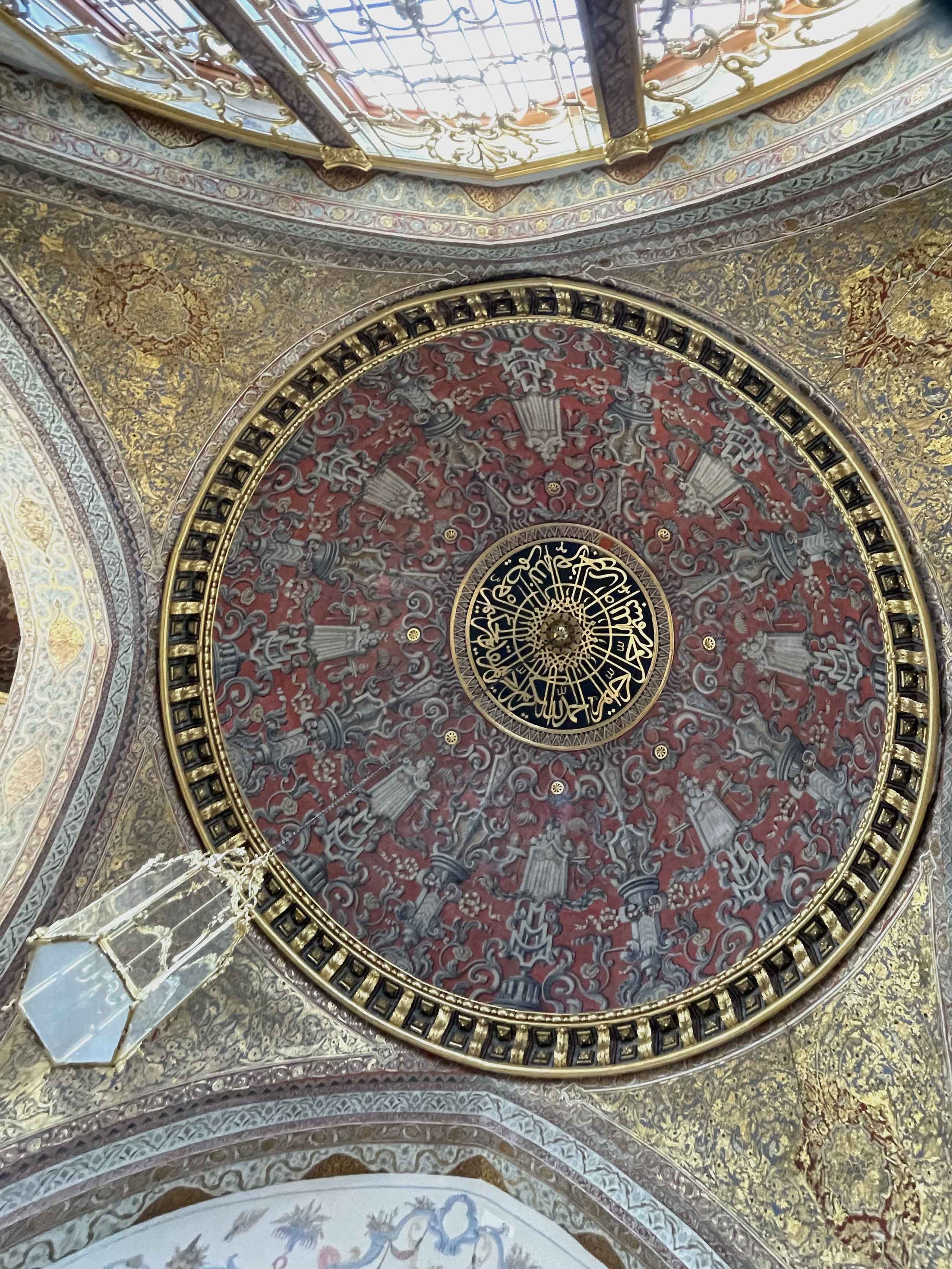
Although in modern times the word ‘harem’ conjures up images of thinly clad women and romance. ‘Harem’ is an Arabic word that literally means “a sacred, inviolable space” The harem were the private dwellings of the sultans and their families. It consisted of hundreds of magnificently tiled rooms connected with courtyards and fountain gardens. It was home to over a thousand harem women, children, and black eunuchs. The eunuch were usually castrated slaves which were trained to serve the residents of the harem.

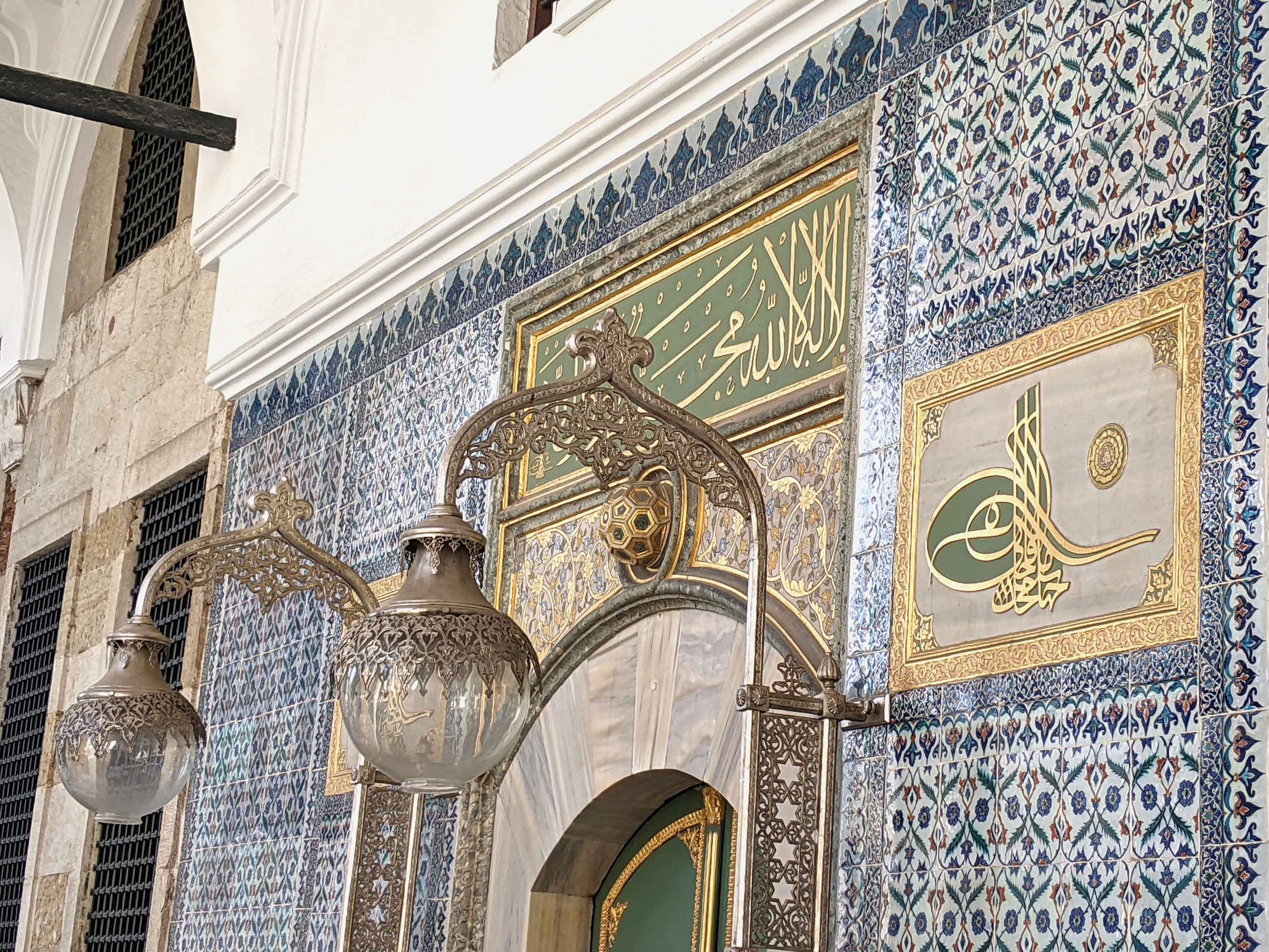
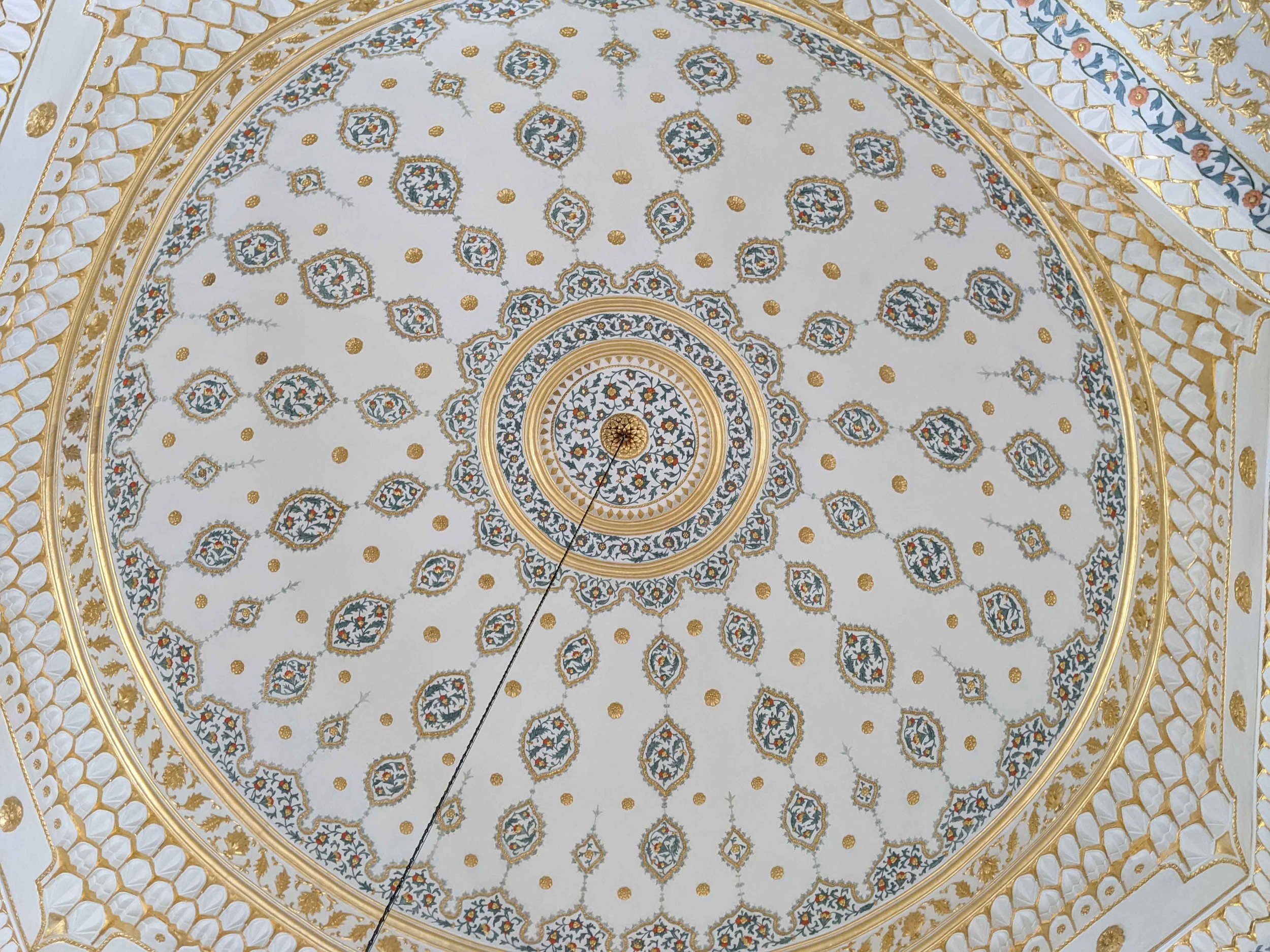
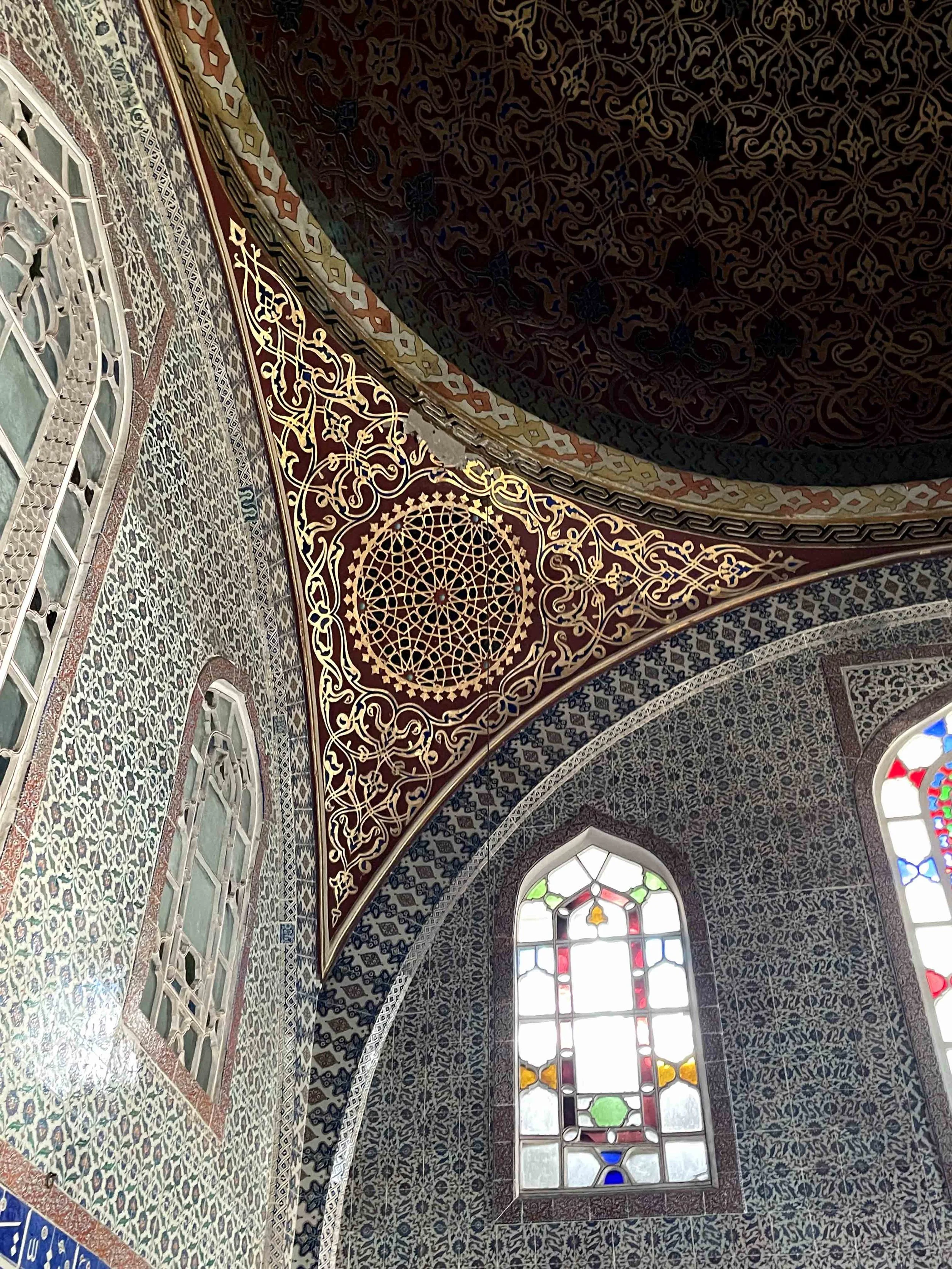
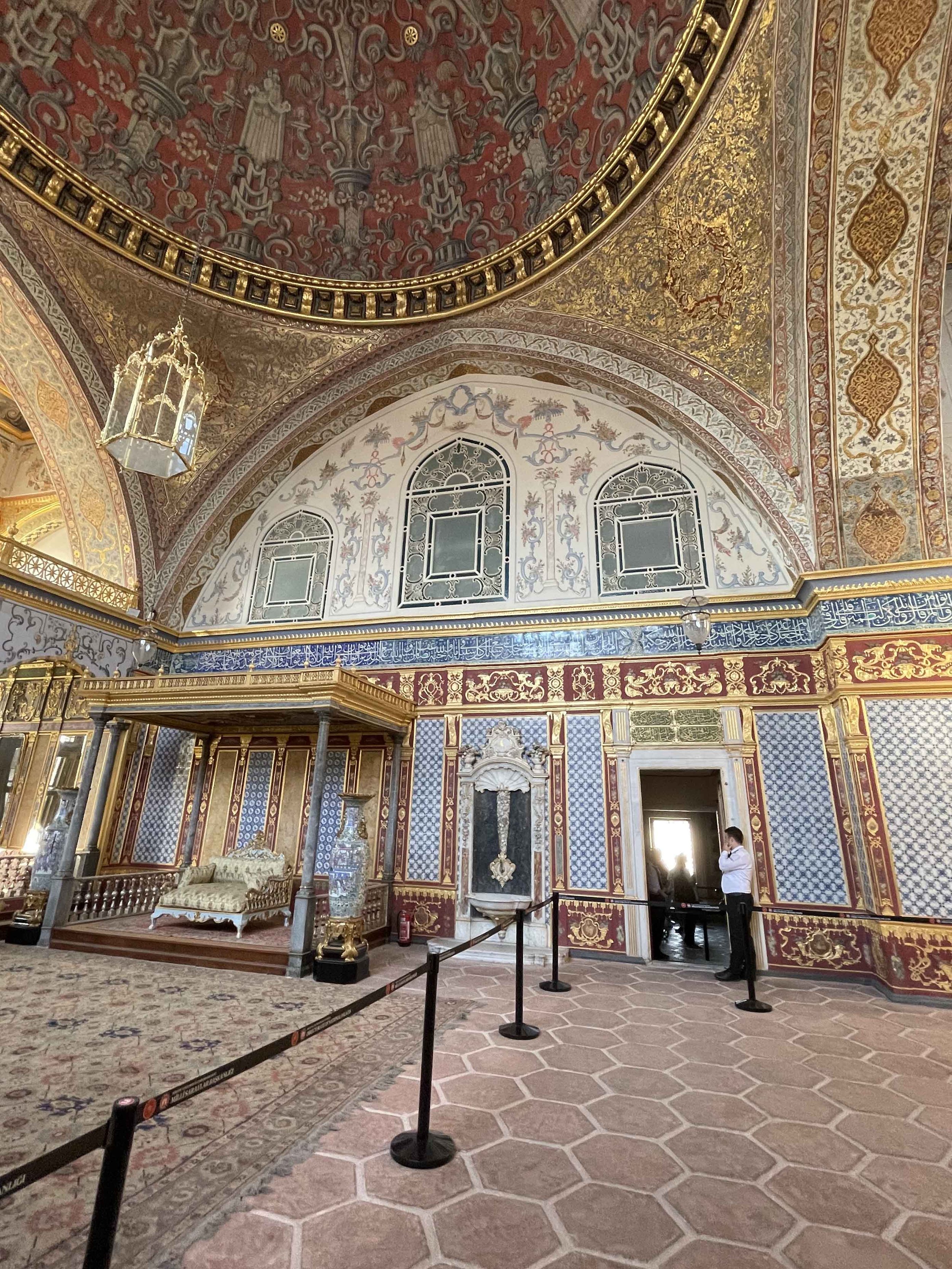
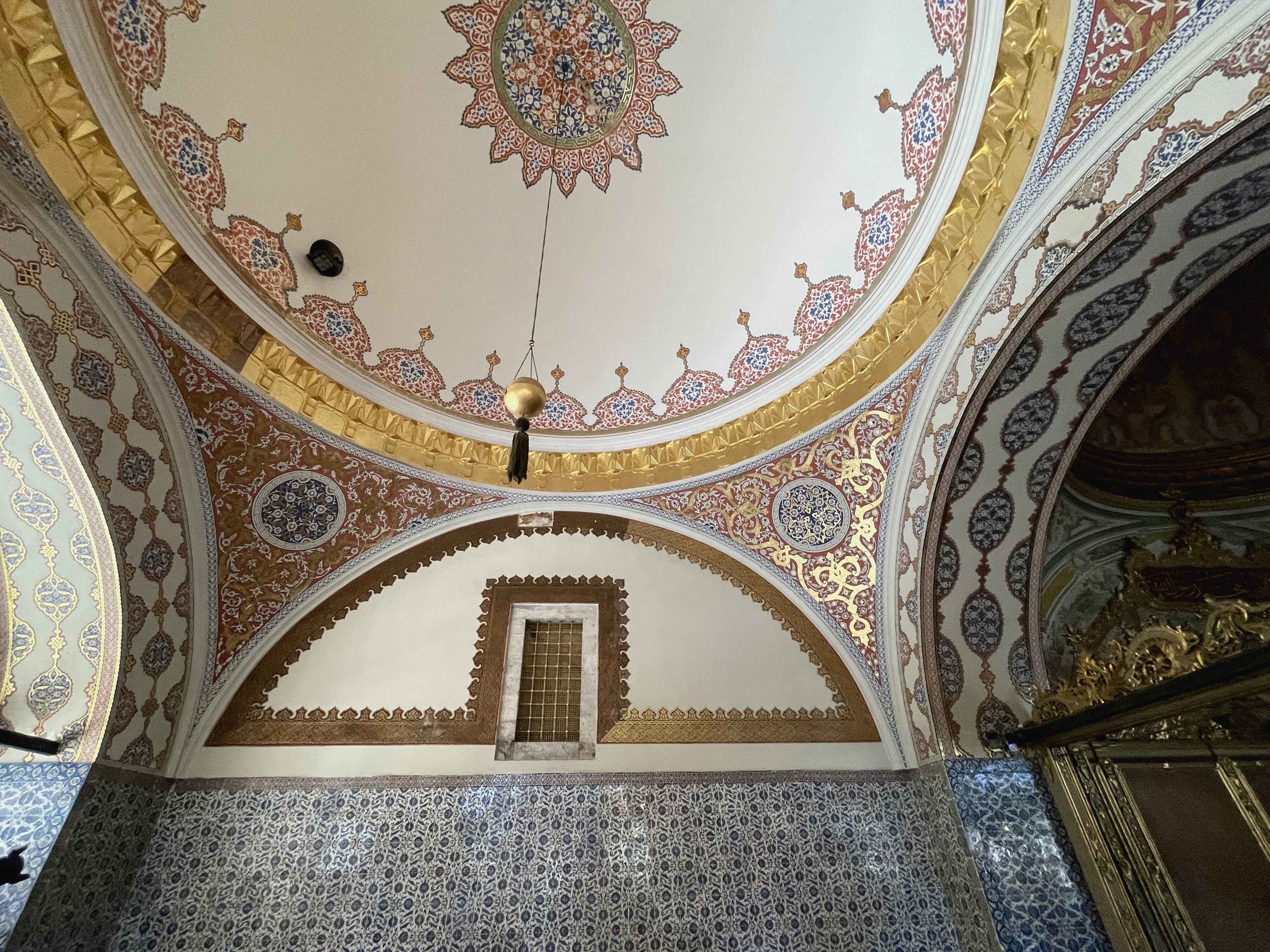
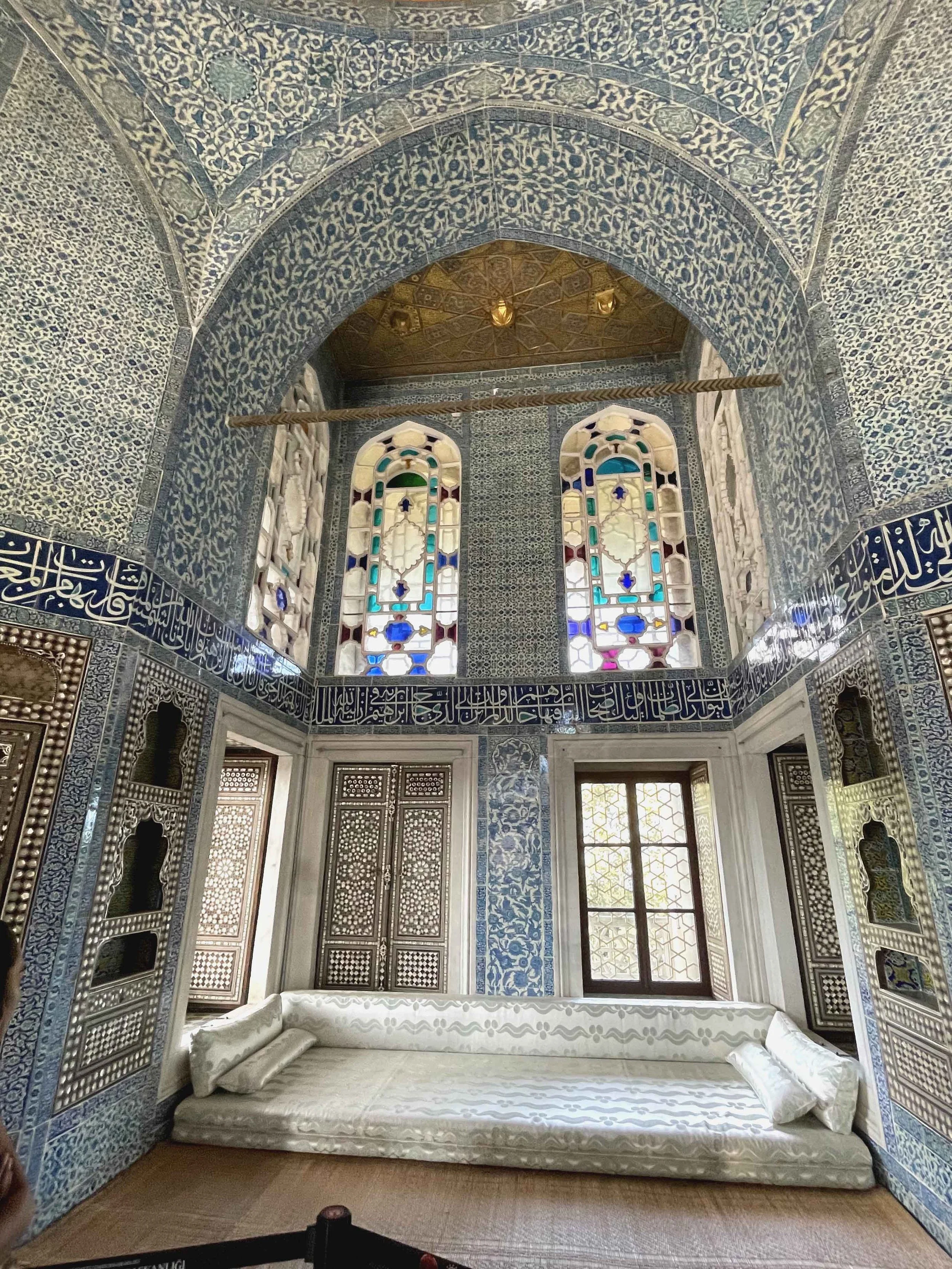
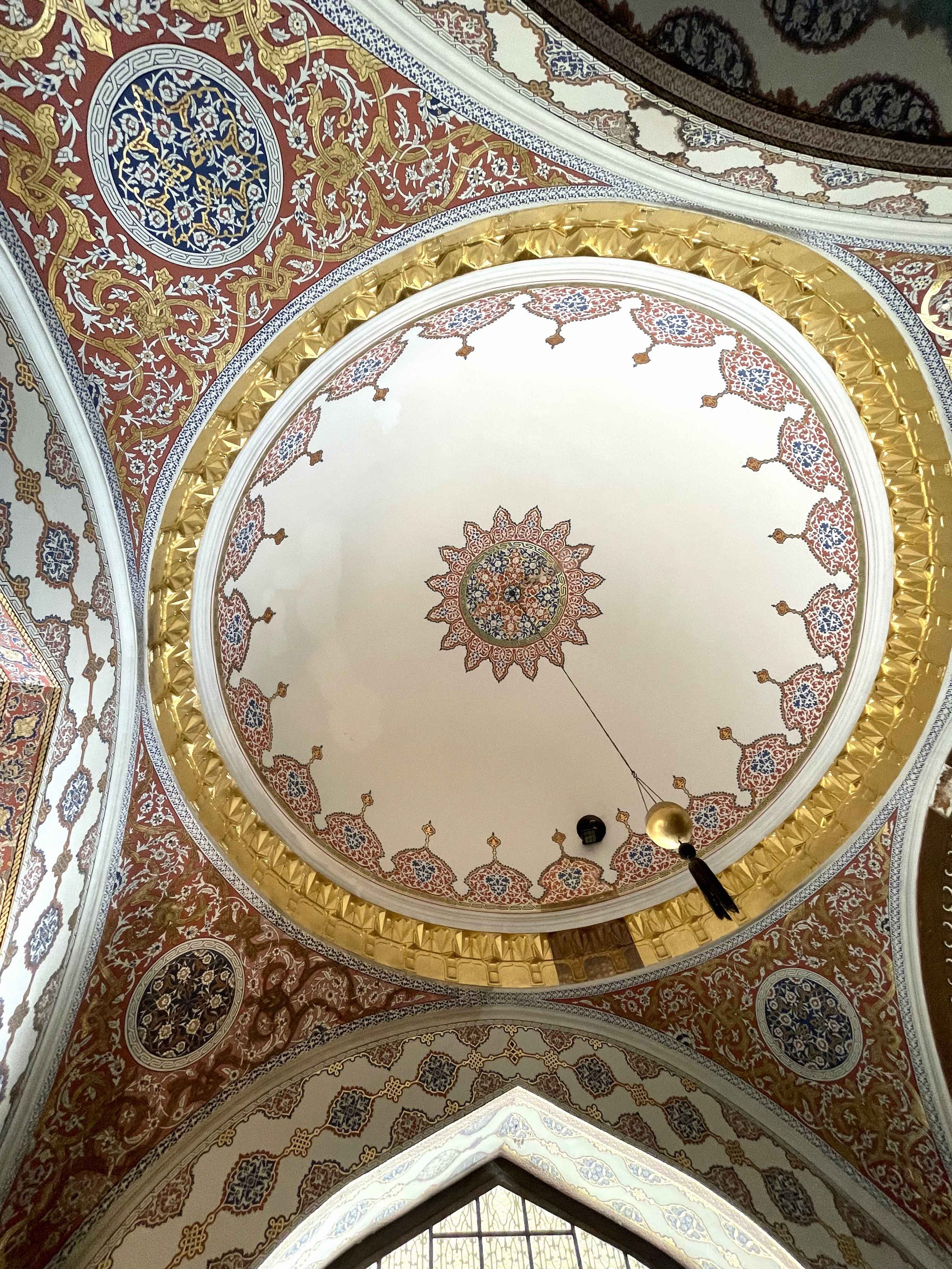
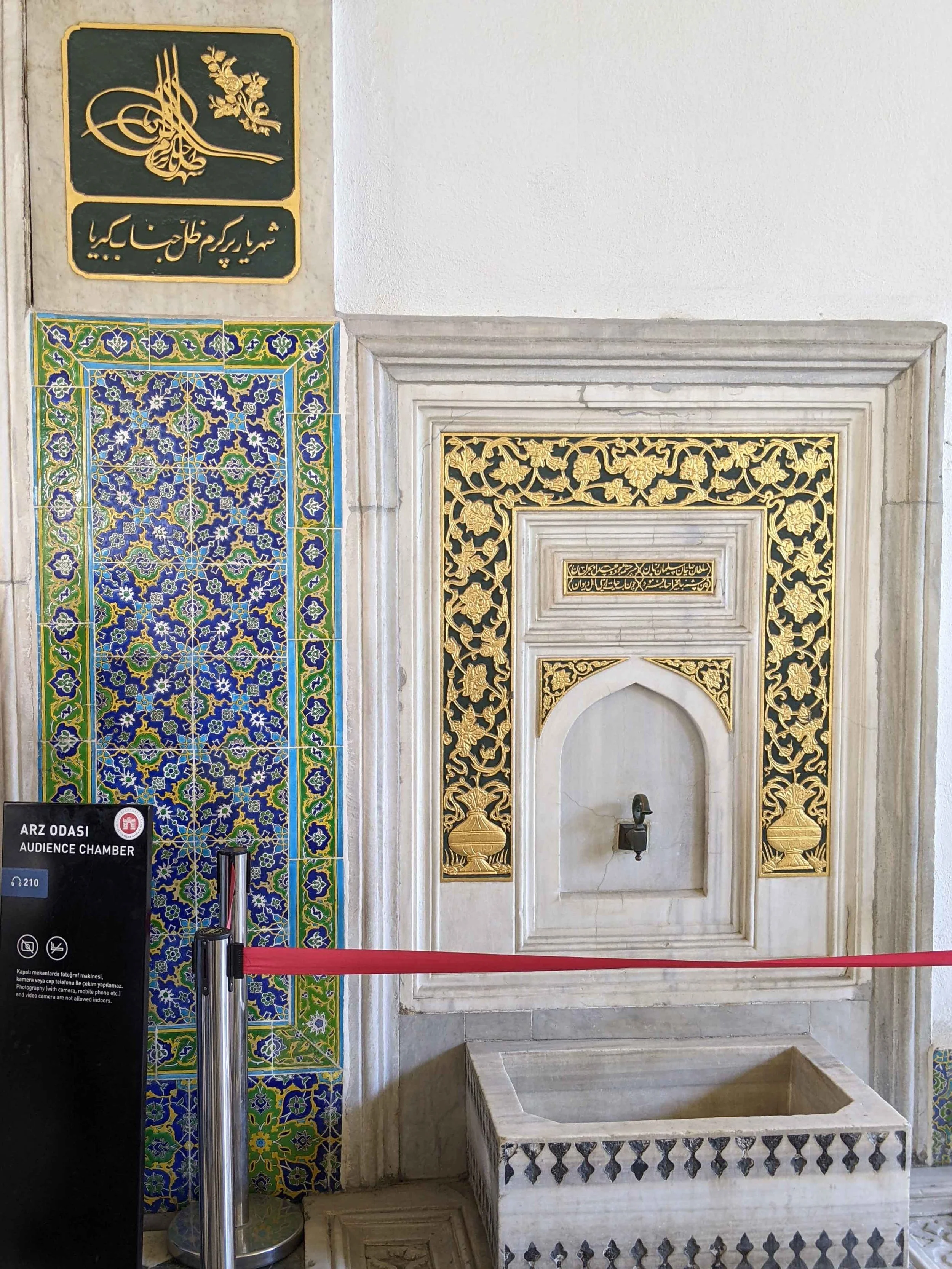
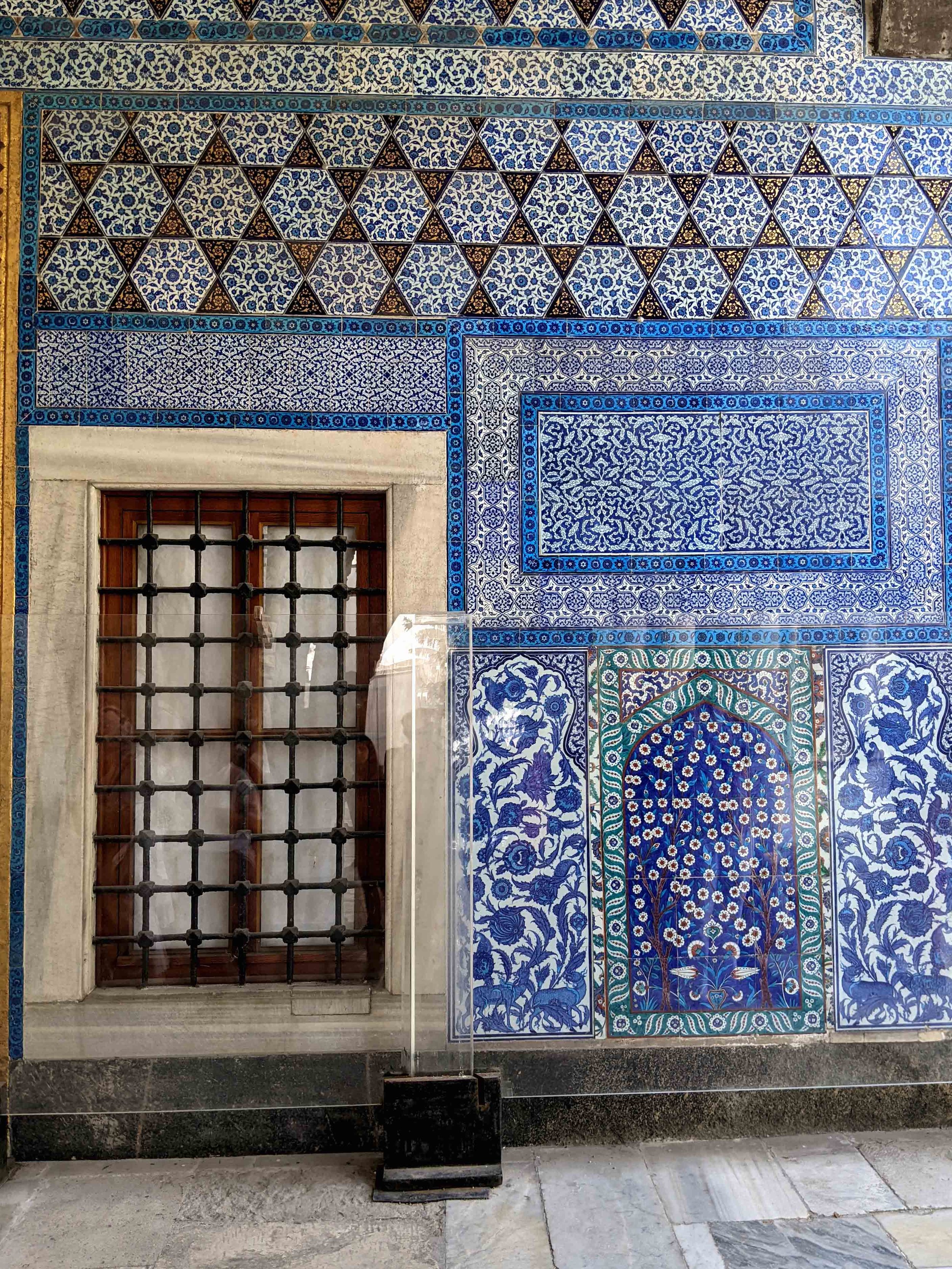
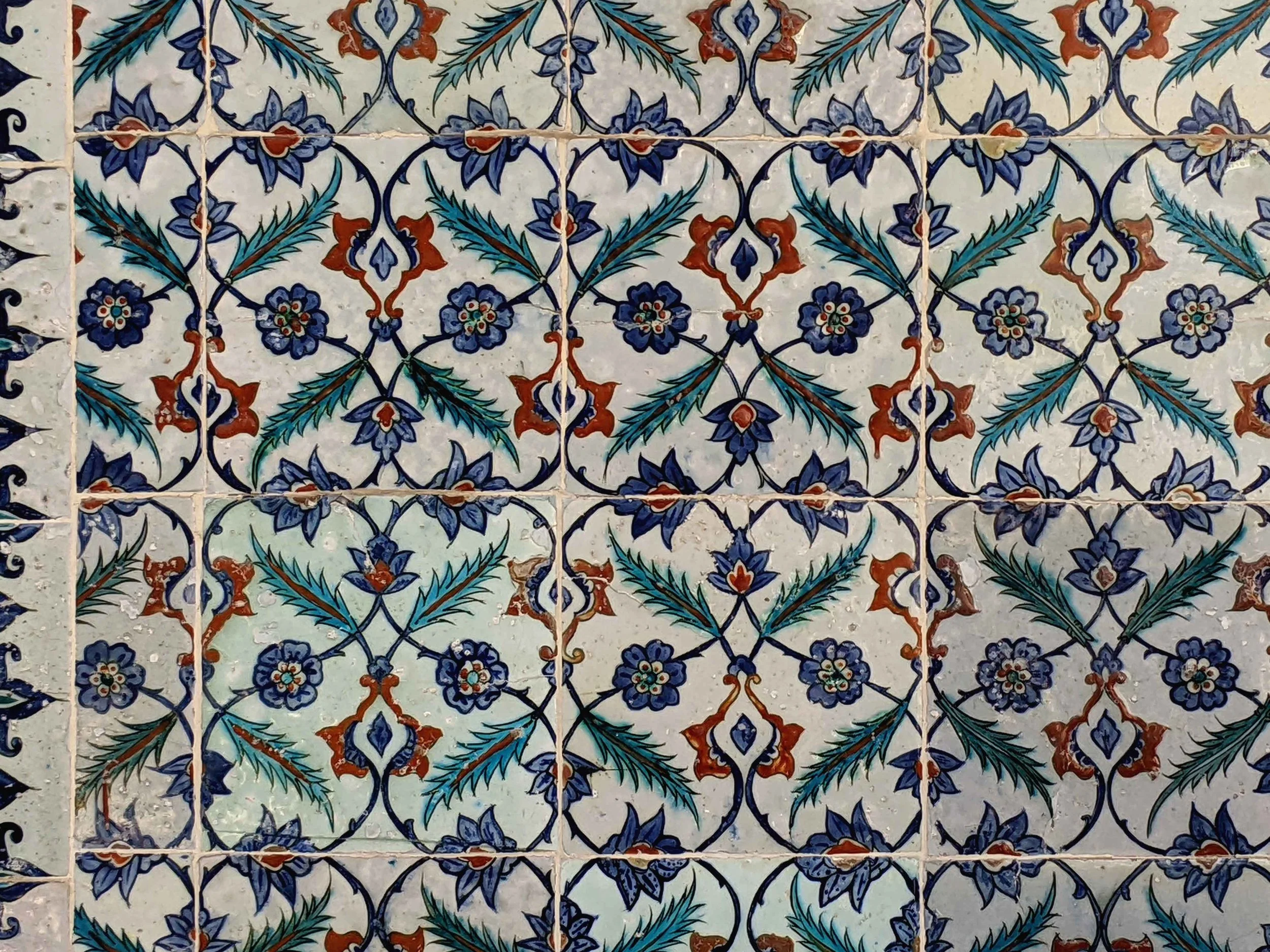
These rooms are simply spectacular and exhibit a mix of Turkish Iznik tiles and Western European paintwork and have intricate domed ceiling decor.
a22.jpg
a4.jpg
a2.jpg
a5.jpg
a6.jpg
a3.jpg
a7.jpg
a8.jpg
a12.jpg
a10.jpg
a9.jpg
a16.jpg
a13.jpg
a20.jpg
a15.jpg
a18.jpg
a17.jpg
a14.jpg
35.JPG
a1.jpg

COURTYARDS AND GARDENS

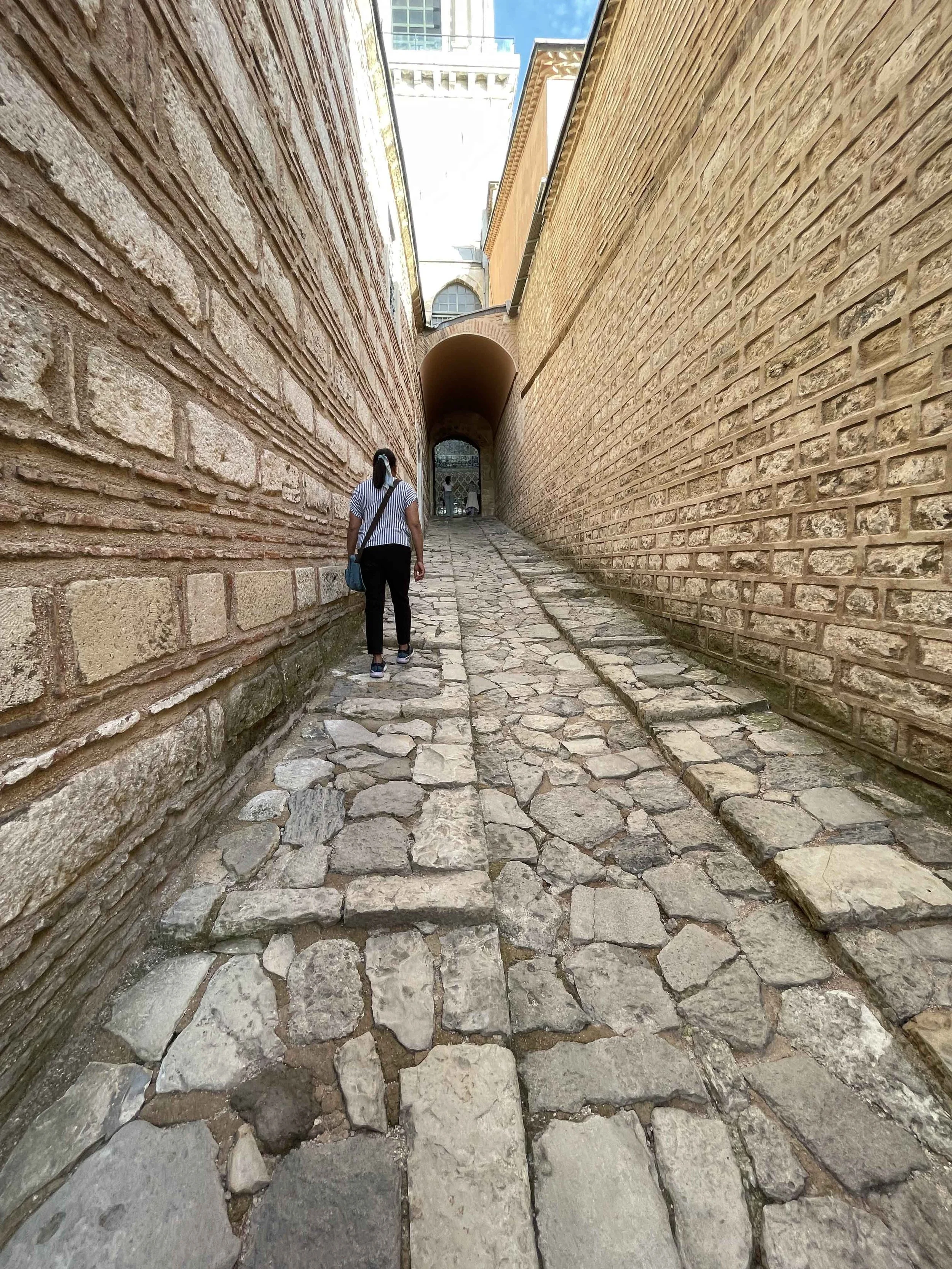
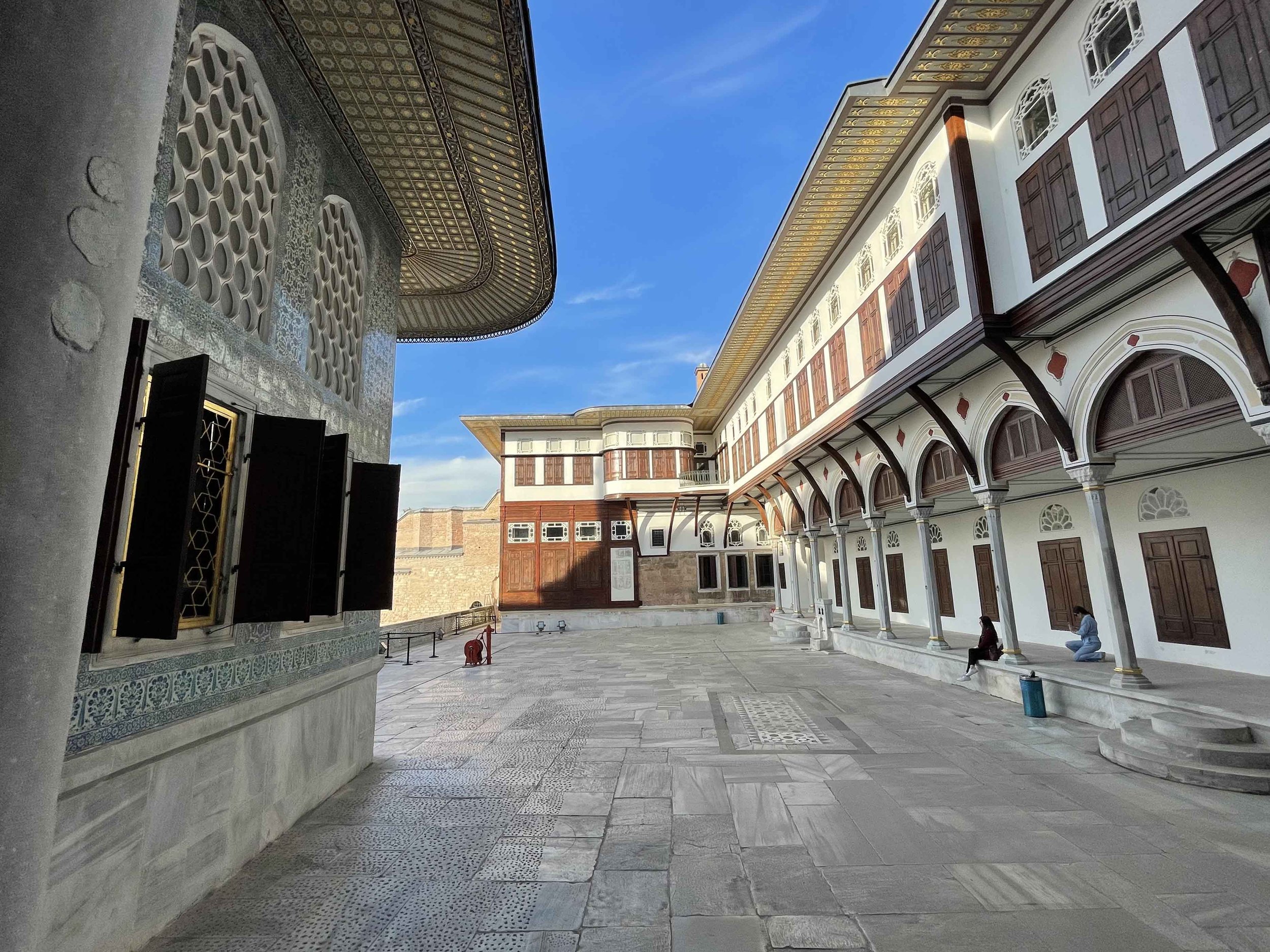
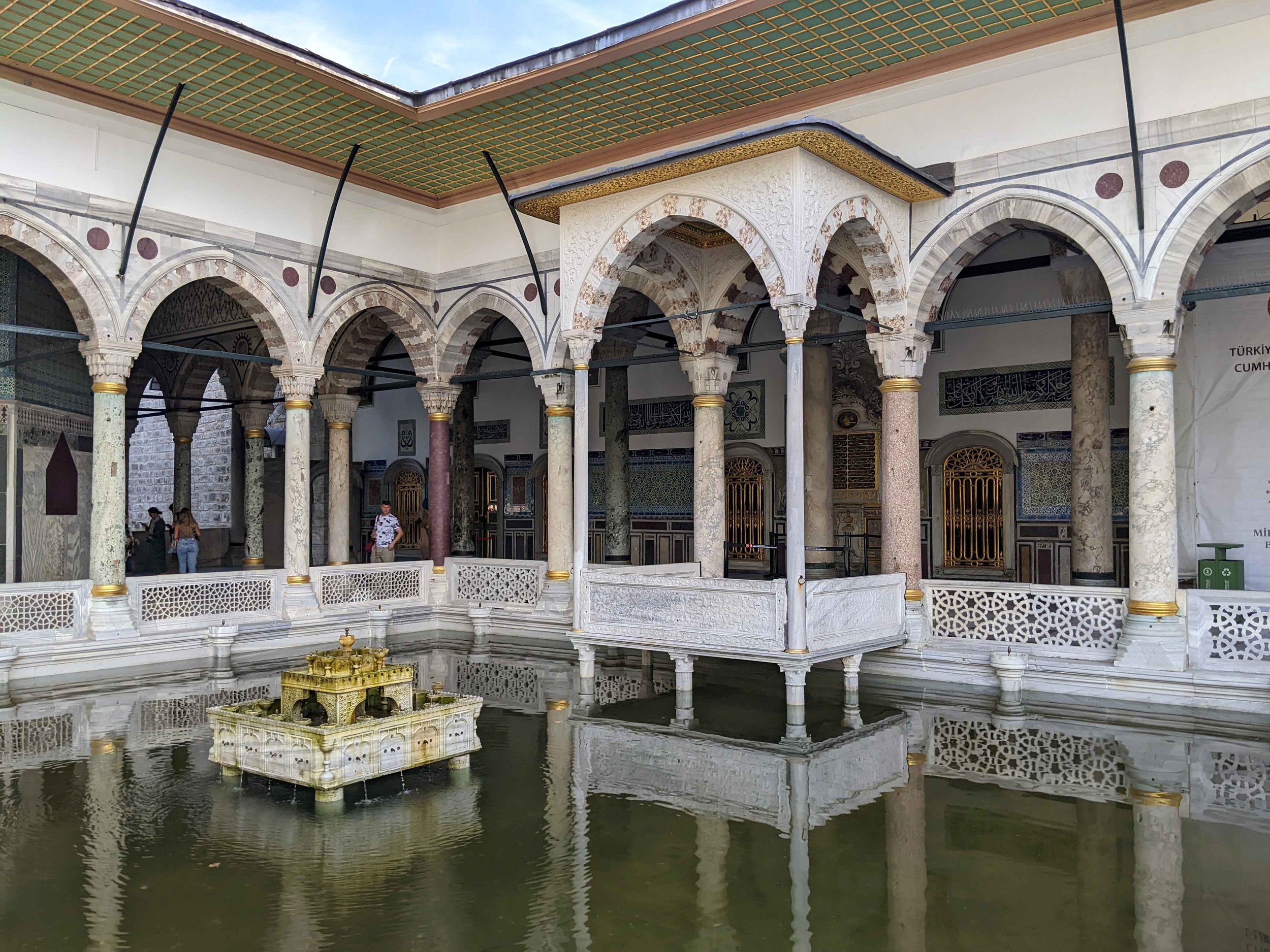
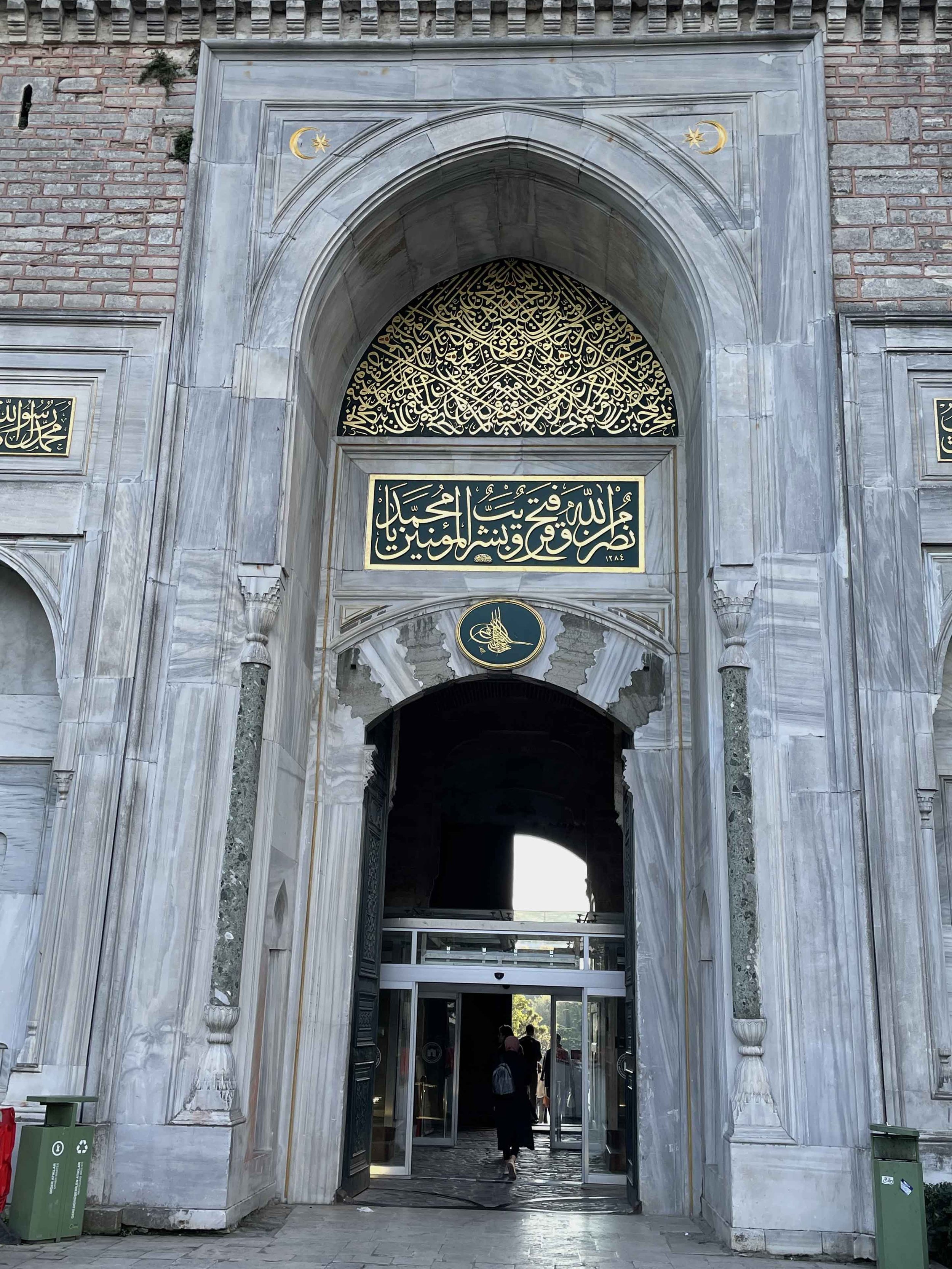
The palace design consists of four consecutive courtyards surrounded by high walls. Each courtyard served different purposes and was separated by a gate.
a10.jpg
a4.jpg
a2.jpg
a6.jpg
a14.jpg
a8.jpg
a9.jpg
a13.jpg
a11.jpg
a1.jpg
a3.jpg
a7.jpg

The outer courtyard is the largest and only public courtyard. This courtyard’s open space made it ideal for ceremonies and processions. The second courtyard was called the ‘Divan Square’, and was the administrative center of the palace. Only official visitors and members of the court could enter this space

The innermost third courtyard housed the private residence of the sultan and the inner palace school. Only the sultan, members of his family, his servants, and the occasional approved visitor were allowed to enter. The third courtyard extends to the fourth courtyard, which consists primarily of terraced gardens and pavilions.

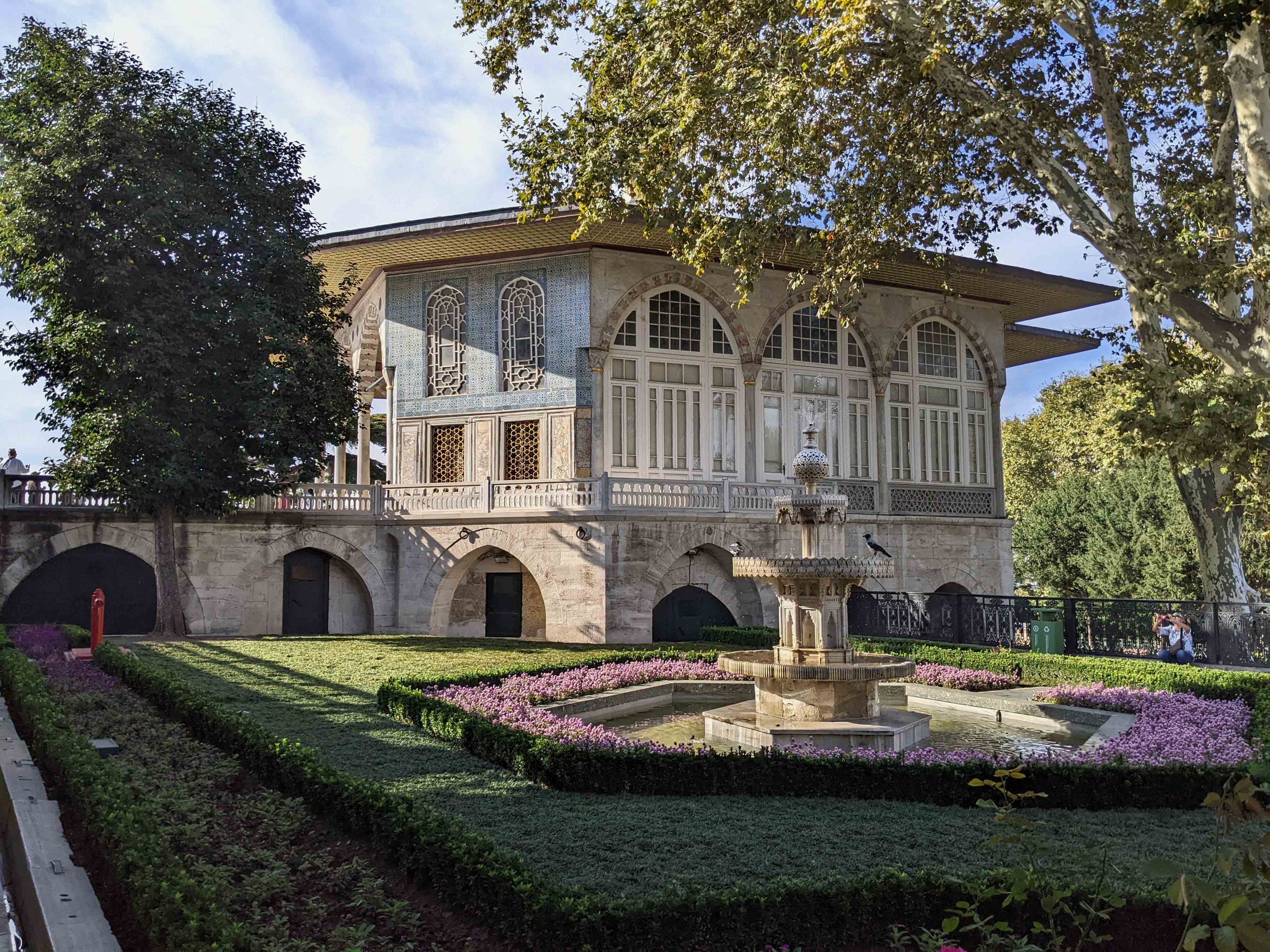
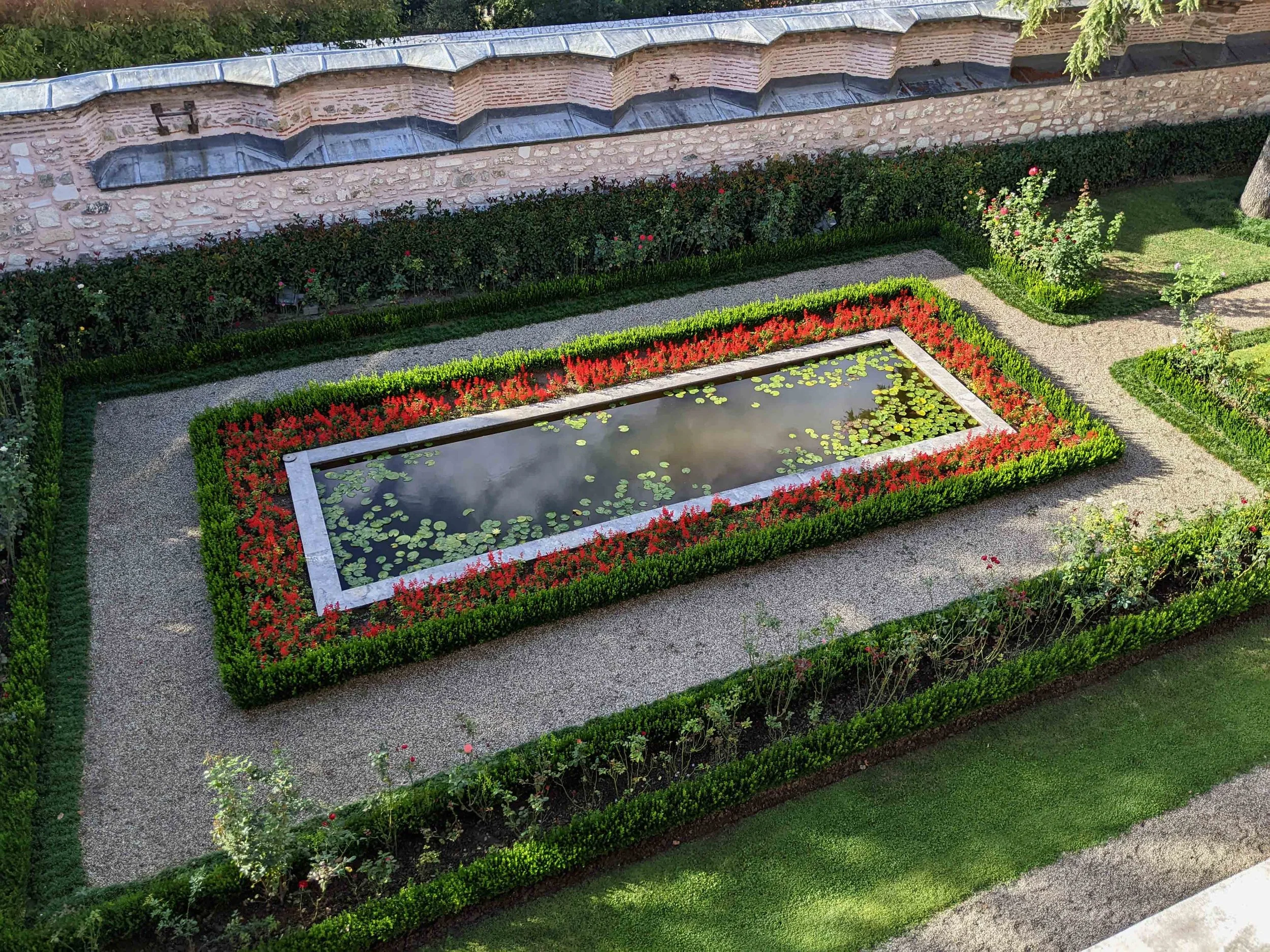
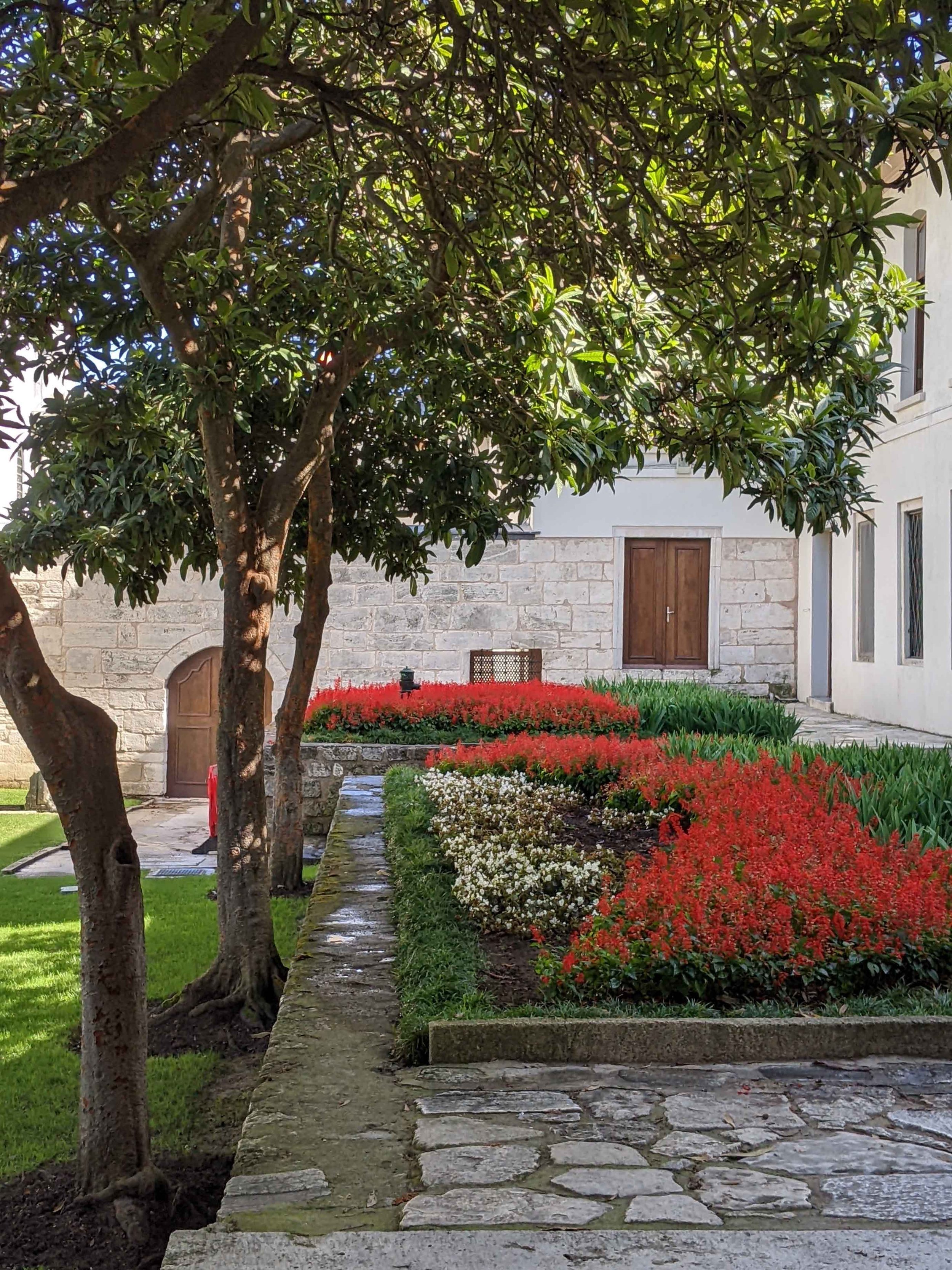
The Sultans were keen lovers of gardens and flowers and lined the courtyards with long tall trees, fountains, and lawns. They collected best flower species from all over the empire and planted them in the palace.

The Austrian ambassador who came to Istanbul at the time of Sultan Suleyman, stated the following about the flower passion of the Turks, “The flowers smelled so good that our heads were spinning, which was unusual for us. Turks, are very fond of flowers. They do not hesitate to give a lot of money for a beautiful flower.”

Topkapi palace is a must-see destination while visiting Istanbul, allow at least 4 hours for a proper look. It is a touristy spot that attracts thousands of visitors each day, therefore it’s better to visit early and see the harem (additional tickets) and the chamber of holy relics first up before it gets busy.
In Arts, Islamic Arts, Travel, Turkey, Garden, Ottoman Tags topkapi, Topkapi, Palace, Turkey, Courtyard, Gardens, garden, Library, Museum, Harems, harem
Comment

Cappadocia

October 16, 2022

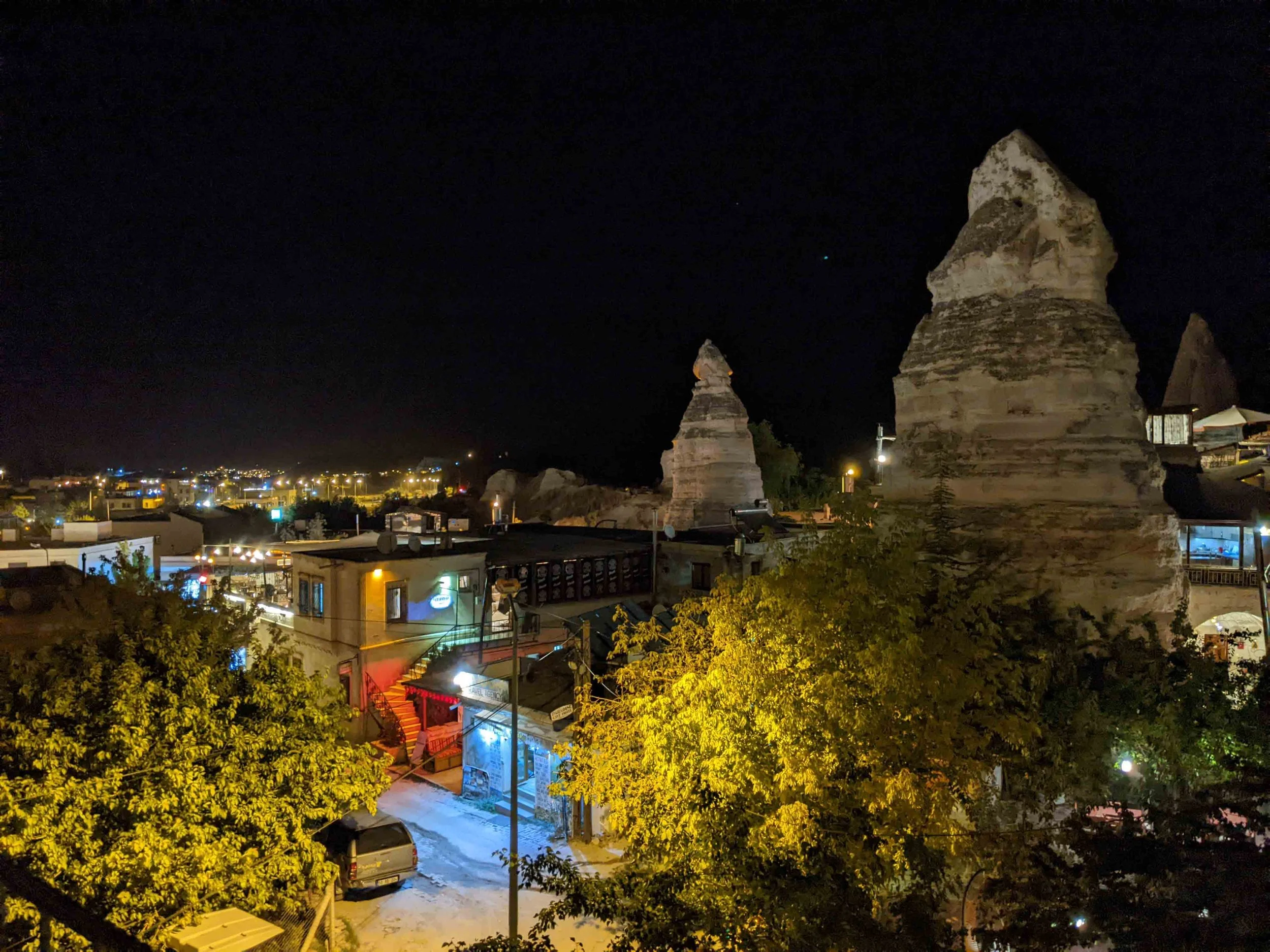
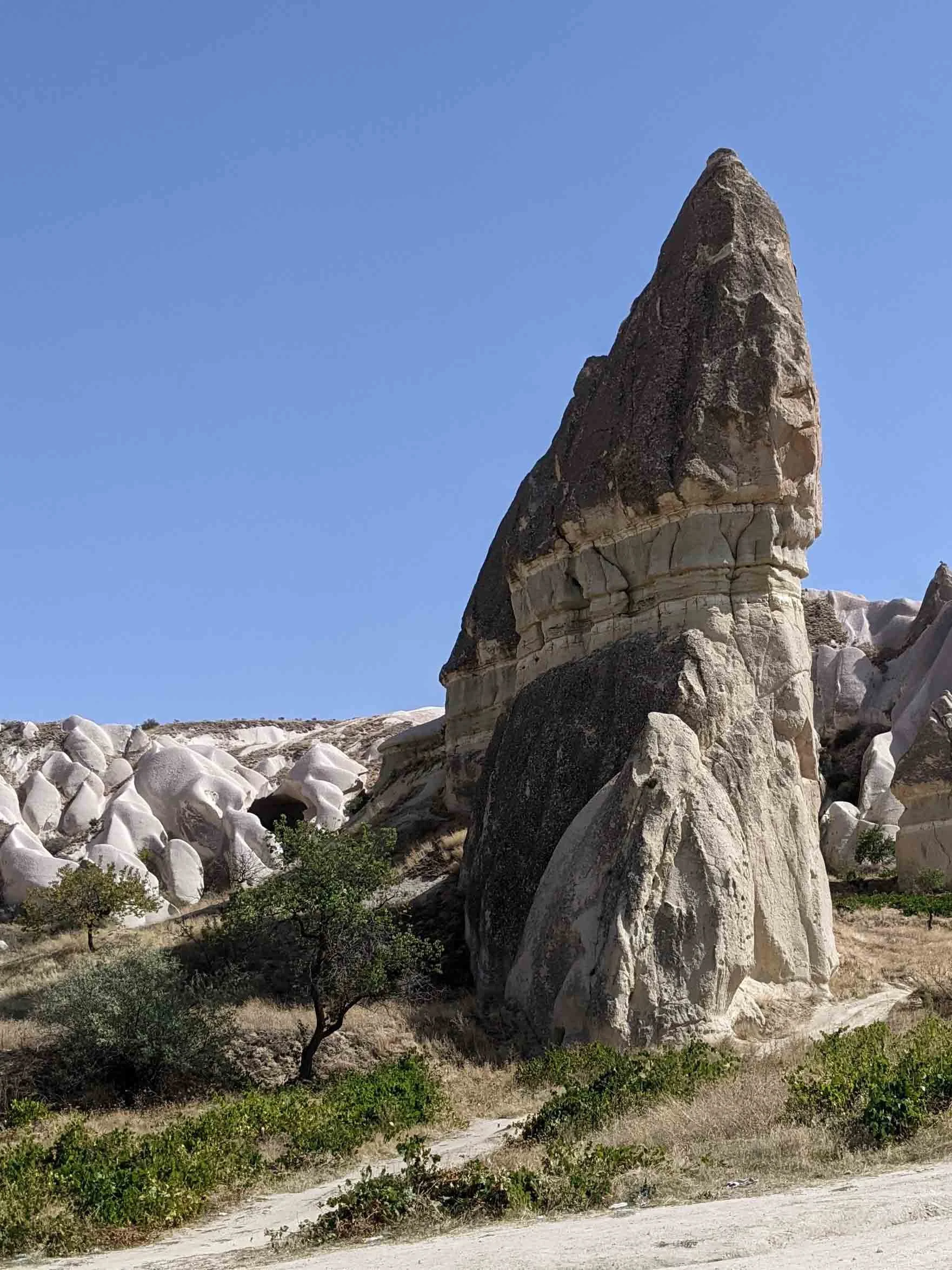
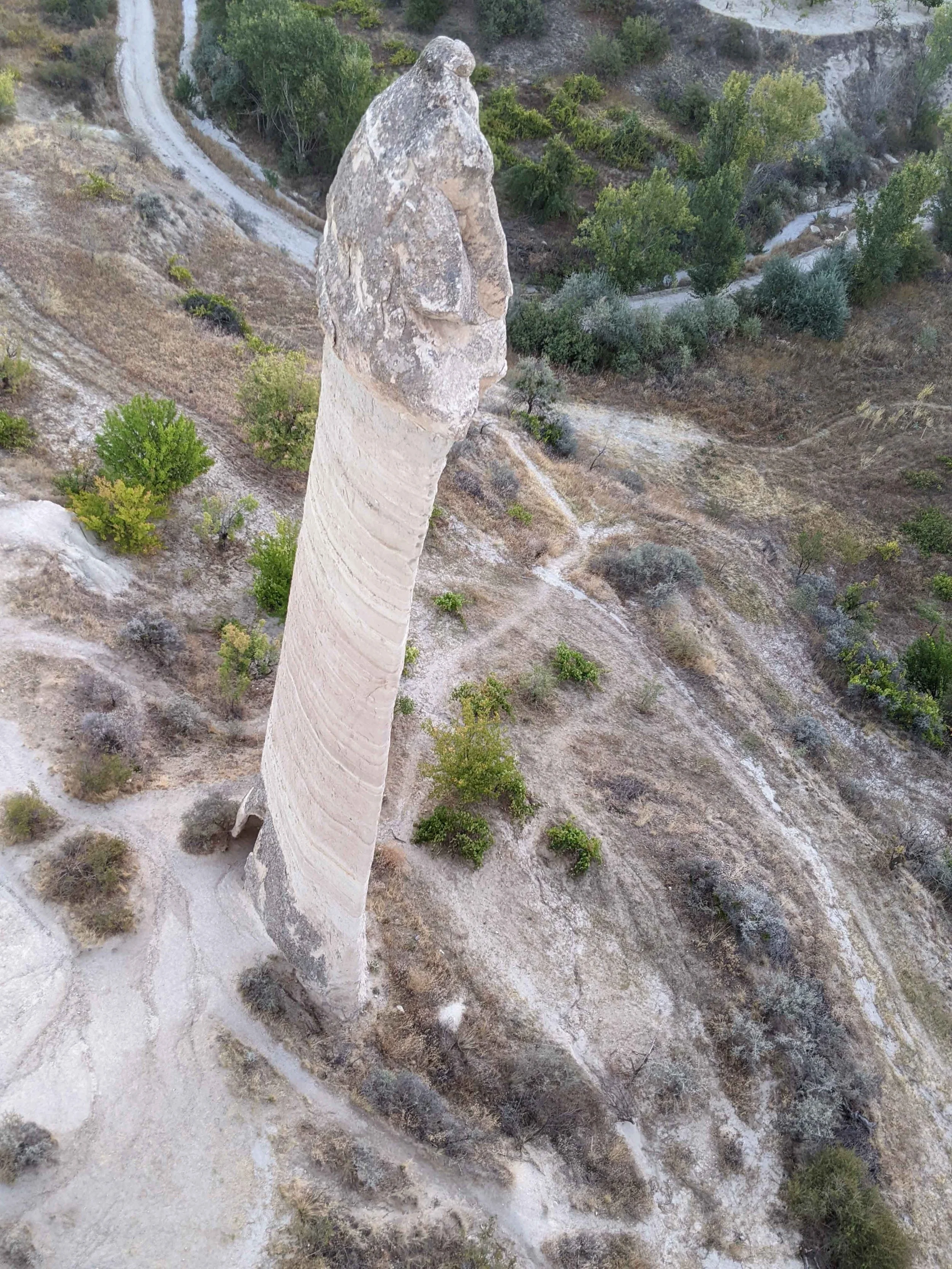
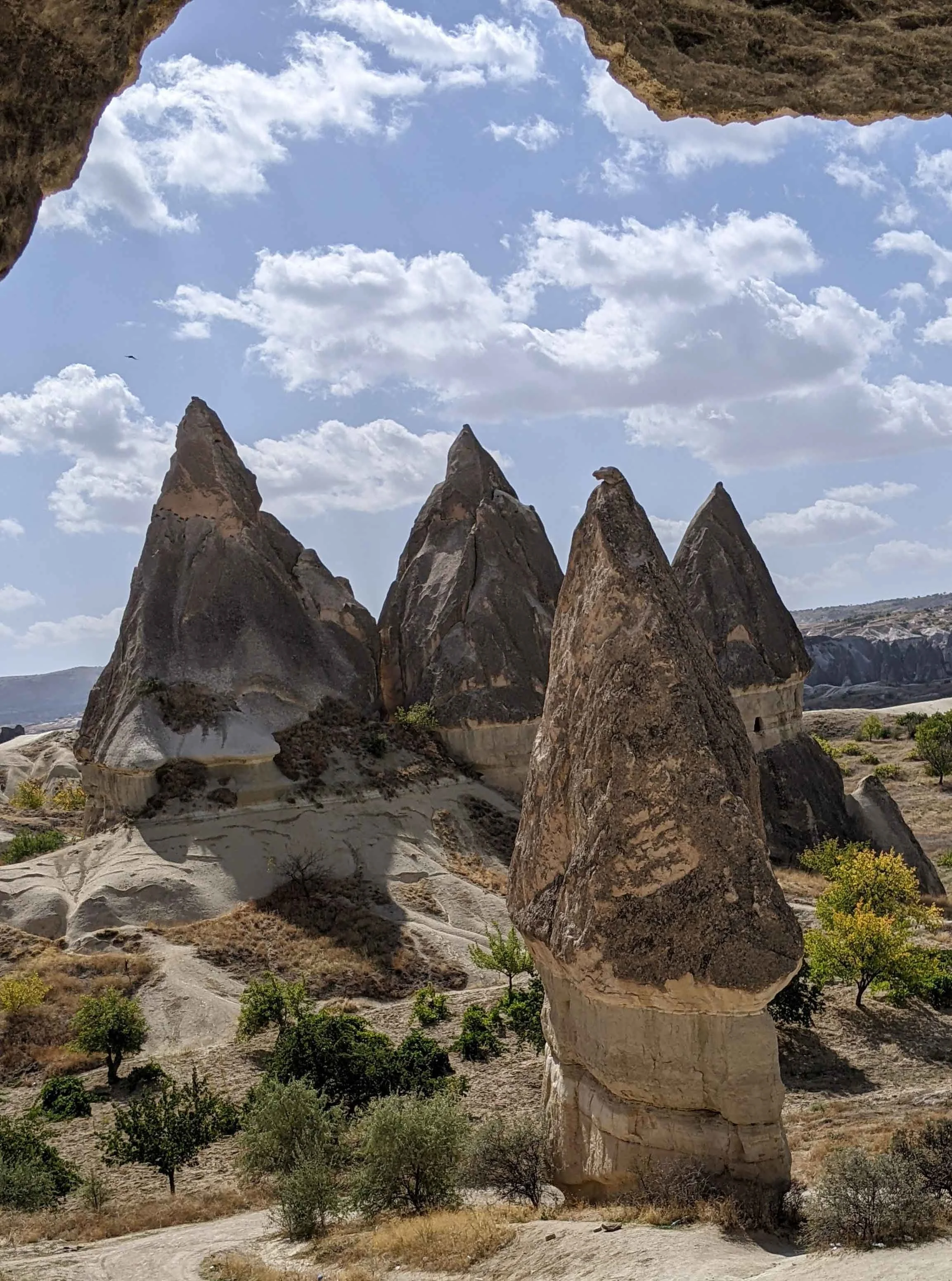
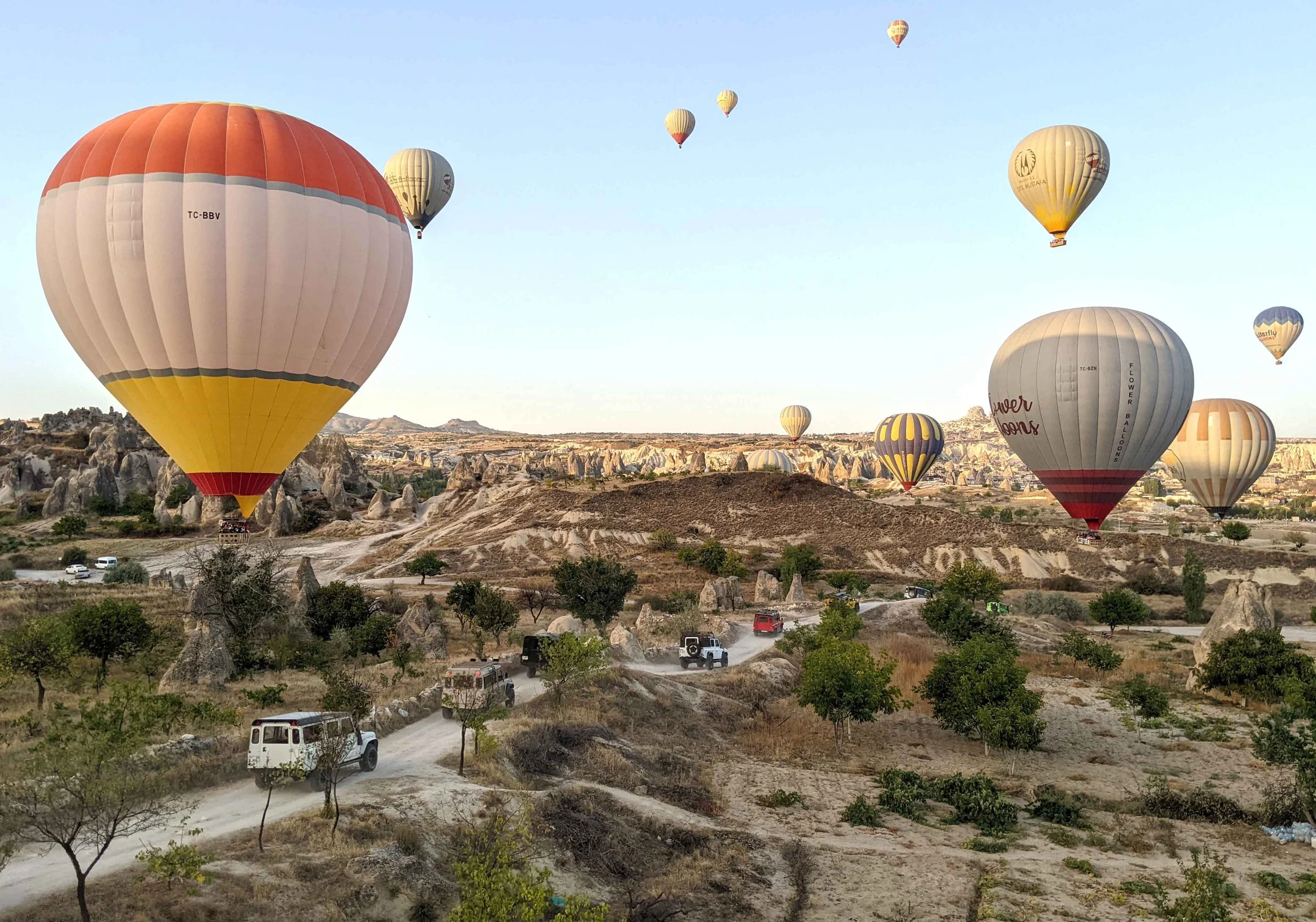
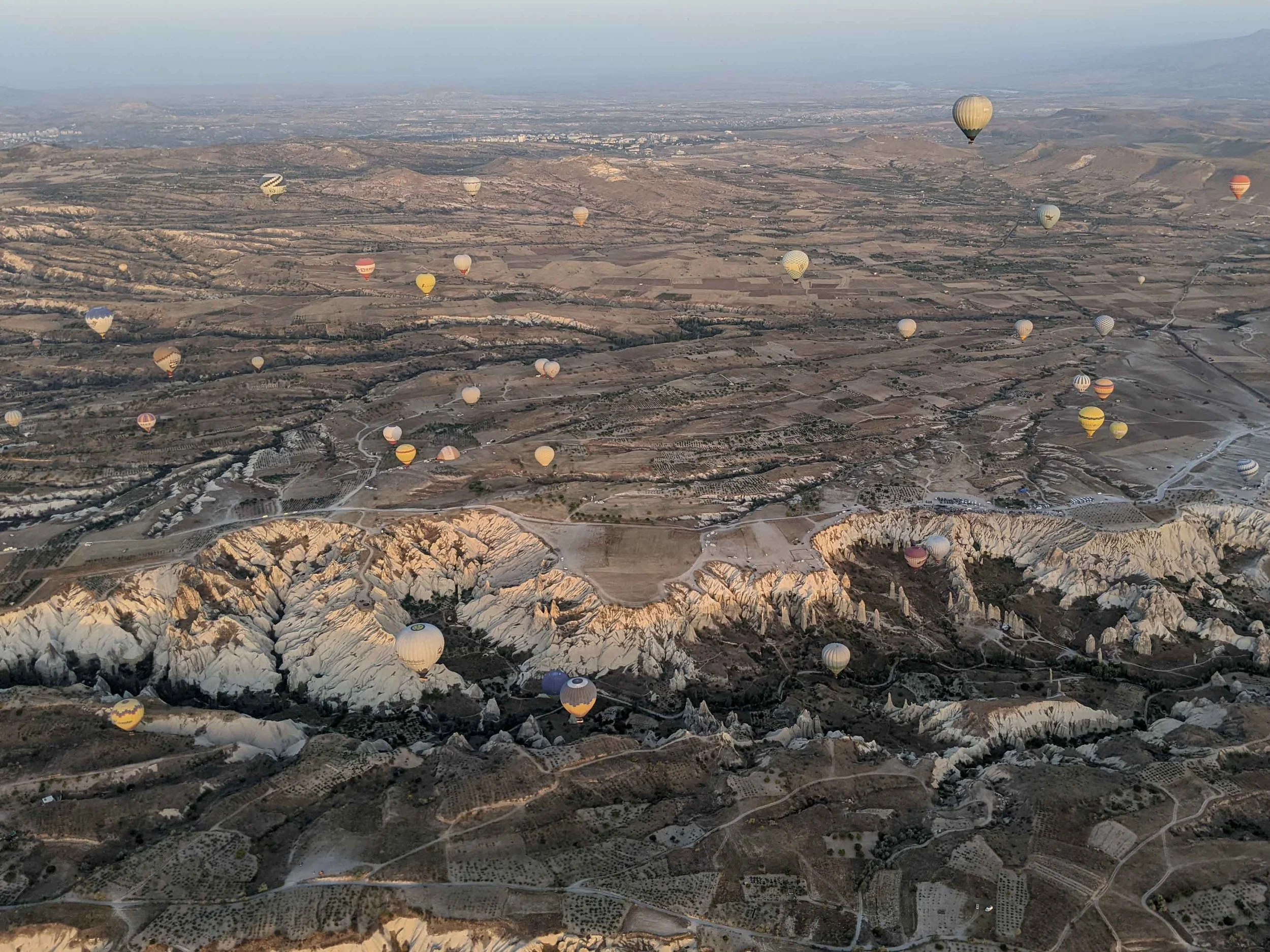
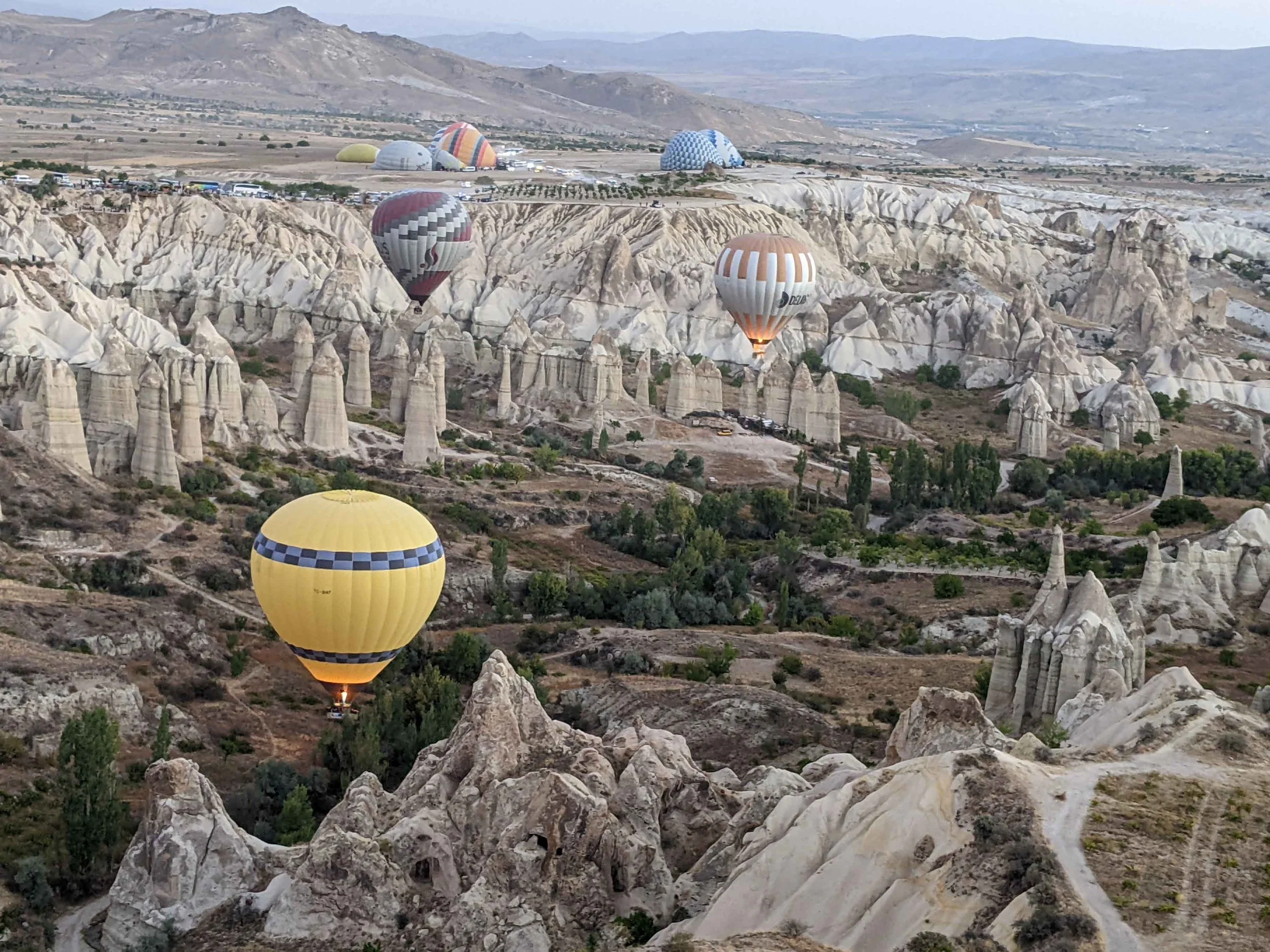
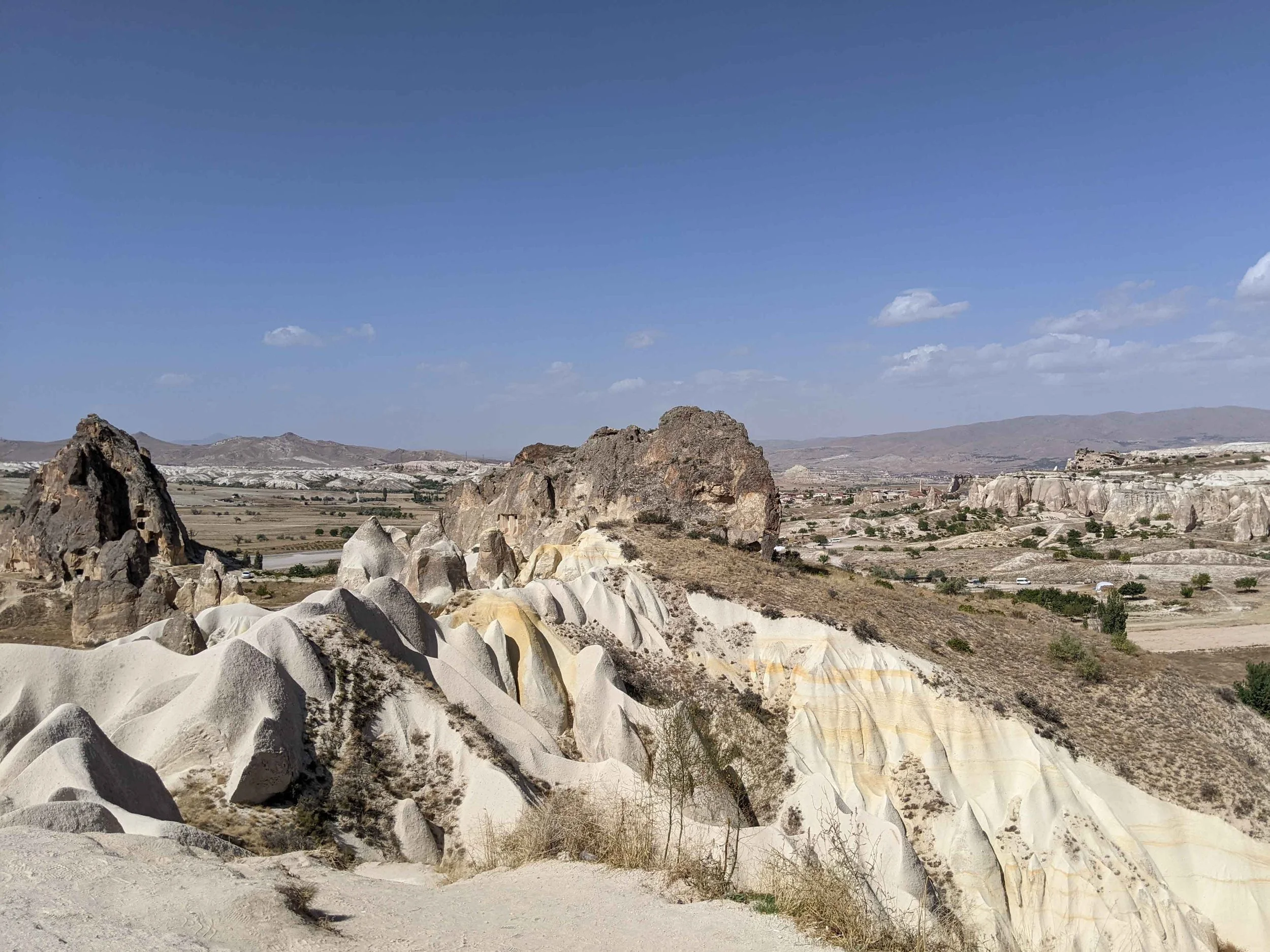
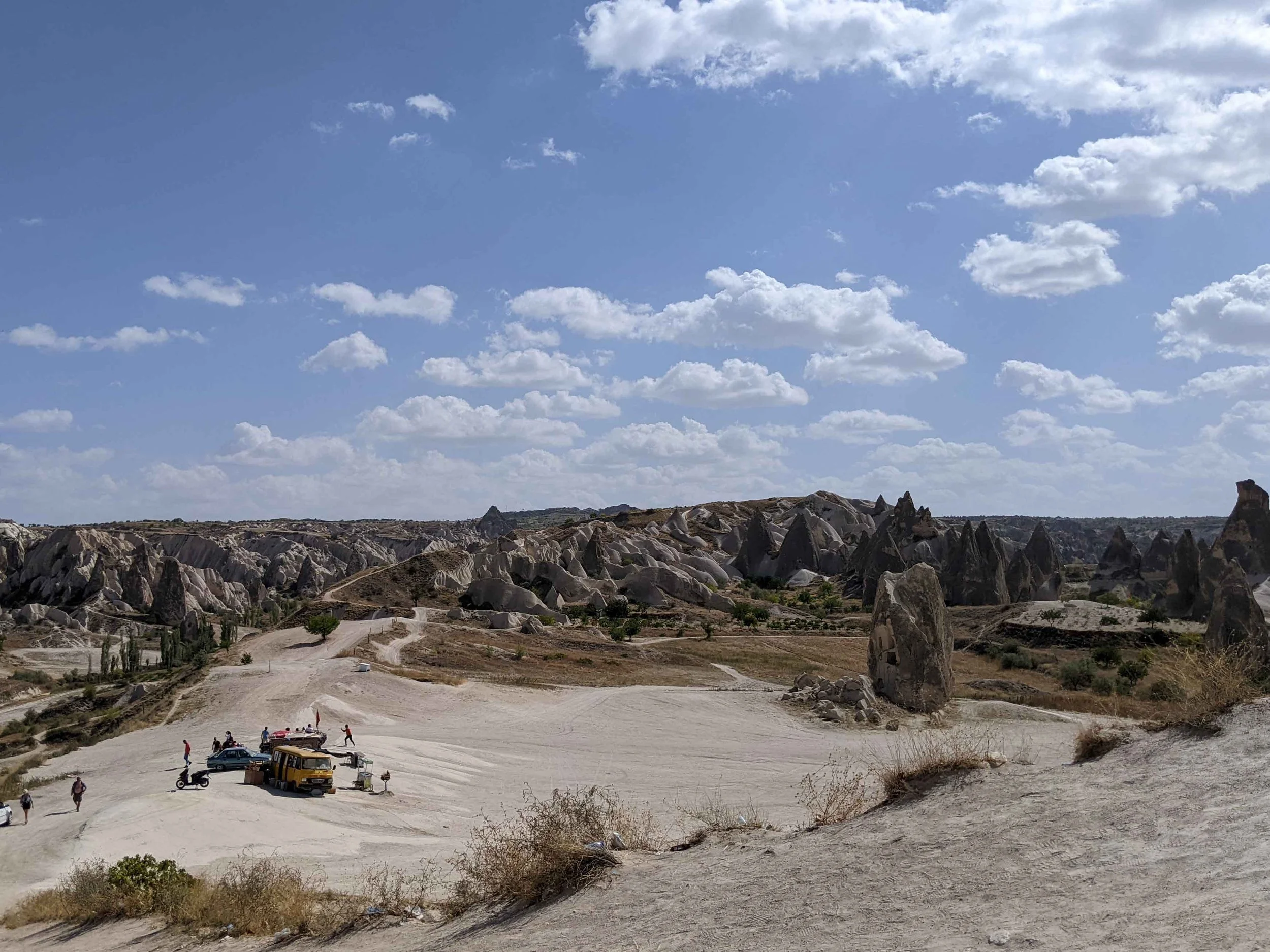
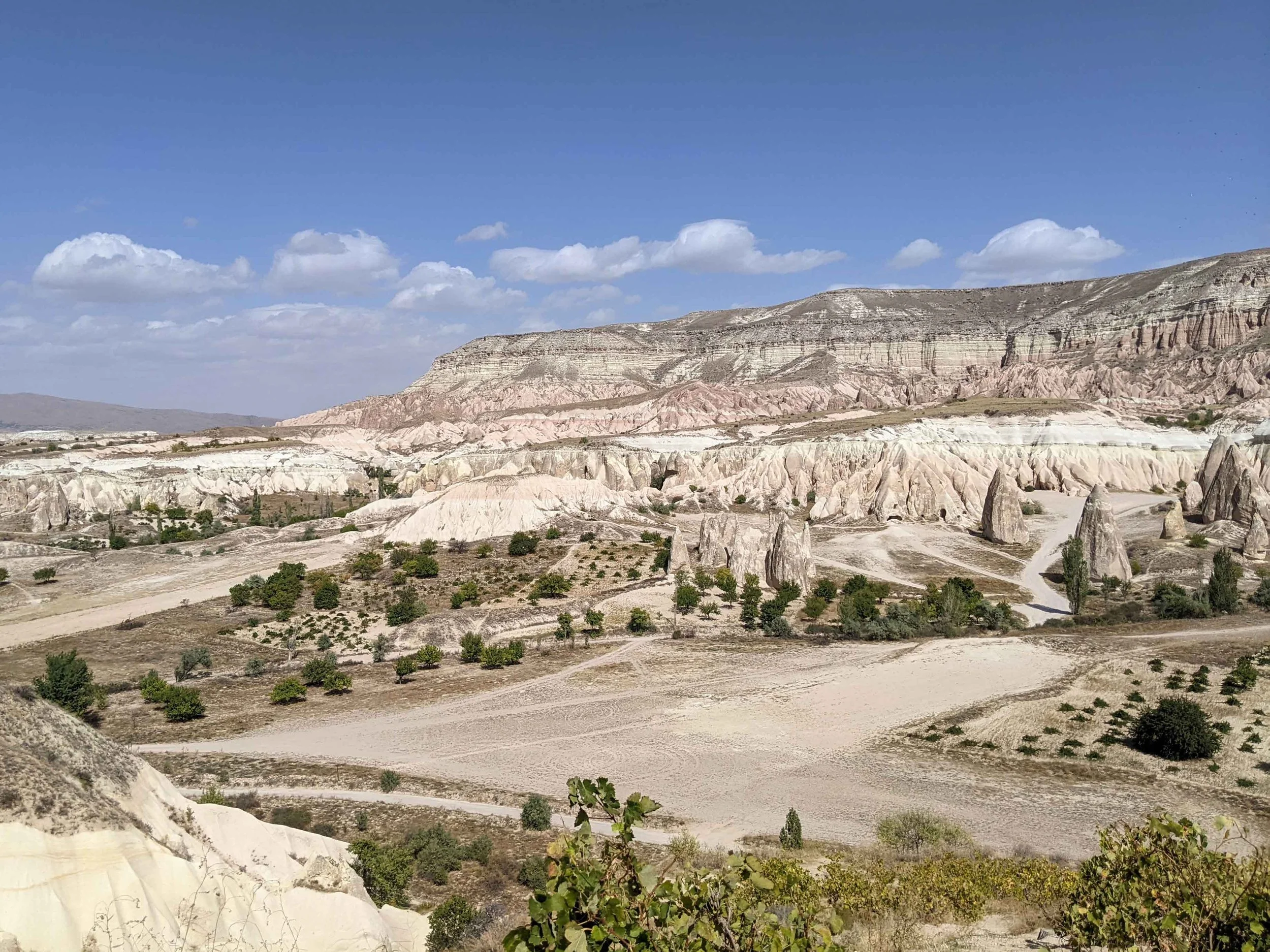
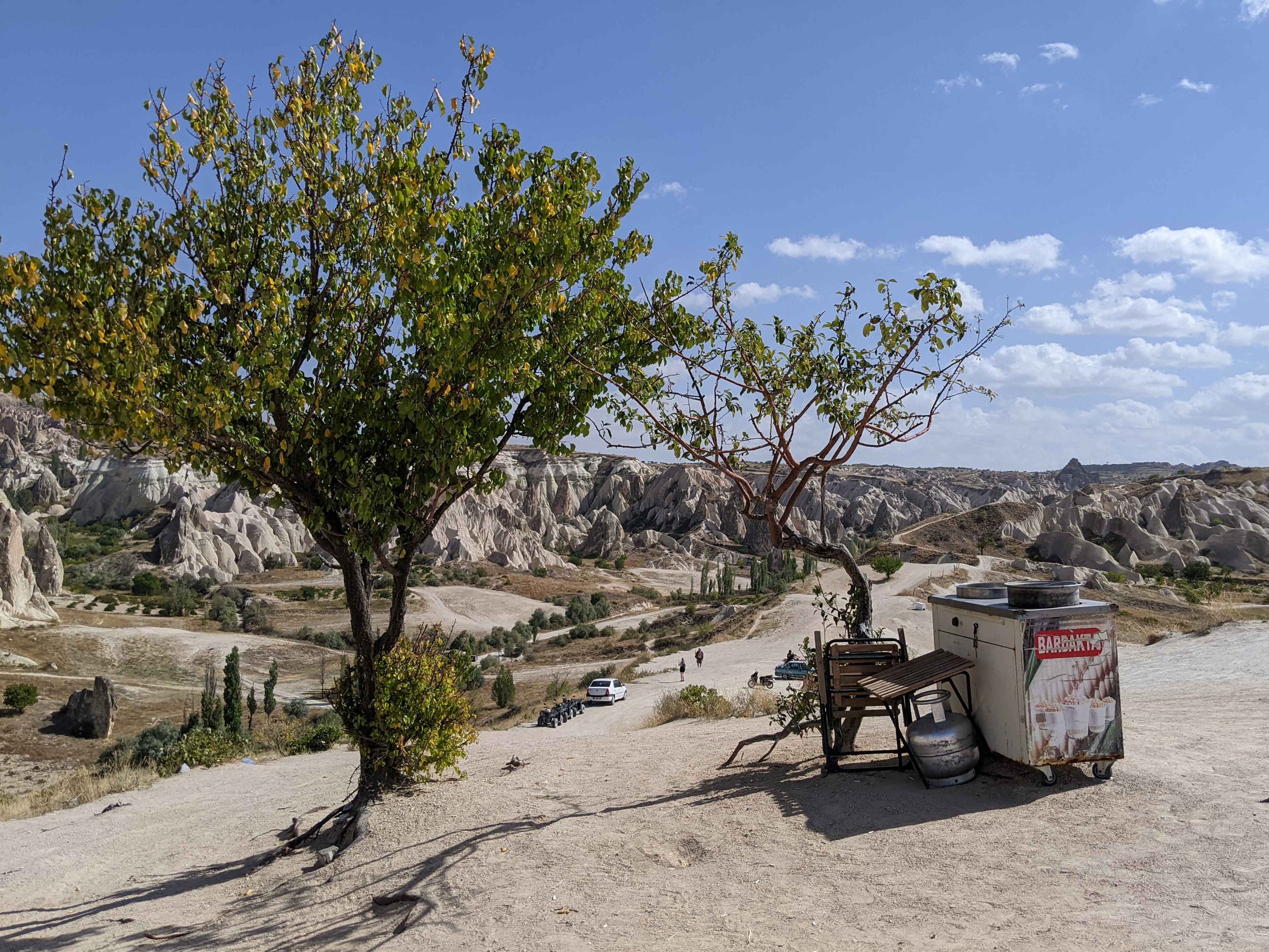
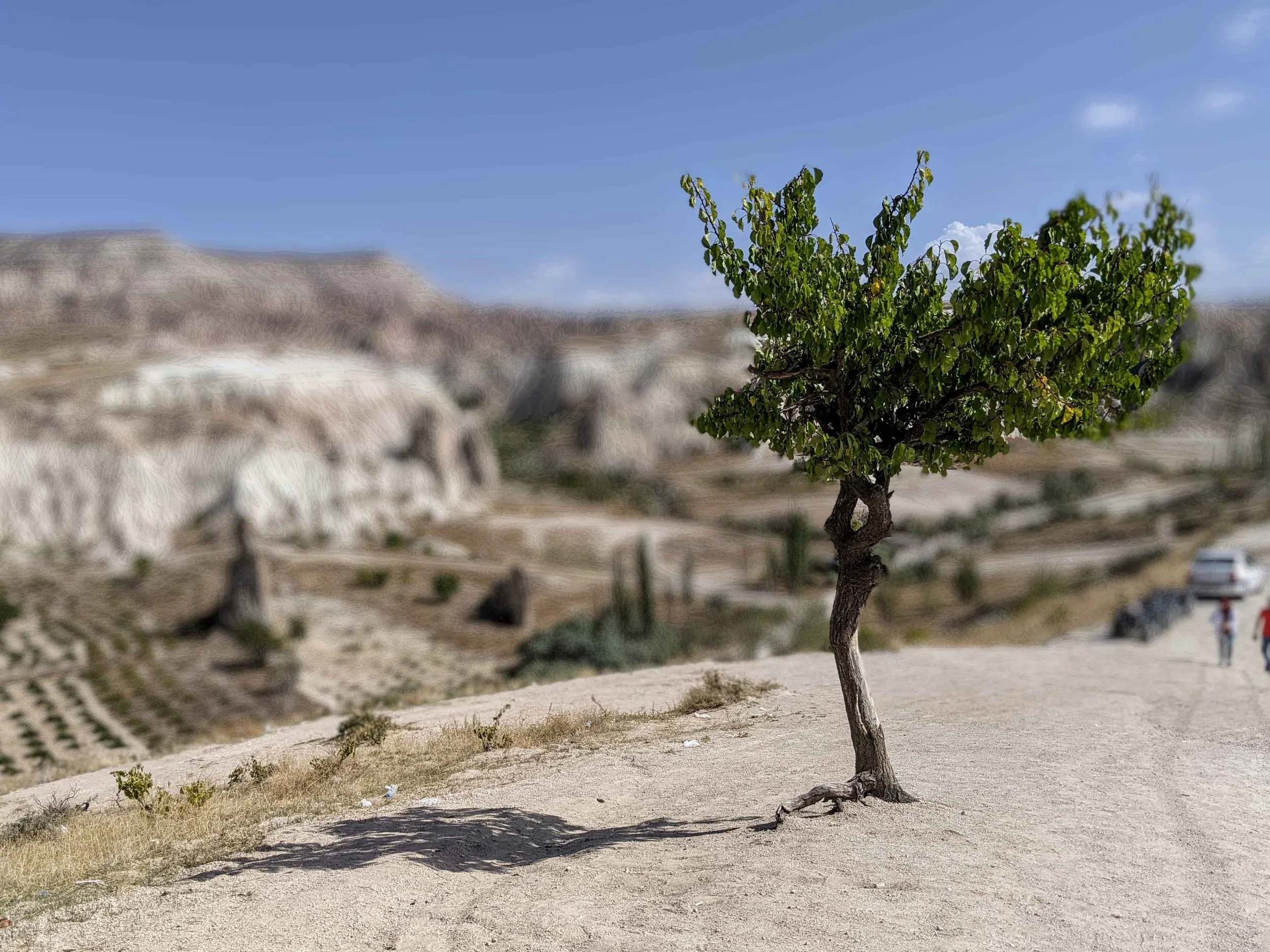
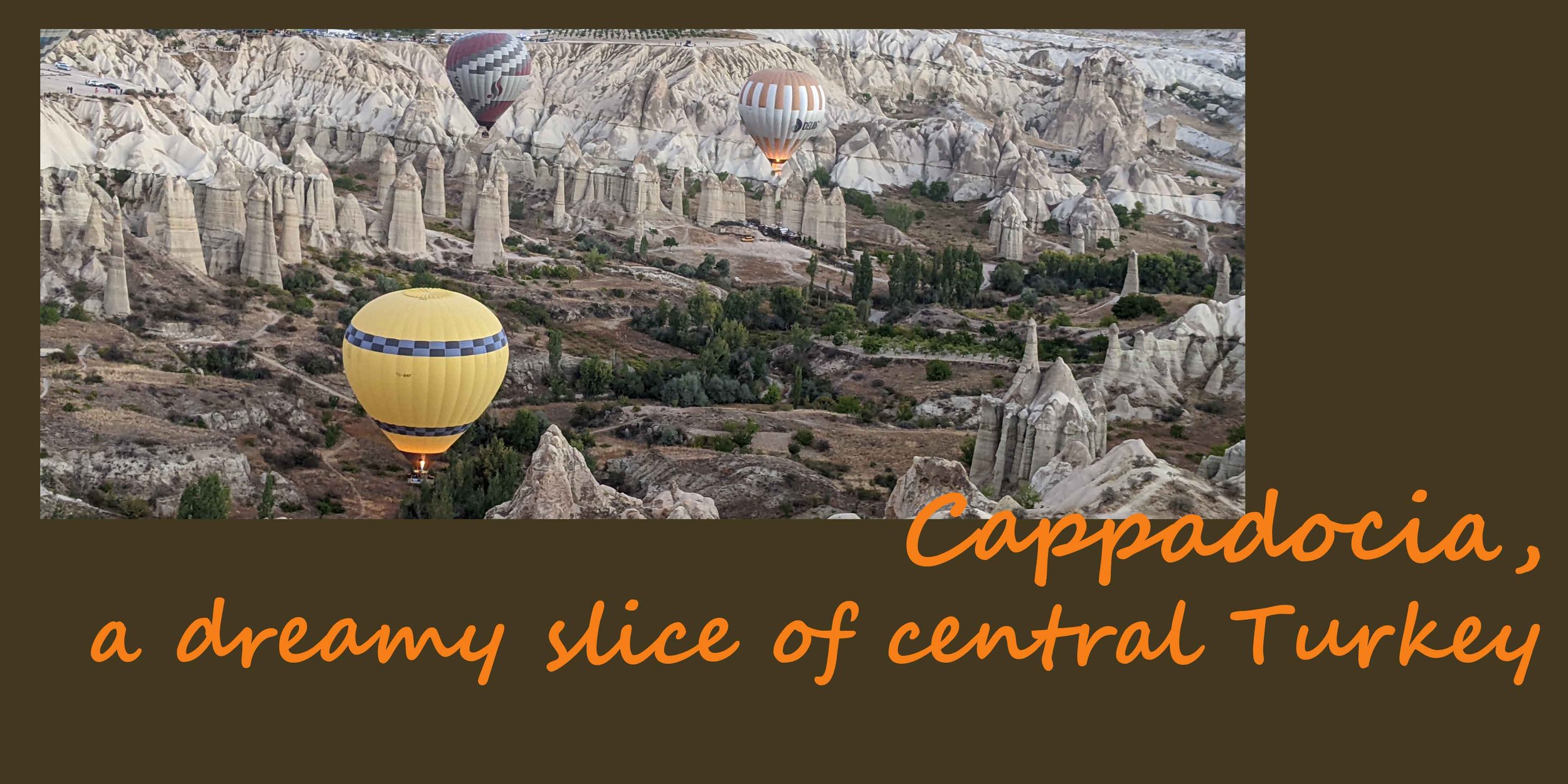
Located at the centre of present-day Turkey; the ancient district of Cappadocia is in east-central Anatolia, about 700 km from Istanbul. The plateau is dominated by an eerie landscape comprising long, tall, and thin rock structures, the ‘fairy chimneys’ (or more technically; ‘hoodoos’) that rise out of the ground.

Cappadocia Landscape

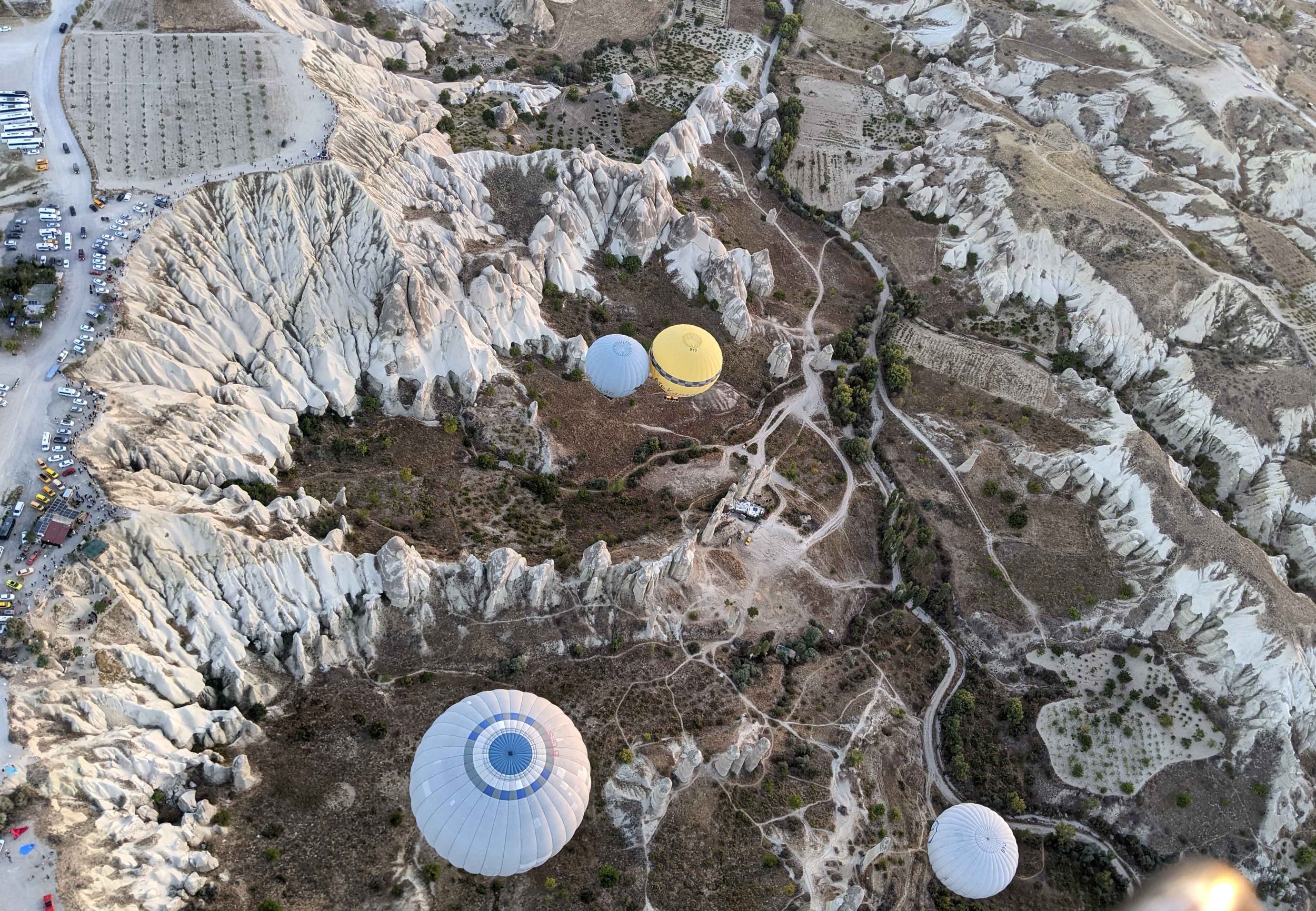
Contrary to the myth, which attributes these landscapes to the fairies that once lived in the area and after leaving returned as pigeons, these rock formations are the result of a geological process that spans millions of years.  The magnificent landscape was formed by volcanic eruptions that rained ash over this region. The ash hardened into a porous rock (tuff), which was then covered by a layer of basalt. As millennia passed, the softer tuff wore down by wind and water, giving way to pillars that now stand as high as 40 meters. The mushroom-shaped cap is the remnant of harder basalt rock that eroded more slowly.
View fullsize 3.jpg
View fullsize PXL_20220930_035321521.MP.jpg
View fullsize 4.jpg
View fullsize 7.jpg

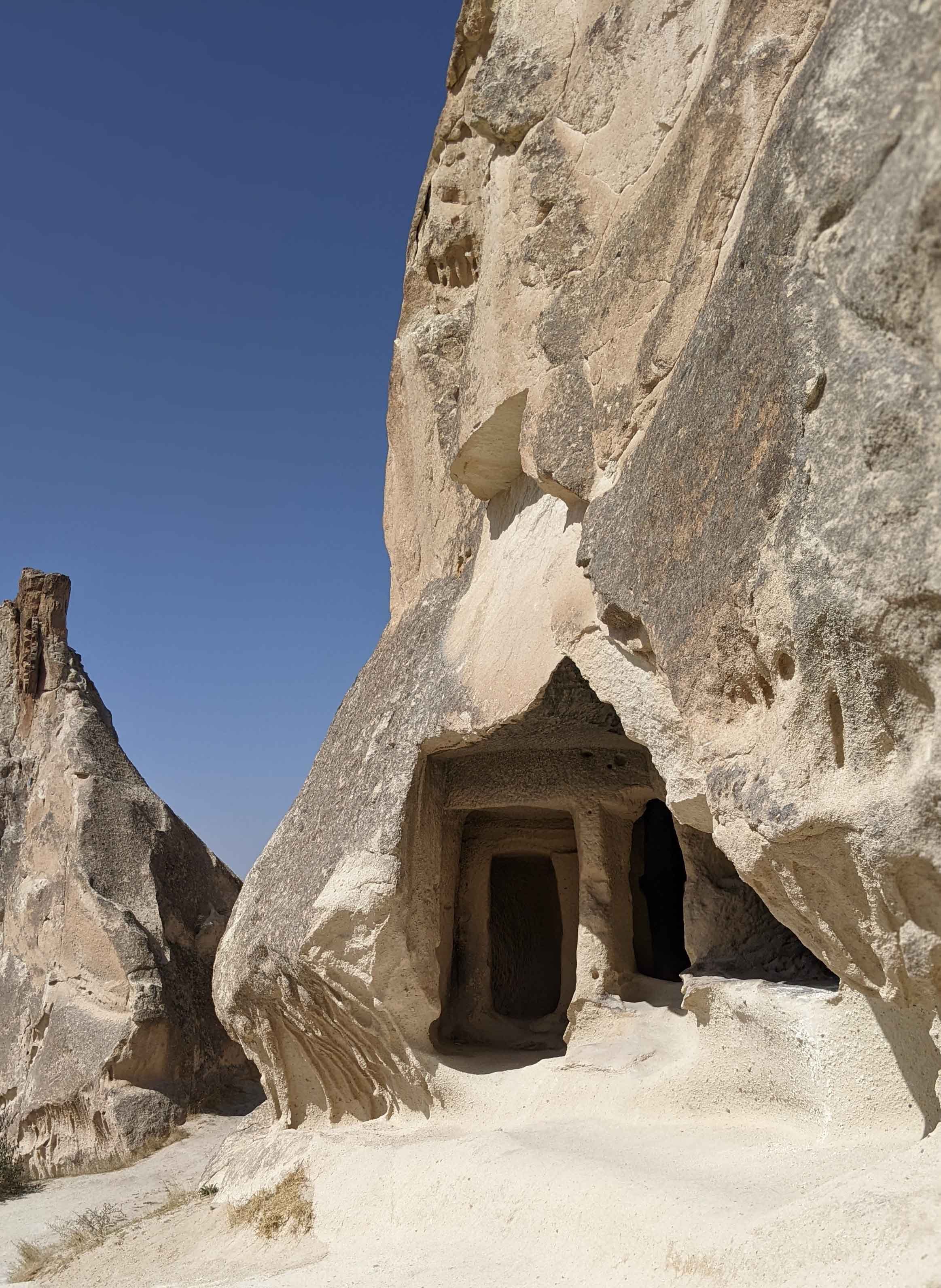
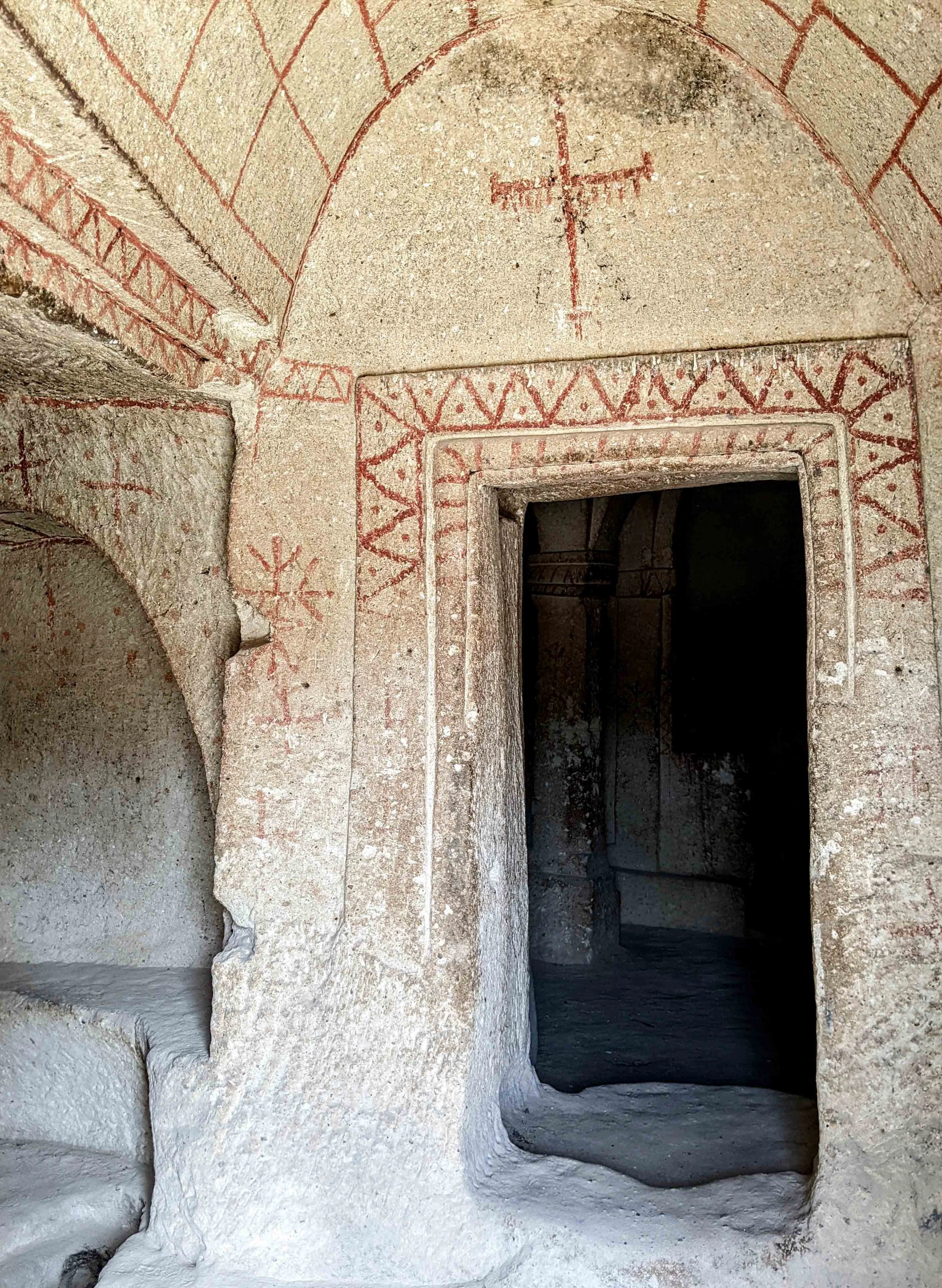
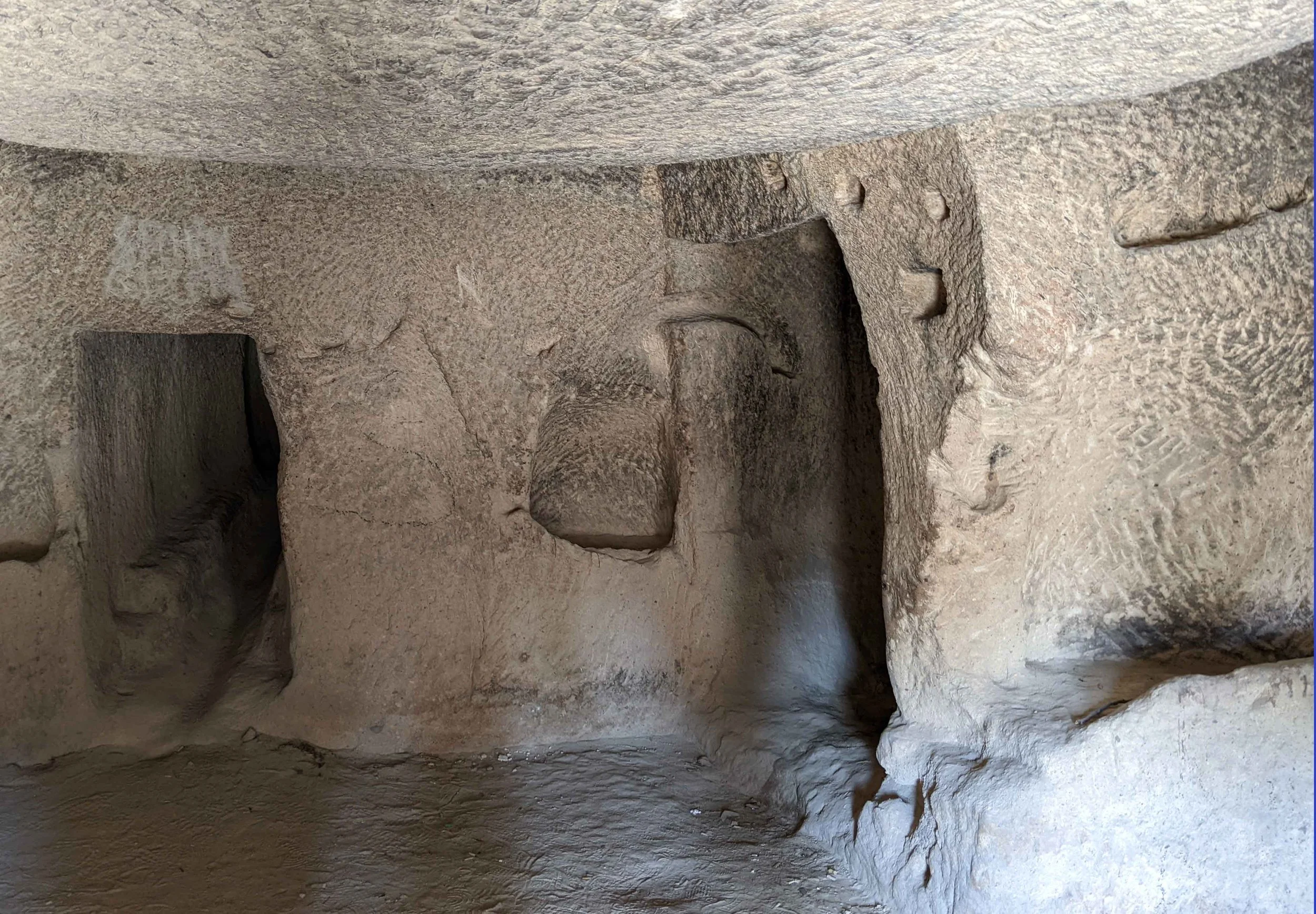
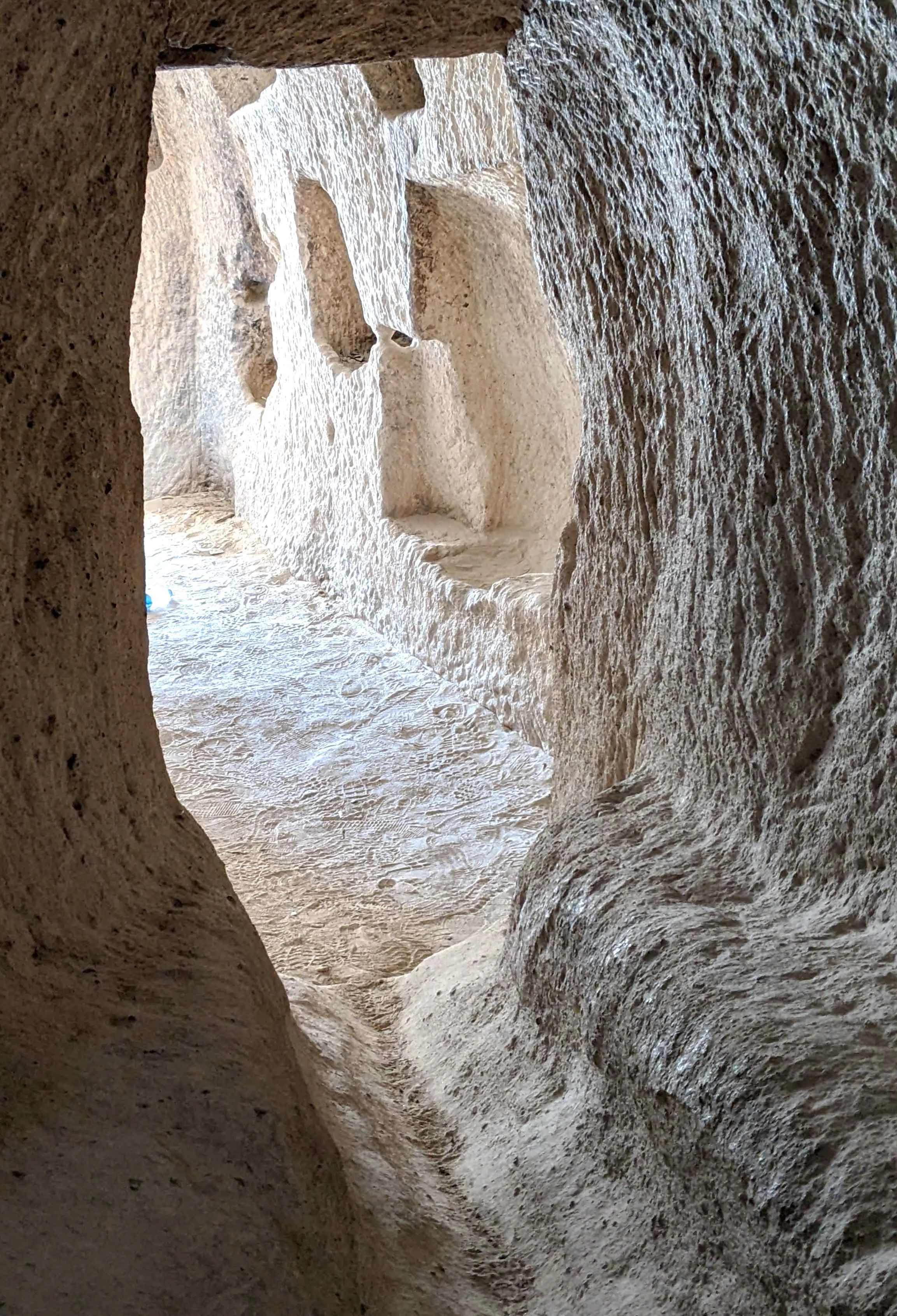
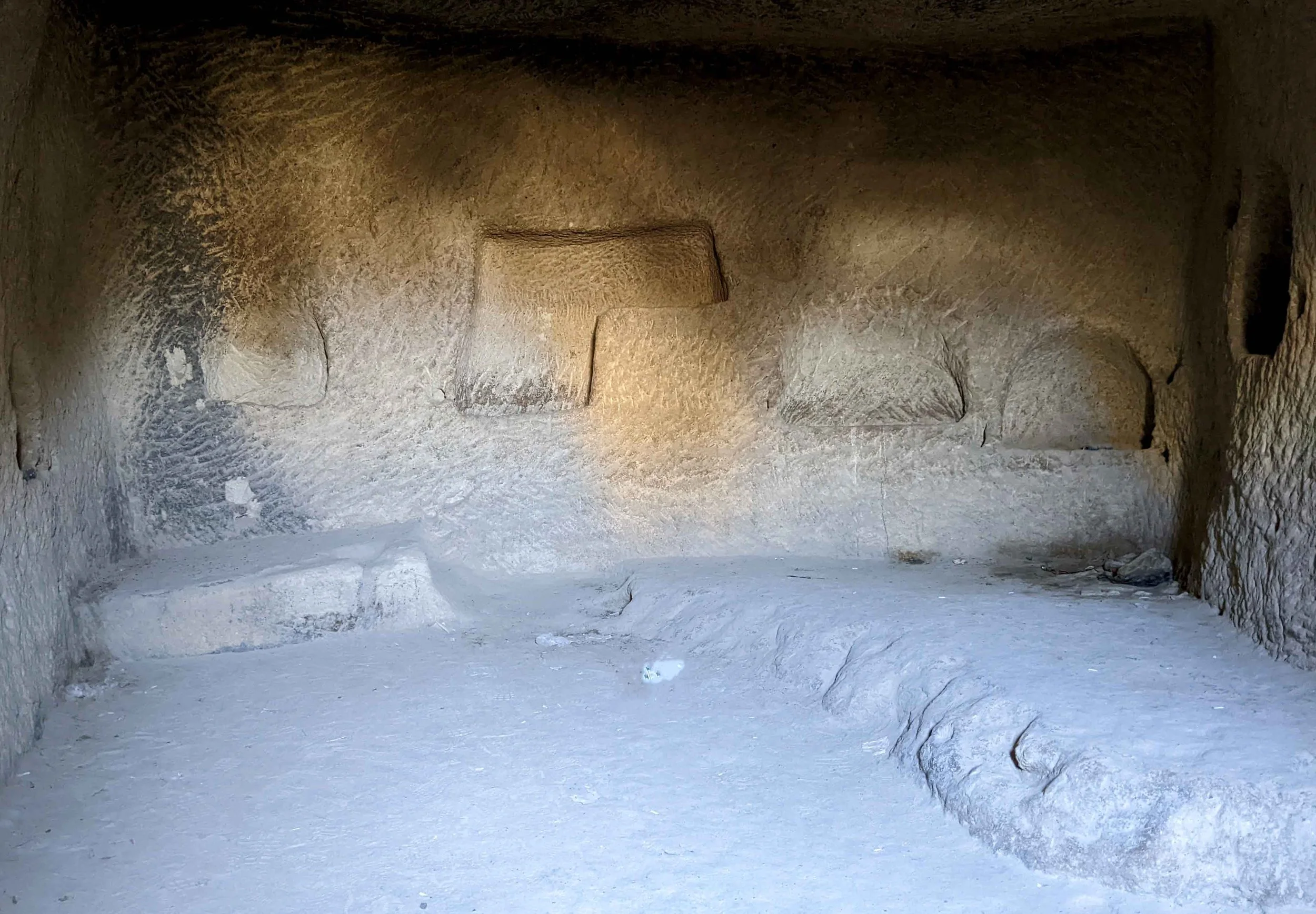
While forces of nature shaped the incredible rock formations, people living in the area for hundreds of years have dug into the soft but firm tuff to create dwellings, monasteries, churches, and underground cities. From The Hittites (late bronze age) to the Ottomans, nearly all European empires have claimed this region and for centuries, people fleeing prosecution have fled into these underground dwellings to shield themselves from outsiders.
View fullsize 1.jpg
View fullsize 2.jpg
View fullsize 6.jpg
View fullsize 4.jpg
View fullsize 5.jpg
View fullsize 3.jpg

Designated as a World Heritage Site, the rock sites of Cappadocia’s Göreme National Park are described by UNESCO as "one of the world's most striking and largest cave-dwelling complexes." 

The Ride of a Lifetime

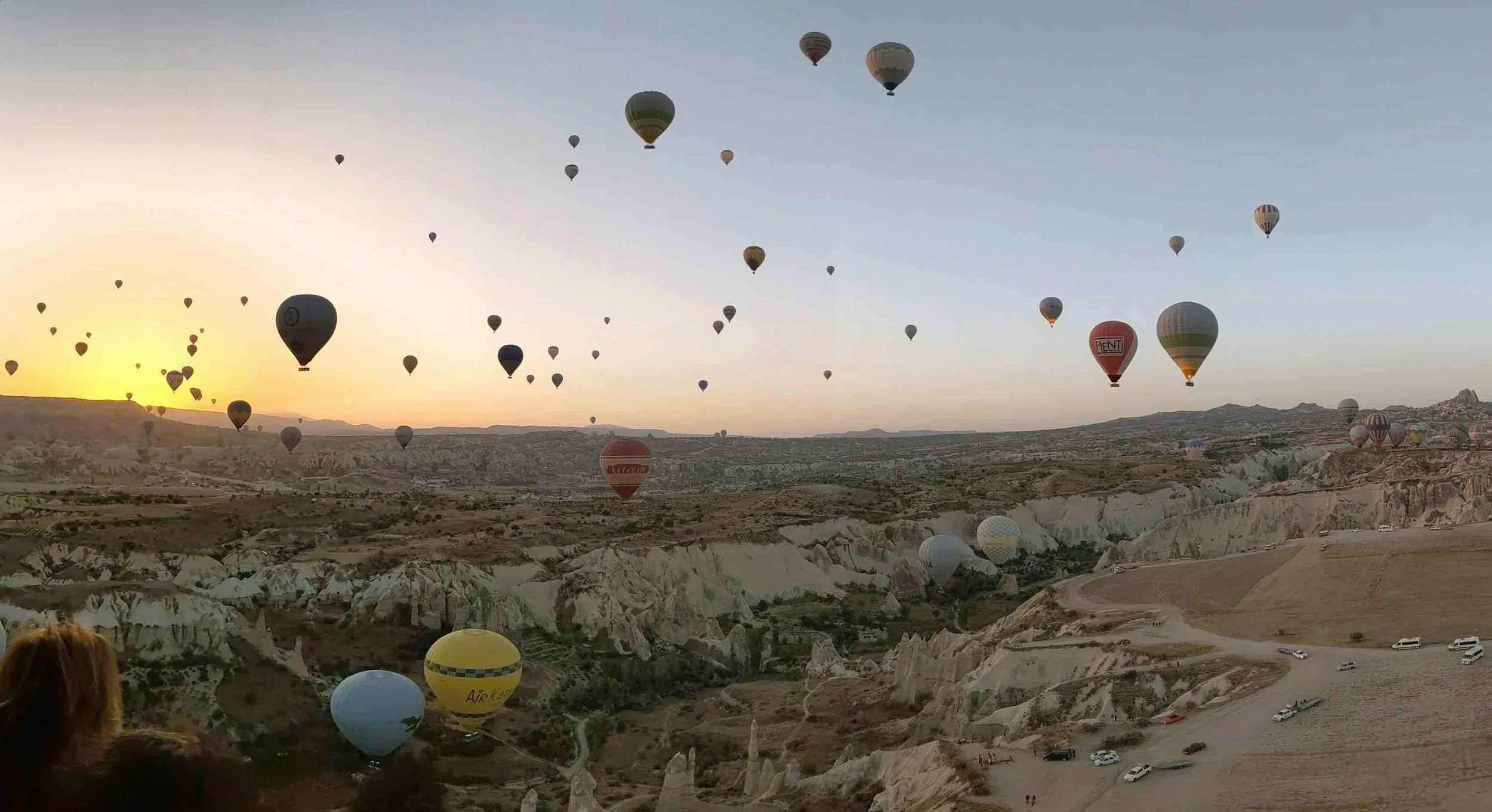
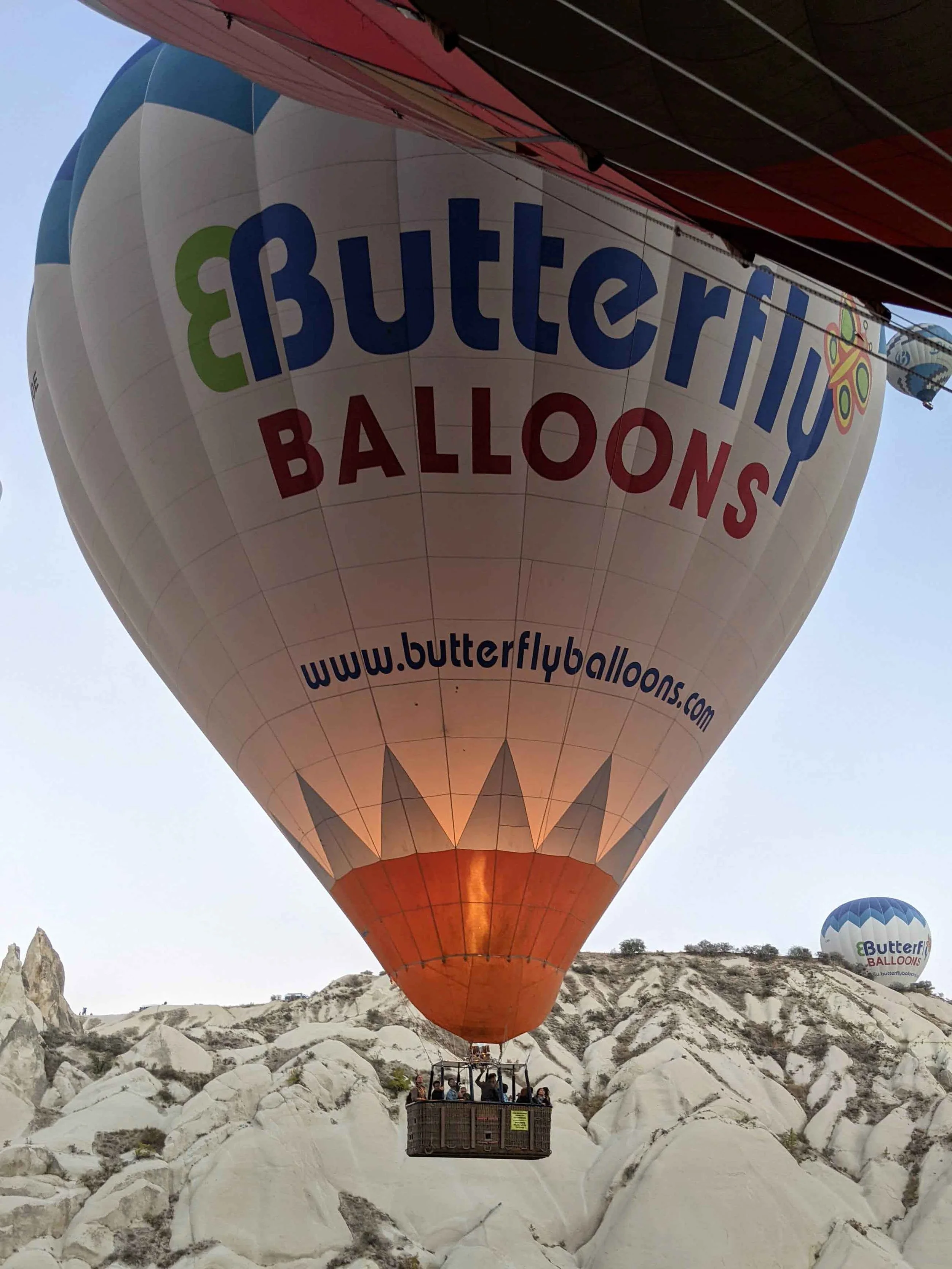
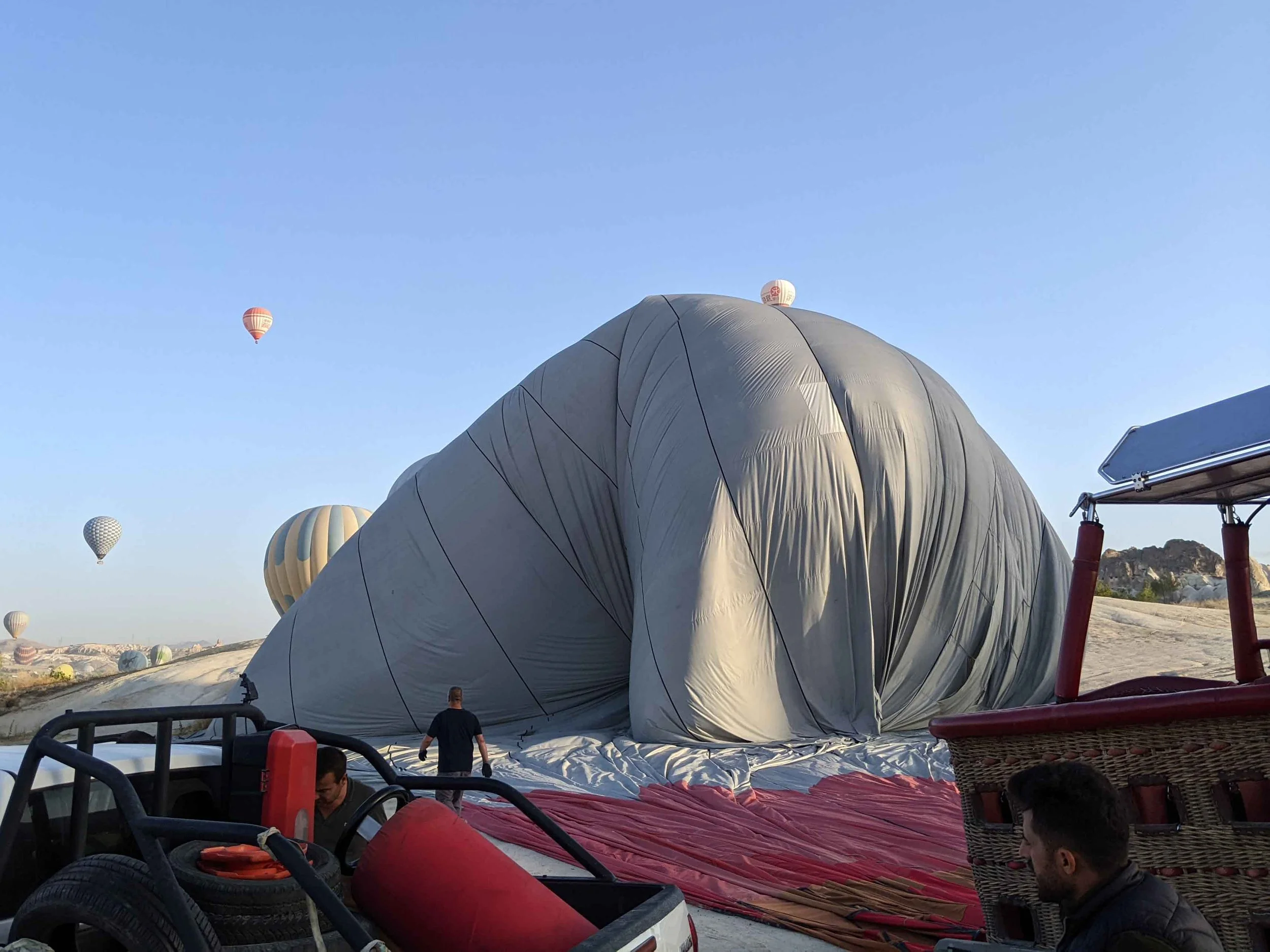
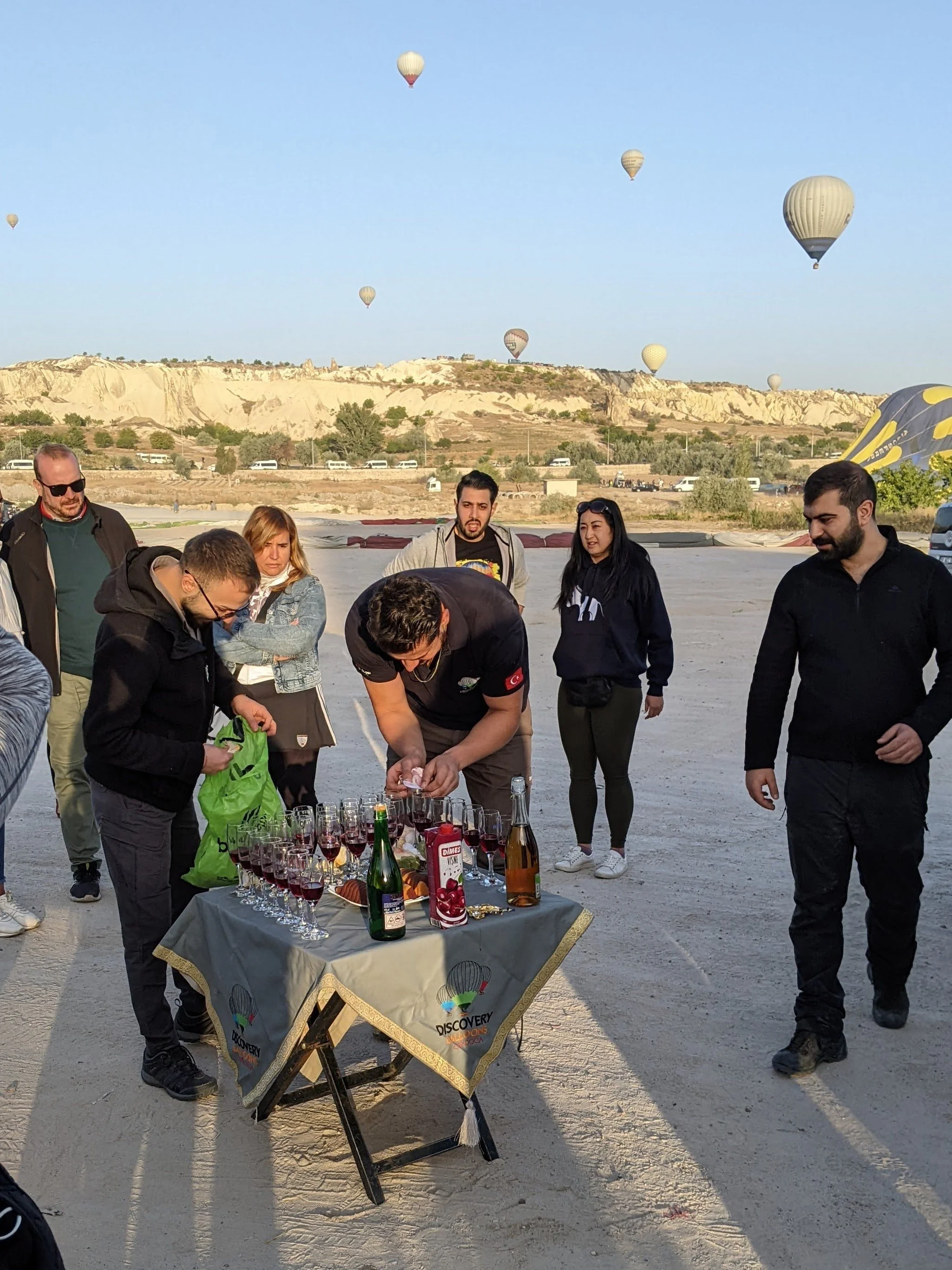
I will be honest, our quest to explore Cappadocia was driven by the desire to get a safe and (..more importantly) affordable ride on the hot-air balloon. Appreciation of the landscape and the realization of the region’s historical importance came in later.

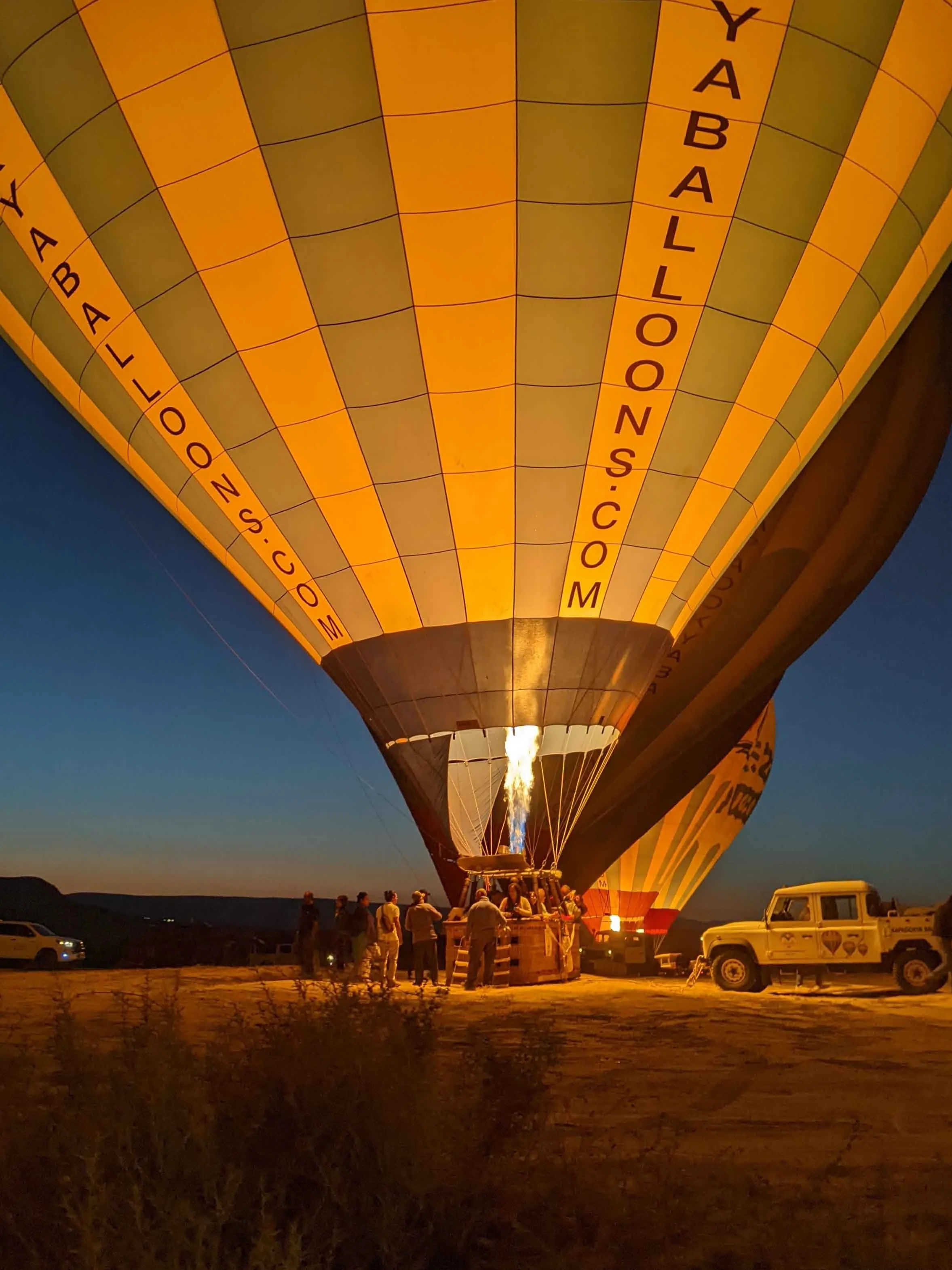
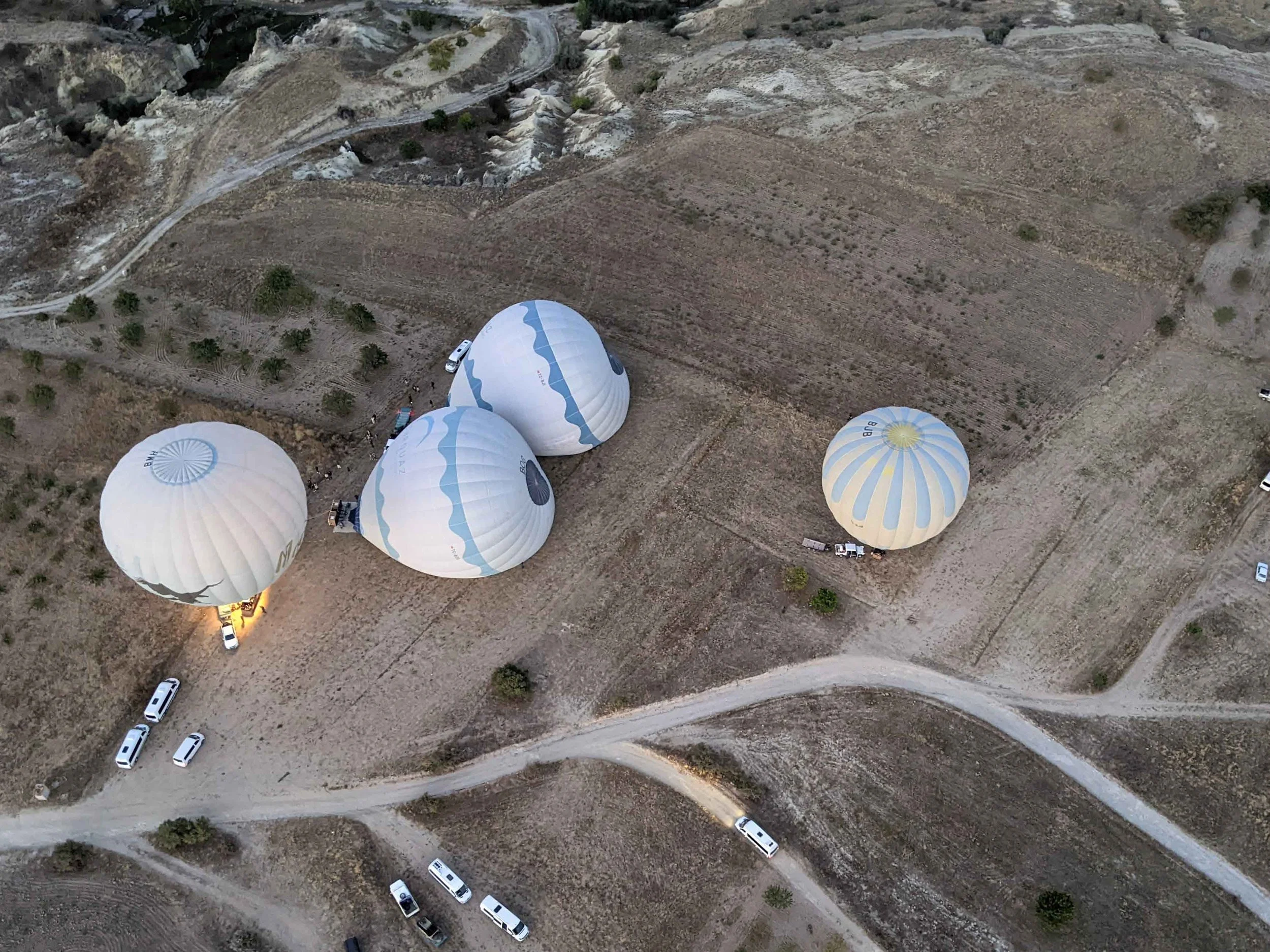
We had booked flights in advance with the hotel and however while checking in were reminded that the flights are not guaranteed and can be canceled if the weather conditions are not right. Luckily, the weather gods were on our side and the flight went through. We were picked up at 5.30 in the morning and were hurtled across to the ballooning site in minivans.   

View fullsize 9.jpg
View fullsize 18.jpg
View fullsize 19.jpg
View fullsize 3.jpg
View fullsize 7.jpg
View fullsize 4.jpg
View fullsize 2.jpg
View fullsize 14.jpg
View fullsize 20.jpg
View fullsize 8.jpg
View fullsize 13.jpg
View fullsize .trashed-1667111820-PXL_20220930_041250231.PORTRAIT.jpg
View fullsize 12.jpg
View fullsize 11.jpg
View fullsize .trashed-1667111821-PXL_20220930_042003240.MP.jpg

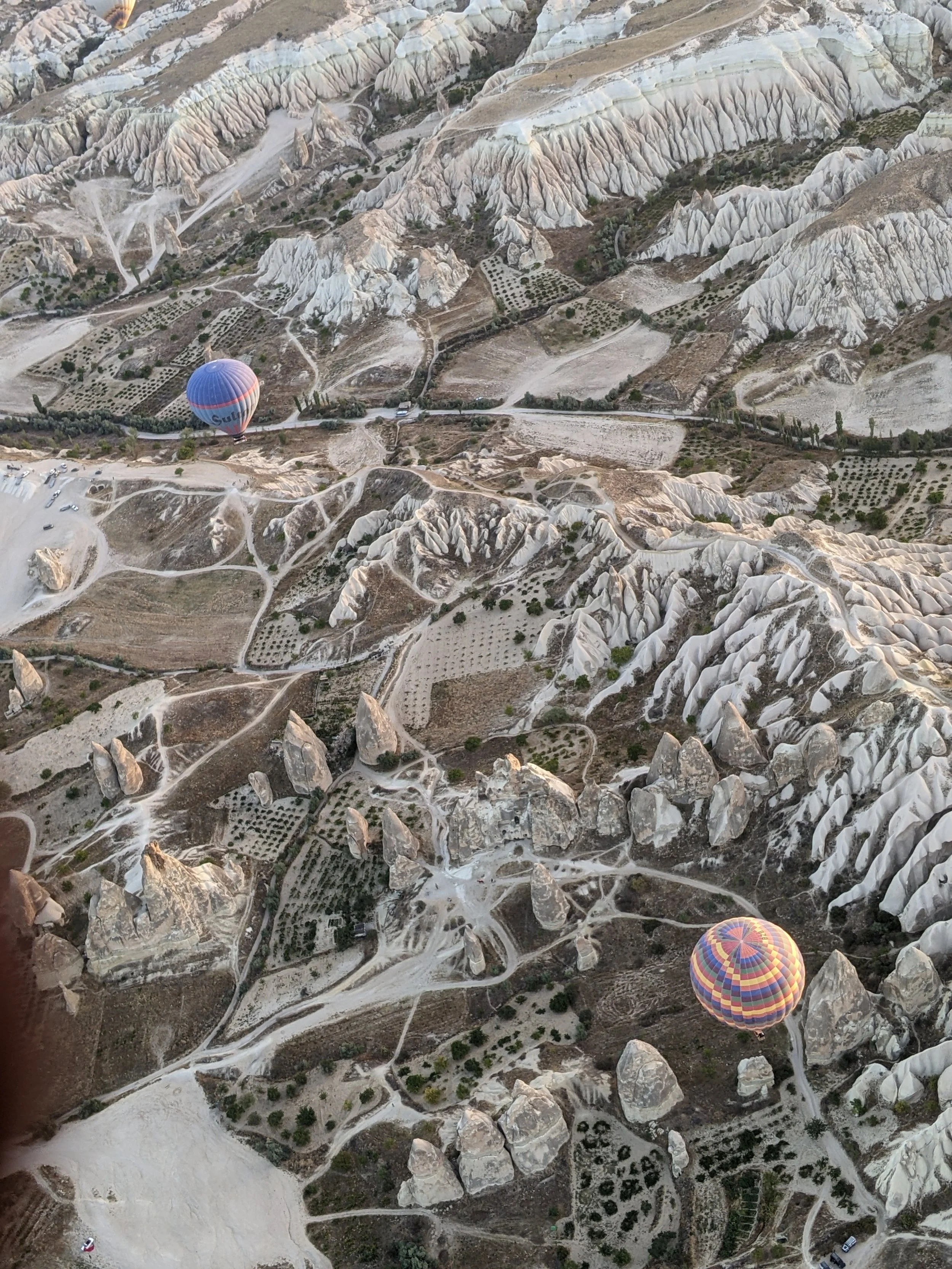
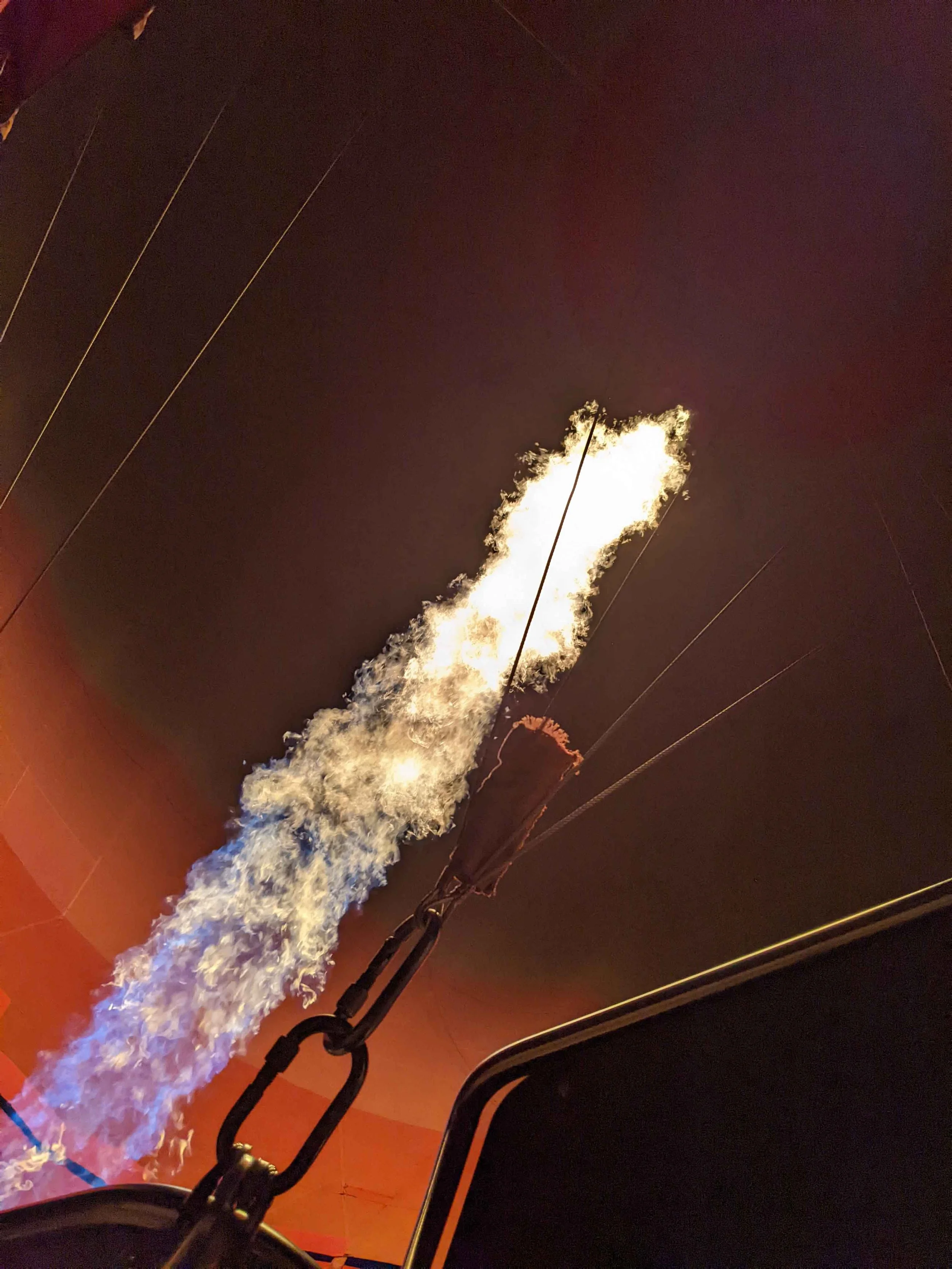
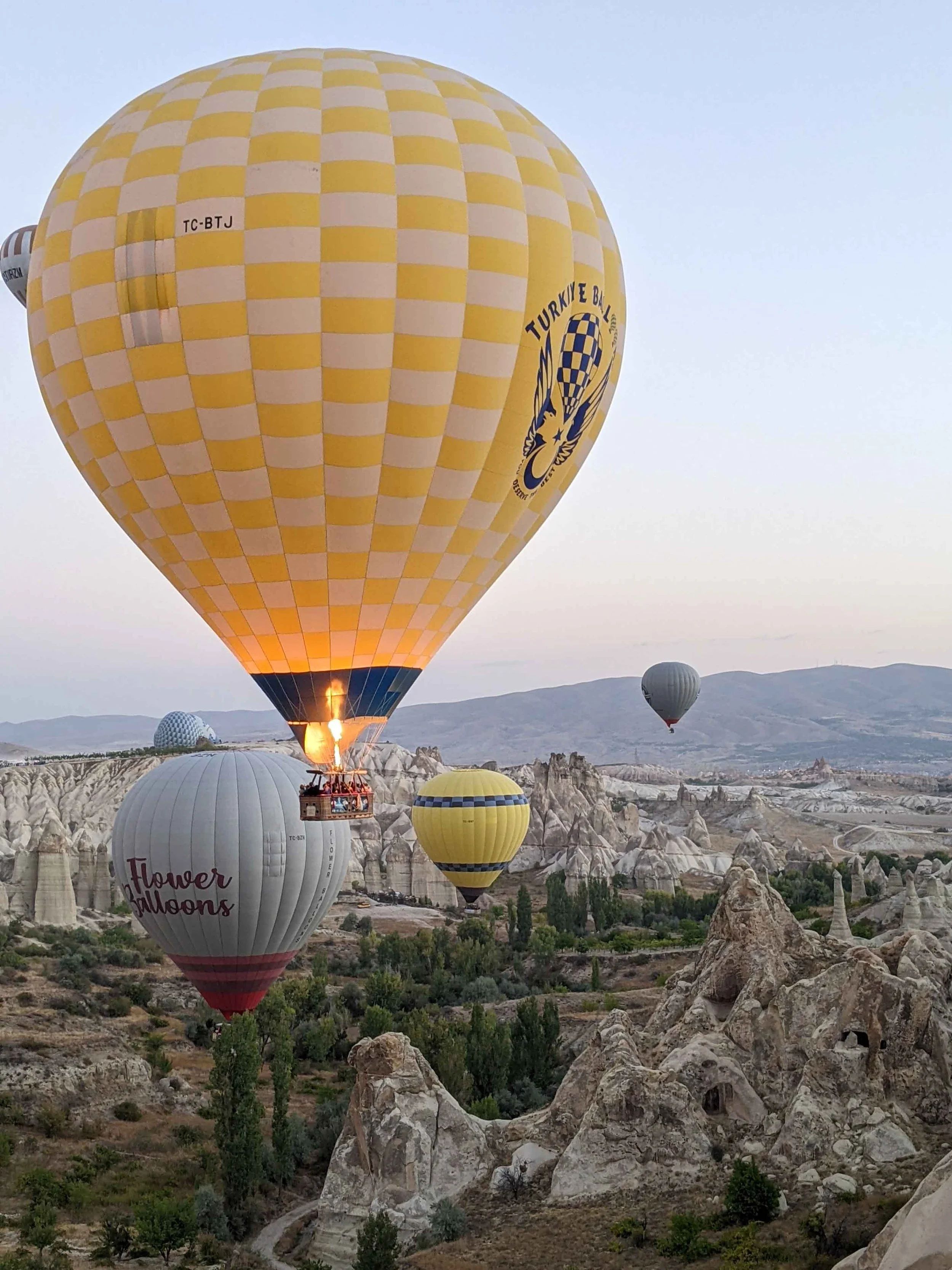
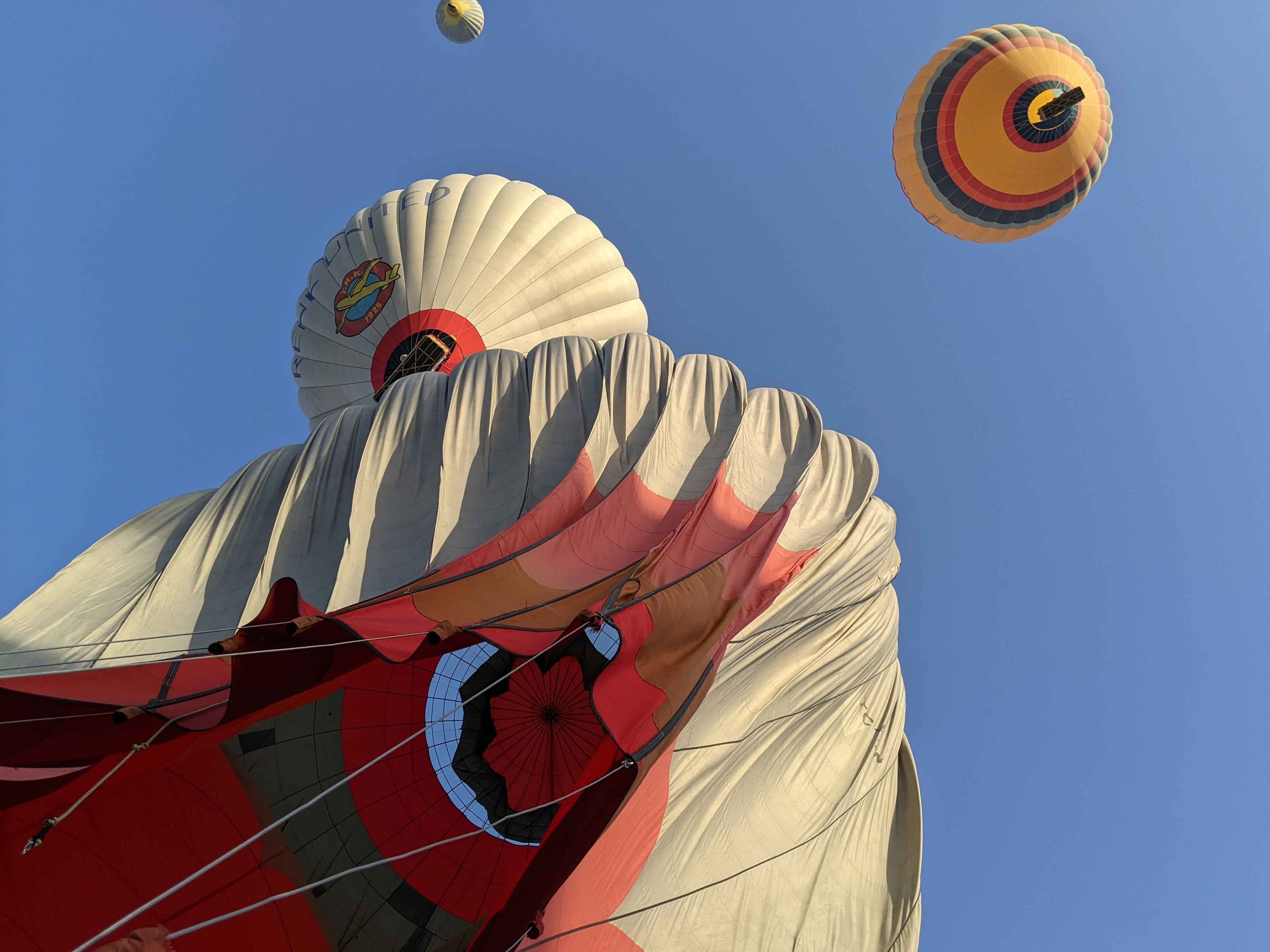
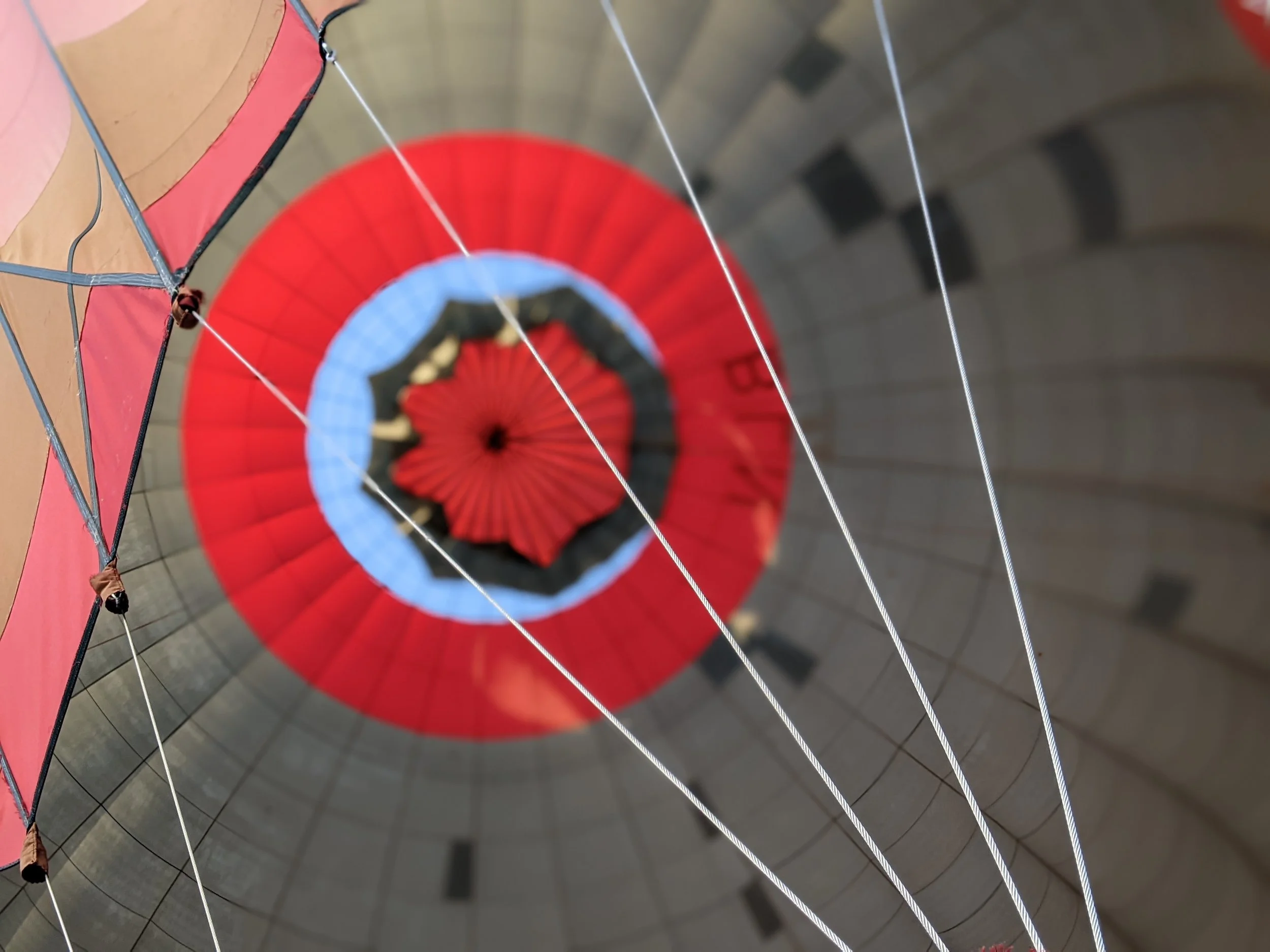
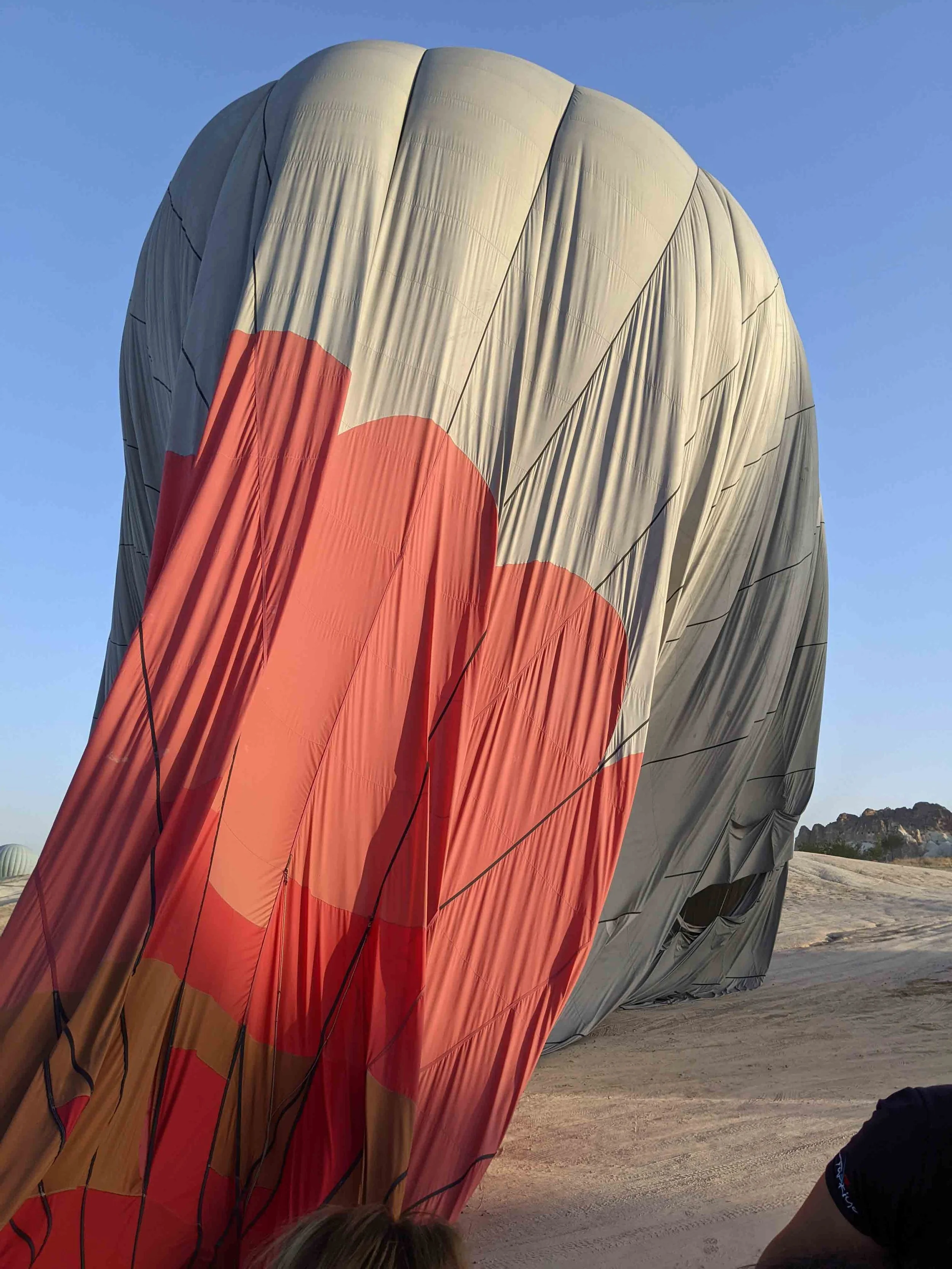
Typically, a group of up to 200 balloons would take to the sky, each balloon carrying about 20-30 people. The pilots take full advantage of the terrain to show off their skills as they manoeuvre the balloon high and low, sometimes skimming tree tops and at others bumping and squeezing between the neighbouring balloons. The sunrise, the coloured balloons drifting silently in the sky, with the occasional roar of the burners, and the interplay of the eery landscape are surreal. The ride lasts for about an hour, and finally, the balloon is softly landed on the awaiting trailer. The successful ride is celebrated by serving alcoholic and non-alcoholic champagne, candy, and biscuits.

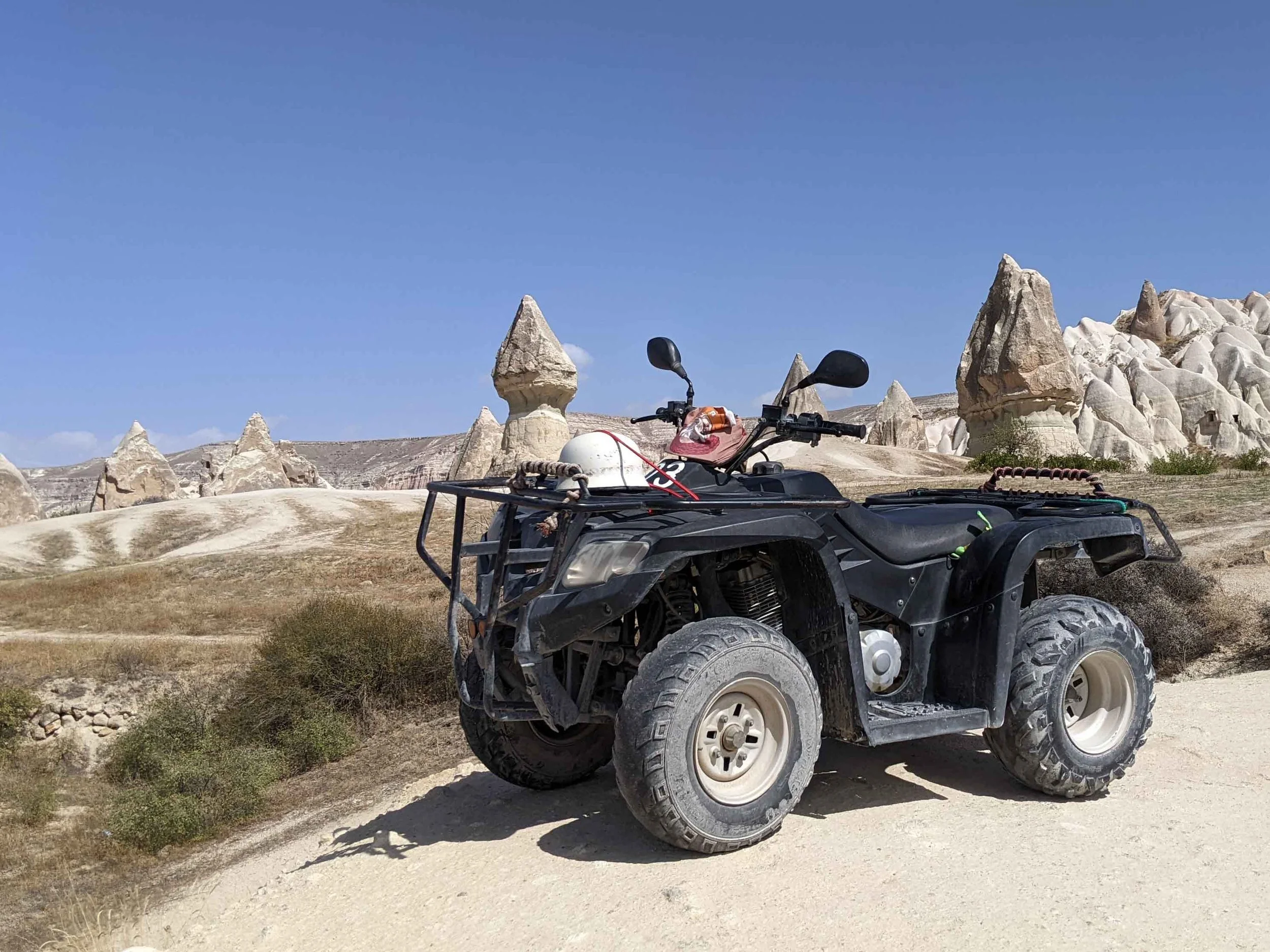
Quad biking

Most of the activities offered in Cappadocia are timed around sunset and sunrise and rightly so, as these times are the best to enjoy the sights and take some happy snaps. But the days can be long in a small town.

View fullsize 1.jpg
View fullsize 2.jpg
View fullsize 3.jpg
View fullsize 4.jpg
View fullsize 6b.jpg
View fullsize 5.jpg
View fullsize 7.jpg
View fullsize 8.jpg
View fullsize 9.jpg

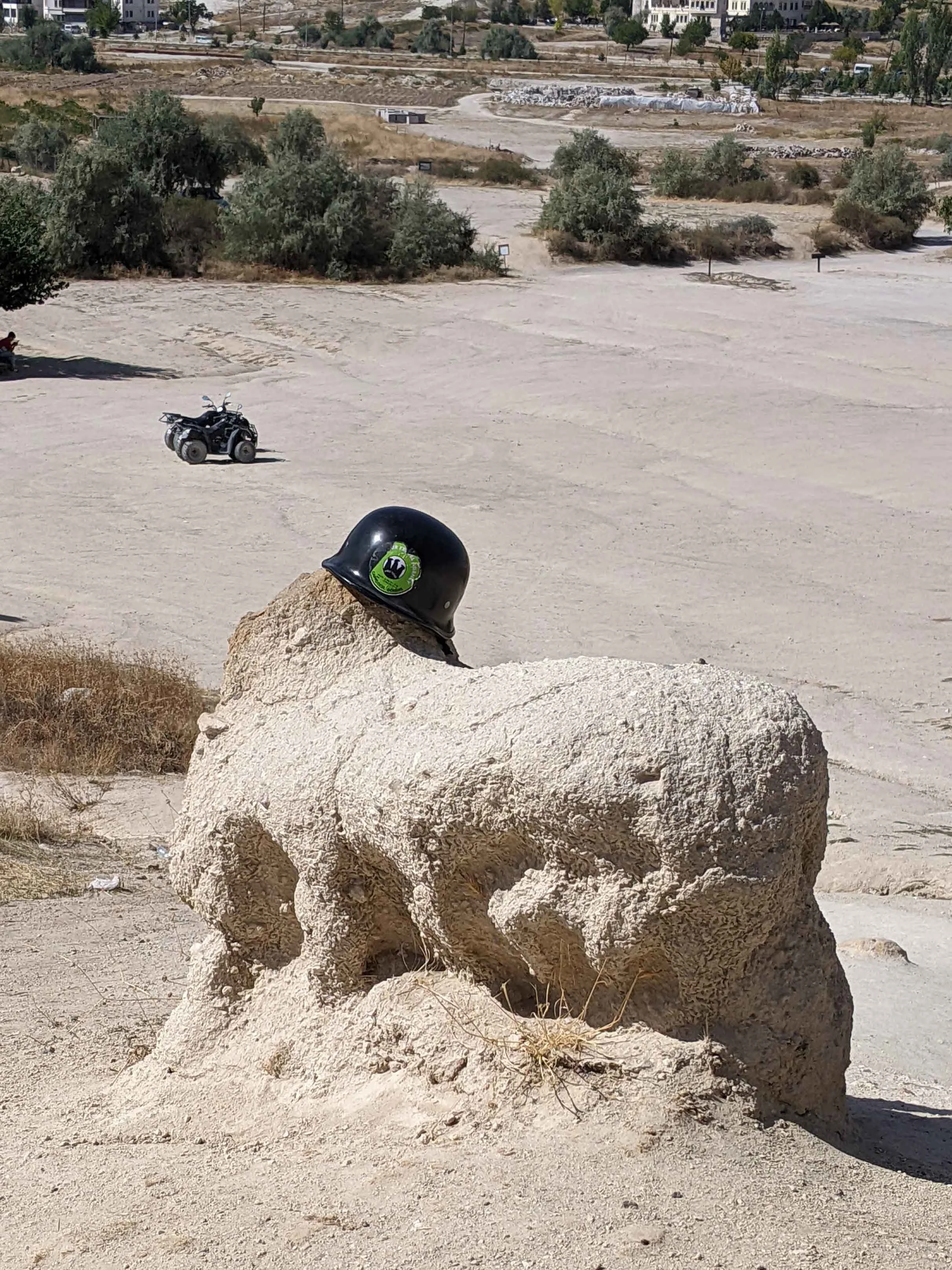
Around the corner from our hotel was a quad bike place, I had never driven a quad bike before and the temptation to hire one was overwhelming. The bikes with a guide can be hired outside tour times and we went for it. The guides are proficient and familiar with the terrain and lead through a tour that is not only scenic but also provides occasional opportunities to safely unleash the ‘devil’ driver in us.

The tour last for about an hour and a half and is worth exploring even at the cost of covering your clothes with fine dust.  A compressed air washup after the ride is included in the price.

Pottery Kebabs.

Turkey is famous for its kebabs and tea, but a variation to the theme that caught our attention was the ‘pottery kebabs’. The stew and the kebabs are prepared in a special earthen vessel that is sealed with dough, resembling a pressure cooker. The vessel is placed in the oven and then brought to the table in a sealed state. The display involves tapping and breaking out the contents of the vessel into the bowl on the table.  

While the food is nice the artistry involved in serving the piece is even better.

The Kebab Presentation

Handcrafted

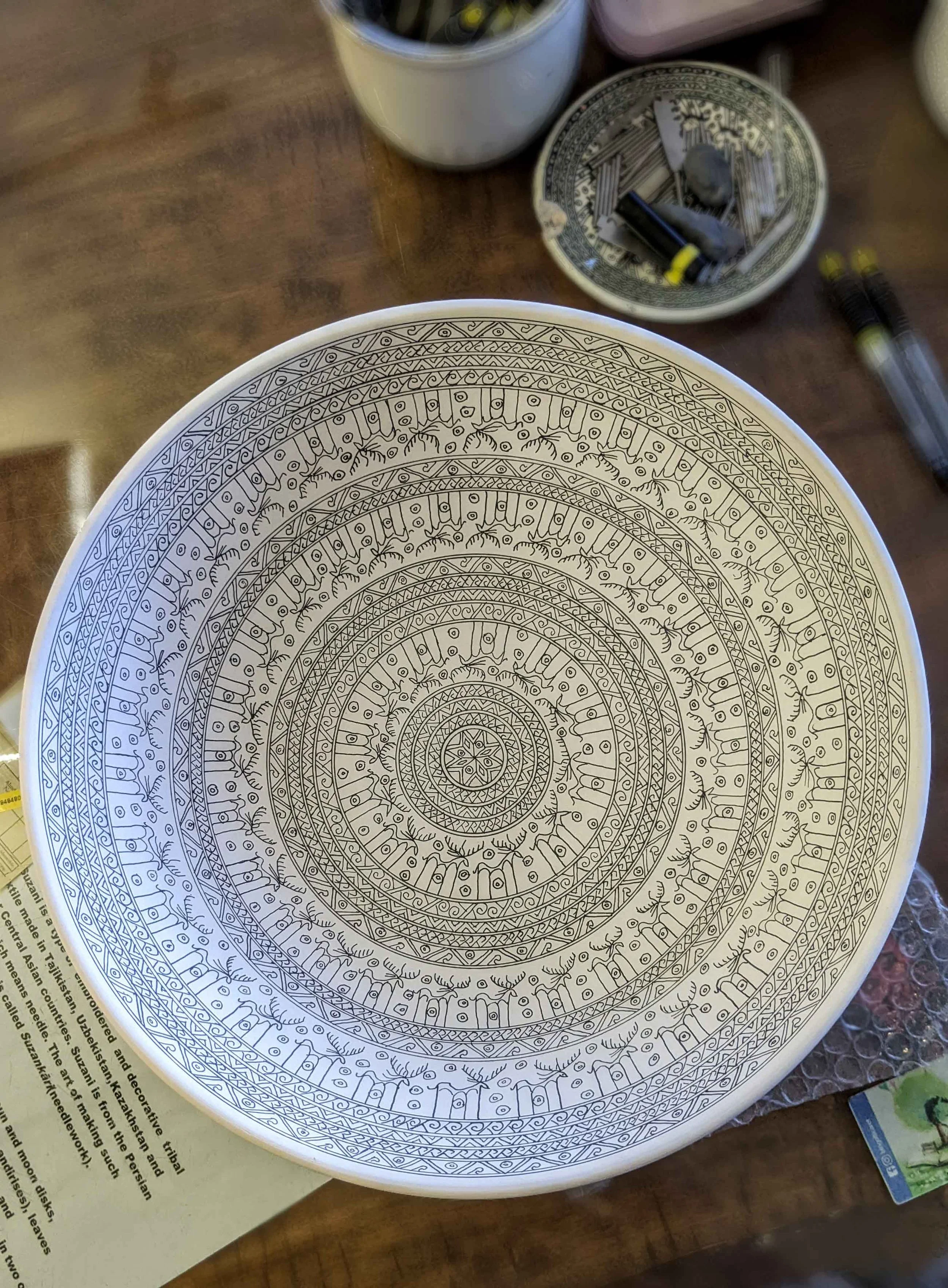
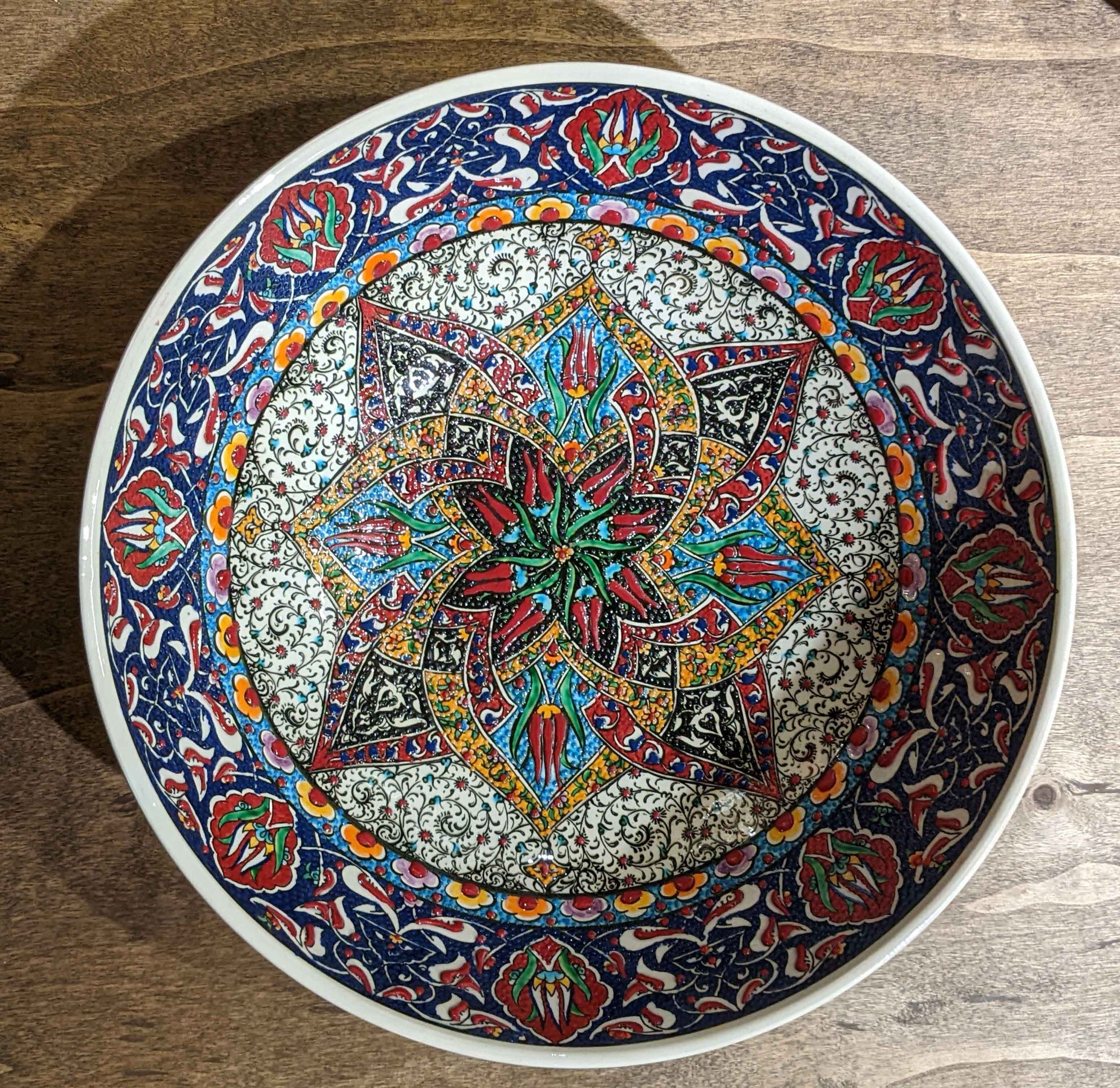
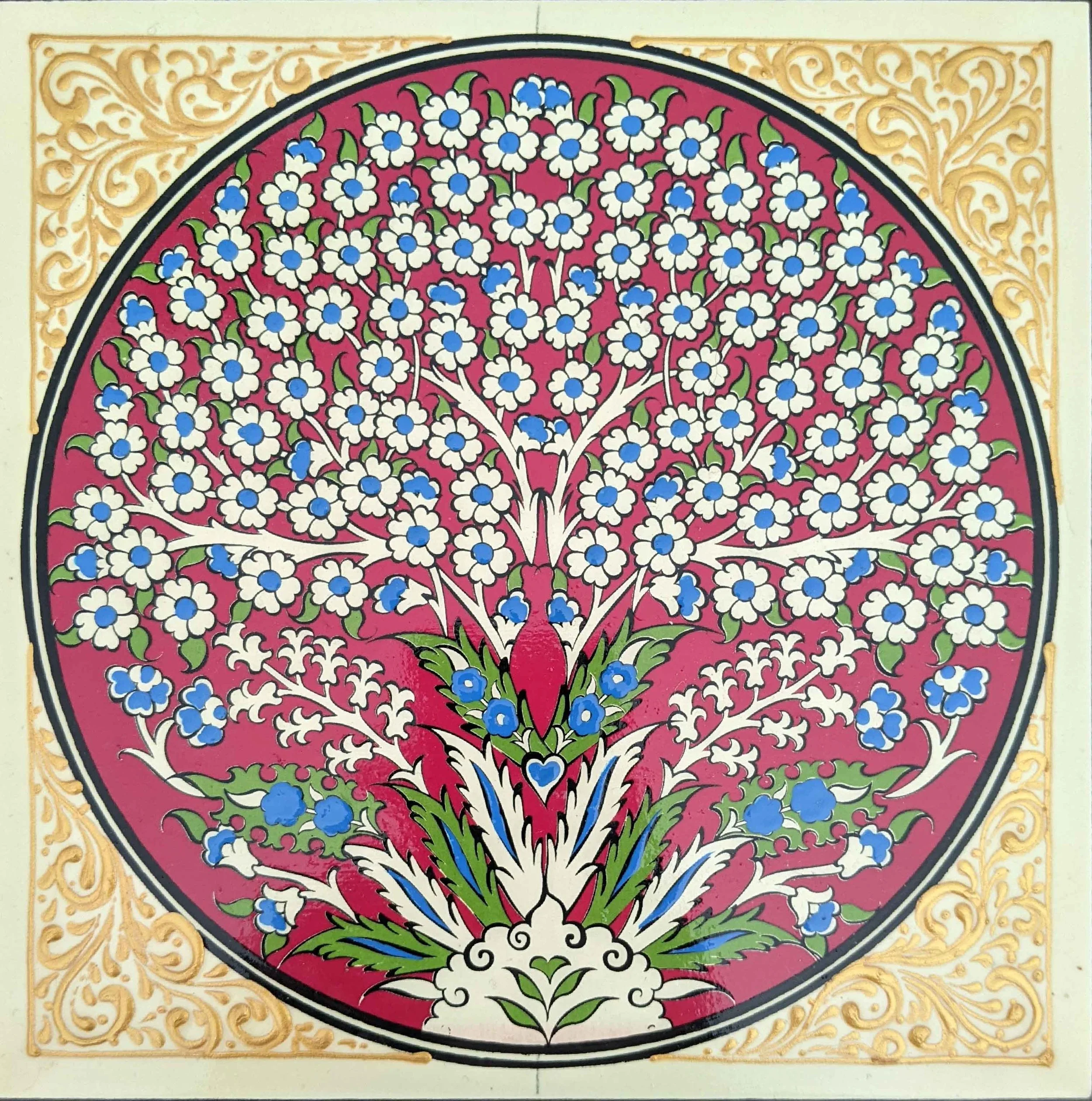
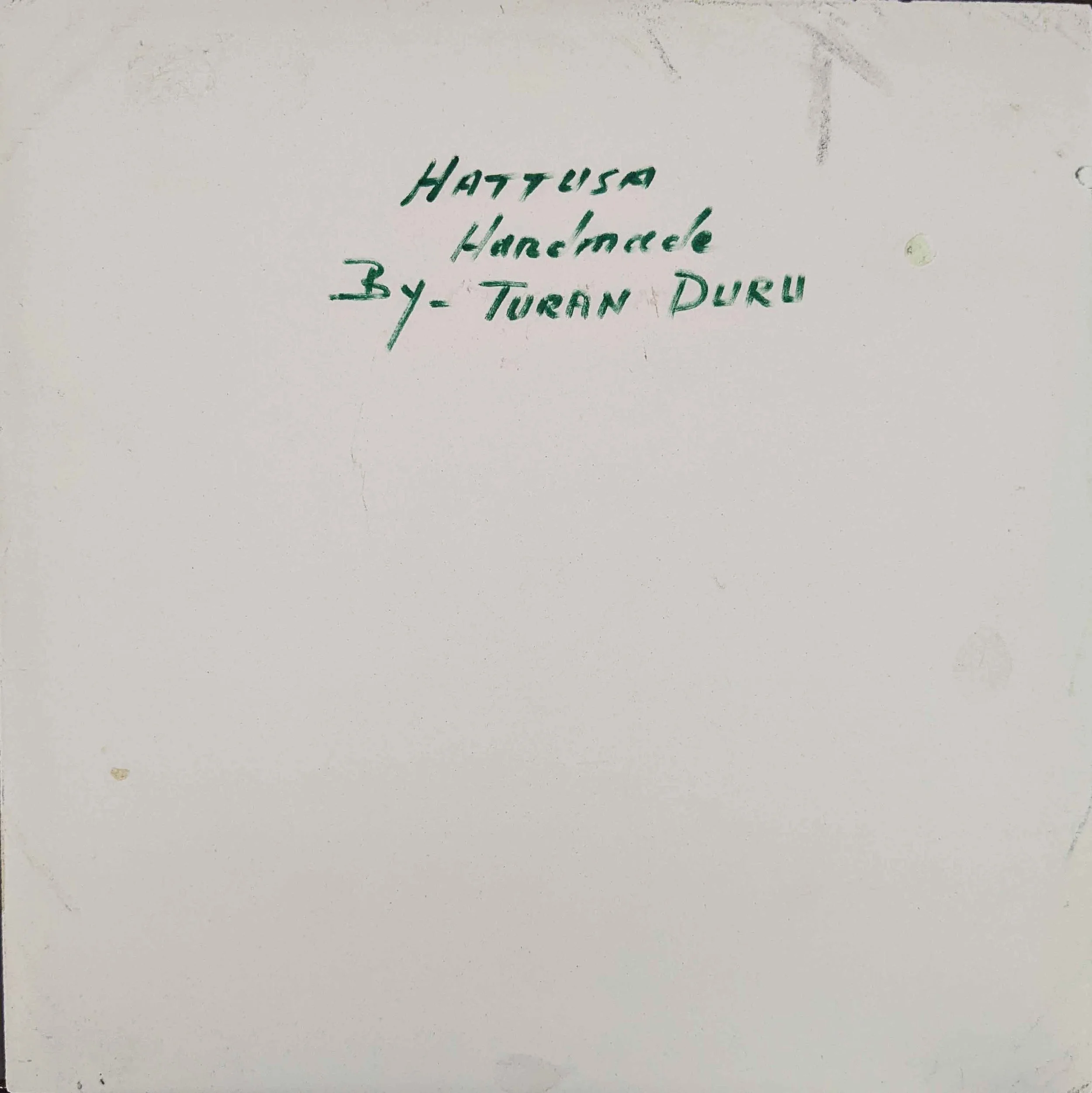
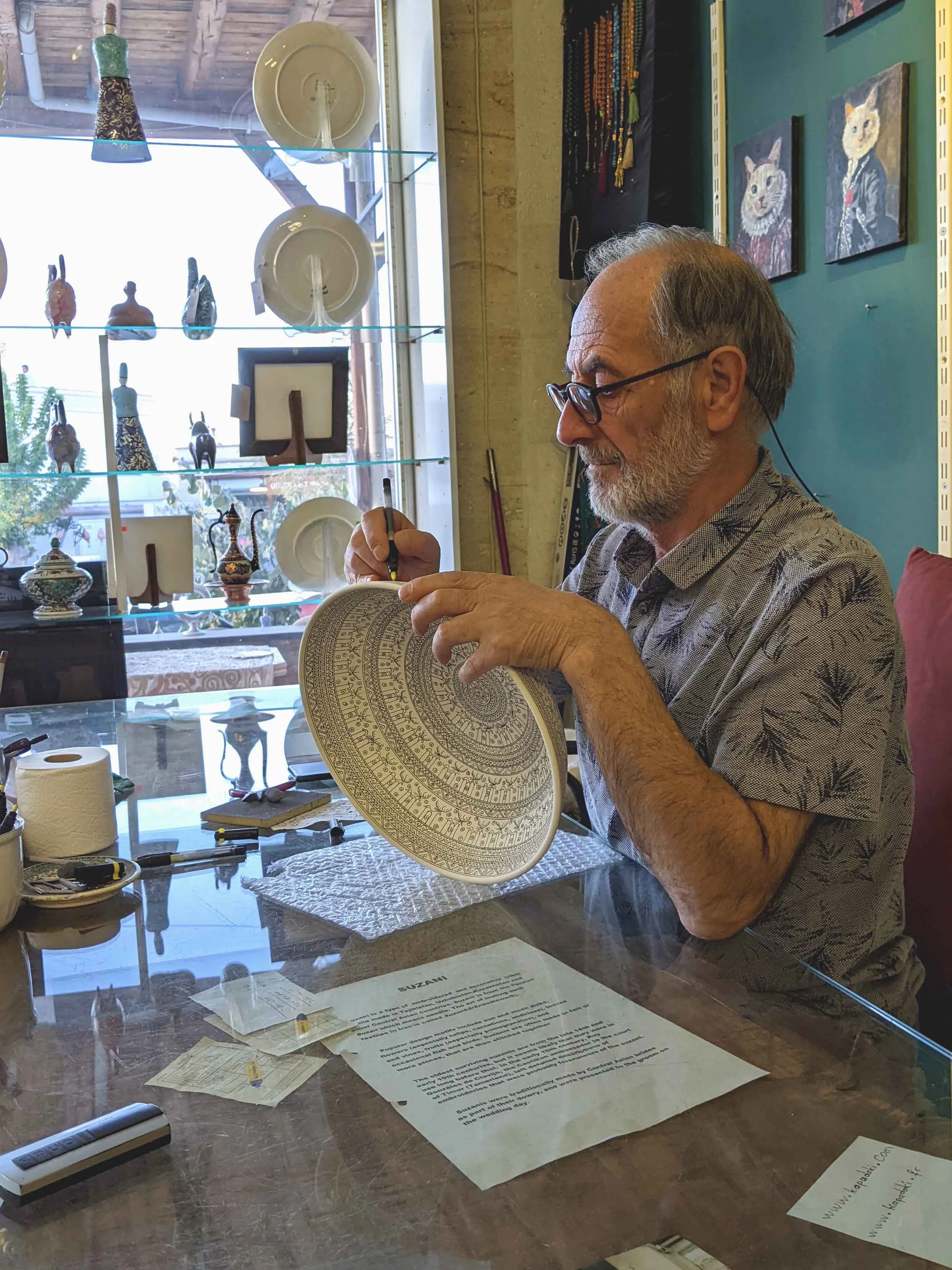
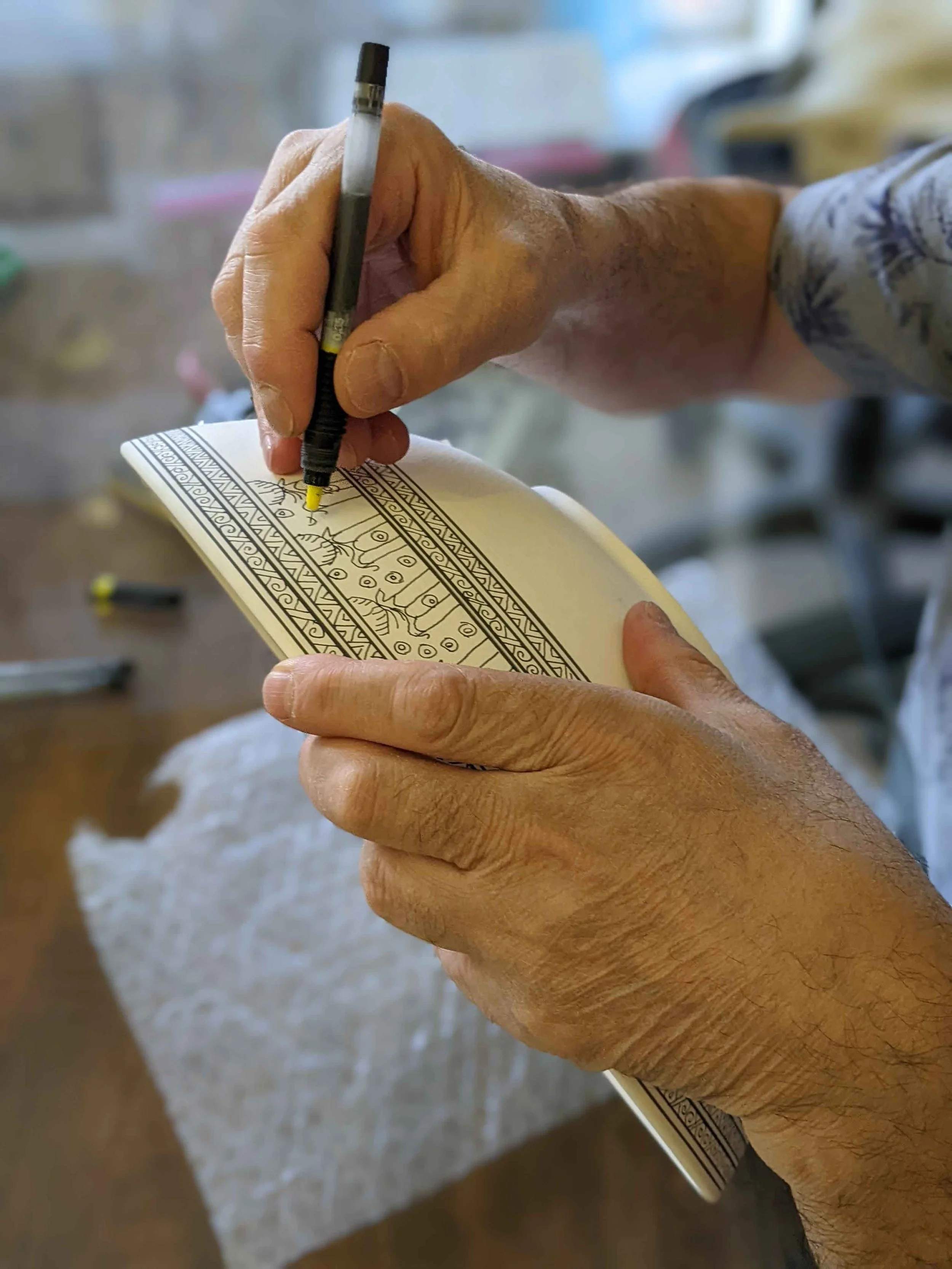
I am always intrigued by craftsmen and artists, but unfortunately, one rarely gets an opportunity to meet the creator of the work in person.  Being a small town, Cappadocia’s visit provided us with this rear opportunity as one of the random shops I visited had a maker present working on his piece. Turan, was an elderly gentleman in his late sixties who has been practicing his skills for decades, he specialized in a certain type of pattern and showed us around his shop. I asked him, where he got his training and he replied that he had learned the skills by watching others. 

Similarly, in another shop we met this old lady who was selling crochet crafts that she prepared herself. ‘Takes me about 7 days to prepare one’, she said ‘as my hands are getting frail and weak due to old age’.

While I can’t be certain, it seems most of the shops were operating as a commune with craftspeople sharing the outlet.

View fullsize 1.jpg
View fullsize 2.jpg
View fullsize 4.jpg
View fullsize 3.jpg
View fullsize 5.jpg
View fullsize 6.jpg

Cappadocia  Göreme valley where most of the action happens is about an hour’s travel from the airport, and this travel time needs to be accounted for while planning the trips, as with 3 hours before reporting requirements for international travel, this could lead to sleepless nights.

All in all, Cappodocia is an interesting place and worth having on one’s bucket list!

In Turkey, Cappadocia, Travel, Multicultural, Islamic Arts, Arts Tags cappadocia, Turkey, Hot air balloon, travel, pottery, kebabs, pottery kebabs, testi kebabs, quad bikes, Cappadocia
1 Comment

Latest AND THE Greatest


TOGETHER

INTERACTIVE ART PROJECT

Powered by Squarespace