• +Works
    • Arabic Abstractions II
    • Mechanical Imprints
    • Arabic Abstractions
    • Emerging Artist Space
    • Group Shows
    • ARTIST STATEMENT
    • CV
    • CONTACT
  • +Conversations
Menu

Sohail Yamin

Conversations With Colour
  • +Works
  • +Exhibitions
    • Arabic Abstractions II
    • Mechanical Imprints
    • Arabic Abstractions
    • Emerging Artist Space
    • Group Shows
  • +ABOUT
    • ARTIST STATEMENT
    • CV
    • CONTACT
  • +Conversations

Together

April 26, 2023

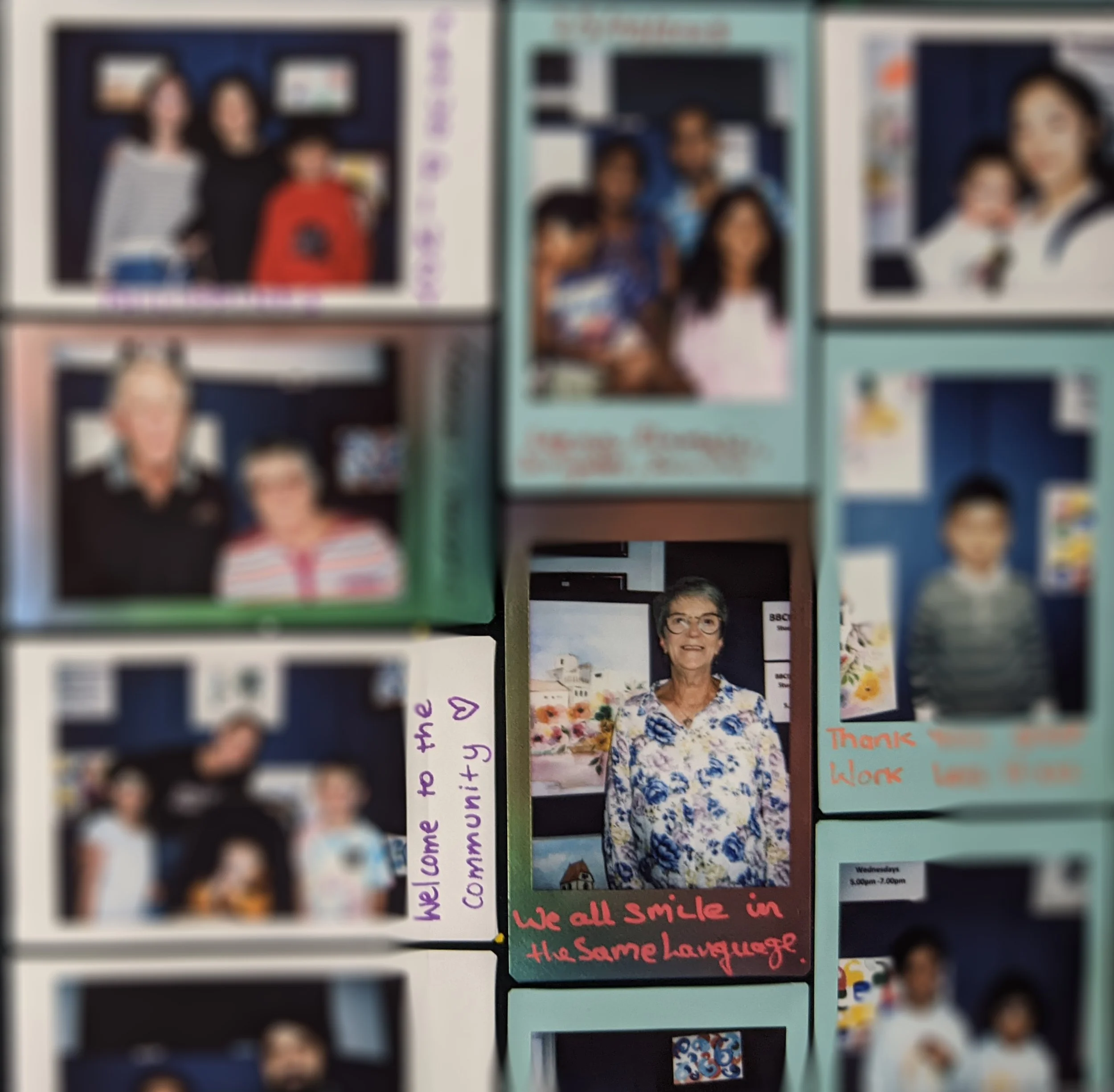
This project started off in December last year with a simple request. Balla Balla Community Centre in Cranbourne East was moving into new premises at Clyde North and was planning an open day in March to celebrate this move. The centre’s management had reached out to me to plan and organize an interactive art activity for the event to mark this occasion.

Balla Balla Community Centre together with the Cultural Historical Association of Rodriguans and Mauritians (CHARM) has been a great support in my art career and I have had the privilege to work with them in several Australia Day events. The centre had not only facilitated these works but has been displaying them on its walls since their inception.

Although, time-poor with my work commitments and frequent interstate travel, this was a request I could not turn down.

The Brief

Since opening its doors in 2007, Balla Balla community centre had been providing various services to the local communities of Cranbourne and Clyde such as venue hire, information, photocopying, faxing, health and wellbeing programs, and arts & crafts workshops to name a few. The shifting of premises was triggered by the need to provide space for the construction of a new hospital being built in its original location.

The new location of Balla Balla community centre was the Selendra community hub building in North Clyde which was constructed in 2017 and was providing similar services to their local community.

Balla Balla centre’s management wanted to use the open day to acknowledge their past and announce their presence and services to their new neighbourhood and build upon the existing clientele. They wanted the artwork to reflect this evolution and connect with the multicultural and diverse community in the region and in turn improve community access and participation.

The Work Begins

While discussing the project, I came to know that the white wall that the proposed artwork was going to be hung used to be a feature wall that was initially painted black. Though the change of colour was driven by the need to give the space a clean and spacious feel. I envisage using this fact to establish a connection between the ‘old’ and the ‘new’ centre.

Australia is home to one of the world’s oldest continuing cultures. The Aboriginal people are traditional custodians of the land and have inhabited this land for more than 60,000 years. The colonization of the land by British Settlers in the 18th century changed the social demographics of the population and established a dominant culture based on Western European values.

Today’s Australian society reflects the British penal history and subsequent waves of migrants from all over the world who have adopted their cultural roots to suit the new environment, climate, and resources of the country. The uniqueness of the land, its flora and fauna, and the generally egalitarian approach of the society have led to the development of a unique Australian vernacular with distinctive pronunciation and lexicon. I wanted to capture these salient features of our society to establish the overall context of the artwork.

Clyde North is one of the rapidly growing areas in the City of Casey and is a microcosm of the city’s general population trends. The mostly middle-class dwellers consist of people belonging to diverse ethnic backgrounds. Exploring and researching this theme further, I found out that nearly 280,000 people call the City of Casey home, and this population cohort represents people belonging to more than 150 cultures, speaking 140 languages with nearly 42% of them born overseas.  The artwork needed to connect with this rich cultural heritage and showcase the uniqueness of various cultures and how they contribute to the overall richness of our society.

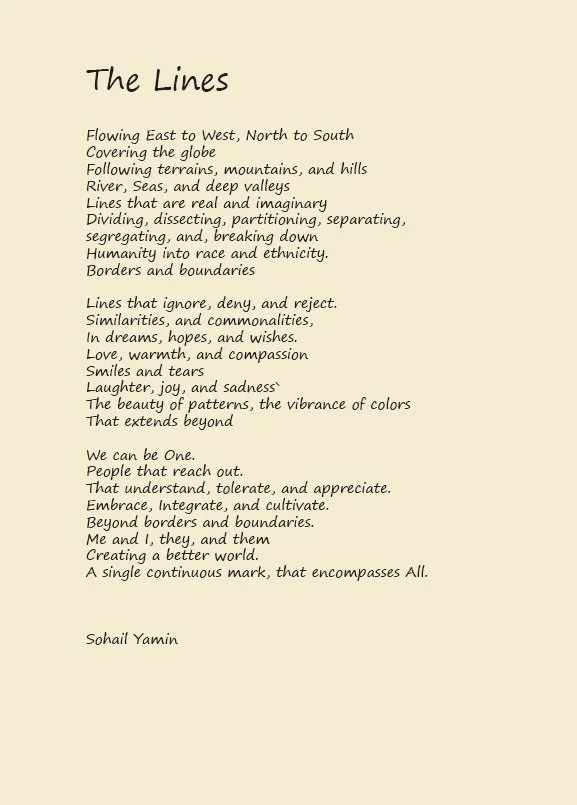
People tend to have biases depending on their upbringing, religious beliefs, cultural backgrounds, ethical viewpoints, and linguistic interpretations. As humans, we are wired to fare the unknown and as a result, we tend to look at differences rather than the similarities that exist between us. I wanted the iconography of this artwork to focus on these commonalities and bring the viewer’s attention to the global nature of our community.

First-generation migrants are typically nostalgic about their home countries as they evolve and adapt to their new environment. Therefore, one of the goals of the artwork I set for myself was to find a way to tap into and represent the uniqueness of various cultures and find a way to showcase how this richness fosters creativity, and innovation and contributes to society.
View fullsize 1j.jpg
View fullsize 1e.jpg
View fullsize 1g.jpg
View fullsize 1b.jpg
View fullsize 1d.jpg
View fullsize 1c.jpg
View fullsize 1f.jpg
View fullsize 1h.jpg

The Artwork

Whether it’s the number of likes on our ‘socials’, or a photograph somewhere, we all love being acknowledged!

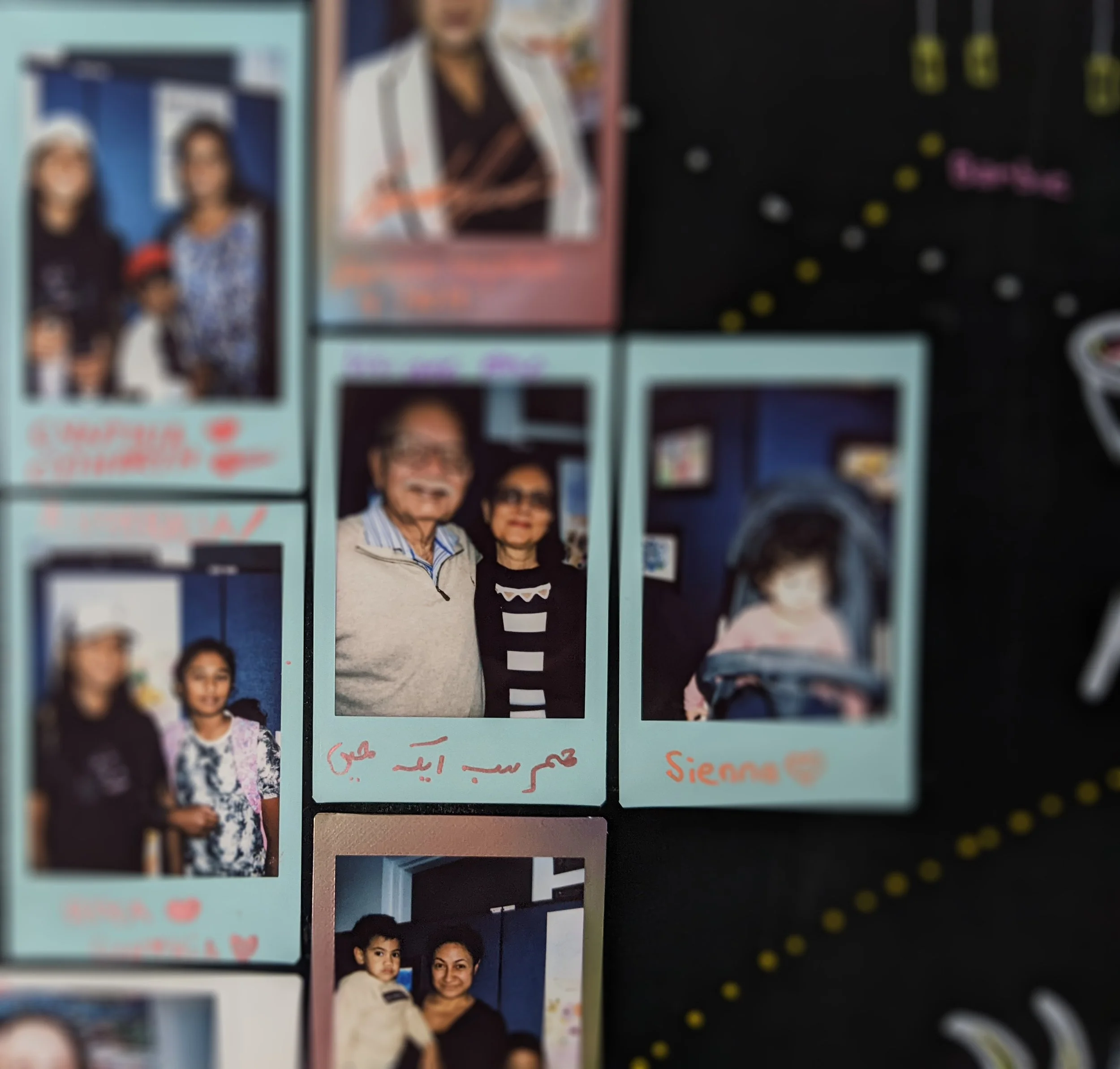
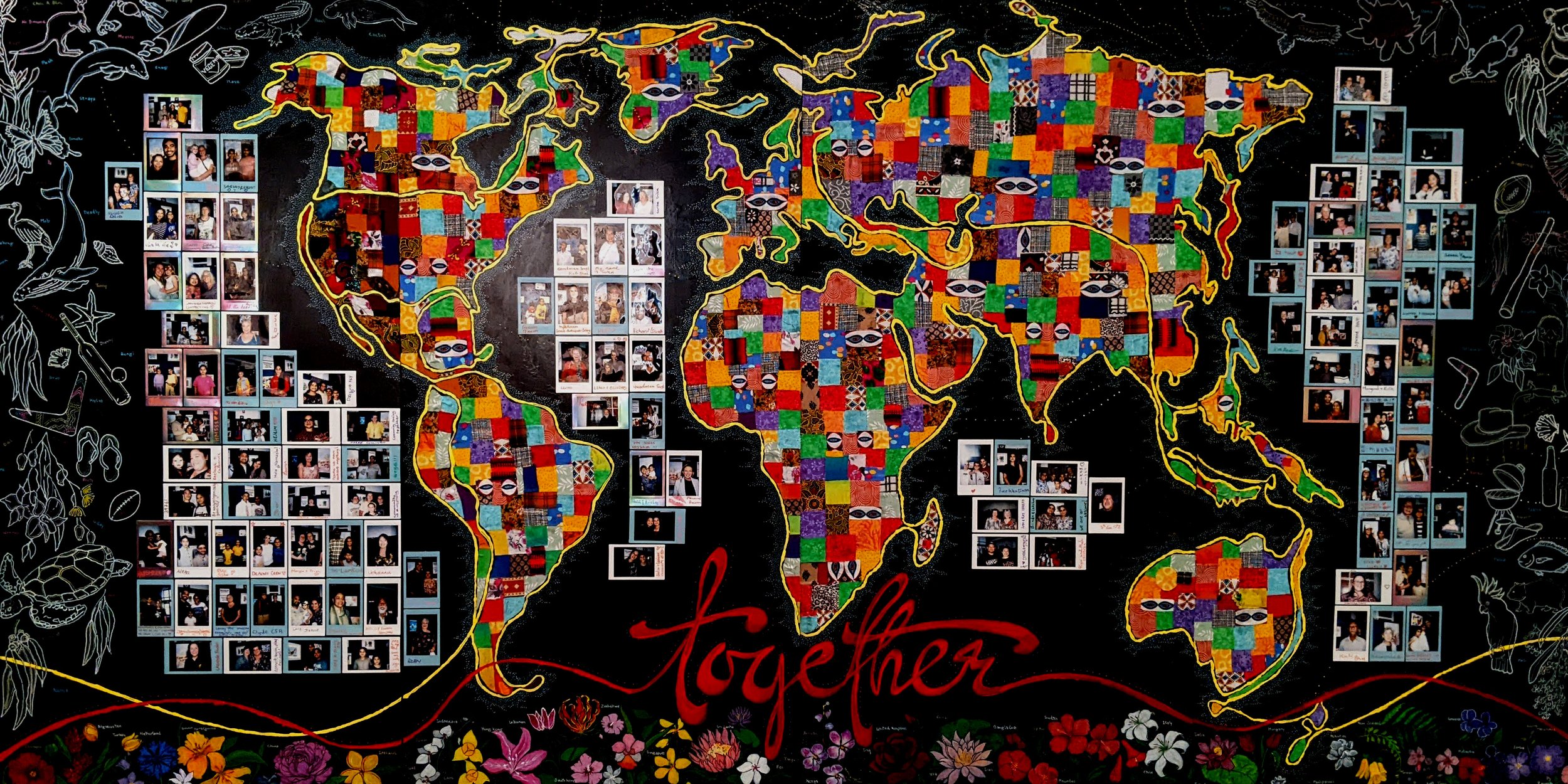
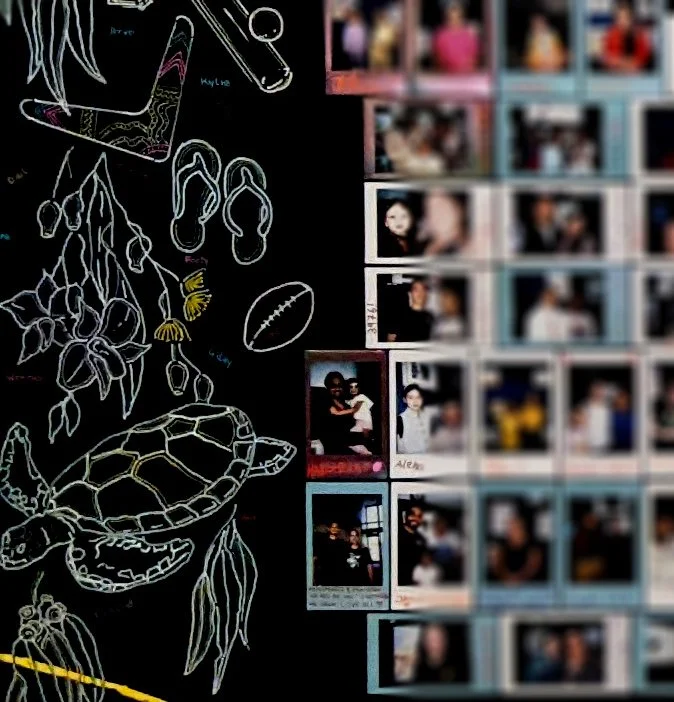
This zest for acknowledgment and display needs to be balanced with the concerns about identity fraud. To me, photographs taken with polaroid cameras provide a happy balance between these two requirements. These are clear enough to form a record and convey the artistic intent, but not sharp enough to raise privacy issues. I, therefore, decided to use Polaroids snaps as a tool to improve participation and community engagement.

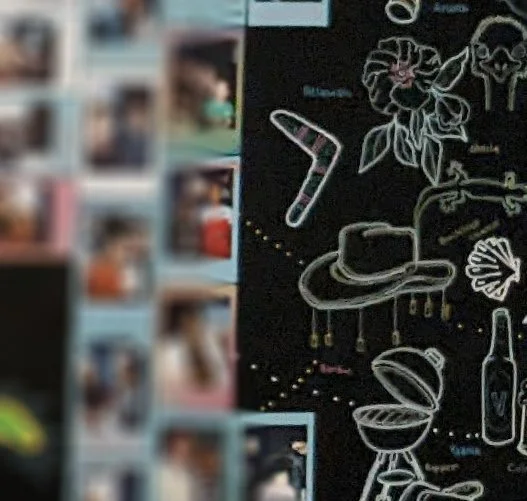
The black background of the piece is intended to provide a historical perspective between the ‘old’ and the ‘new’ and bring out and enhance other visual components.

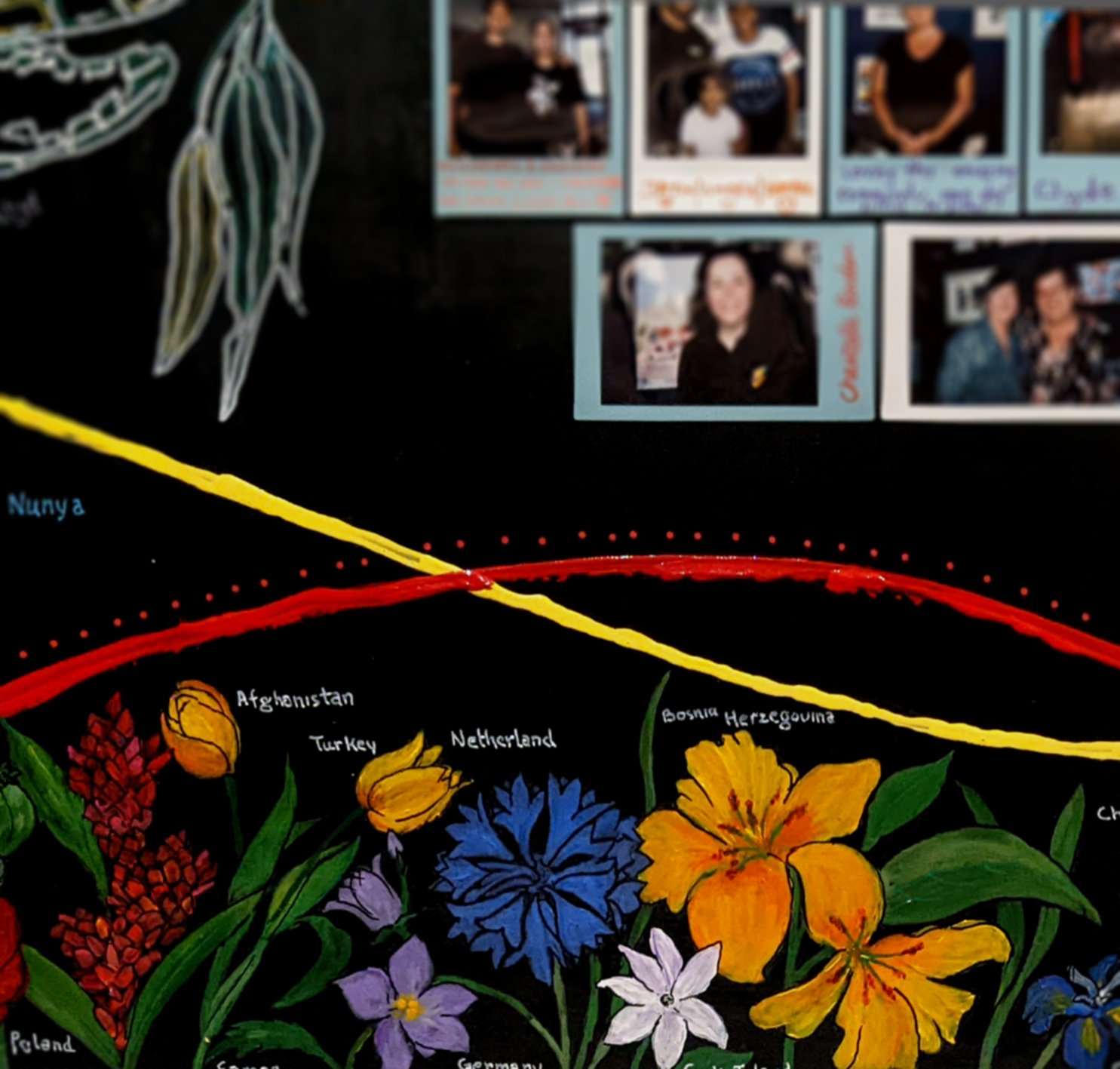
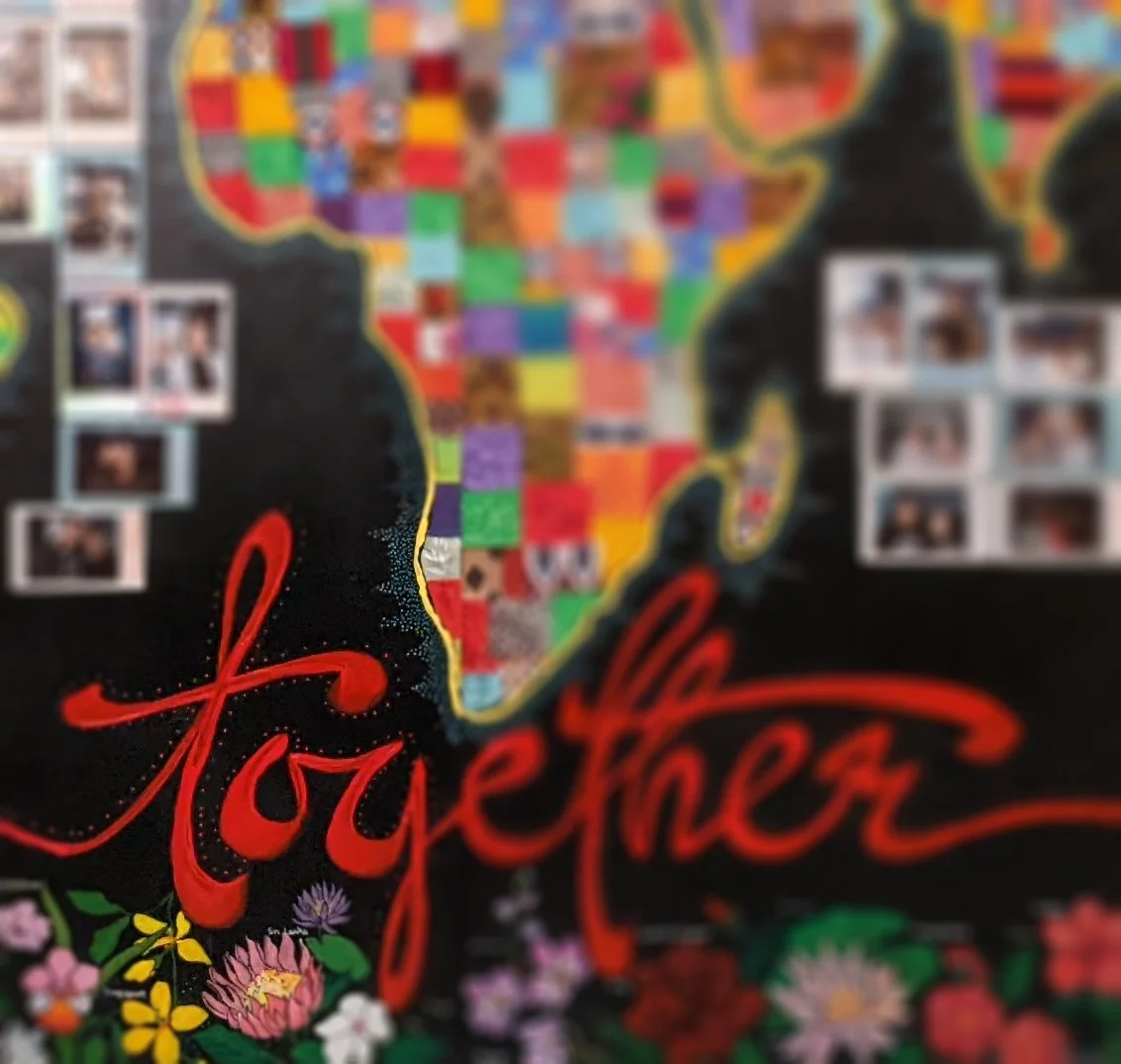
A single continuous line outlining the globe and the word ‘Together’ is intended to simplify the key message of the piece and focus the attention of the viewer toward the global nature of the community we live in and the need for global connectivity.

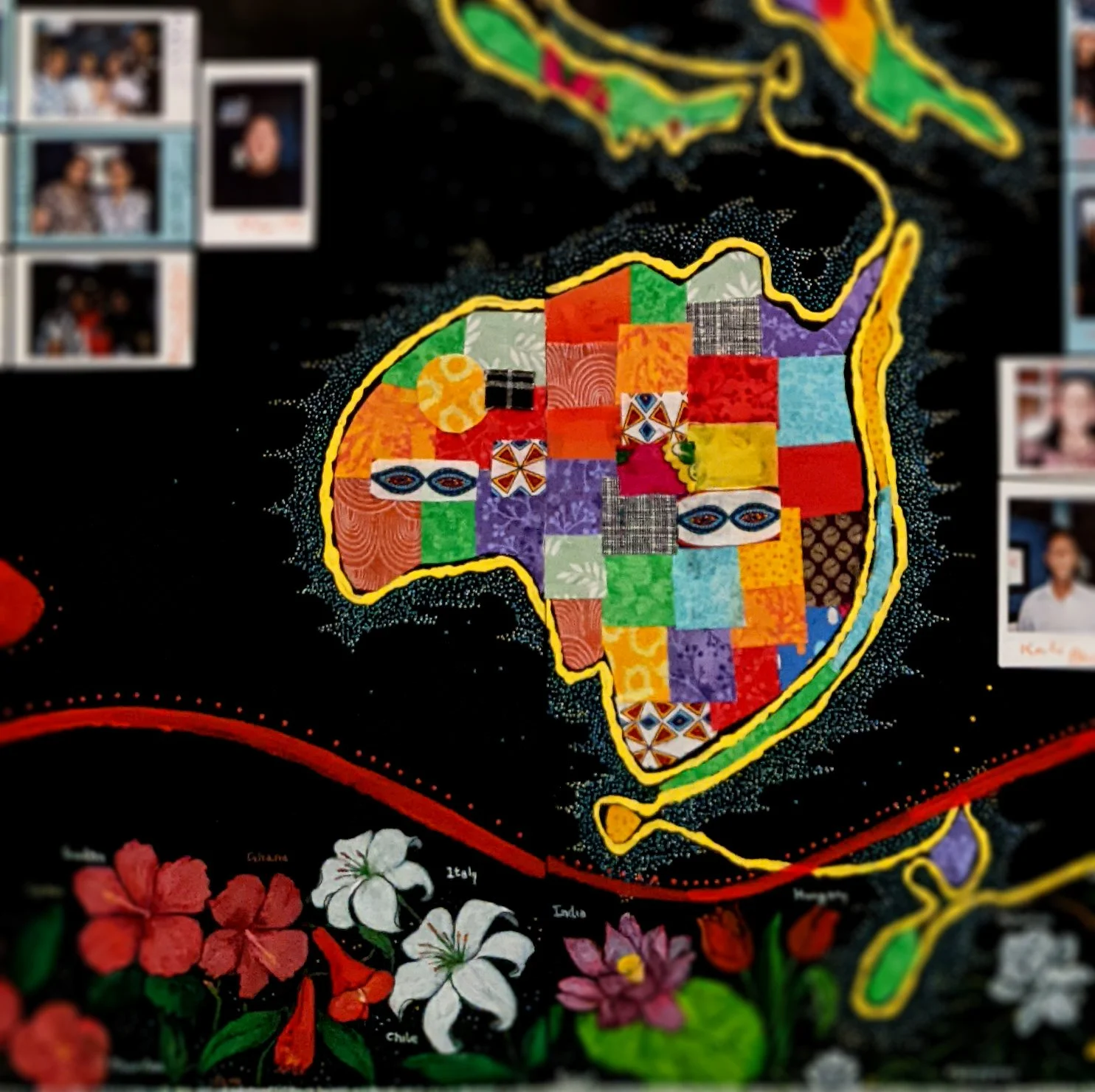
The outer edges of the land boundaries have a band of multi-shade blue dots to signify the importance of water for our land and people and to create an illusion of sunlight glitter reflecting off the water’s surface.  

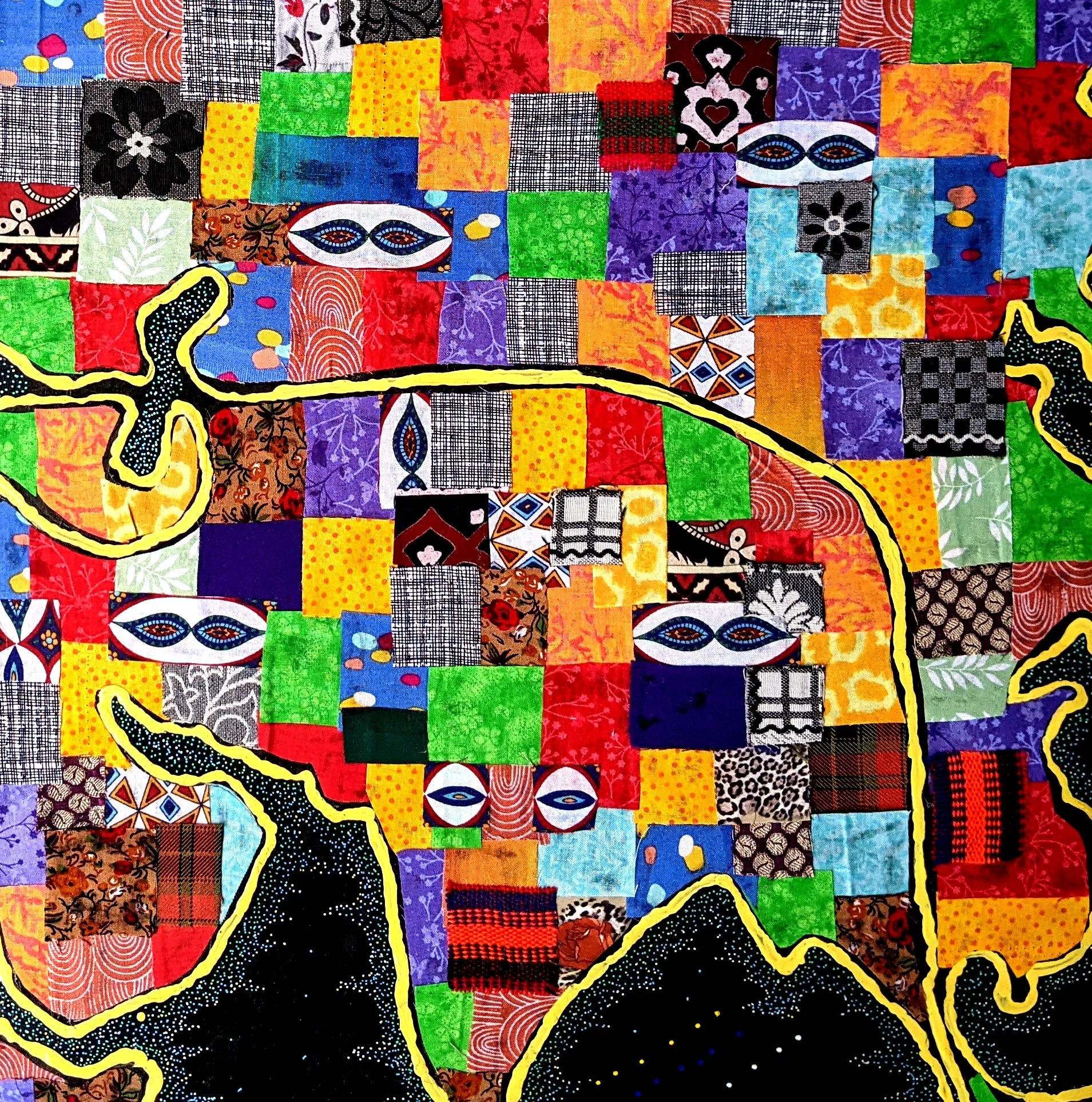
The inner areas of the world map have patches of colorful cloth glued to the panel. This is not only intended to bring colour and texture to the artwork but also signifies the vibrant canvas of people from various backgrounds and walks of life that inhabit our globe. The use of similar cloth patterns along both sides of the ‘line’ is intended to bring focus on commonalities between the people.

Both the sides and the top of the panel are covered with images of typical Australian icons specific to Australia. The minimalistic representation of emblems associated with Australia and infills of words in indigenous languages and popular ‘Australian English’ slang are intended to provide a context for this artwork and signify the connection of the people with our land.

Most countries have a collection of symbols that identify them as a nation and floral emblems, or State flowers have been used for this purpose for centuries. I have used this symbology to represent the different communities living in the City. The bottom band of the artwork showcases the national flowers of various countries from around the world, whose people now call the City of Casey home. The intent of this’ bouquet’ of flowers is to establish a connection between our diverse communities with their homeland and highlight how the uniqueness of each culture contributes to the overall richness of the society.
Celebrations

While this artwork took more than a hundred hours of research and execution, the success of any interactive artwork is bound to the engagement and participation of the people on the day the event takes place.

Based on my past experiences with similar activities, I was apprehensive that I may struggle to get 100 people to participate and be photographed, and in my mind had thought up a few strategies to fill in the blank spaces with other materials if this was to eventuate.   

I was pleasantly surprised by the outcome on the day.  People were very responsive to the concept and were appreciative of the meaning behind the artwork and keen to participate. I collected 110 photographs, many of them of families who participated as a group. People signed their photographs and wrote lovely messages, a few in their native languages which is a delight.

I hope as time passes the message behind the artwork finds a place in people’s memories and that each time they come and visit the centre and look at their photograph in the artwork, they remember the messages of inclusion and integration.
In Public art, Balla Balla, Multicultural, Arts Tags Balla Balla, ballaballa, interactive art, City of Casey, Casey, Community, The Lines
alhambra

Alhambra

December 10, 2022

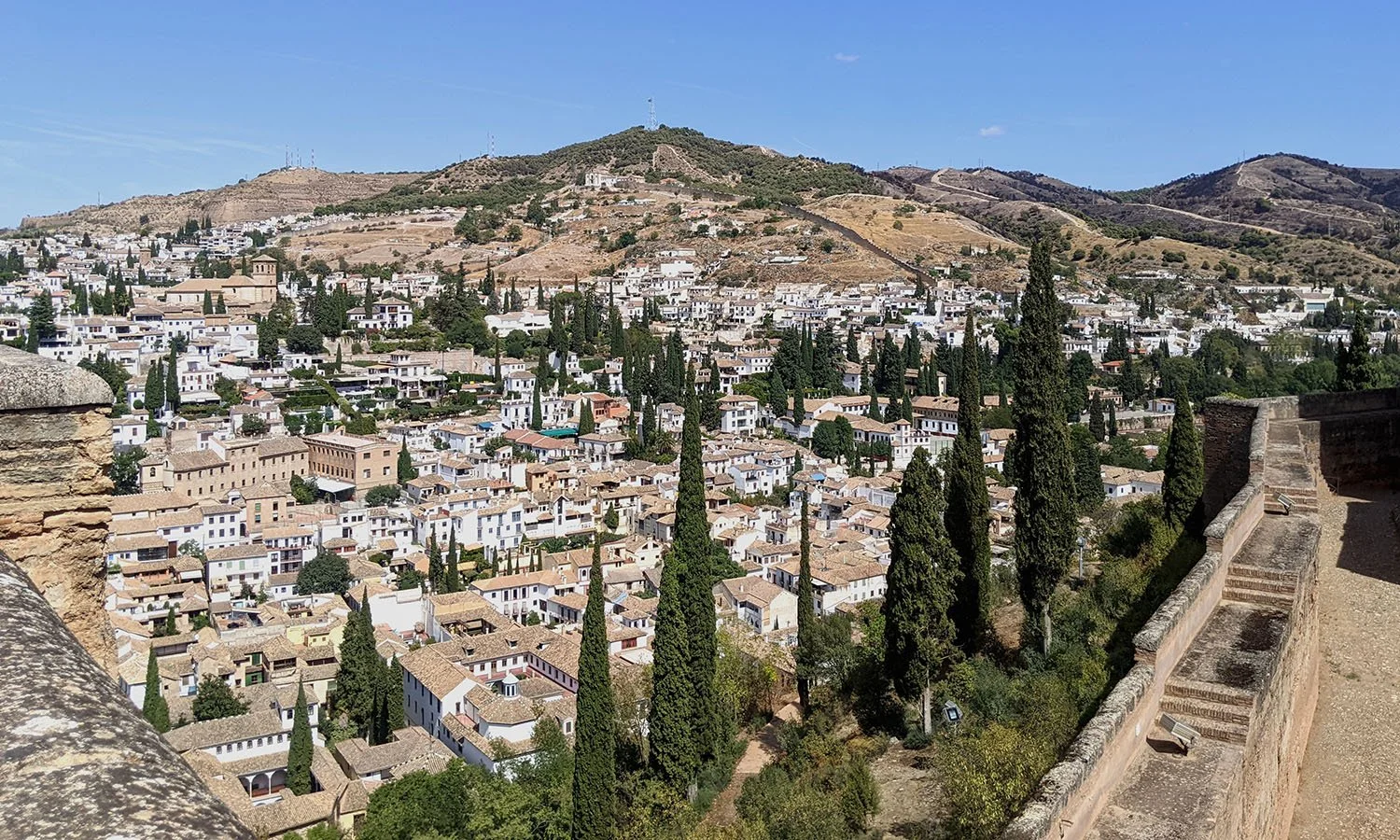
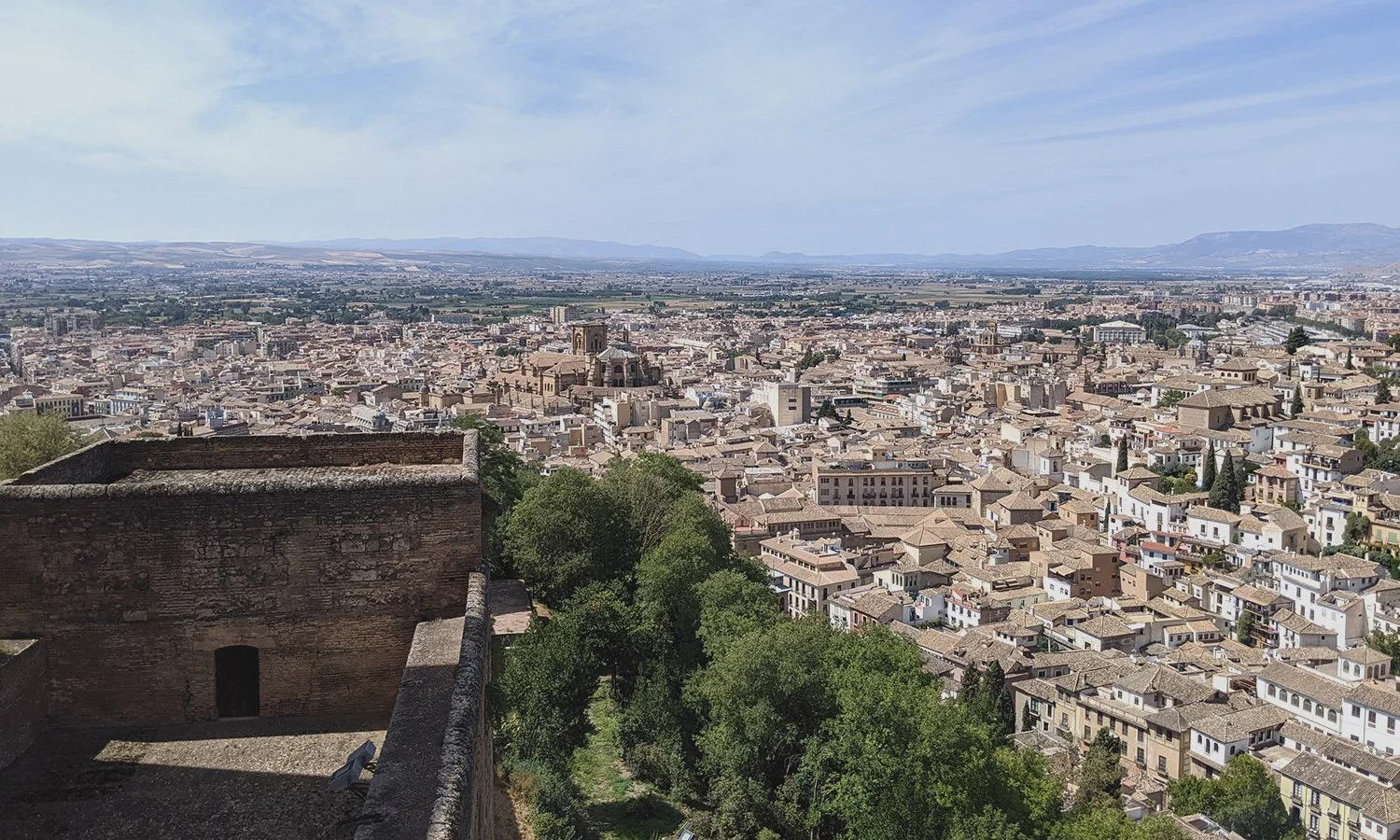
Described as a ‘pearl set in emeralds’ by the poets of the time, it took the writing of another writer a few centuries later to refocus the world attention to the beauty of this city.

The writer’s name was Washington Irving and the book that drew the attention to this Southern Spanish region of Andalusia was the ‘Tales of the Alhambra’. Irving works were in line with ‘romantic’ literary movement of early 19th century America that celebrated nature, focussed on the individual emotions and imaginations, and sort to connect the local tales and legends to the history and roots of the nations.

Irving fell in love with the city on first sight and described it as “a most picturesque and beautiful city, situated in one of the loveliest landscapes that I have ever seen.” His celebrity status as a writer, helped gain him permission to stay in the fortress where he compiled his notes, observations and sketches which were later compiled into a book ‘Tales of the Alhambra’ that was published in 1832. His contribution to promoting the city is acknowledged by a commemorative plaque at the Alhambra that reads, “Washington Irving wrote his Tales of Alhambra in these rooms in 1829”.

“a most picturesque and beautiful city, situated in one of the loveliest landscapes that I have ever seen.”

Washington Irving

The Moors in Spain.

The term ‘Moor’ does not describe people of a particular ethnicity or race and was used by the Europeans of the Middle Ages and the early modern period to designate Spanish Muslims, Europeans of African descent, and others. However, the term was mostly used to describe Muslims in general.

In 711, North African Muslims led by the Tariq ibn-Ziyad, captured the Iberian Peninsula (modern day Spain and Portugal) and established the territory of Al-Andalus. For centuries to follow, these territories flourish and become the centre of education, the arts and sciences. However, the differences in religion and culture led to a centuries-long conflict between the Muslim Sultans with the Christian kingdoms of Europe, which culminated in 1492, when Catholic monarchs Ferdinand II and Isabella I won the Granada War and completed Spain’s reconquest of the Iberian Peninsula.

Alhambra

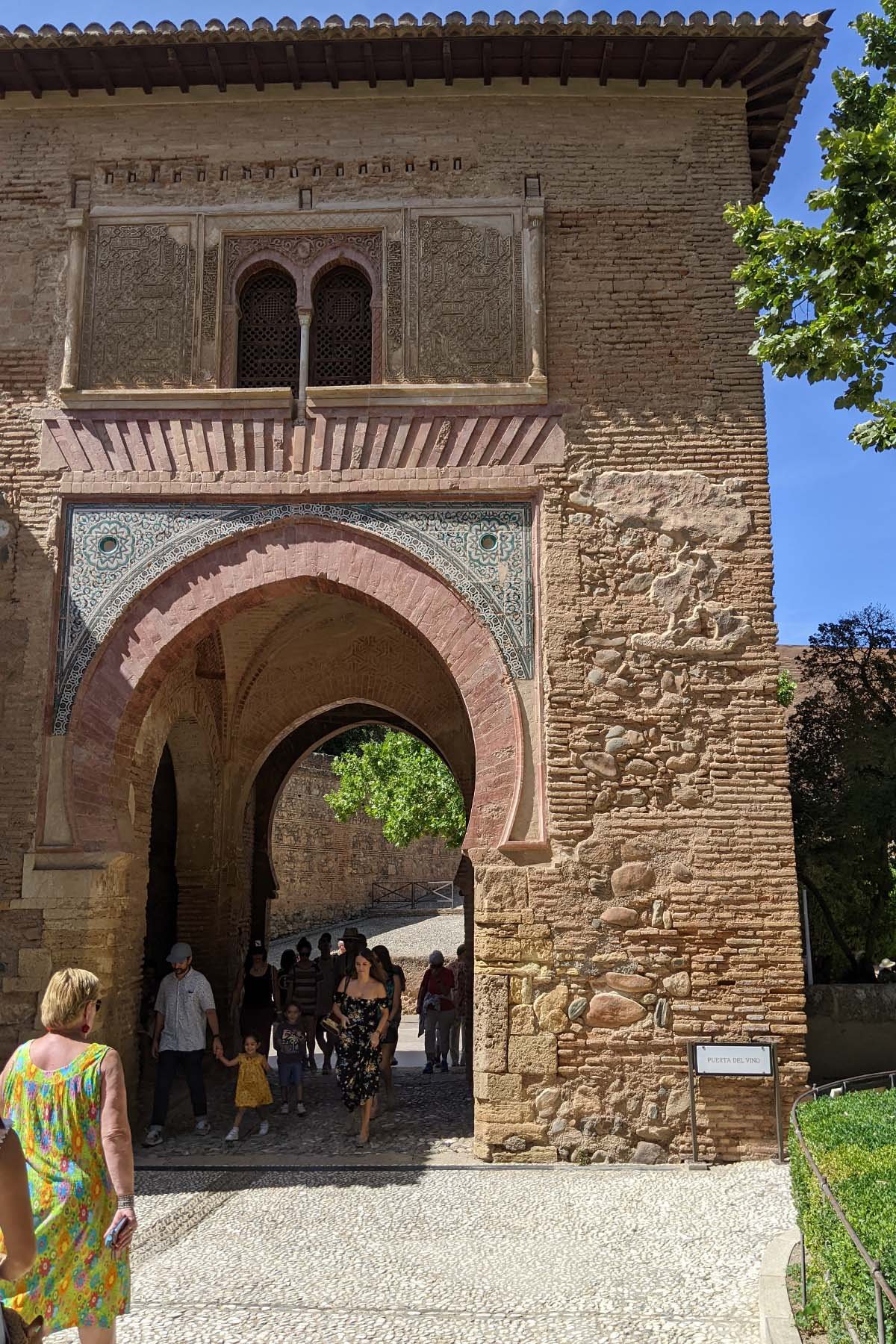
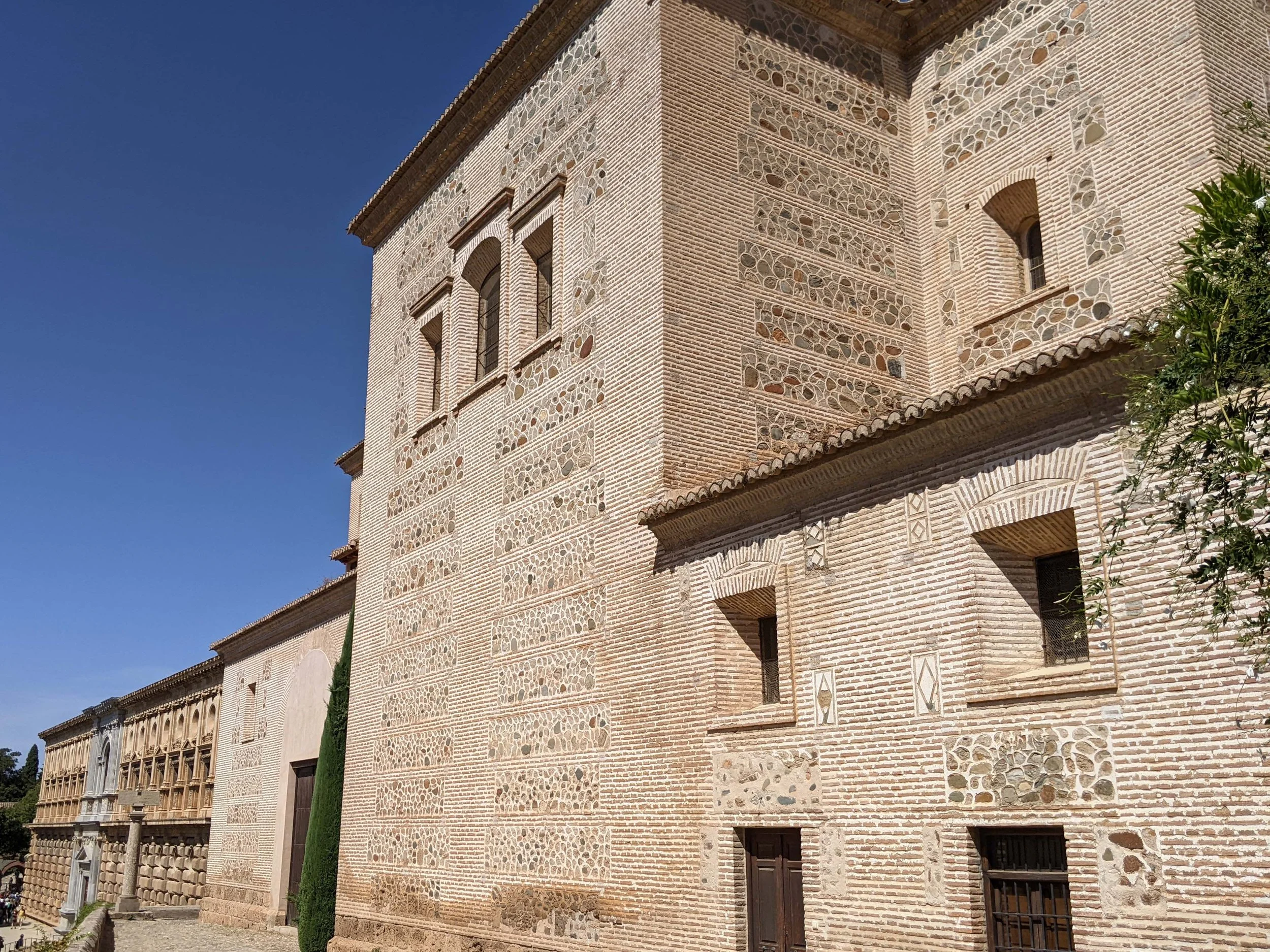
‘Alhambra’ is the Spanish adaptation of the Arabic term ‘qa’lat al-Hamra’ which roughly translates to “red castle”, perhaps referring to the sun-dried rose-coloured bricks that were used to build the fortress. The city of Granada, where the castle is located is named after a Jewish settlement, Medina-al-Granata, or Pomegranate City, the fruit being symbol of righteousness, knowledge, and wisdom and is said to contain 613 seeds, each representing one of the 613 mitzvot (commandments) of the Torah.

Though some form of fortification existed in this area since the 9th century, it was only after the arrival of Muhammad ben al Ahmar the first king of the Nasrid dynasty in the mid-thirteenth century that a royal residence was established in the Alhambra. This monument was not a project of a single ruler, 24 successive Sultans of the Nasrid dynasty contributed to it splendour, up until 1492 when the Emirate of Granada capitulate to the Catholic Reconquista.

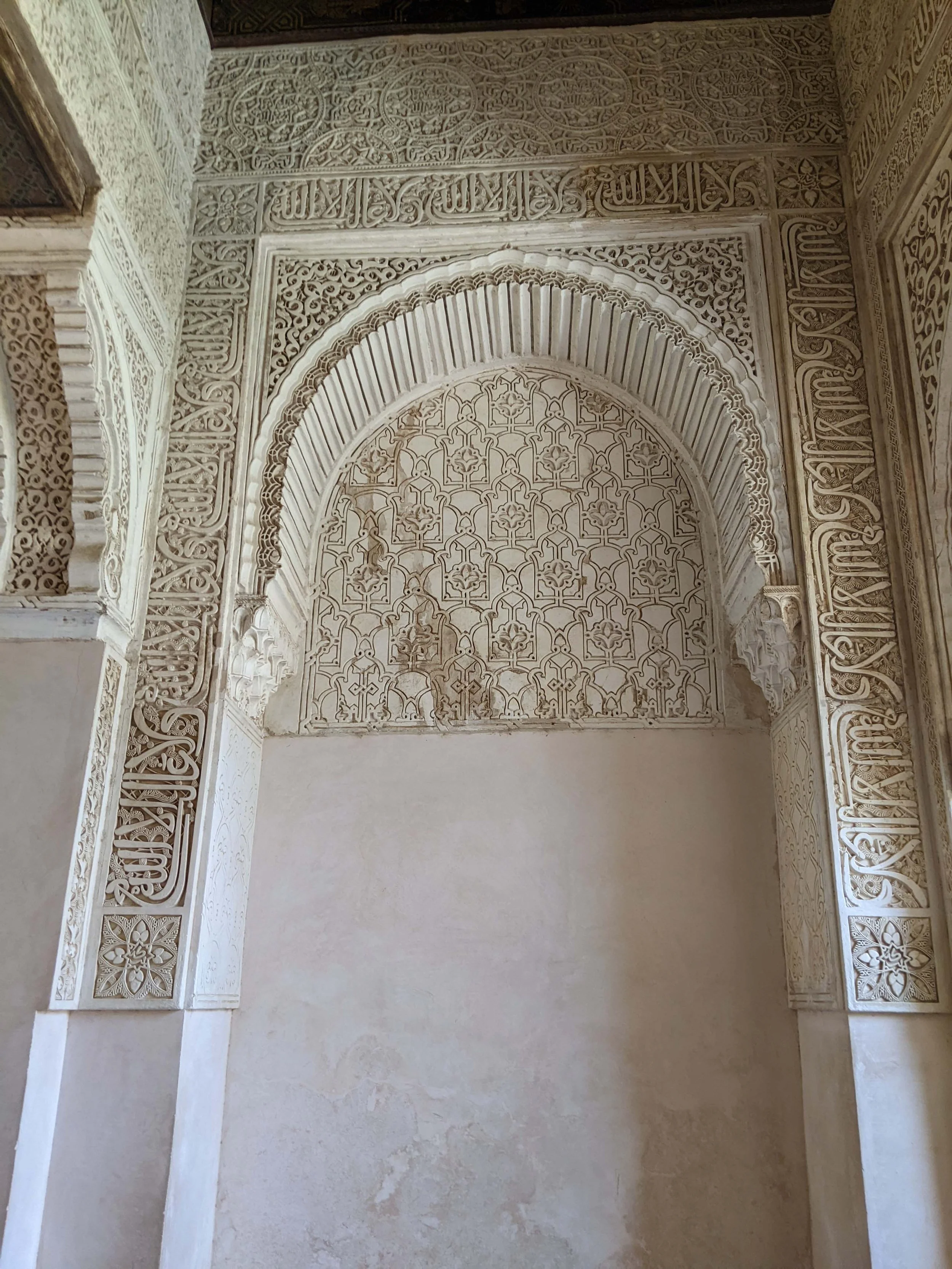
‘There is no victor but Allah’

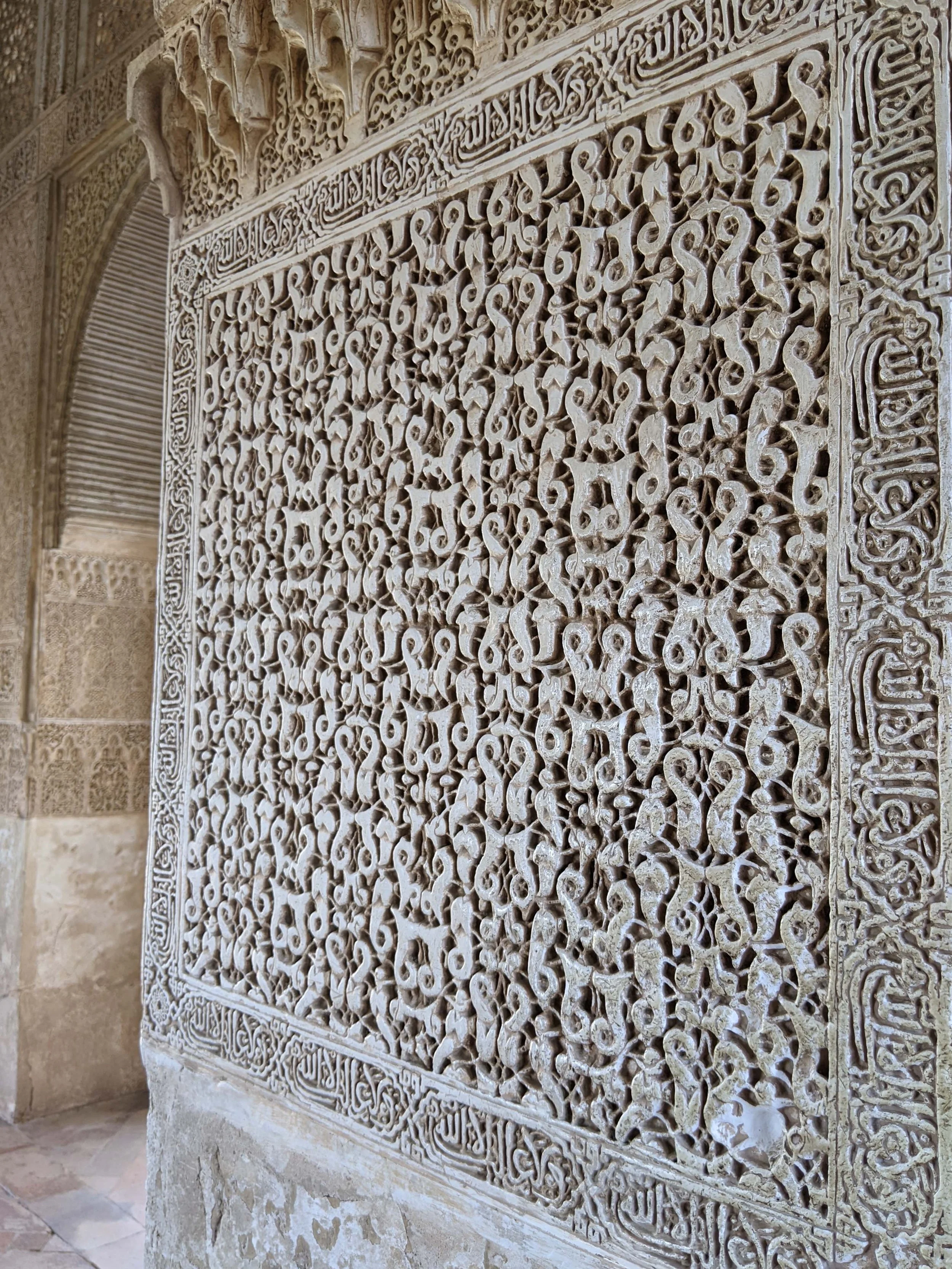
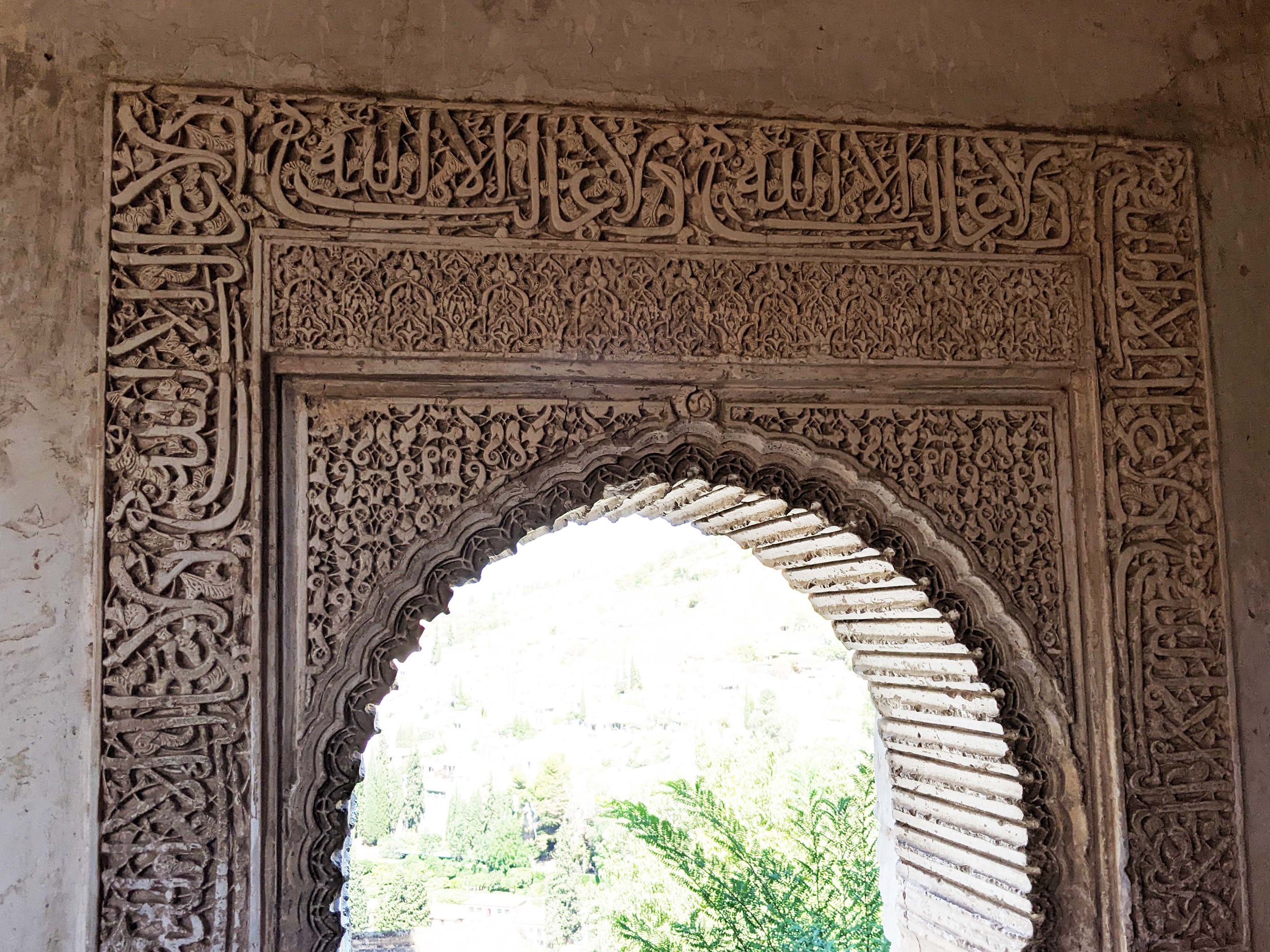
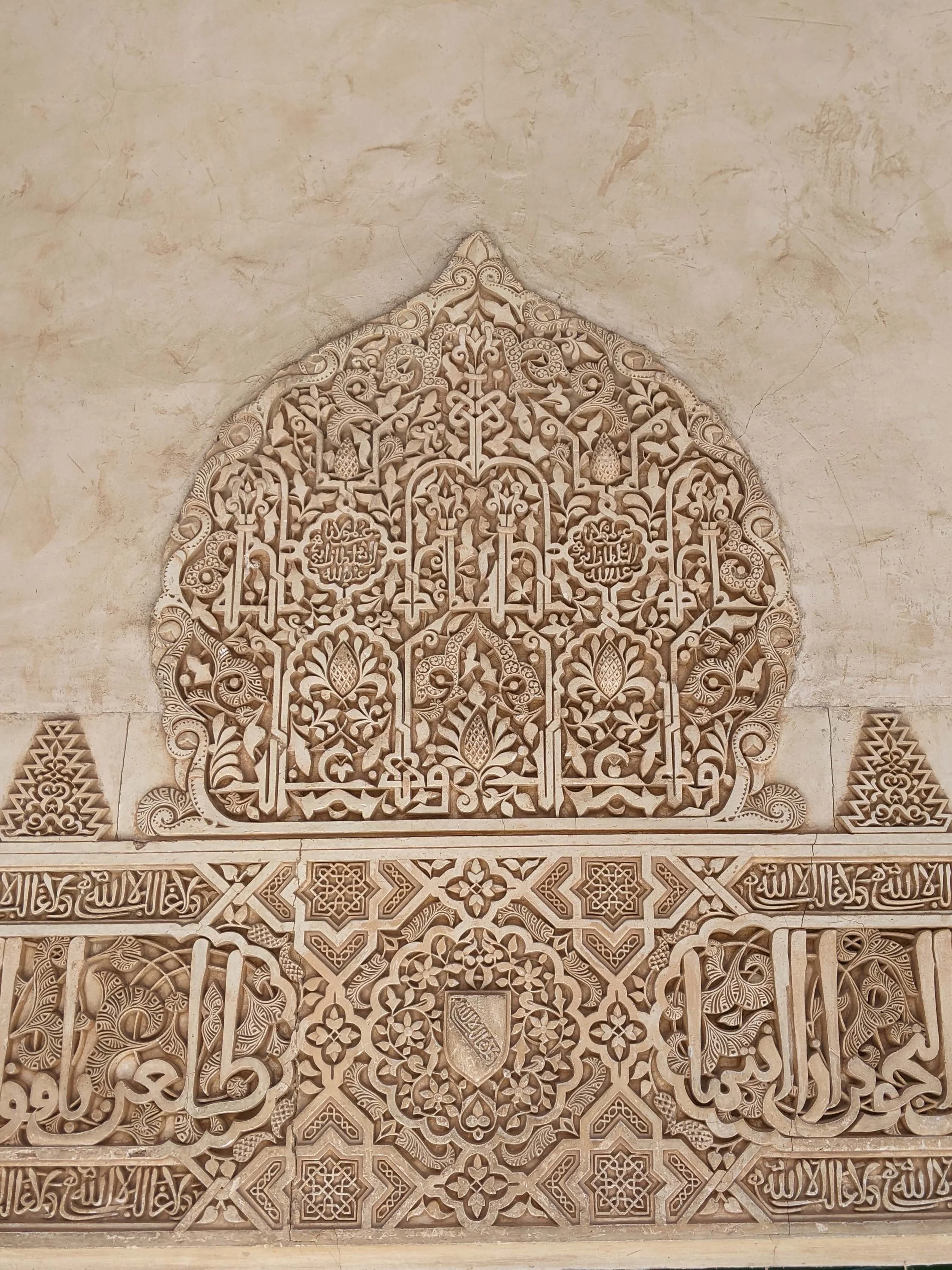
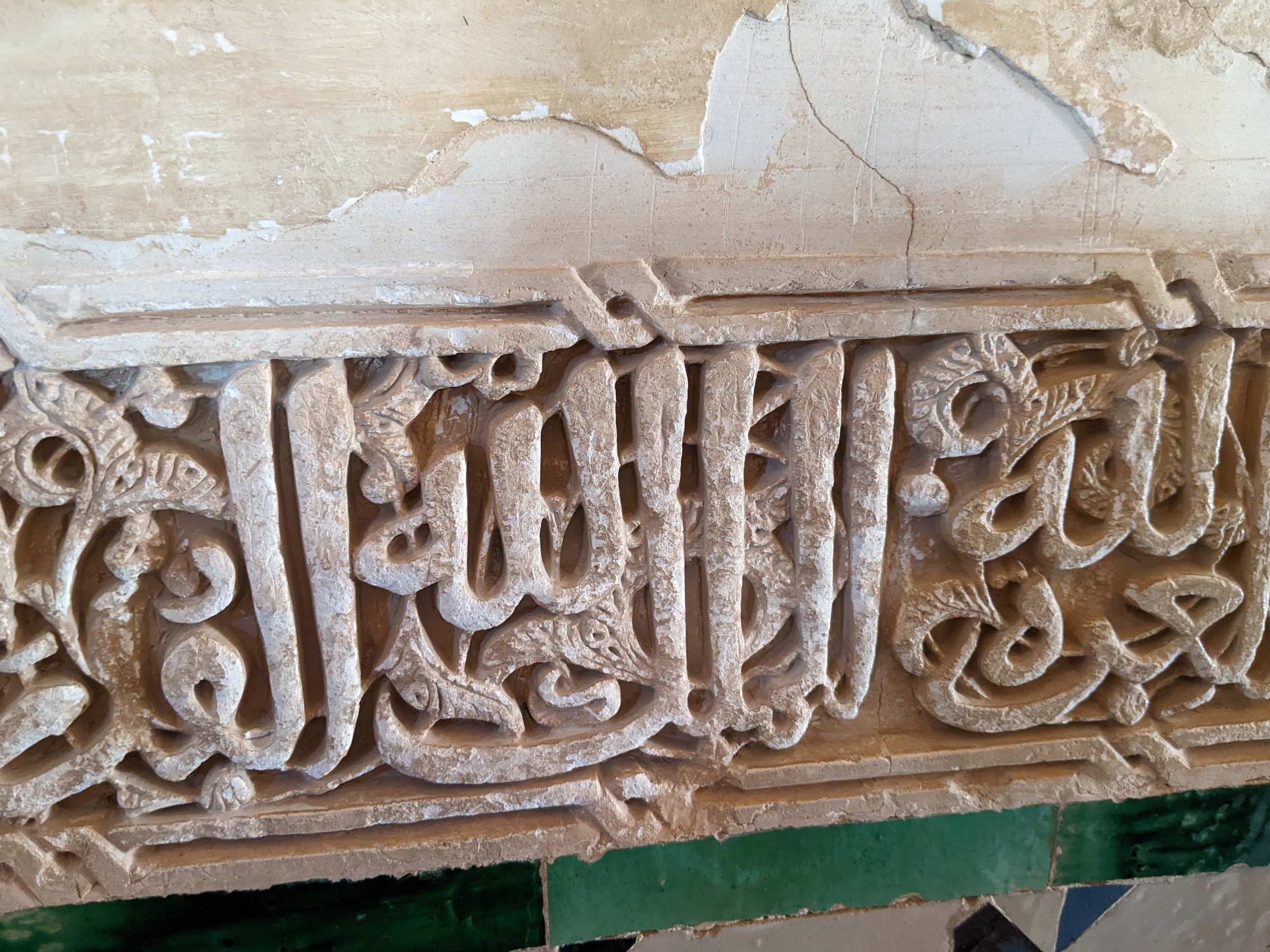
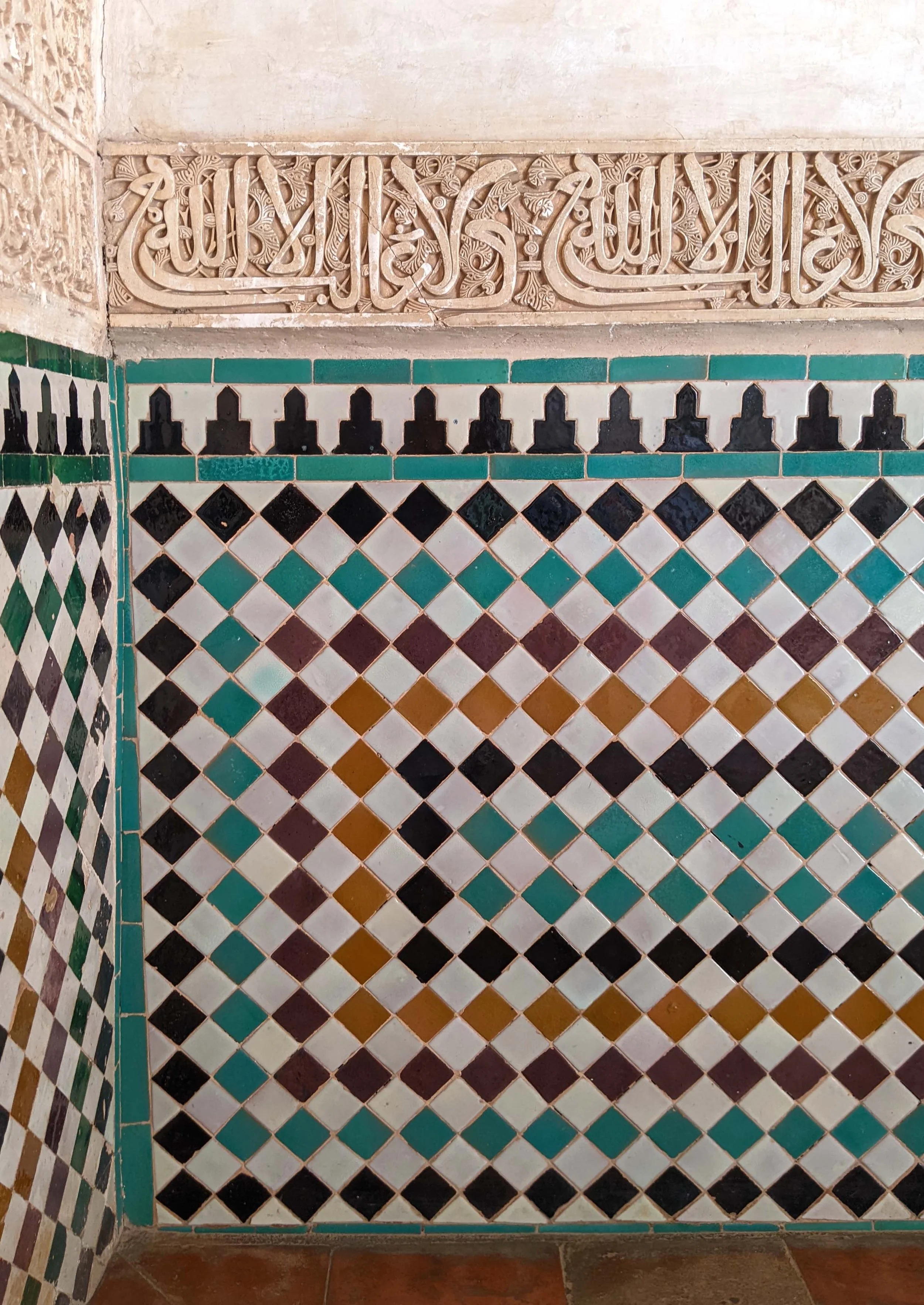
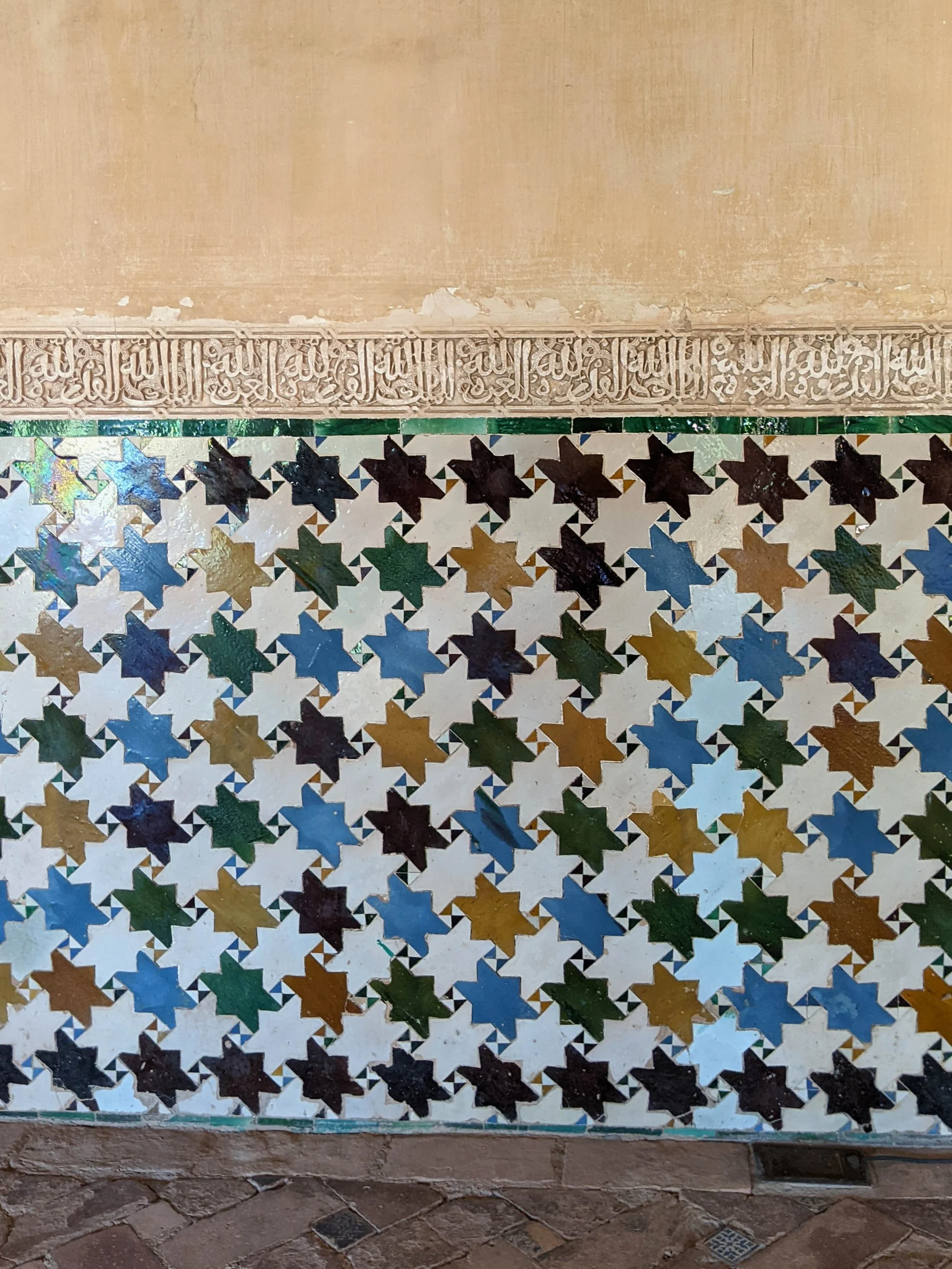
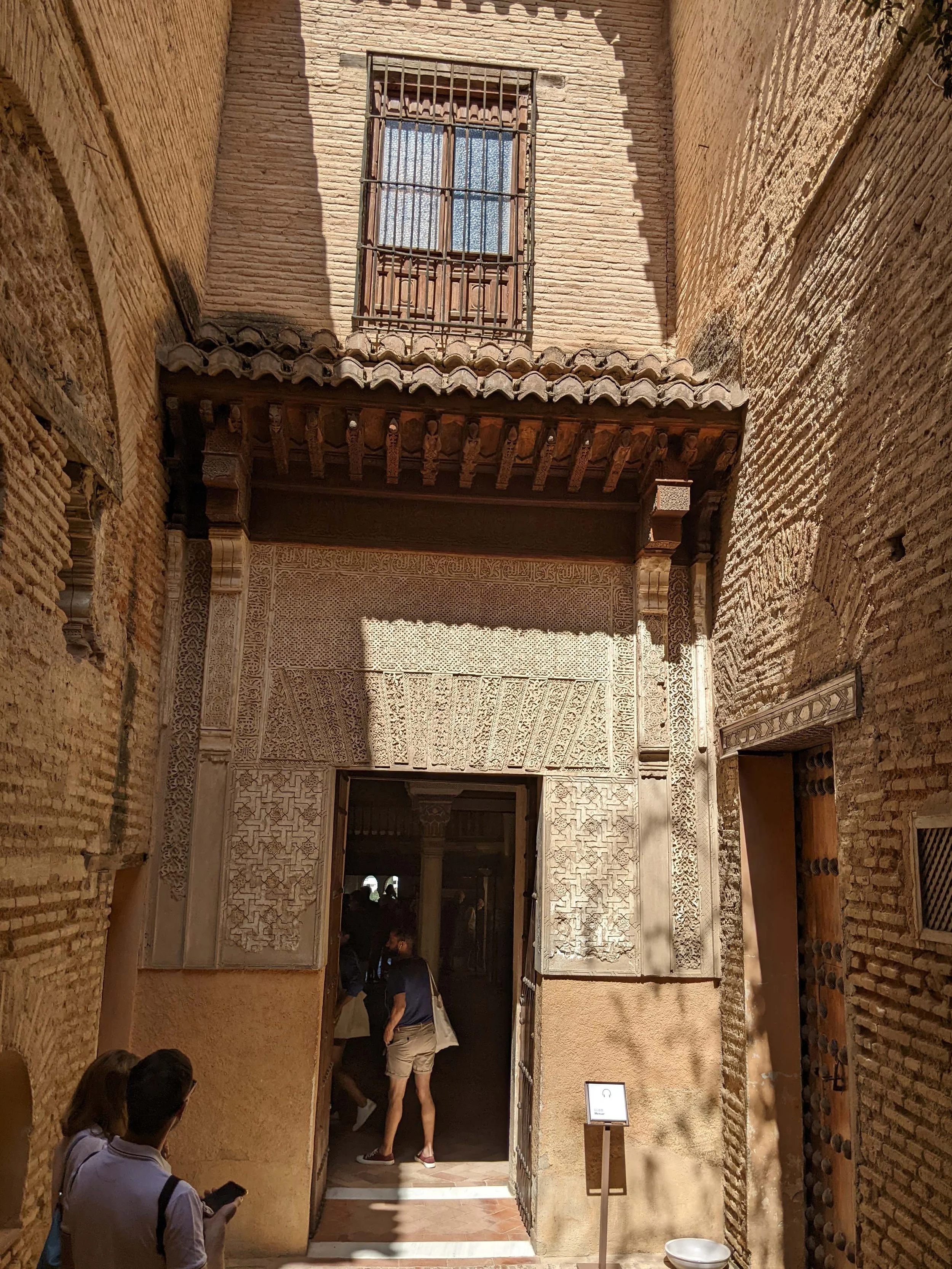
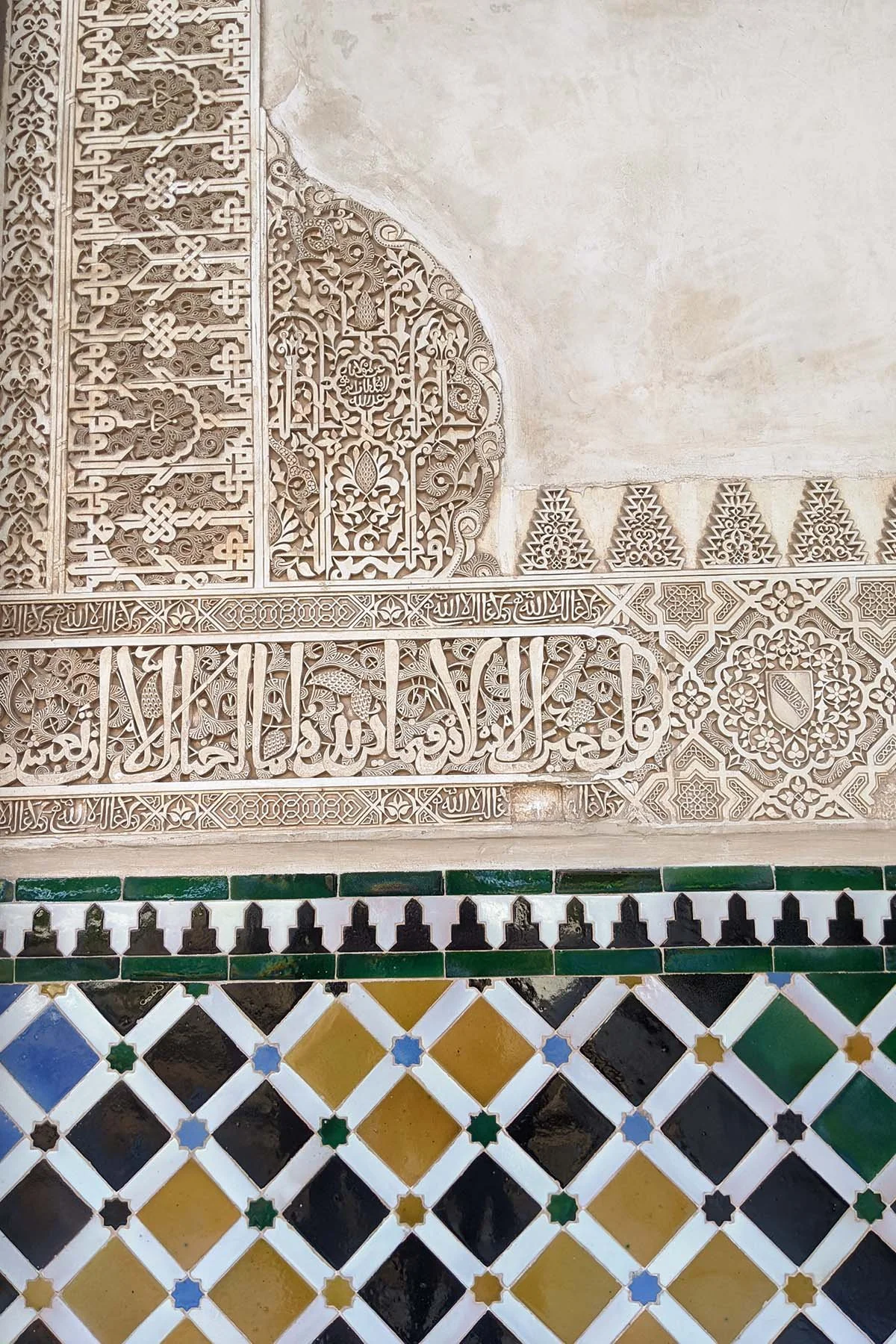
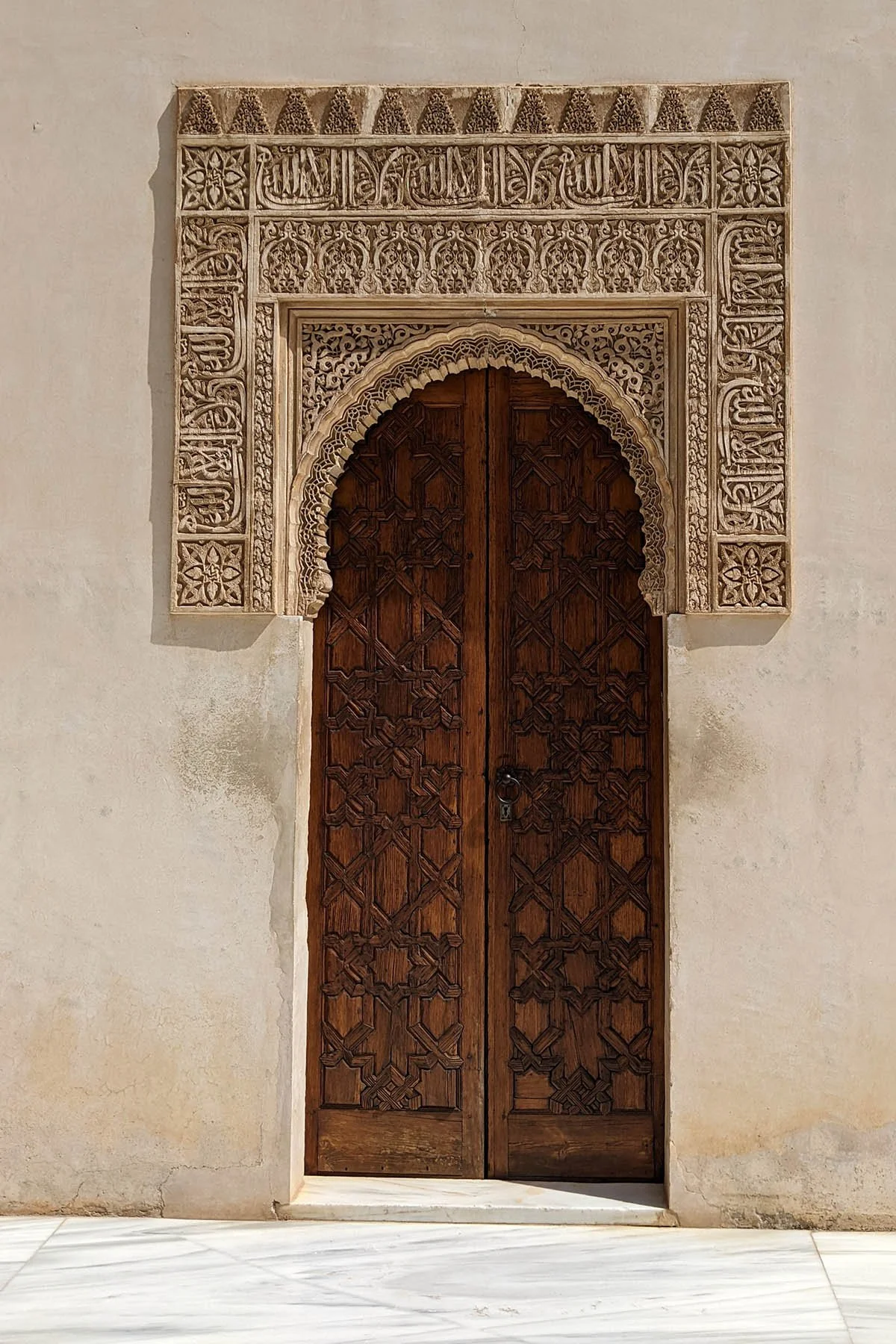
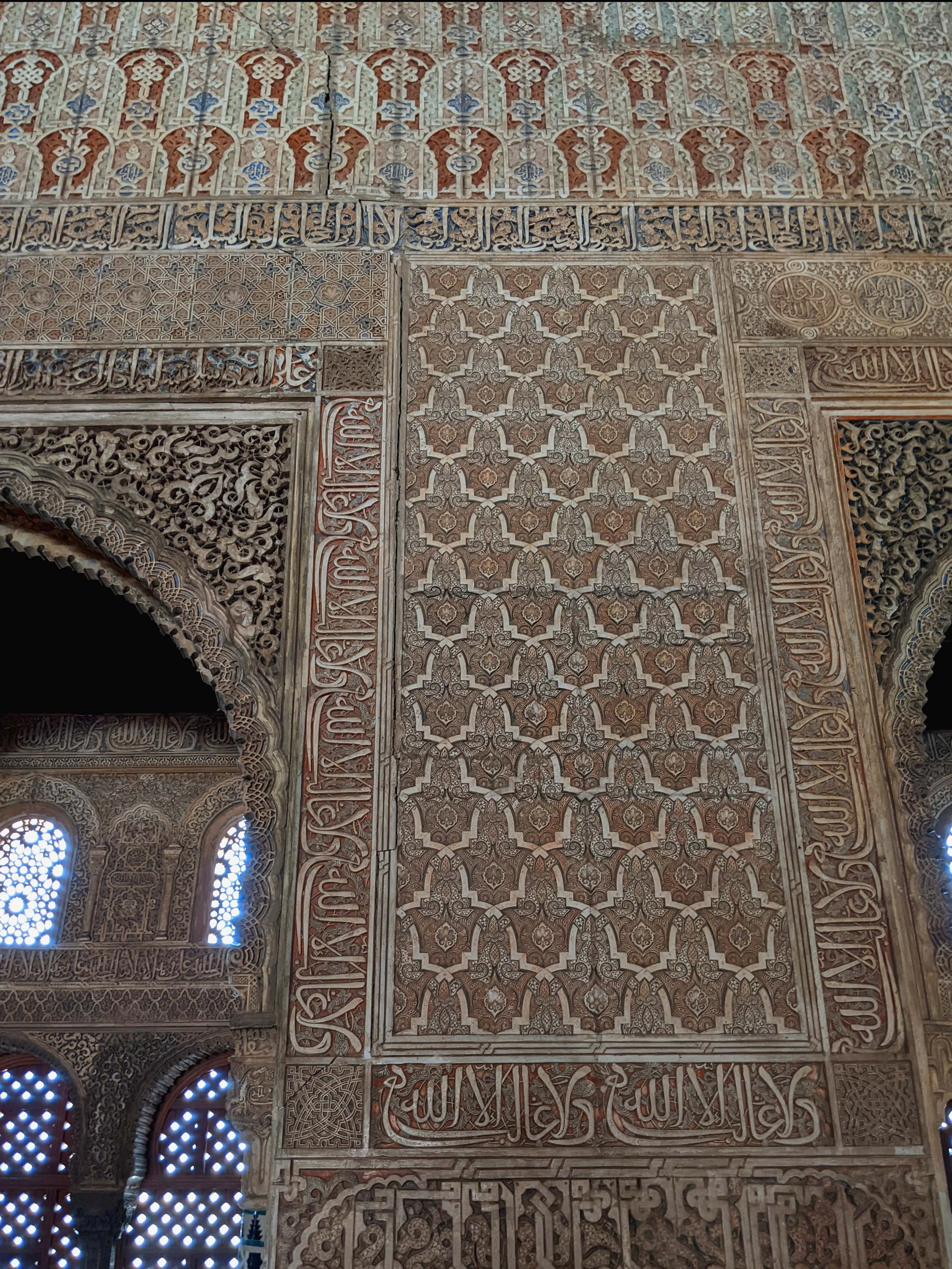
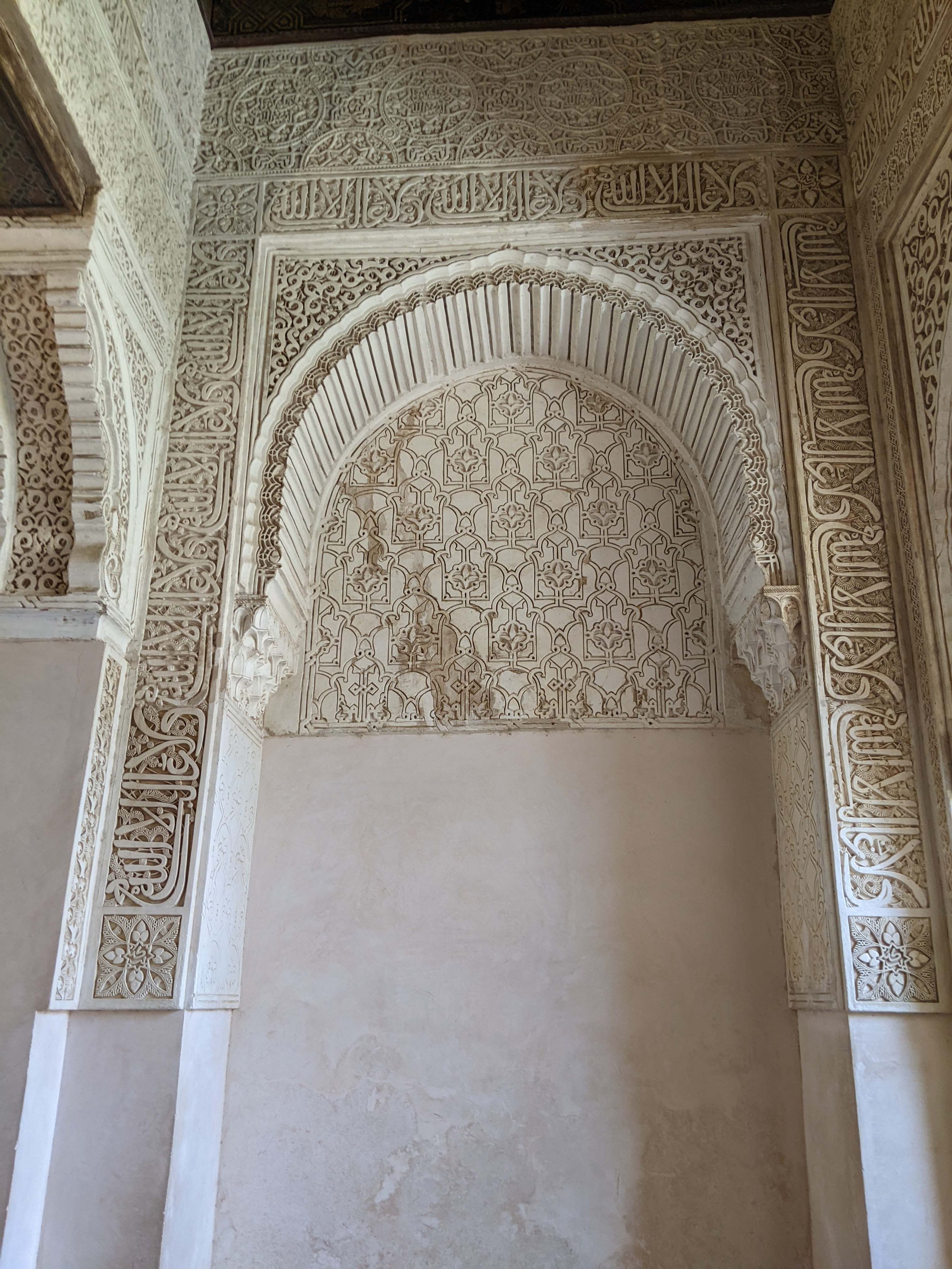
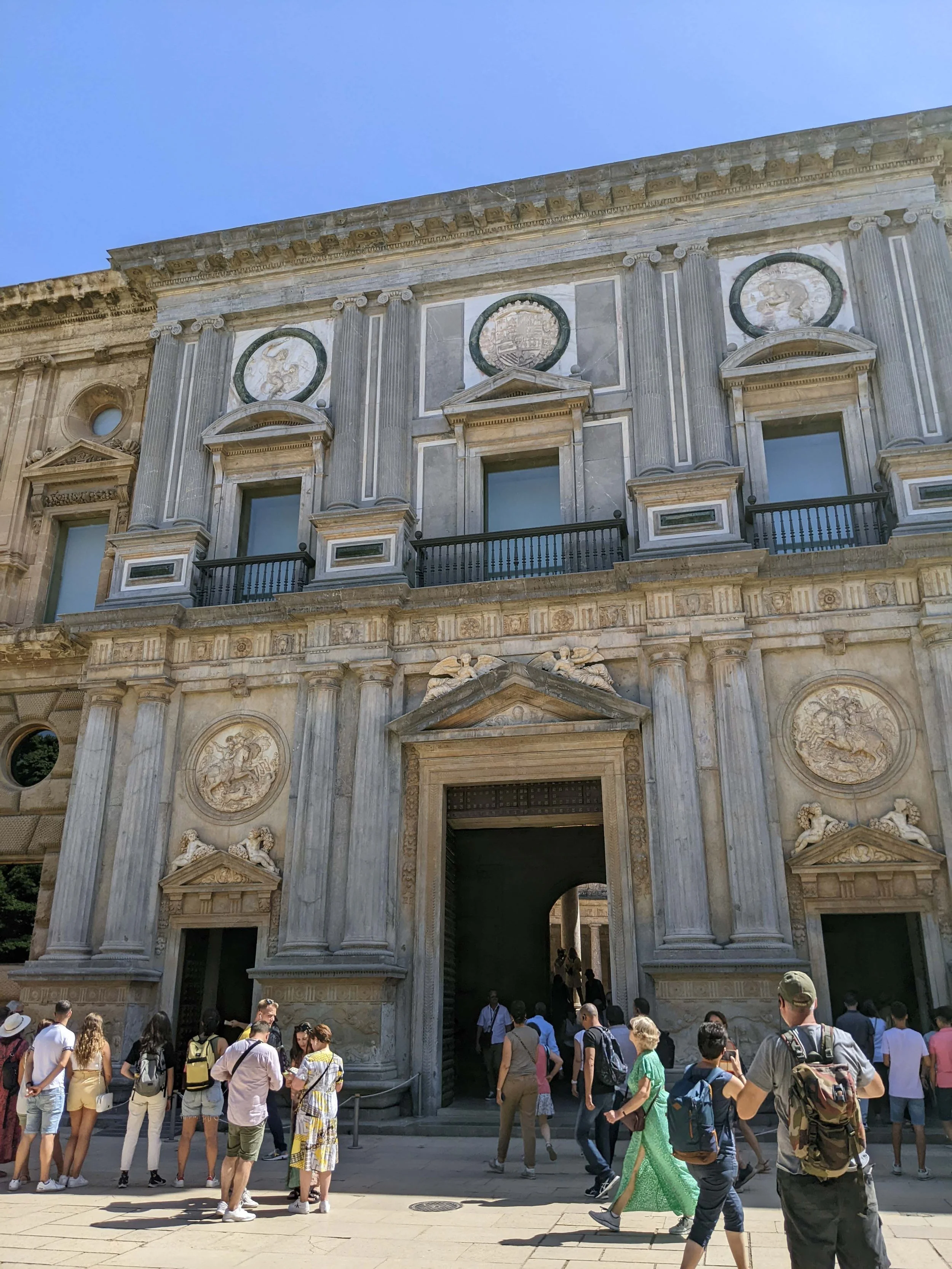
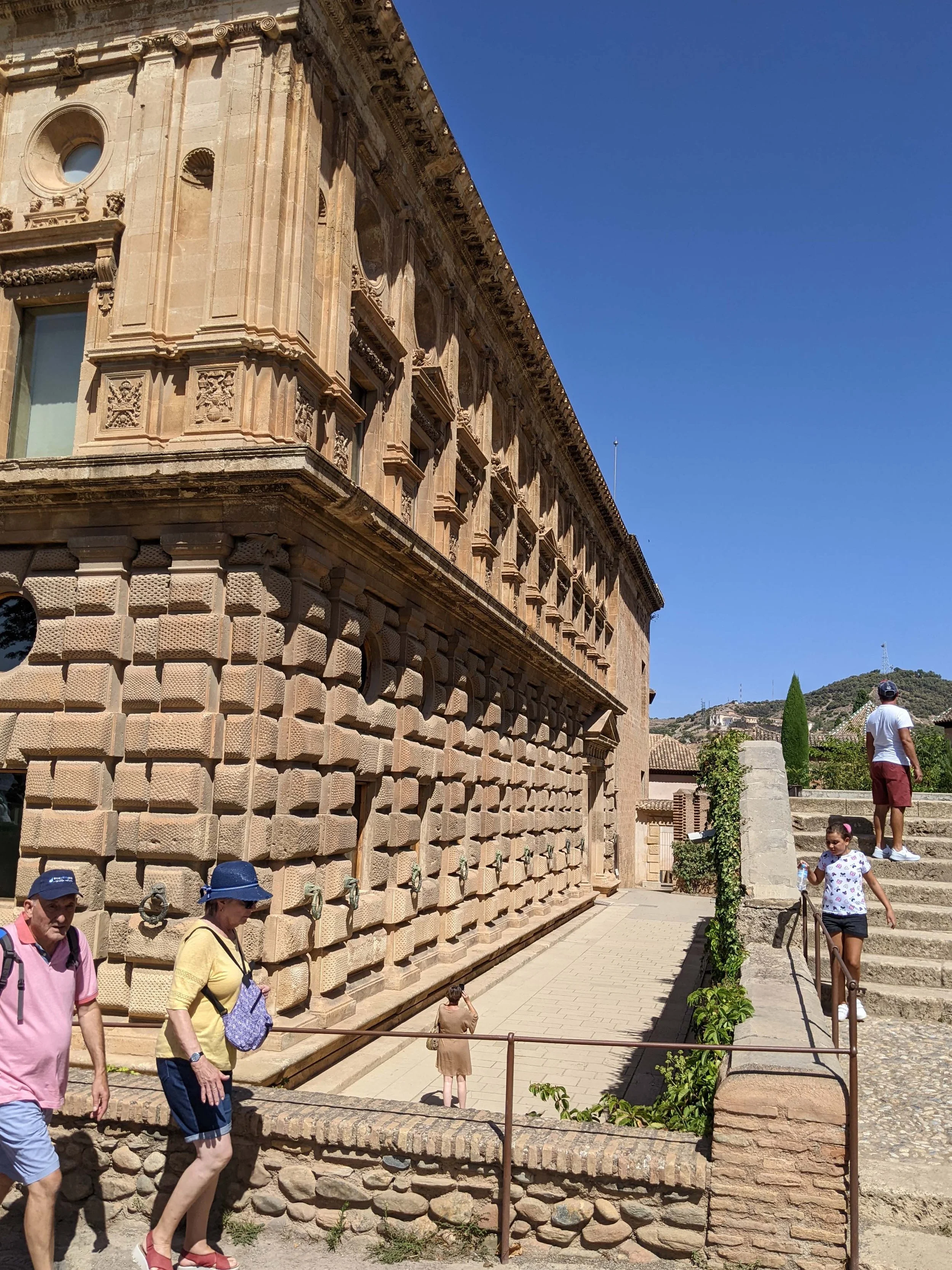
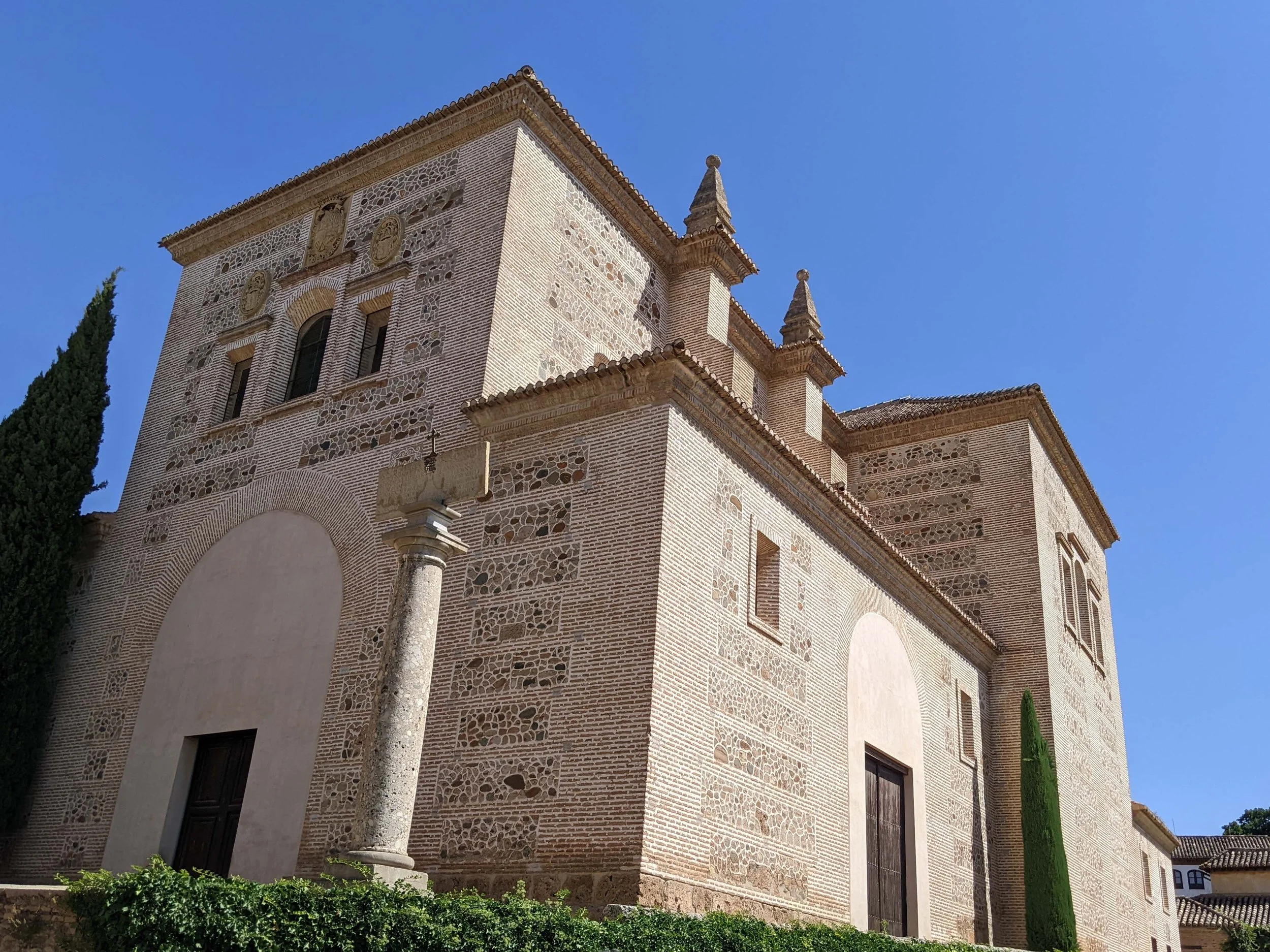
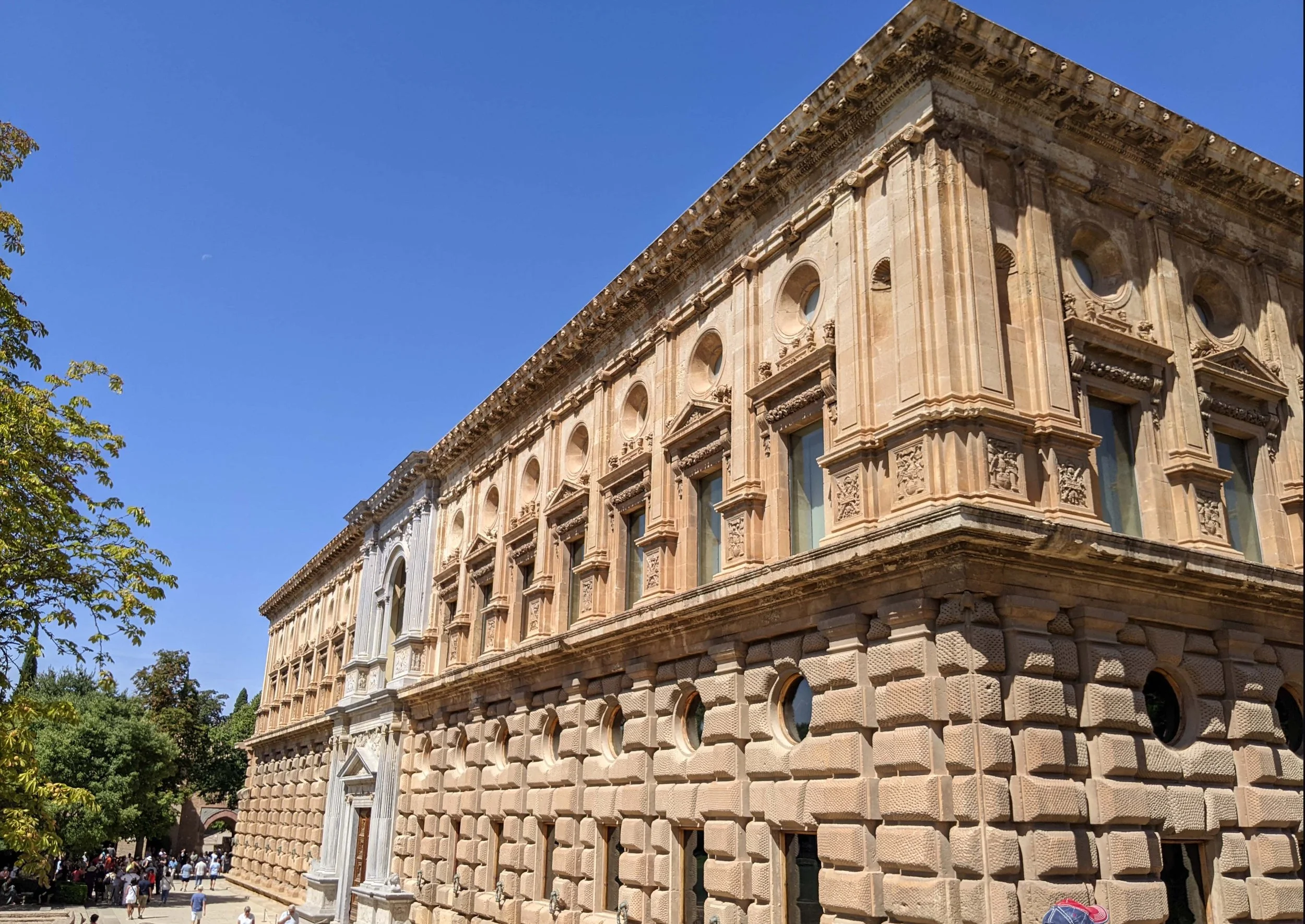
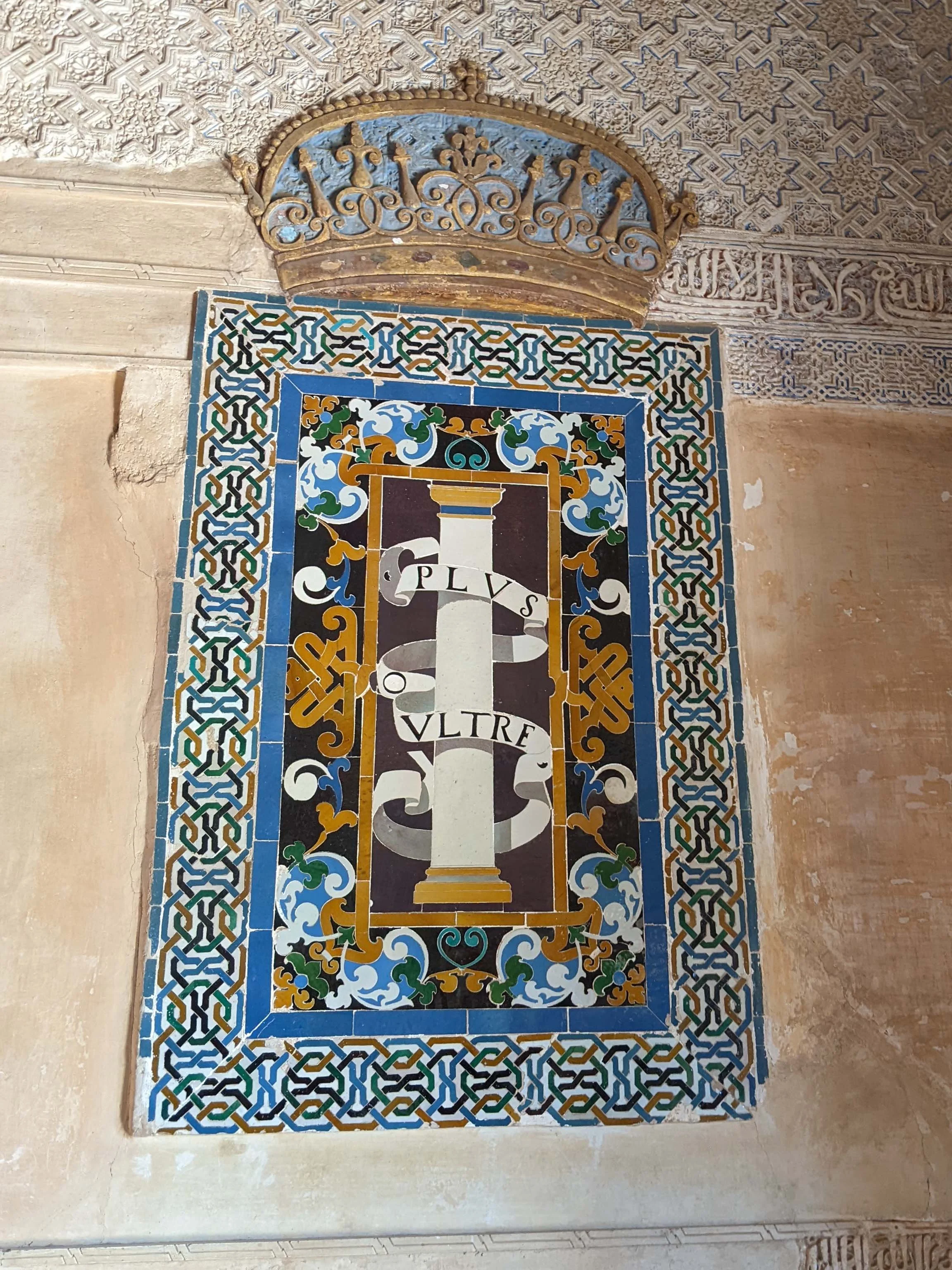
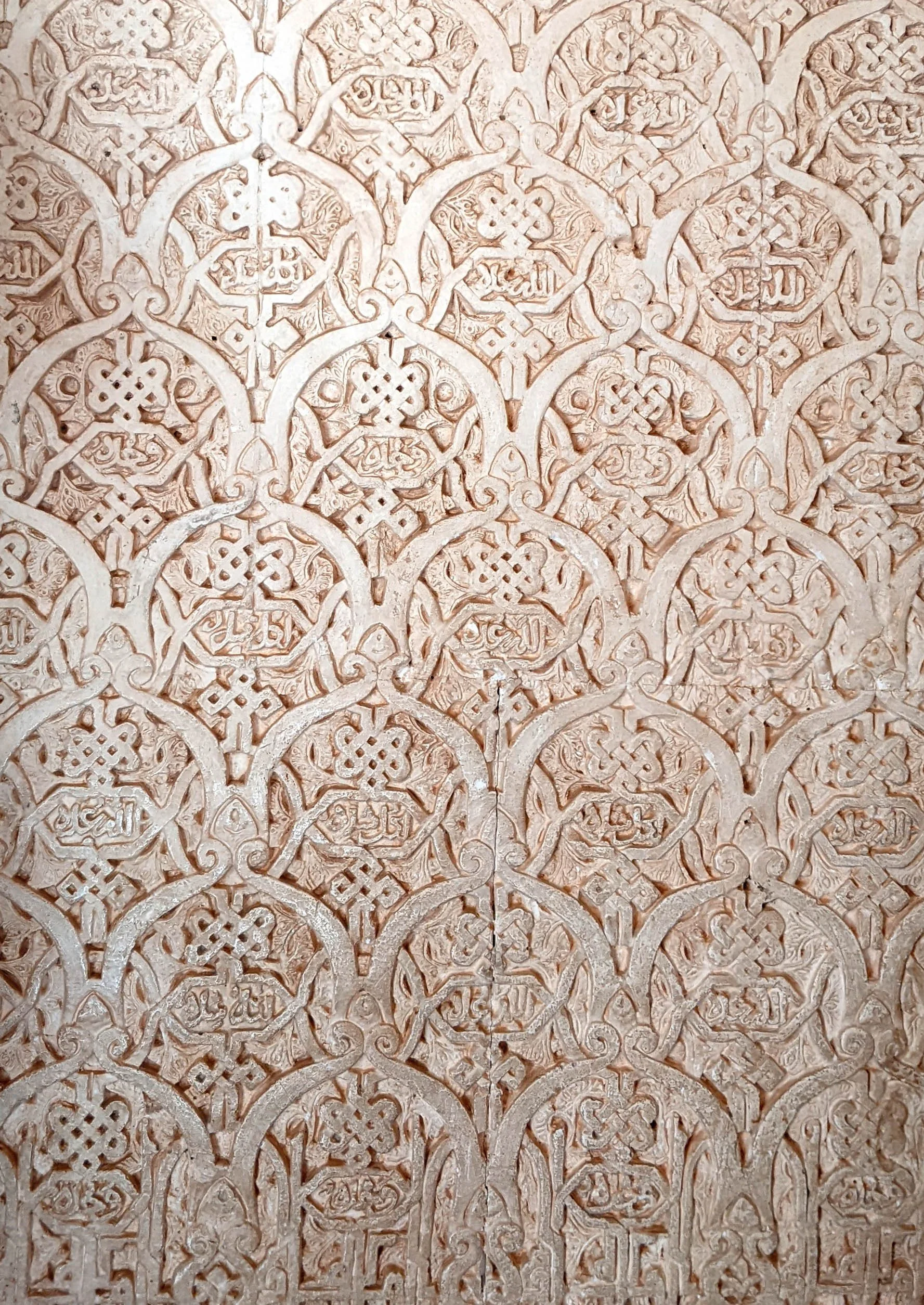
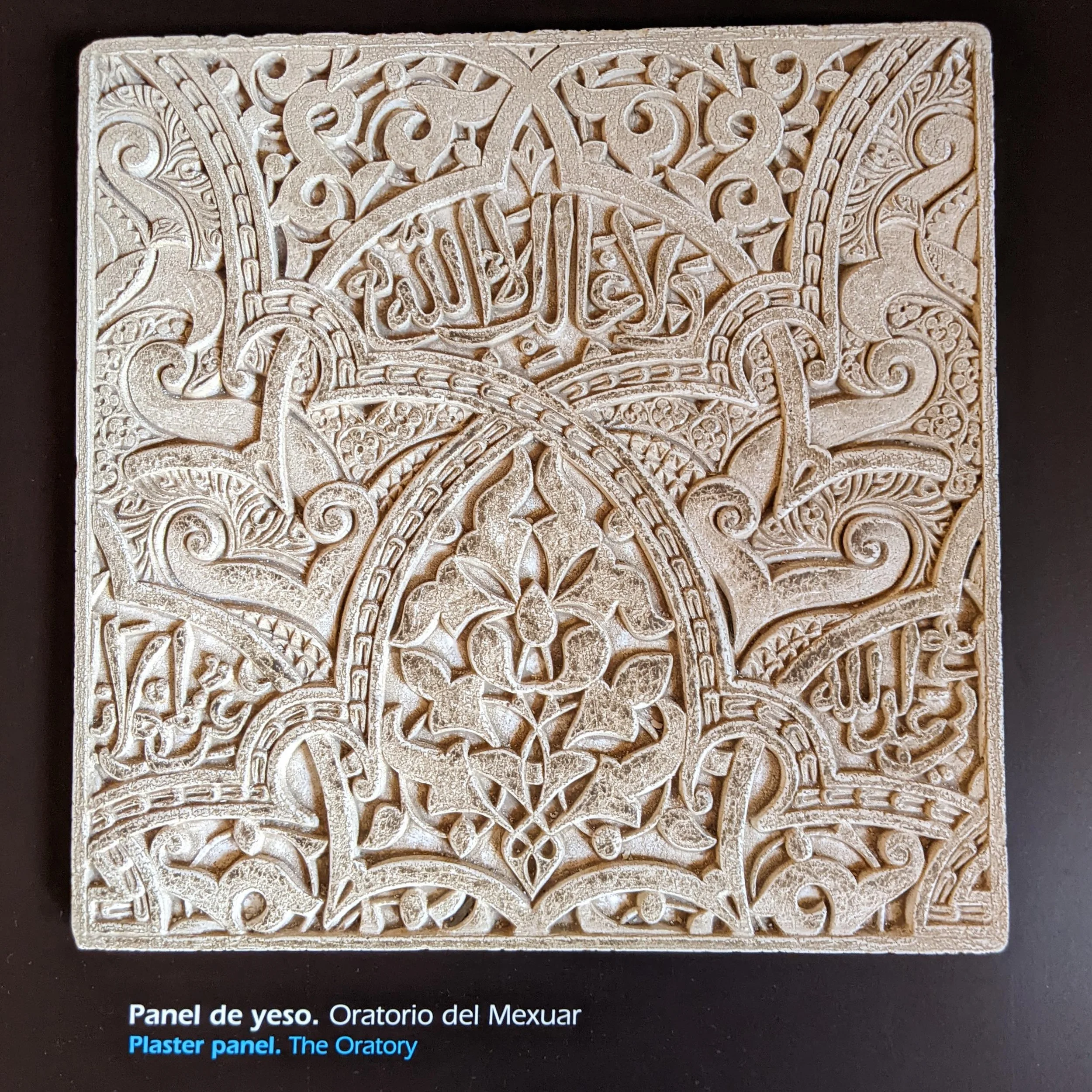
A testament to this continuous thread of Islamic architectural tradition lies in the stucco inscriptions on the wall “There is no victor but Allah” which is repeated on all palaces. After the departure of the Muslims, King Charles V, ordered the destruction of part of the complex and built a renaissance-style palace within the complex and build a church on the site of the royal mosque. Even some of the stucco tiles were defaced and replaced with Charles V own motto “Plus Ultra’ (further beyond). In 1812, some of the fortress towers were blown up by the French troops. Despite of these occurrences the complex retains its ‘Moorish’ character and is the most important surviving remnant of the period of Islamic rule in the region.

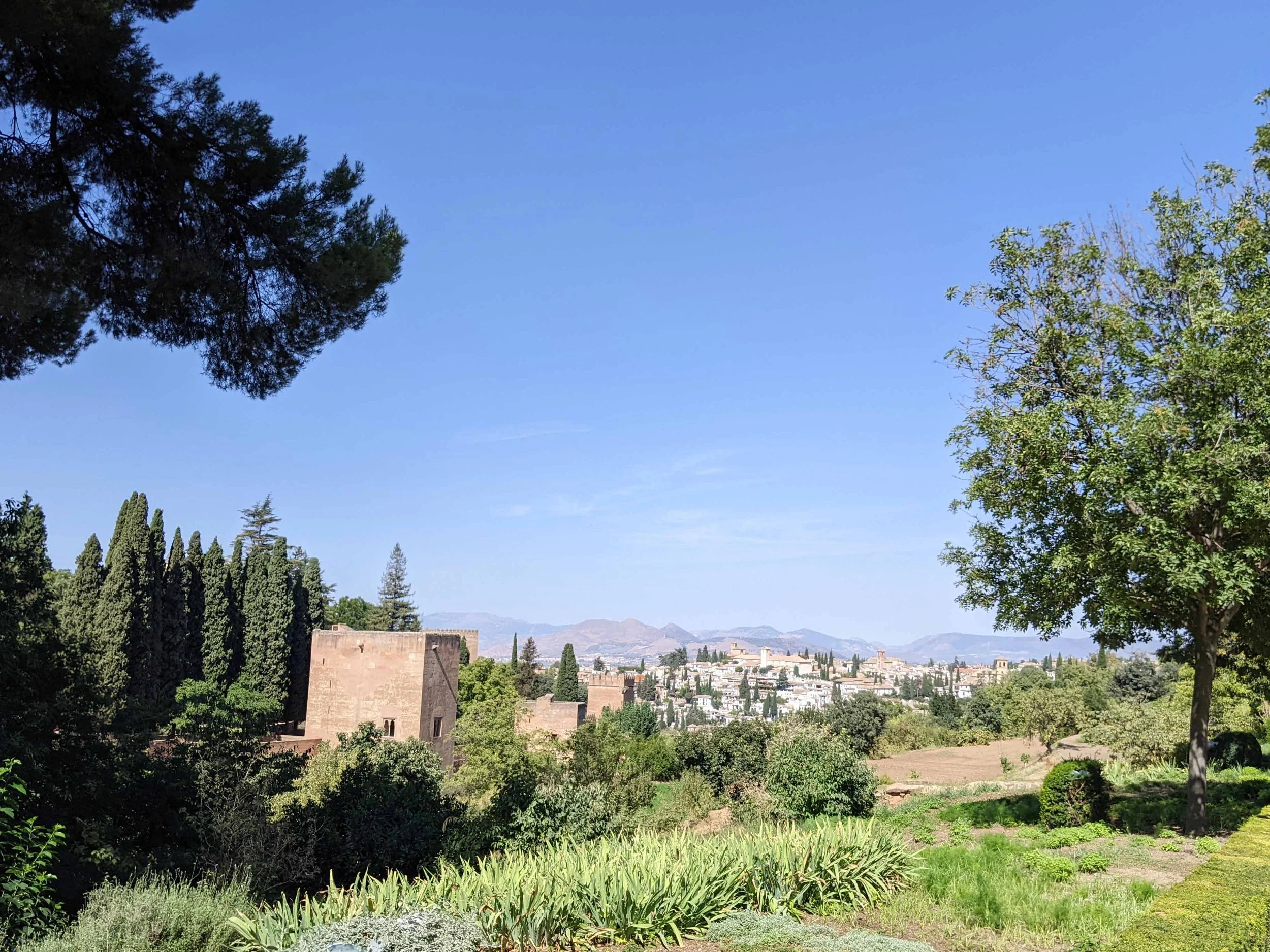
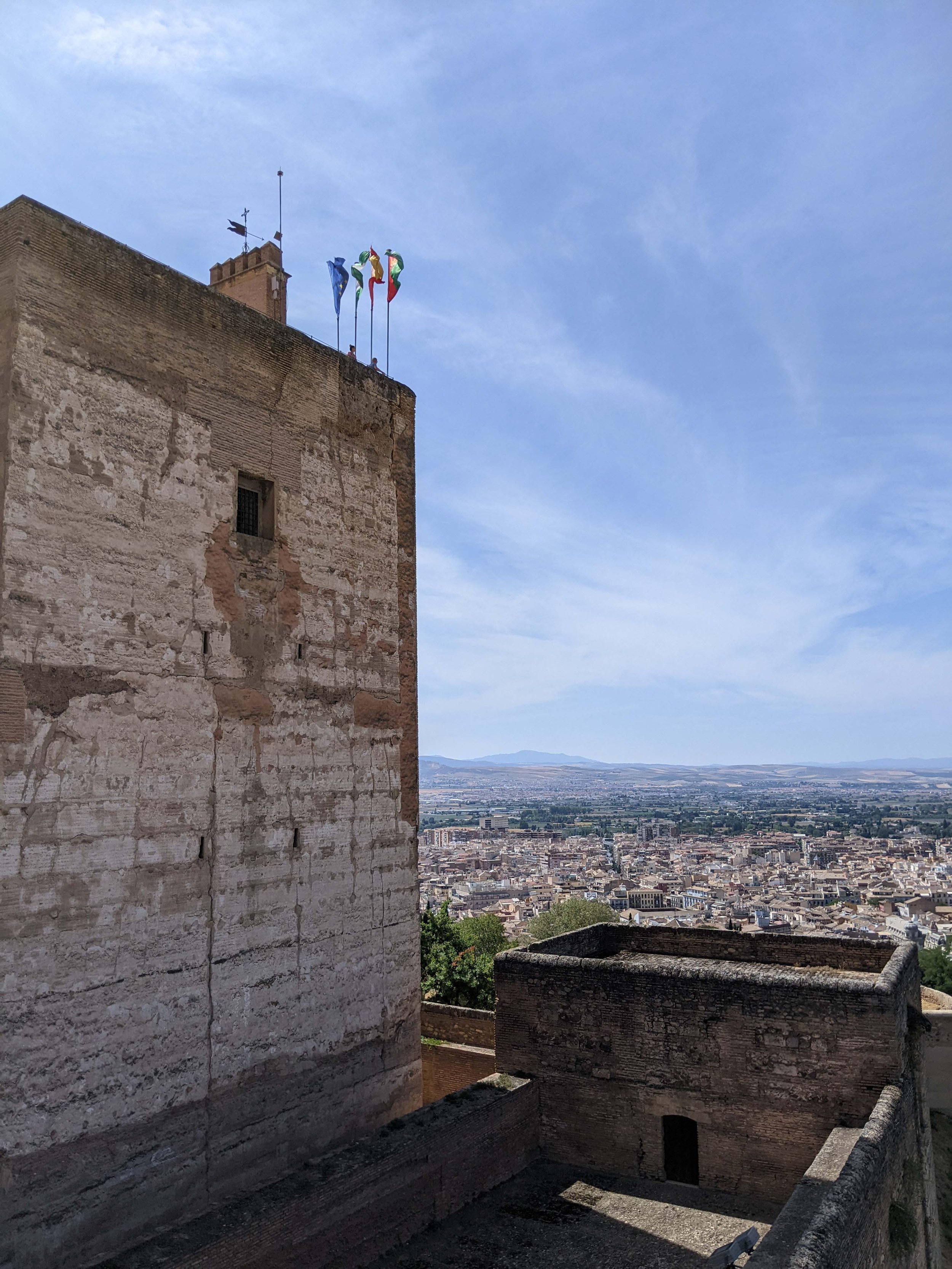
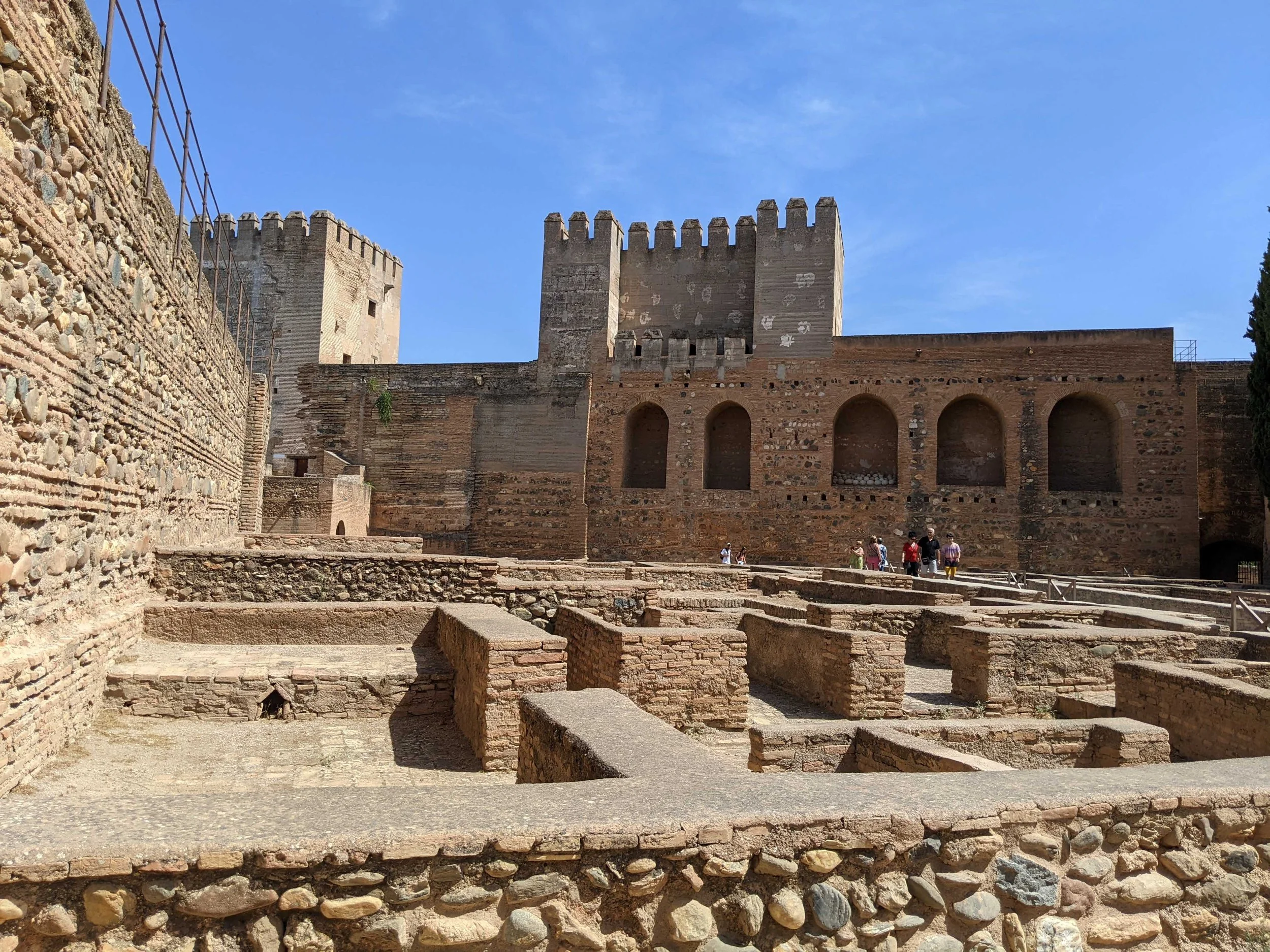
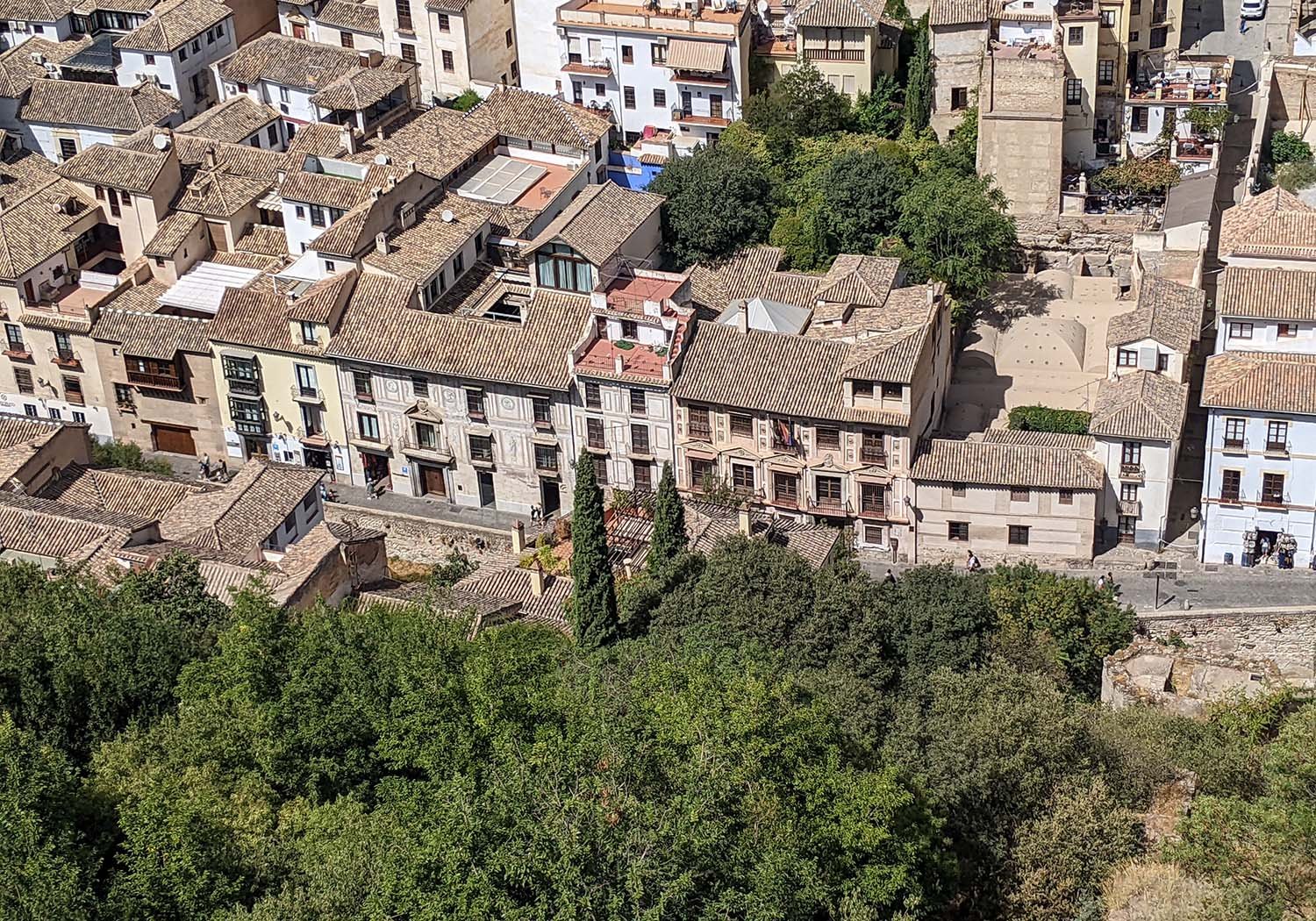
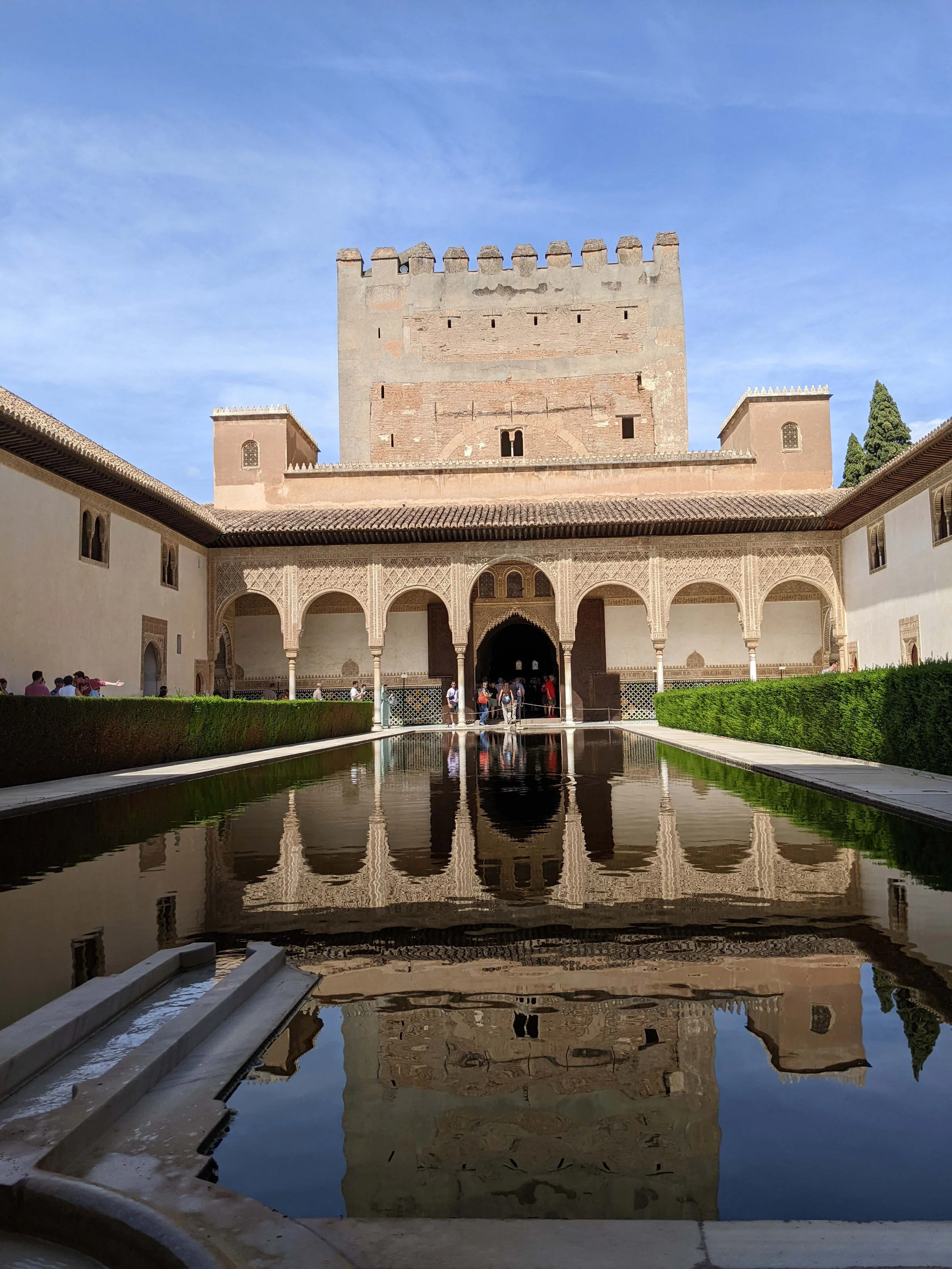
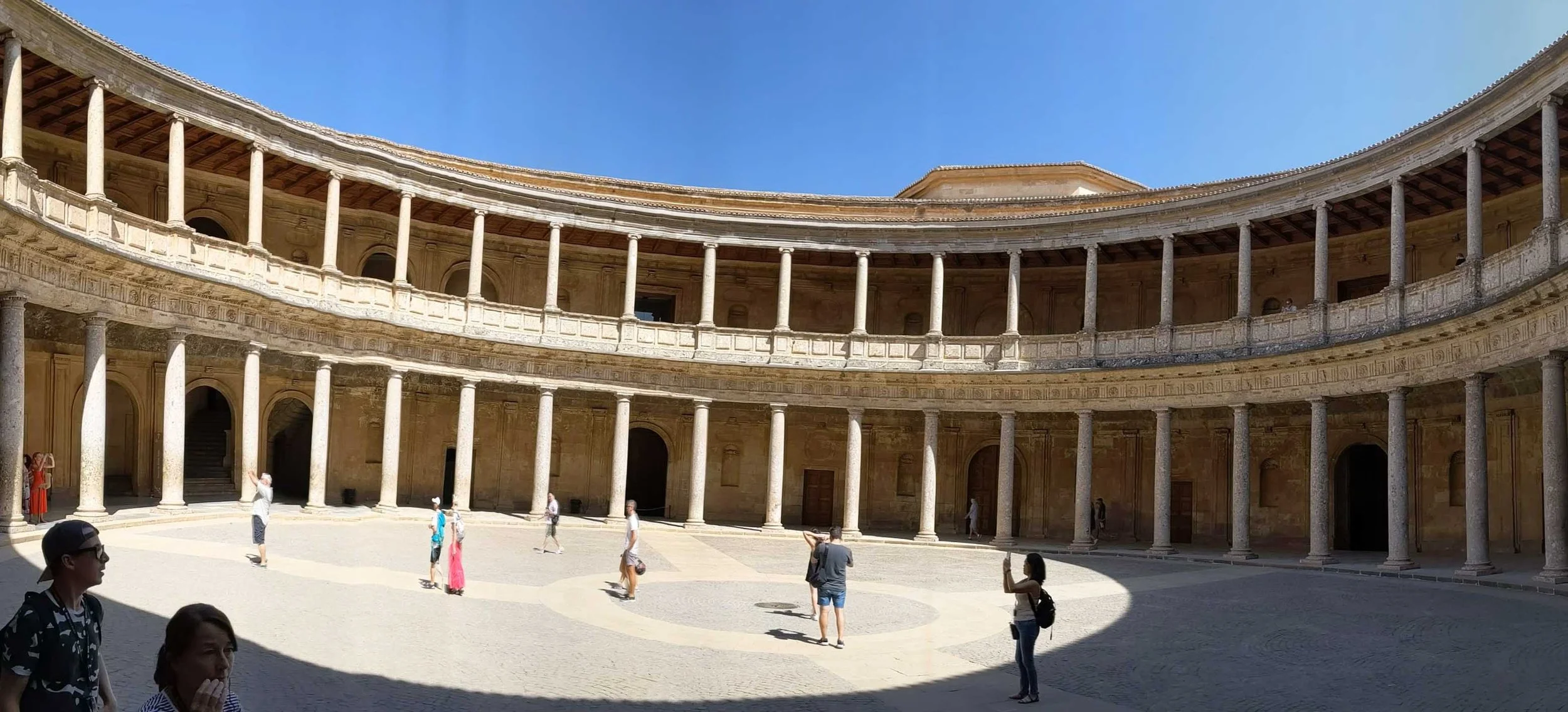
The castle estate of Alhambra is divided into three main sections, the Generalife (palace gardens), Alcazaba  (fortress), and the palaces (Nasrid Palaces and Charles V Palace).

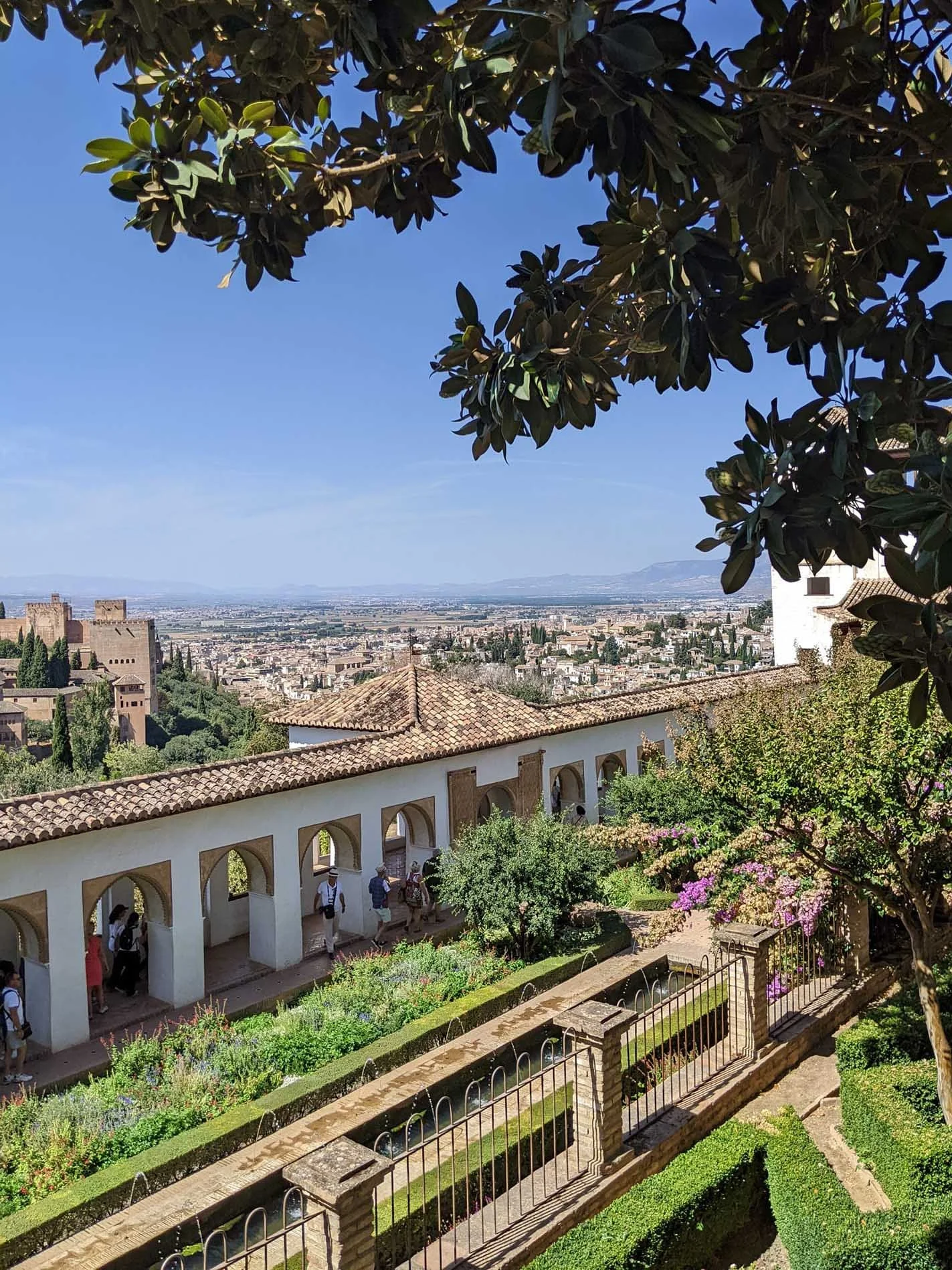
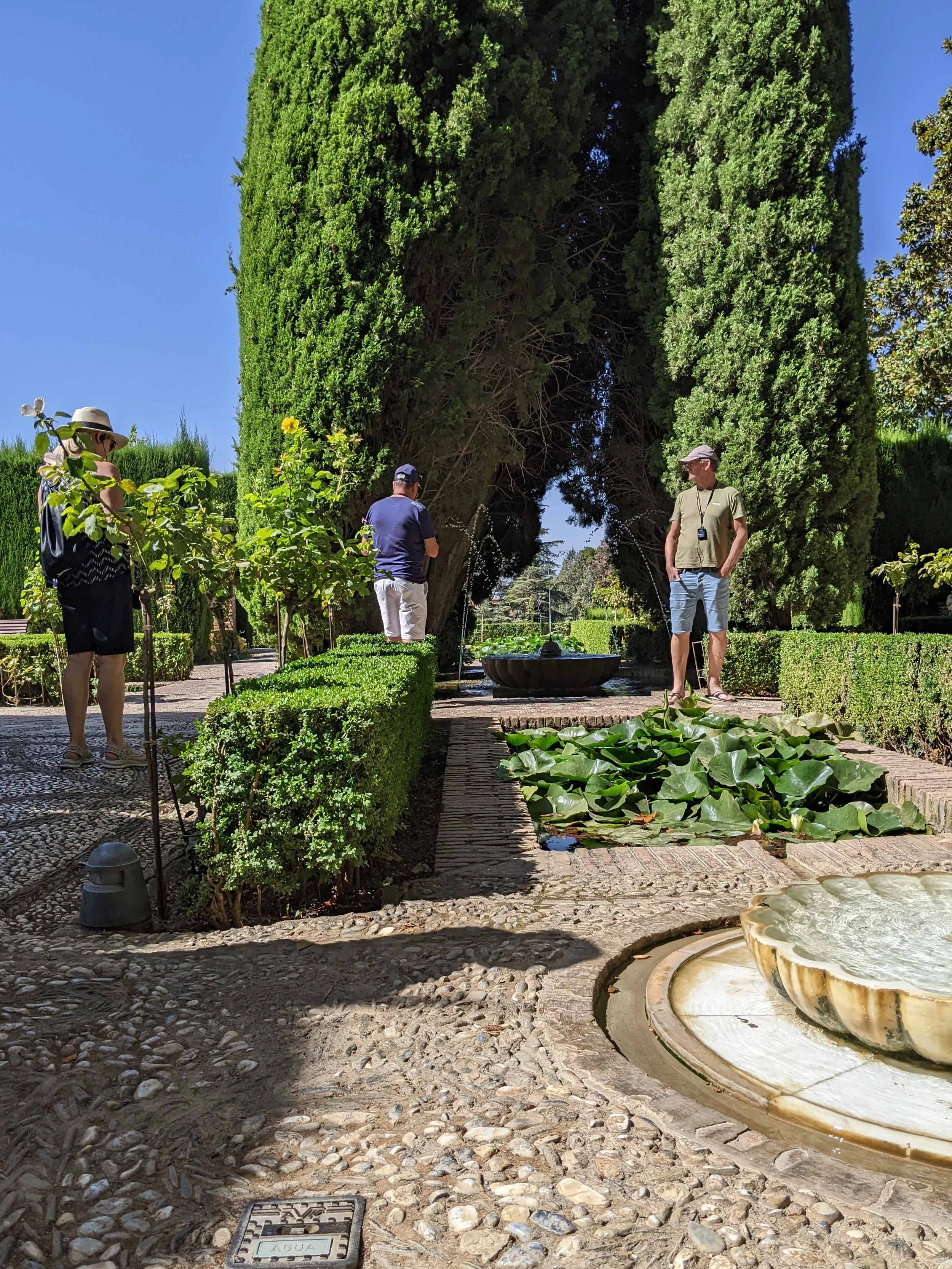
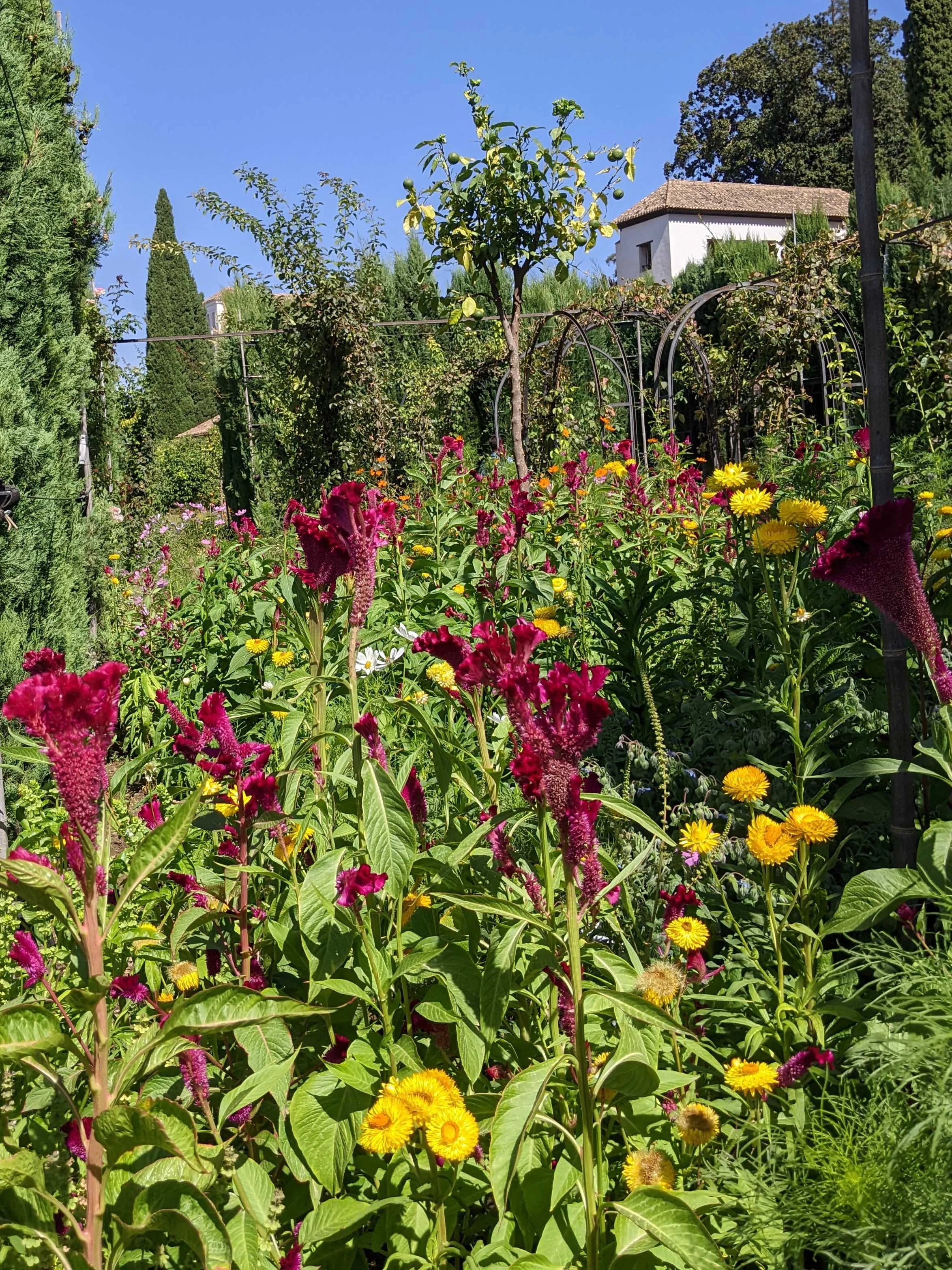
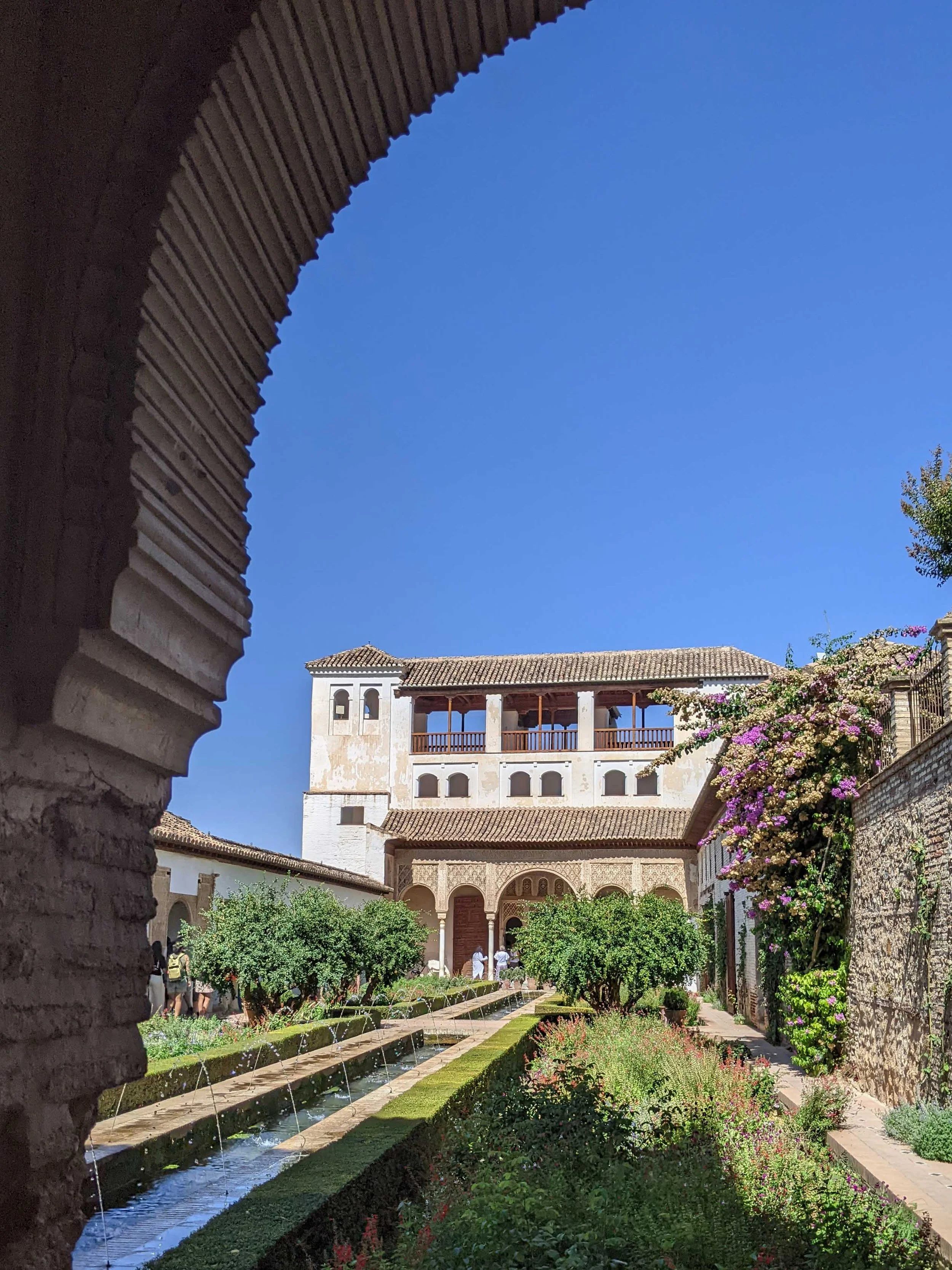
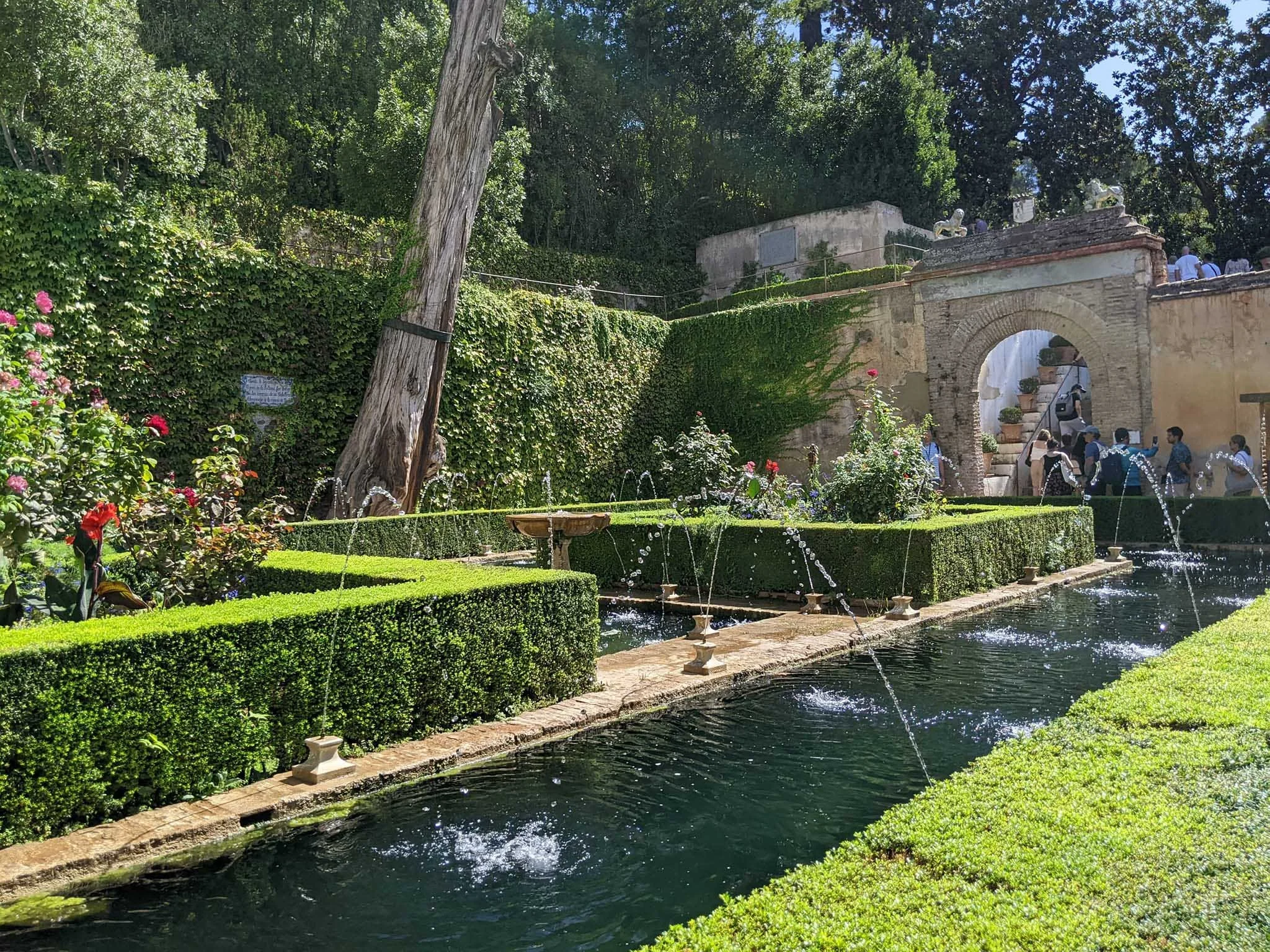
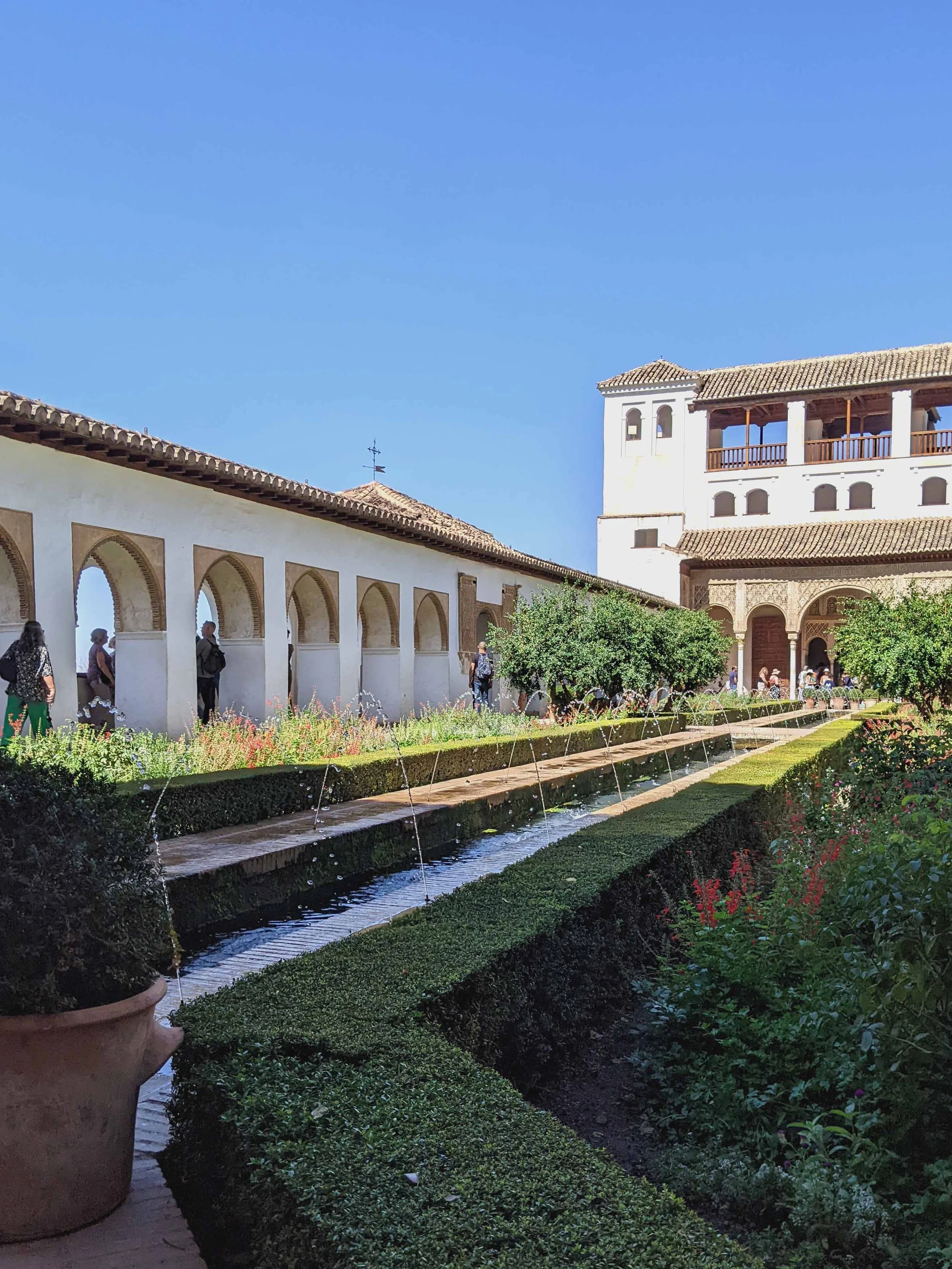
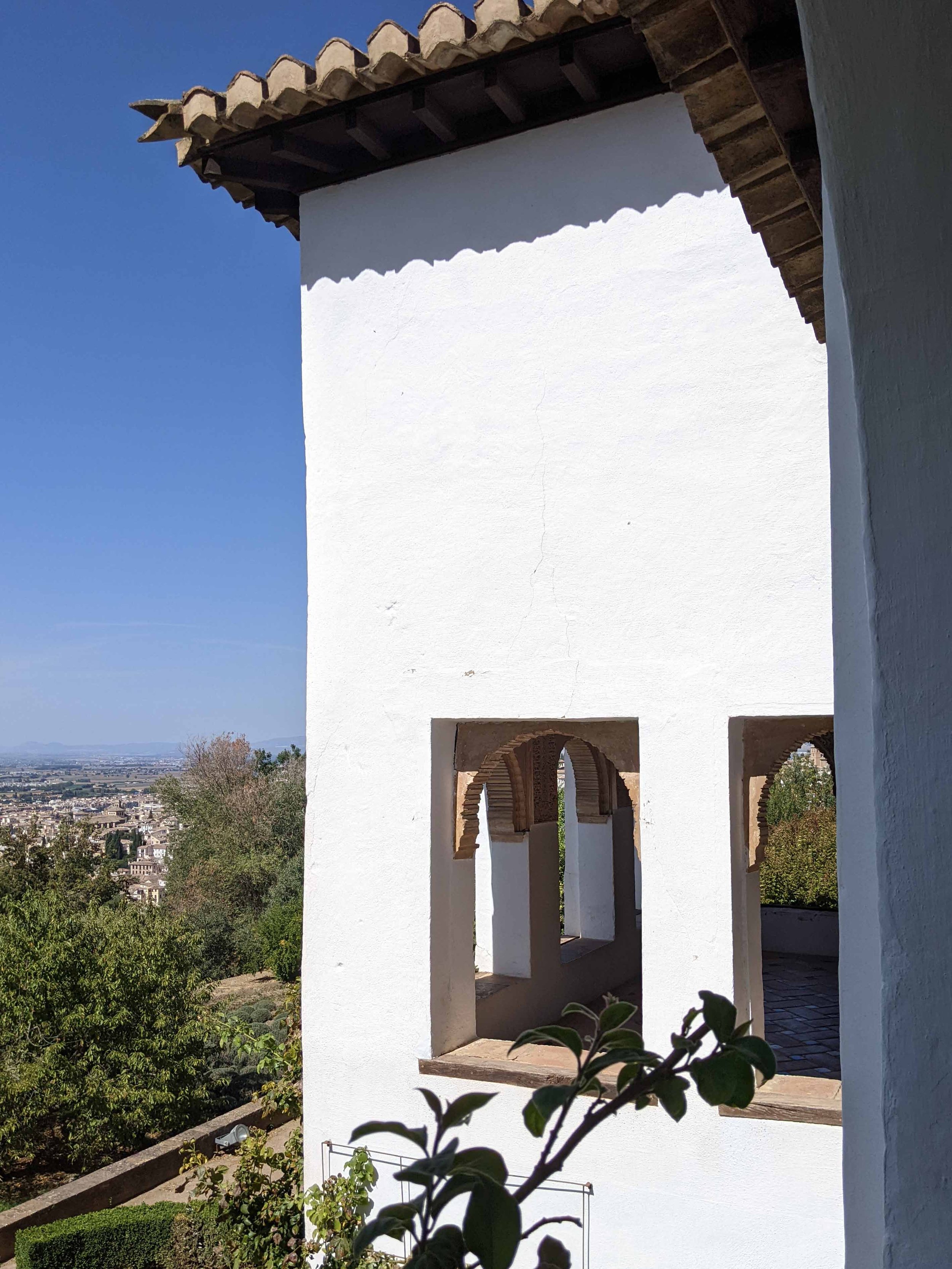
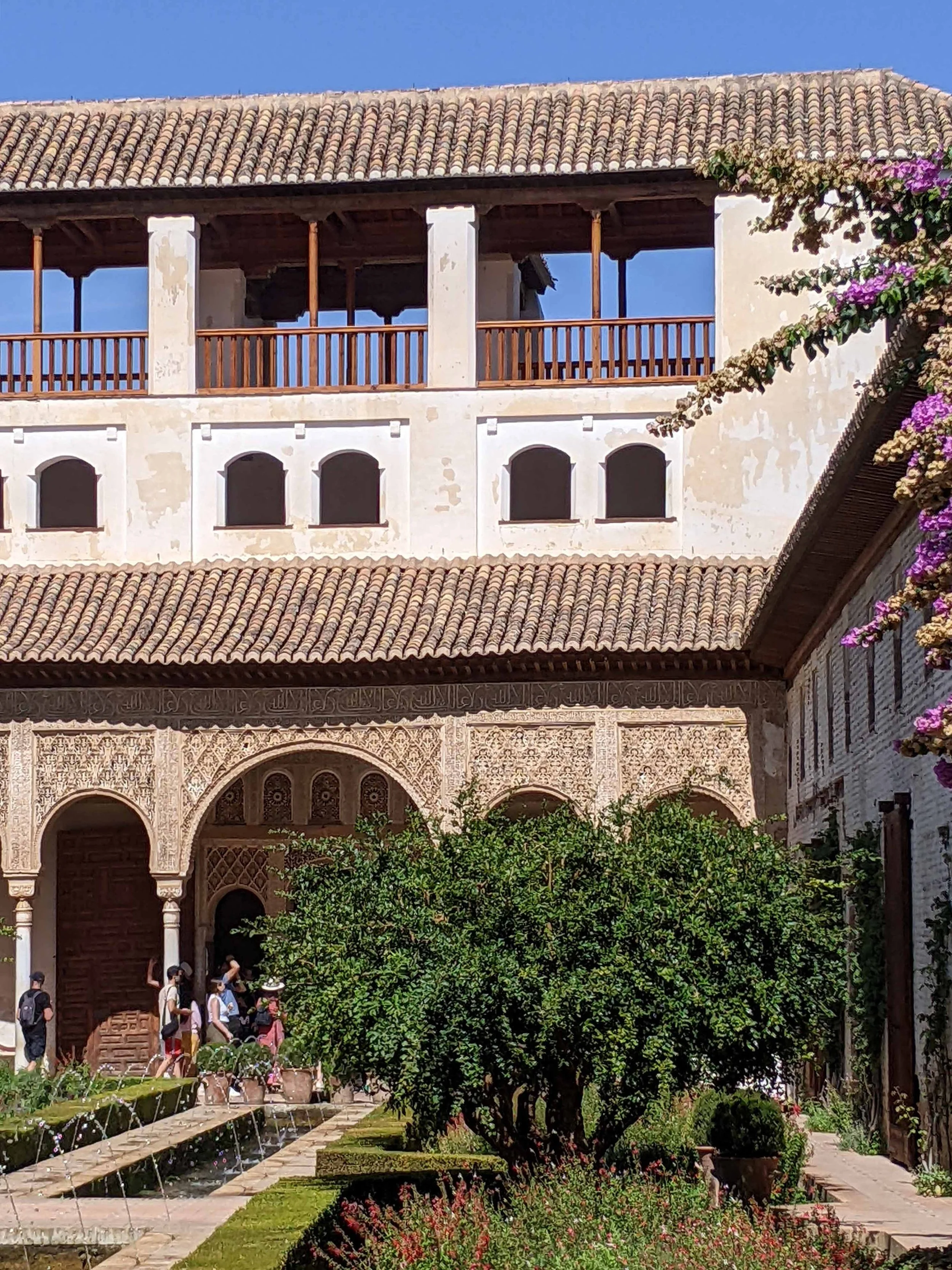
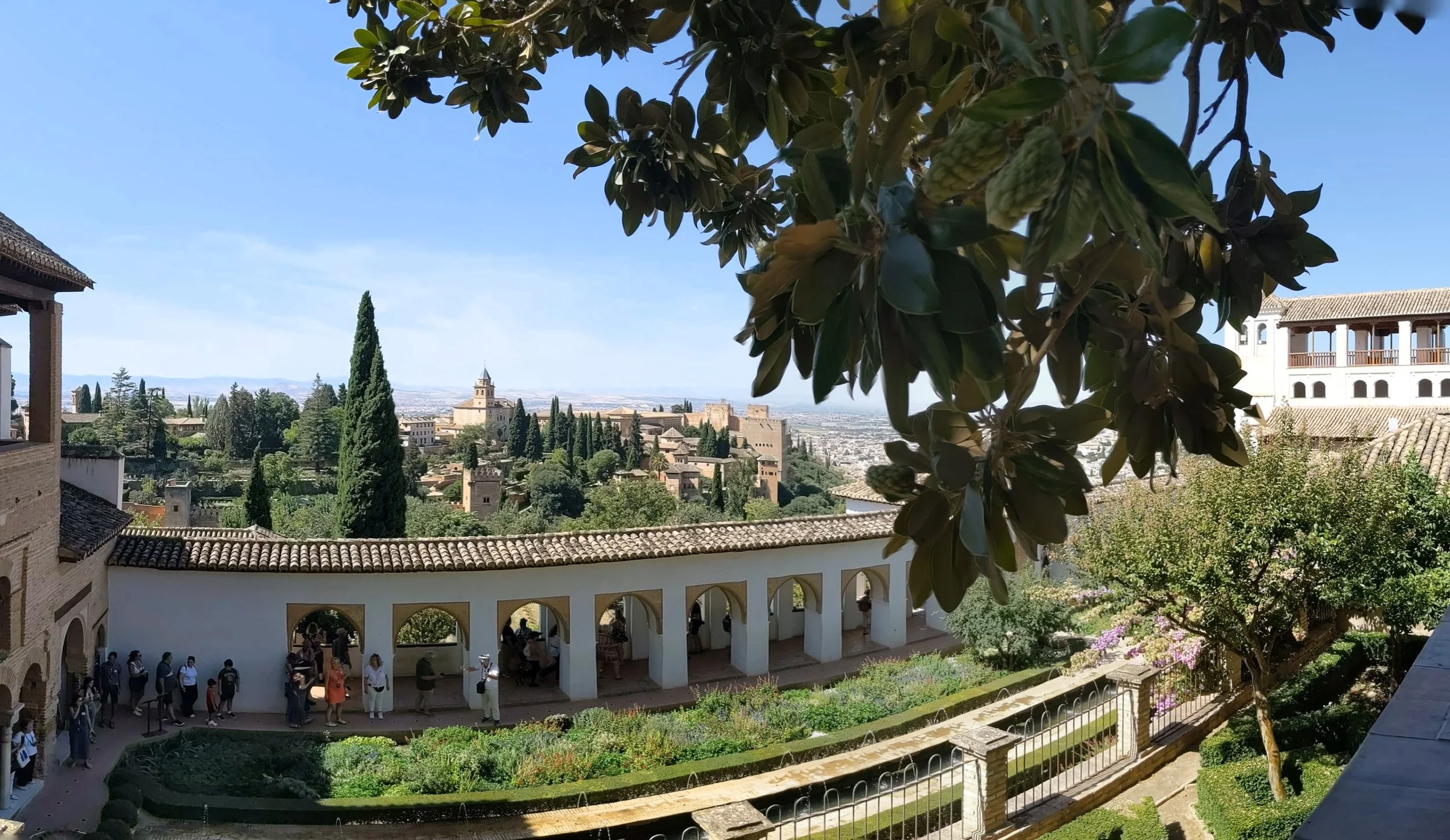
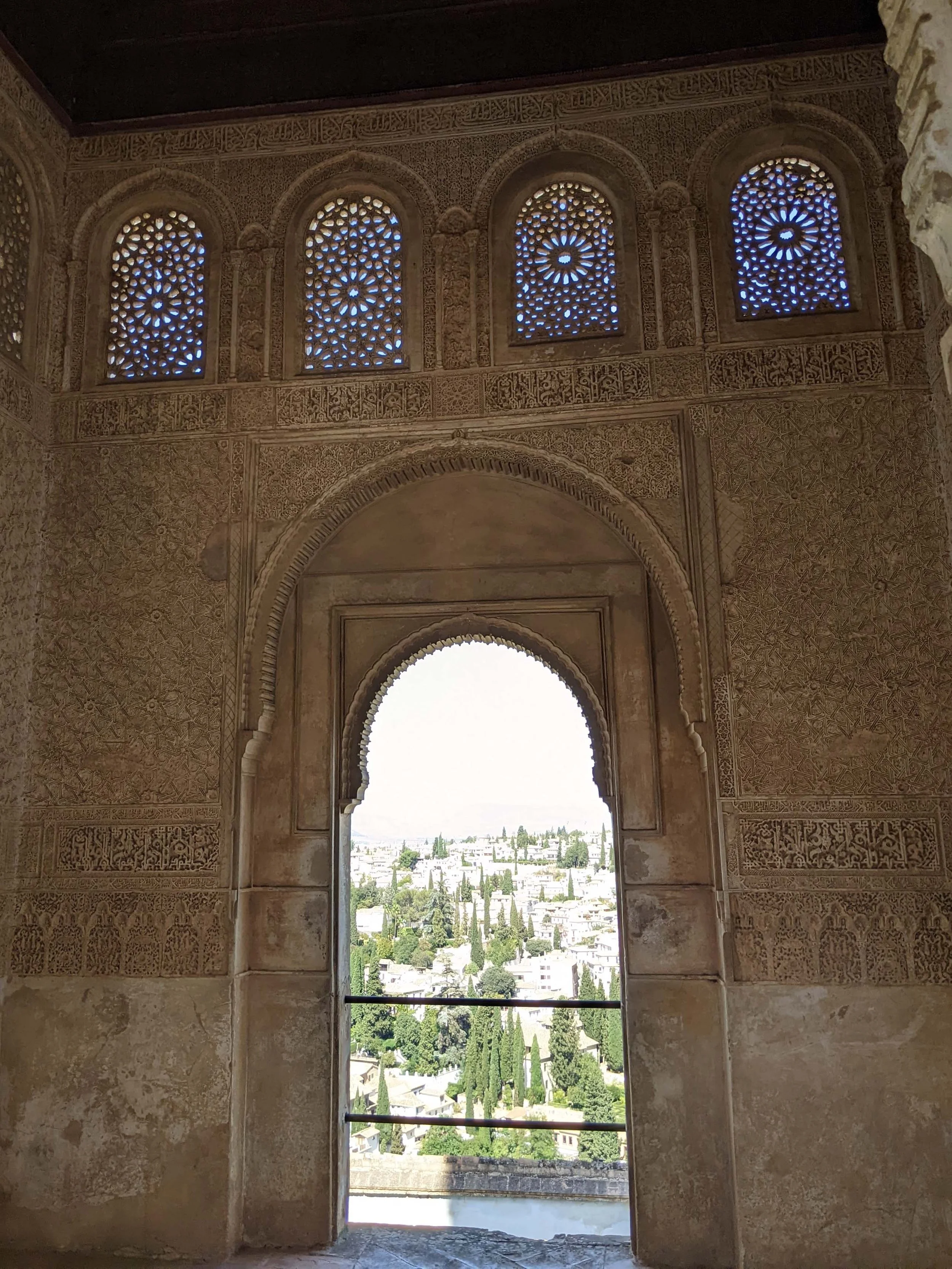
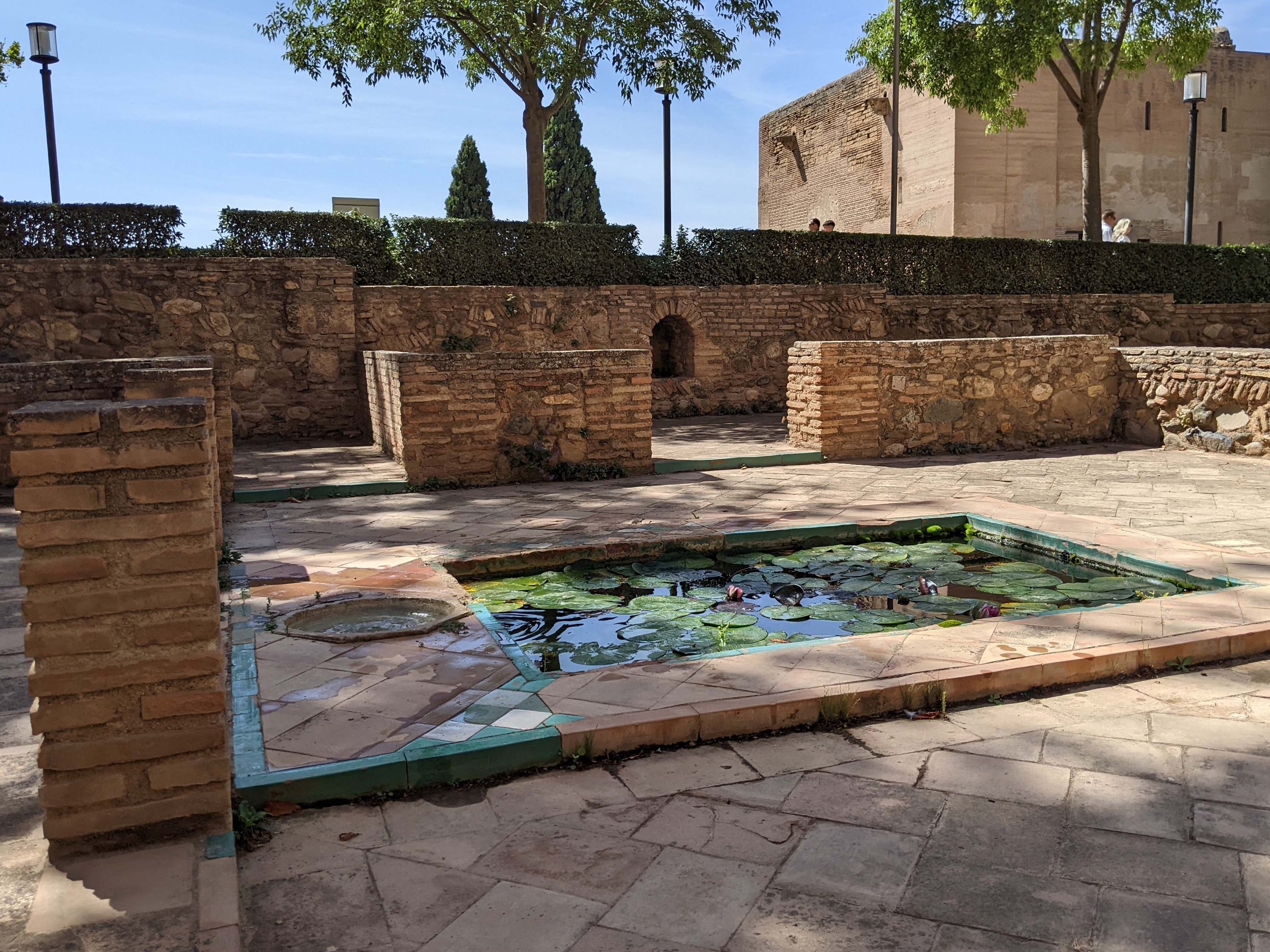
The Generalife (from the Arabic word Jannat al-Arifa, or paradise by association) lies beyond the walls of the castle. The gardens are built to reflect the theme of paradise as stated in the Koran, with water channels, fountains, and greenery. The estate did not have a source of water and water for the fountains and the castle was harvested from a nearby Darro River 6 km away and transported to the castle via irrigation aqueducts which are the evidence of the great engineering skills of the Nasrids. Surrounded by intricate gardens, the Generalife also contains a palace (summer house) that has similar decorations as the building within the castle.

View fullsize 1a.jpg
View fullsize 2.jpg
View fullsize 2a.jpg
View fullsize 3.jpg
View fullsize 3a.jpg
View fullsize 3b.jpg
View fullsize 3d.jpg
View fullsize 3f.jpg
View fullsize 4.jpg
View fullsize 4a.jpg
View fullsize 4b.jpg
View fullsize 5.jpg
View fullsize 6.jpg
View fullsize 6a.jpg
View fullsize 7.jpg
View fullsize PXL_20220918_110416722.PANO.jpg

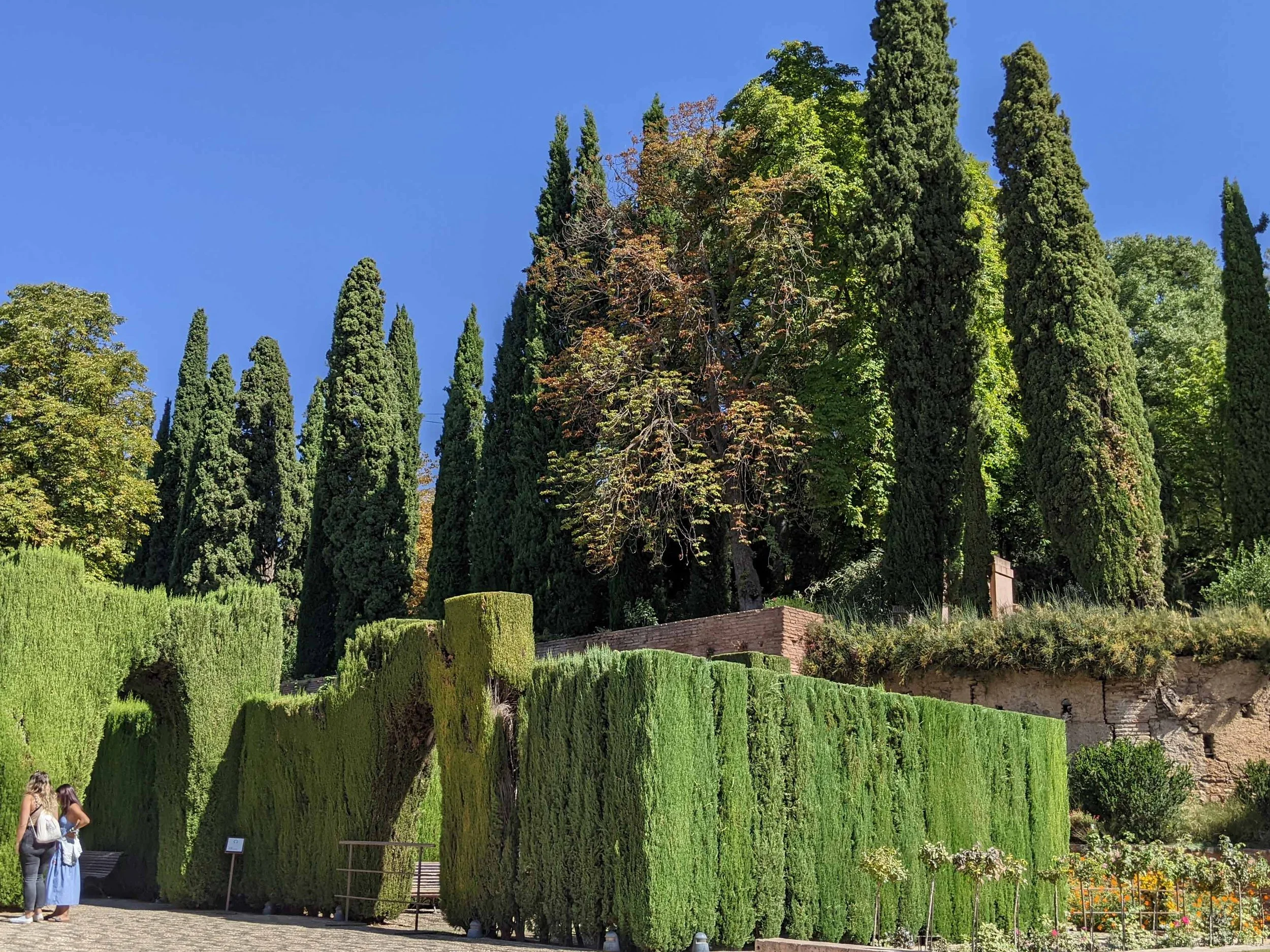
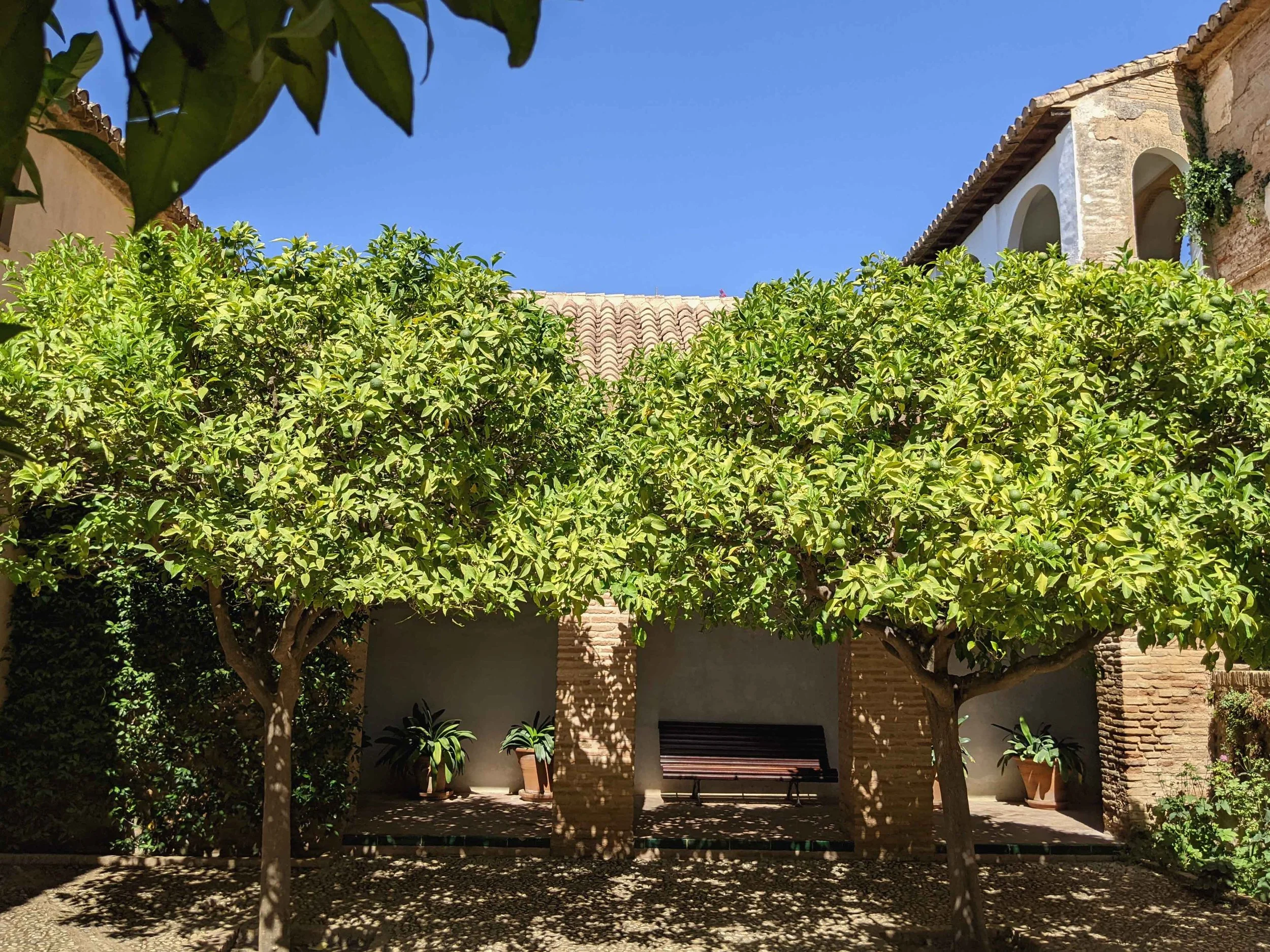
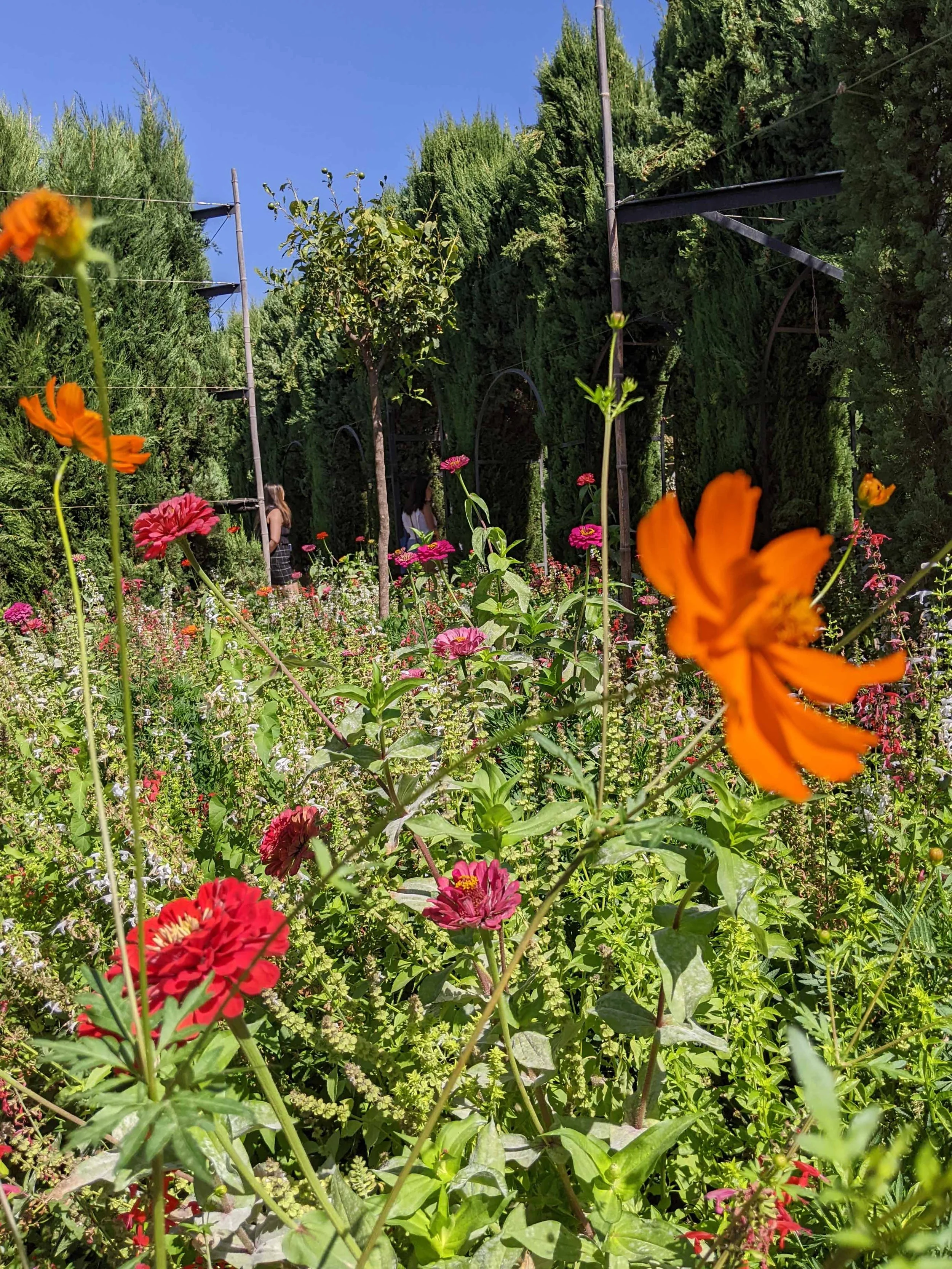
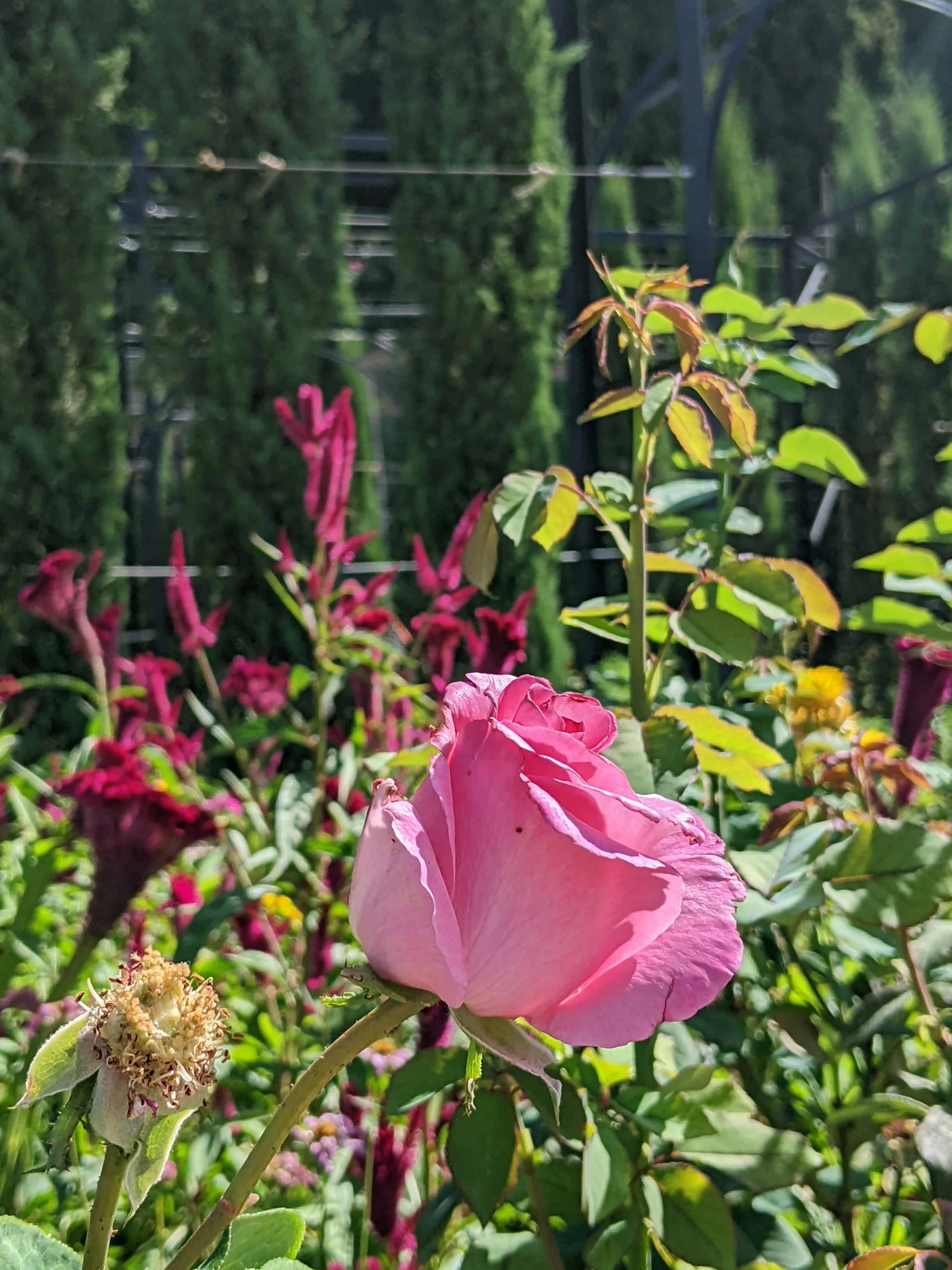
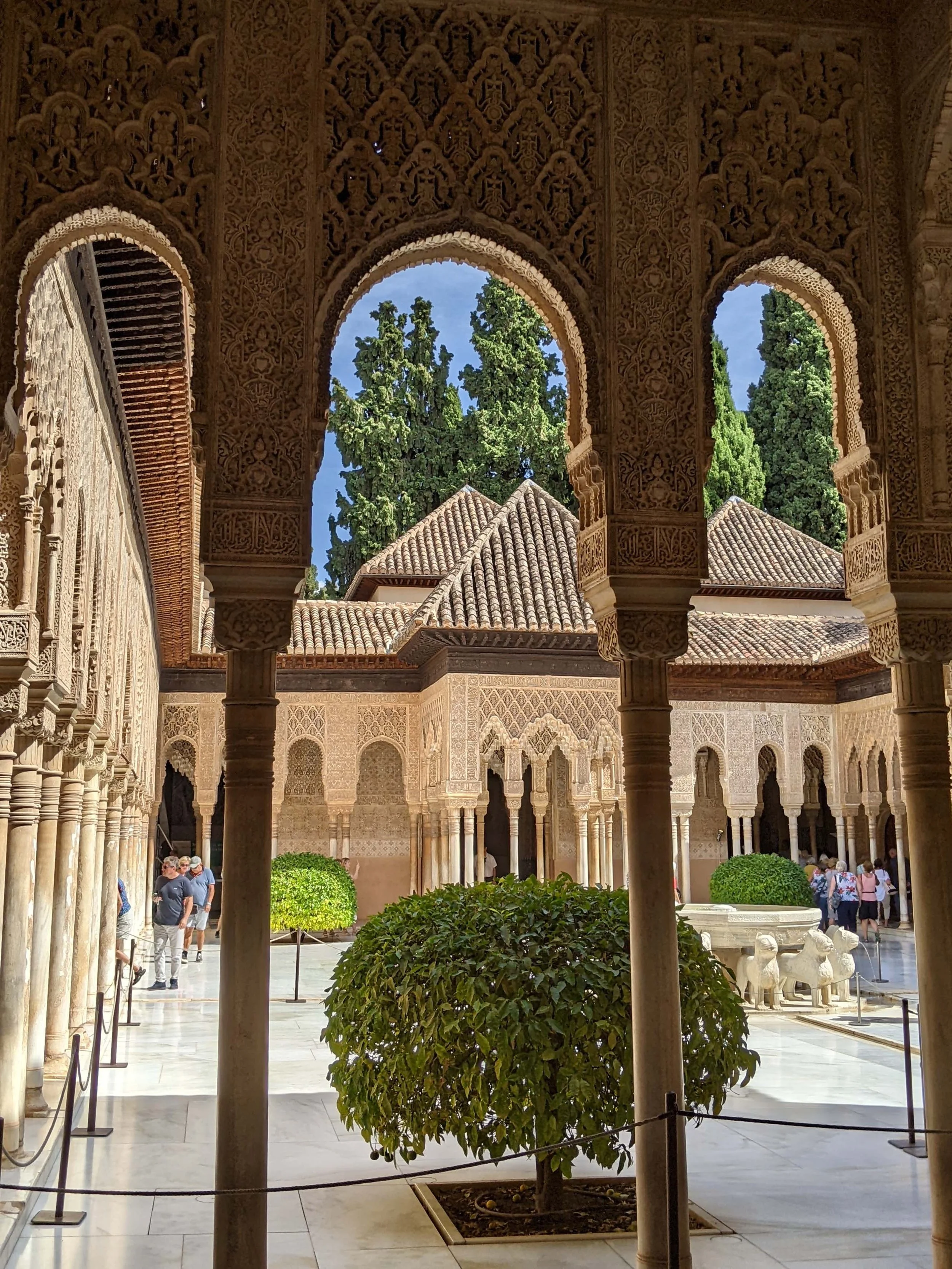
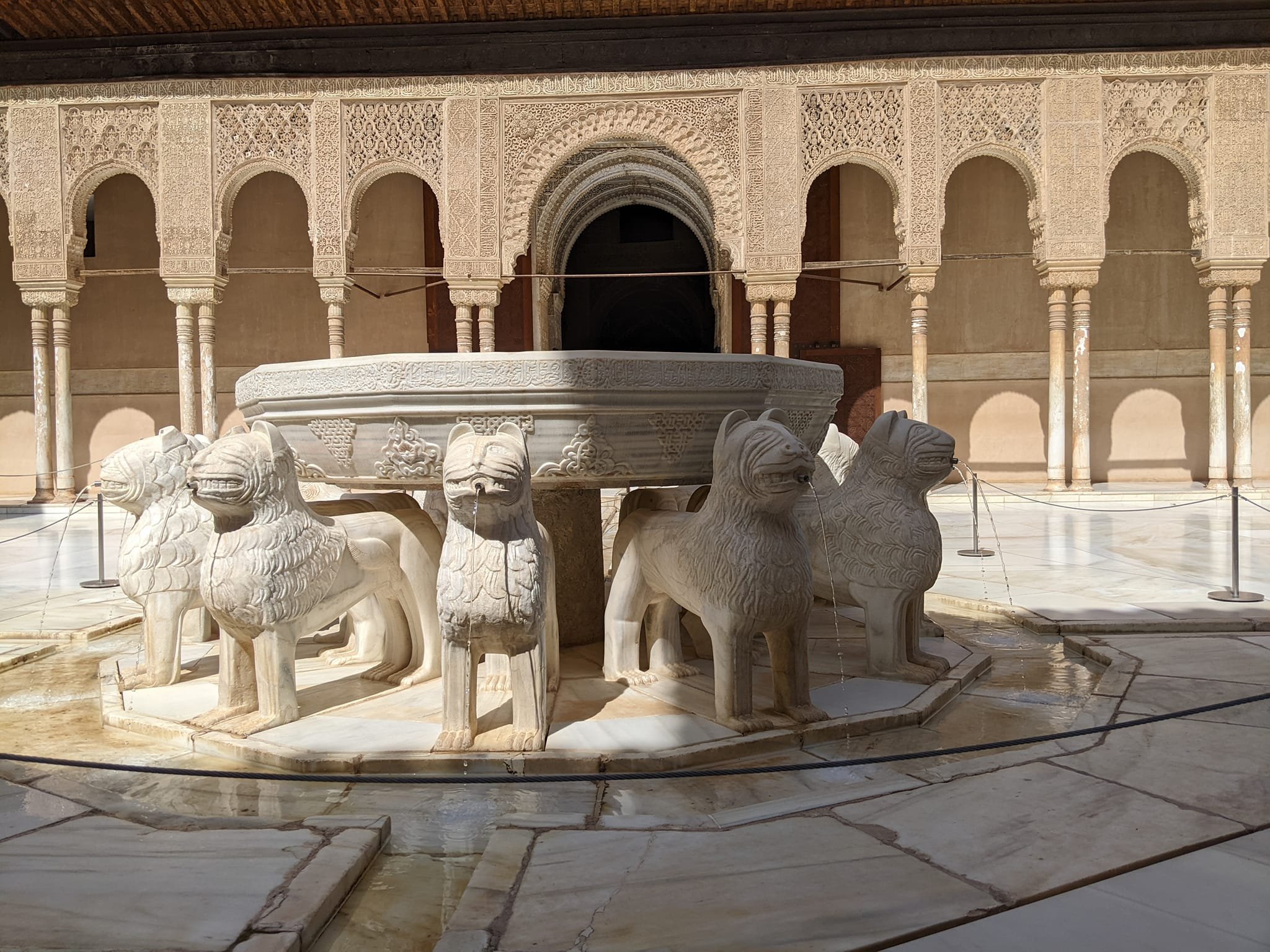
While to some untrained eyes, these gardens are just green spaces around a building which one might see around modern-day suburbs, the gardens of Alhambra are a prime example of the East Mediterranean (Persian) tradition of garden making of the period. The garden design created an atmosphere of sensuality and was aimed to bring pleasure to all five senses, Colour, light, aromatic plants, sweet fruits, and the murmur of water.

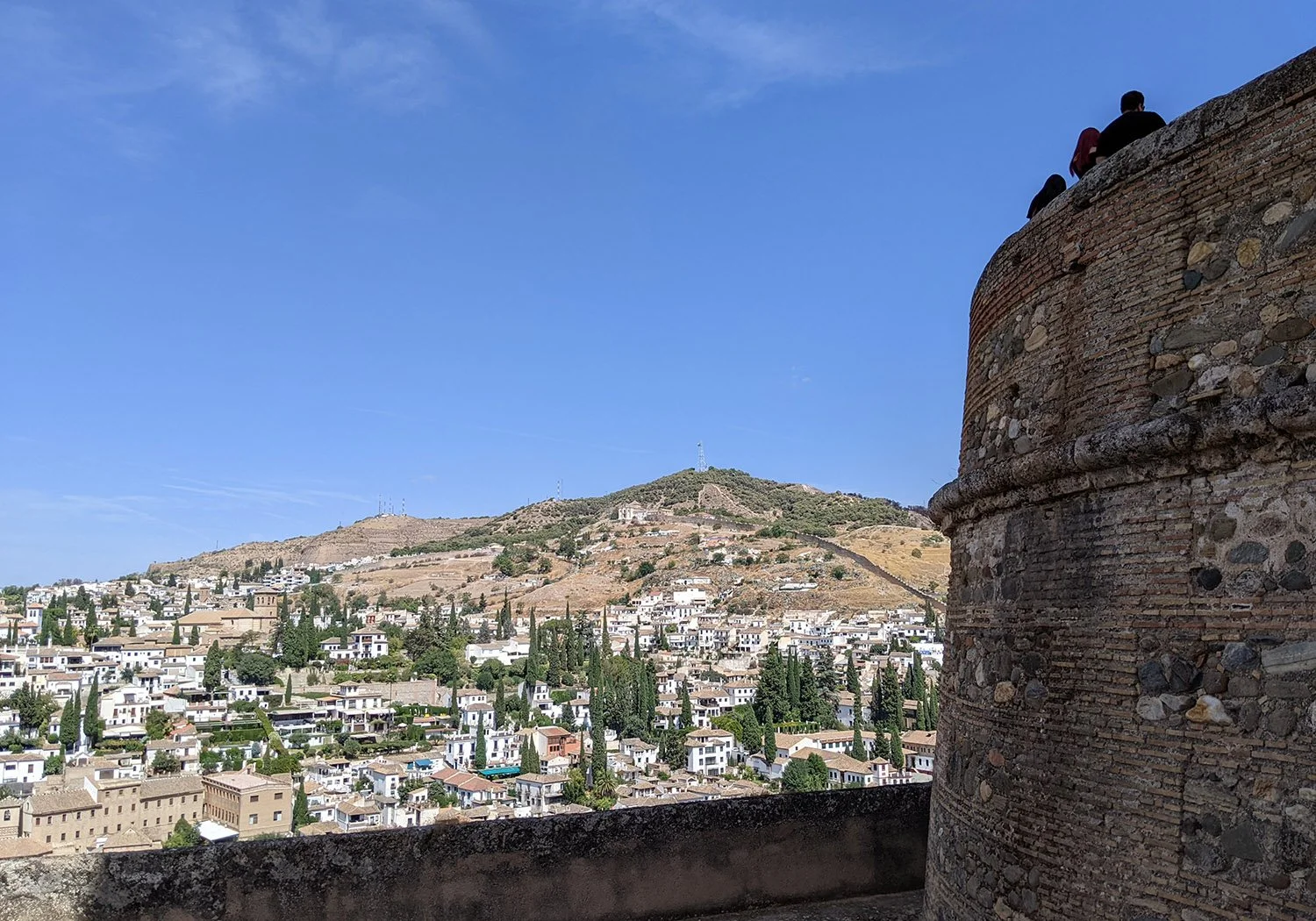
Alcazaba (fortress) or walled city overlooks Spain's Sierra Nevada Mountain range. The fortress not only served as a warning to potential enemies but with the water system and plethora of bath houses was one of the few (perhaps the only) cities that avoided the black death plague of Europe and North Africa from 1346 to 1353 which claimed millions of lives. Historic refresher for all, remember Covid and emphases on cleanliness and washing hands!

e.jpg
b.jpg
A.jpg
c.jpg
d.jpg
f.jpg

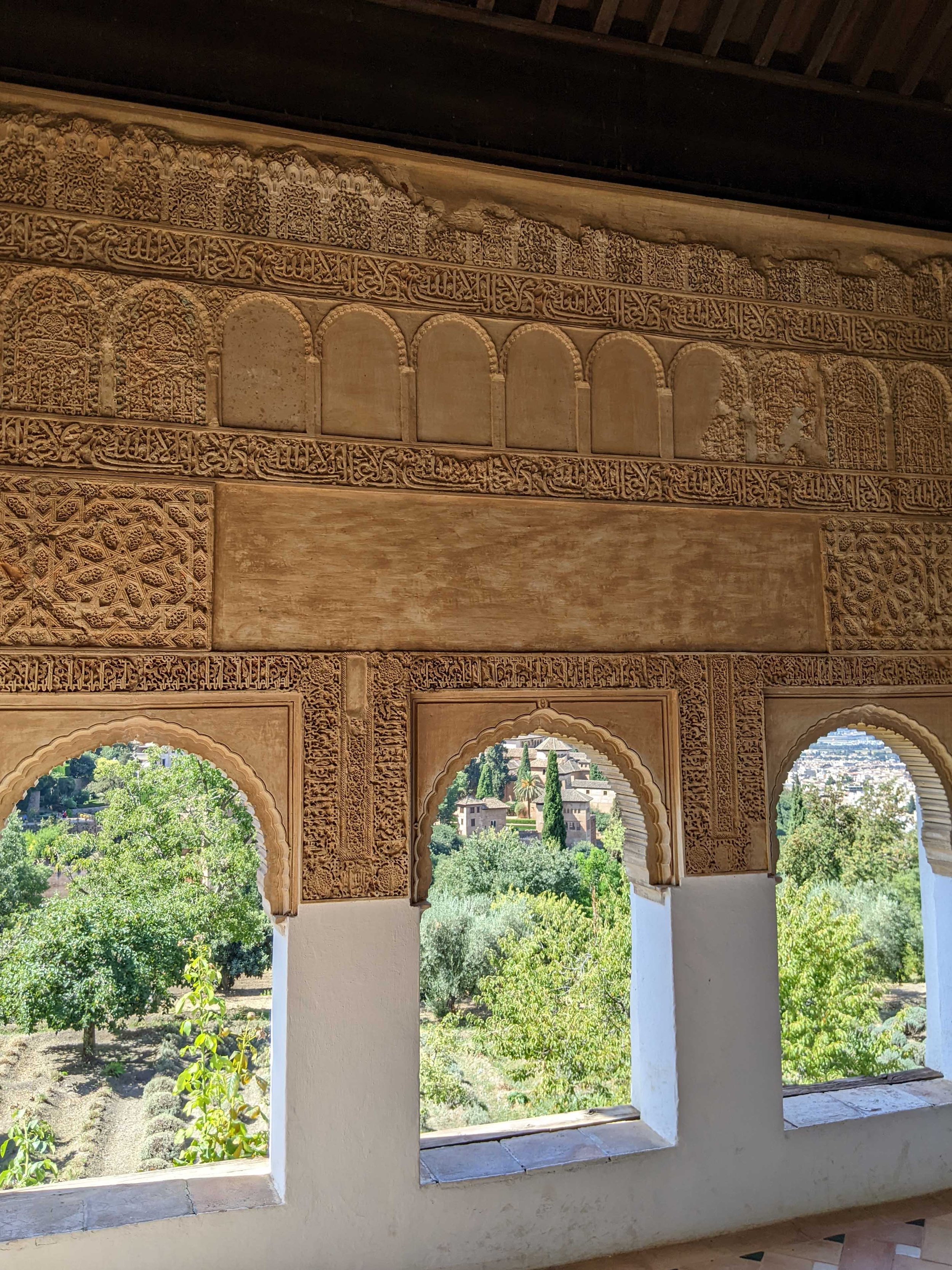
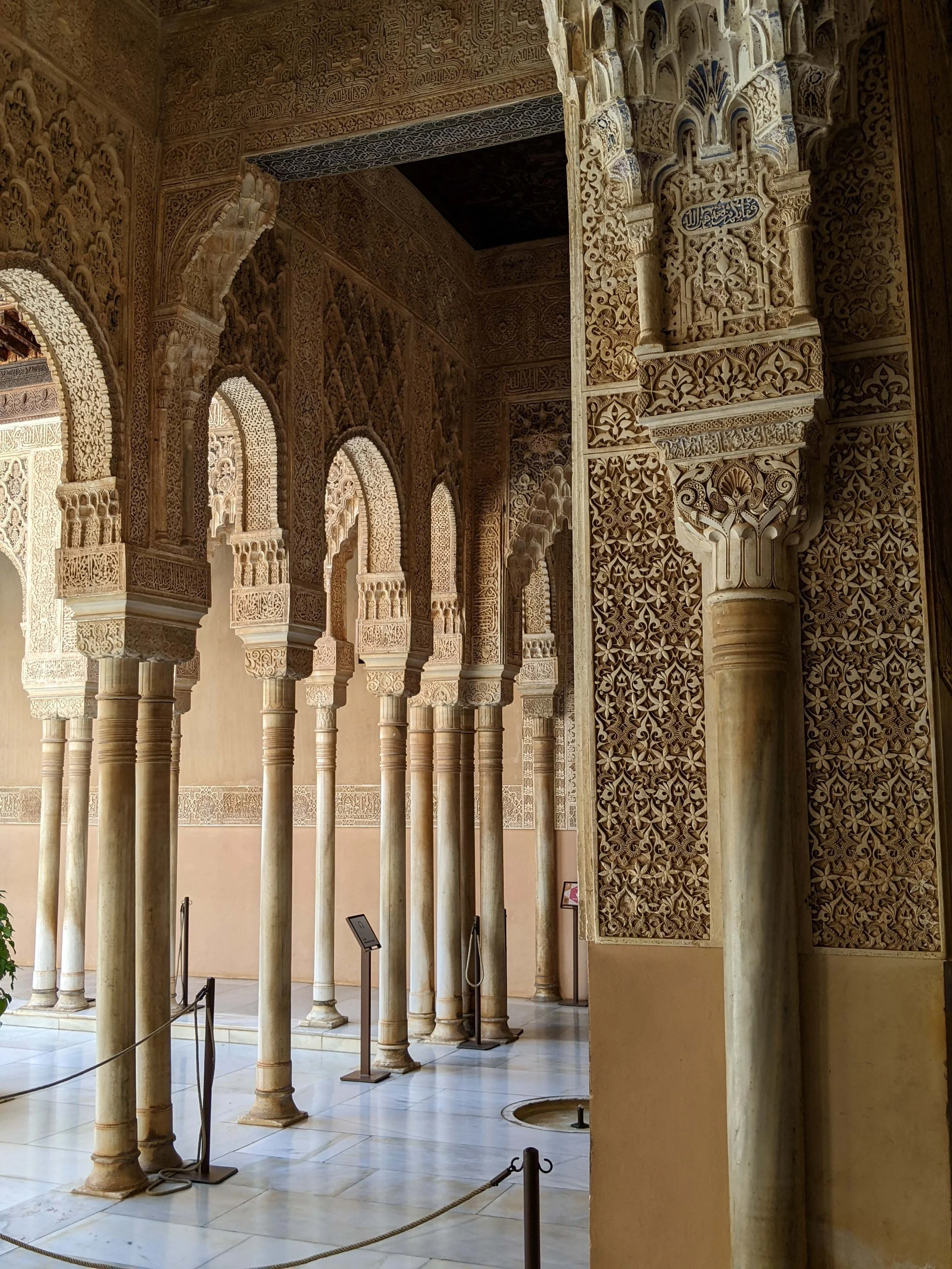
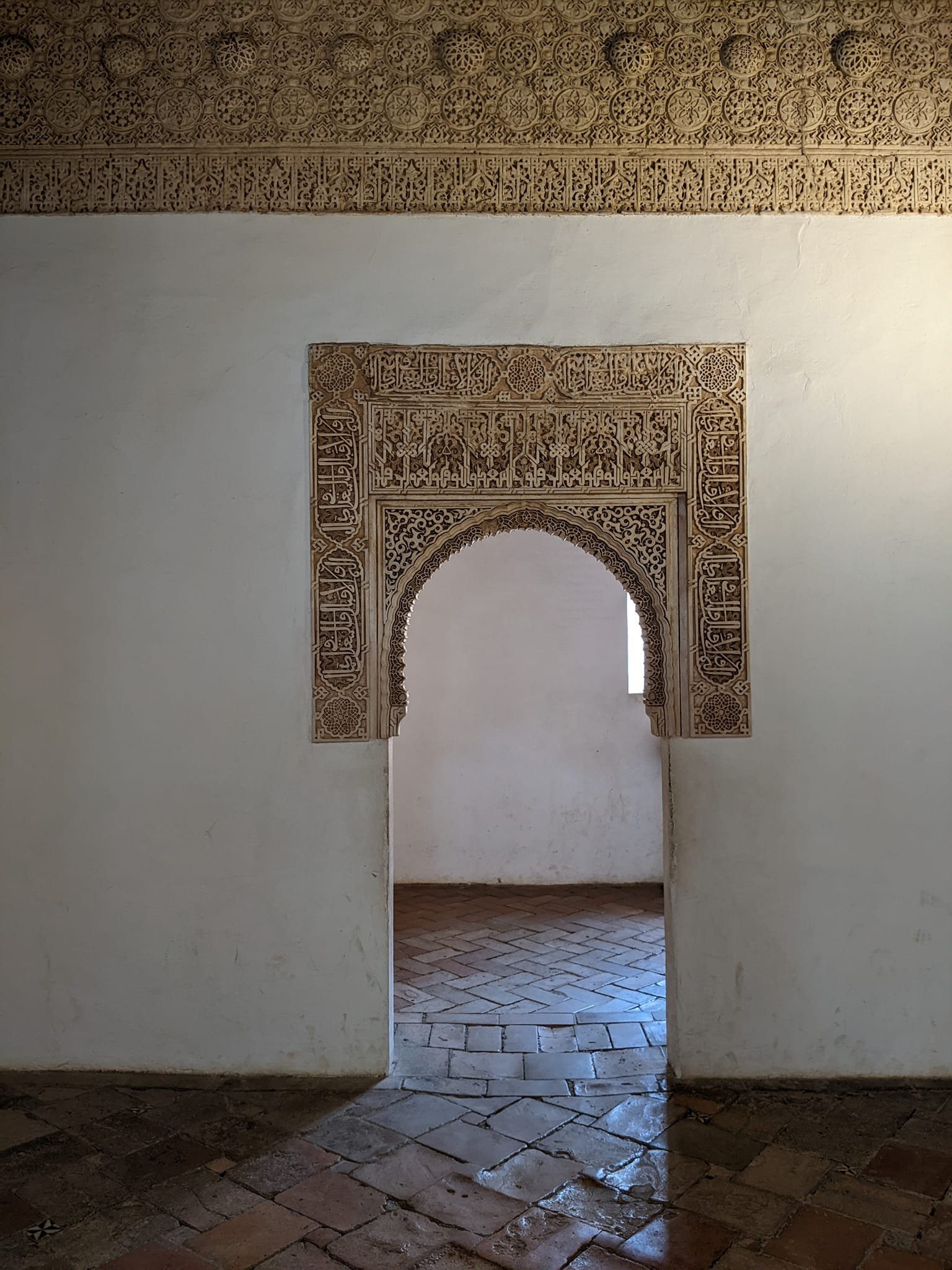
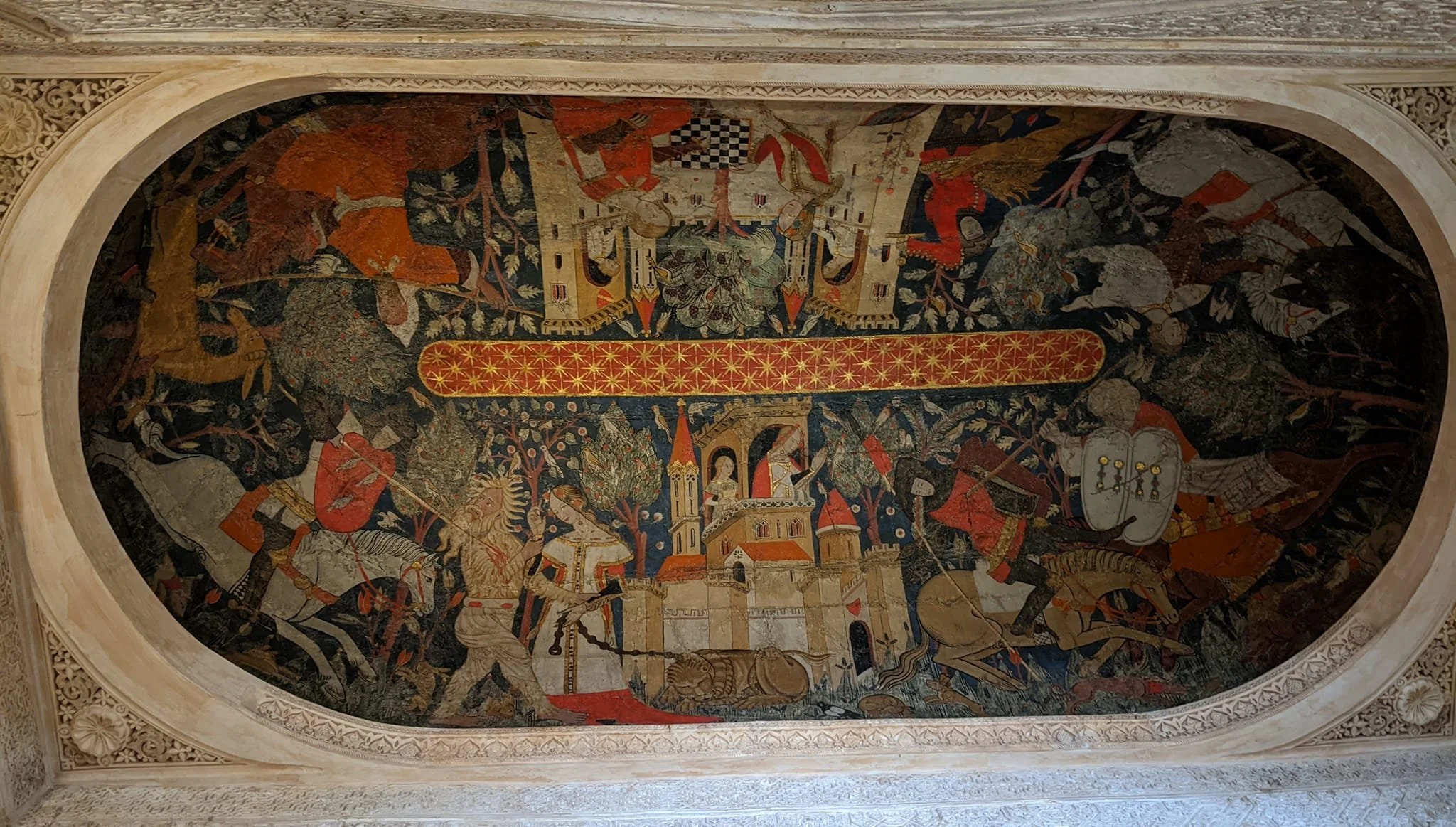
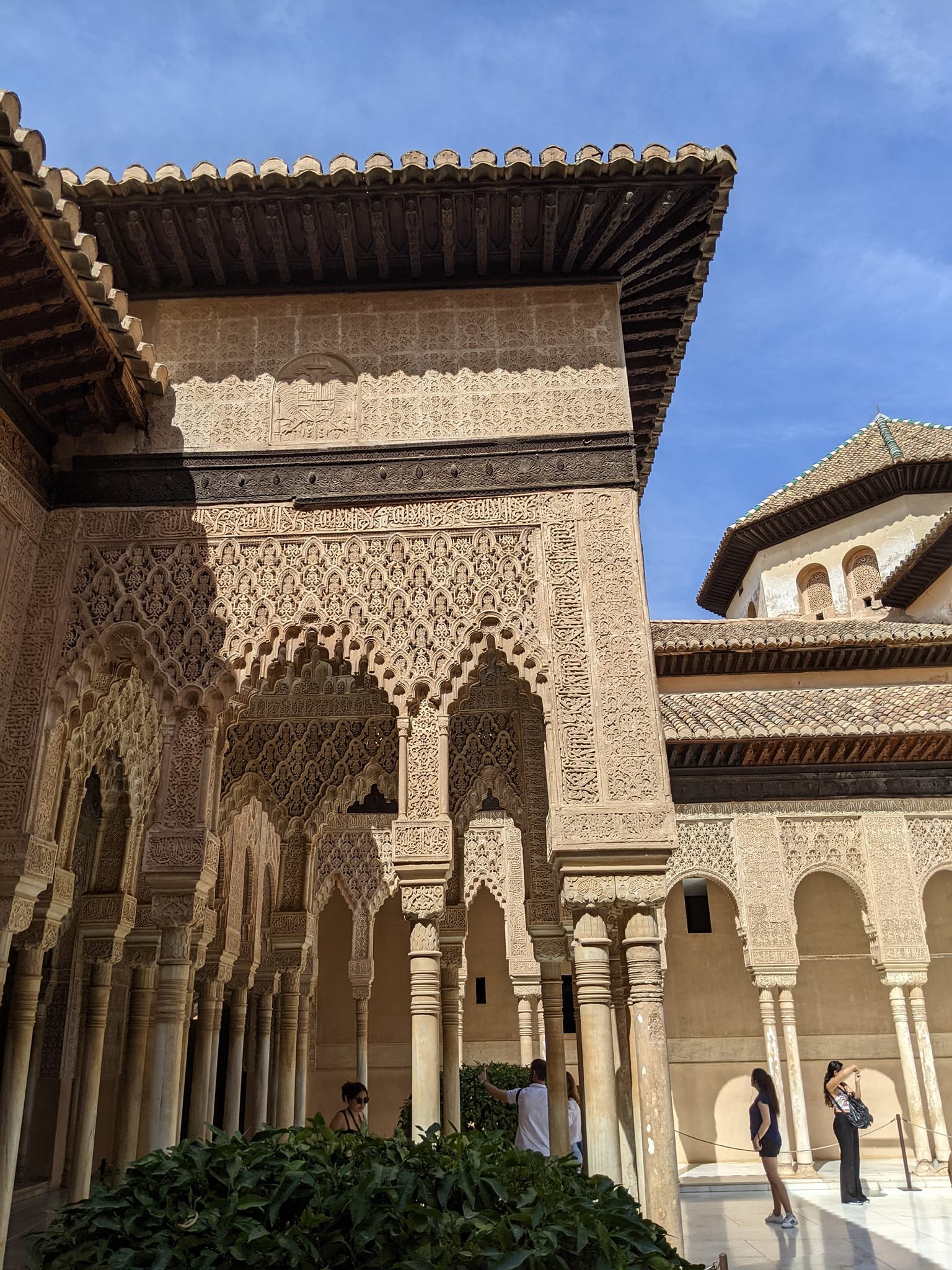
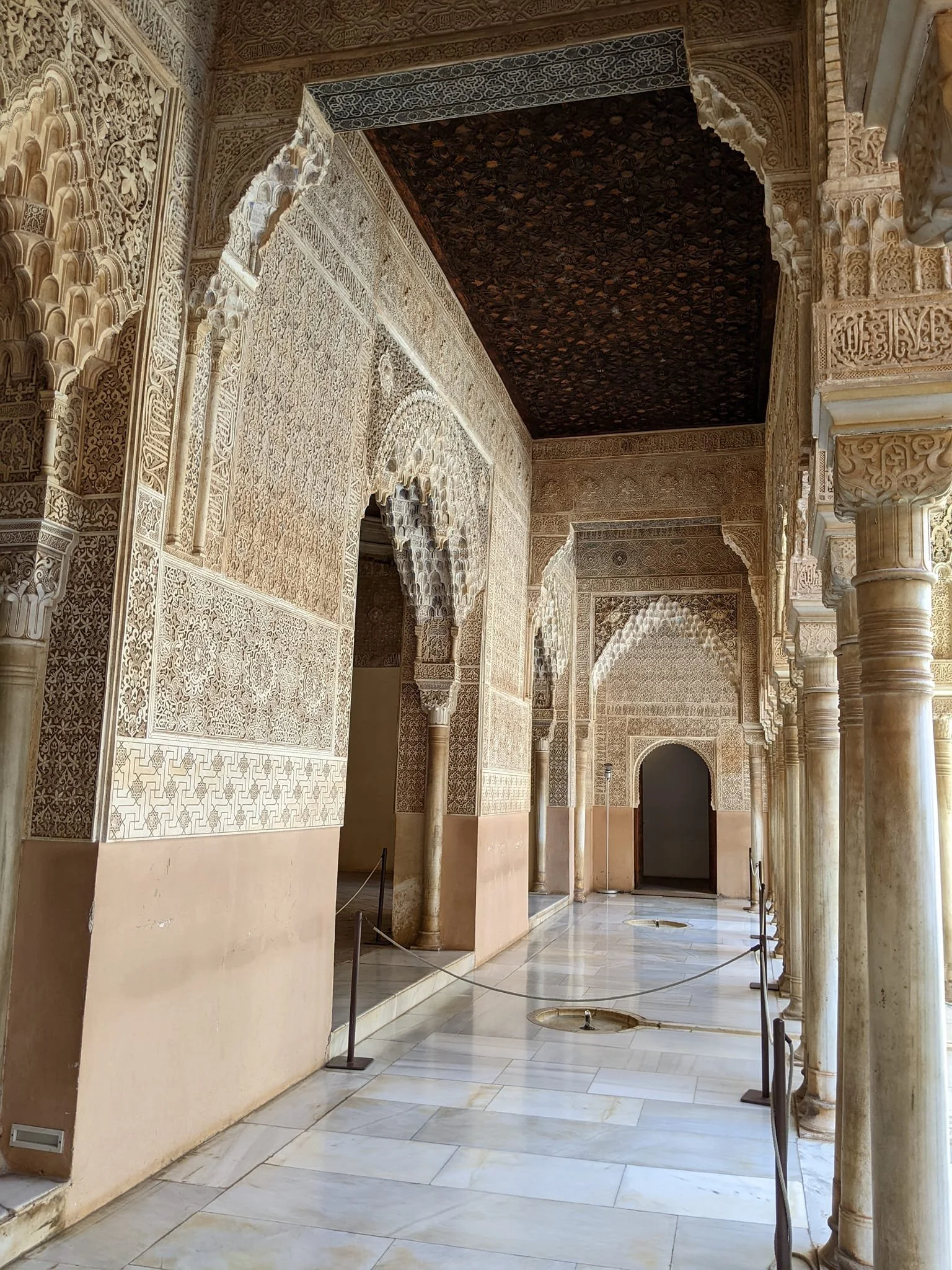
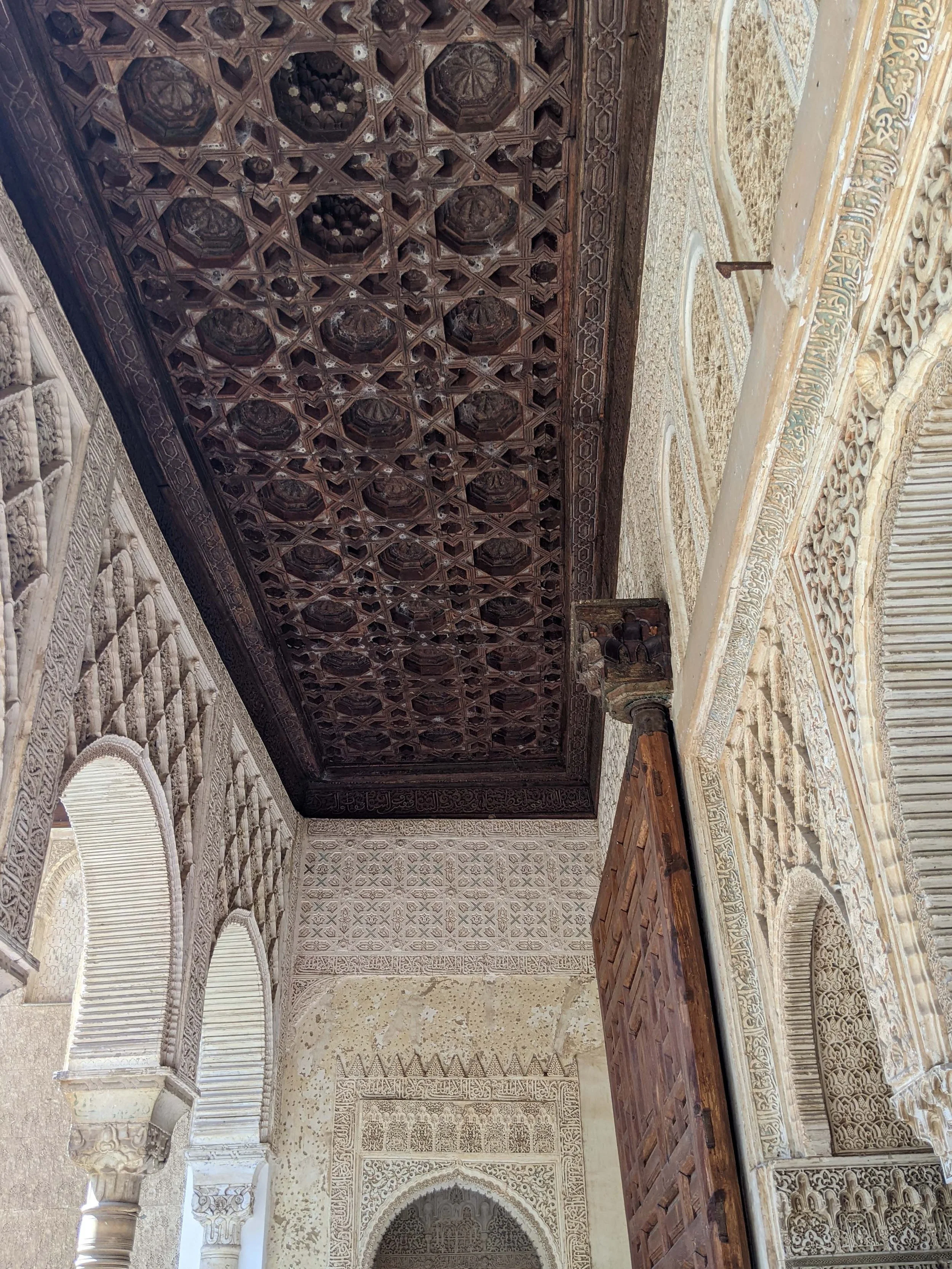
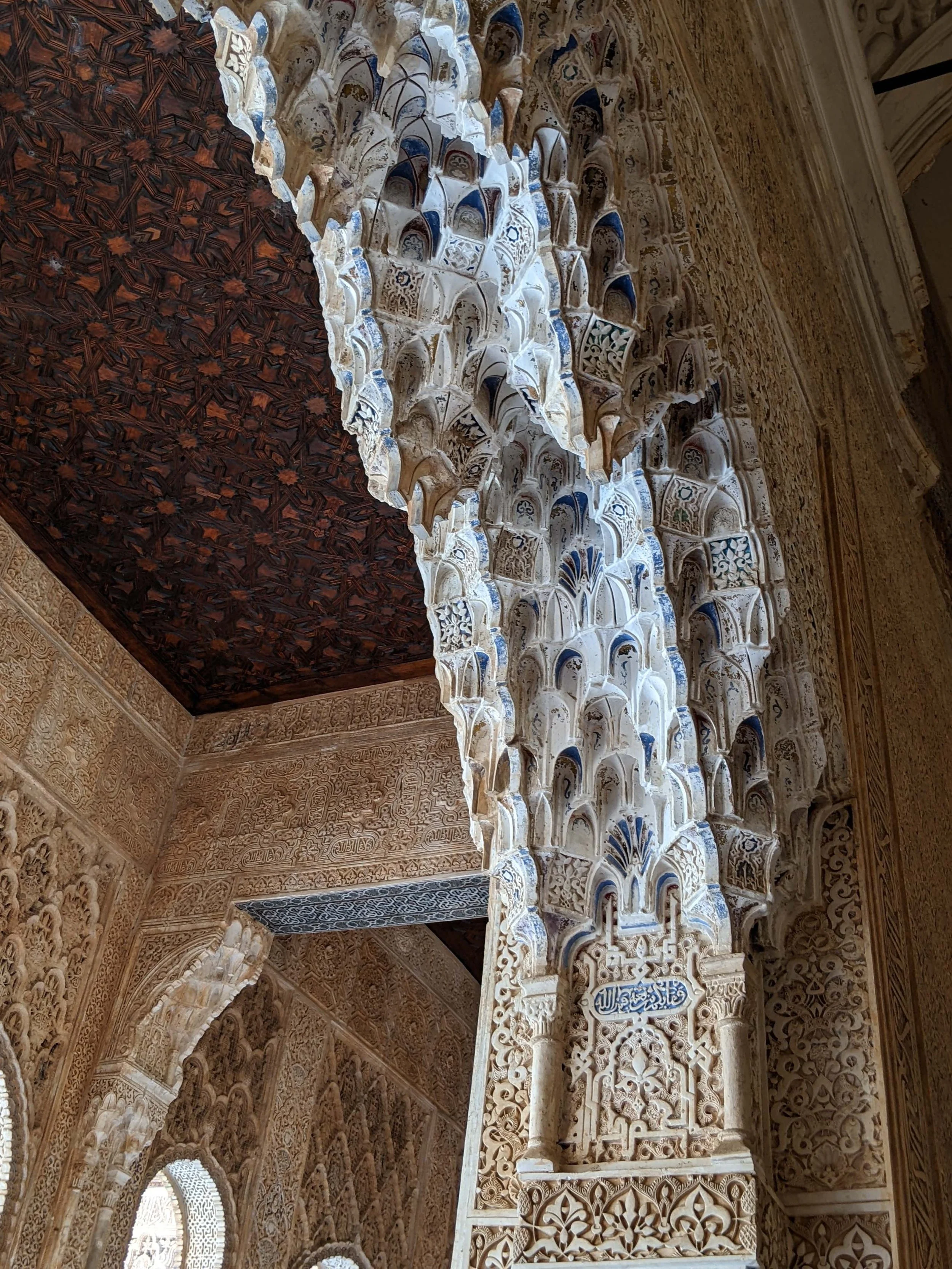
The Palaces, Comares Palace, Palace of the Lions, and the Partal Palace were built by the Nasrid’s and the Charles V palace was built by King Charles after the fall of Alhambra. The Alhambra architecture is all-inclusive and features the Muslim, Christian, and Jewish faiths. It is this intermixing of styles, associated with centuries of multi-cultural and religious coexistence of people in Spain, that has made Alhambra so fascinating, mysterious, and architecturally iconic.

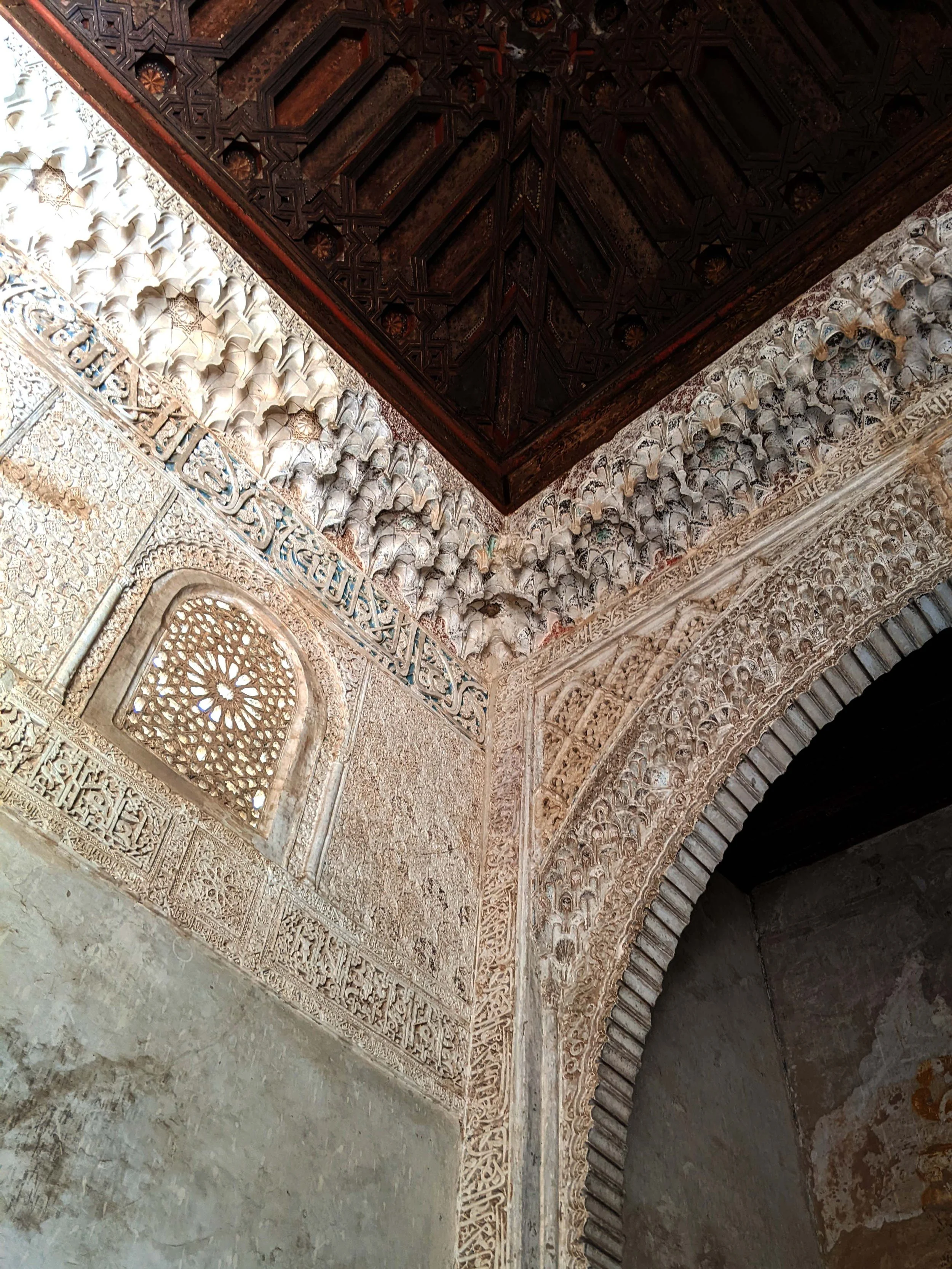
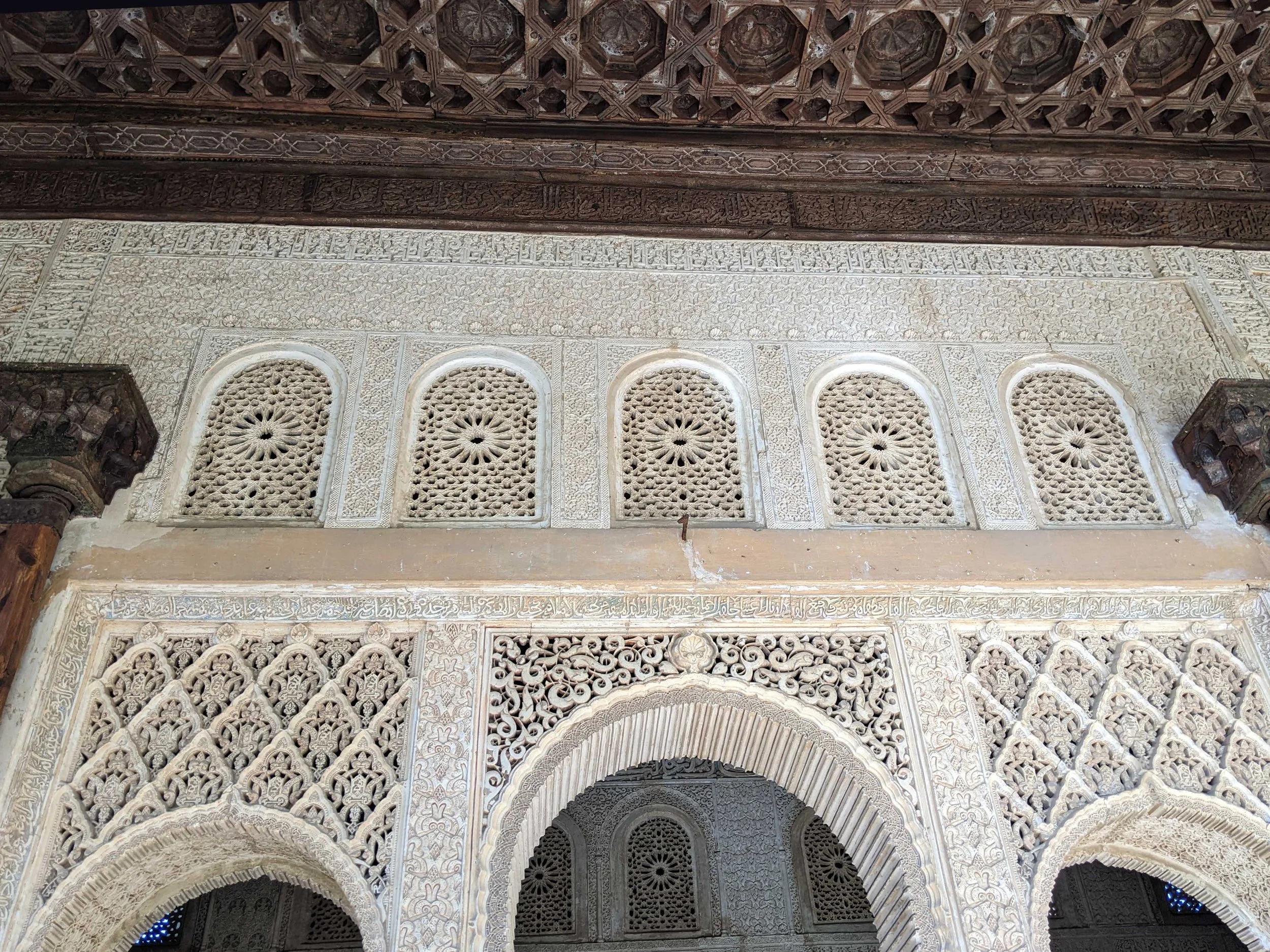
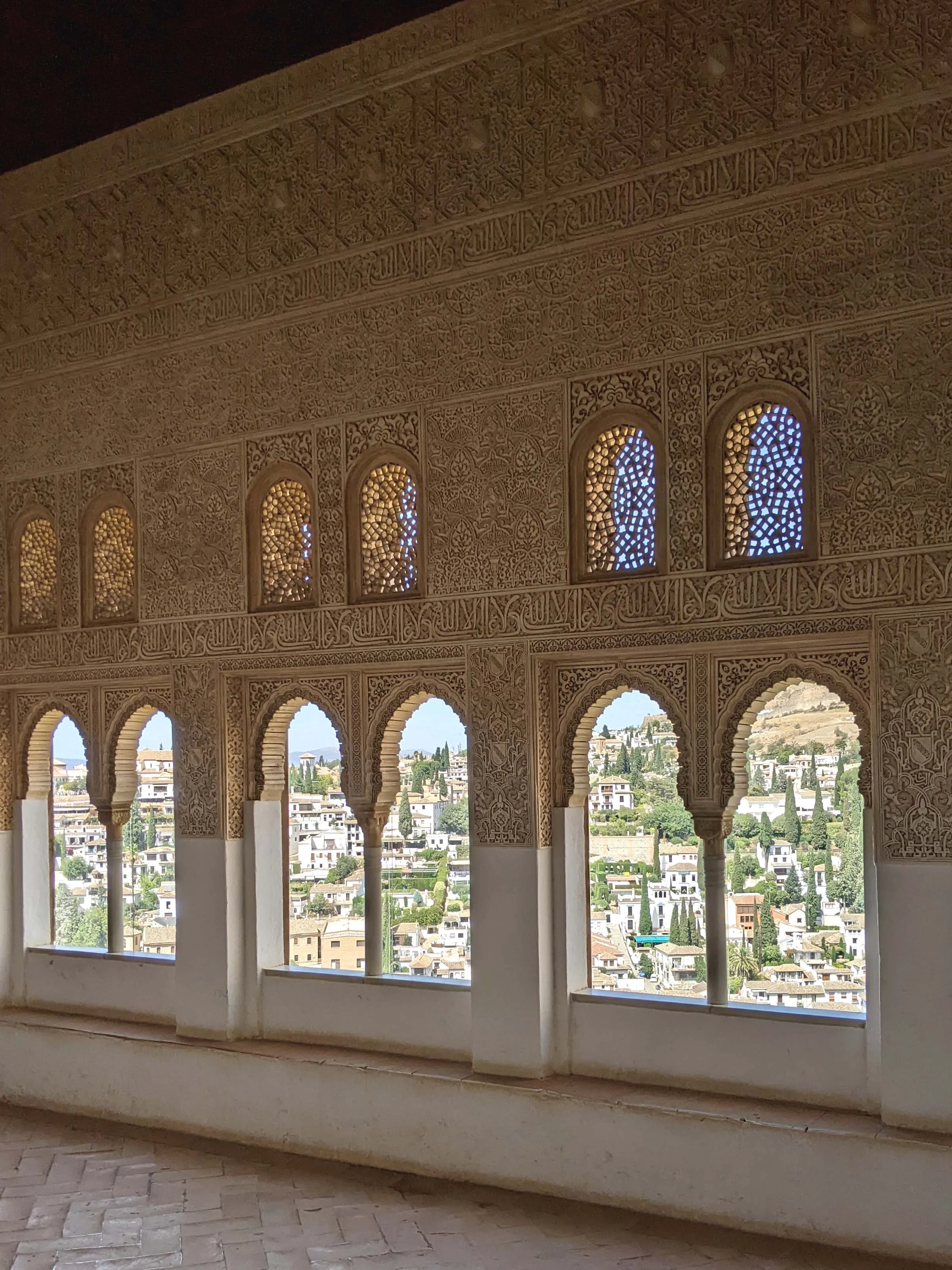
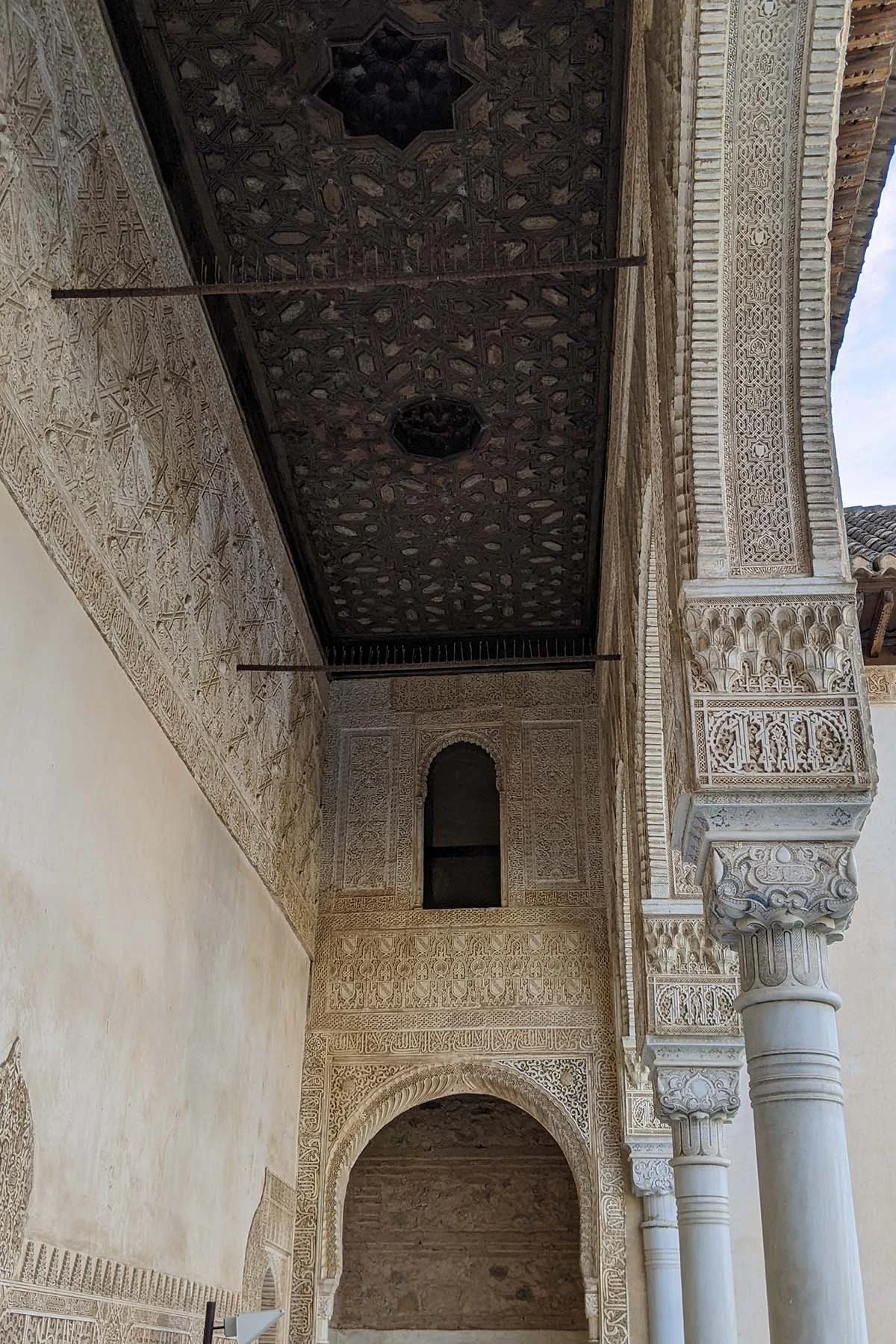
The palace walls are decorated with Arabic inscriptions, Koranic verses, and poems written in praise of the palace, touching upon the religious, poetic, and political world of the Nasrid’s period.

Exploring this feature further, Washington Irving quotes the story told by his Guide and writes “When the Moors held Granada, they were a gayer people than they are nowadays. They thought only of love, music, and poetry. They made stanzas upon every occasion and set them all to music. He who could make the best verses, and she who had the most tuneful voice, might be sure of favour and preferment. In those days, if anyone asked for bread, the reply was, make me a couplet; and the poorest beggar, if he begged in rhyme, would often be rewarded with a piece of gold.”

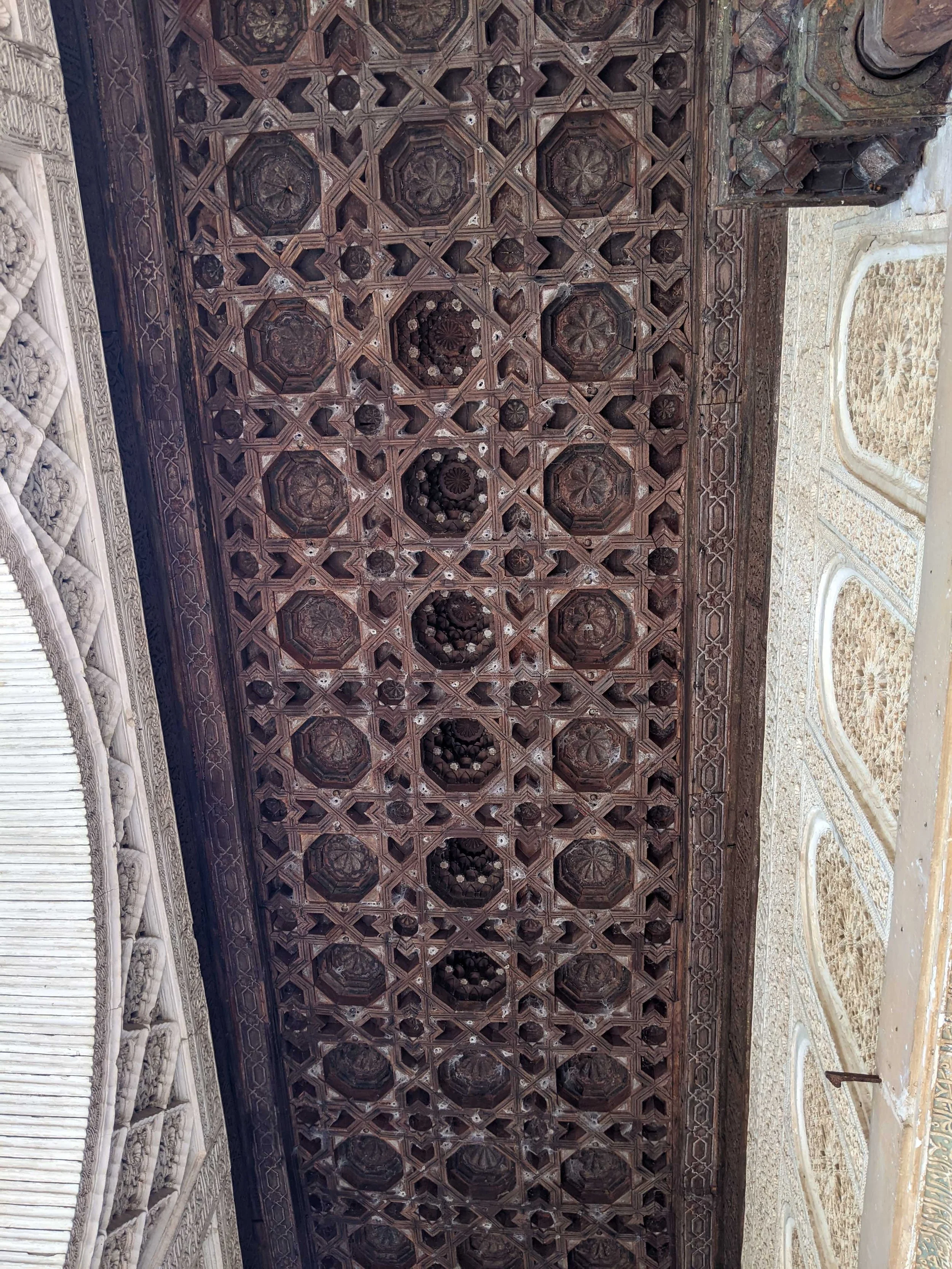
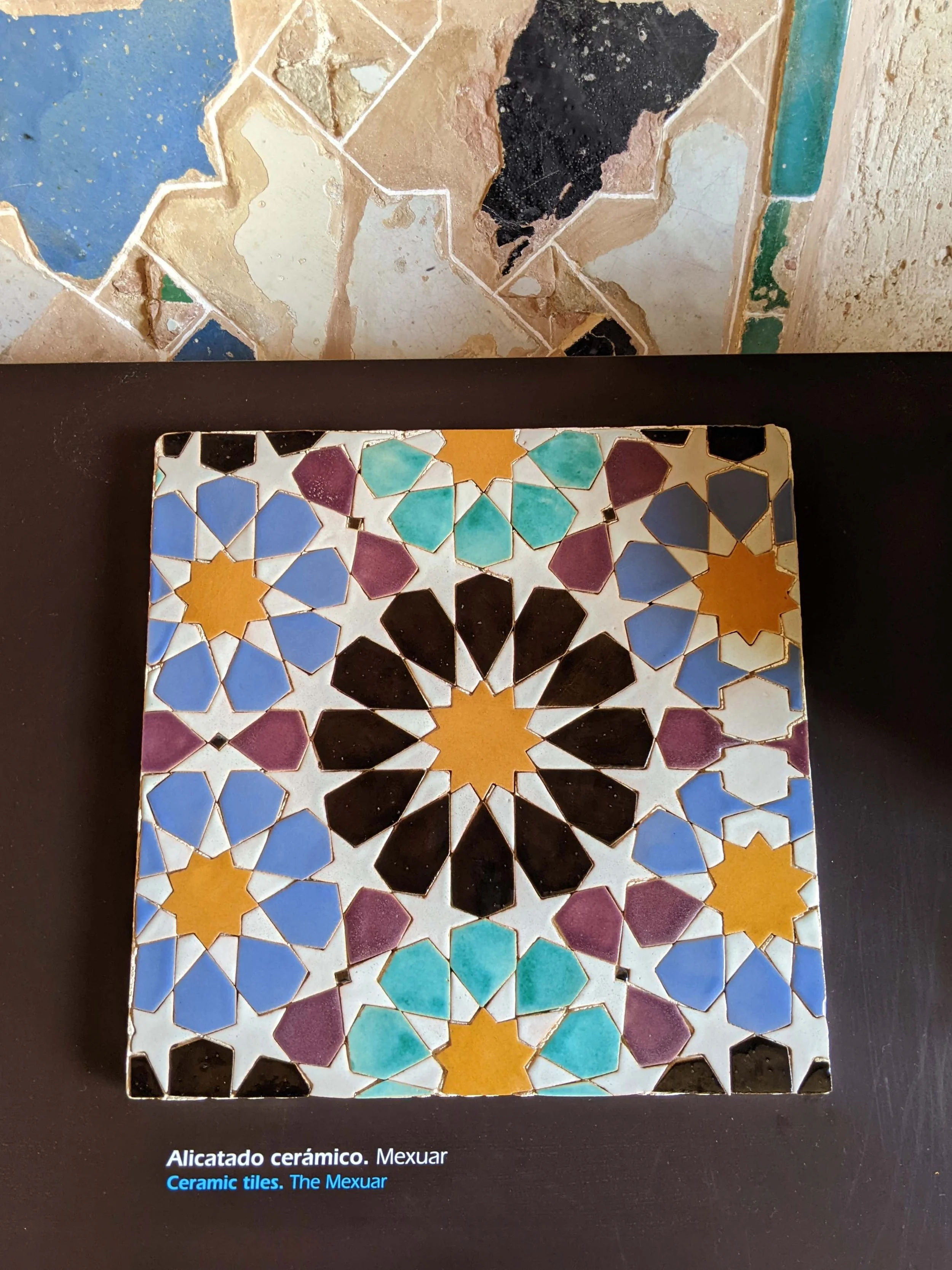
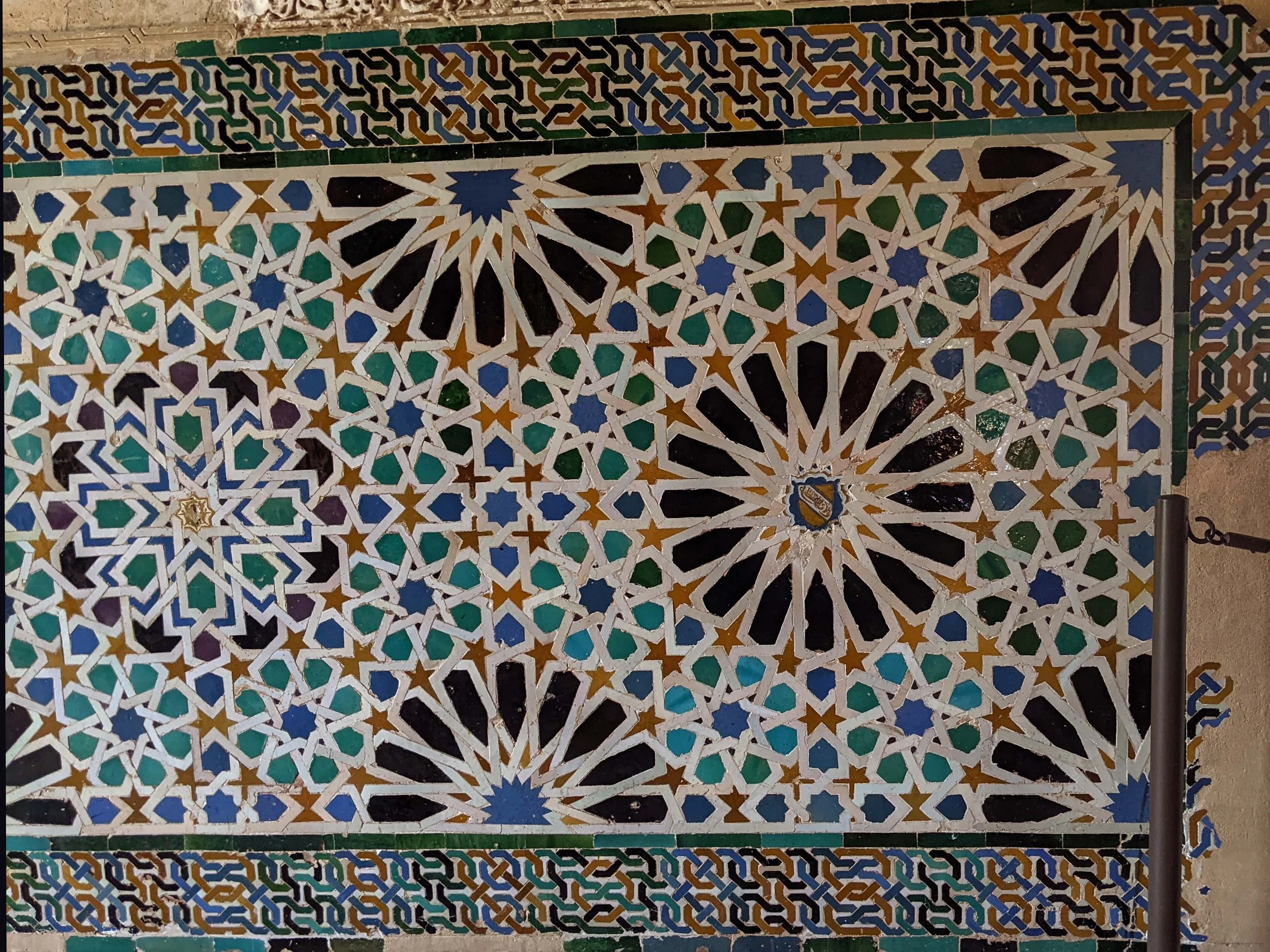
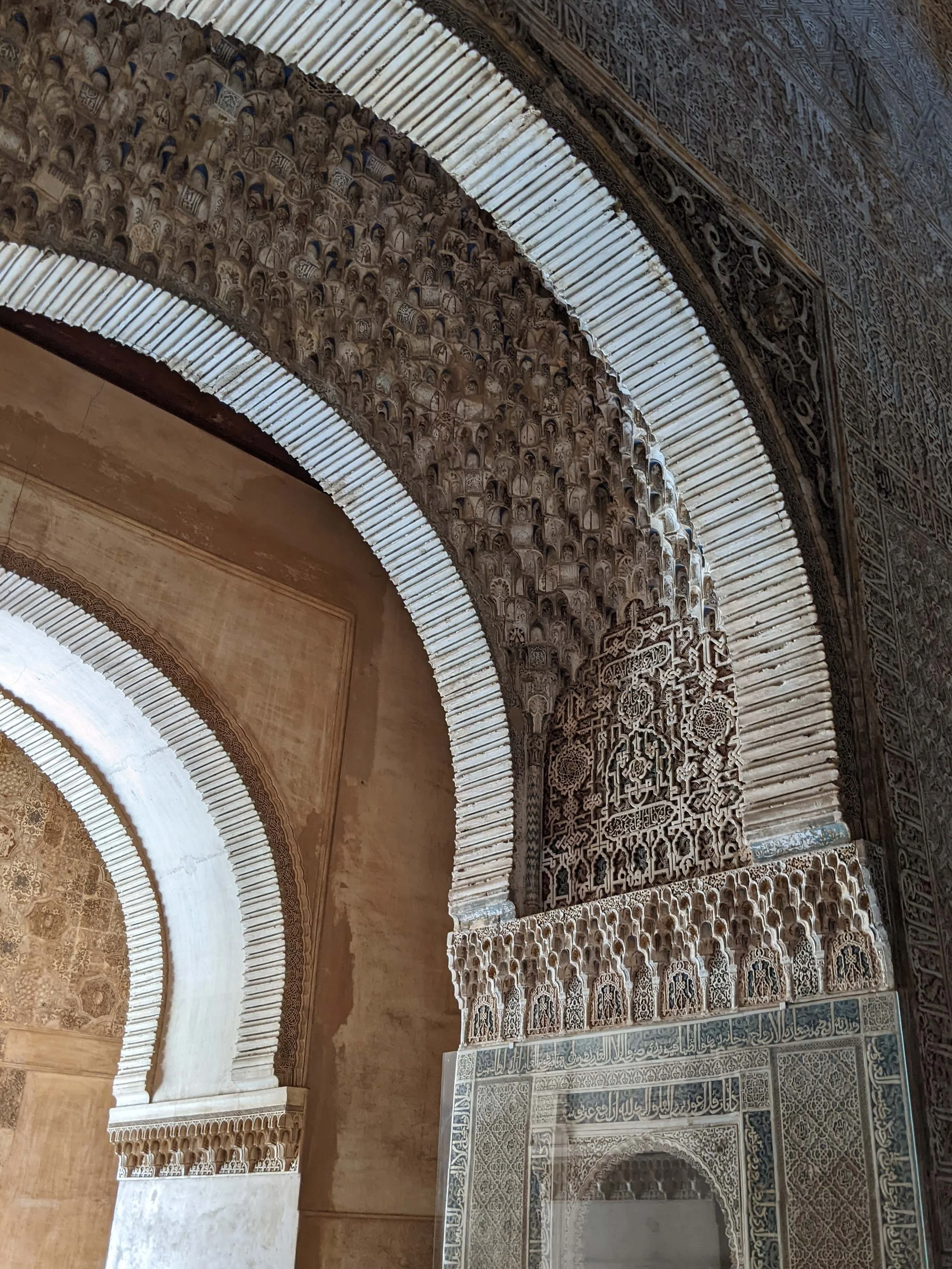
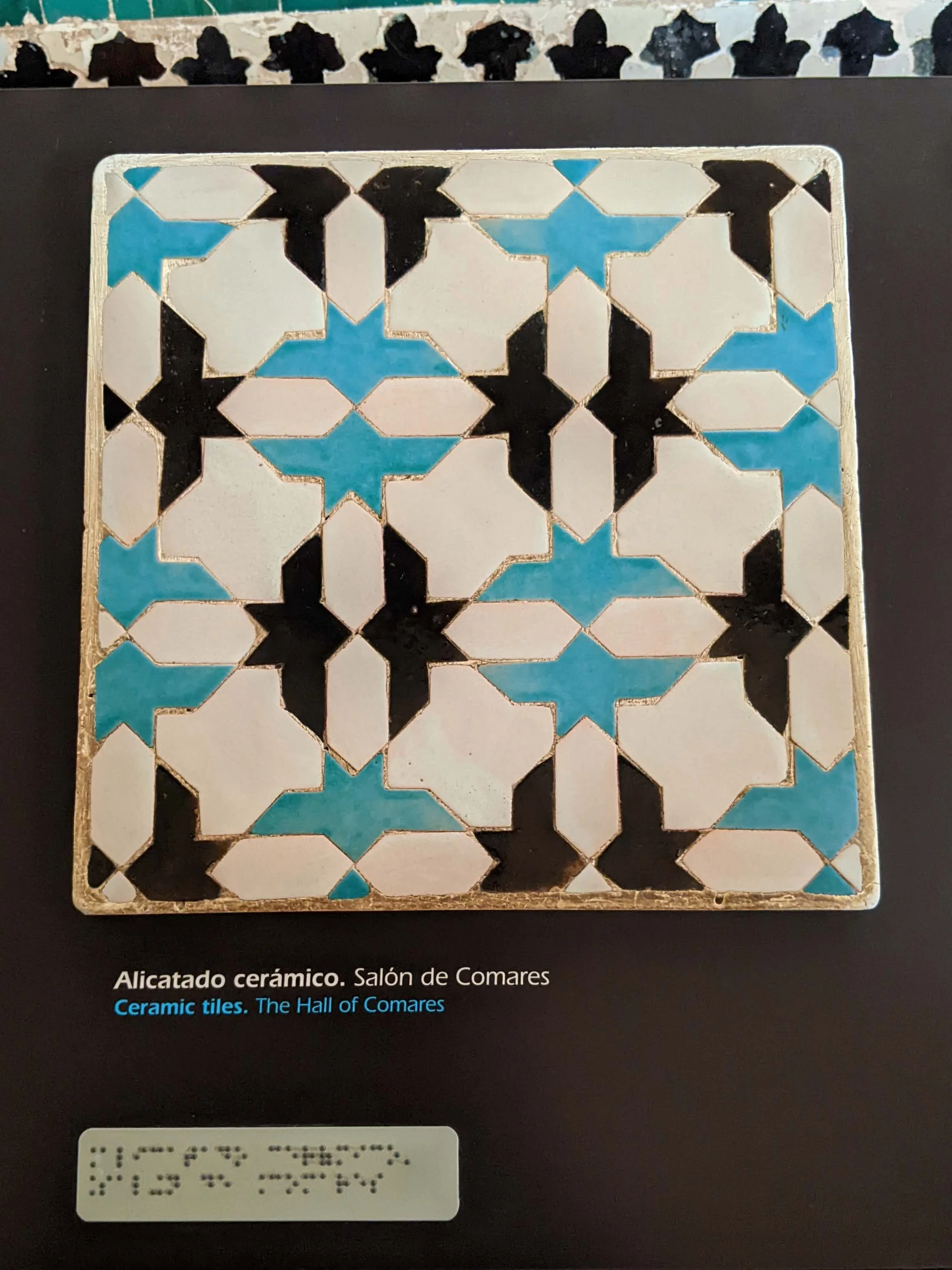
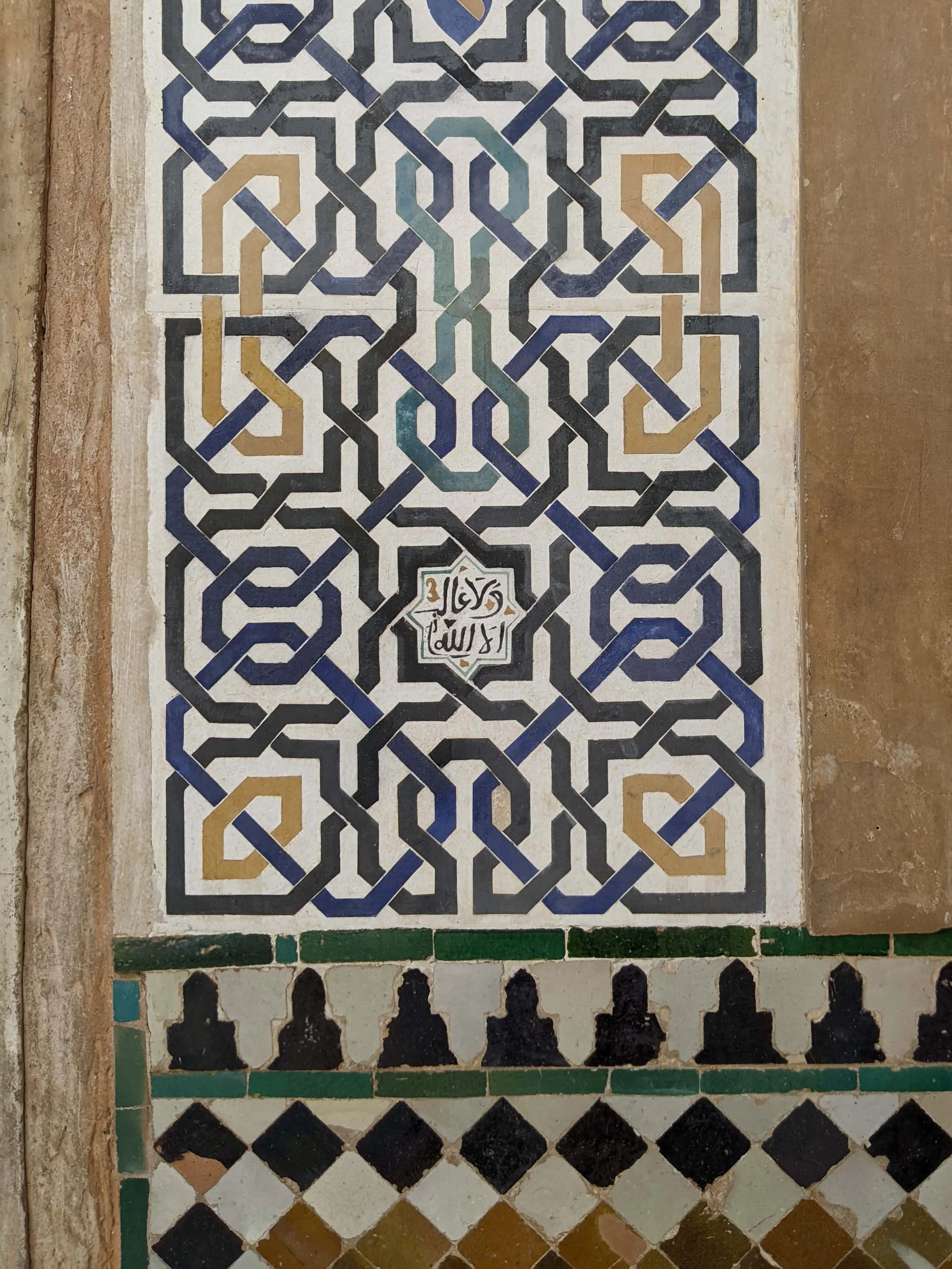
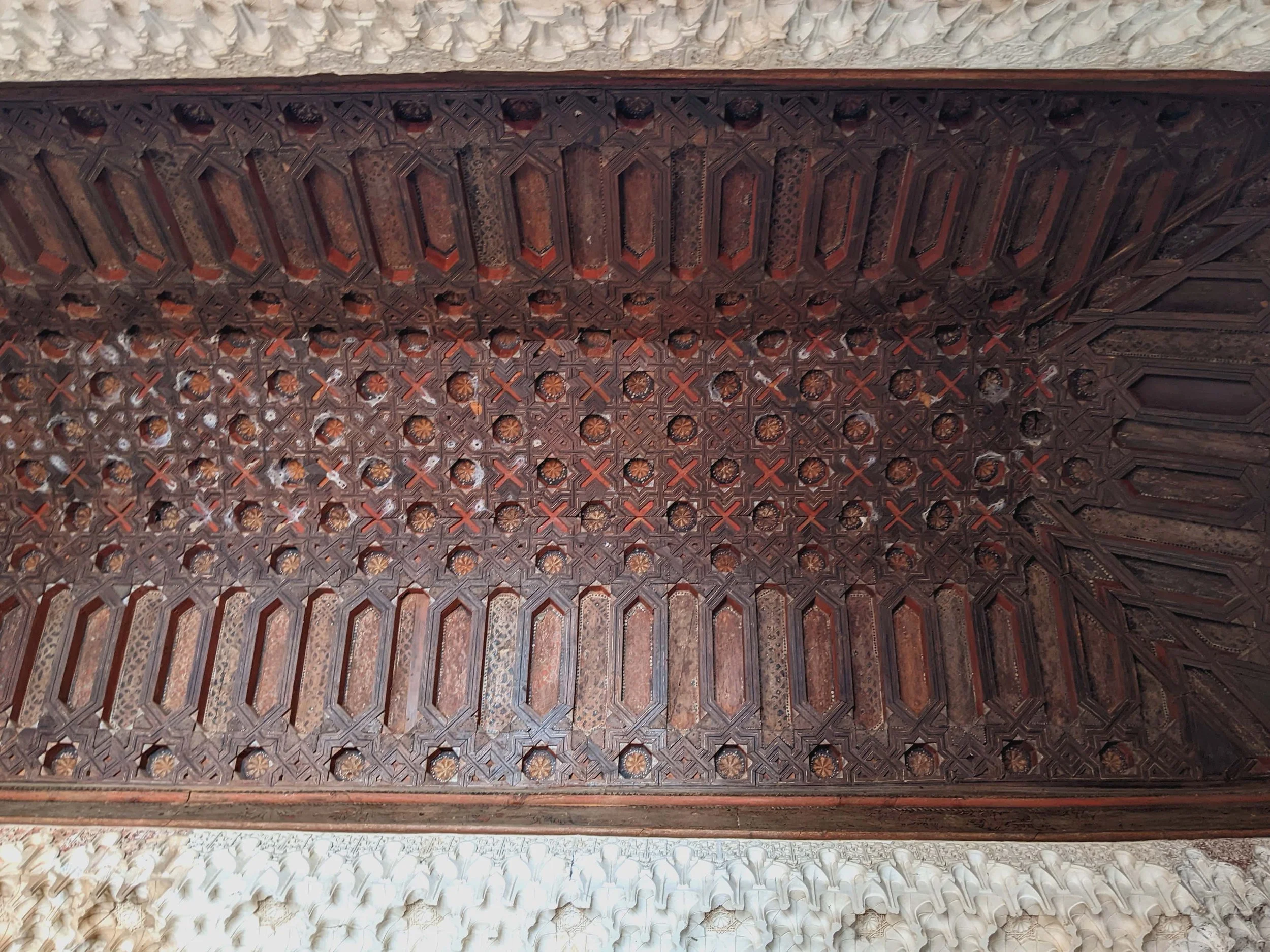
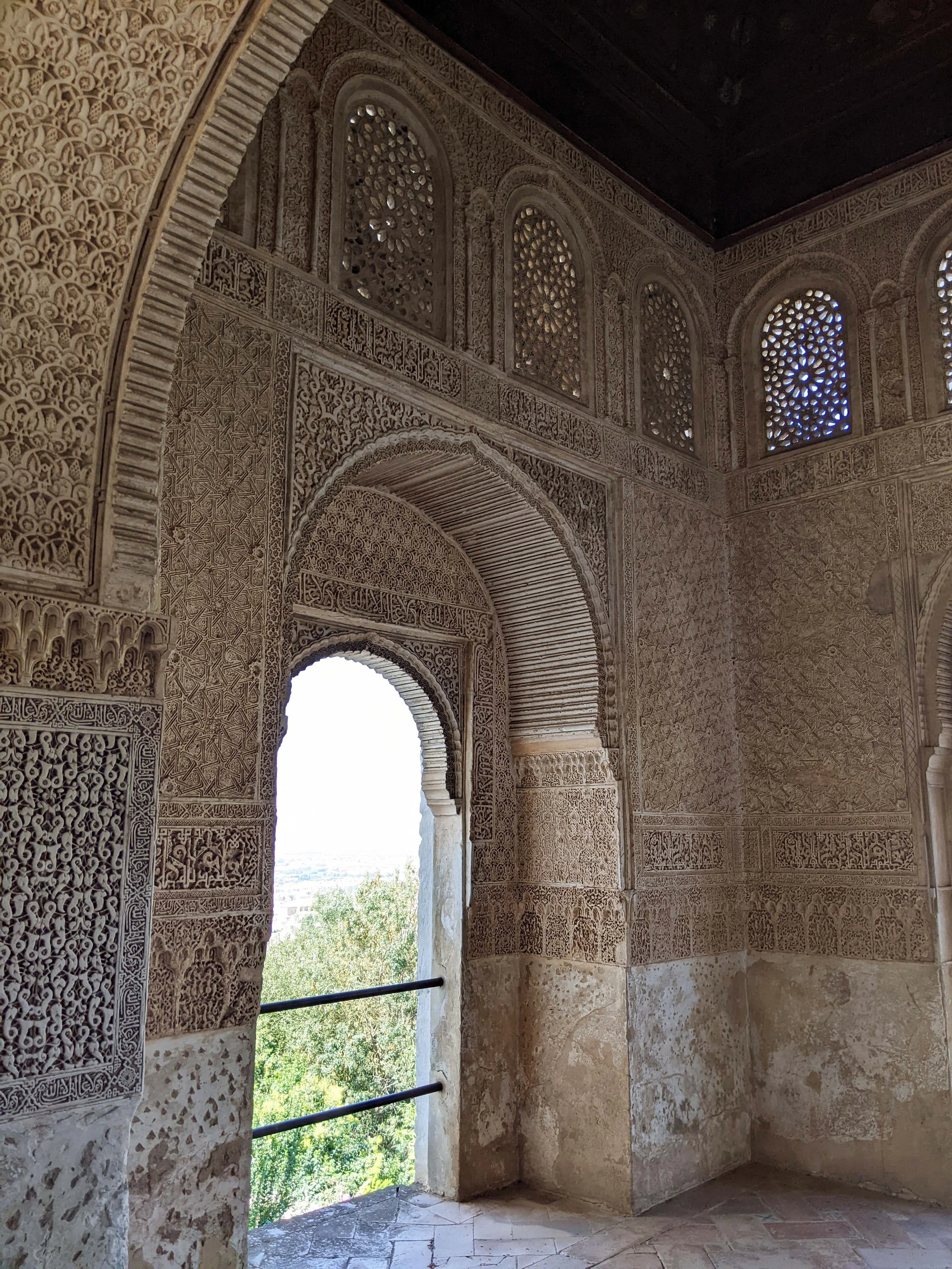
The designers of the Alhambra have covered each space (irrespective of its size), with decoration. Some of the building elements such as the interior arches are false arches, with no structural attributes; they are there only to decorate. Similarly, walls are covered with beautiful and extremely rich ceramics and (Stucco) plasterwork comprising of stylized vegetal forms, interlacing decoration, and the nets of rhombuses.
View fullsize 7.jpg
View fullsize 4.jpg
View fullsize 3.jpg
View fullsize 5.jpg
View fullsize 11.jpg
View fullsize 8.jpg
View fullsize 9.jpg
View fullsize 54.jpg
View fullsize 10.jpg
View fullsize 6.jpg
View fullsize 12.jpg
View fullsize 33.jpg
View fullsize 43.jpg
View fullsize 55.jpg
View fullsize z.jpg

Patterns and colors adorn most of the walls. The decorative tile mosaics originate from the basic shapes (circle and square) and form complex mathematical patterns, as they are layered and duplicated and wind around the pillars, walls, and ceilings symbolizing order and unity.

View fullsize 40.jpg
View fullsize 38.jpg
View fullsize 37.jpg
View fullsize 36.jpg
View fullsize 32.jpg
View fullsize 35.jpg
View fullsize 41.jpg
View fullsize 42.jpg
View fullsize 48.jpg
View fullsize 44.jpg
View fullsize 46.jpg
View fullsize 45.jpg
View fullsize 47.jpg
View fullsize 49.jpg
View fullsize 50.jpg
View fullsize 51.jpg
View fullsize 52.jpg
View fullsize 55.jpg
View fullsize 56.jpg
View fullsize 306139142_10226852686895739_731278858576346088_n.jpg
View fullsize 306513756_10226852686575731_3487413193813940614_n.jpg
View fullsize 306541507_10226852687495754_4942568587293603516_n.jpg
View fullsize 306848651_10226852675535455_6112464501661322520_n.jpg
View fullsize 307697543_10226852685135695_2178254683871926464_n.jpg
View fullsize 307757310_10226852687935765_4648802927776298703_n.jpg

In Washington Irving’s words, "The architecture, like that of all the other parts of the palace, is characterized by elegance rather than grandeur, bespeaking a delicate and graceful taste and a disposition to indolent enjoyment.”

View fullsize 18.jpg
View fullsize 20.jpg
View fullsize 17.jpg
View fullsize 13.jpg
View fullsize 11.jpg
View fullsize 14.jpg
View fullsize 16.jpg
View fullsize 15.jpg
View fullsize 19.jpg
View fullsize 21.jpg

While the components of this architectural style would be a relatively common occurrence in the middle east, the decorative beauty of Alhambra seemed out of this place in this hilly backyard of Southern Spain and perhaps it is this contradictory nature of its existence that drives tourist to the site making Alhambra the most-visited tourist attractions in Europe.

And yes, post-Covid, they are droves of them! Impromptu visits to the location may not be possible and tickets need to be purchased months in advance as only a certain number of visitors per day are allowed in. I would strongly recommend a tour guide and an allowance of at least half a day for your visit to do justice to the trip. In hindsight, doing my research for this piece, I noted that we should have allocated half a day more to explore the surrounding city of Granada (lesson learned, but albeit too late!).

Other than the beauty of its architecture, the palace is host to many legends and anecdotes, although our guide mentioned a few during our tour, I gain a better appreciation of these stories when I listen to Irving Washington’s The Tale of The Alhambra’. While these stories may be difficult to comprehend in this day and age, they could make your visit more entertaining.

In Islamic Arts, Multicultural, Travel Tags spain, Spain, Alhambra, alhambra, Muslim, andalucia, Granada, alhambragranada, alhambrapalace, travel, granadaspain, travelphotography
2 Comments

In Search of Mona Lisa

November 19, 2022

Imagine. The year is 1911, you are a handyman (or perhaps just a petty criminal) who has been asked to put some glass cases around some famous artwork at the art gallery. You had planned to steal a portrait of a Lady painted by Leonardo da Vinci that hangs on the museum’s wall. Sometimes during your work, you undo a heavy wooden frame and slid the painting under your clothes and try to exit through the side door. Your plan of a clean escape with the loot is almost foiled by a locked door, but you somehow manage to con an innocent passing plumber to help you open the locked door, and successfully make your lucky escape. It had taken nearly 26 hours before the theft is detected and by that time you are on your way to your homeland, Italy.


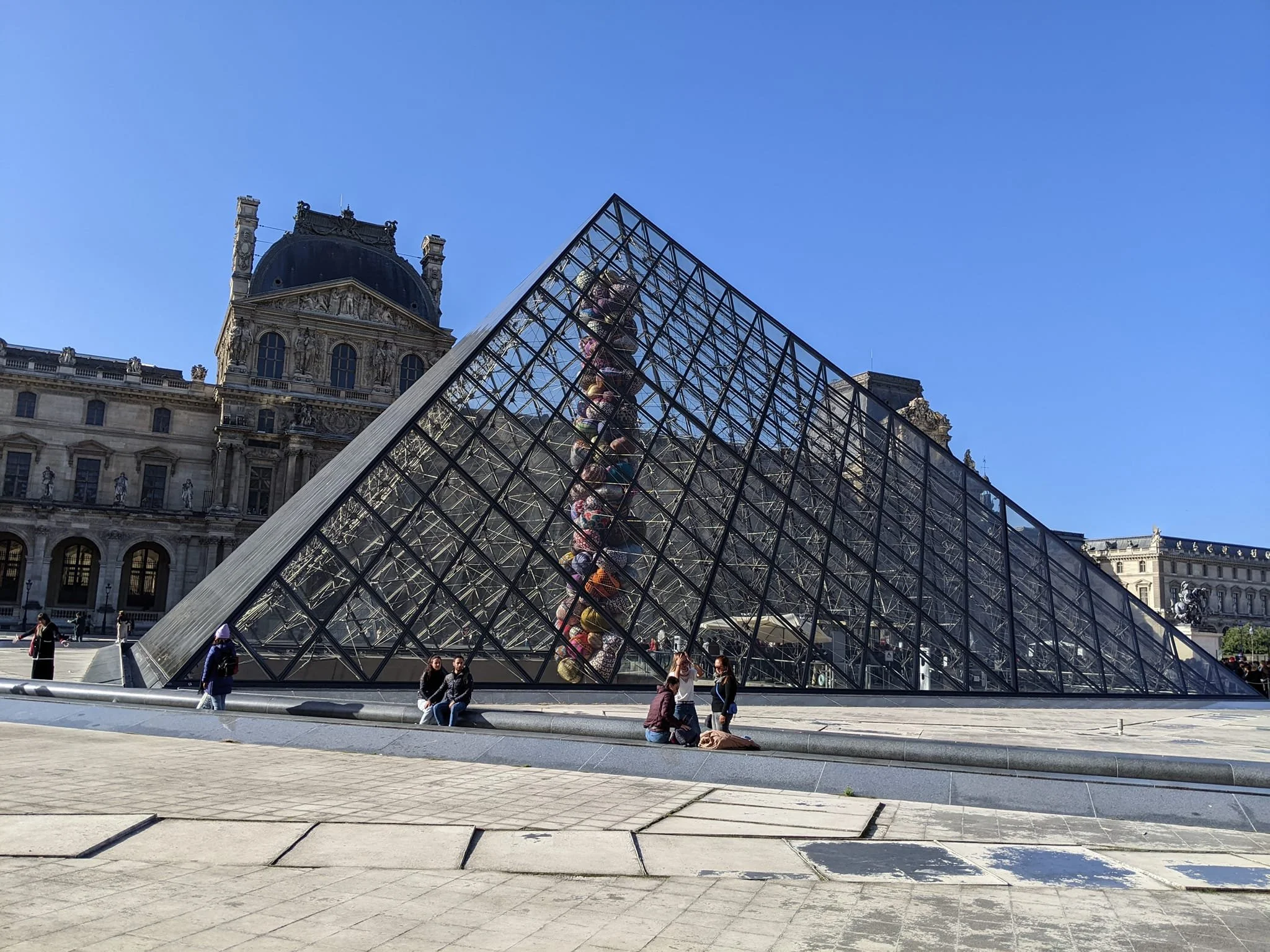
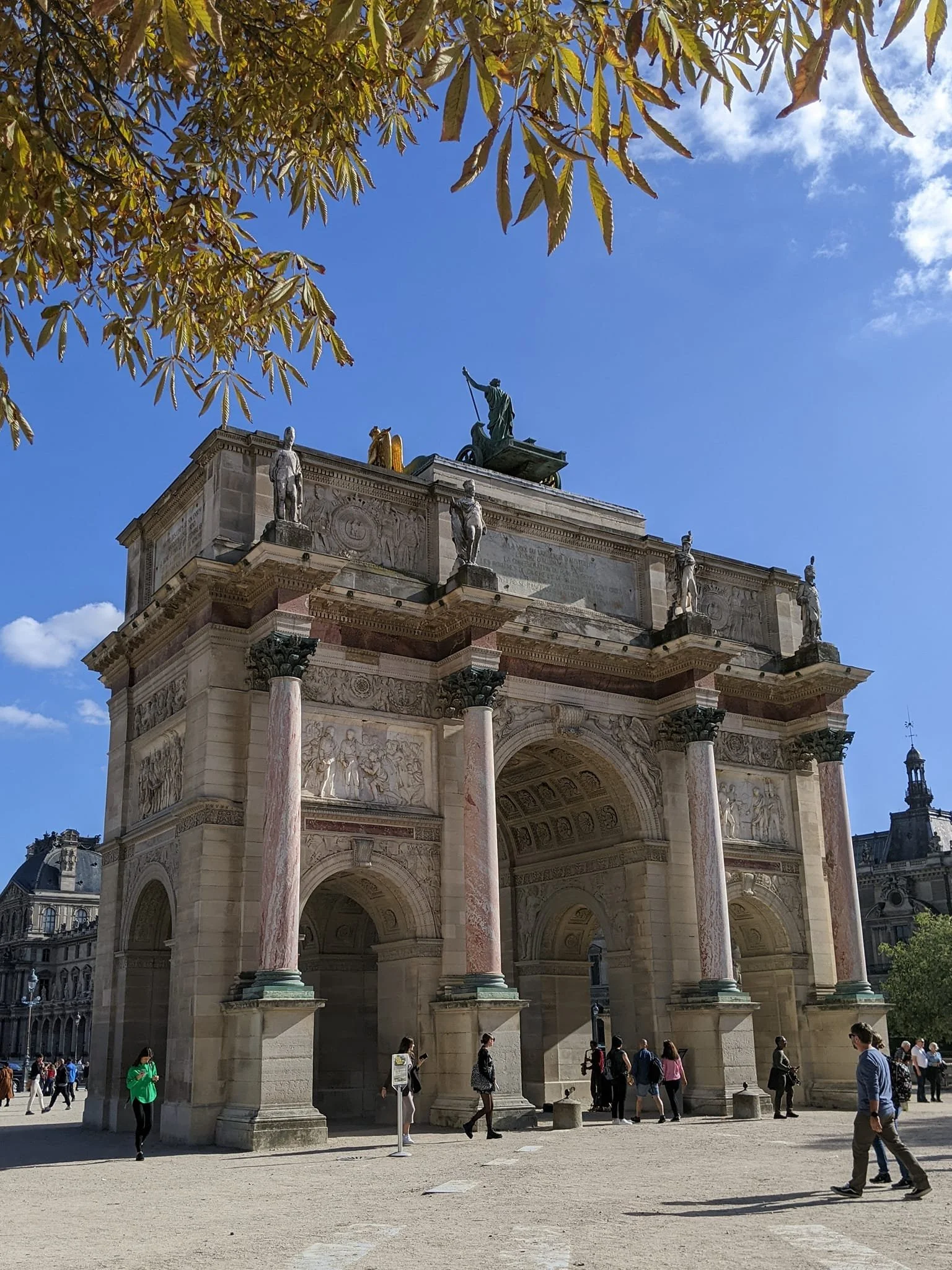
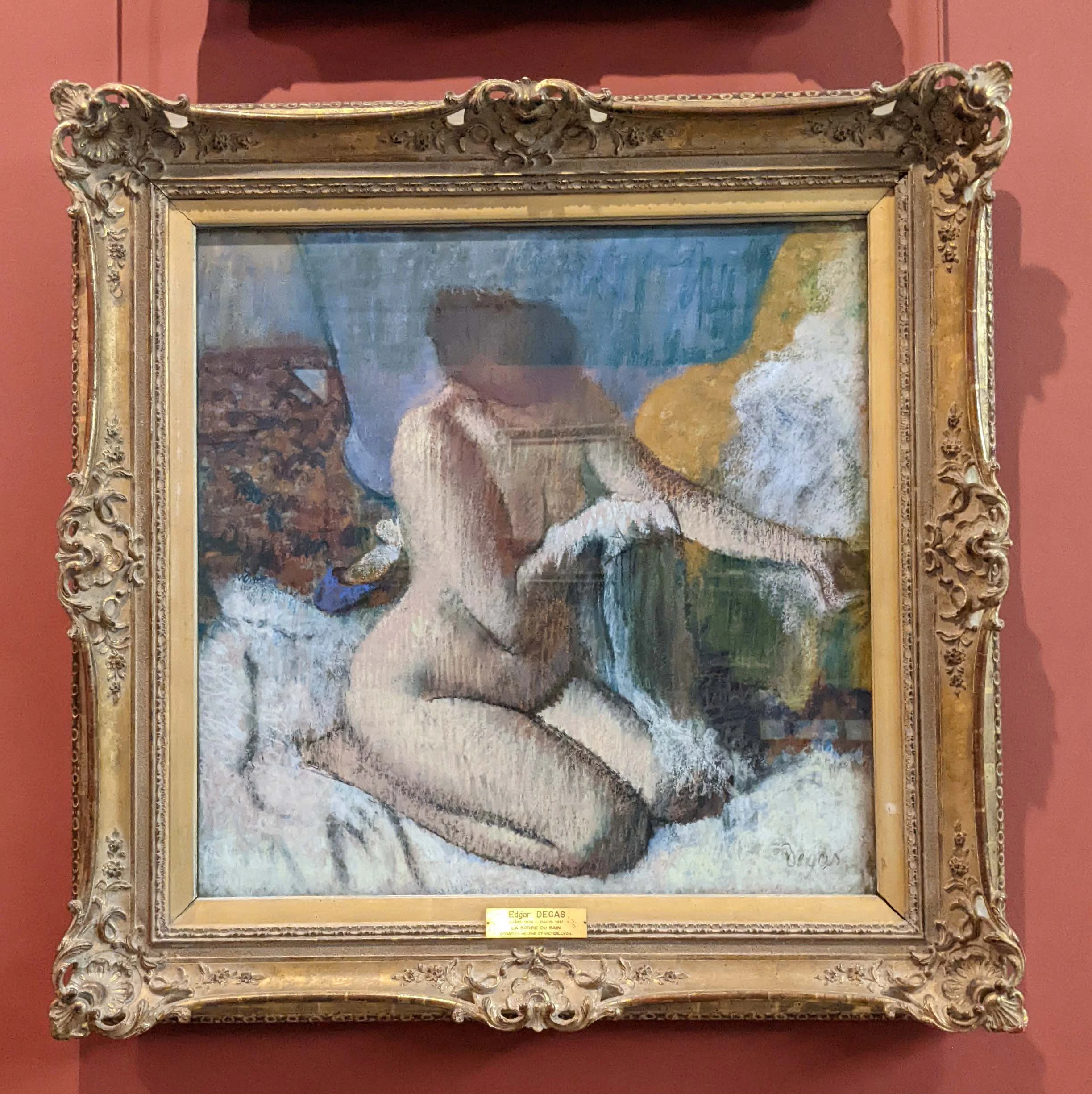
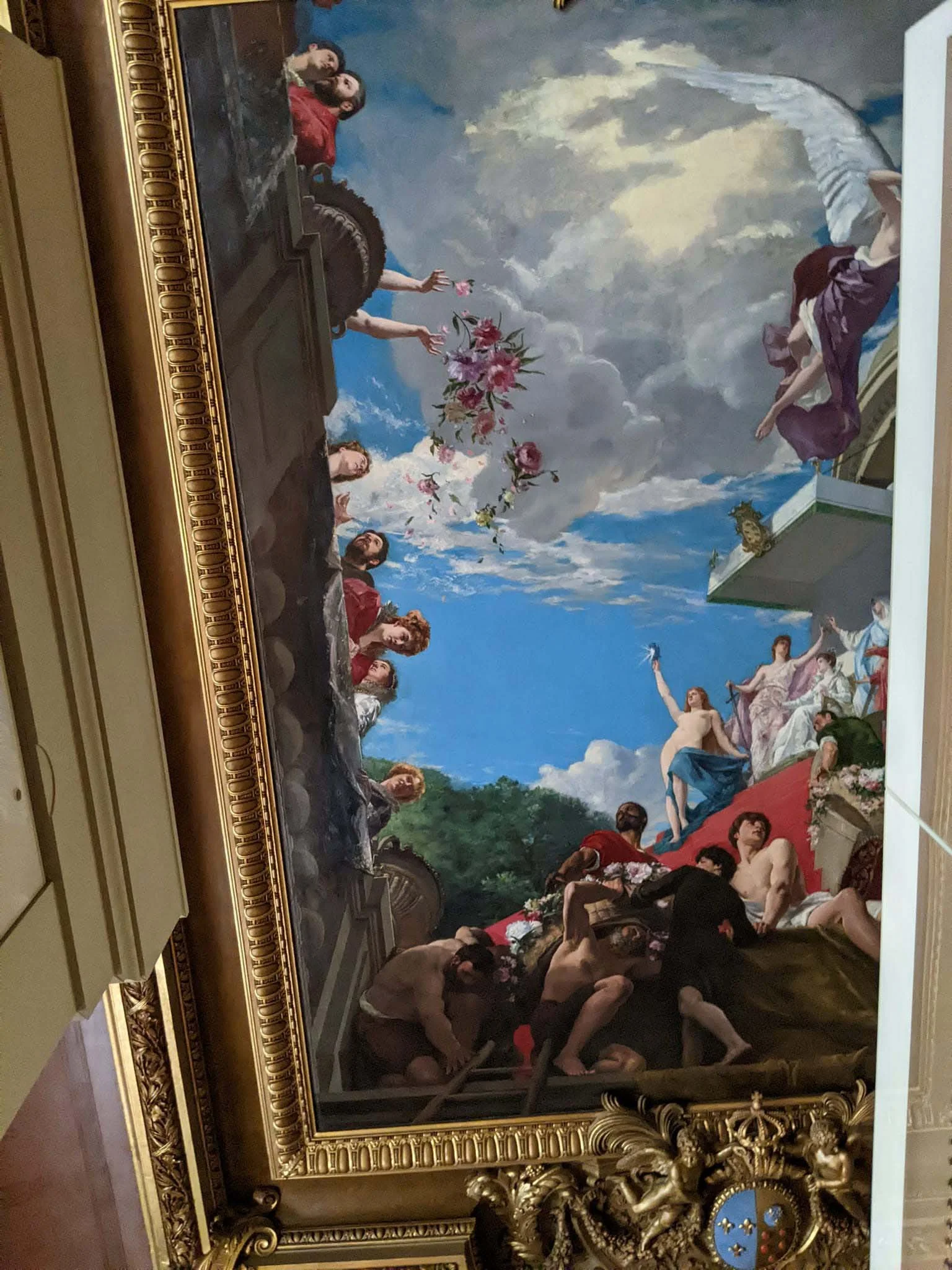
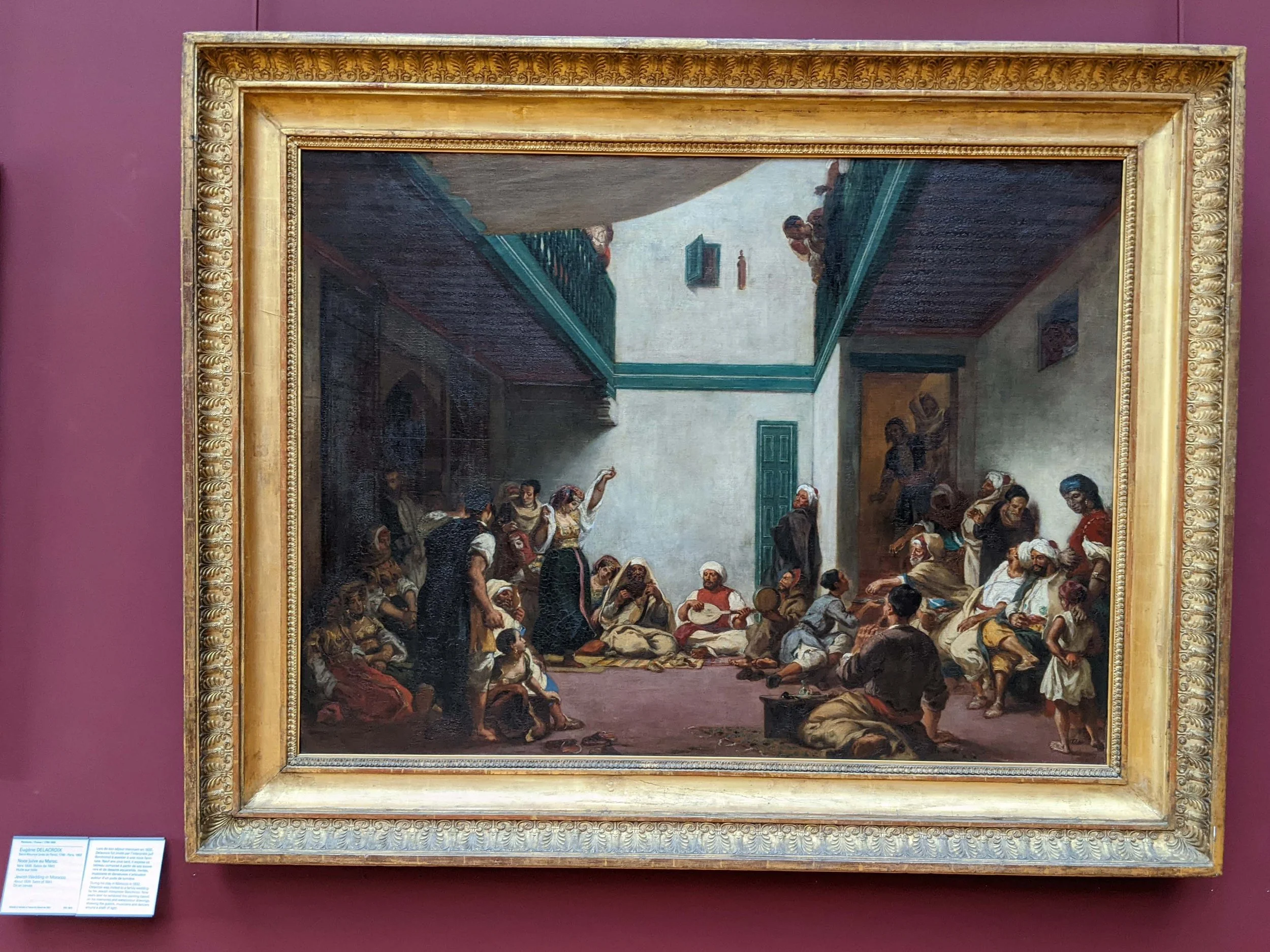
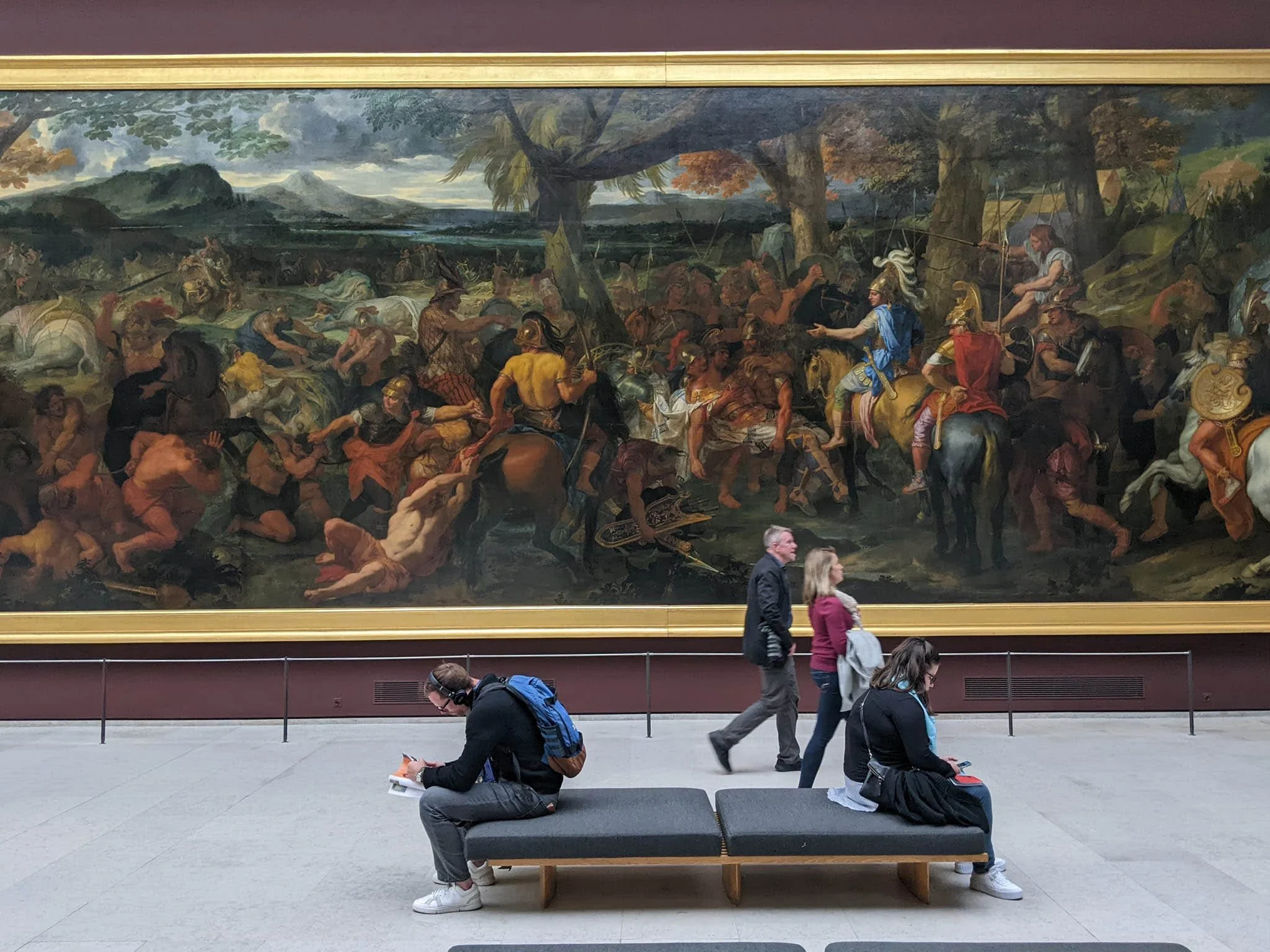
The painting is Leonardo’s Mono Lisa, and the museum is ‘The Louvre’ in Paris which is considered the largest and most visited art museum in the world.  

While the painting is recovered within two years as the perpetrator tries to offload his loot to a gallery for half a million lire. The theft and subsequent recovery of the painting causes a media frenzy which has made this painting one of the most recognized piece of art in the world. According to a conservative estimate (…remember beauty lies in the eyes of the beholder!), this single work of art is worth about US $800-$900 million today.   

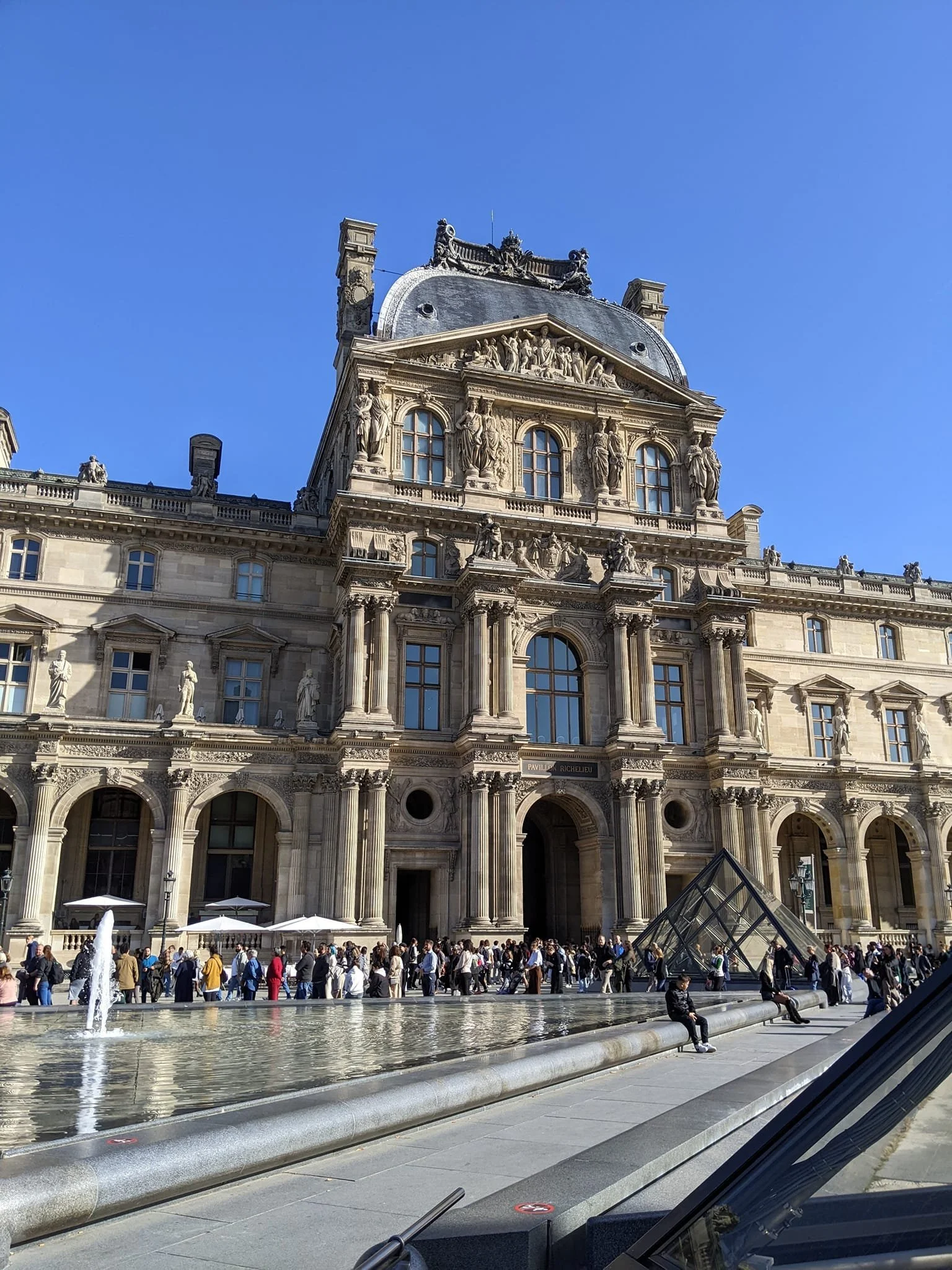
The Louvre

When we were planning our overseas trip, I was adamant that we needed to visit the Louvre. Although the idea met with some resistance initially, ‘the powers-that-be’ eventually give-in to my wishes and we bought our online tickets for the exhibition.  Note to would-be visitors, it is difficult, if not almost impossible to get the tickets on the day, you may have to wait in the queue for hours to get the tickets and then another few to get into the gallery.

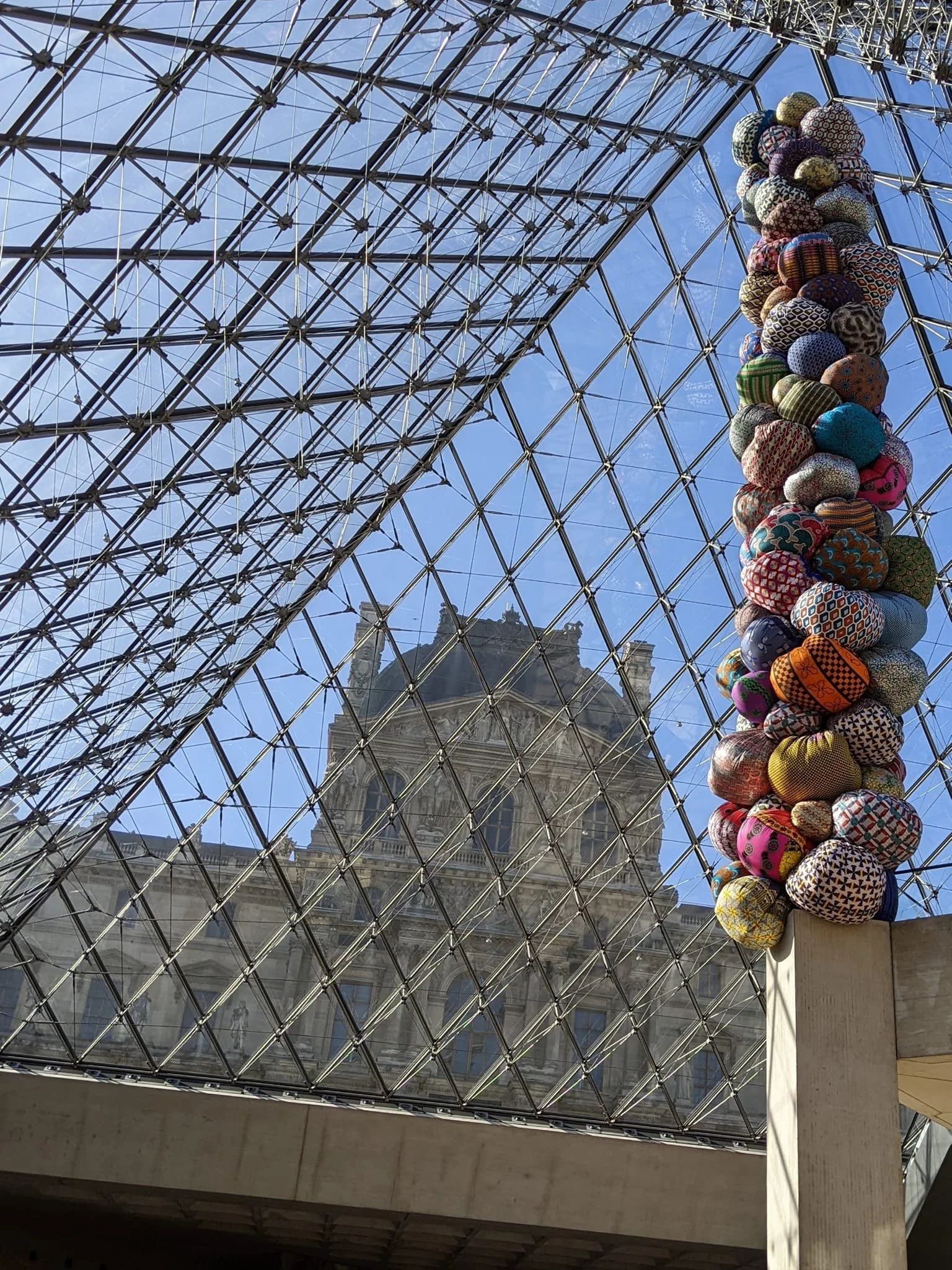
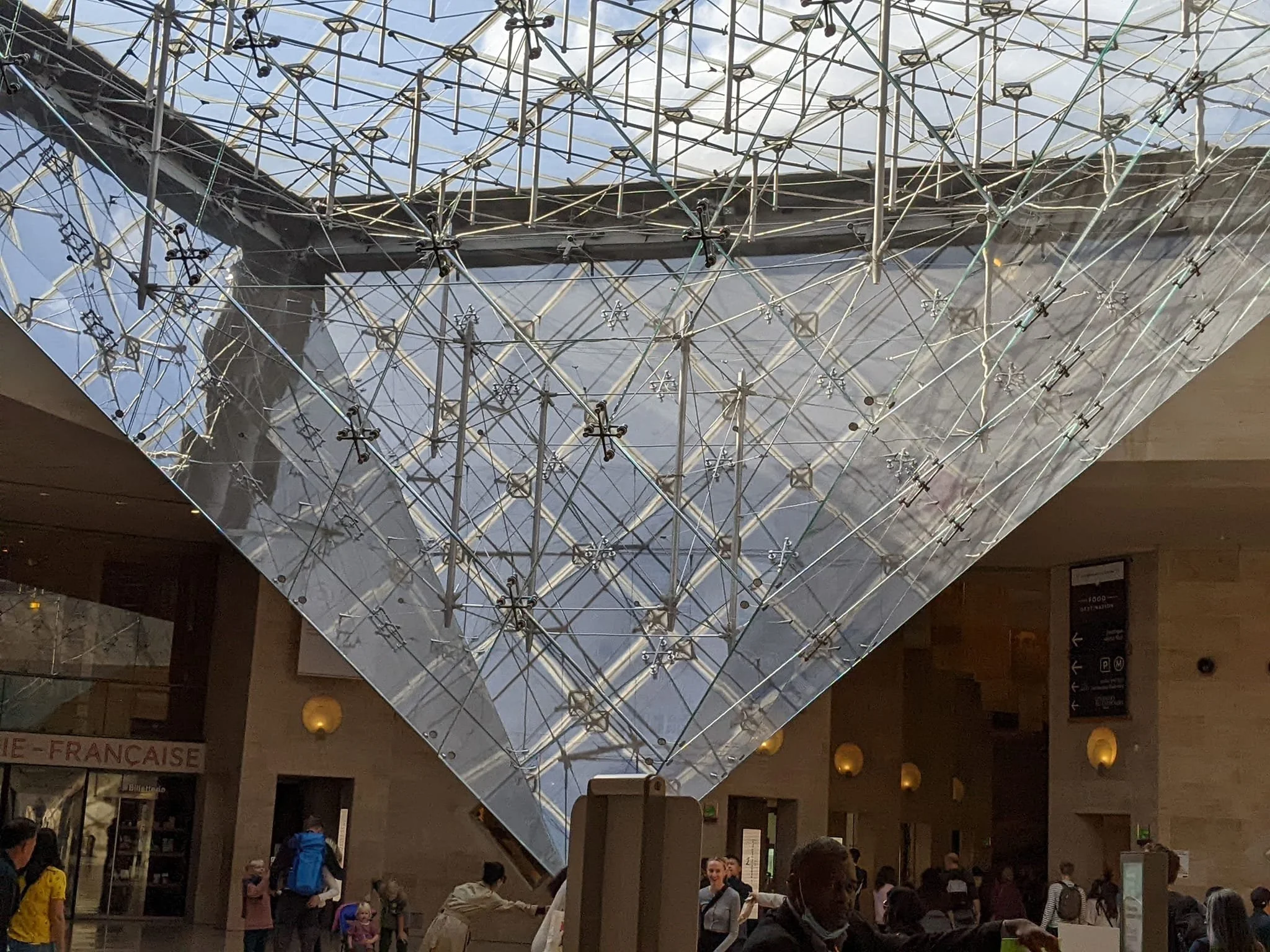
The queue through the glass pyramid gate is long, as the visitors are ‘released’ every half hour. Nearly 15,000 visitors from all corners of the world, visit each day and sending people in batches is the only way to manage the crowd. My initial estimate was that we would need about 3 hours for the visit and was contemptuous of some American tourists whom I overheard saying ‘we should be able to cover this in an hour, tops an hour and a half at best’, and guess what, we were both wrong!

View fullsize 1.jpg
View fullsize 2.jpg
View fullsize 3.jpg
View fullsize 4.jpg
View fullsize 5.jpg
View fullsize 6.jpg

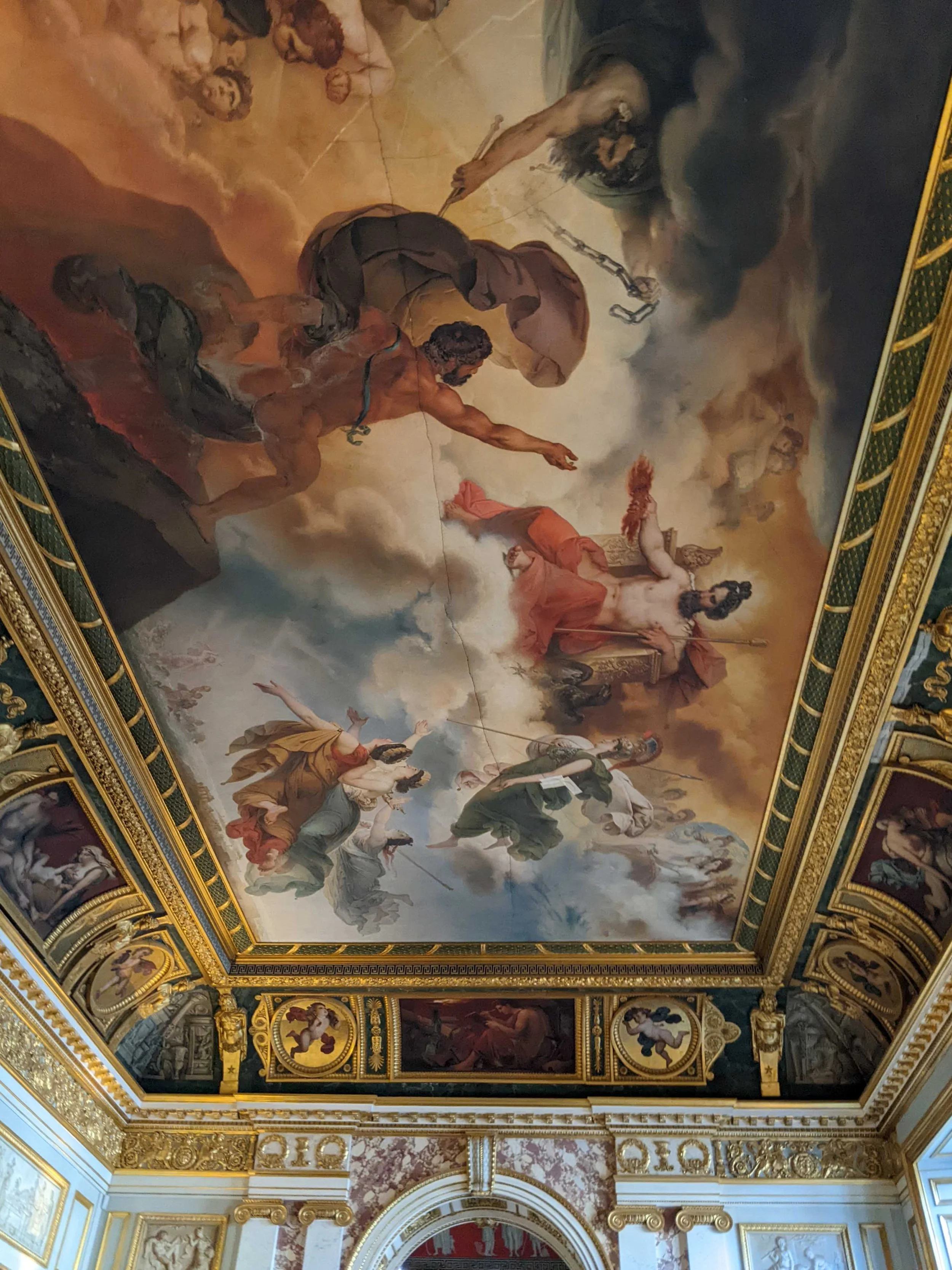
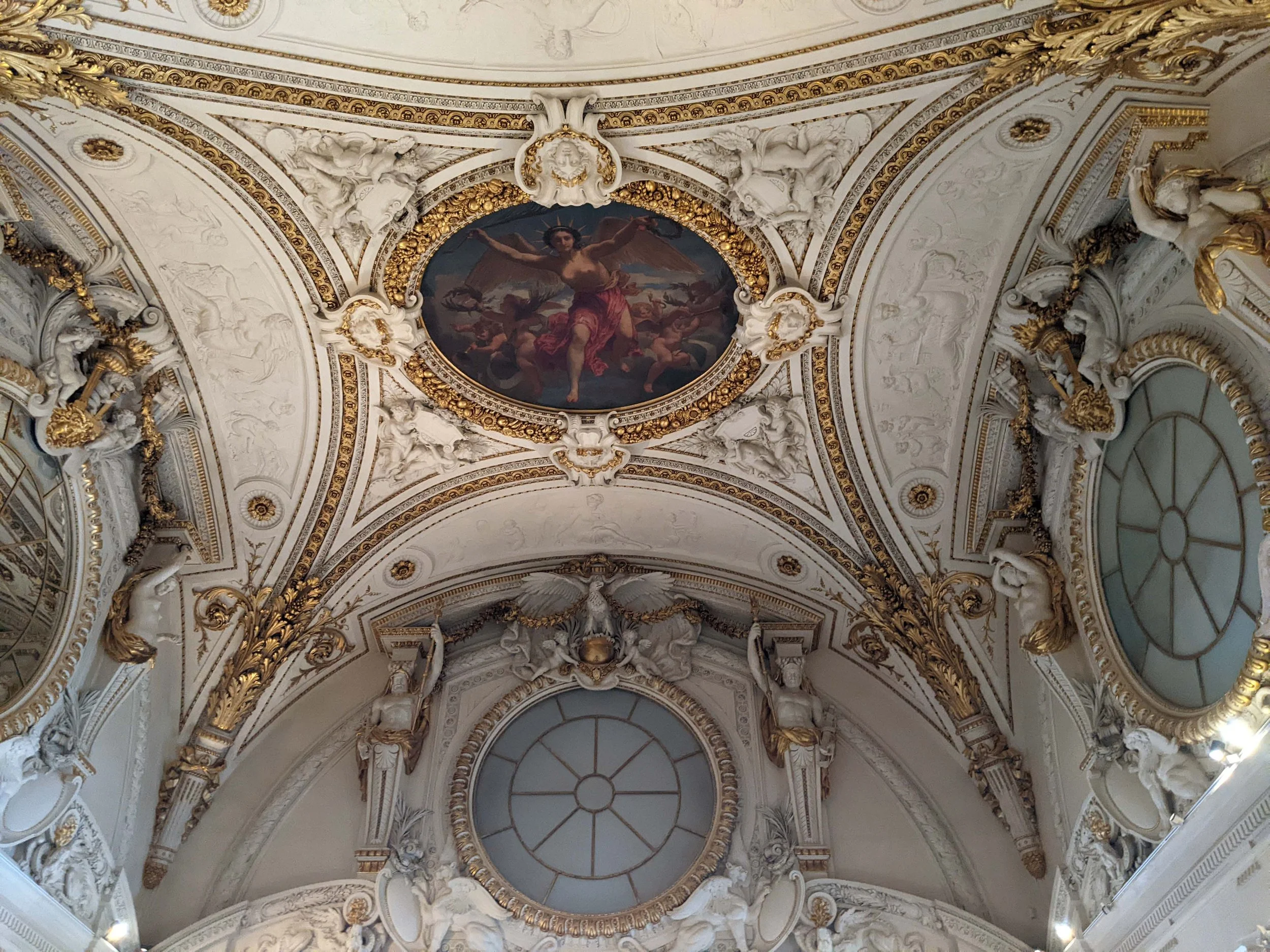
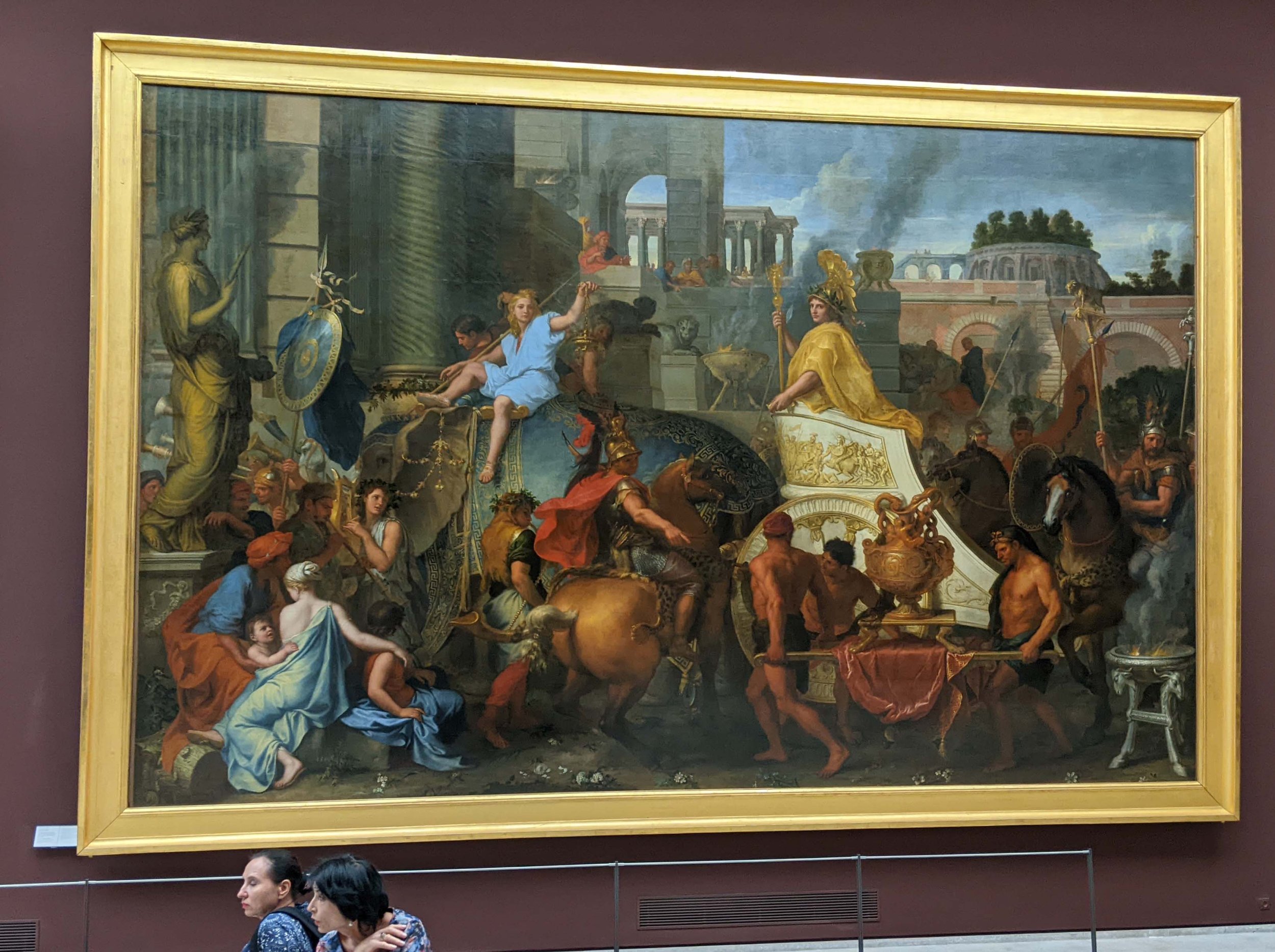
The Louvre was originally built as a fortress in 1190 and was later converted into a palace. Like many buildings of its time, it grew over the years as new buildings were added to the complex.  When the royal palace moved to Versailles, the Louvre became the home to various art academies and offered regular exhibitions of its members' works.

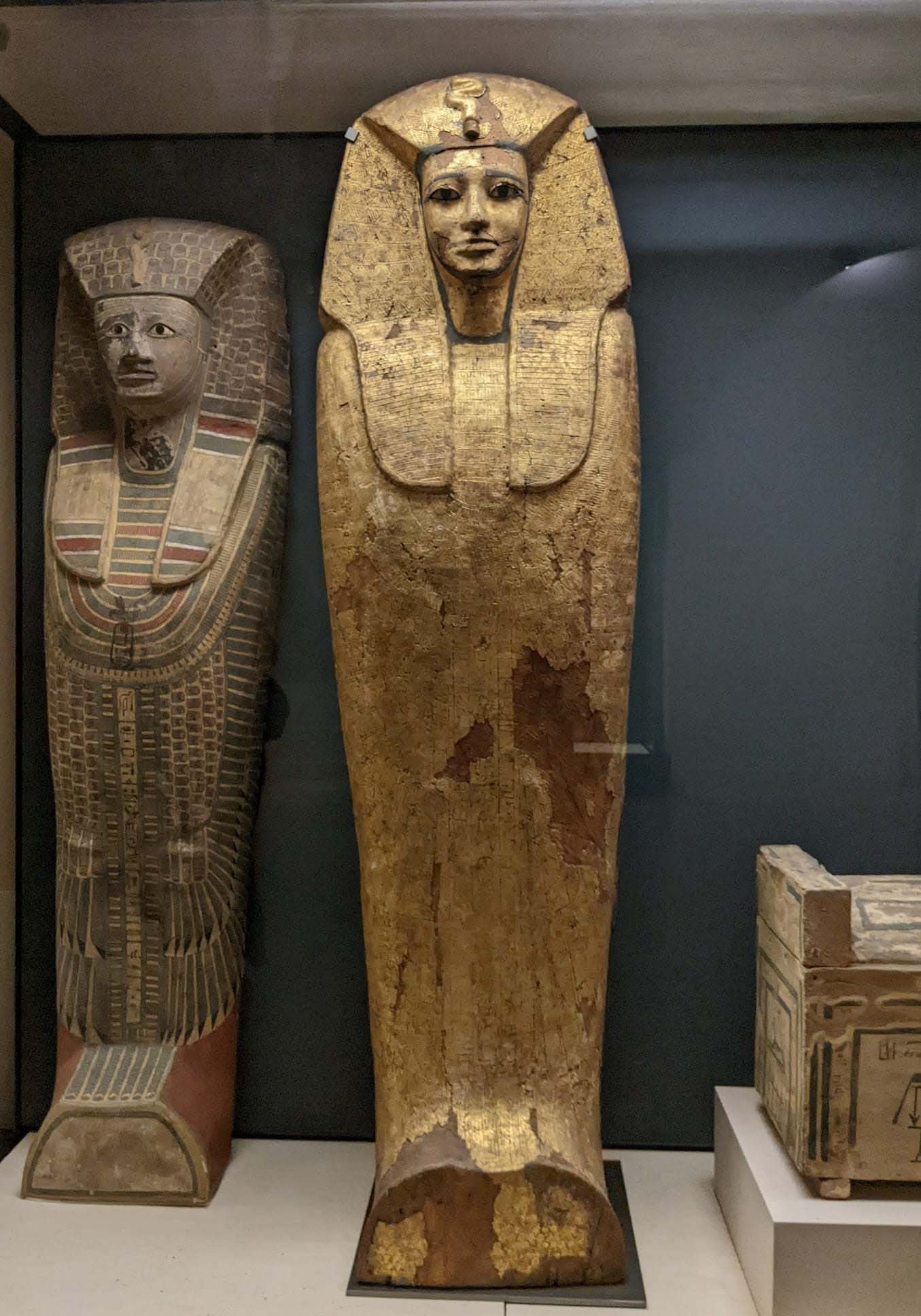
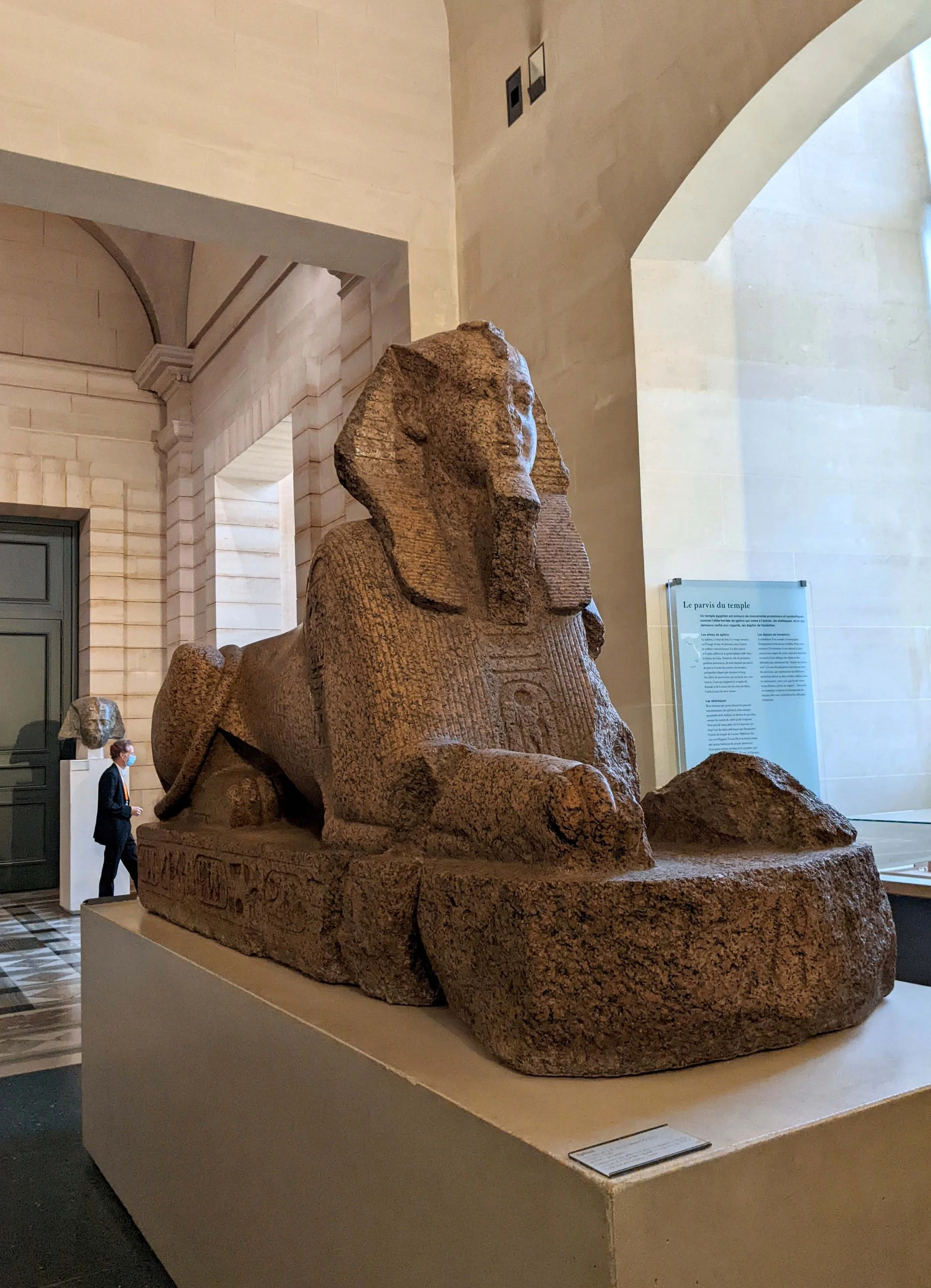
After the French revolution, the building was converted into a gallery in 1793. Napoleon expanded the collection and renamed it Musée Napoléon. He added war spoils from the conquered lands of Belgium, Italy, Prussia and Austria to the museums’ art collections. After the abdication of Napoleon, some 5000 art pieces were returned to the originating country however a few hundred artworks and especially rare artefacts from Egypt still remained.

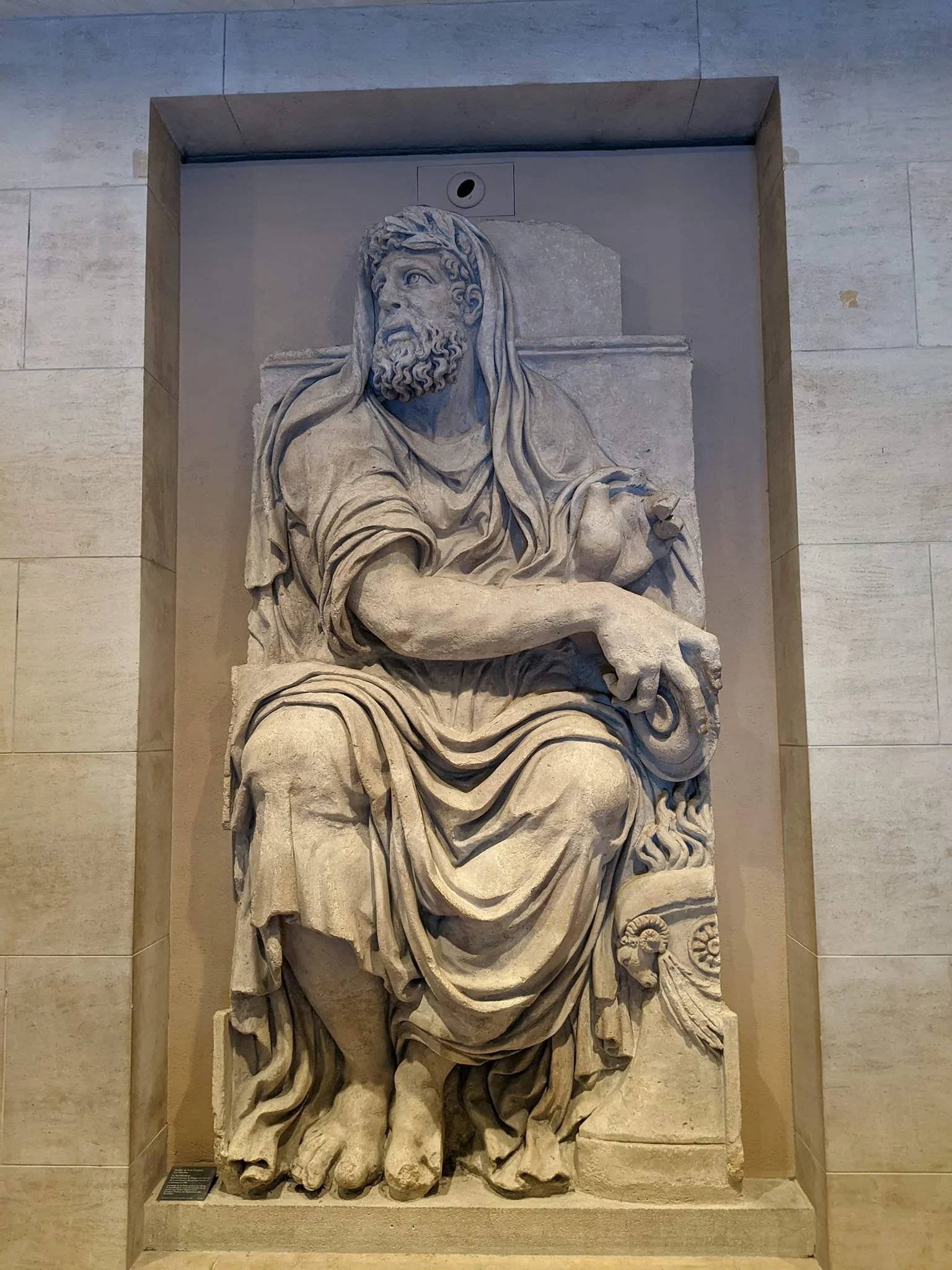
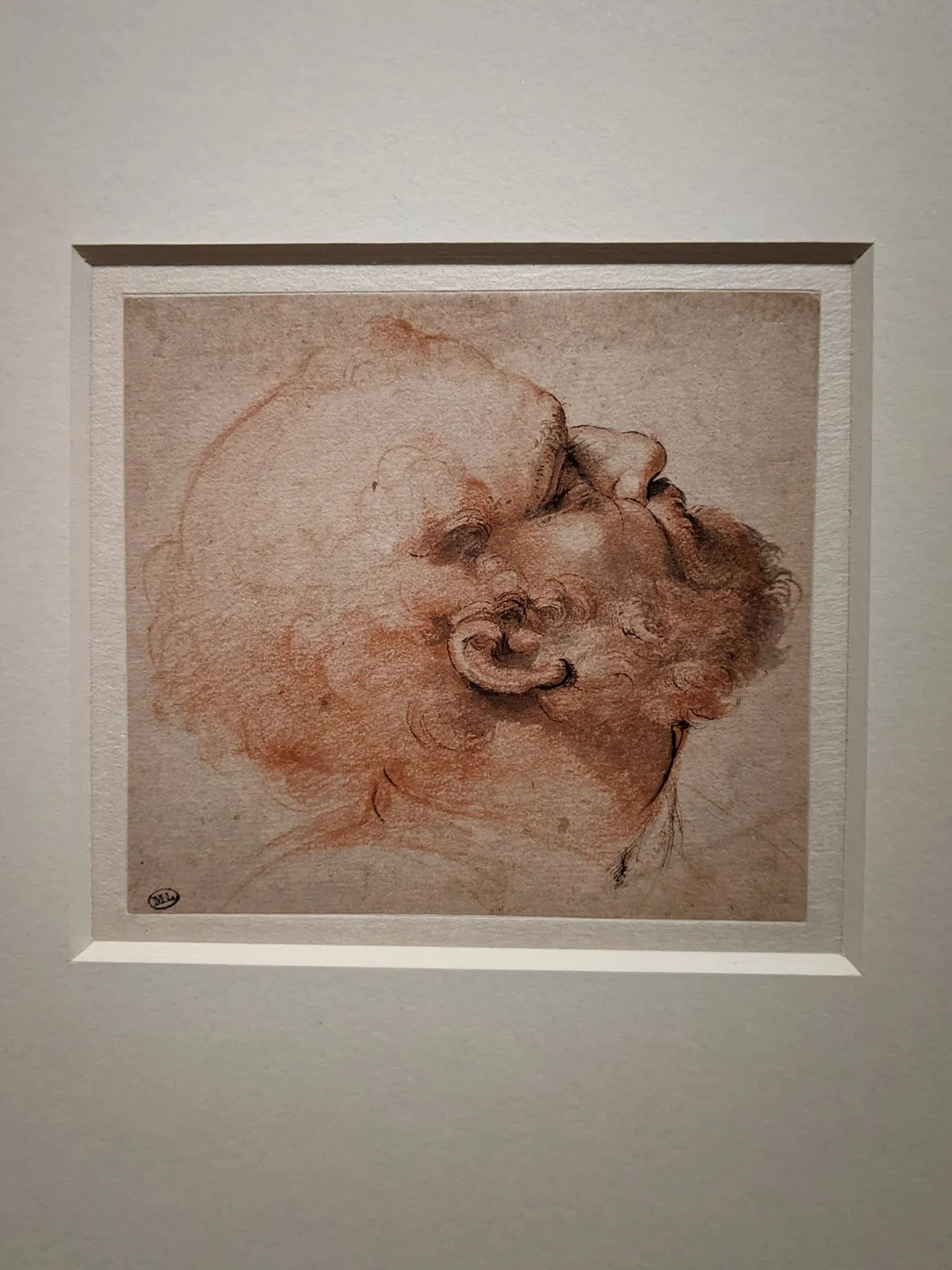
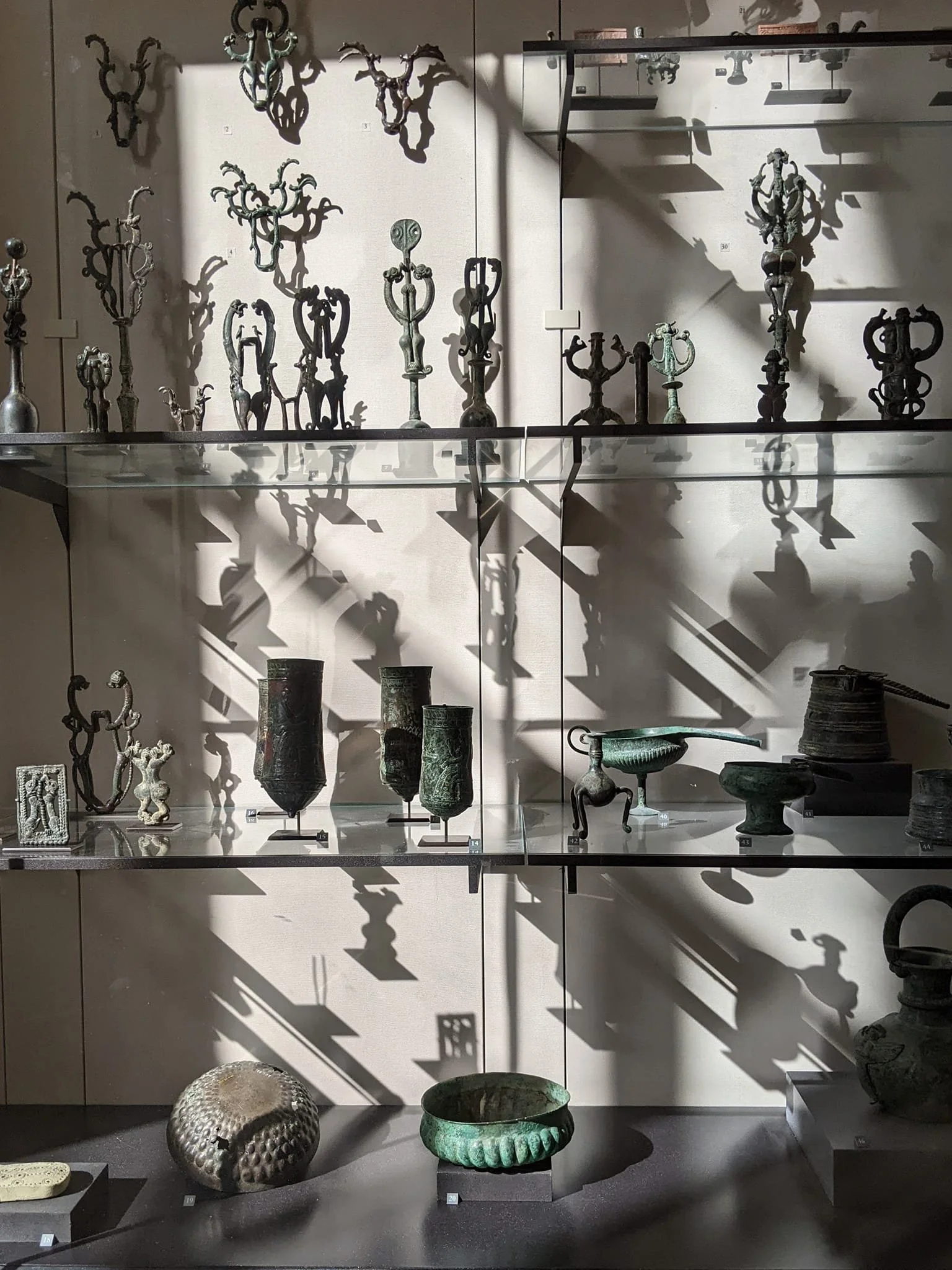
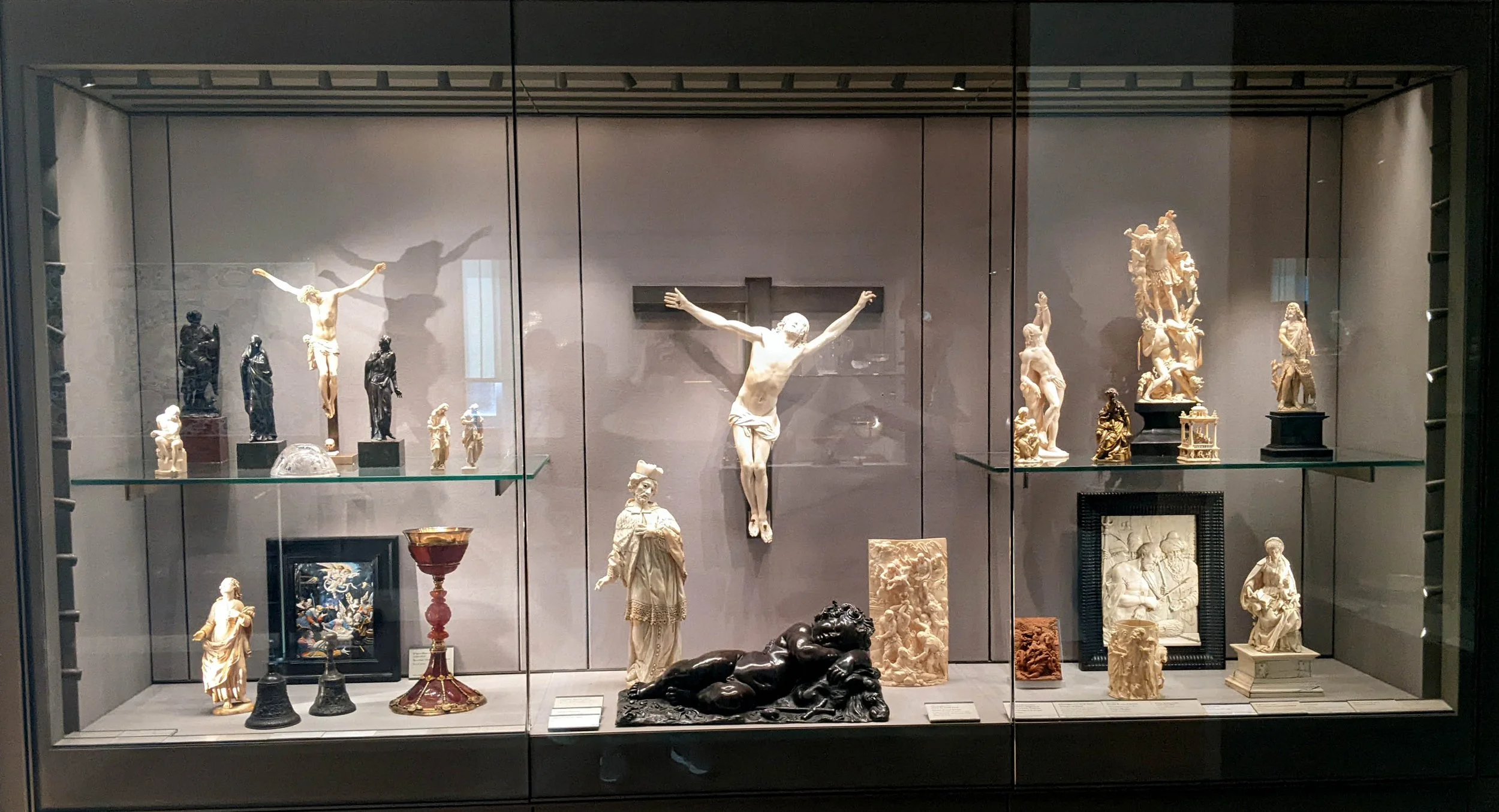
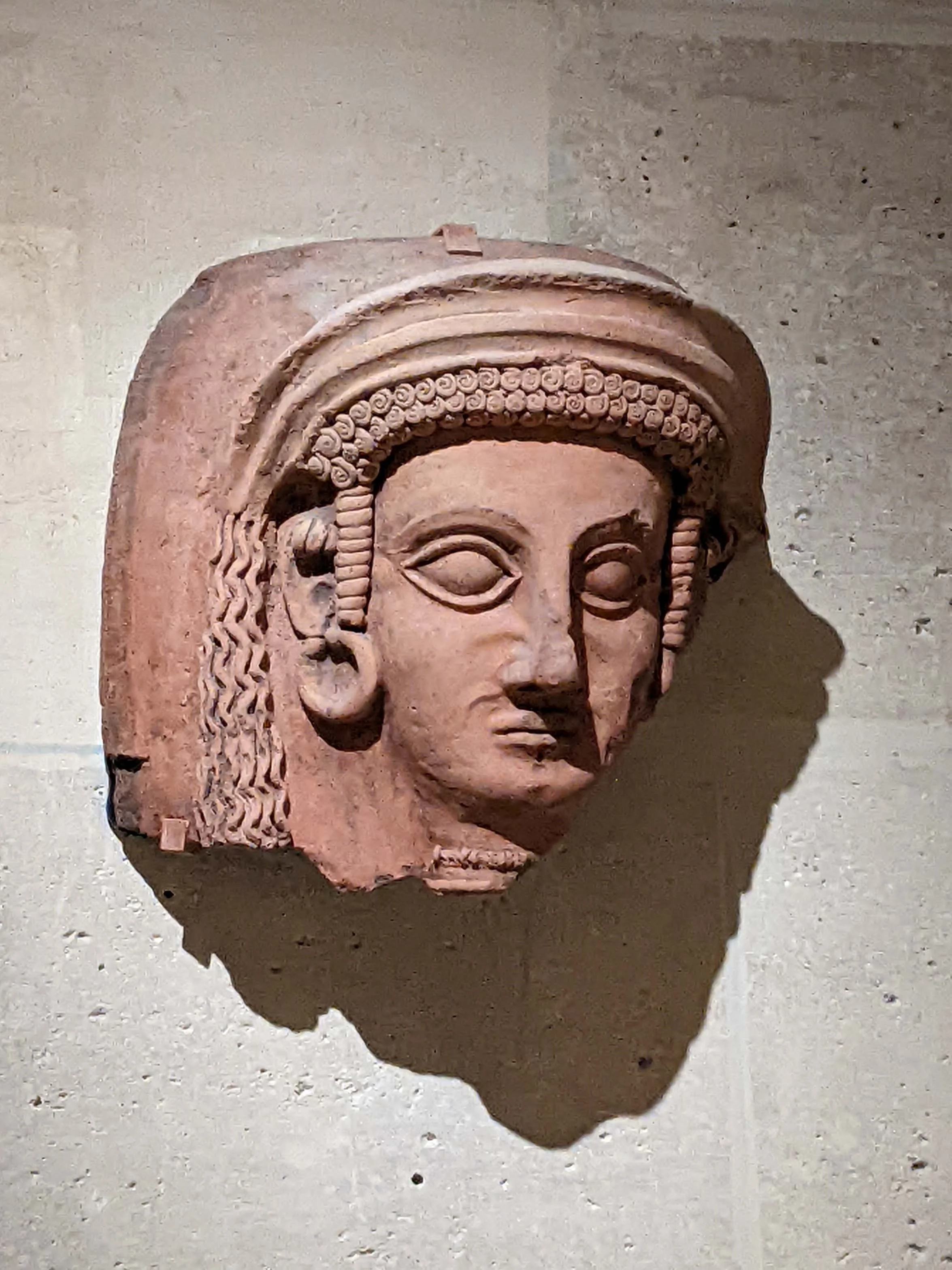
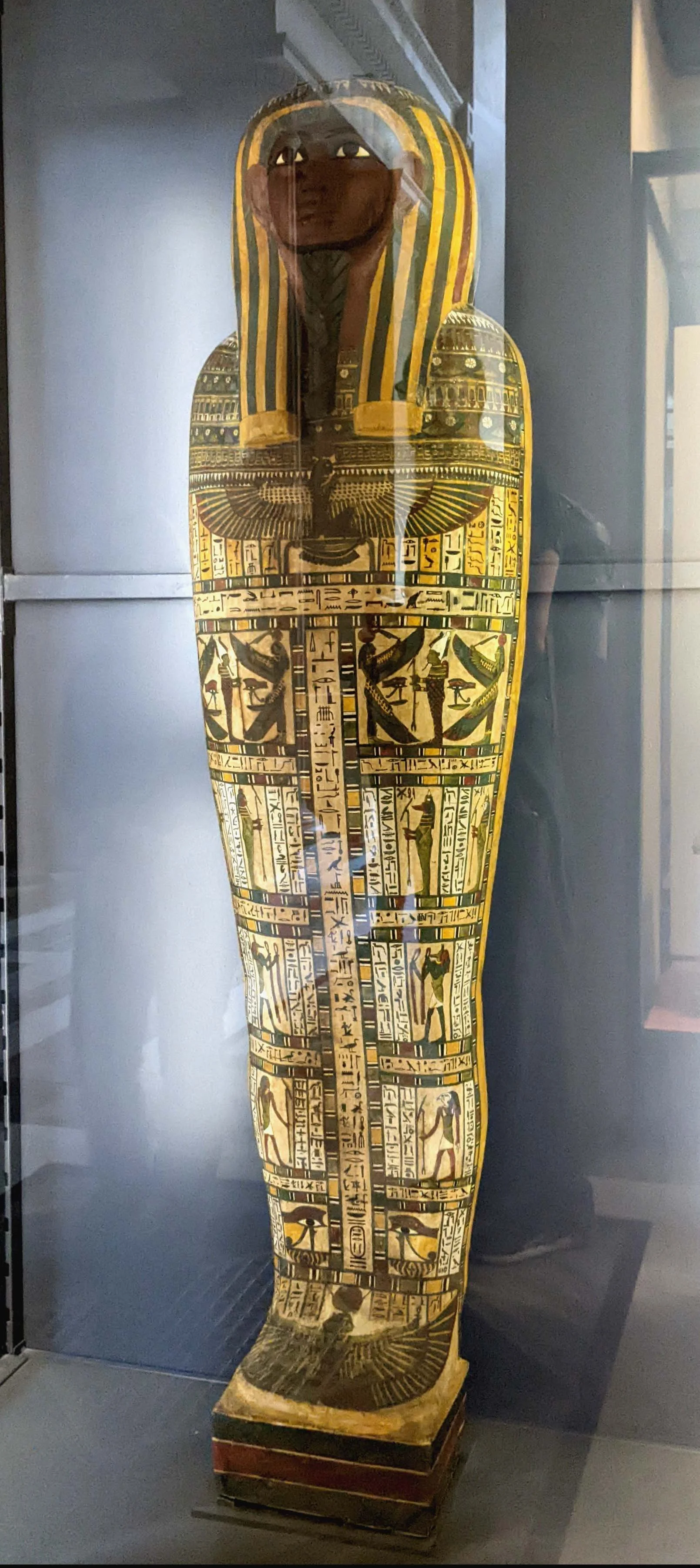
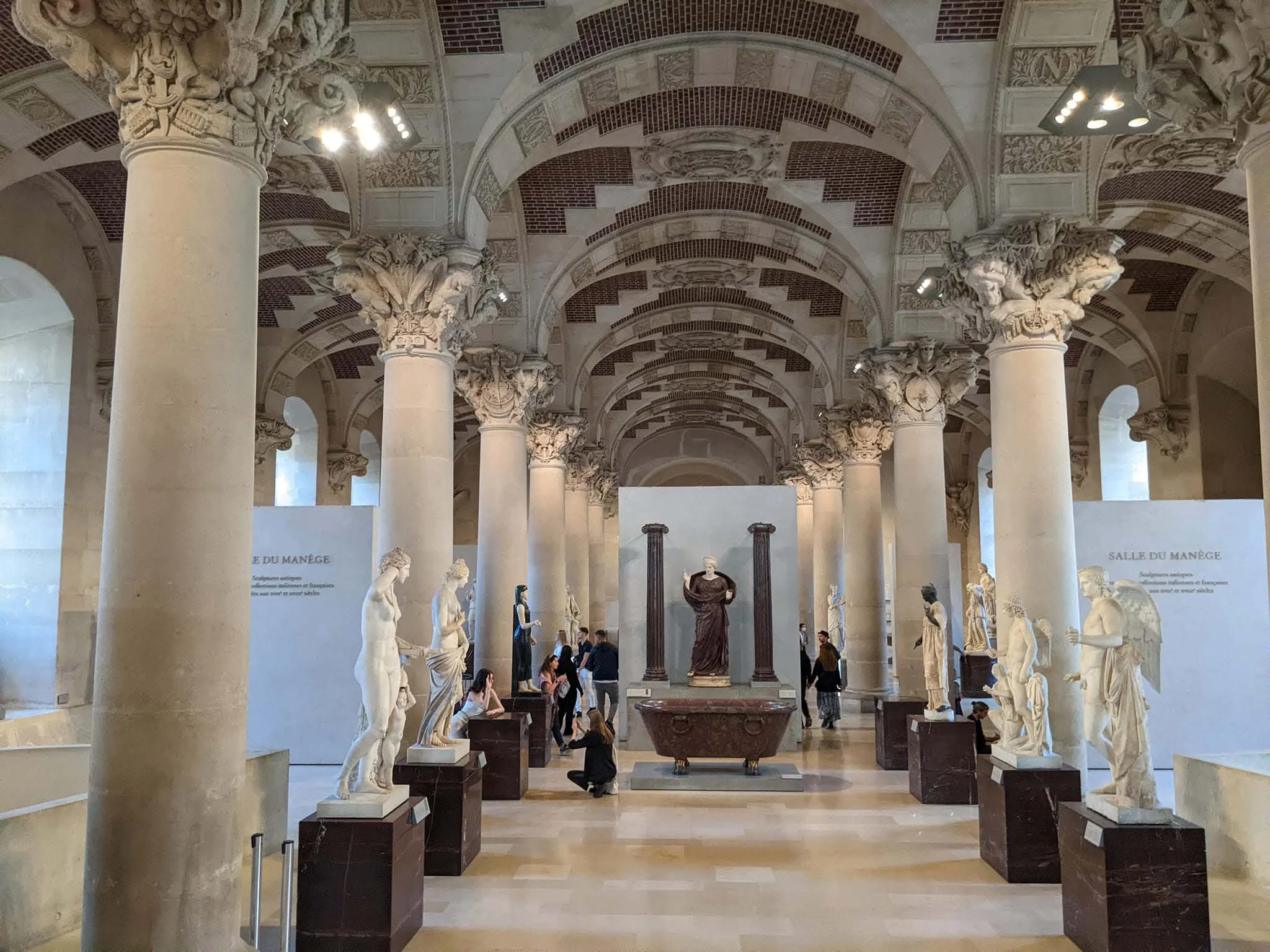
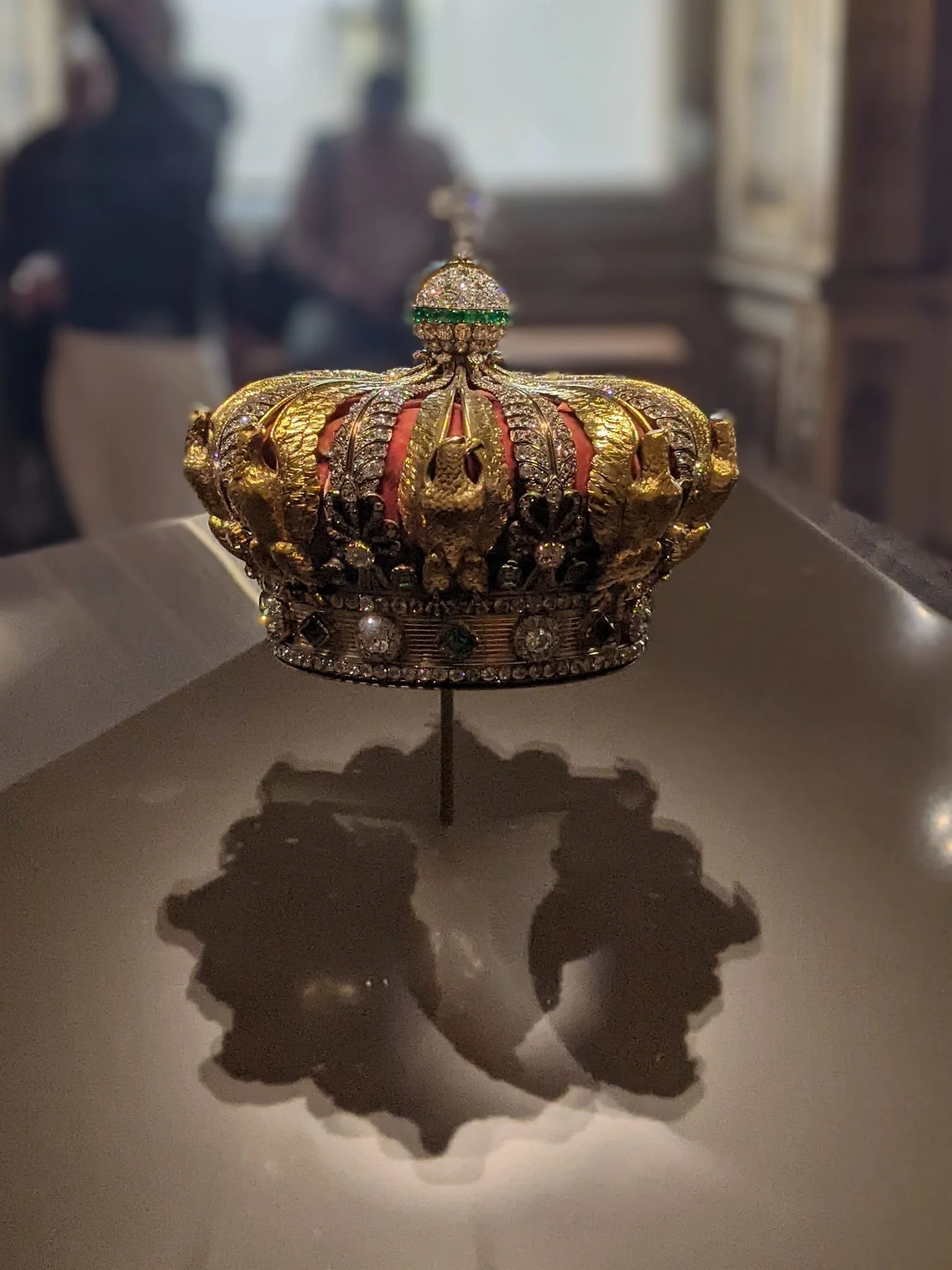
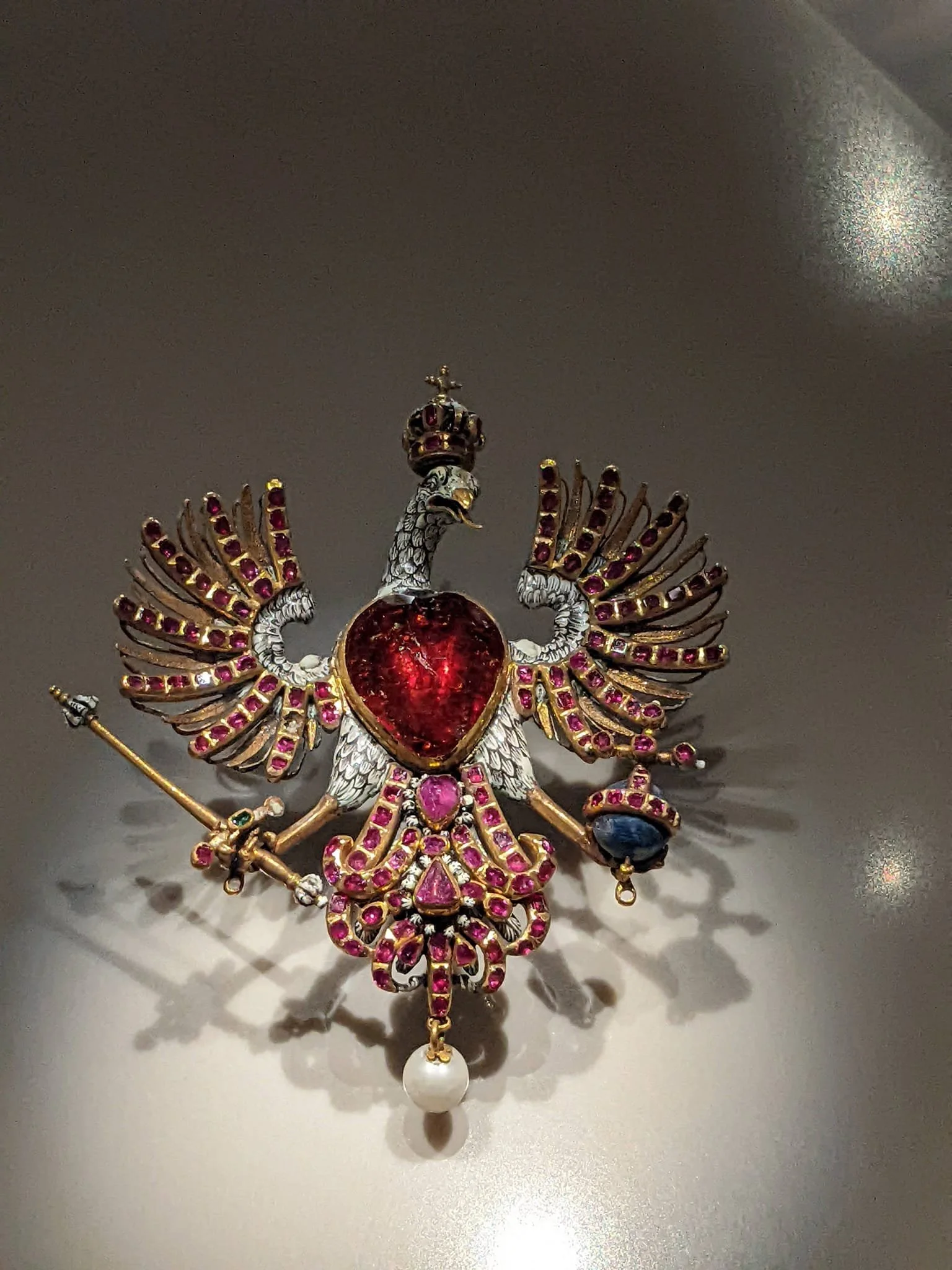
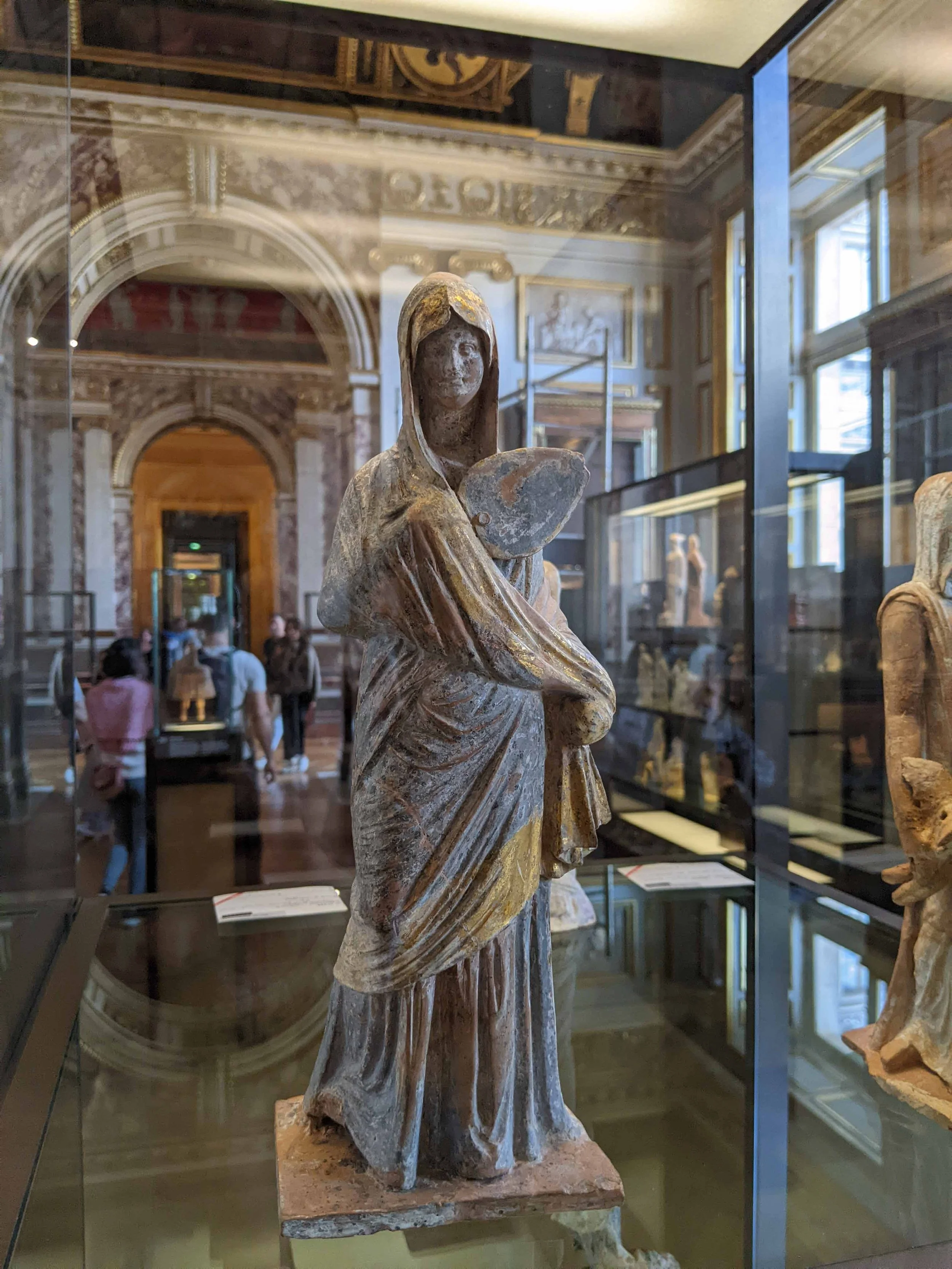
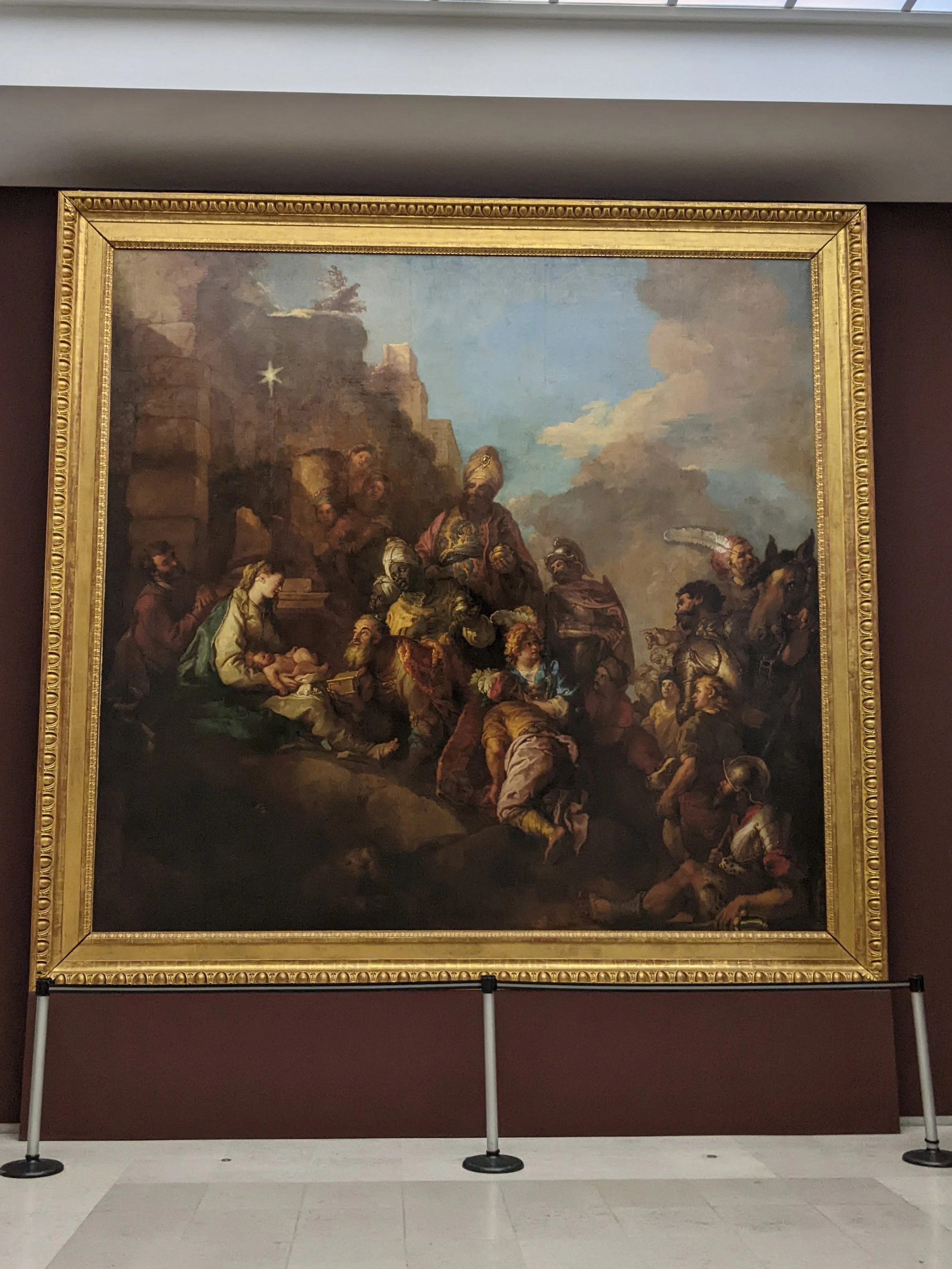
The current Louvre collection includes Egyptian antiques, ancient Greek and Roman sculptures, paintings by the Old Masters, crown jewels and other artefacts from French nobles. The works cover the period from the sixth century B.C. to the 19th century A.D.

View fullsize 1.jpg
View fullsize 2.jpg
View fullsize 5.jpg
View fullsize 7.jpg
View fullsize 13.jpg
View fullsize 25.jpg
View fullsize 30.jpg
View fullsize 23.jpg
View fullsize 24.jpg
View fullsize 8.jpg
View fullsize 9.jpg
View fullsize 10.jpg
View fullsize 17.jpg
View fullsize 15.jpg
View fullsize 20.jpg
View fullsize 21.jpg
View fullsize 22.jpg
View fullsize 29.jpg
View fullsize 27.jpg
View fullsize 28.jpg
View fullsize 32.jpg
View fullsize 37.jpg
View fullsize 34.jpg
View fullsize 38.jpg
View fullsize 36.jpg
View fullsize 39.jpg
View fullsize 42.jpg
View fullsize 35.jpg

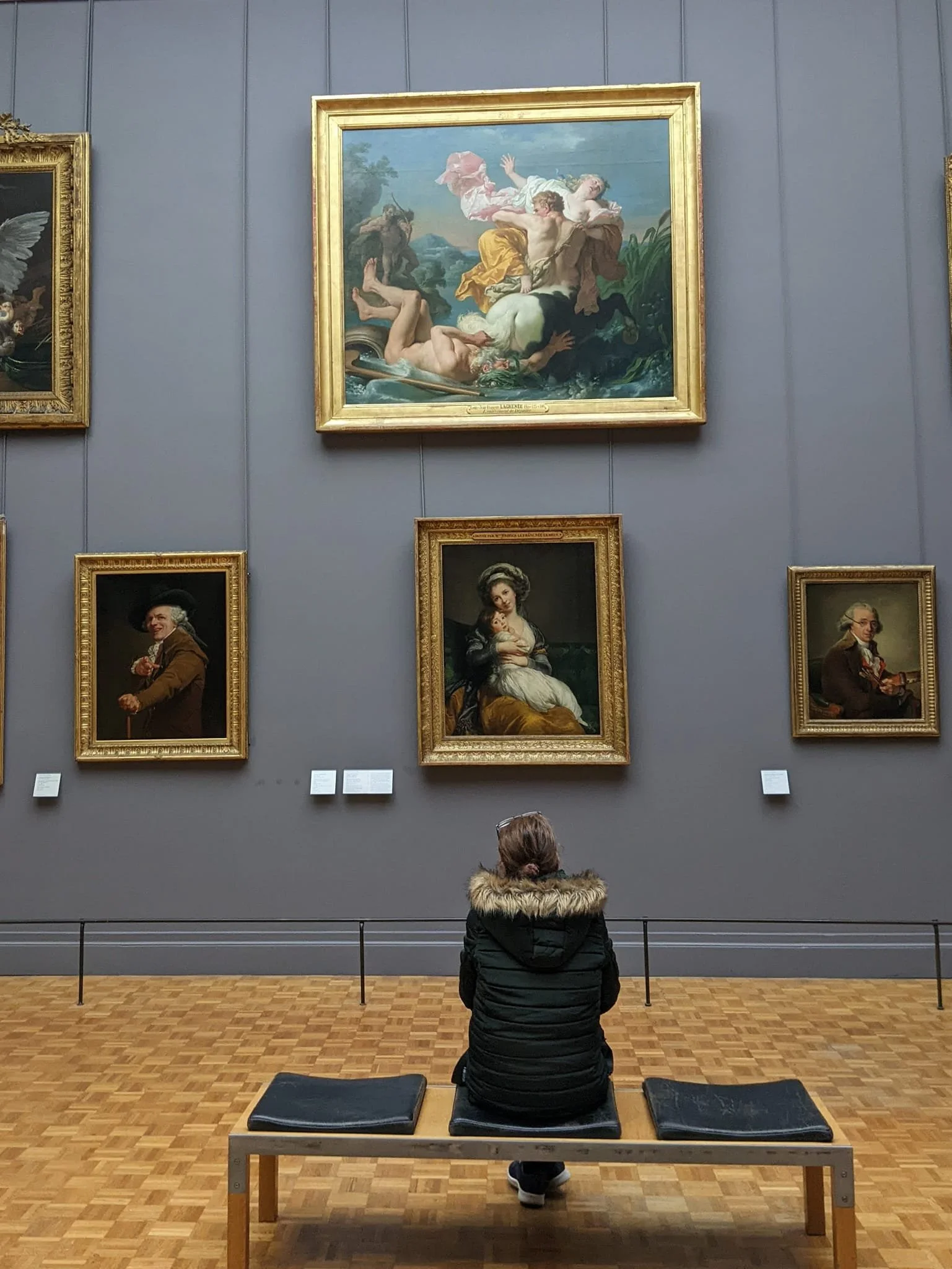
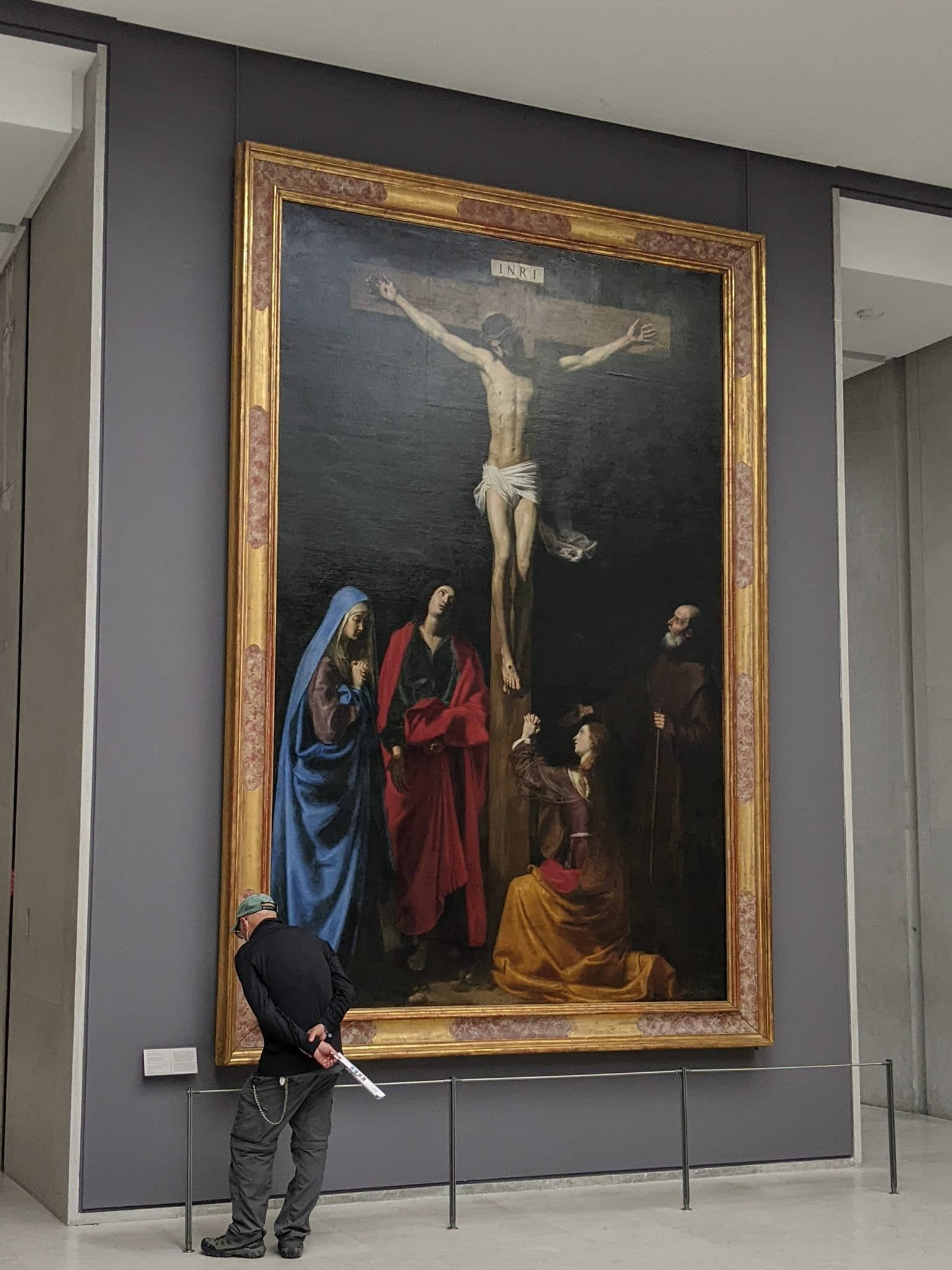
While about 35,000 artworks are on display at any given time, most of its half-a-million-plus collection is locked up in storage. If one was to spend an average of 30 seconds to see each piece, one would need 291 hours to have a glimpse of it all! Maybe that’s the reason most of the nameplates are in French only; instead of being dual language (…museum authorities, take note this is a complaint, not a compliment!).

Covering an area of 66,600 square meters, 4 main levels and more than 400 rooms, the Louvre is staffed by more than 2000 employees. In addition to the main exhibition in Paris, the museum also collaborates with other overseas art galleries and some of its treasures travel around the world to such varied destinations as Fine Arts Museums of San Francisco, Iran’s National Museum, and the Louvre Abu Dhabi.

Searching for Mona Lisa

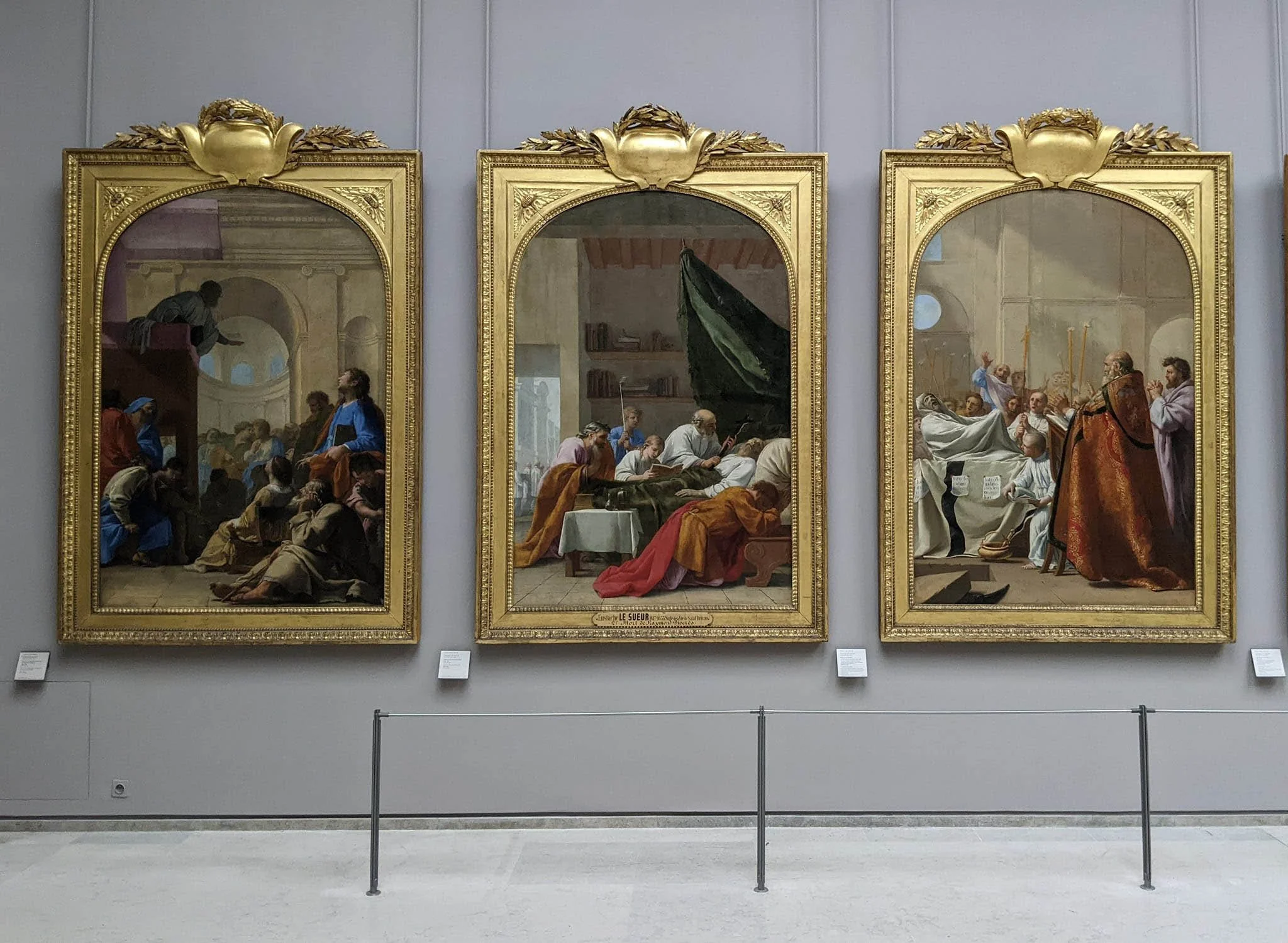
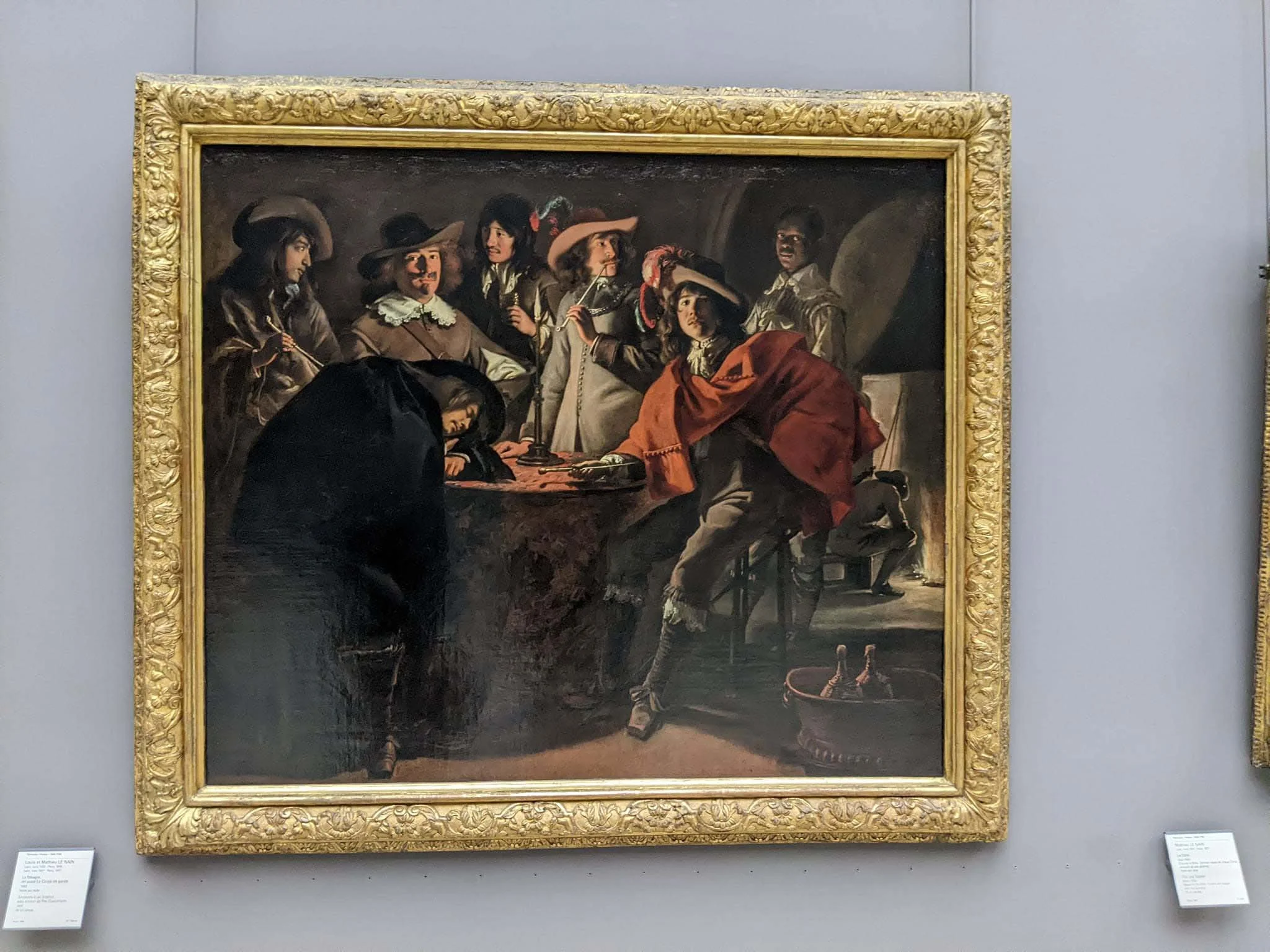
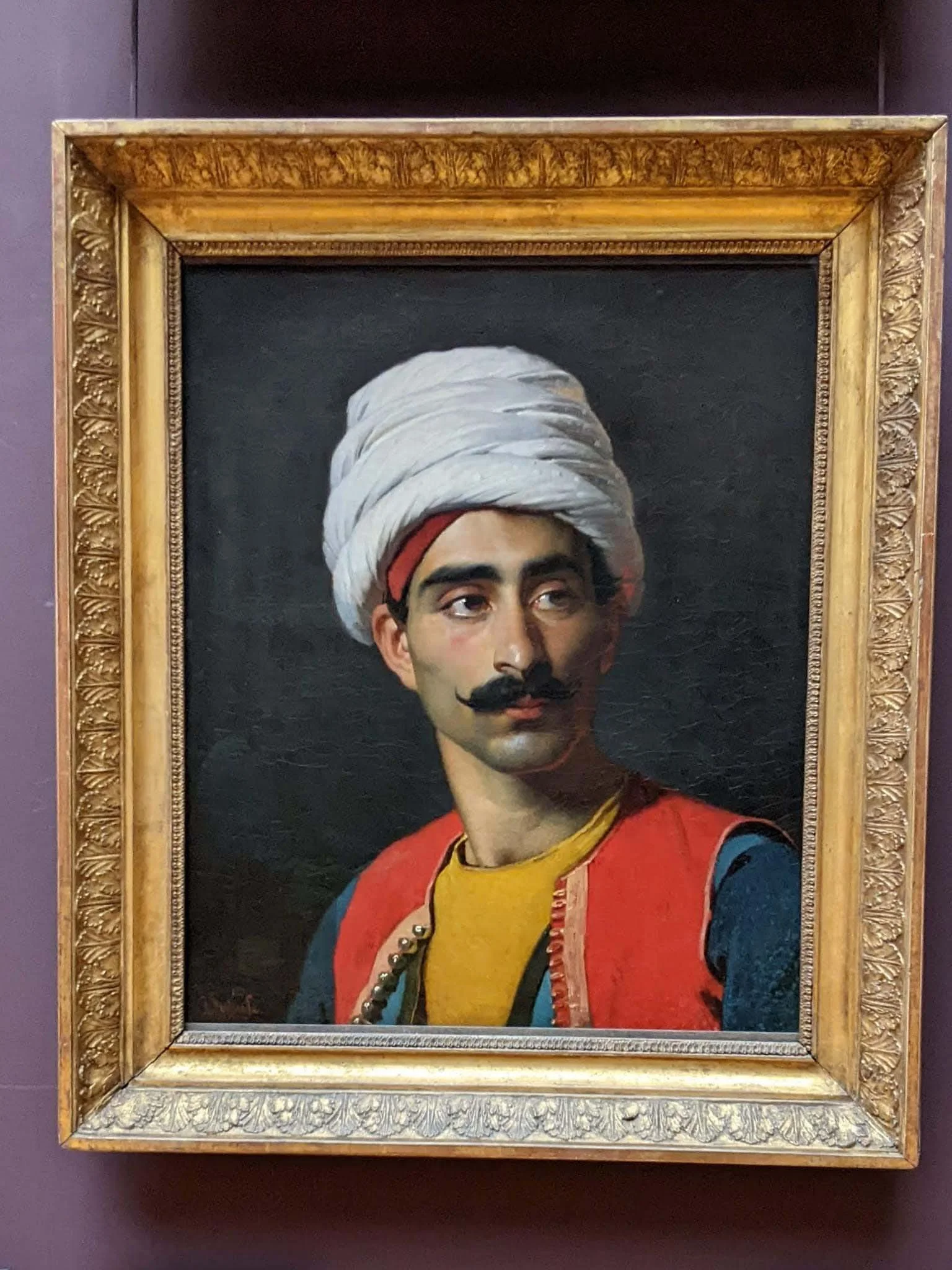
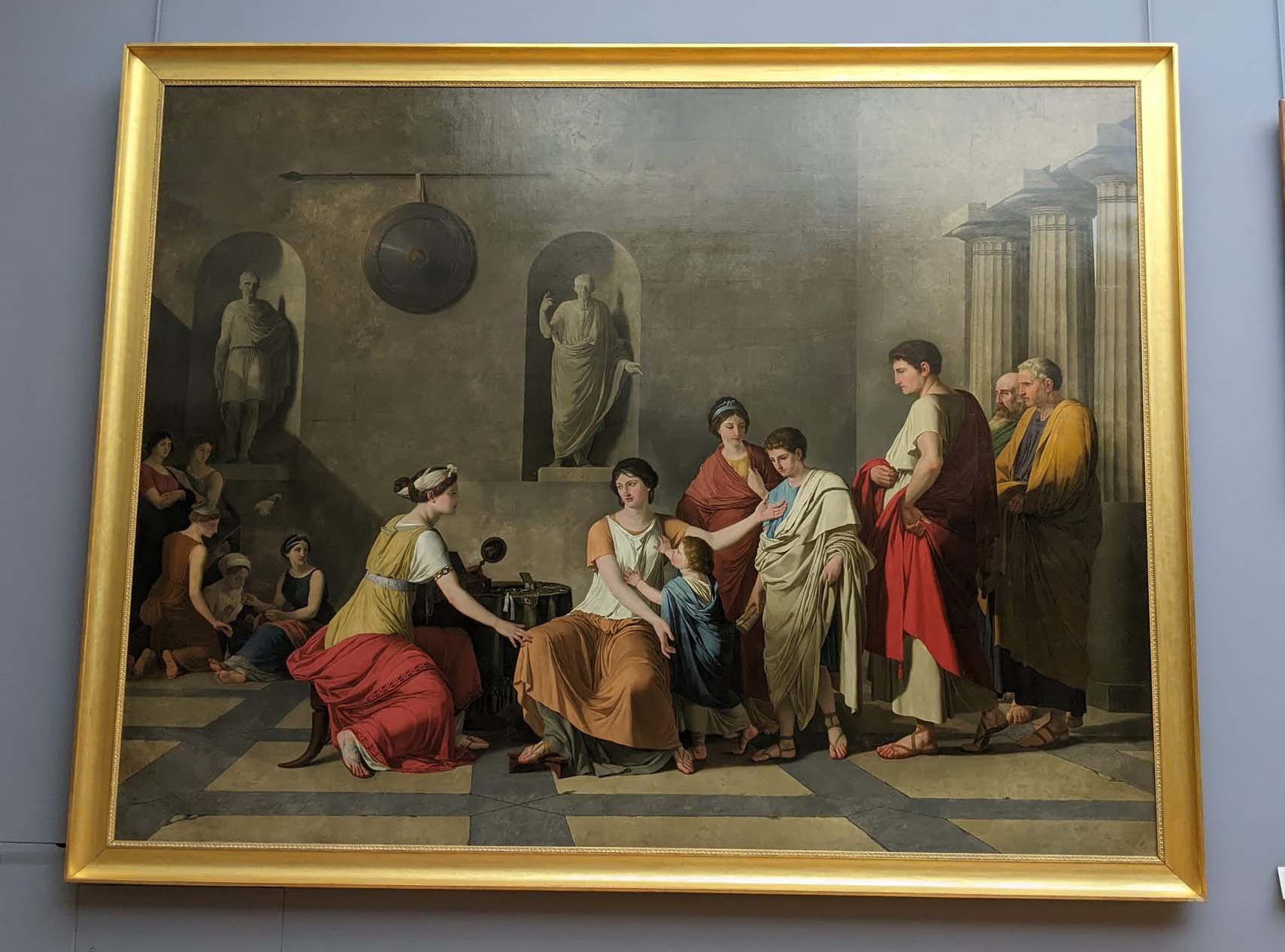
We had been in the museum for nearly 4 hours, and we were getting tired, as we started to ‘glide’ through the never-ending rooms. Our sore legs and back started to take over and frankly, trying to decipher the French write-ups for the painting was not helping the cause. Our focus soon reverted to finding Mona Lisa. After all, visiting Louvre and not seeing the Mona Lisa would perhaps be classed as ‘criminal negligence’ in the tourist guidebooks. 

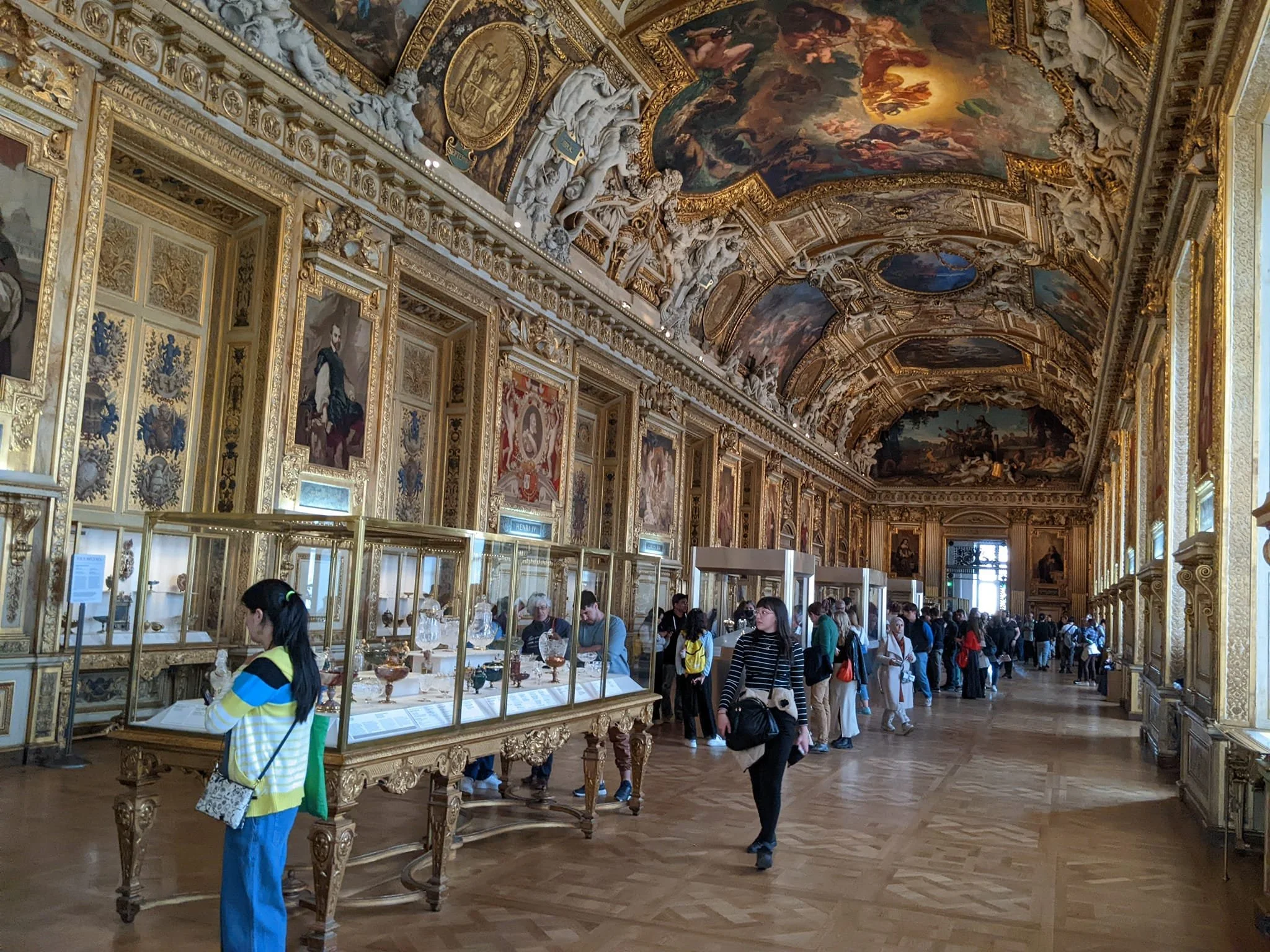
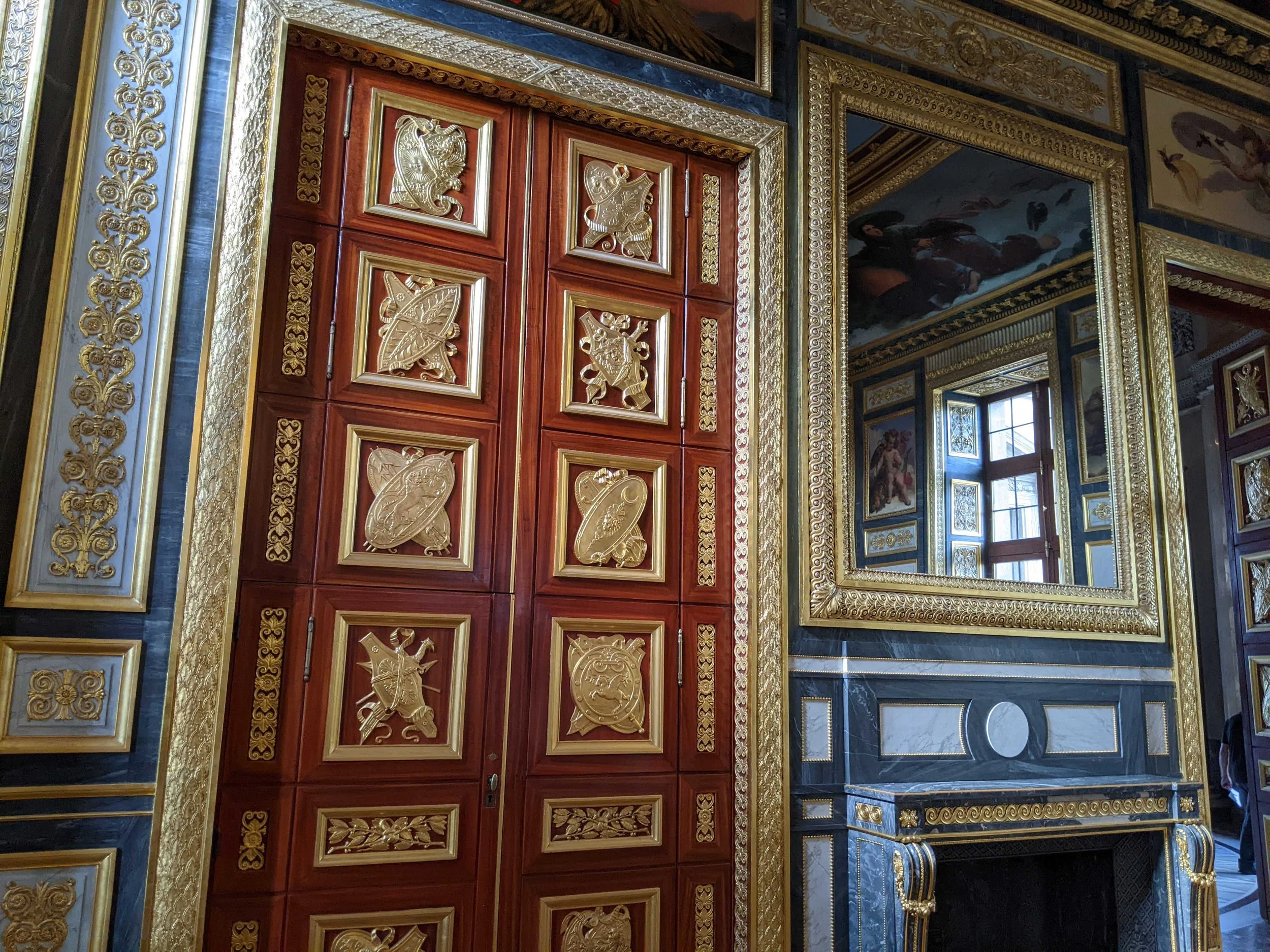
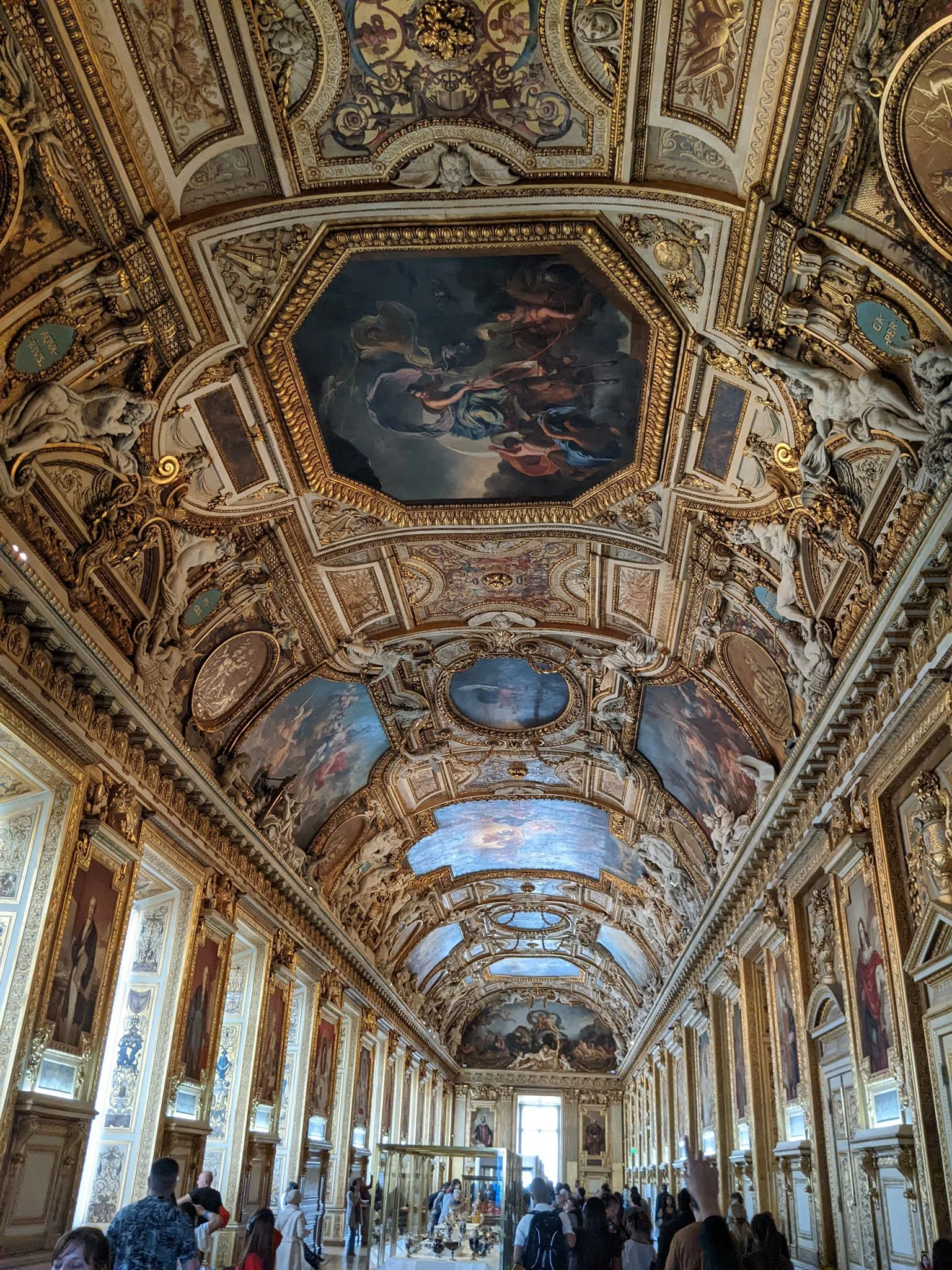
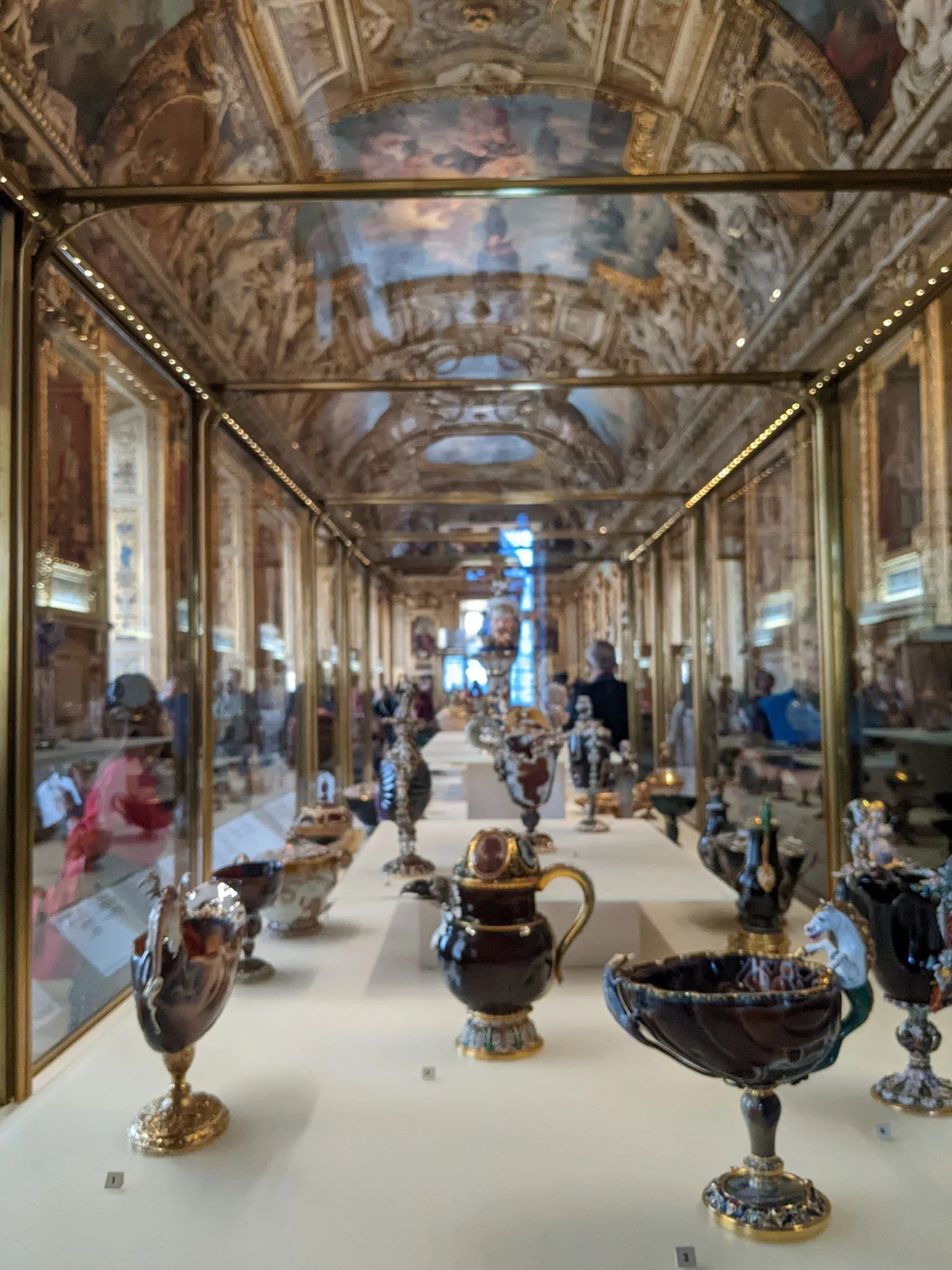
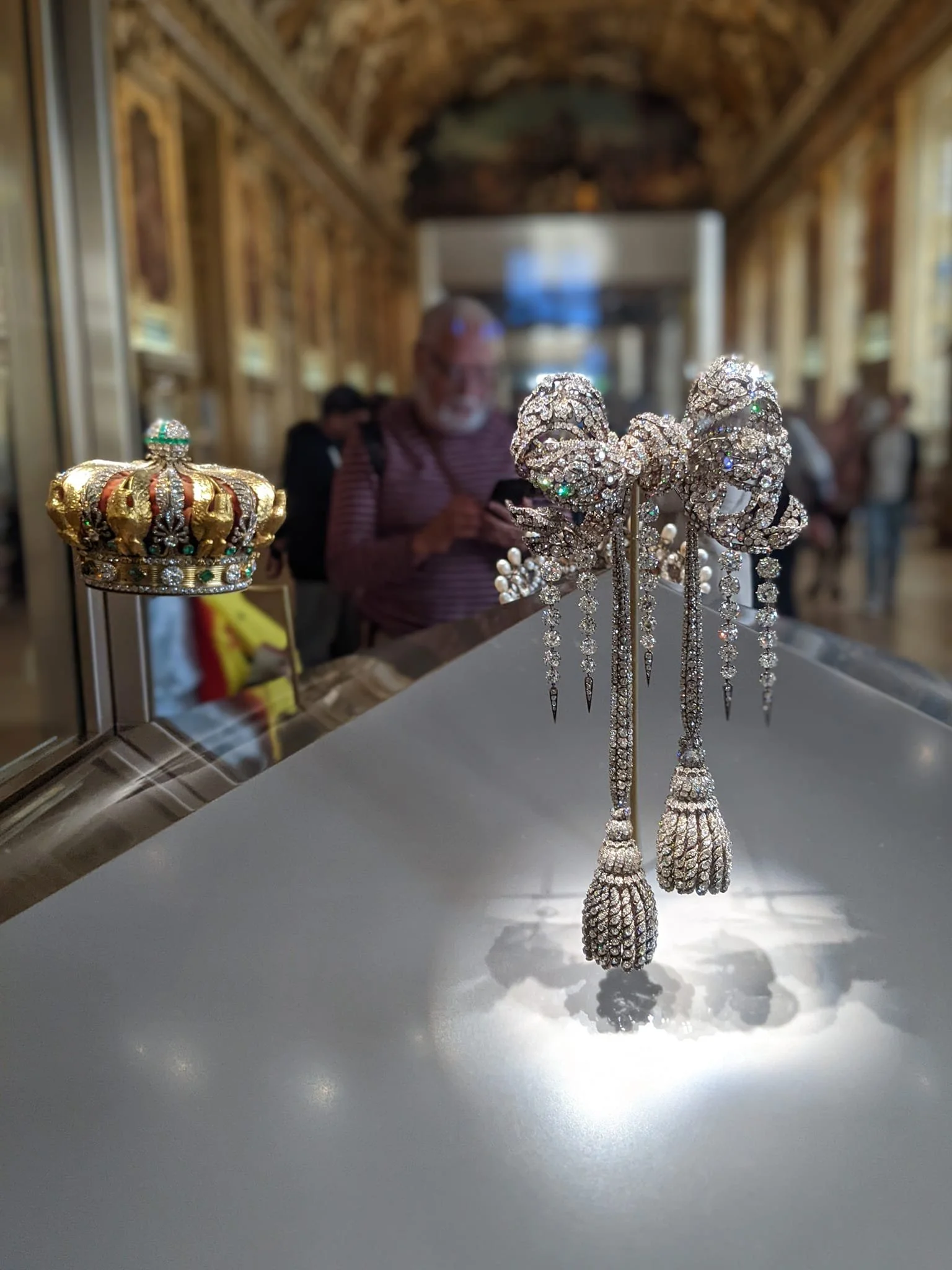
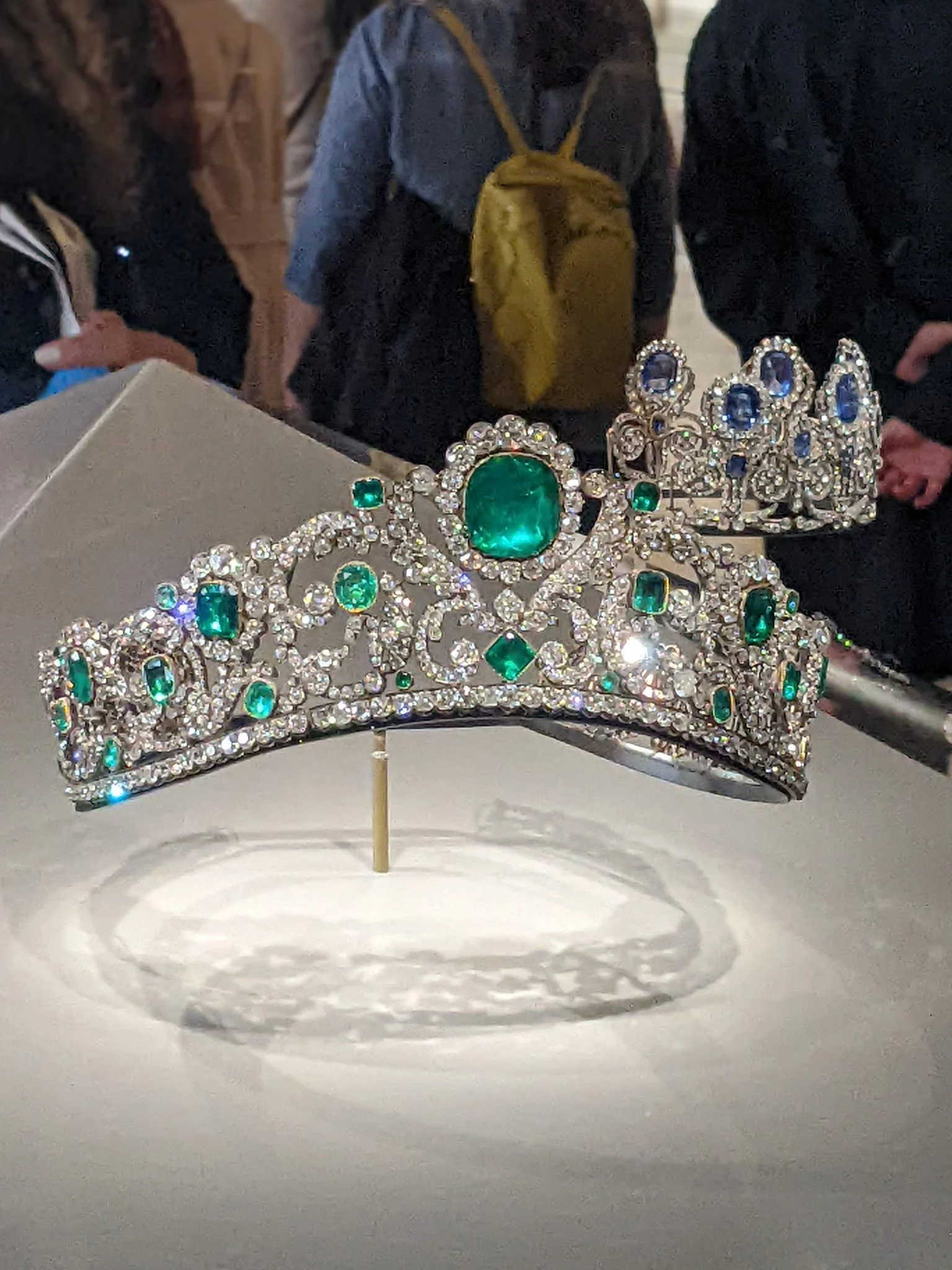
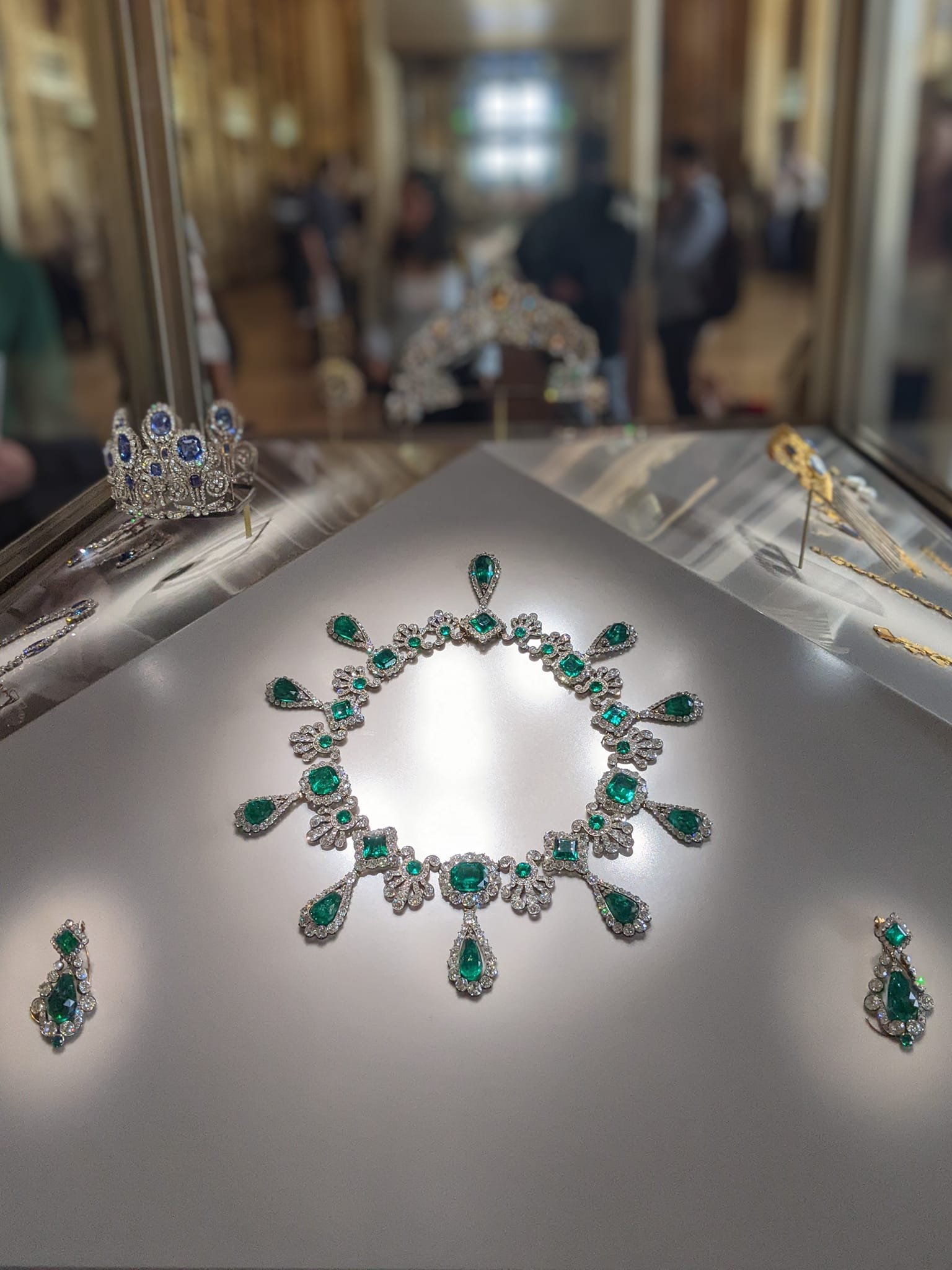
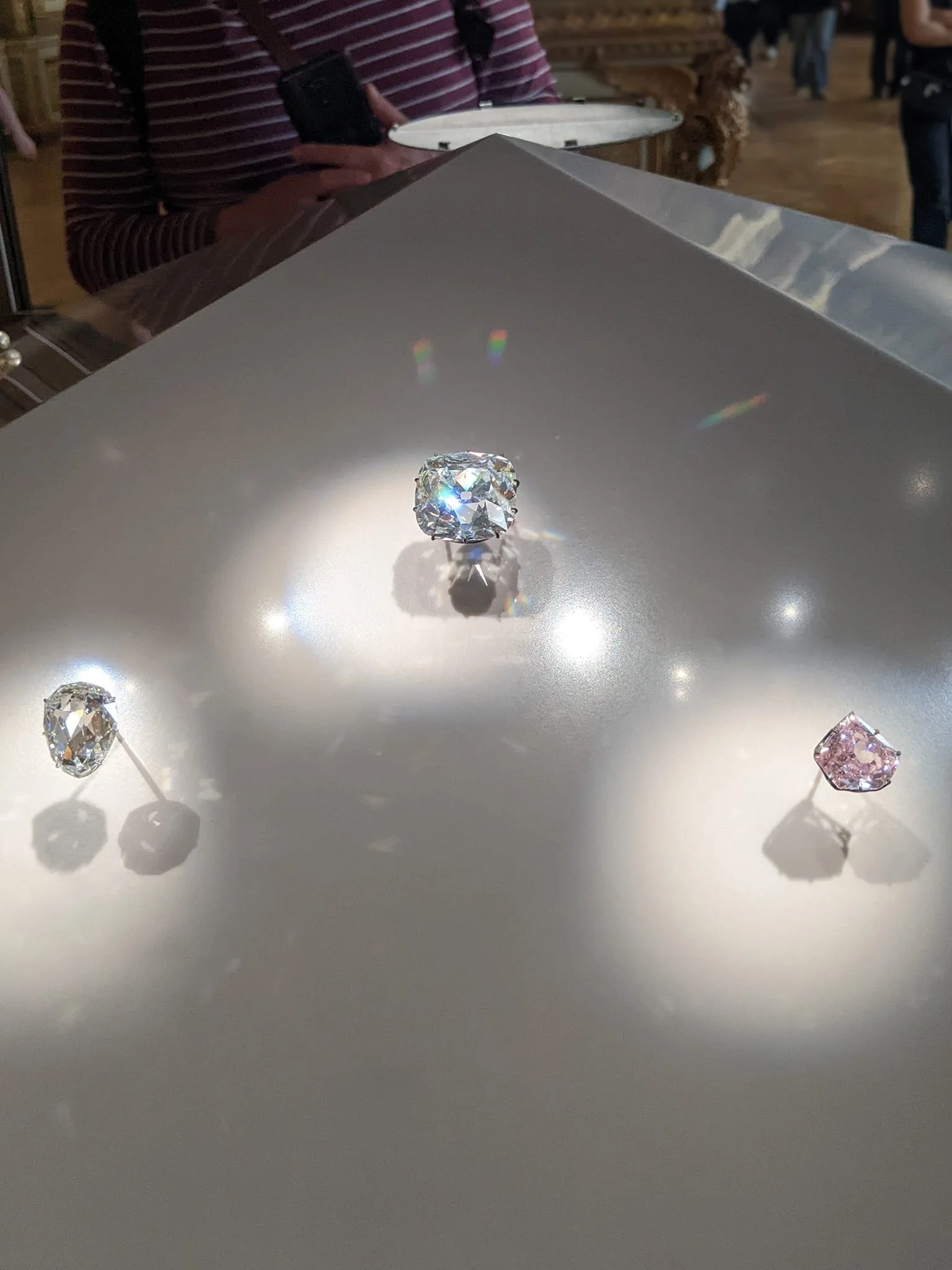
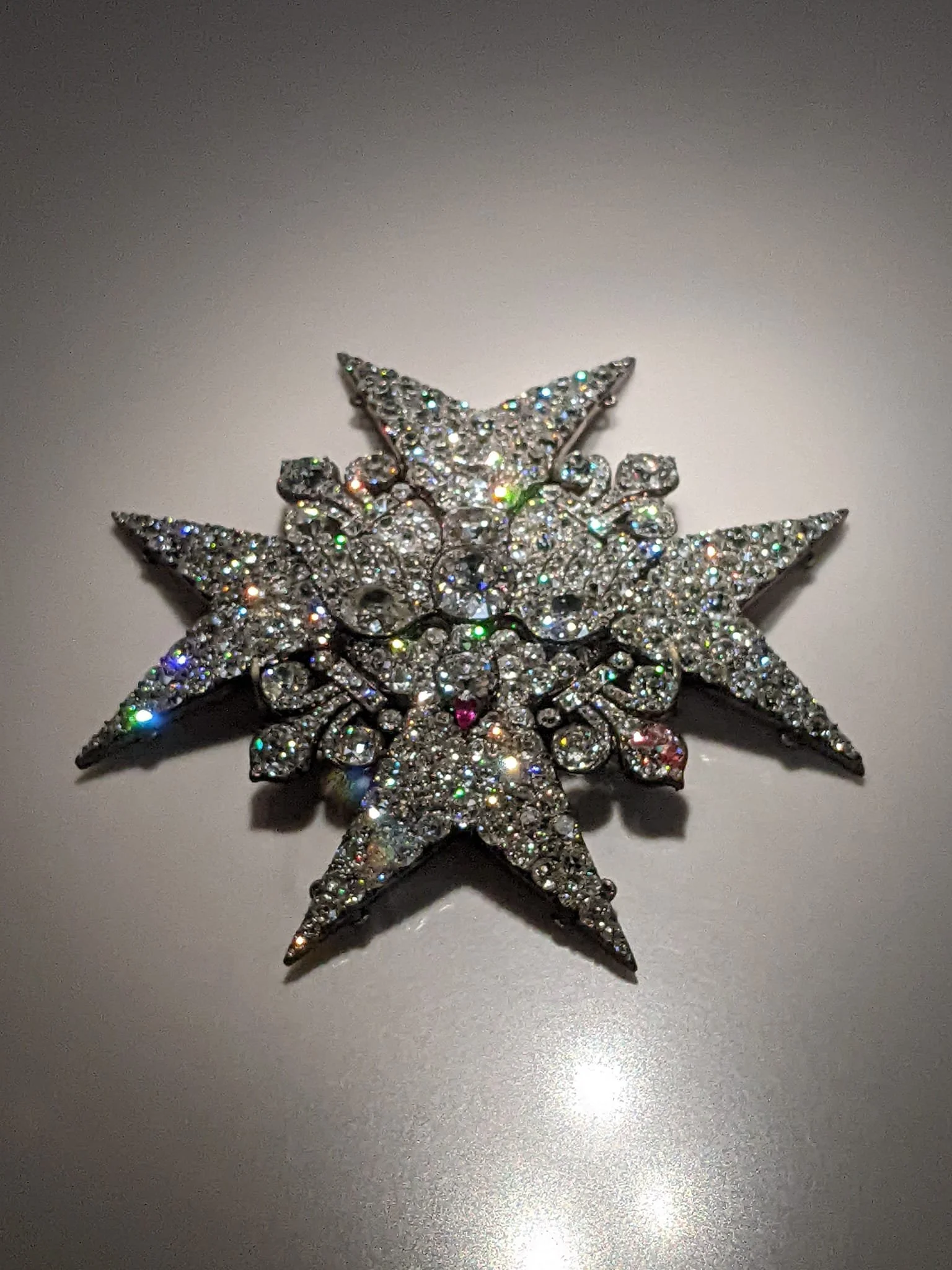
We asked the security personnel and were directed towards ‘Salle des États’ the palace’s largest room. ‘Go to the first floor and then follow the crowds’ was the advice. In route to our destination, we passed through ‘Galerie d’Appollon’ which is the home of French royal jewels and hard stone vessels.

View fullsize 3.jpg
View fullsize 4.jpg
View fullsize 5.jpg
View fullsize 6.jpg
View fullsize 16.jpg
View fullsize 8.jpg
View fullsize 19.jpg
View fullsize 15.jpg
View fullsize 7.jpg
View fullsize 20.jpg
View fullsize 9.jpg
View fullsize 10.jpg
View fullsize 11.jpg
View fullsize 11a.jpg
View fullsize 11b.jpg
View fullsize 11c.jpg
View fullsize 12.jpg
View fullsize 13.jpg
View fullsize 14.jpg
View fullsize 18.jpg

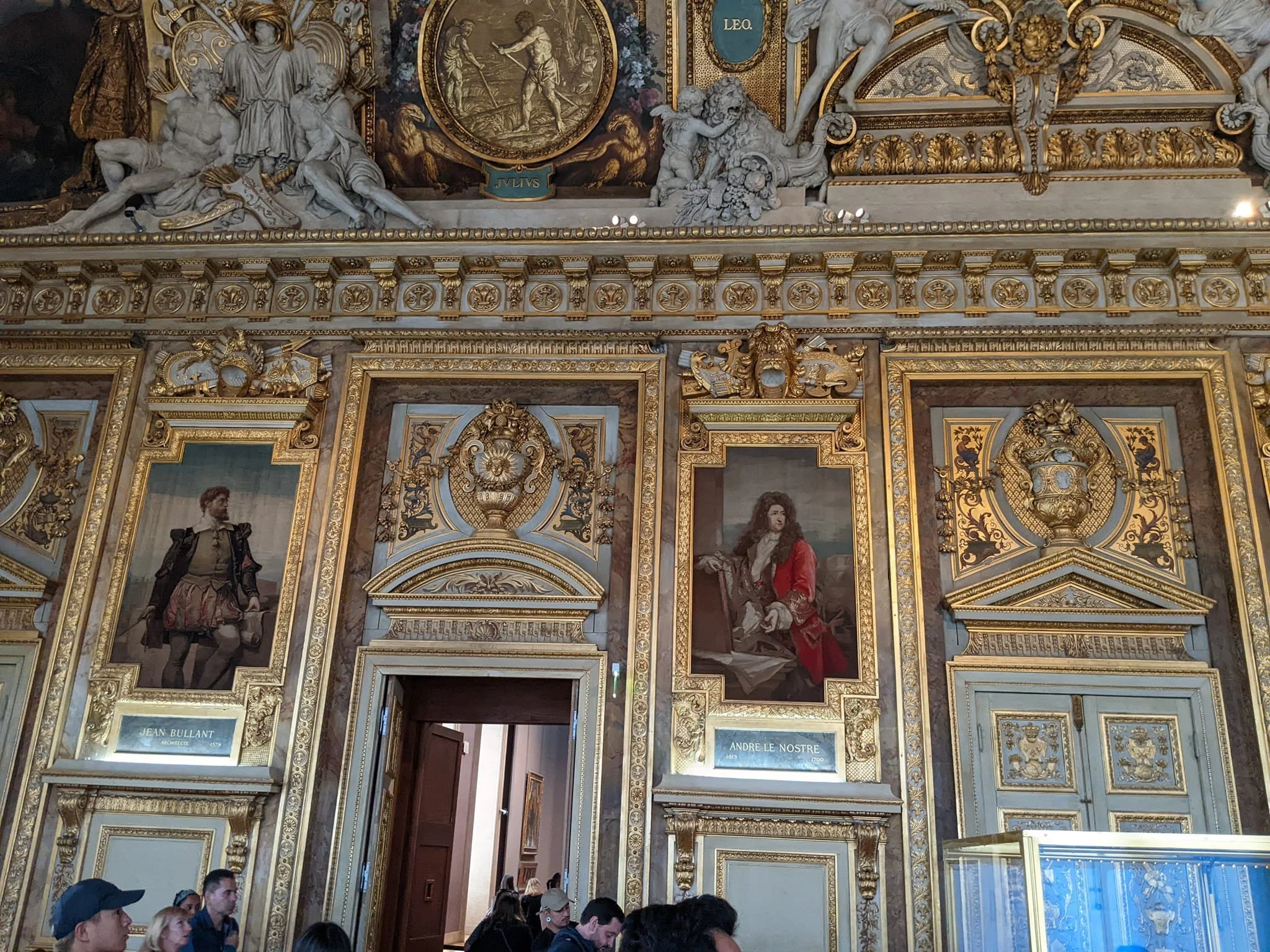
Apparently, King Louis XIV famously identified himself with Apollo (the Greek god of the sun and the arts) and this splendid gallery was the first tangible representation of that image. One of the best gilders, painters and sculptors contributed to the decorations in the room. Truly, the decor of the hall and the treasures inside are breathtaking.


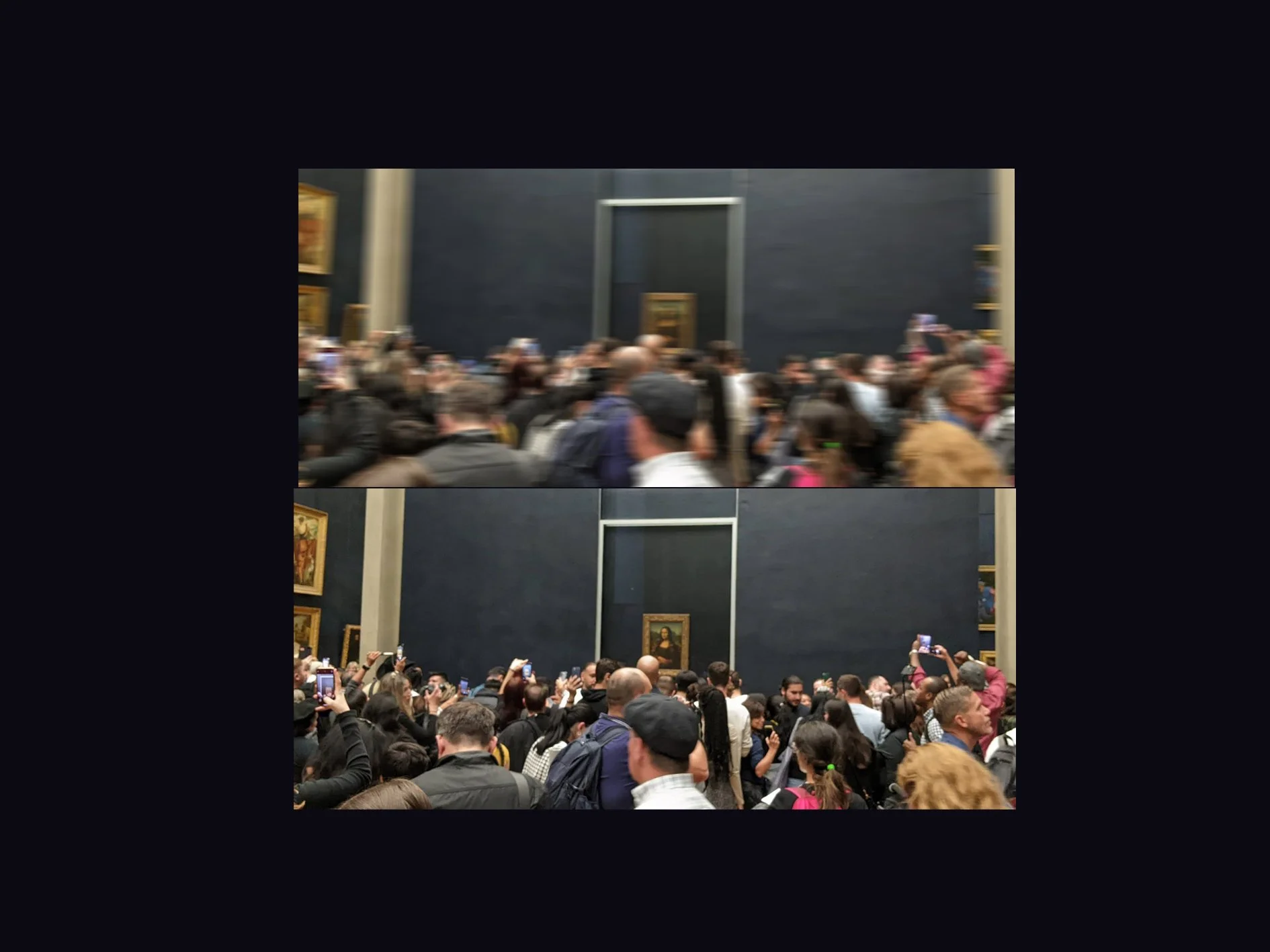
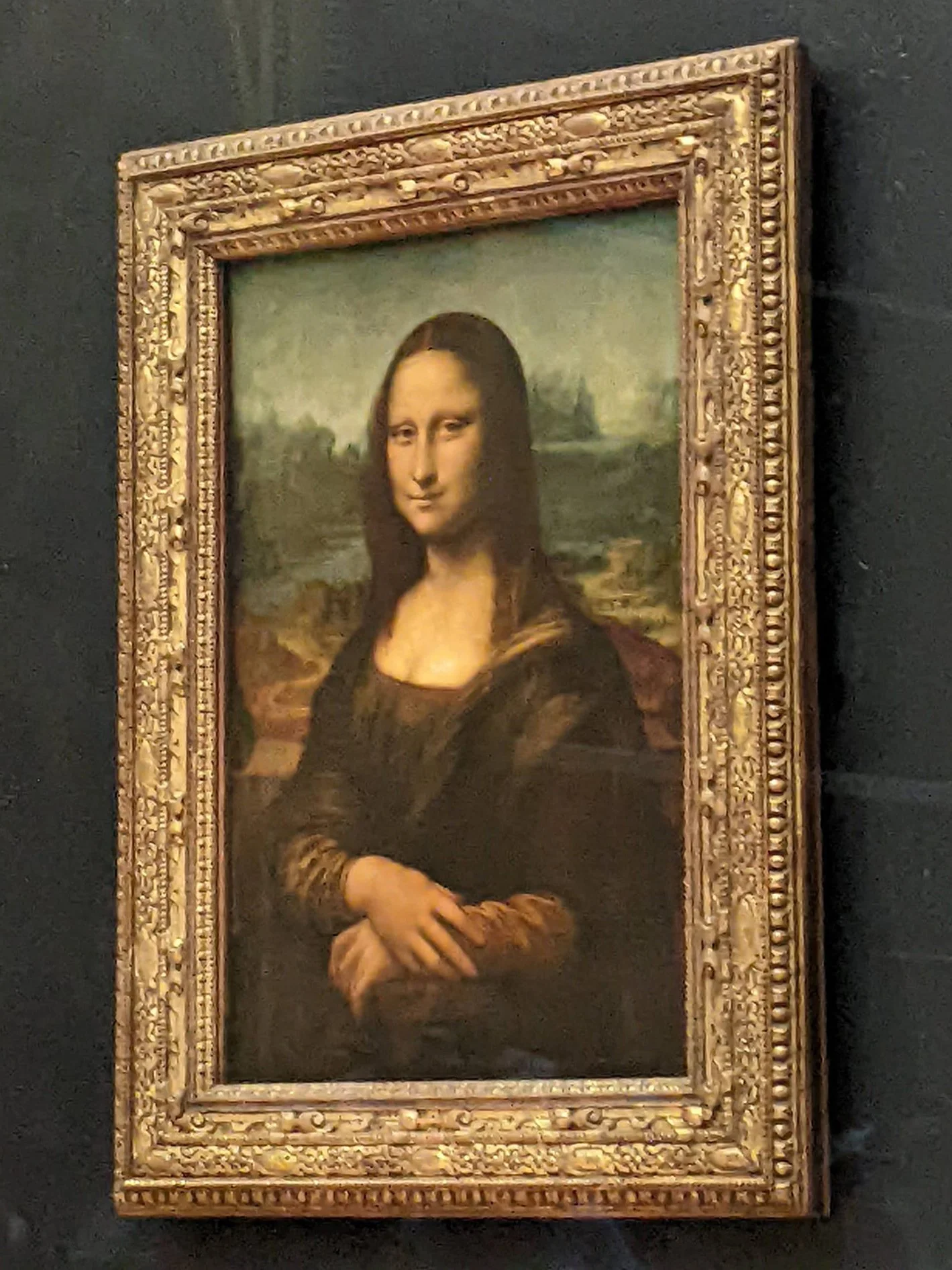
And finally, we reached the most crowded room in the museum, the great hall where Mona Lisa hangs from the centre of the wall. Her enigmatic smile enchanting her audience who crowded around her in droves, with mobiles held high trying to capture the image from all possible angles. It seems that the crowd’s emphasis was more focused towards registering their presence rather than appreciating the artwork. Another tick on their bucket list.

Very few, if anyone appreciates that the painting was the turning point in portraiture painting. Not only the Italian Renaissance but a large number of the seventeenth to nineteenth centuries artists were inspired by this work.


 According to Louvre Curator Jean-Pierre Cuzin “In a break with the Florentine tradition of outlining the painted image, Leonardo perfected the technique known as sfumato, which translated literally from Italian means "vanished or evaporated." Creating imperceptible transitions between light and shade, and sometimes between colours, he blended everything "without borders, in the manner of smoke, his brush strokes so subtle as to be invisible to the naked eye”.

It is said that Leonardo was fascinated by the way light falls on curved surfaces he painted the image with layers of transparent colour, each only a few molecules thick, making the Mona Lisa’s face appear to glow.

We spent nearly 4.5 hrs in the museum and barely managed to skim through the displays. Without a doubt, a comprehensive review requires more than one visit.

One other point to note, visitors can also hire headsets at an additional fee which can provide English translation. In hindsight, we should have hired one. But note you will need to have a photo ID and will need to deposit your licence or passport to get the device. Your documents will be returned when you return the device.
 

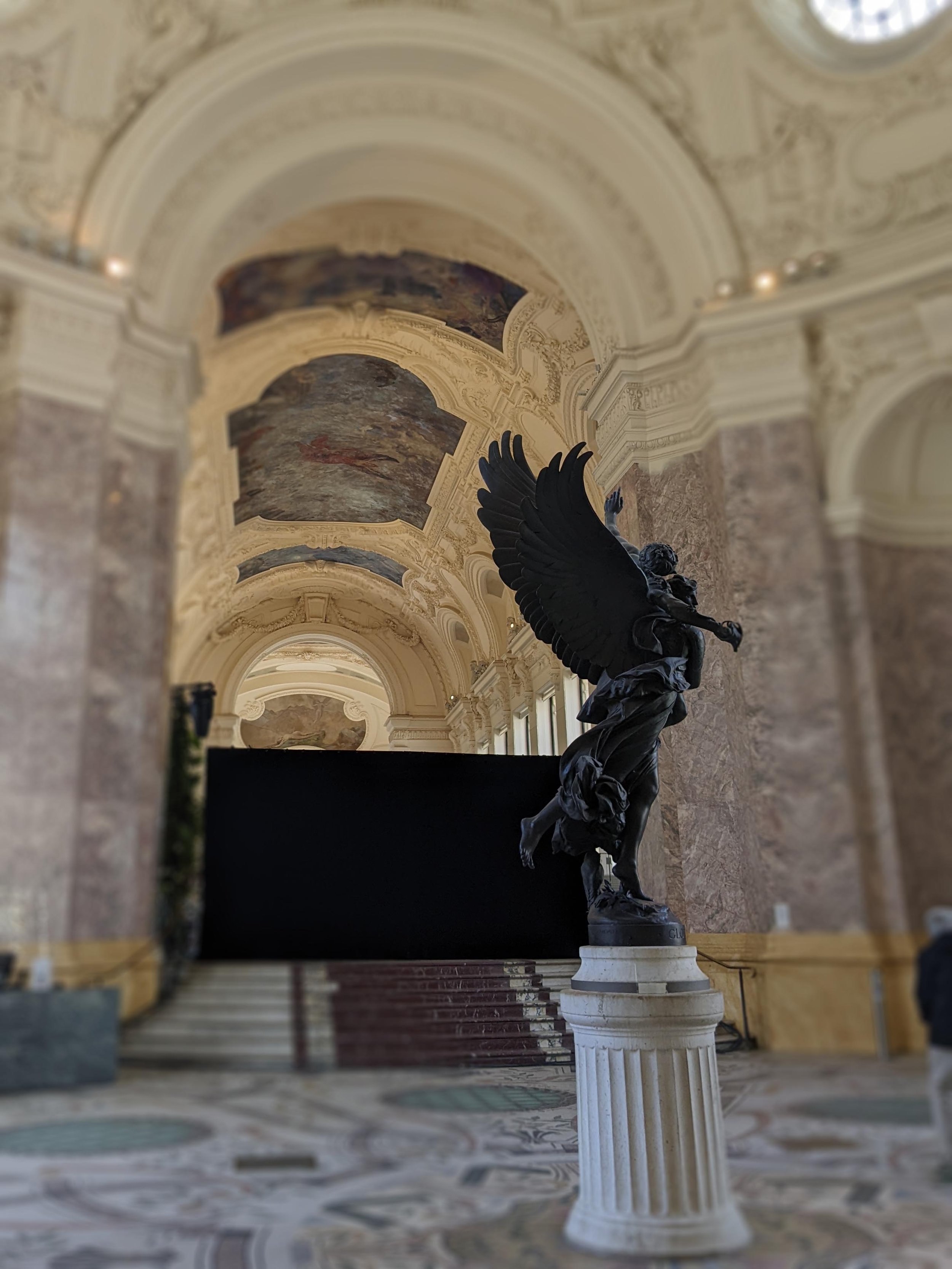
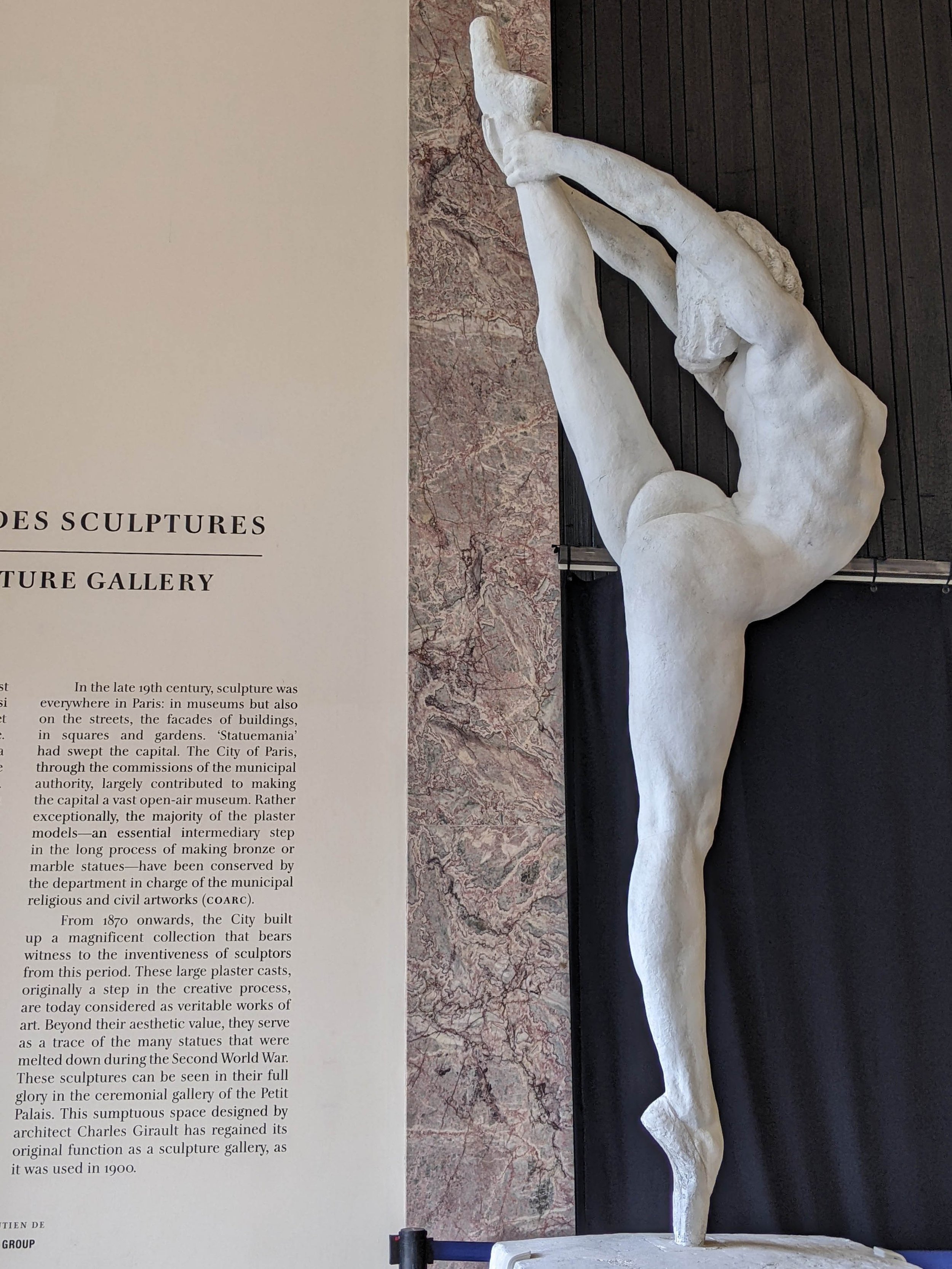
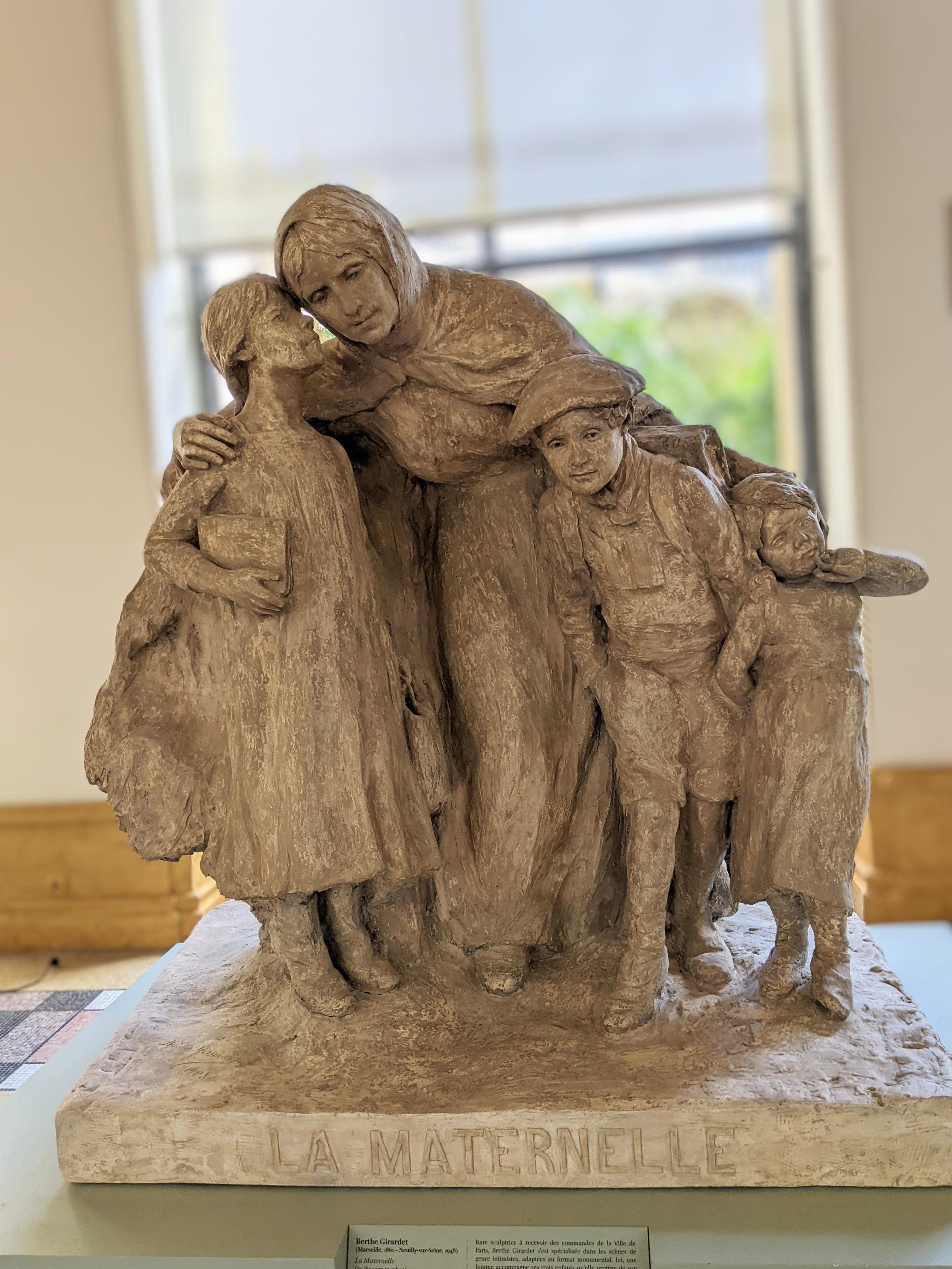
The Other Art Gallery- The Petit Palais

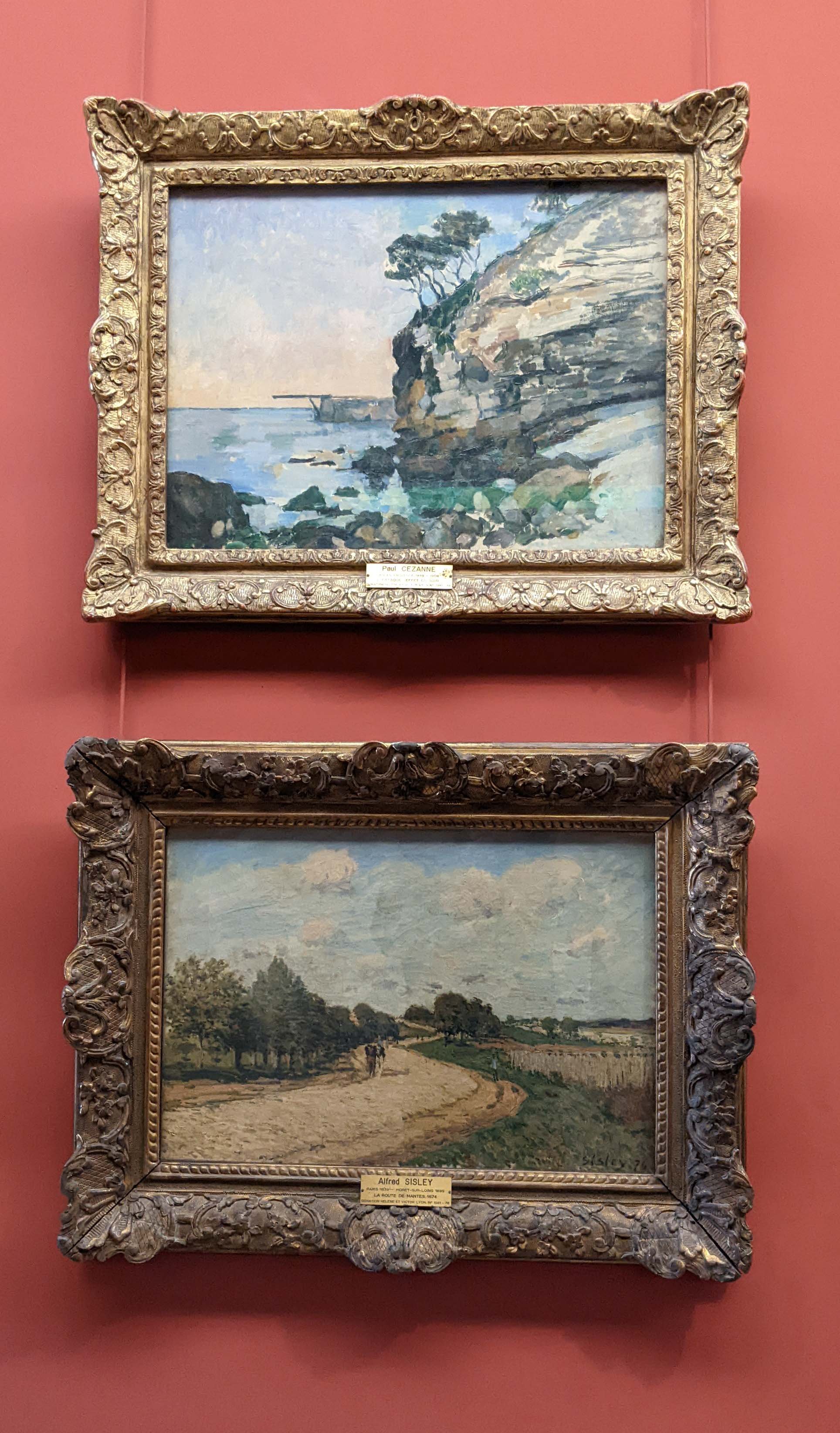
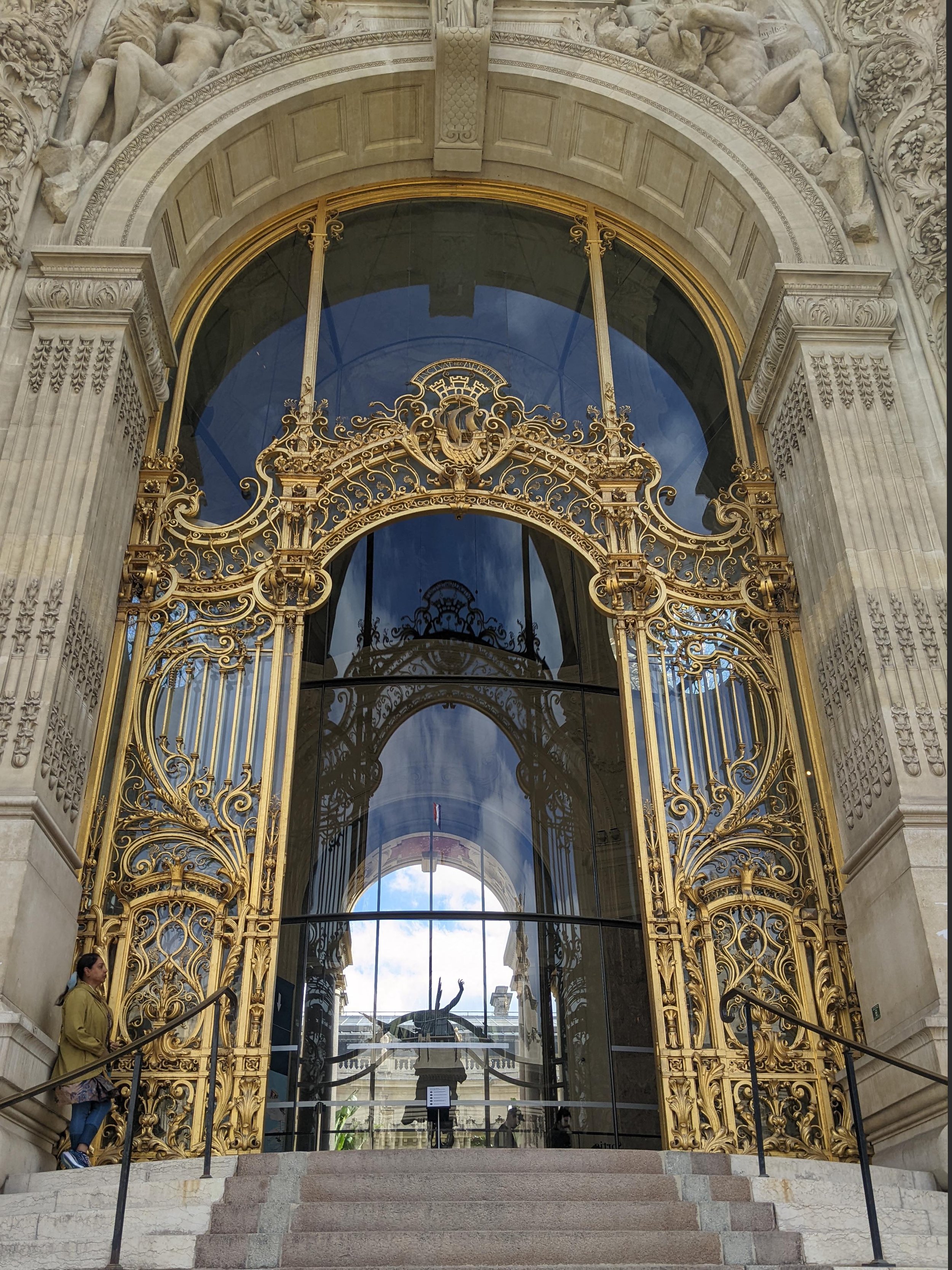
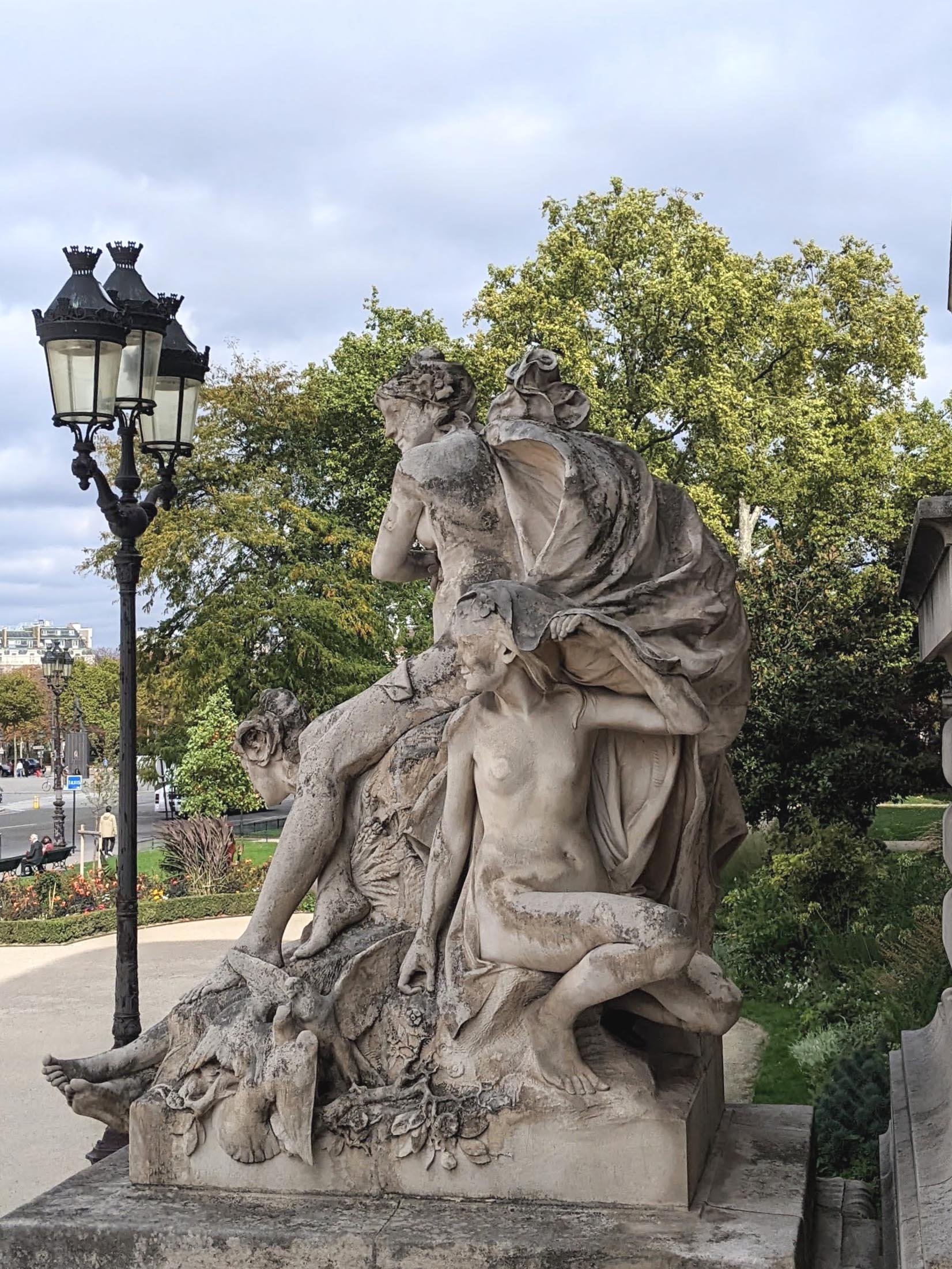
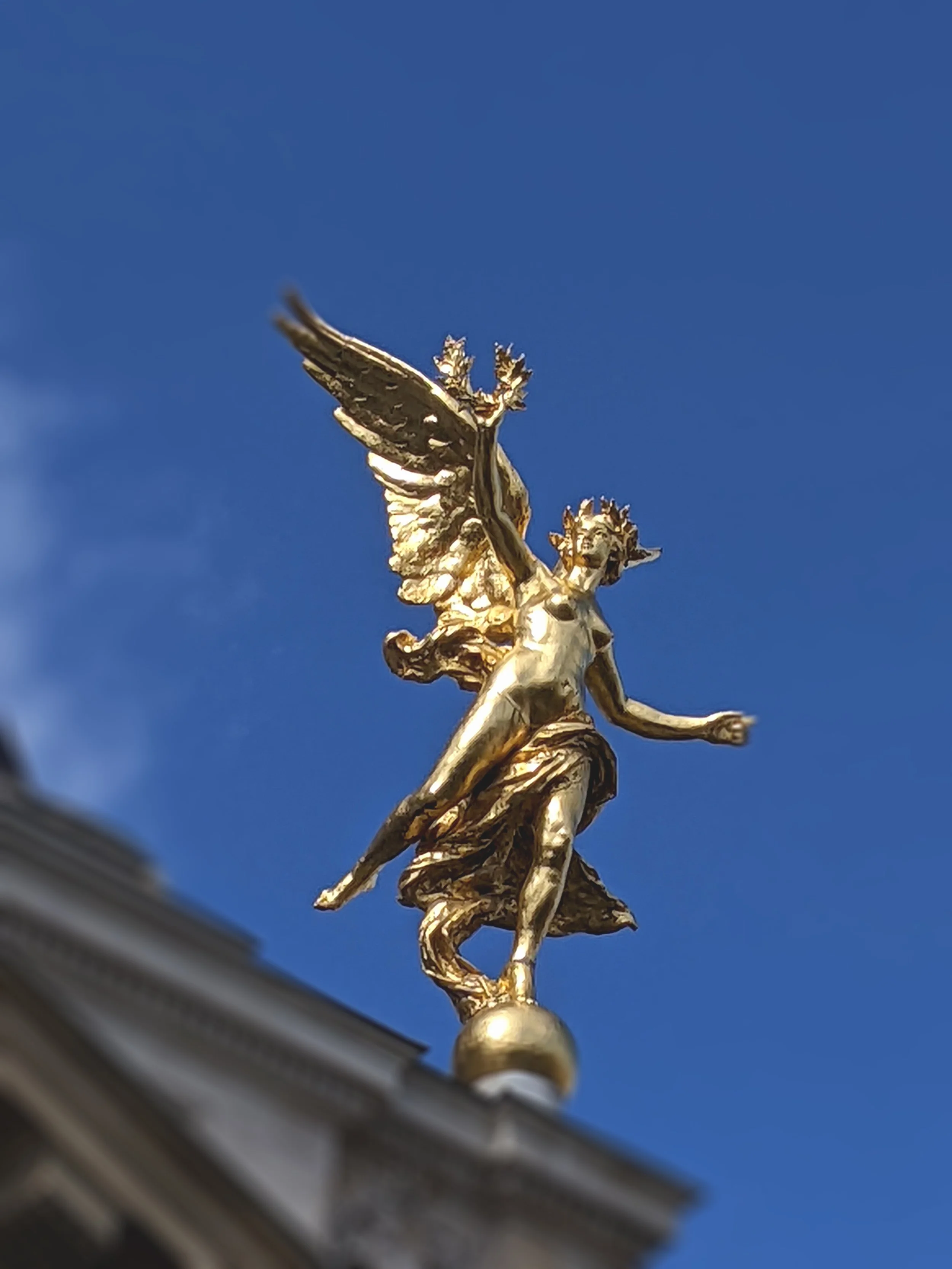
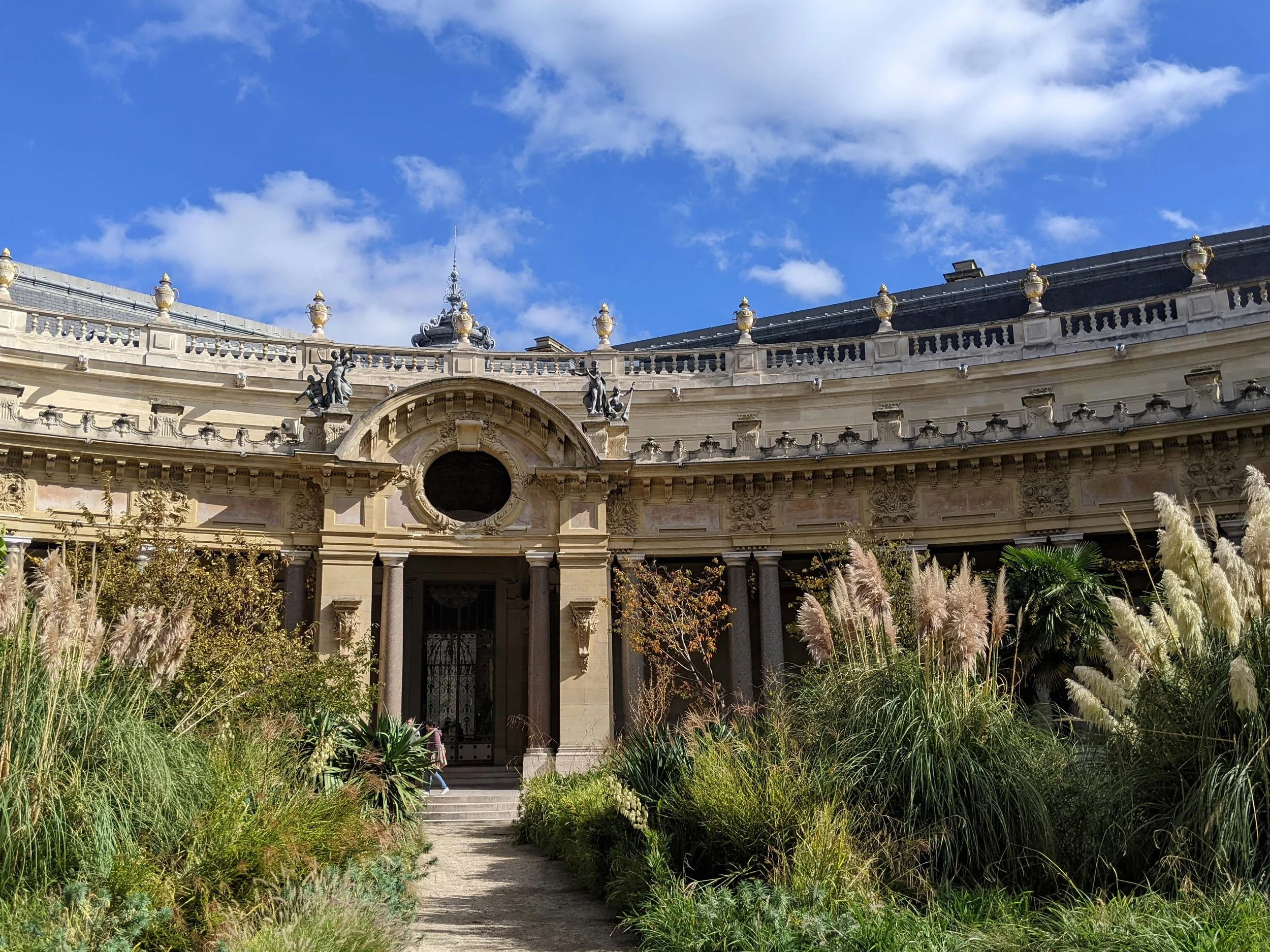
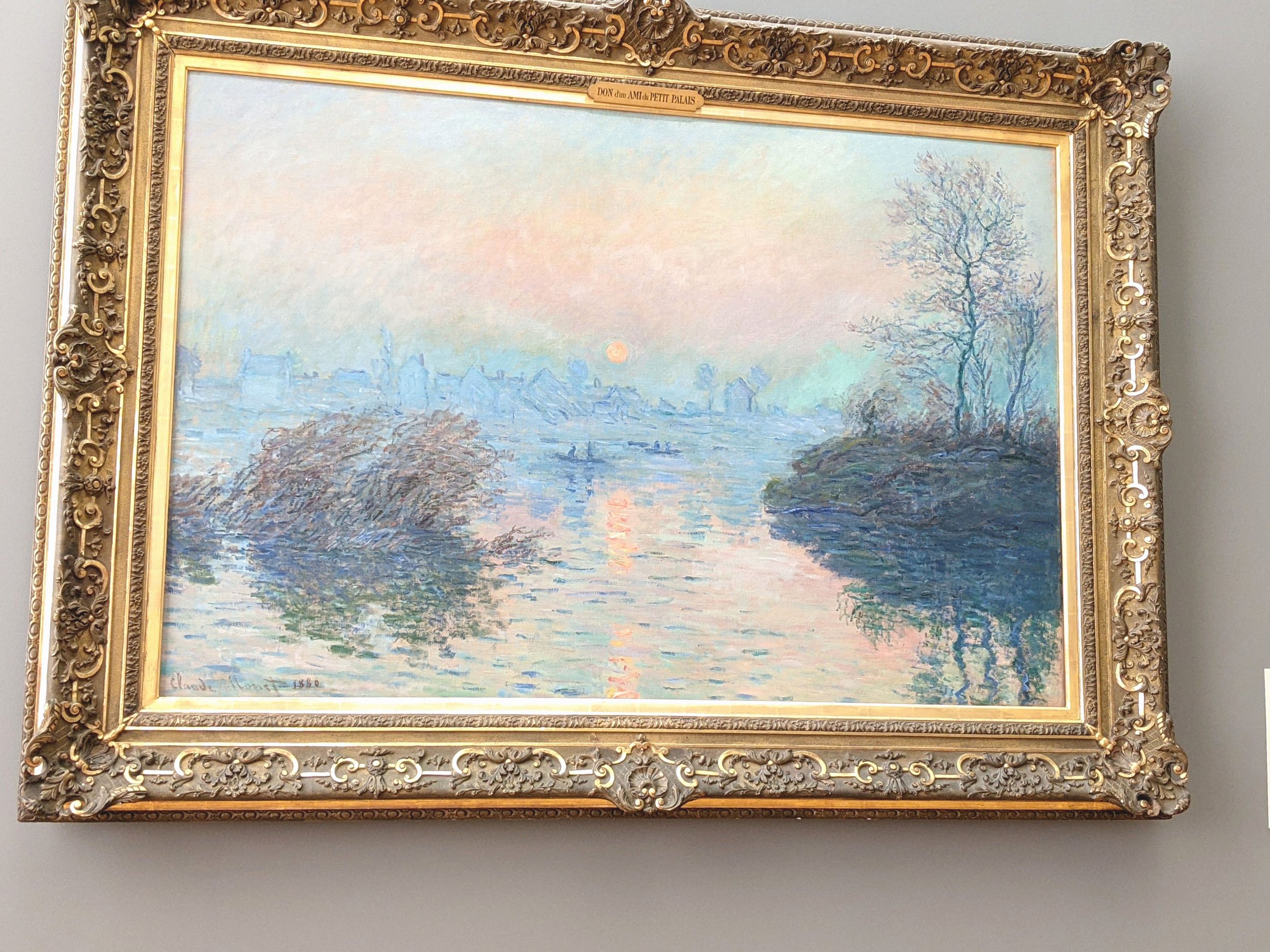
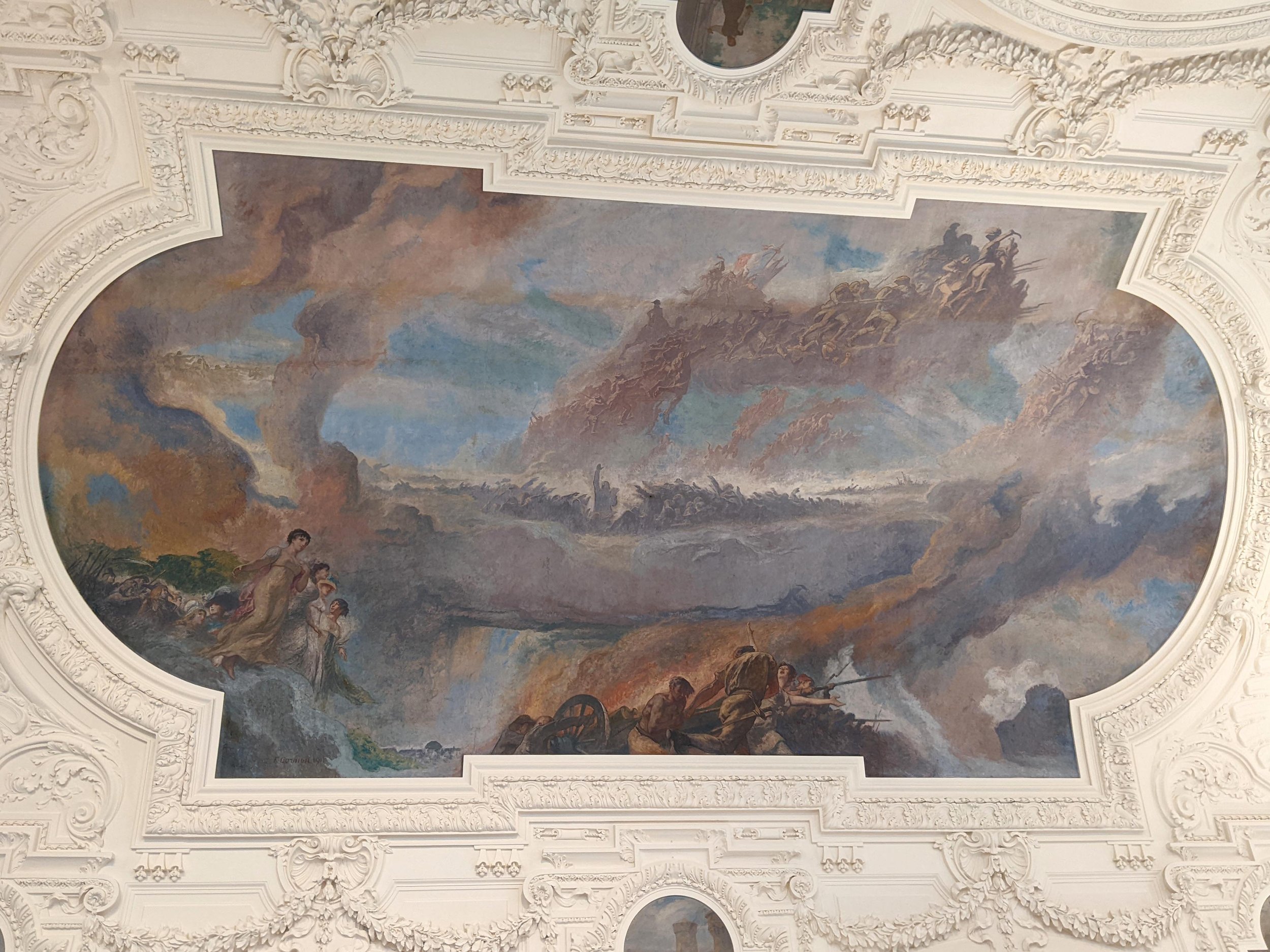
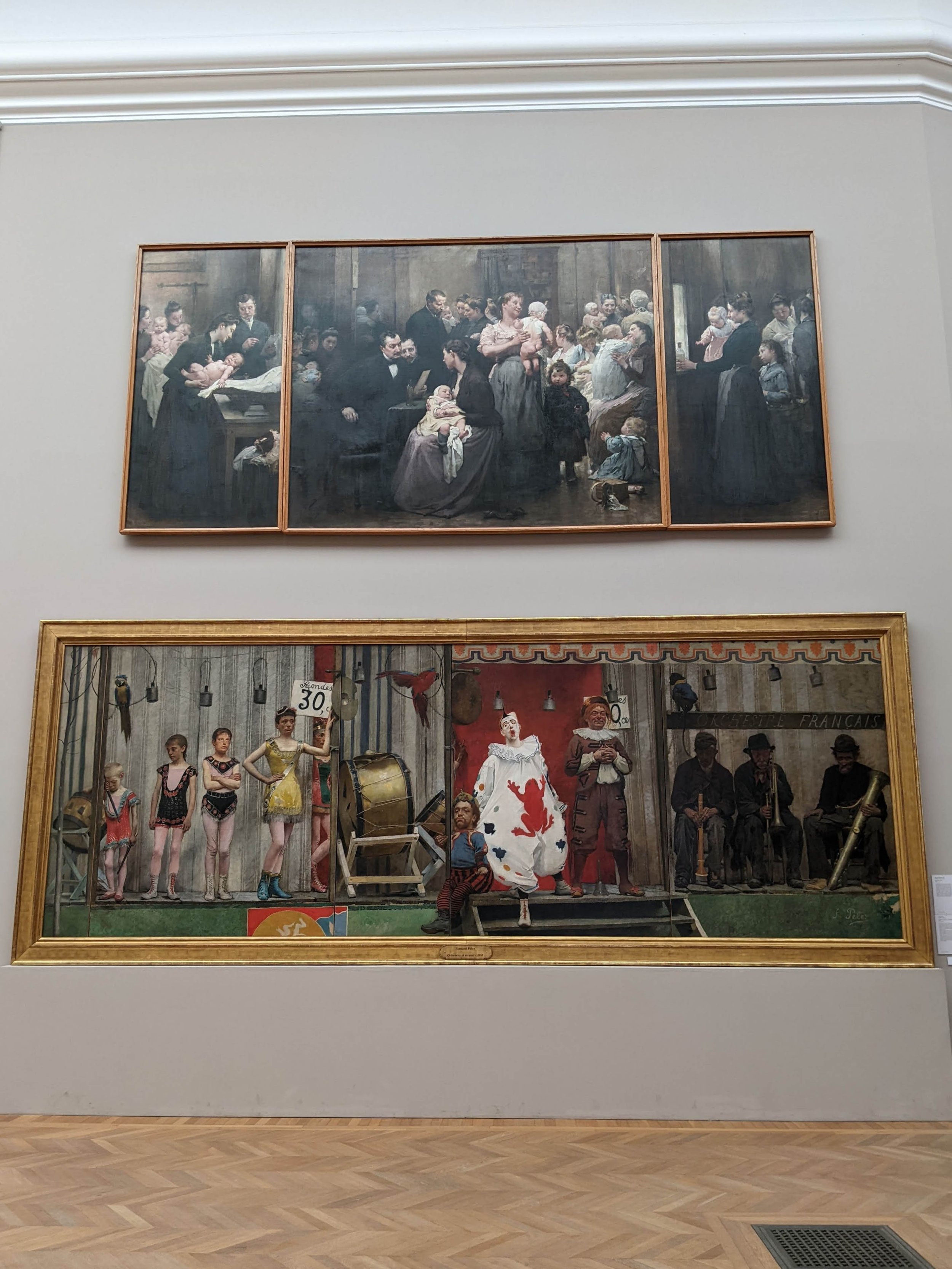
While in Paris, another must-visit art museum for art lovers is the Petit Palais.  This building was built for the 1900 World Fair, and now houses the Paris Museum Of Fine Arts.

17.jpg
16.jpg
2.jpg
1.jpg
3.jpg
15.jpg
13.jpg
14.jpg
12.jpg
7.jpg
9.jpg
8.jpg
6.jpg
11.jpg
10.jpg

We were lucky that during our visit, a ‘free entrance’ promotion was on. Though much smaller than the Louvre, it still takes an hour to view the exhibits.

All in all, Paris galleries are a delight for art lovers and rightfully deserve a place in your itinerary.

In Arts, Multicultural, Travel Tags mona lisa, Mona Lisa, Louvre, Paris, Art gallery, Leonardo, Petit palace, Petit palais, Paris museum of fine arts, Museum, #arts, art
Comment

Homer Simpson

November 12, 2022

Before we move on to the subject, let me first establish my credentials as an avid viewer of all things cartoony. I won’t officially class myself as a ‘cartoonaphiliac’, but from a point of view, I would be close 😊.

Looking back, when I was growing up, comic strips like Disney, D.C, and Archies comics had been the main source of entertainment. With the advent of colour television in the country (…yes, I am that old!), shows like ‘The wonderful world of Disney’ took my fancy, which was then followed by numerous other shows like ‘What’s up Doc?’, ‘The Bug Bunny Show’,’ Cartoon Network and the like. I can even remember that at one point in time in my life ‘Animation’ was on the table as a potential career choice.

The Simpsons

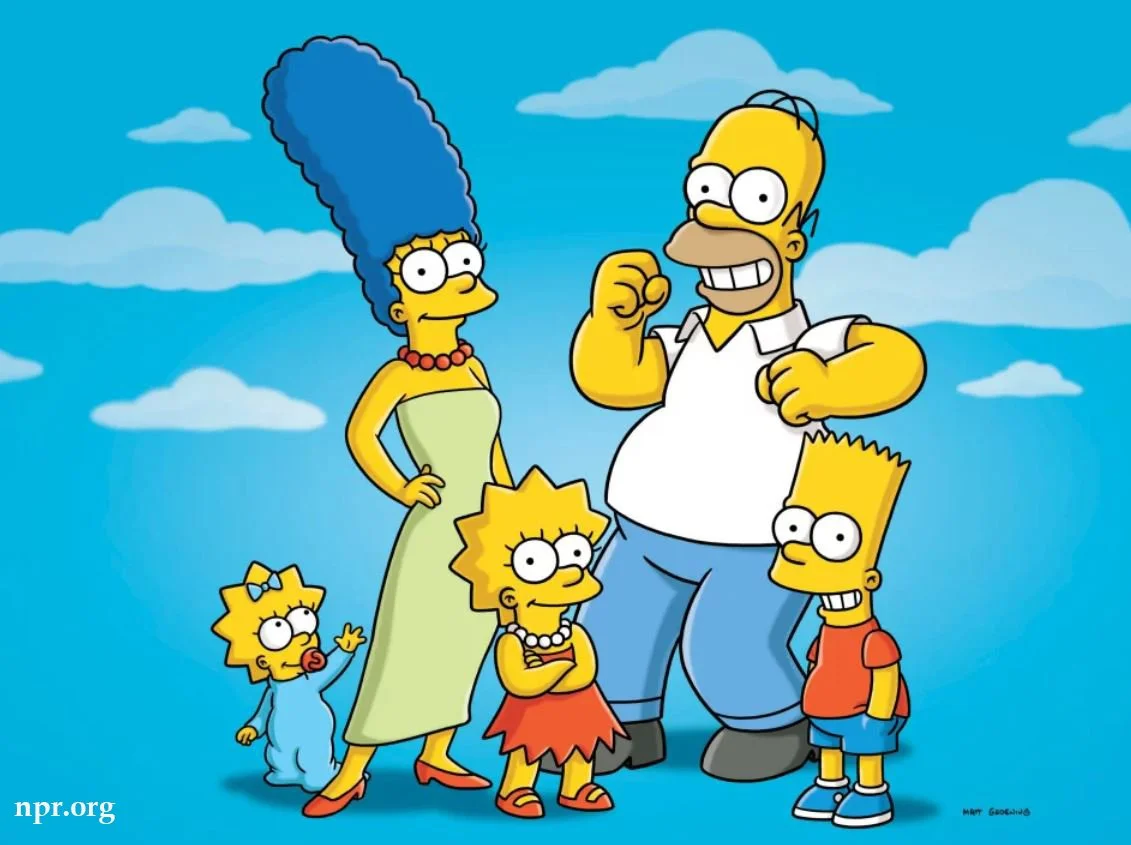
In 1987 cartoonist Matt Groening created the character Simpson for Tracy Ulman’s show which in 1989 turned into a prime-time TV series in its own right. The series was named ‘The Simpsons’ and connected to its audience like no other animation series prior with the exception of Looney Tunes which was televised some 40 years before. Initially aired as a series on ‘Fox’ television, the show was later acquired by Disney in 2019. More than three decades on, Simpsons is still going strong, and one wonders what is there in the characters that attract us so.

IMAGE FROM NPR.ORG WEBSITE

Homer J Simpson

Homer is the leading character of the show. Interestingly, Homer is not our typical hero, he has no supernatural powers like DC Comics characters such as Superman or Batman with bulging muscles and a cape. He is overweight, bald, lazy, generally incompetent, and often ignorant of the world around him. He is a blue-collar worker, with limited intelligence or training who has been given the seemingly ‘non-important’ job of a safety inspector in a nuclear power plant; and to top this off, he is negligent towards his duties. He loves his beer and doughnuts, and at home prefers being a couch potato senselessly watching television, eating snacks, and drinking Duff; his favorite beer. In a nutshell, if at all, Homer represents society’s idea of a Loser.

One wonders why then; we have fallen in love with this ‘anti-hero’ character and have been welcoming him in our lounges for nearly three decades and counting.

My quick inquiry with Dr. Google on ‘why do people love homer Simpsons character’; resulted in 2.2 million hits in less than half a second. If nothing else it proved that while this question may not be the most important question the world is thinking about, it is out there.

Homer represents the ‘average’ person in us. Although far from an ideal husband (according to Marge, ‘loud, crude, and piggish’), he truly loves and respects his wife. He has demonstrated the virtues of a long-lasting relationship and while their relationship is challenged at times, he compromises and tries to stand by his wife and manages to pull through and retain his marriage even during hard times. He is always willing to work on his relationship and continued to find ways to rekindle his love for his wife.

He works ‘hard’ (although, this in most cases means taking a nap on his work desk at the nuclear plant) to put bread on the table for his family. Though occasionally he tries to strangle Bart, he is shown as a loving and caring father, who works hard toward fulfilling his children’s needs and whenever Bart, Lisa, or Maggie needs him he is there.

He is overweight but comfortable with his obesity and as a matter of fact, at times uses his fat to his advantage by absorbing a punch or two on his flabby body.  Like some of us from generation X, he dislikes exercising, so much so that changing TV channels or answering the phone or the door is a choir for him.  He is lazy and proud of it and embraces the idea that it’s a waste of time to exert effort, on one occasion advises his children “, “Kids, you tried your best, and you failed miserably. The lesson is, never try.”

Homer loves food. The more unhealthy the food is, the more he likes it, his over-indulgence is followed by catchphrases such as “Mmm…..” , and extempore drooling. And who can forget his love for doughnuts, or he puts it “Donuts. Is there anything they can’t do”. He borders into a full-blown alcoholic and loves his beer and in one instance proudly acclaims “To alcohol, the cause of, and solution to, all of life’s problems.”

Homer lives in a floating timeline and his character never ages (we wish!!). He rarely shaves and his tan stubble has remained consistent over the years. I am sure, a number of us who are blessed with facial hair would love to have this trait. He is happy with his limited wardrobe of a white shirt with an open collar and short sleeves, blue pants, and grey shoes (Suits, eat your heart out!).

Homer adheres to no religion and only goes to church because his wife Marge forces him to attend. He does not exhibit any religious morality and frequently sleeps in church and refers to religion as “….the one with all the well-meaning rules that don't work out in real life….”.

Homer exhibits an eager mind that can retain a lot of knowledge in a short time frame. Like most of us, these short bursts of insight, creativity, and memory, are followed by much longer and more consistent periods of ignorance and stupidity. Homer is extremely confident about his knowledge and learning and similar to us; often, suffers from ‘I am right’ syndrome.

Homer’s contribution to English.

D’oh!. In 2001, the Oxford English dictionary which is widely considered as the leading authority on the English language added ‘D’oh’ to its list of more than 700,000 words. "Doh" is now defined as "Expressing frustration at the realization that things have turned out badly or not as planned, or that one has just said or done something foolish," 

‘Every time I learn something new, it pushes some old stuff out of my brain.’

Homer Simpson

HOMER AND MEDICAL SCIENCE

Homer has two real-world medical findings named after him. The first of these is ‘The first Homer Simpson Effect’ was published by the American Academy of Neurology in 2006 when researchers found that people with a higher BMI (Body Mass Index) tend to score lower on cognitive tests (D’oh!).

‘The second Homer Simpson Effect’ was published by Nature Neuroscience in 2015 when researchers used fMRI scans and behavioural tests to show that recalling visual memories and experiences can cause us to forget similar memories and experiences. This effect is perhaps better explained by Homer to Marge as ‘Every time I learn something new, it pushes some old stuff out of my brain.’

My tribute

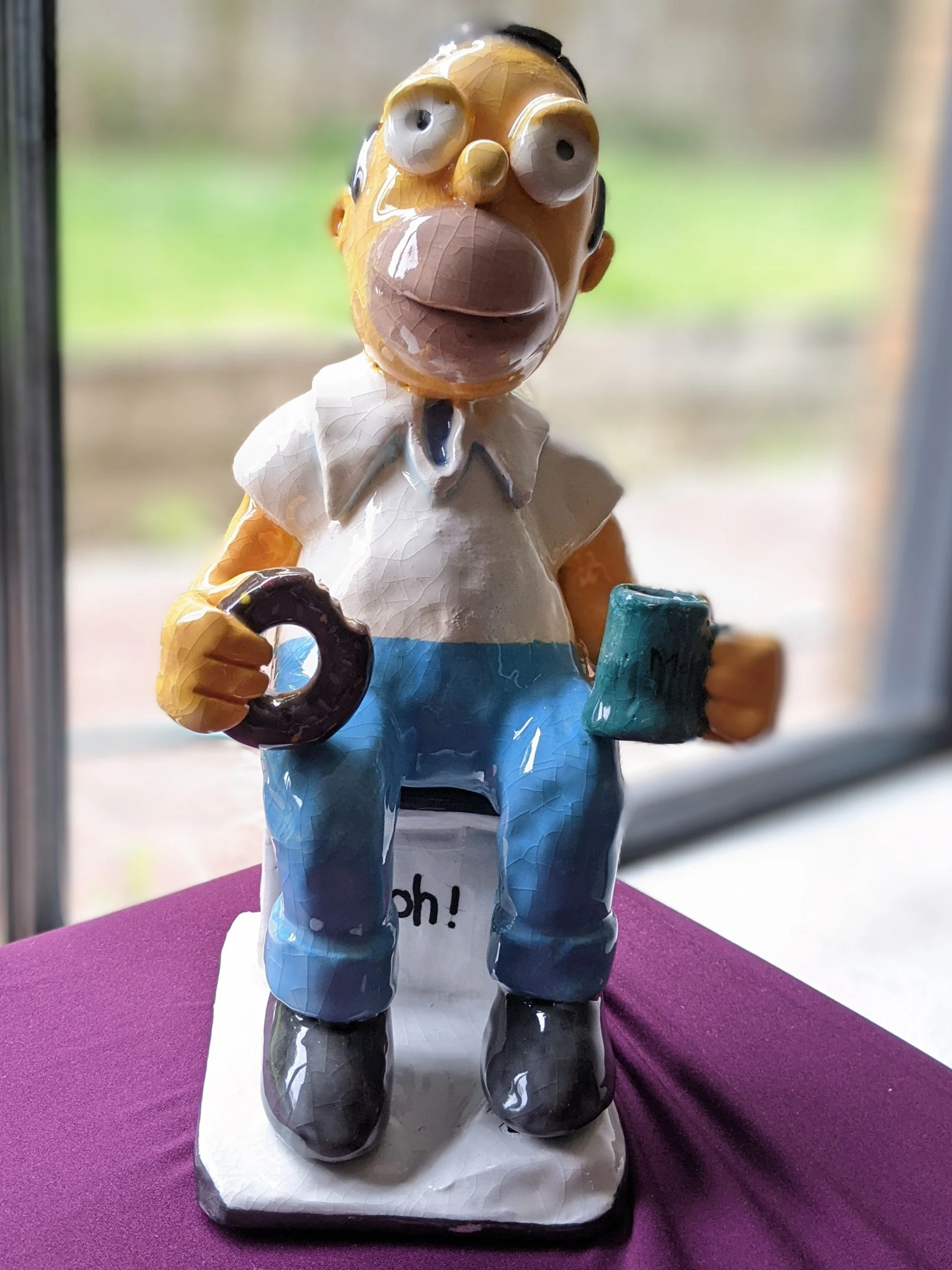
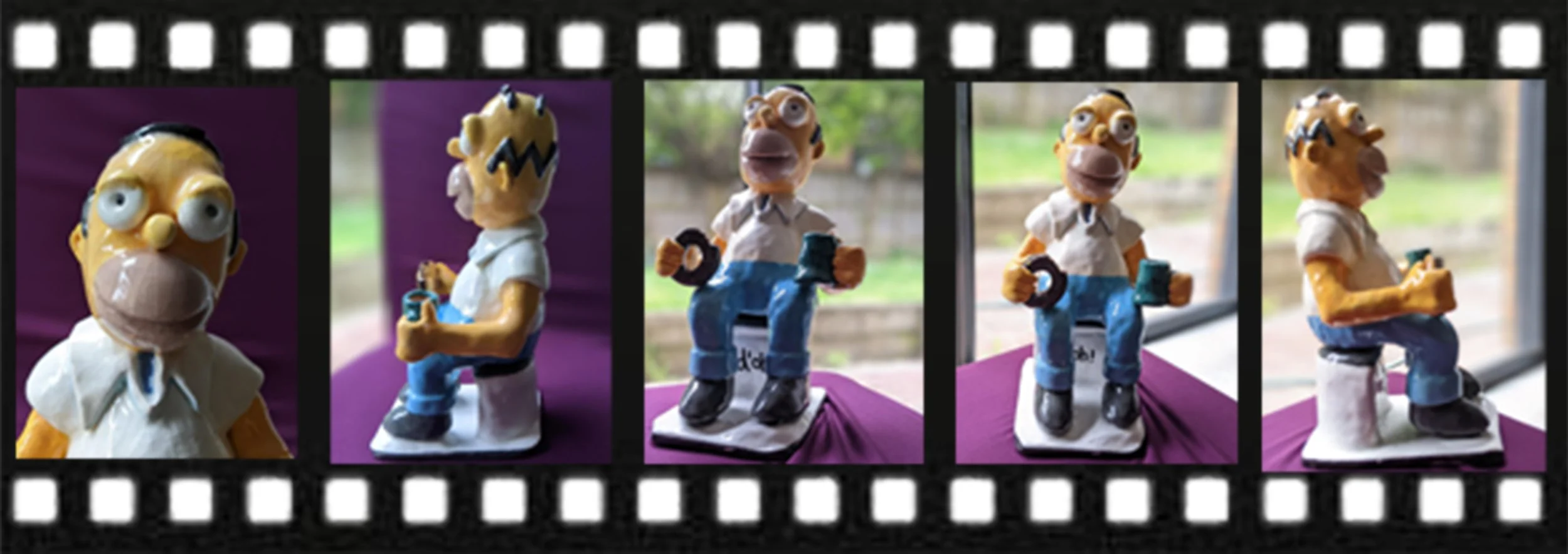
I had joint pottery classes recently and after failing to develop any notable skills on the potter’s wheel decided to try my prowess in sculpture. Homer’s statuette is my first go at this art form. Although I had gone through a steep learning curve during this exercise and at times was almost certain that I will end up exploding this figurine in the kiln, I think the results have been satisfactory and I have been able to capture the spirit of Homer and what this character represents.

My Homer Figurine

Homer and other characters of the show have found their way into our collective vocabulary. As Matt Groening himself puts it "People can relate to Homer because we're all secretly propelled by desires we can't admit to," and the fact that, “Homer is launching himself head-first into every single impulsive thought that occurs to him. His love of whatever...is a joy to witness."

The Simpsons present a satirical compendium on society’s attitude towards religion, the environment, politics, celebrity worship, education system to name a few. Although the series is American-centric, the problems and society’s approach to solving or; in most cases ignoring them are similar and perhaps this is why the show has developed a strong following in more than 90 countries in the world. According to one critique, “The brutal honesty of Homer’s personality as a whole is what makes him such a hilarious and loved character”.

Acknowledgment: Special thanks to die-hard fans on the web whose writings made the research for this article a breeze!

In Arts, cartoon, simpson, homer simpson Tags SIMPSON, HOMER, Homer Jay Simpson, homer, cartoon, pottery, homer jay simpson, doh, homersimpson, the simpsons
2 Comments

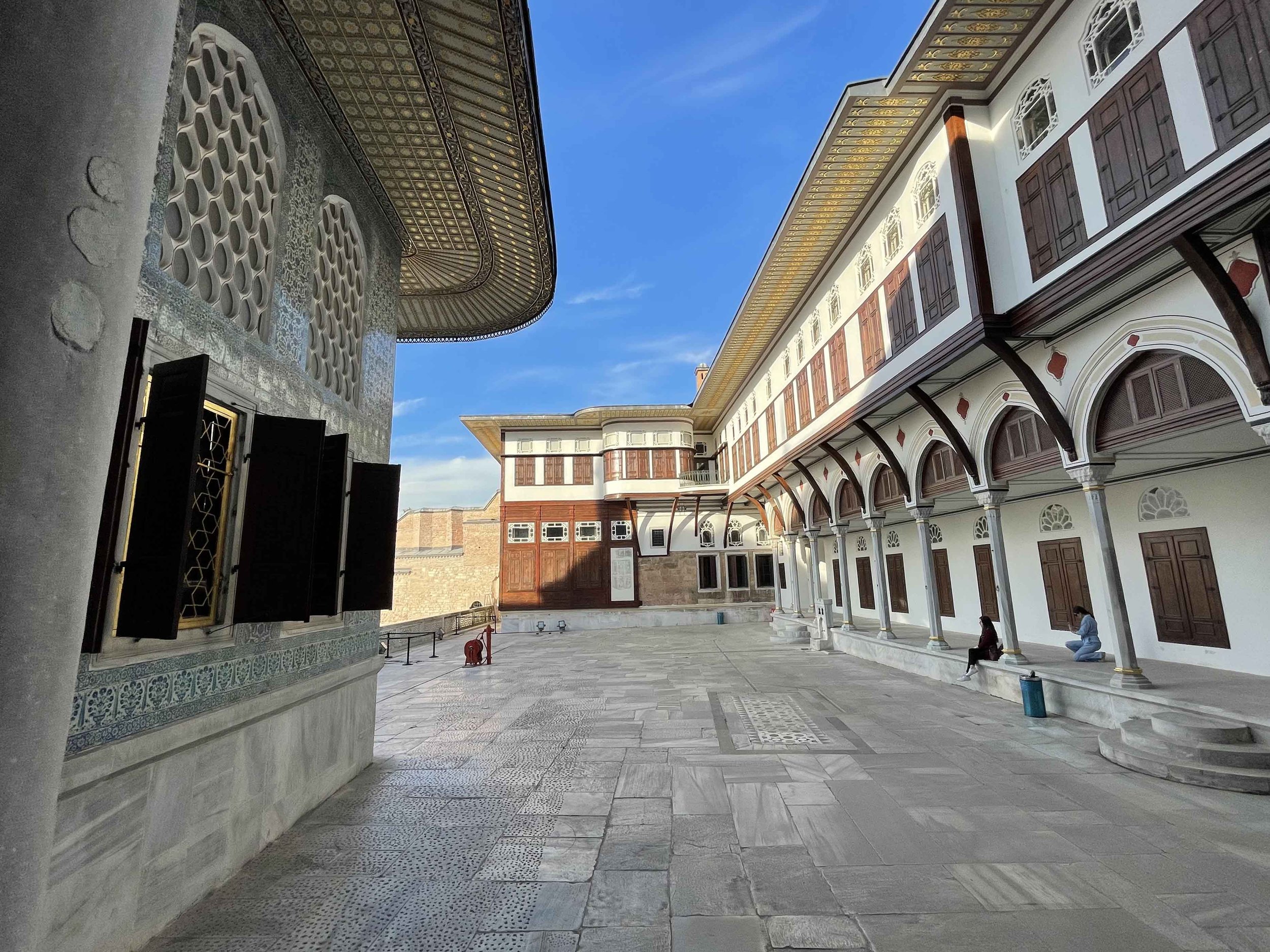
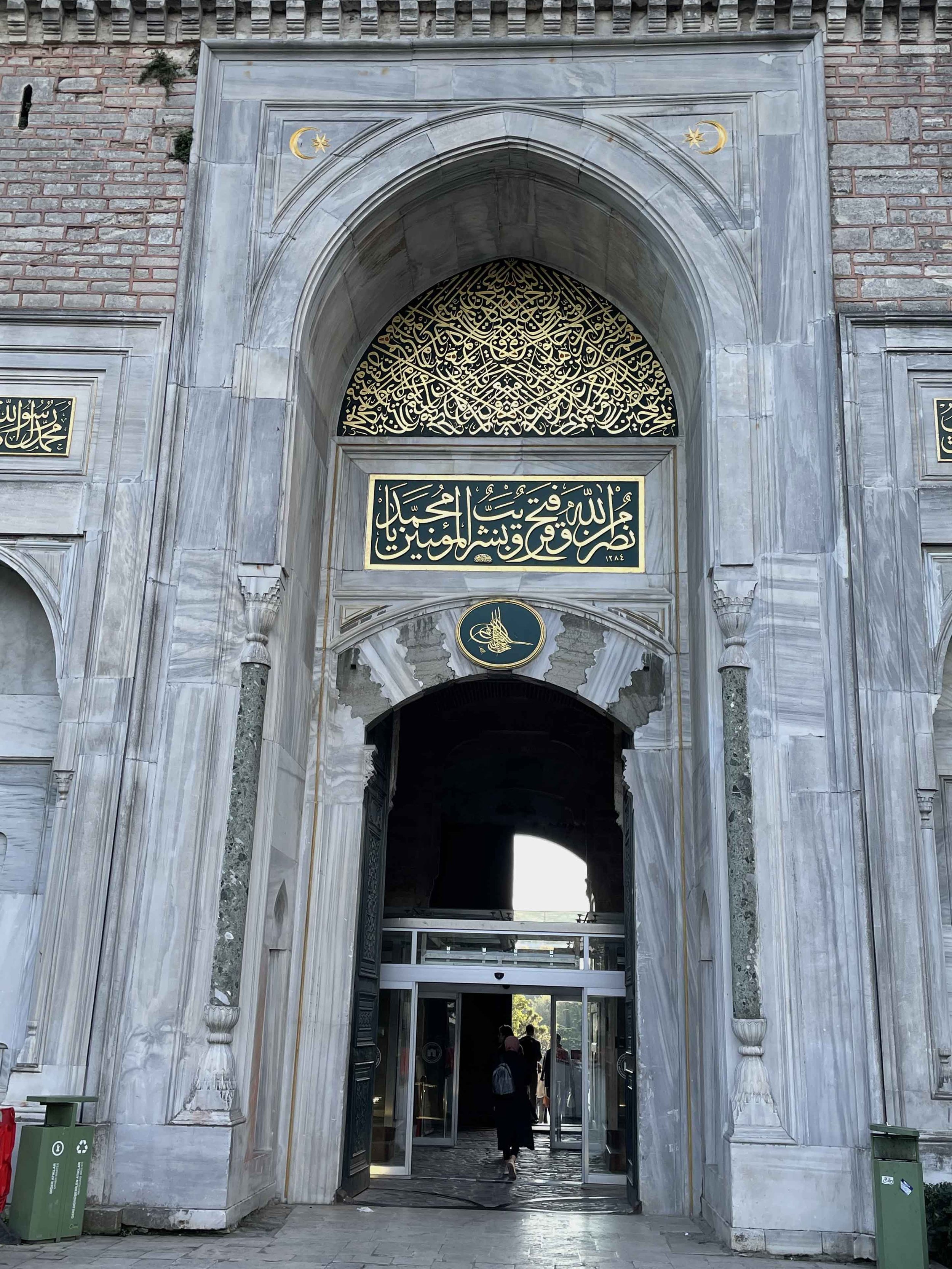
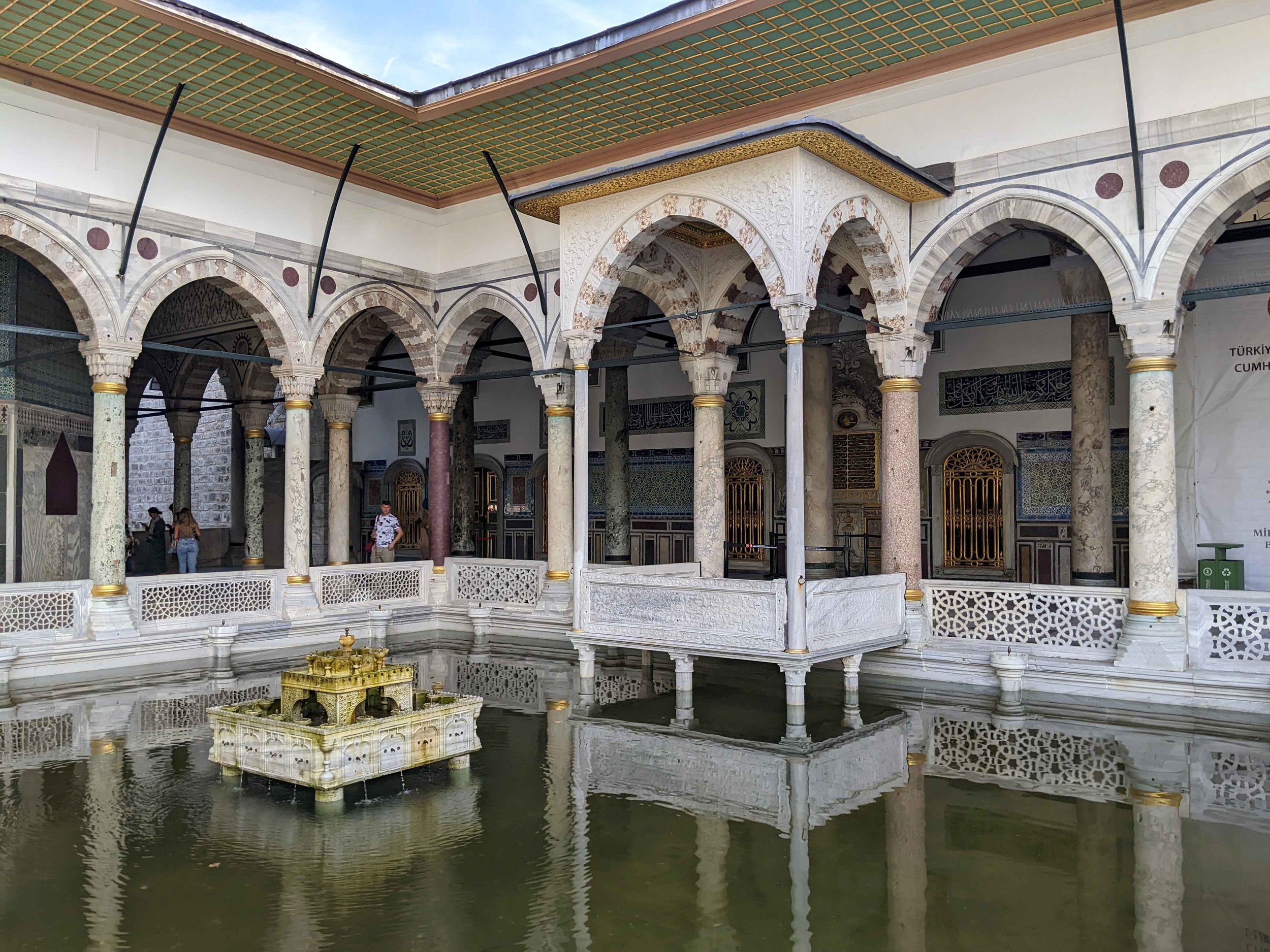
Topkapi Palace

October 29, 2022

I feel that the best part of Istanbul’s historical sites is that they seemed to be concentrated in pockets. You catch a tram to one location and chances are that you will be able to see a handful of places in a single visit. The pre-Covid hustle and bustle of tourist is back, which makes for a lively environment but unfortunately, also increases the chance of getting photobombed.

When we visited, a number of sites were partially closed to the public because of restoration works, luckily Topkapi Palace was open.

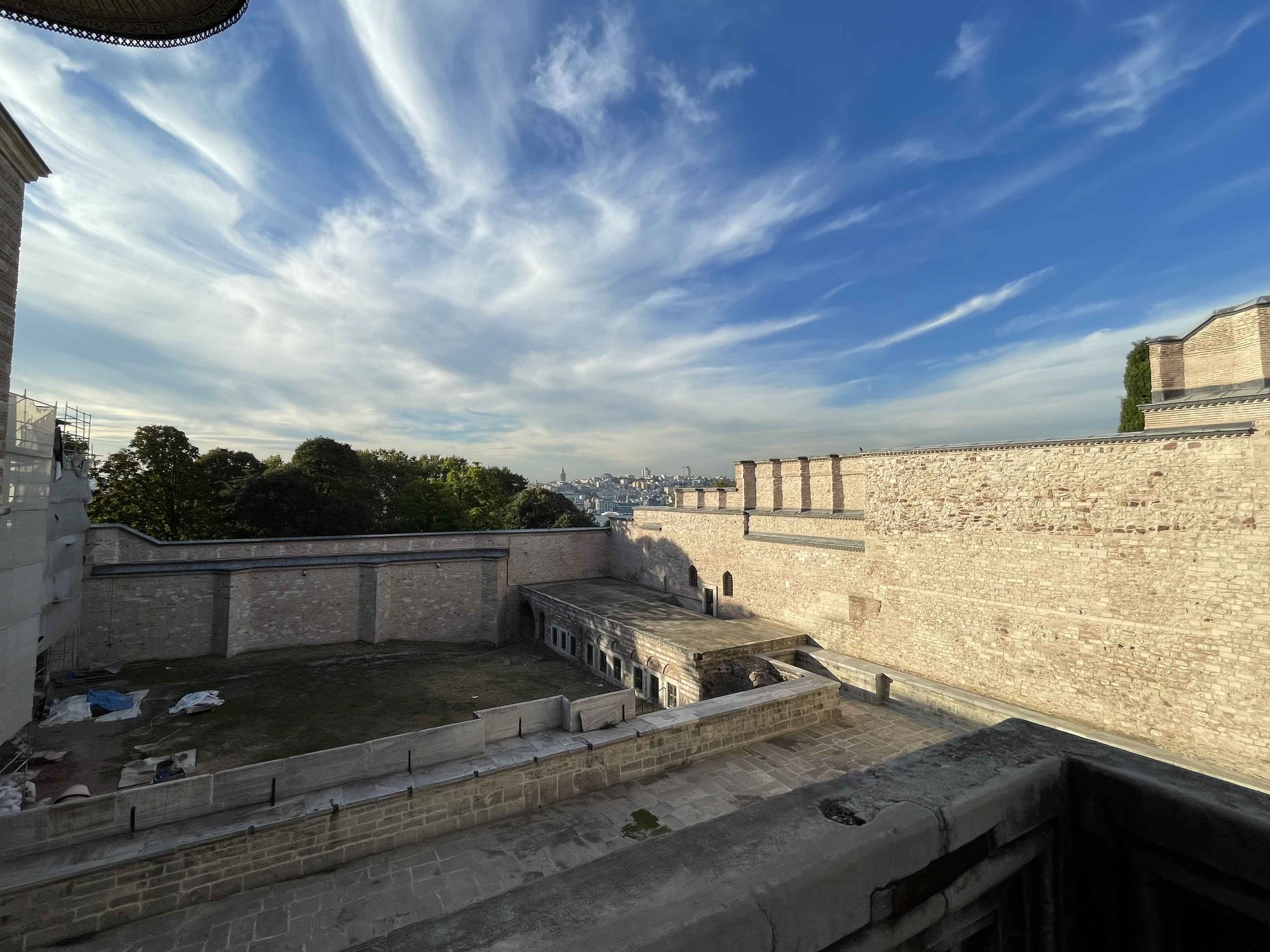
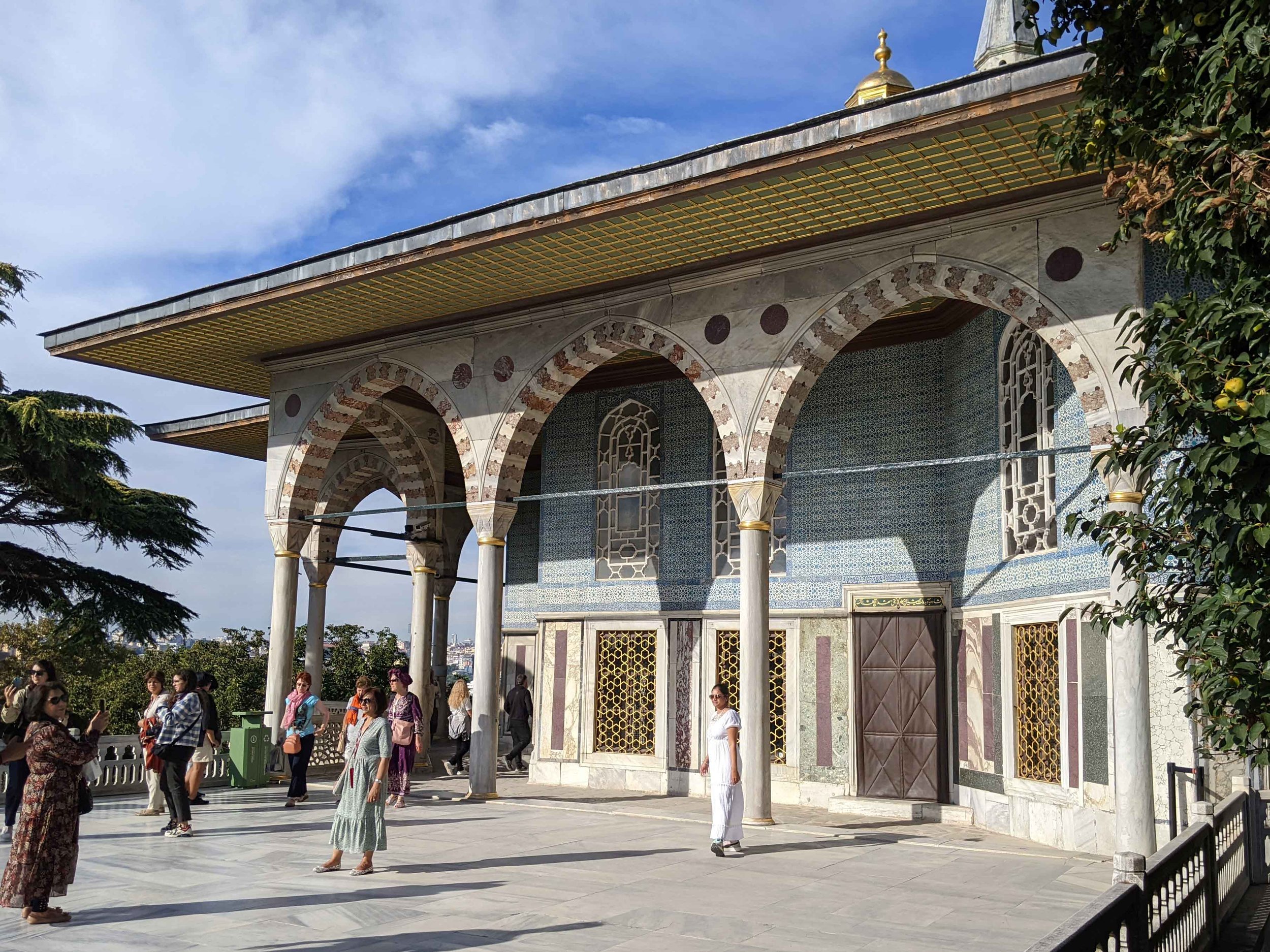
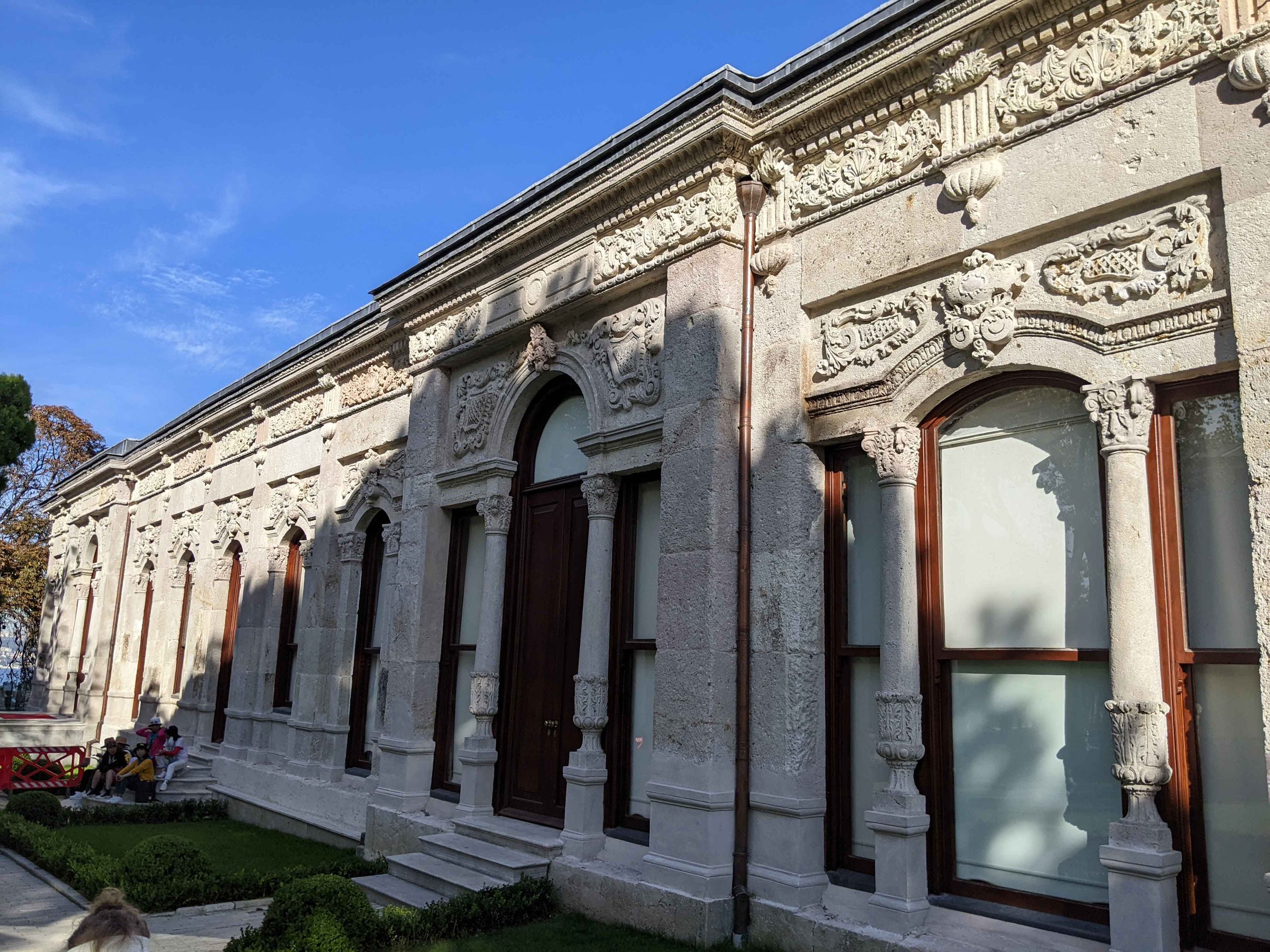
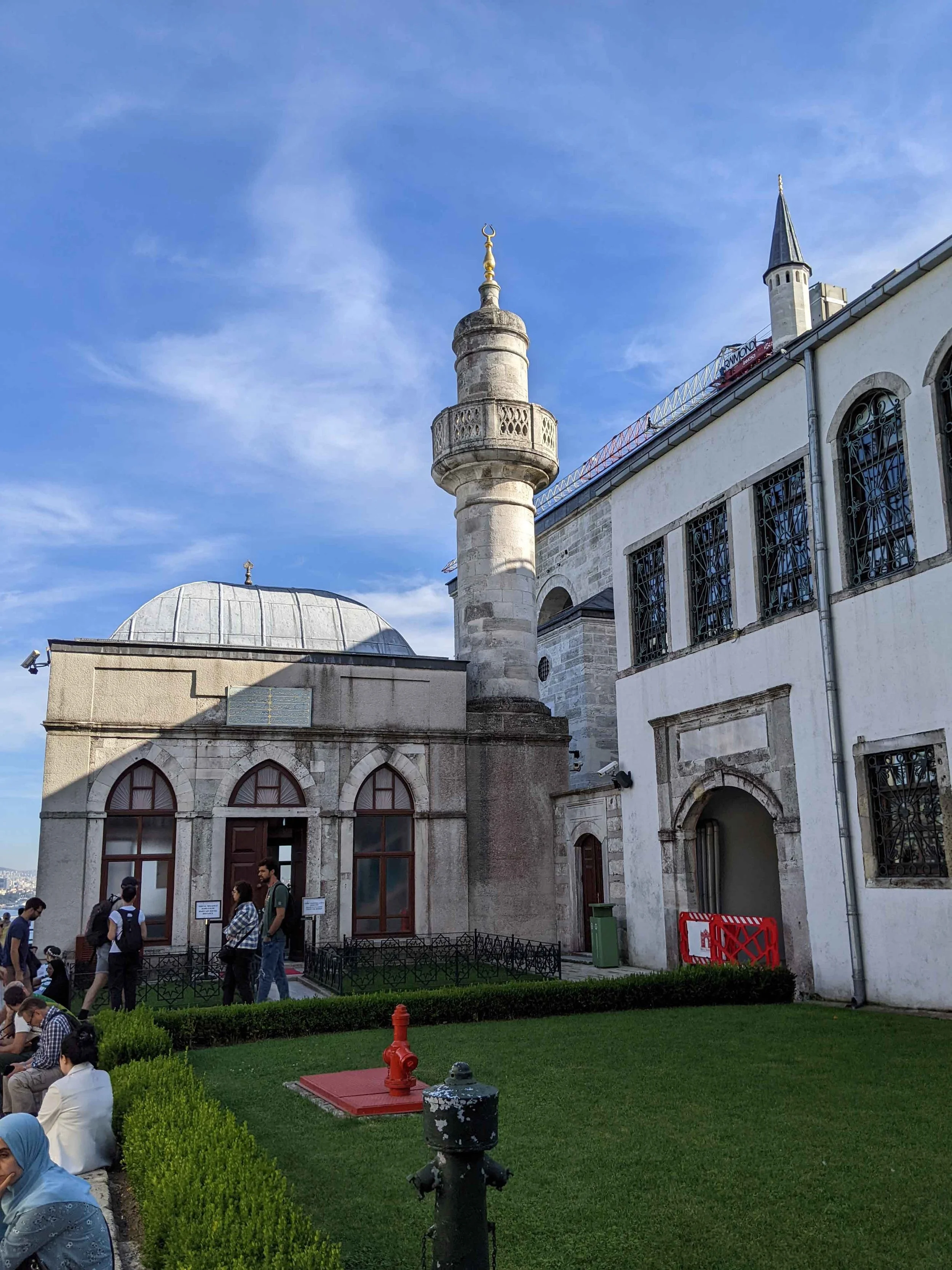
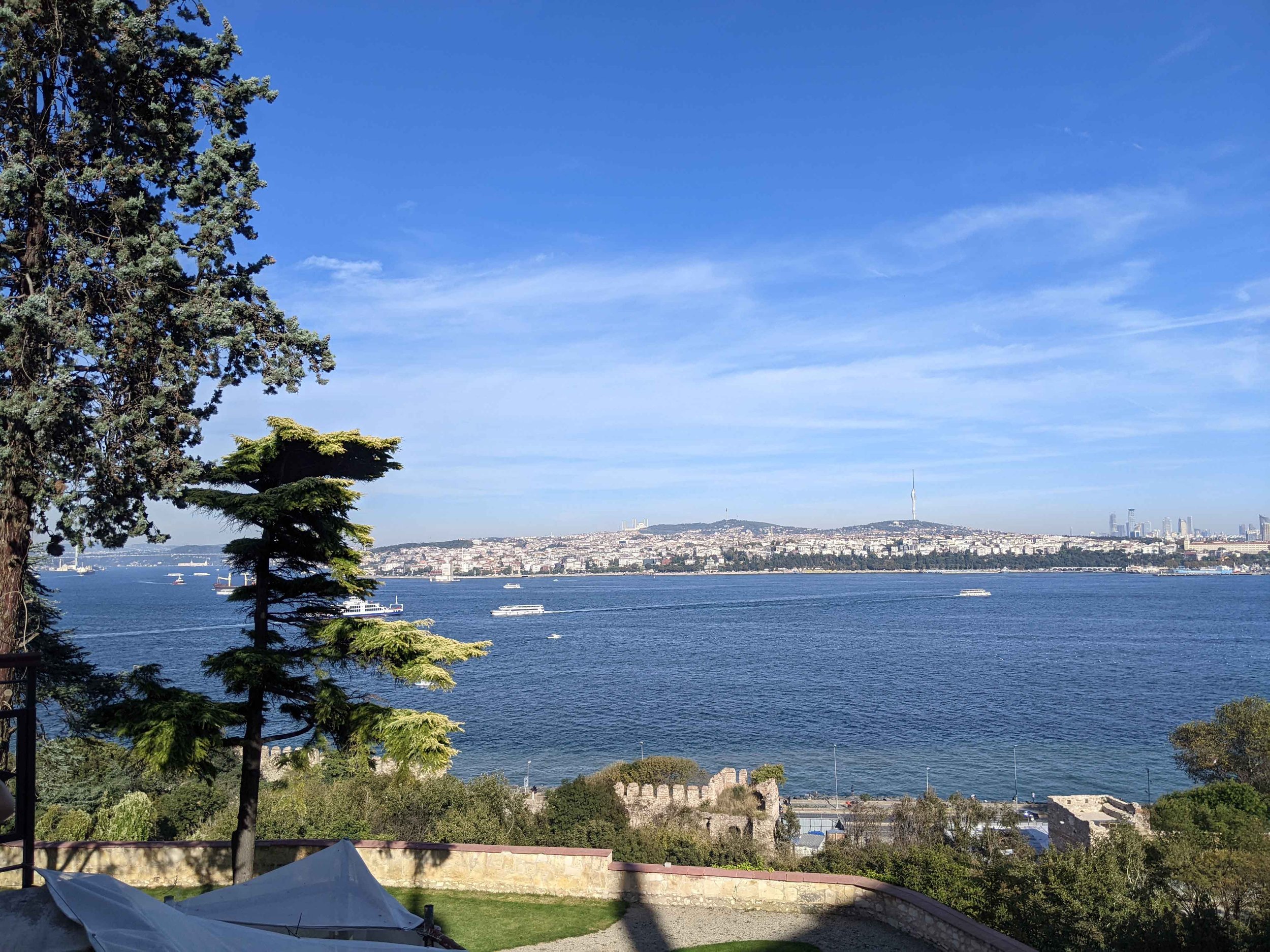
Topkapı Palace (literally translated as ‘Cannon gate palace’) was built by Sultan Mehmed II during the 14th century and is located in the historic peninsula bounded by the Marmara Sea, the Bosphorus Strait, and the Golden Horn inlet.

The palace remained the sultan’s main residence and center of government until the mid-19th century, after which the official residence was shifted to Dolmabahçe Palace. It was converted into a museum in 1924 when Turkey became a republic.

Spread over an area of 350,000m2, this palace, with its historic buildings, collections, and nearly 300,000 archive documents, is considered one of the largest museum palaces in the world.


THE MUSEUM

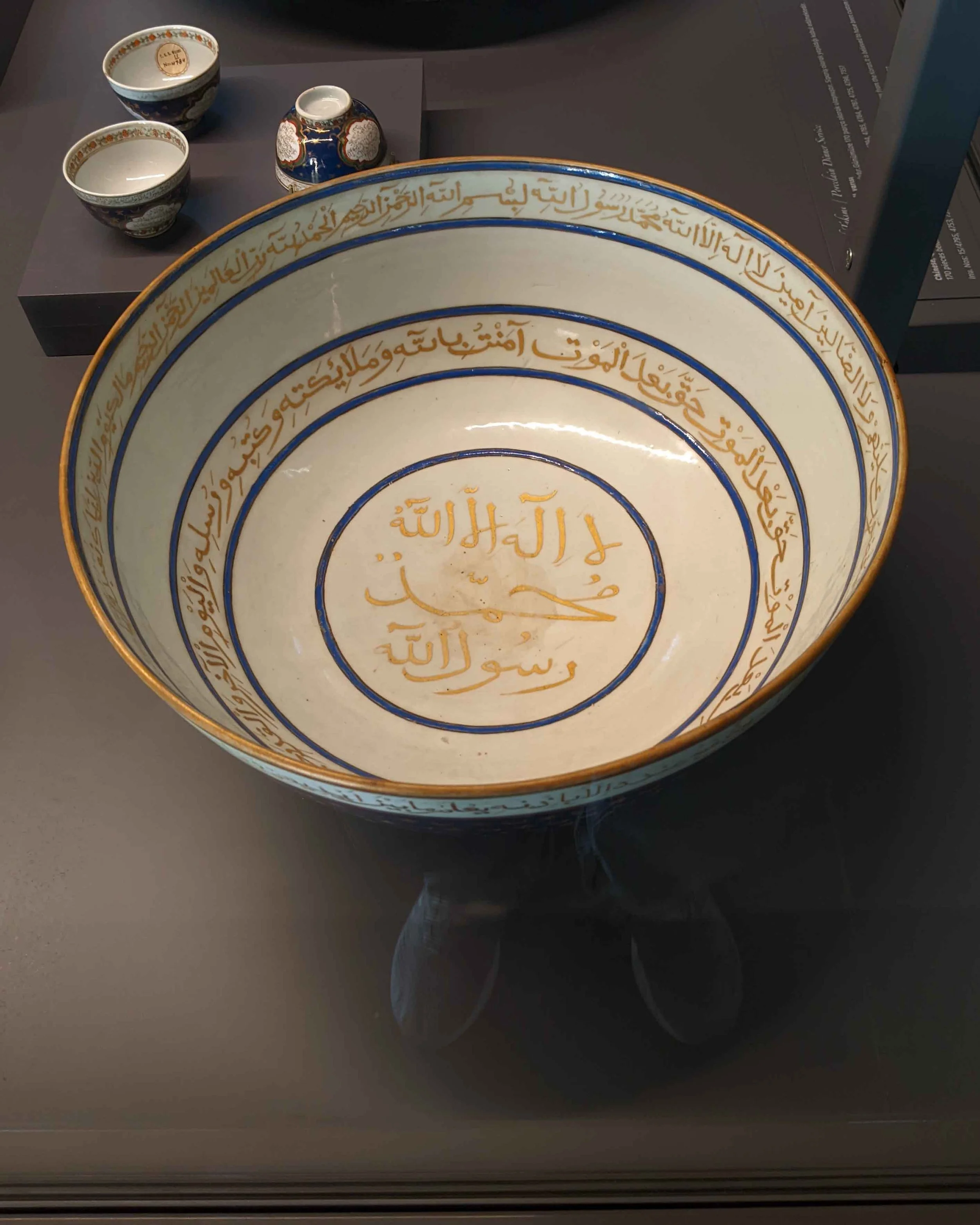
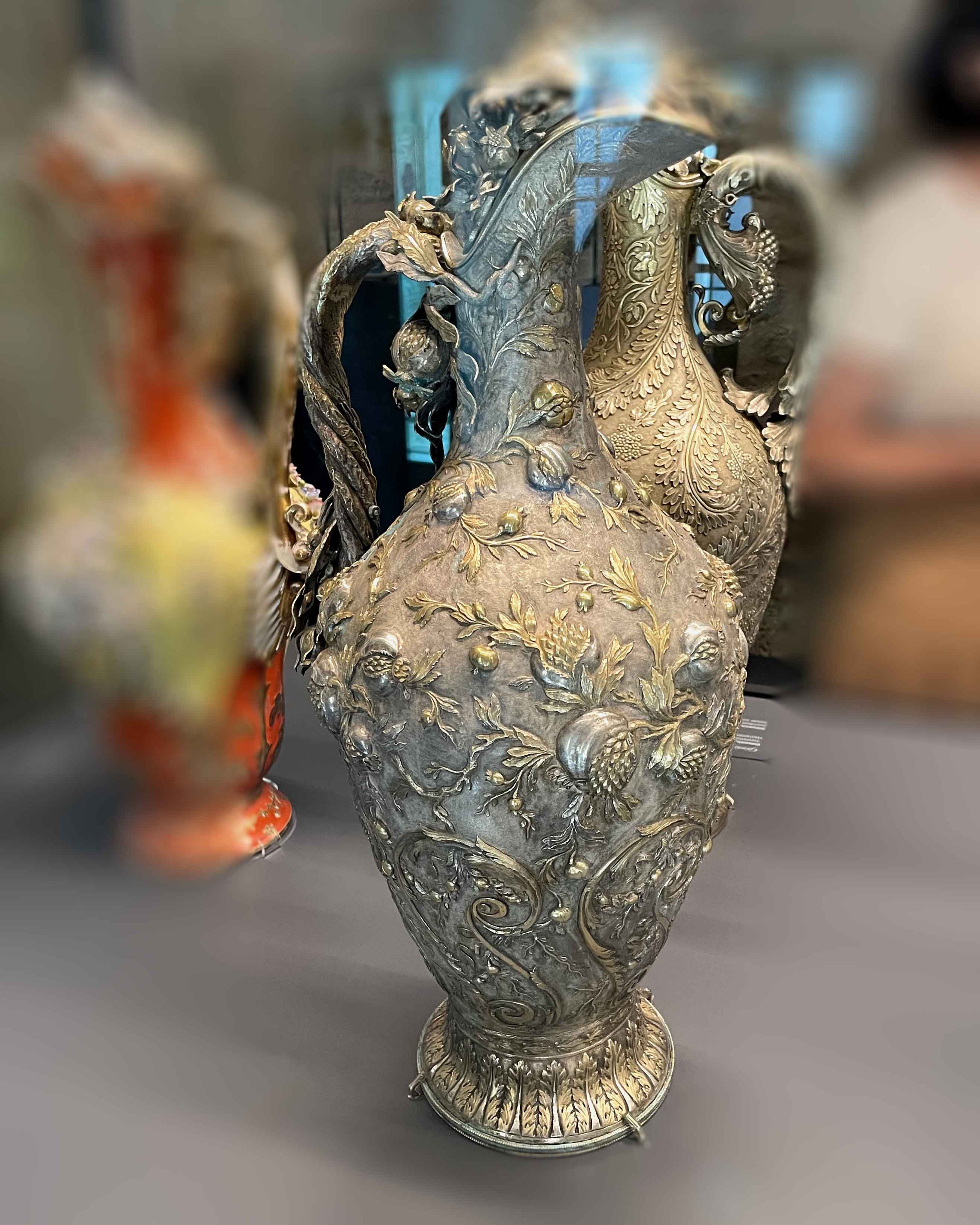
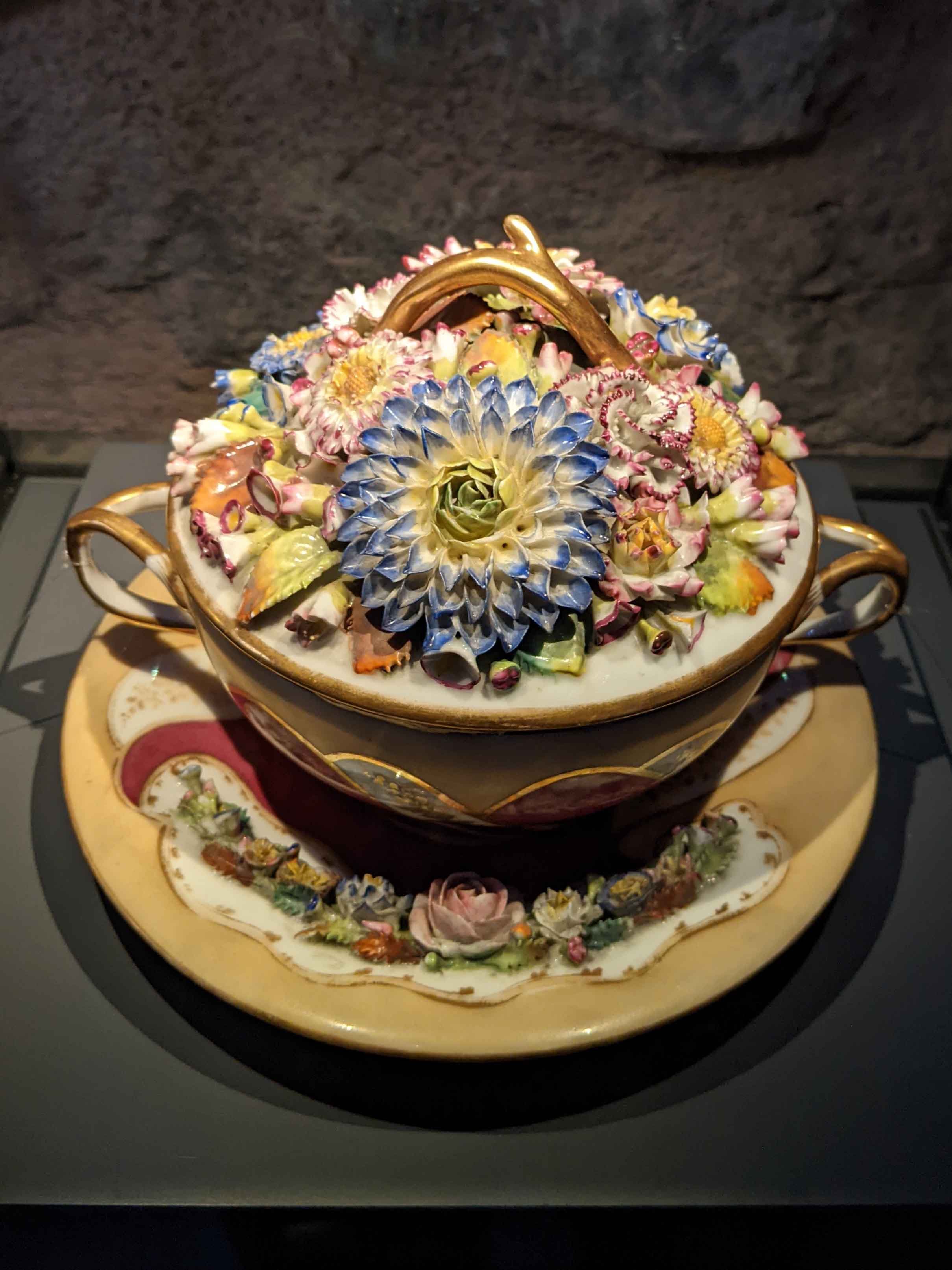
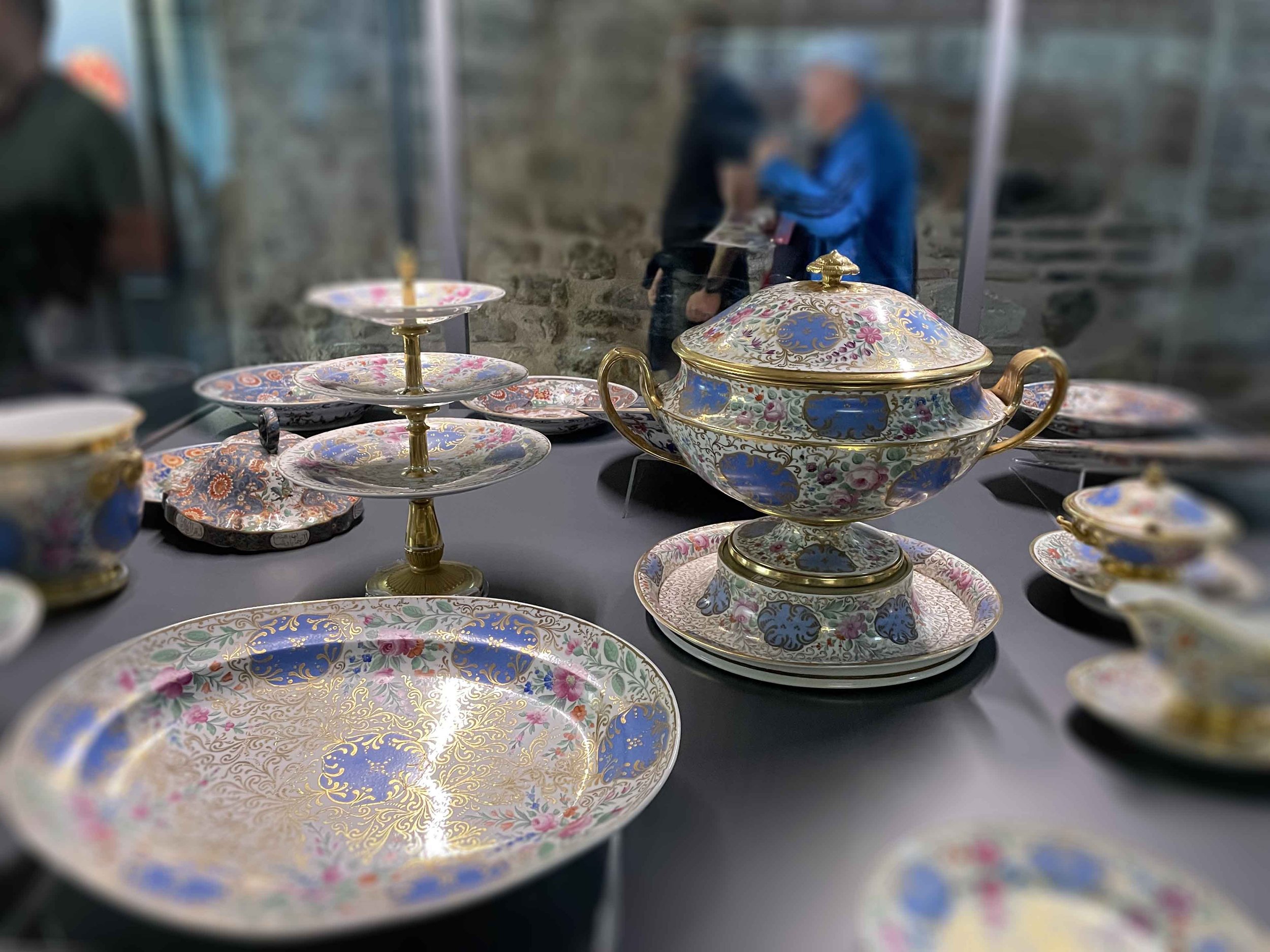
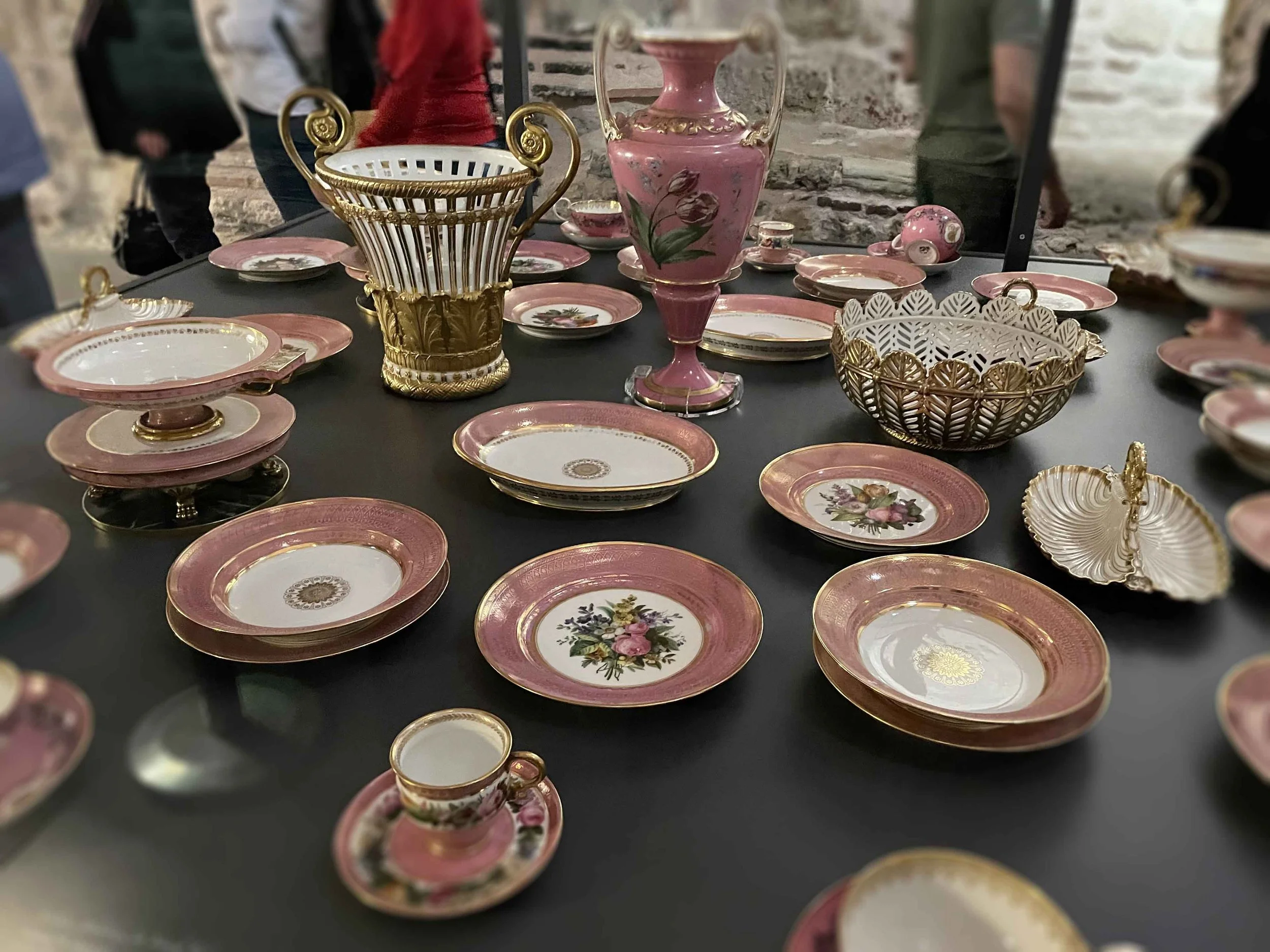
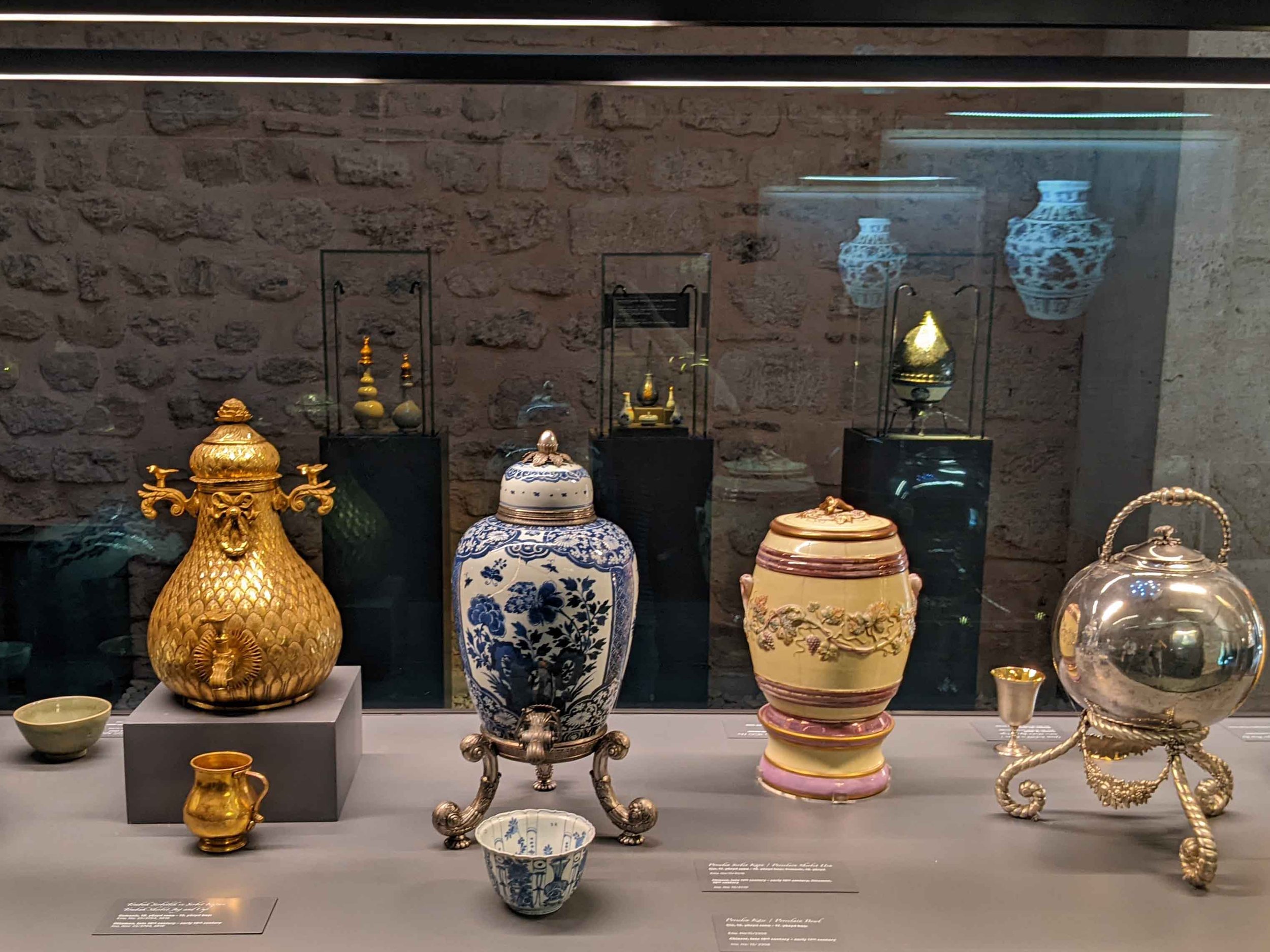
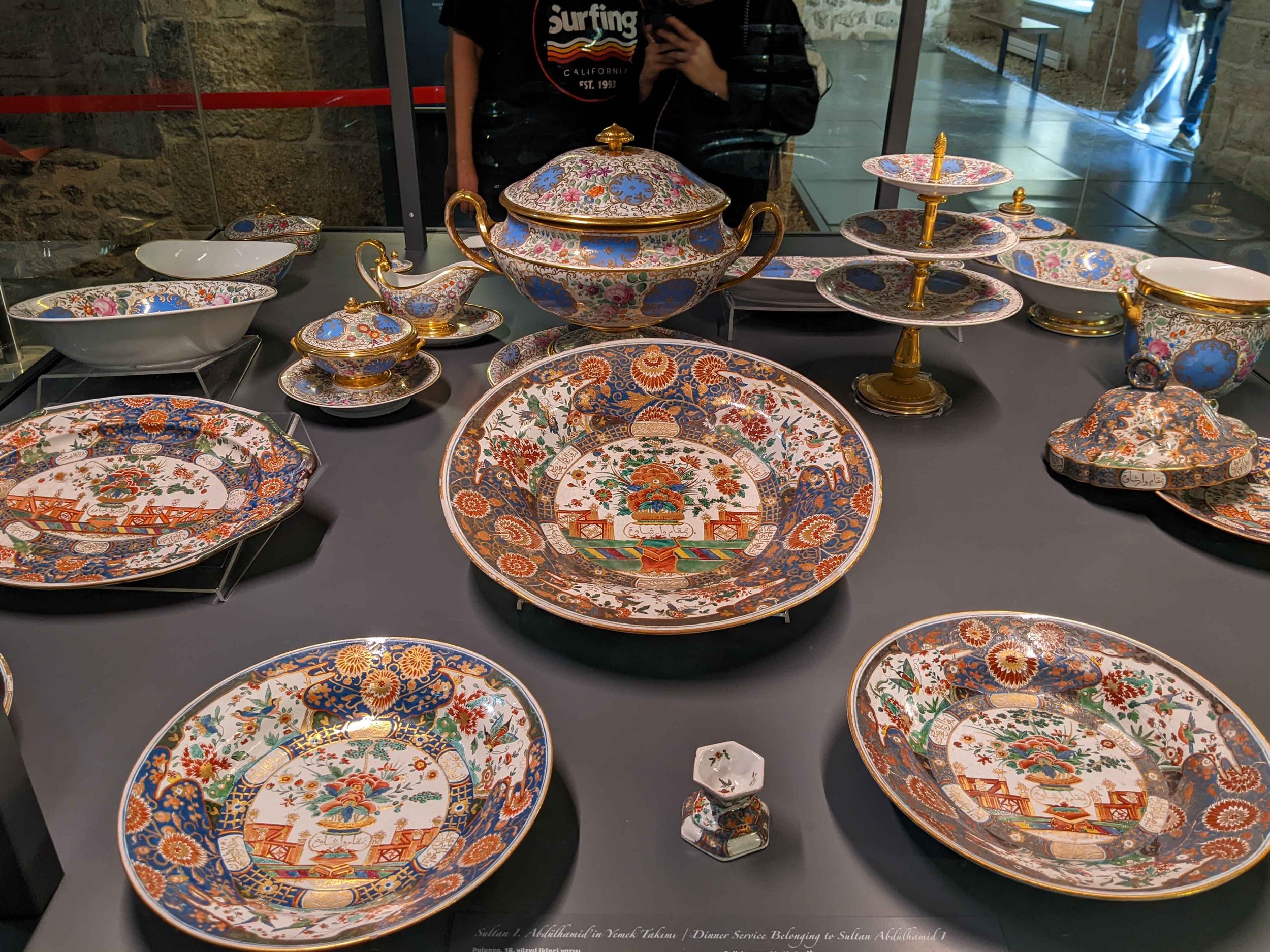
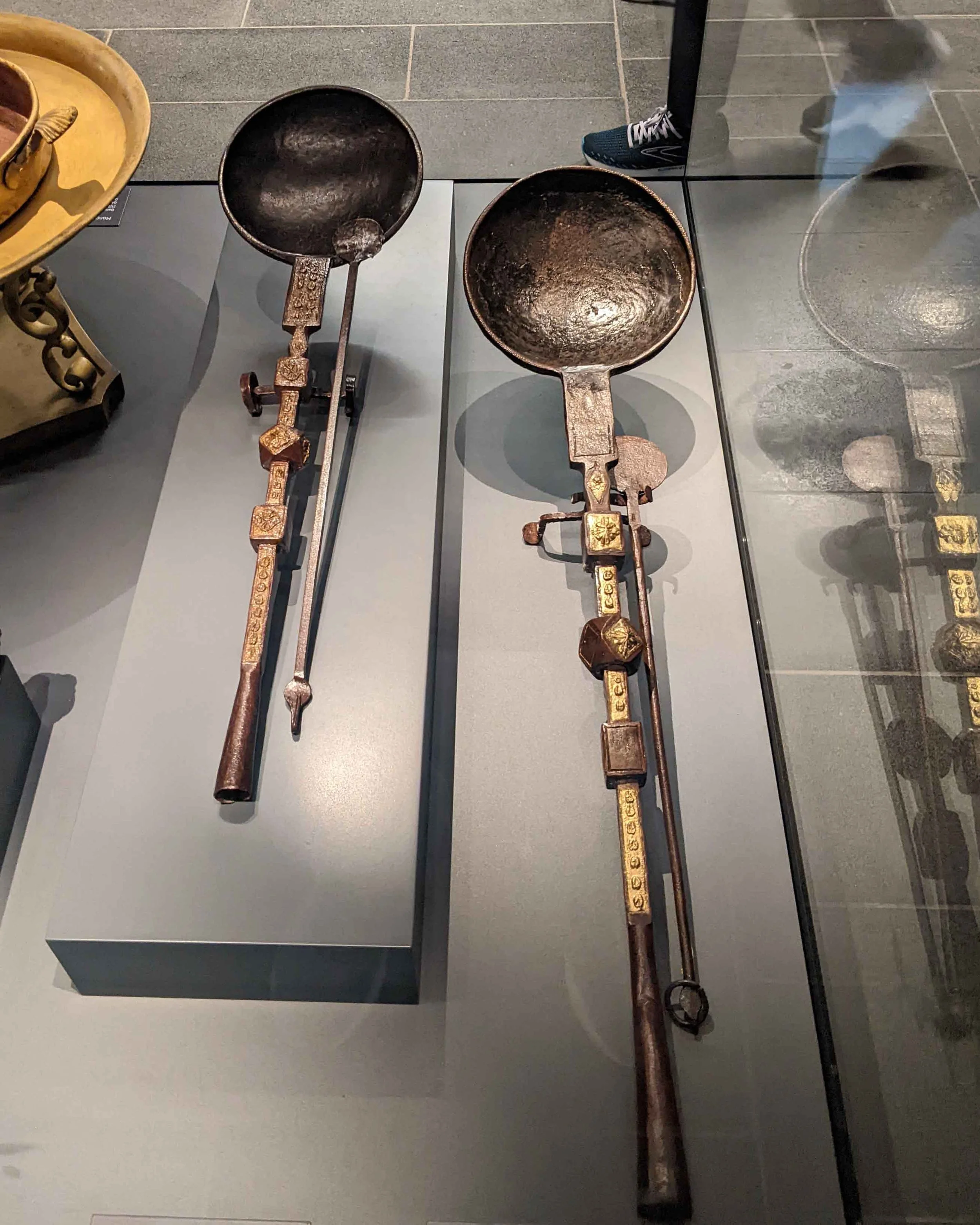
The museum houses one of the best collections of royal and extravagant European, Chinese, and Japanese porcelain and glassware. They are also displays of the Sultan’s kitchen and the utensils used to prepare food and feed the army of people working at the palace.

12a.jpg
a17.jpg
a12.jpg
a18.jpg
a19.jpg
a13.jpg
a15.jpg
a16.jpg
a4.jpg
a6.jpg
a2.jpg
a8.jpg
a9.jpg
a14.jpg
a10.jpg
a20.jpg
a1.jpg
a3.jpg
a21.jpg
a7.jpg

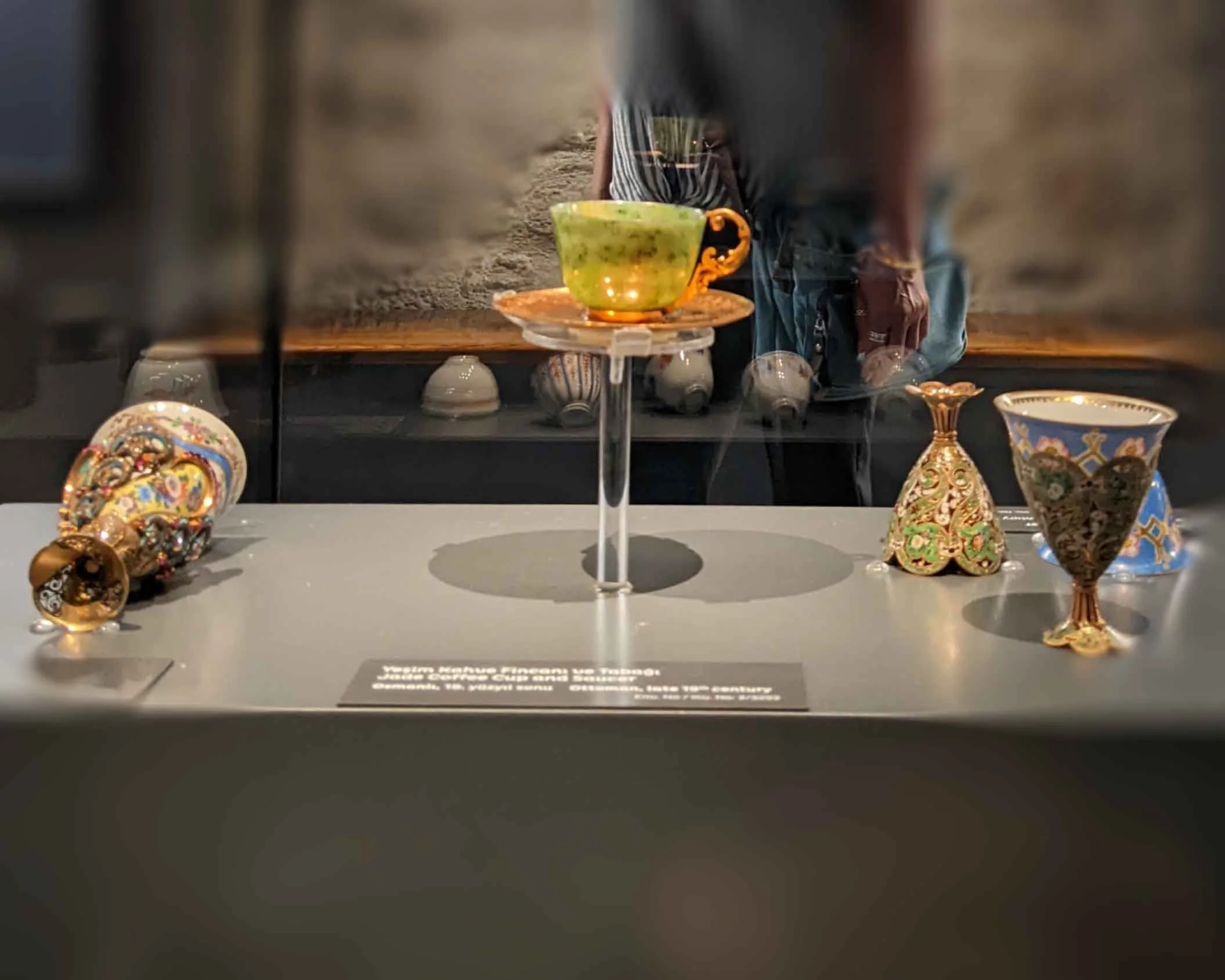
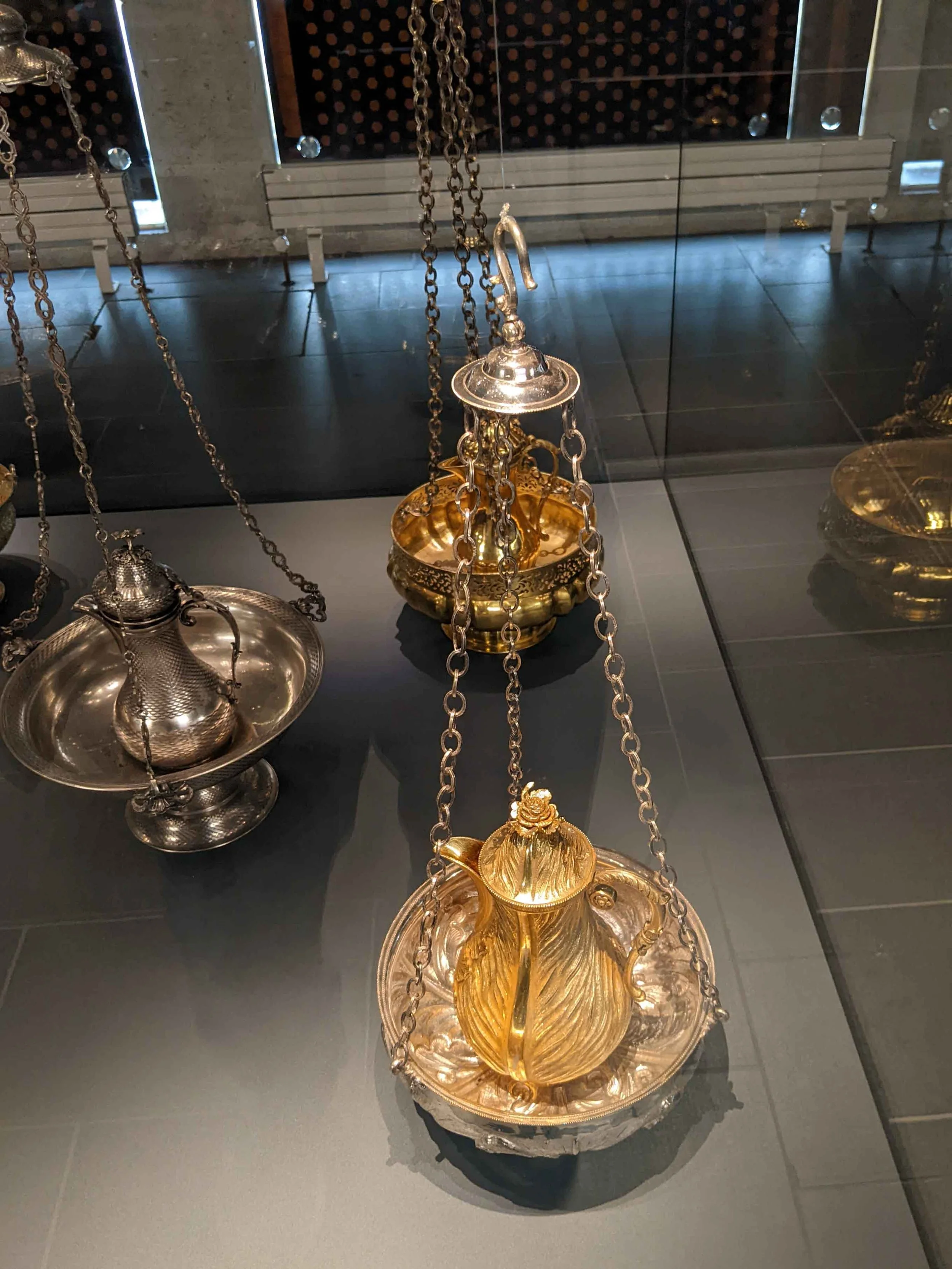
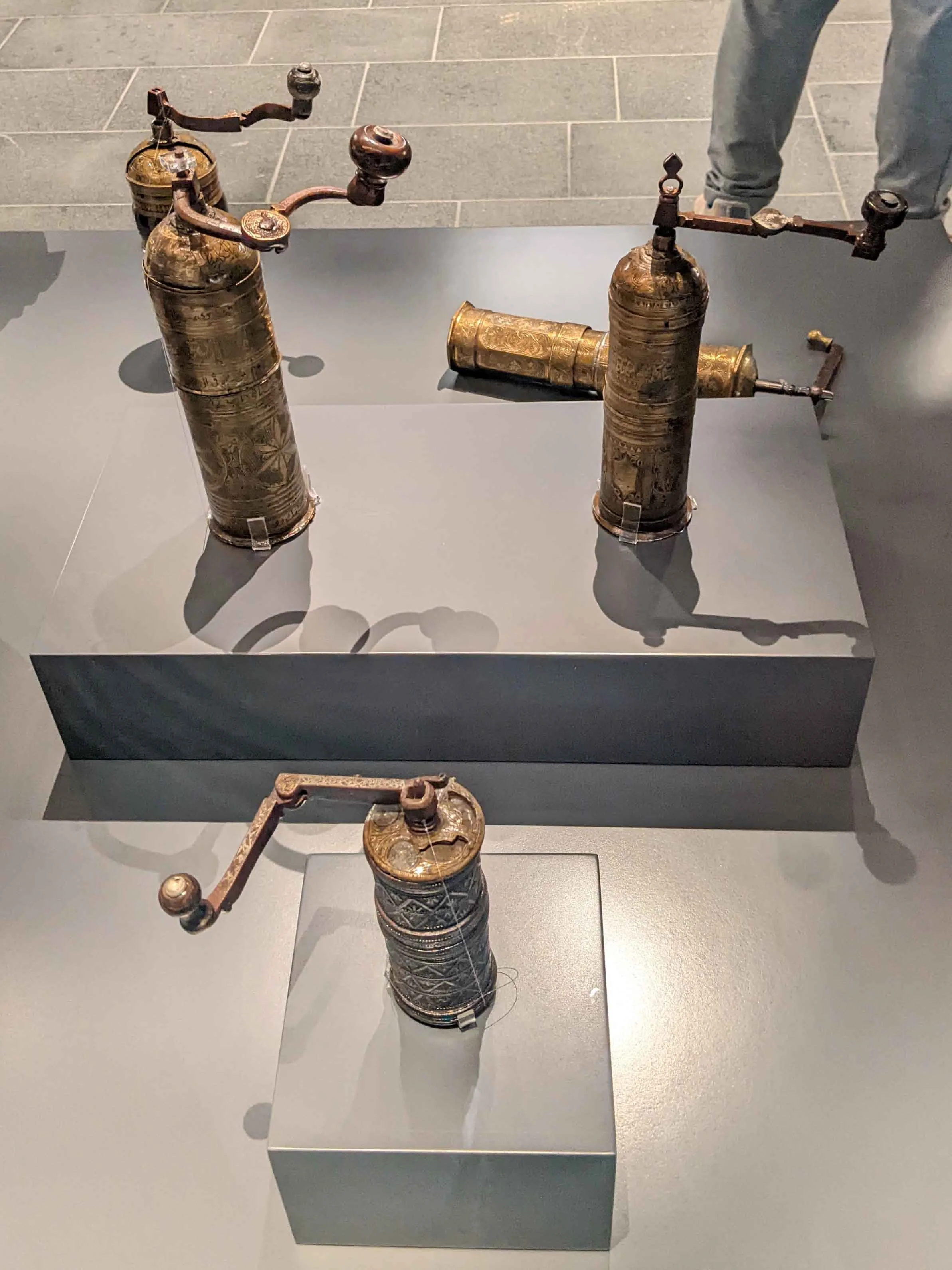
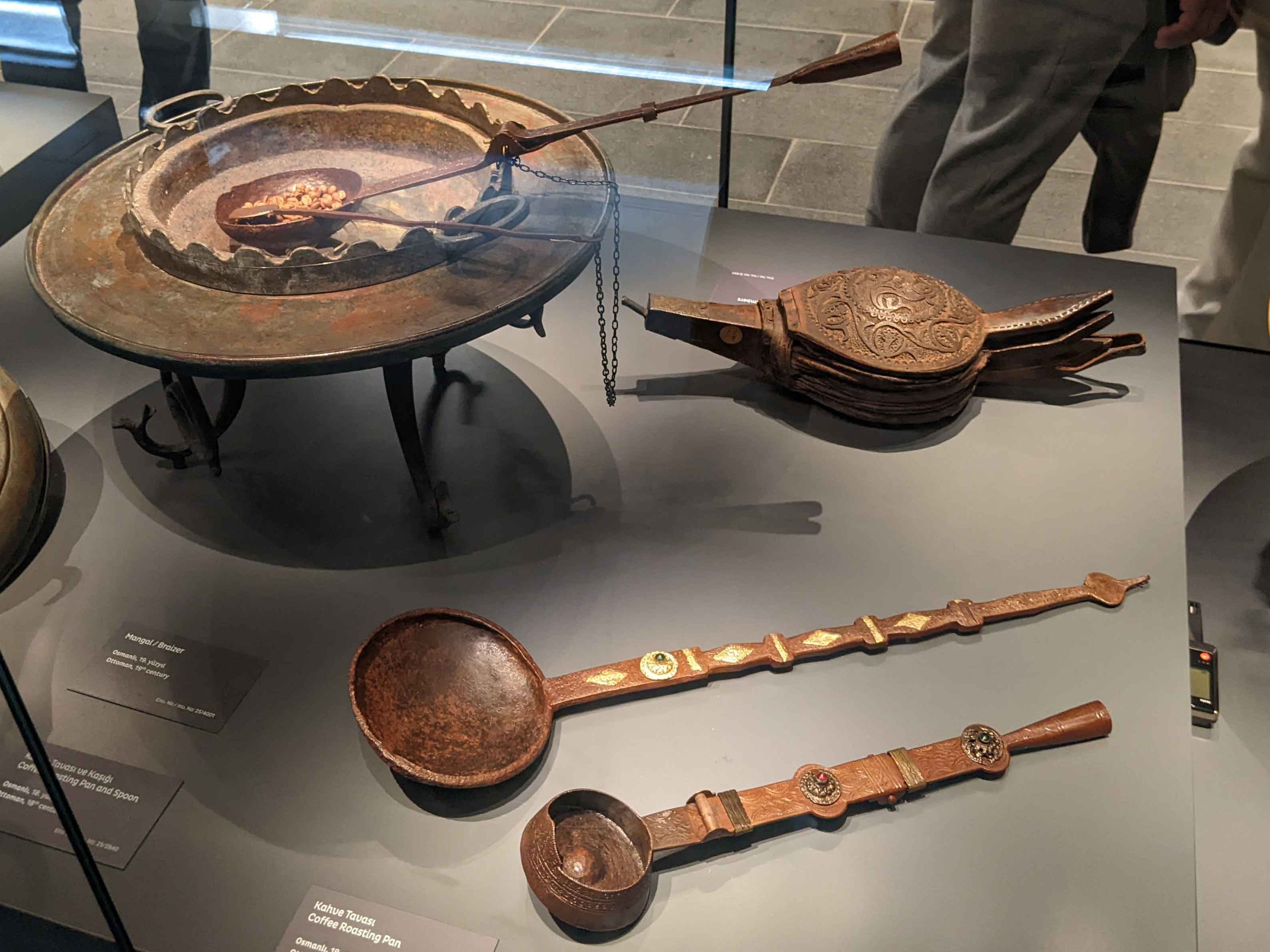
Coffee culture existed at the Ottoman palace and continued in the traditional manner during the 19th century. The museum has a whole section dedicated to this facet of palace life. Coffee was presented to the Sultan and his guest in special ceremonies featuring specially trained staff and utensils.


In the harem, coffee was served by female attendants known as’ kahveci kalfa’ trained in the rituals of its presentation. One of the attendants carried the velvet or satin cloth adorned with gold thread, pearls, or diamonds, and others the jeweled cups and holders on a gold or silver tray. A third brought the coffee jug on its chafing dish, where it was kept hot by embers, and a fourth filled the cups, placed each in a holder, and offered them to the guests.
 

Wouldn’t it be nice, to have coffee served with similar pomp and glory at the local Starbucks instead of the usual frowned-faced attendants?

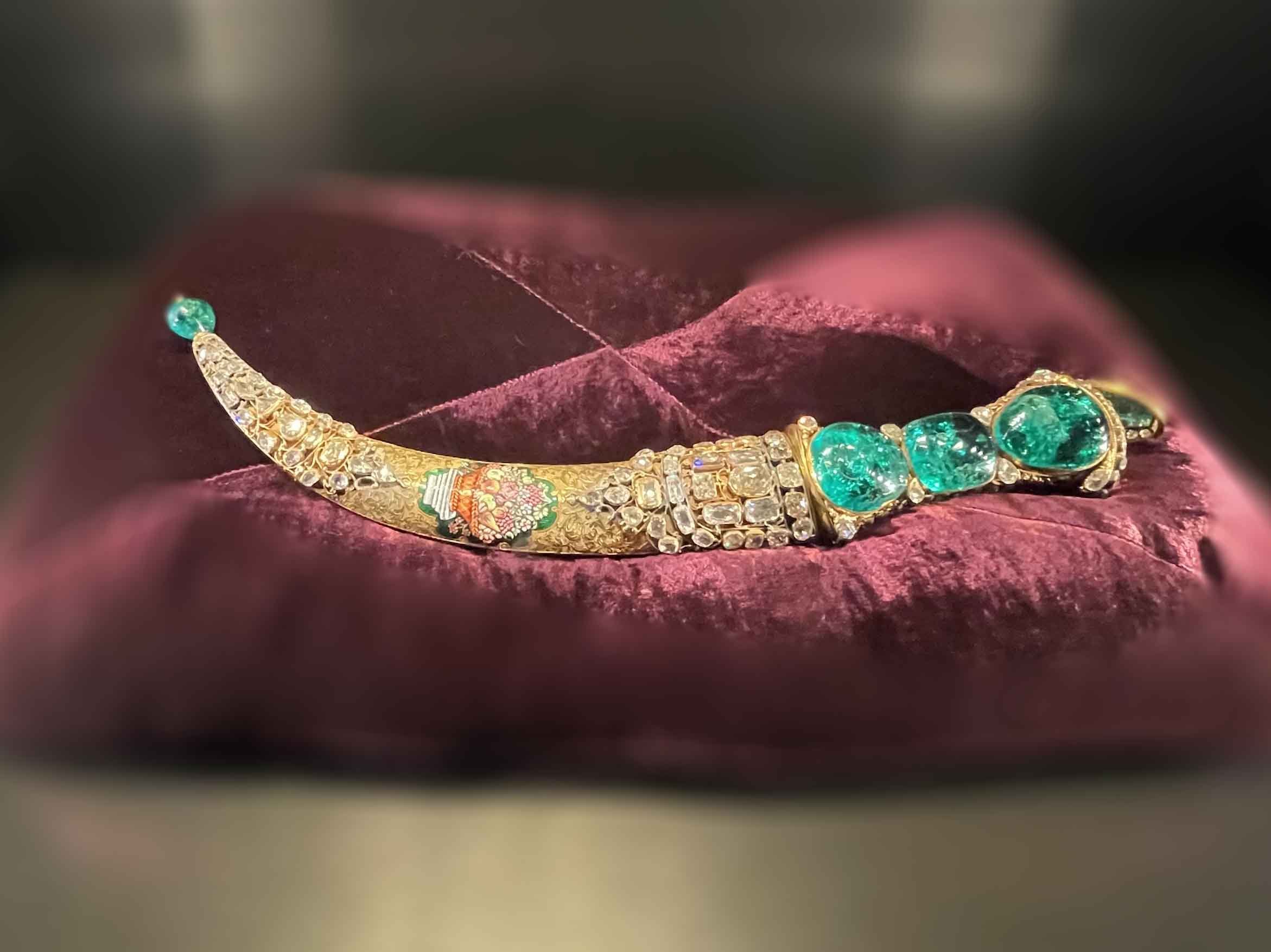
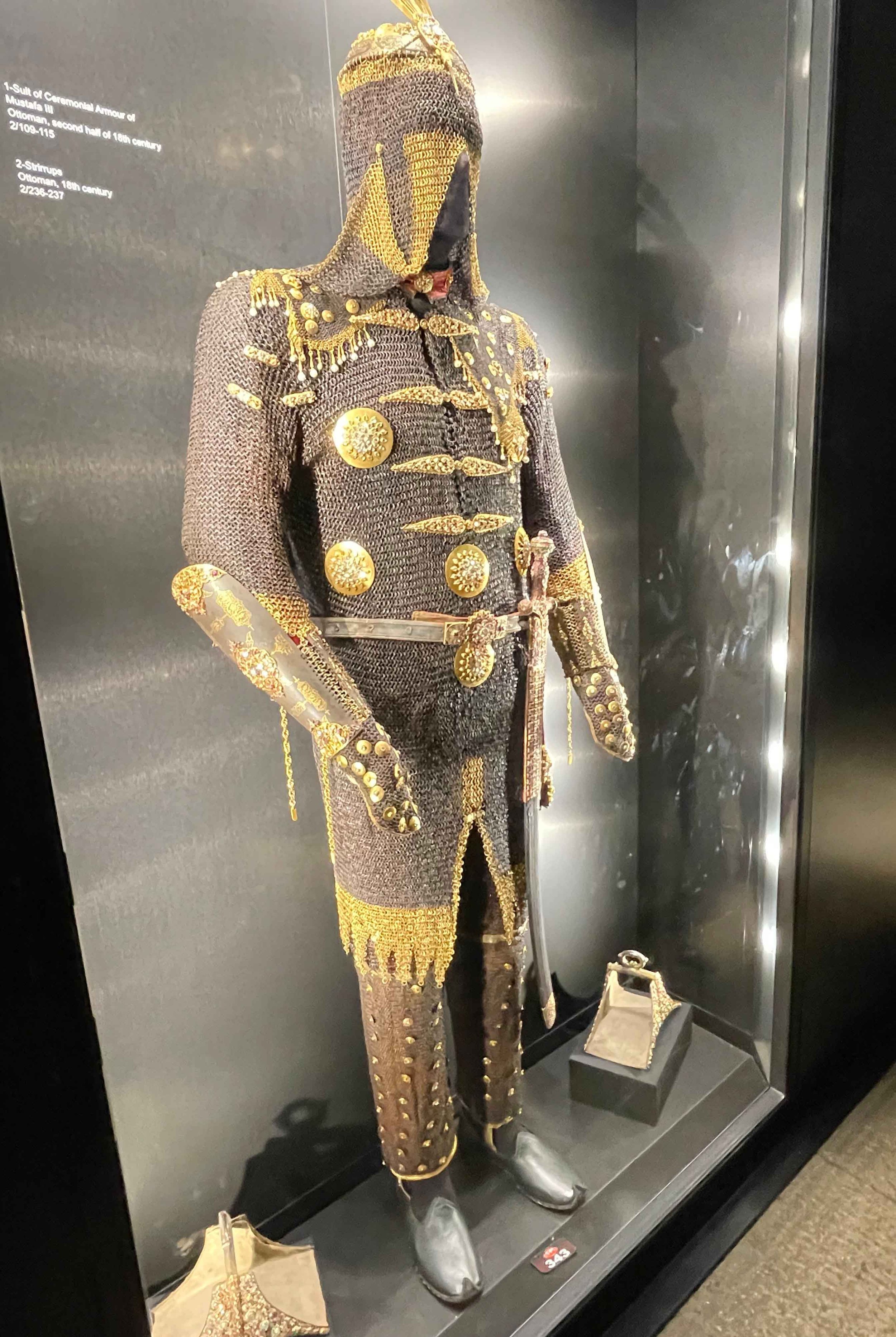
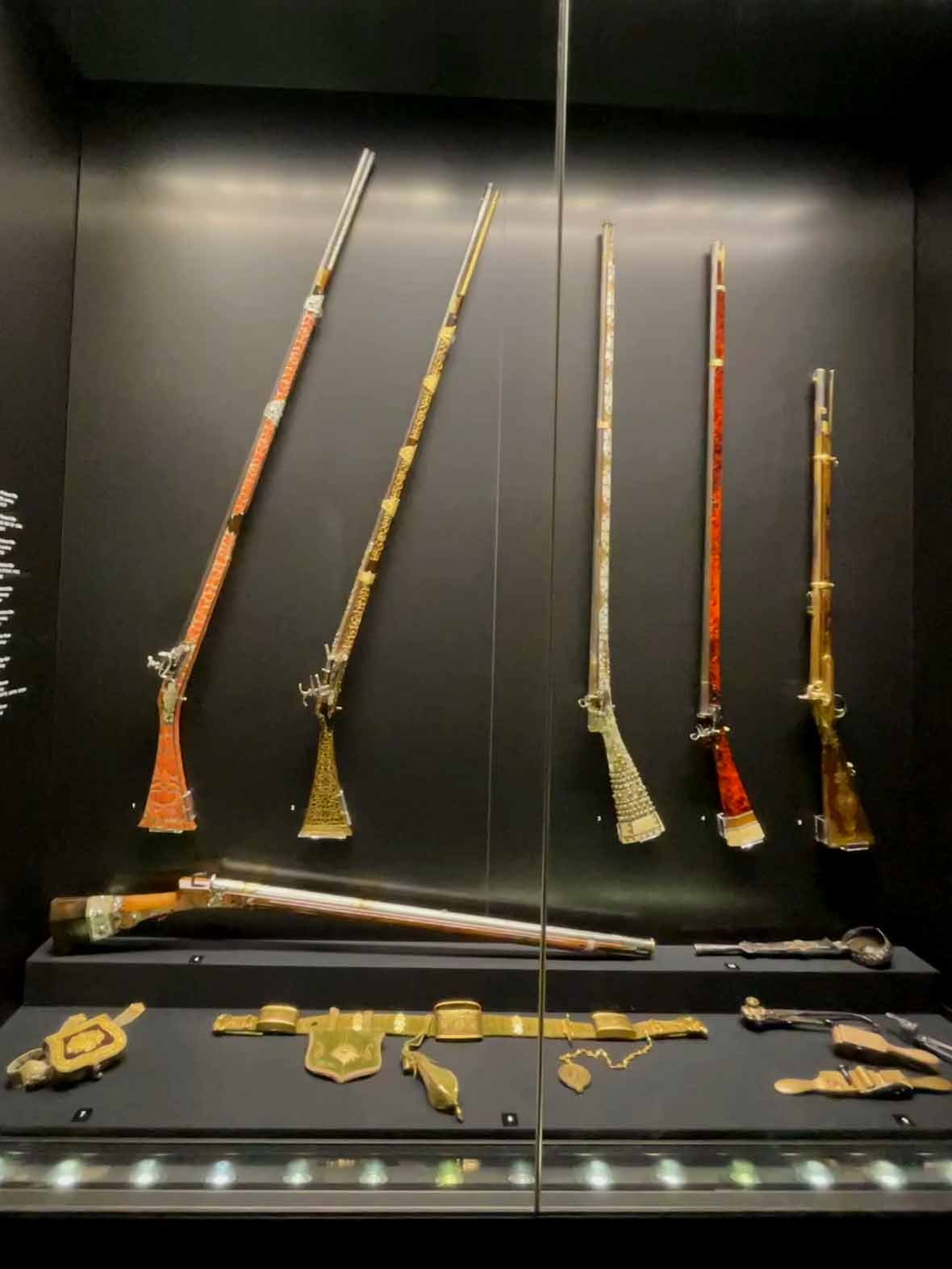
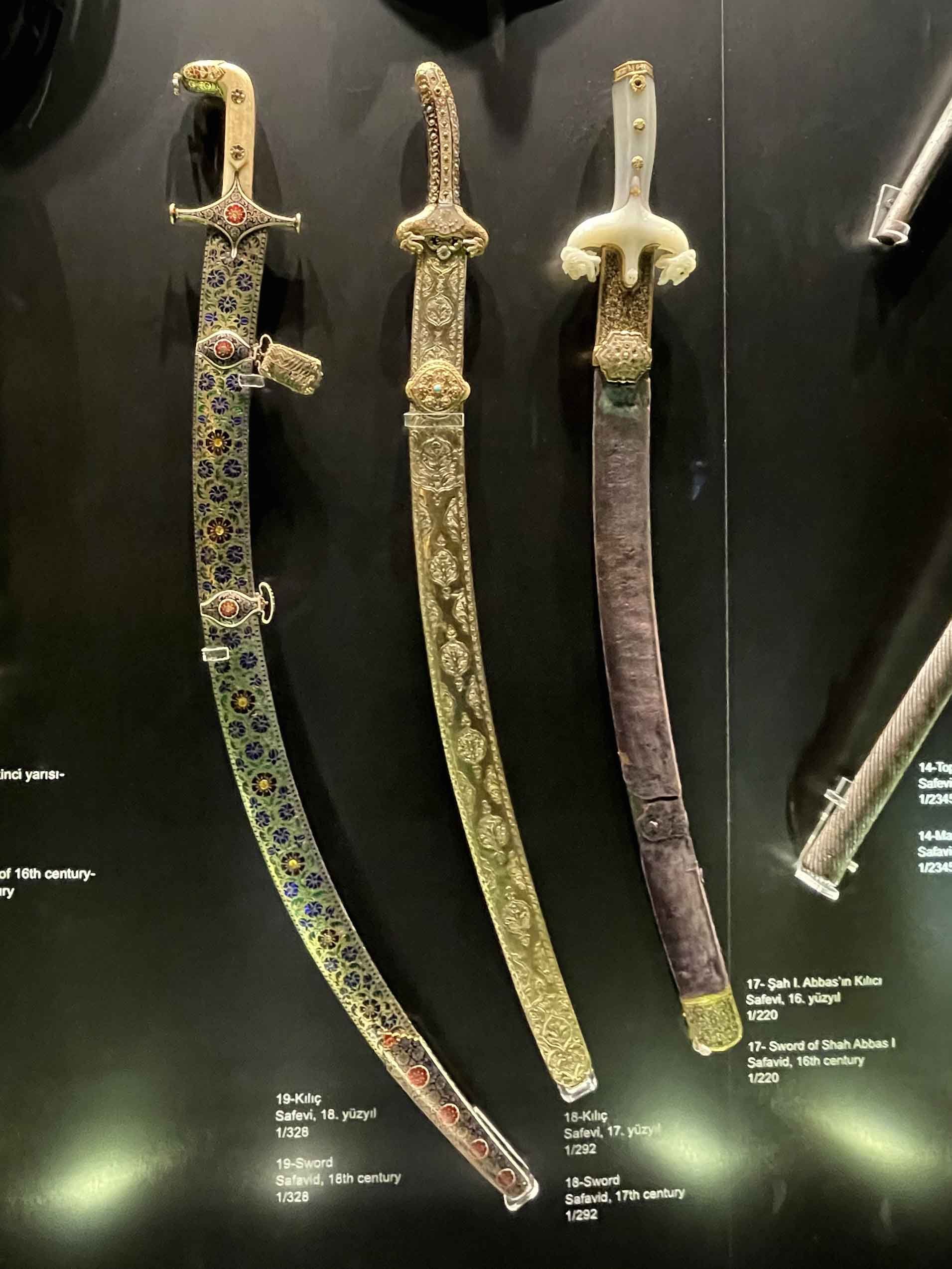
The weapons collection at the Topkapi Palace Museum is one of the richest and most diverse collections in the world. It comprises of thousands of weapons of various origins such as Indian, Arab, Turkish, Persian, Mamluk, Abbasid, European, Japanese, Crimean Tartar, and Umayyad. Spanning over 1,300 years, the collection consists of weapons that were transferred from the armies and those that were used by the palace guards.


THE HOLY RELICS

b4.jpg
b2.jpg
b3.jpg
b1.jpg

Outside the Library building in the centre of the third courtyard, we found a long queue of people that seemed to be moving at a snail’s pace. People from all over the world, Muslims, and non-Muslims flocked outside this ‘Has Oda’ or the chamber of the holy relics to view the most precious relics of the Islamic world. Note, only limited visitors are allowed to enter the chamber at a time, and women are required to cover their heads with a scarf before entering the chambers.

The Ottomans collected the Holy Relics attributed to the prophets from all over the empire and brought them to Istanbul for safekeeping. It is said that the Ottoman sultans wanted to keep the Holy Relics close to themselves because they thought that the location of the relics would qualify Istanbul as the centre of the Islamic world.

Each of the relics is highly prized and has its own history/mythology and was collected over generations and kept inside mosques and ancient monasteries. Among this collection are the Holy Mantle, the bow, and the sword of the Prophet Mohammad (peace be upon him). There are also holy relics attributed to other prophets such as the staff of Moses; the sword of David; the robe of Joseph; and the swords of the Prophet Muhammad’s companions.

The collection is housed in the Privy Chamber, where the sultan lived and kept his throne. It is said that, prior to their accession to the throne, the sultans would come to this room to pray and receive homage from the Privy Room officials before leaving for the ceremony. Even now, an imam inside a glassed-off chamber recites the Koran around the clock.


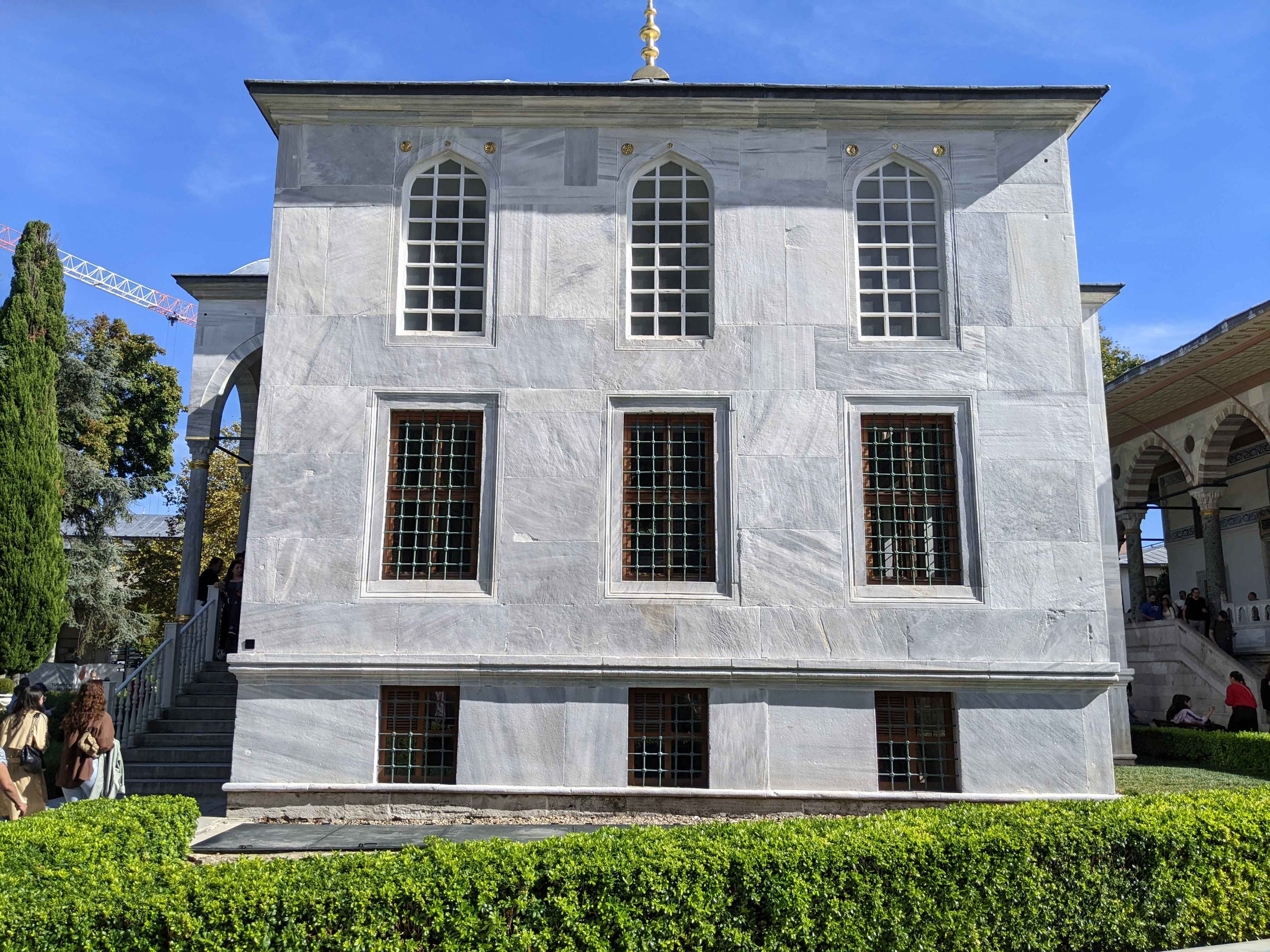
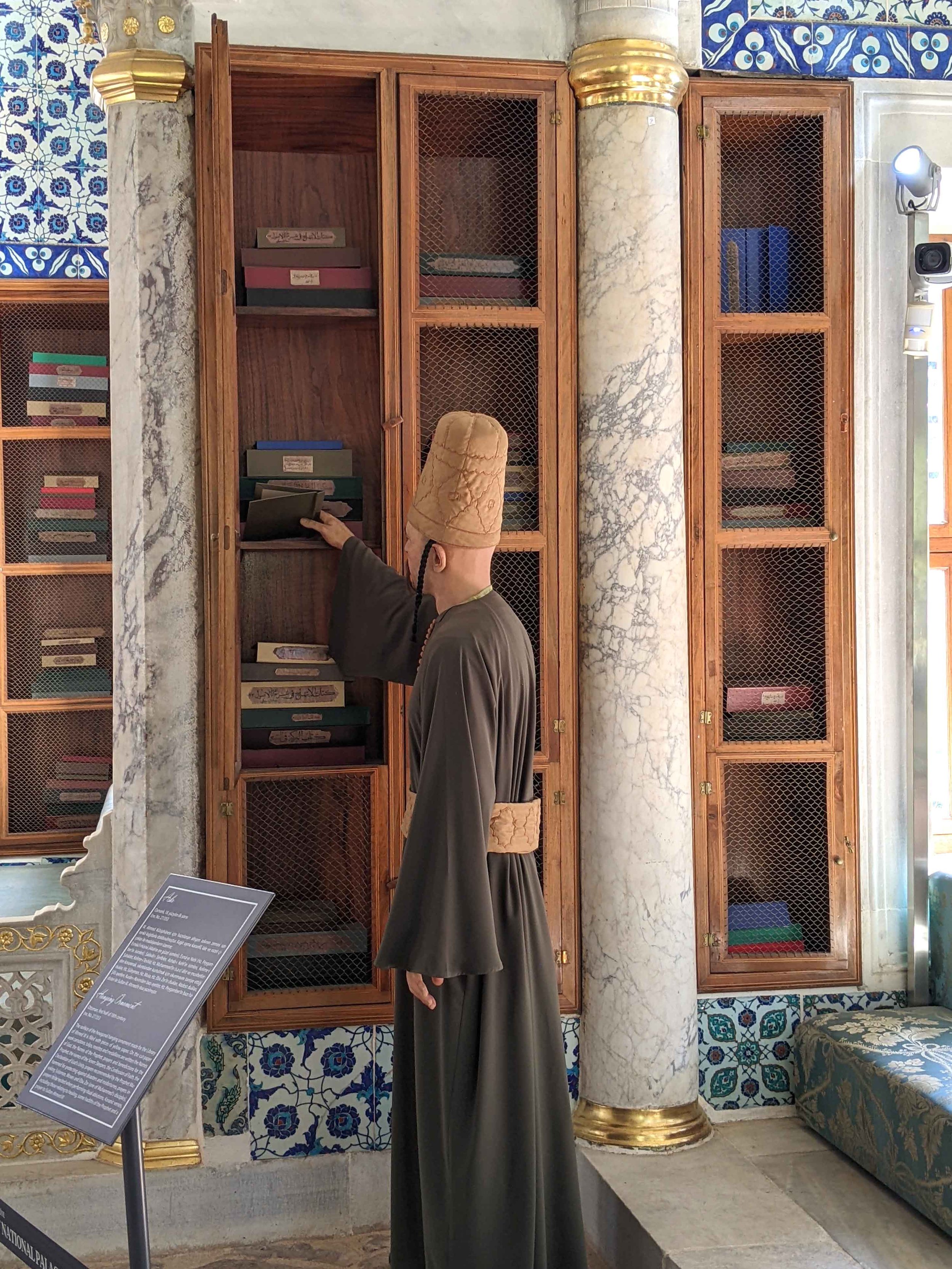
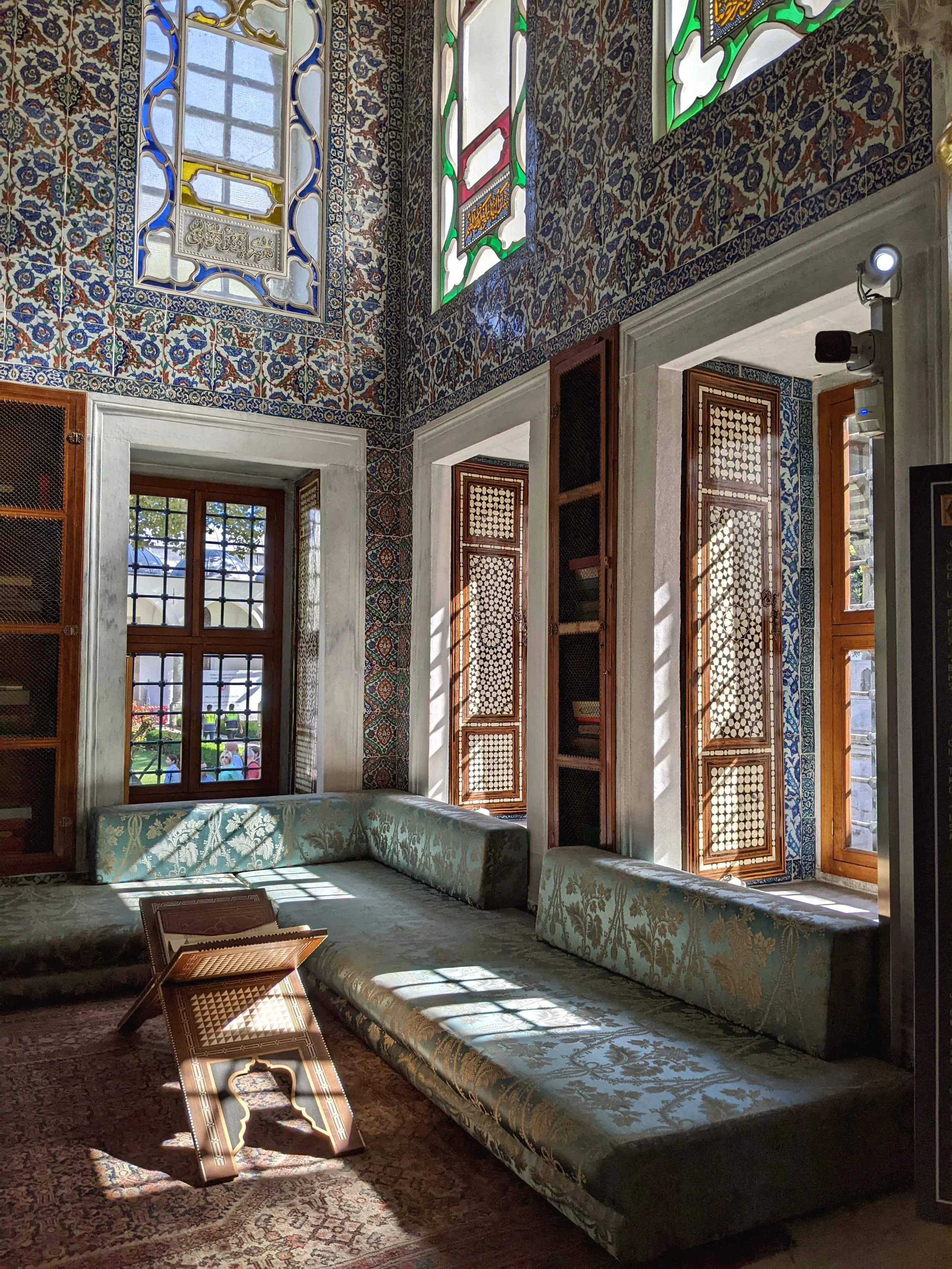
LIBRARY

What wouldn’t I give for a library like this! The interior of this building is breathtaking, and the location is serene. Imagine sipping a coffee on a diwan googling away to one heart’s content, without a worry in the world.

The library was built by Sultan Ahmed III in the 18th century and stored archival records and books. The learned men of the times dedicated their works to the sultans, and this was supplemented by, literary works acquired during various conquest.

In the present day, this collection presents an indispensable source of information for historians and perhaps provides the only extant official records of the Ottoman dynasty.

c3.jpg
c4.jpg
c1.jpg
c2.jpg
c5.jpg
c6.jpg

THE PALACE AND THE HAREM

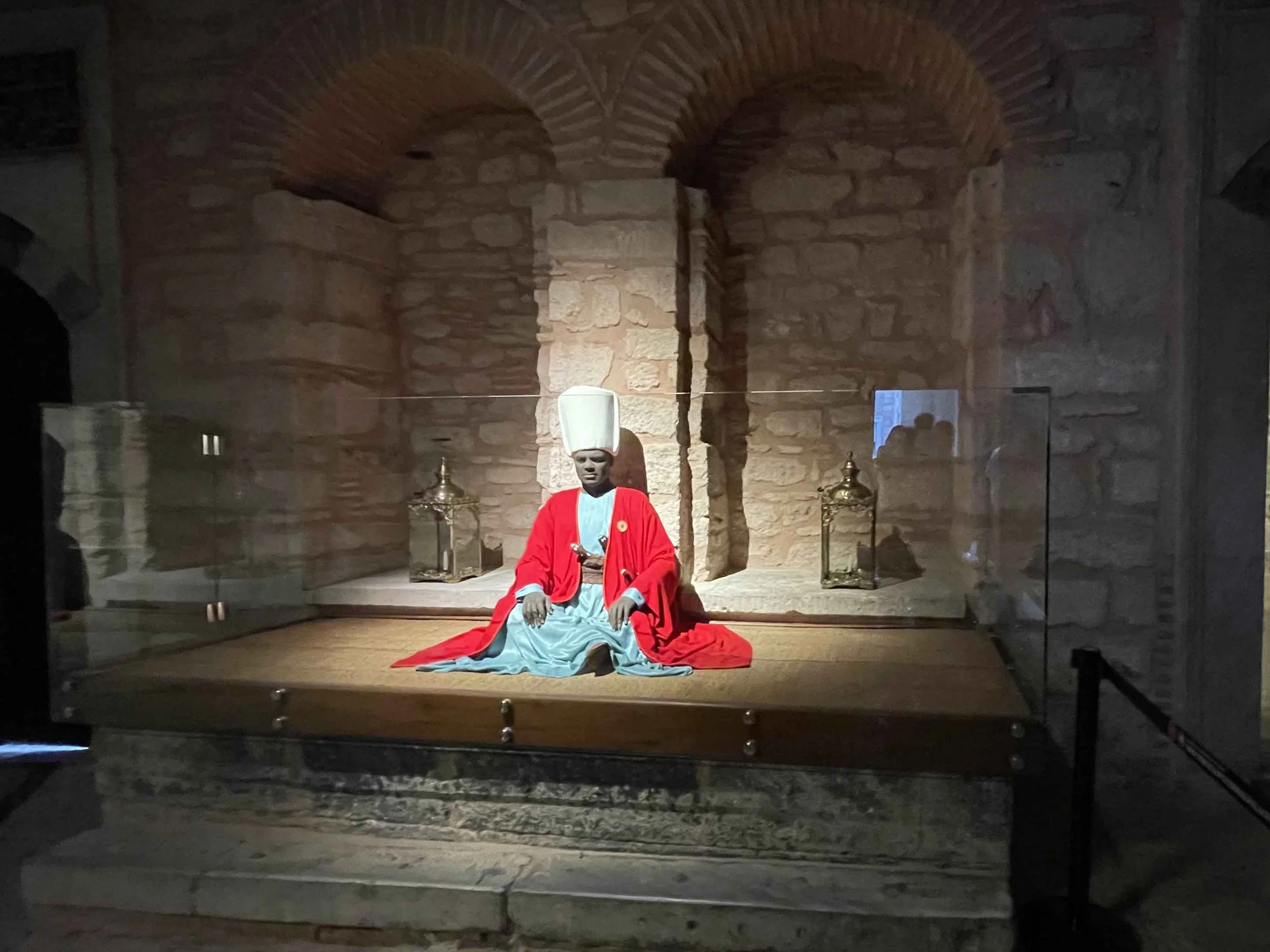
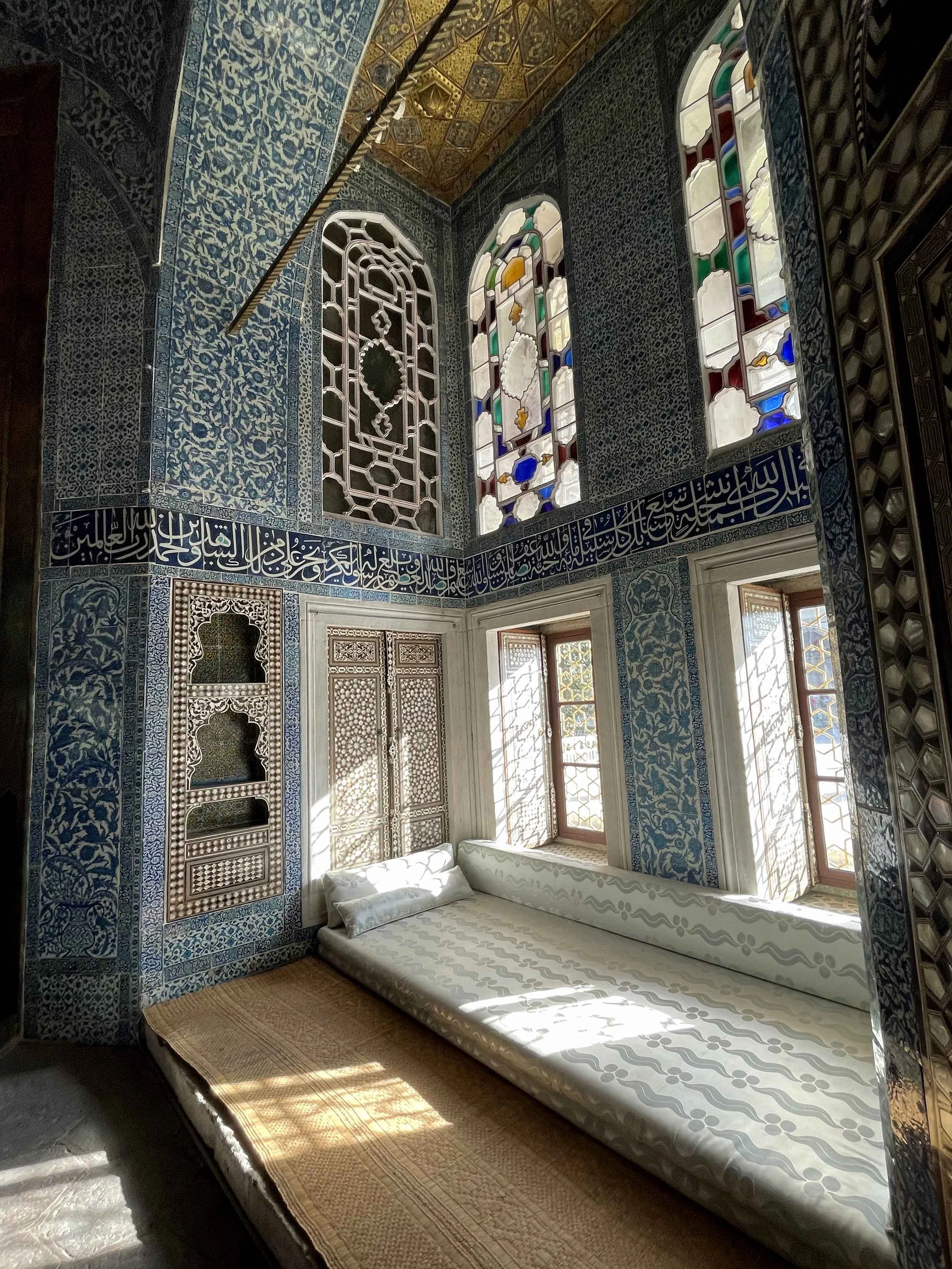
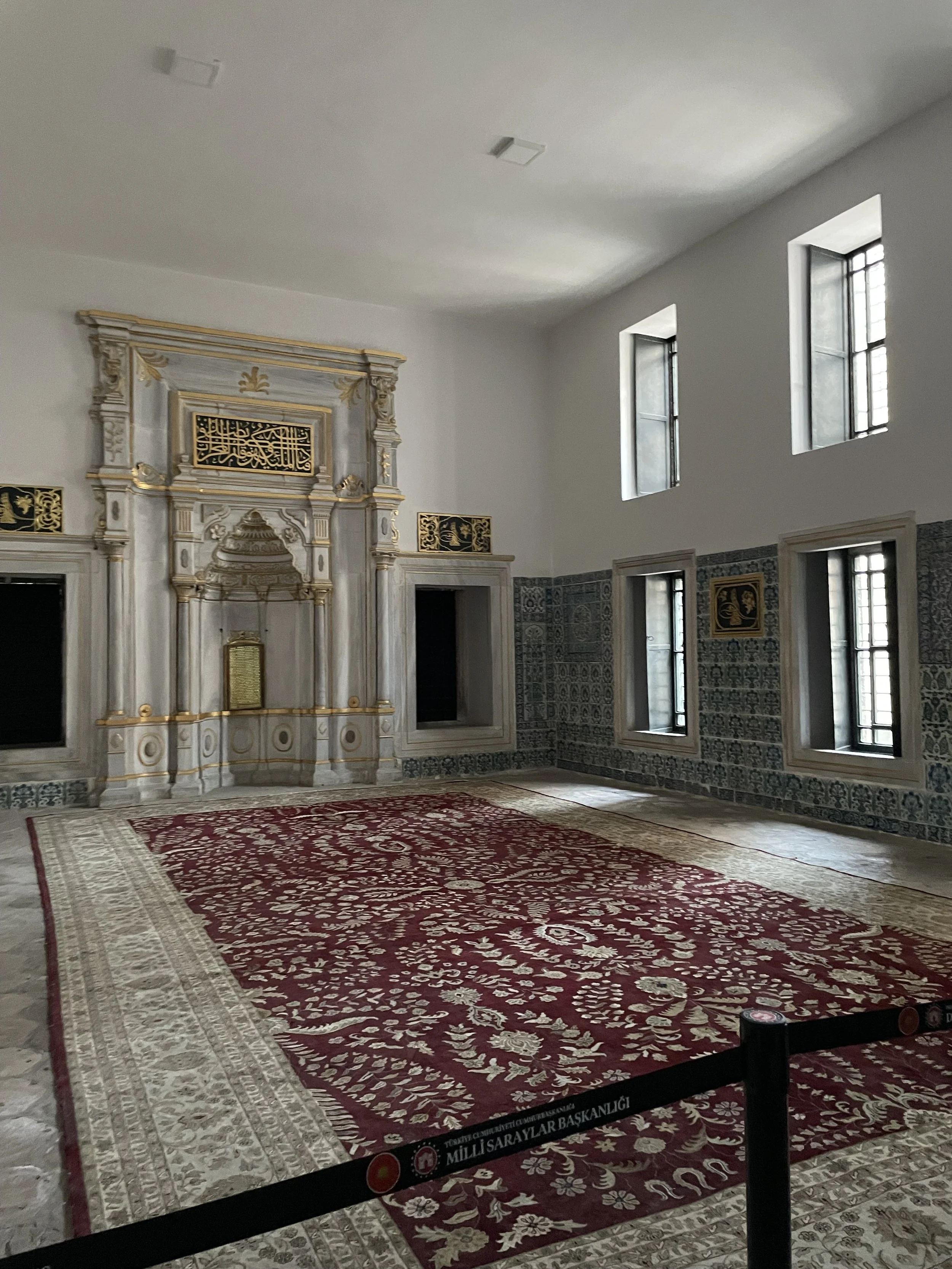
Although in modern times the word ‘harem’ conjures up images of thinly clad women and romance. ‘Harem’ is an Arabic word that literally means “a sacred, inviolable space” The harem were the private dwellings of the sultans and their families. It consisted of hundreds of magnificently tiled rooms connected with courtyards and fountain gardens. It was home to over a thousand harem women, children, and black eunuchs. The eunuch were usually castrated slaves which were trained to serve the residents of the harem.

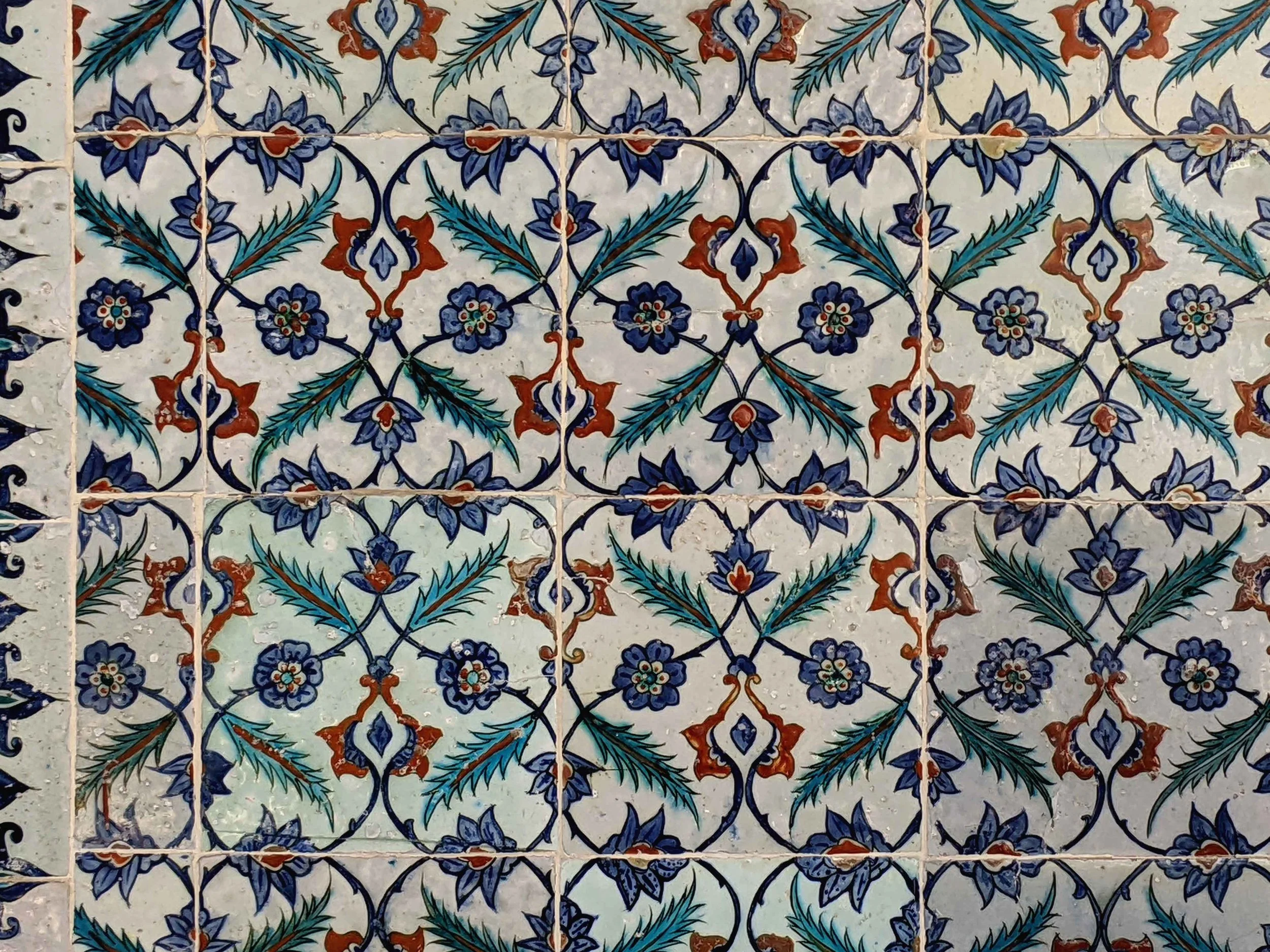
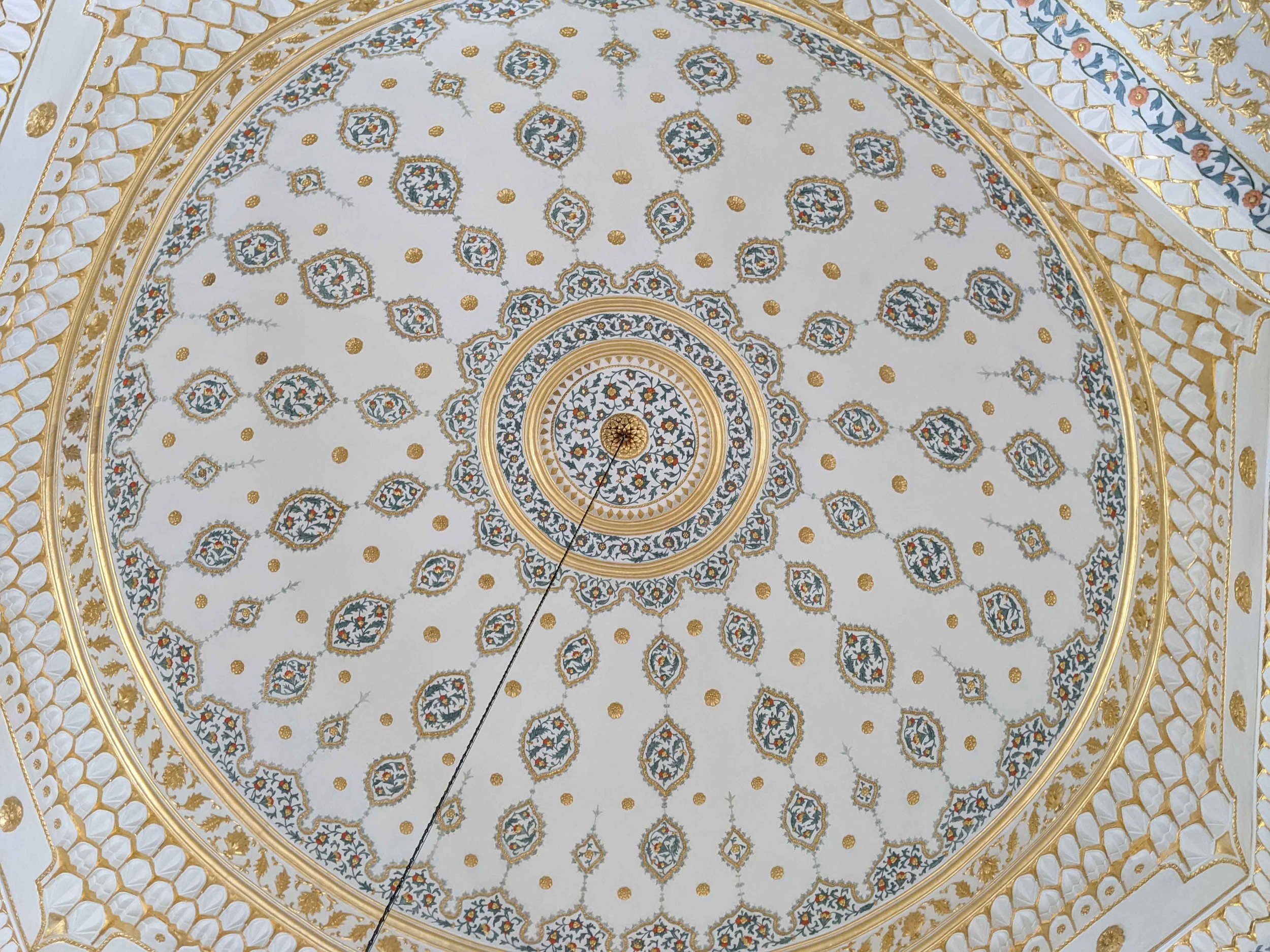
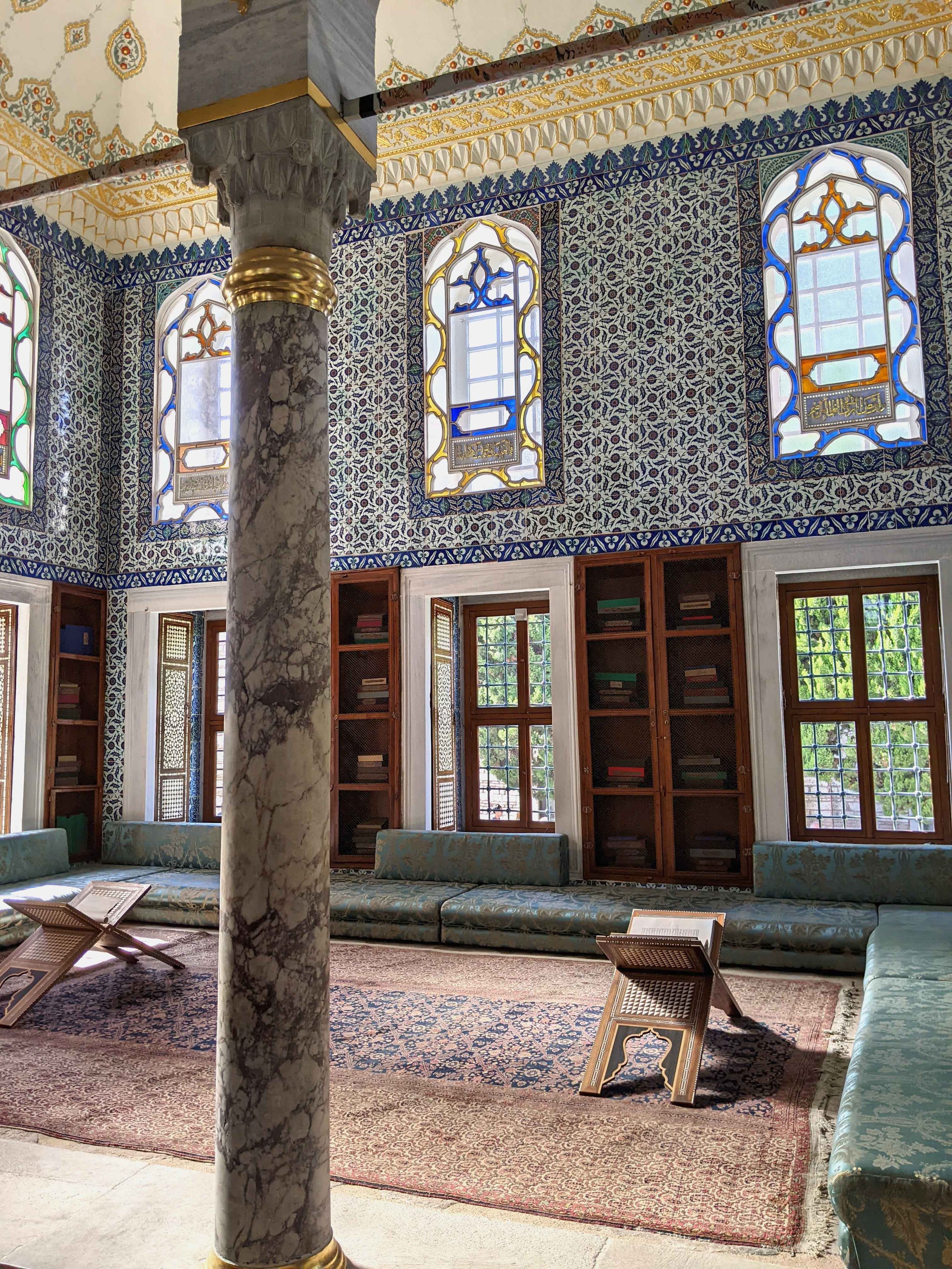
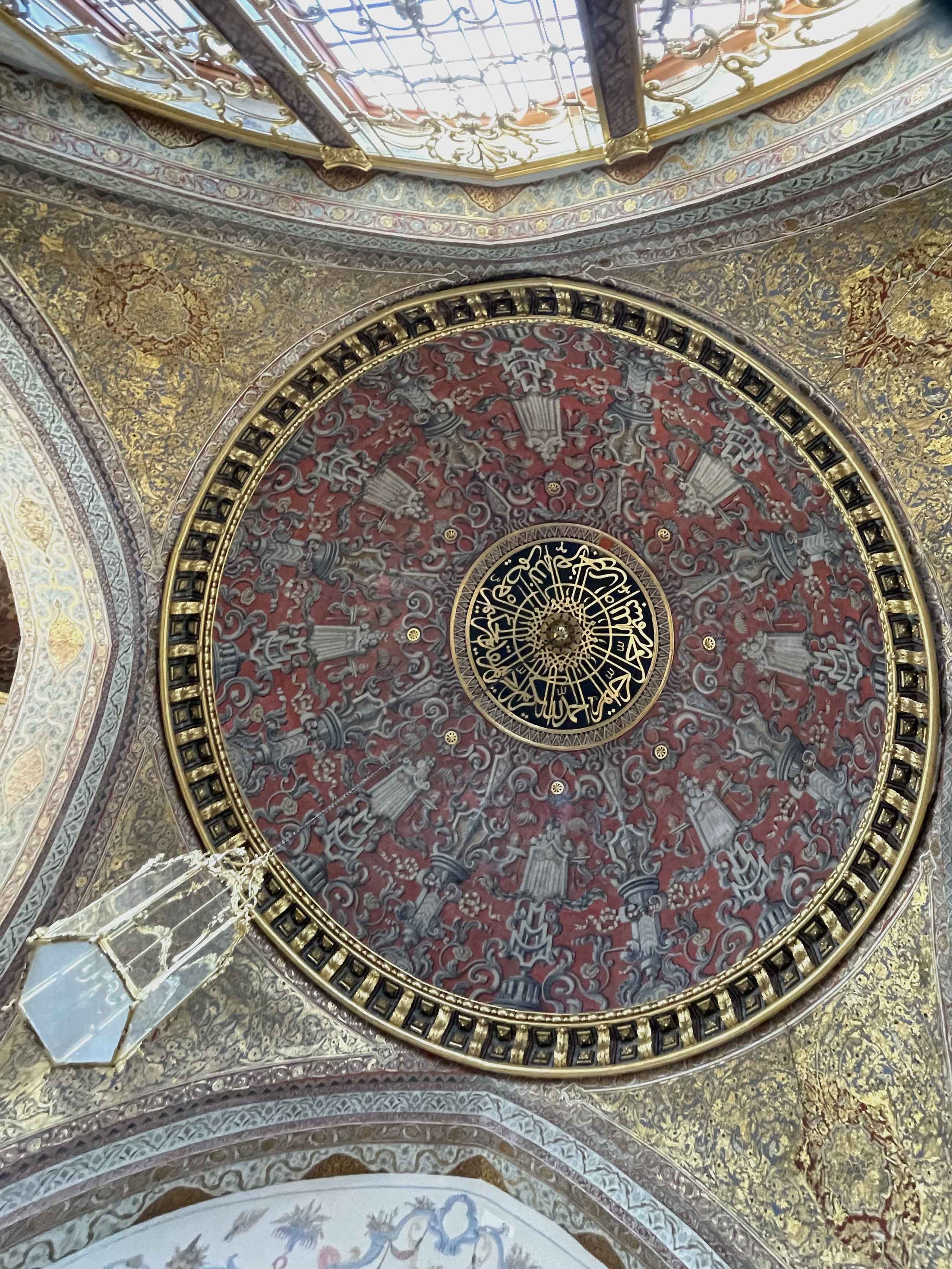
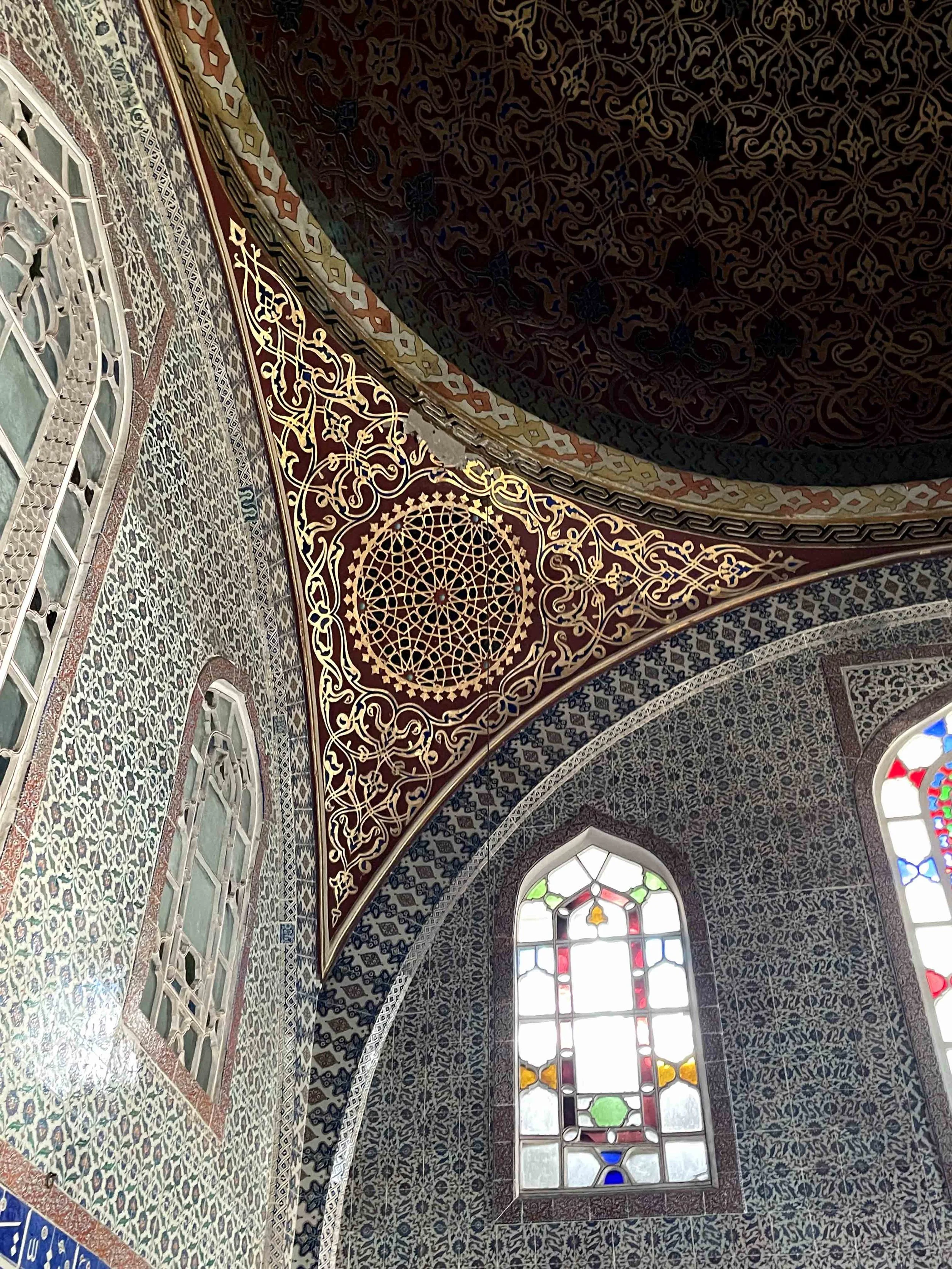
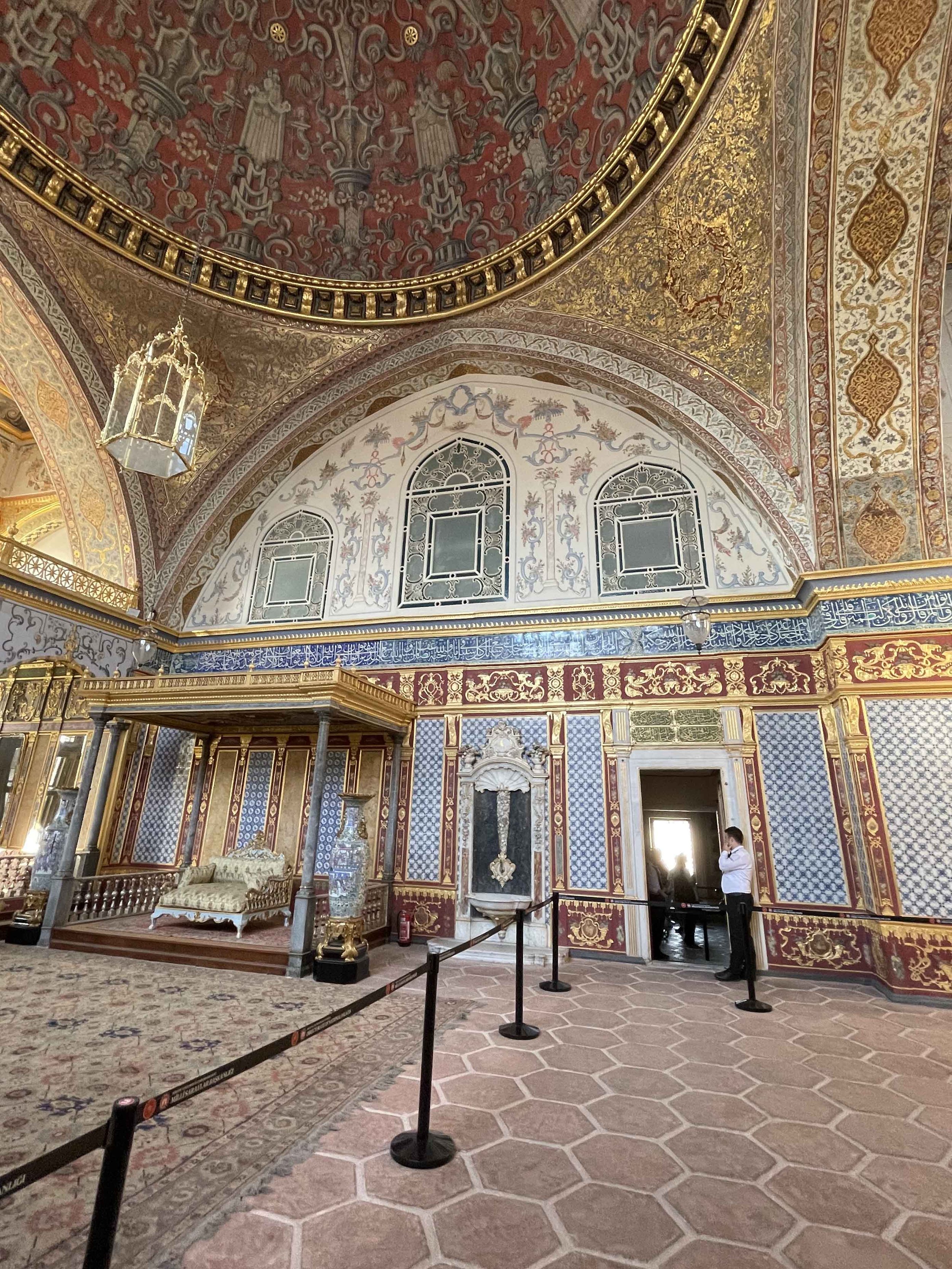
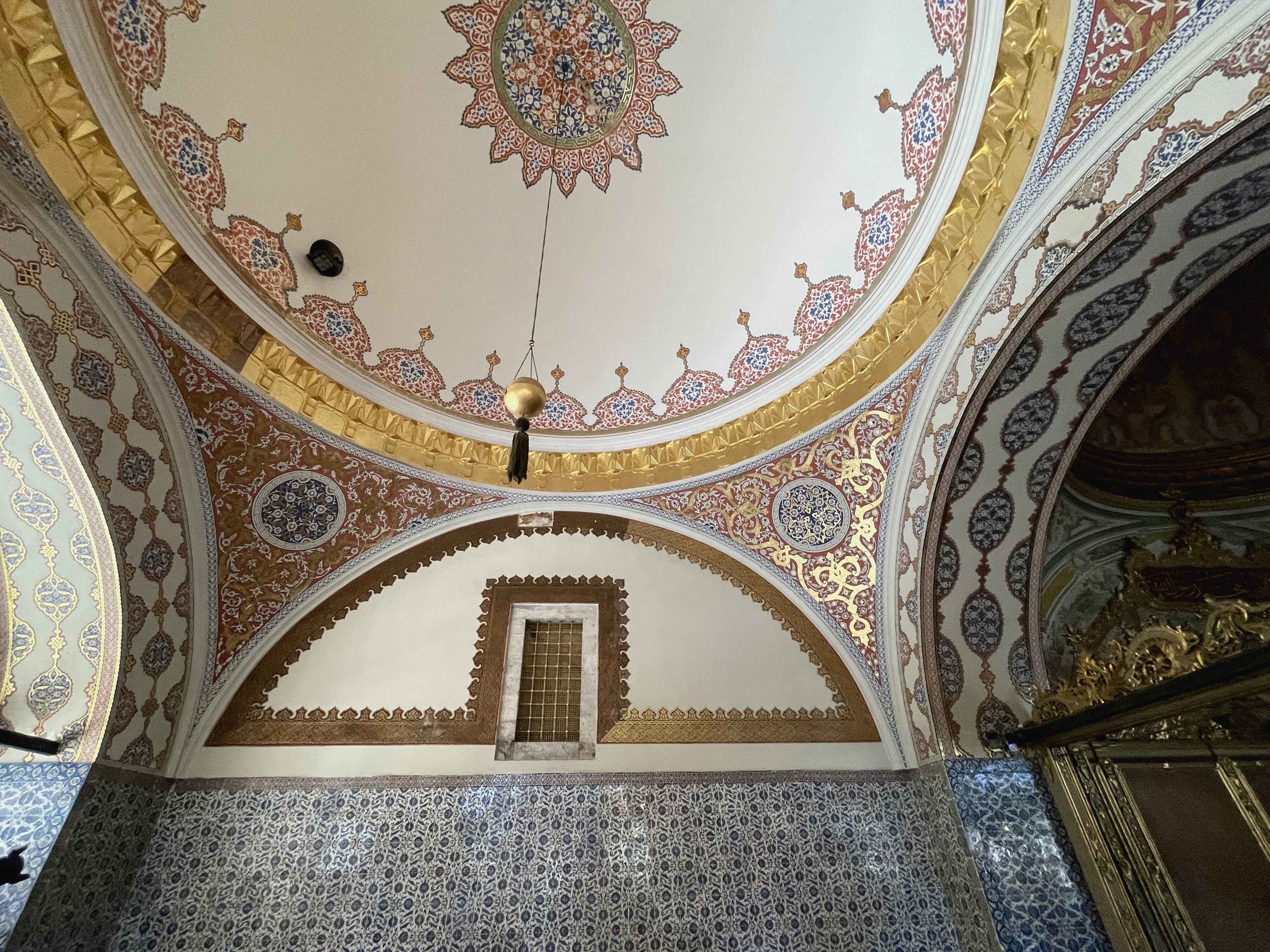
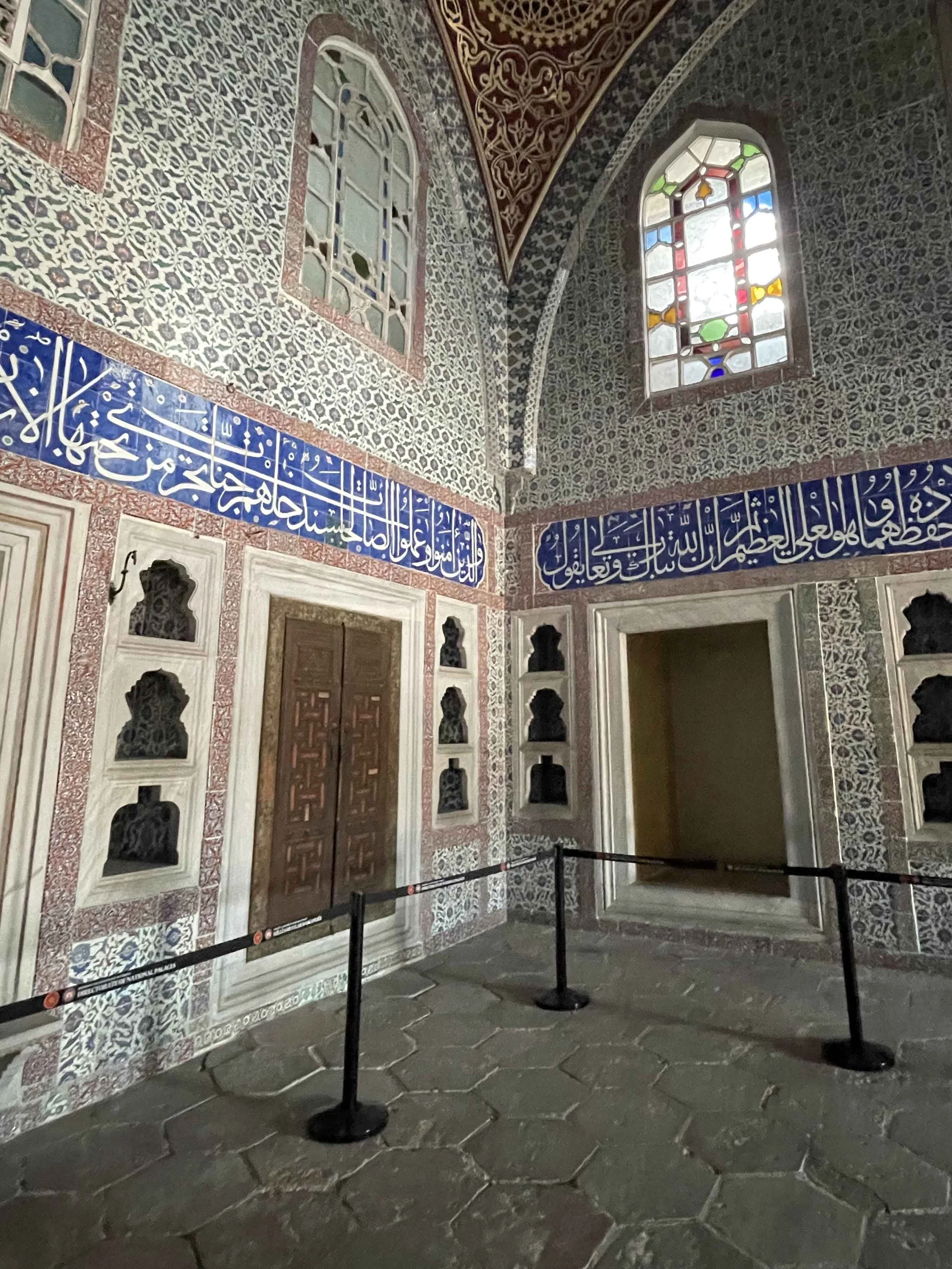
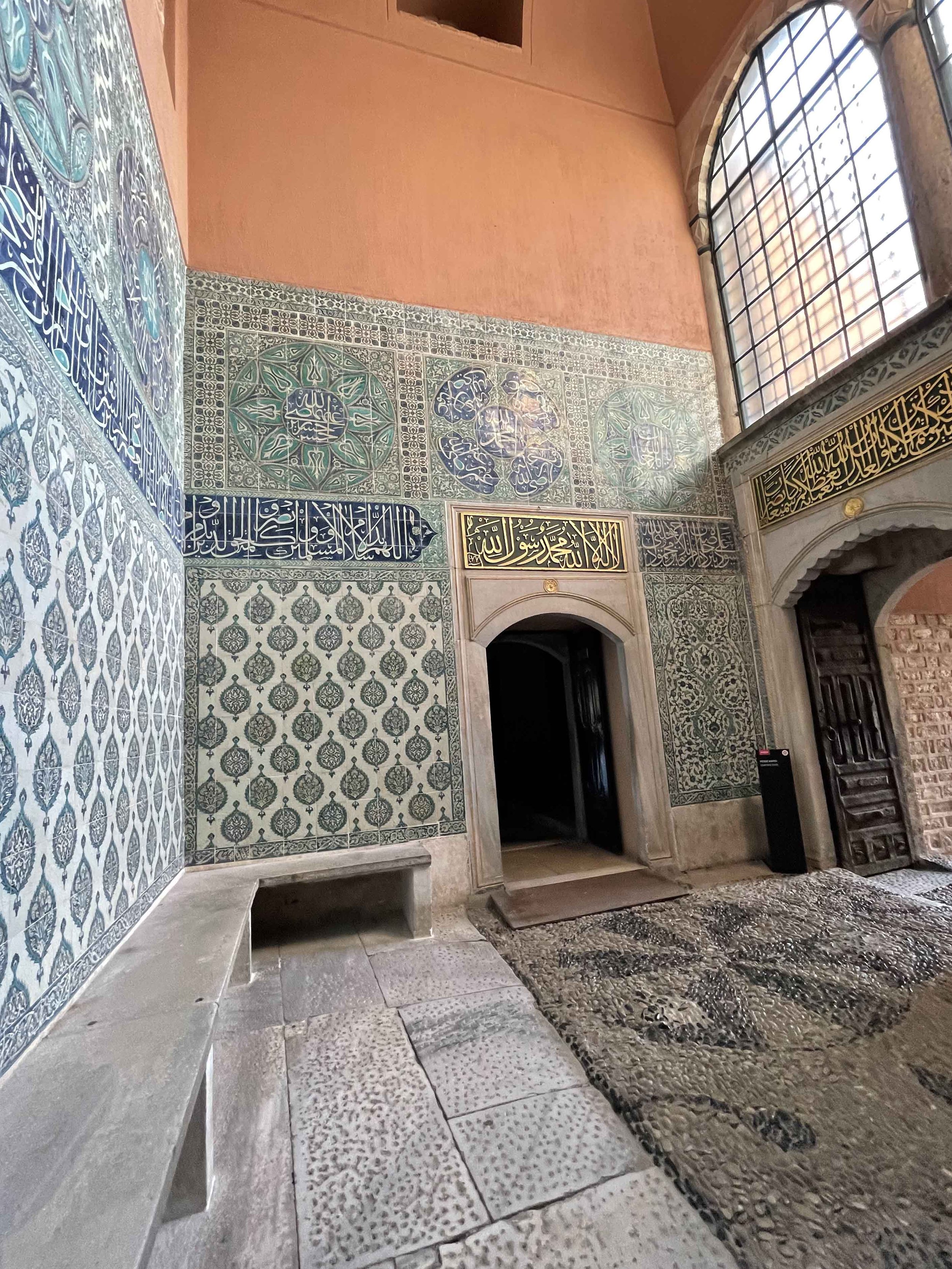
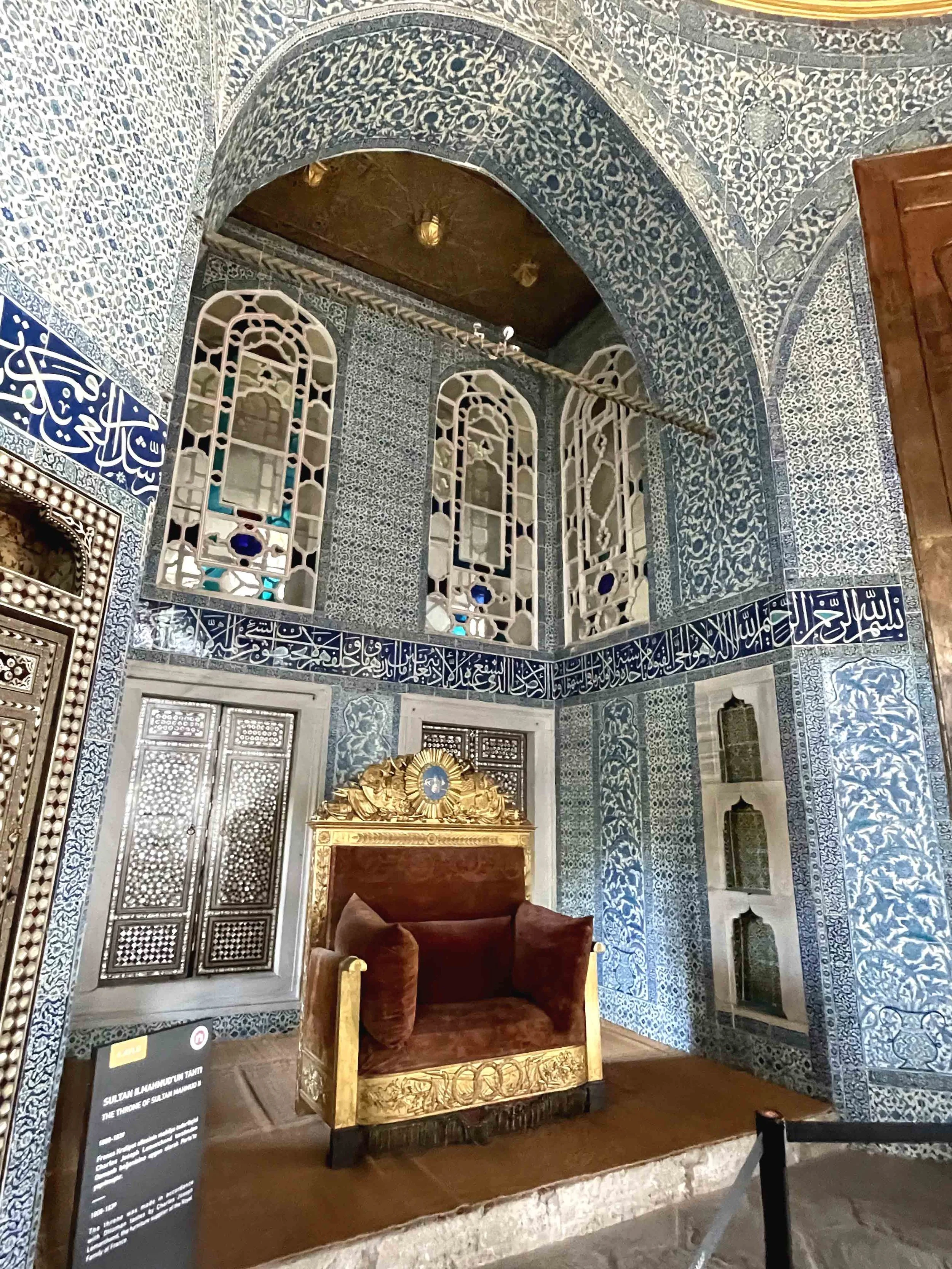
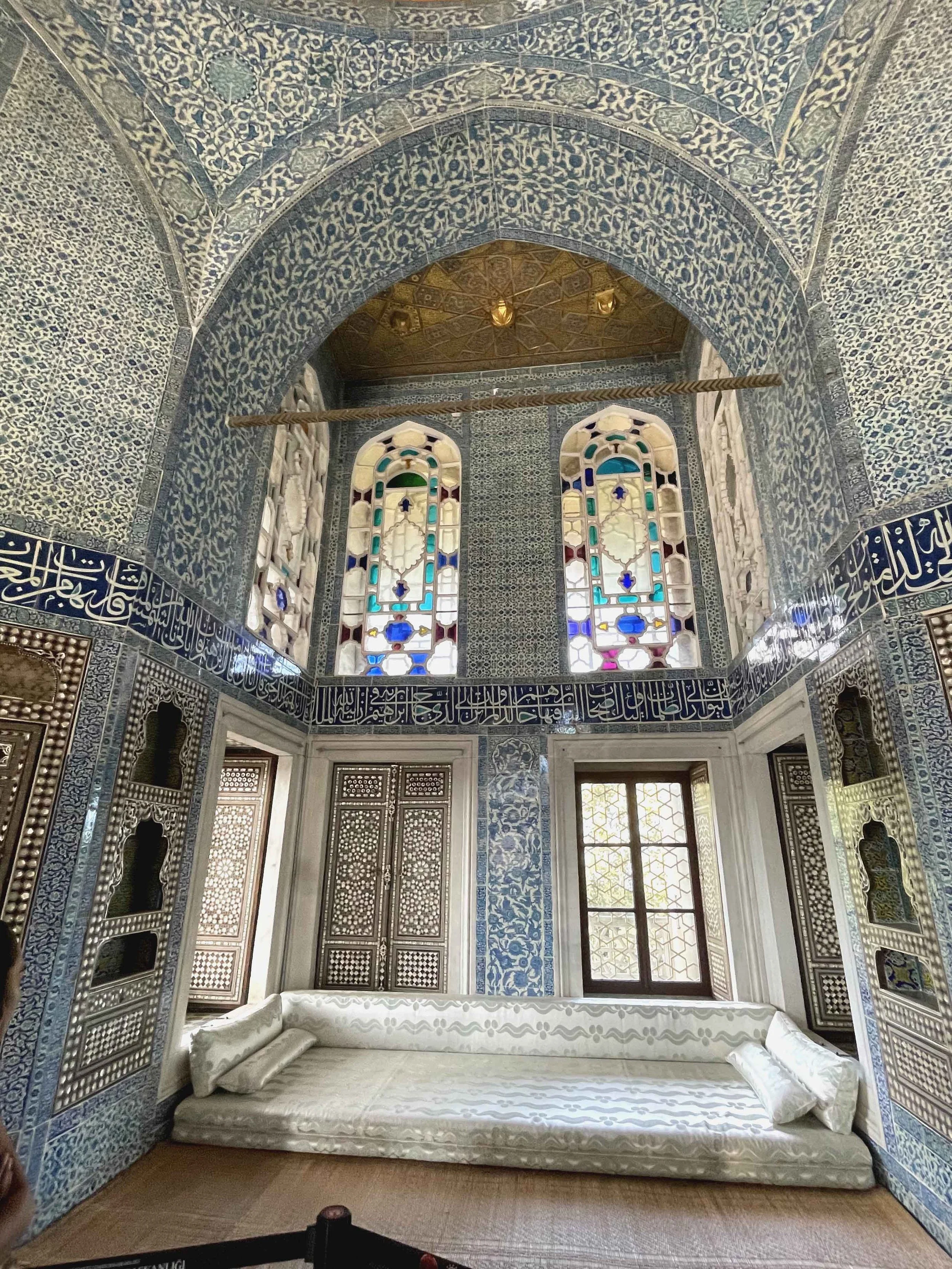
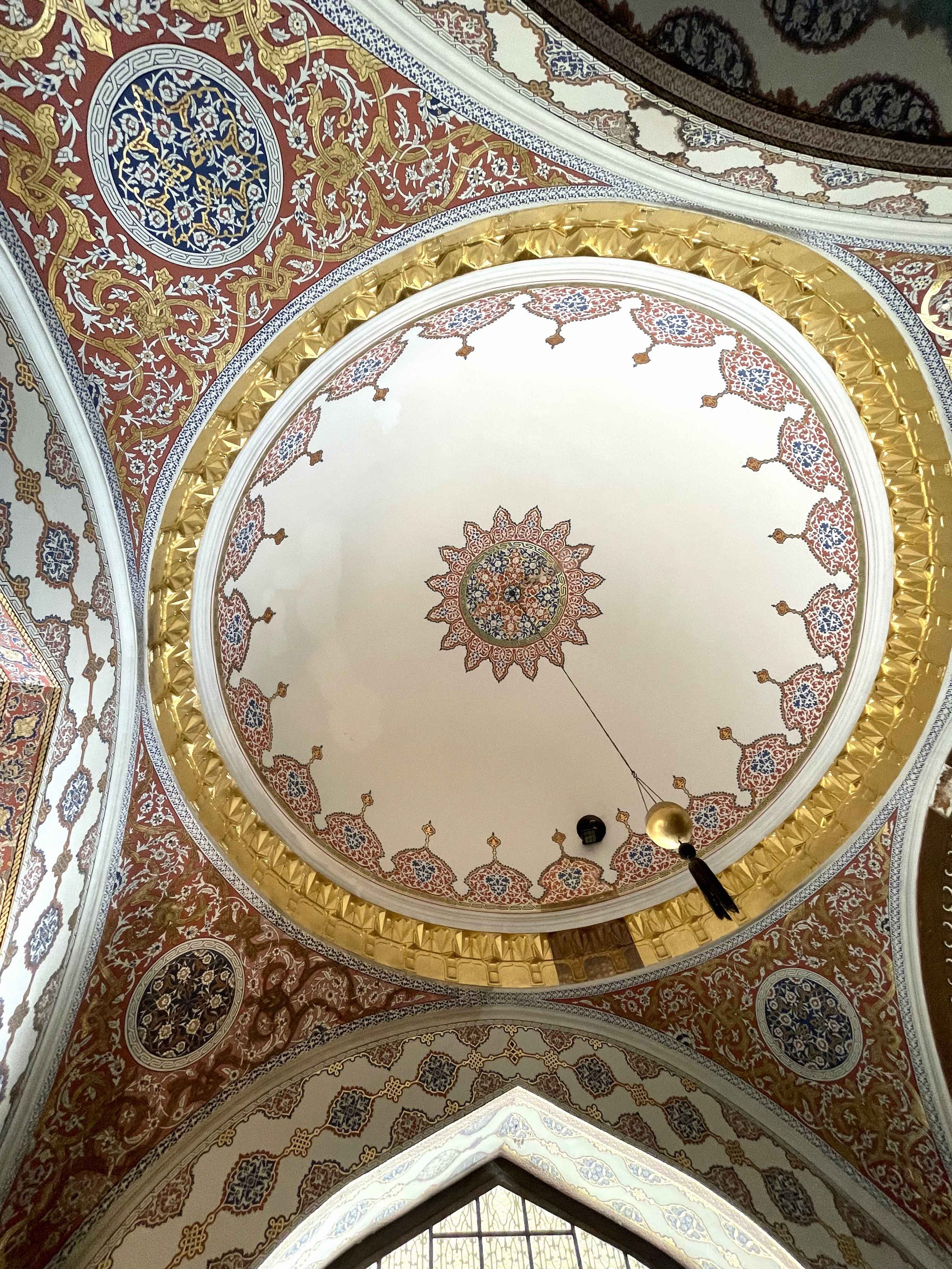
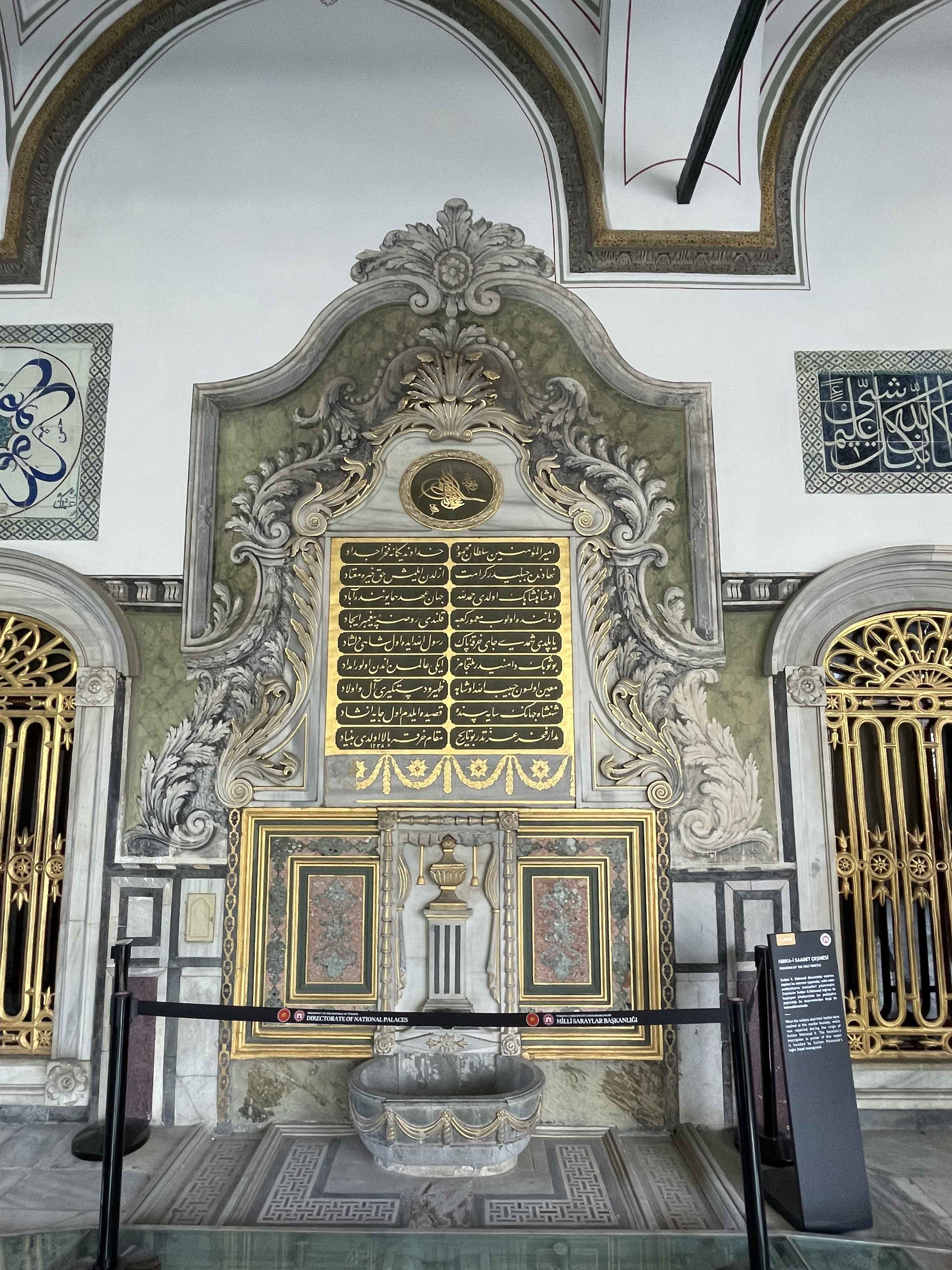
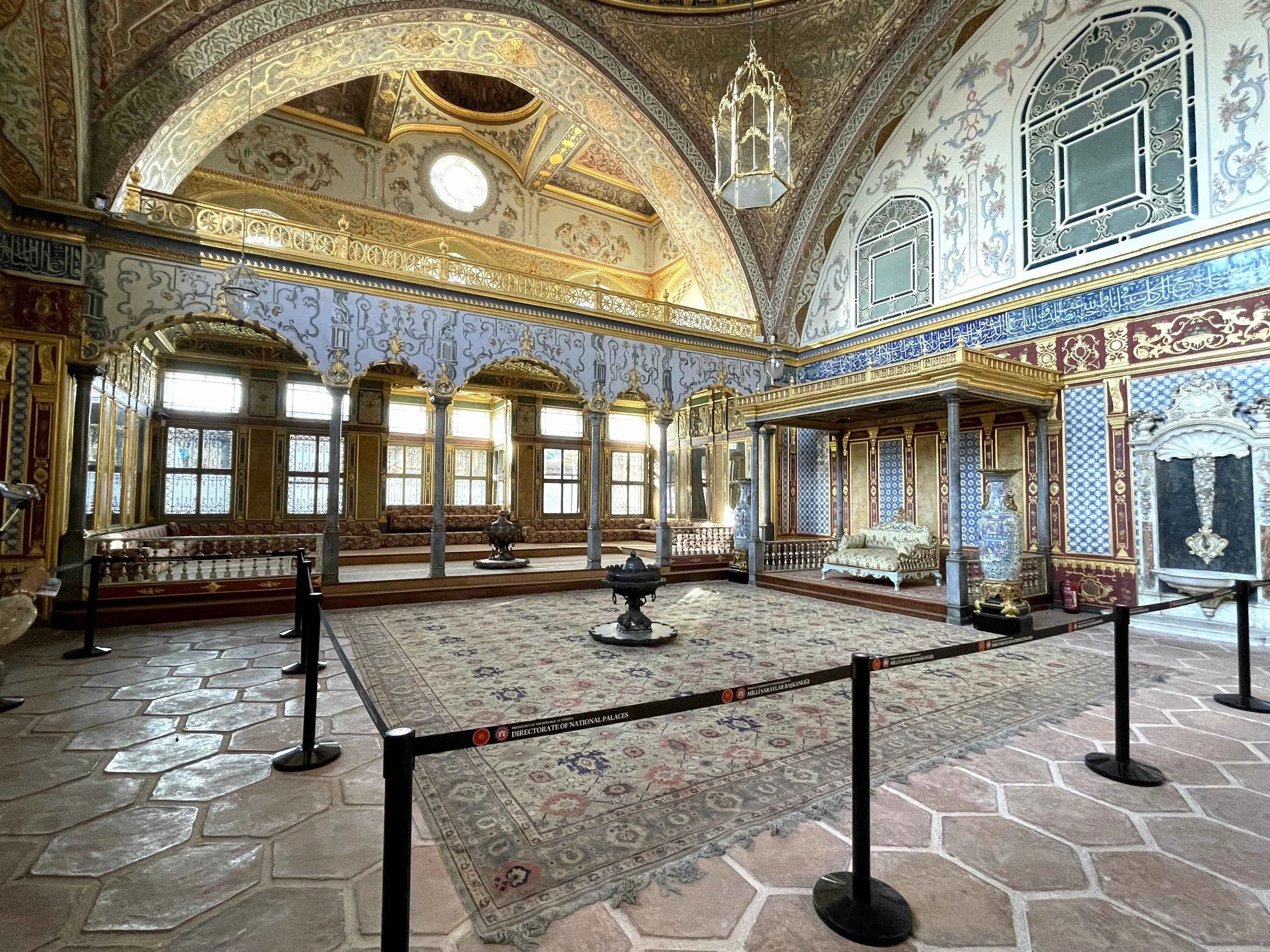
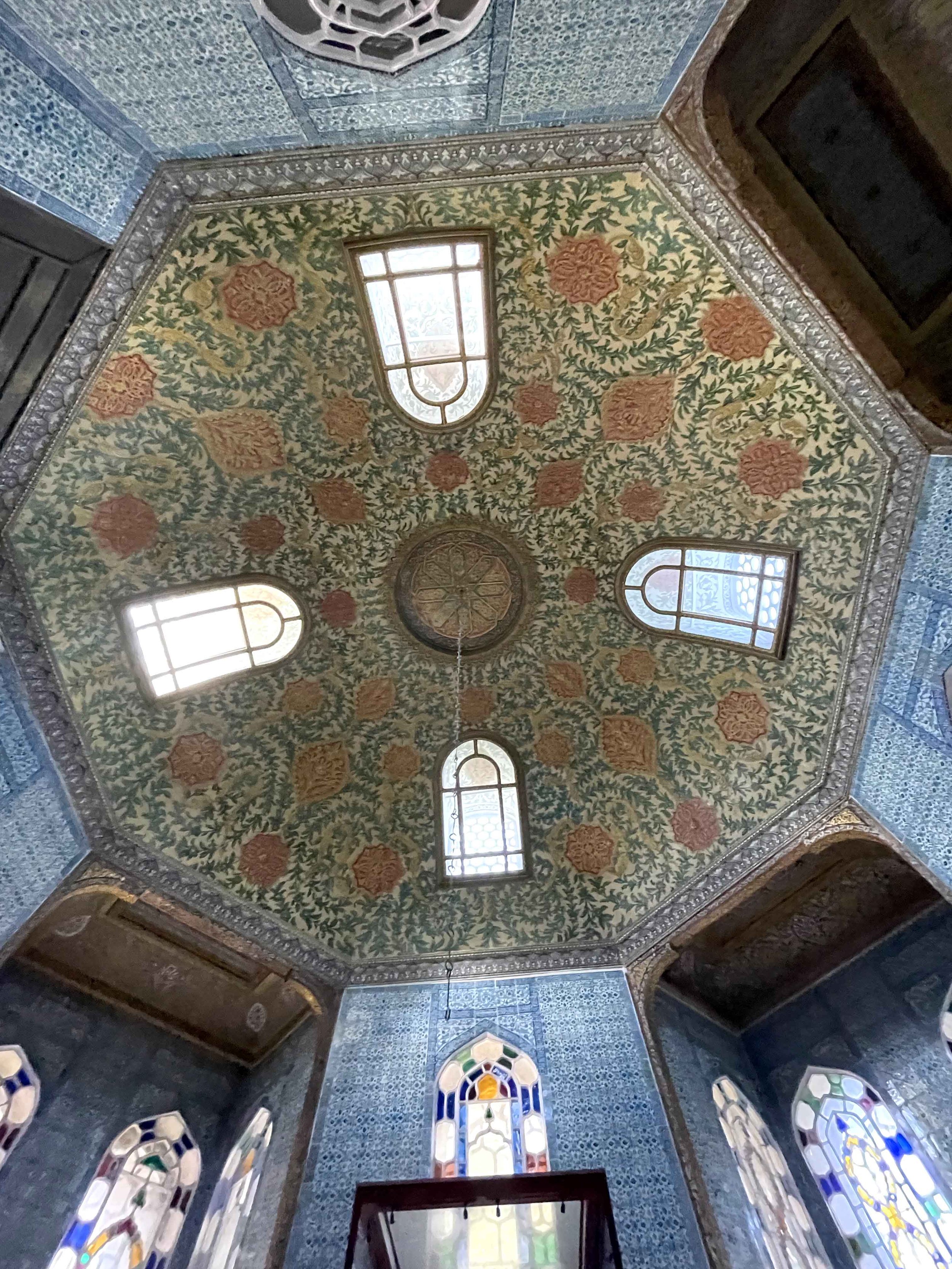
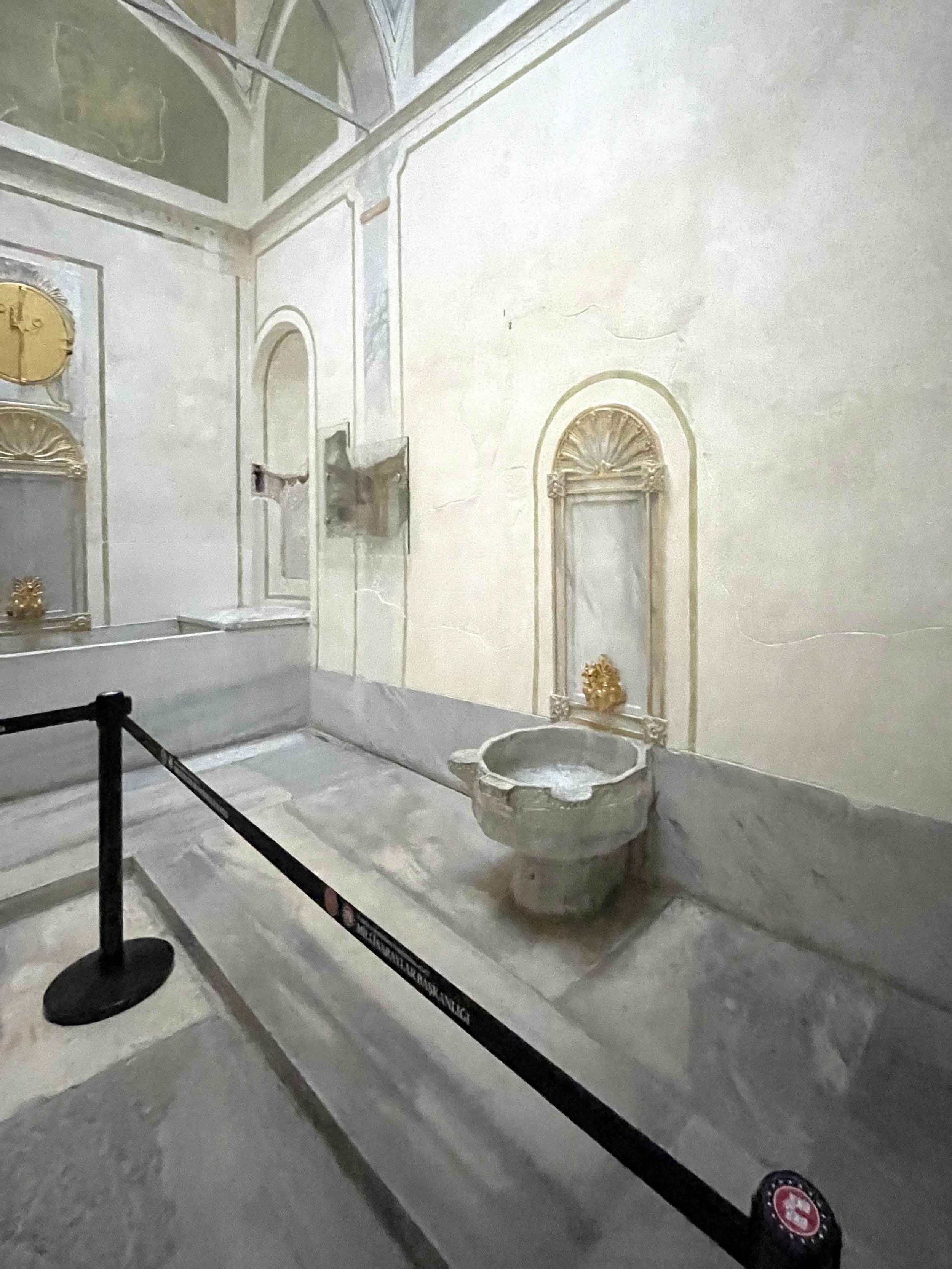
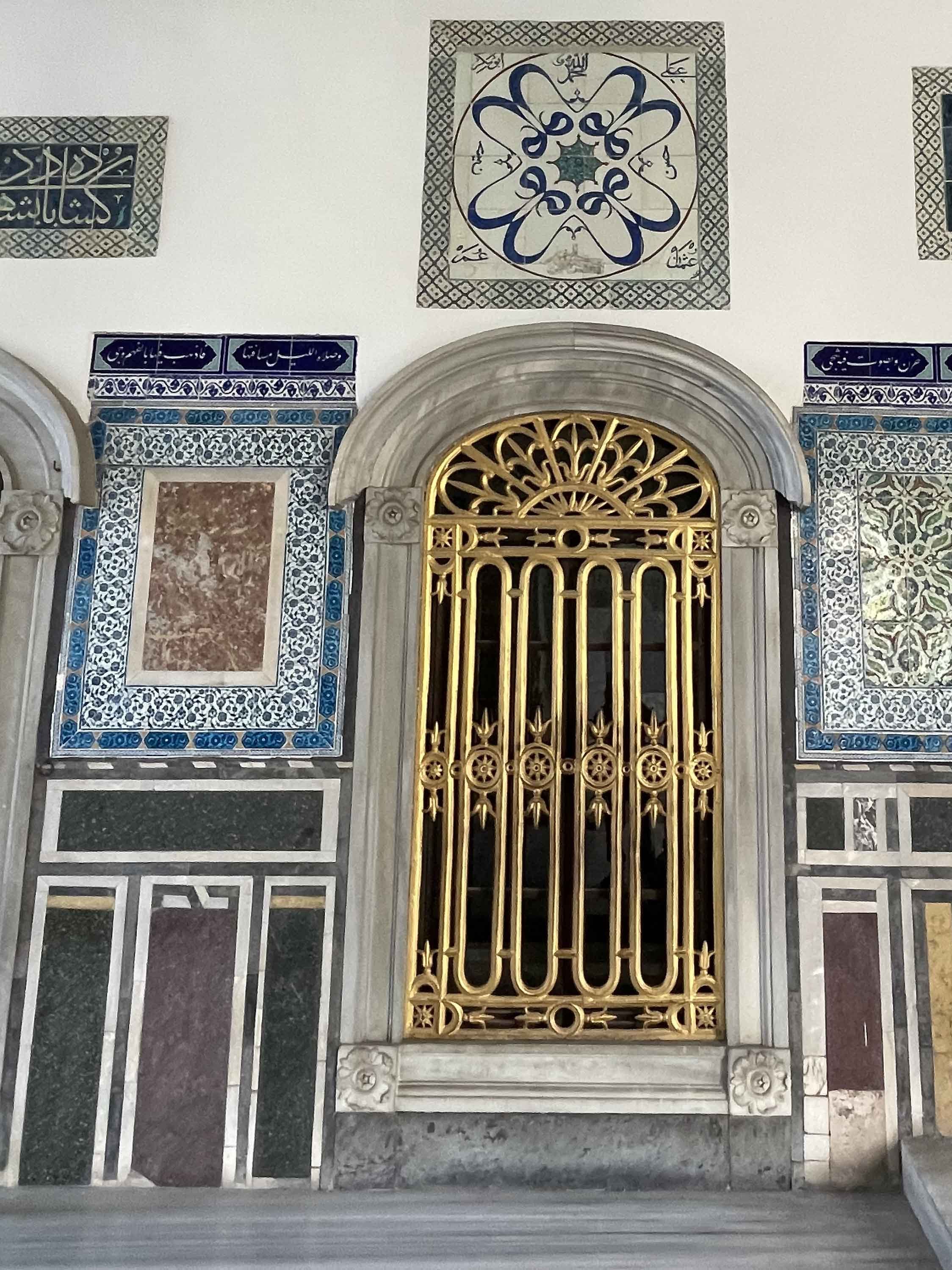
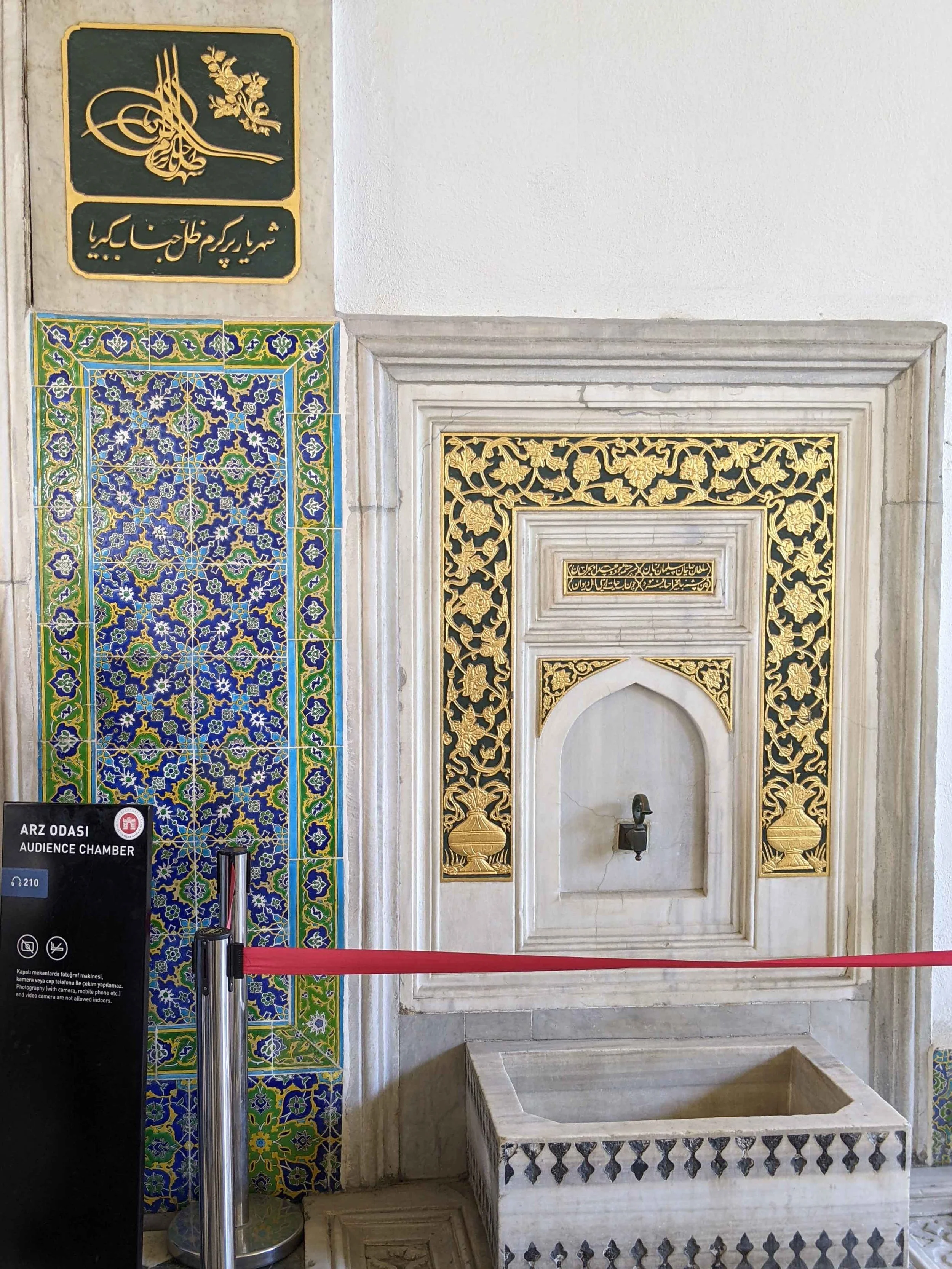
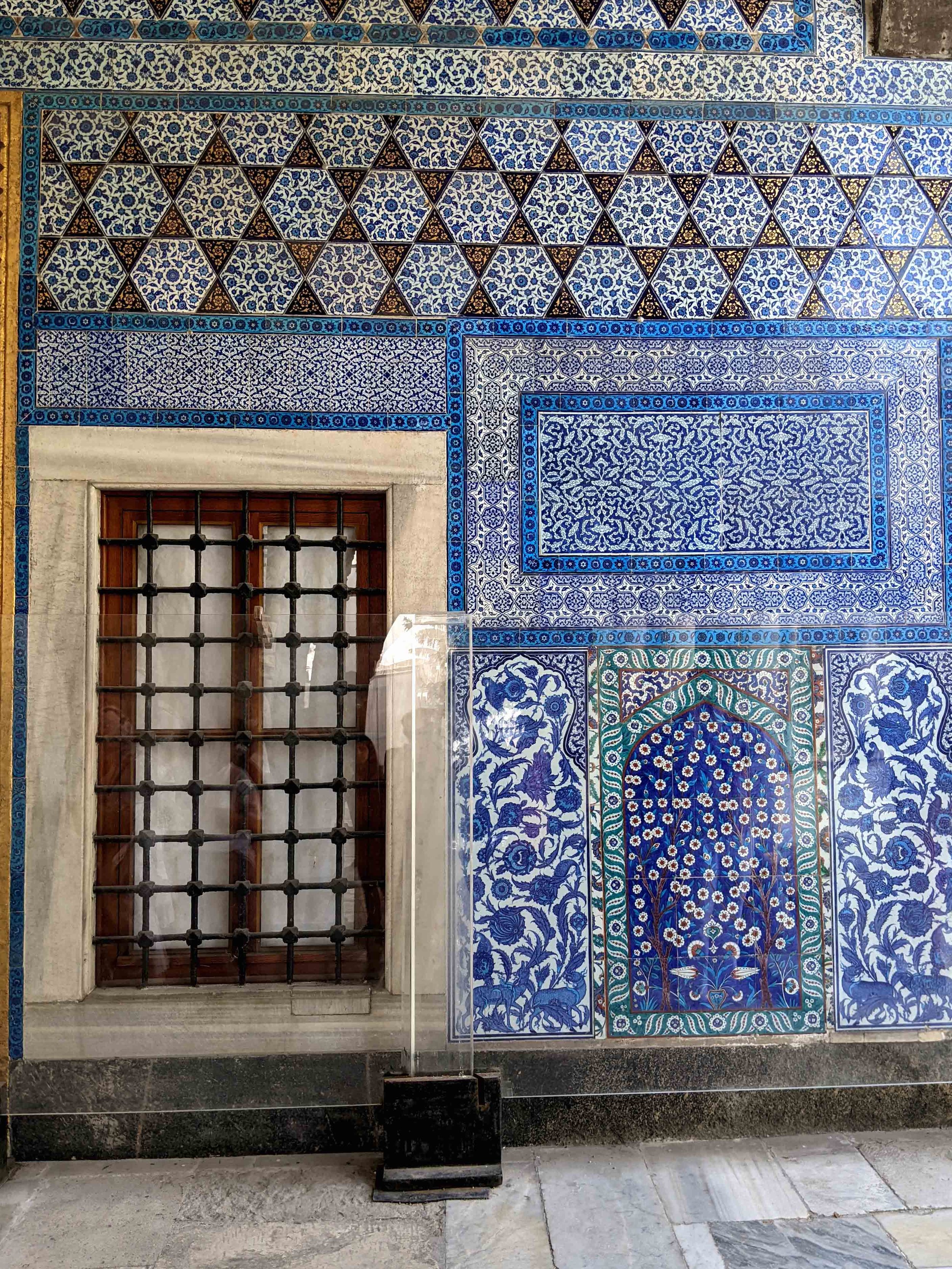
These rooms are simply spectacular and exhibit a mix of Turkish Iznik tiles and Western European paintwork and have intricate domed ceiling decor.

a22.jpg
a4.jpg
a2.jpg
a5.jpg
a6.jpg
a3.jpg
a7.jpg
a8.jpg
a12.jpg
a10.jpg
a9.jpg
a16.jpg
a13.jpg
a20.jpg
a15.jpg
a18.jpg
a17.jpg
a14.jpg
35.JPG
a1.jpg

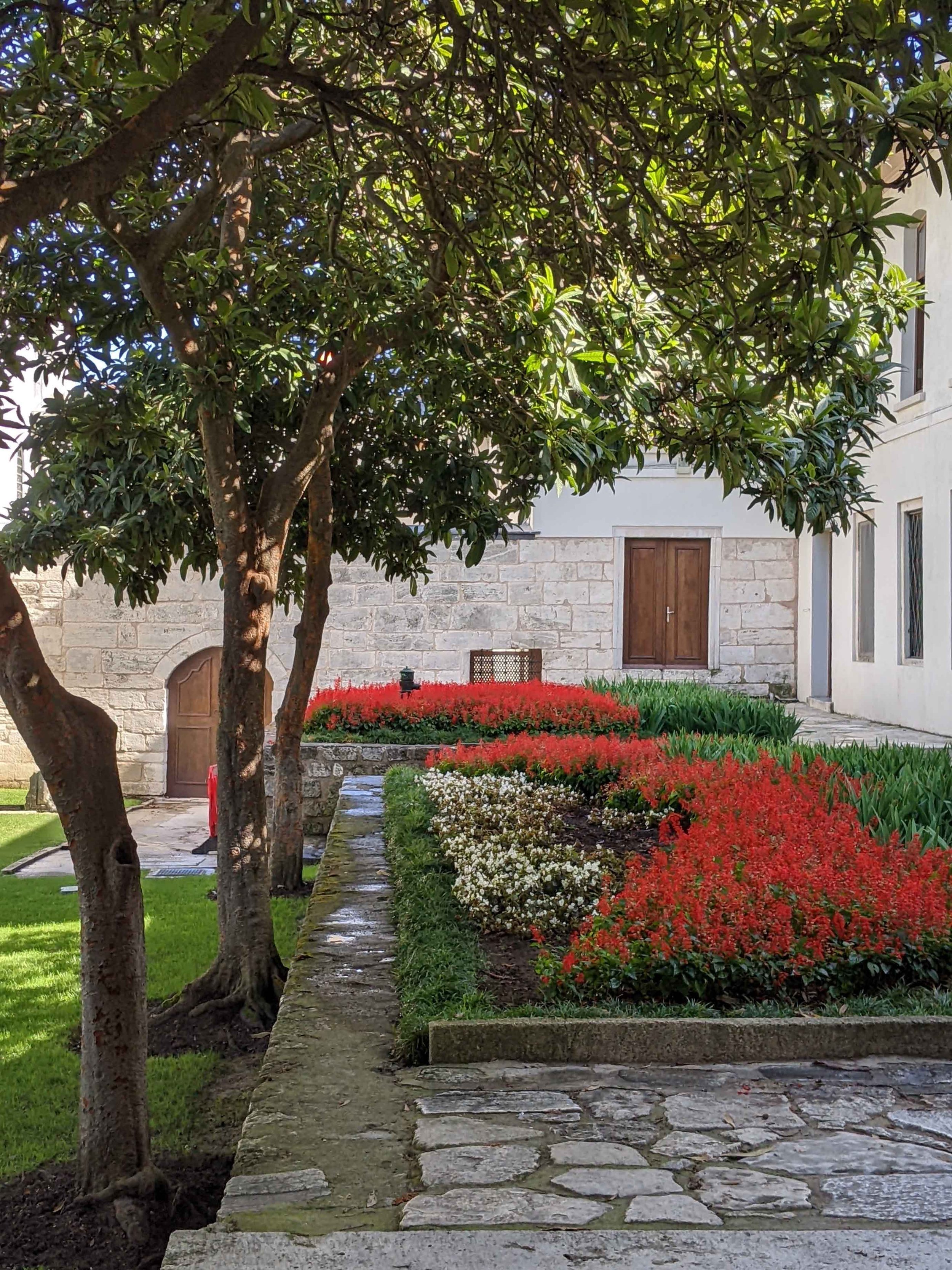
COURTYARDS AND GARDENS

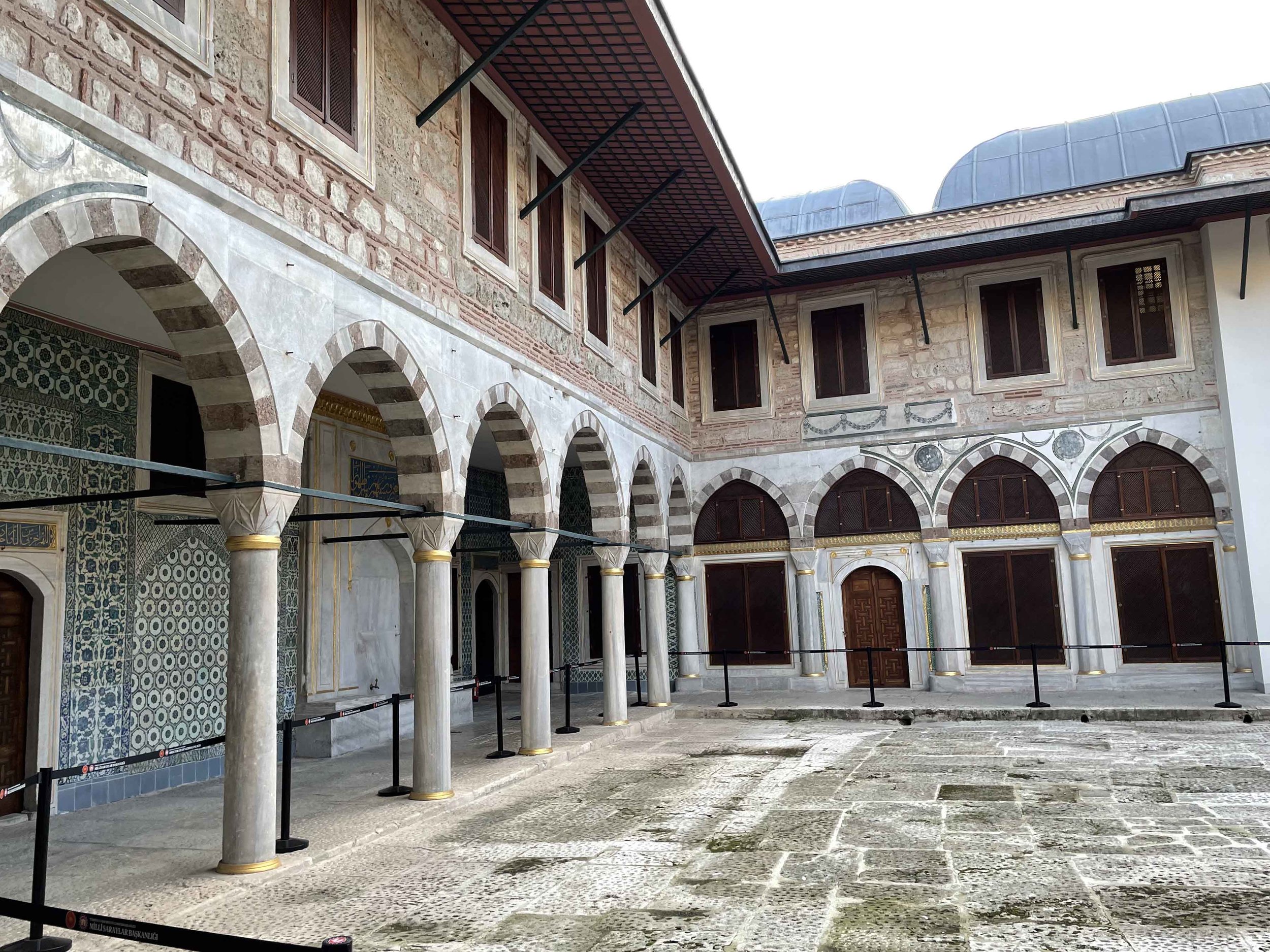
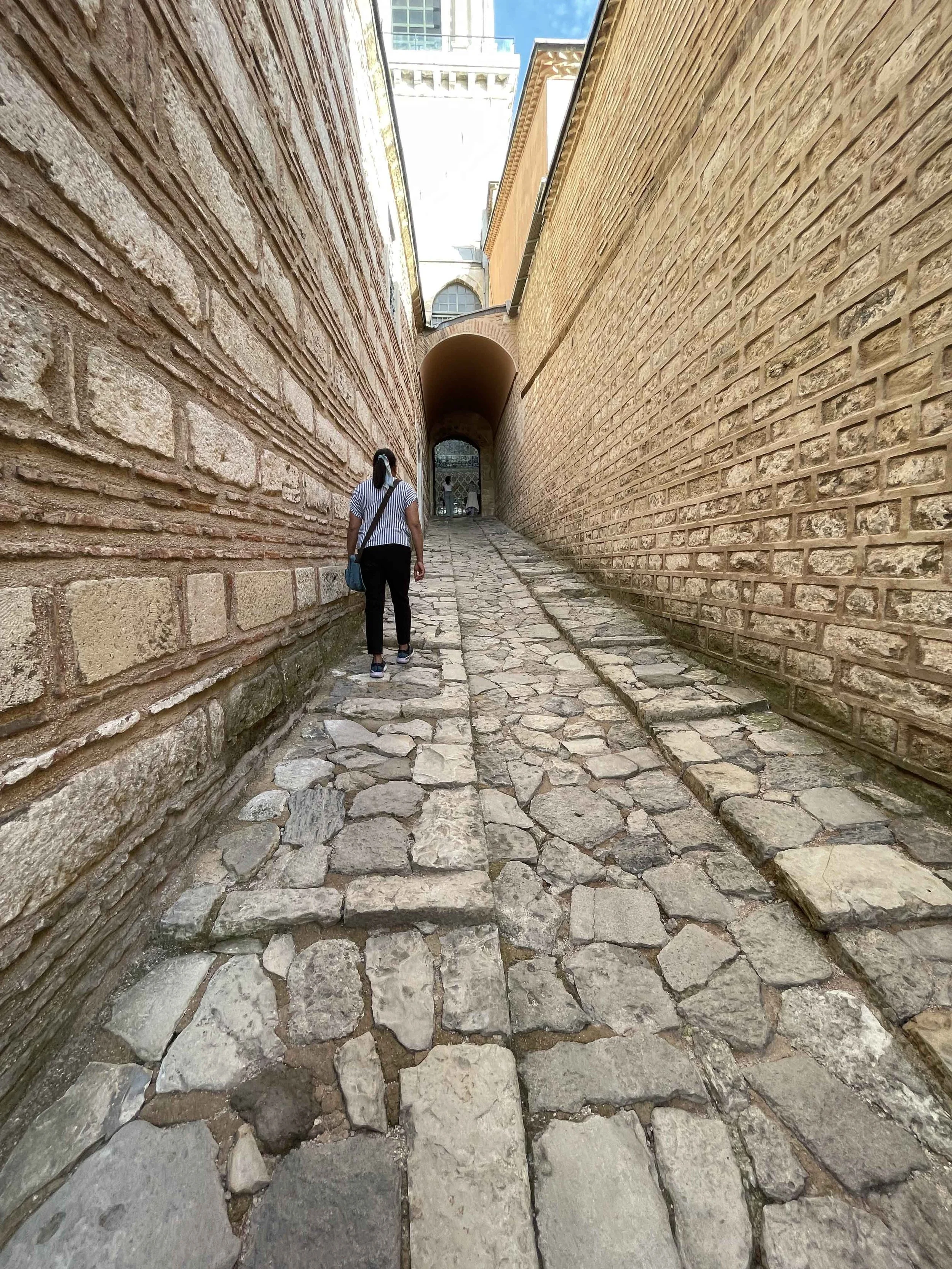
The palace design consists of four consecutive courtyards surrounded by high walls. Each courtyard served different purposes and was separated by a gate.

a10.jpg
a4.jpg
a2.jpg
a6.jpg
a14.jpg
a8.jpg
a9.jpg
a13.jpg
a11.jpg
a1.jpg
a3.jpg
a7.jpg

The outer courtyard is the largest and only public courtyard. This courtyard’s open space made it ideal for ceremonies and processions. The second courtyard was called the ‘Divan Square’, and was the administrative center of the palace. Only official visitors and members of the court could enter this space

The innermost third courtyard housed the private residence of the sultan and the inner palace school. Only the sultan, members of his family, his servants, and the occasional approved visitor were allowed to enter. The third courtyard extends to the fourth courtyard, which consists primarily of terraced gardens and pavilions.

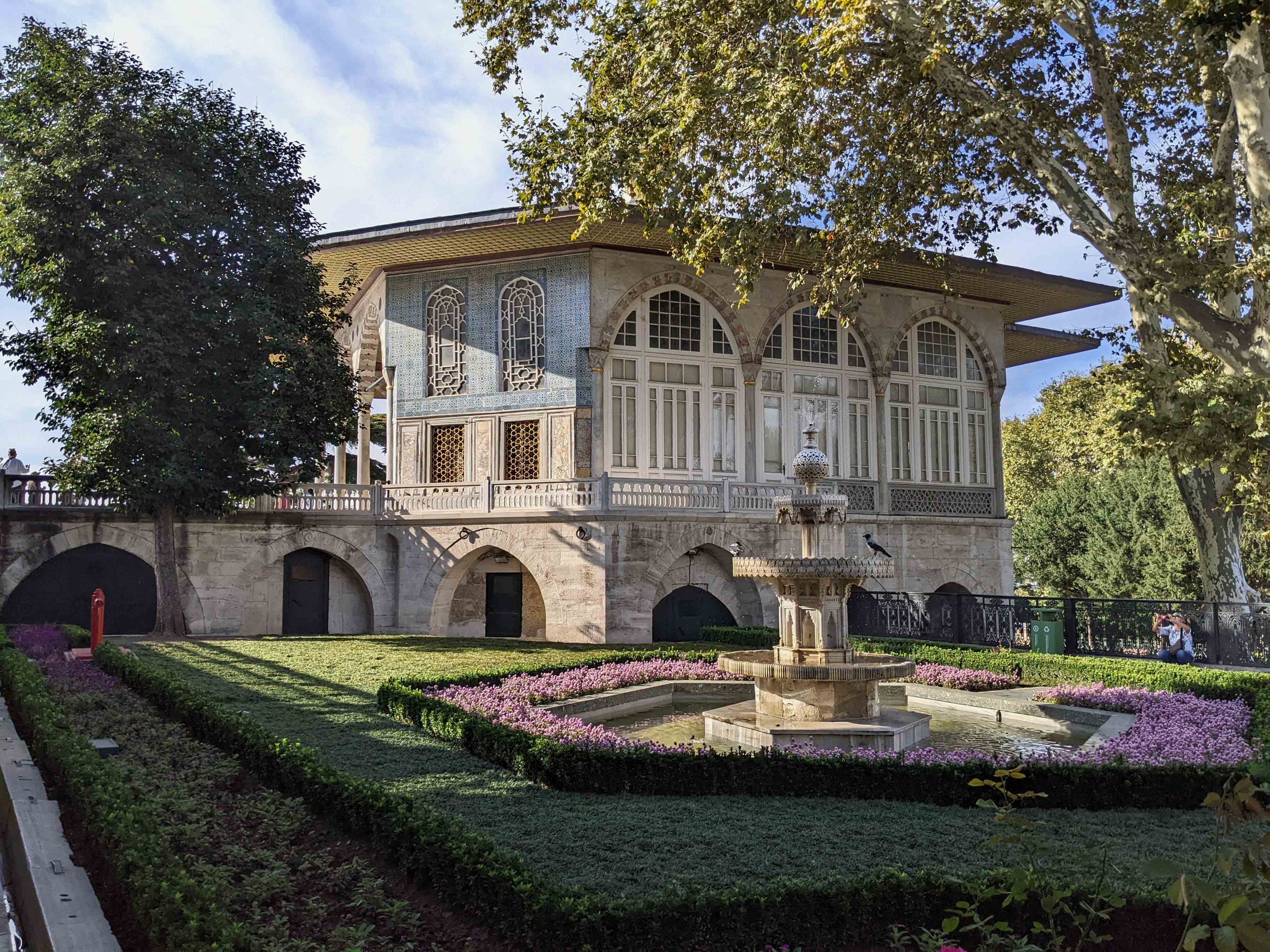
The Sultans were keen lovers of gardens and flowers and lined the courtyards with long tall trees, fountains, and lawns. They collected best flower species from all over the empire and planted them in the palace.

The Austrian ambassador who came to Istanbul at the time of Sultan Suleyman, stated the following about the flower passion of the Turks, “The flowers smelled so good that our heads were spinning, which was unusual for us. Turks, are very fond of flowers. They do not hesitate to give a lot of money for a beautiful flower.”

Topkapi palace is a must-see destination while visiting Istanbul, allow at least 4 hours for a proper look. It is a touristy spot that attracts thousands of visitors each day, therefore it’s better to visit early and see the harem (additional tickets) and the chamber of holy relics first up before it gets busy.

In Arts, Islamic Arts, Travel, Turkey, Garden, Ottoman Tags topkapi, Topkapi, Palace, Turkey, Courtyard, Gardens, garden, Library, Museum, Harems, harem
Comment

Cappadocia

October 16, 2022

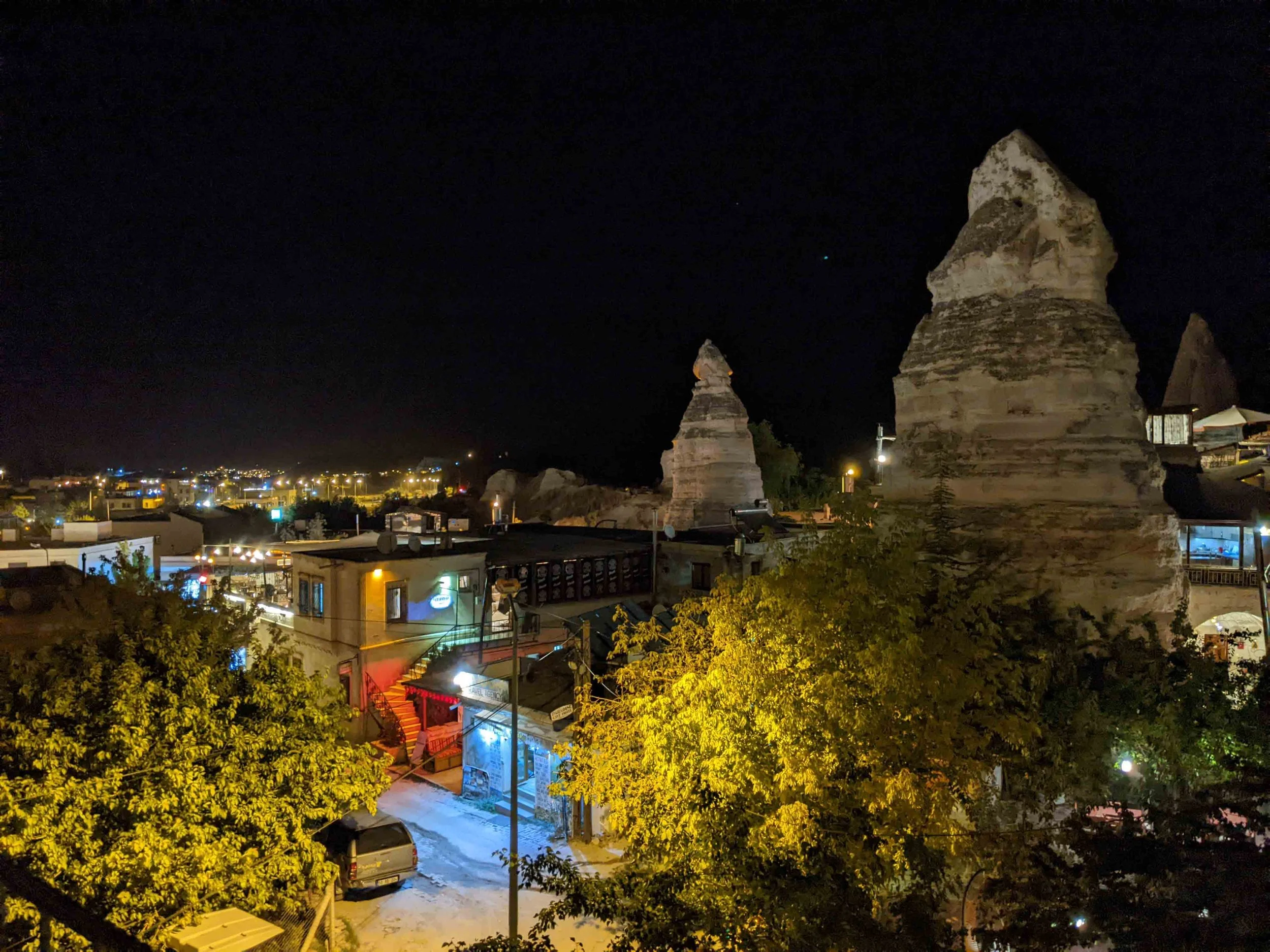
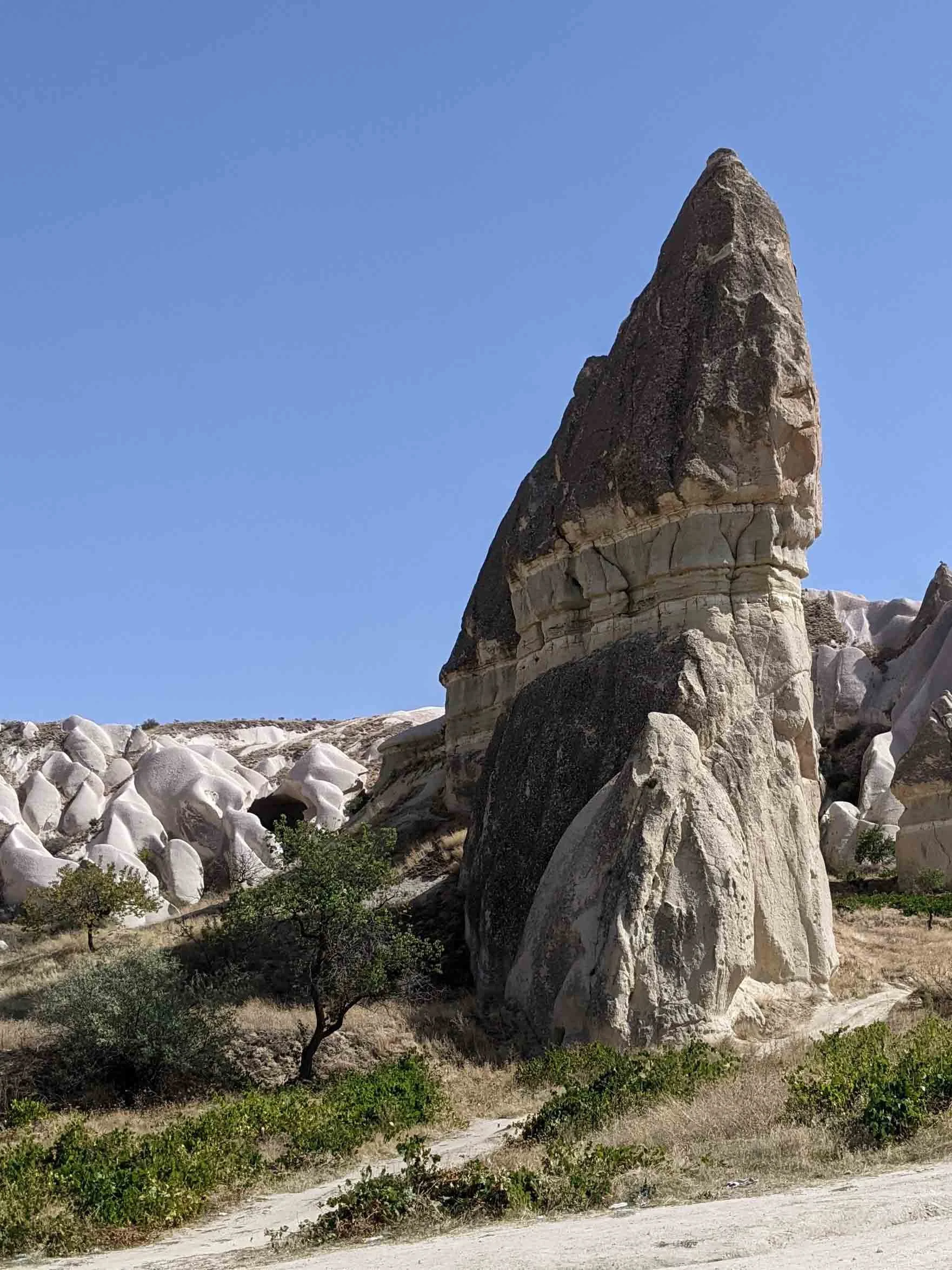
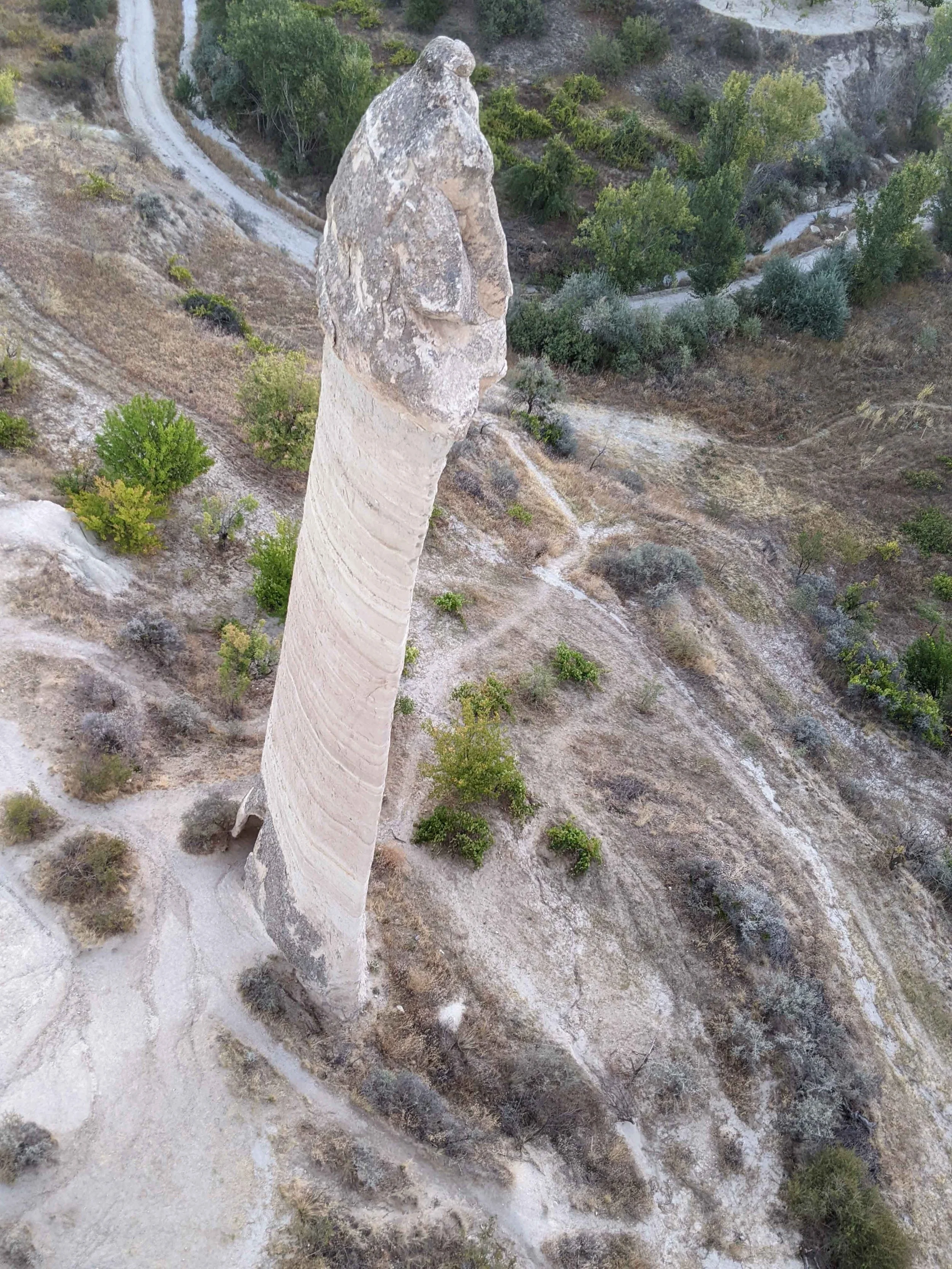
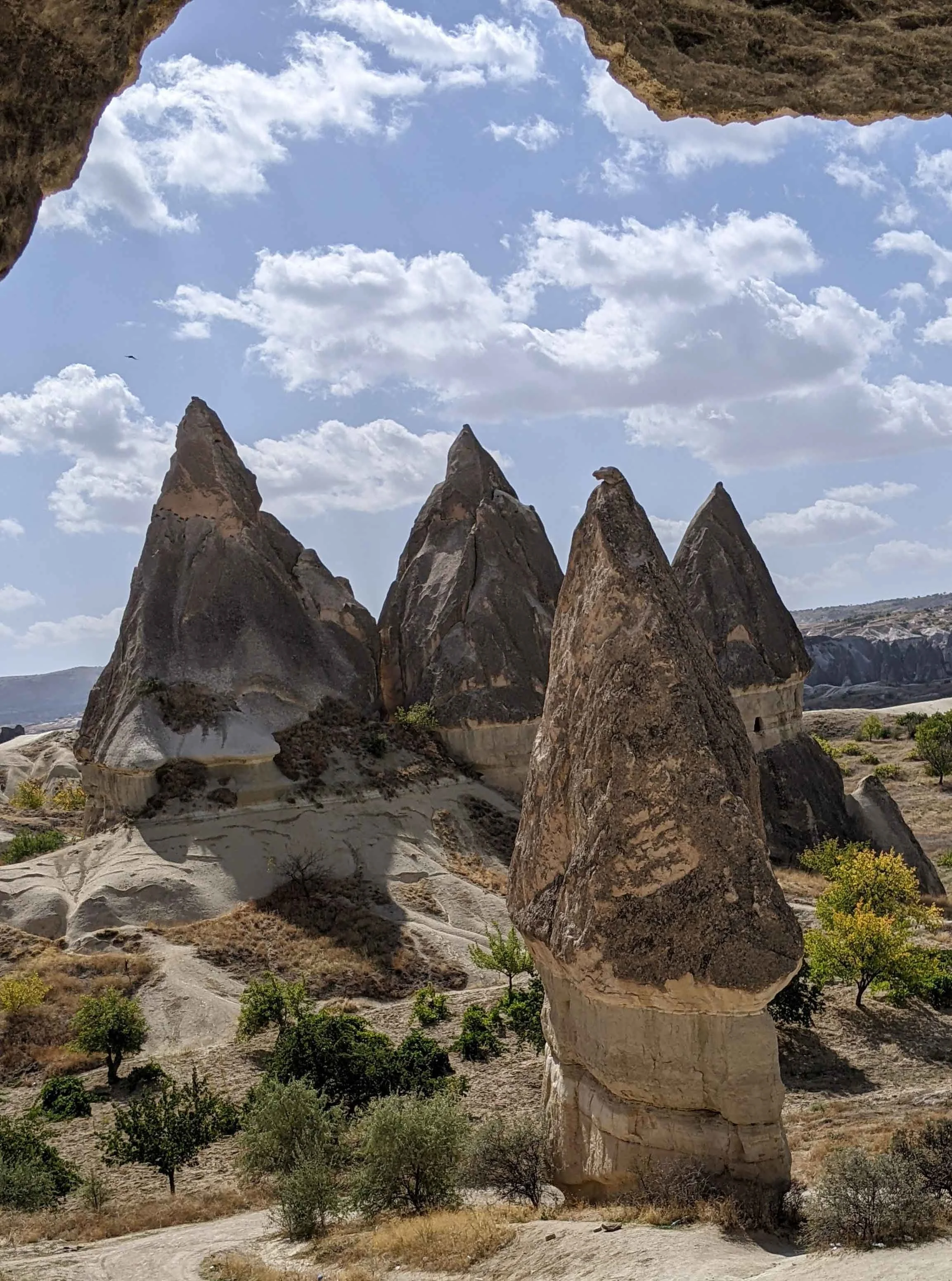
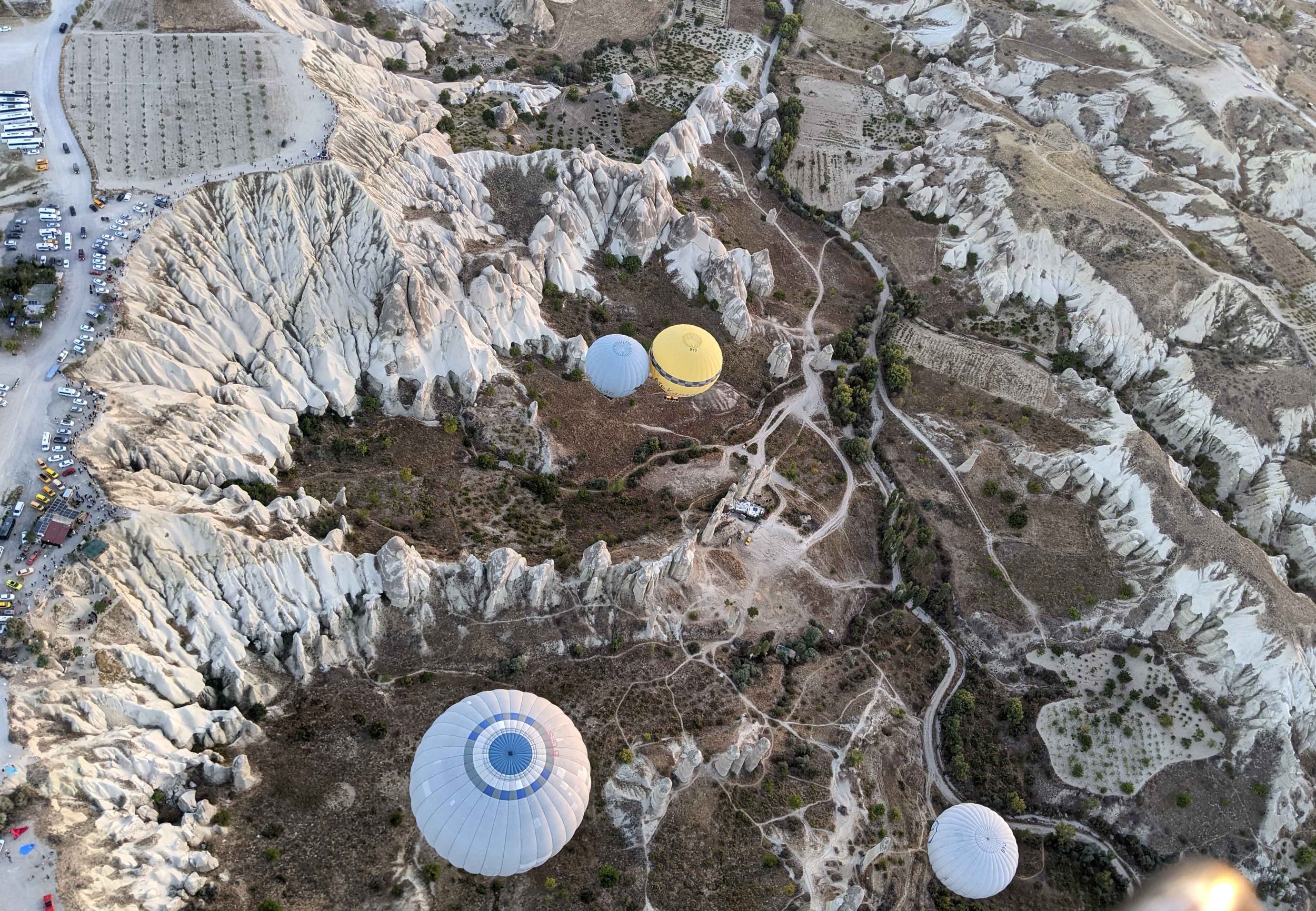
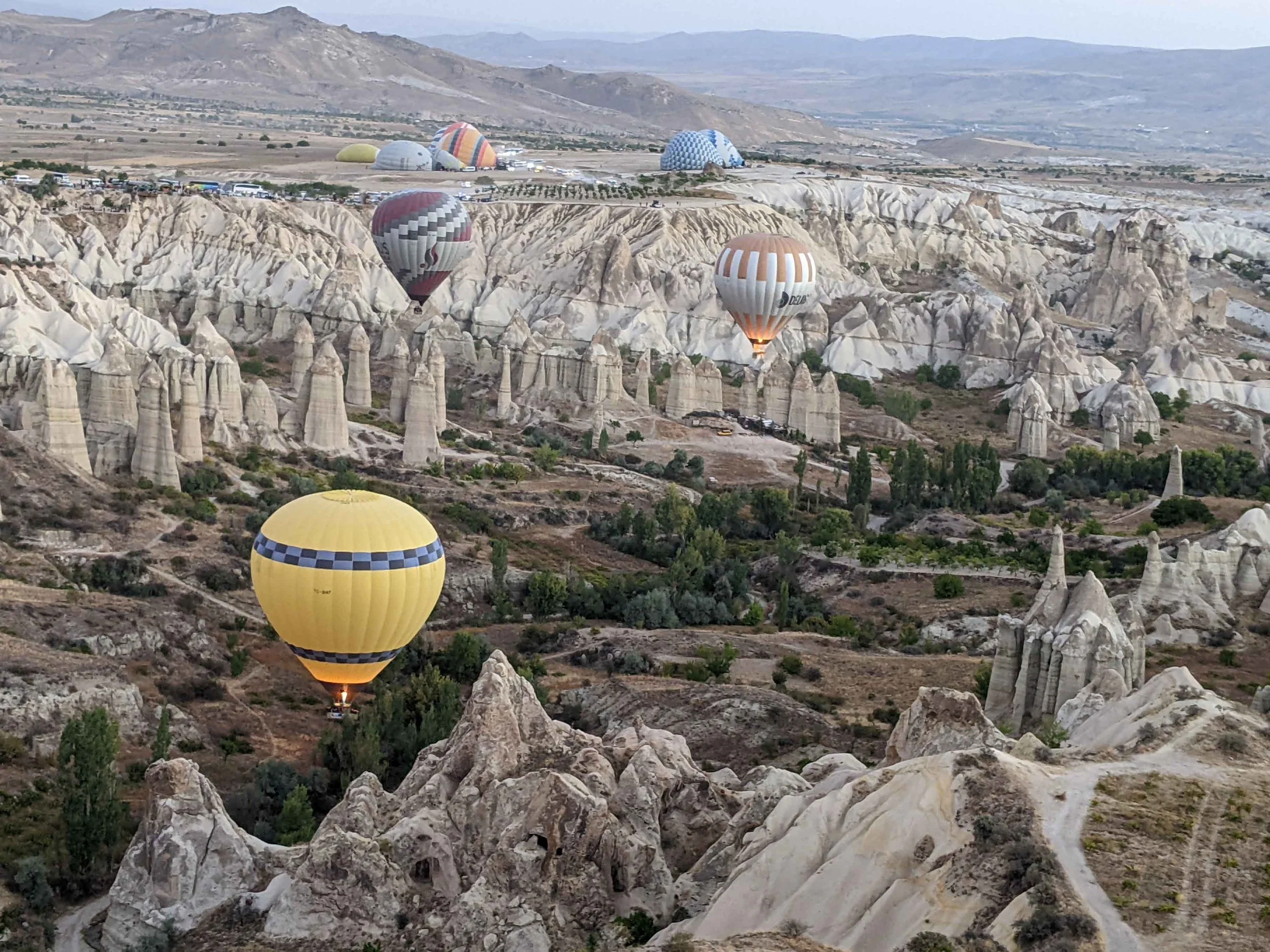
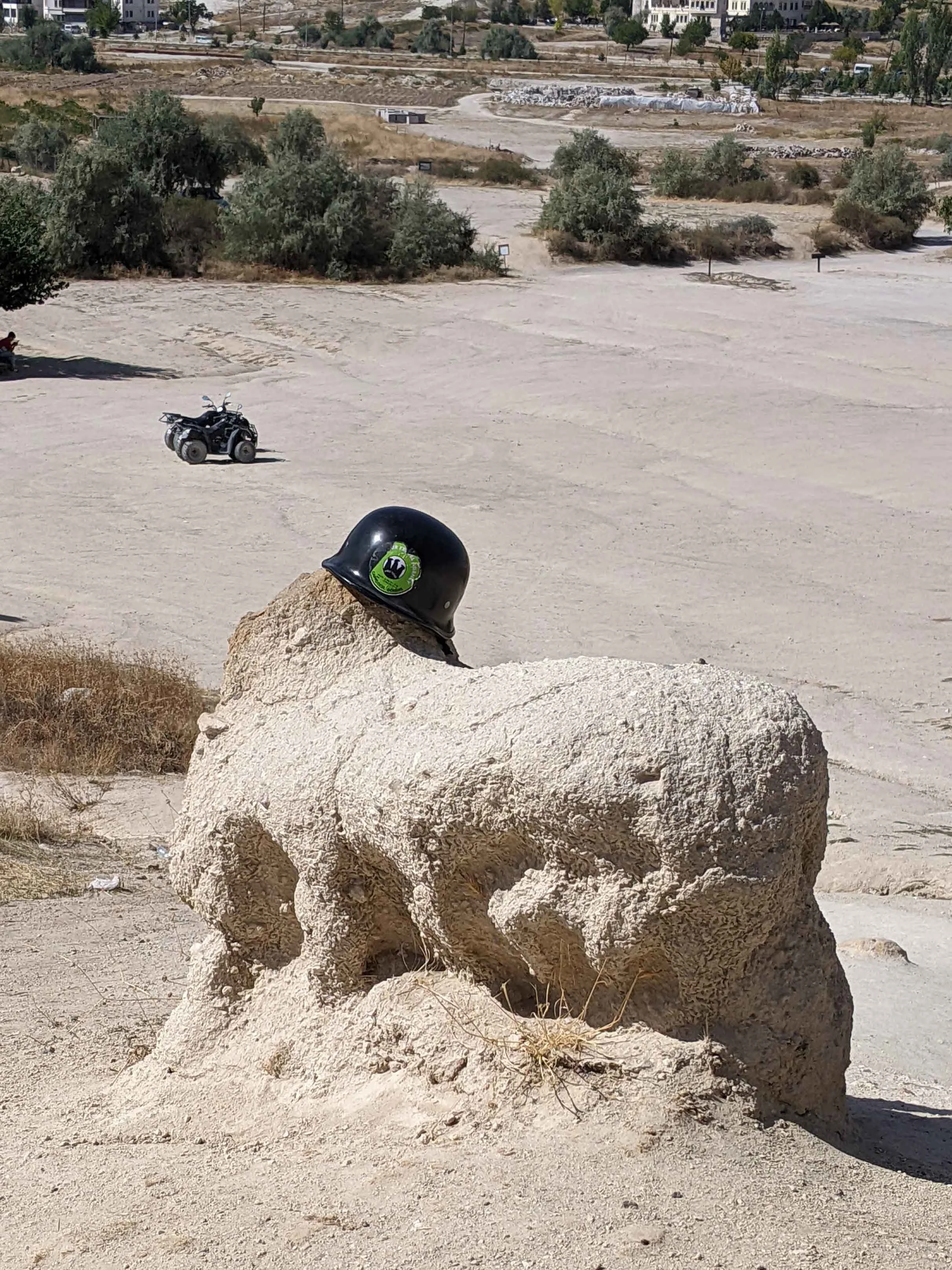
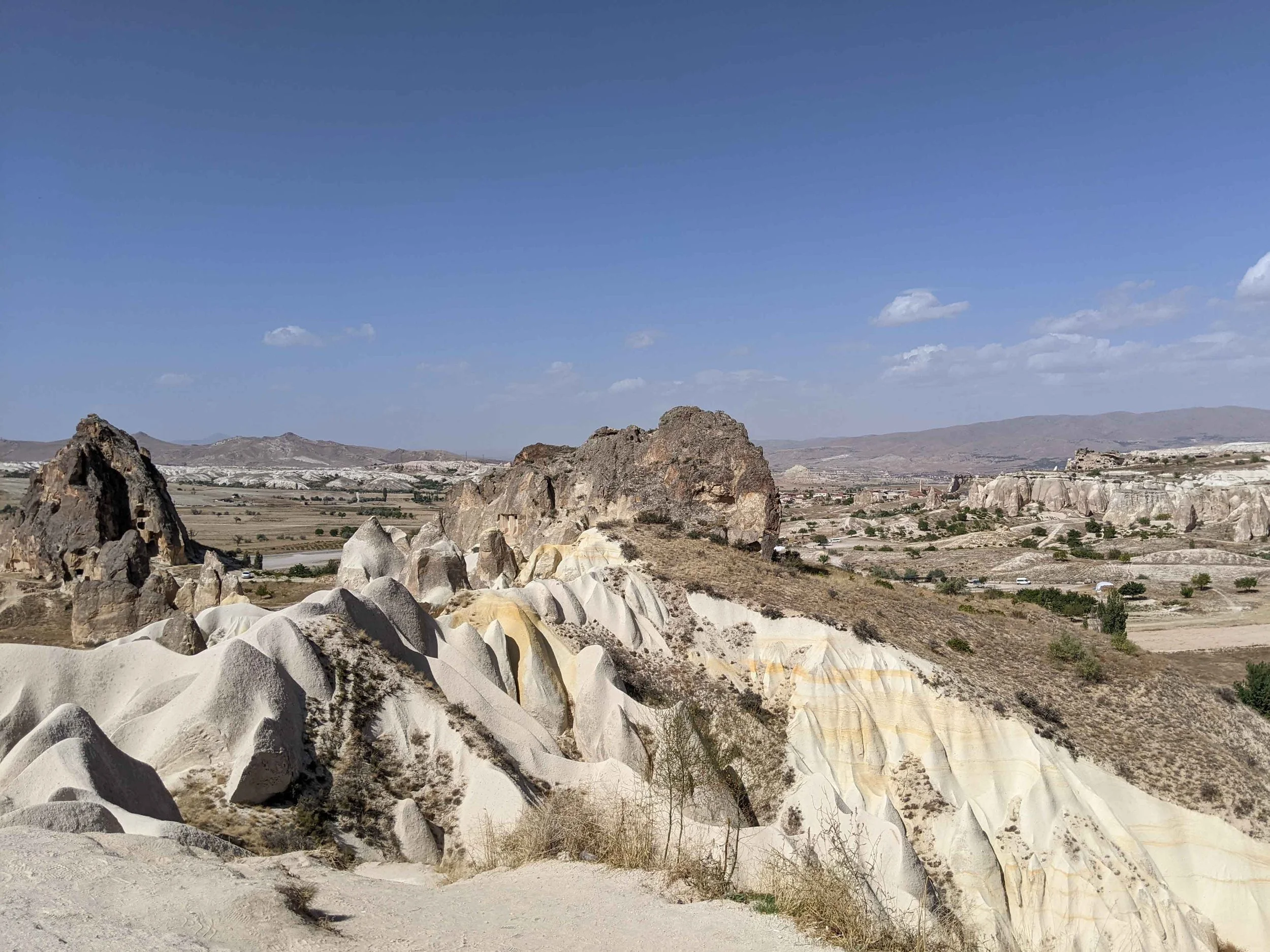
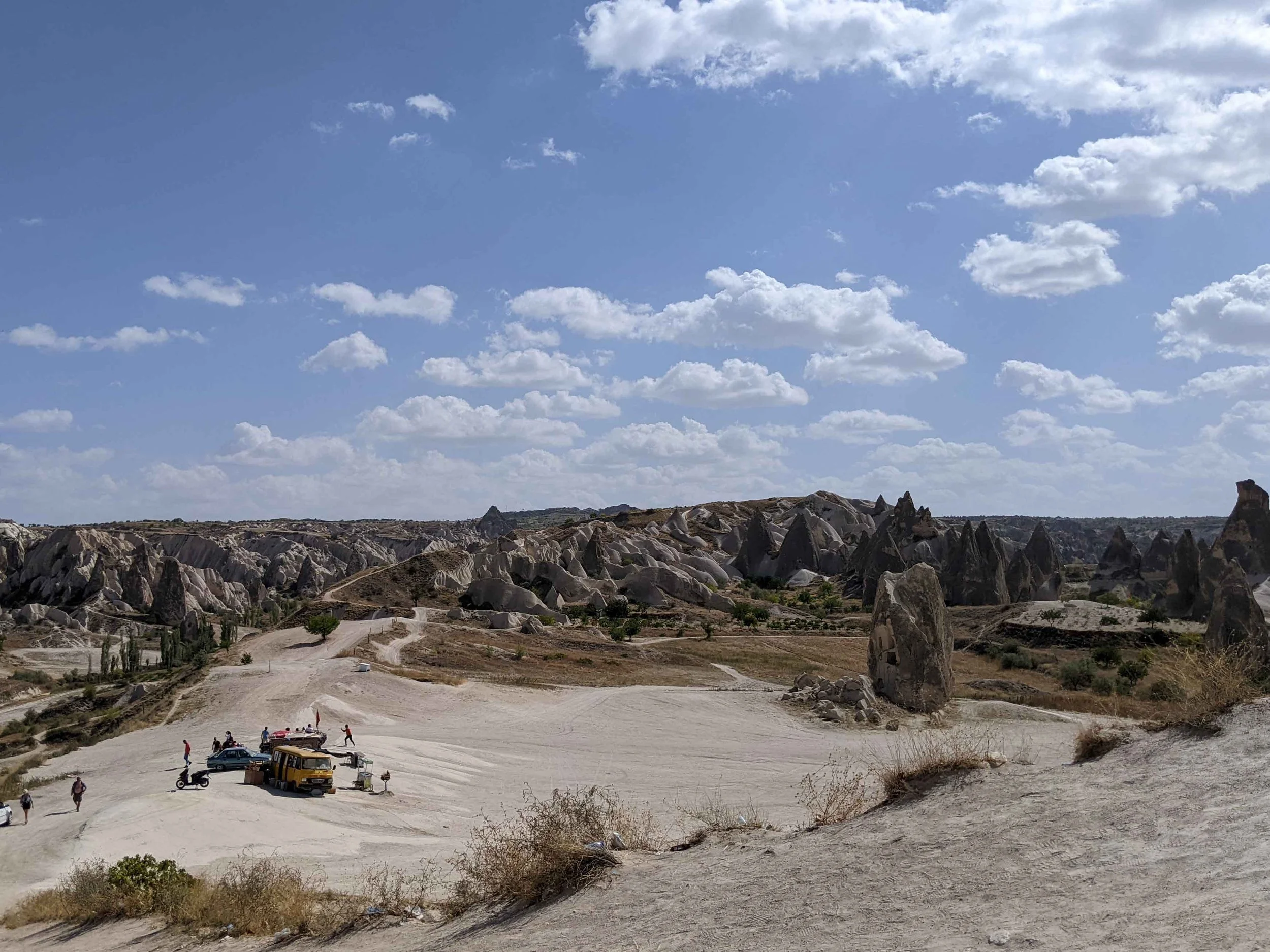
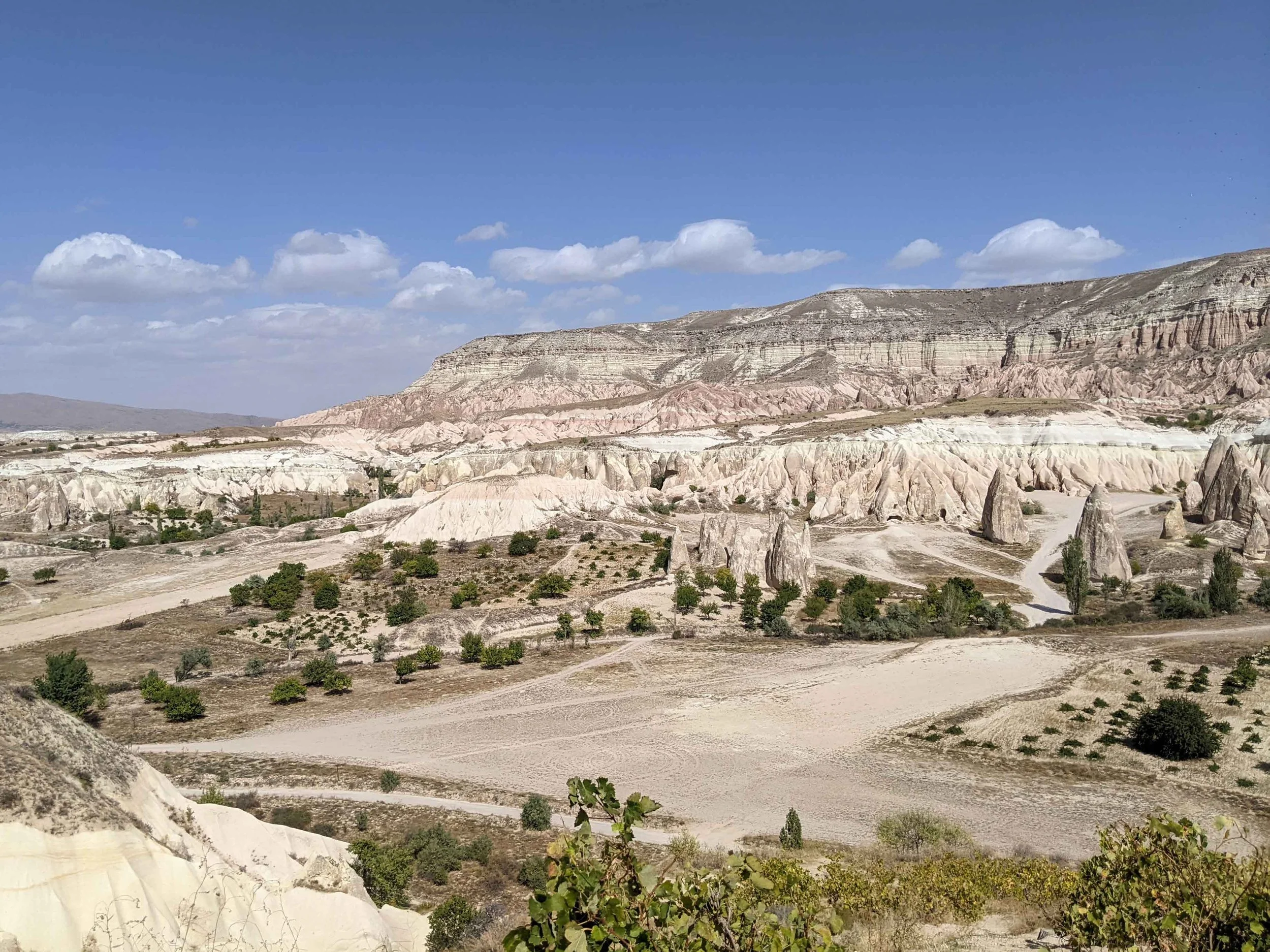
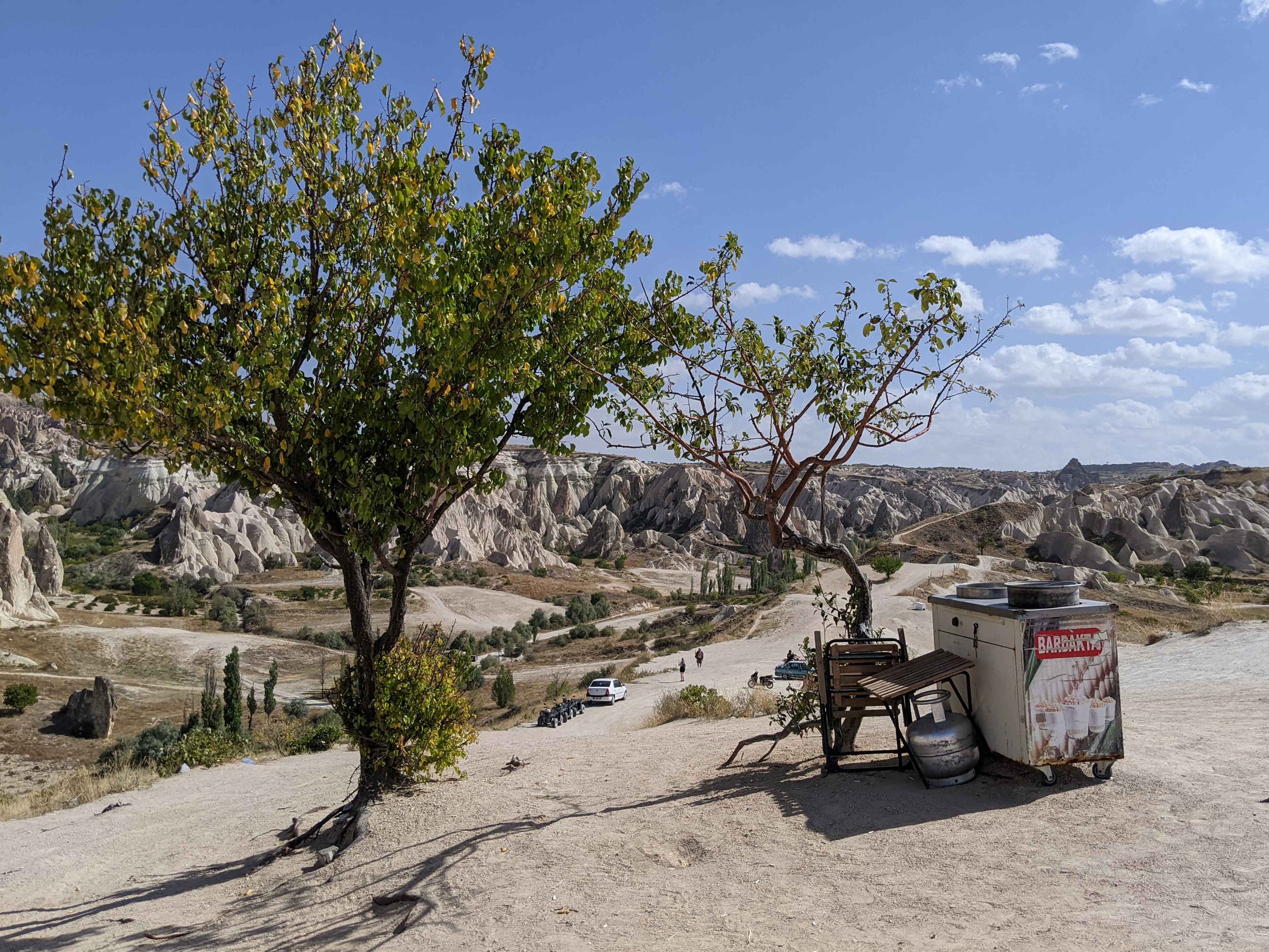
Located at the centre of present-day Turkey; the ancient district of Cappadocia is in east-central Anatolia, about 700 km from Istanbul. The plateau is dominated by an eerie landscape comprising long, tall, and thin rock structures, the ‘fairy chimneys’ (or more technically; ‘hoodoos’) that rise out of the ground.

Cappadocia Landscape

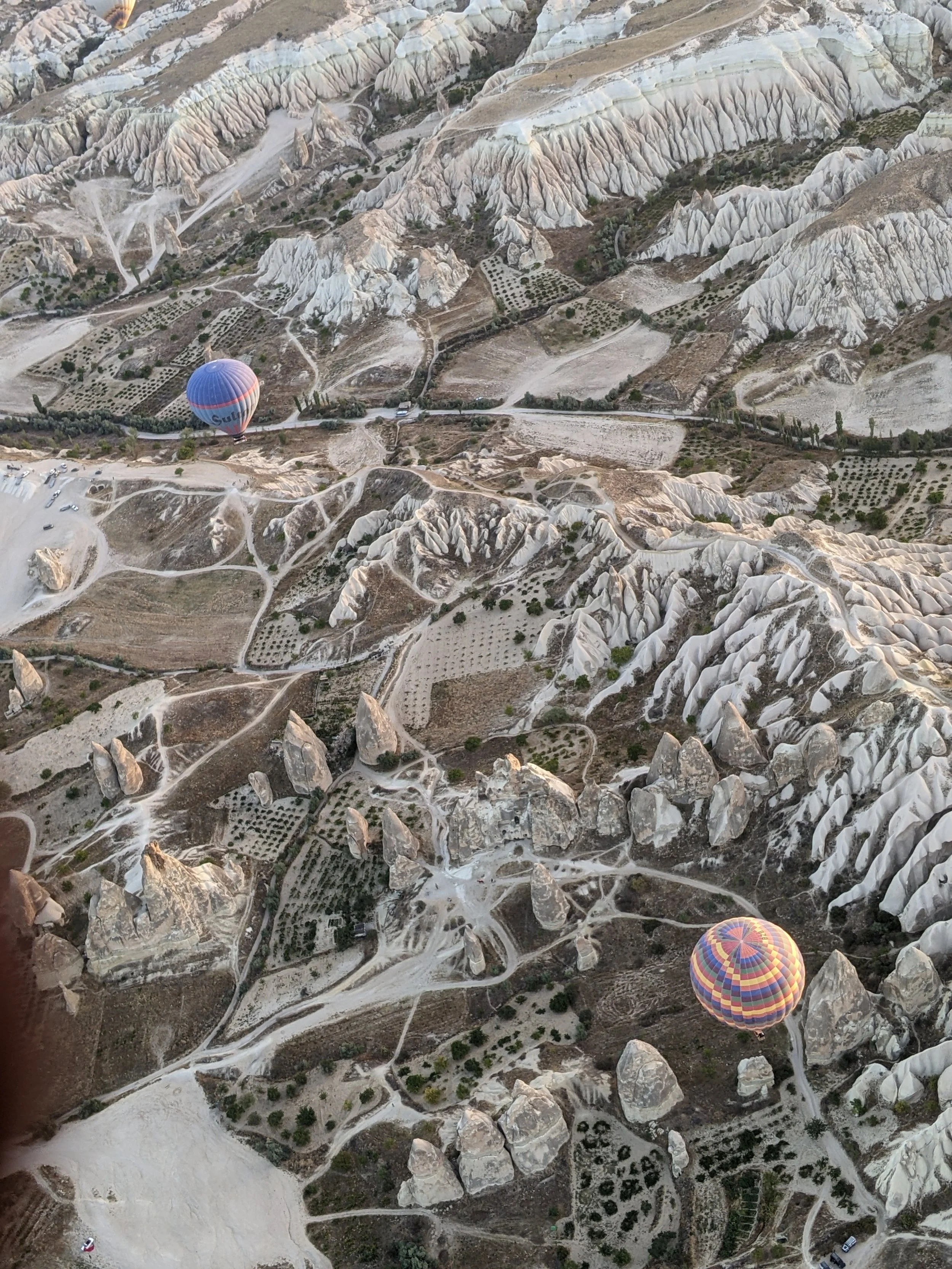
Contrary to the myth, which attributes these landscapes to the fairies that once lived in the area and after leaving returned as pigeons, these rock formations are the result of a geological process that spans millions of years.  The magnificent landscape was formed by volcanic eruptions that rained ash over this region. The ash hardened into a porous rock (tuff), which was then covered by a layer of basalt. As millennia passed, the softer tuff wore down by wind and water, giving way to pillars that now stand as high as 40 meters. The mushroom-shaped cap is the remnant of harder basalt rock that eroded more slowly.
View fullsize 3.jpg
View fullsize PXL_20220930_035321521.MP.jpg
View fullsize 4.jpg
View fullsize 7.jpg

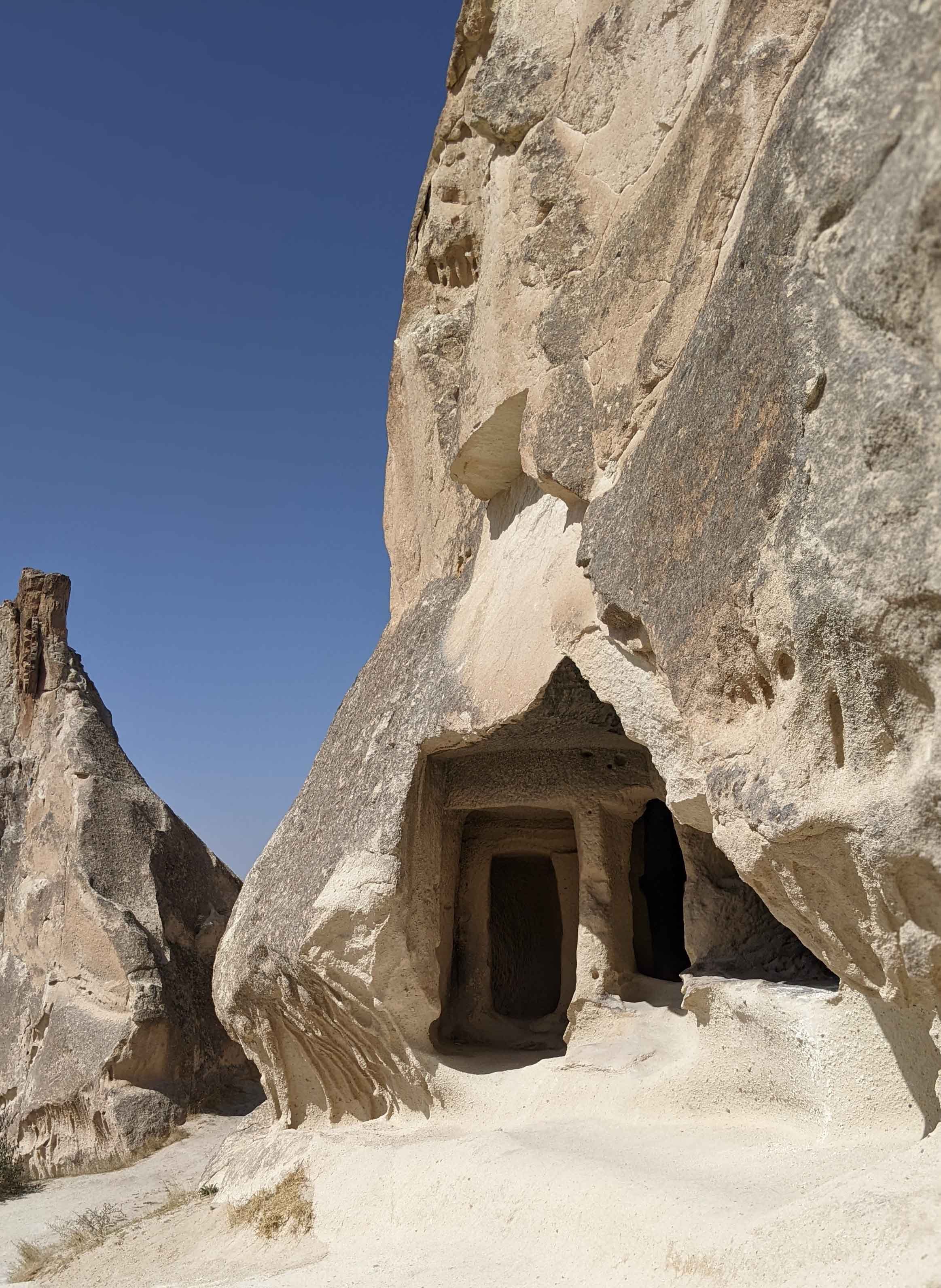
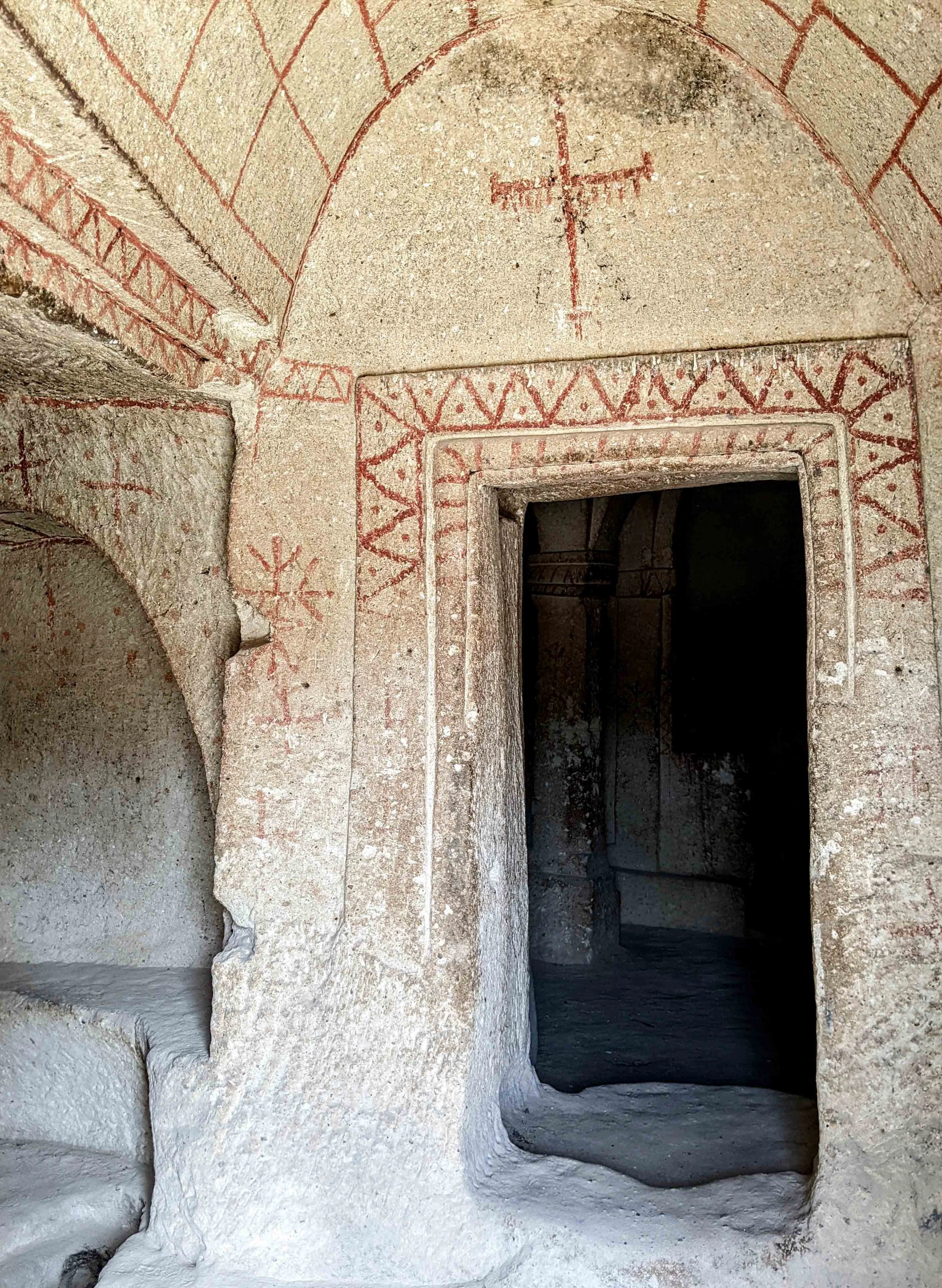
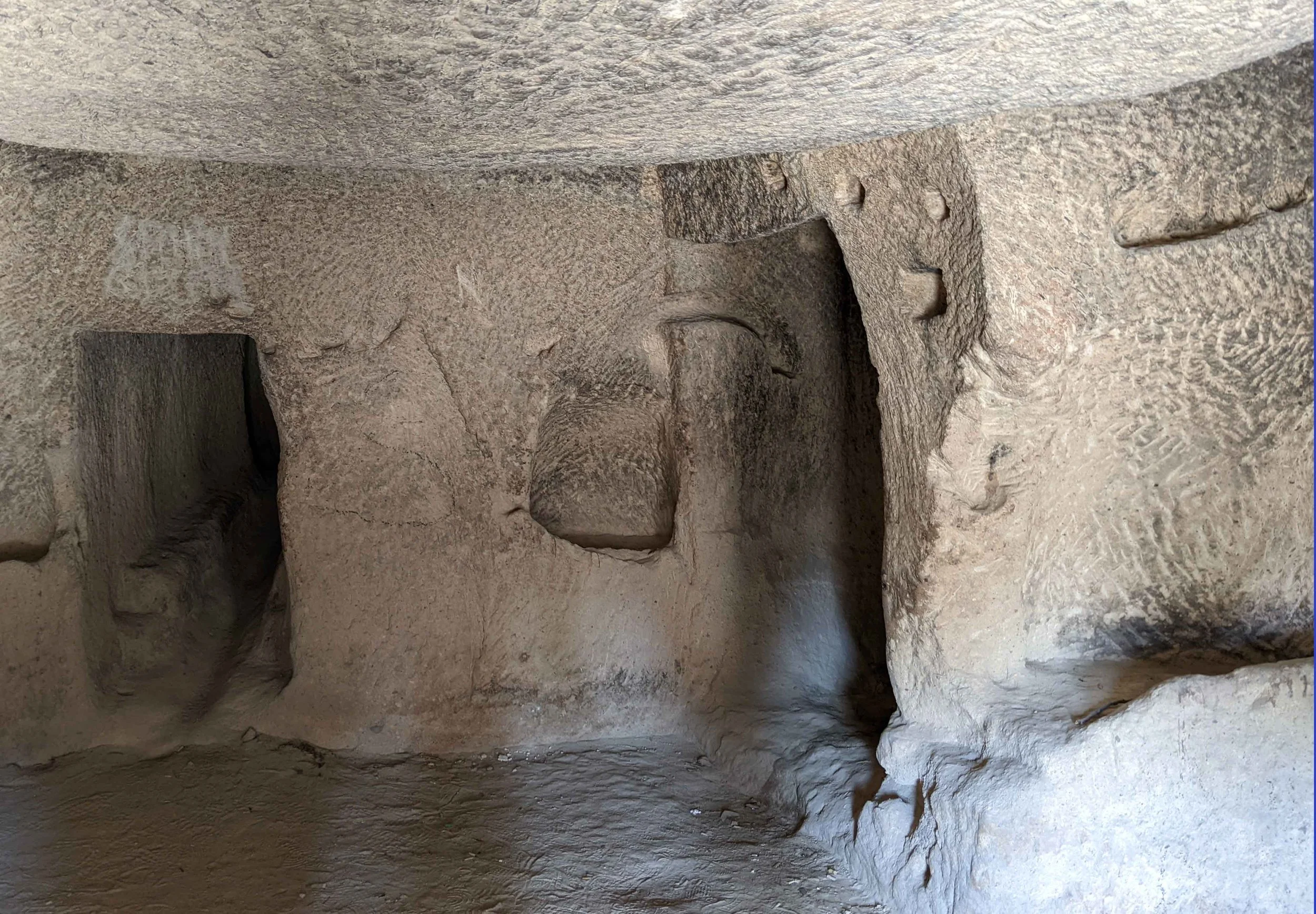
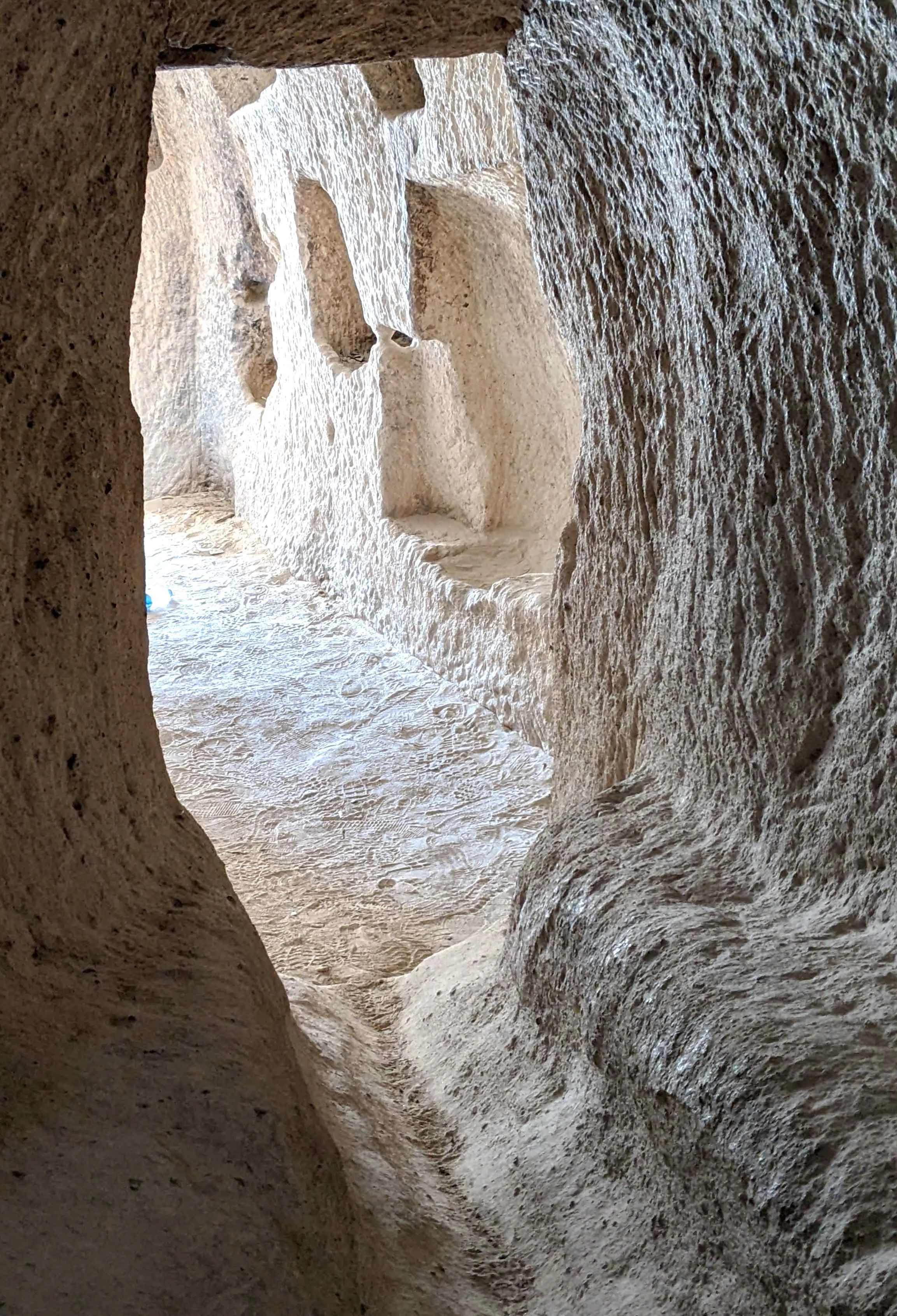
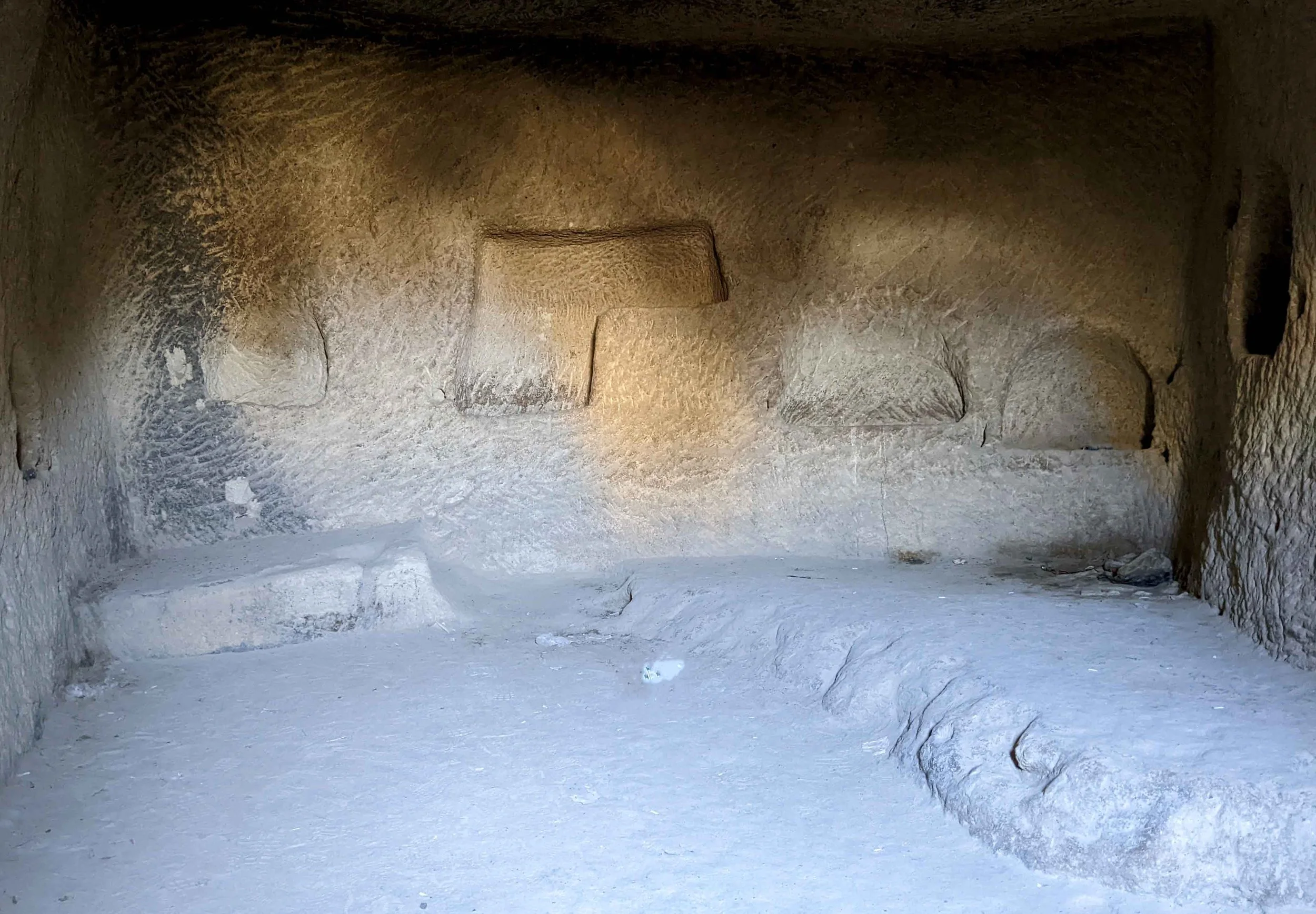
While forces of nature shaped the incredible rock formations, people living in the area for hundreds of years have dug into the soft but firm tuff to create dwellings, monasteries, churches, and underground cities. From The Hittites (late bronze age) to the Ottomans, nearly all European empires have claimed this region and for centuries, people fleeing prosecution have fled into these underground dwellings to shield themselves from outsiders.

View fullsize 1.jpg
View fullsize 2.jpg
View fullsize 6.jpg
View fullsize 4.jpg
View fullsize 5.jpg
View fullsize 3.jpg

Designated as a World Heritage Site, the rock sites of Cappadocia’s Göreme National Park are described by UNESCO as "one of the world's most striking and largest cave-dwelling complexes." 

The Ride of a Lifetime

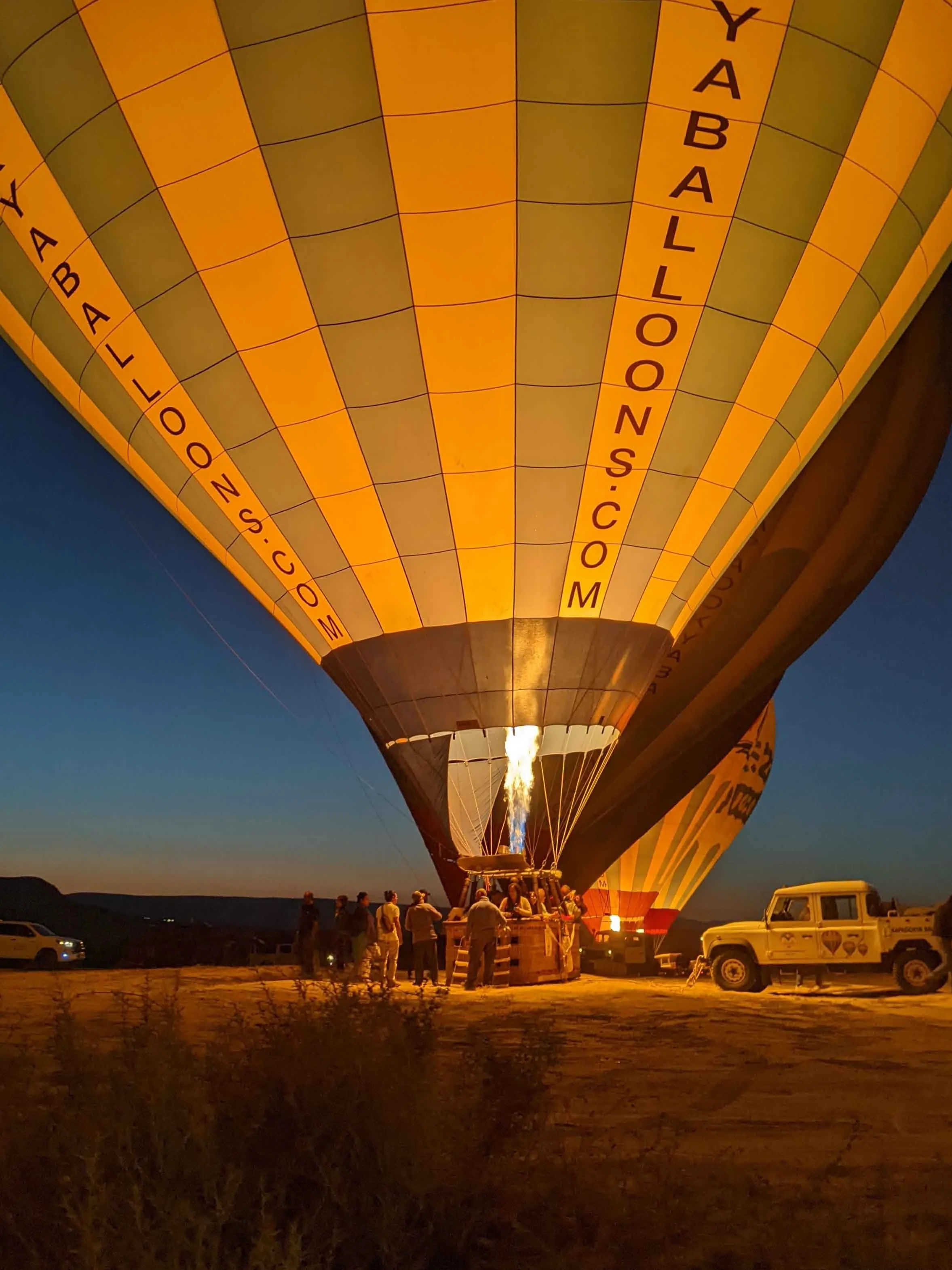
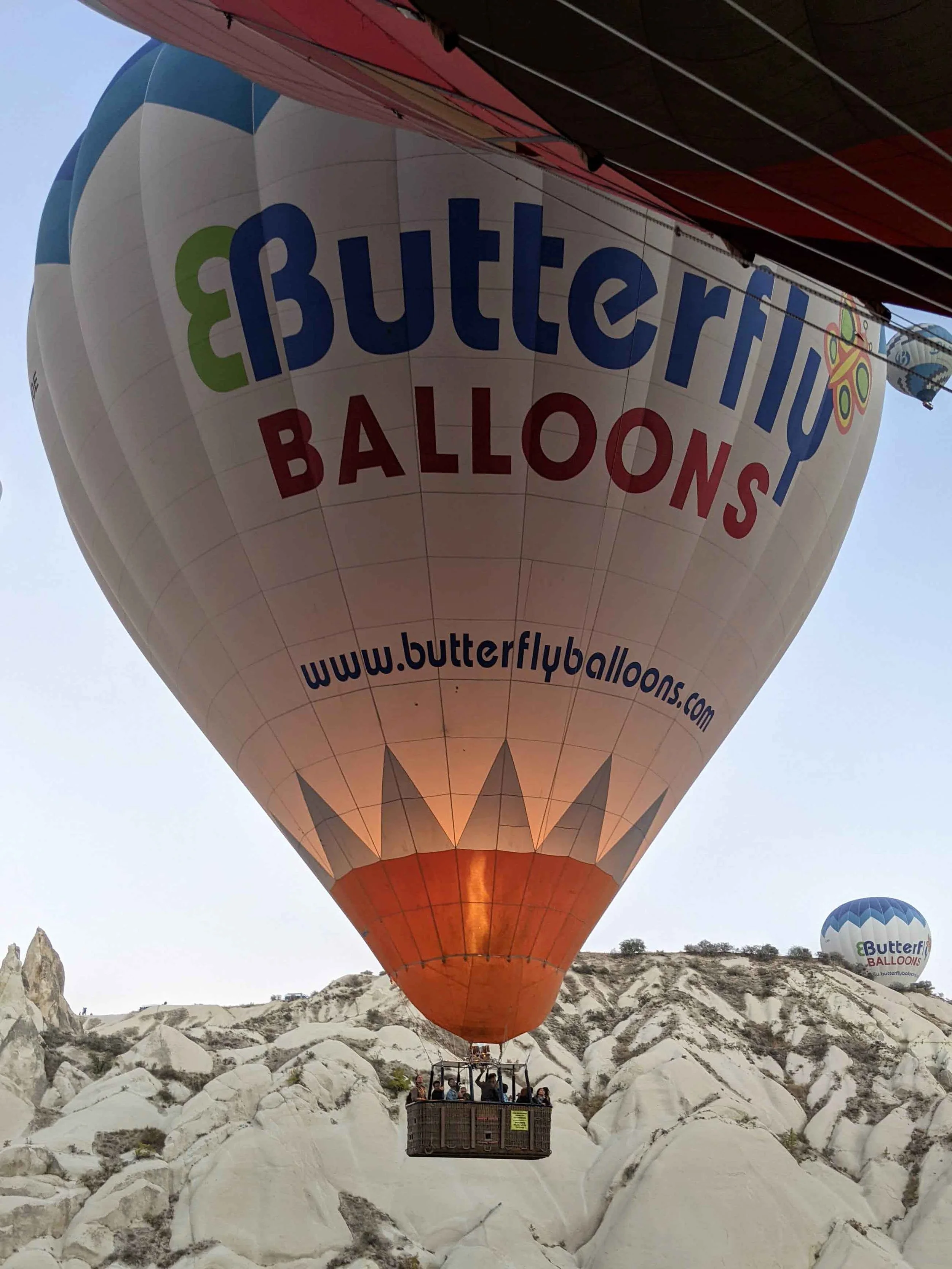
I will be honest, our quest to explore Cappadocia was driven by the desire to get a safe and (..more importantly) affordable ride on the hot-air balloon. Appreciation of the landscape and the realization of the region’s historical importance came in later.
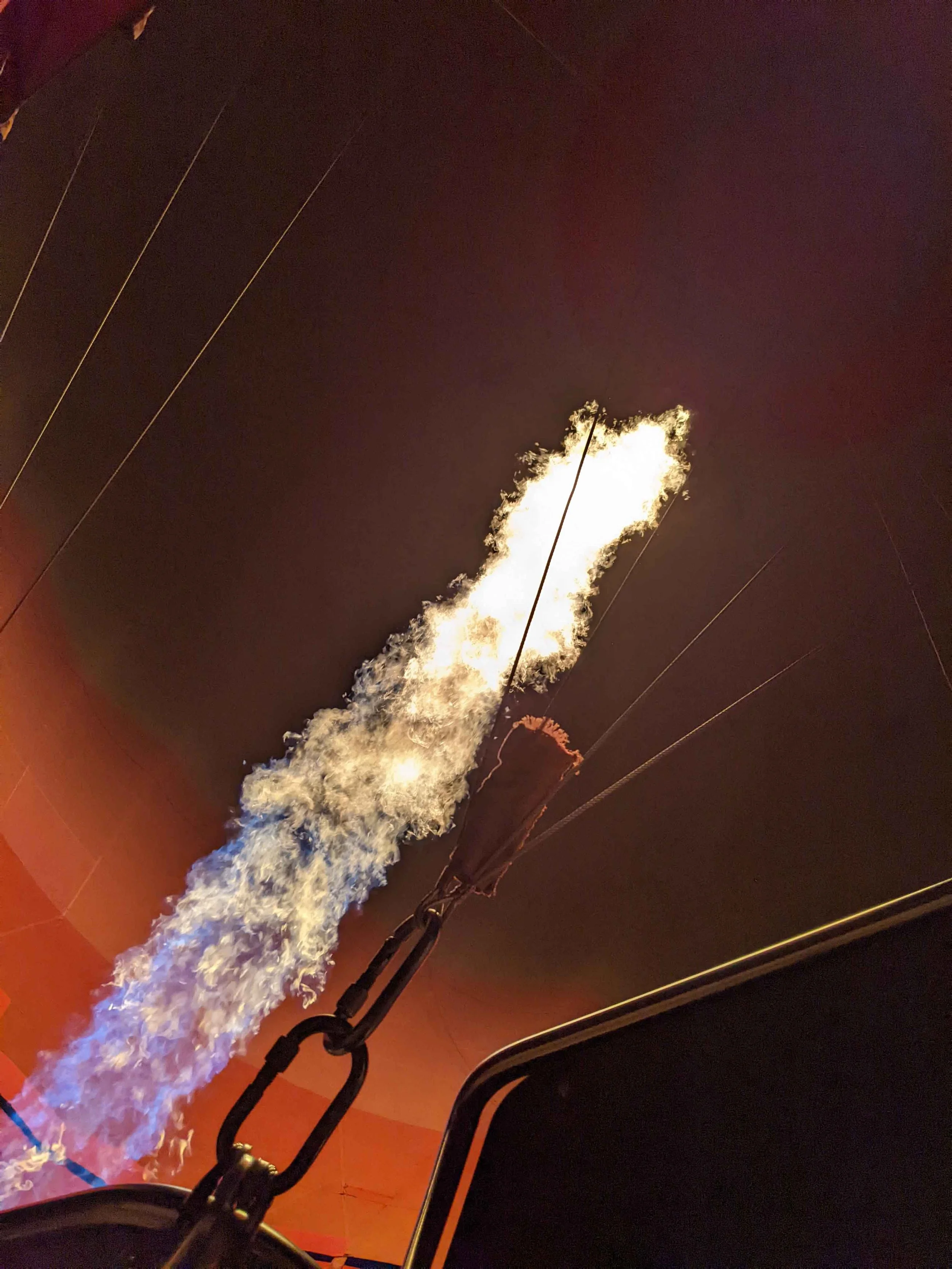
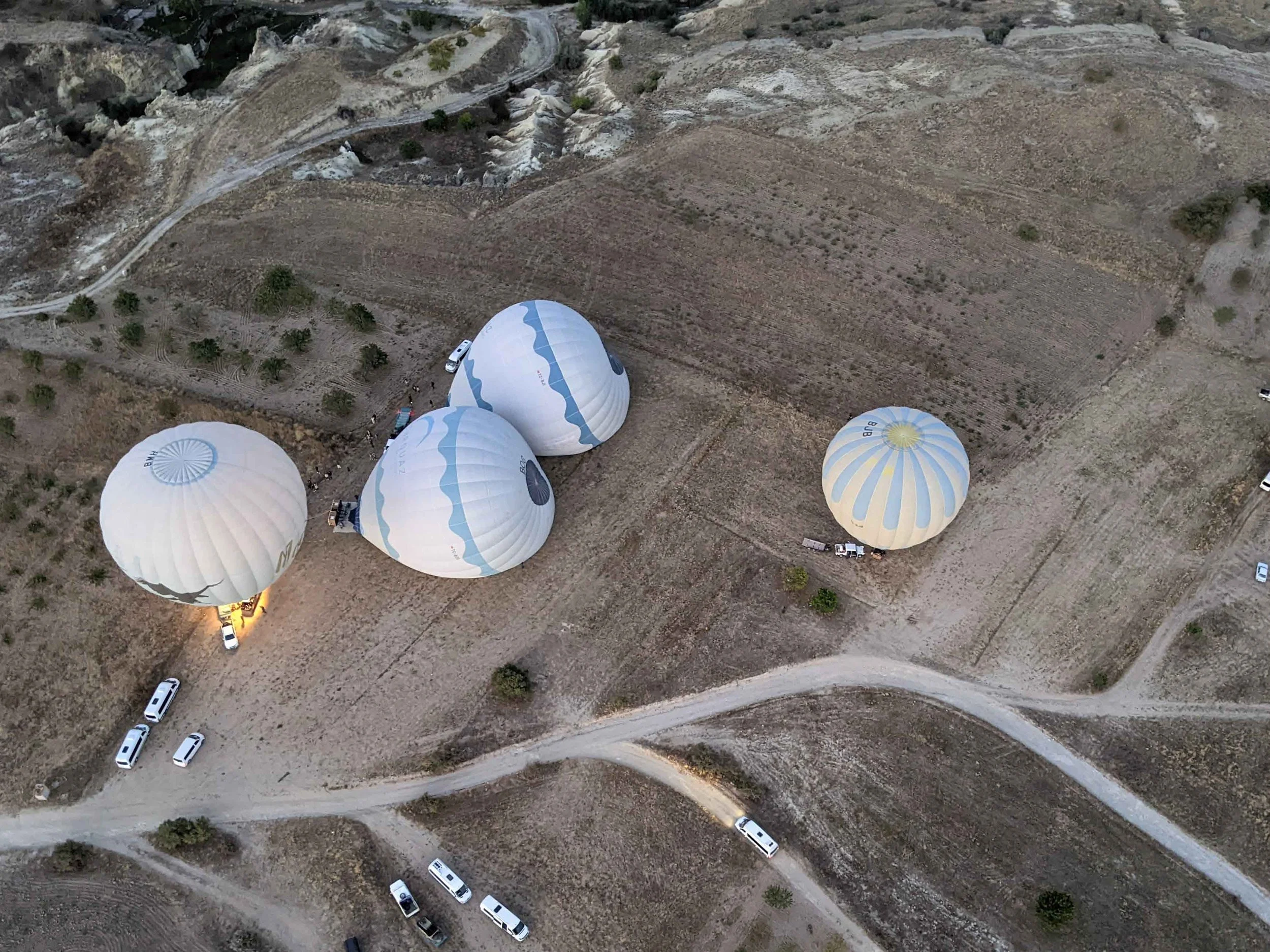
We had booked flights in advance with the hotel and however while checking in were reminded that the flights are not guaranteed and can be canceled if the weather conditions are not right. Luckily, the weather gods were on our side and the flight went through. We were picked up at 5.30 in the morning and were hurtled across to the ballooning site in minivans.   

View fullsize 9.jpg
View fullsize 18.jpg
View fullsize 19.jpg
View fullsize 3.jpg
View fullsize 7.jpg
View fullsize 4.jpg
View fullsize 2.jpg
View fullsize 14.jpg
View fullsize 20.jpg
View fullsize 8.jpg
View fullsize 13.jpg
View fullsize .trashed-1667111820-PXL_20220930_041250231.PORTRAIT.jpg
View fullsize 12.jpg
View fullsize 11.jpg
View fullsize .trashed-1667111821-PXL_20220930_042003240.MP.jpg

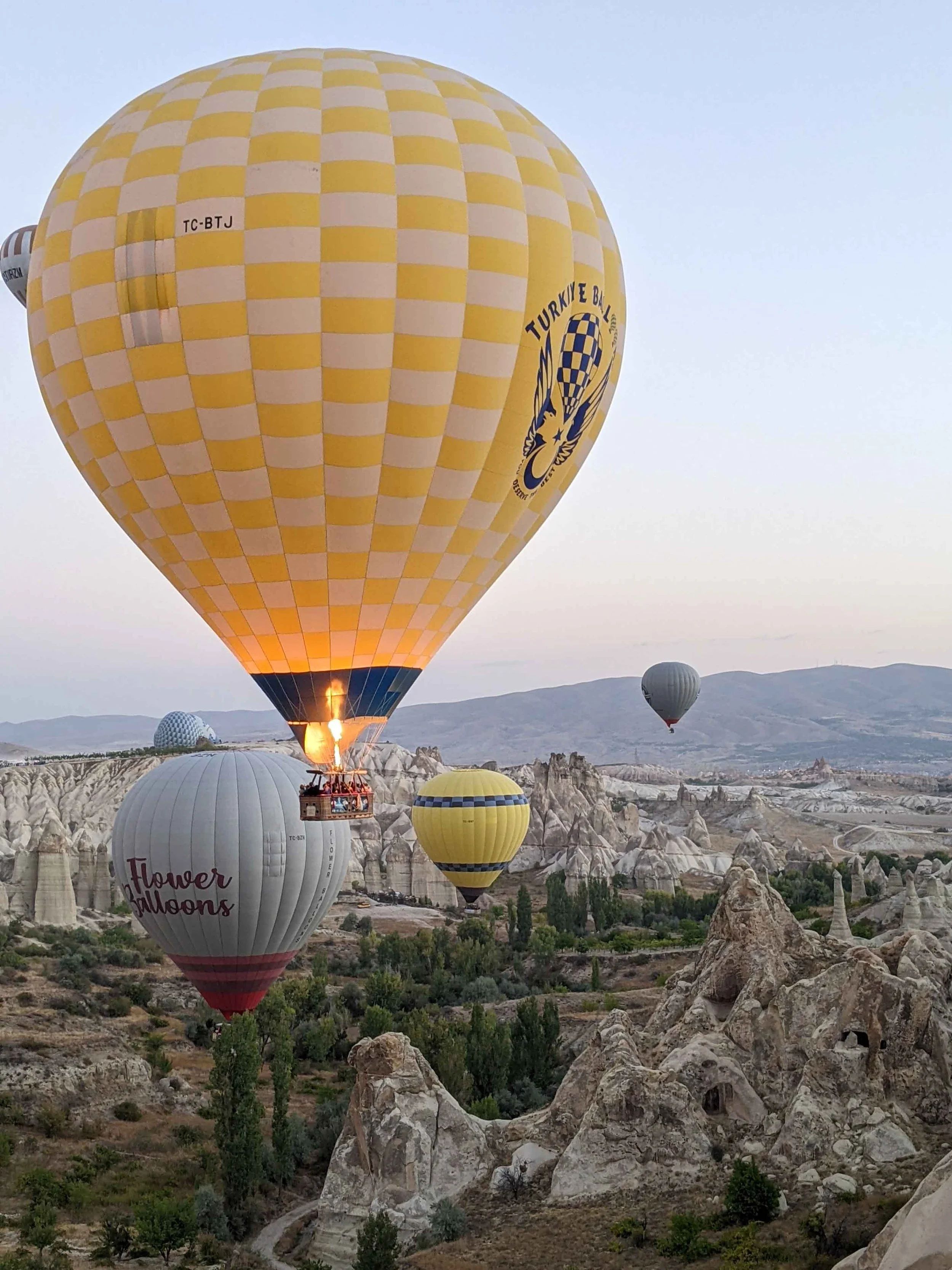
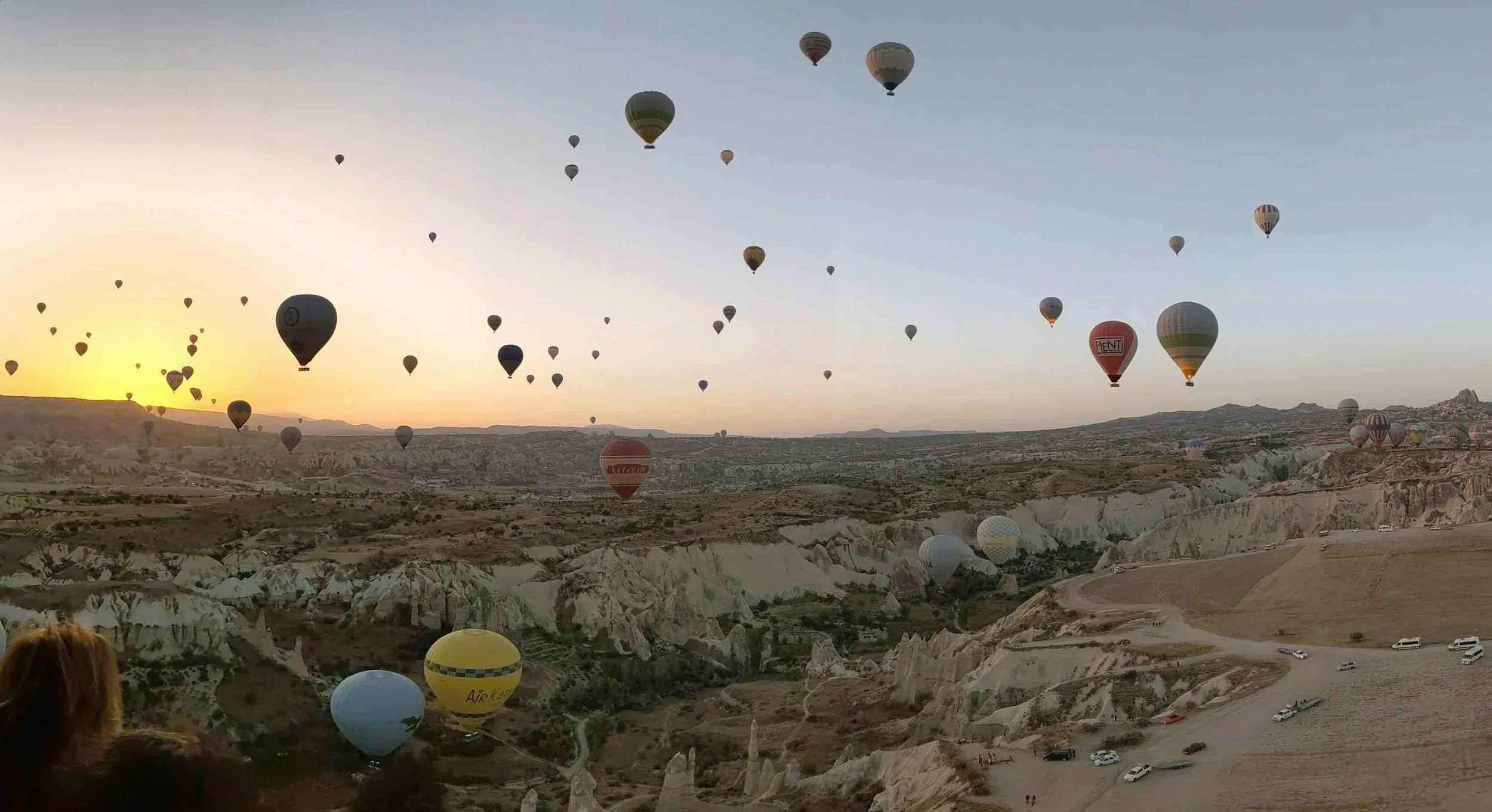
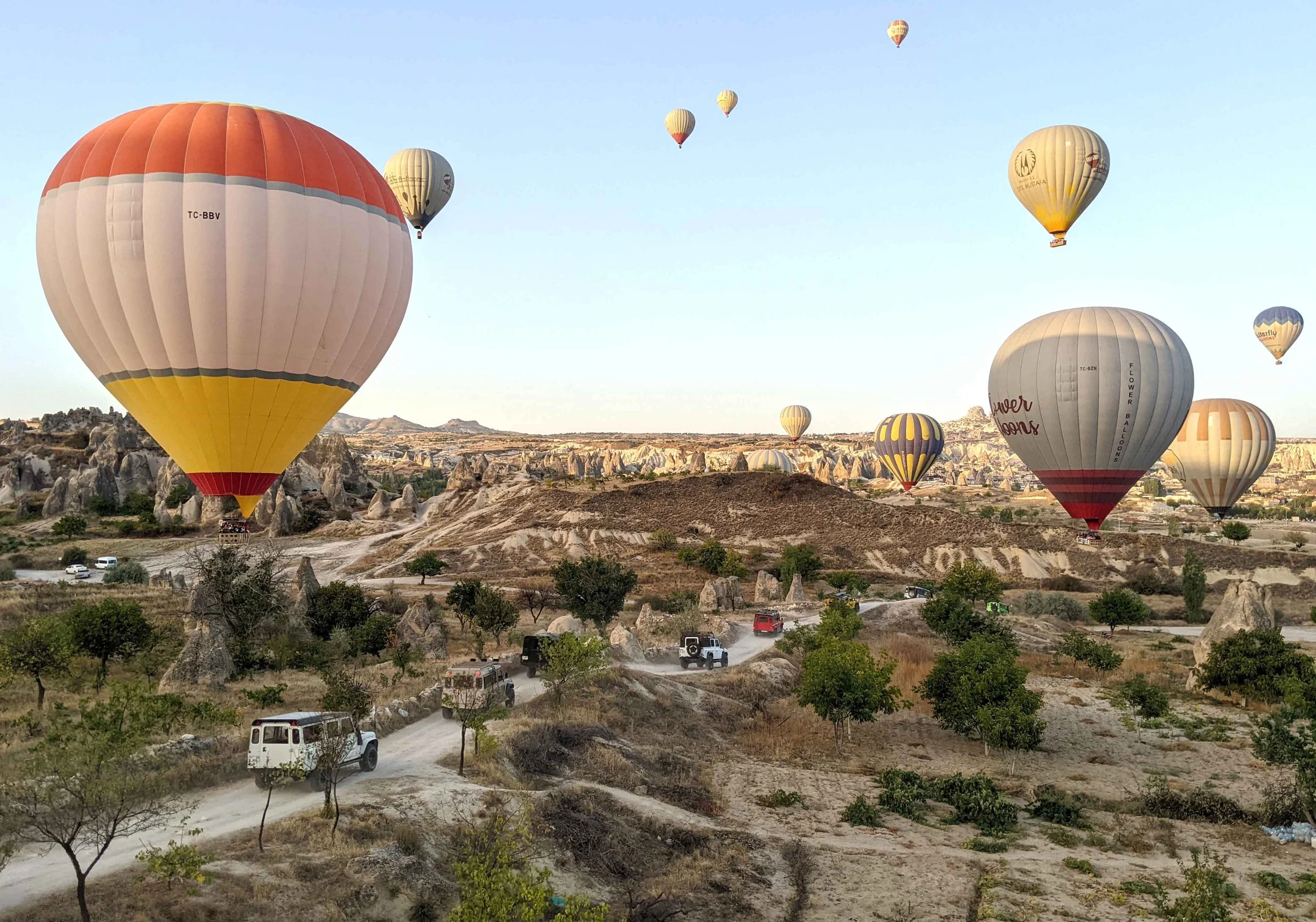
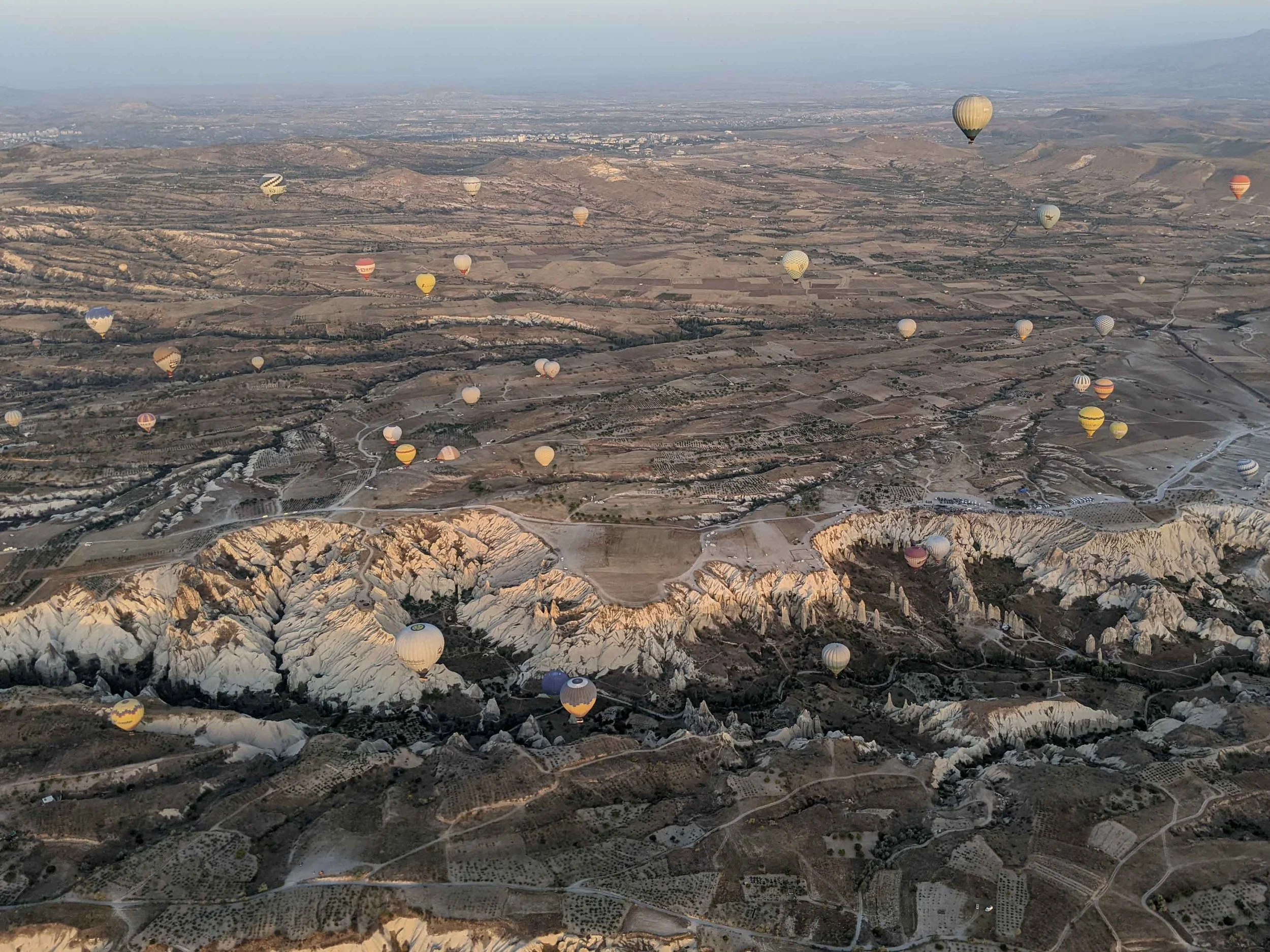
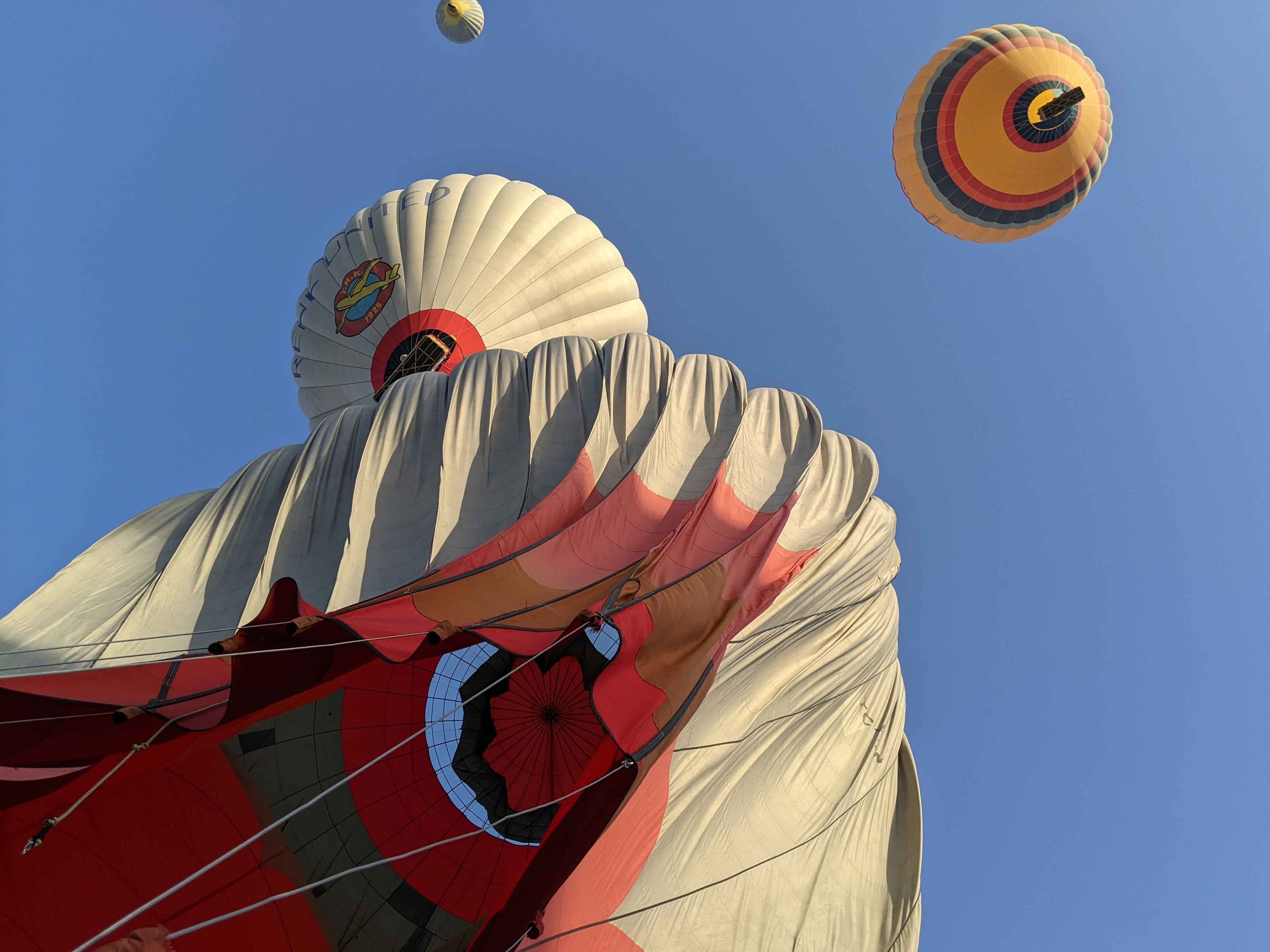
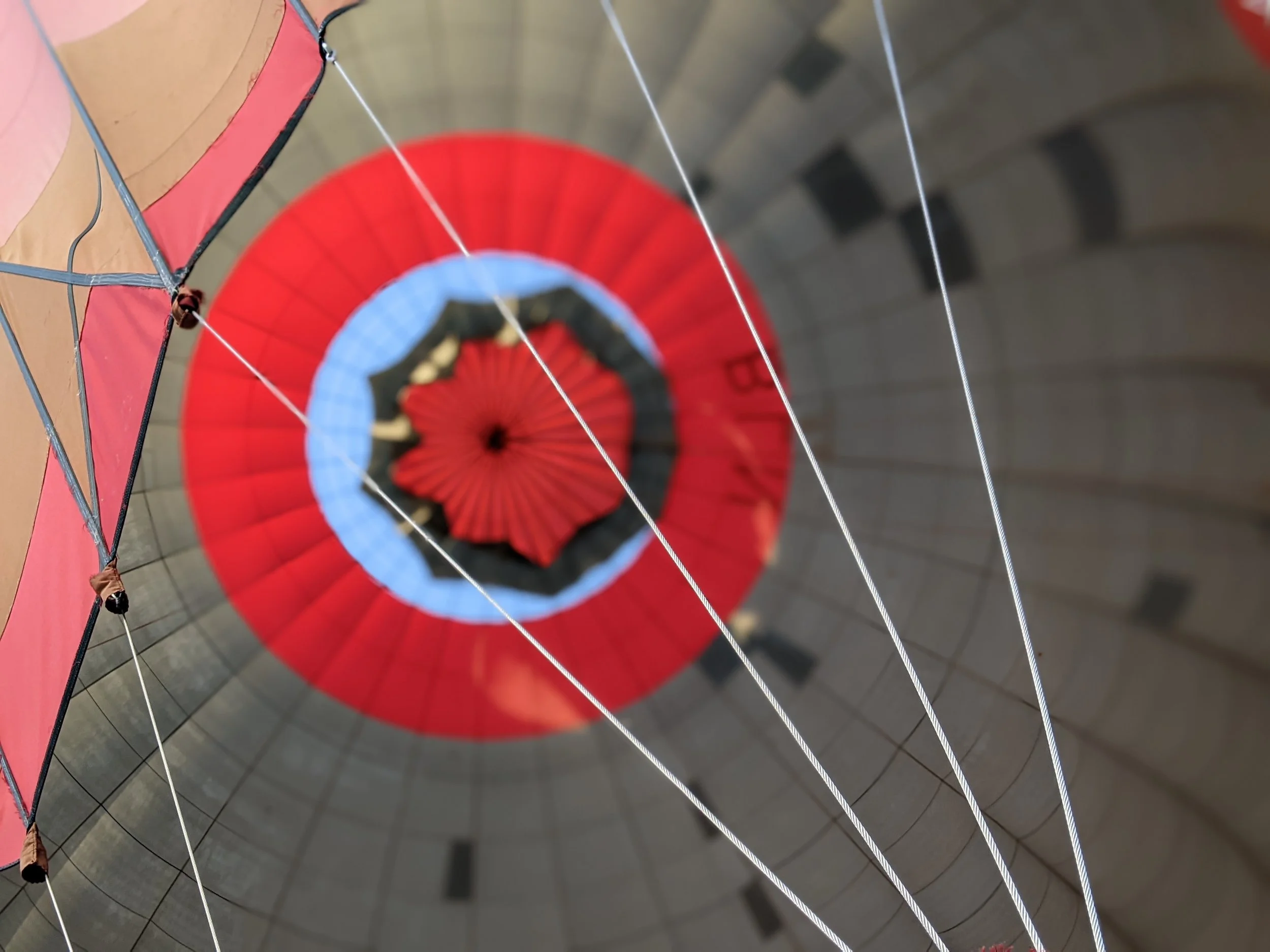
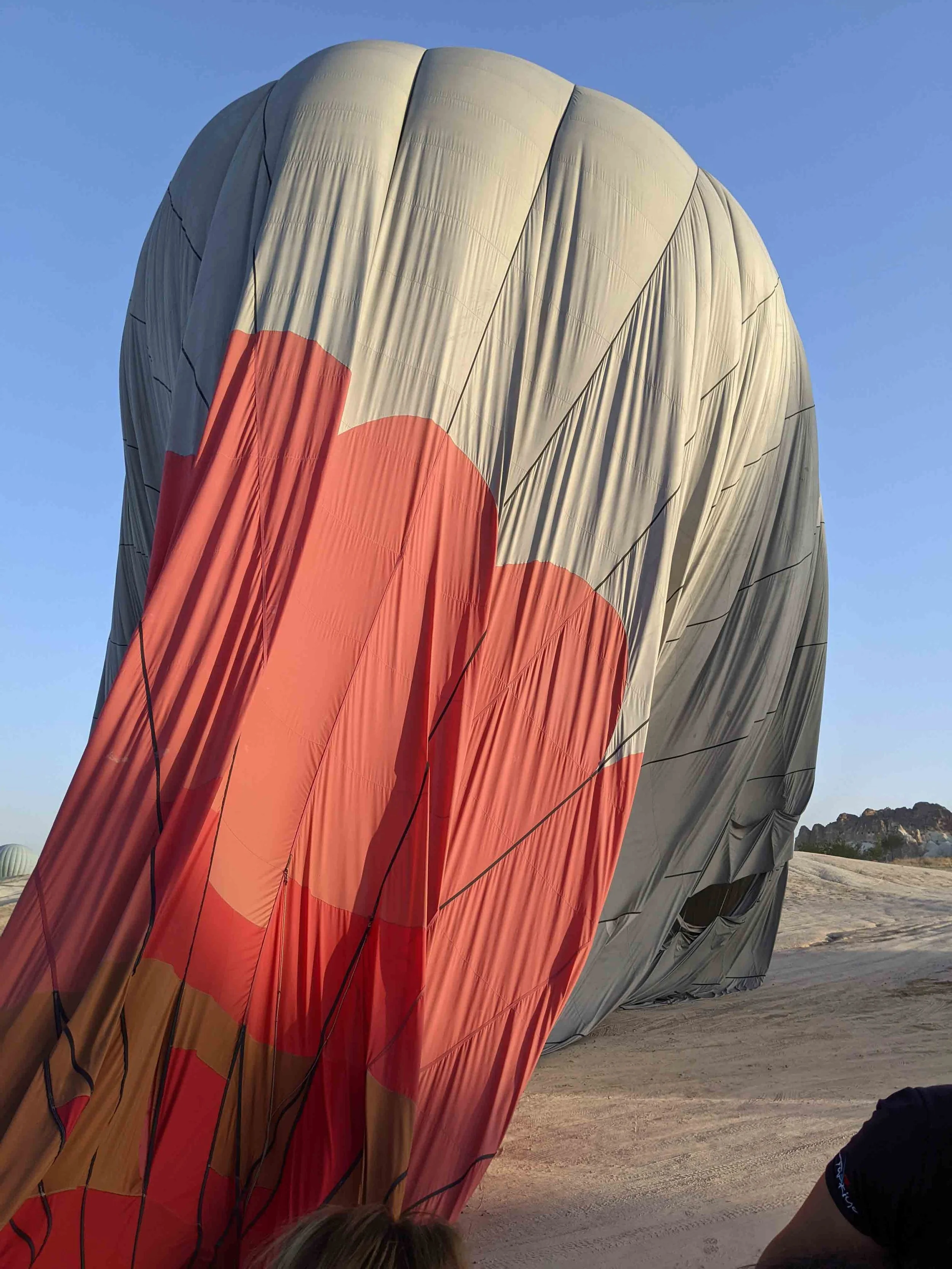
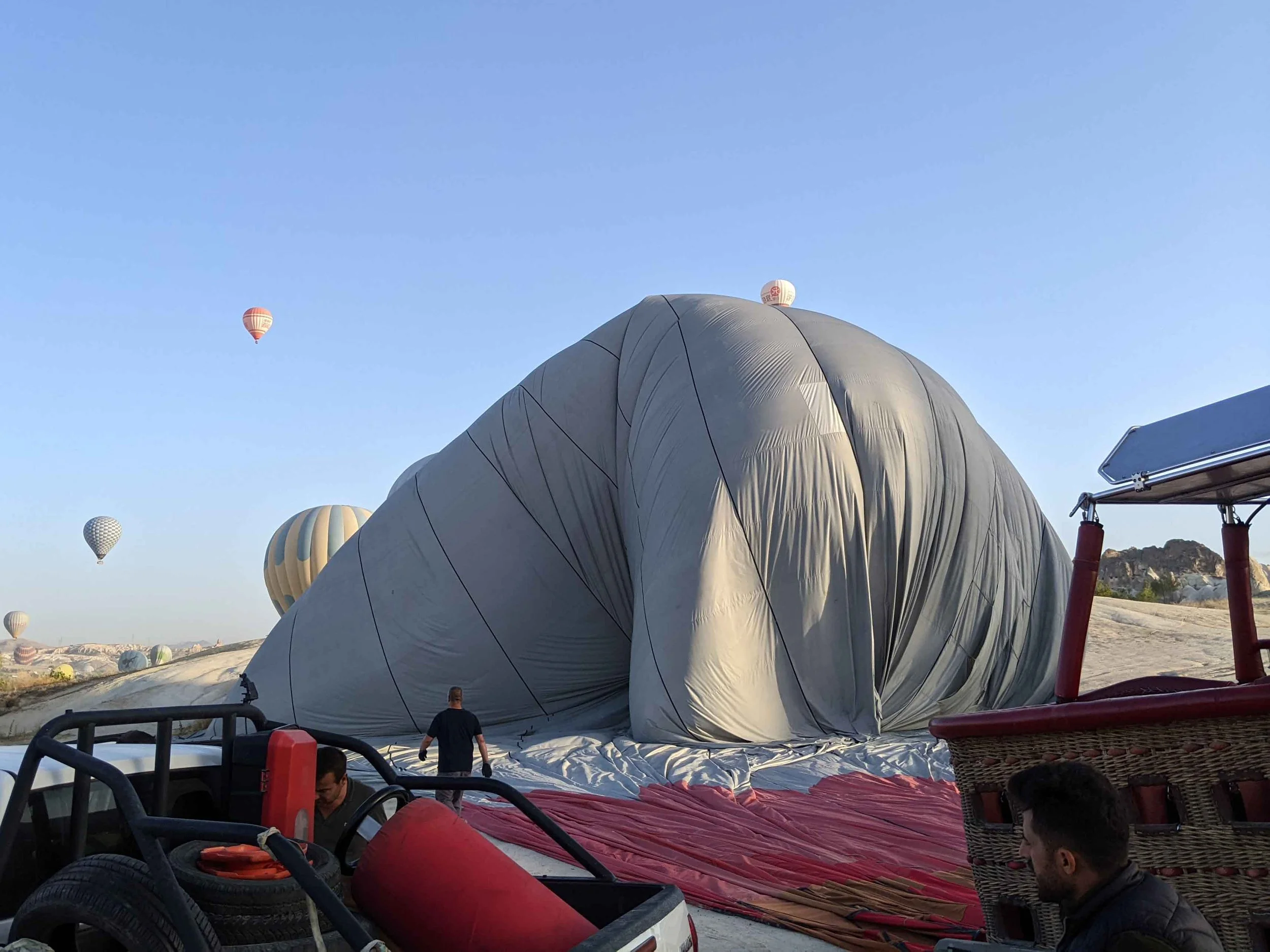
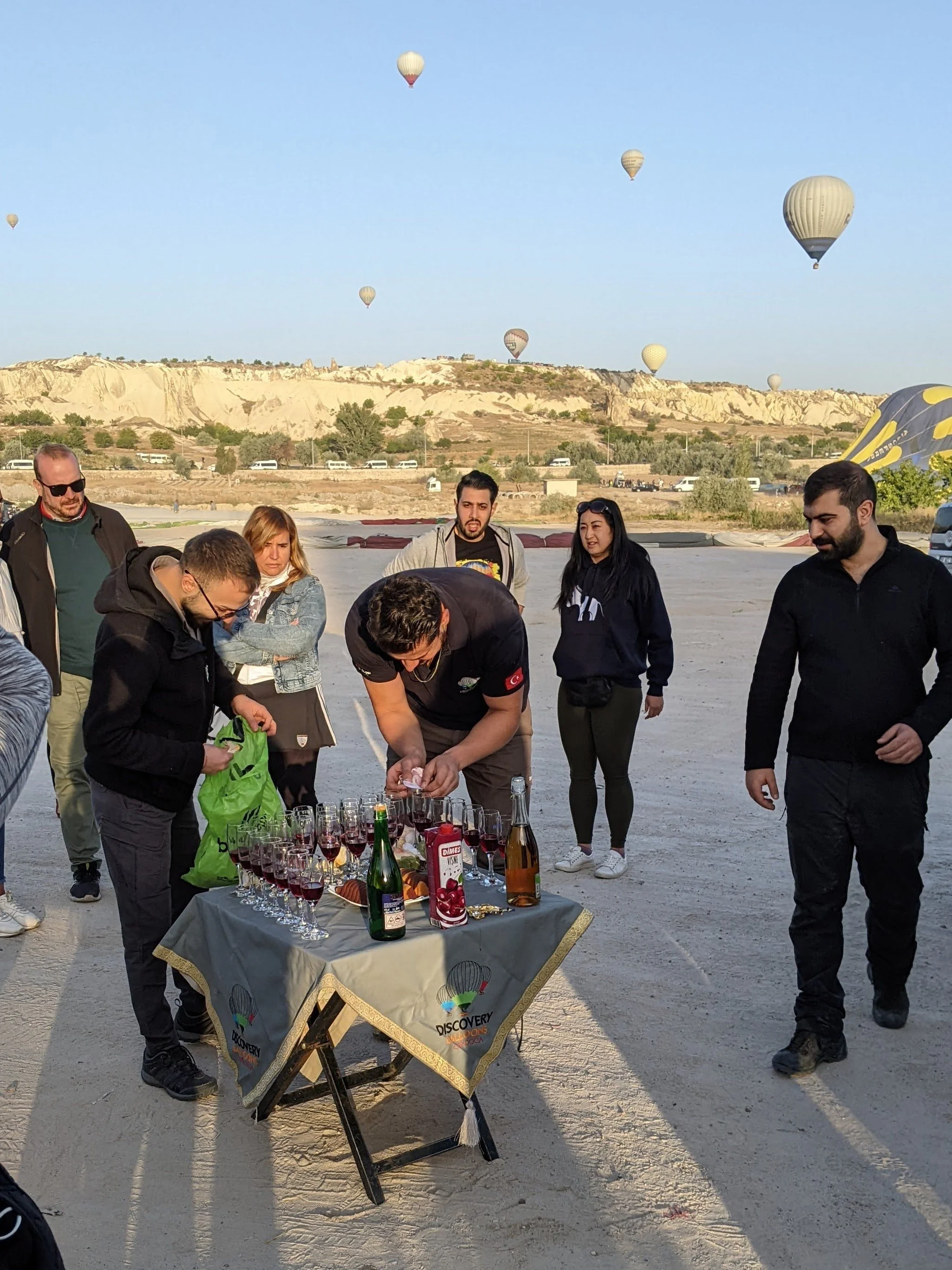
Typically, a group of up to 200 balloons would take to the sky, each balloon carrying about 20-30 people. The pilots take full advantage of the terrain to show off their skills as they manoeuvre the balloon high and low, sometimes skimming tree tops and at others bumping and squeezing between the neighbouring balloons. The sunrise, the coloured balloons drifting silently in the sky, with the occasional roar of the burners, and the interplay of the eery landscape are surreal. The ride lasts for about an hour, and finally, the balloon is softly landed on the awaiting trailer. The successful ride is celebrated by serving alcoholic and non-alcoholic champagne, candy, and biscuits.

Quad biking

Most of the activities offered in Cappadocia are timed around sunset and sunrise and rightly so, as these times are the best to enjoy the sights and take some happy snaps. But the days can be long in a small town.
View fullsize 1.jpg
View fullsize 2.jpg
View fullsize 3.jpg
View fullsize 4.jpg
View fullsize 6b.jpg
View fullsize 5.jpg
View fullsize 7.jpg
View fullsize 8.jpg
View fullsize 9.jpg

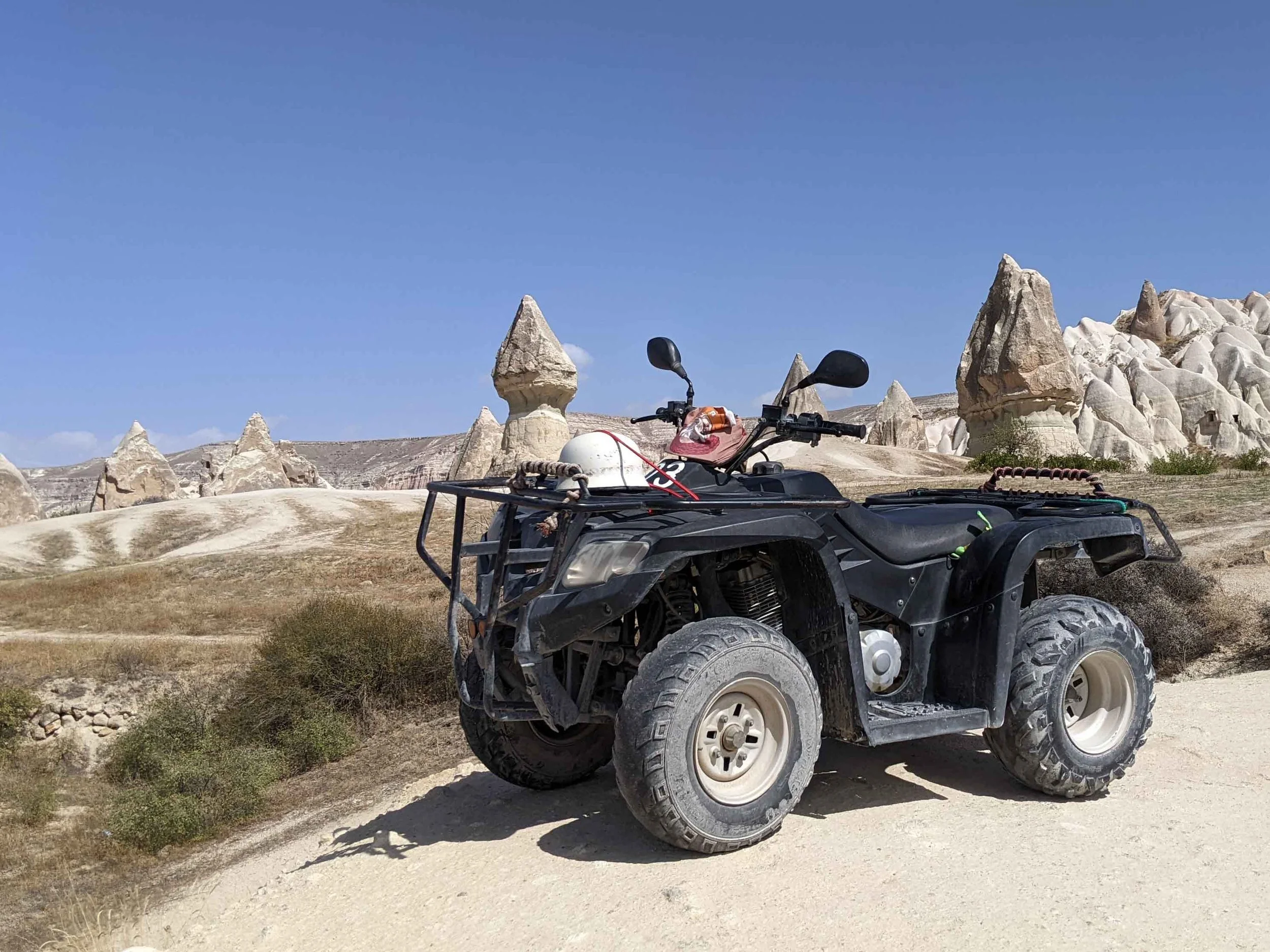
Around the corner from our hotel was a quad bike place, I had never driven a quad bike before and the temptation to hire one was overwhelming. The bikes with a guide can be hired outside tour times and we went for it. The guides are proficient and familiar with the terrain and lead through a tour that is not only scenic but also provides occasional opportunities to safely unleash the ‘devil’ driver in us.
The tour last for about an hour and a half and is worth exploring even at the cost of covering your clothes with fine dust.  A compressed air washup after the ride is included in the price.

Pottery Kebabs.

Turkey is famous for its kebabs and tea, but a variation to the theme that caught our attention was the ‘pottery kebabs’. The stew and the kebabs are prepared in a special earthen vessel that is sealed with dough, resembling a pressure cooker. The vessel is placed in the oven and then brought to the table in a sealed state. The display involves tapping and breaking out the contents of the vessel into the bowl on the table.  

While the food is nice the artistry involved in serving the piece is even better.

The Kebab Presentation

Handcrafted

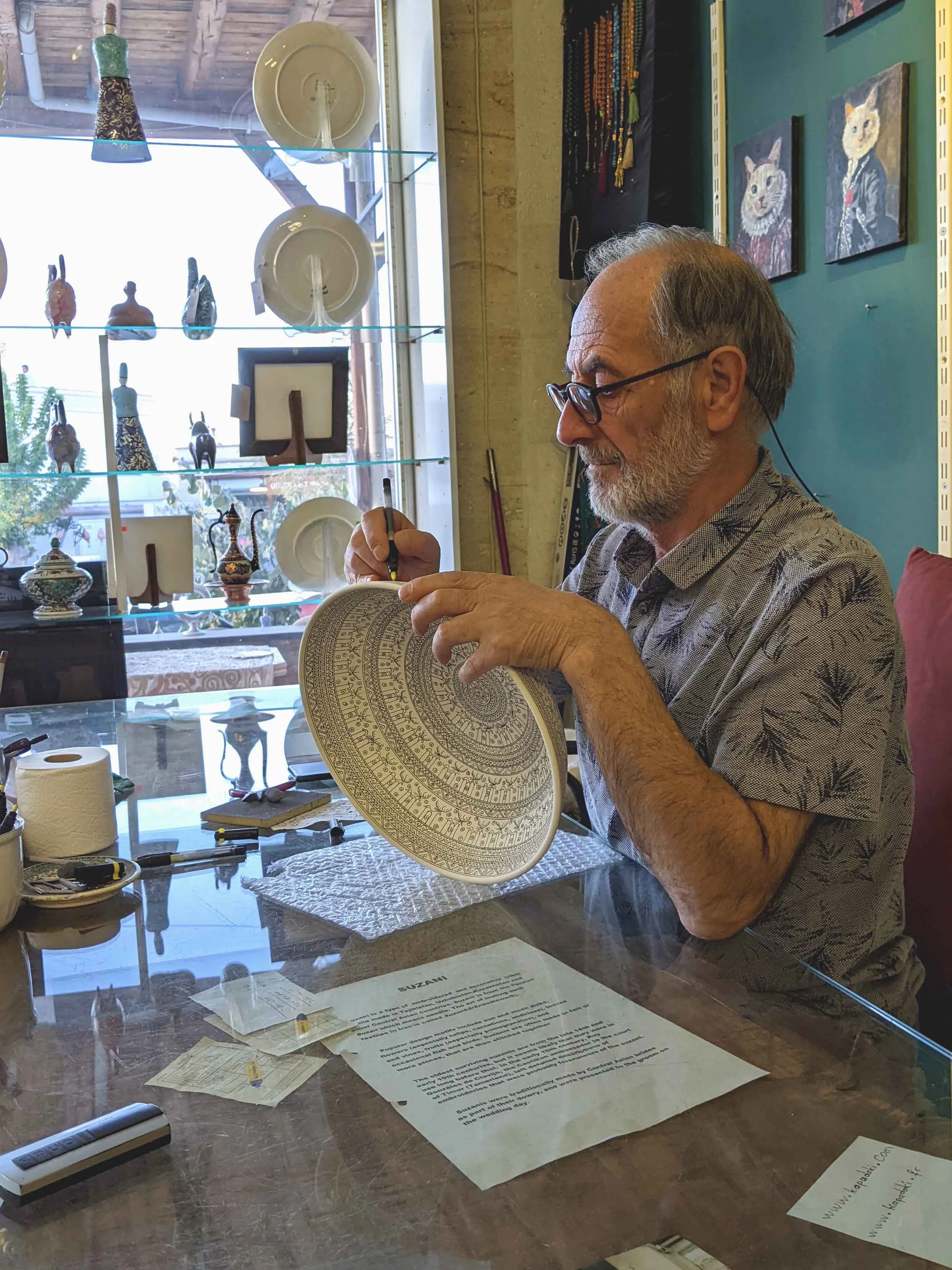
I am always intrigued by craftsmen and artists, but unfortunately, one rarely gets an opportunity to meet the creator of the work in person.  Being a small town, Cappadocia’s visit provided us with this rear opportunity as one of the random shops I visited had a maker present working on his piece. Turan, was an elderly gentleman in his late sixties who has been practicing his skills for decades, he specialized in a certain type of pattern and showed us around his shop. I asked him, where he got his training and he replied that he had learned the skills by watching others. 

Similarly, in another shop we met this old lady who was selling crochet crafts that she prepared herself. ‘Takes me about 7 days to prepare one’, she said ‘as my hands are getting frail and weak due to old age’.

While I can’t be certain, it seems most of the shops were operating as a commune with craftspeople sharing the outlet.

View fullsize 1.jpg
View fullsize 2.jpg
View fullsize 4.jpg
View fullsize 3.jpg
View fullsize 5.jpg
View fullsize 6.jpg

Cappadocia  Göreme valley where most of the action happens is about an hour’s travel from the airport, and this travel time needs to be accounted for while planning the trips, as with 3 hours before reporting requirements for international travel, this could lead to sleepless nights.

All in all, Cappodocia is an interesting place and worth having on one’s bucket list!

In Turkey, Cappadocia, Travel, Multicultural, Islamic Arts, Arts Tags cappadocia, Turkey, Hot air balloon, travel, pottery, kebabs, pottery kebabs, testi kebabs, quad bikes, Cappadocia
1 Comment

Basant

May 5, 2019

The Ritual

Bordered by five rivers, the northern part of the sub-continent has always been considered the food bowl for the region and it is little wonder that the most significant festivals have evolved around the arrival of the harvesting season. Though originating from different cultural and religious backgrounds, the festivals of Vasant Panchami , Jashn-e- Baharan and Basant, all celebrate the softening of weather, the departure of winter and the coming of spring, a time when the wheat crops are ready for harvest and when the mustard fields are yellow and in full bloom.

Vasant Panchami is the Hindu festival that highlights the coming of spring. In Sanskrit ‘Vasant’ means spring and ‘Panchami’ is the fifth day of the waxing moon in the Hindu calendar month of Magh (according to the Gregorian calendar this day falls somewhere in the months of February or March). The day is celebrated to venerate goddess Saraswati, who is considered as the symbol of wisdom, education and learning.

Jashn-e-Baharan is a pre-Islamic festival that marks the coming of spring season. The arrival of spring is an important event for the farmers and was welcomed with the celebration, hence the name ‘Jashn’ (celebration) ‘Baharan’(spring).

The story of ‘Basant’ is linked with Hazrat Nizamuddin Auliya, who is considered one of the most prominent Sufi saints in south–east Asia. Hazrat Nizamuddindid did not have any children of his own and therefore his nephew became the focus of all his paternal feelings. Unfortunately, the young boy died in his early teens. The Sufi saint was so aggrieved and depressed by the sudden and untimely death of his beloved nephew that he stopped talking and withdrew himself from all worldly affairs. His disciples were worried about his conditions and tried to reason with him and cheer him up but without success.

Ref: Basant- Ally Adnan

Legend has it, that one of his disciples Amir Khusro, one day saw some young women dressed in yellow clothes adorned with garlands of marigold flowers going to their temple to celebrate spring festival with a lot of singing, fun and gaiety. Inspired by this event, Khusro’s dressed up as a woman in yellow ‘ghaagra choli’ (Indian skirt) and white striped ‘chunni’ (large scarf) and towards his master’s room with a number of other disciples and devotees who played and dance and sang ““Aaj Basant ManaaleySuhagan…Aaj Basant ManaaleySuhagan” a poem Amir Khusro composed for the occasion.

Seeing this spectacle and knowing that it was Khusrowho was wearing the woman’s dress, singing and dancing, Hazrat Nizamuddin started smiling and the spell of gloom was lifted and the whole congregation started to rejoice. The saint came out of his depression, and ‘Basant’ together with song, dance, dress and other rituals got established as an annual festival in Delhi to mark this incident. From the Sufi perspective, Basant not only heralds the coming of spring but highlights the cyclic nature of life itself; the proverbial ‘doom and gloom’ of winter being followed by bright sunny days’ or the awakening and resurrection of life.

Though the rites and rituals have evolved, Basant has been part of the sub-continents cultural fabric for over eight centuries. The relatively recent (16th century) addition to the celebration has been the inclusion of flying kites. Over the years, kite flying has taken prominence and now it is an intrinsic and arguably the most celebrated part of the festivities.

Kites in India

How and when the first kite took flight is not known, however the consensus is that kites were invented by the Chinese around two thousand years ago and eventually the sport of kite flying spread through traders from China to Korea, and across Asia to India. 

The tradition of ‘Patang Baazi’ (kite flying) in India was started by the Mughals around 16th century as a pastime for the royalty; however, the sport gained popularity in the masses as the manufacturing of kites become common.  Some Mughal miniature paintings even suggests that some enterprising young man of the time also used the kites to skillfully drop epistles to their lover who were restricted from meeting them in accordance with the social norms of the day.

Paper, Bamboo sticks and Twine

The traditional kite design is based on a cross made of two thin bamboo sticks placed over each other and tied with thread. A special light weight paper is then pasted on top of this thin structure of the kite.  This paper can be of one color or could have a multi-colored design. Typically, these patterns are created by pasting panels of different colored paper together in intricate designs which have evolved by the generations of kite makers. The twine used for kite flying is known as ‘dor’. At times the ‘dor’ is coated with a special paste made of ground glass powder and gum to provide a cutting edge and sharpness.

Although the kites come in various shapes, the Rhombus shaped (Gudda, Guddi) and curvilinear shaped (Patang , Kup) kites are more popular. The author Pran Nevile in his book “Lahore: A Sentimental Journey”, writes “Made of colored paper and fine bamboo, our kites were as attractive as huge butterflies and almost as light. There was a large variety of colors, shapes and designs, with its own appellation. We had guddis, peris, guddas, Lucknow kats, patangs, teerahs, kups, etc. The guddis had a small paper tassel at the bottom while the male version, the gudda, had a patta, a triangle cut out of paper in place of the tassel.”
Ref: Kites, Kite Flying and Kite Fighting in Punjab:Culture, Tradition and Basant- Amjad Parvez

Battle of Threads

While kite fighting (paicha) is not as sensational as the dynastic struggles among the noble families of Westeros and Essos in the TV drama ‘Game of Thrones’, there are a number of intricacies and subtlety involved in the sport. During the battle of threads, opponents try their best to cut their opponents kite by entangling the strings with each other’s kite. Kite pressure, sharpness of the string, angle of entanglement and more importantly the skill and experience of the kite-fighter all play an important role in the battle’s outcome.

Basant Central

The cities of Lahore in Pakistan and Amritsar across the border in India are considered Basant Centrals for the region. In Lahore, Basant with its tradition of kite flying is celebrated with much vigor and enthusiasm then any place else in the world. Lahorites and people from surrounding communities farewell the doom and gloom of winter fogs and frost and welcome the coming of spring by adorning yellow colored dresses, organising rooftop soirees, garden parties and festivals. Night and day time kite flying and kite fighting competitions are organised all over the city and young, old, rich and poor all participate. Like any other festival in Lahore, food is a special part of the Basant festival; special dishes such as ‘Haleem’, ‘Gajrella’, ‘Pathurey’, Barbeques, and Kashmiri Chai are considered essential part of the festivities.

View fullsize 2.jpg
View fullsize 3.jpg
View fullsize basant 2.jpg

A bridge between nations

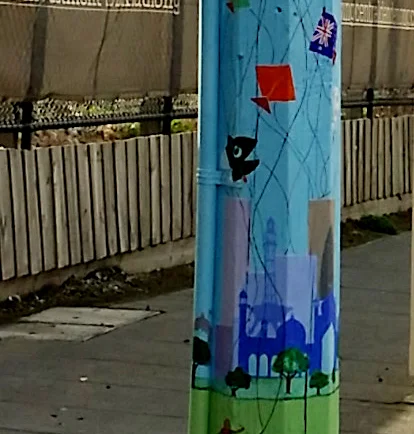
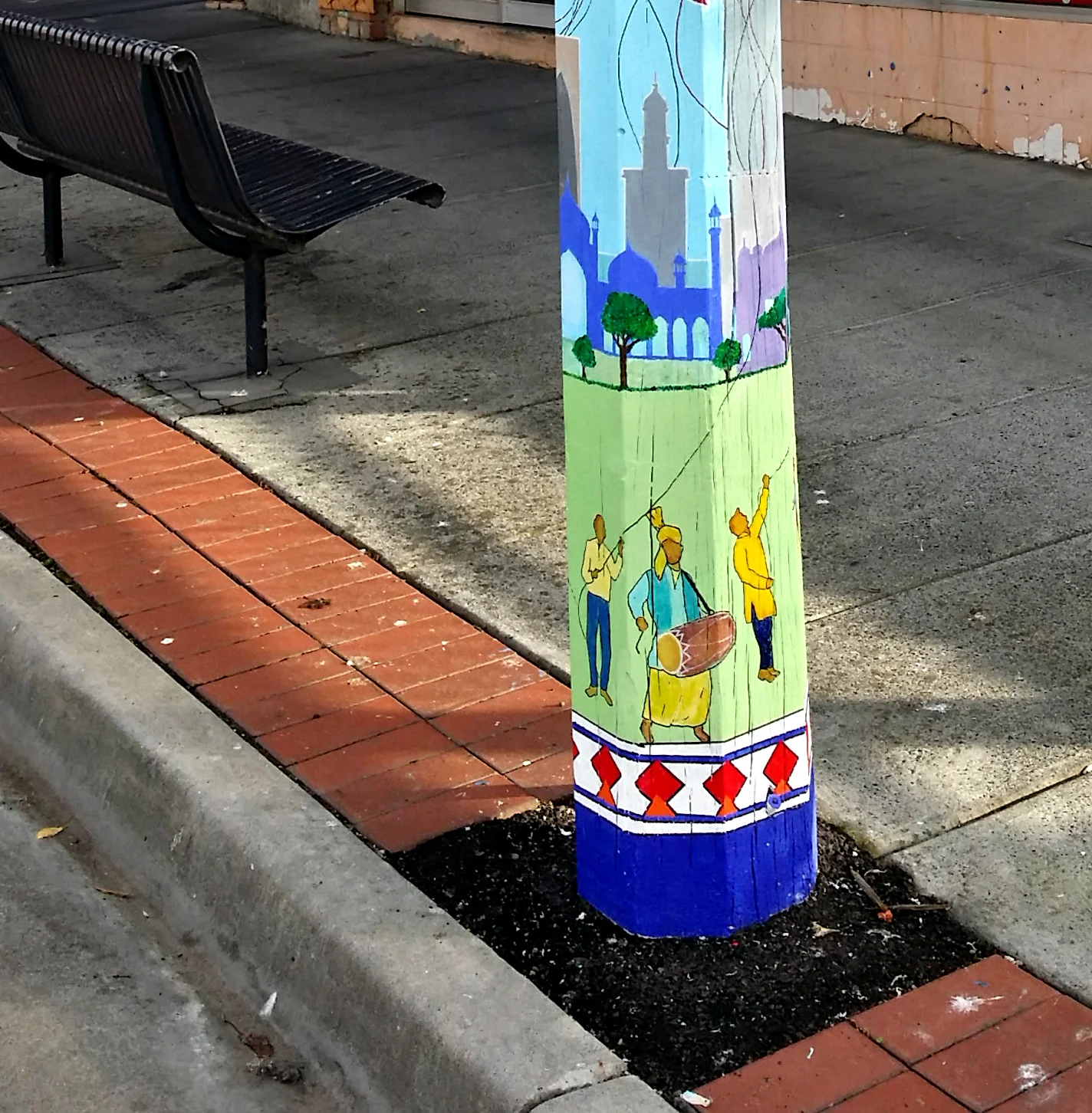
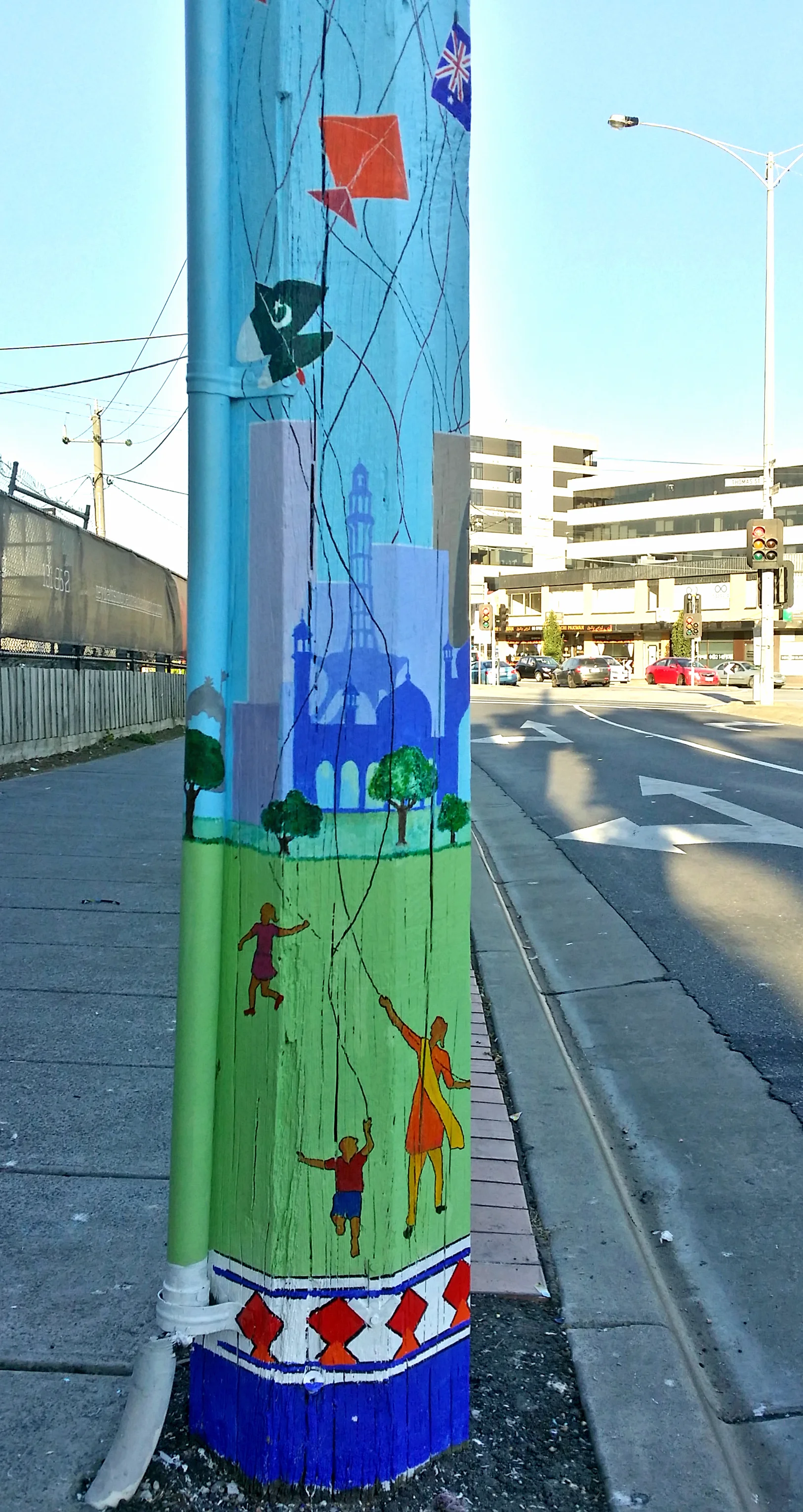
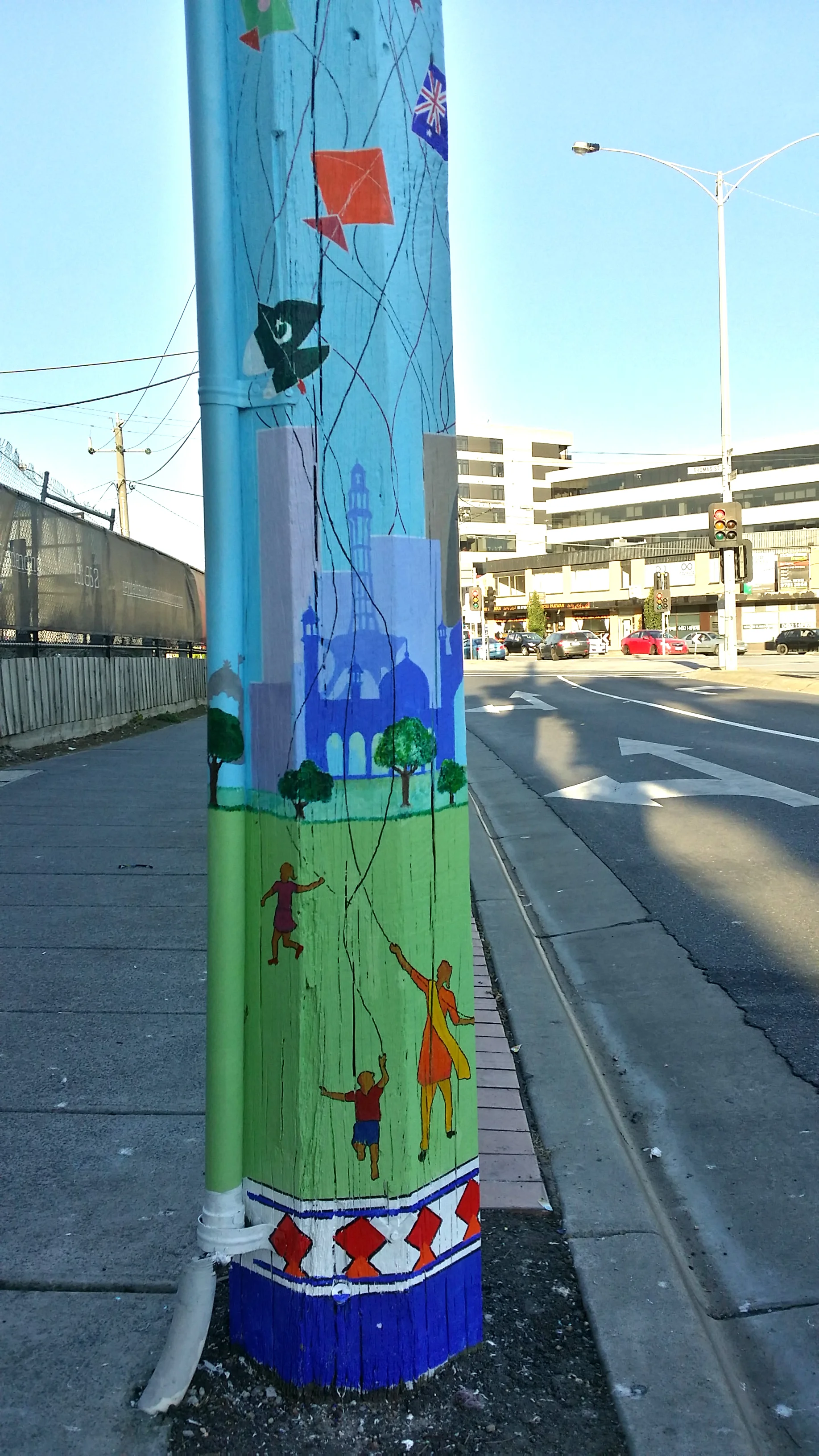
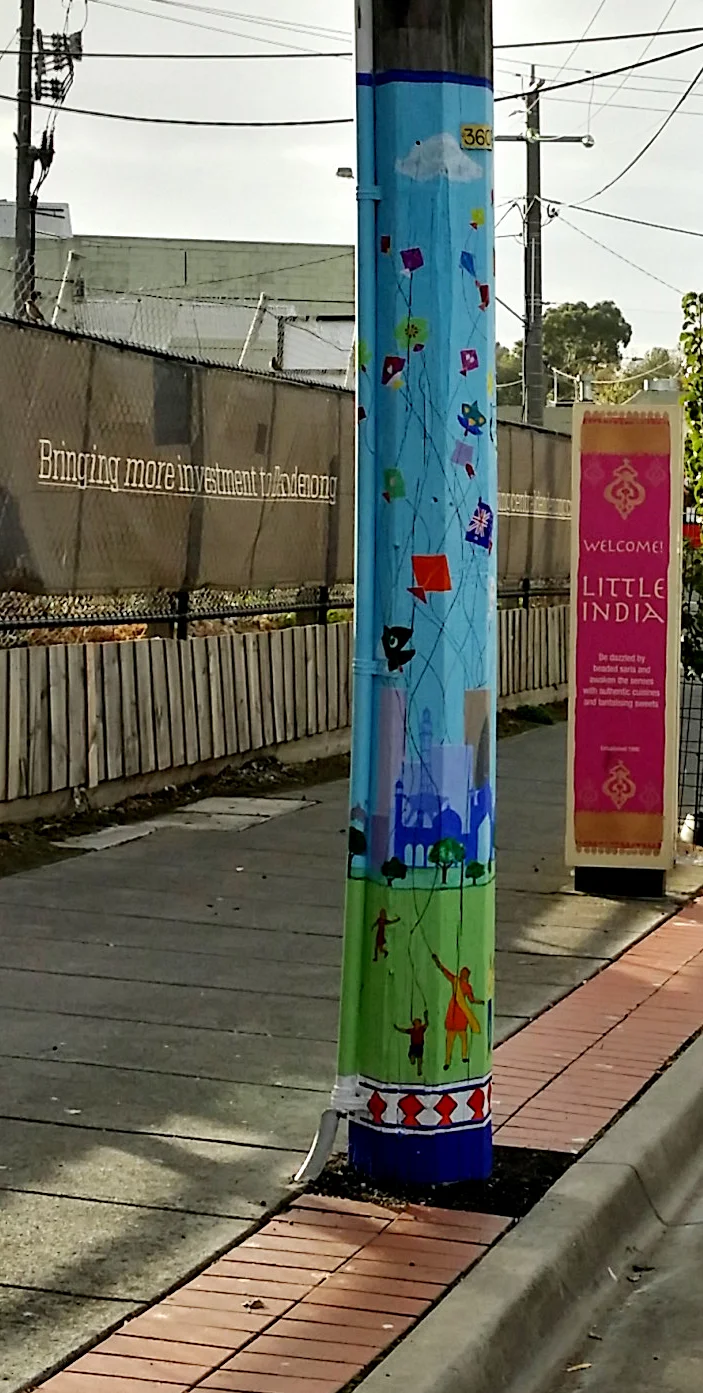
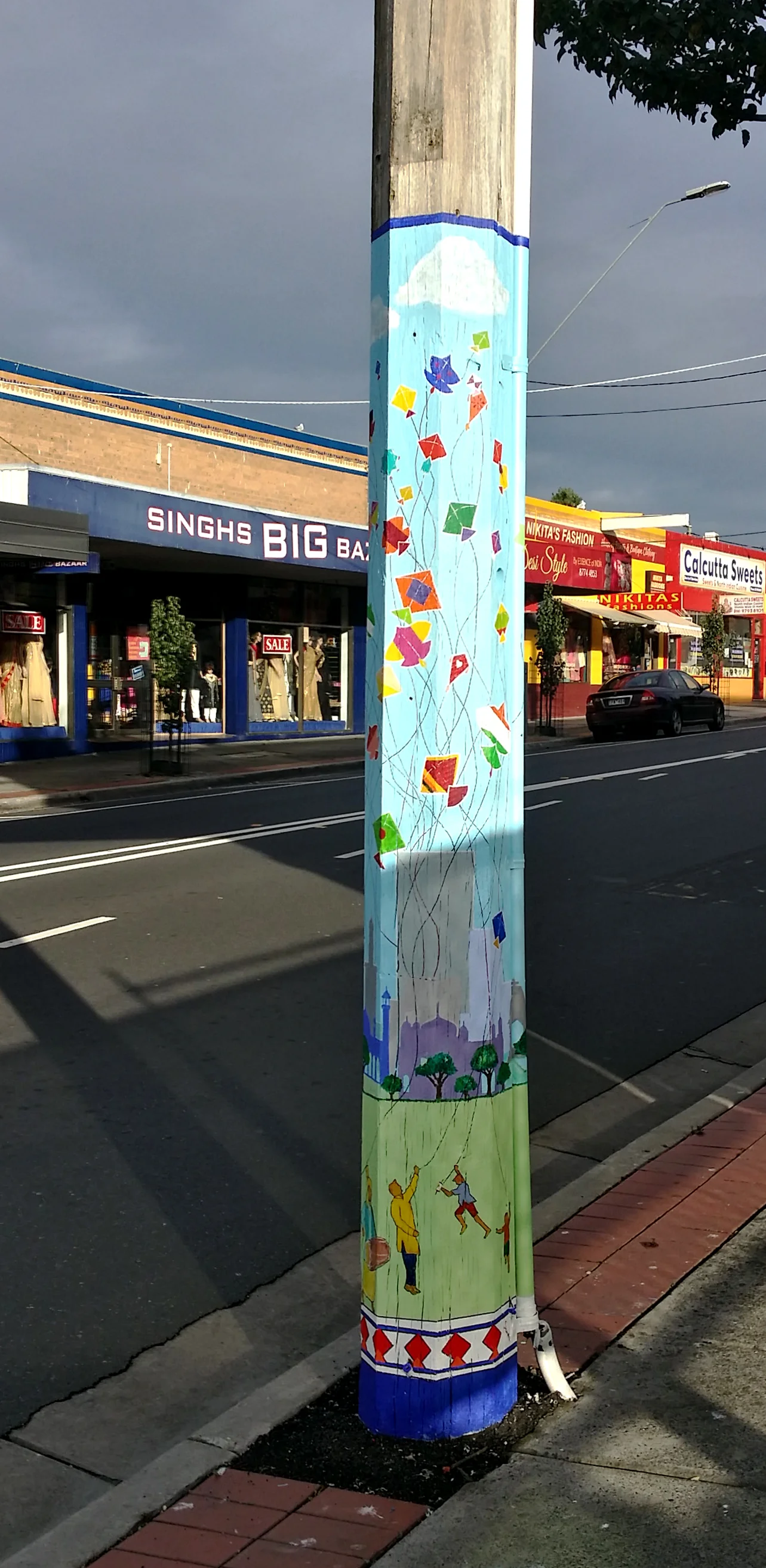
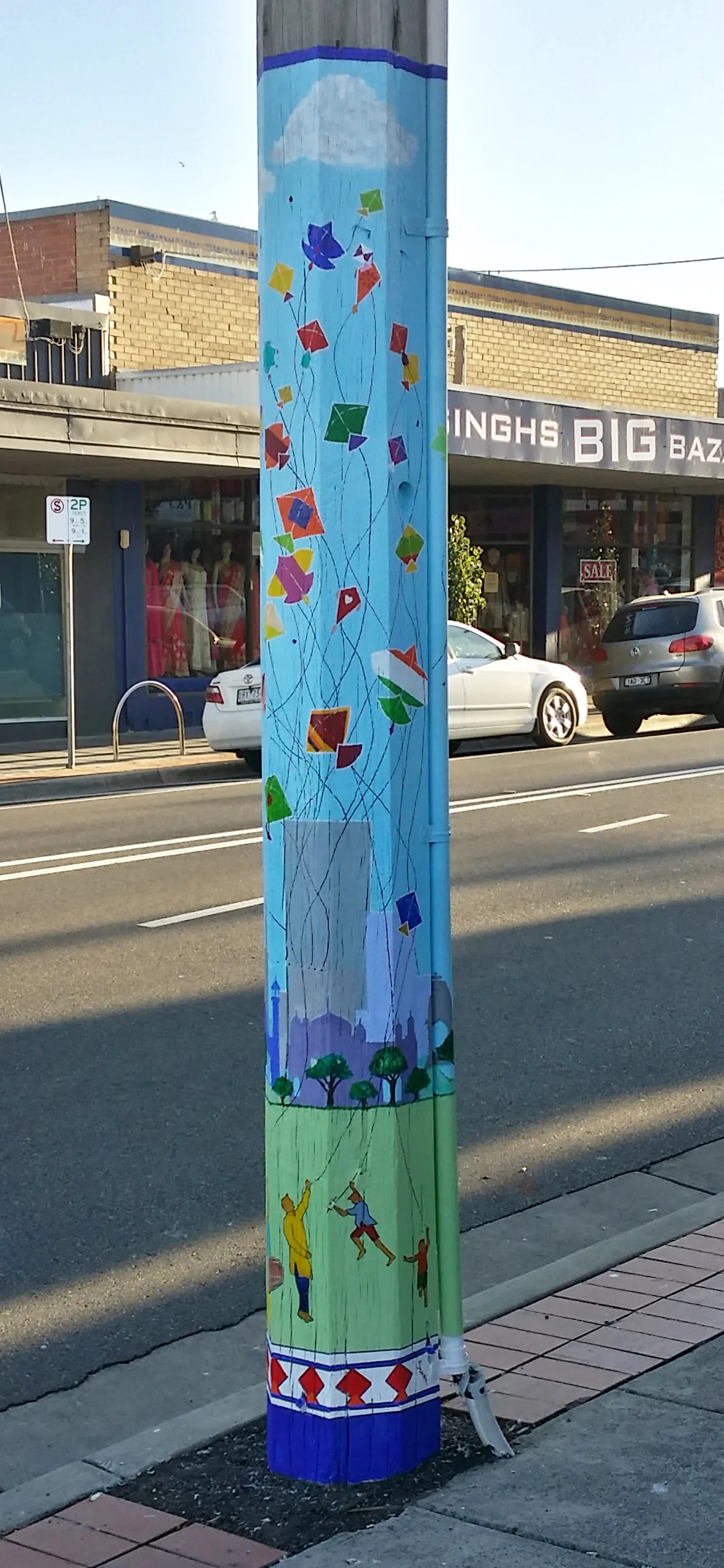
In this artwork I have attempted to showcase the spirit of Basant which is a secular festival and celebrated throughout the sub-continent to herald the coming of spring season. The Kites represent the colorfulness and diversity of emotions of the kite flyers that control their flights and the variety of people and countries in the region that celebrate Basant.  I have painted some of the kites in colors of national flags to further emphasize this element. The entangling lines not only represent string attached to the kites but showcase the festival ethos around love, equality and common heritage.

View fullsize a1.jpg
View fullsize 1.jpg
View fullsize 7.jpg
View fullsize basant 1.jpg

The various historical and religious connections to the spring festivities are represented by silhouettes images of mosque, Hindu and Sikh temples, and the key centers of Basant festivals Lahore and Amritsar are acknowledged by Minar-e-Pakistan, Badshahi mosque, Gurudwara Baba Atal Rai and Jallianwala Bagh memorial.

The carnival atmosphere is showcased by the images of drum beater, man, women and kids flying kites wearing yellow dresses which is considered to be the color of Basant.

And lastly, the brightly colored graphics at the bottom, forms a border and establishes the narrative around Basant and kites.

welcome.jpg

Welcome

May 5, 2019

Tweet with Sticks

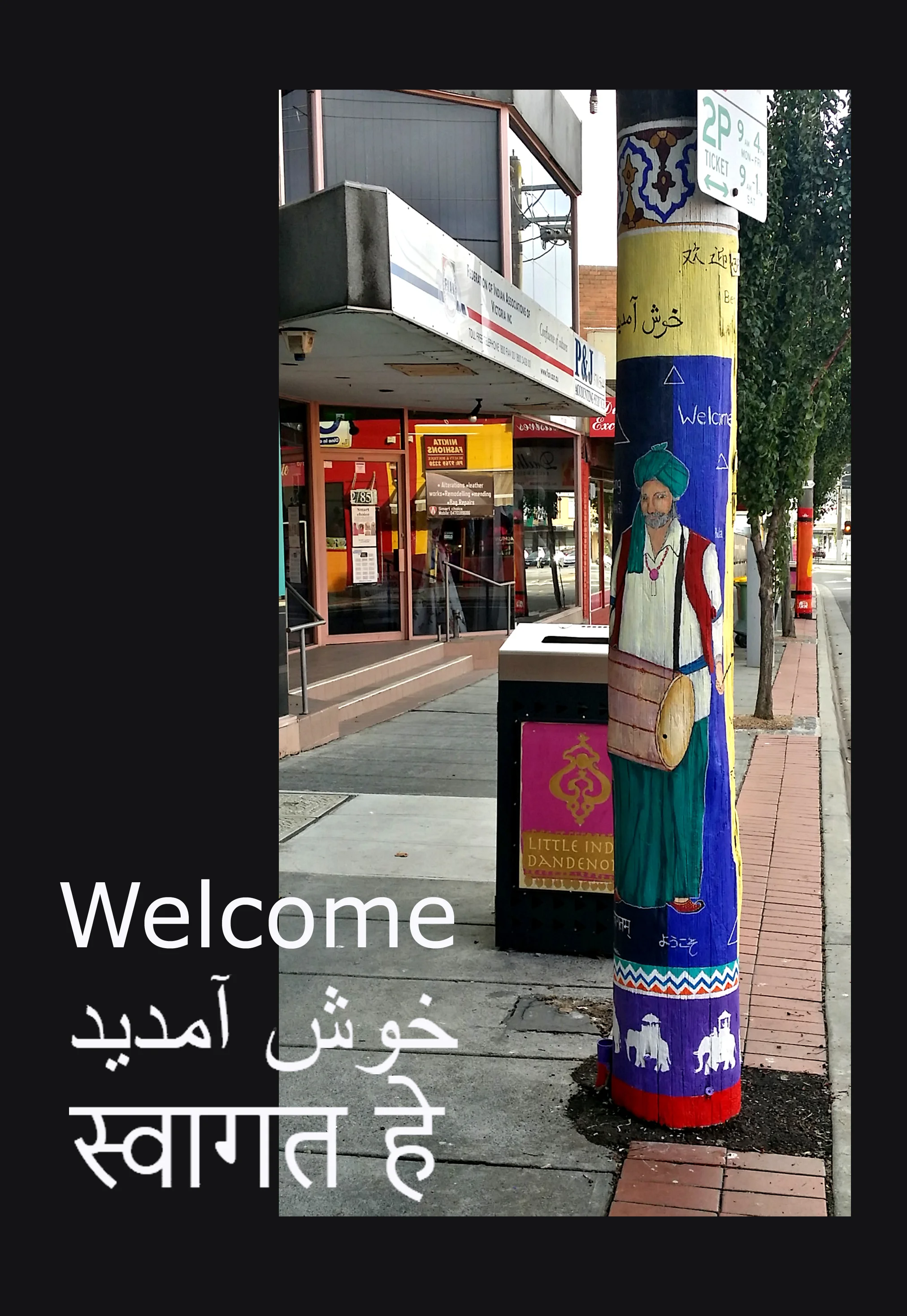
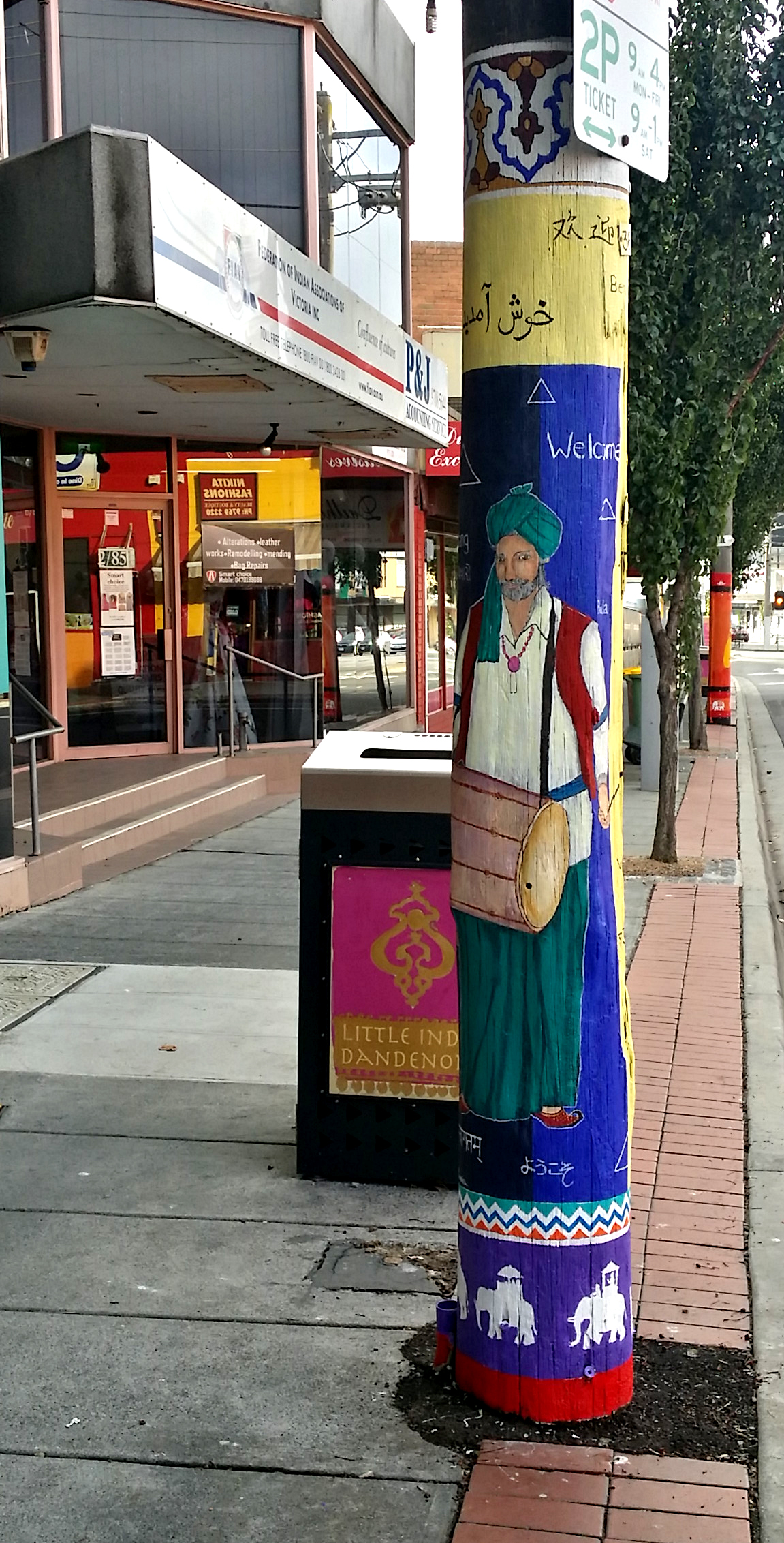
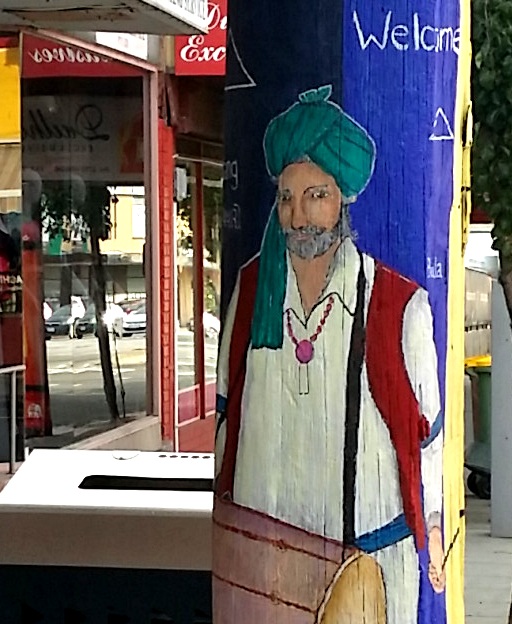
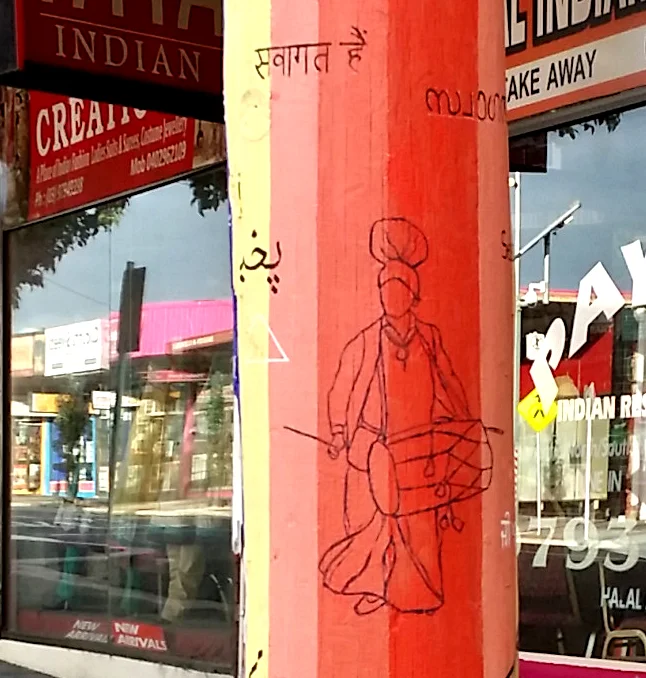
In many respects, the ‘Dhol’ (Indian drum) with its hollow wooden barrel and animal hide stretched over its open ends, and the humble ‘Dholwalah’ (drum beaters who sounded the drums) who carried the instrument slung around the neck are relatable to ‘Twitter’ of our times. A long-lost cousin of sorts; this ‘tweet with sticks’ had the same function for the Mughal establishment of yesteryears as any sane or deranged president or politician of our times.

While today the ‘Dhol’ is mostly associated with folk music, Bhangra dance, wedding parties and religious processions, the ‘Dhol’ and ‘Dholwalahs’ played an important part in shaping the history of the sub-continent.


1h.jpg
1g.jpg
1j.jpg

In his book ‘Delhi-The unknown tales of a city’; R.V. Smith dedicates a whole chapter to the drummers of Delhi and writes “In the medieval day they (Dholwalahs) were employed in large numbers to act as messengers. They had a code, of course, and this was communicated in a sort of relay until the message reached all the cities and towns in a radius of several hundred miles. Sometimes, the message warned of an impending attack and sometimes it gave news of a court proclamation that the emperor was journeying and would need fresh horses at such and such a place. And so every time the drums beat across the miles, people knew something important was afoot. During the 1857 uprising it was either the lotus or the chappatis carried by runners secretly at night that warned most villages and towns that the revolt against the British was to break out soon. Wherever the symbols could not be carried the message was passed on by the beat of drum”

Now fast forward a few centuries into the present. In this artwork, I have used the drumbeaters as symbols for proclamation -albeit not for or by a person of prominence, but an announcement or a ‘tweet’, if you will, aimed at welcoming the travelers who visit the Little Indian prescient.

View fullsize 1b.jpg
View fullsize 1e.jpg
View fullsize 1a.jpg
View fullsize 1c.jpg
View fullsize 1d.jpg
View fullsize 1f.jpg

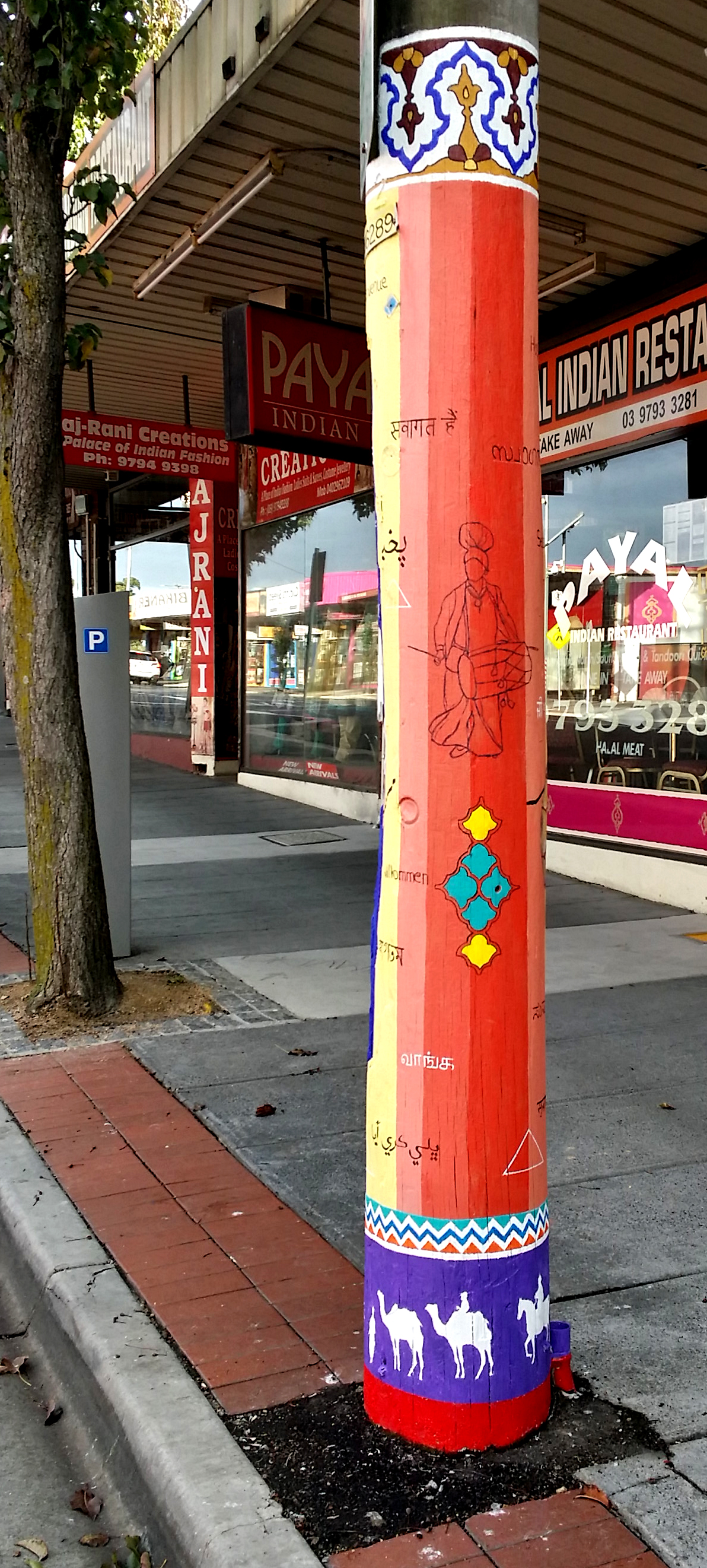
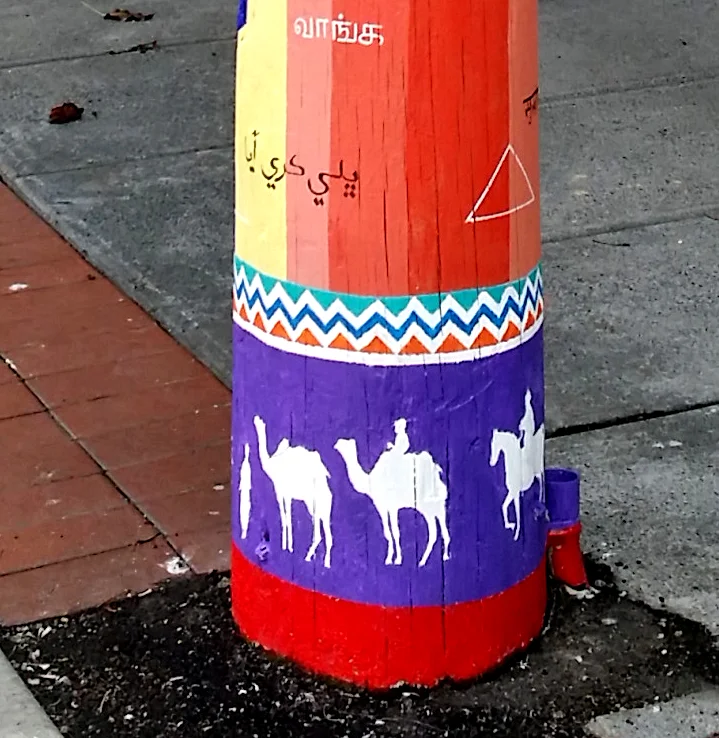
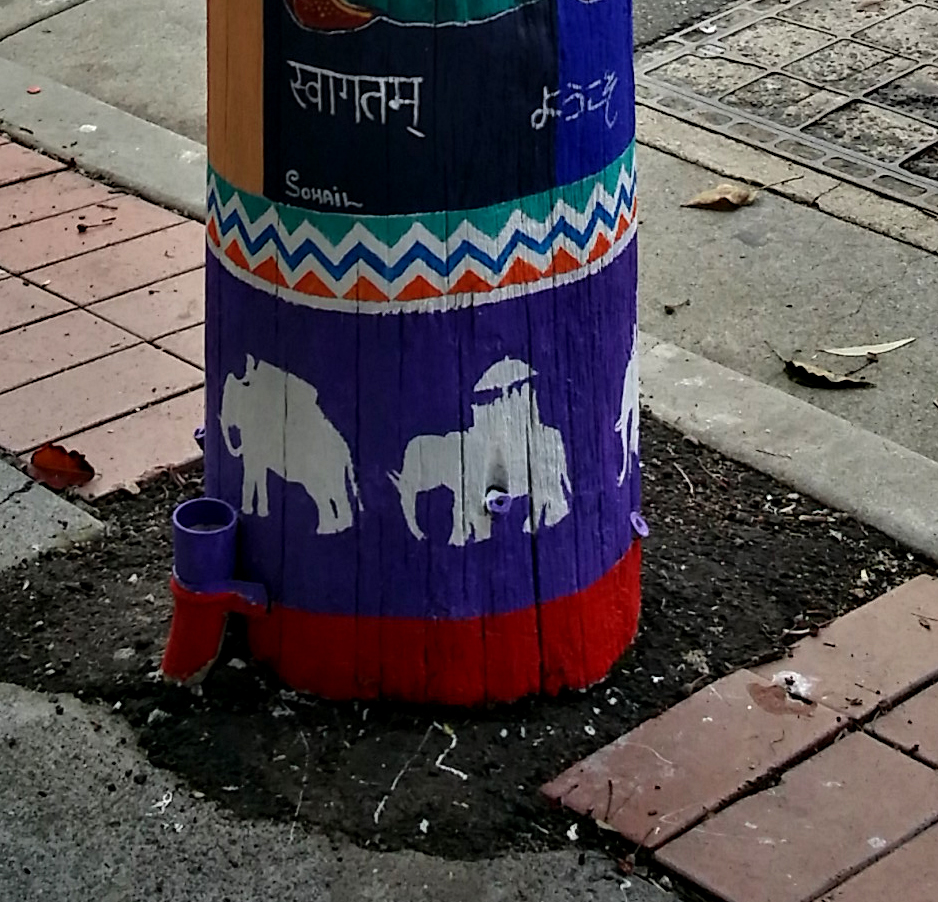
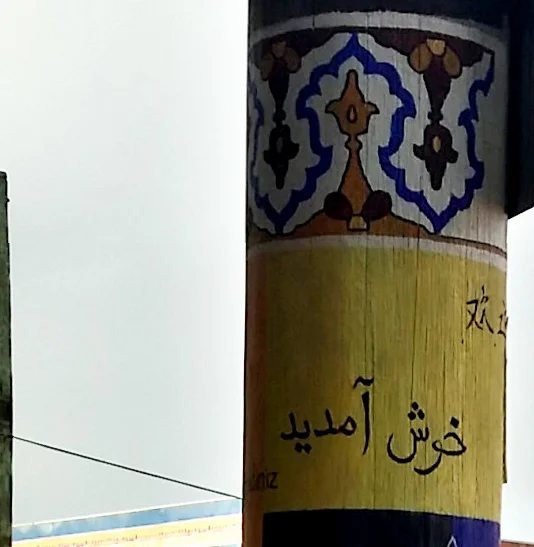
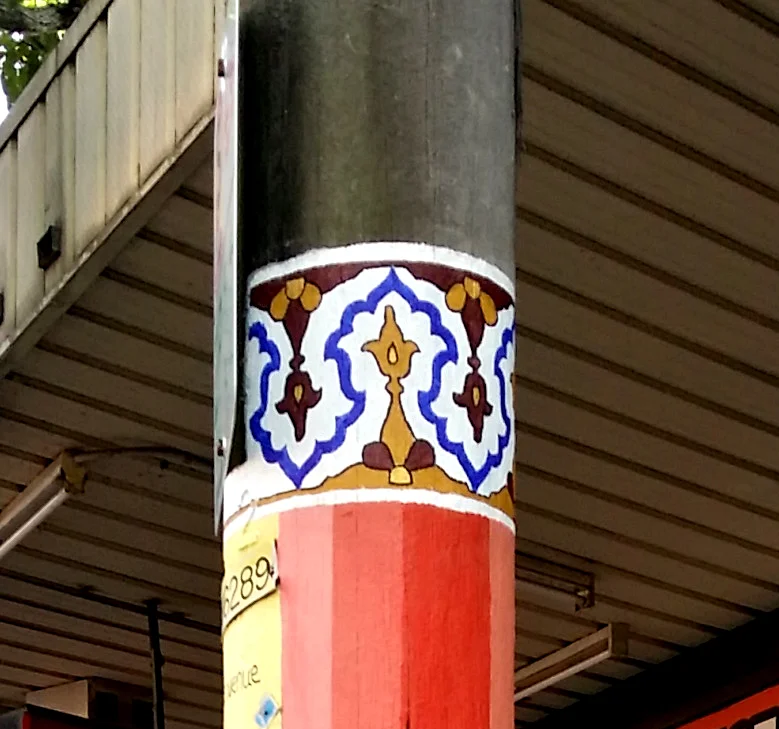
The narrative around the historical background is reinforced by different motifs on the art work. The top band depicts a typical marble floral inlay design and similarly the mosaic pattern at the back is inspired by geometric tiled pattern common of the period.

The bottom bands depict the elements of journey and travel. The silhouette images of the lower purple band depict a royal caravan with rows of elephants, horse and camels (journey) and the winding pattern on top is aimed at representing waves, travel and motion. The choice of colors for the bands was not only driven by the overall aesthetics of the piece but by using different colored zigzag lines my intention was also to universalize the welcome message to include all who have come to the country (ochre), by water/boats (aqua) and air/planes (light blue).
Welcome, khush aamdeed, savaagat he

Though over the years a lot of customs and traditions in the subcontinent have evolved or eroded away; fortunately, the customs around hospitality and honoring of guest is very much alive to this day. Travelers passing through the sub-continent cannot help but notice this fact. According to one traveler, “The countryside seems populated with people willing to drop everything to help an unknown foreigner find his destination or to serve him tea.”

Hospitality is valued by Muslims, Hindus and Sikhs alike. In Pakistani Islamic culture, the guest is considered a blessing from God, and in neighboring India the slogan “Atithi Devo Bhava” (guest is god) defines the importance of the guest for the host.

Folks take great efforts to make sure that the guest are happy and provided for. Often the host will offer best dishes, sweets and fruits to their guest then they would consume themselves. In some countryside areas, a guest of one family is considered a guest of the whole street or village. Many restaurants owners and shopkeepers even refuse to take money from foreigners.

These cultural traits are evident in people even when they move away from their homeland and settled in other countries. Case in hand, while I was busy painting the pole, a Sikh gentleman who owns a shop in the area became a silent admirer of my work and offered to provide me chai and soft drink and refuse to take money when offered.

I have tried to highlight this cultural trait in the pole artwork by writing ‘welcome’ in several regional and international languages. The initial plan was to cover all 23 regional languages spoken in the region but unfortunately my patience with Dr Google and the time run out and I settled with covering a dozen languages only.

Epilogue

This commissioned public art is part of Stage 2 of the Indian Cultural Precinct revitalization works that have been sponsored by the City of Greater Dandenong and is aimed at enlivening the streetscape and showcase the color and vibrancy of the culture of sub-continent. I hope the people will appreciate and enjoy this piece as long as it last not only for its aesthetics but also the message it aims to convey.

In dandenong, Multicultural, Public art, street art, Community Art, Abstract, Arts, Pakistani Arts, Indian Arts, Peoples Art Tags #mydandenong, #littleindiadandenong, #arts, #streetart, #Hive, #cityofcasey, #dandenong, #streetartatdandenong, #pakistaniart, #indianart, #indianculturalprecinct
Comment

Breaking Bread Together

February 3, 2019

This blog is about the 2019 Australia Day art activity held at Balla Balla community center which was aimed to highlight the power of meal to bring people together.

Read More
In Abstract, Community Art, Public art, Multicultural Tags food, Balla Balla, CHARM, Cultural Historical Association of Rodriguans & Mauritians in Victoria Inc, multicultural, public arts, City of Casey, Dandenong
3 Comments

Reminiscing Rekindling Tour of Morocco

December 31, 2018

This post is not intended to be a travelogue per se; the intent is to record some experiences and insights during and after my travels and more importantly to acknowledge some of the beautiful people and personalities that I met and grew friendships with along the way.

It has been a long and uneventful flight. I had spent the 24 hours of flight time ‘wisely’ between sleeping, in-flight entertainment and flight meals; however, my attempts to go over the recommended reading materials again prior to landing in Morocco had been largely unsuccessful. Before this journey I had not met the organizer or the other fellow artist selected for this tour; and as the plane circled around Muhammad V airport, Casablanca, I was overwhelmed with mixed emotions of diffidence and excitement of what lay ahead for me.

My ‘Rekindling Tour’ journey started back in January 2018, with an email out of nowhere from someone who I hardly knew. A curator and an academic from Perth who studied Islamic art was putting together a grant to take a small number of artists to Morocco for training in Islamic arts and wanted to know if I was interested. She had come across my work done for SalamFest through the grapevine of social media and thought that I fulfilled the requirements for the grant.

Thrilled, honored and deeply humbled by this chance occurrence, I promptly conceded.

Hamida Novakovich who is an independent curator, writer and academic was the driving force behind the Rekindling: An Australian Artisans Tour of Morocco project.  She and her team (Professor Samina Yasmeen & Azim Zahir) at The Center for Muslim States and Societies (CMSS), University of Western Australia, initiated this project with an aim to establish ongoing links between emerging Australian artists and Masters of Islamic Art in Morocco. The intent of the project was to provide Australian artists an opportunity to visit and train under Master Artisans, to learn new skills in traditional Islamic arts and,upon their return, disseminate the acquired knowledge to the community through innovative community art projects.The tour was funded by The Department of Foreign Affairs and Trade’s Council for Australian Arab Relations. The grant applications and processing, selection of Australian artist, coordination of flights and accommodation in Morocco and more importantly planning and coordination of activities with local masters were all done through CMSS.  The challenges involved in coordinating artist from different states, art experiences and backgrounds and developing a program that fits all requirements and expectations cannot be understated and the Rekindling Tour organizing committee deserves high praise for putting together such a remarkable program.

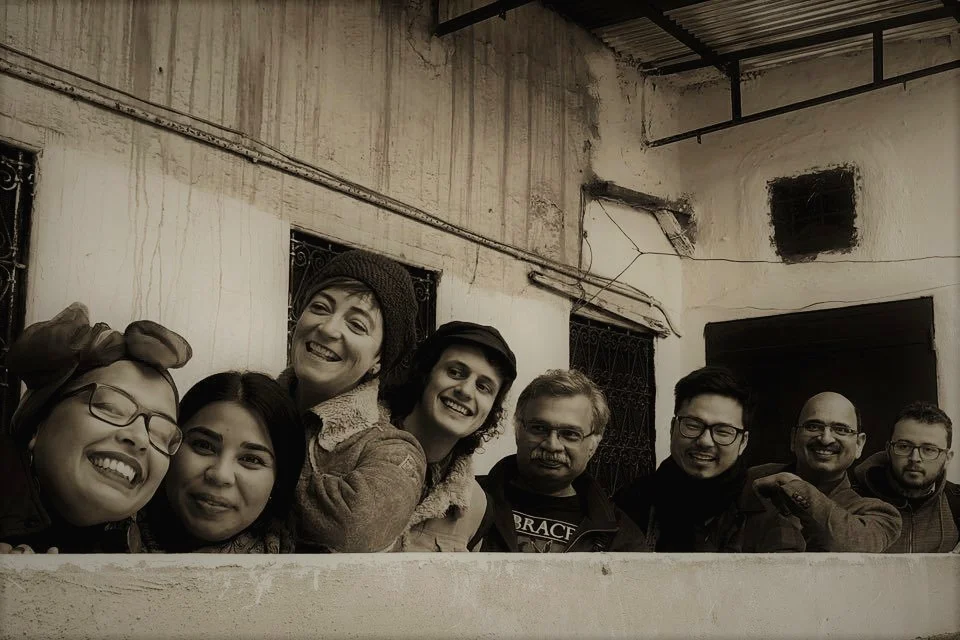
The artist selected for the tour came from three different states. Tusif Ahmed and Osama Mah joined us from Perth (WA), Niccy Pallant from Adelaide (SA) and Zahrah Habibullah, Majdi Faleh and I were from Melbourne (VIC).

Our artistic and professional backgrounds were equally varied. Tausif has a software development and jewellery design background and is a paper cutting artist par excellence. Osama has a digital graphic design and animation background; he is a philosopher, practicing calligraphist and a digital artist. Niccy has an arts education and teaching background; she is a print maker and a visual artist and also conducts workshops in sacred geometry and leather embossing. Zahrah is a professional photographer and artist, specializing in jewellery design and metal works. Majdi recently obtained his PhD in architecture focusing on Islamic design and practices geometric art, and I have a mechanical engineering background and dabble in visual and community arts.

The Rekindling Team

The Rekindling Team

The Journey Begins

Situated in Northwest of Africa, Morocco has been at the cross roads of history and presents an interesting mix of Berber, Arab, Islamic, Christian, Jewish and European traditions.

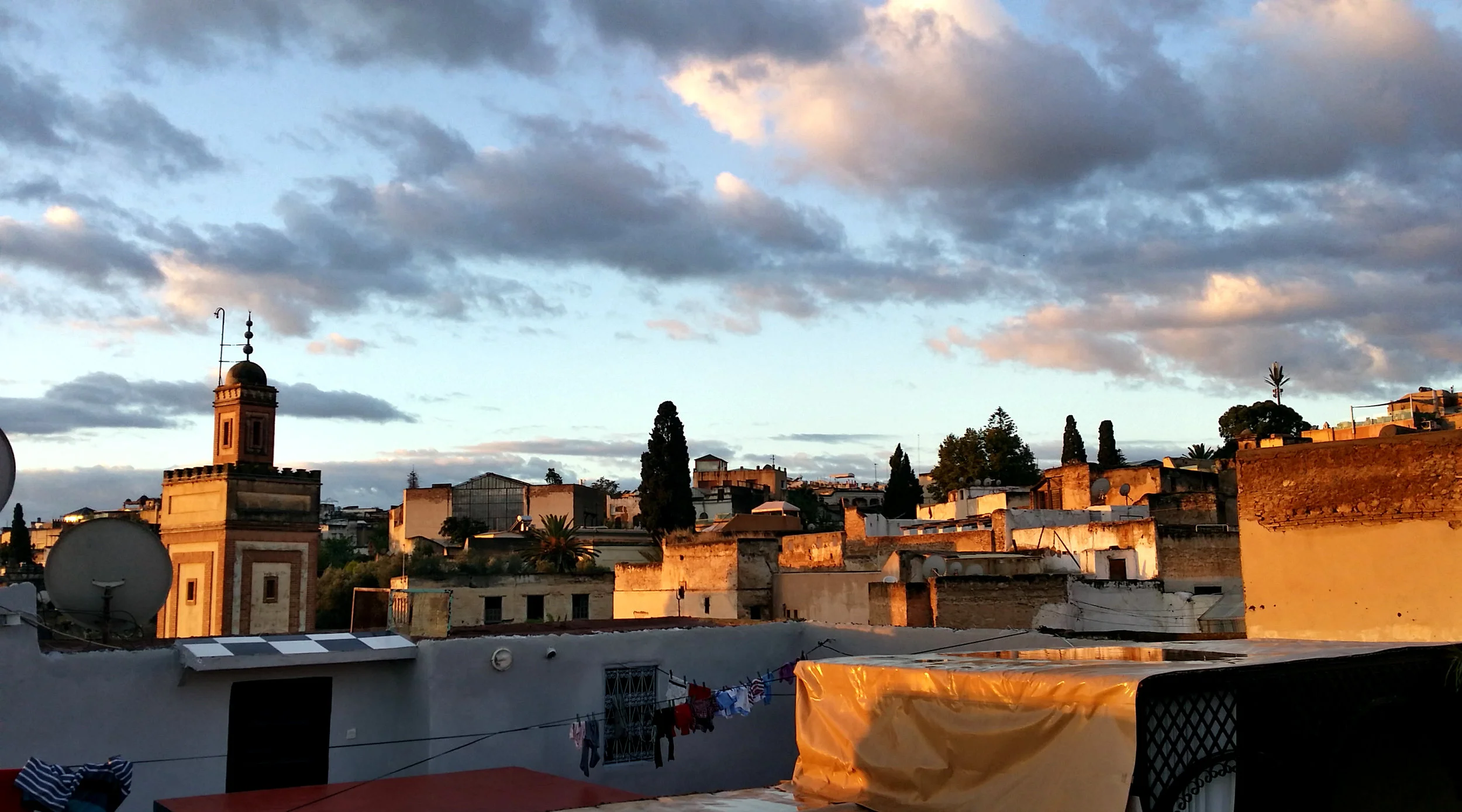
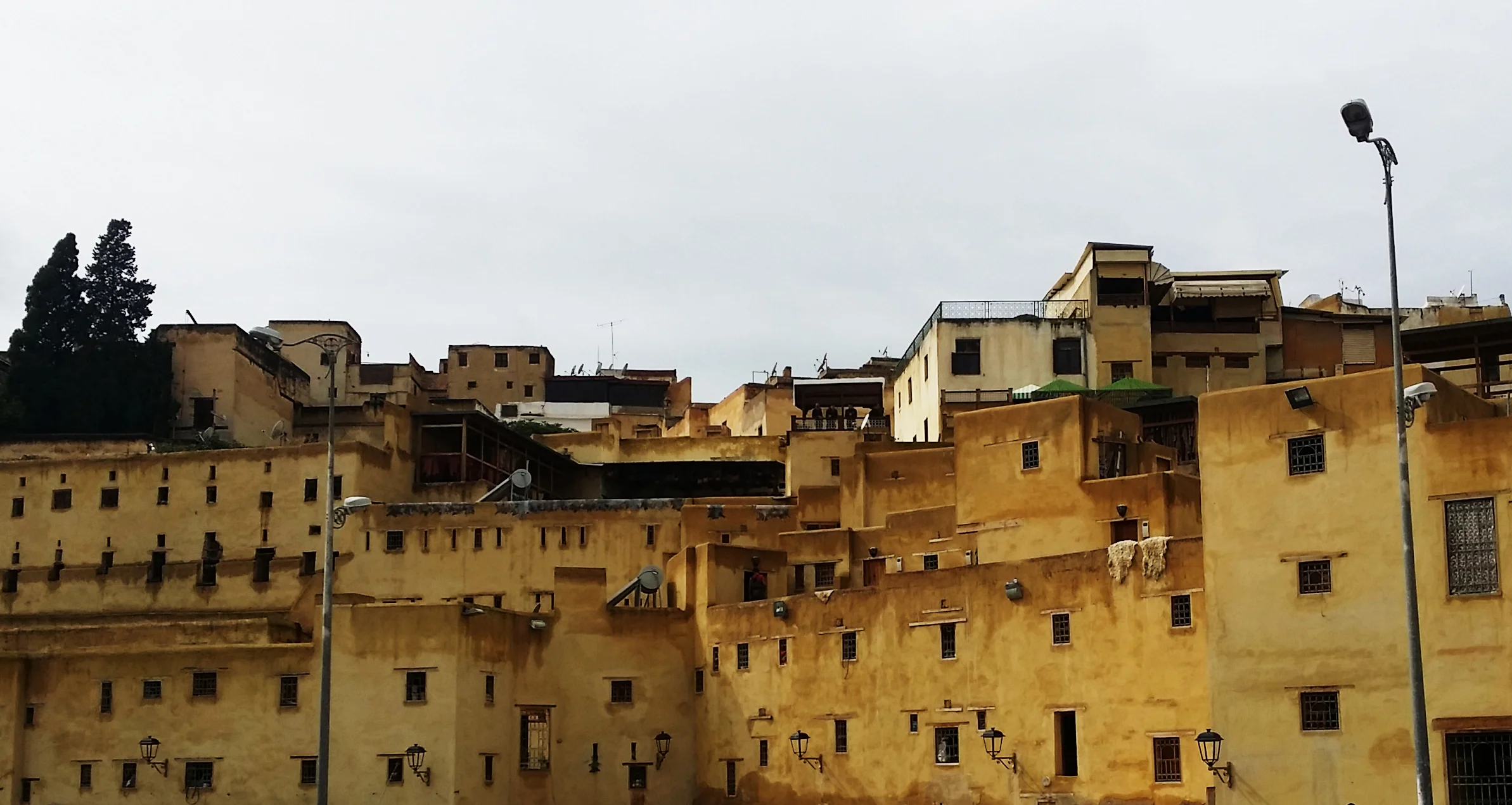
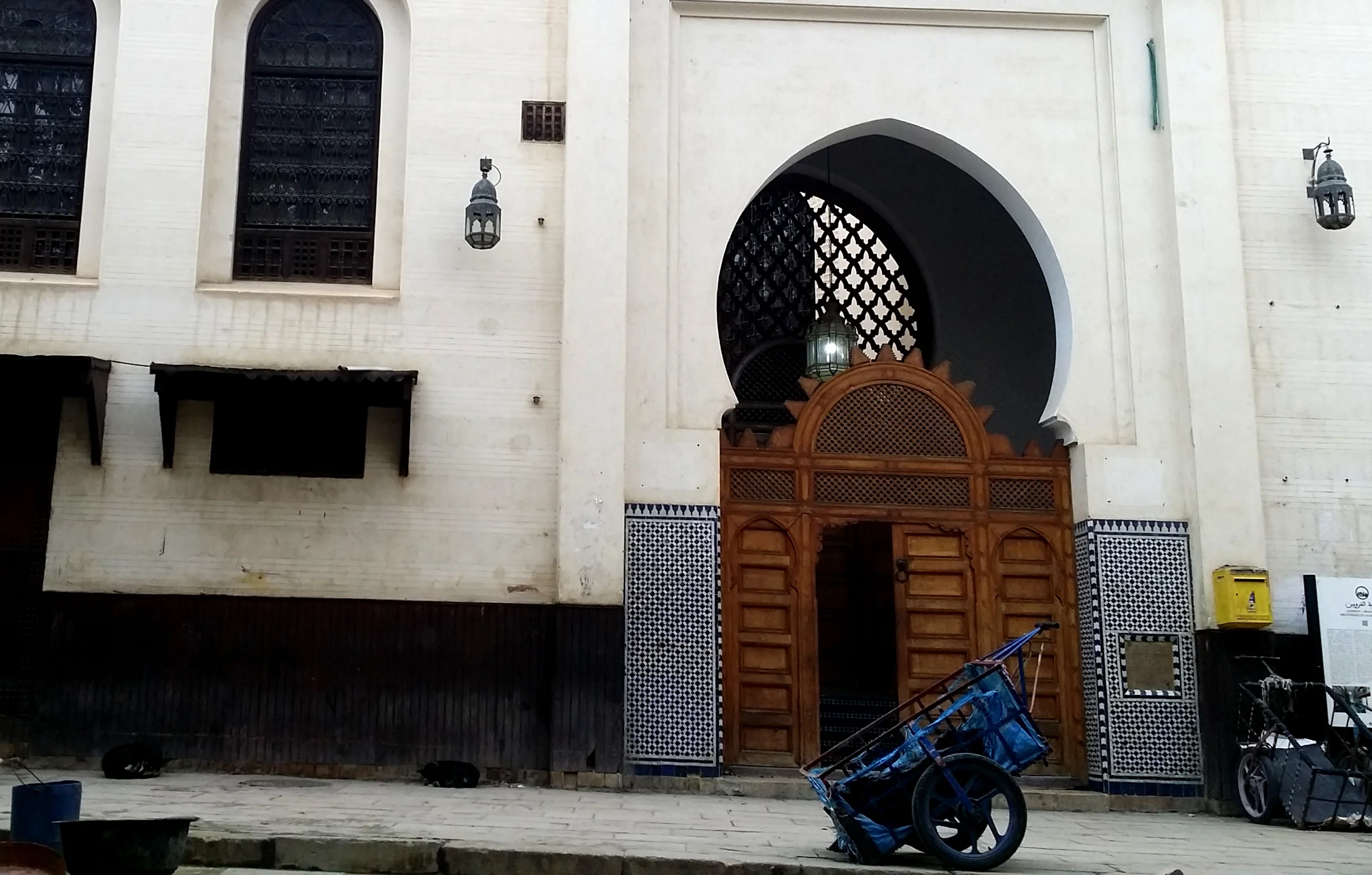
The first stop in the Rekindling tour was Fez. This city was founded in early 9th century by the Idrissi dynasty; they are also credited for establishing the University of Al-Qarawiyyin which is the oldest existing, continually operating higher educational institution in the world. In early 12th century Fez was considered to be one of the largest cities in the world and gained a reputation for its religious scholarship and as a hub for trade and commerce.

View fullsize 4.jpg
View fullsize 3.jpg
View fullsize 2.jpg
View fullsize 6.jpg
View fullsize 7.jpg
View fullsize 11.jpg
View fullsize 8.jpg
View fullsize 10.jpg
View fullsize 5.jpg

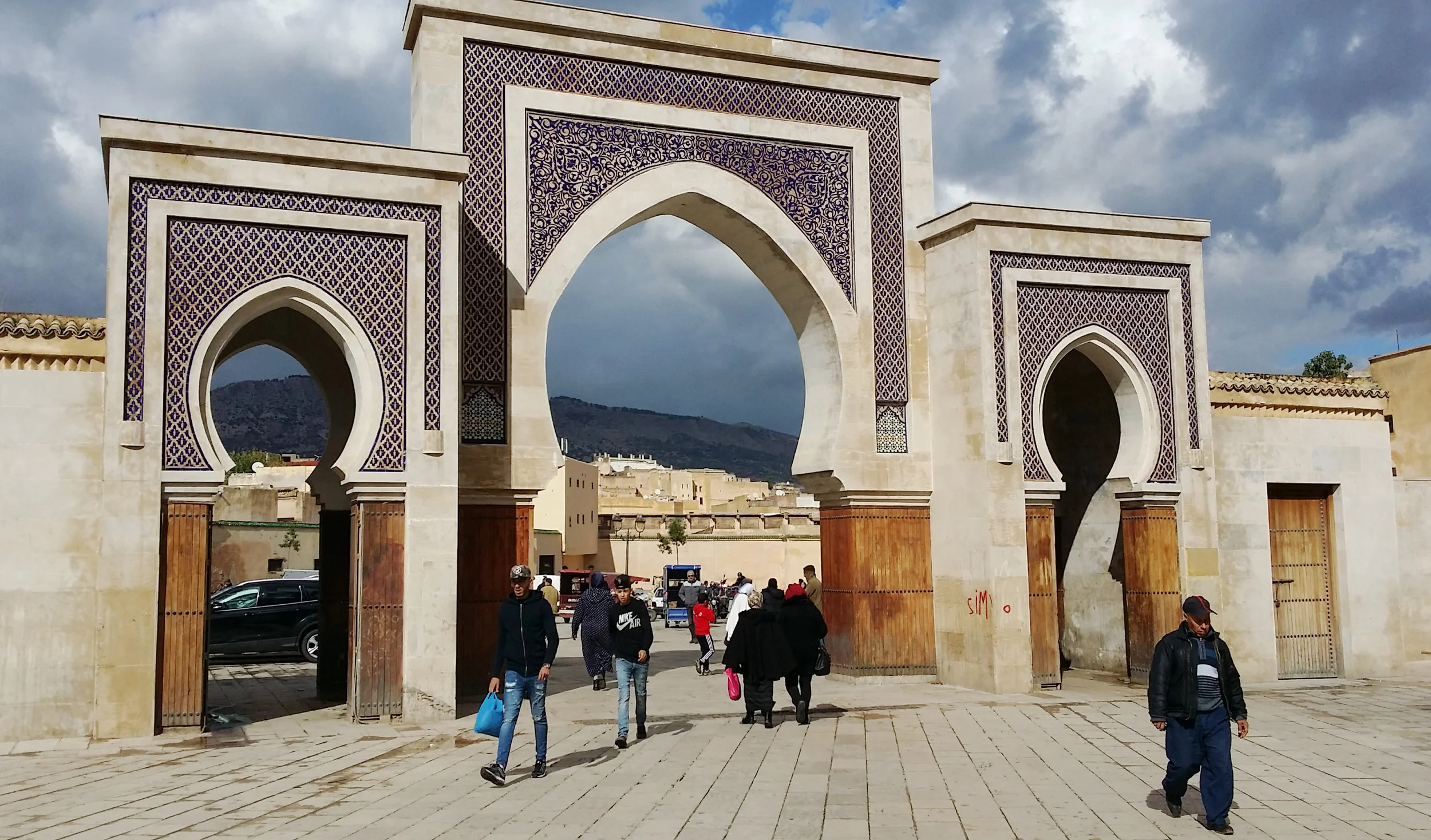
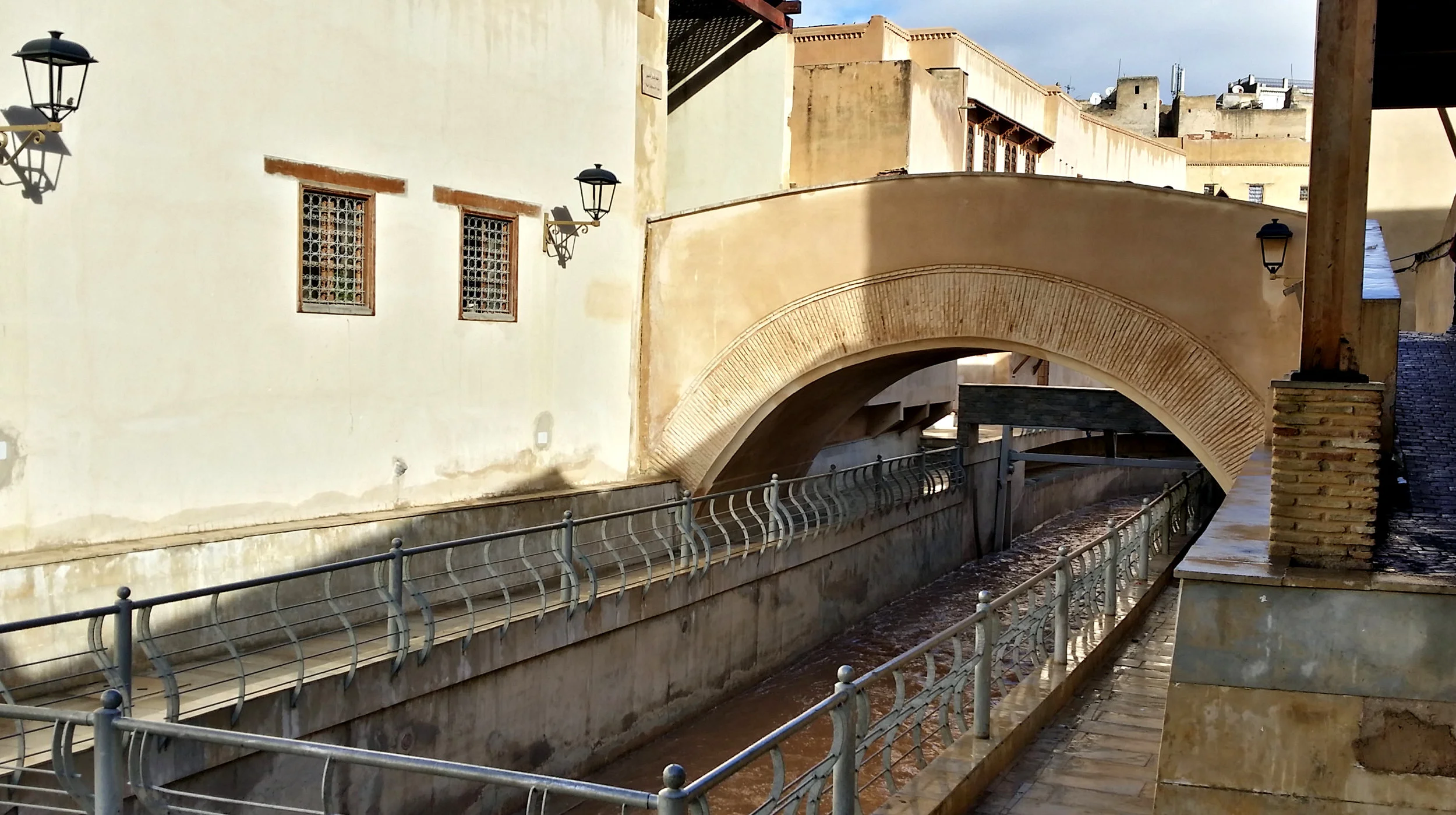
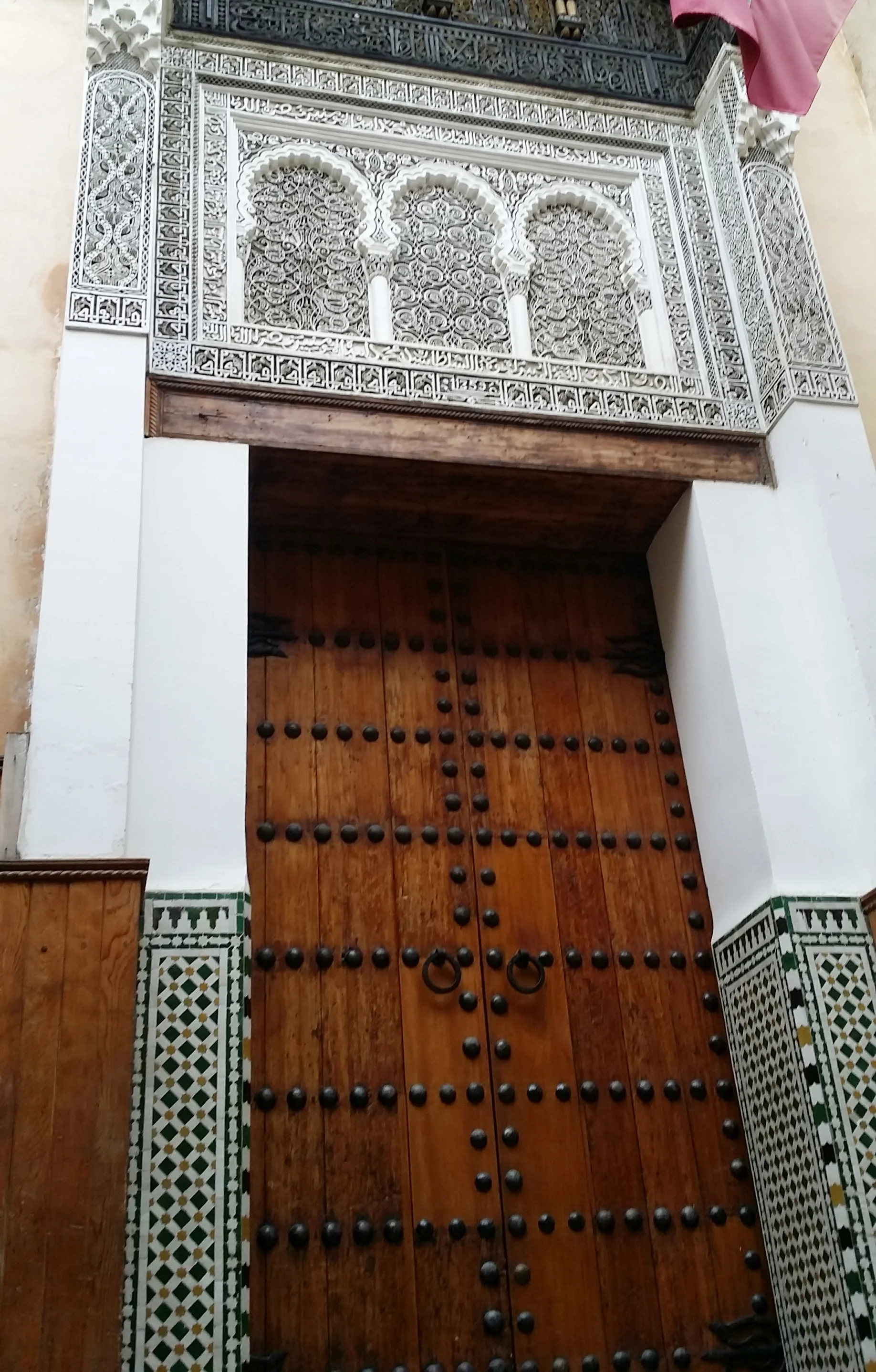
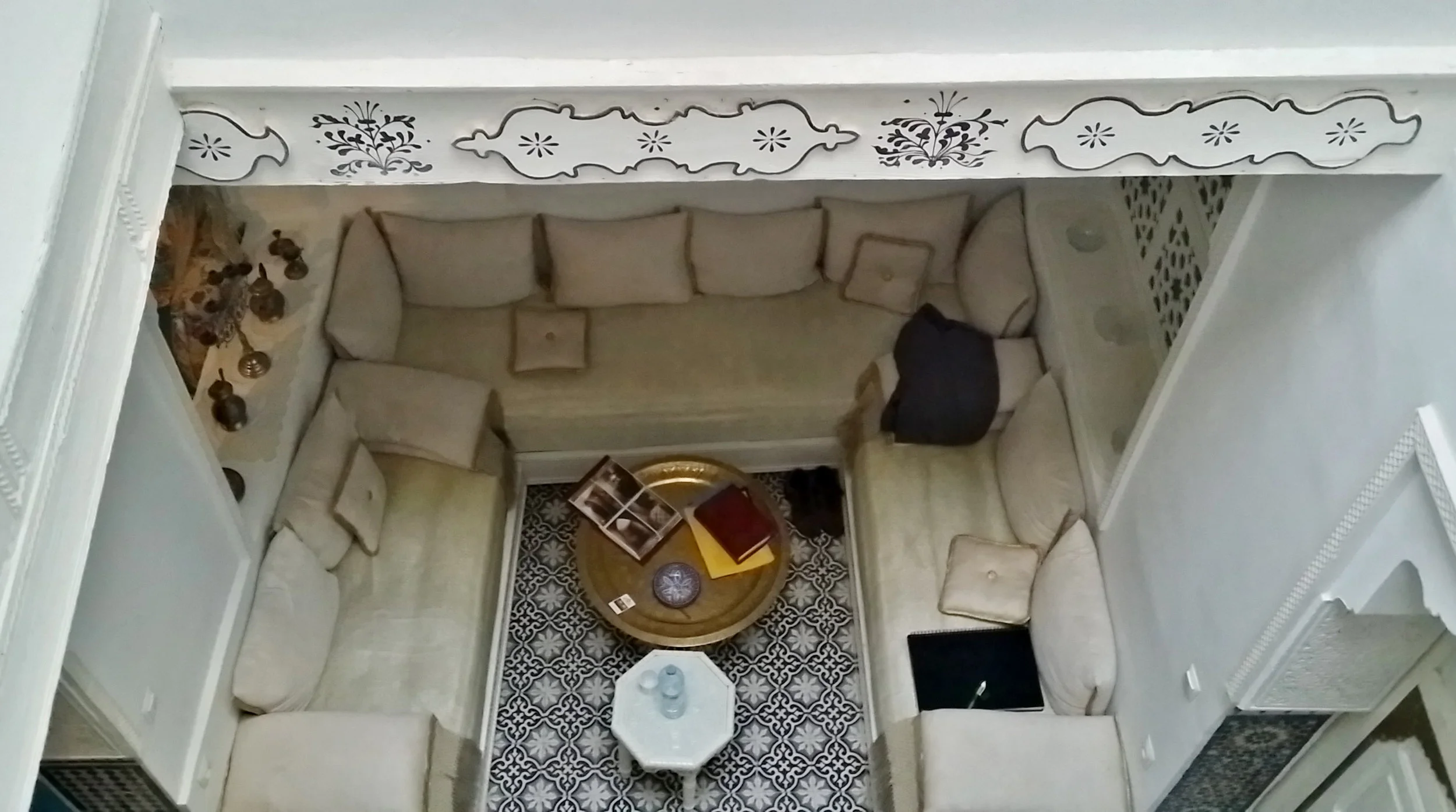
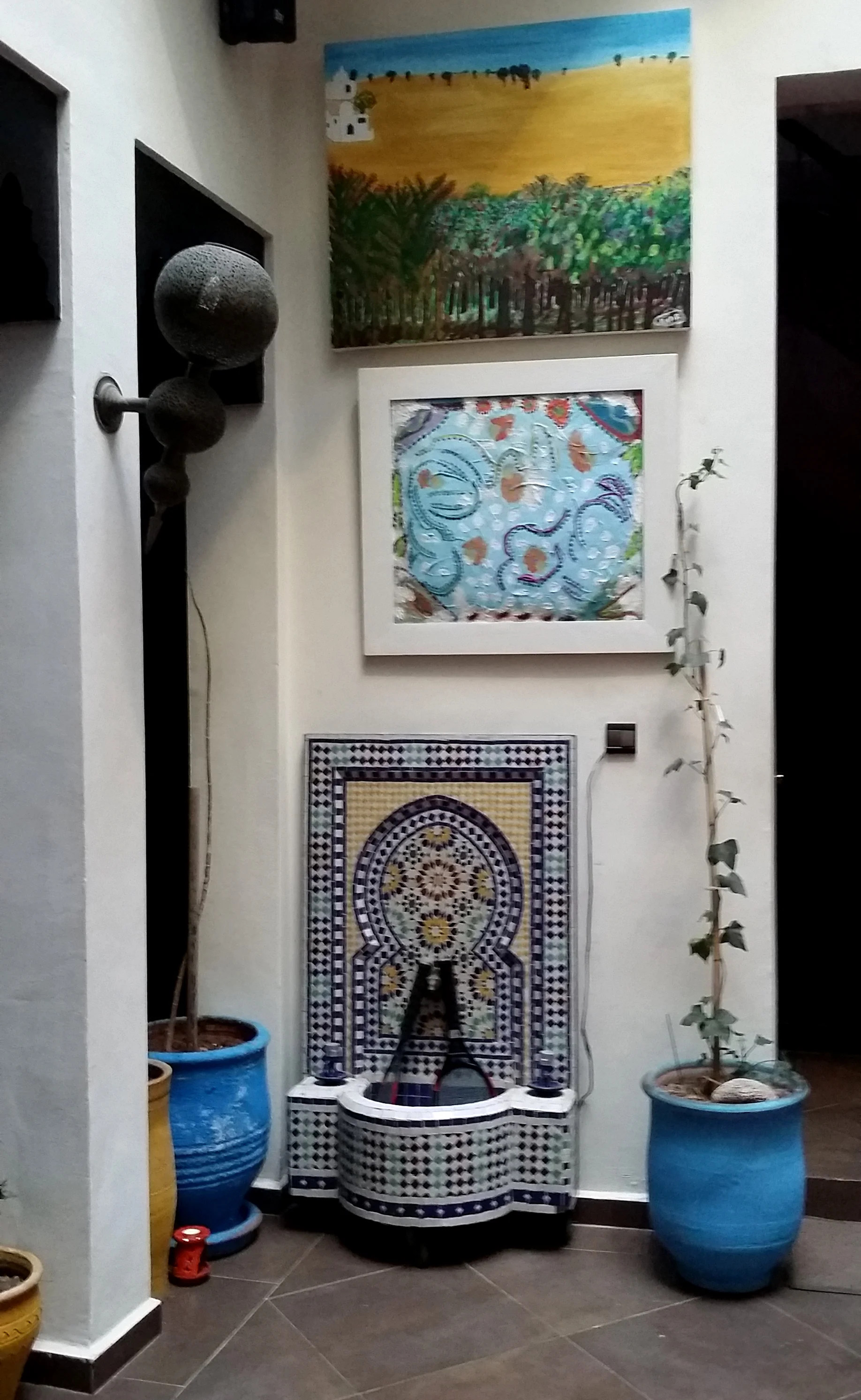
My first memories of this city are intertwined with the clattering sound of suitcase wheels on the cobbled stone streets of medina as the group dragged our luggage from Blue Gate (‘Bab Boujlood’) via narrow winding streets to the multilevel house; the ‘Dar ’that was to be our residence in Fez.Our hotel ‘Dar Arsama’; was managed by a Spanish visual artist- Violeta Caldres and her Moroccan, handyman husband - Adil.  Violeta and Adil had painstakingly restored an old house over four years to convert it to a residential hotel. Beautifully decorated and immaculately maintained with examples of traditional Moroccan tile designs and furnishings, in addition to Violeta’s own contemporary works on the walls, the house give a surreal feel.

Appearances can be deceiving, and I believe in no place is this statement truer then in Morocco’s medinas. Chaotic or maze like from a ‘western’ viewpoint for urban planning, the medina’s were designed to provide a sustainable space keeping in mind the ideals for the short and long term well being of the community. The city’s compact and dense fabric of housing, streets, thoroughfares and open spaces allowed people to practice their trade and live in the city without being exposed to physical and human harm.

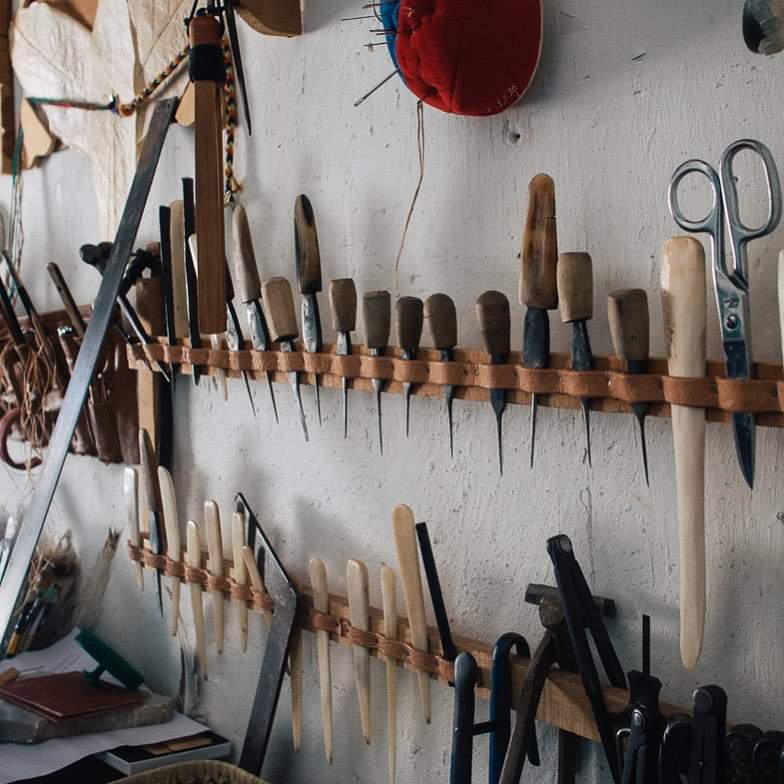
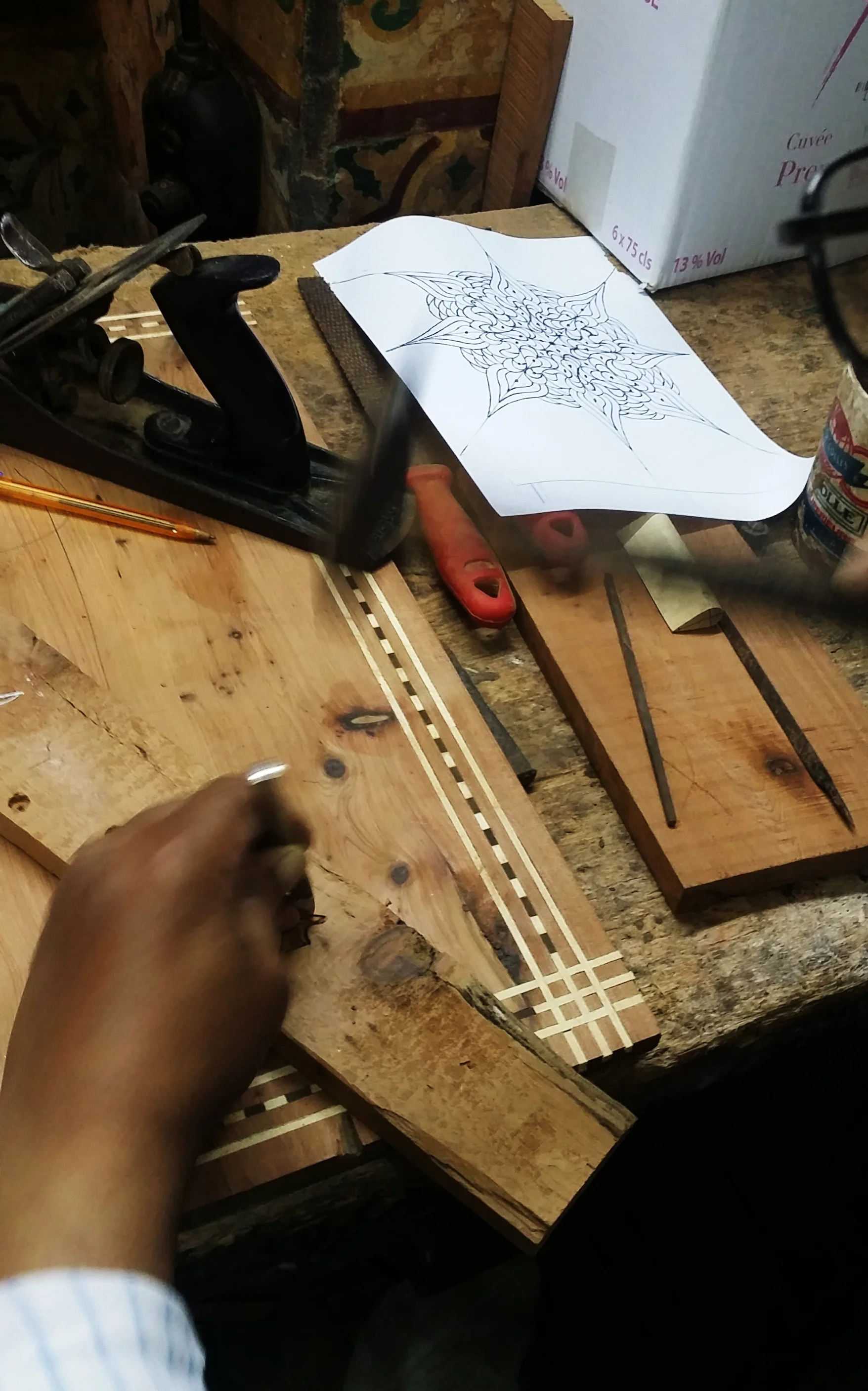
Our first workshop was at Craft Draft studios with Hamza El Fasiki. Hamza is a social entrepreneur, musician, author and an academic. He took over his family craft business from his father; who is a master craftsman and chair of the guild and founded Craft Draft studios with an aim to restore people’s connections to the traditional crafts. The studio provides an opportunity to learn and share the traditional arts by inviting both locals and foreigners to become apprentices and experience firsthand the traditional tools and techniques used by the artisans.

The great Muslim philosopher Imam Al-Ghazali stated “Four traits lift a person to the highest ranks, even if their works and knowledge are little: forbearance, humility, generosity, and good character”. 

The traditional artisan journey from apprentice to the master, instil these principles. Children as young as 6 or 7 years old would join the crafts workshop as apprentices. For the first 2 years they would only observe their Master’s work, then gradually be taught to hold tools and learn simple menial task and then actually introduced to the creative crafts. It took up to 10-12 years of learning to replicate the designs and another few to become a certified Master (maâlem) craftsman recognized by the Guild. This learning process was designed to develop apprentice skills as well as the inner self (Nafs). The aim was to develop humility and character in the students as they venture forward in life to become master craftsmen and contributing members of the society.

View fullsize sy2.jpg
View fullsize sy3.jpg
View fullsize 20181031_105722.jpg
View fullsize FB_IMG_1541142433596.jpg

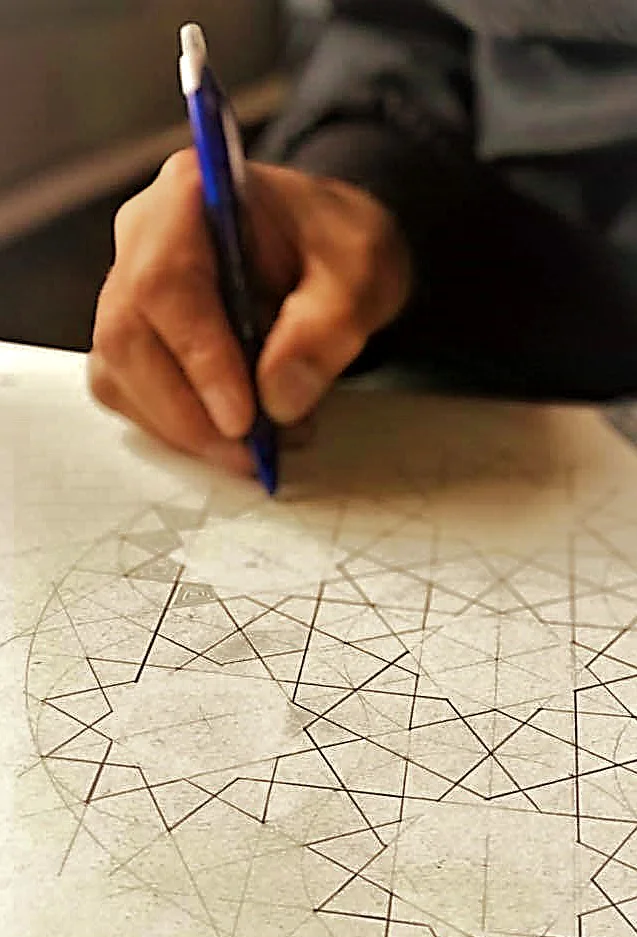
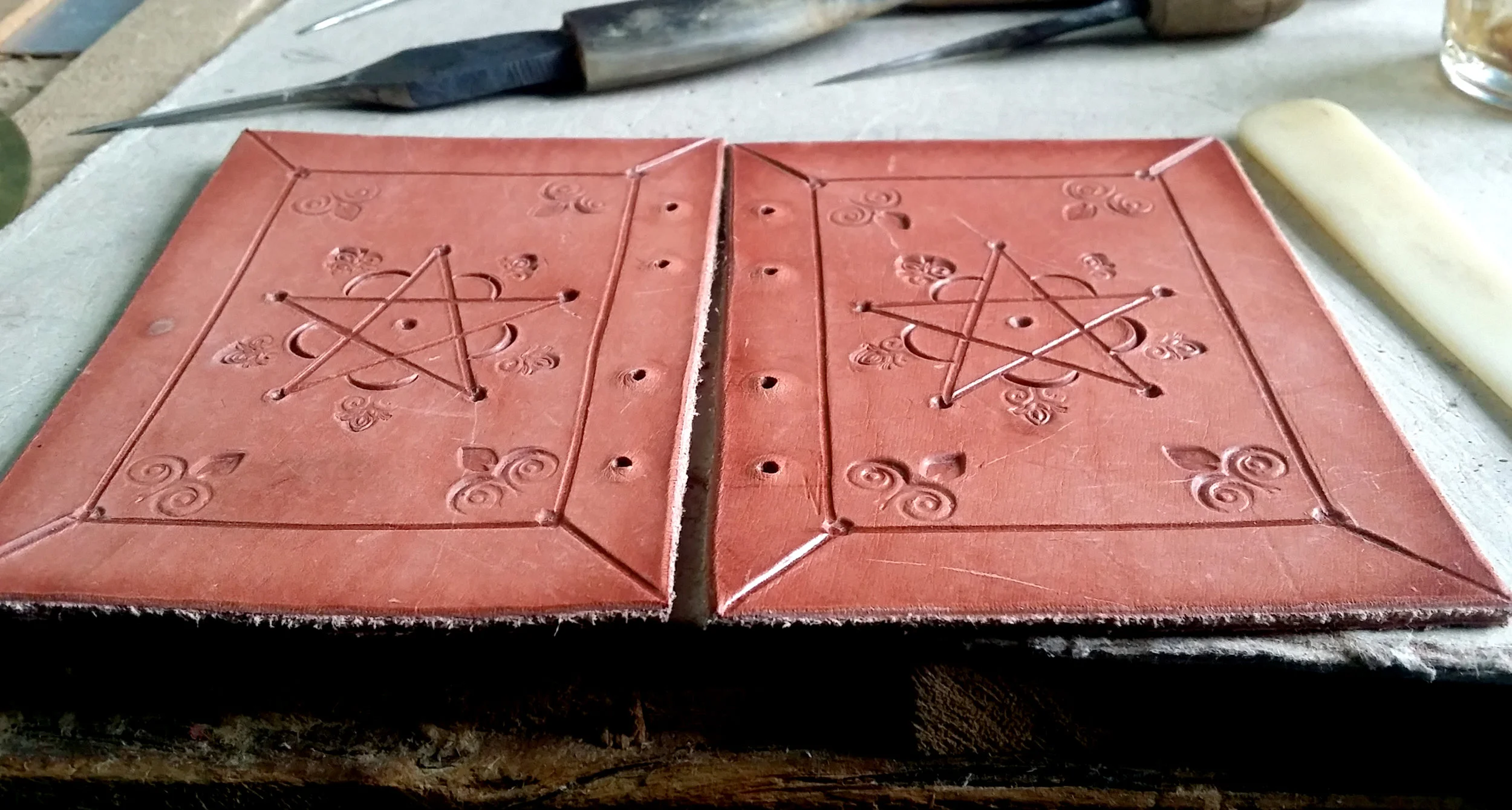
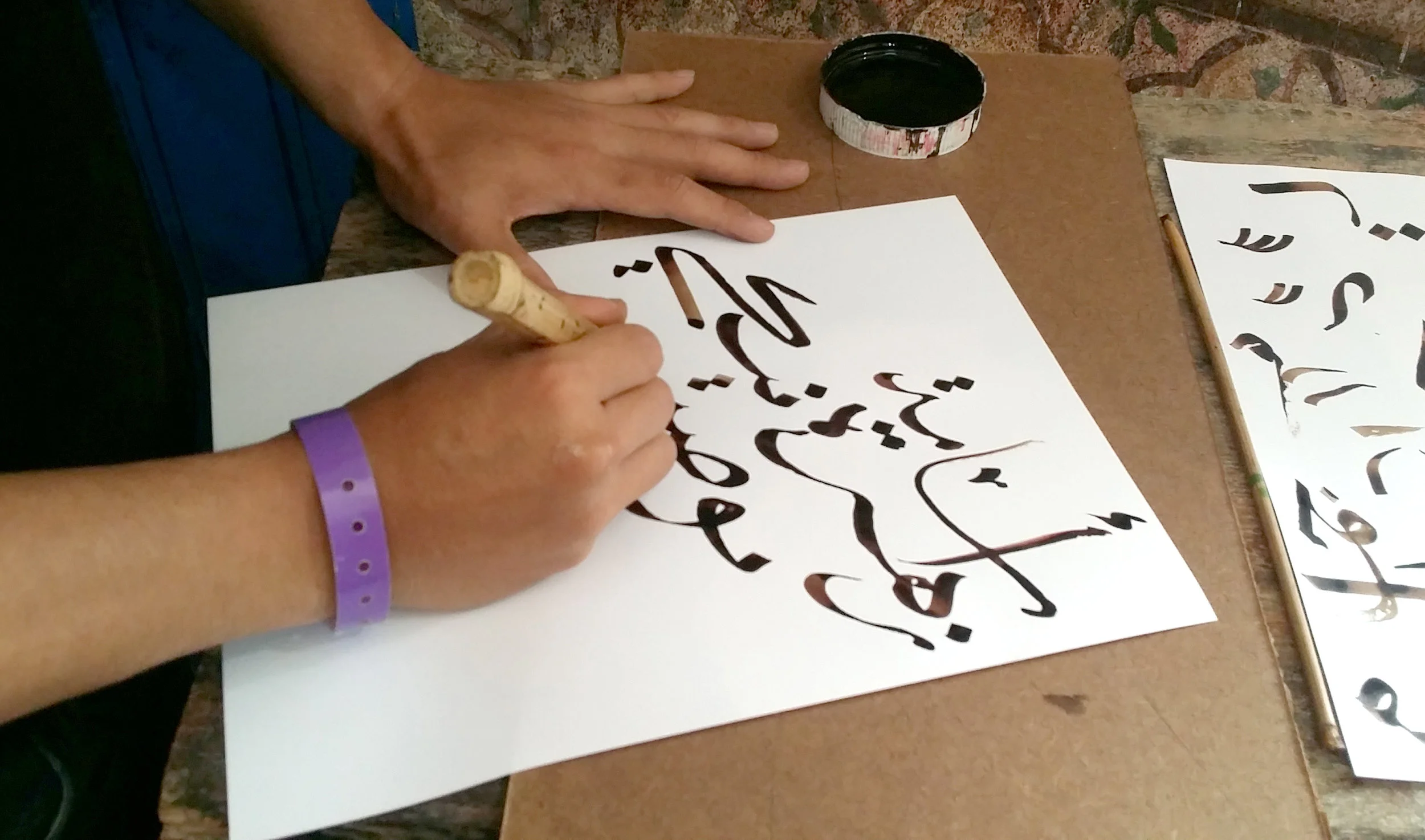
The workshops at Fez with Hamza were intriguing and introduced us to the crafts of Islamic geometric patterns, leather embossing, book binding and brass etching.

While in Fez, we also visited ‘Culture Vultures’, an arts and culture organization situated at the market town of Sefrou. Culture Vultures produce art based socially impactful programs and activities which are facilitated by a network of local and international artist. This visit provided us an opportunity to learn about the community art projects completed by the organisation and visit local artisans involved with textile manufacturing, black smithing and garment making.

After a short hop at the Australian Embassy at Rabat, where the tour artists had opportunity to present about their works and the tour to the consul, our next stop was the coastal city of Essaouira.

Australian Embassy Morocco

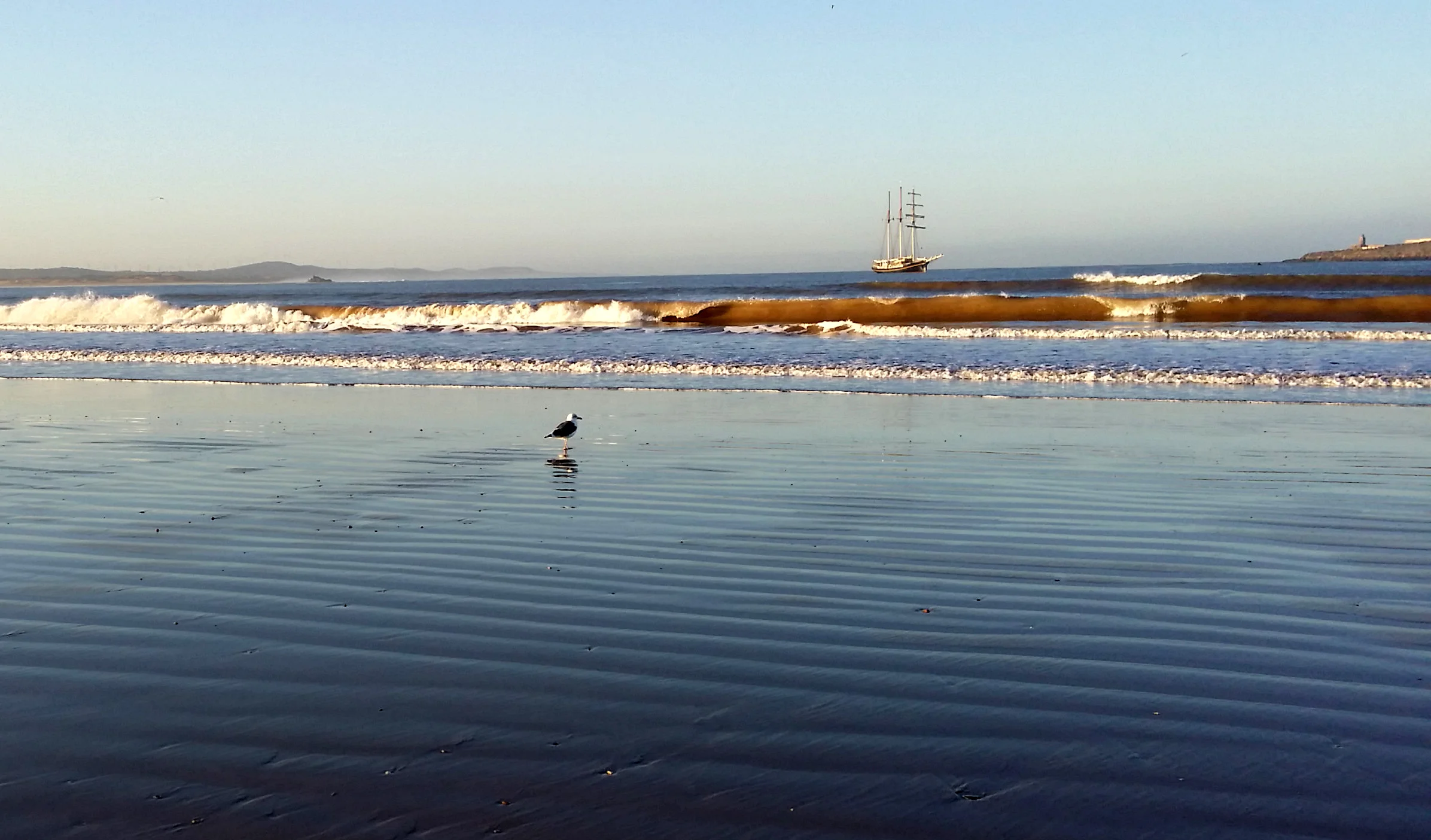
Essaouira is located at the Atlantic coast and for centuries was considered one of the best anchorages of the Moroccan coast. The history of the area goes back hundreds of years when the Phoenician established a trading post in the area; since then the city has changed hands and occupied by Berbers, Romans, Arabs, Portuguese and the French. The ‘modern’ day version of the town was founded by King Mohamed III in 1760 with an aim to secure a harbor as close to Marrakech as possible and facilitate trade with Europe. Since its foundation the town has been a multicultural and multi-confessional center with people from Amazighs, Arabs, Africans, Europeans, Muslims, Christians and Jews calling it home.

View fullsize a30.jpg
View fullsize A29.jpg
View fullsize a18.jpg
View fullsize a16.jpg
View fullsize a22.jpg
View fullsize a21.jpg
View fullsize a19.jpg
View fullsize 20181106_134155.jpg
View fullsize a26.jpg

In Essaouira most of the group stayed at Riad 7 Stones. This awesome hotel is part-owned by Jamaican born; American graphic artist Adellee Haley otherwise known as ‘Babylass’ and managed by Ismail Mouyahada and musician Melisa Stone. Affable and deeply engaged in her faith, Adellee is an abstract expressionist working with acrylic paints and a digital photo artist using creative computer techniques to manipulate and enhance photographs for her artwork. During our stay in the city we also had the opportunity to visit her beautiful home and studios situated outside the city, enjoy her hospitality and firsthand experience her artistic endeavors. The Raid’s manager, Ismail had an equally generous and inspiring personality. With a background in Geology, Ismail speaks several languages and had a deep insight to life. Like all things Moroccan; he had creative flair waiting to emerge. I am sure one day; given the time, resources and opportunity, he will make his mark in this field.

 Our mentor in Essaouira was Imad-Eddine Dably. Imad is a musician, a traditional instrument craftsman and tradesman. He briefed us about the history of Moroccan musical instruments and taught us how to make drums. Imad coordinated and arranged tours with a number of artist and craftsman, who graciously took time out and shared their skills and give us insight to their crafts.
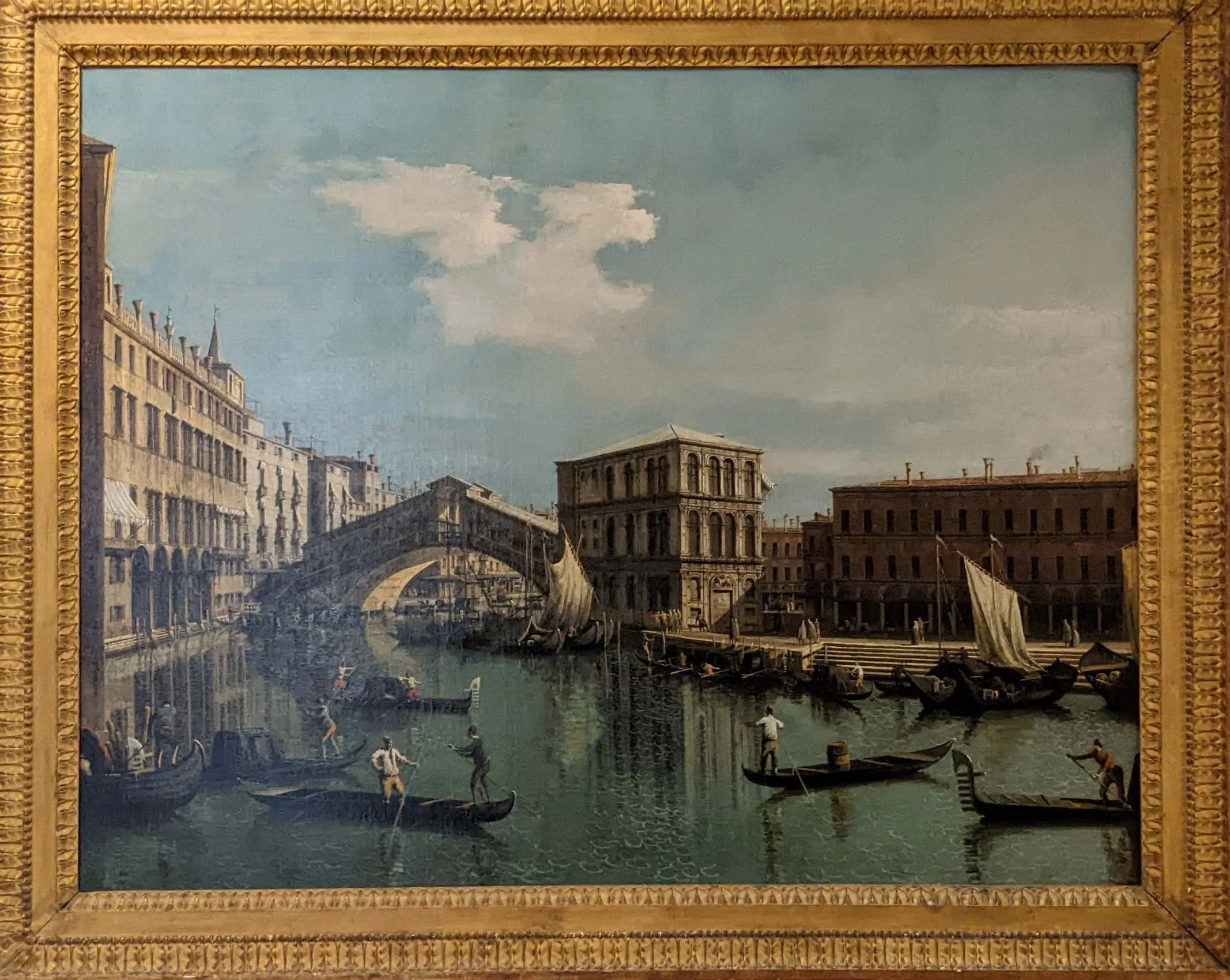
View fullsize a1.jpg
View fullsize a2.jpg
View fullsize a4.jpg
View fullsize a8.jpg
View fullsize a10.jpg
View fullsize a14.jpg
View fullsize a5a.JPG
View fullsize a7.jpg
View fullsize a13.jpg

Mohammad Tifardine is a calligraphist par excellence. He has a unique contemporary style and has exhibited internationally including Australia. A serene and humble character, Mohammad Tifardine control over the lines and curves of the Arabic script is exceptional.His strokes are measured and yet fluid and it was a delight to see him work, let alone be taught a few skills and techniques of the trade.

Smarrai Anouar, owner of ‘Artworkshop’, is a calligraphist, sculpturer and a plaster crafter. Anouaris one of the more technology savvy local artists we met and had a number of videos and presentations about his artistic exploits to share with the group;he specialises in recycled arts and makes interesting mini-sculptures out of everyday items such as seeds, shells, copper wire etc.

A trip to ‘Had Dra’ - to explore village life in the midst of artventure or listening to drums and dance of Gnaoua music in the Raids courtyard may seemed out of place for some, but the experience added to the overall context of the artisan’s journey and greatly added to the overall culture and historic experience of the visit.

View fullsize A31.jpg
View fullsize a33.jpg
View fullsize a32.jpg

Epilogue

Our formal exploits of the Rekindling tour ended in Essaouira as some of us headed back while others stuck around to explore the country further. Reading through my scribbles and notes it is very difficult to catalog each and every experience and occurrence, as they have been so many.

Being able to interact with ‘Master’ craftsmen and artists and being able to work and sit with them in their studios was enriching on a number of levels. Understanding the art journey of a traditional craft person from a student to becoming a master was humbling and thought provoking.

As we collected around the evenings, we work-shopped various aspects of Islamic arts, shared experiences and our own personal art journeys with our contemporaries. Getting to know fellow artist and sharing their respective art journeys was enriching and provided opportunities to learn from each other’s experiences.

Being able to soak in an environment so filled with art (albeit for a short time) has been a privilege and it is difficult to describe and predict what the future impact of this tour will be on my art. I am sure as my fellow artists and I move on with our respective art journeys, what we have learnt and observed will be reflected in our works.

In Community Art, Morocco, Islamic Arts, Sacred Arts, Abstract, Rekindling Tags #rekindling tour of Morocco, #salamfest, #morocco, #Islamic Arts, #CAAR, #Fes, #Essaouira, #artisian, #artisan, #Arts
2 Comments
Older Posts →

Latest AND THE Greatest


TOGETHER

INTERACTIVE ART PROJECT

Powered by Squarespace