• +Works
    • Arabic Abstractions II
    • Mechanical Imprints
    • Arabic Abstractions
    • Emerging Artist Space
    • Group Shows
    • ARTIST STATEMENT
    • CV
    • CONTACT
  • +Conversations
Menu

Sohail Yamin

Conversations With Colour
  • +Works
  • +Exhibitions
    • Arabic Abstractions II
    • Mechanical Imprints
    • Arabic Abstractions
    • Emerging Artist Space
    • Group Shows
  • +ABOUT
    • ARTIST STATEMENT
    • CV
    • CONTACT
  • +Conversations
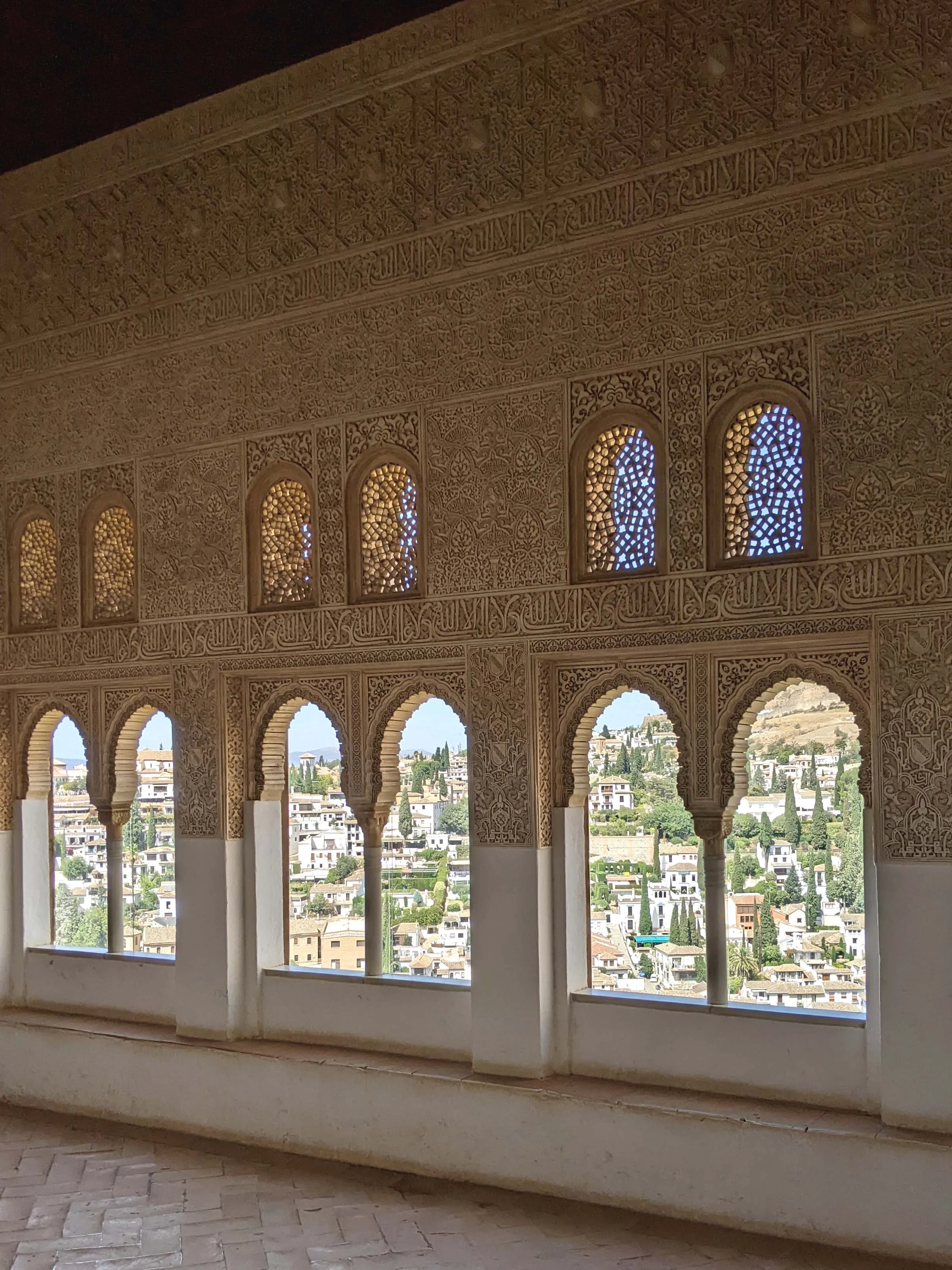
alhambra

Alhambra

December 10, 2022

Described as a ‘pearl set in emeralds’ by the poets of the time, it took the writing of another writer a few centuries later to refocus the world attention to the beauty of this city.

The writer’s name was Washington Irving and the book that drew the attention to this Southern Spanish region of Andalusia was the ‘Tales of the Alhambra’. Irving works were in line with ‘romantic’ literary movement of early 19th century America that celebrated nature, focussed on the individual emotions and imaginations, and sort to connect the local tales and legends to the history and roots of the nations.

Irving fell in love with the city on first sight and described it as “a most picturesque and beautiful city, situated in one of the loveliest landscapes that I have ever seen.” His celebrity status as a writer, helped gain him permission to stay in the fortress where he compiled his notes, observations and sketches which were later compiled into a book ‘Tales of the Alhambra’ that was published in 1832. His contribution to promoting the city is acknowledged by a commemorative plaque at the Alhambra that reads, “Washington Irving wrote his Tales of Alhambra in these rooms in 1829”.
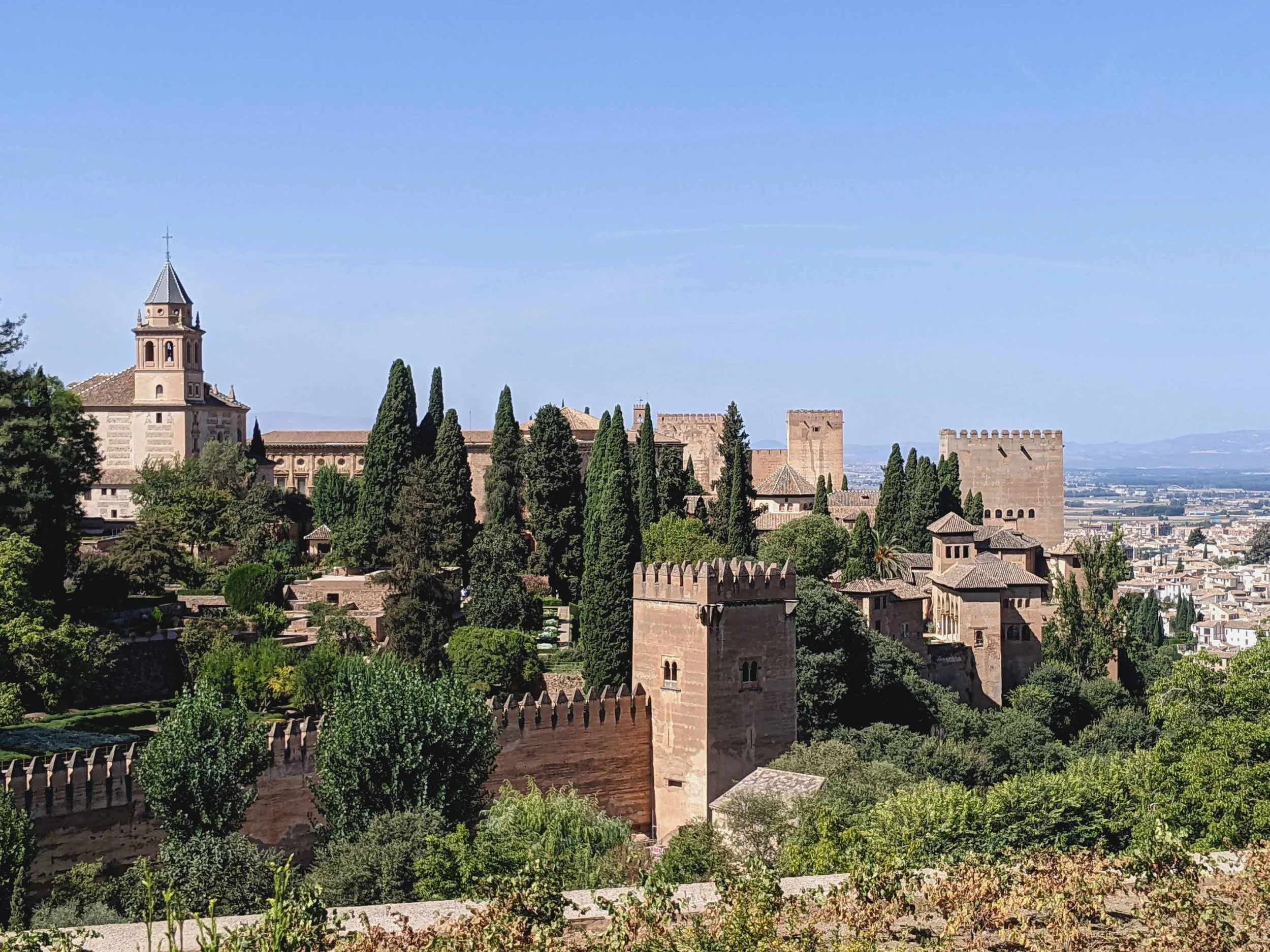
“a most picturesque and beautiful city, situated in one of the loveliest landscapes that I have ever seen.”

Washington Irving

The Moors in Spain.

The term ‘Moor’ does not describe people of a particular ethnicity or race and was used by the Europeans of the Middle Ages and the early modern period to designate Spanish Muslims, Europeans of African descent, and others. However, the term was mostly used to describe Muslims in general.

In 711, North African Muslims led by the Tariq ibn-Ziyad, captured the Iberian Peninsula (modern day Spain and Portugal) and established the territory of Al-Andalus. For centuries to follow, these territories flourish and become the centre of education, the arts and sciences. However, the differences in religion and culture led to a centuries-long conflict between the Muslim Sultans with the Christian kingdoms of Europe, which culminated in 1492, when Catholic monarchs Ferdinand II and Isabella I won the Granada War and completed Spain’s reconquest of the Iberian Peninsula.

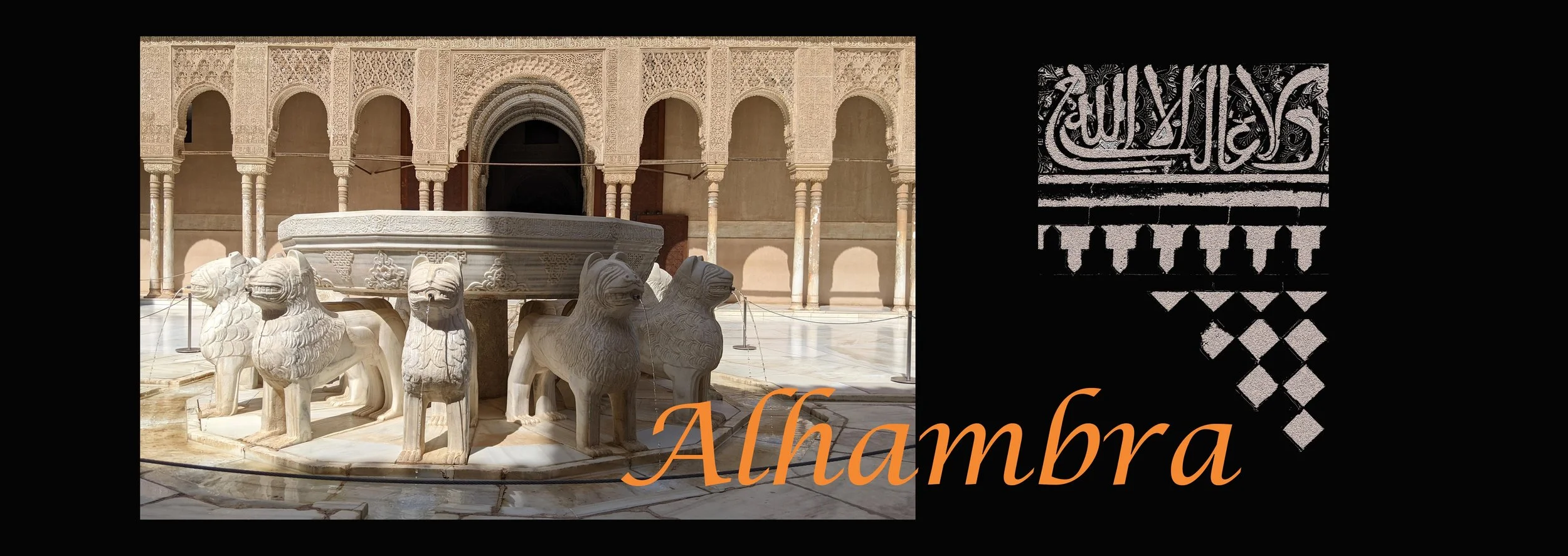
Alhambra

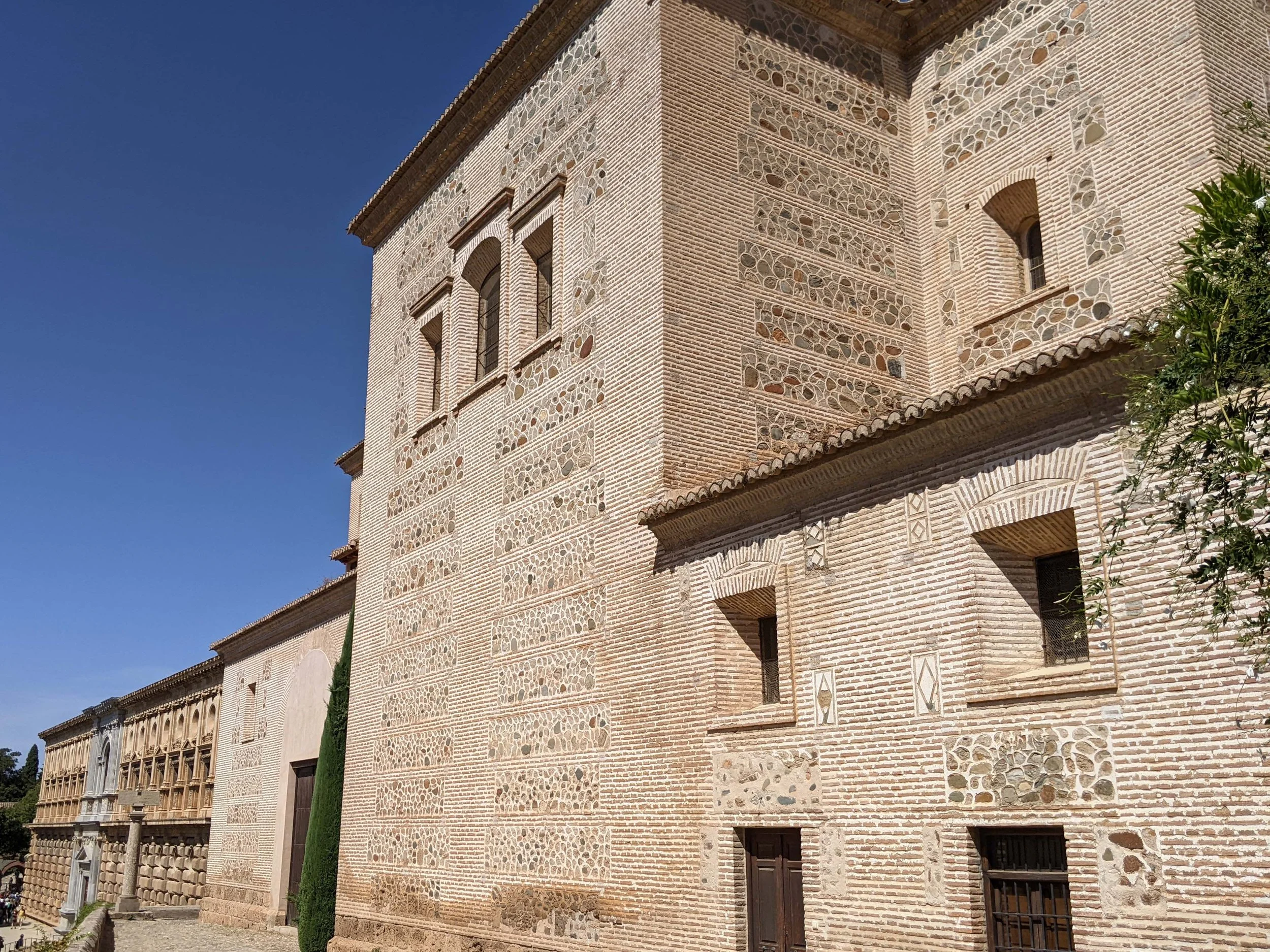
‘Alhambra’ is the Spanish adaptation of the Arabic term ‘qa’lat al-Hamra’ which roughly translates to “red castle”, perhaps referring to the sun-dried rose-coloured bricks that were used to build the fortress. The city of Granada, where the castle is located is named after a Jewish settlement, Medina-al-Granata, or Pomegranate City, the fruit being symbol of righteousness, knowledge, and wisdom and is said to contain 613 seeds, each representing one of the 613 mitzvot (commandments) of the Torah.

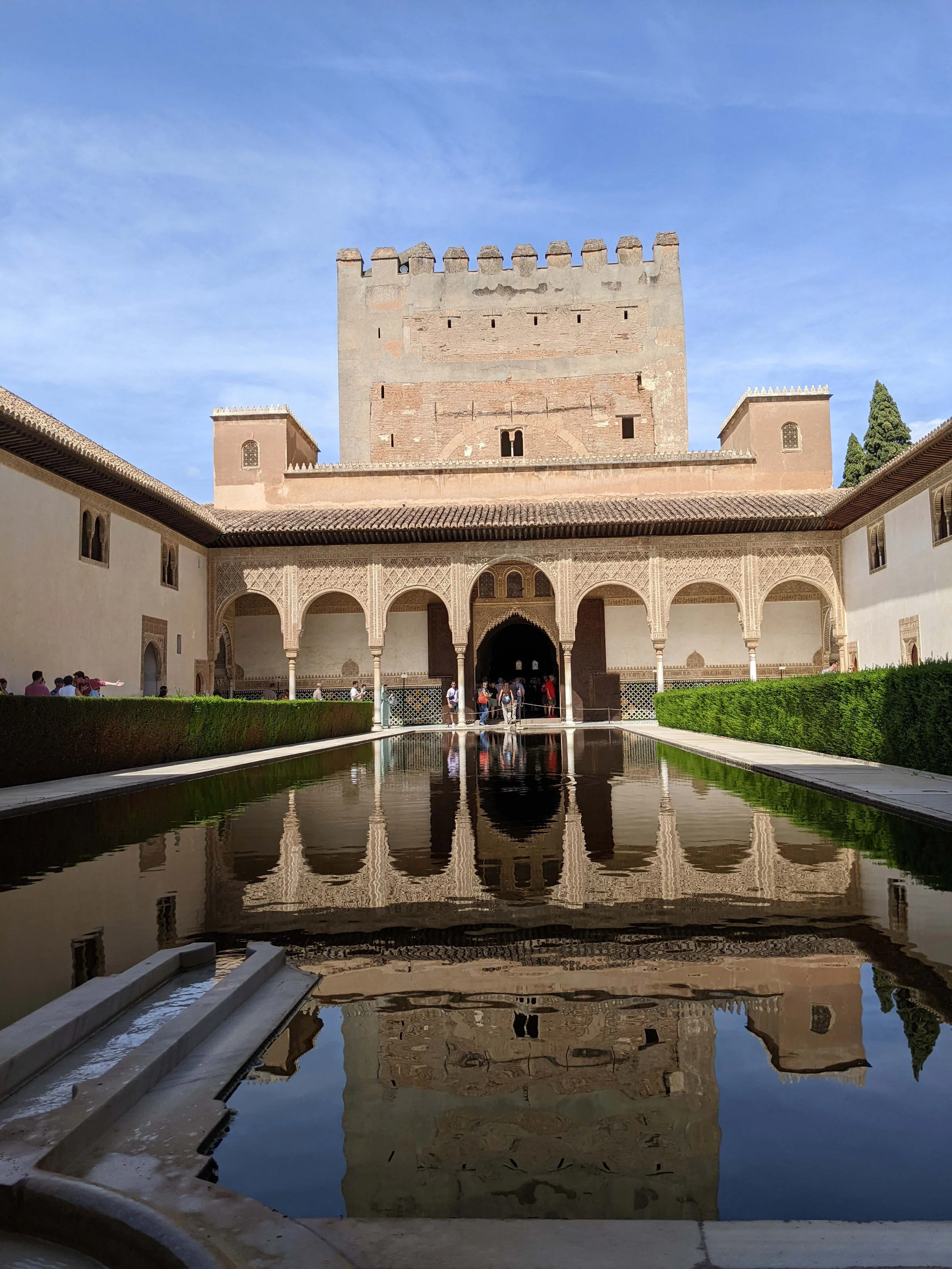
Though some form of fortification existed in this area since the 9th century, it was only after the arrival of Muhammad ben al Ahmar the first king of the Nasrid dynasty in the mid-thirteenth century that a royal residence was established in the Alhambra. This monument was not a project of a single ruler, 24 successive Sultans of the Nasrid dynasty contributed to it splendour, up until 1492 when the Emirate of Granada capitulate to the Catholic Reconquista.

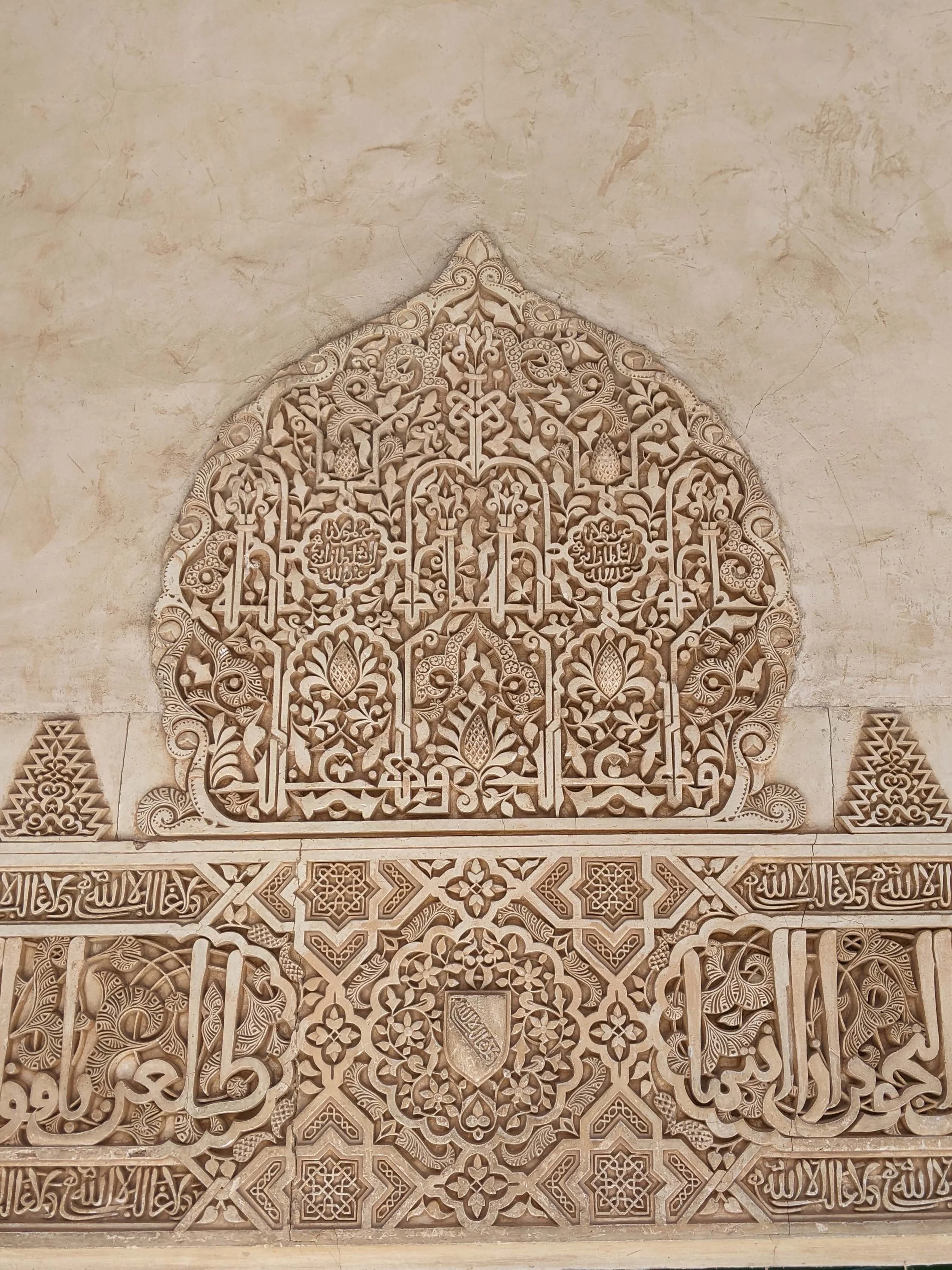
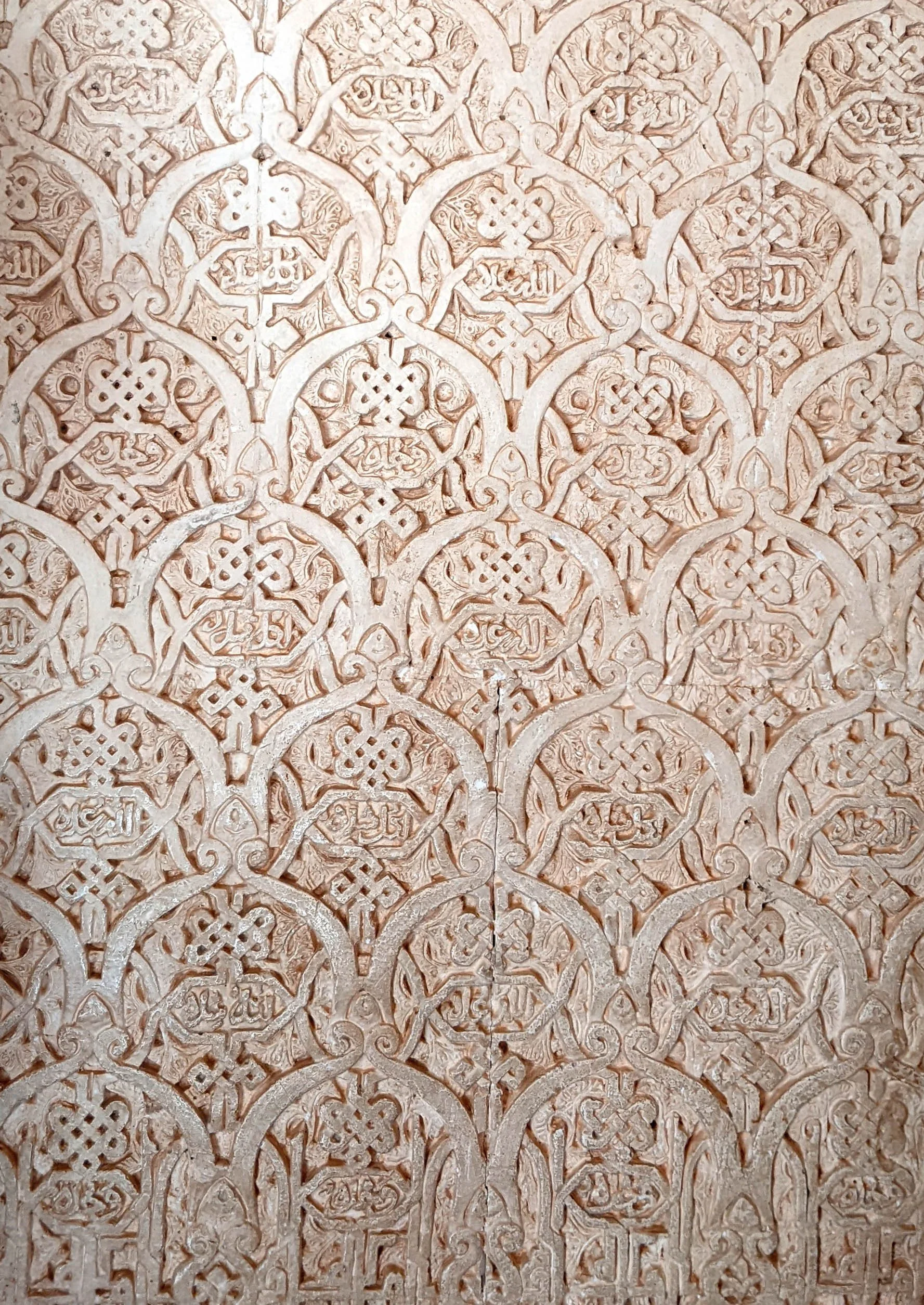
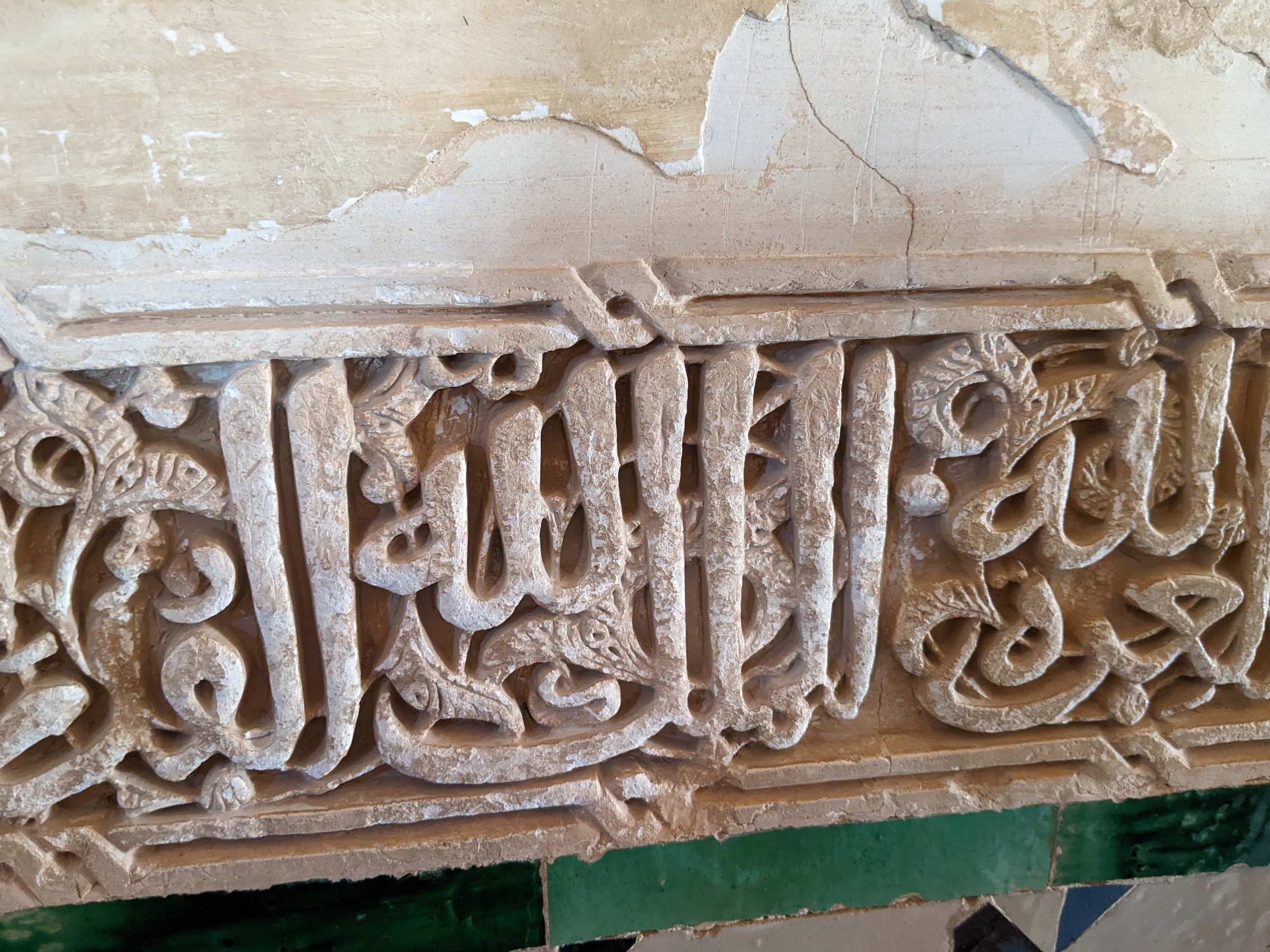
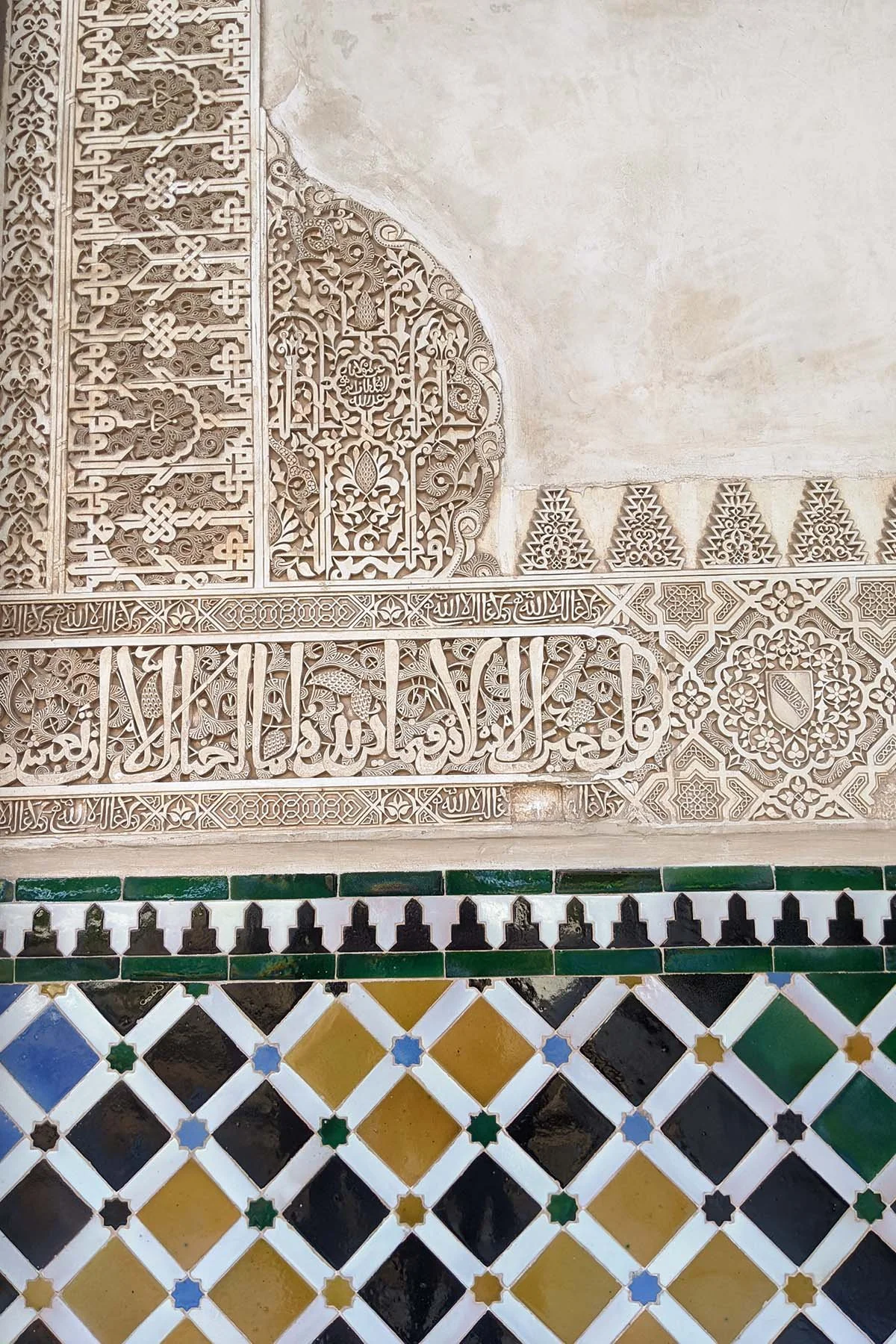
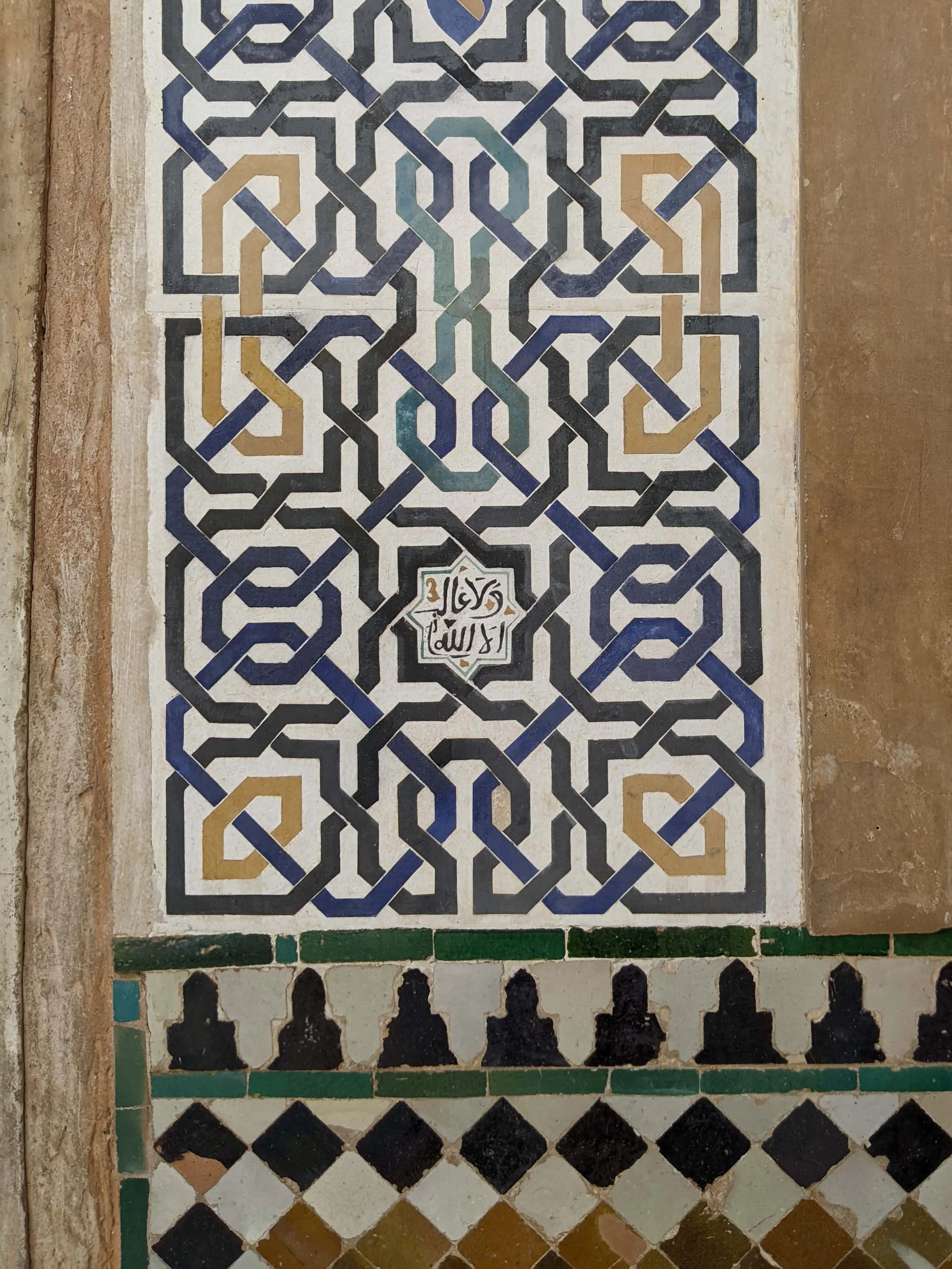
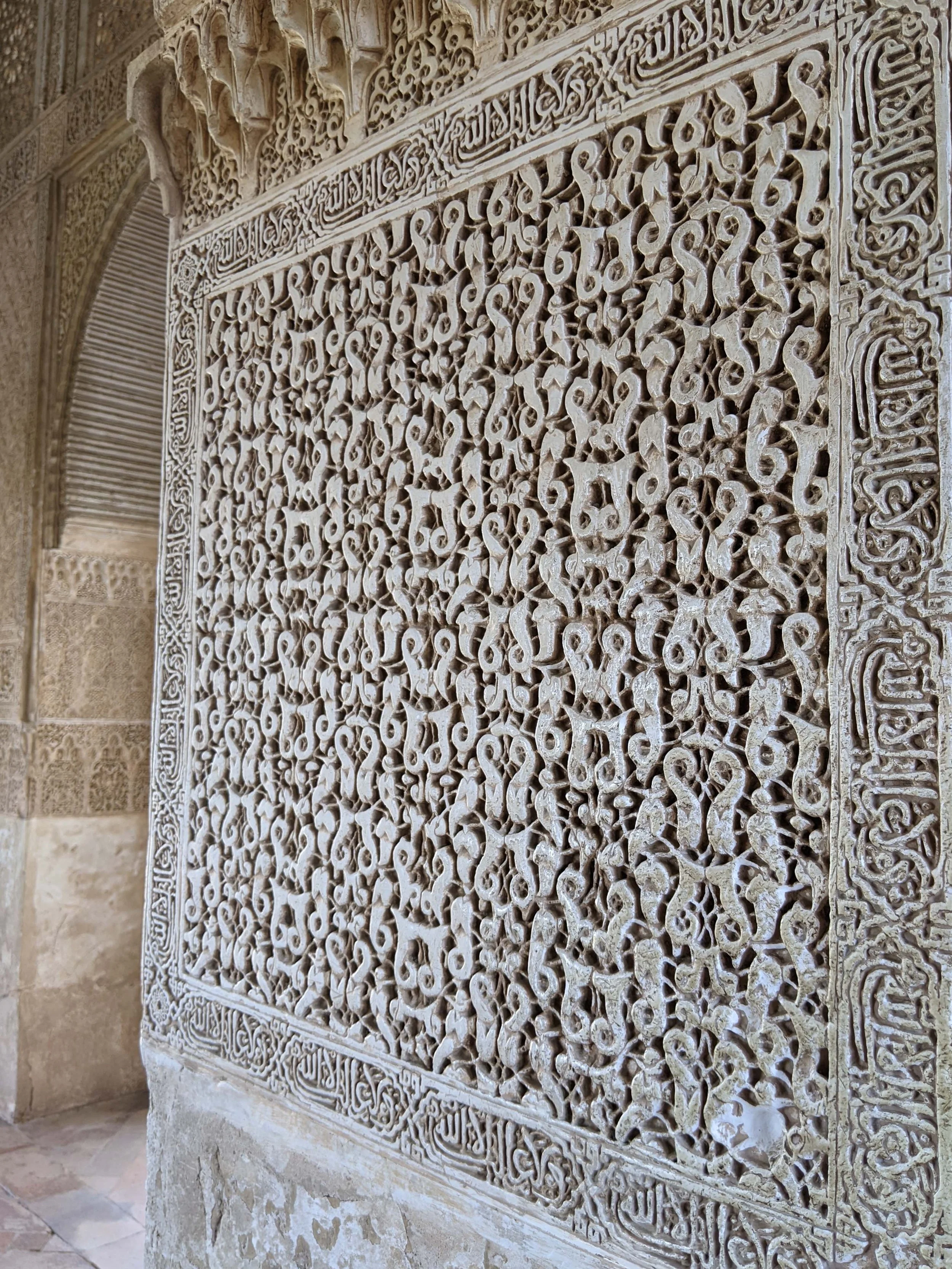
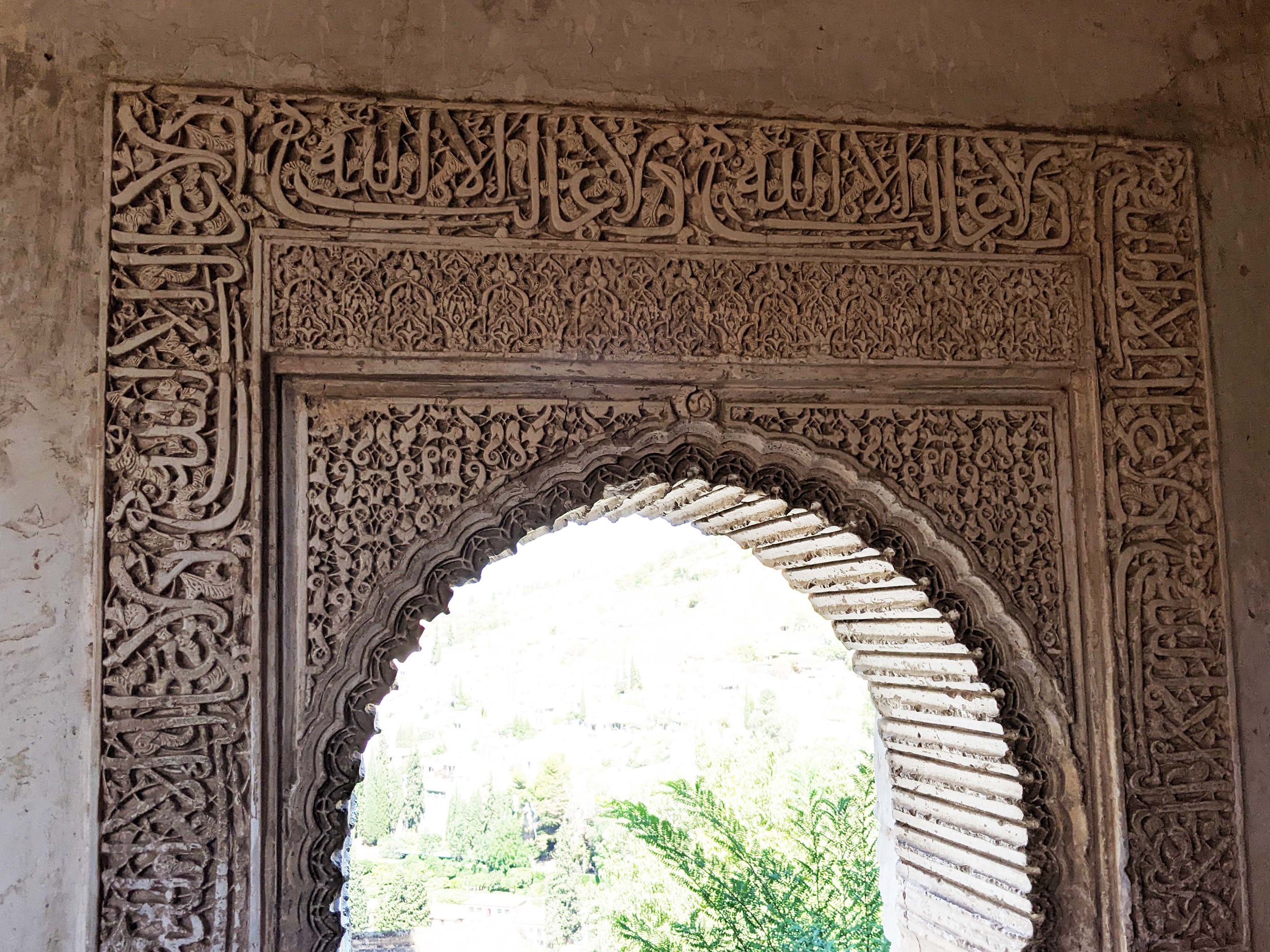
‘There is no victor but Allah’

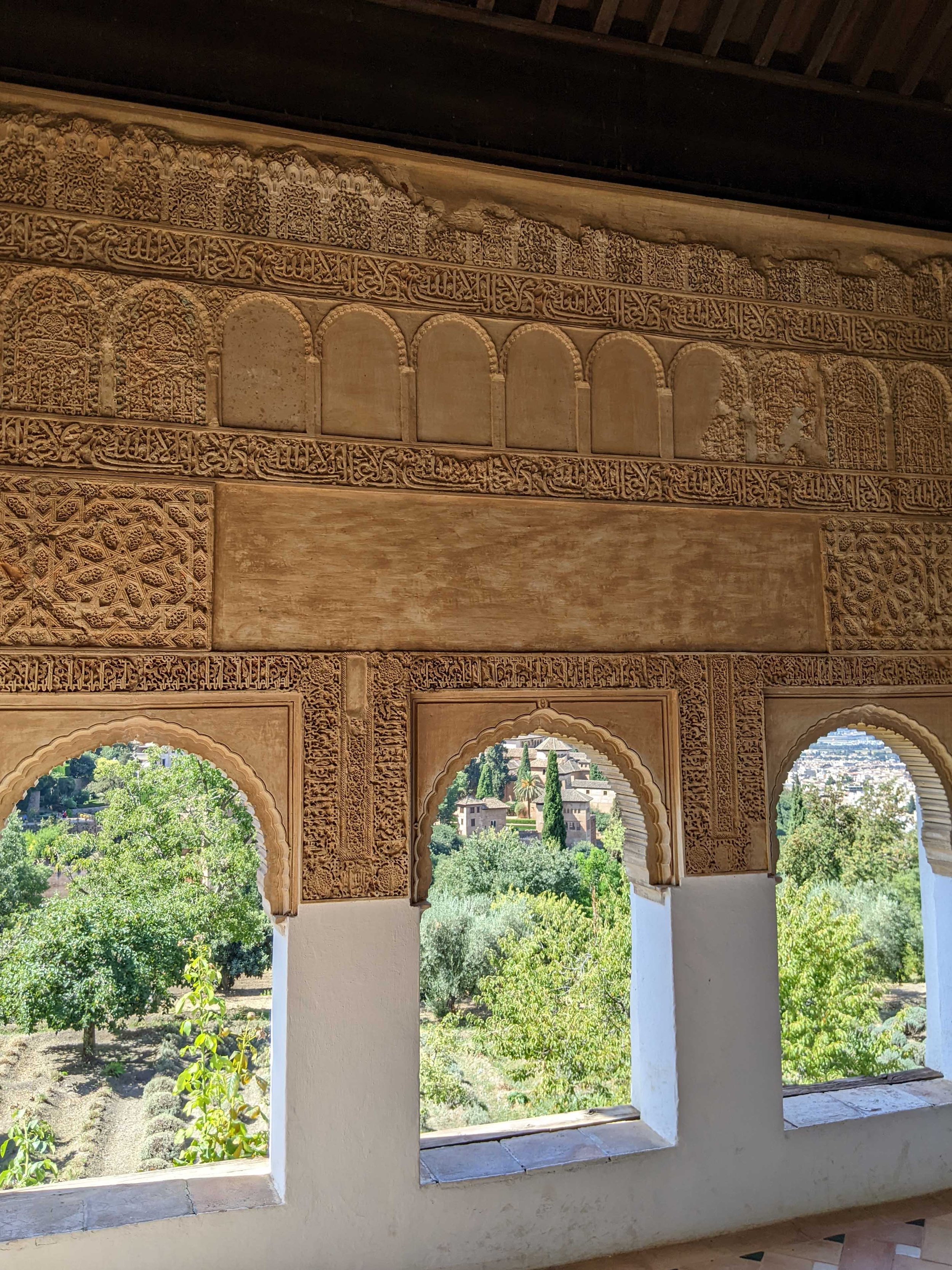
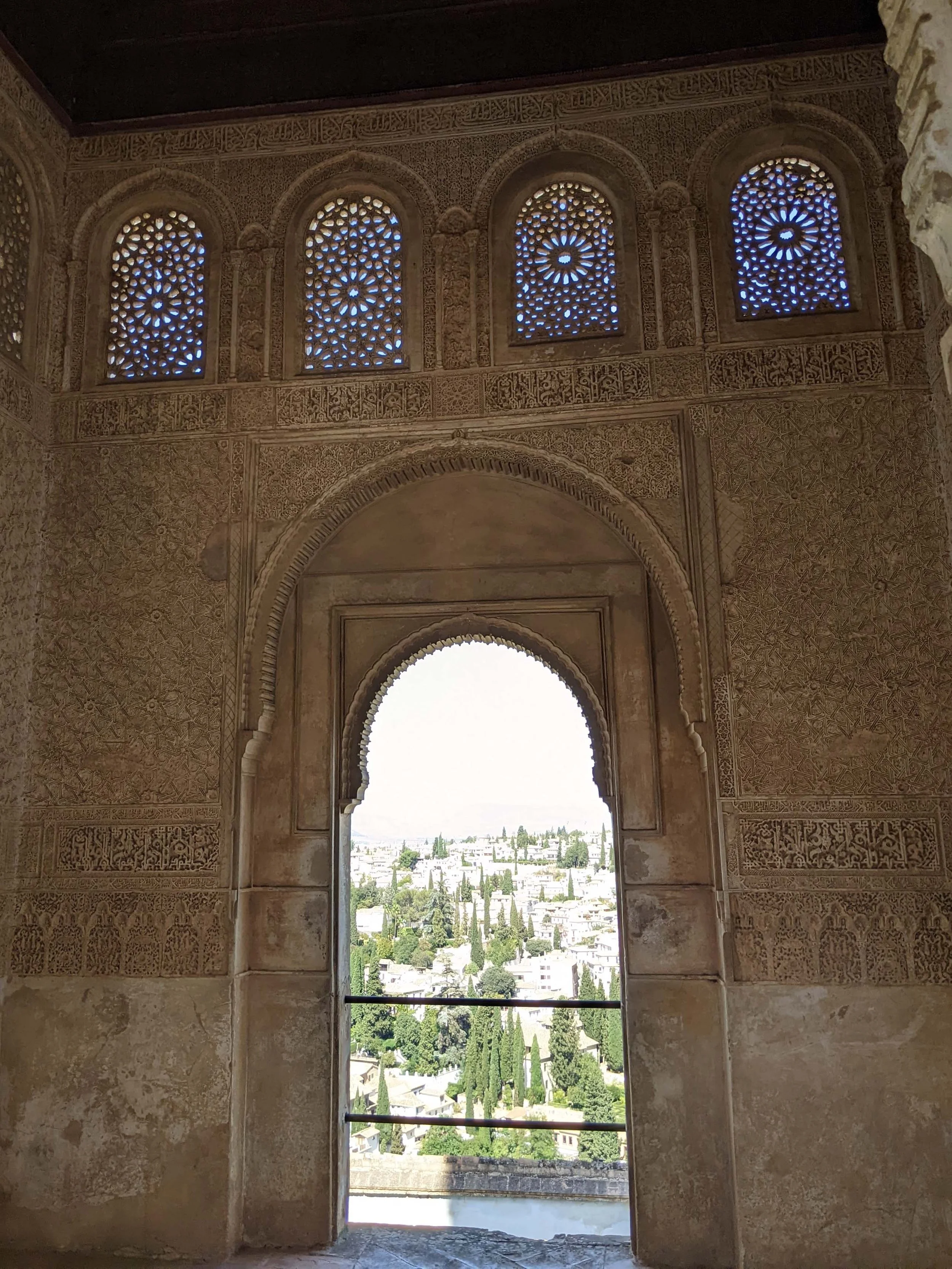
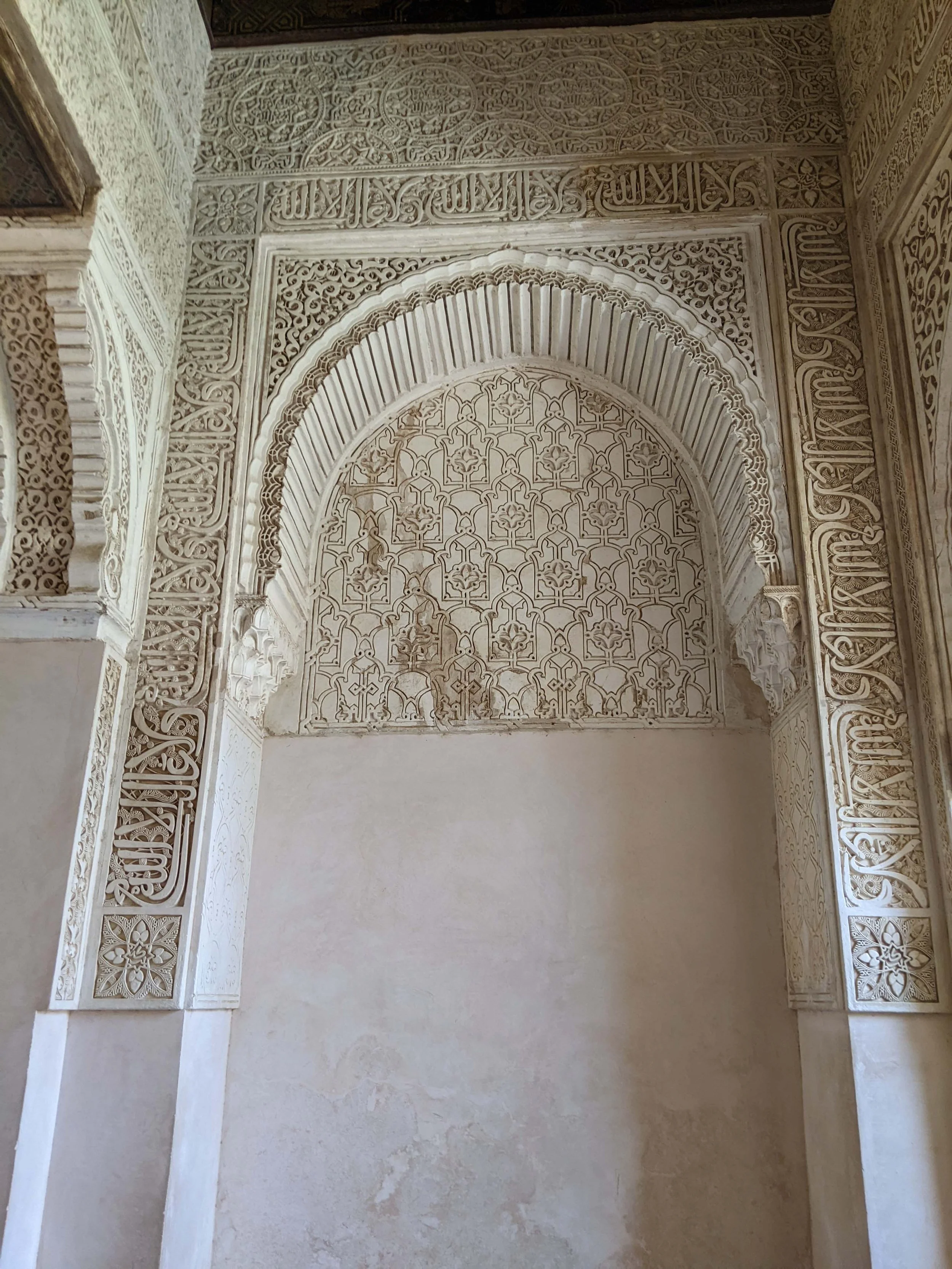
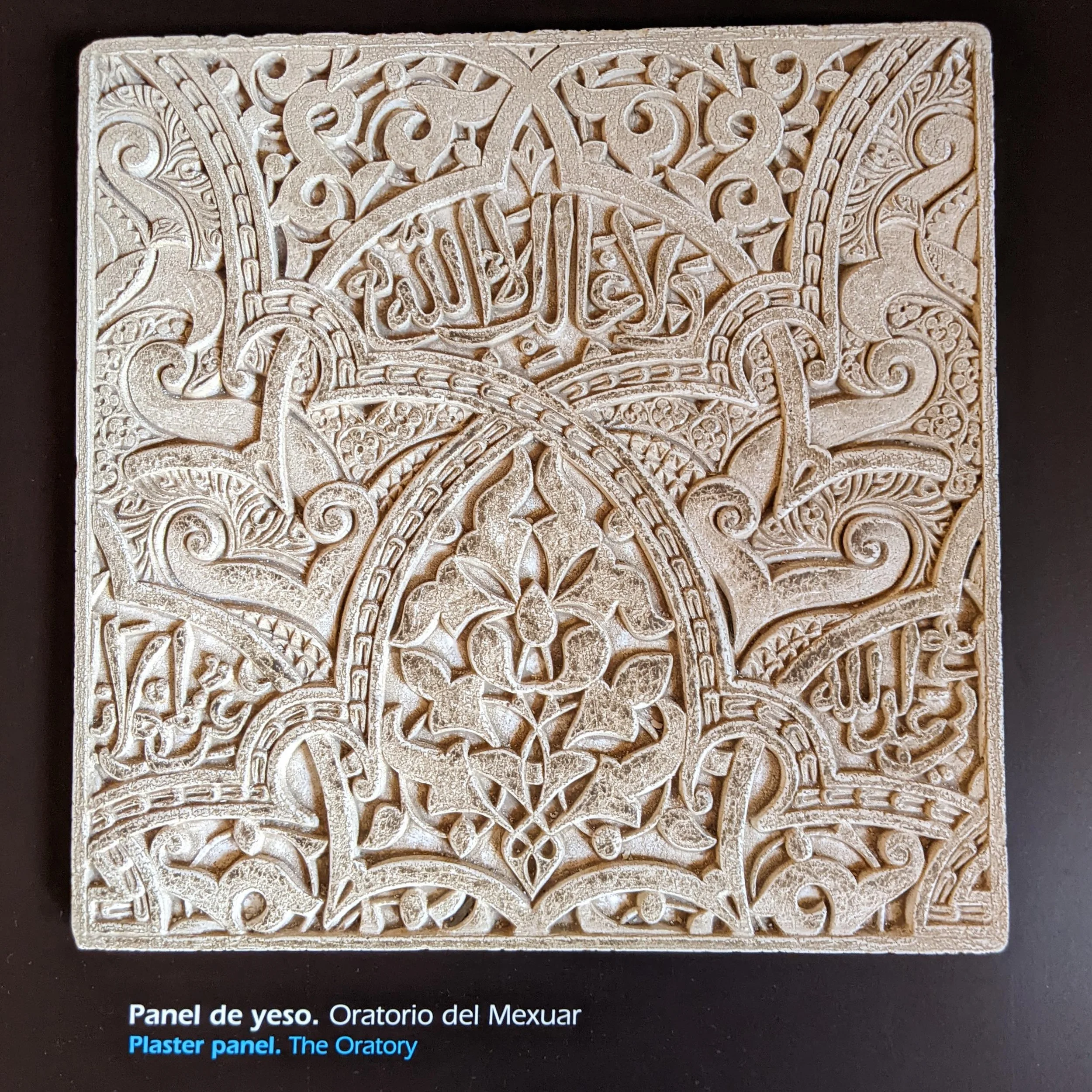
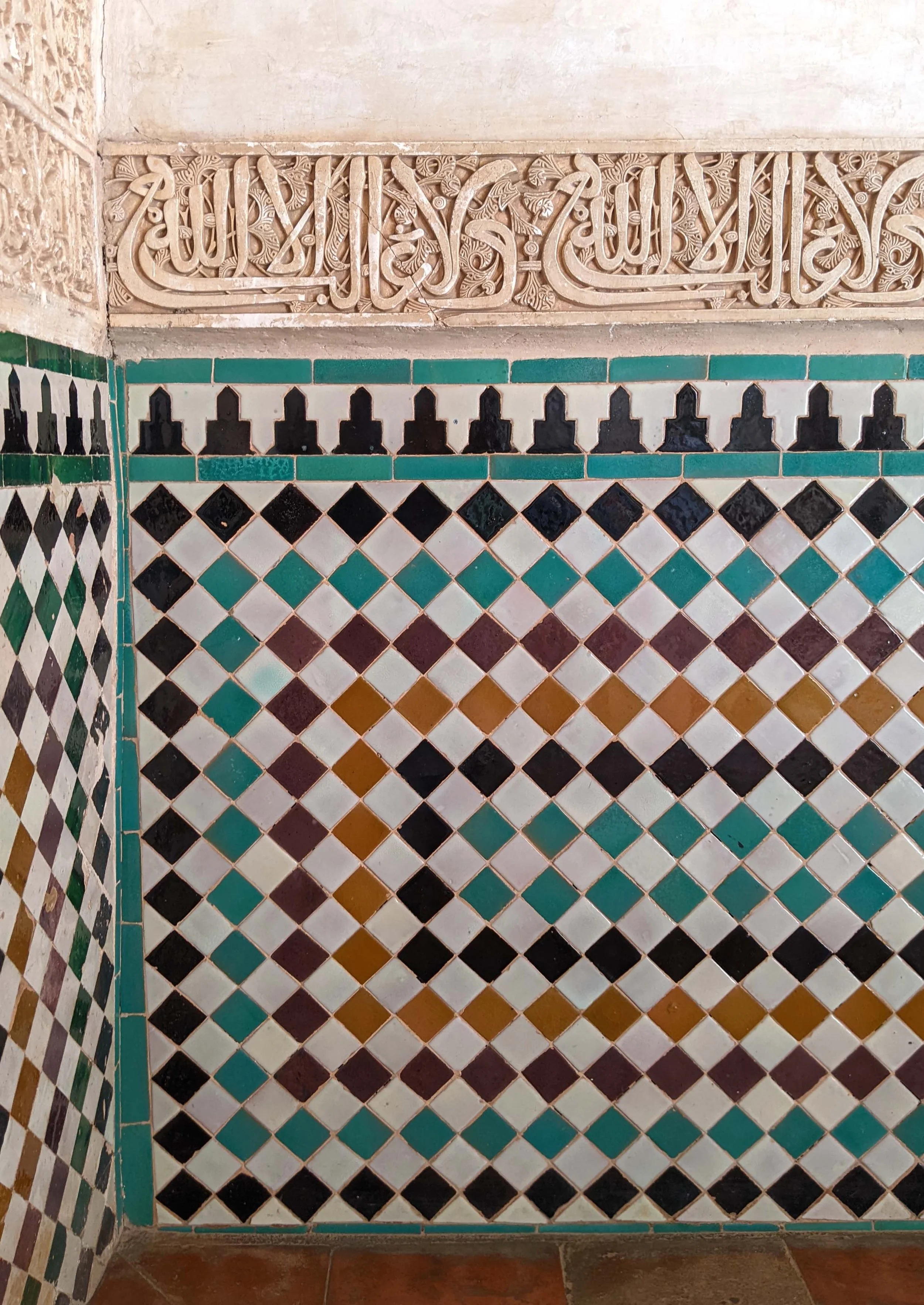
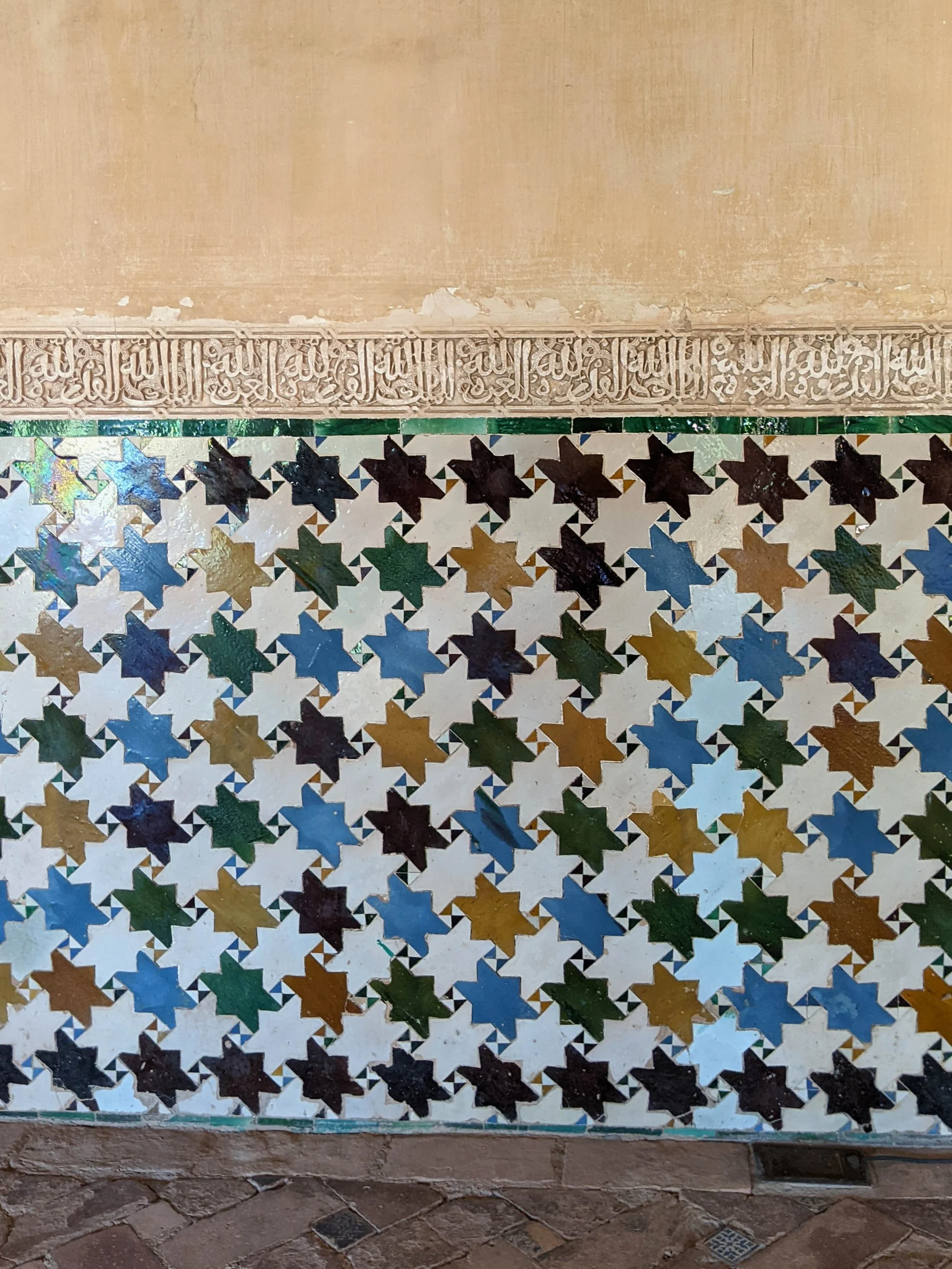
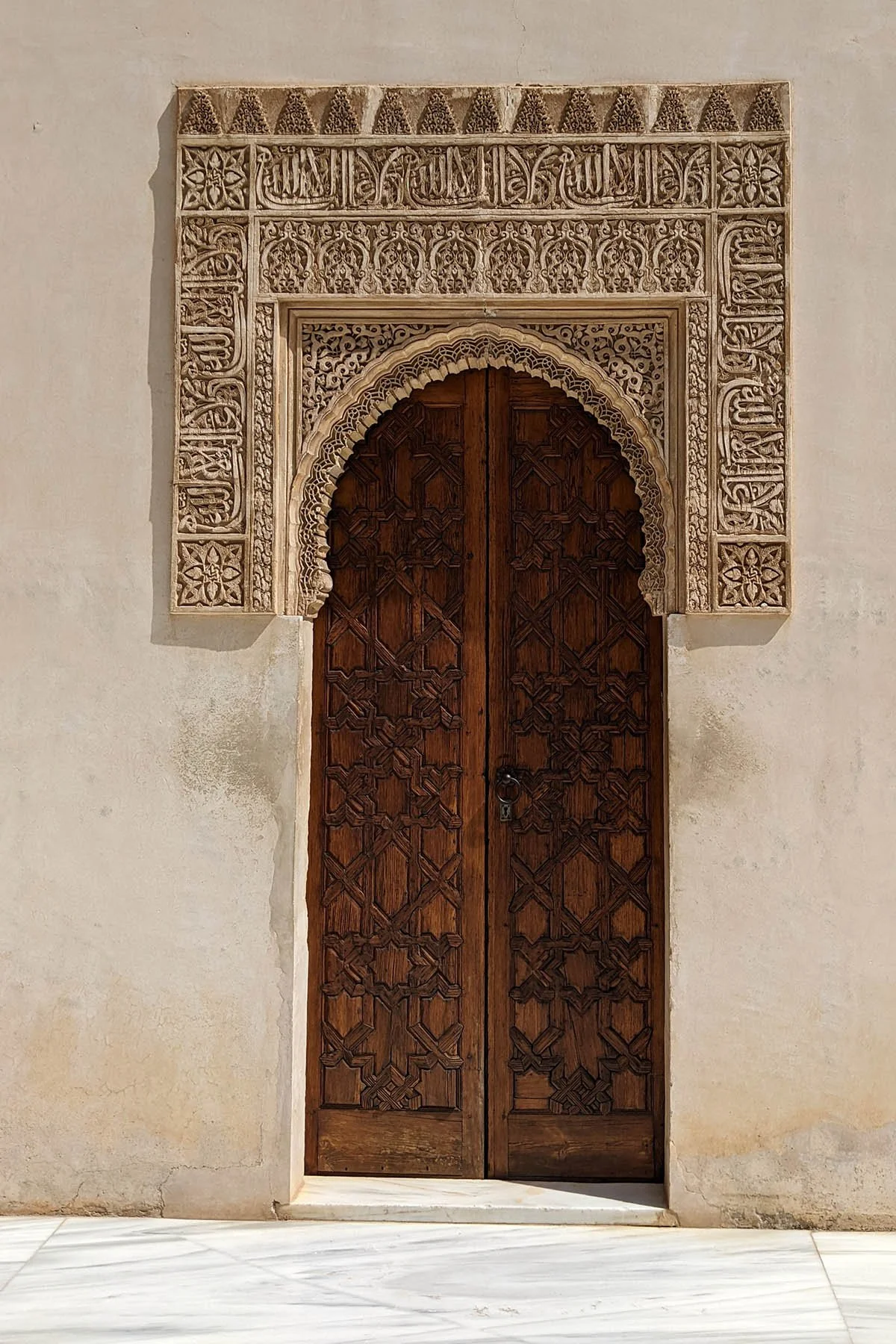
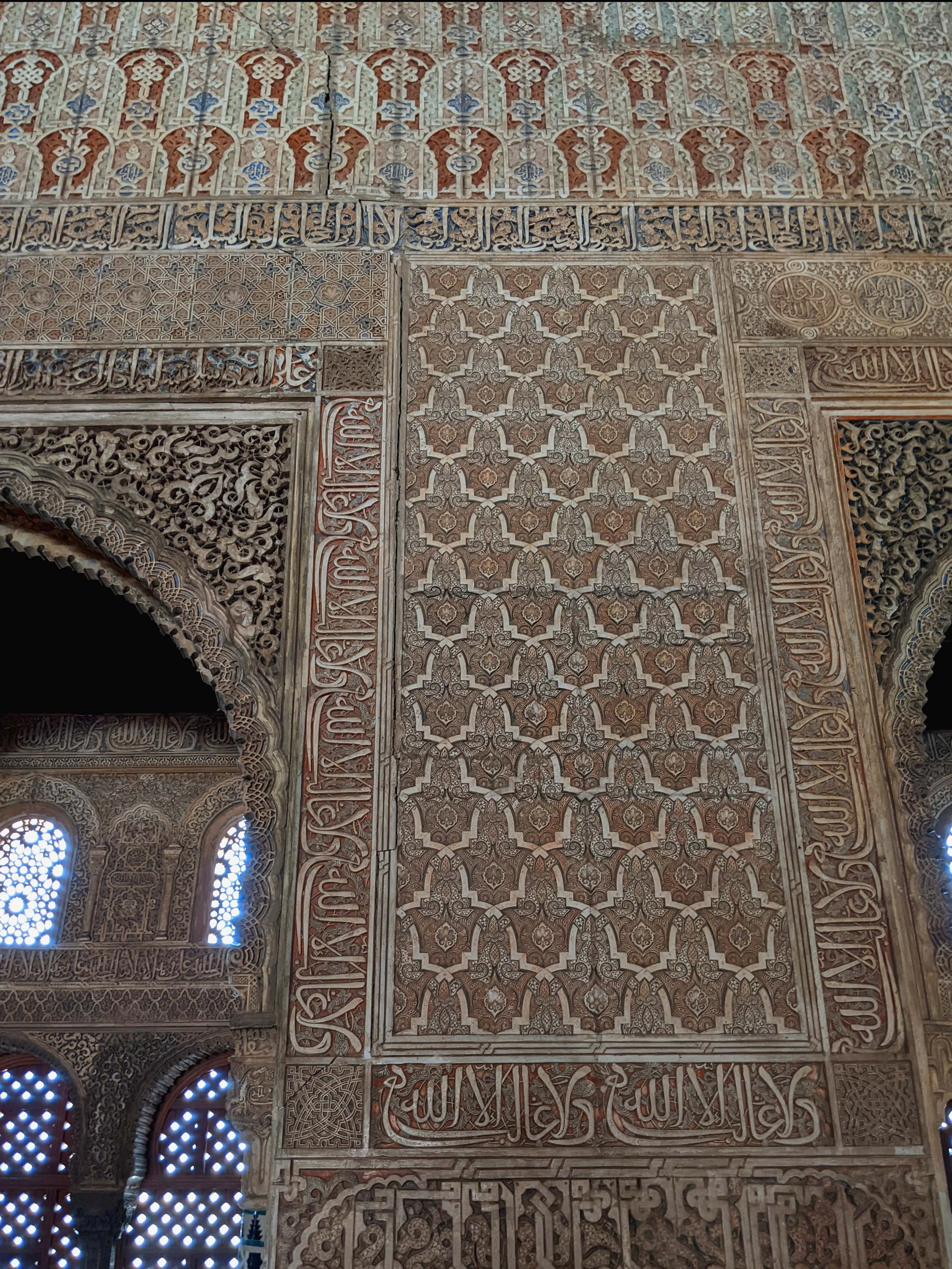
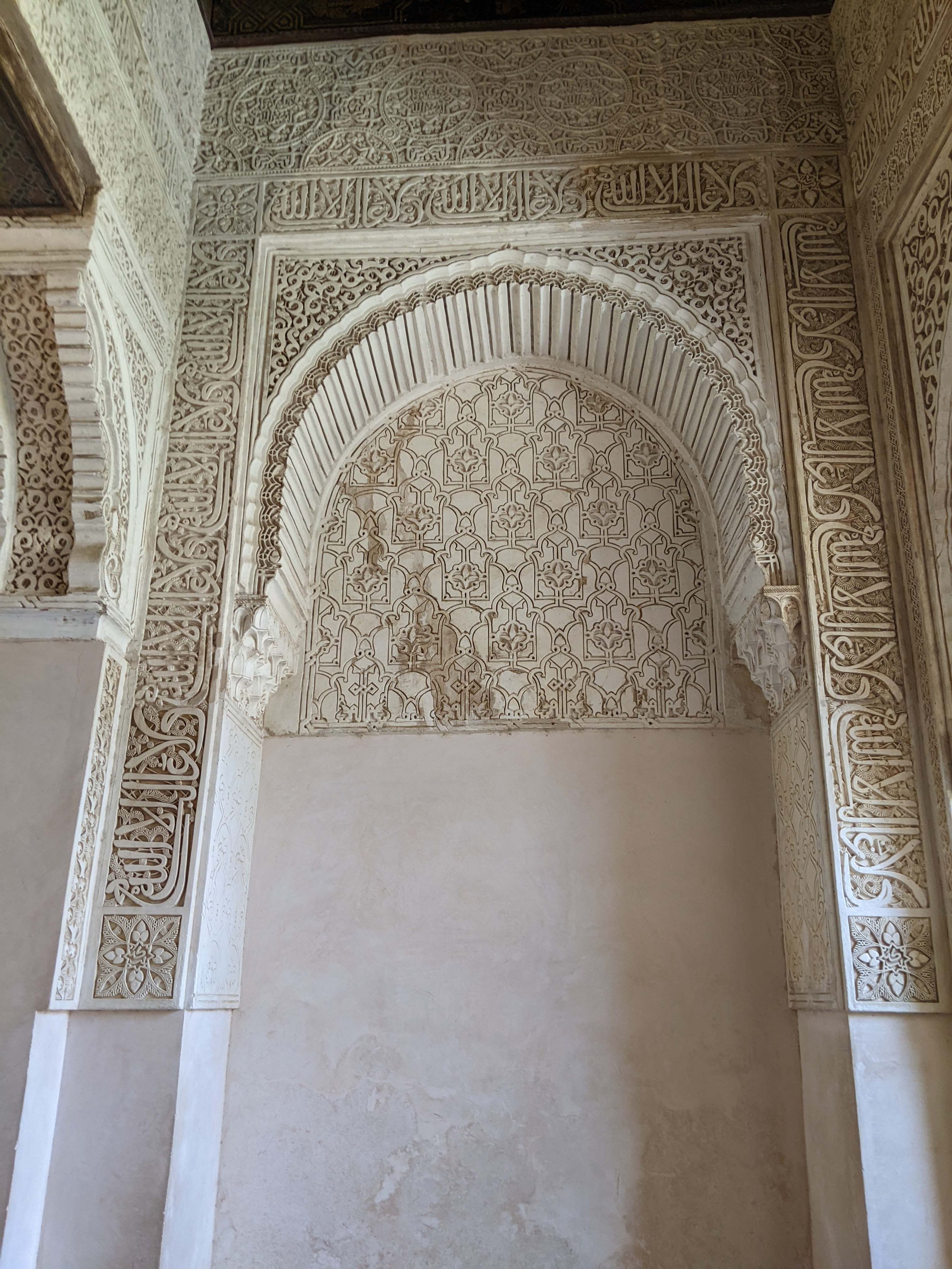
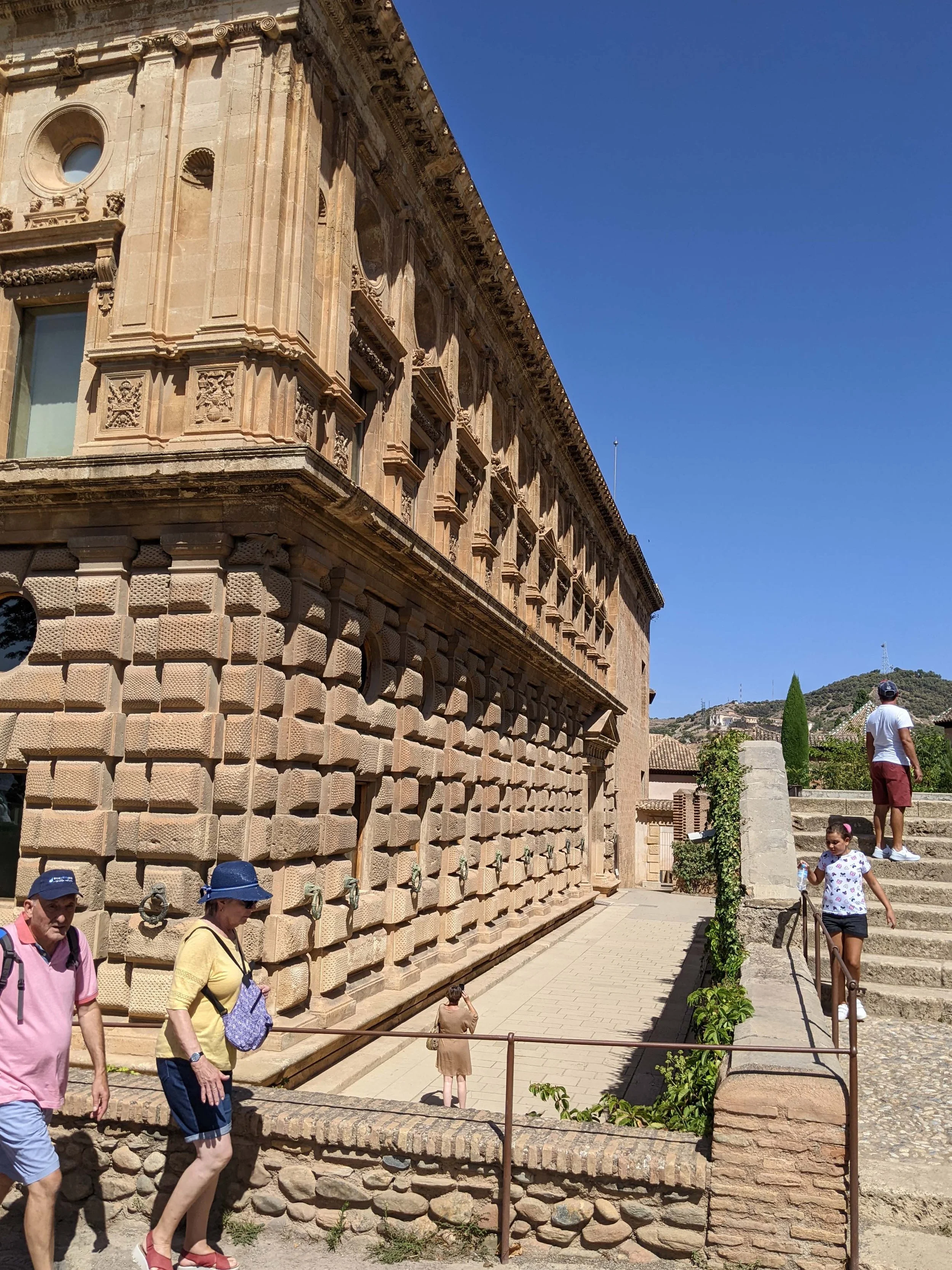
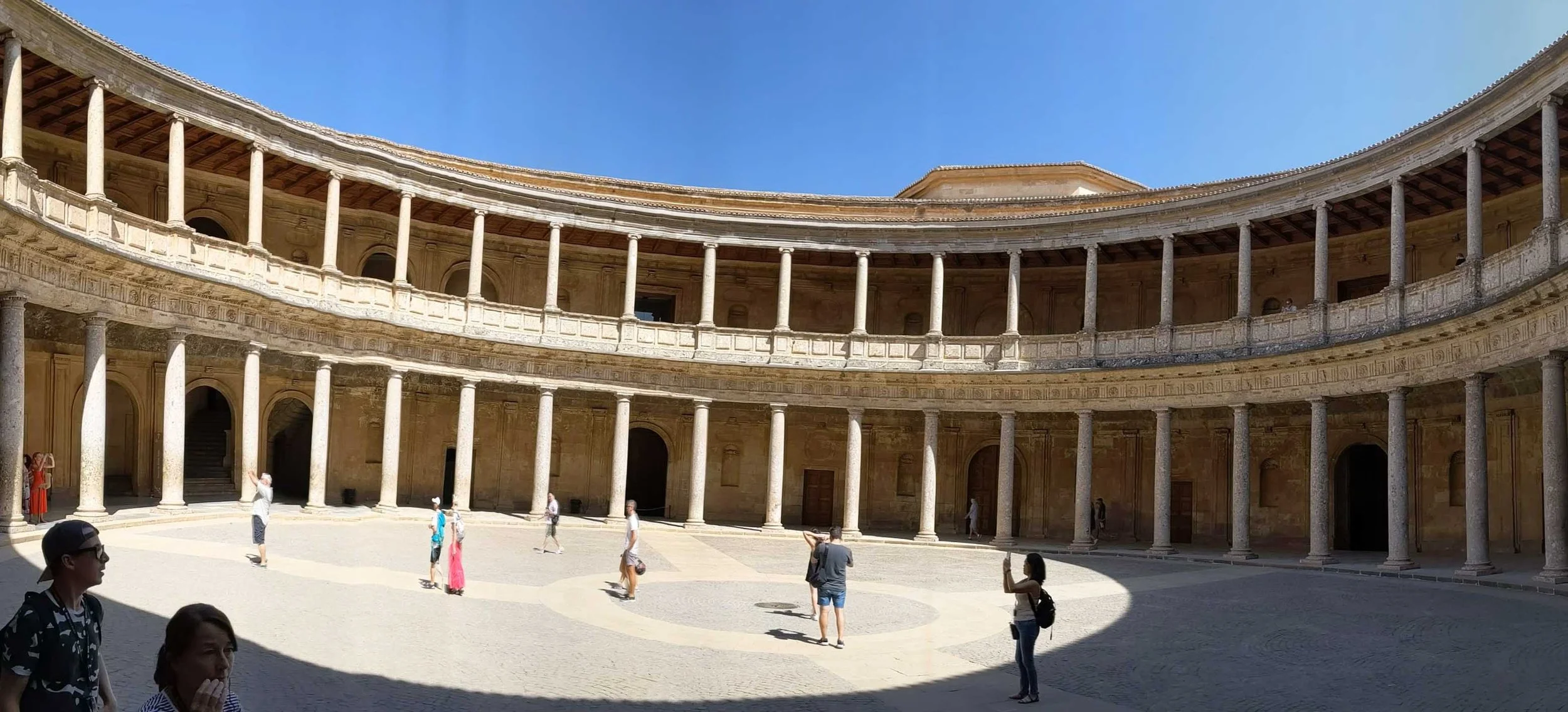
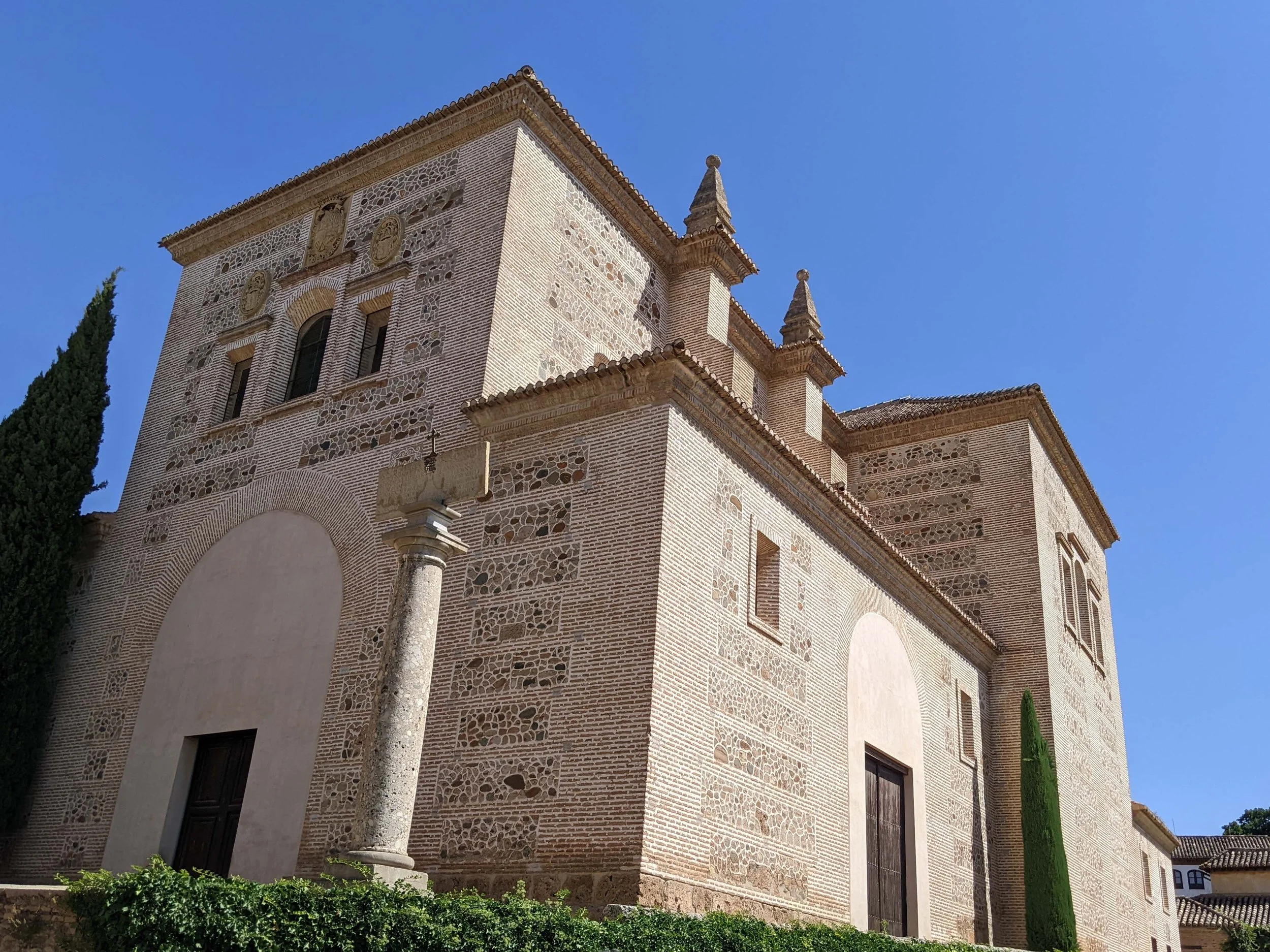
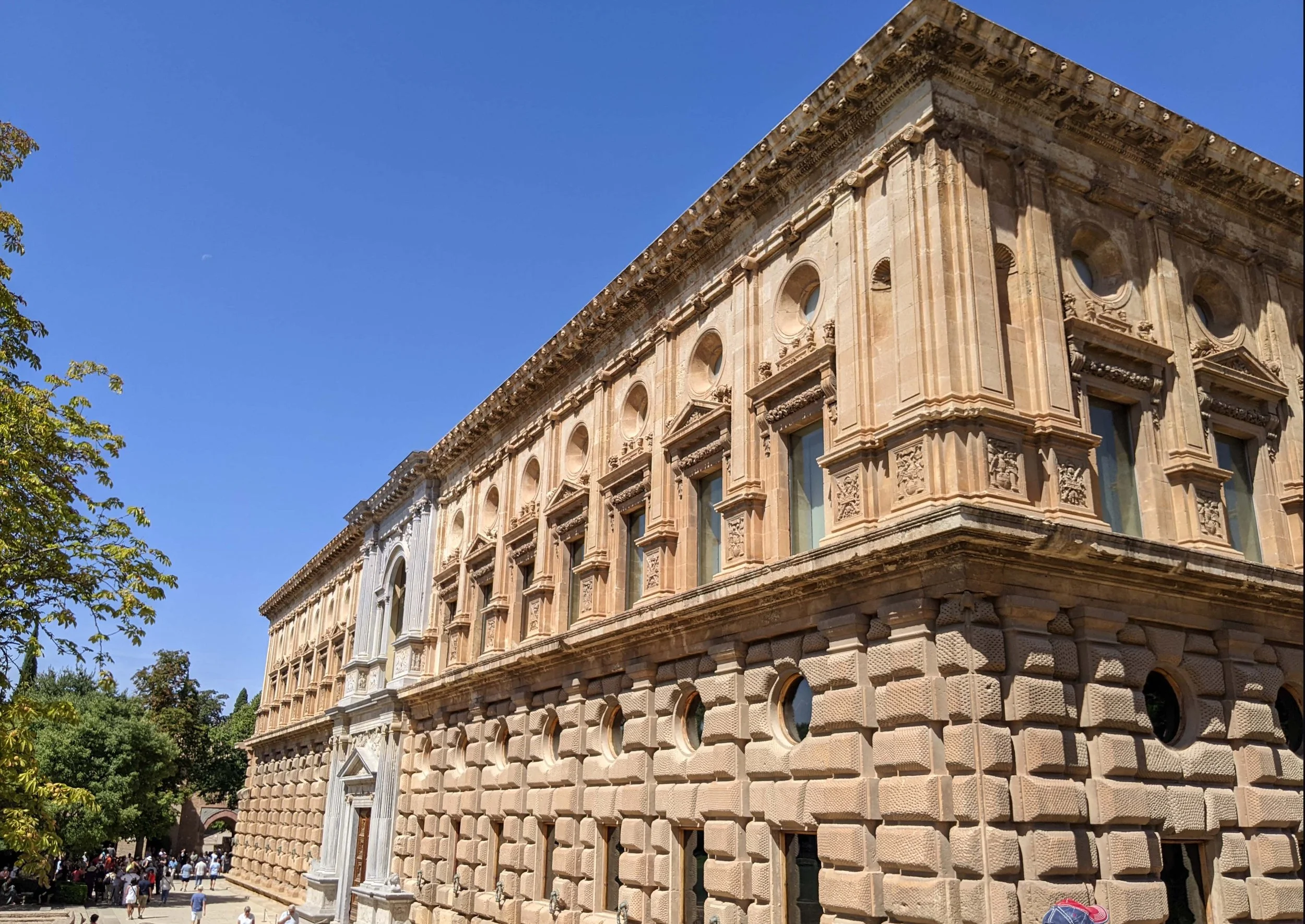
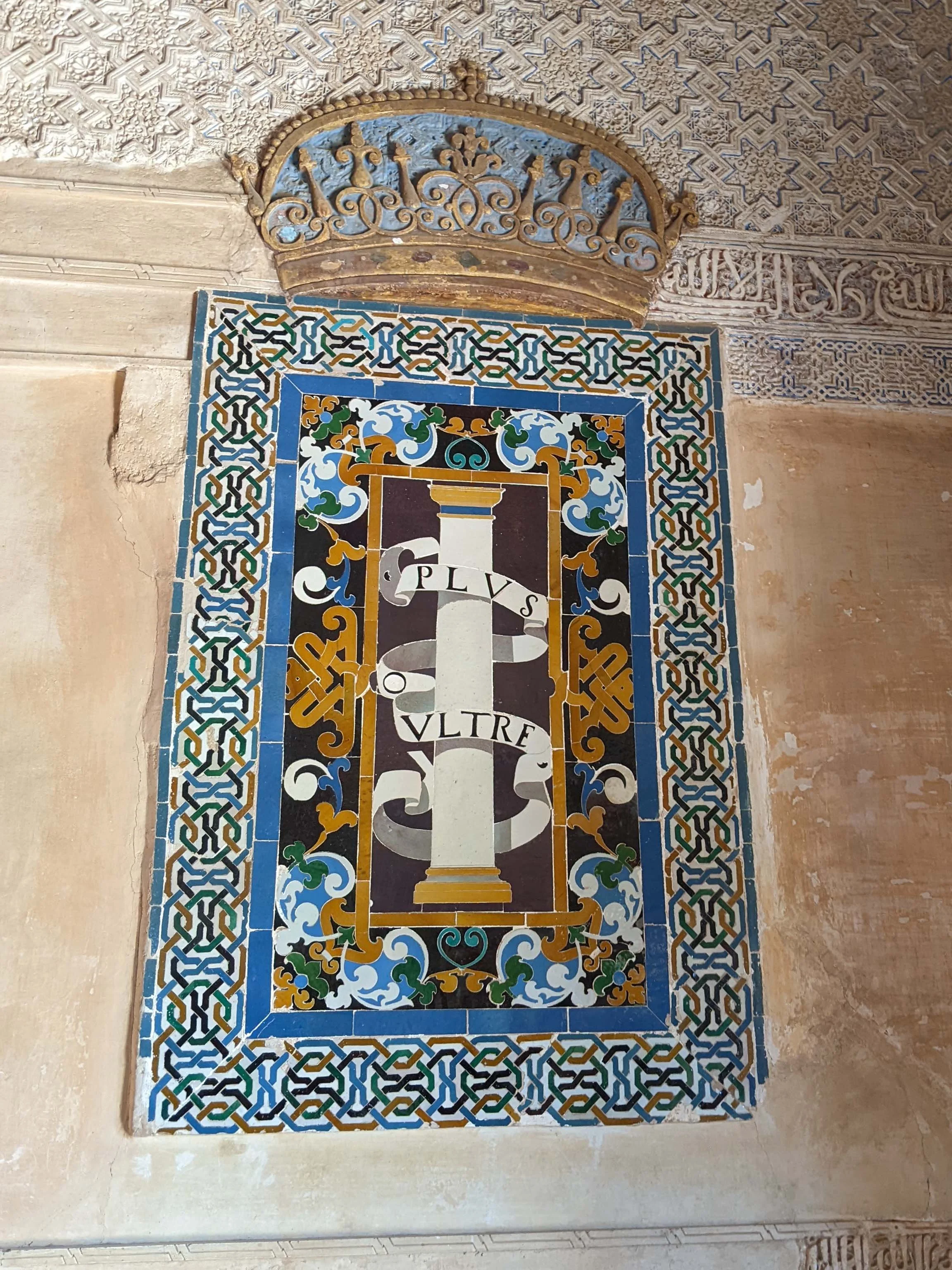
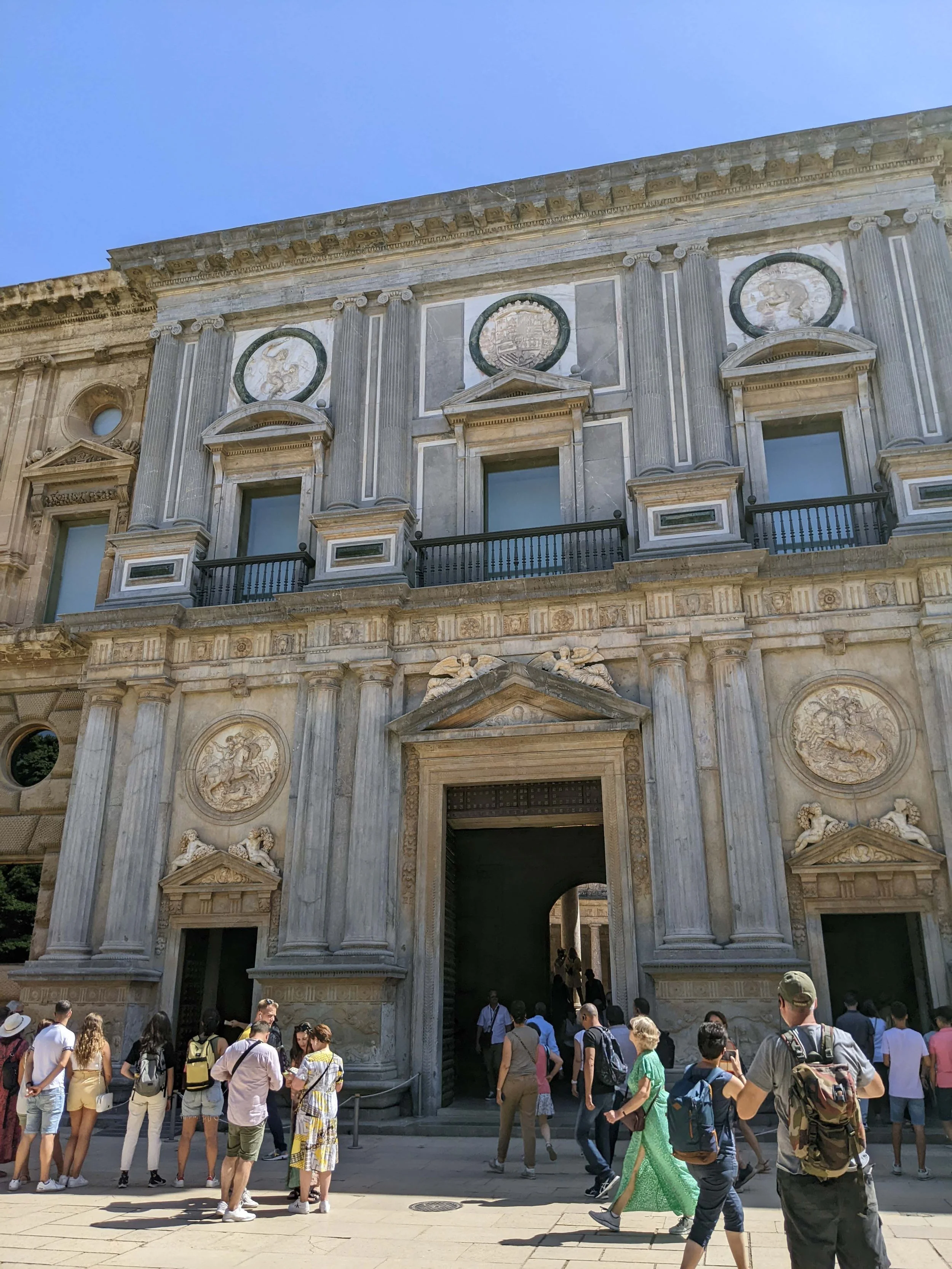
A testament to this continuous thread of Islamic architectural tradition lies in the stucco inscriptions on the wall “There is no victor but Allah” which is repeated on all palaces. After the departure of the Muslims, King Charles V, ordered the destruction of part of the complex and built a renaissance-style palace within the complex and build a church on the site of the royal mosque. Even some of the stucco tiles were defaced and replaced with Charles V own motto “Plus Ultra’ (further beyond). In 1812, some of the fortress towers were blown up by the French troops. Despite of these occurrences the complex retains its ‘Moorish’ character and is the most important surviving remnant of the period of Islamic rule in the region.

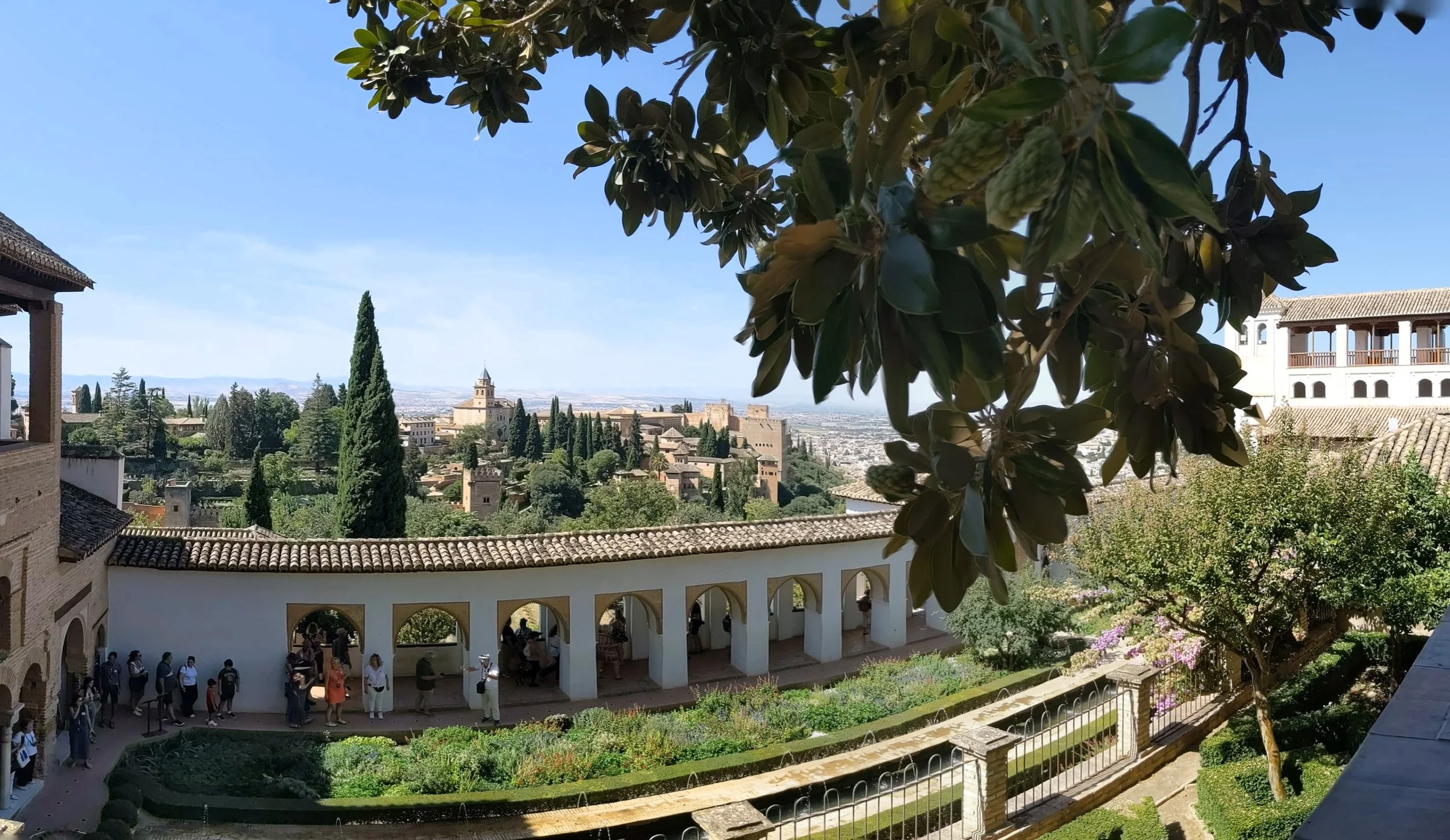
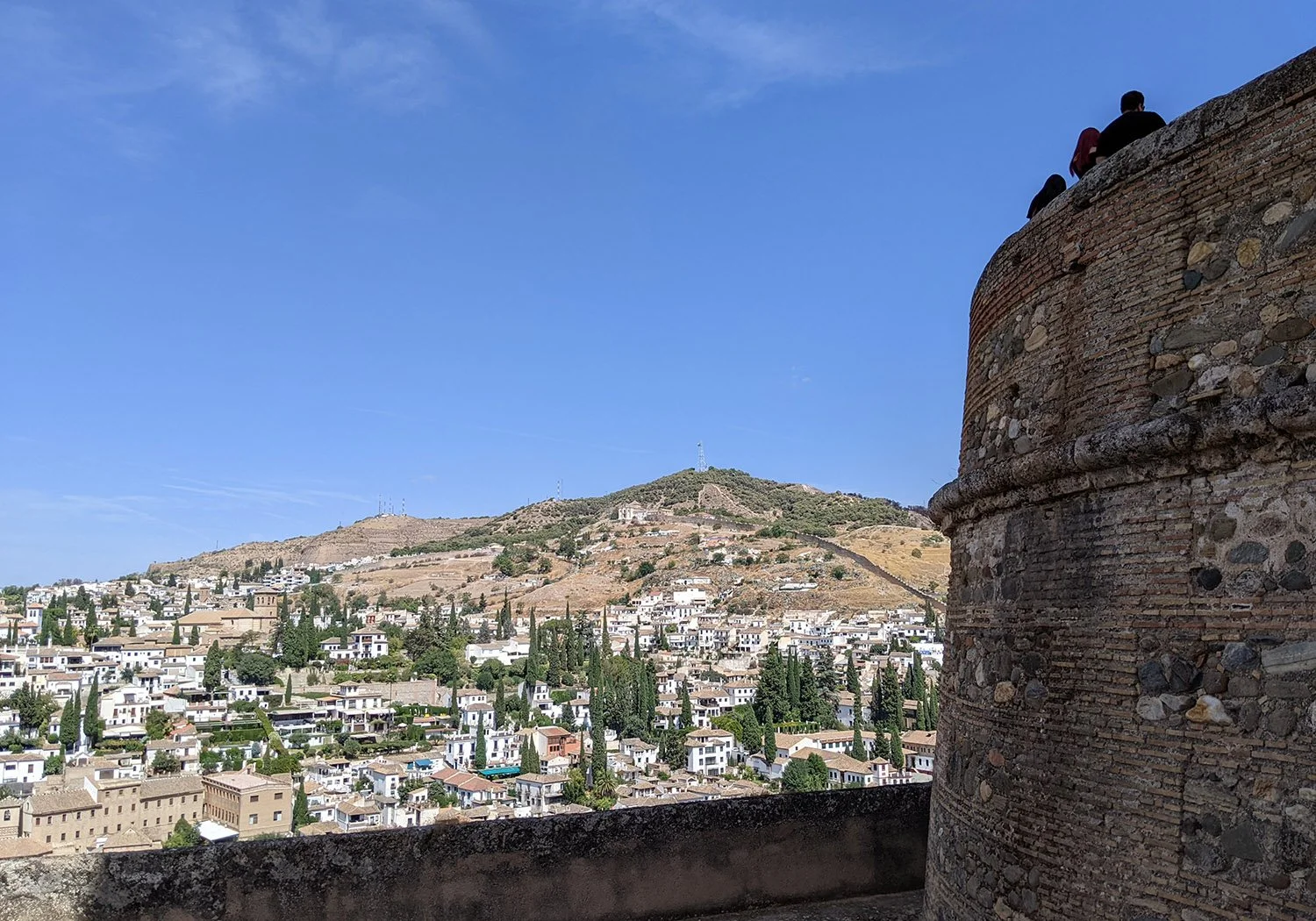
The castle estate of Alhambra is divided into three main sections, the Generalife (palace gardens), Alcazaba  (fortress), and the palaces (Nasrid Palaces and Charles V Palace).

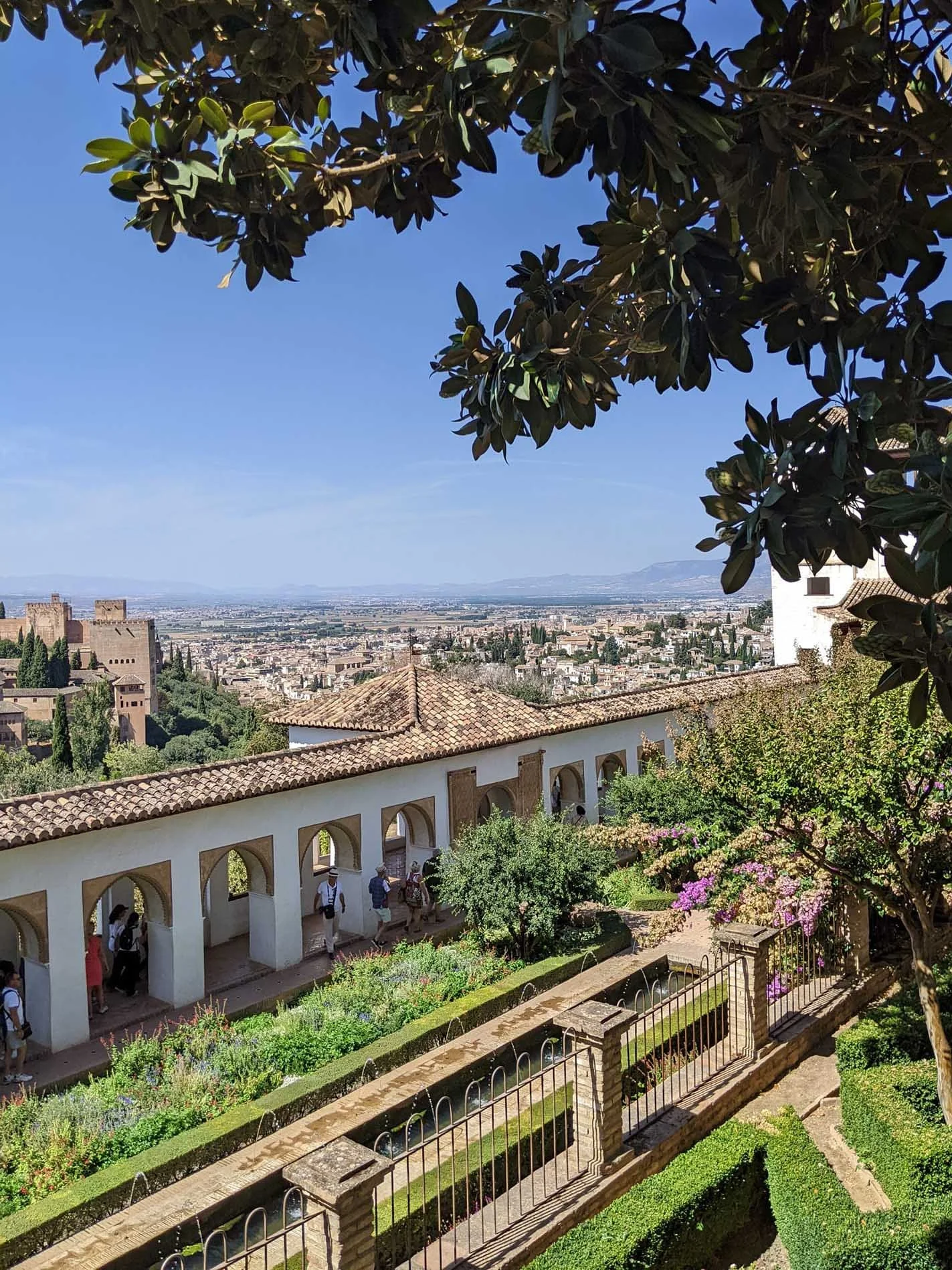
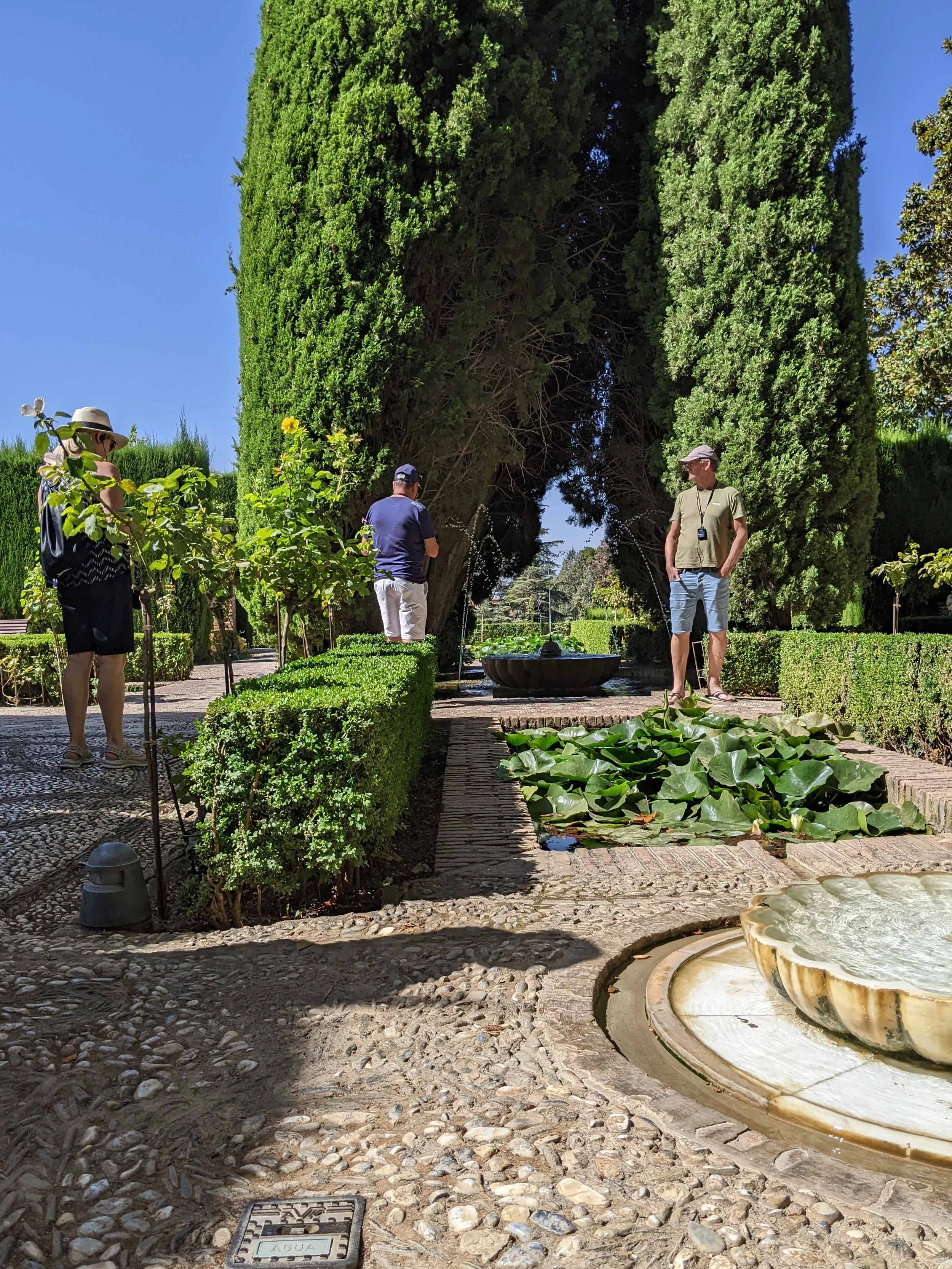
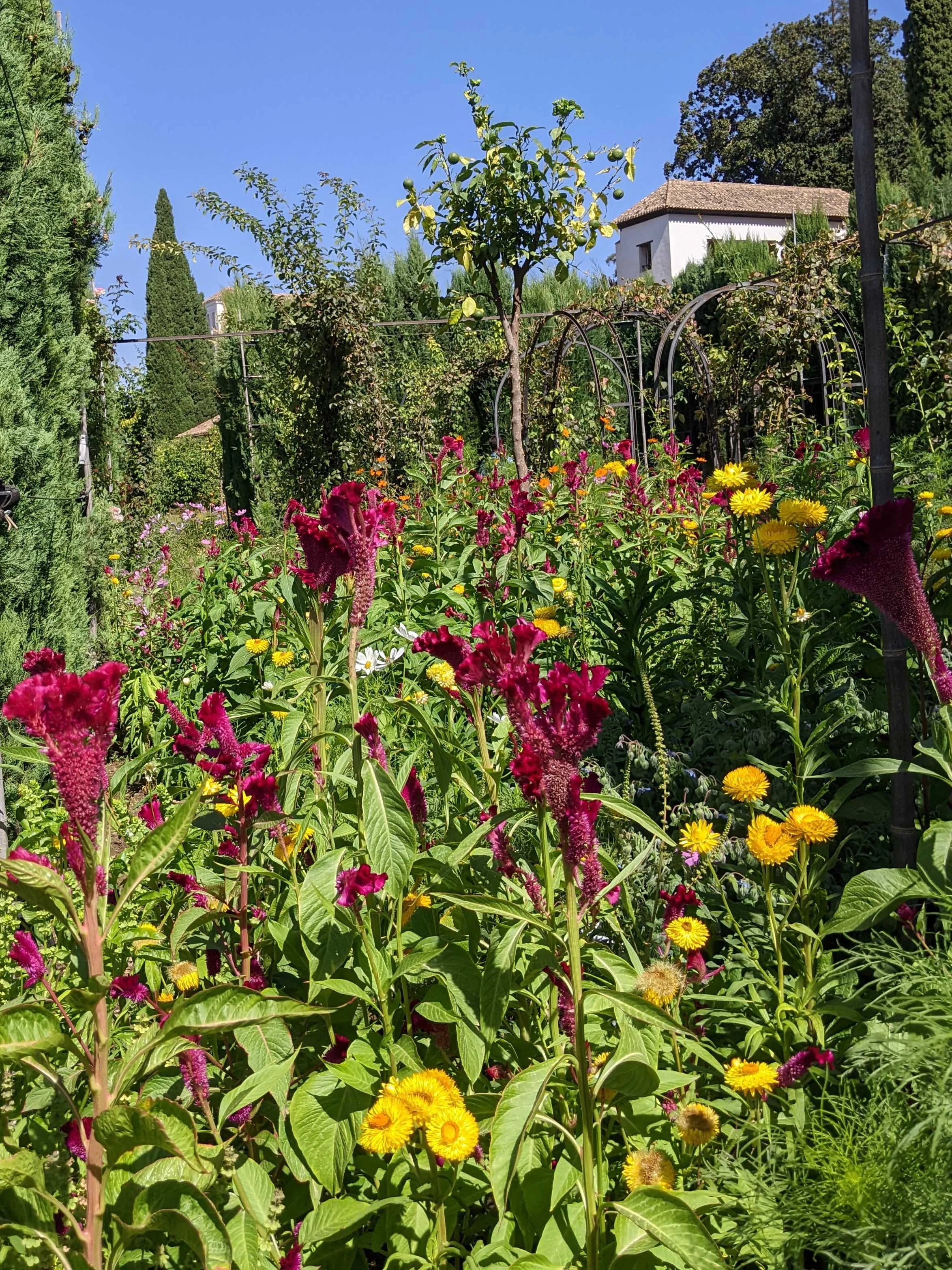
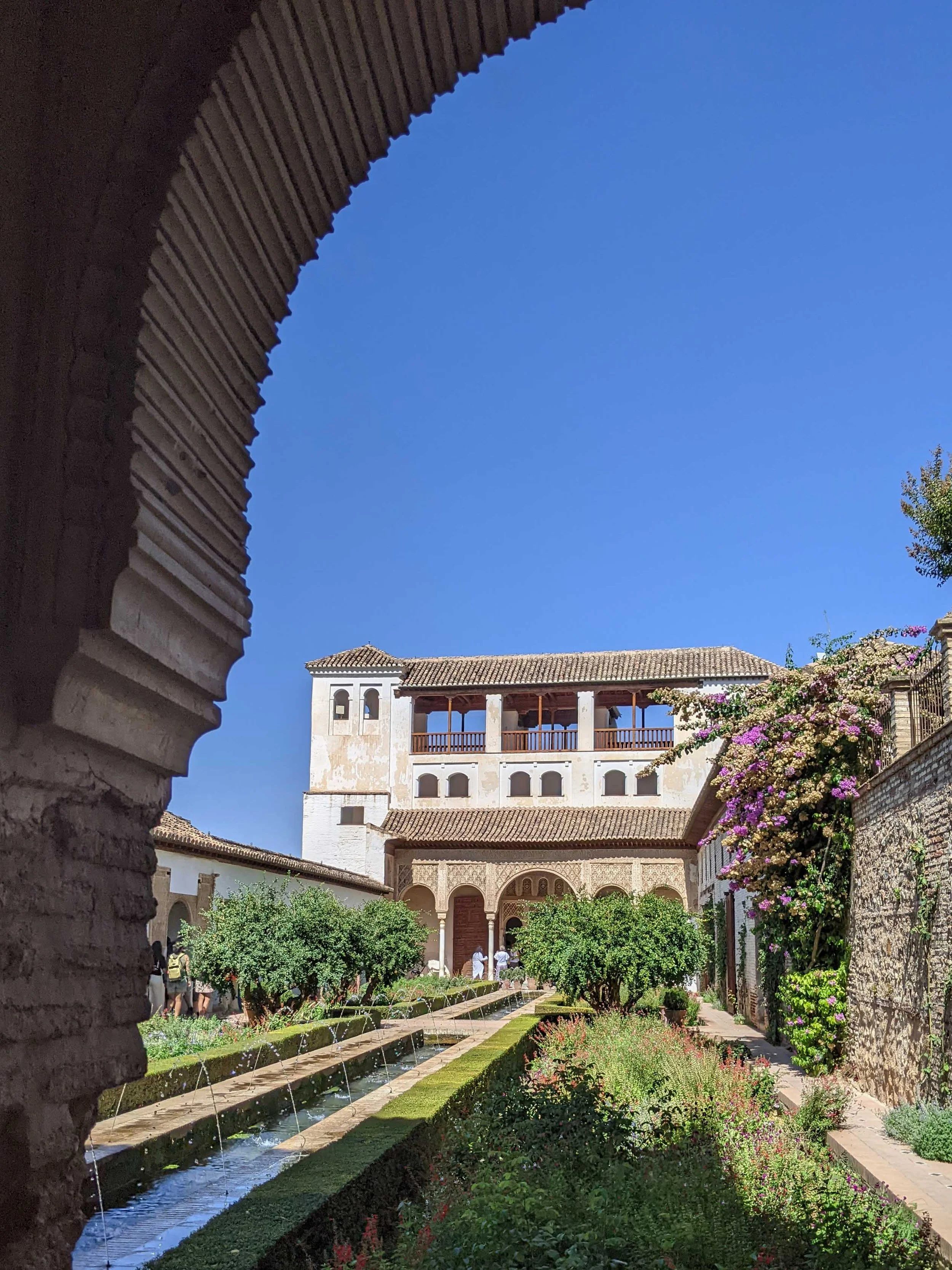
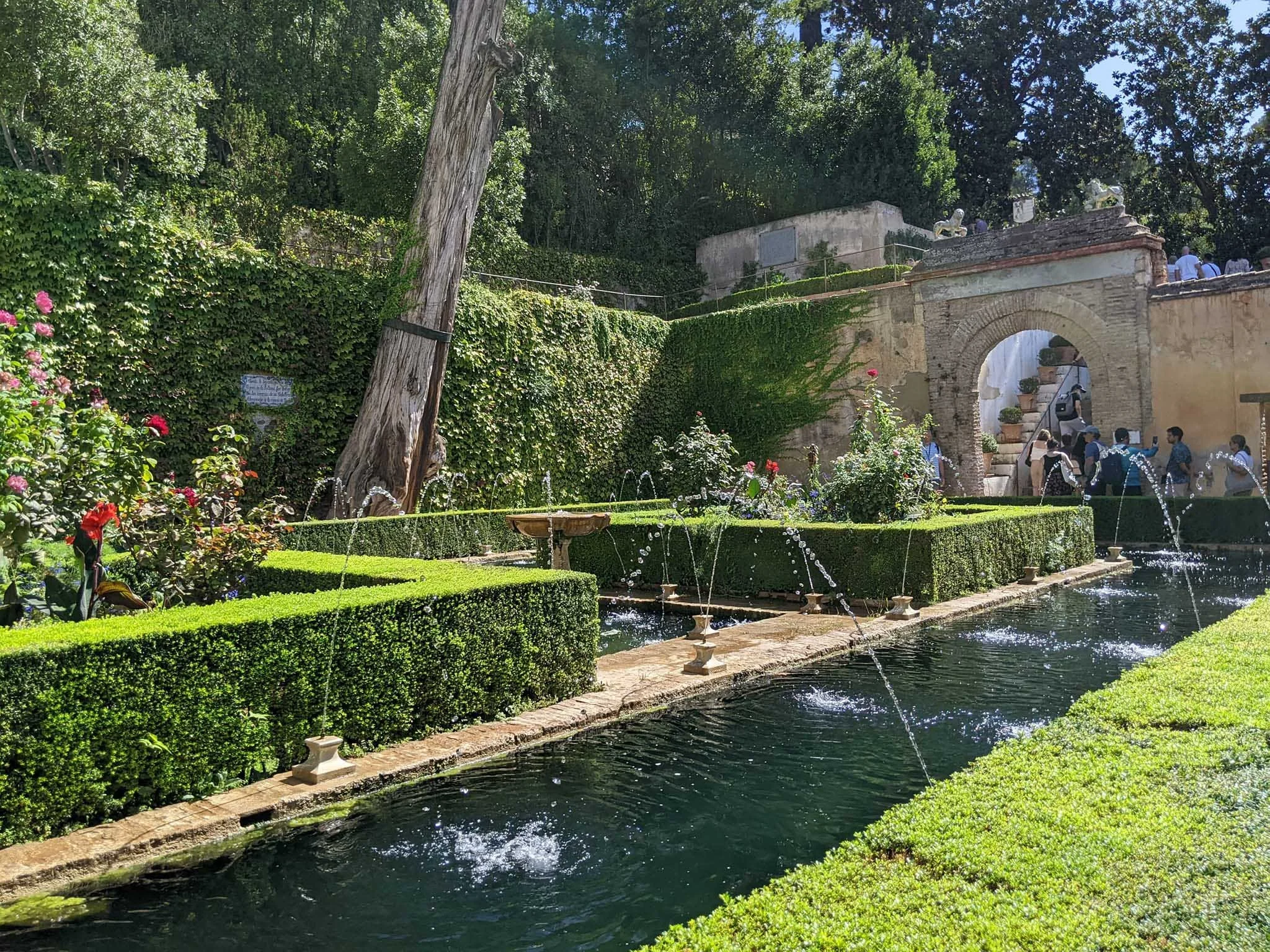
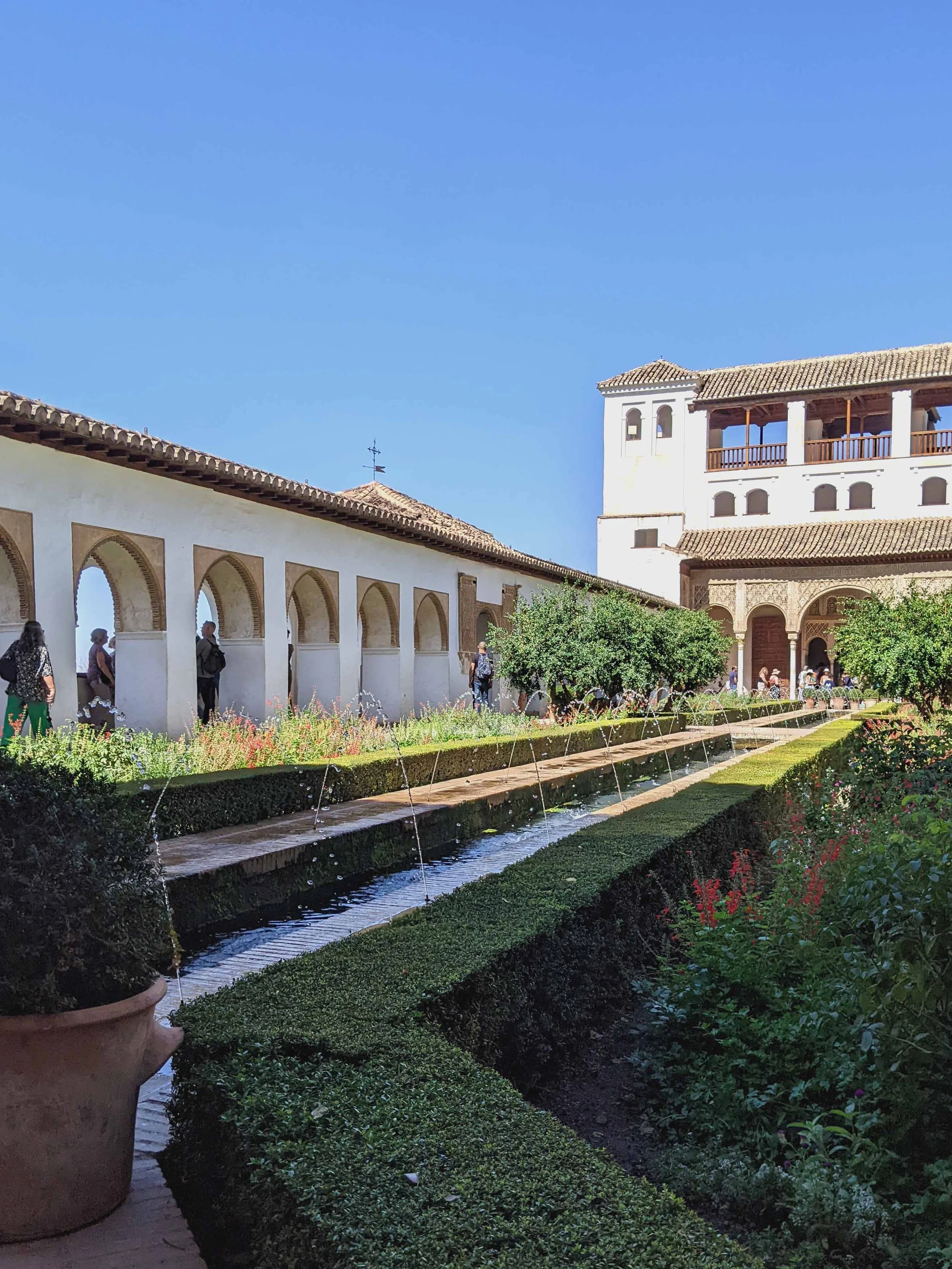
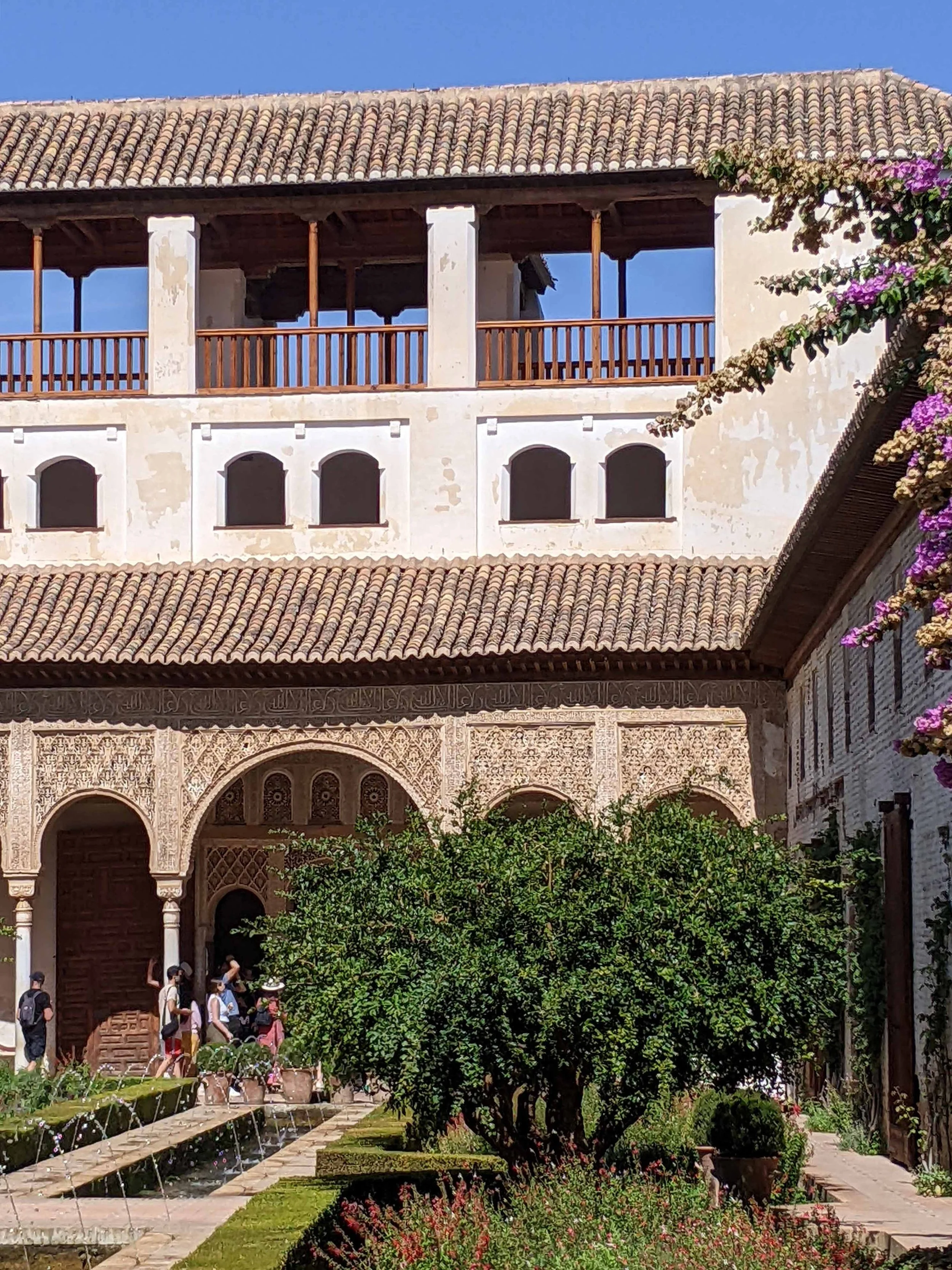
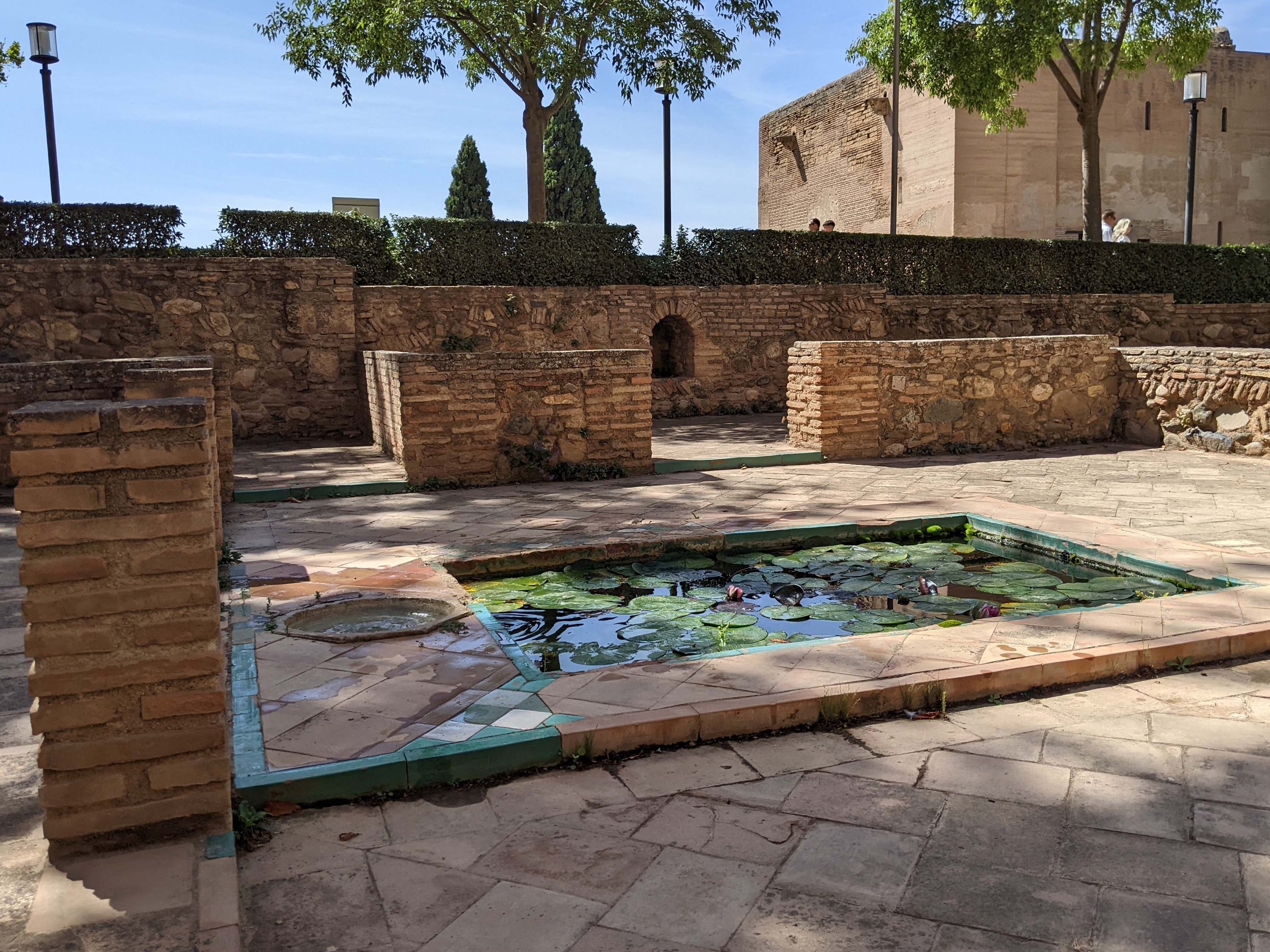
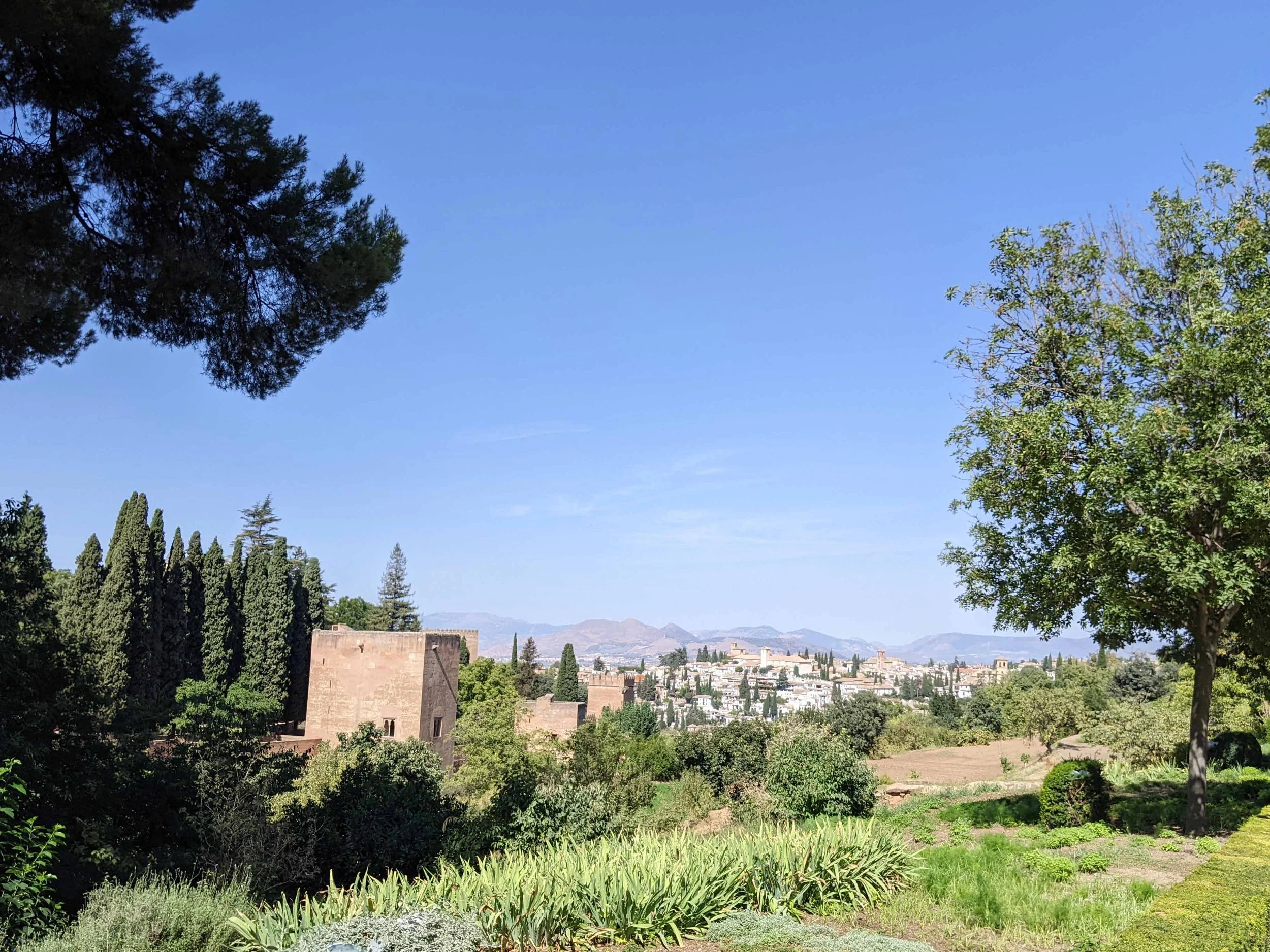
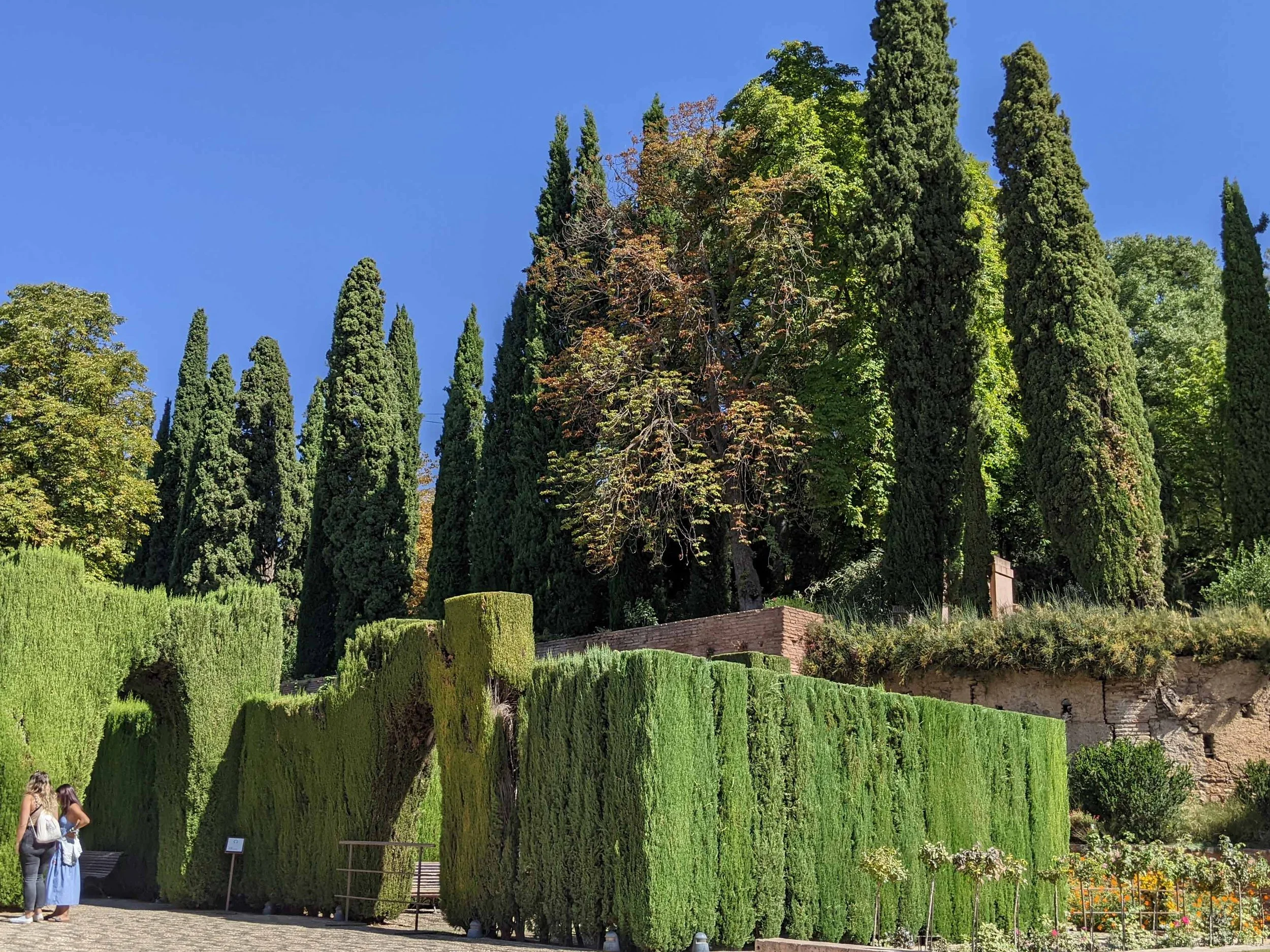
The Generalife (from the Arabic word Jannat al-Arifa, or paradise by association) lies beyond the walls of the castle. The gardens are built to reflect the theme of paradise as stated in the Koran, with water channels, fountains, and greenery. The estate did not have a source of water and water for the fountains and the castle was harvested from a nearby Darro River 6 km away and transported to the castle via irrigation aqueducts which are the evidence of the great engineering skills of the Nasrids. Surrounded by intricate gardens, the Generalife also contains a palace (summer house) that has similar decorations as the building within the castle.
View fullsize 1a.jpg
View fullsize 2.jpg
View fullsize 2a.jpg
View fullsize 3.jpg
View fullsize 3a.jpg
View fullsize 3b.jpg
View fullsize 3d.jpg
View fullsize 3f.jpg
View fullsize 4.jpg
View fullsize 4a.jpg
View fullsize 4b.jpg
View fullsize 5.jpg
View fullsize 6.jpg
View fullsize 6a.jpg
View fullsize 7.jpg
View fullsize PXL_20220918_110416722.PANO.jpg

While to some untrained eyes, these gardens are just green spaces around a building which one might see around modern-day suburbs, the gardens of Alhambra are a prime example of the East Mediterranean (Persian) tradition of garden making of the period. The garden design created an atmosphere of sensuality and was aimed to bring pleasure to all five senses, Colour, light, aromatic plants, sweet fruits, and the murmur of water.

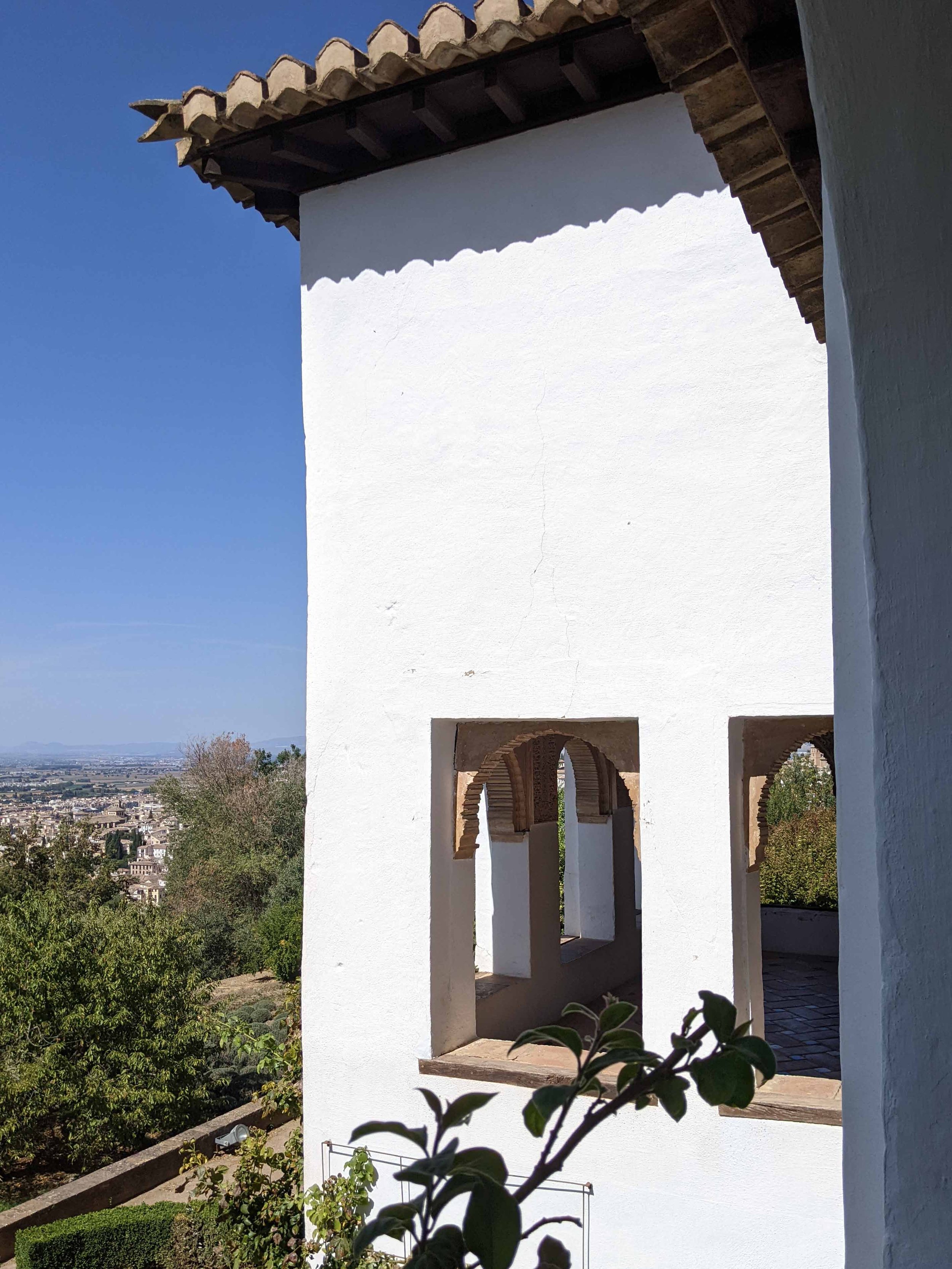
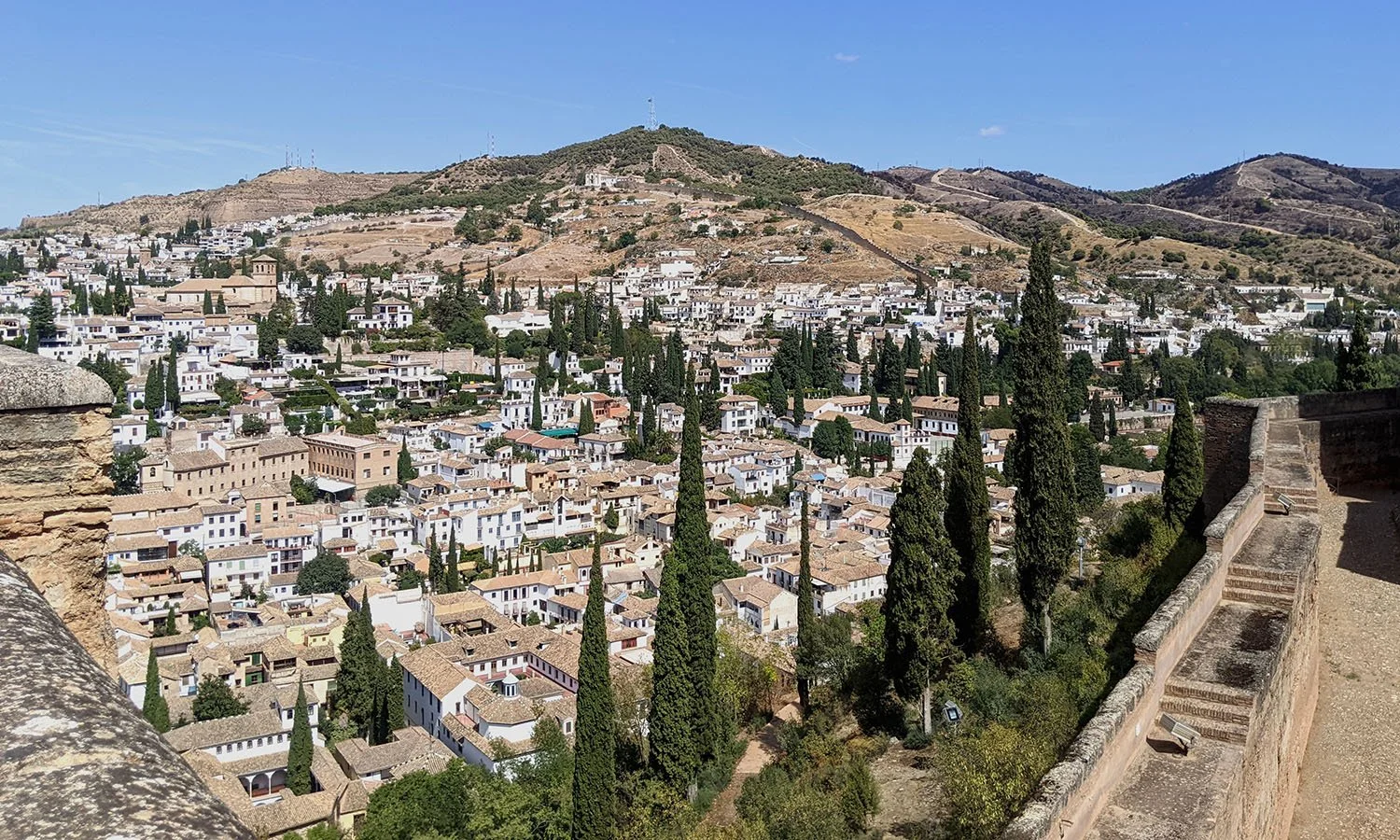
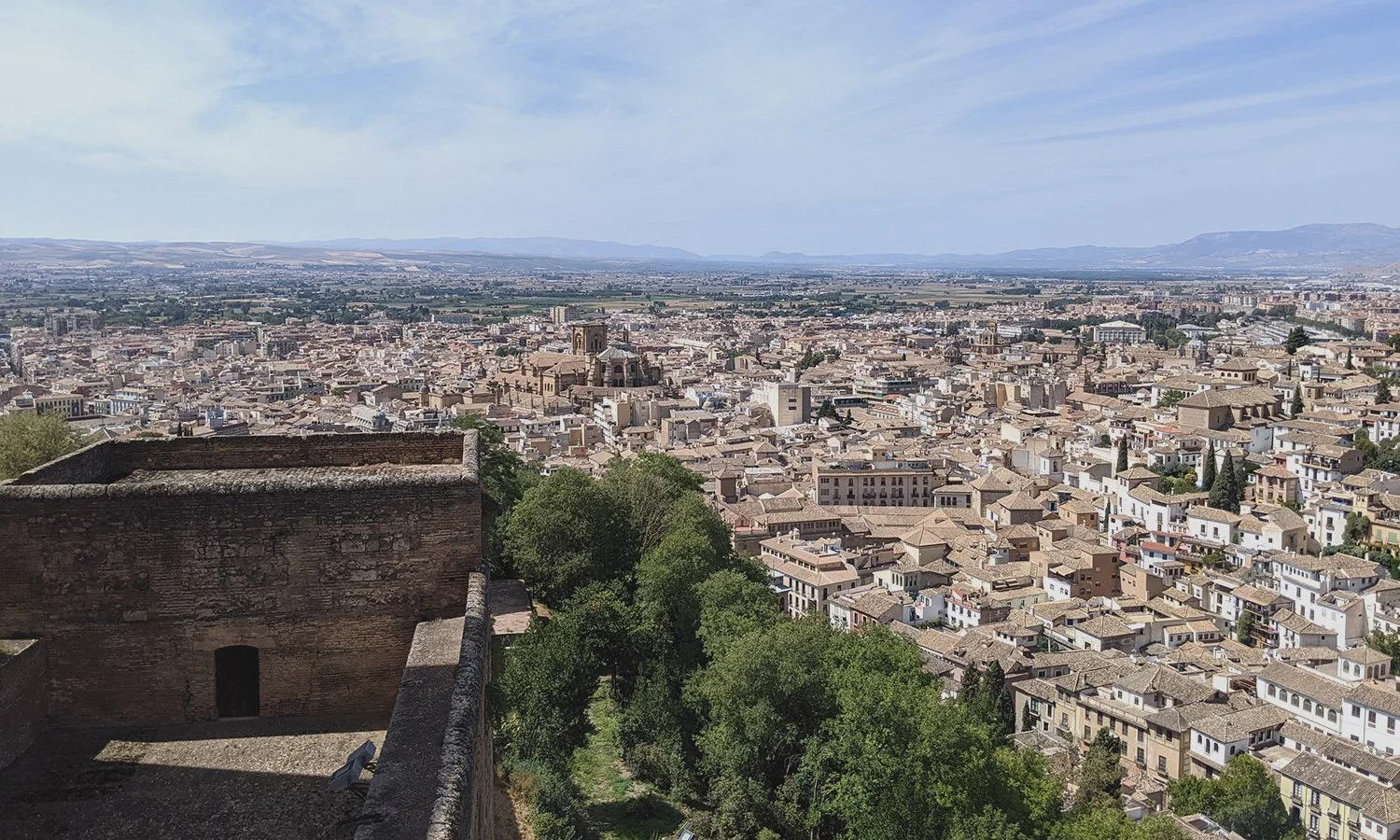
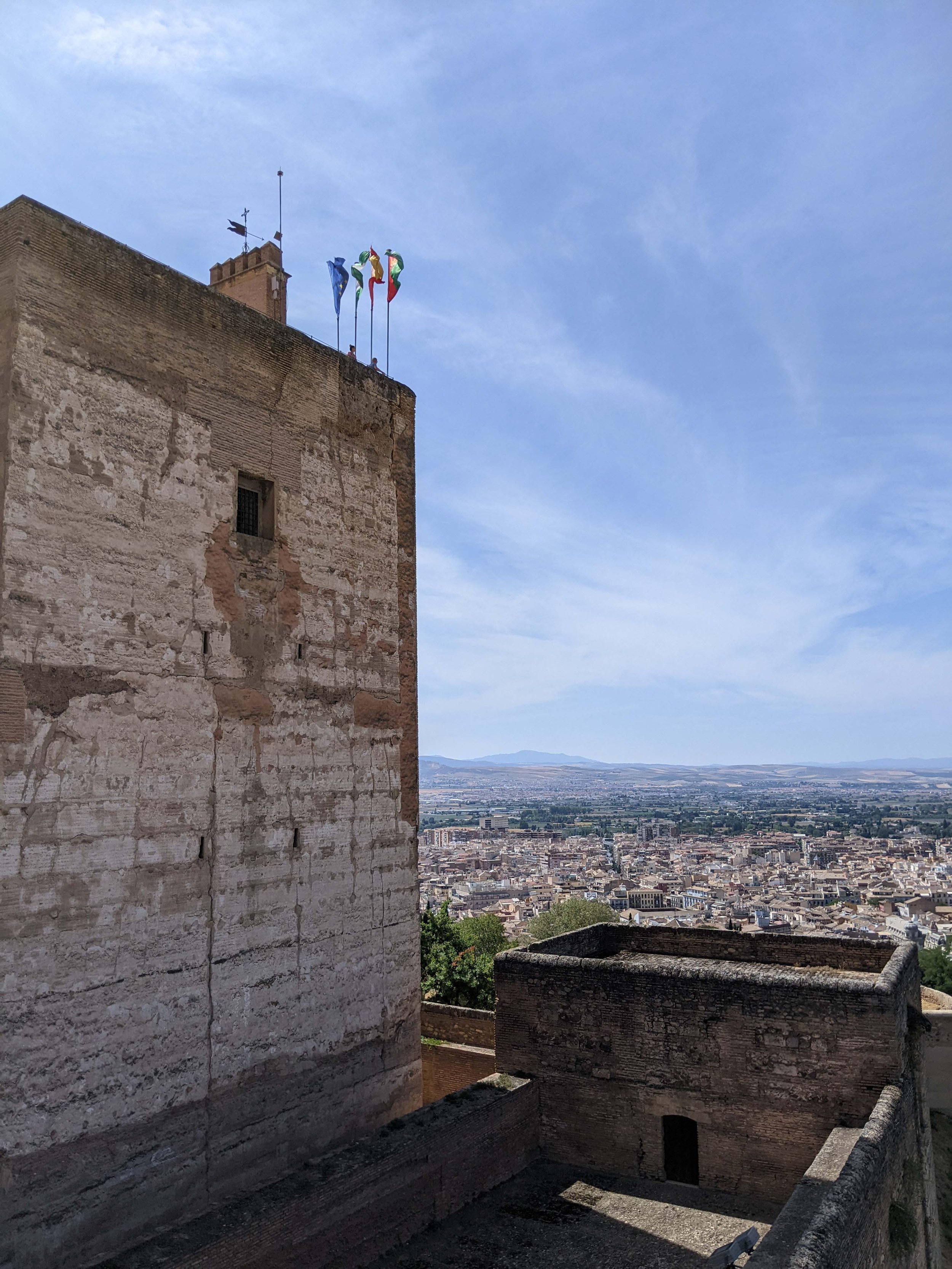
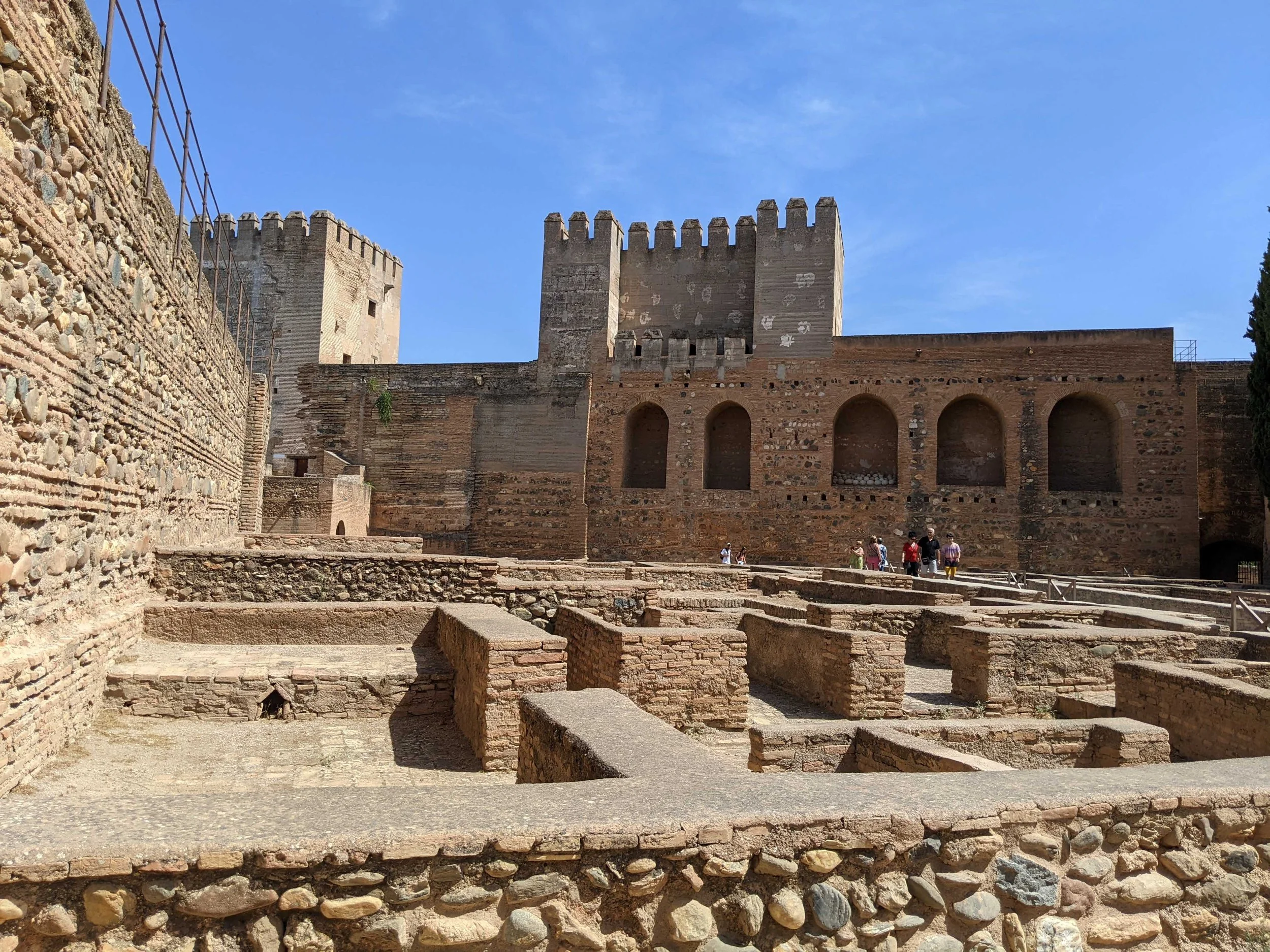
Alcazaba (fortress) or walled city overlooks Spain's Sierra Nevada Mountain range. The fortress not only served as a warning to potential enemies but with the water system and plethora of bath houses was one of the few (perhaps the only) cities that avoided the black death plague of Europe and North Africa from 1346 to 1353 which claimed millions of lives. Historic refresher for all, remember Covid and emphases on cleanliness and washing hands!
e.jpg
b.jpg
A.jpg
c.jpg
d.jpg
f.jpg

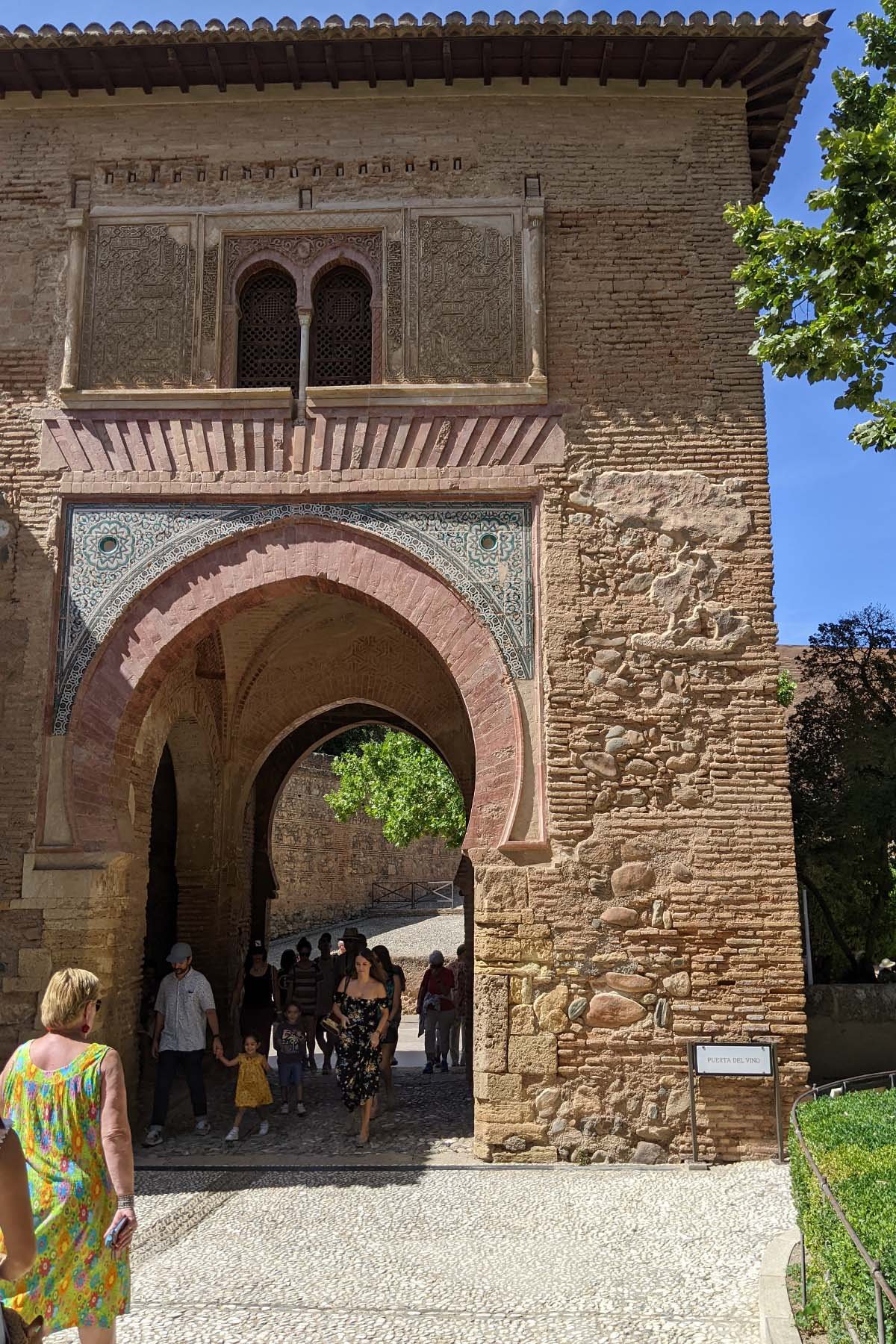
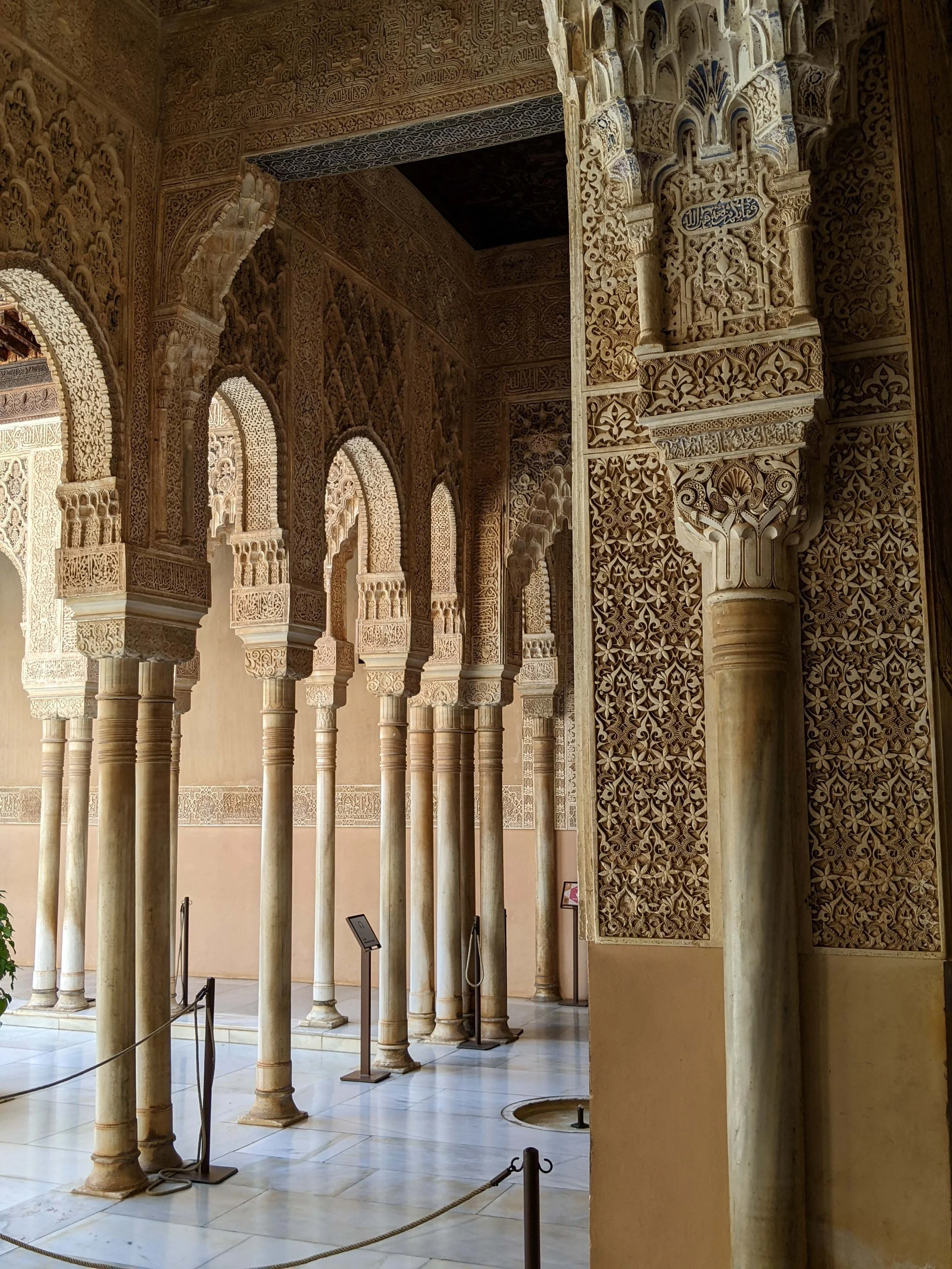
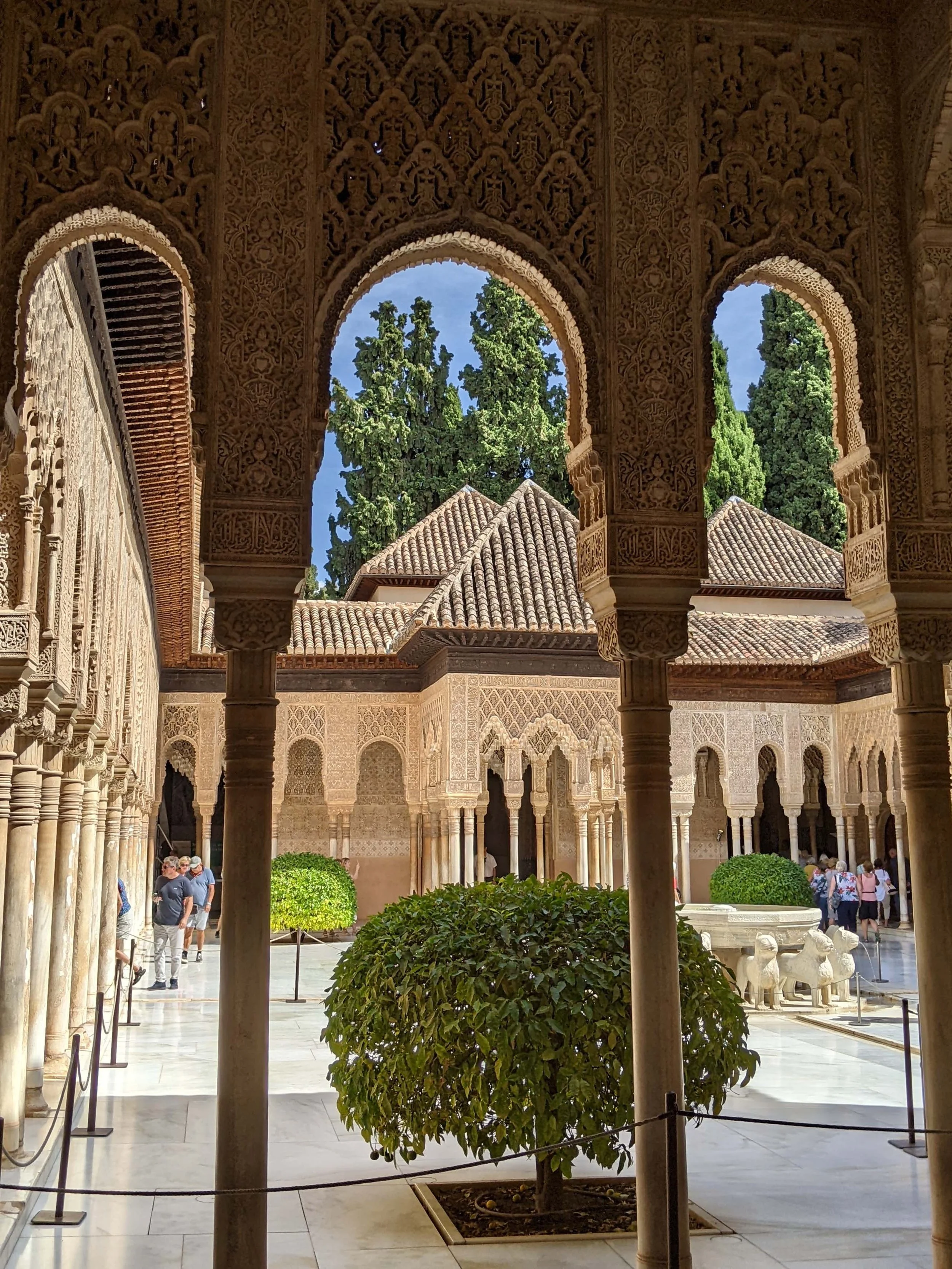
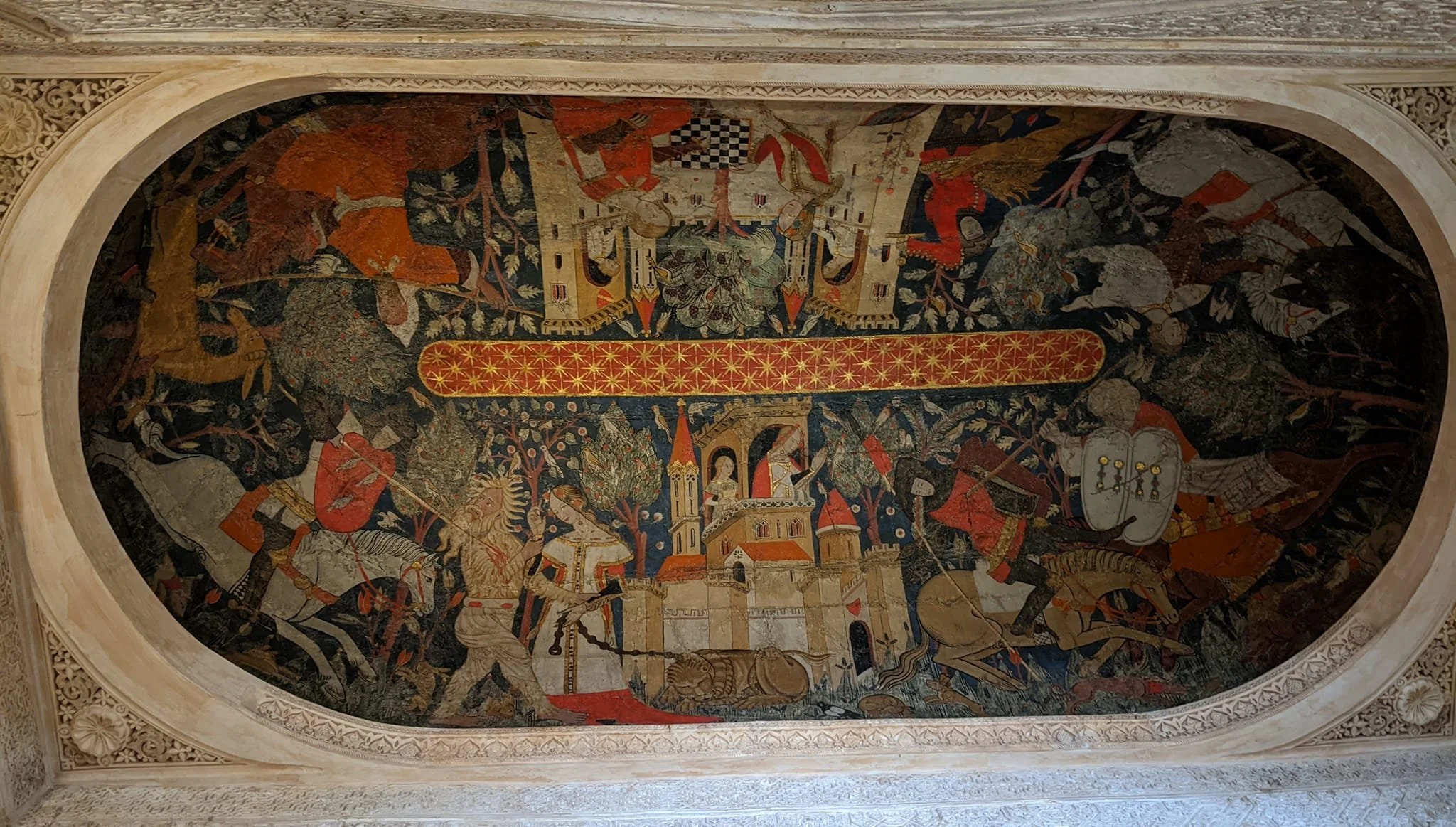
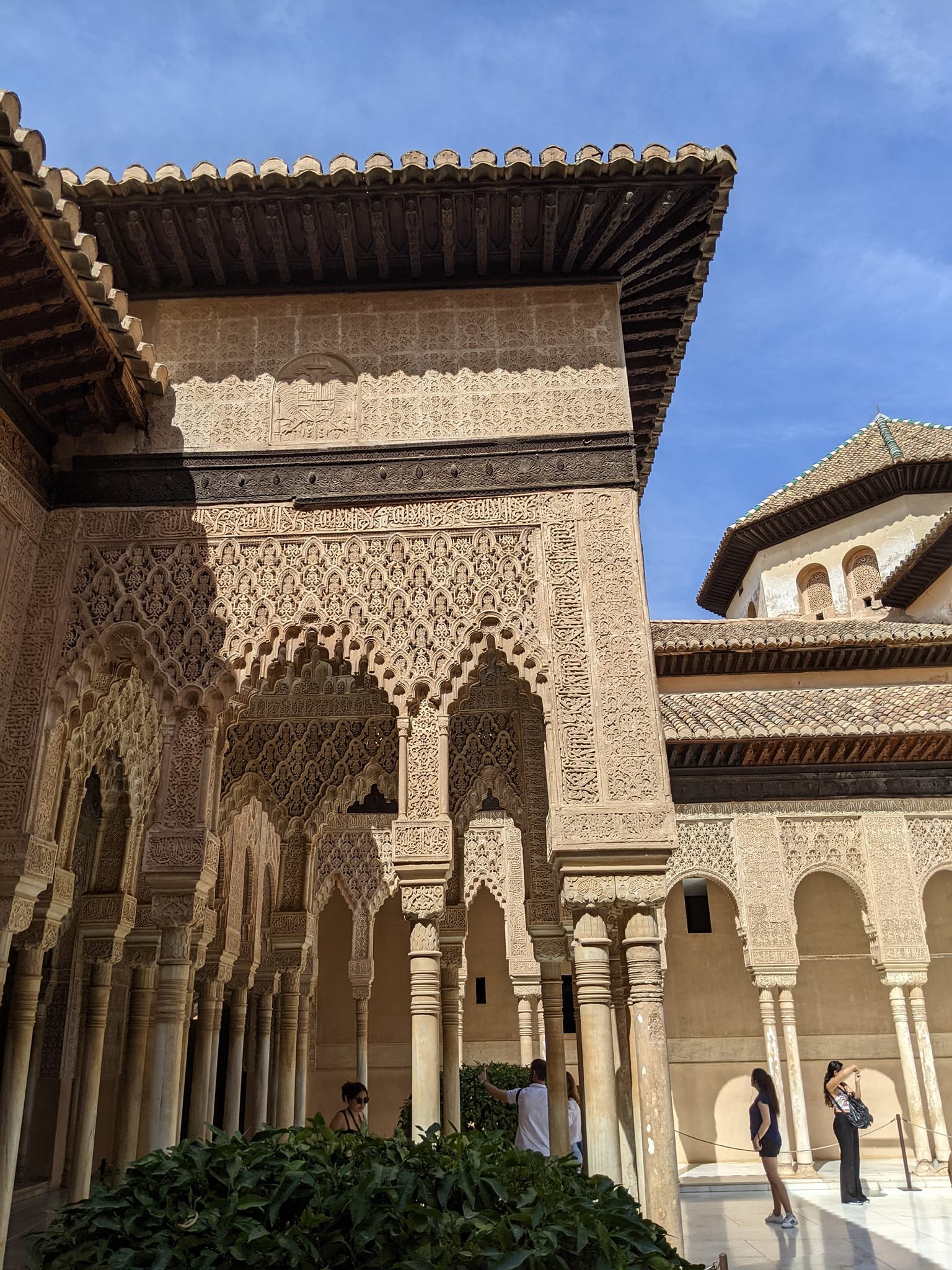
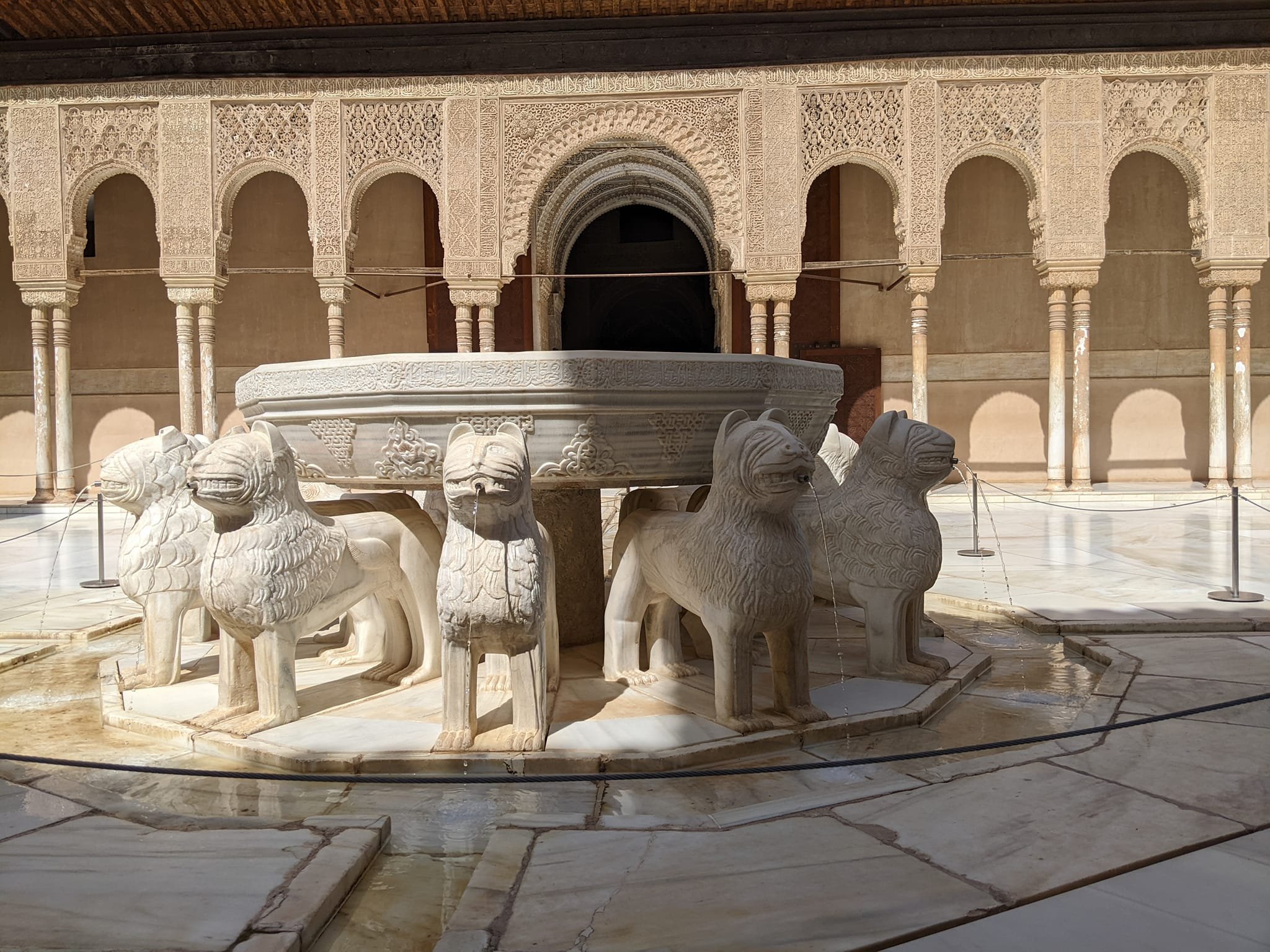
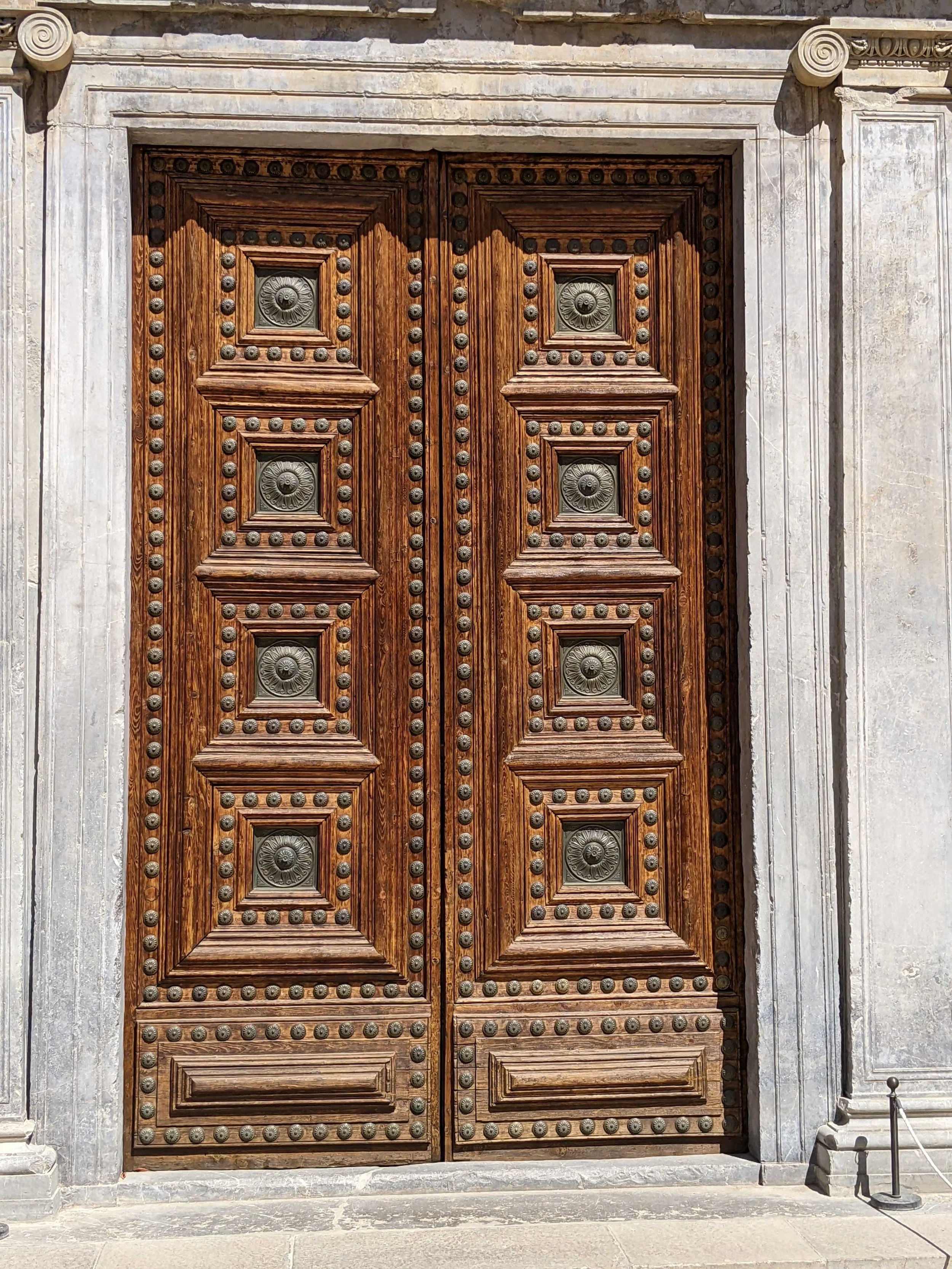
The Palaces, Comares Palace, Palace of the Lions, and the Partal Palace were built by the Nasrid’s and the Charles V palace was built by King Charles after the fall of Alhambra. The Alhambra architecture is all-inclusive and features the Muslim, Christian, and Jewish faiths. It is this intermixing of styles, associated with centuries of multi-cultural and religious coexistence of people in Spain, that has made Alhambra so fascinating, mysterious, and architecturally iconic.

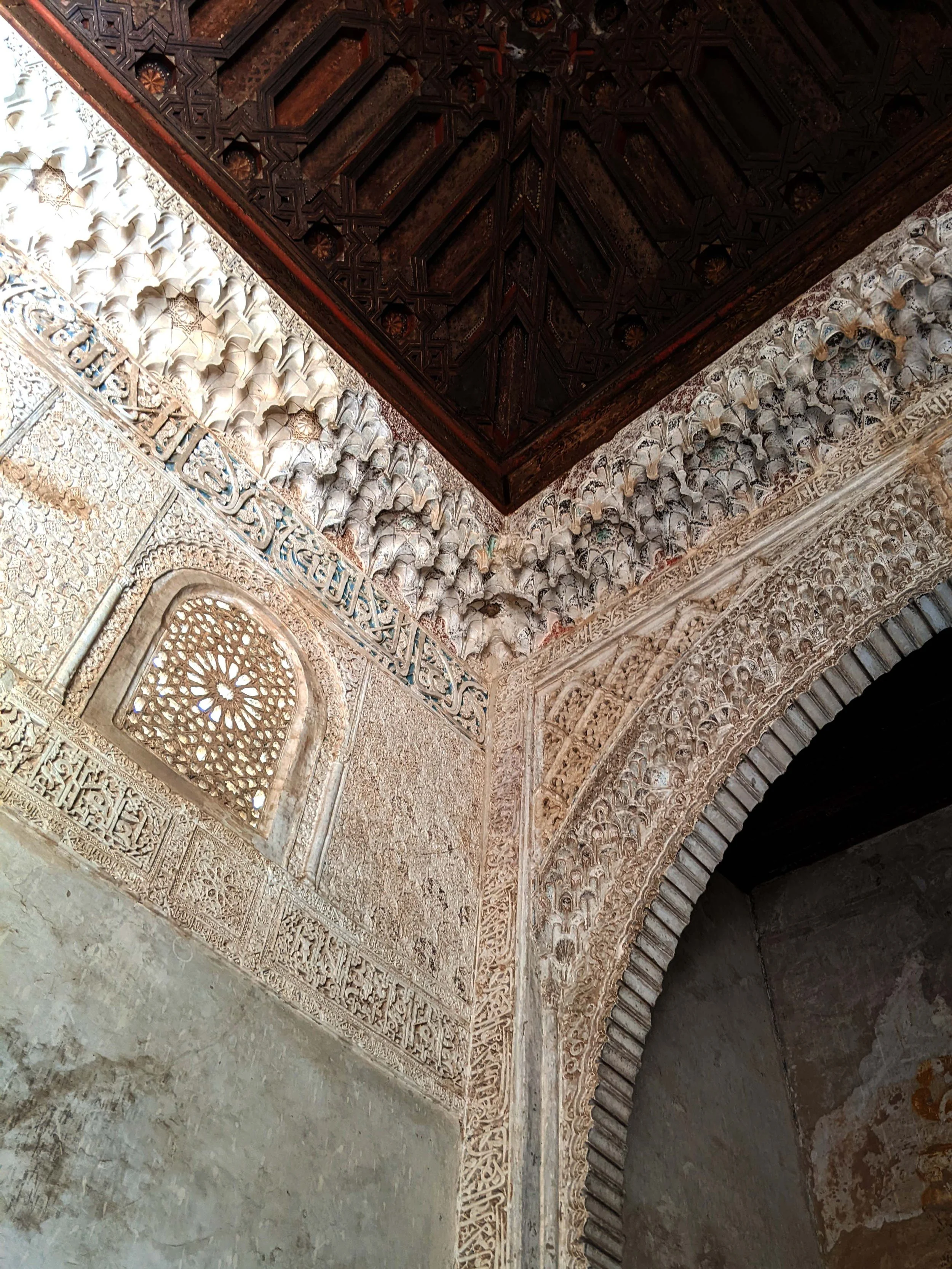
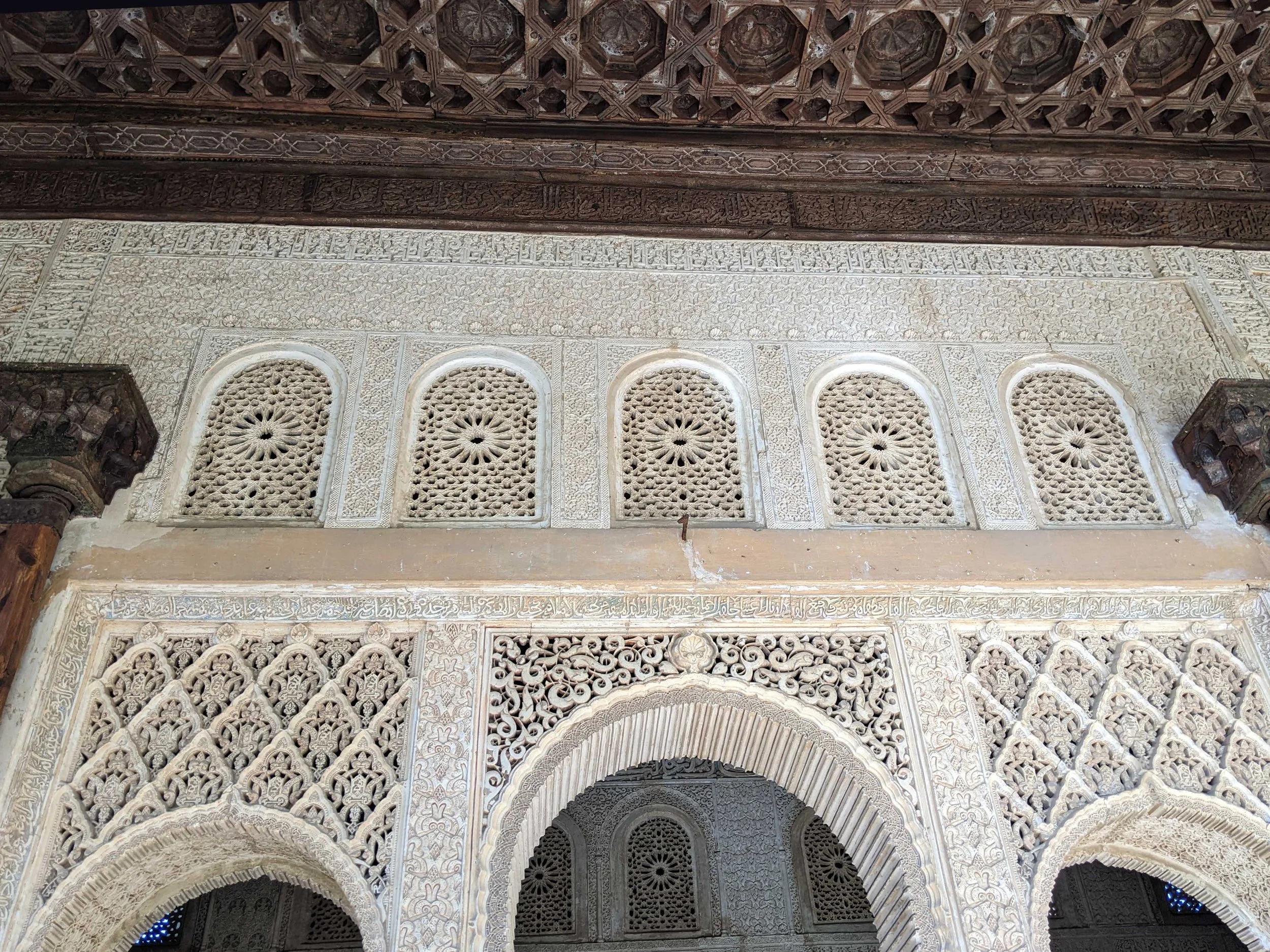
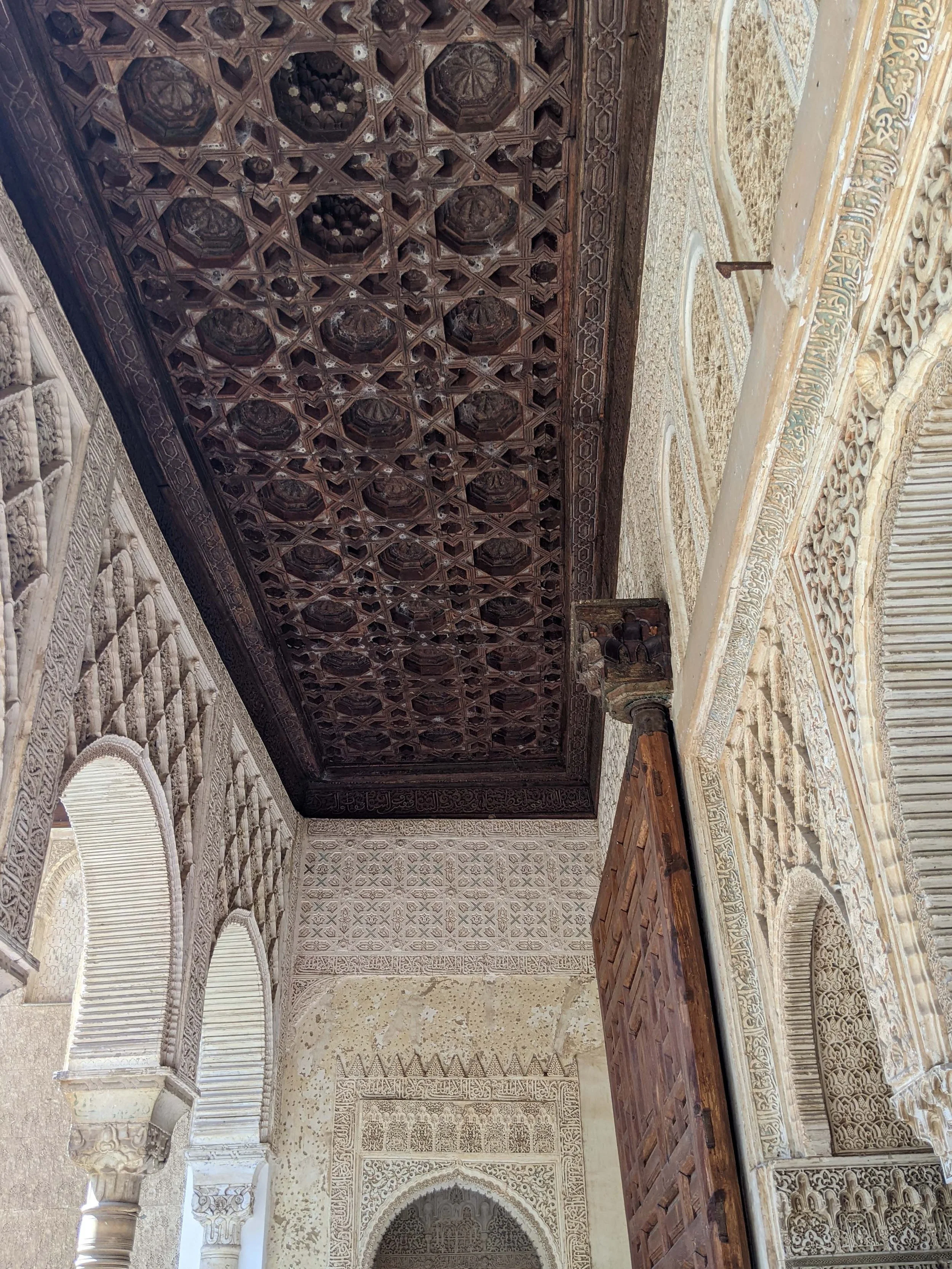
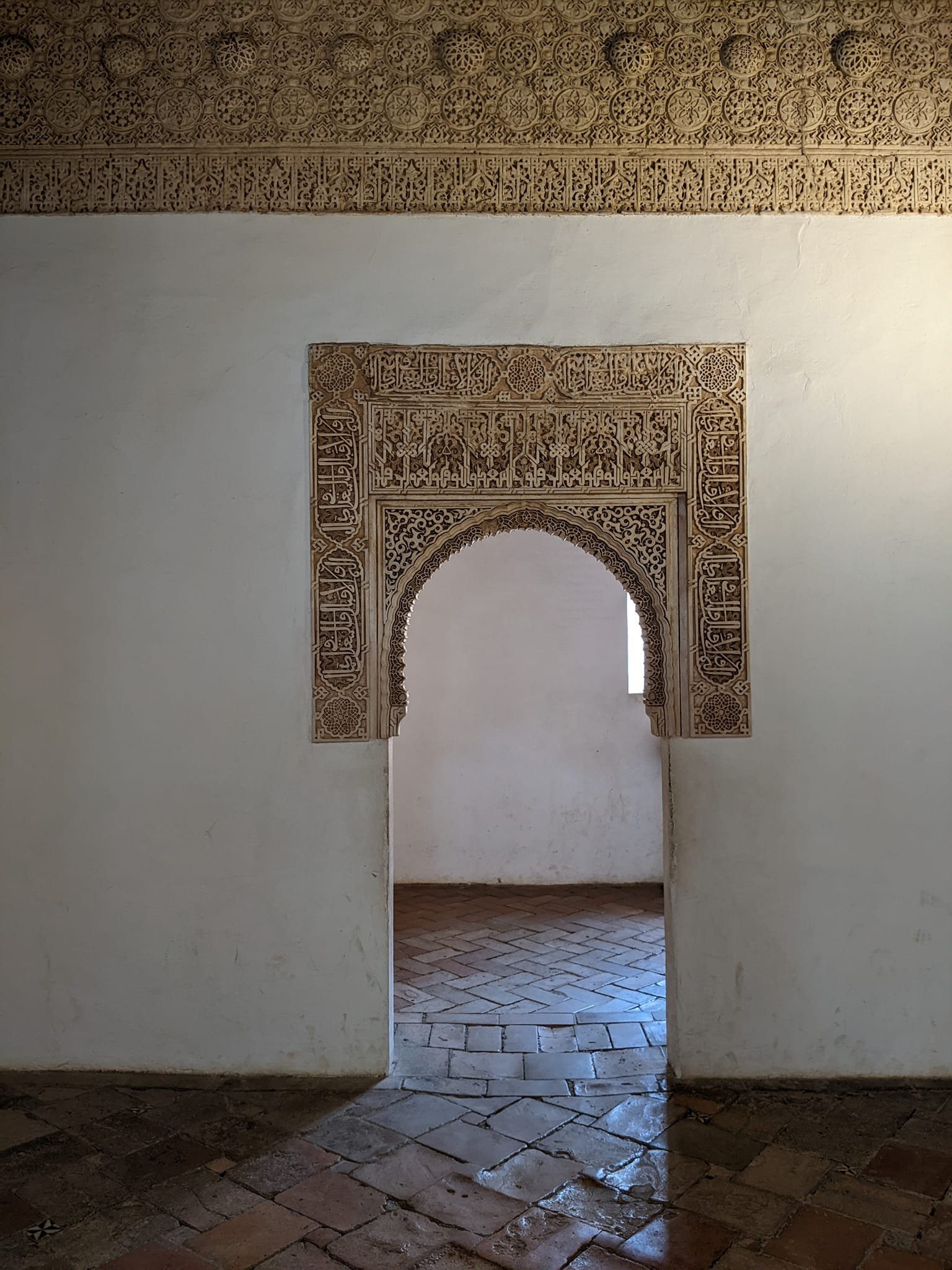
The palace walls are decorated with Arabic inscriptions, Koranic verses, and poems written in praise of the palace, touching upon the religious, poetic, and political world of the Nasrid’s period.

Exploring this feature further, Washington Irving quotes the story told by his Guide and writes “When the Moors held Granada, they were a gayer people than they are nowadays. They thought only of love, music, and poetry. They made stanzas upon every occasion and set them all to music. He who could make the best verses, and she who had the most tuneful voice, might be sure of favour and preferment. In those days, if anyone asked for bread, the reply was, make me a couplet; and the poorest beggar, if he begged in rhyme, would often be rewarded with a piece of gold.”

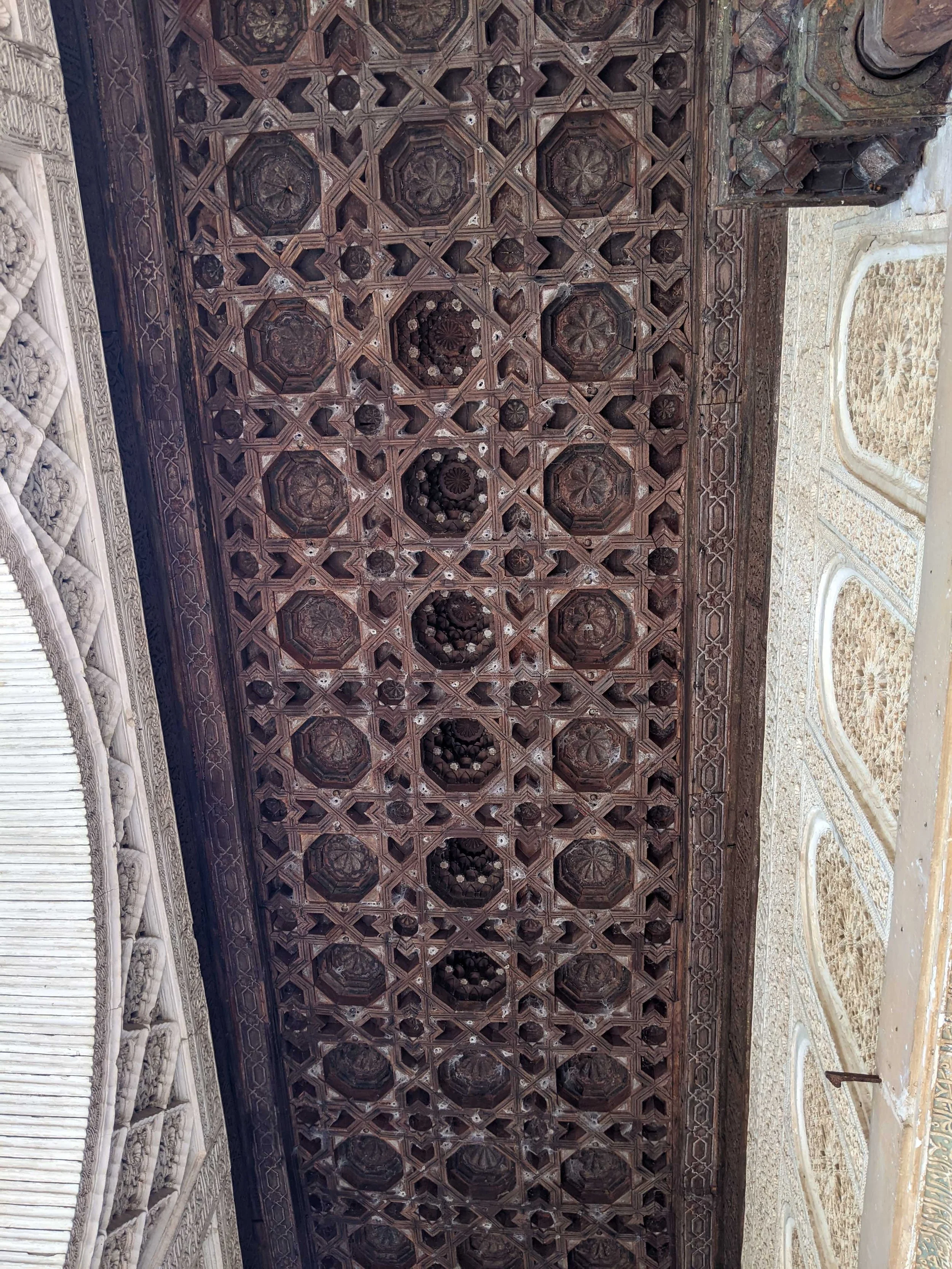
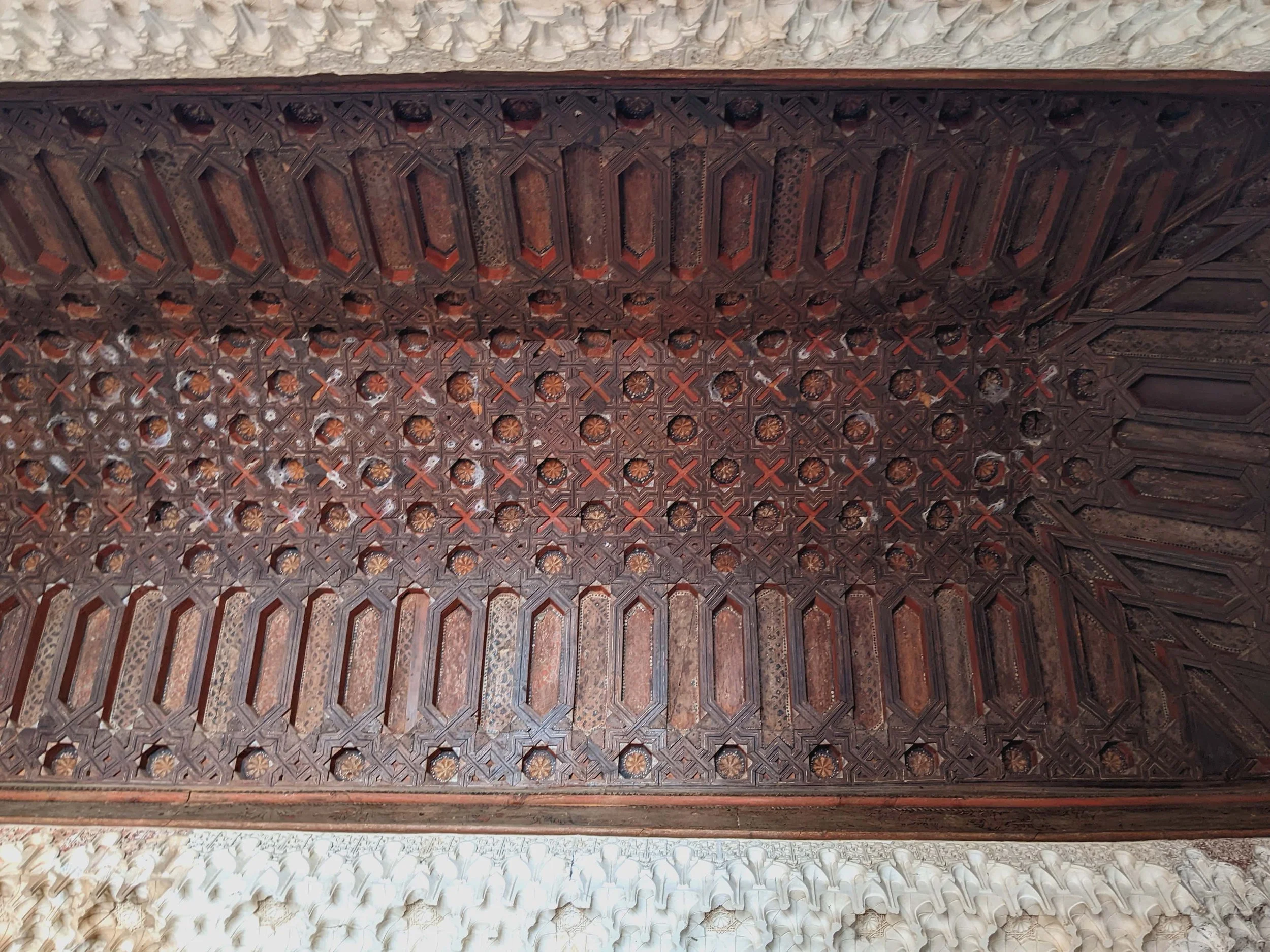
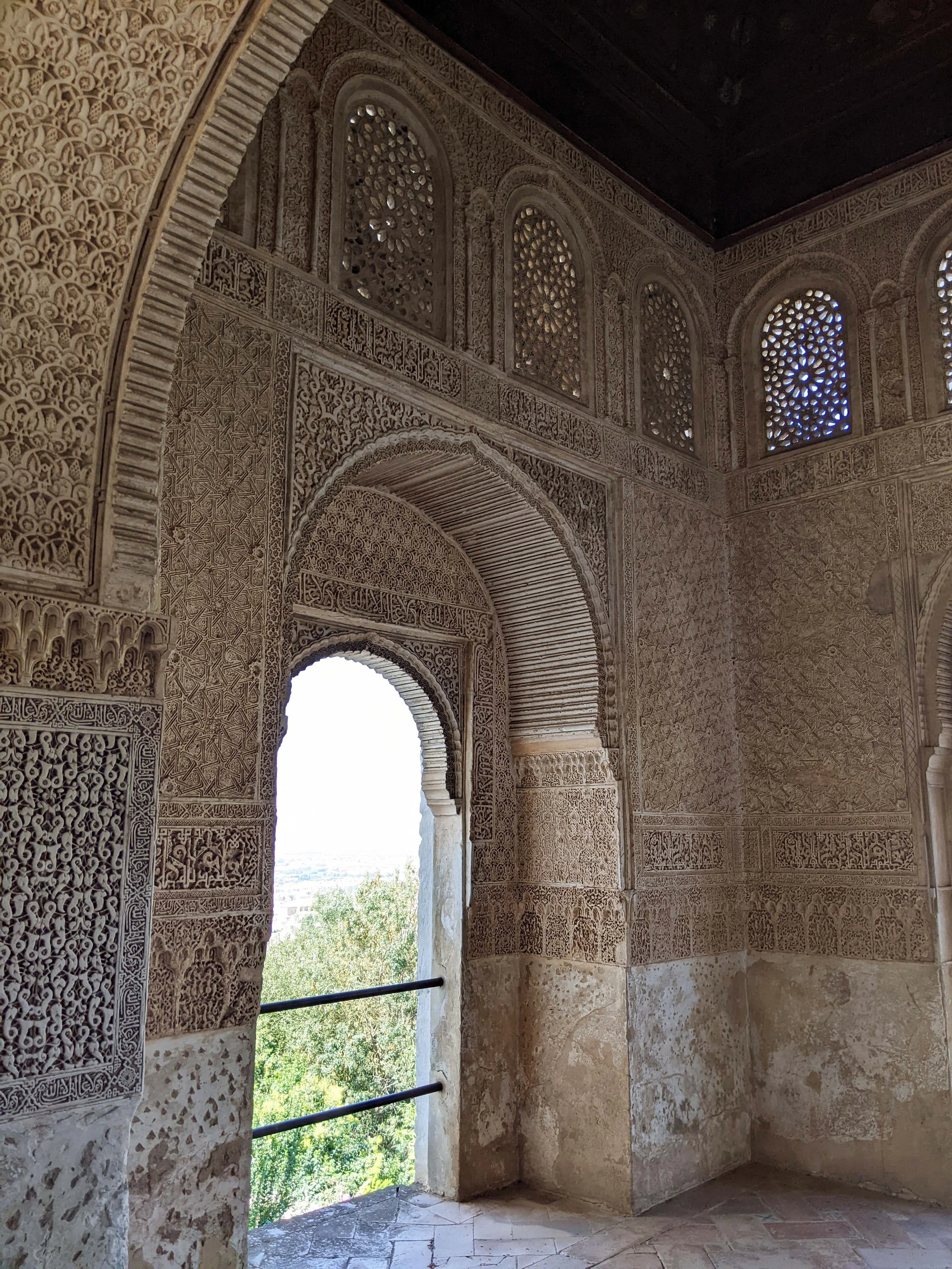
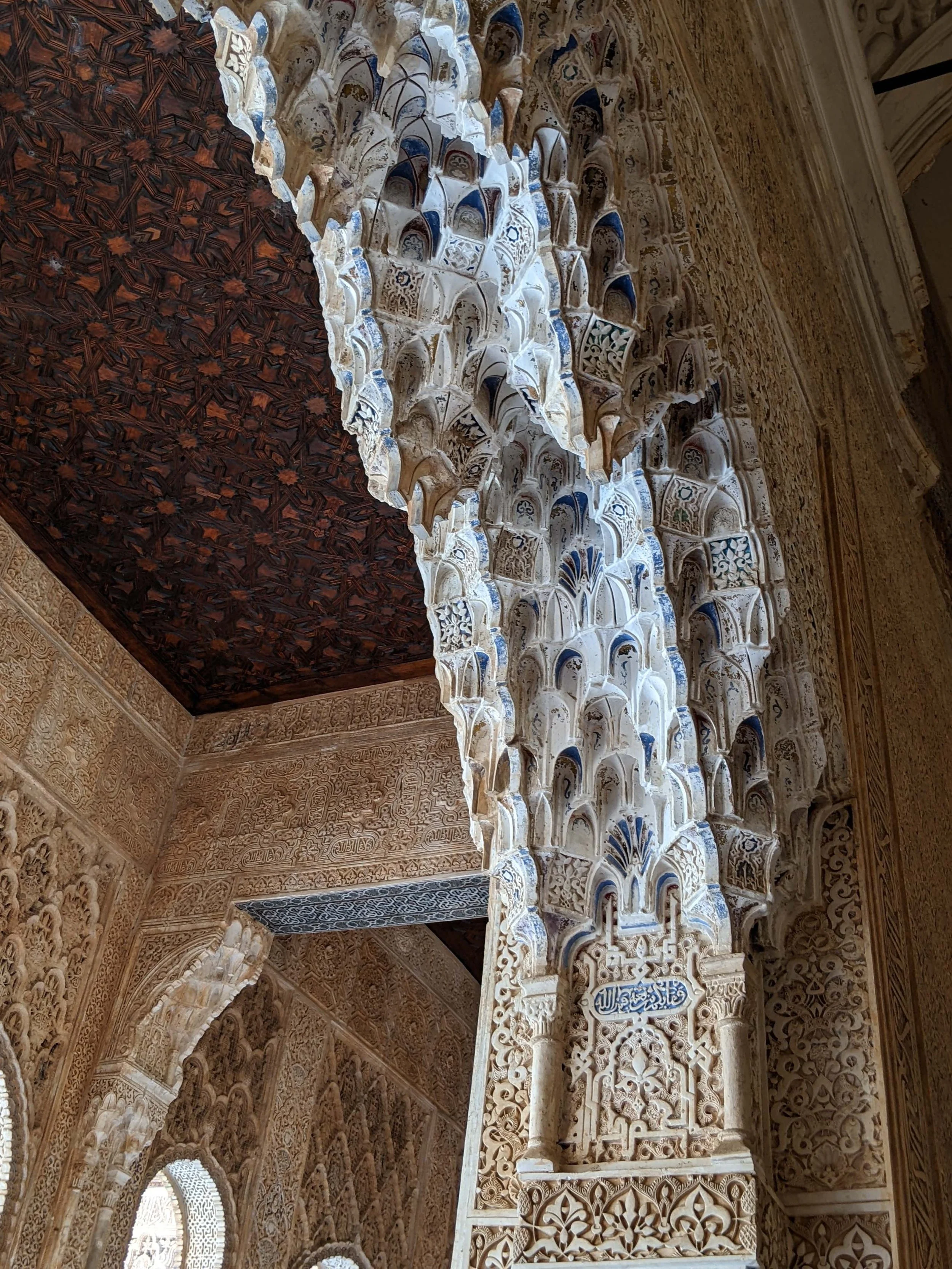
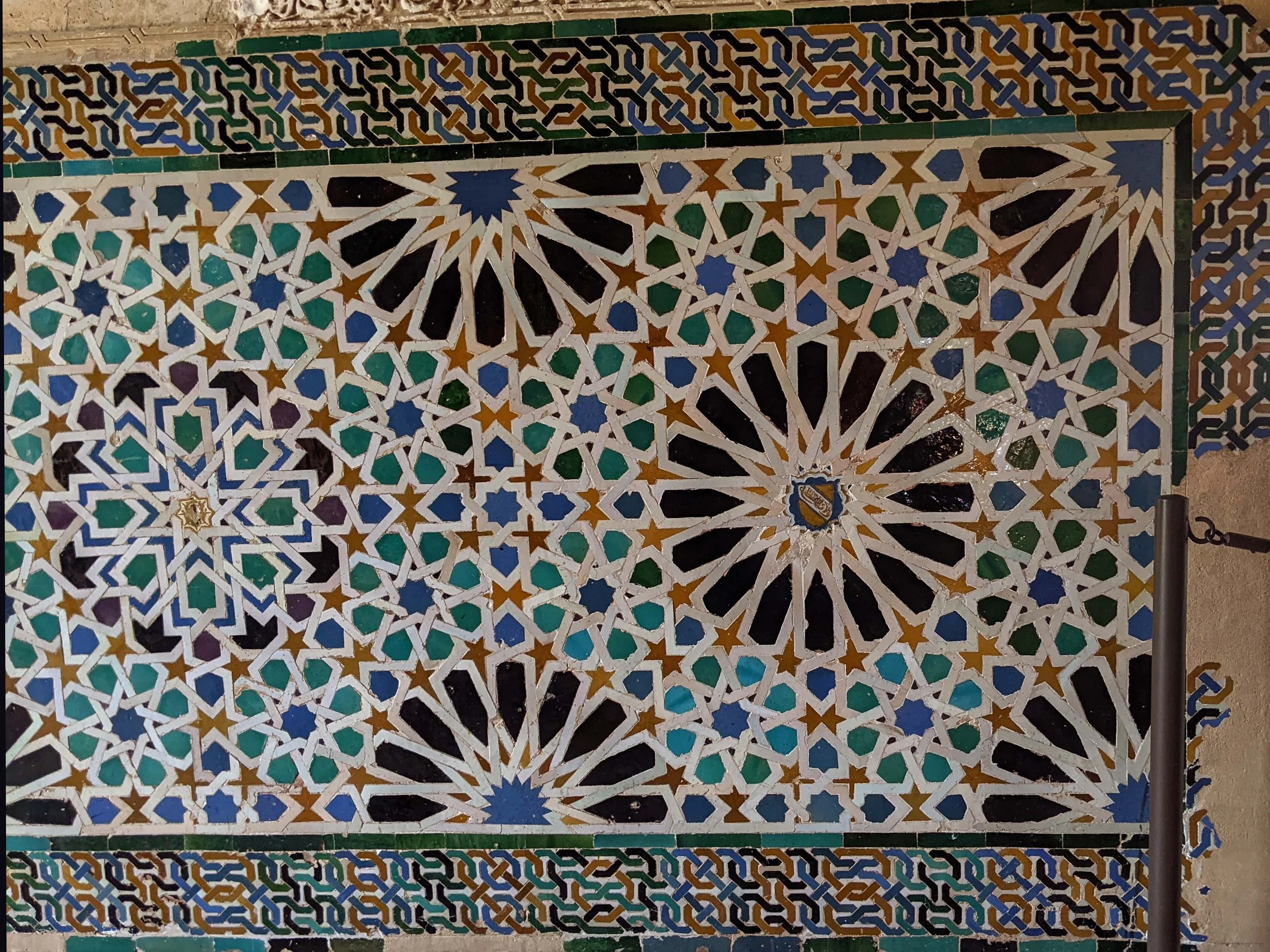
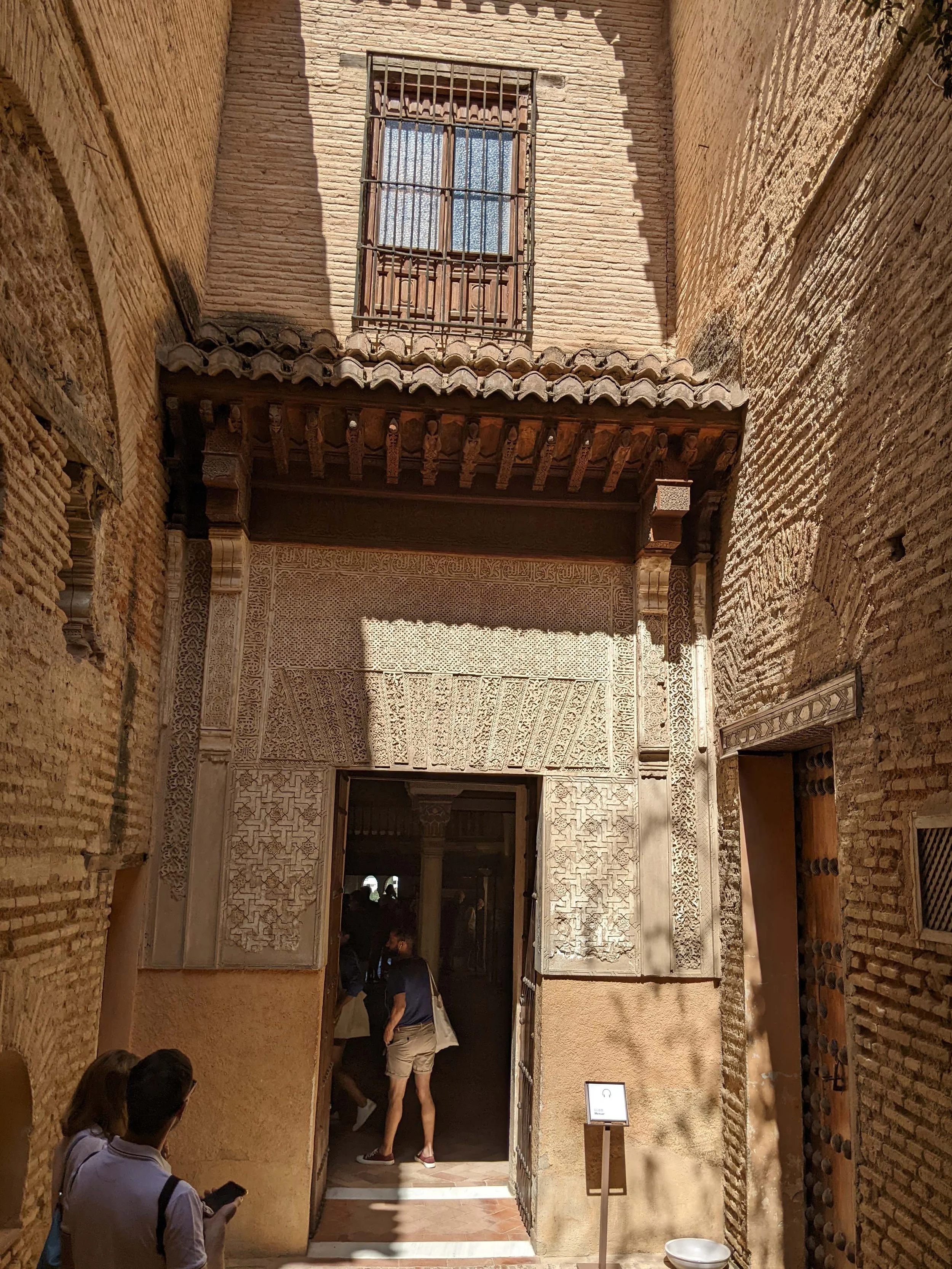
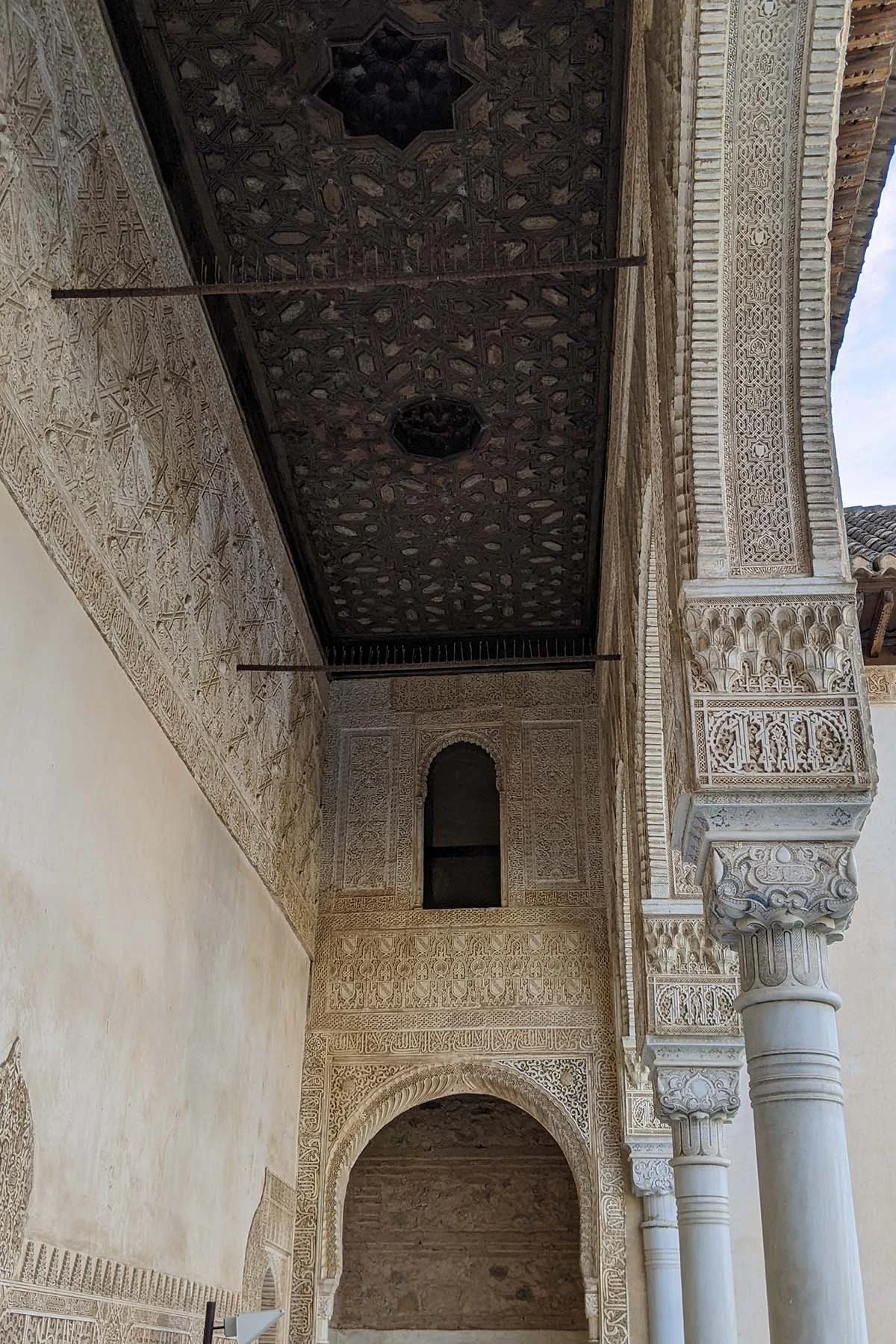
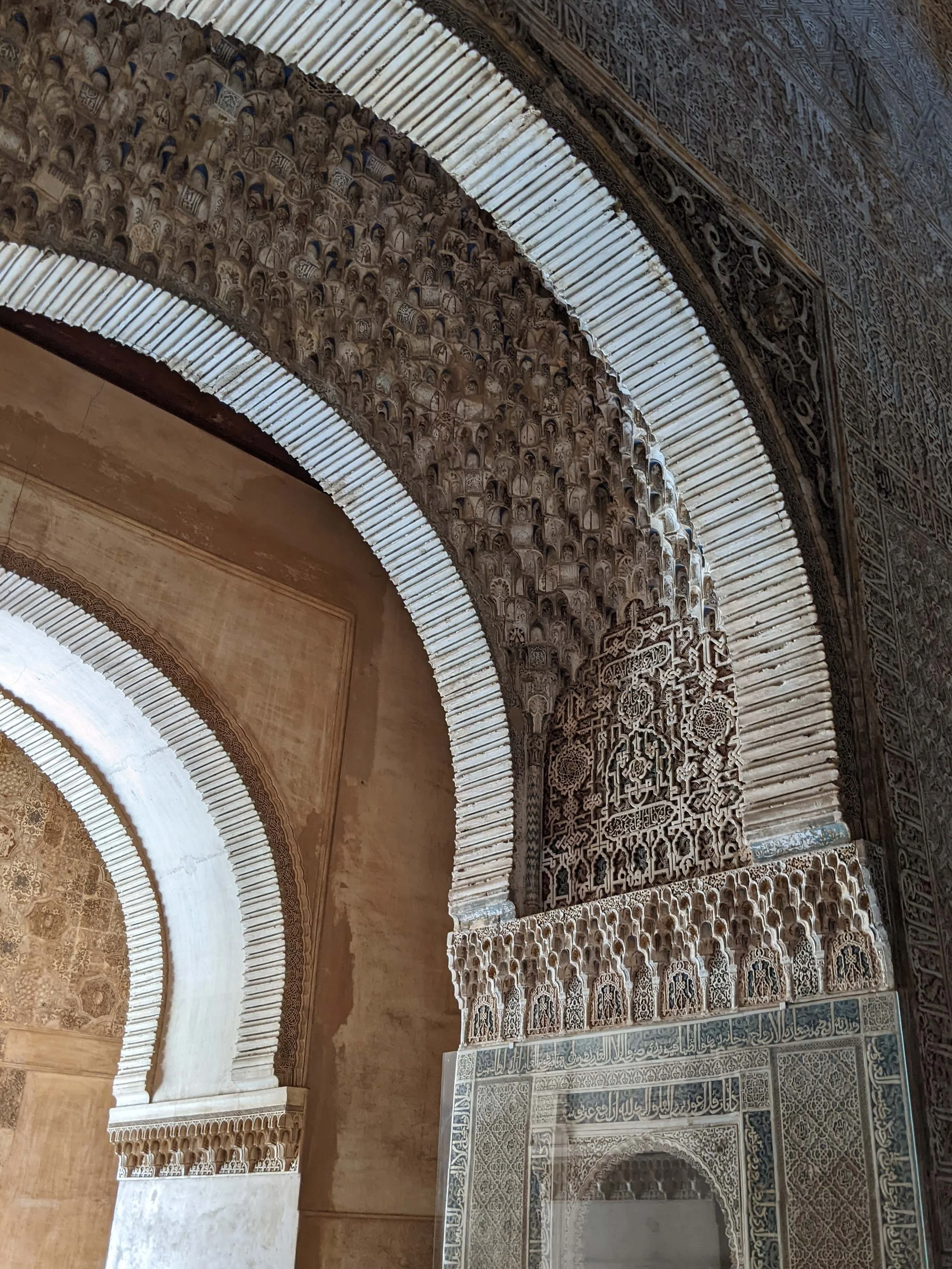
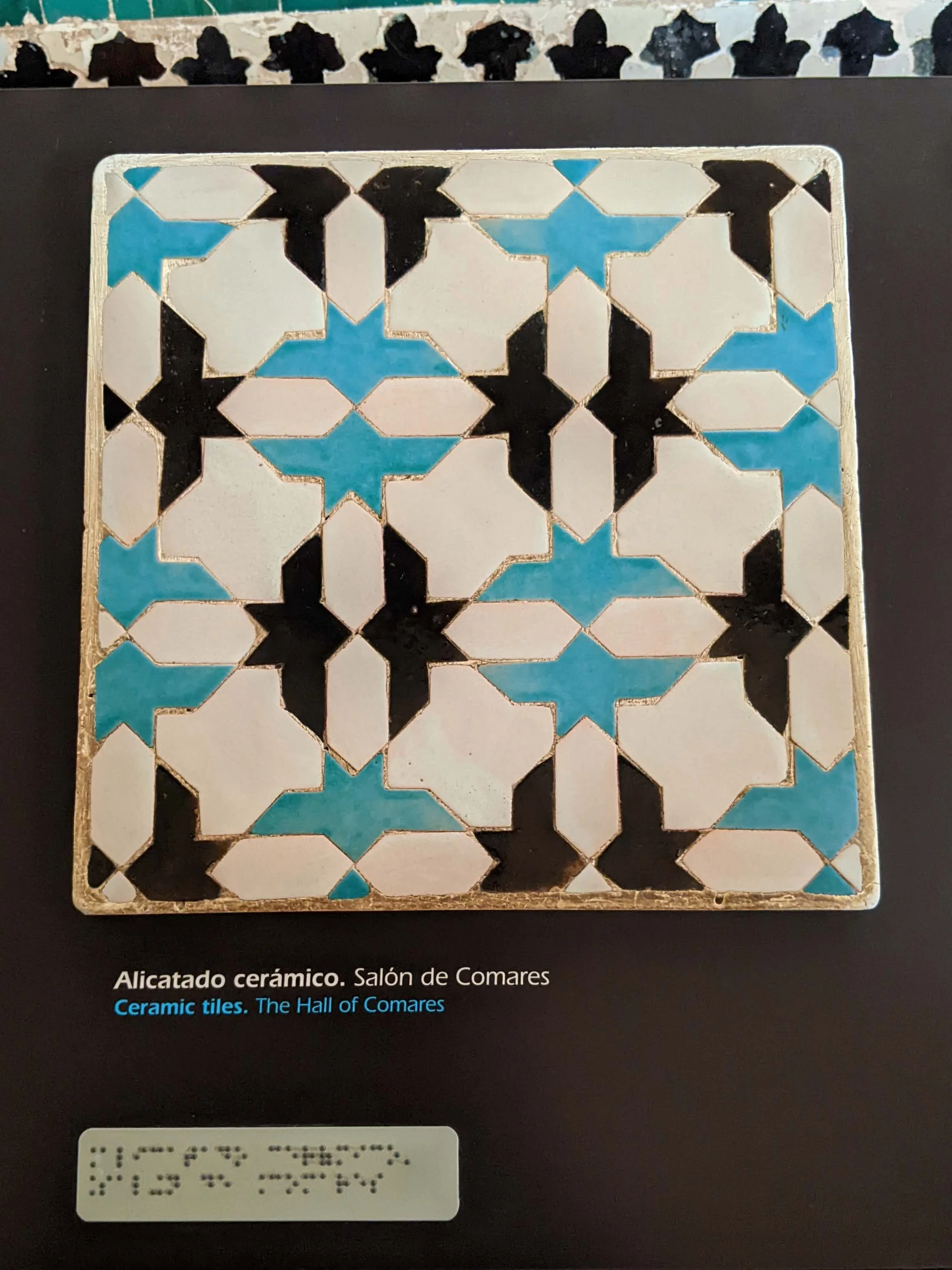
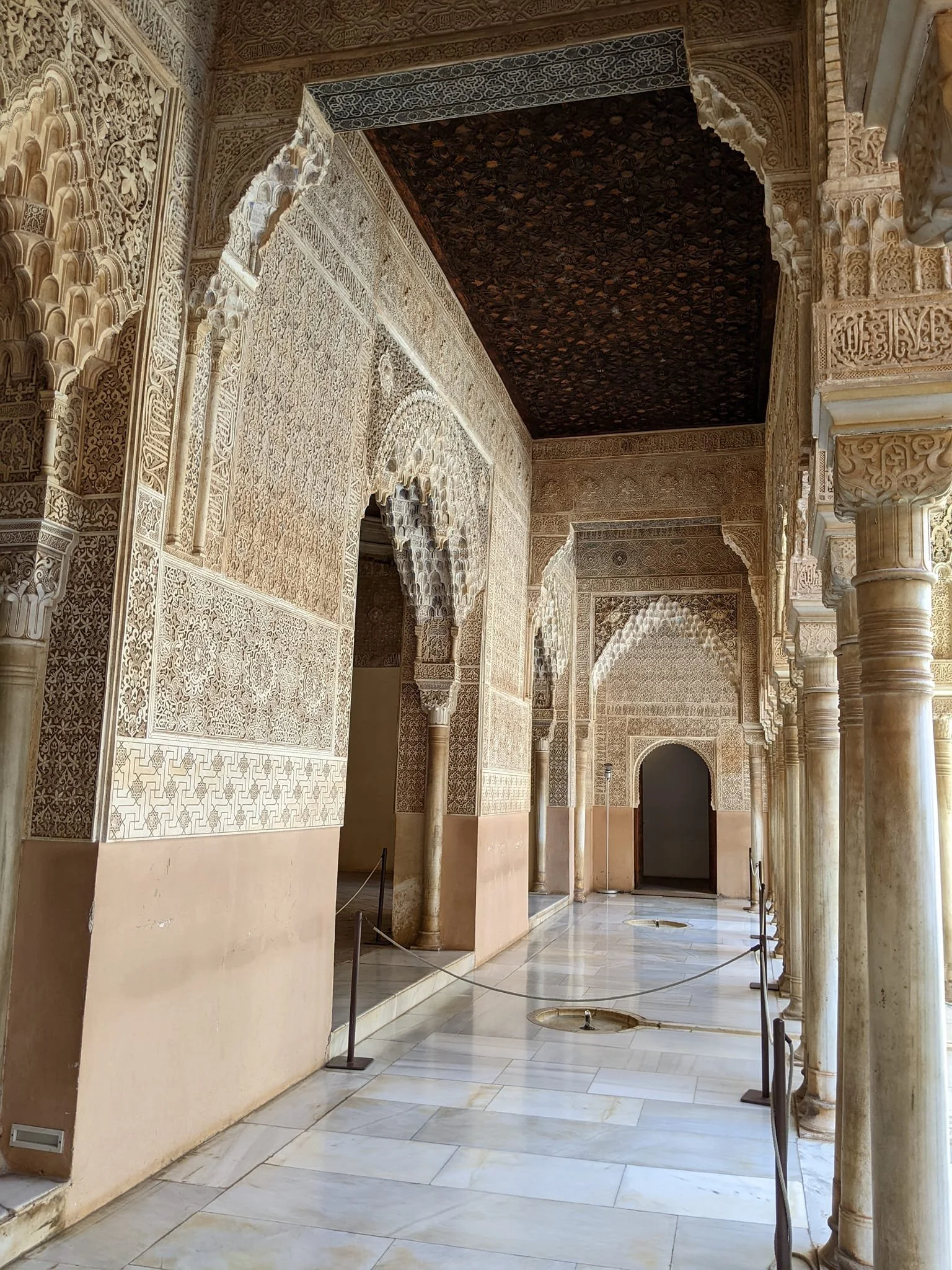
The designers of the Alhambra have covered each space (irrespective of its size), with decoration. Some of the building elements such as the interior arches are false arches, with no structural attributes; they are there only to decorate. Similarly, walls are covered with beautiful and extremely rich ceramics and (Stucco) plasterwork comprising of stylized vegetal forms, interlacing decoration, and the nets of rhombuses.
View fullsize 7.jpg
View fullsize 4.jpg
View fullsize 3.jpg
View fullsize 5.jpg
View fullsize 11.jpg
View fullsize 8.jpg
View fullsize 9.jpg
View fullsize 54.jpg
View fullsize 10.jpg
View fullsize 6.jpg
View fullsize 12.jpg
View fullsize 33.jpg
View fullsize 43.jpg
View fullsize 55.jpg
View fullsize z.jpg

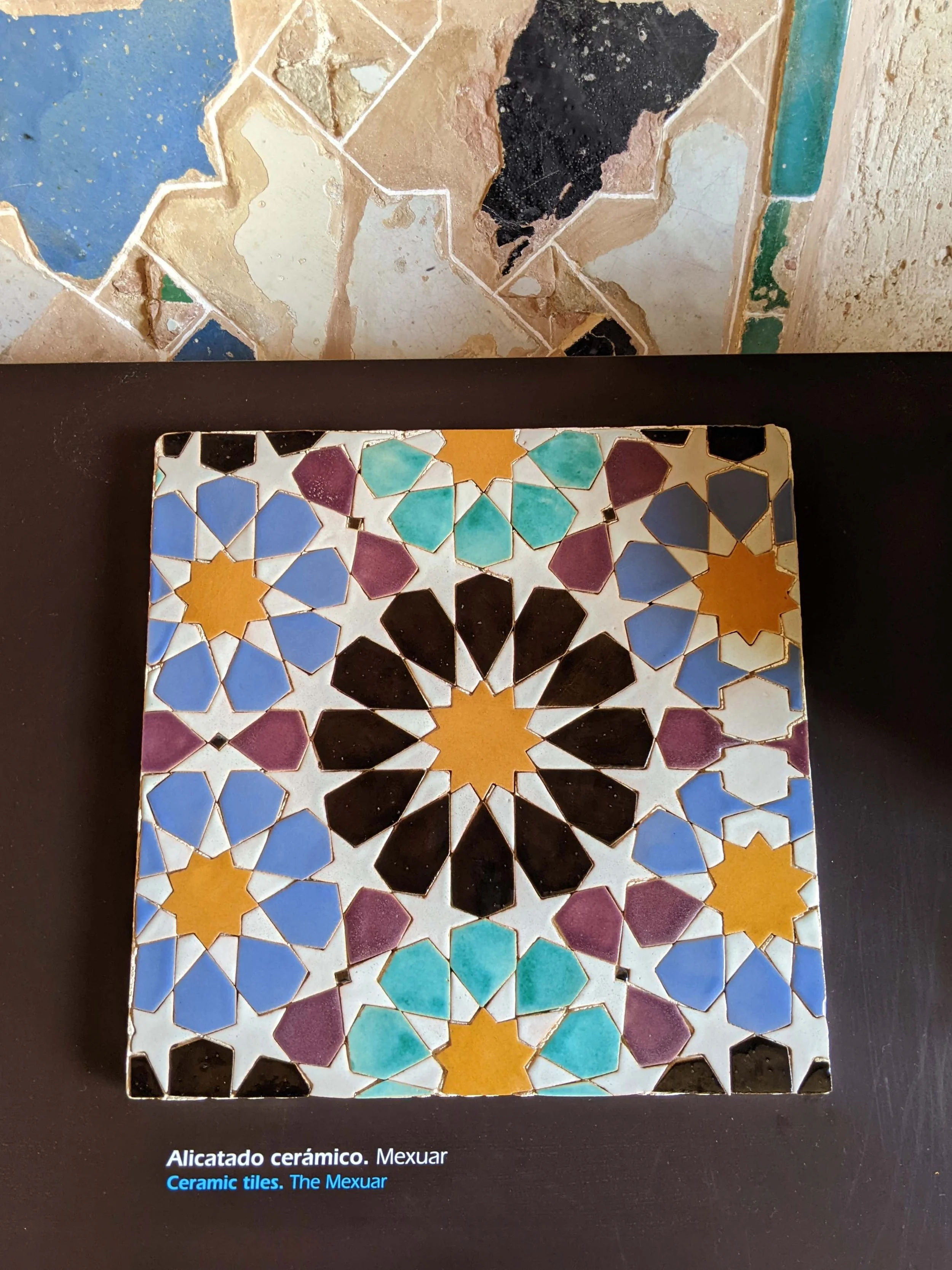
Patterns and colors adorn most of the walls. The decorative tile mosaics originate from the basic shapes (circle and square) and form complex mathematical patterns, as they are layered and duplicated and wind around the pillars, walls, and ceilings symbolizing order and unity.
View fullsize 40.jpg
View fullsize 38.jpg
View fullsize 37.jpg
View fullsize 36.jpg
View fullsize 32.jpg
View fullsize 35.jpg
View fullsize 41.jpg
View fullsize 42.jpg
View fullsize 48.jpg
View fullsize 44.jpg
View fullsize 46.jpg
View fullsize 45.jpg
View fullsize 47.jpg
View fullsize 49.jpg
View fullsize 50.jpg
View fullsize 51.jpg
View fullsize 52.jpg
View fullsize 55.jpg
View fullsize 56.jpg
View fullsize 306139142_10226852686895739_731278858576346088_n.jpg
View fullsize 306513756_10226852686575731_3487413193813940614_n.jpg
View fullsize 306541507_10226852687495754_4942568587293603516_n.jpg
View fullsize 306848651_10226852675535455_6112464501661322520_n.jpg
View fullsize 307697543_10226852685135695_2178254683871926464_n.jpg
View fullsize 307757310_10226852687935765_4648802927776298703_n.jpg

In Washington Irving’s words, "The architecture, like that of all the other parts of the palace, is characterized by elegance rather than grandeur, bespeaking a delicate and graceful taste and a disposition to indolent enjoyment.”
View fullsize 18.jpg
View fullsize 20.jpg
View fullsize 17.jpg
View fullsize 13.jpg
View fullsize 11.jpg
View fullsize 14.jpg
View fullsize 16.jpg
View fullsize 15.jpg
View fullsize 19.jpg
View fullsize 21.jpg

While the components of this architectural style would be a relatively common occurrence in the middle east, the decorative beauty of Alhambra seemed out of this place in this hilly backyard of Southern Spain and perhaps it is this contradictory nature of its existence that drives tourist to the site making Alhambra the most-visited tourist attractions in Europe.

And yes, post-Covid, they are droves of them! Impromptu visits to the location may not be possible and tickets need to be purchased months in advance as only a certain number of visitors per day are allowed in. I would strongly recommend a tour guide and an allowance of at least half a day for your visit to do justice to the trip. In hindsight, doing my research for this piece, I noted that we should have allocated half a day more to explore the surrounding city of Granada (lesson learned, but albeit too late!).

Other than the beauty of its architecture, the palace is host to many legends and anecdotes, although our guide mentioned a few during our tour, I gain a better appreciation of these stories when I listen to Irving Washington’s The Tale of The Alhambra’. While these stories may be difficult to comprehend in this day and age, they could make your visit more entertaining.
In Islamic Arts, Multicultural, Travel Tags spain, Spain, Alhambra, alhambra, Muslim, andalucia, Granada, alhambragranada, alhambrapalace, travel, granadaspain, travelphotography
2 Comments

Topkapi Palace

October 29, 2022

I feel that the best part of Istanbul’s historical sites is that they seemed to be concentrated in pockets. You catch a tram to one location and chances are that you will be able to see a handful of places in a single visit. The pre-Covid hustle and bustle of tourist is back, which makes for a lively environment but unfortunately, also increases the chance of getting photobombed.

When we visited, a number of sites were partially closed to the public because of restoration works, luckily Topkapi Palace was open.

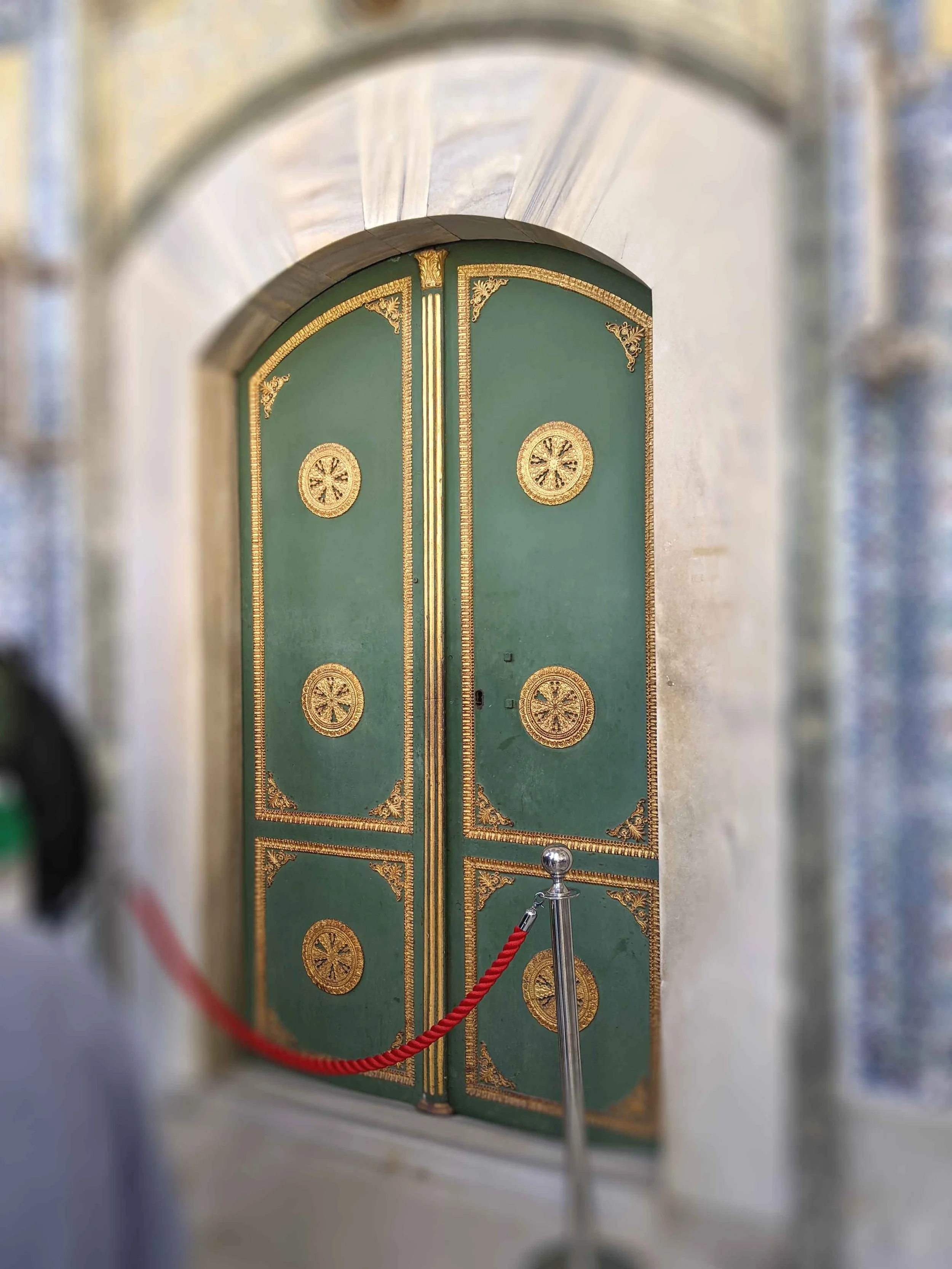
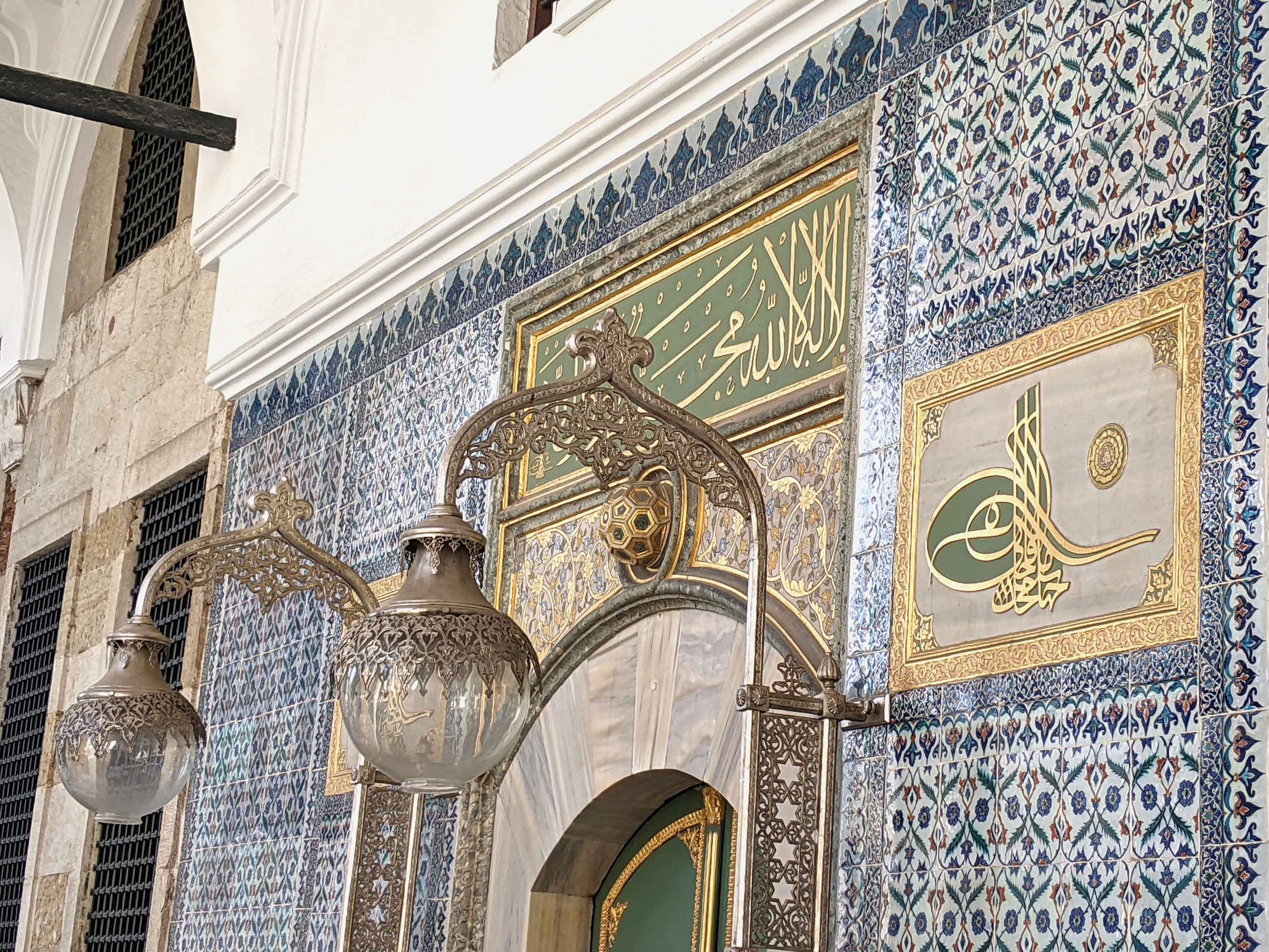
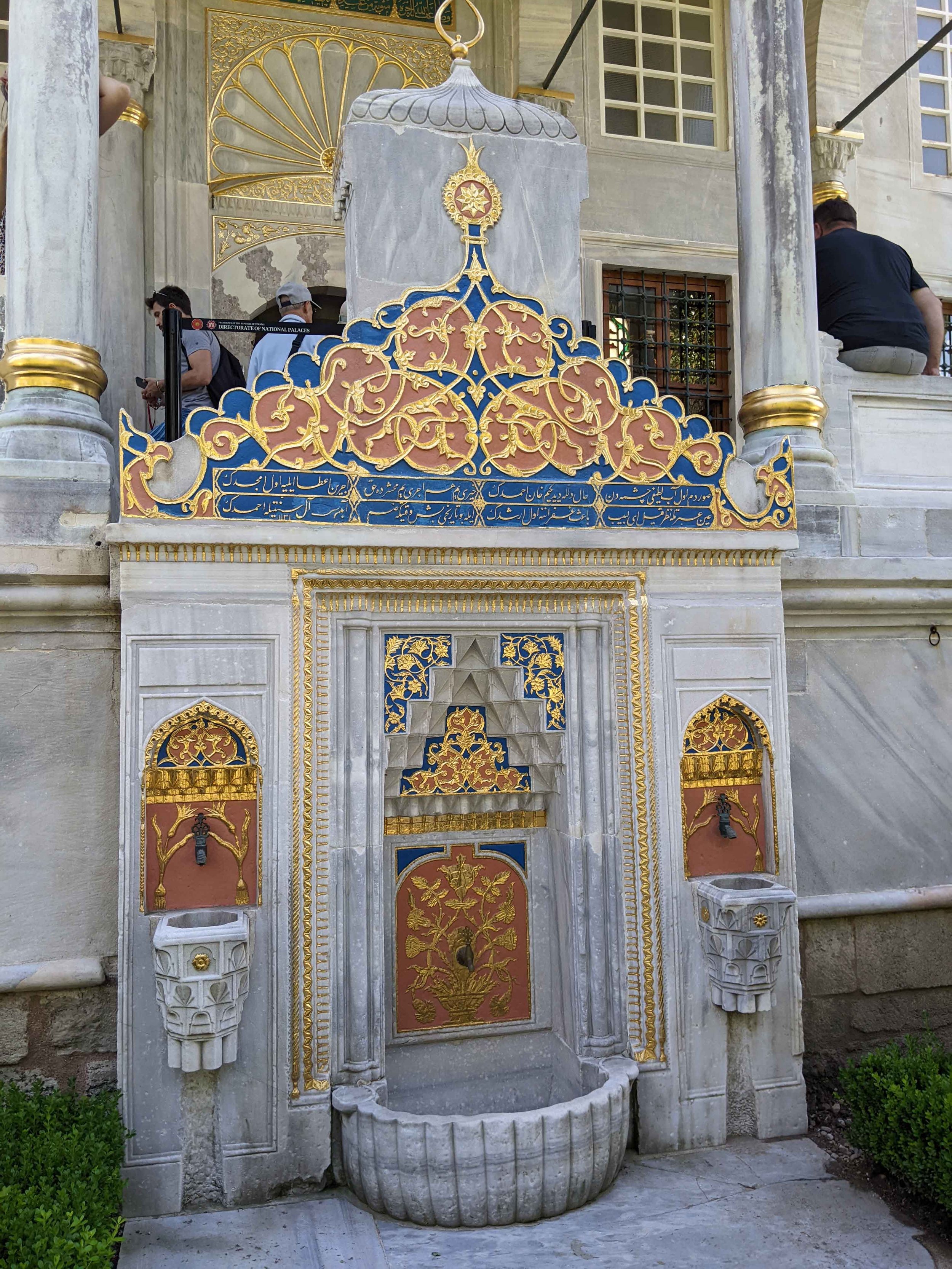
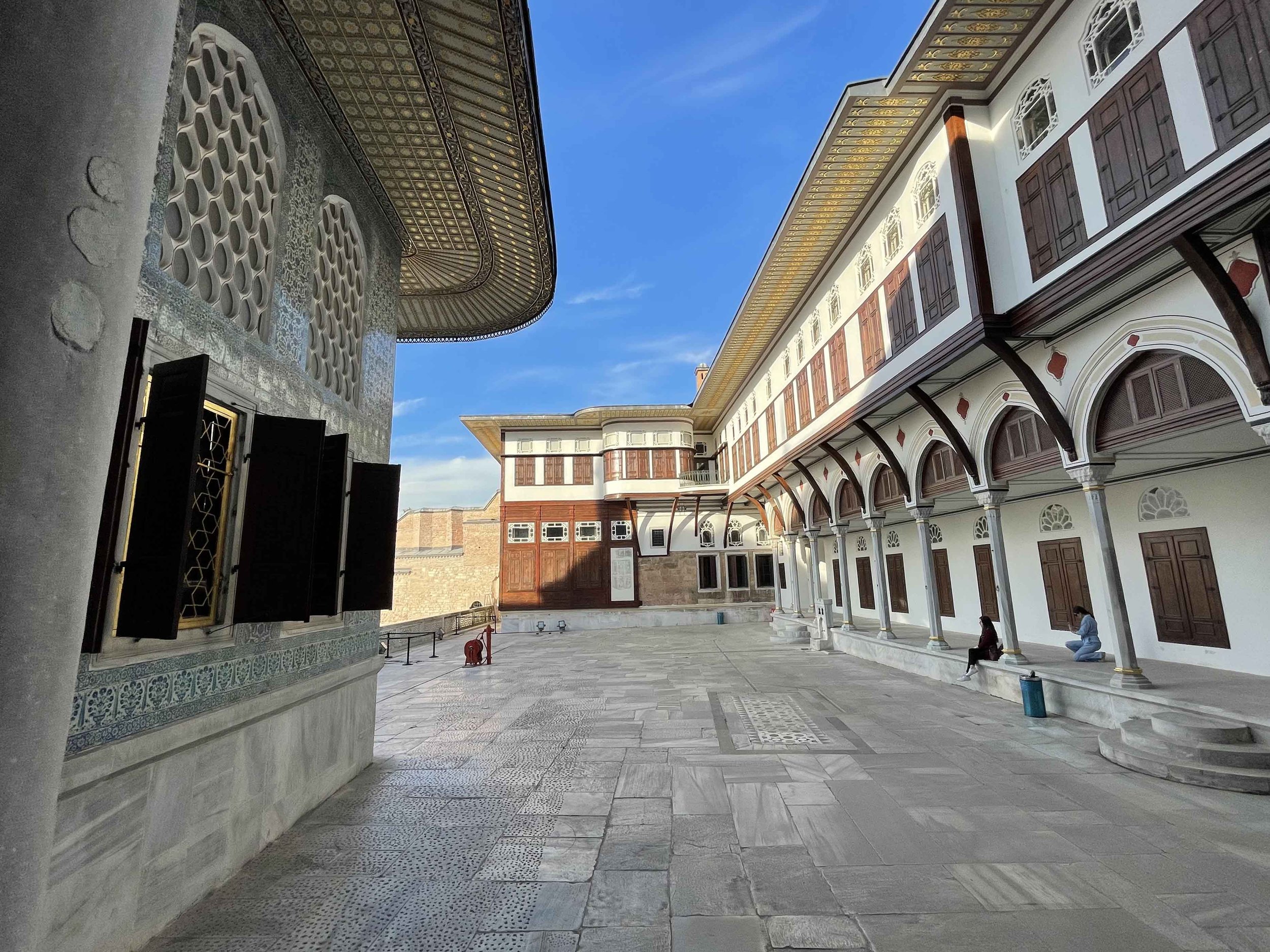
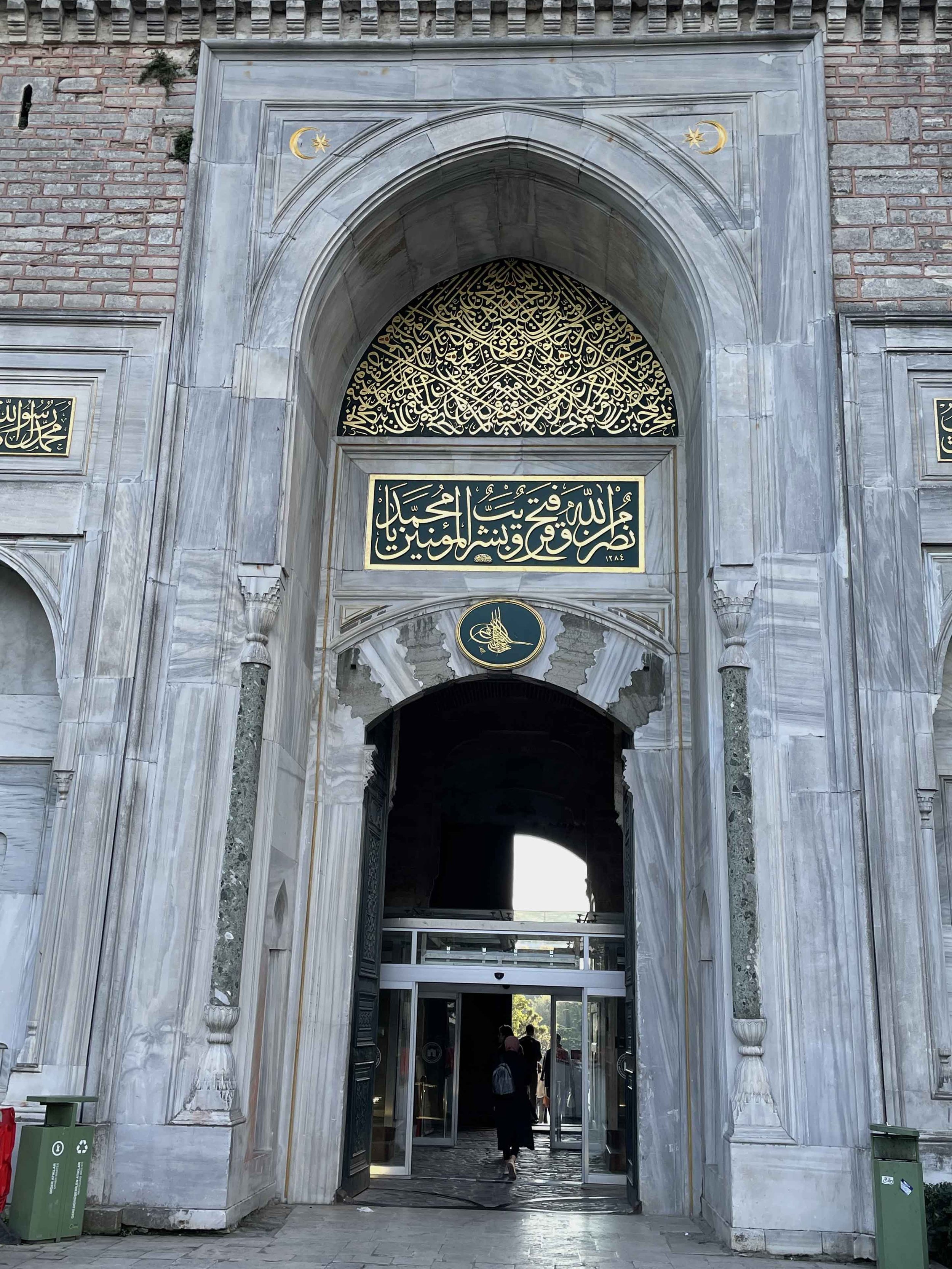
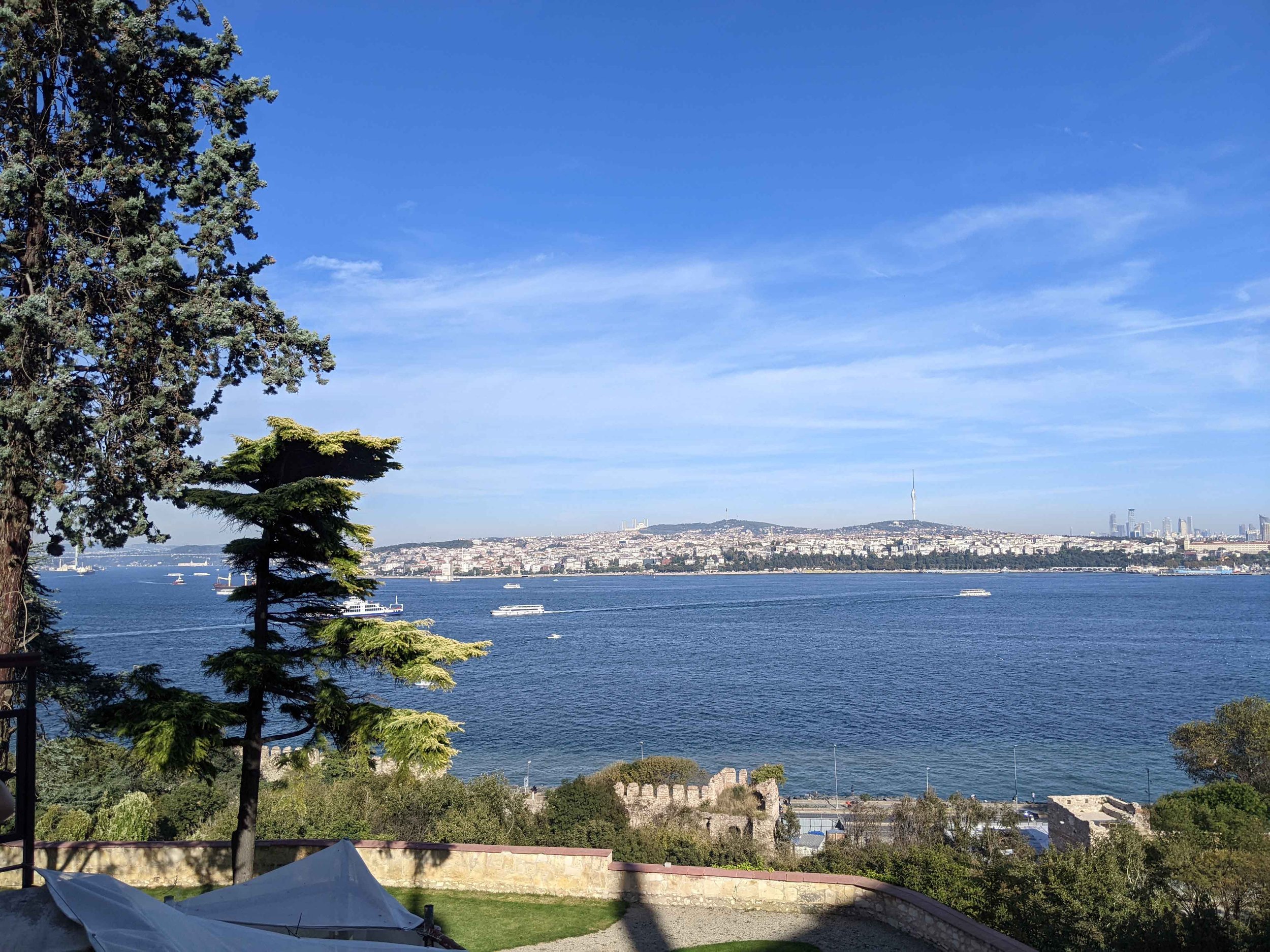
Topkapı Palace (literally translated as ‘Cannon gate palace’) was built by Sultan Mehmed II during the 14th century and is located in the historic peninsula bounded by the Marmara Sea, the Bosphorus Strait, and the Golden Horn inlet.

The palace remained the sultan’s main residence and center of government until the mid-19th century, after which the official residence was shifted to Dolmabahçe Palace. It was converted into a museum in 1924 when Turkey became a republic.

Spread over an area of 350,000m2, this palace, with its historic buildings, collections, and nearly 300,000 archive documents, is considered one of the largest museum palaces in the world.


THE MUSEUM

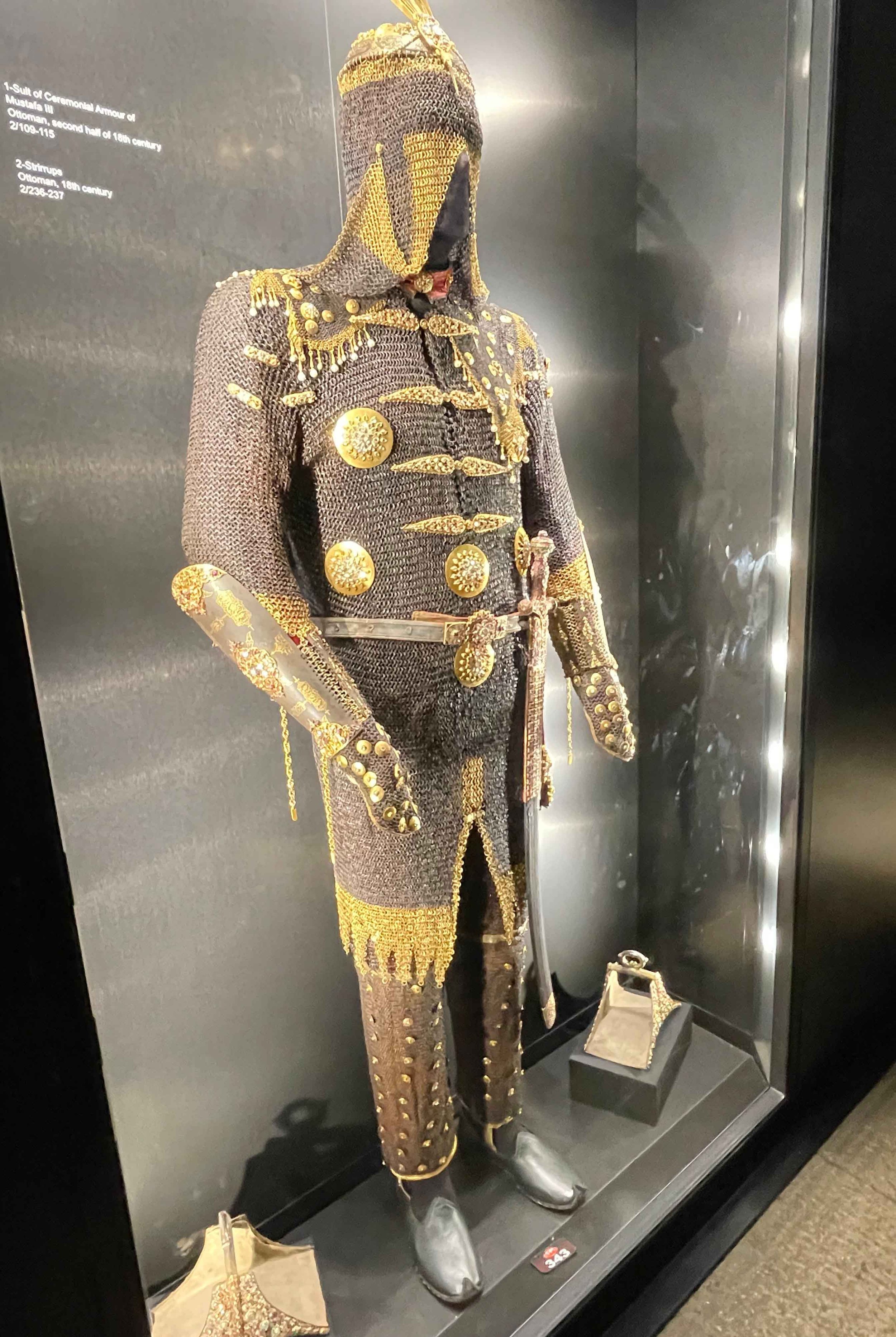
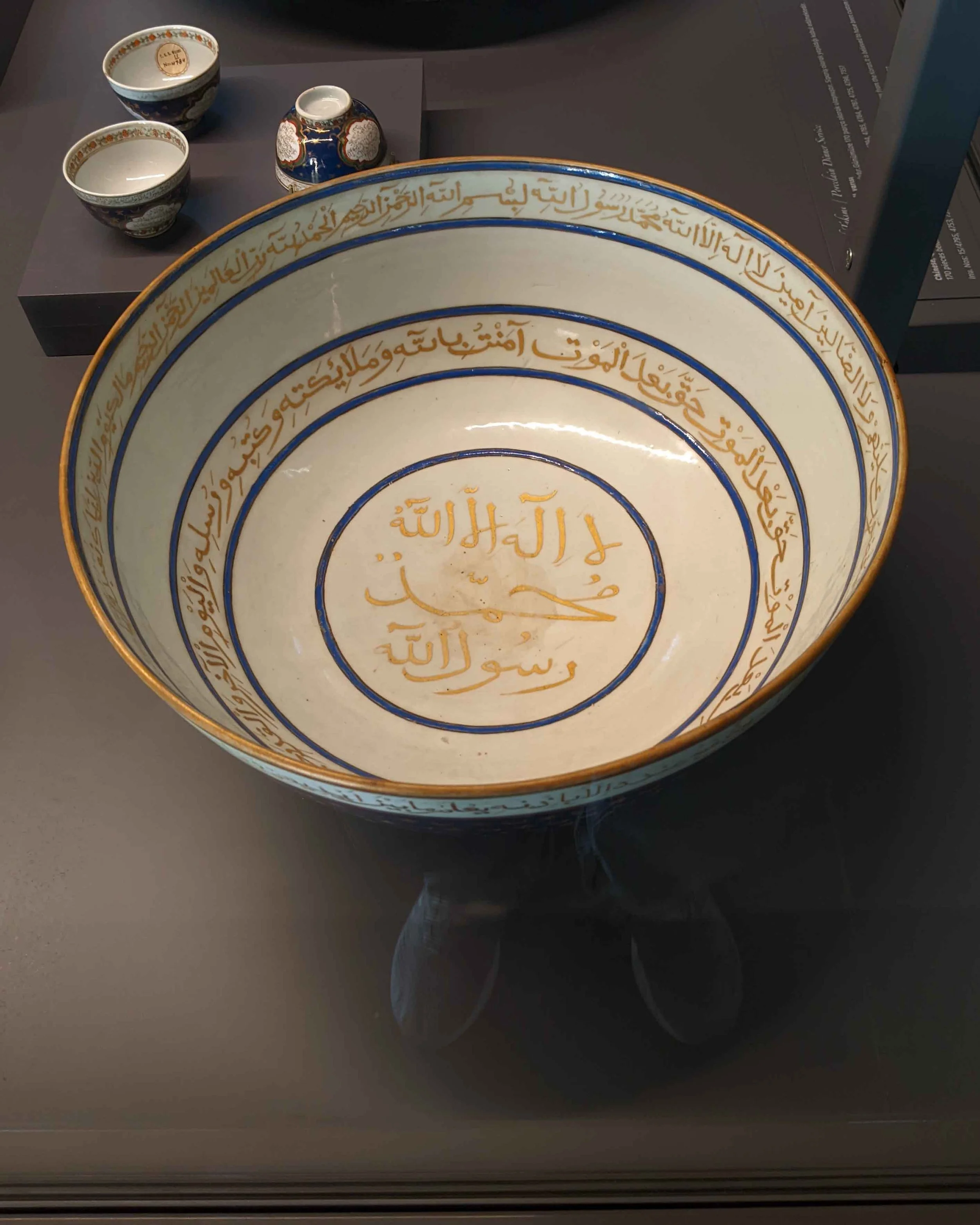
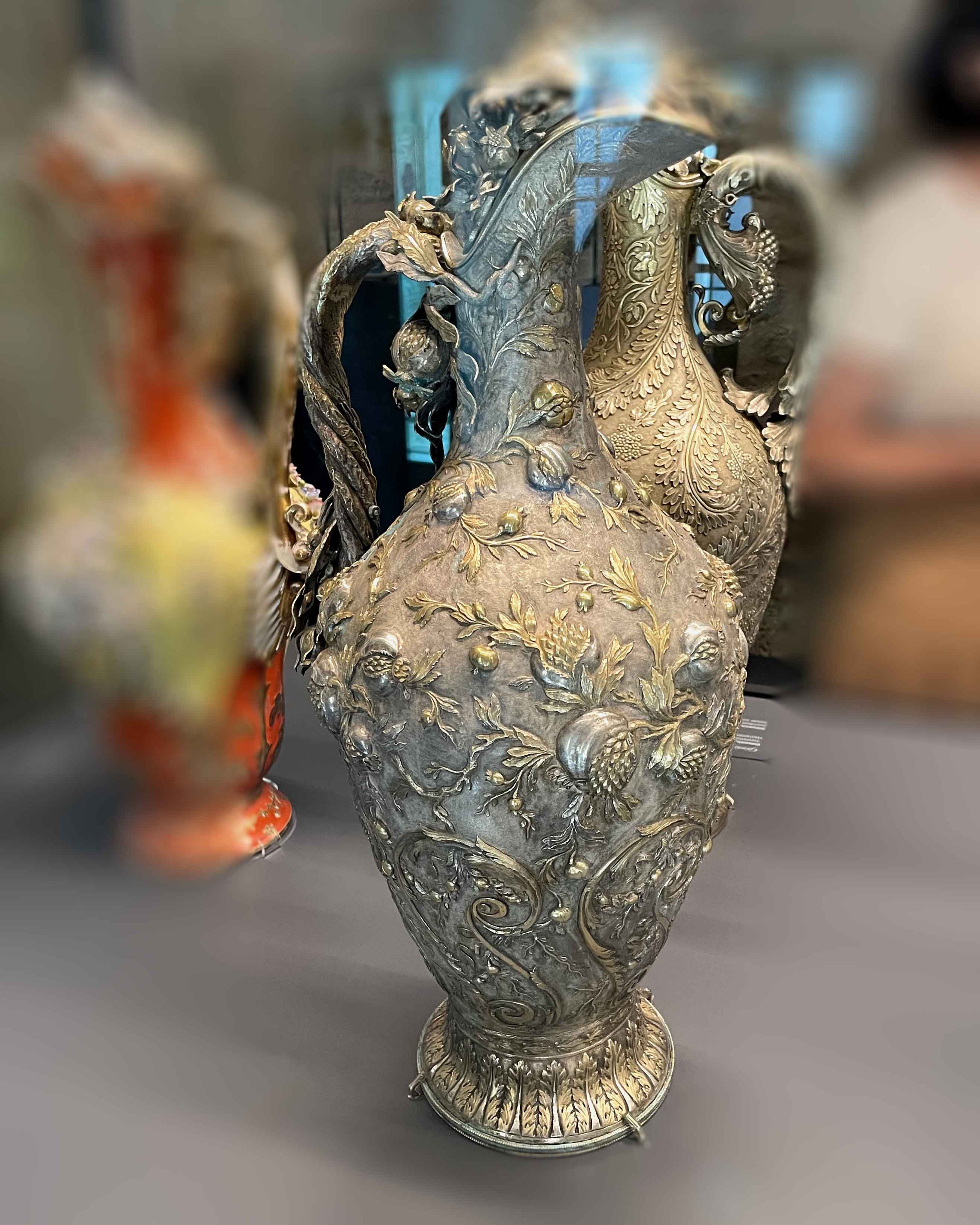
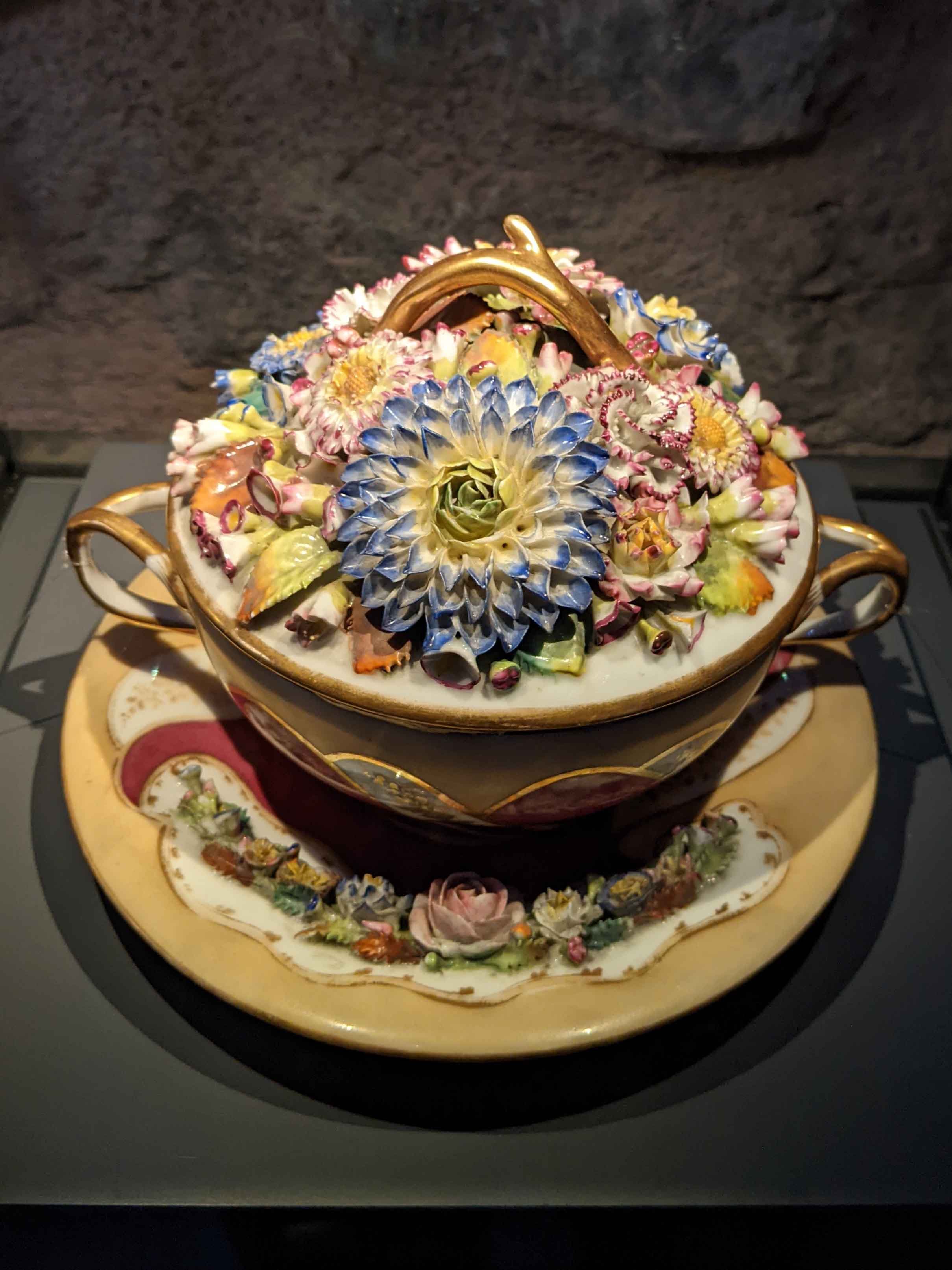
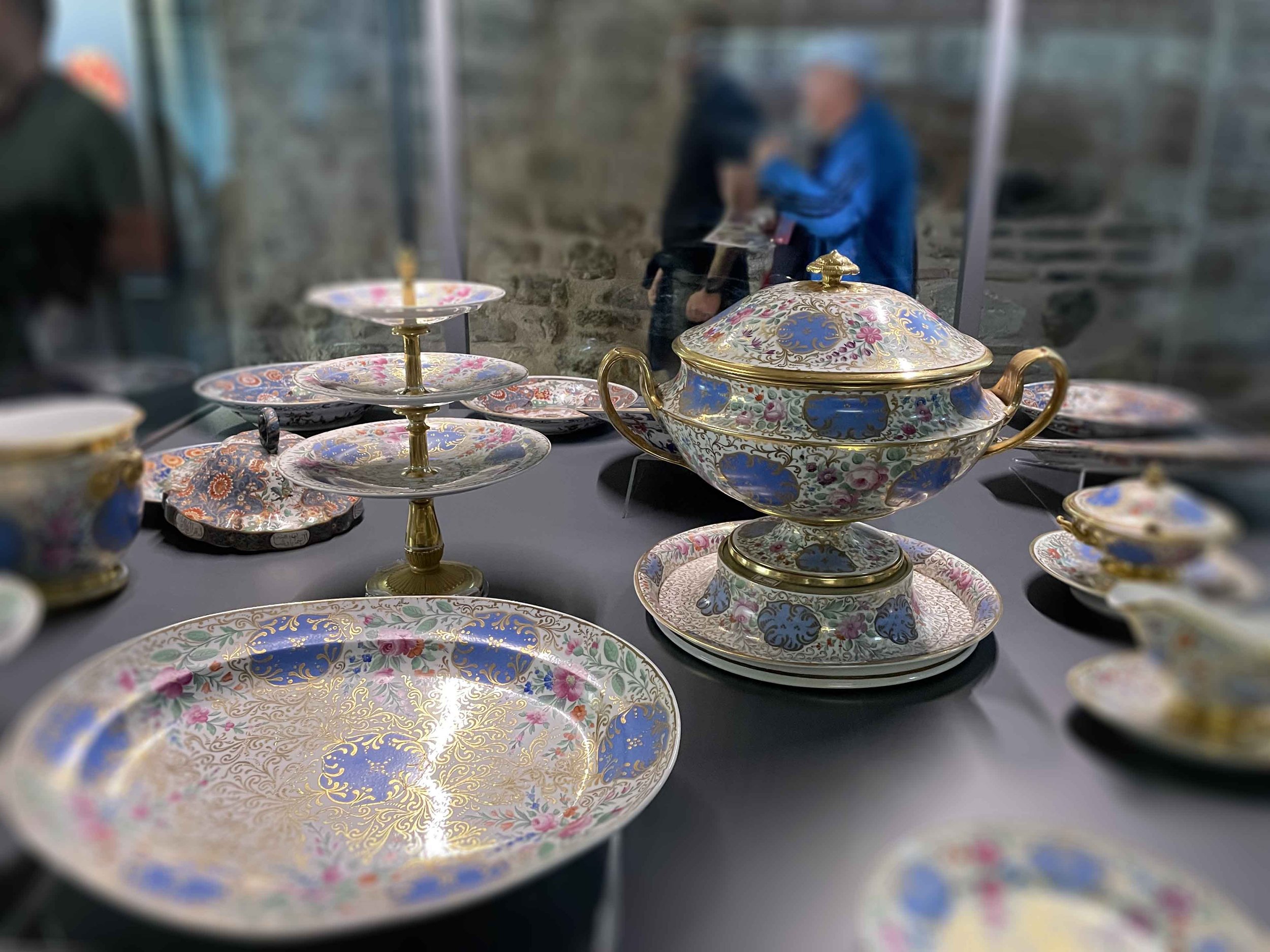
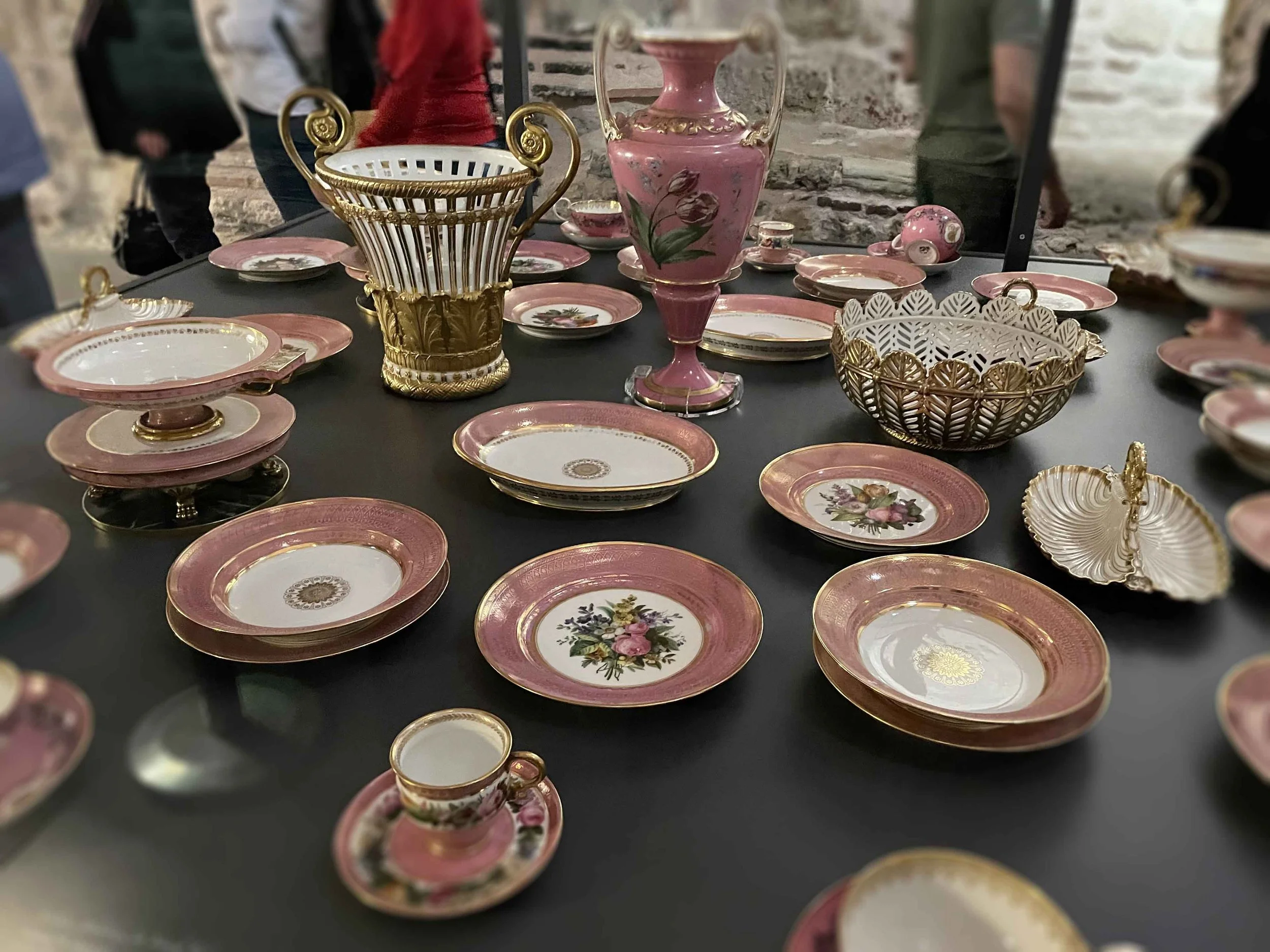
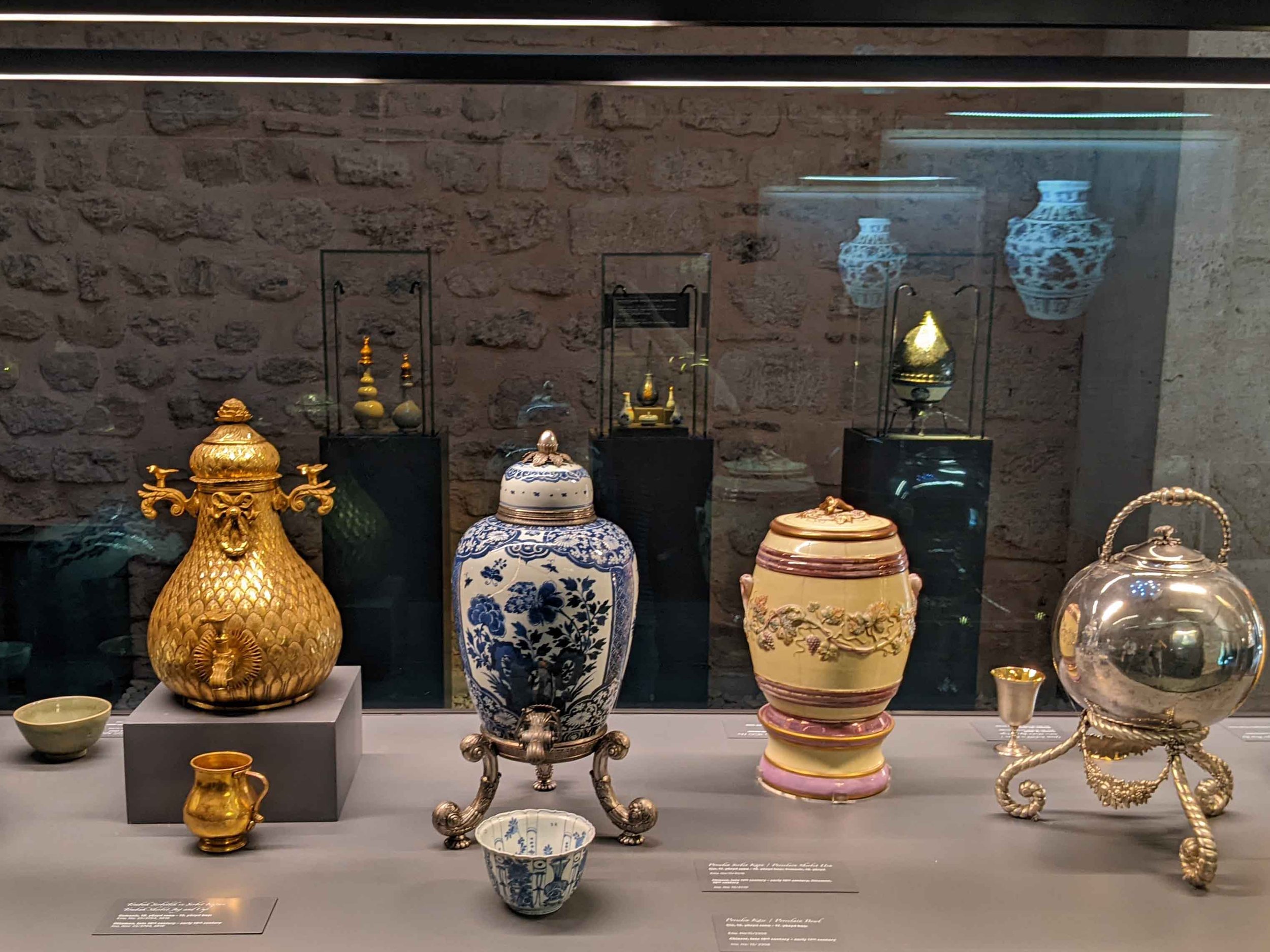
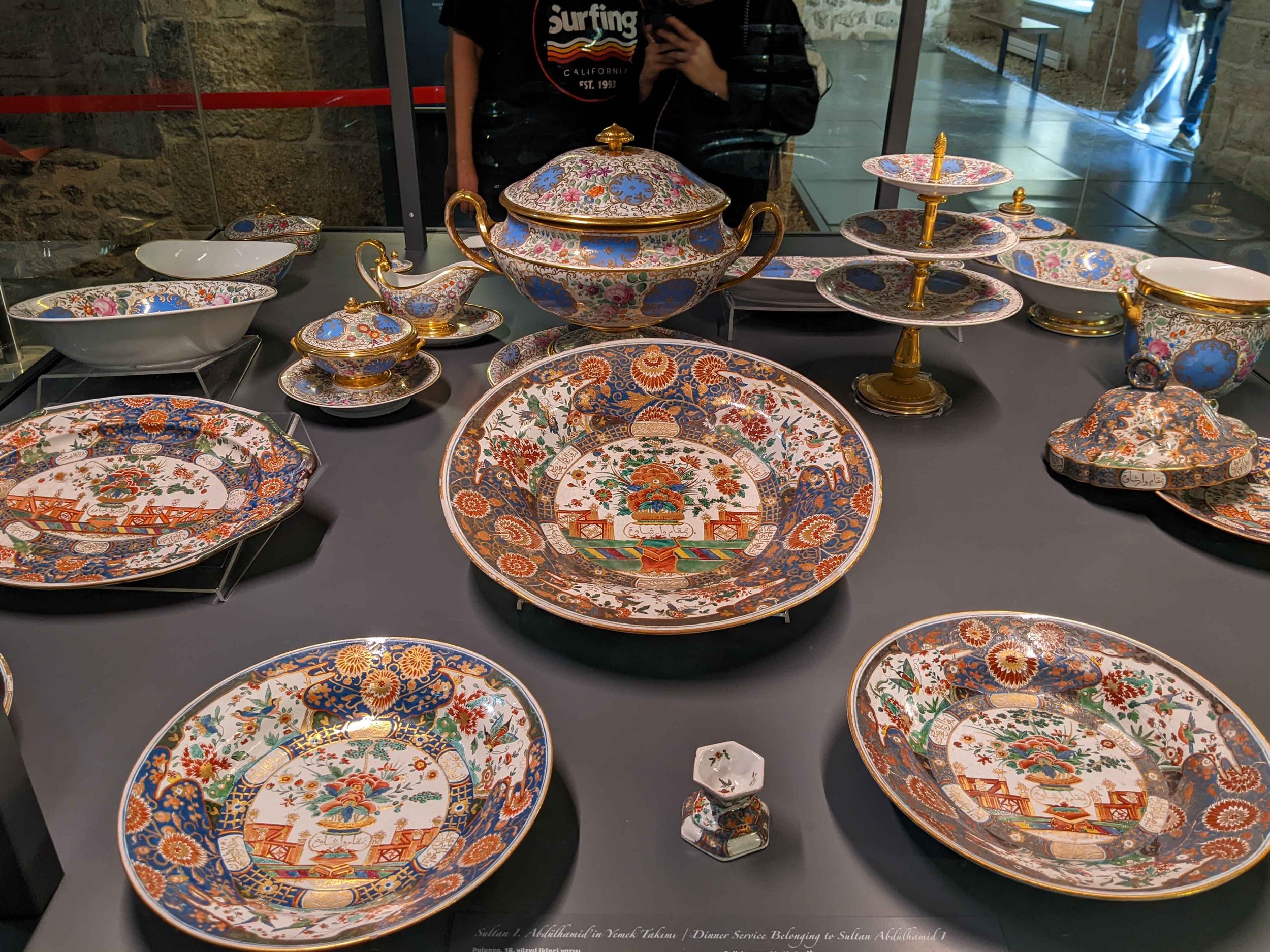
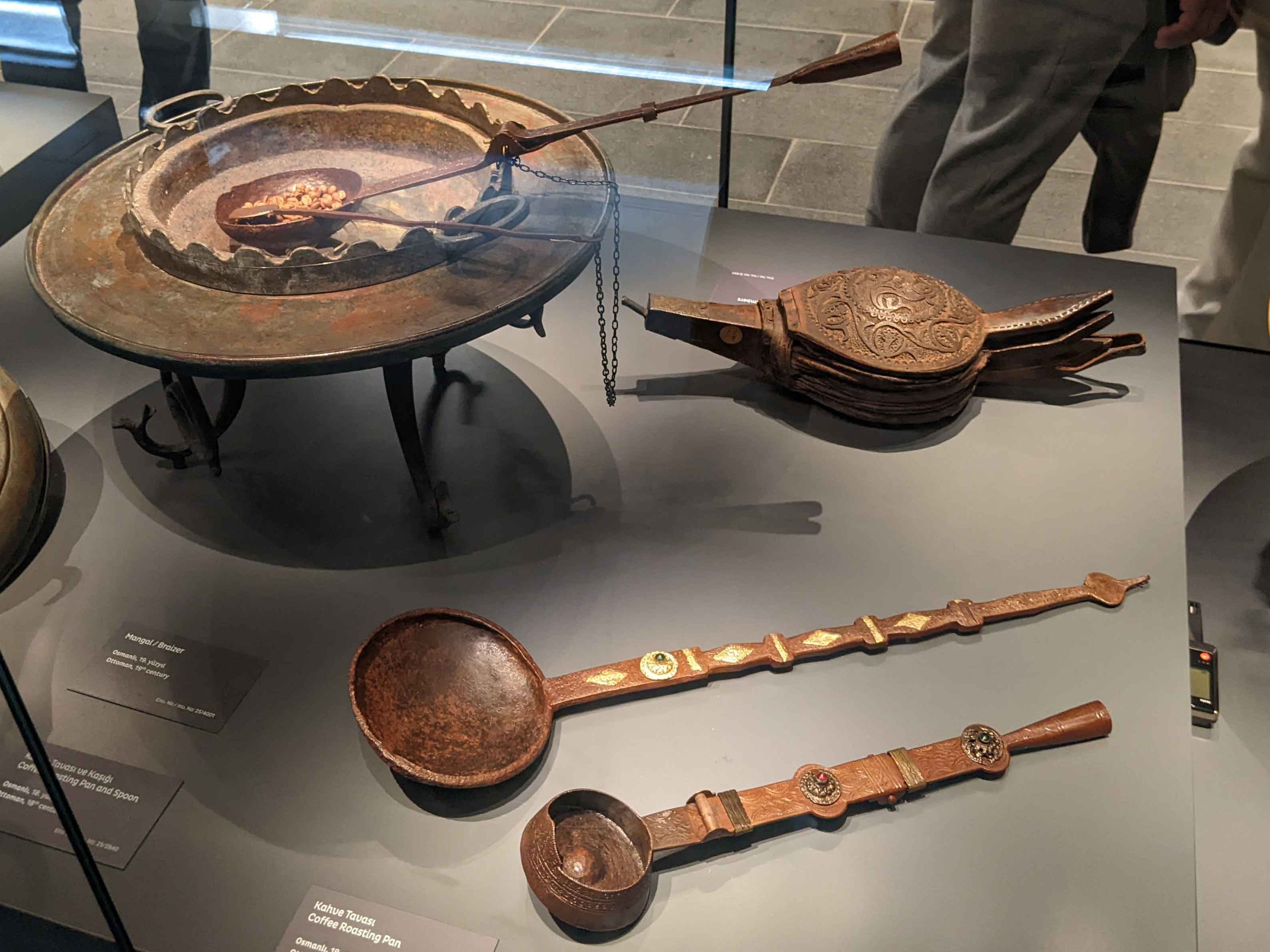
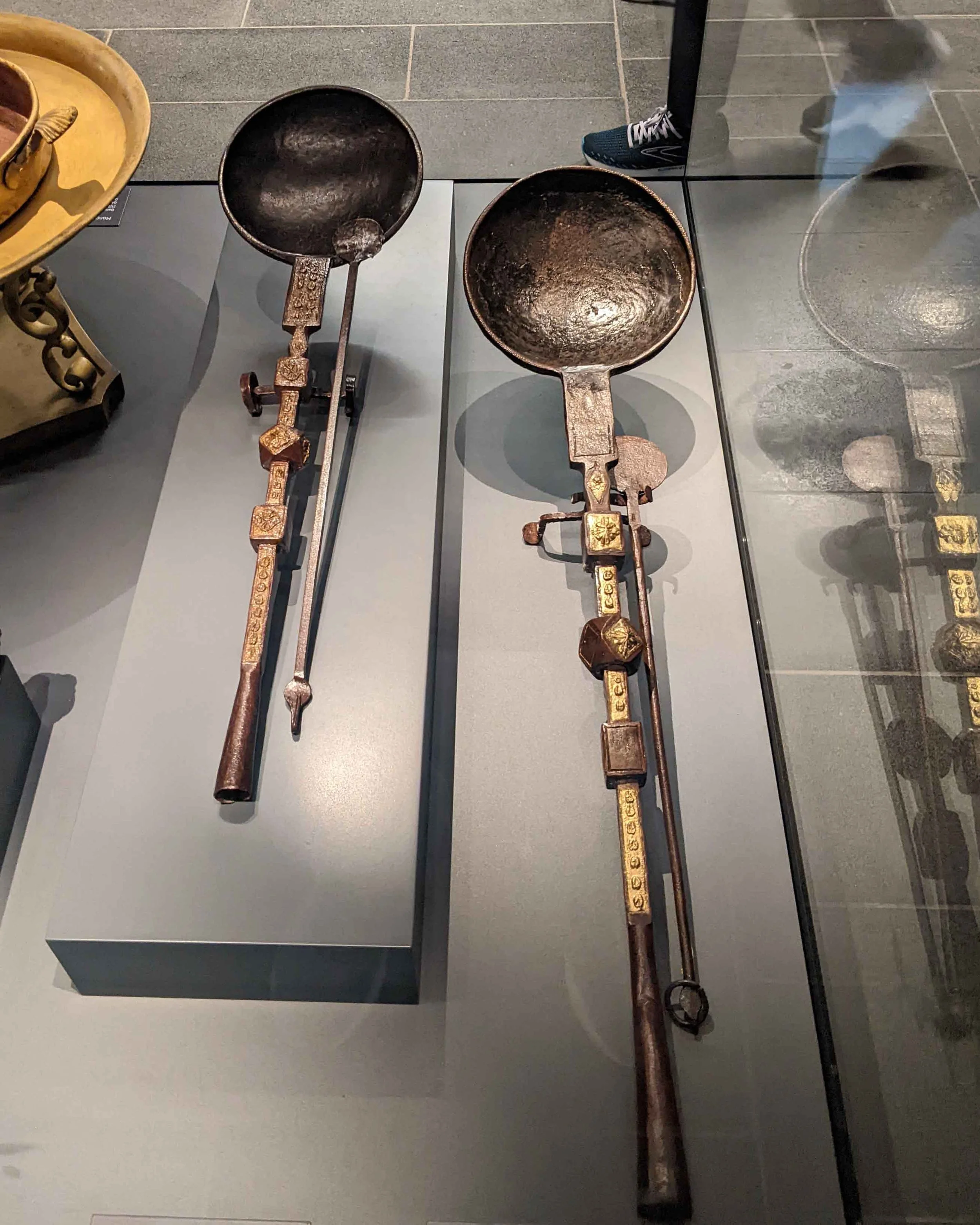
The museum houses one of the best collections of royal and extravagant European, Chinese, and Japanese porcelain and glassware. They are also displays of the Sultan’s kitchen and the utensils used to prepare food and feed the army of people working at the palace.

12a.jpg
a17.jpg
a12.jpg
a18.jpg
a19.jpg
a13.jpg
a15.jpg
a16.jpg
a4.jpg
a6.jpg
a2.jpg
a8.jpg
a9.jpg
a14.jpg
a10.jpg
a20.jpg
a1.jpg
a3.jpg
a21.jpg
a7.jpg

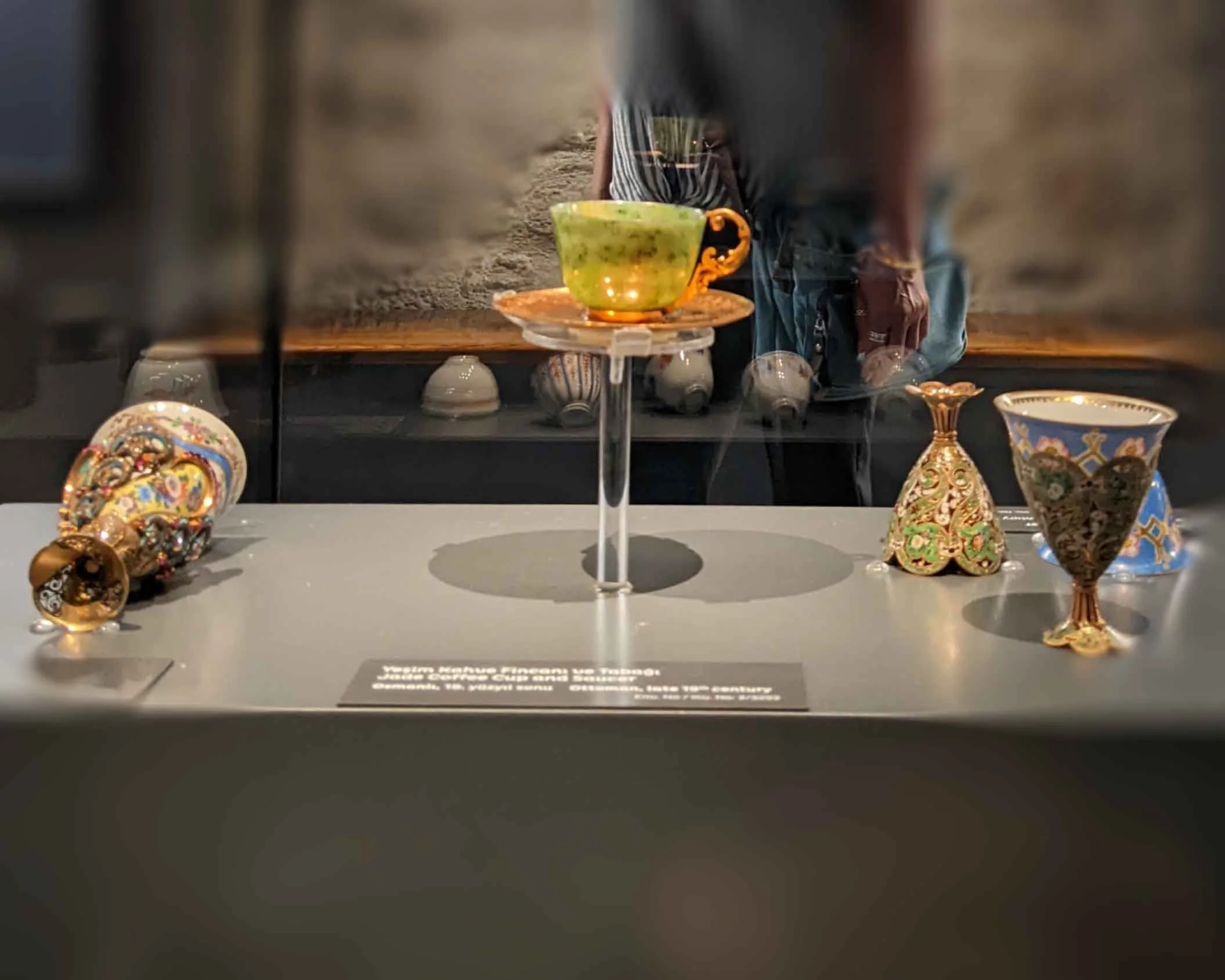
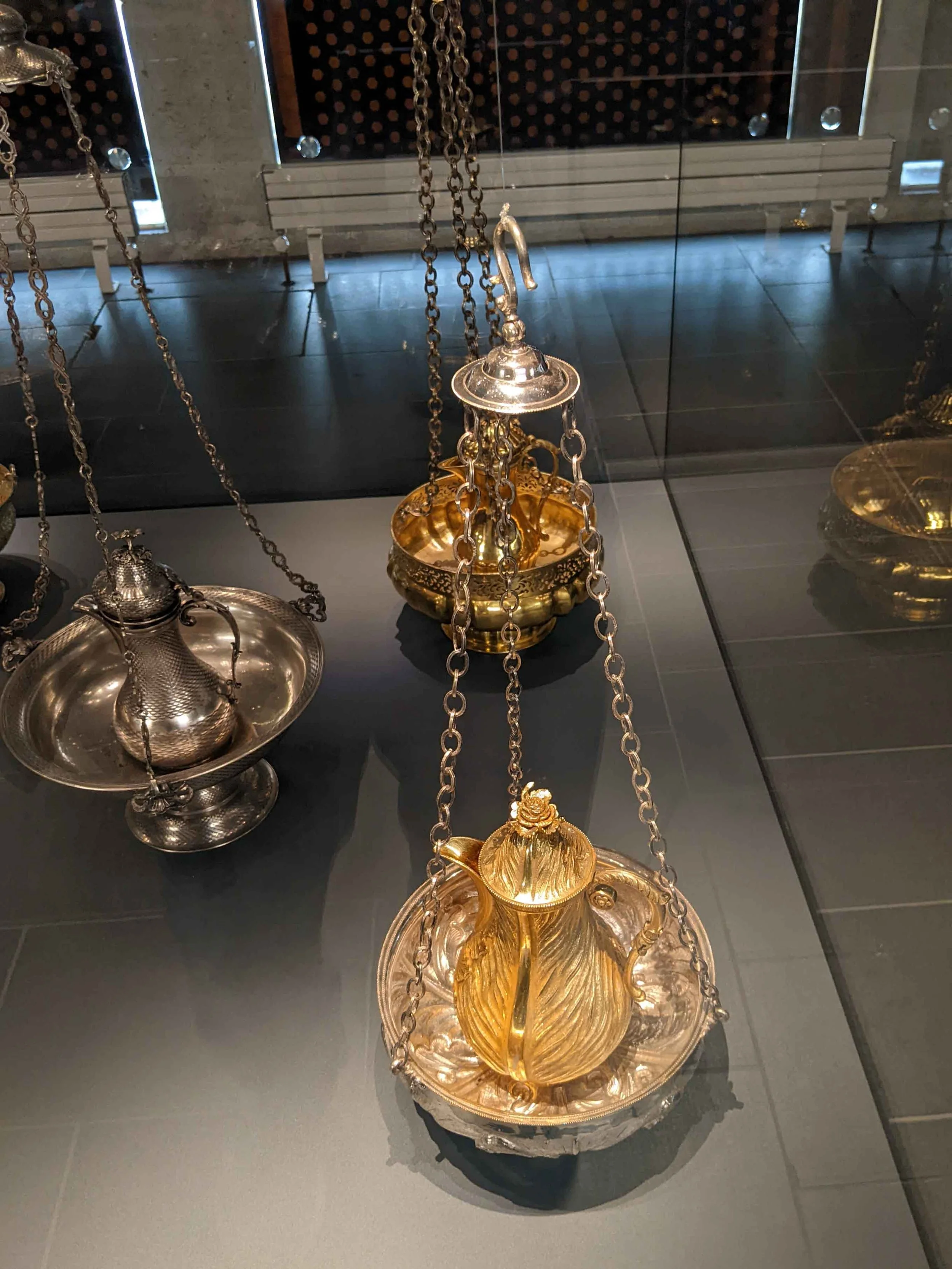
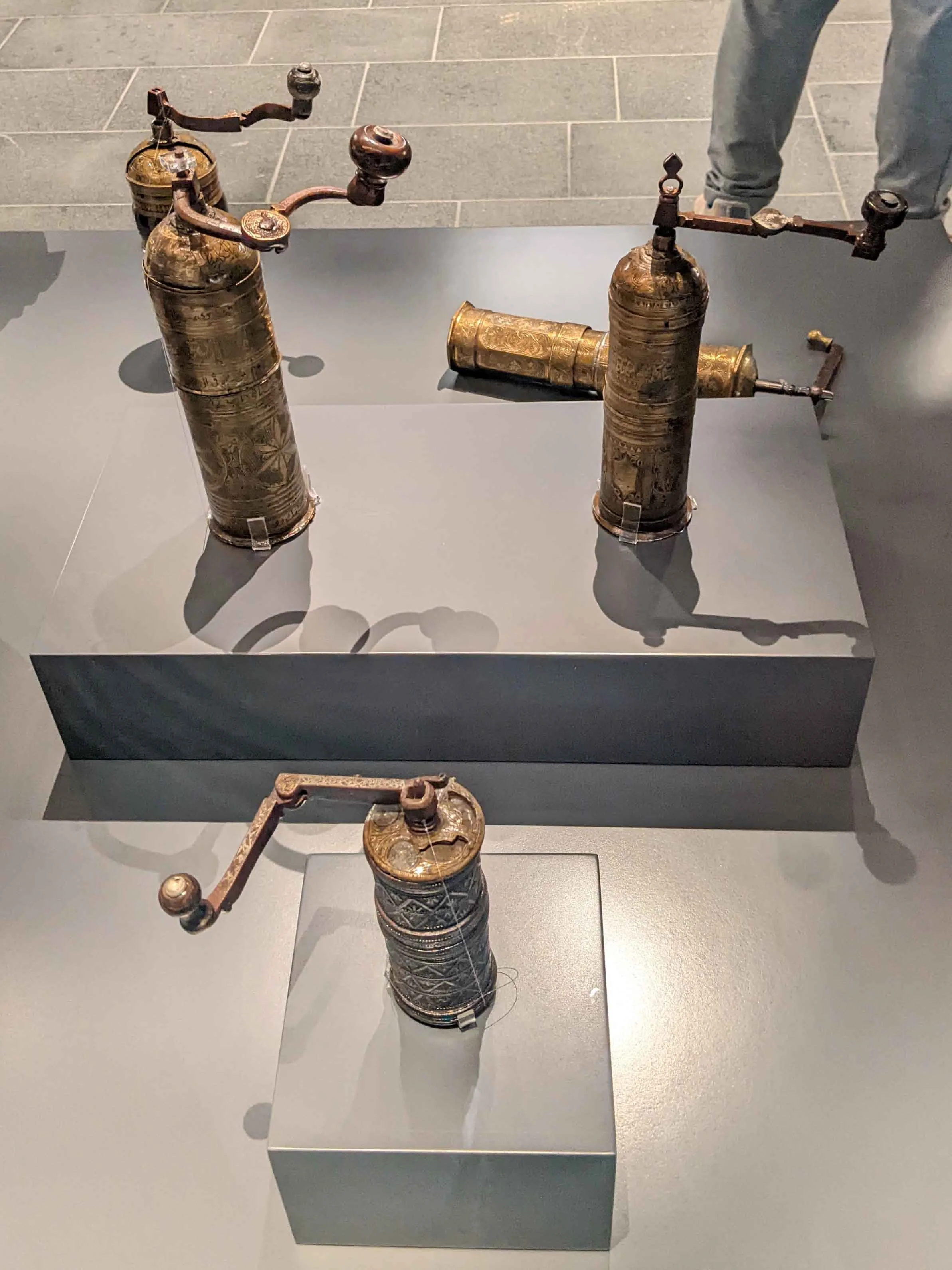
Coffee culture existed at the Ottoman palace and continued in the traditional manner during the 19th century. The museum has a whole section dedicated to this facet of palace life. Coffee was presented to the Sultan and his guest in special ceremonies featuring specially trained staff and utensils.


In the harem, coffee was served by female attendants known as’ kahveci kalfa’ trained in the rituals of its presentation. One of the attendants carried the velvet or satin cloth adorned with gold thread, pearls, or diamonds, and others the jeweled cups and holders on a gold or silver tray. A third brought the coffee jug on its chafing dish, where it was kept hot by embers, and a fourth filled the cups, placed each in a holder, and offered them to the guests.


Wouldn’t it be nice, to have coffee served with similar pomp and glory at the local Starbucks instead of the usual frowned-faced attendants?

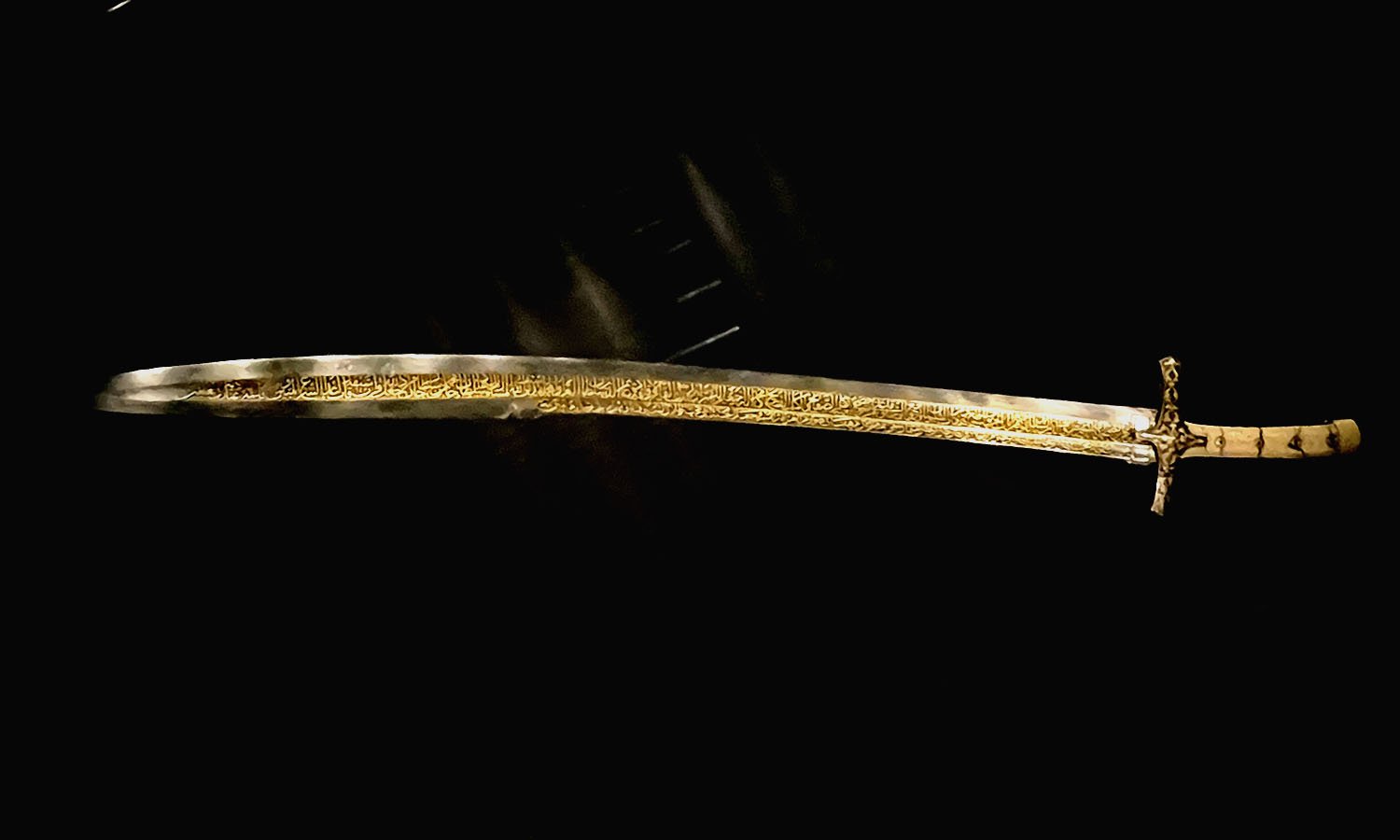
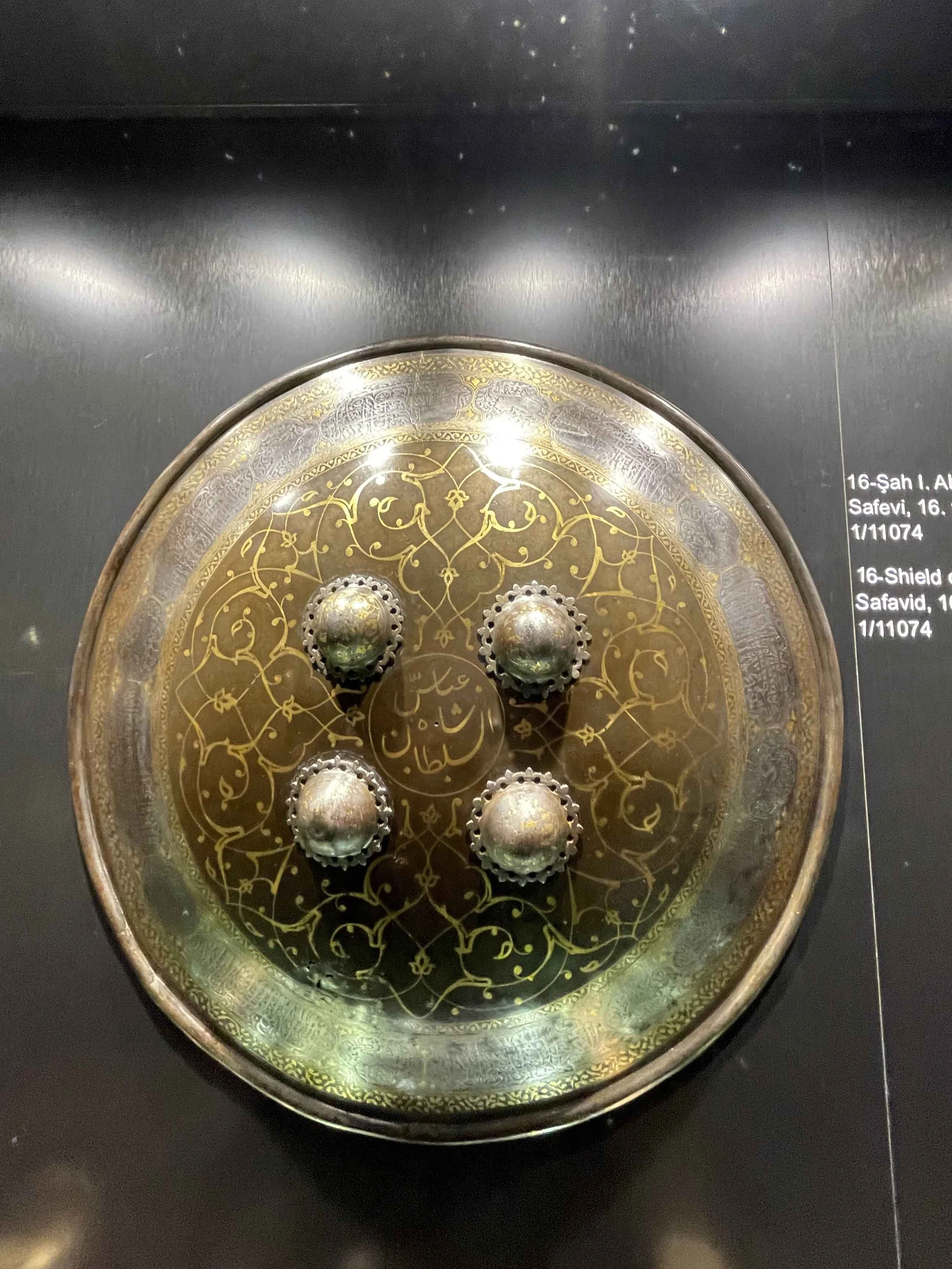
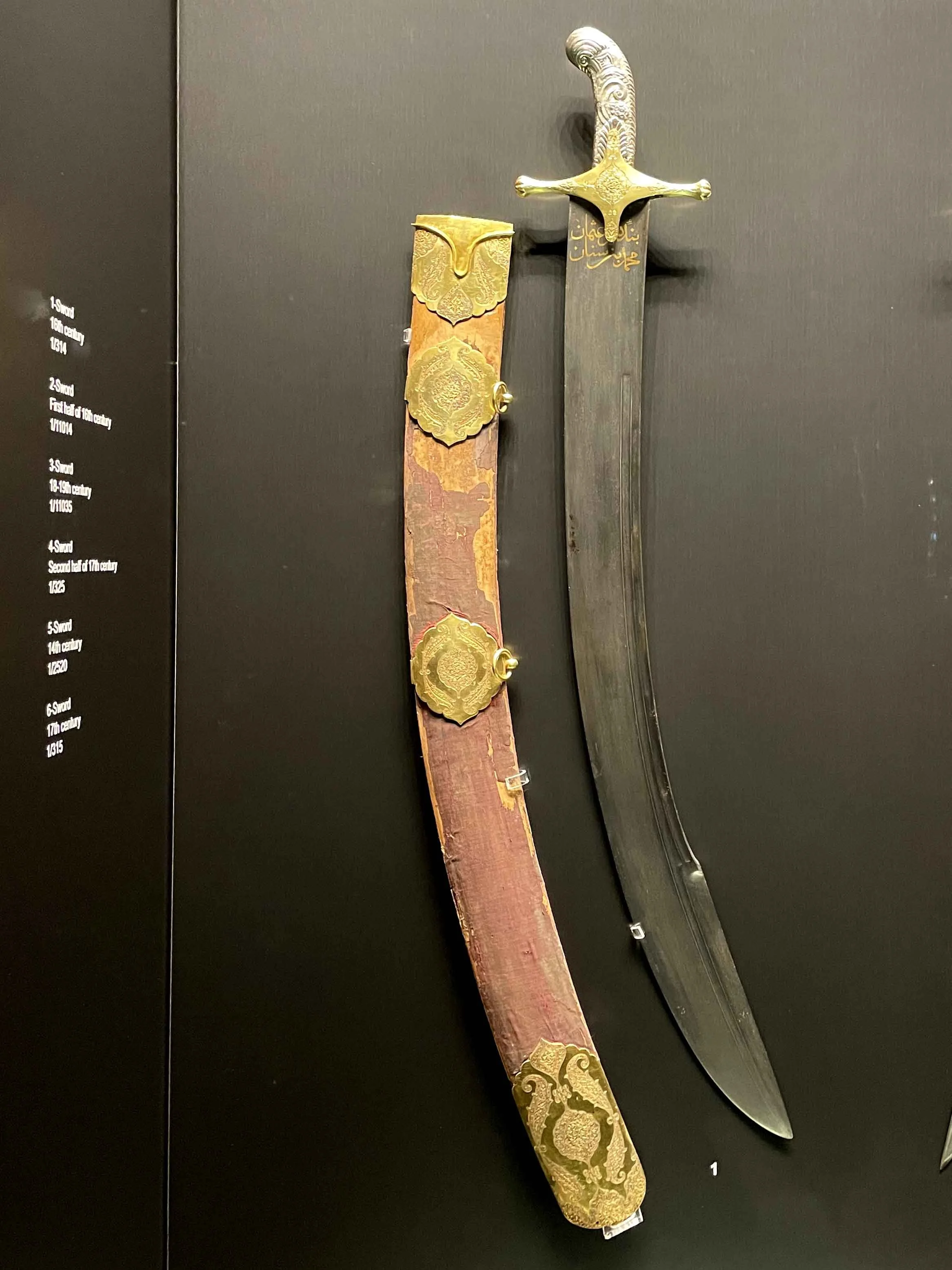
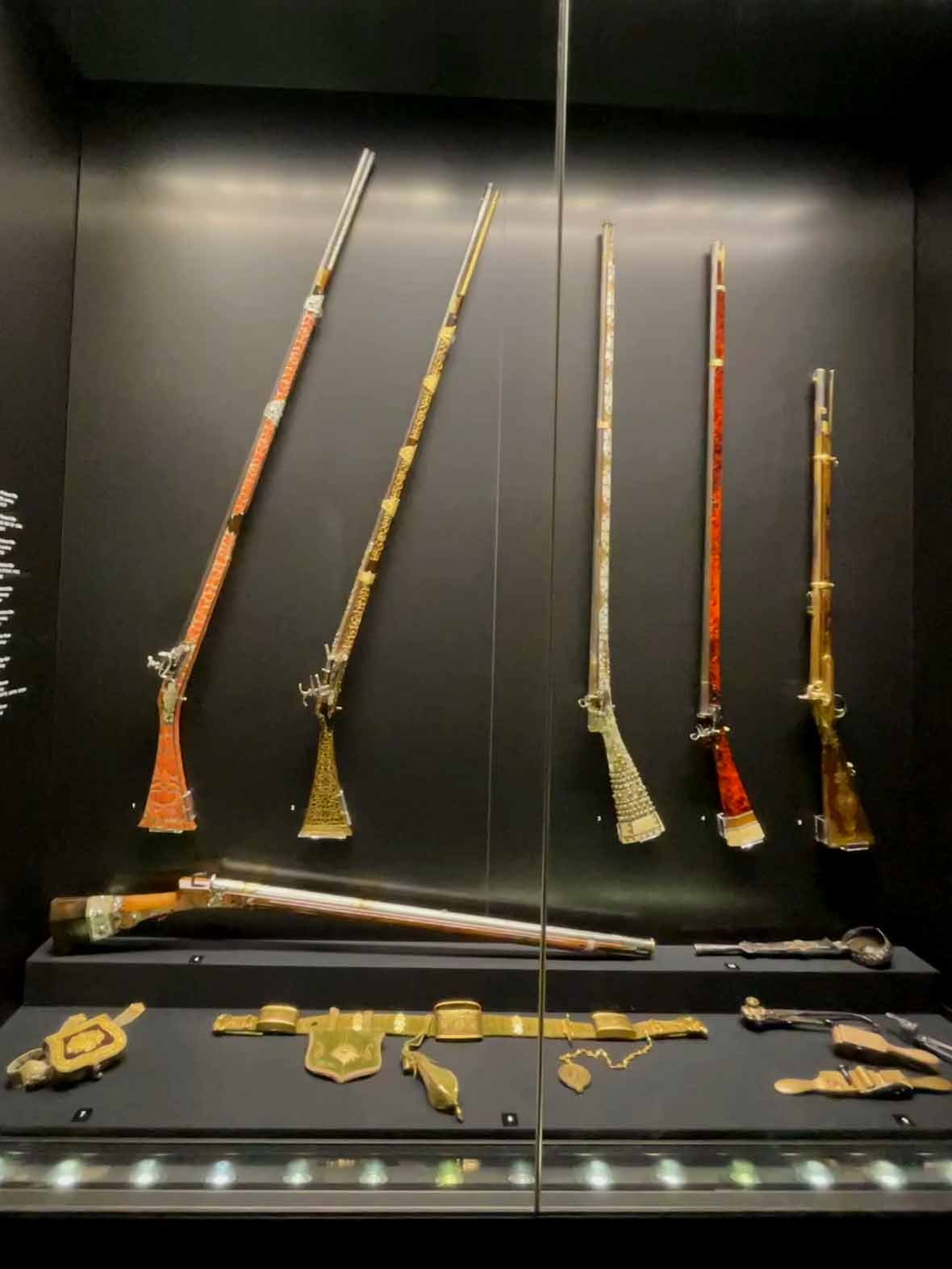
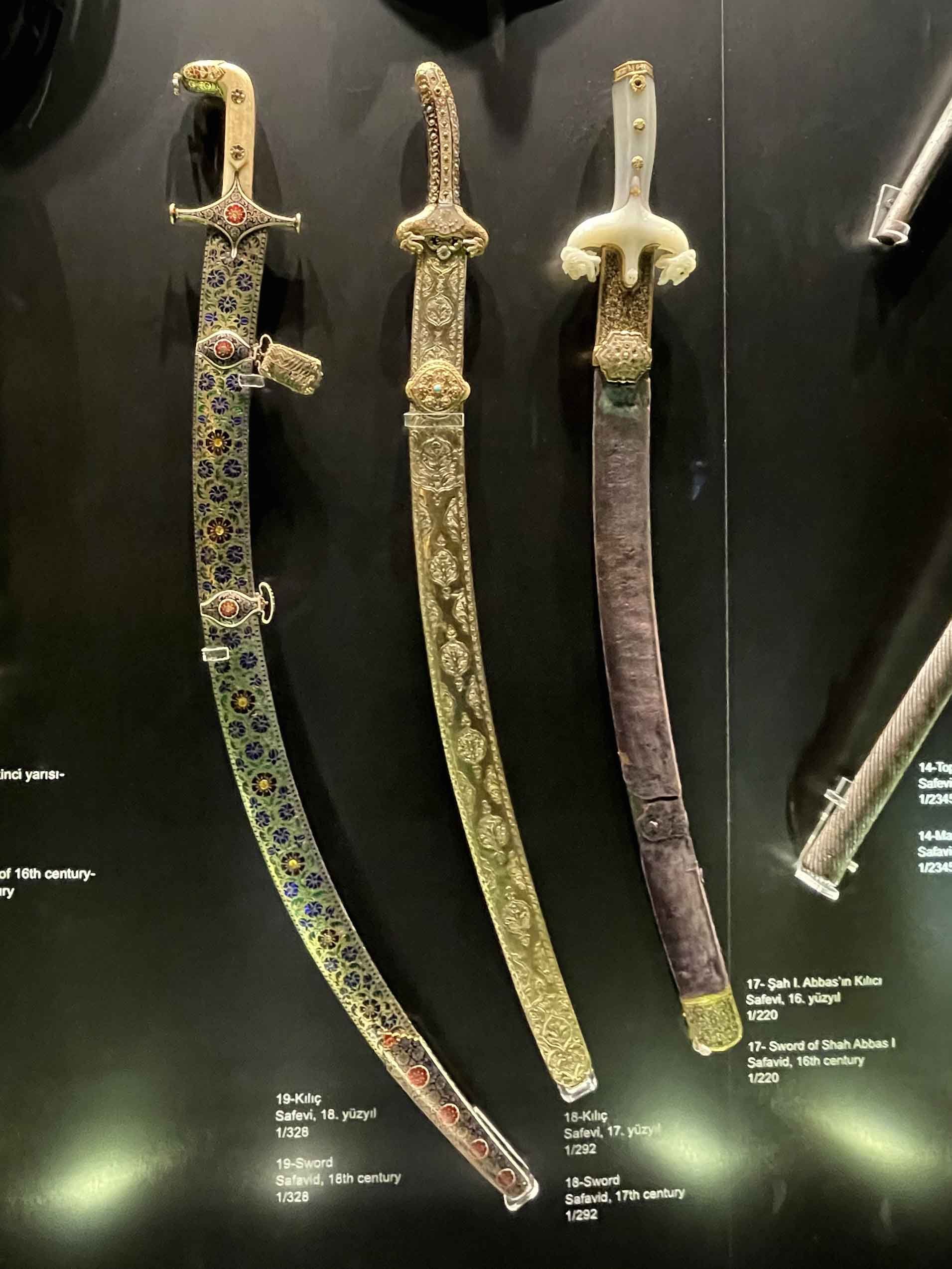
The weapons collection at the Topkapi Palace Museum is one of the richest and most diverse collections in the world. It comprises of thousands of weapons of various origins such as Indian, Arab, Turkish, Persian, Mamluk, Abbasid, European, Japanese, Crimean Tartar, and Umayyad. Spanning over 1,300 years, the collection consists of weapons that were transferred from the armies and those that were used by the palace guards.


THE HOLY RELICS

b4.jpg
b2.jpg
b3.jpg
b1.jpg

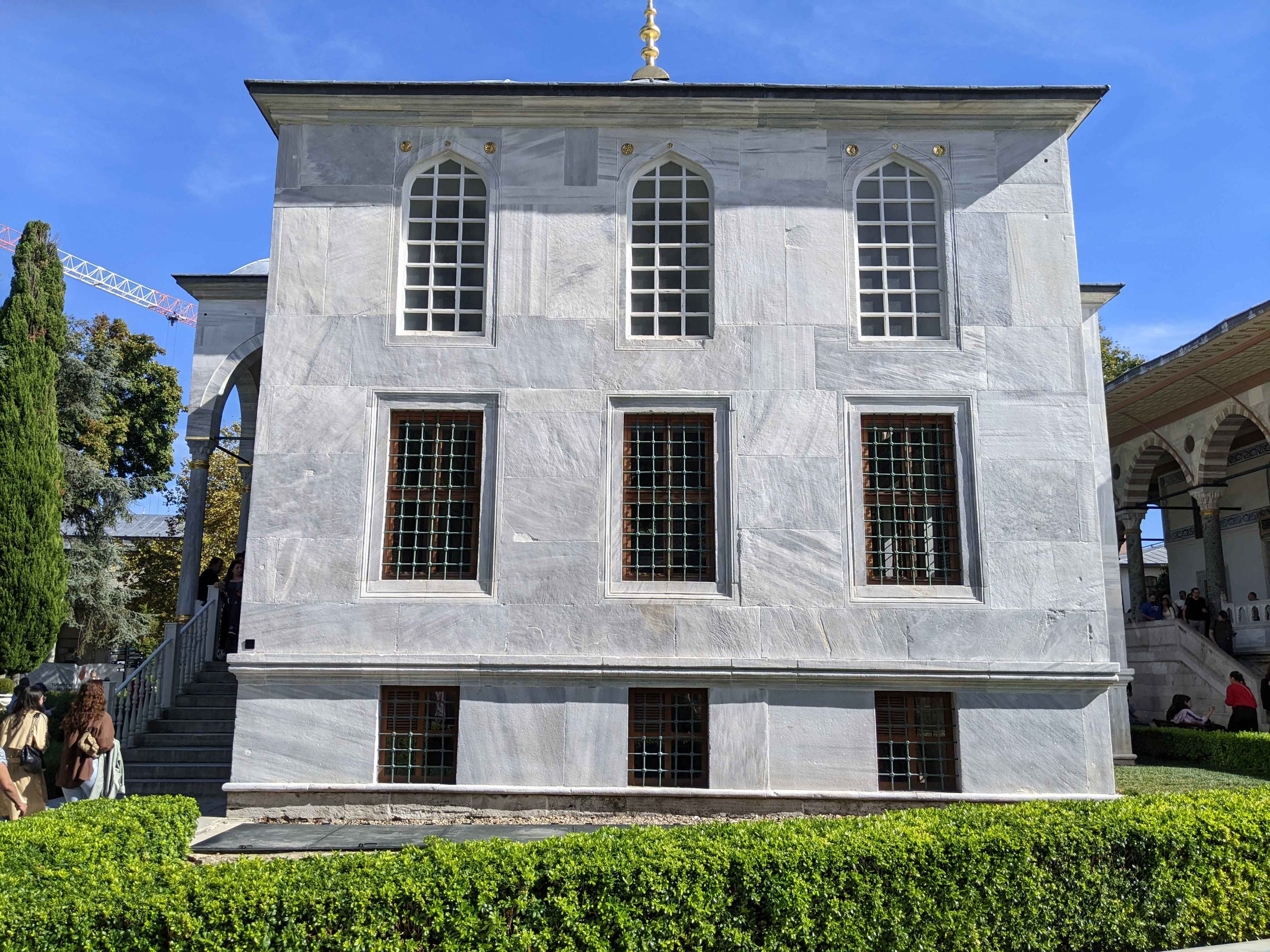
Outside the Library building in the centre of the third courtyard, we found a long queue of people that seemed to be moving at a snail’s pace. People from all over the world, Muslims, and non-Muslims flocked outside this ‘Has Oda’ or the chamber of the holy relics to view the most precious relics of the Islamic world. Note, only limited visitors are allowed to enter the chamber at a time, and women are required to cover their heads with a scarf before entering the chambers.

The Ottomans collected the Holy Relics attributed to the prophets from all over the empire and brought them to Istanbul for safekeeping. It is said that the Ottoman sultans wanted to keep the Holy Relics close to themselves because they thought that the location of the relics would qualify Istanbul as the centre of the Islamic world.
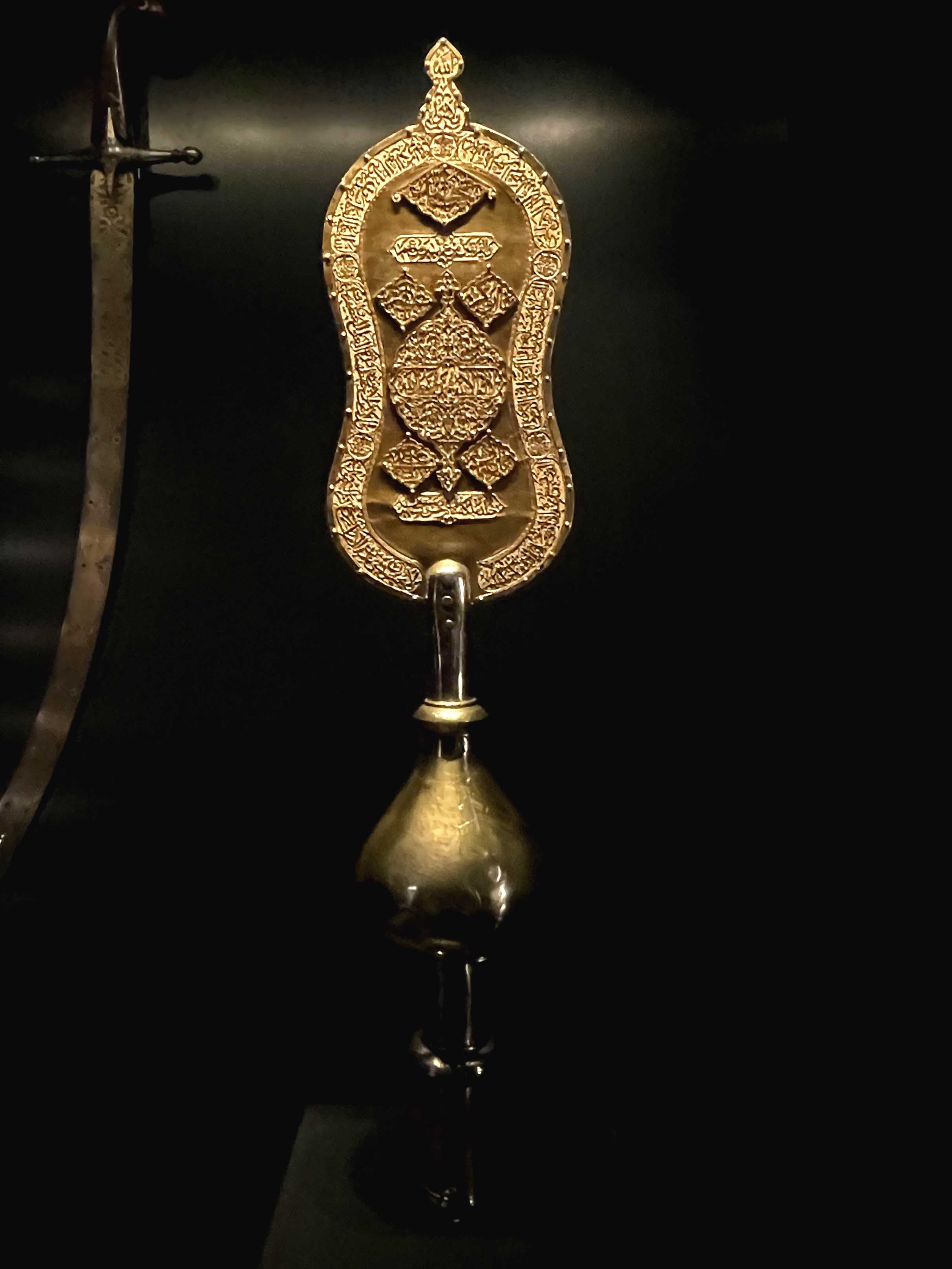
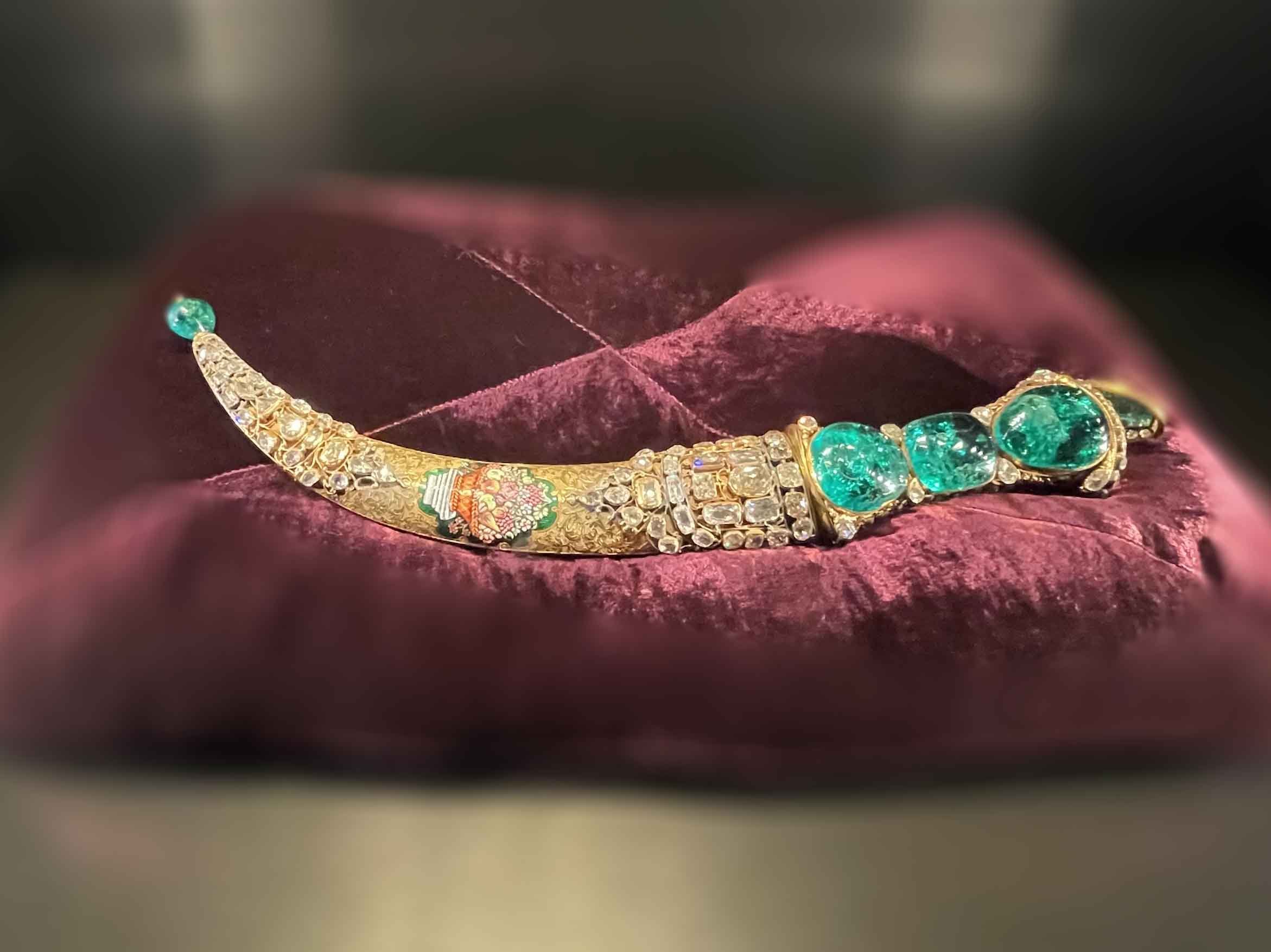
Each of the relics is highly prized and has its own history/mythology and was collected over generations and kept inside mosques and ancient monasteries. Among this collection are the Holy Mantle, the bow, and the sword of the Prophet Mohammad (peace be upon him). There are also holy relics attributed to other prophets such as the staff of Moses; the sword of David; the robe of Joseph; and the swords of the Prophet Muhammad’s companions.

The collection is housed in the Privy Chamber, where the sultan lived and kept his throne. It is said that, prior to their accession to the throne, the sultans would come to this room to pray and receive homage from the Privy Room officials before leaving for the ceremony. Even now, an imam inside a glassed-off chamber recites the Koran around the clock.


LIBRARY

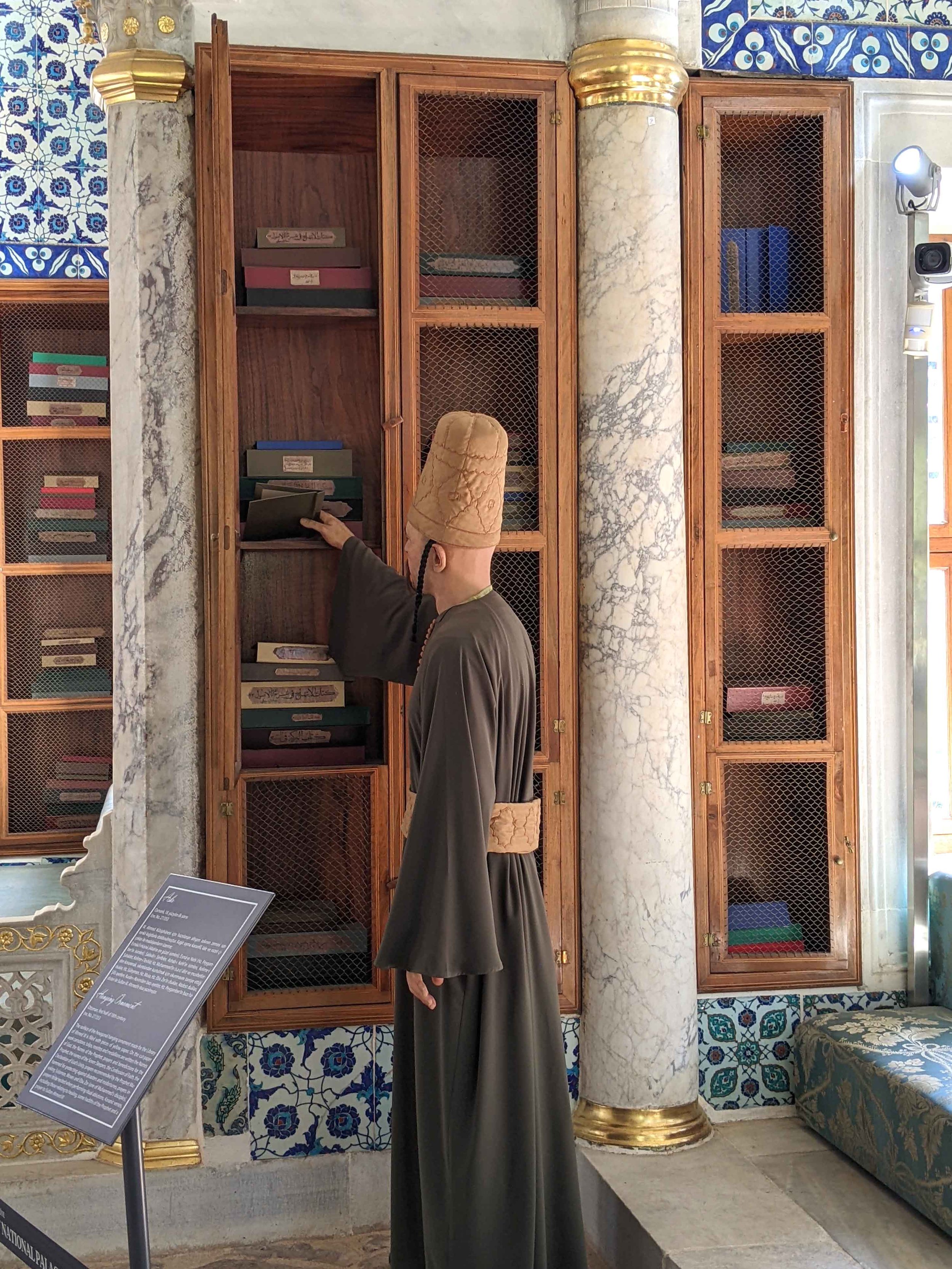
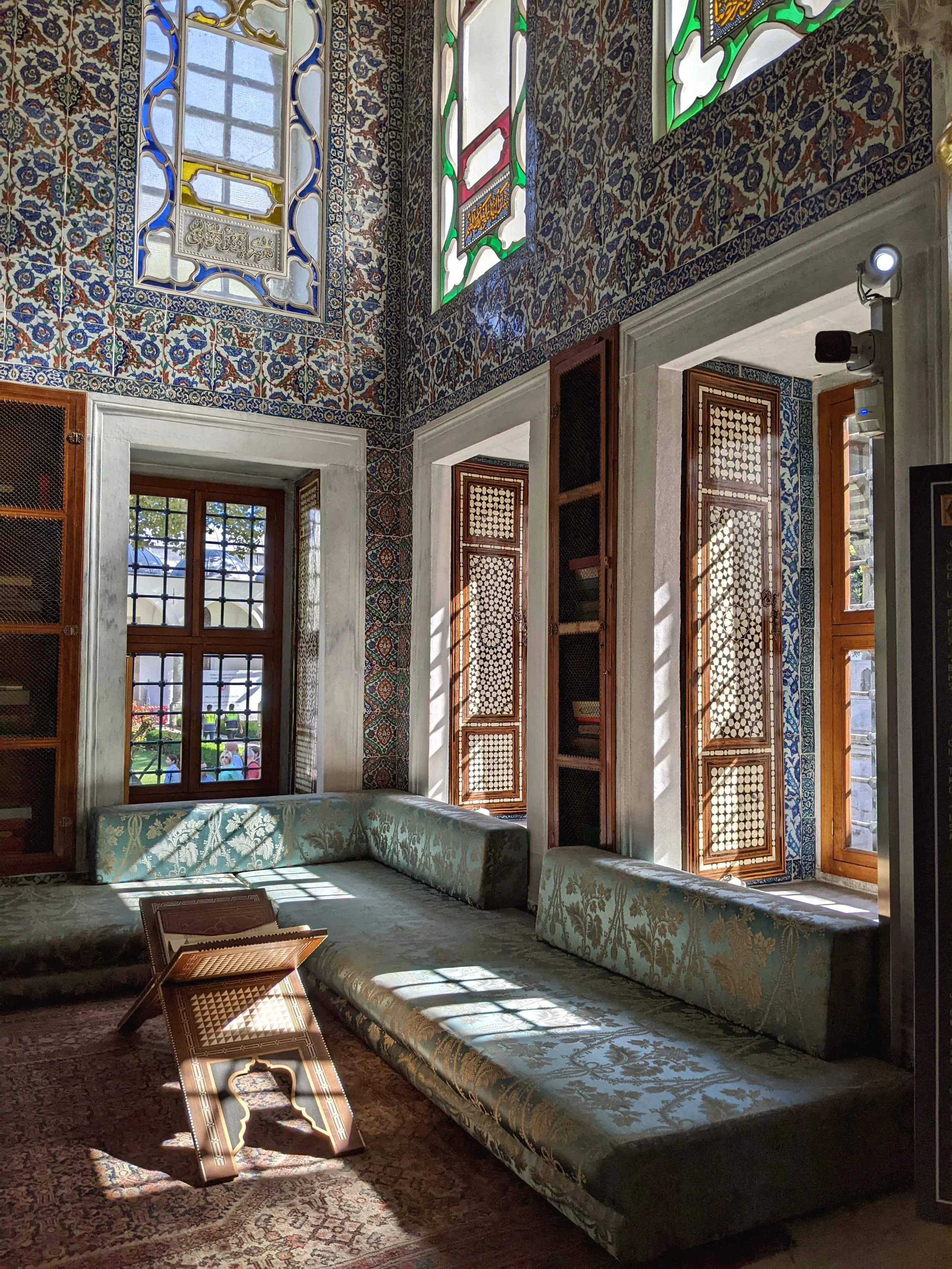
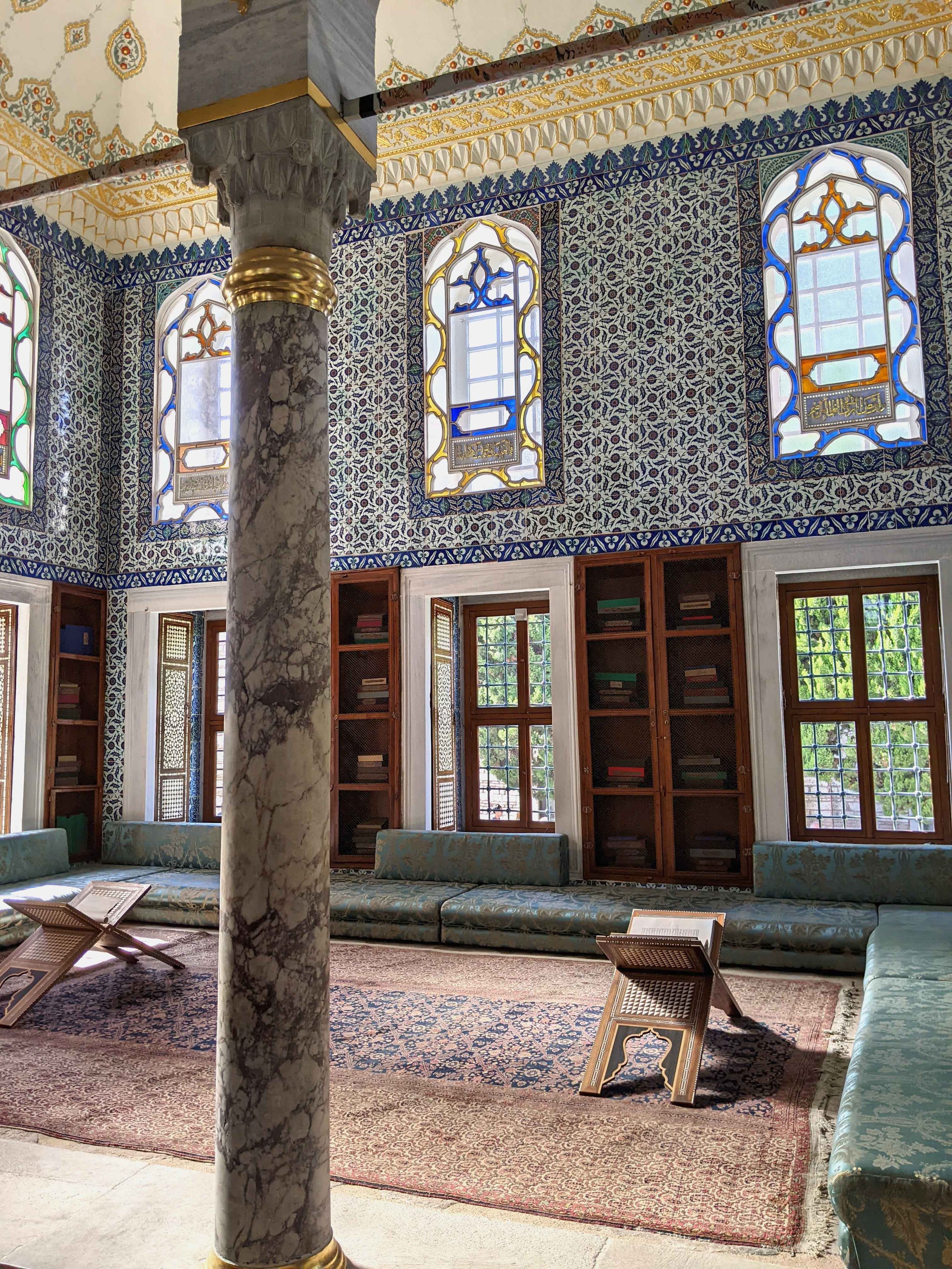
What wouldn’t I give for a library like this! The interior of this building is breathtaking, and the location is serene. Imagine sipping a coffee on a diwan googling away to one heart’s content, without a worry in the world.

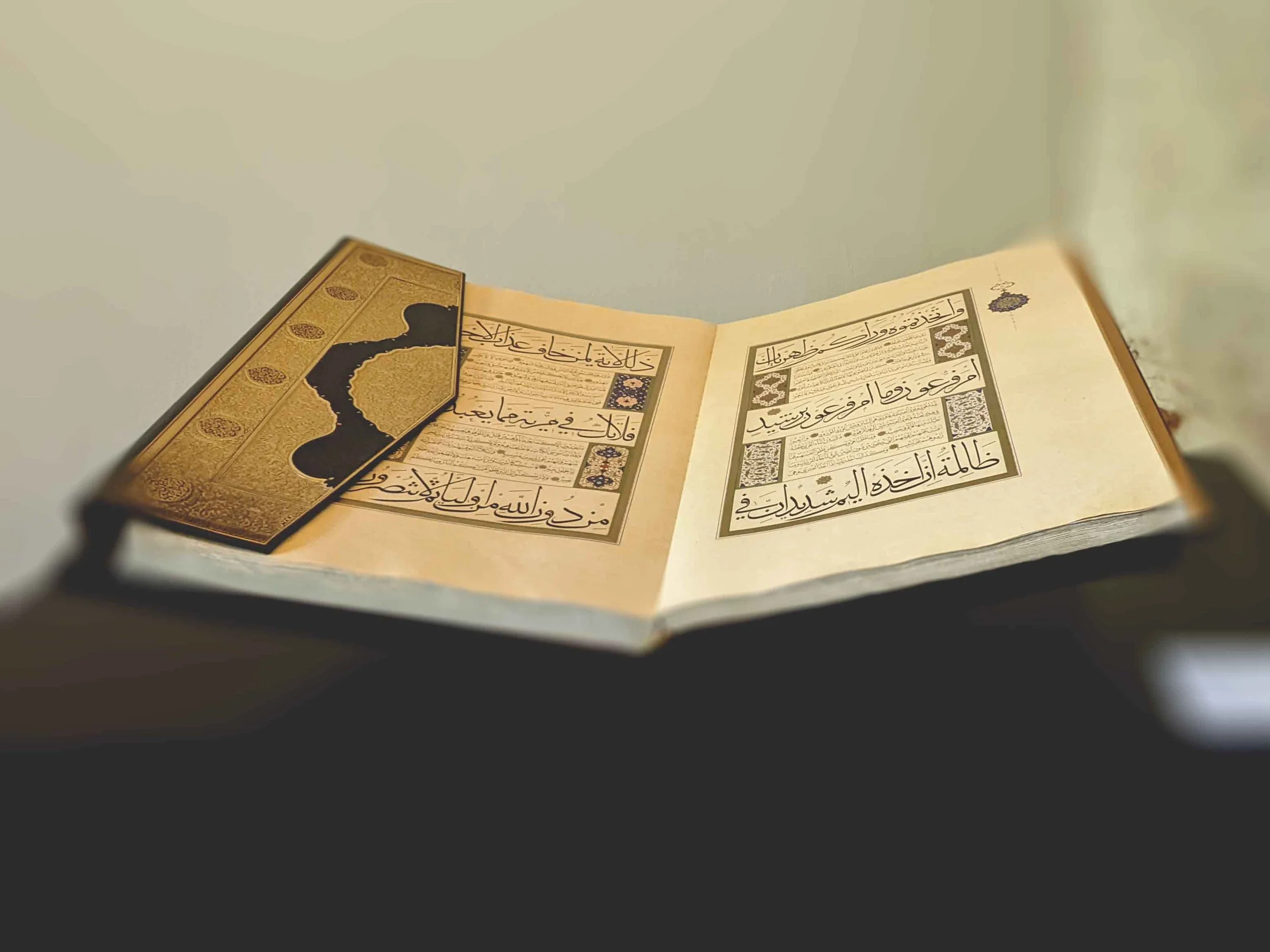
The library was built by Sultan Ahmed III in the 18th century and stored archival records and books. The learned men of the times dedicated their works to the sultans, and this was supplemented by, literary works acquired during various conquest.

In the present day, this collection presents an indispensable source of information for historians and perhaps provides the only extant official records of the Ottoman dynasty.

c3.jpg
c4.jpg
c1.jpg
c2.jpg
c5.jpg
c6.jpg

THE PALACE AND THE HAREM

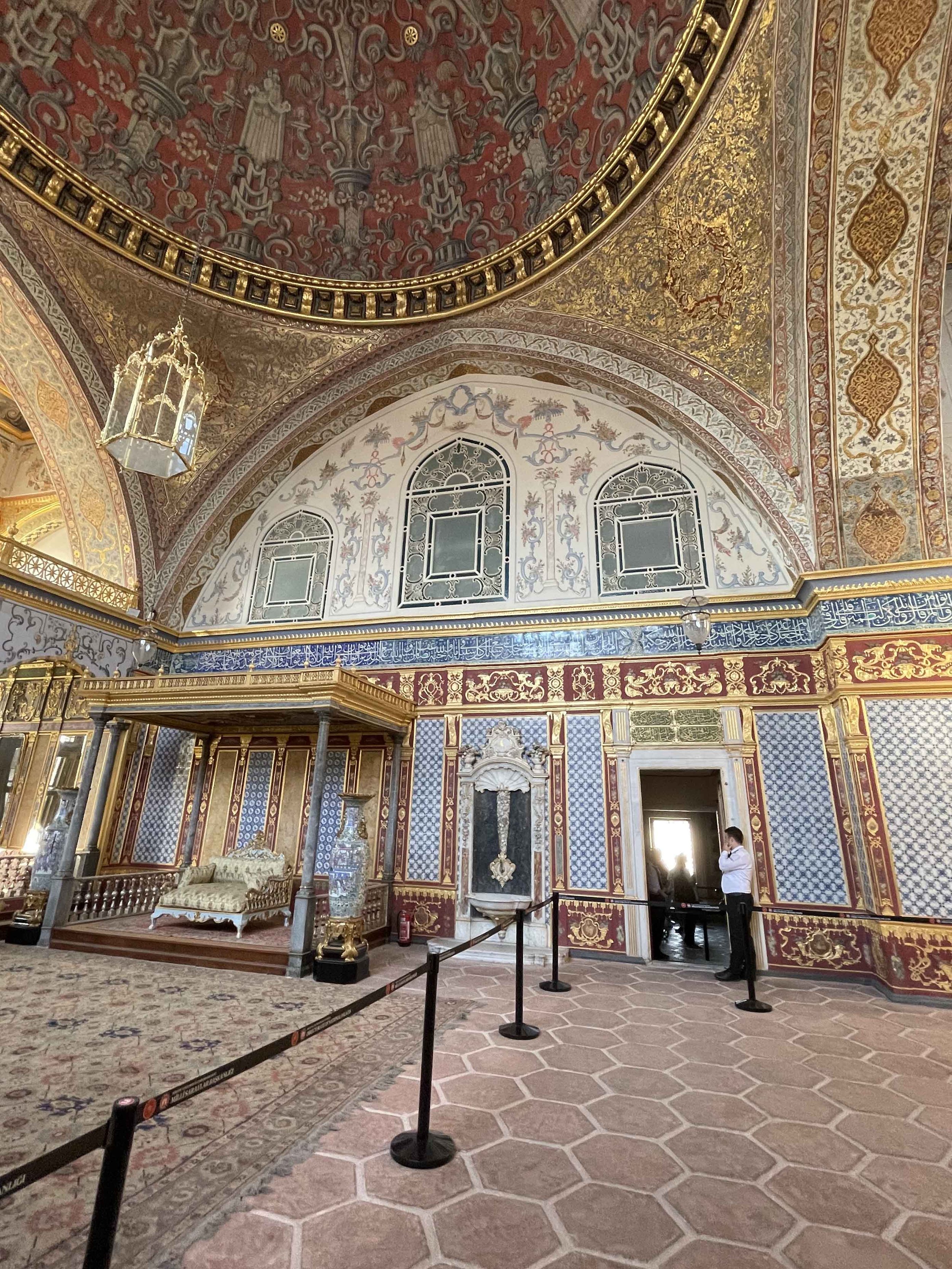
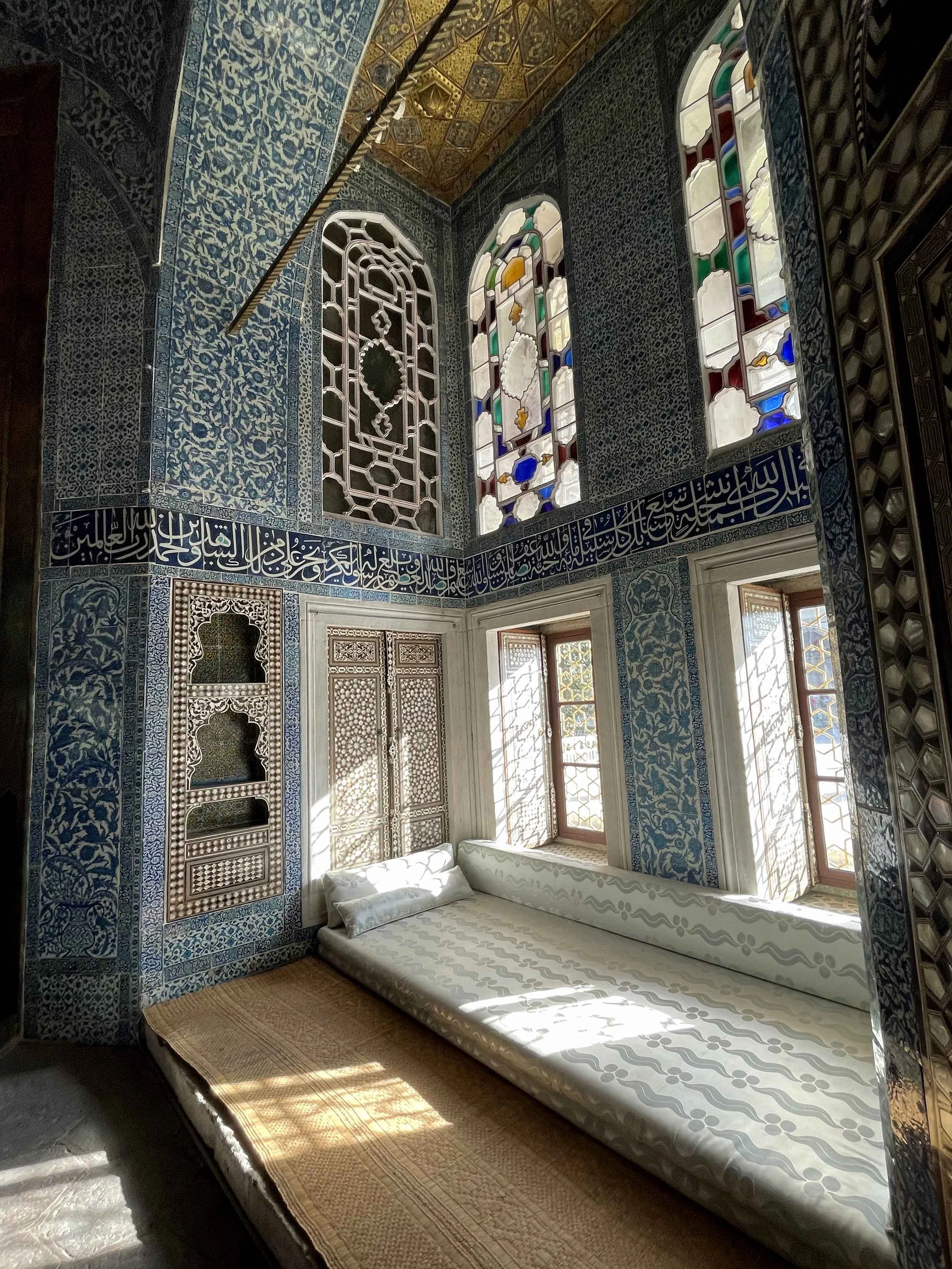
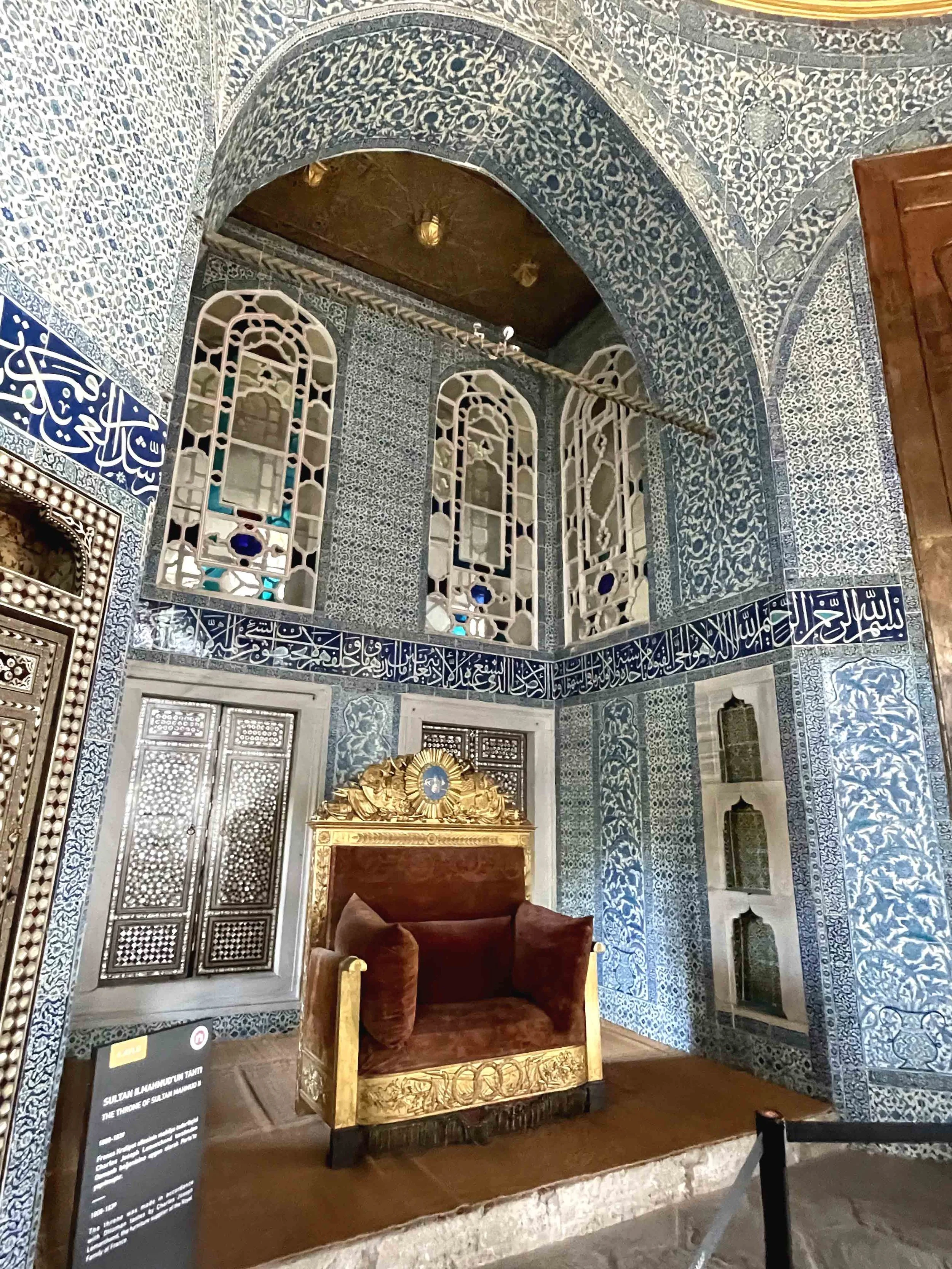
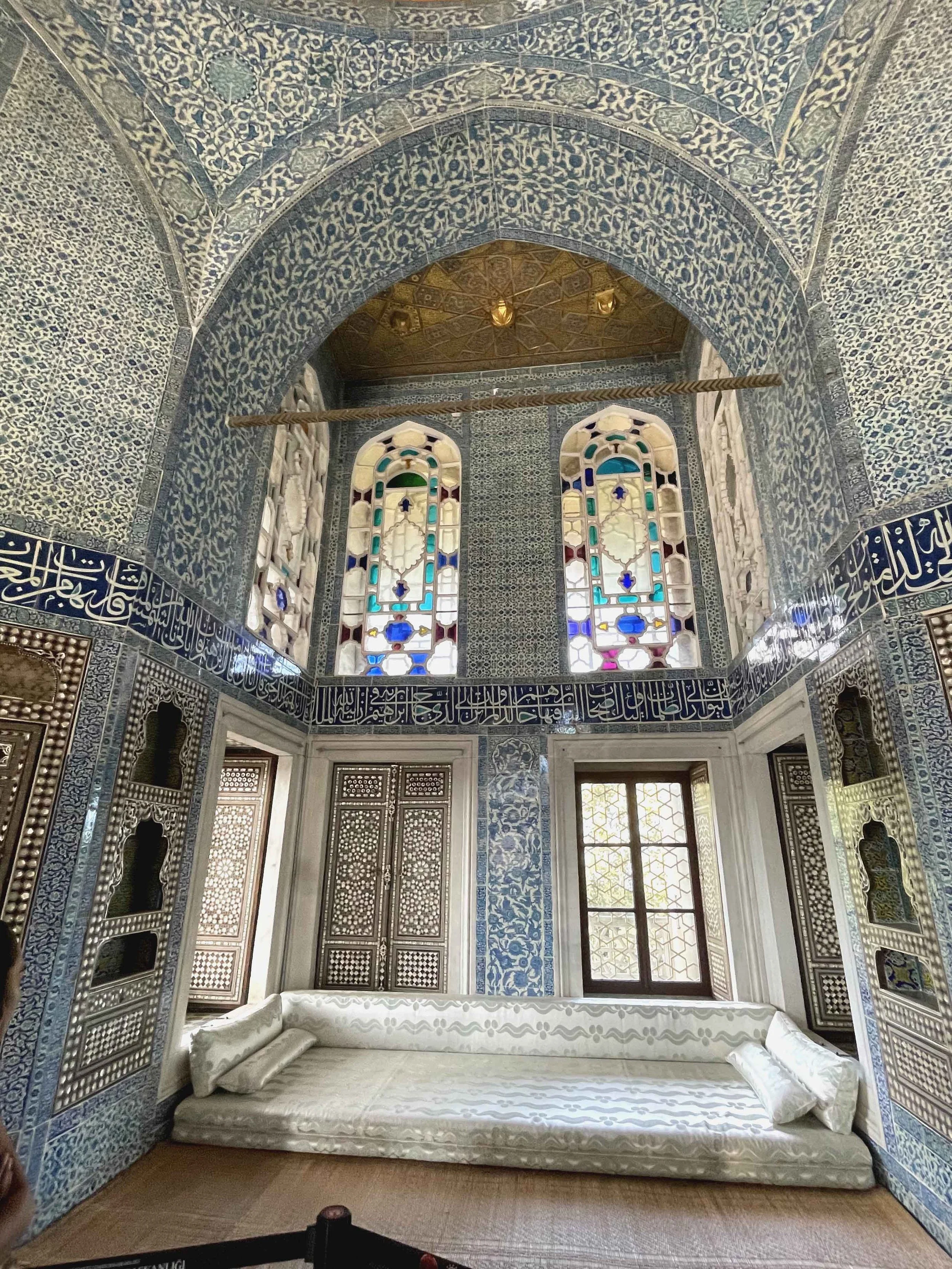
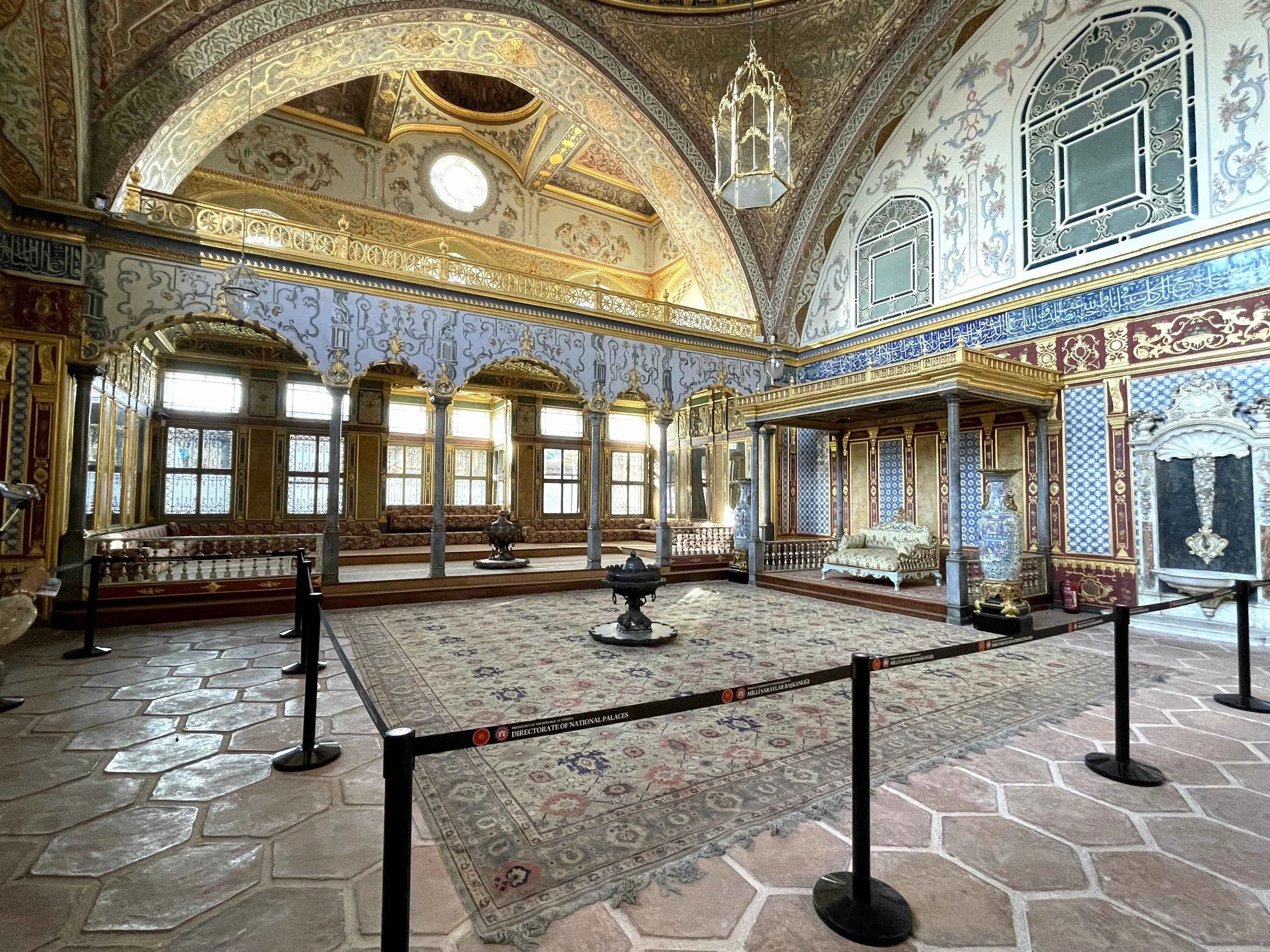
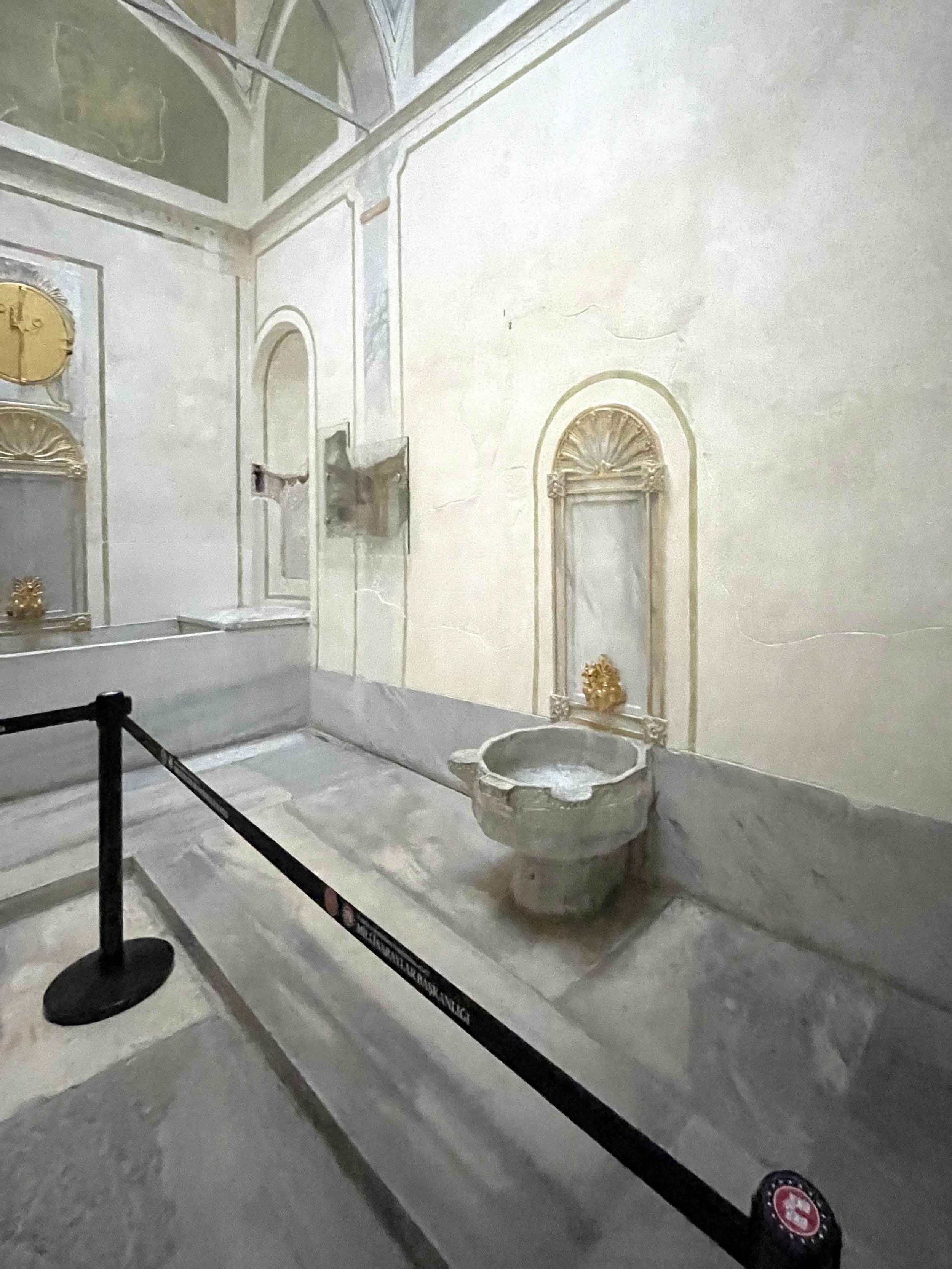
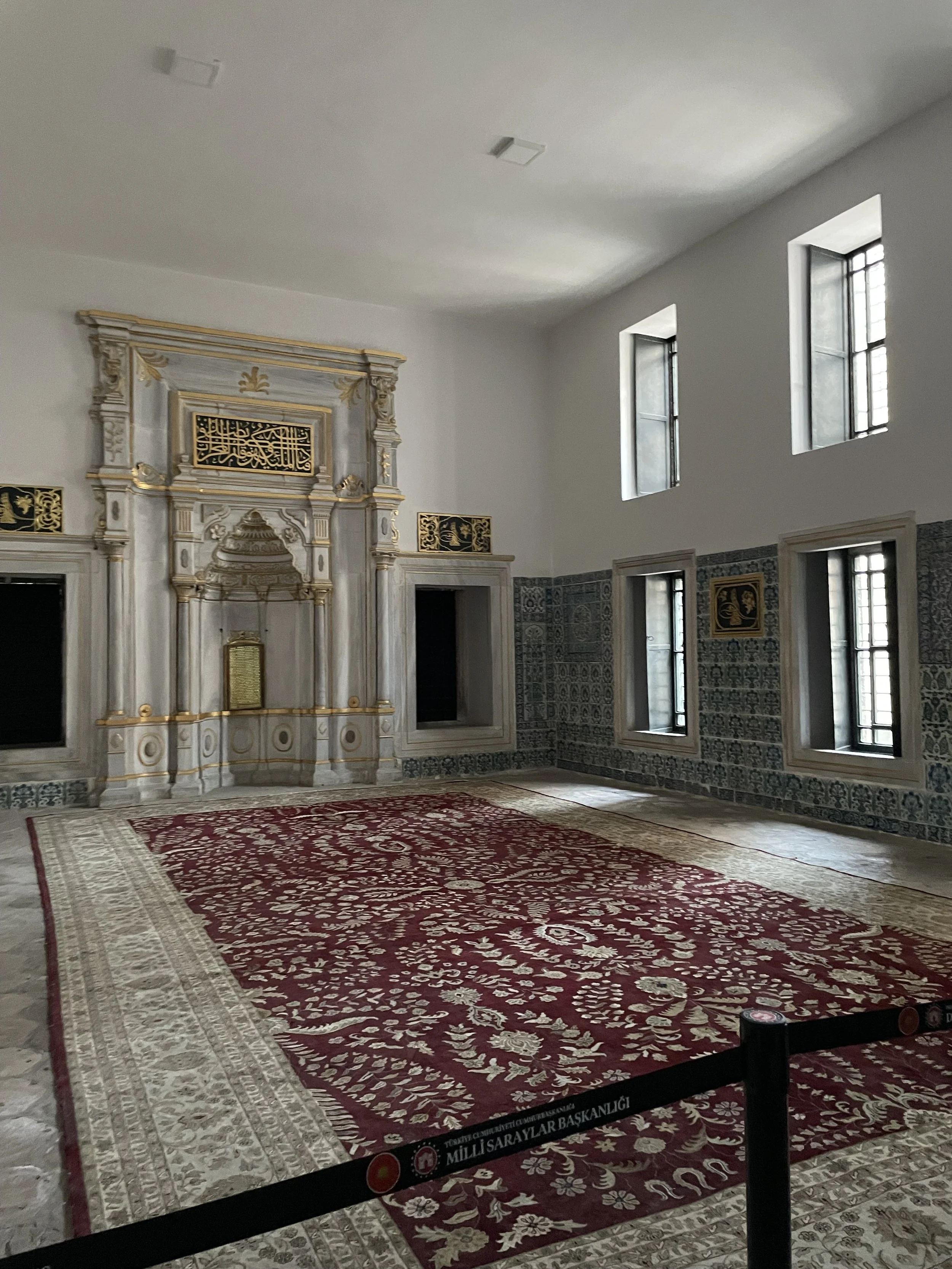
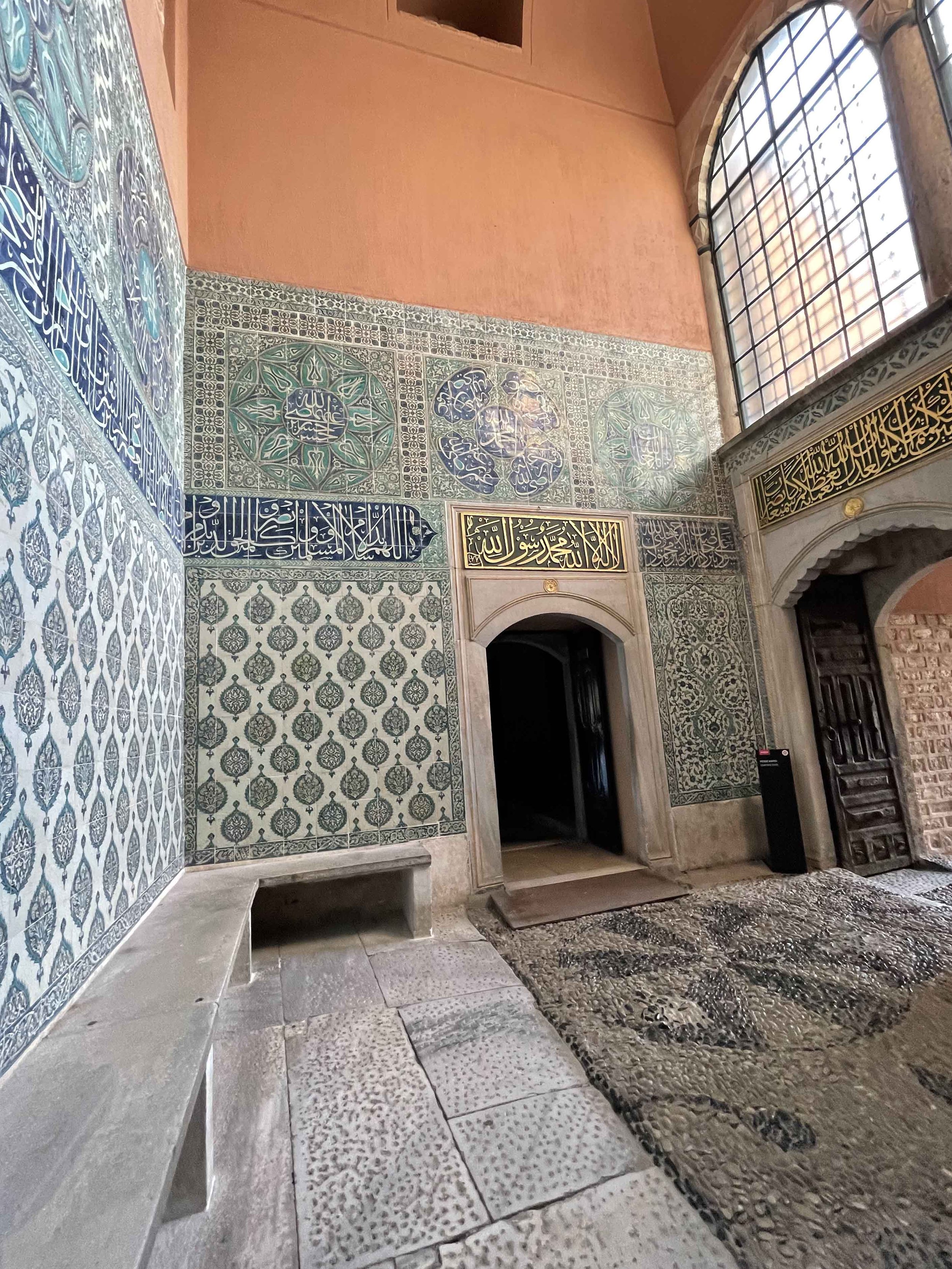
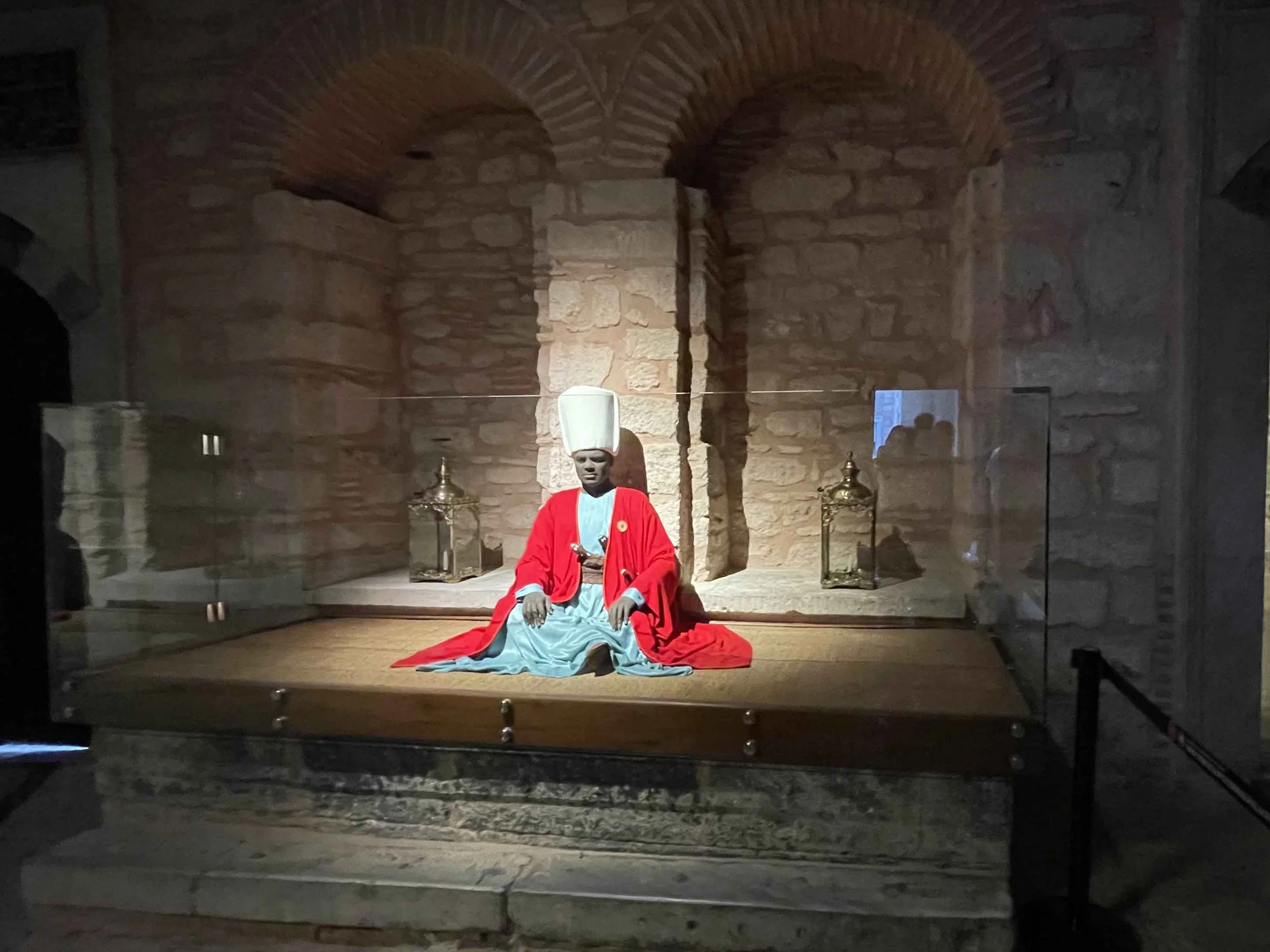
Although in modern times the word ‘harem’ conjures up images of thinly clad women and romance. ‘Harem’ is an Arabic word that literally means “a sacred, inviolable space” The harem were the private dwellings of the sultans and their families. It consisted of hundreds of magnificently tiled rooms connected with courtyards and fountain gardens. It was home to over a thousand harem women, children, and black eunuchs. The eunuch were usually castrated slaves which were trained to serve the residents of the harem.

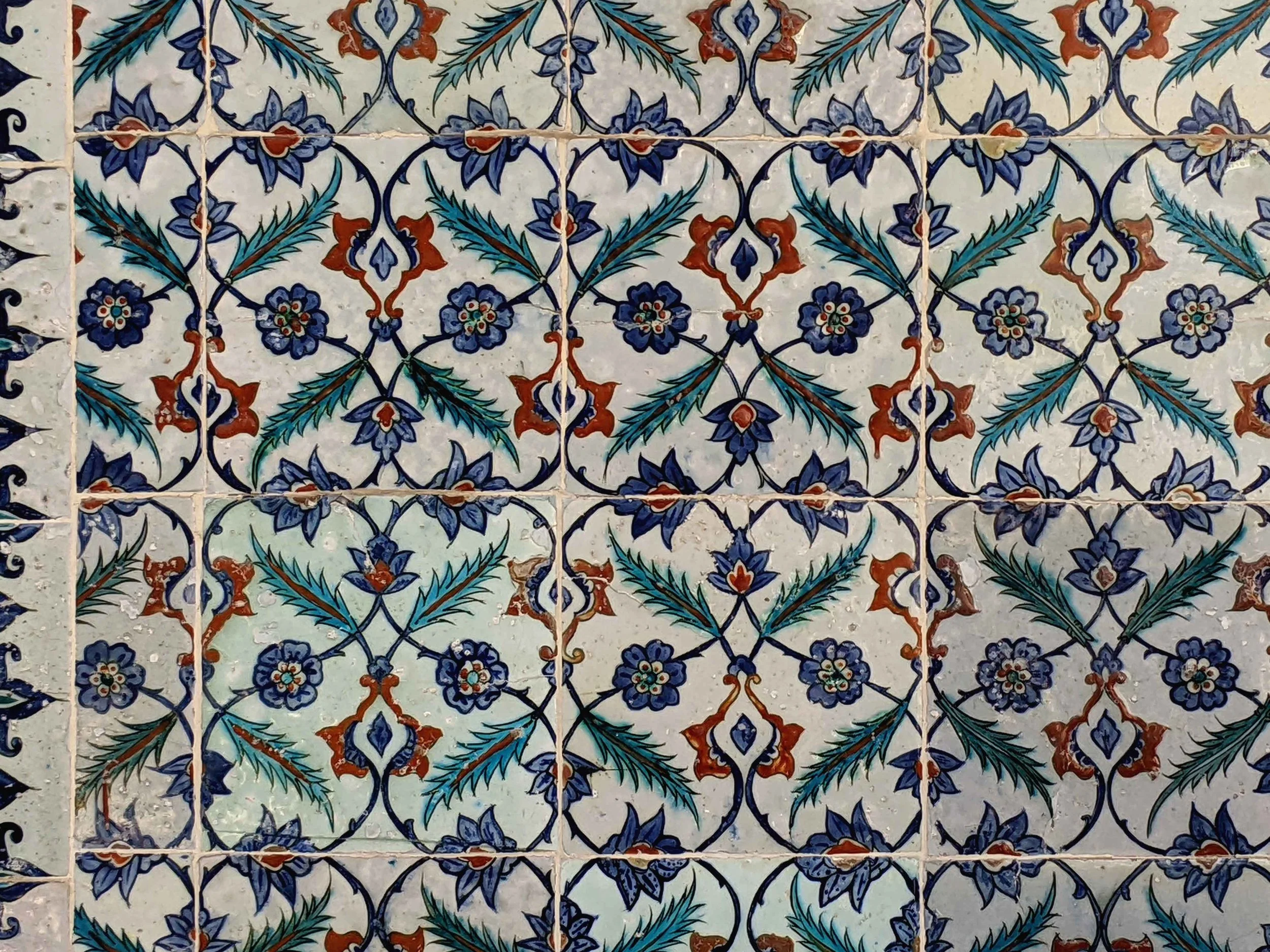
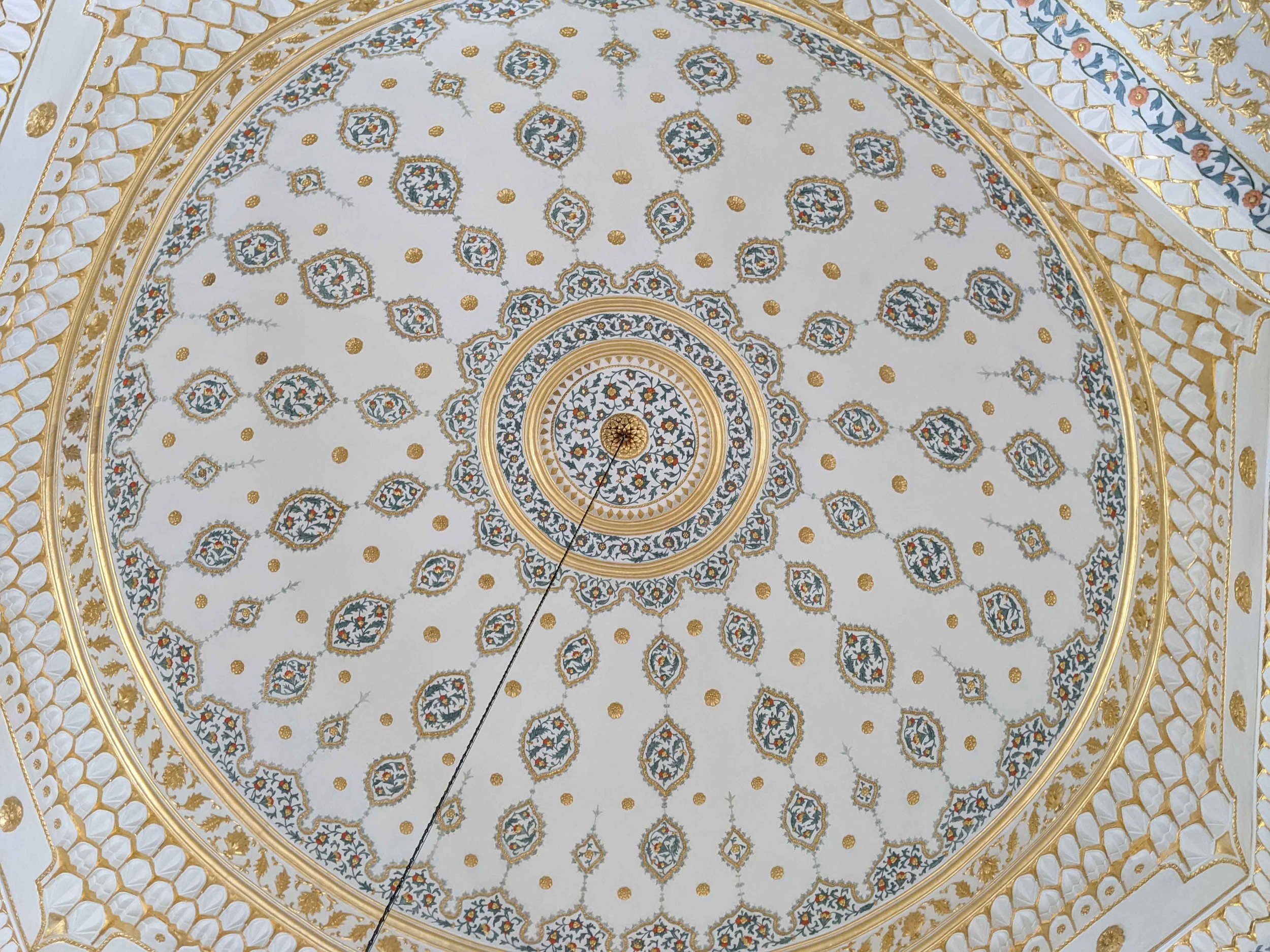
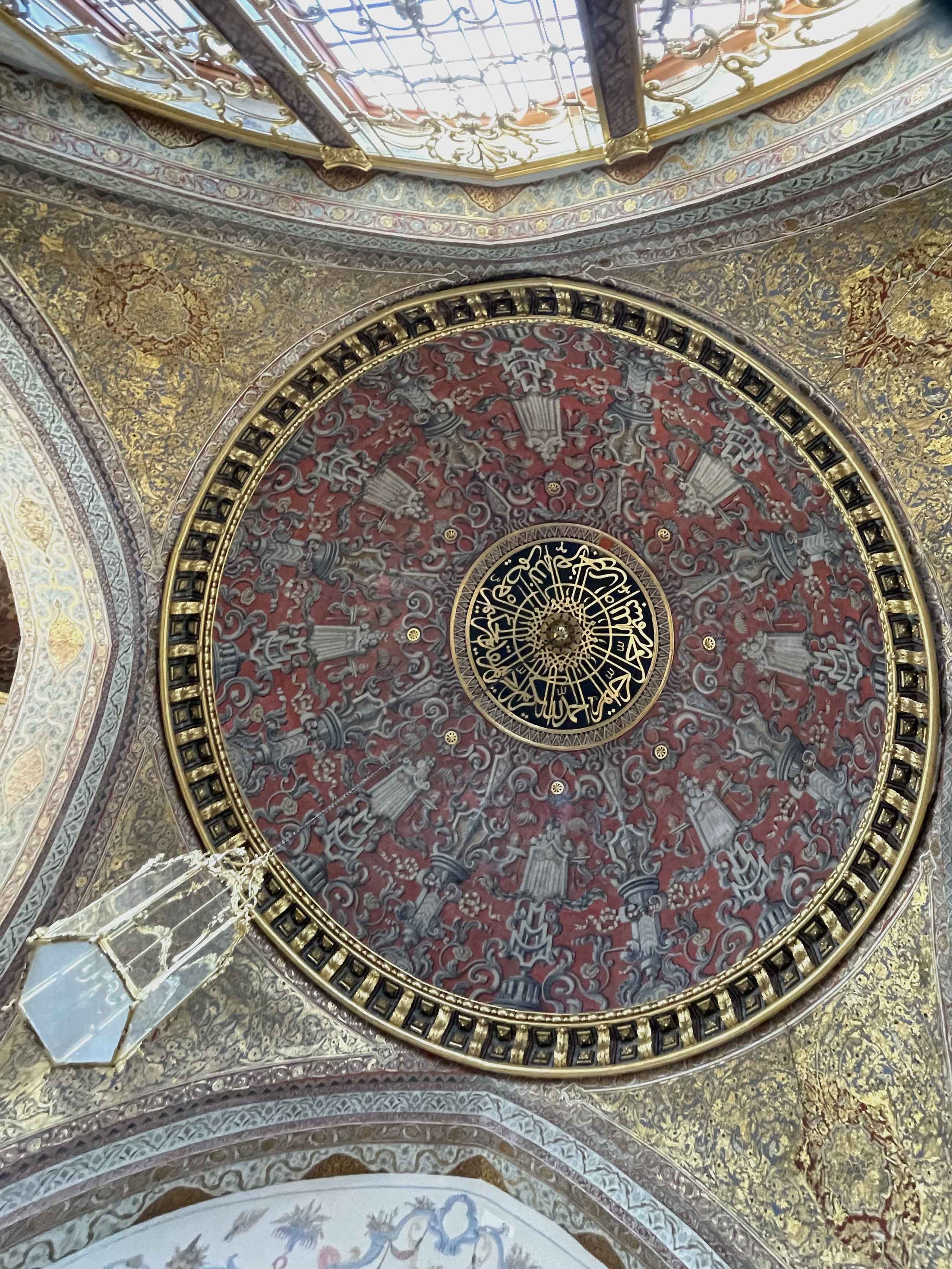
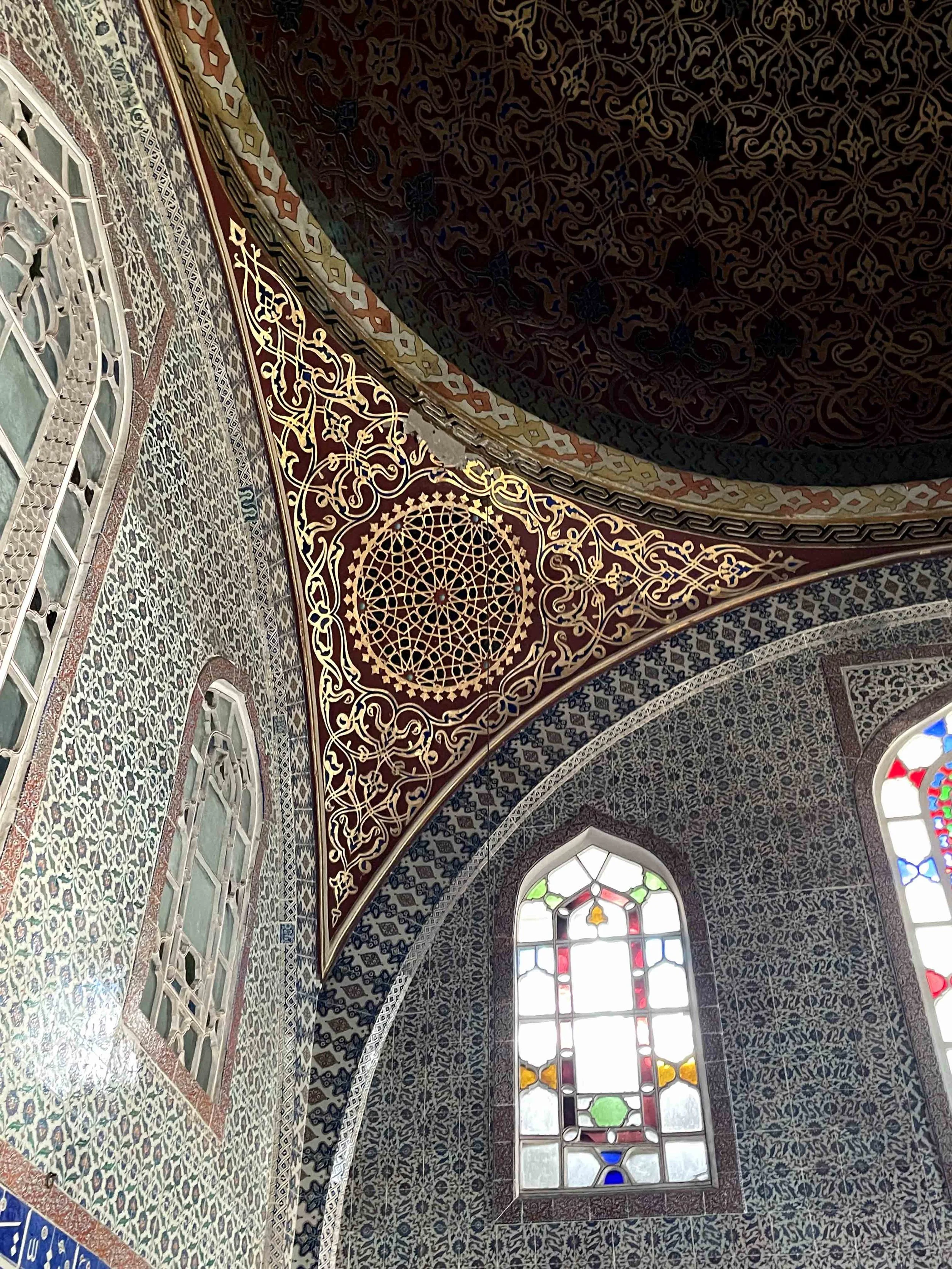
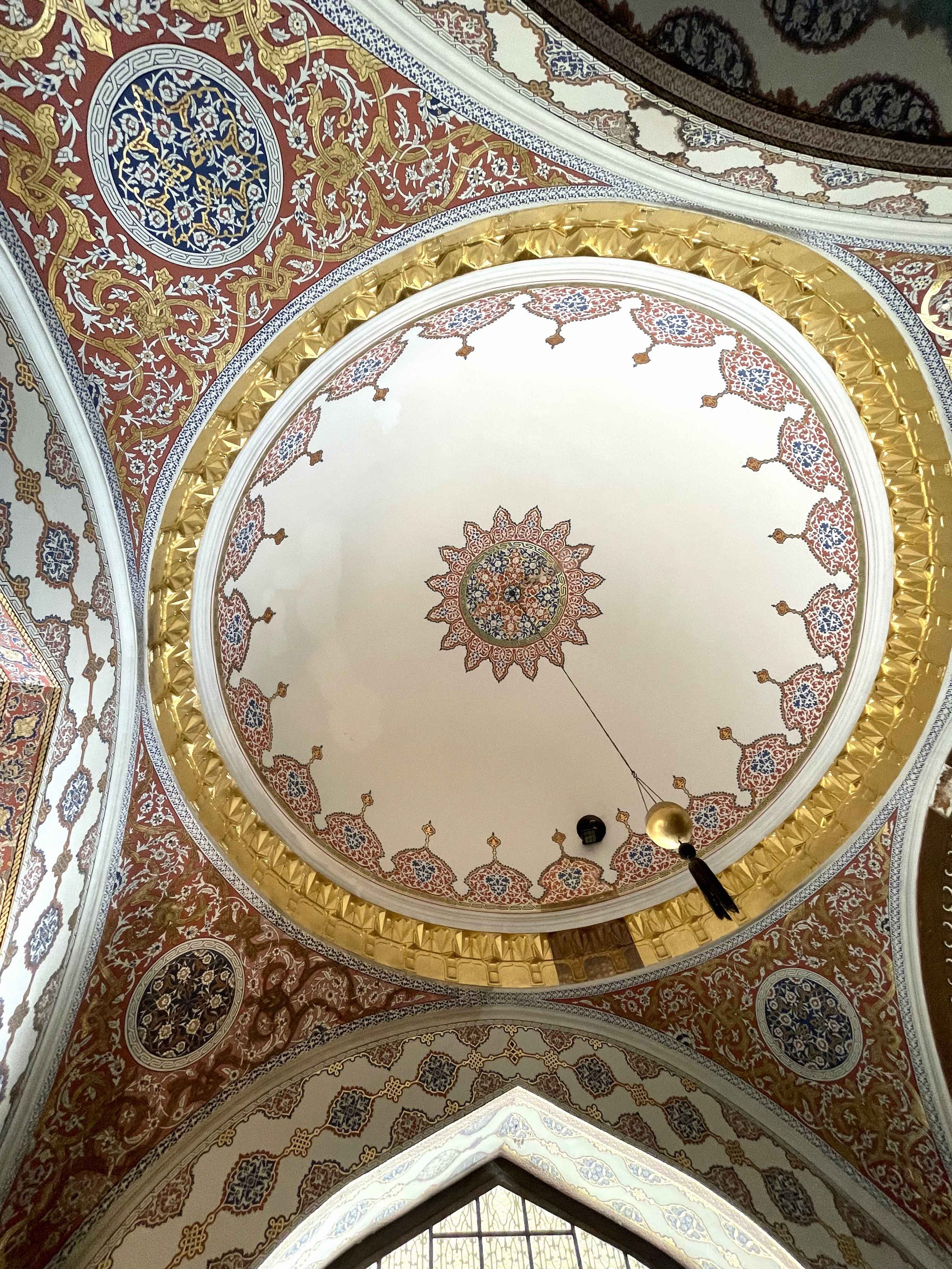
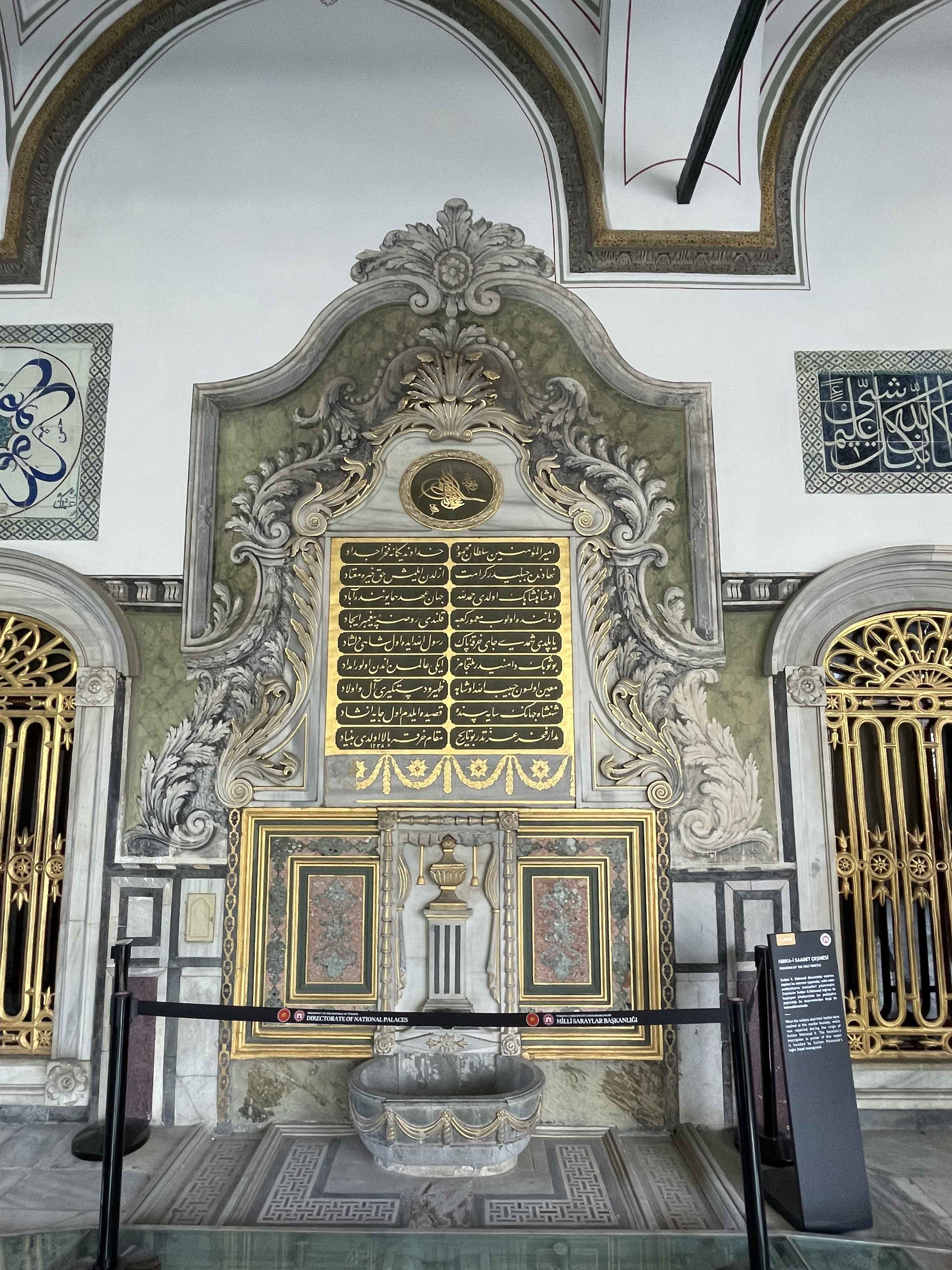
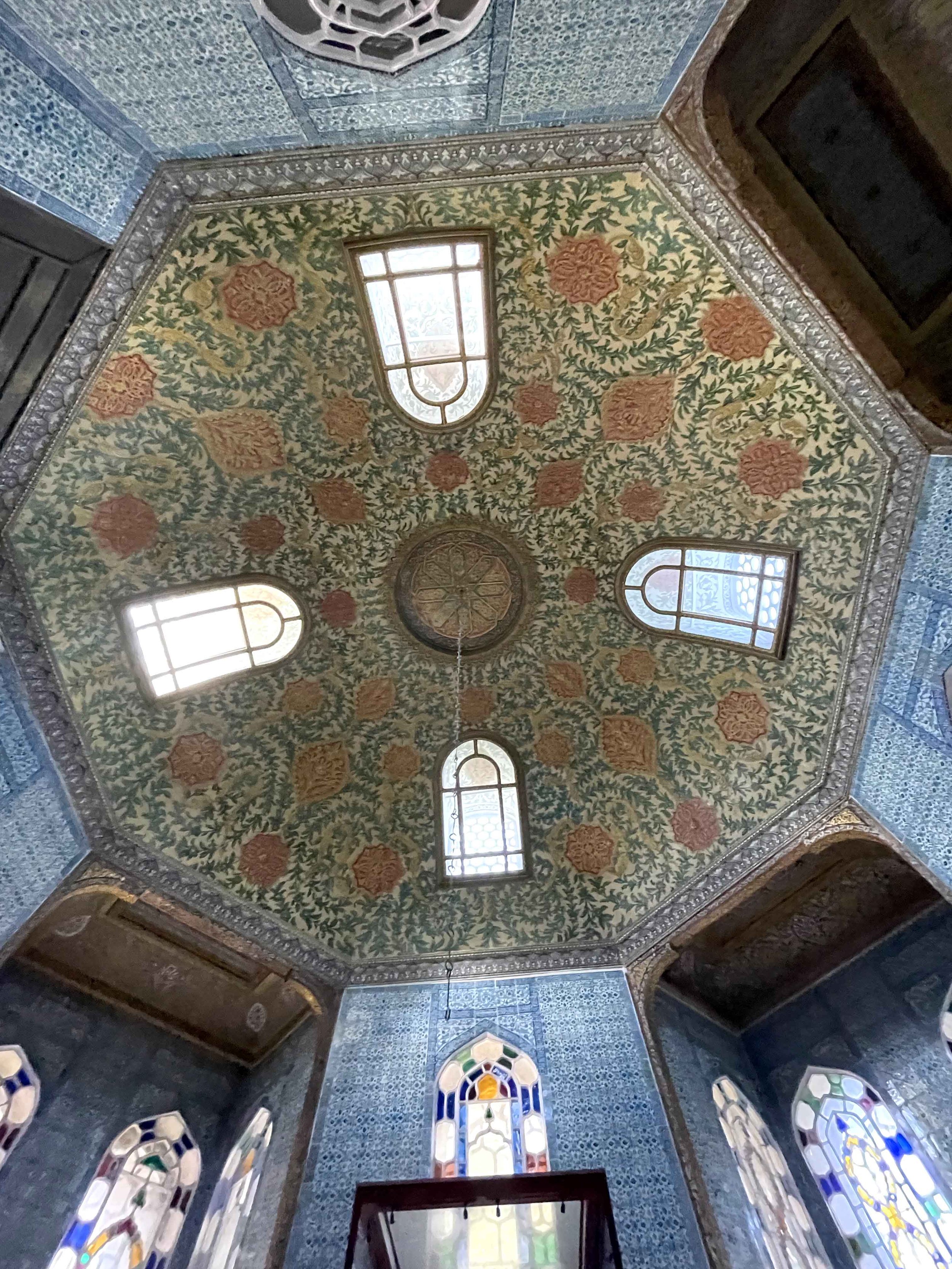
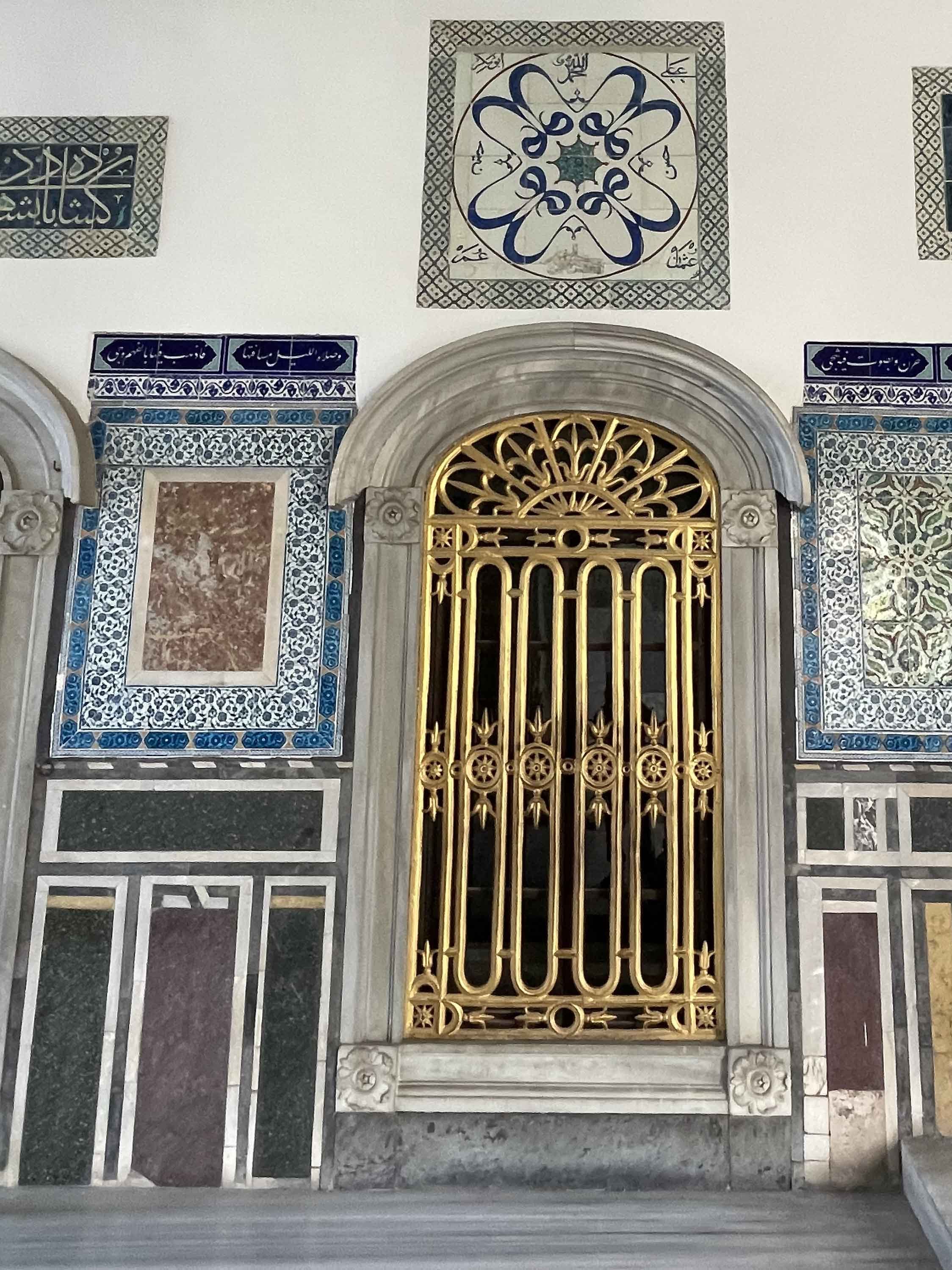
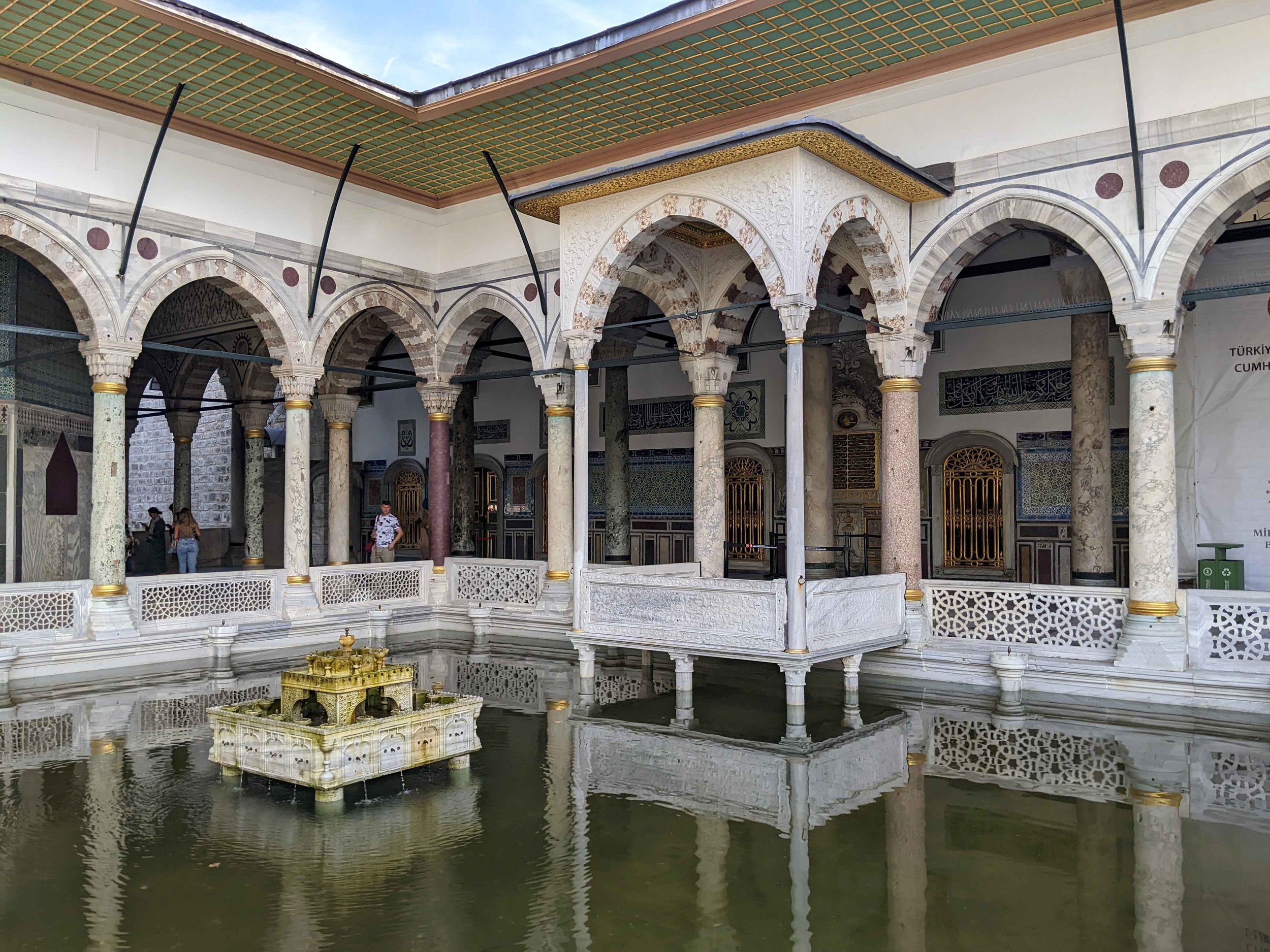
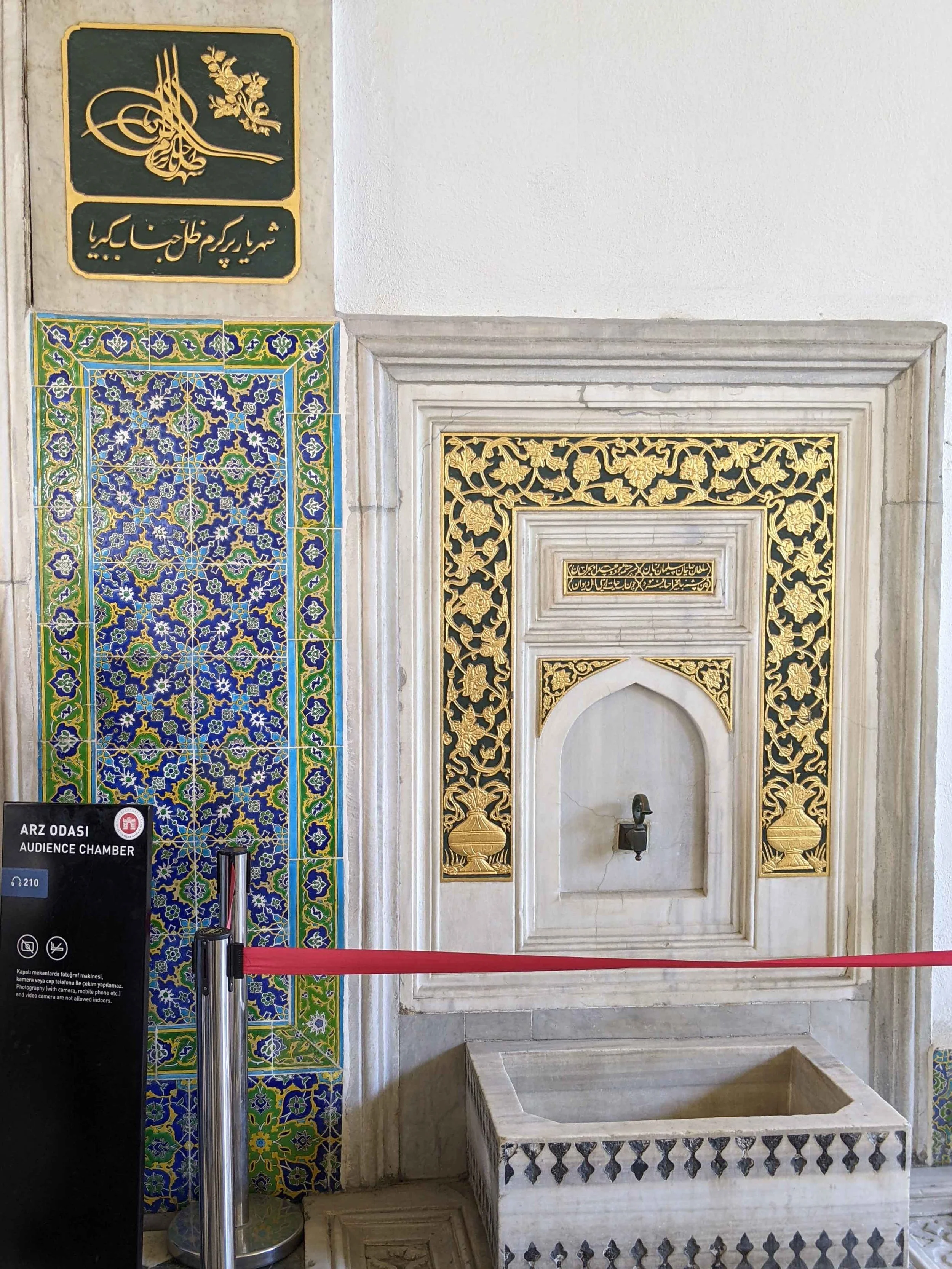
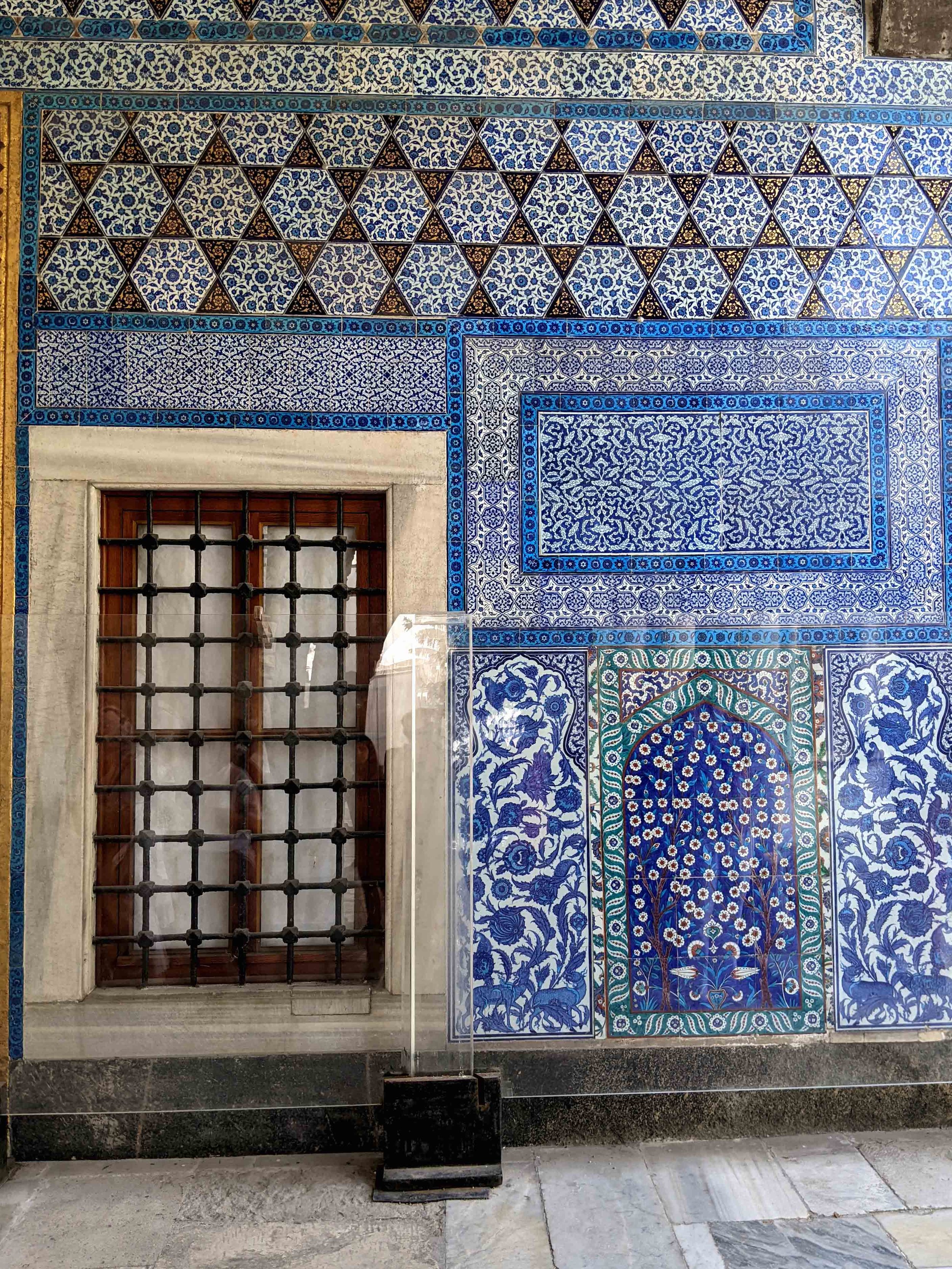
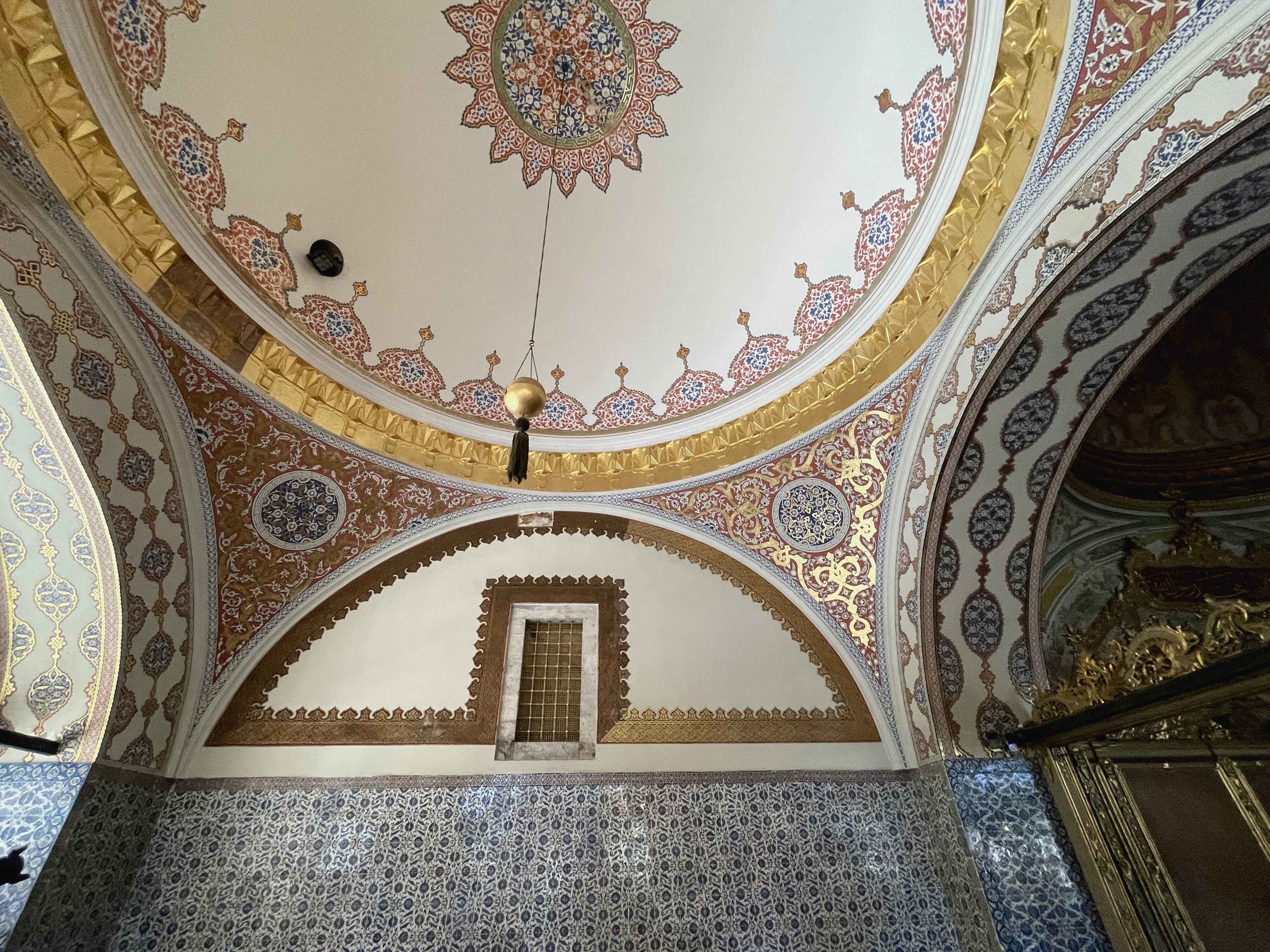
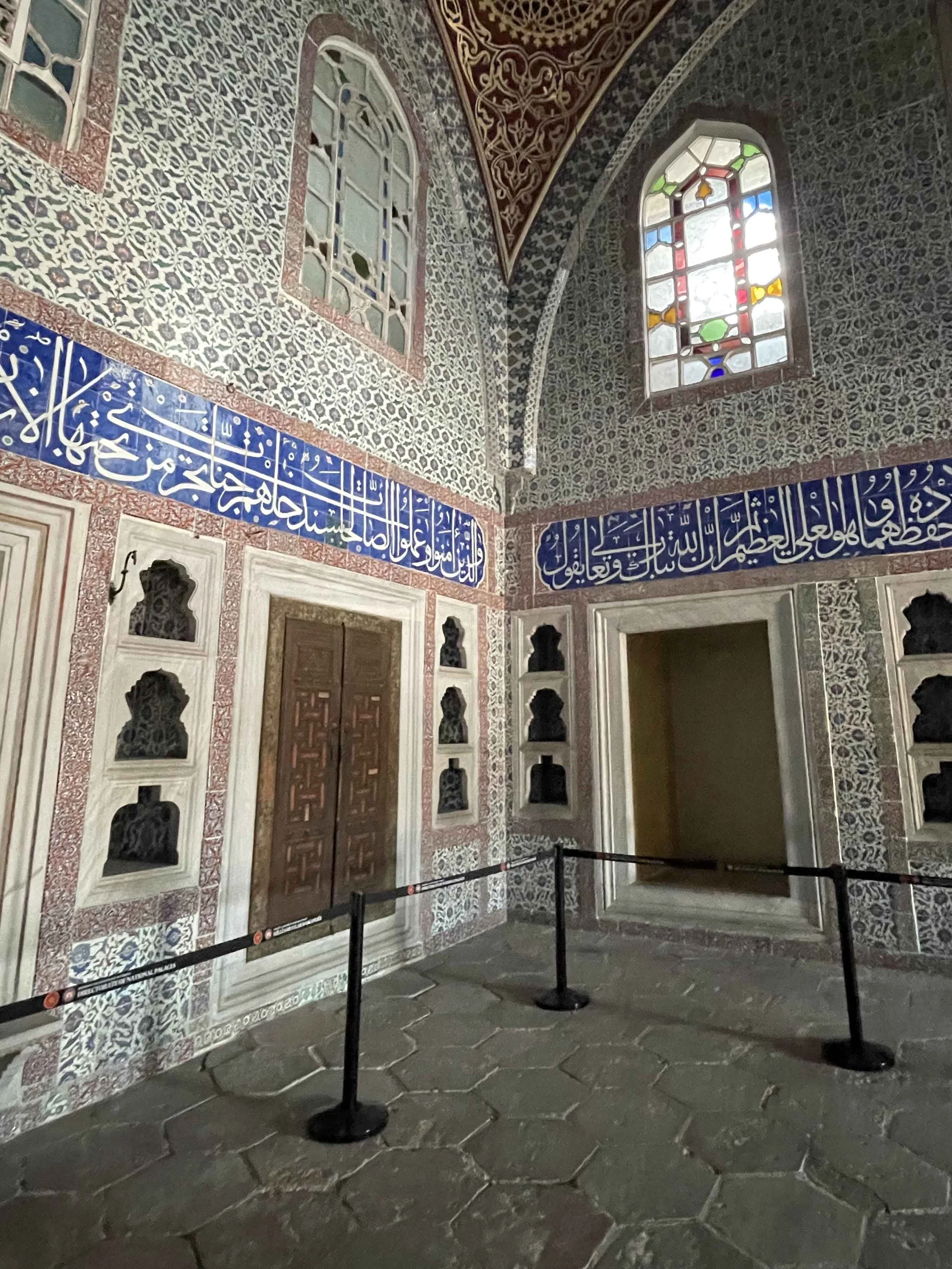
These rooms are simply spectacular and exhibit a mix of Turkish Iznik tiles and Western European paintwork and have intricate domed ceiling decor.

a22.jpg
a4.jpg
a2.jpg
a5.jpg
a6.jpg
a3.jpg
a7.jpg
a8.jpg
a12.jpg
a10.jpg
a9.jpg
a16.jpg
a13.jpg
a20.jpg
a15.jpg
a18.jpg
a17.jpg
a14.jpg
35.JPG
a1.jpg

COURTYARDS AND GARDENS

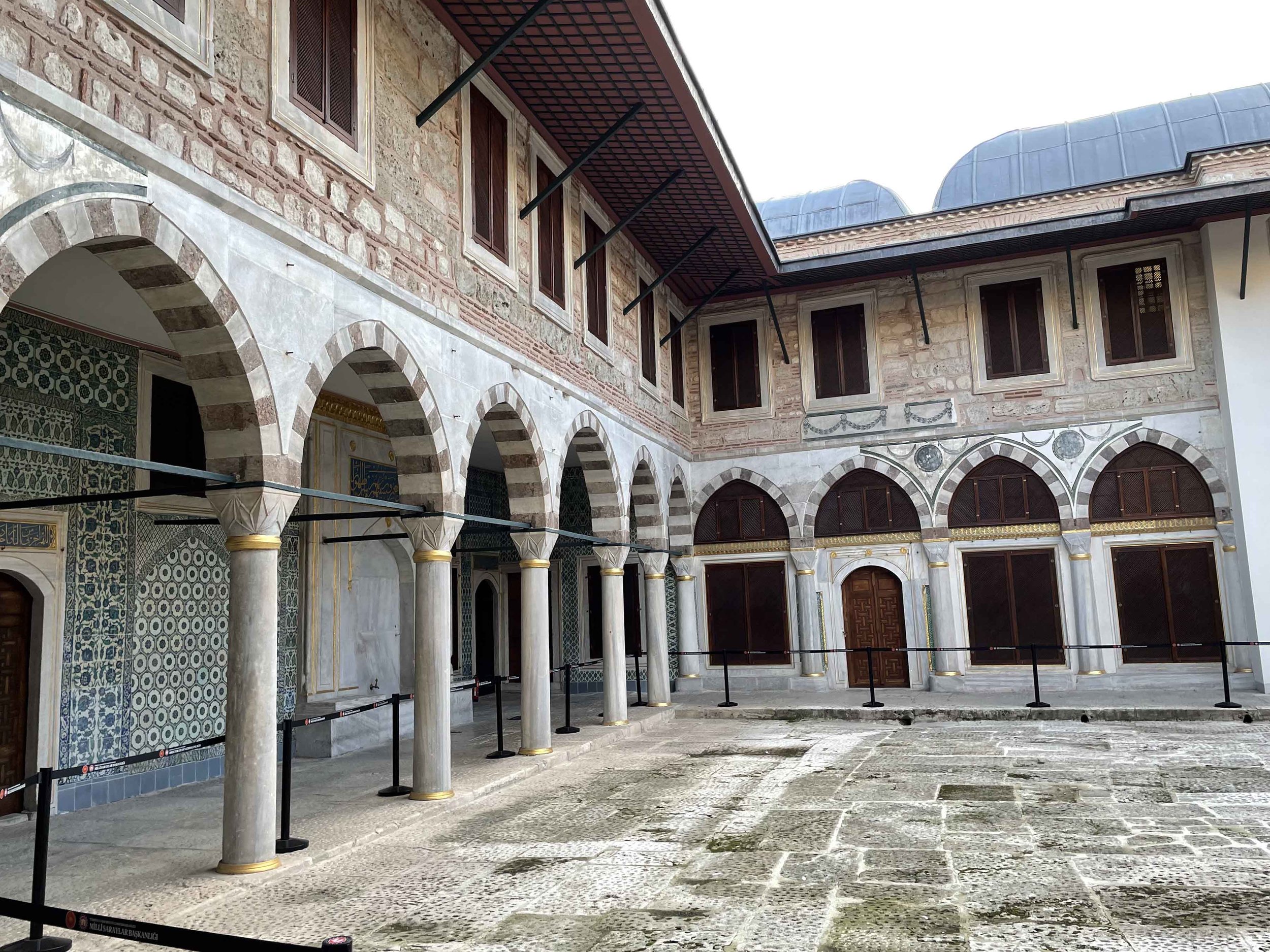
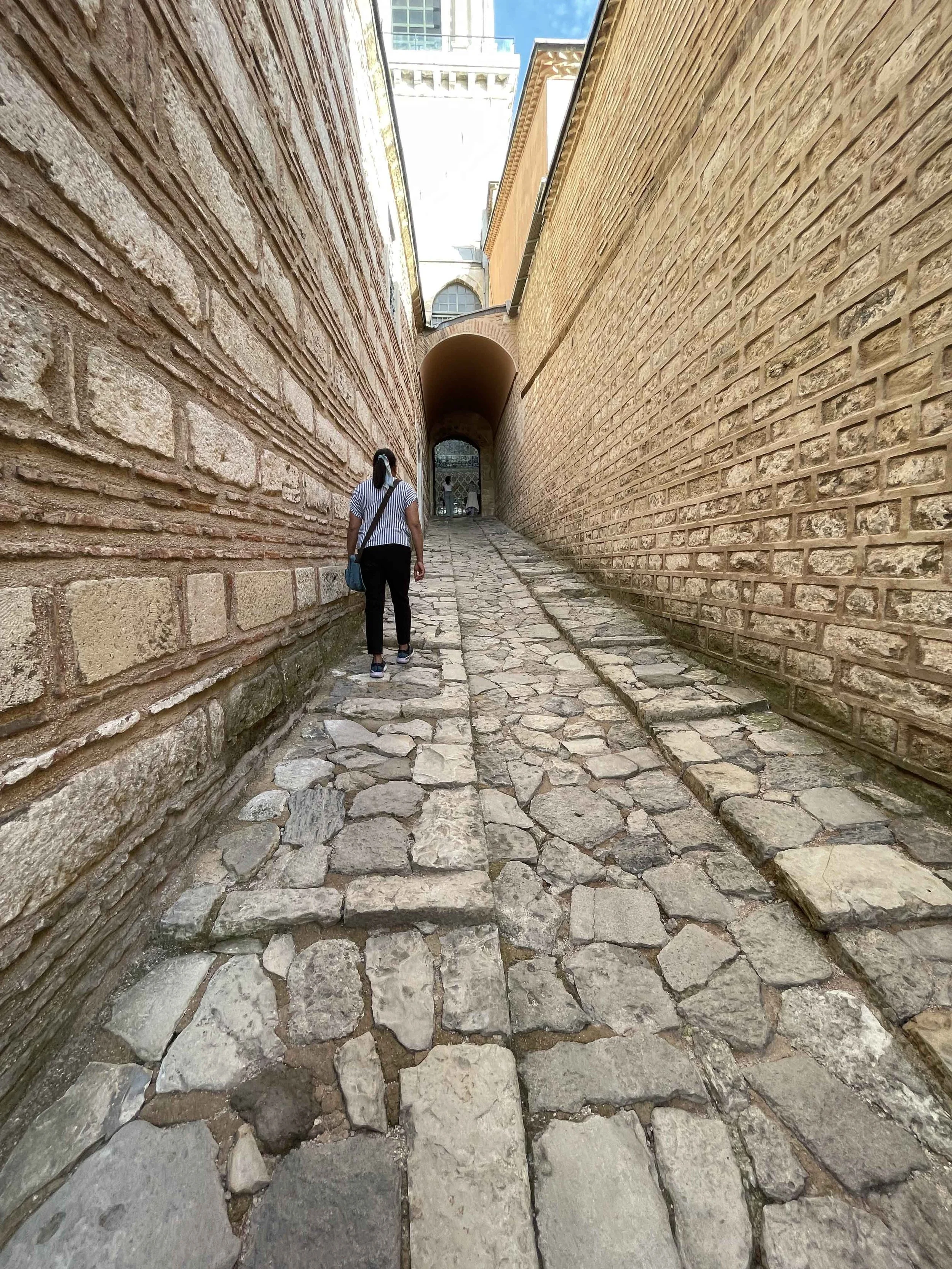
The palace design consists of four consecutive courtyards surrounded by high walls. Each courtyard served different purposes and was separated by a gate.

a10.jpg
a4.jpg
a2.jpg
a6.jpg
a14.jpg
a8.jpg
a9.jpg
a13.jpg
a11.jpg
a1.jpg
a3.jpg
a7.jpg

The outer courtyard is the largest and only public courtyard. This courtyard’s open space made it ideal for ceremonies and processions. The second courtyard was called the ‘Divan Square’, and was the administrative center of the palace. Only official visitors and members of the court could enter this space

The innermost third courtyard housed the private residence of the sultan and the inner palace school. Only the sultan, members of his family, his servants, and the occasional approved visitor were allowed to enter. The third courtyard extends to the fourth courtyard, which consists primarily of terraced gardens and pavilions.

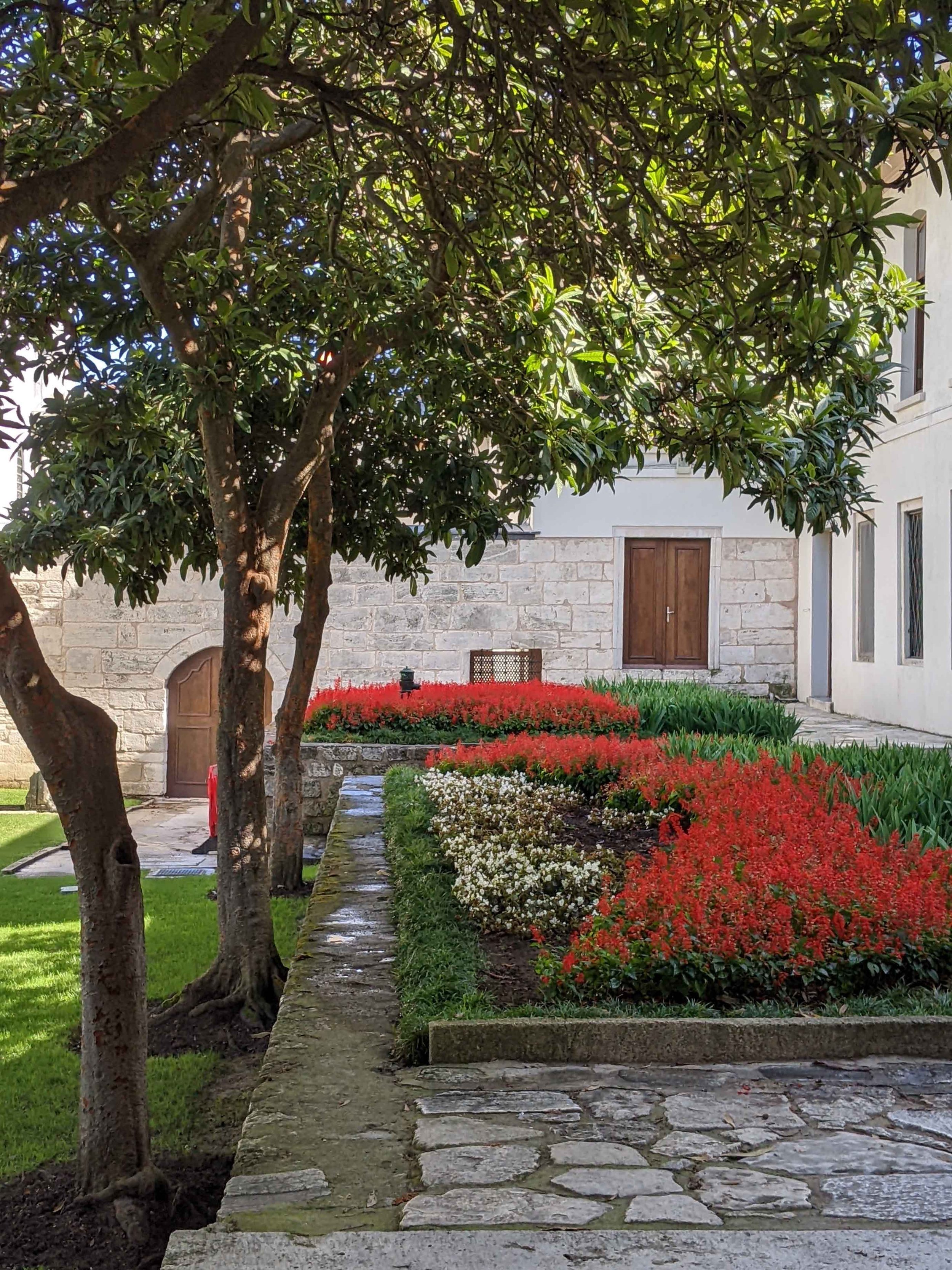
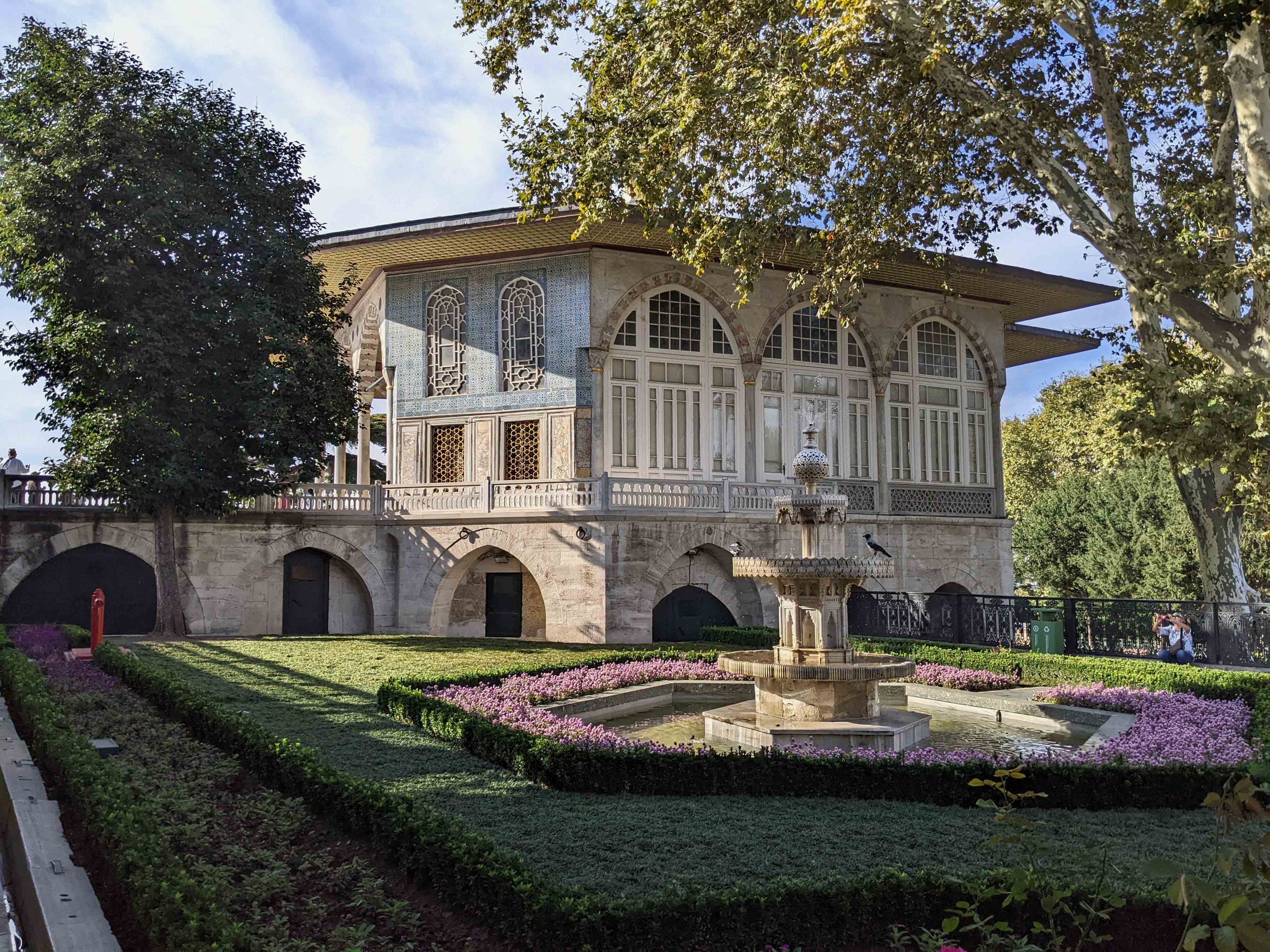
The Sultans were keen lovers of gardens and flowers and lined the courtyards with long tall trees, fountains, and lawns. They collected best flower species from all over the empire and planted them in the palace.

The Austrian ambassador who came to Istanbul at the time of Sultan Suleyman, stated the following about the flower passion of the Turks, “The flowers smelled so good that our heads were spinning, which was unusual for us. Turks, are very fond of flowers. They do not hesitate to give a lot of money for a beautiful flower.”

Topkapi palace is a must-see destination while visiting Istanbul, allow at least 4 hours for a proper look. It is a touristy spot that attracts thousands of visitors each day, therefore it’s better to visit early and see the harem (additional tickets) and the chamber of holy relics first up before it gets busy.

In Arts, Islamic Arts, Travel, Turkey, Garden, Ottoman Tags topkapi, Topkapi, Palace, Turkey, Courtyard, Gardens, garden, Library, Museum, Harems, harem
Comment

Cappadocia

October 16, 2022

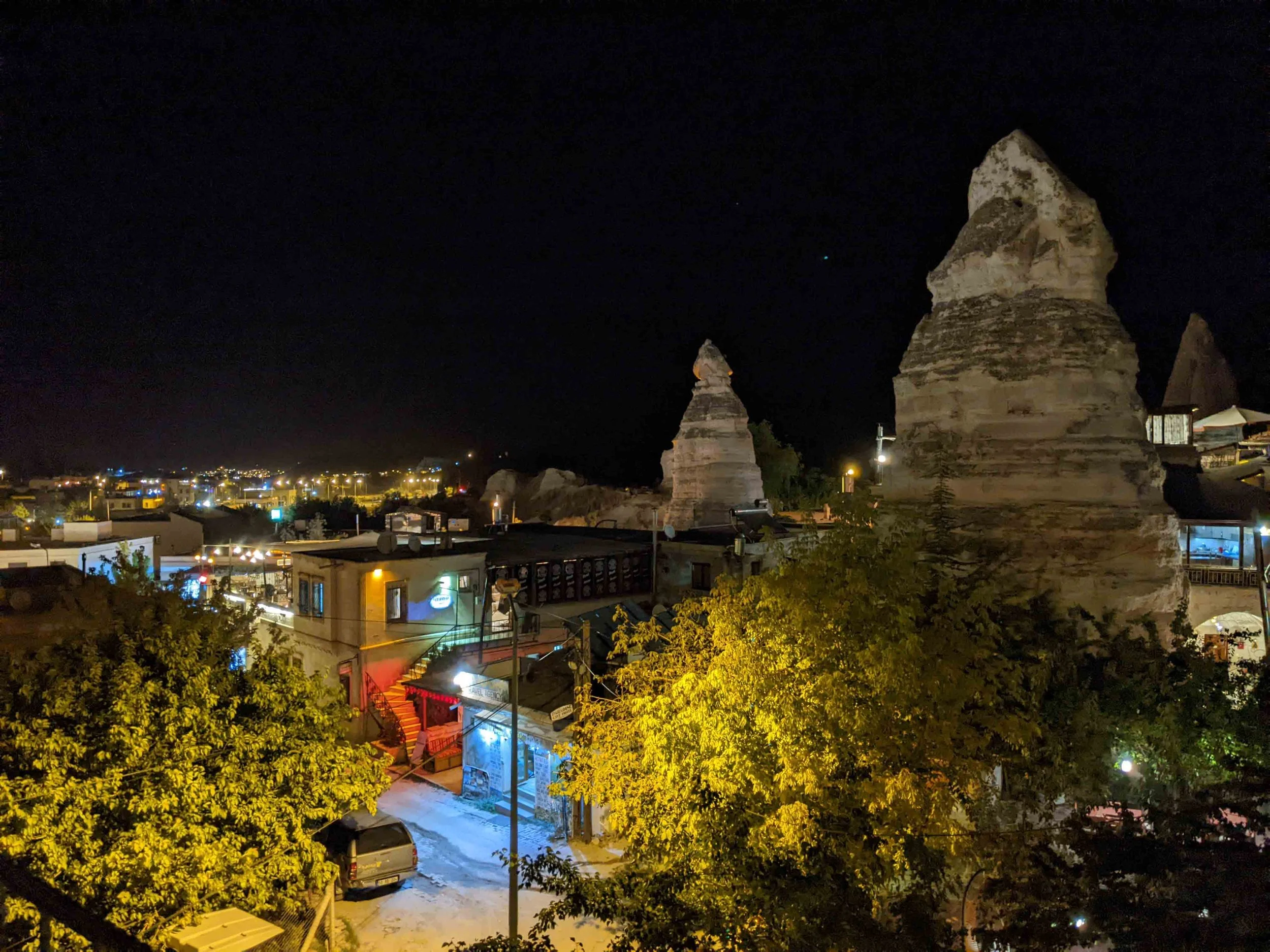
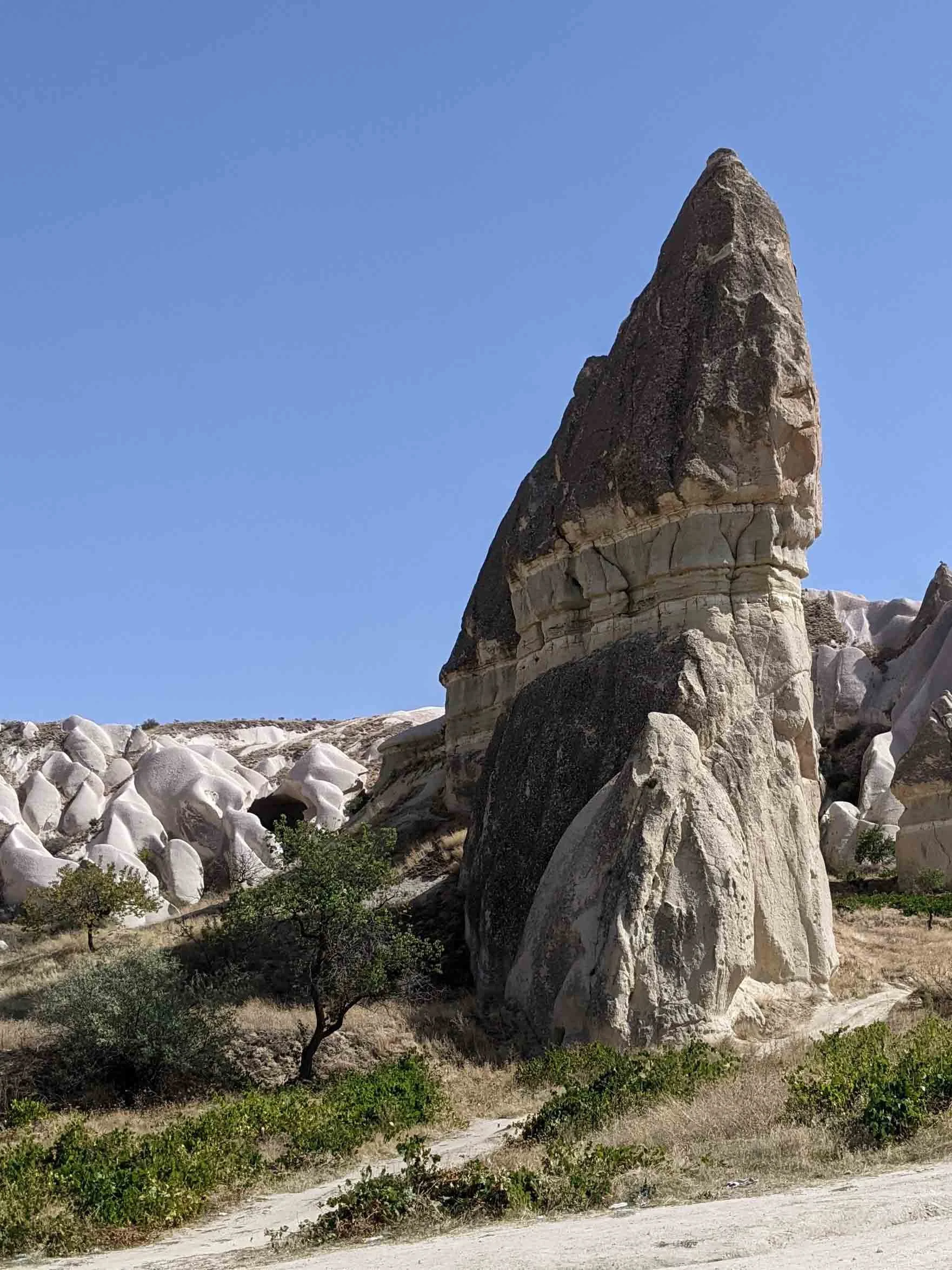
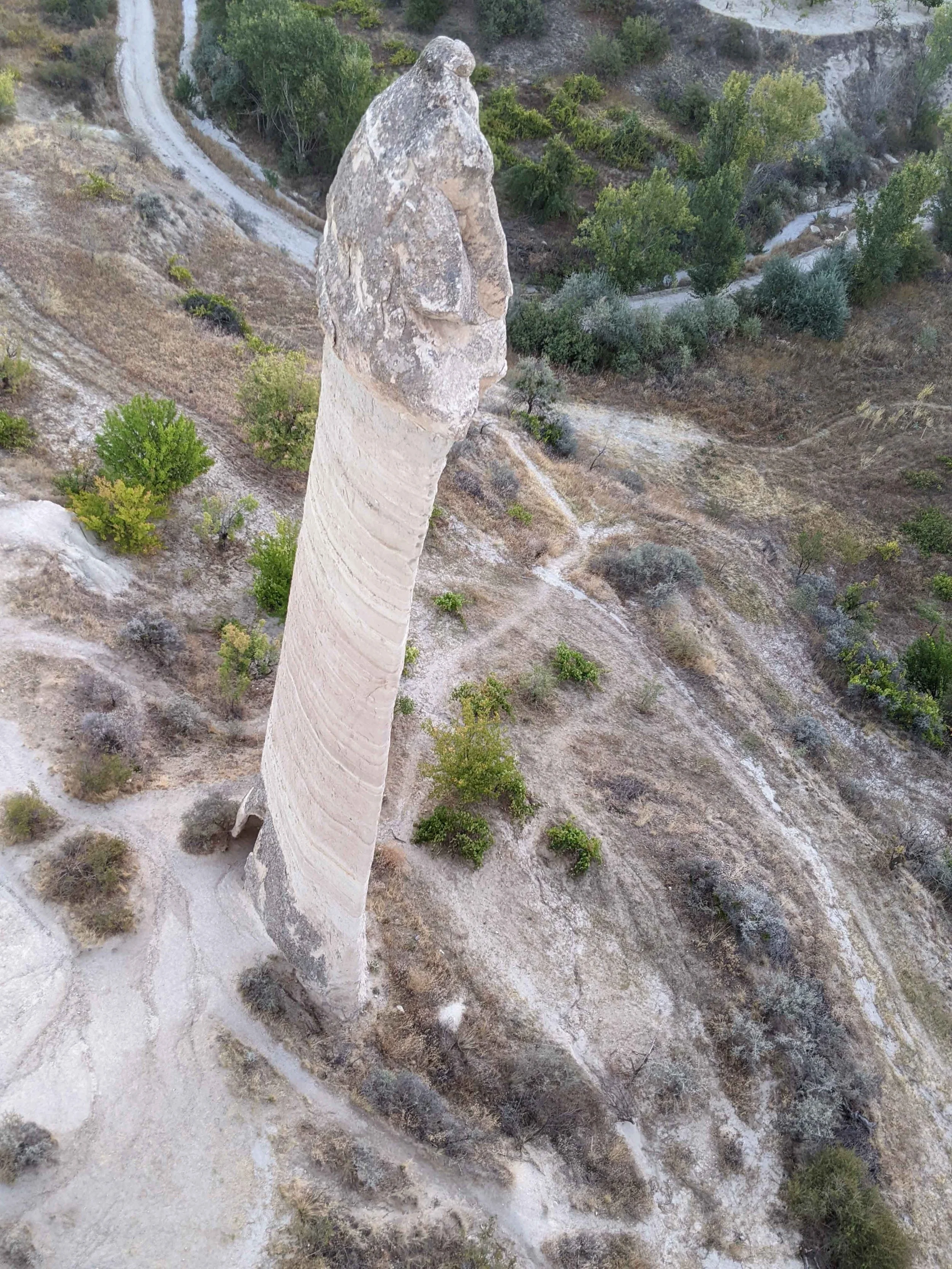
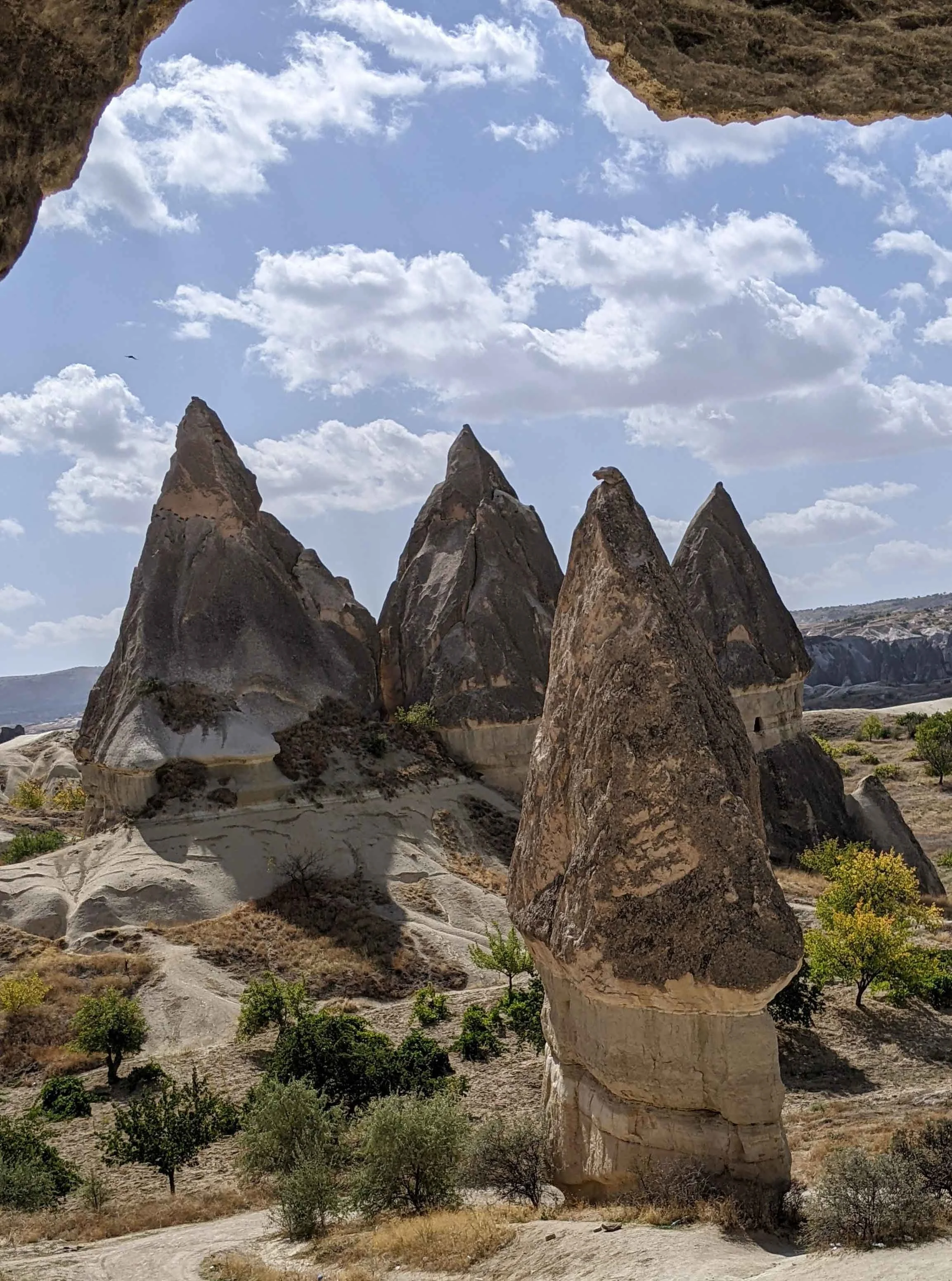
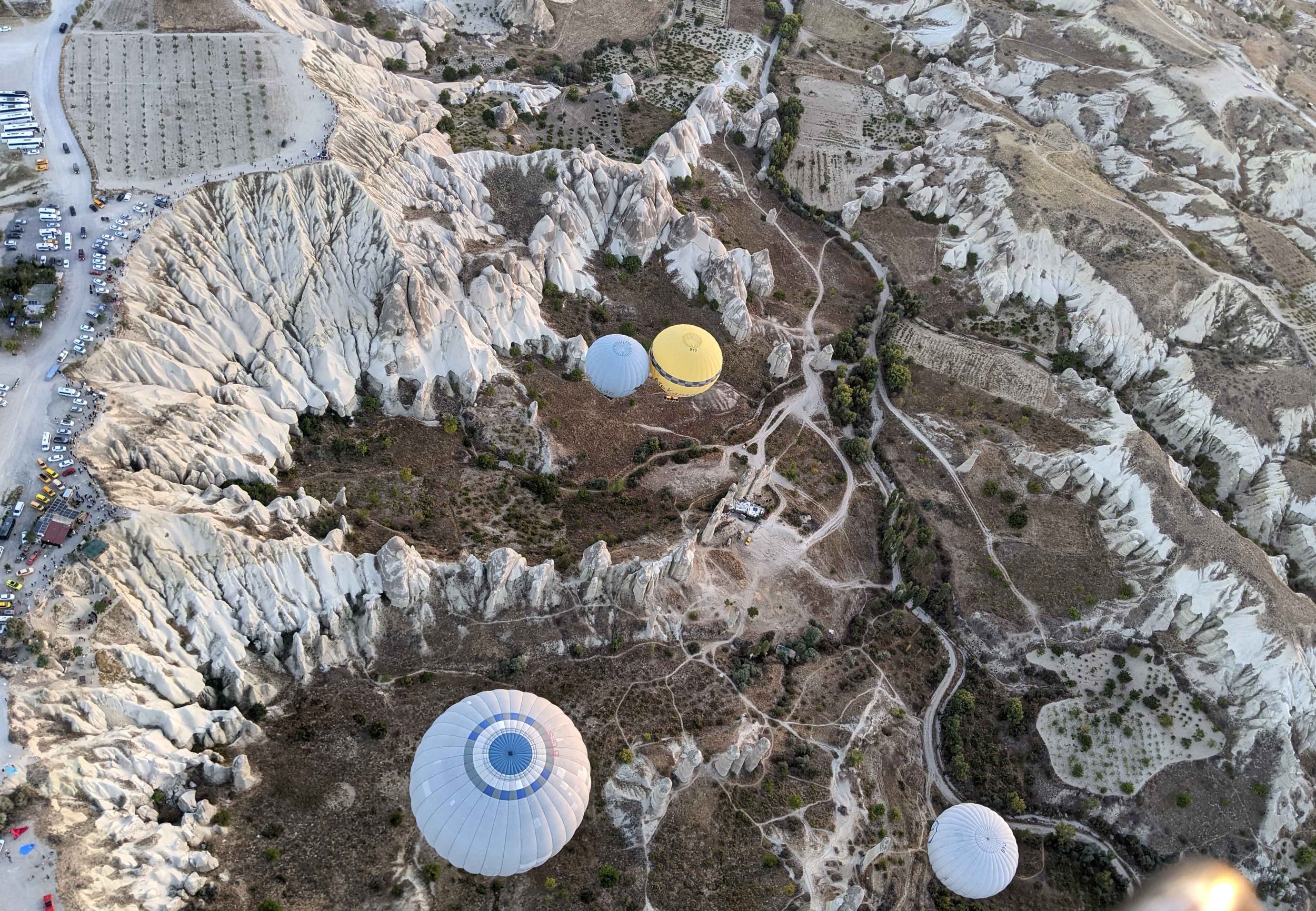
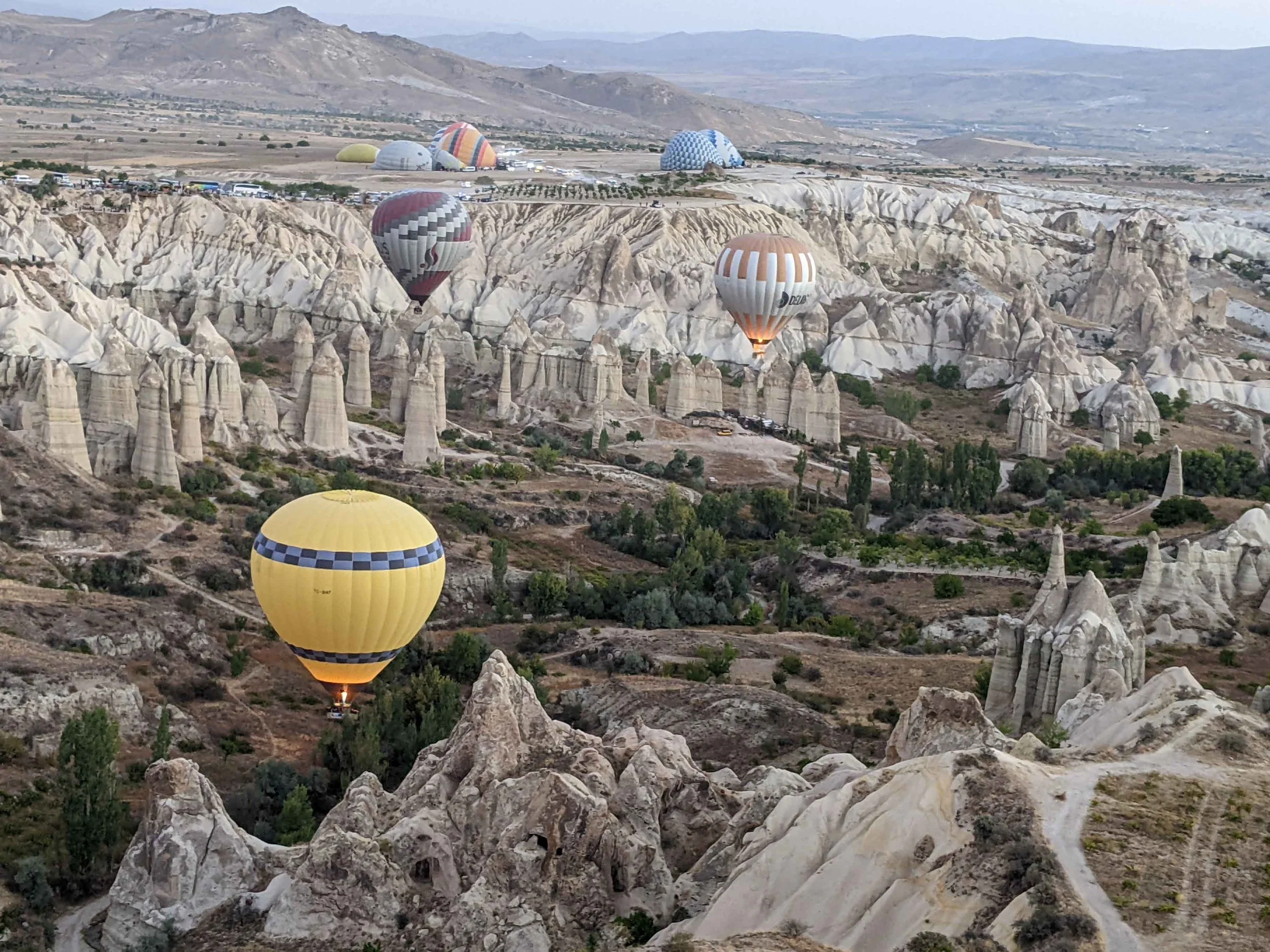
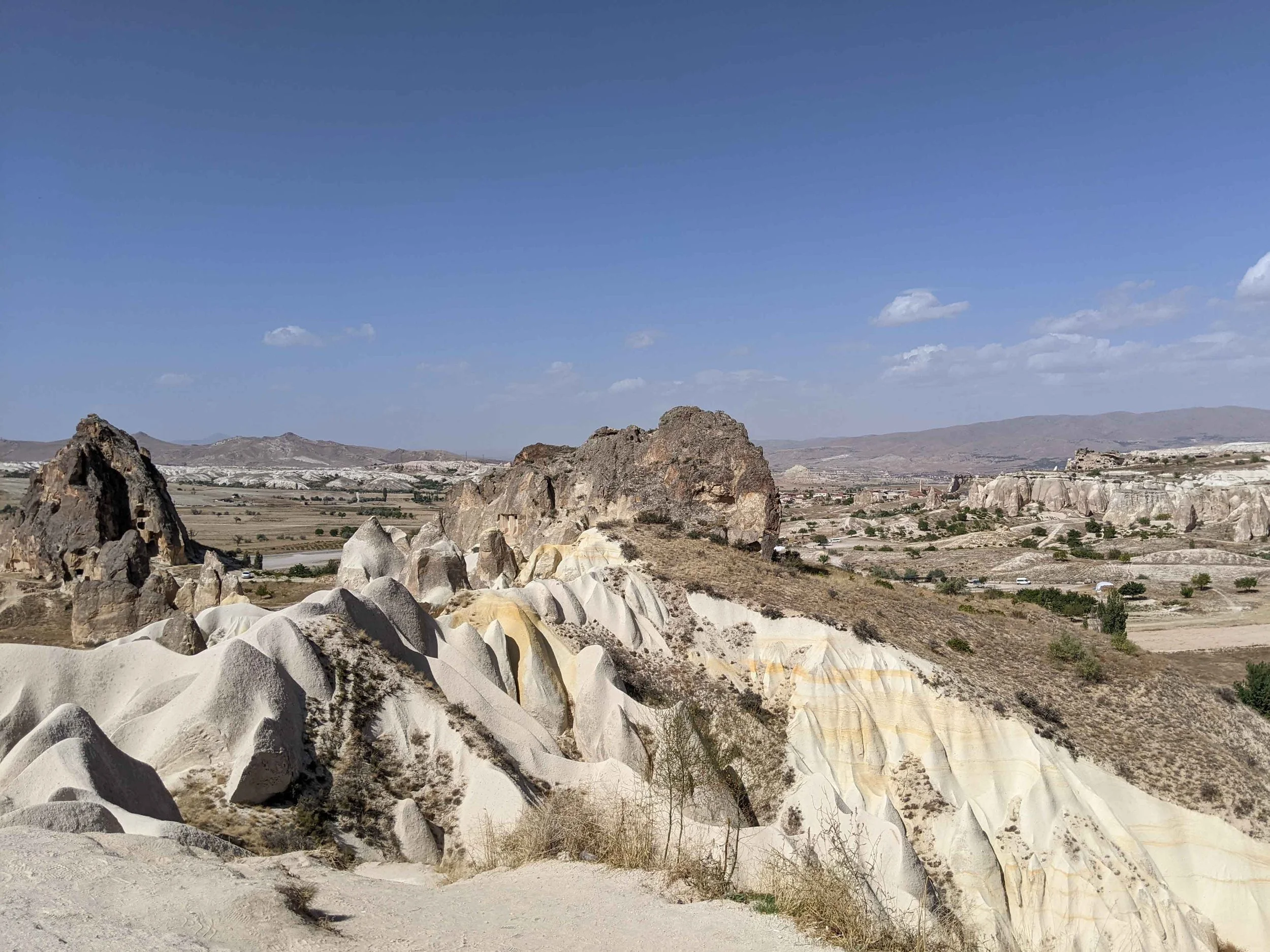
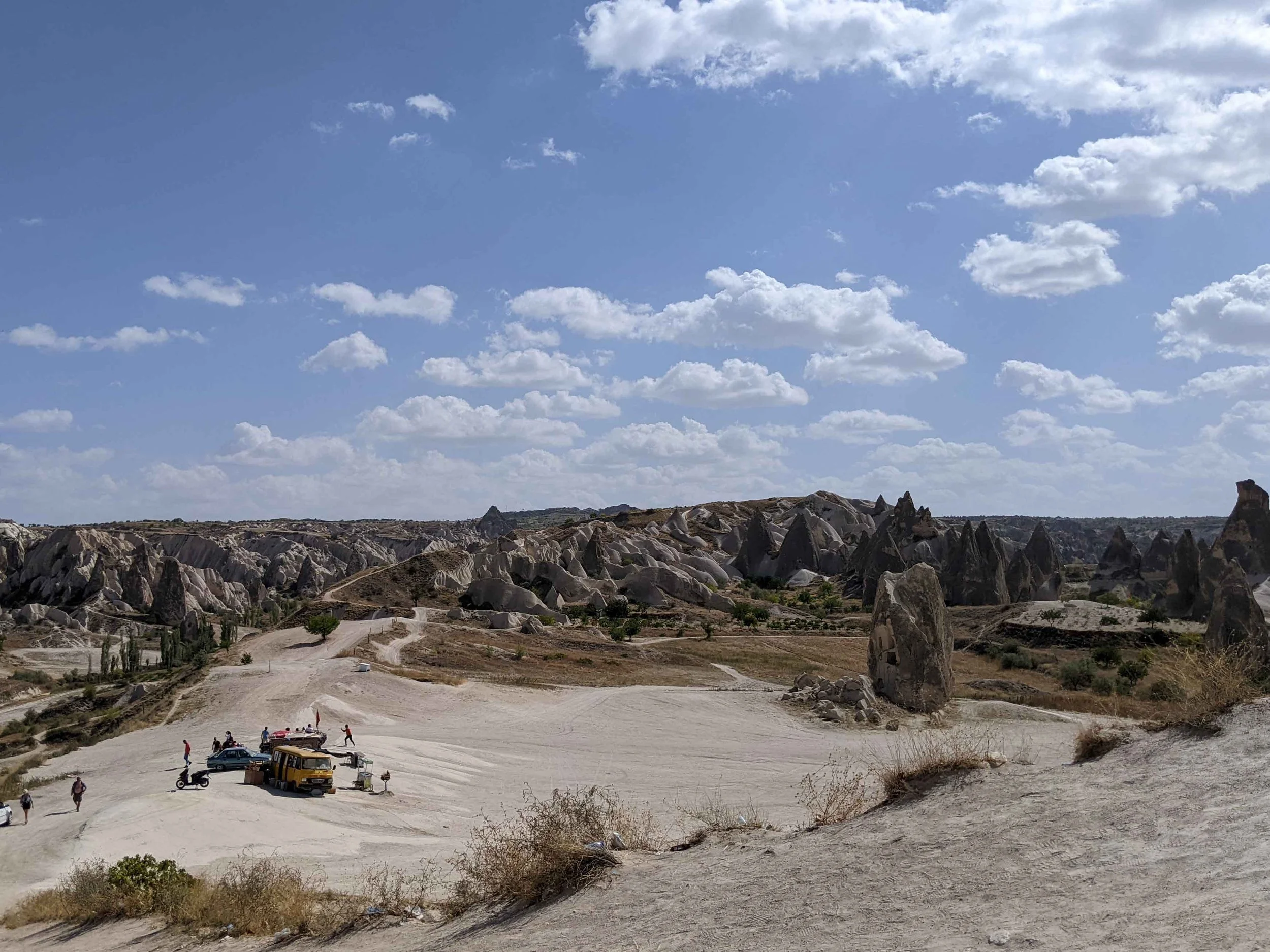
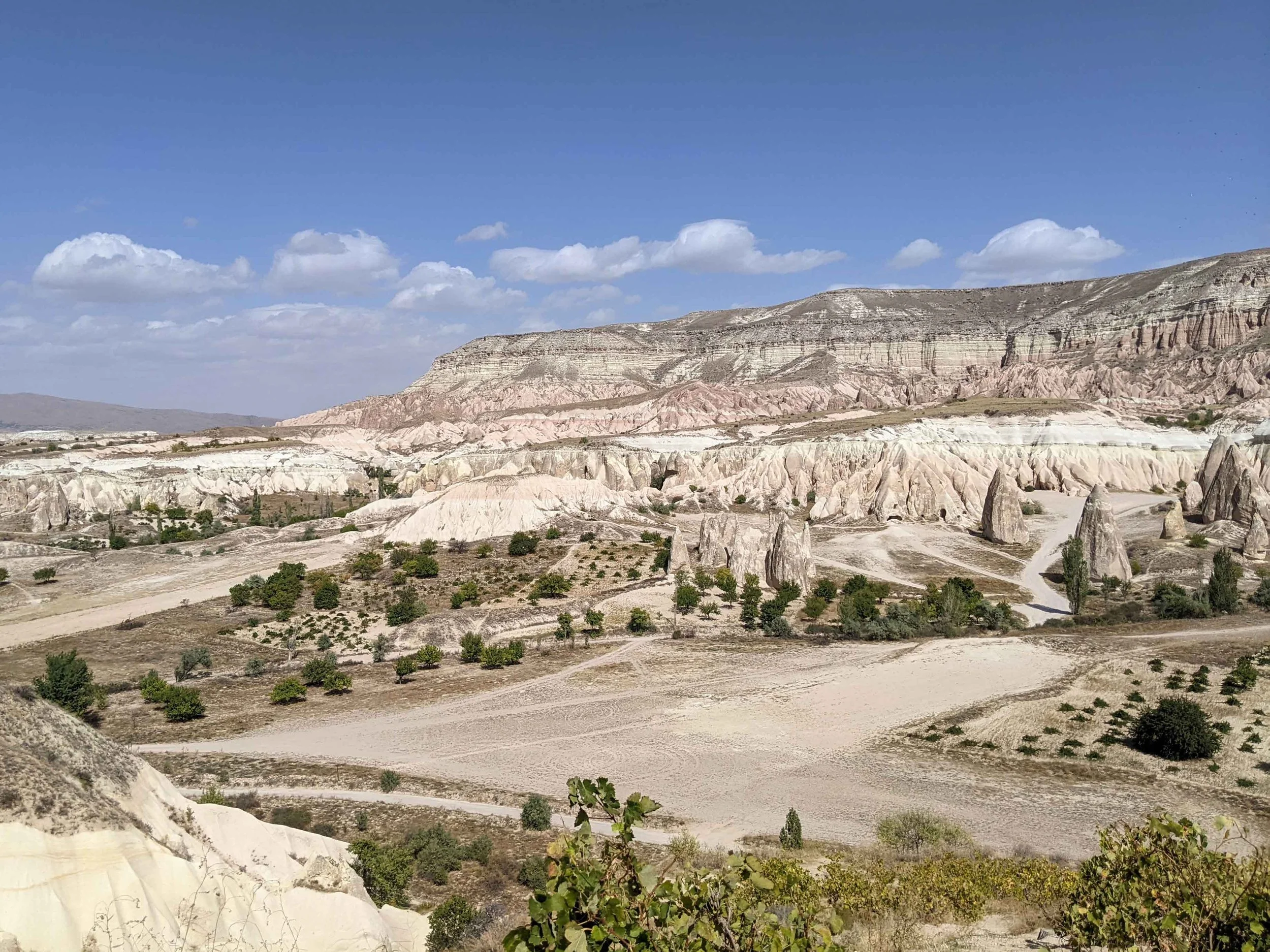
Located at the centre of present-day Turkey; the ancient district of Cappadocia is in east-central Anatolia, about 700 km from Istanbul. The plateau is dominated by an eerie landscape comprising long, tall, and thin rock structures, the ‘fairy chimneys’ (or more technically; ‘hoodoos’) that rise out of the ground.

Cappadocia Landscape

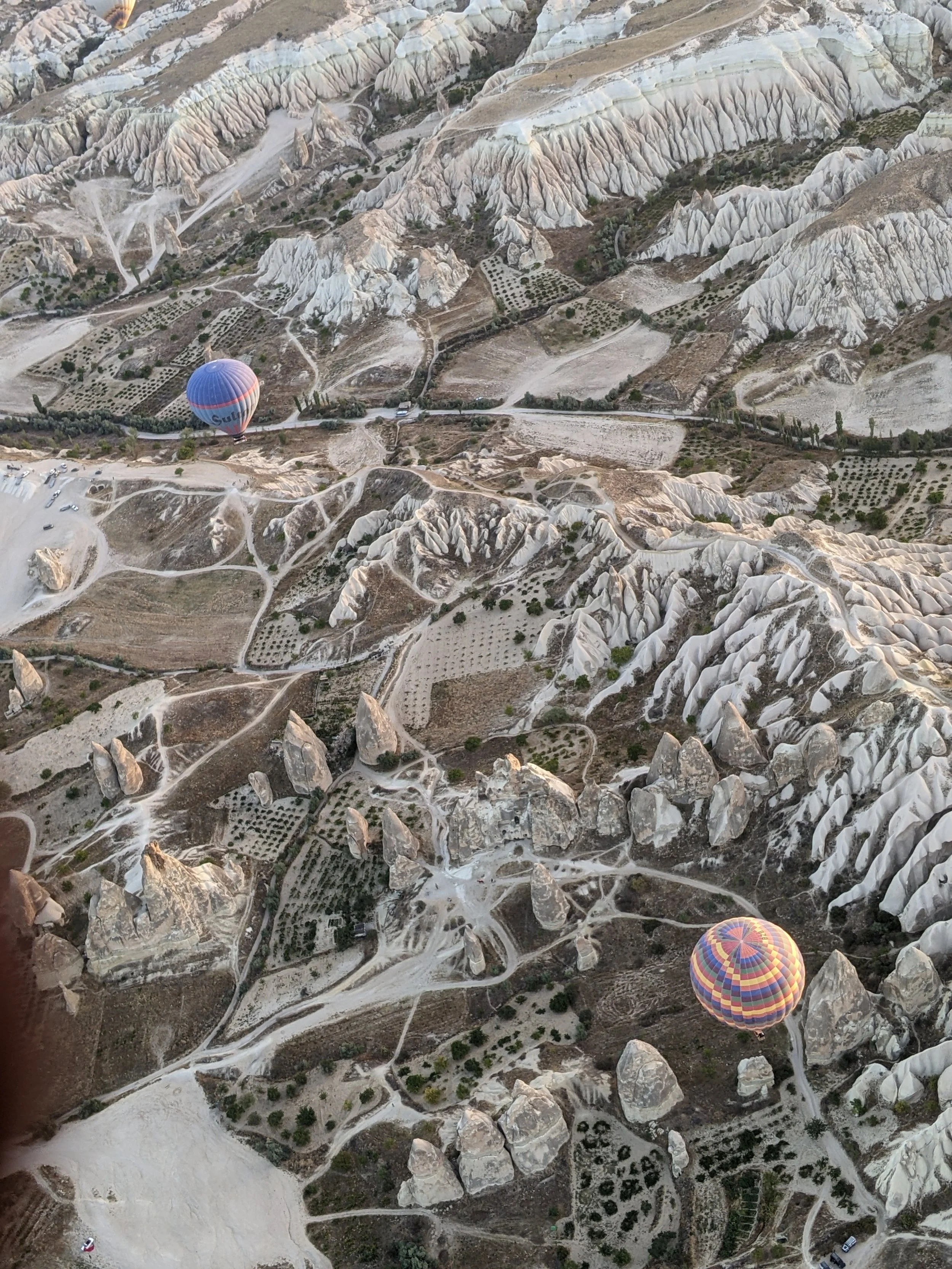
Contrary to the myth, which attributes these landscapes to the fairies that once lived in the area and after leaving returned as pigeons, these rock formations are the result of a geological process that spans millions of years.  The magnificent landscape was formed by volcanic eruptions that rained ash over this region. The ash hardened into a porous rock (tuff), which was then covered by a layer of basalt. As millennia passed, the softer tuff wore down by wind and water, giving way to pillars that now stand as high as 40 meters. The mushroom-shaped cap is the remnant of harder basalt rock that eroded more slowly.

View fullsize 3.jpg
View fullsize PXL_20220930_035321521.MP.jpg
View fullsize 4.jpg
View fullsize 7.jpg

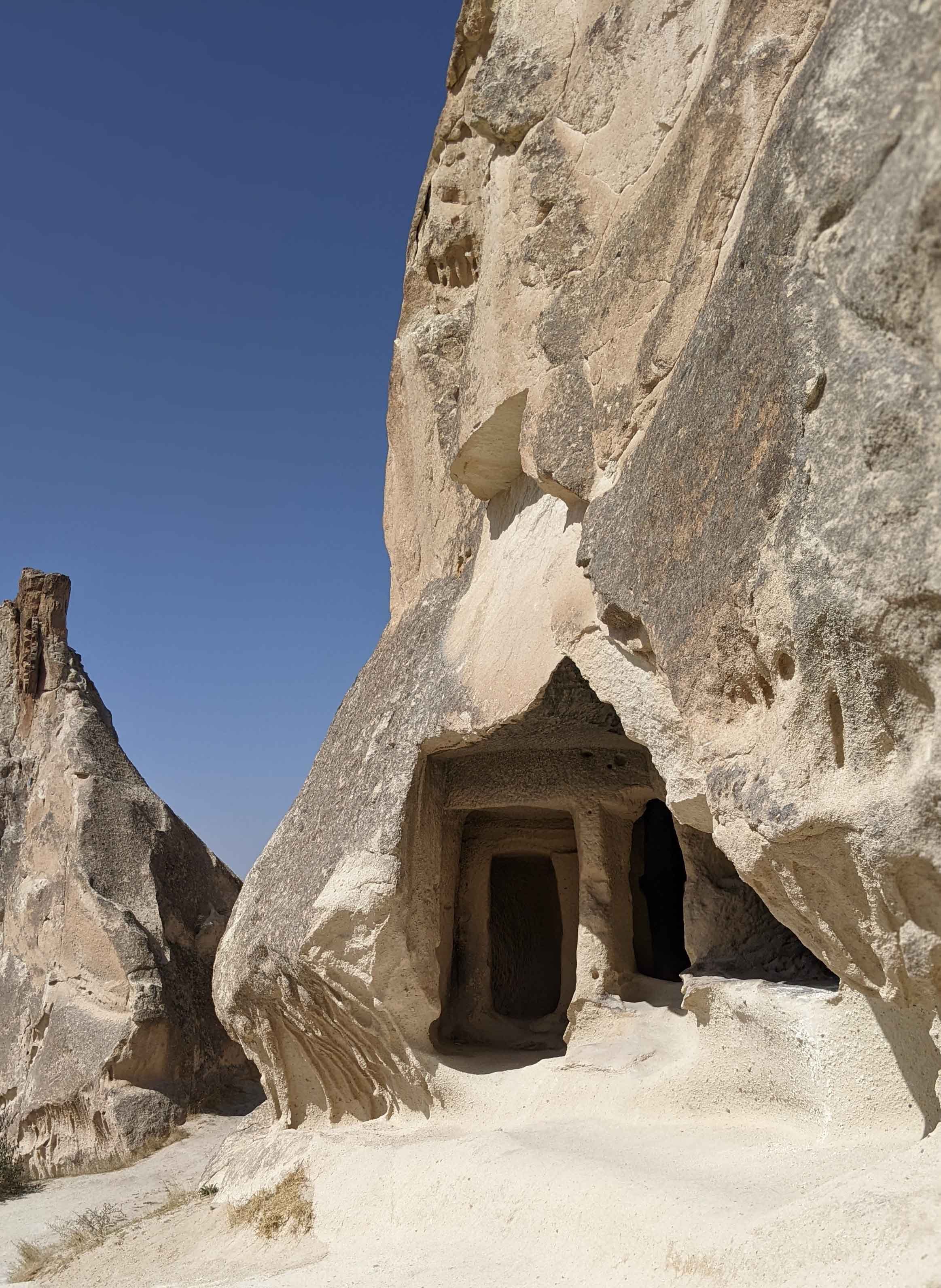
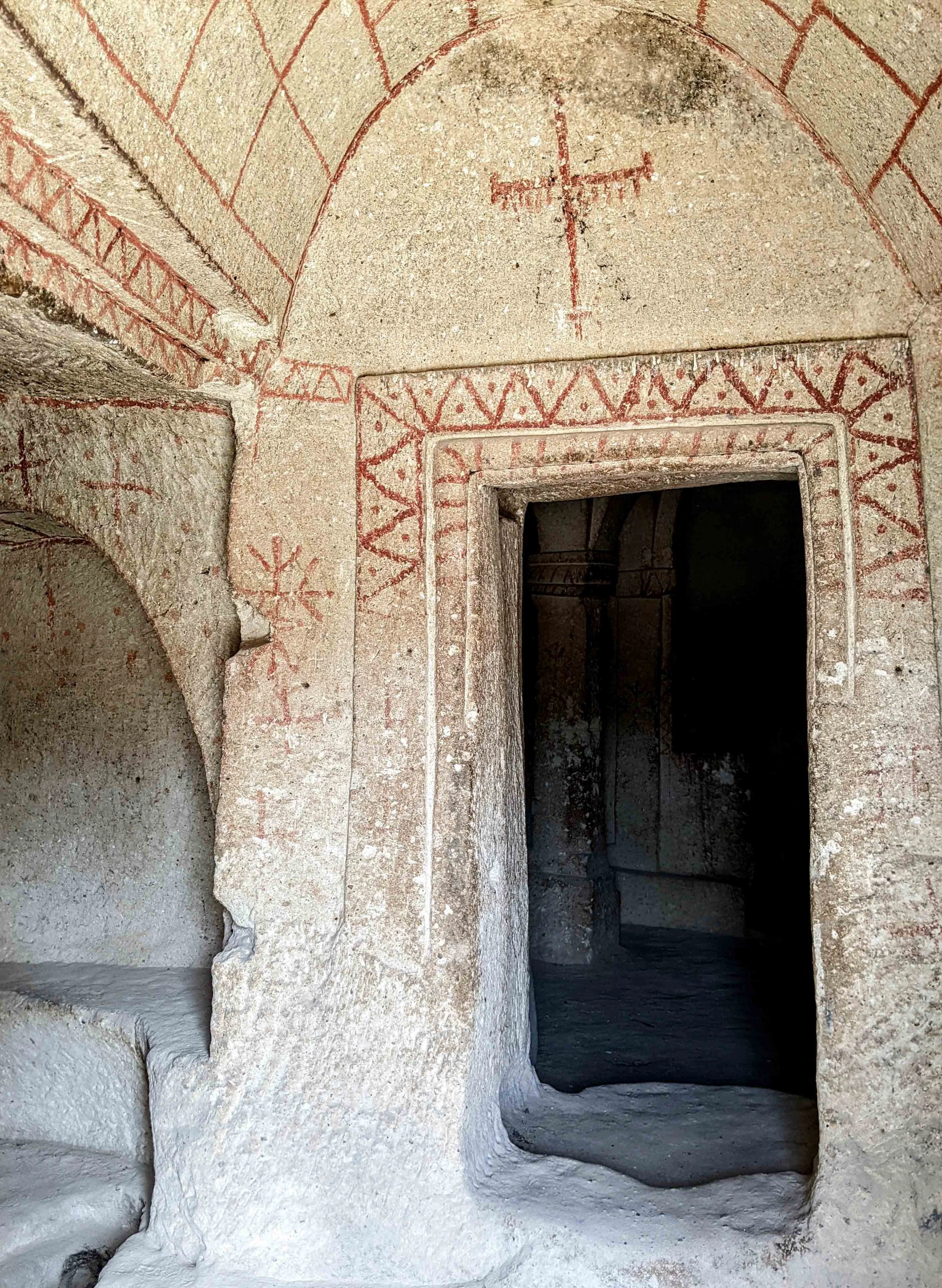
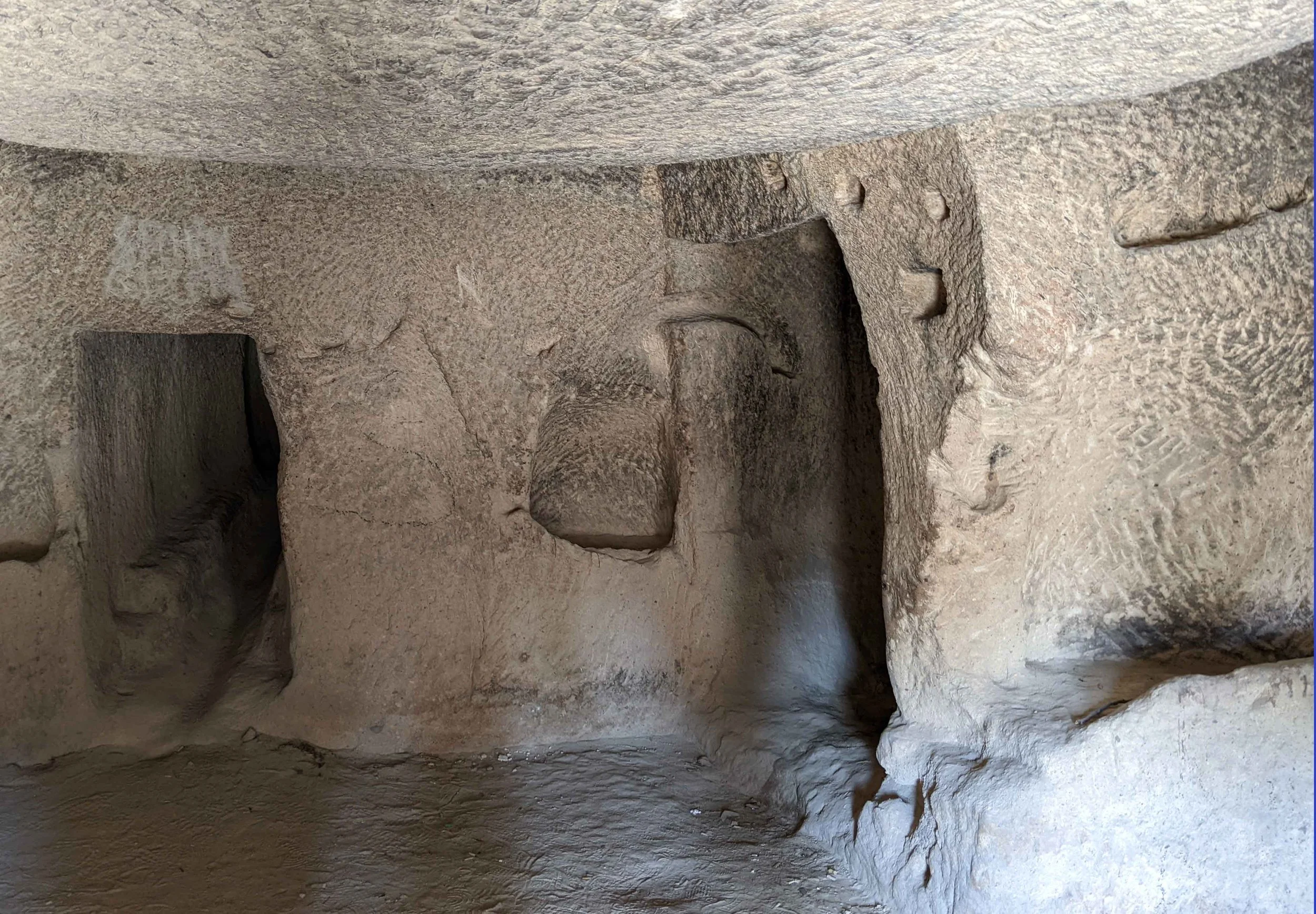
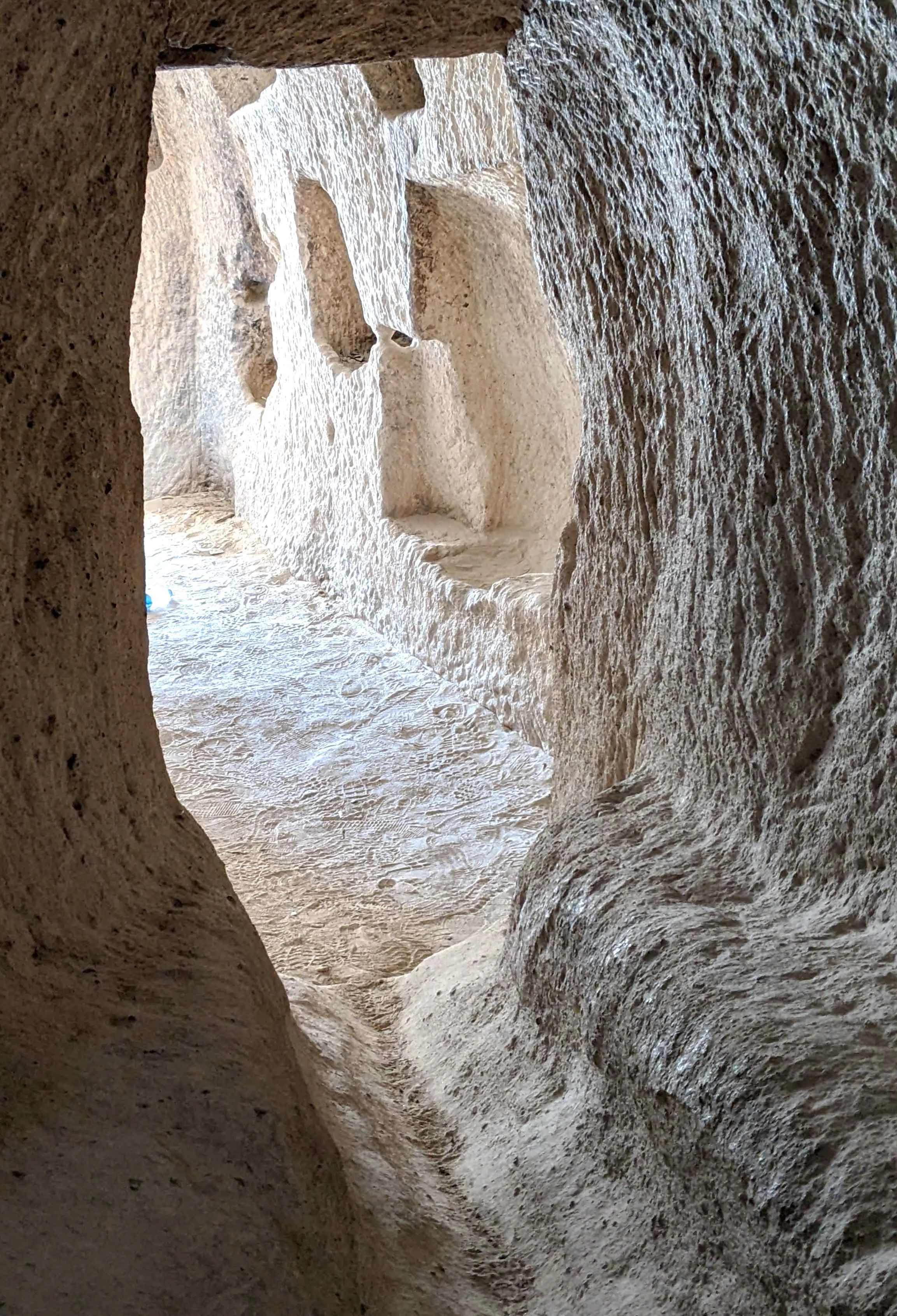
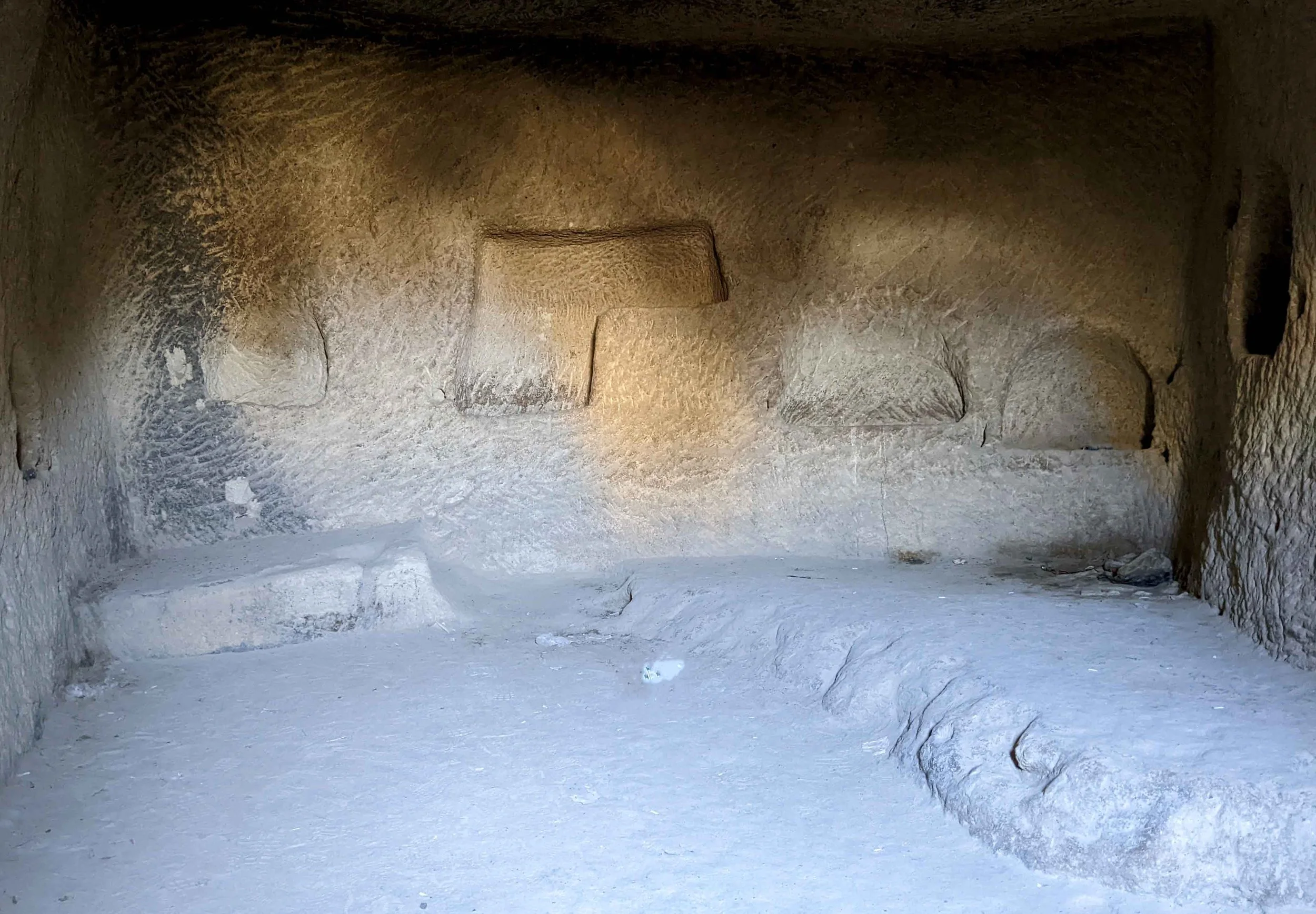
While forces of nature shaped the incredible rock formations, people living in the area for hundreds of years have dug into the soft but firm tuff to create dwellings, monasteries, churches, and underground cities. From The Hittites (late bronze age) to the Ottomans, nearly all European empires have claimed this region and for centuries, people fleeing prosecution have fled into these underground dwellings to shield themselves from outsiders.

View fullsize 1.jpg
View fullsize 2.jpg
View fullsize 6.jpg
View fullsize 4.jpg
View fullsize 5.jpg
View fullsize 3.jpg

Designated as a World Heritage Site, the rock sites of Cappadocia’s Göreme National Park are described by UNESCO as "one of the world's most striking and largest cave-dwelling complexes." 

The Ride of a Lifetime

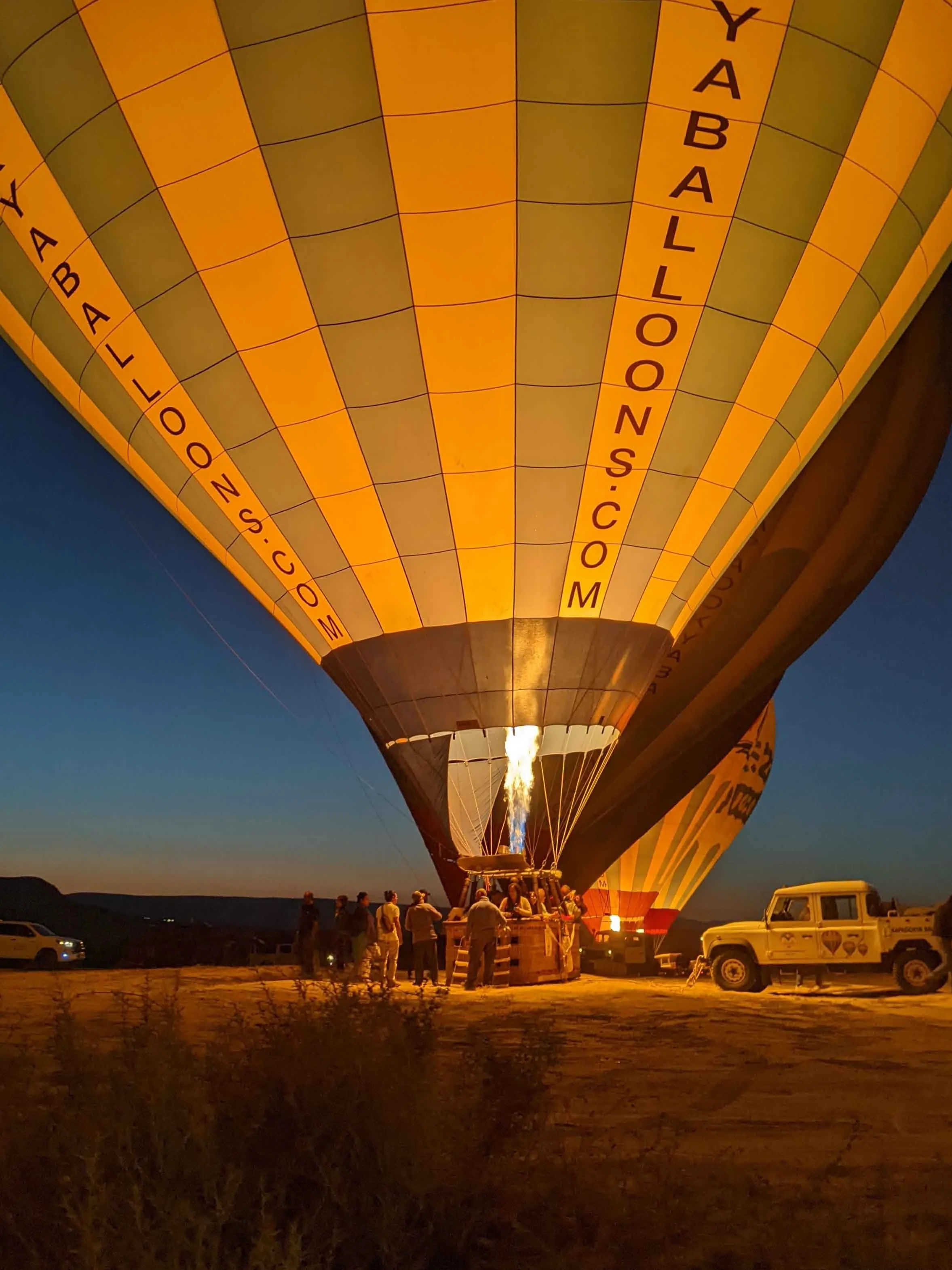
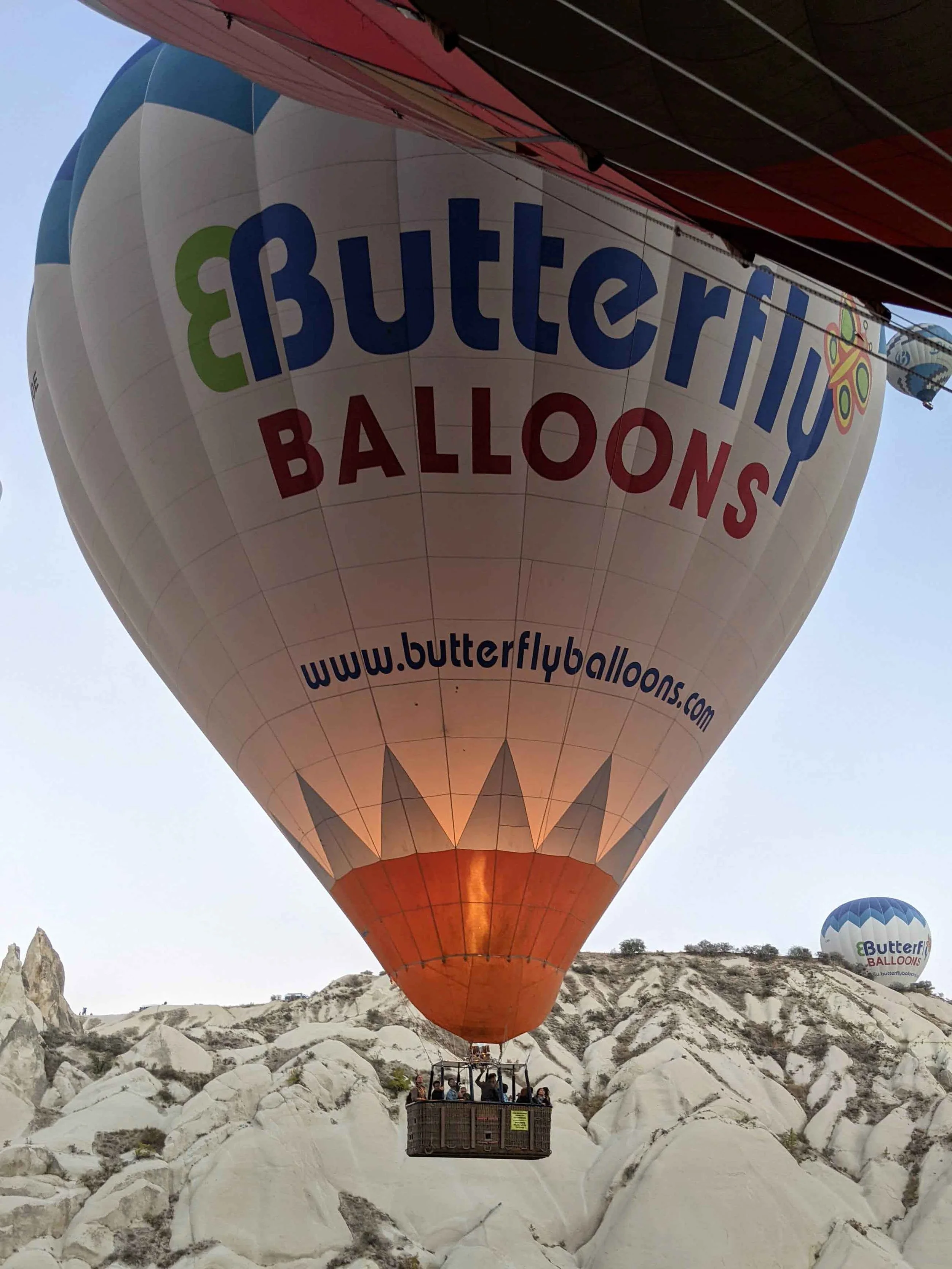
I will be honest, our quest to explore Cappadocia was driven by the desire to get a safe and (..more importantly) affordable ride on the hot-air balloon. Appreciation of the landscape and the realization of the region’s historical importance came in later.

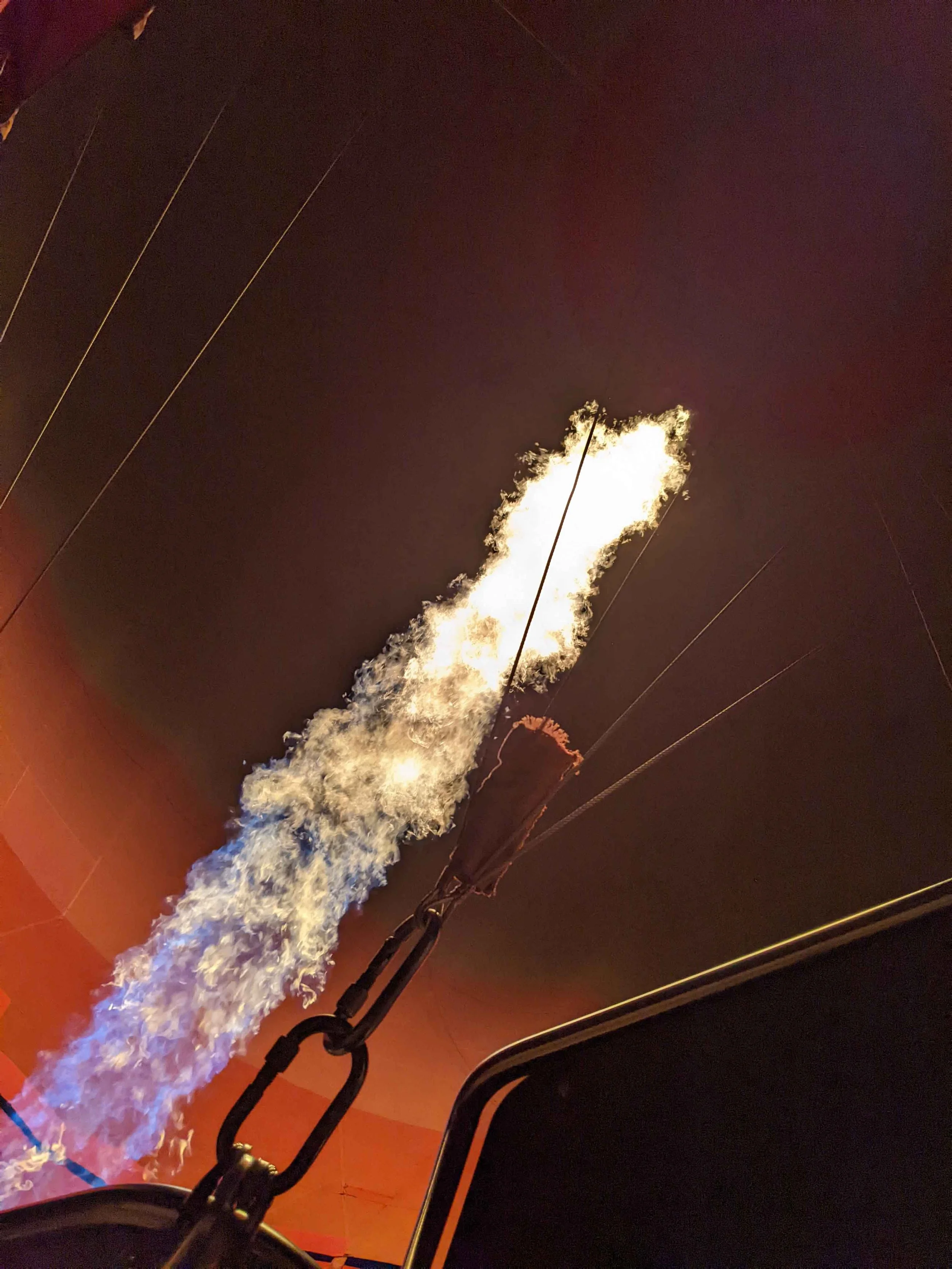
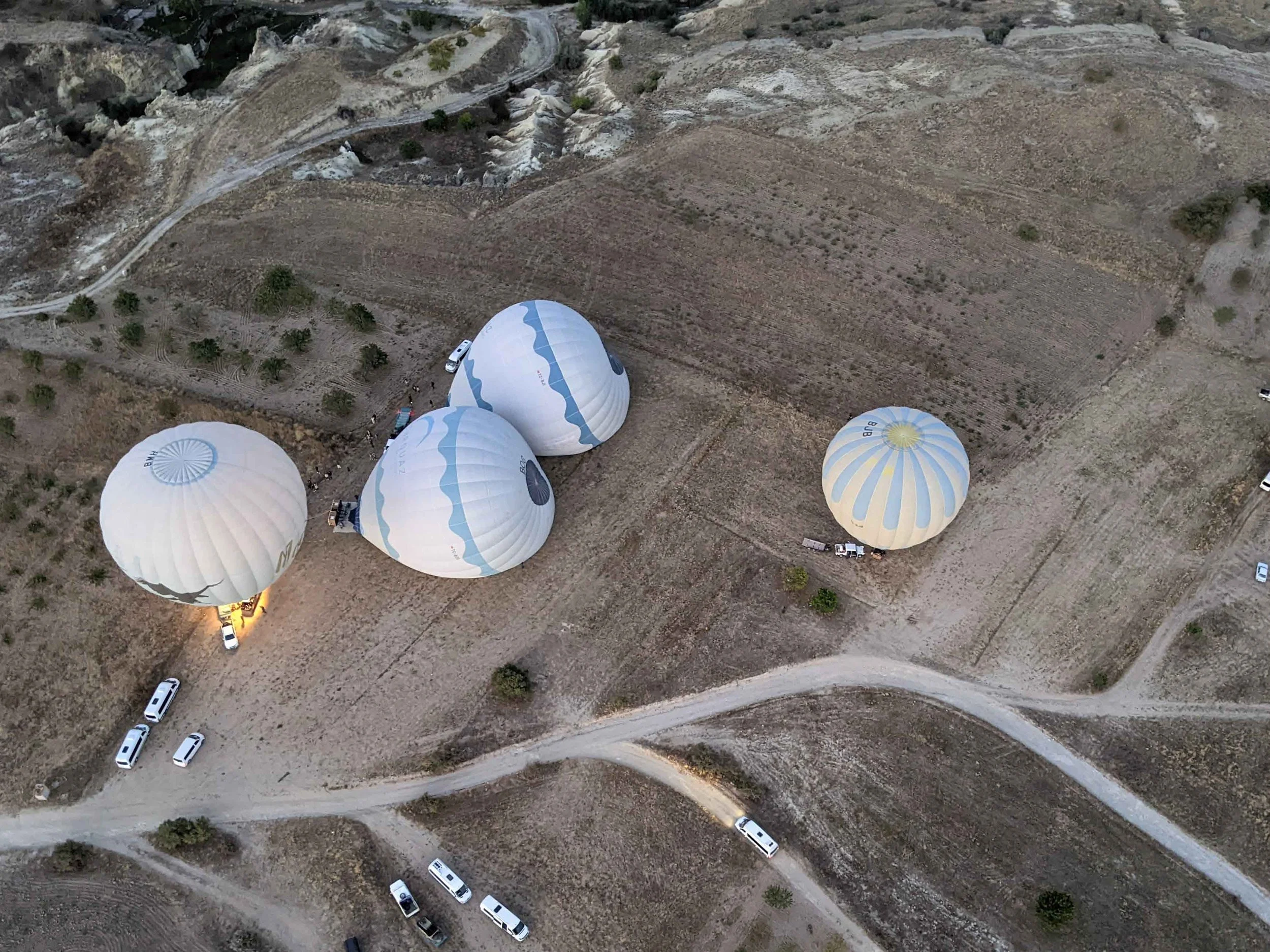
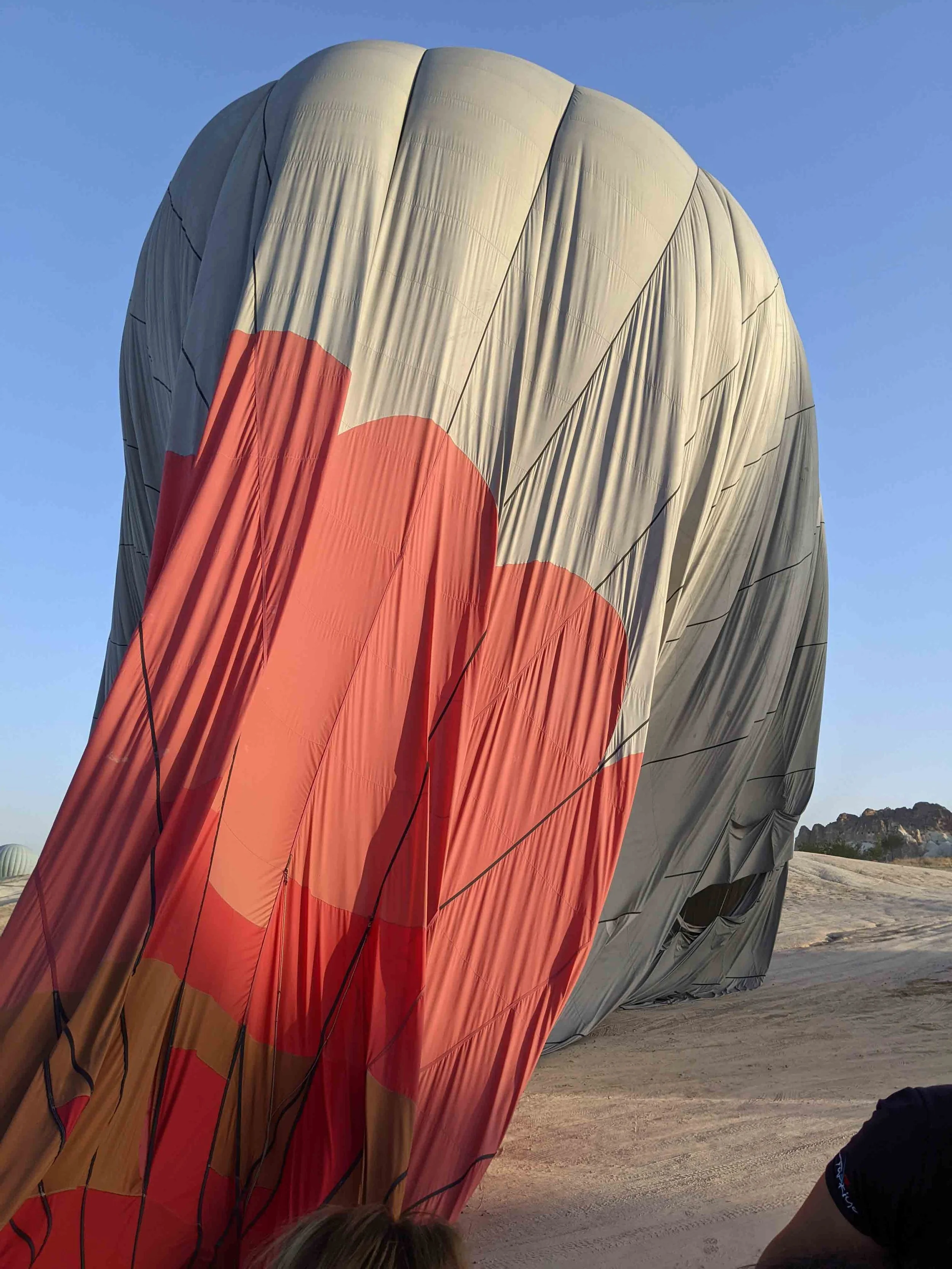
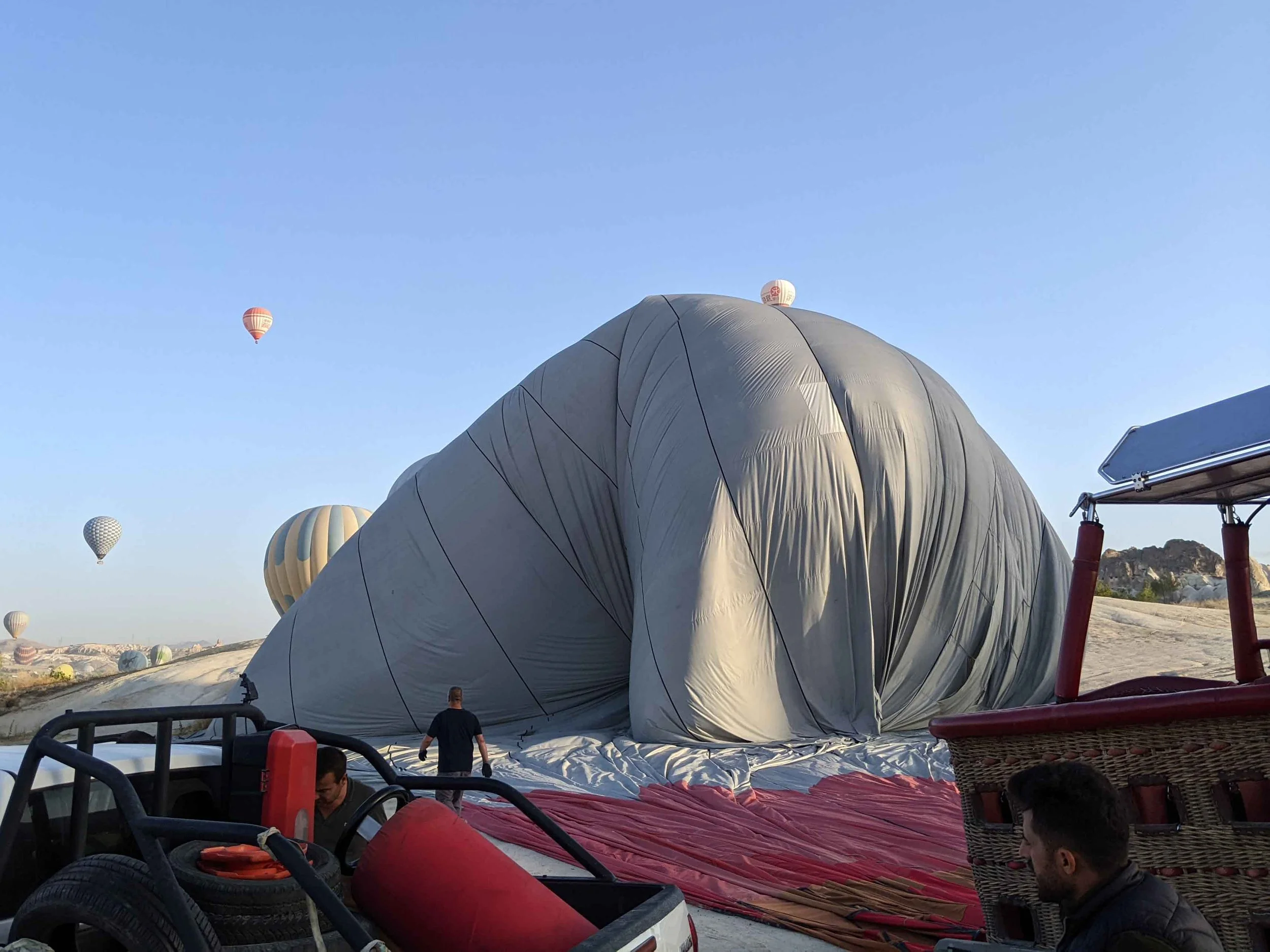
We had booked flights in advance with the hotel and however while checking in were reminded that the flights are not guaranteed and can be canceled if the weather conditions are not right. Luckily, the weather gods were on our side and the flight went through. We were picked up at 5.30 in the morning and were hurtled across to the ballooning site in minivans.   

View fullsize 9.jpg
View fullsize 18.jpg
View fullsize 19.jpg
View fullsize 3.jpg
View fullsize 7.jpg
View fullsize 4.jpg
View fullsize 2.jpg
View fullsize 14.jpg
View fullsize 20.jpg
View fullsize 8.jpg
View fullsize 13.jpg
View fullsize .trashed-1667111820-PXL_20220930_041250231.PORTRAIT.jpg
View fullsize 12.jpg
View fullsize 11.jpg
View fullsize .trashed-1667111821-PXL_20220930_042003240.MP.jpg

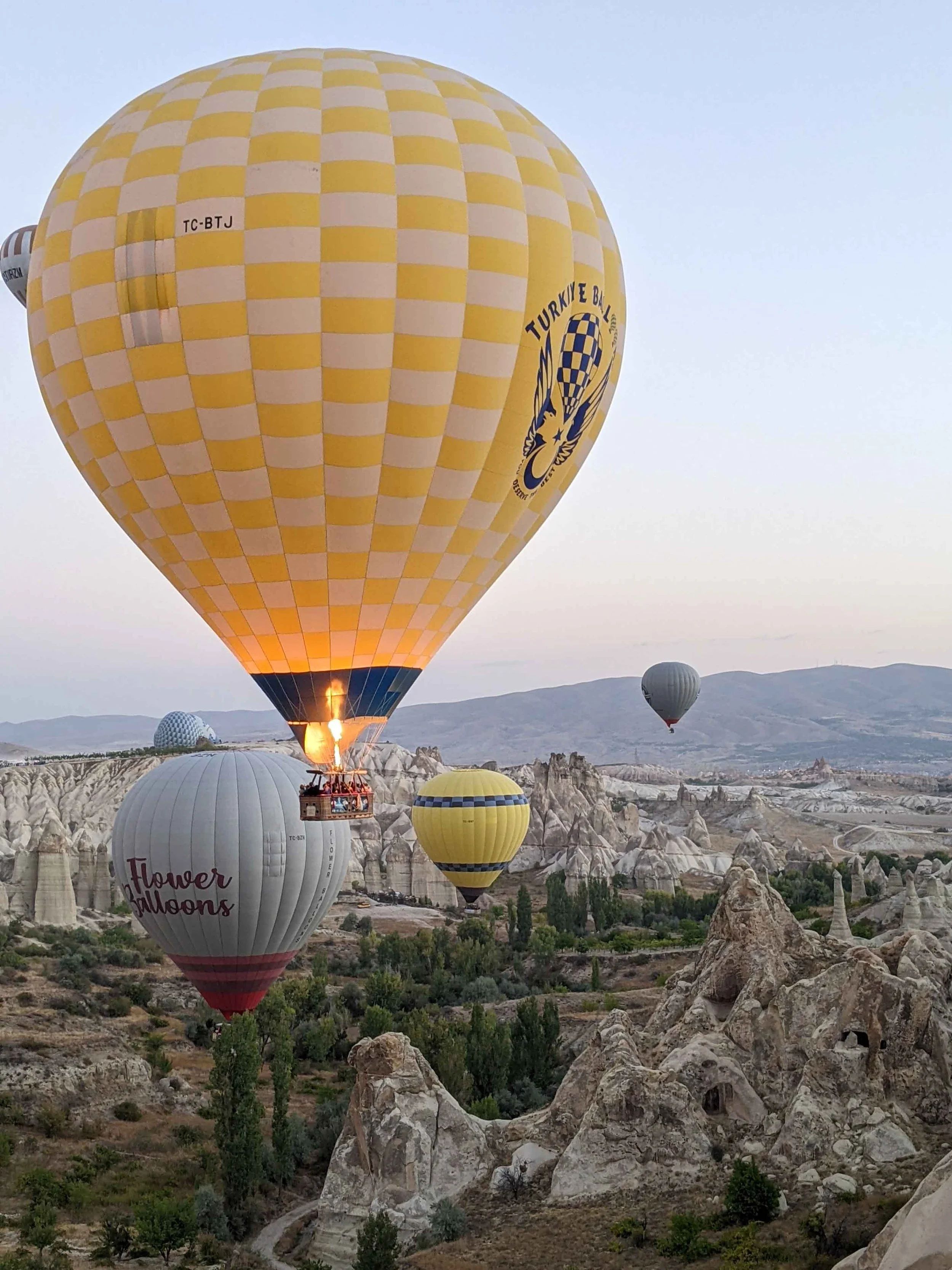
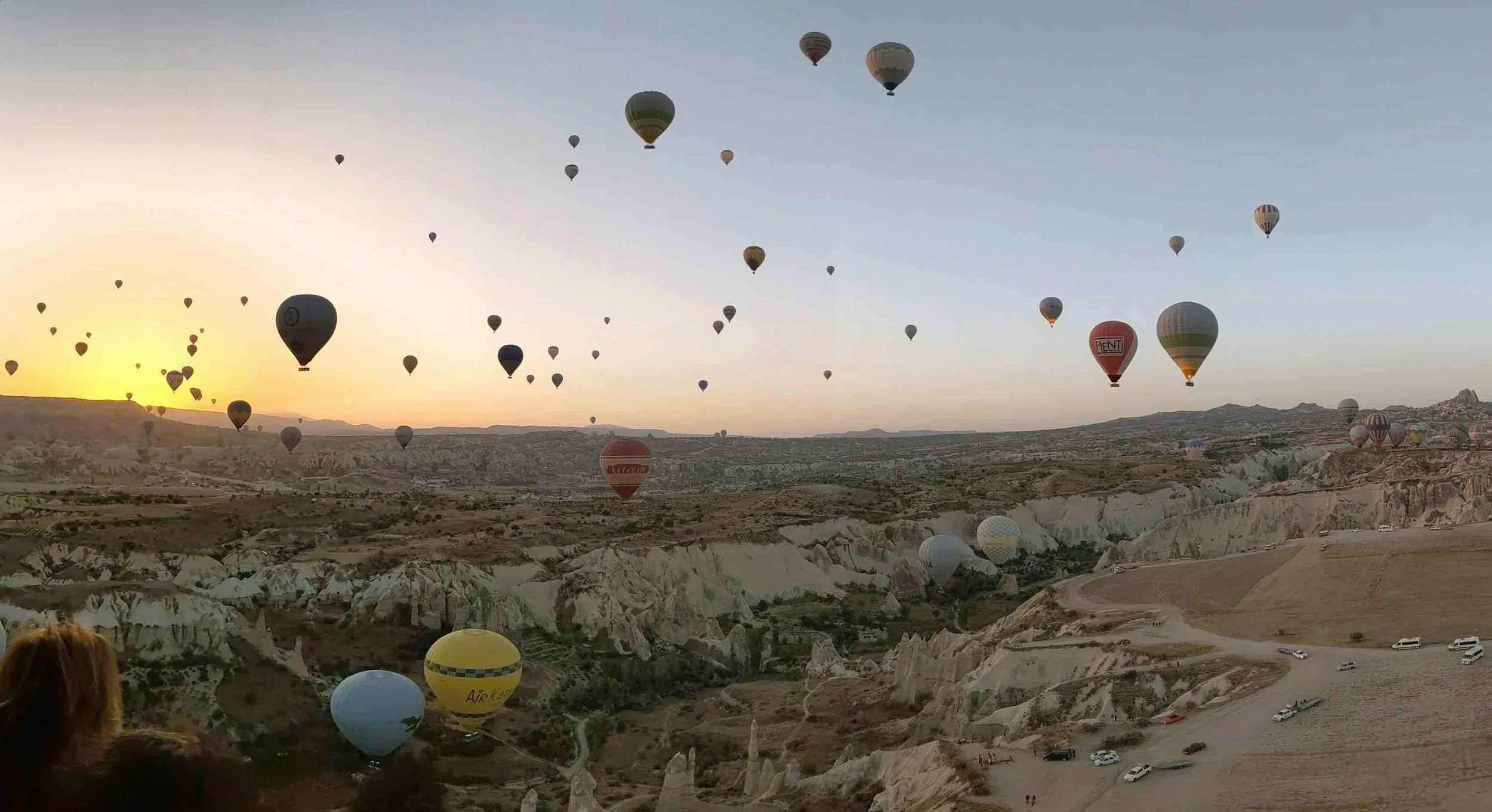
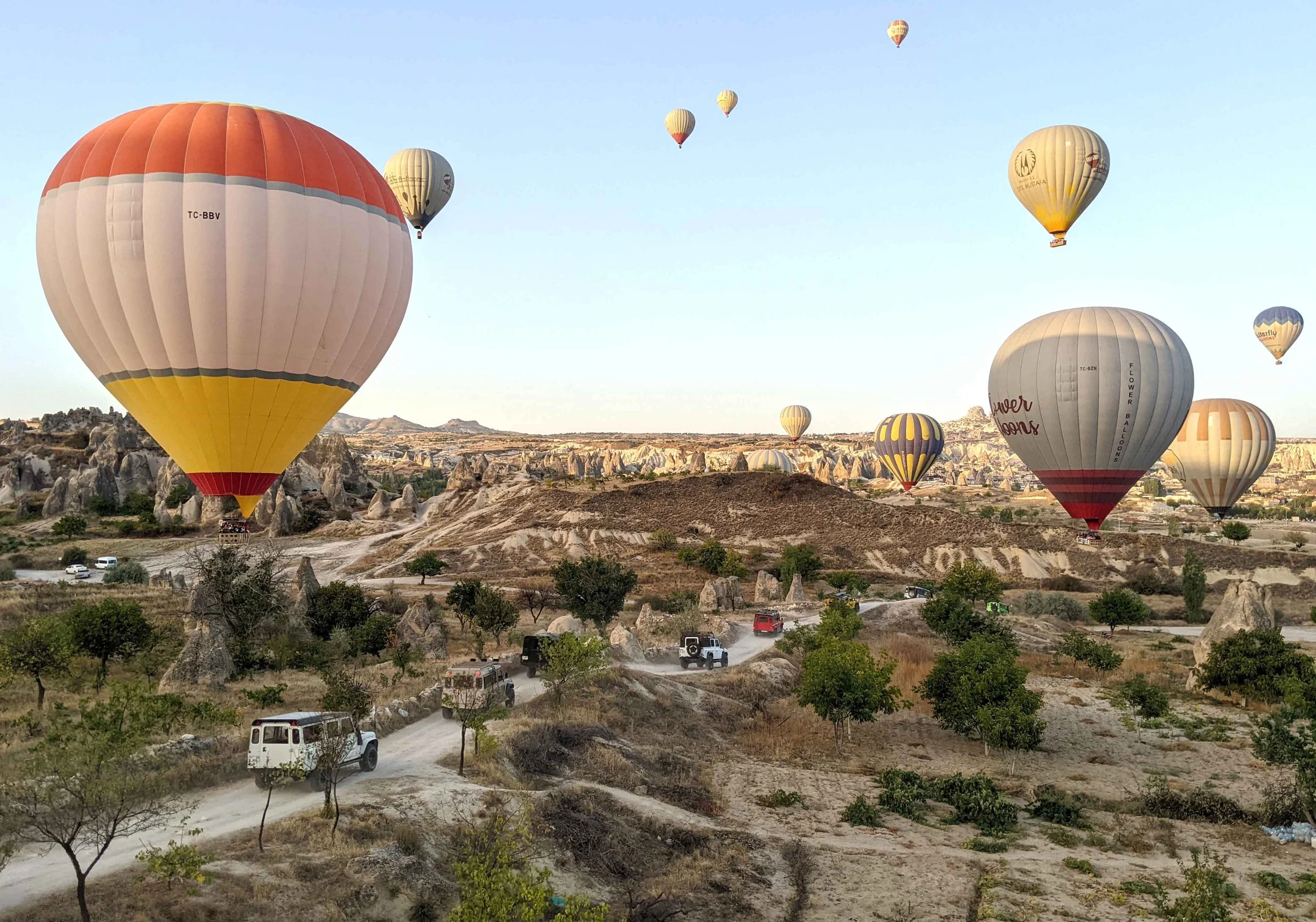
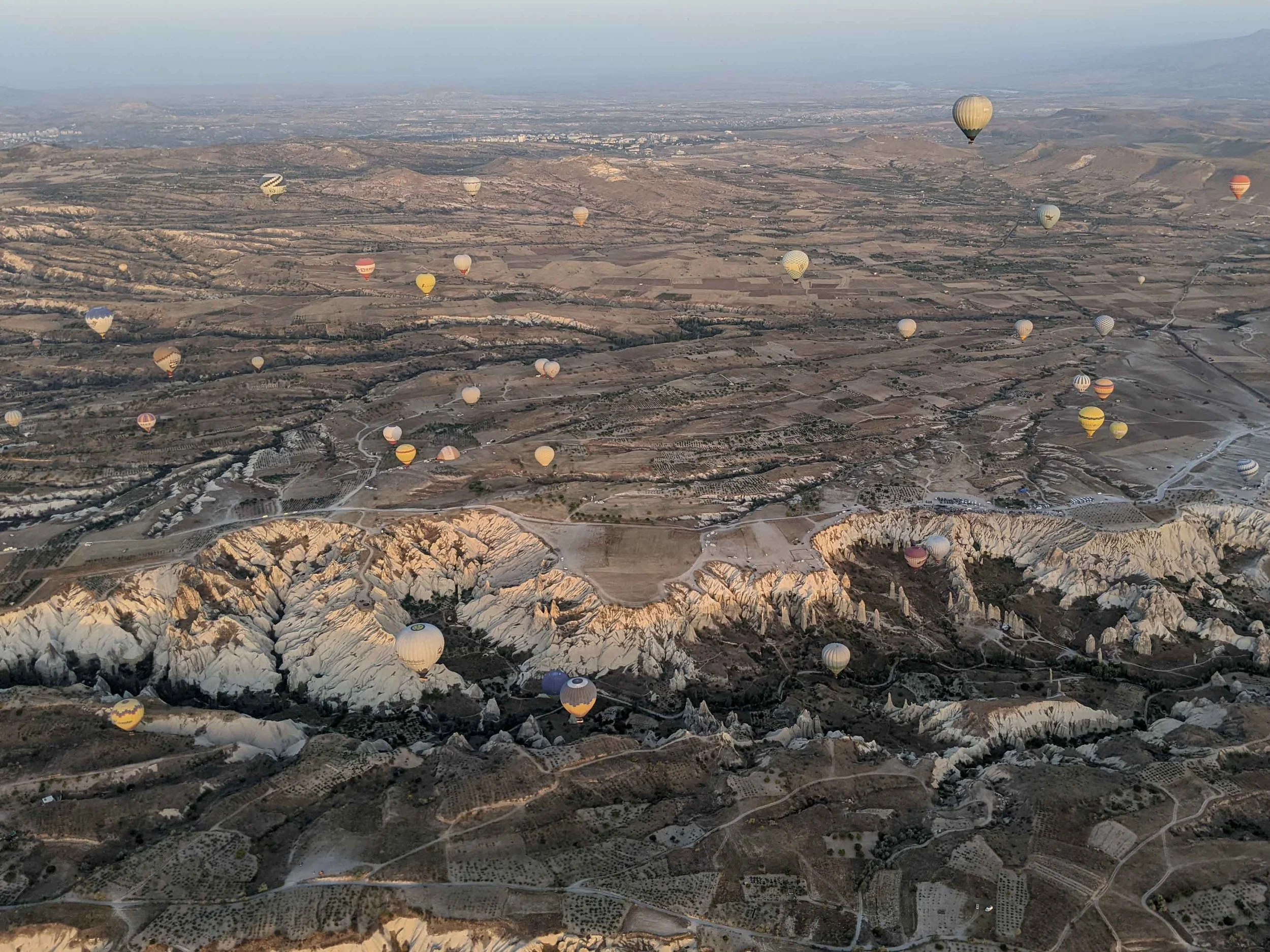
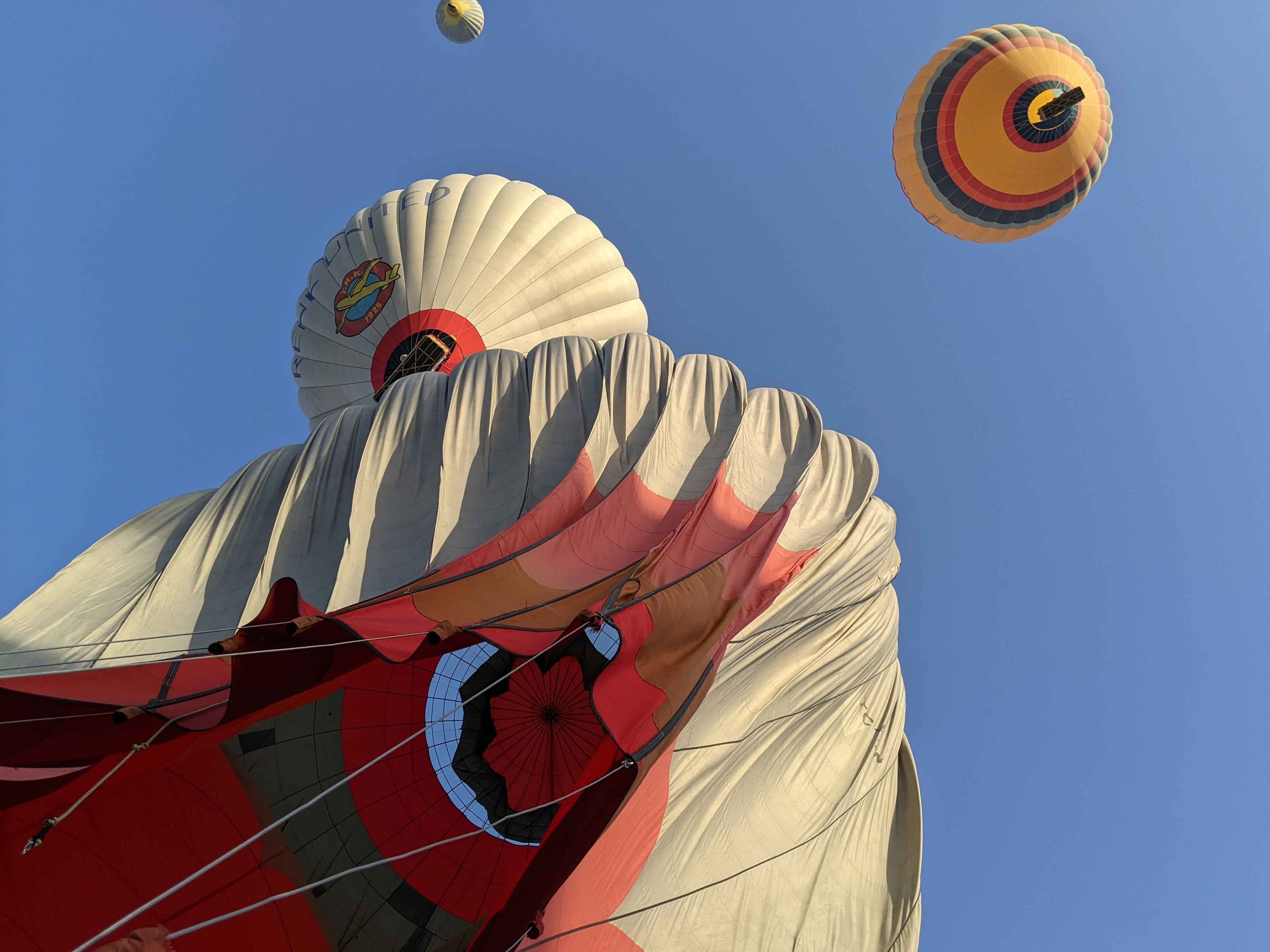
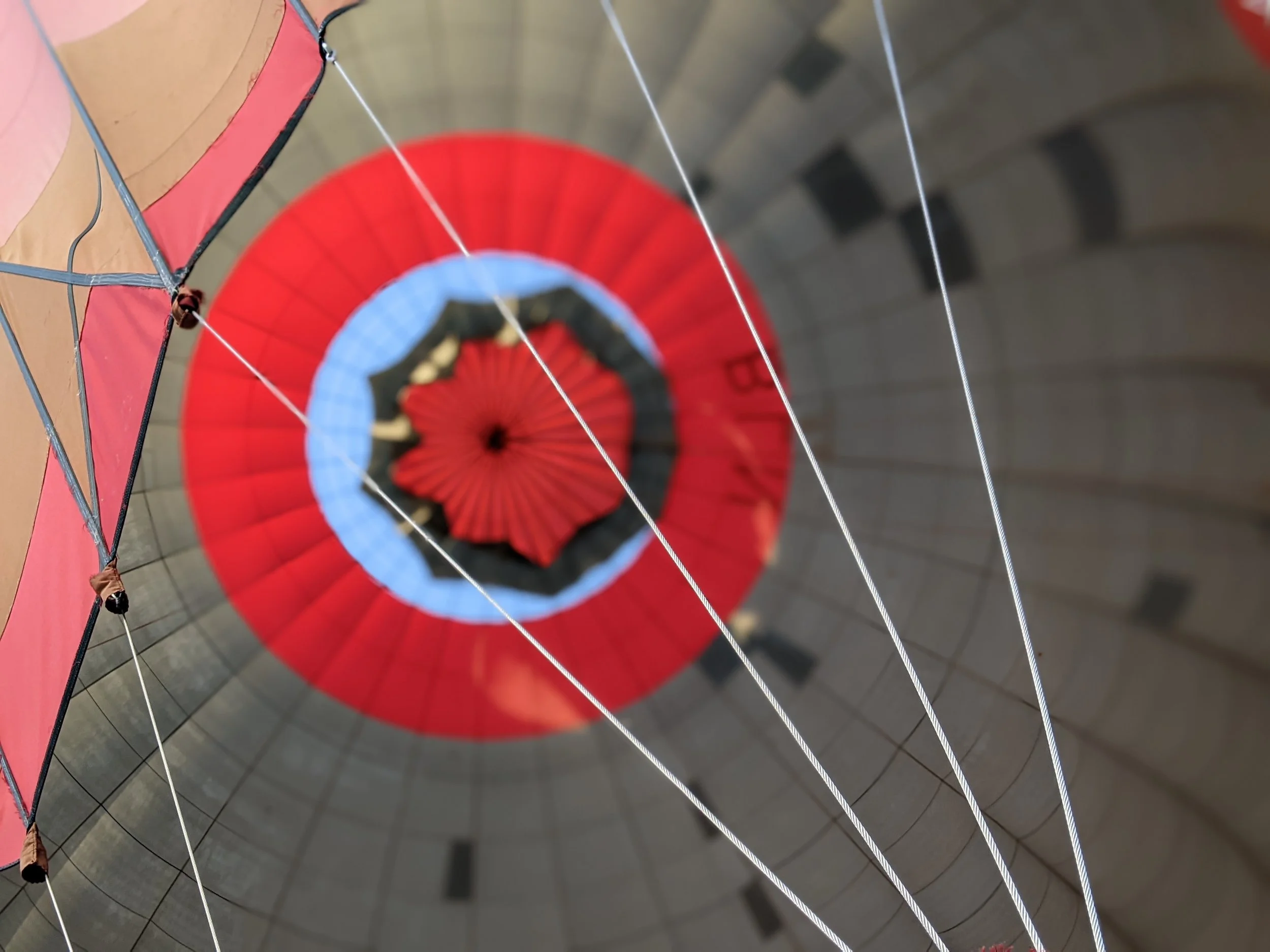
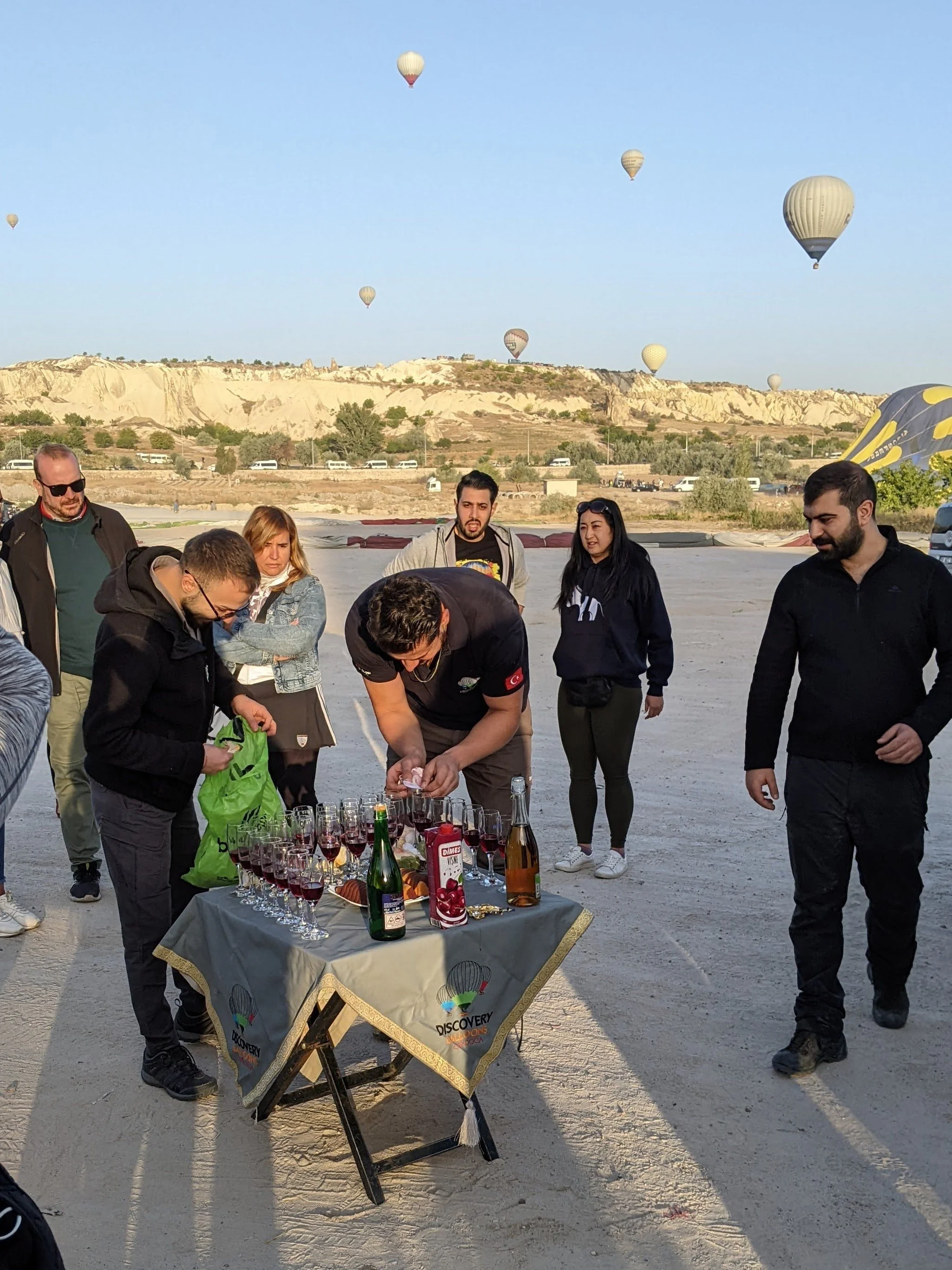
Typically, a group of up to 200 balloons would take to the sky, each balloon carrying about 20-30 people. The pilots take full advantage of the terrain to show off their skills as they manoeuvre the balloon high and low, sometimes skimming tree tops and at others bumping and squeezing between the neighbouring balloons. The sunrise, the coloured balloons drifting silently in the sky, with the occasional roar of the burners, and the interplay of the eery landscape are surreal. The ride lasts for about an hour, and finally, the balloon is softly landed on the awaiting trailer. The successful ride is celebrated by serving alcoholic and non-alcoholic champagne, candy, and biscuits.

Quad biking

Most of the activities offered in Cappadocia are timed around sunset and sunrise and rightly so, as these times are the best to enjoy the sights and take some happy snaps. But the days can be long in a small town.

View fullsize 1.jpg
View fullsize 2.jpg
View fullsize 3.jpg
View fullsize 4.jpg
View fullsize 6b.jpg
View fullsize 5.jpg
View fullsize 7.jpg
View fullsize 8.jpg
View fullsize 9.jpg

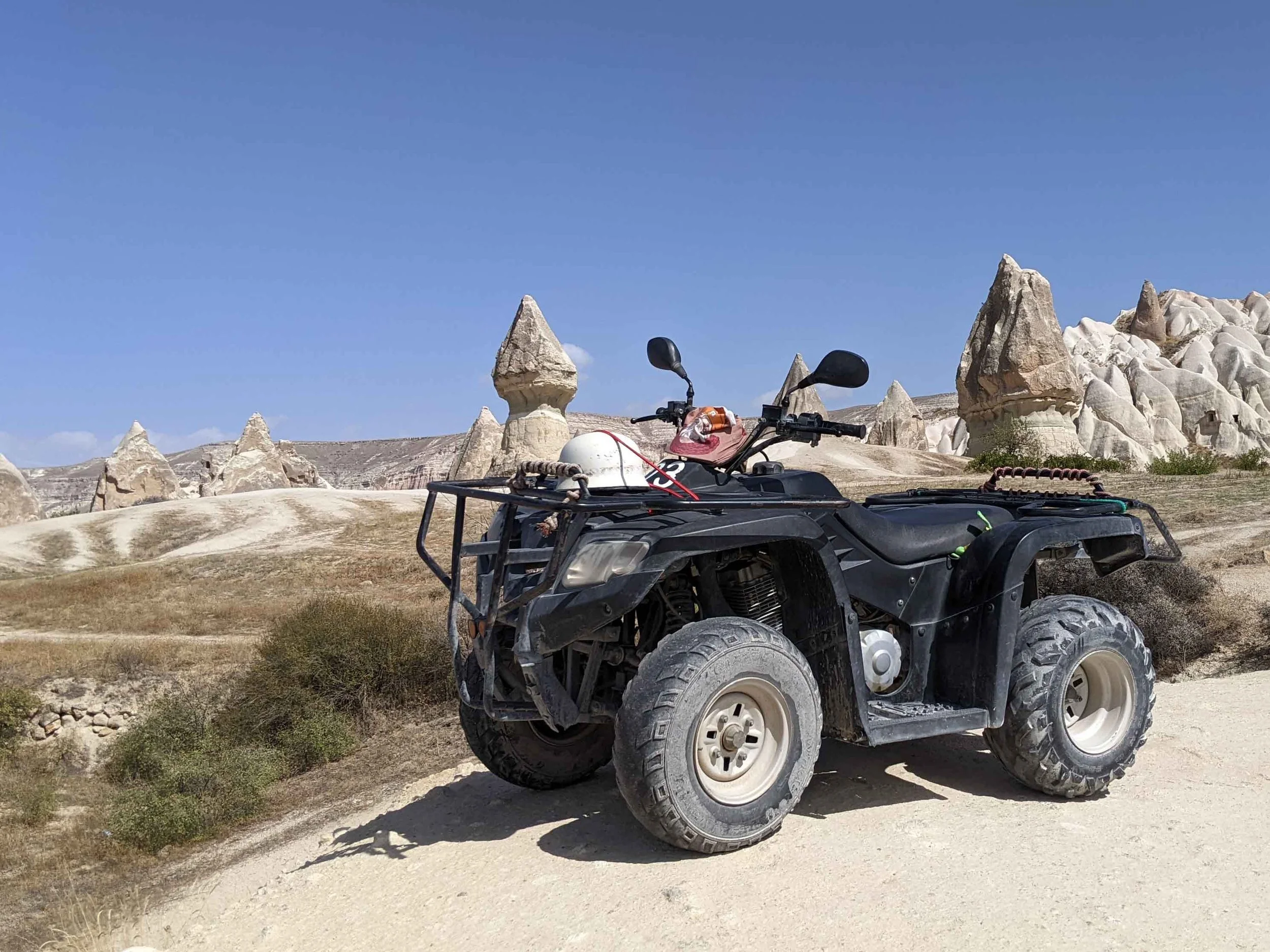
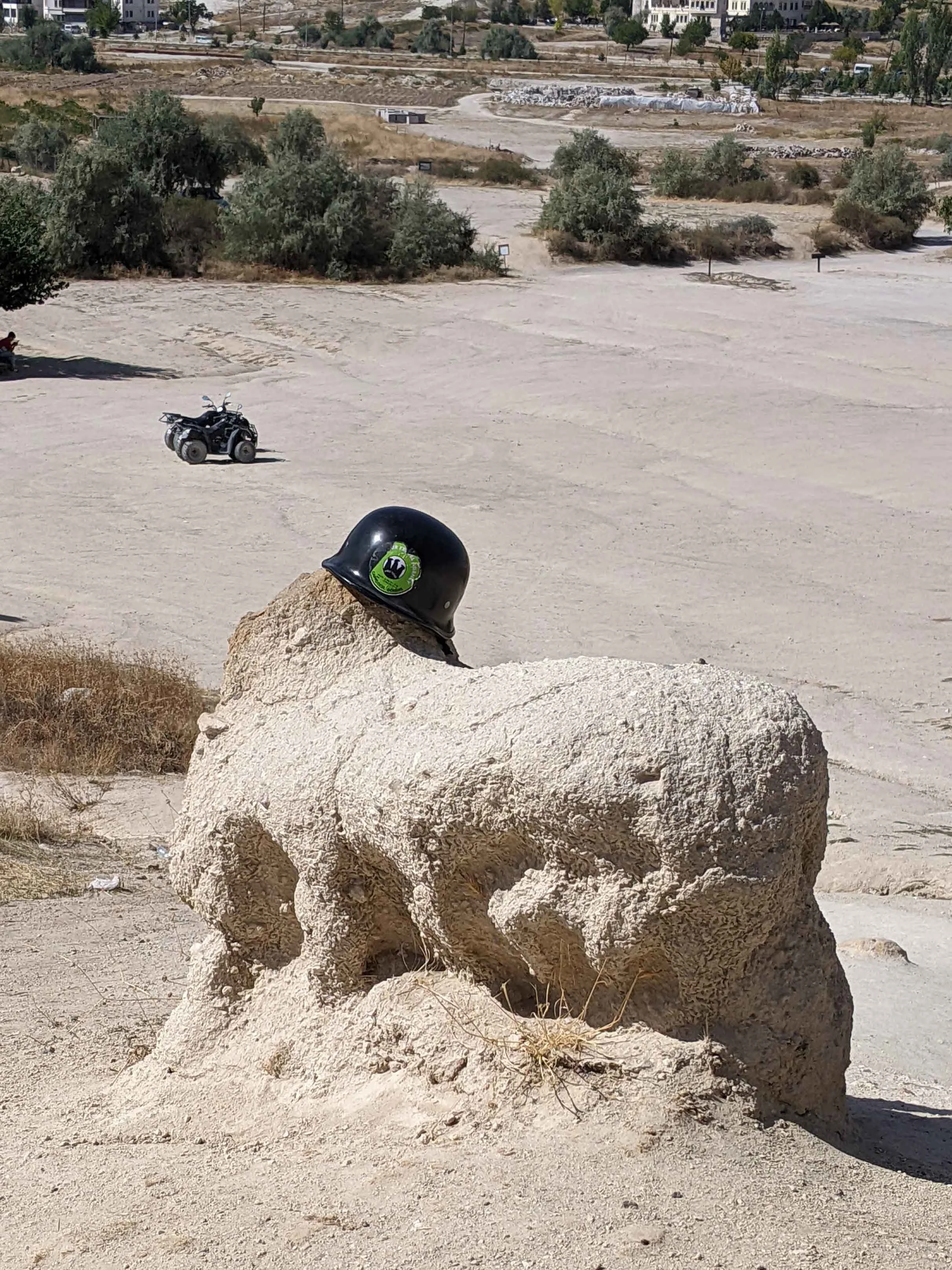
Around the corner from our hotel was a quad bike place, I had never driven a quad bike before and the temptation to hire one was overwhelming. The bikes with a guide can be hired outside tour times and we went for it. The guides are proficient and familiar with the terrain and lead through a tour that is not only scenic but also provides occasional opportunities to safely unleash the ‘devil’ driver in us.
The tour last for about an hour and a half and is worth exploring even at the cost of covering your clothes with fine dust.  A compressed air washup after the ride is included in the price.

Pottery Kebabs.

Turkey is famous for its kebabs and tea, but a variation to the theme that caught our attention was the ‘pottery kebabs’. The stew and the kebabs are prepared in a special earthen vessel that is sealed with dough, resembling a pressure cooker. The vessel is placed in the oven and then brought to the table in a sealed state. The display involves tapping and breaking out the contents of the vessel into the bowl on the table.  

While the food is nice the artistry involved in serving the piece is even better.

The Kebab Presentation

Handcrafted

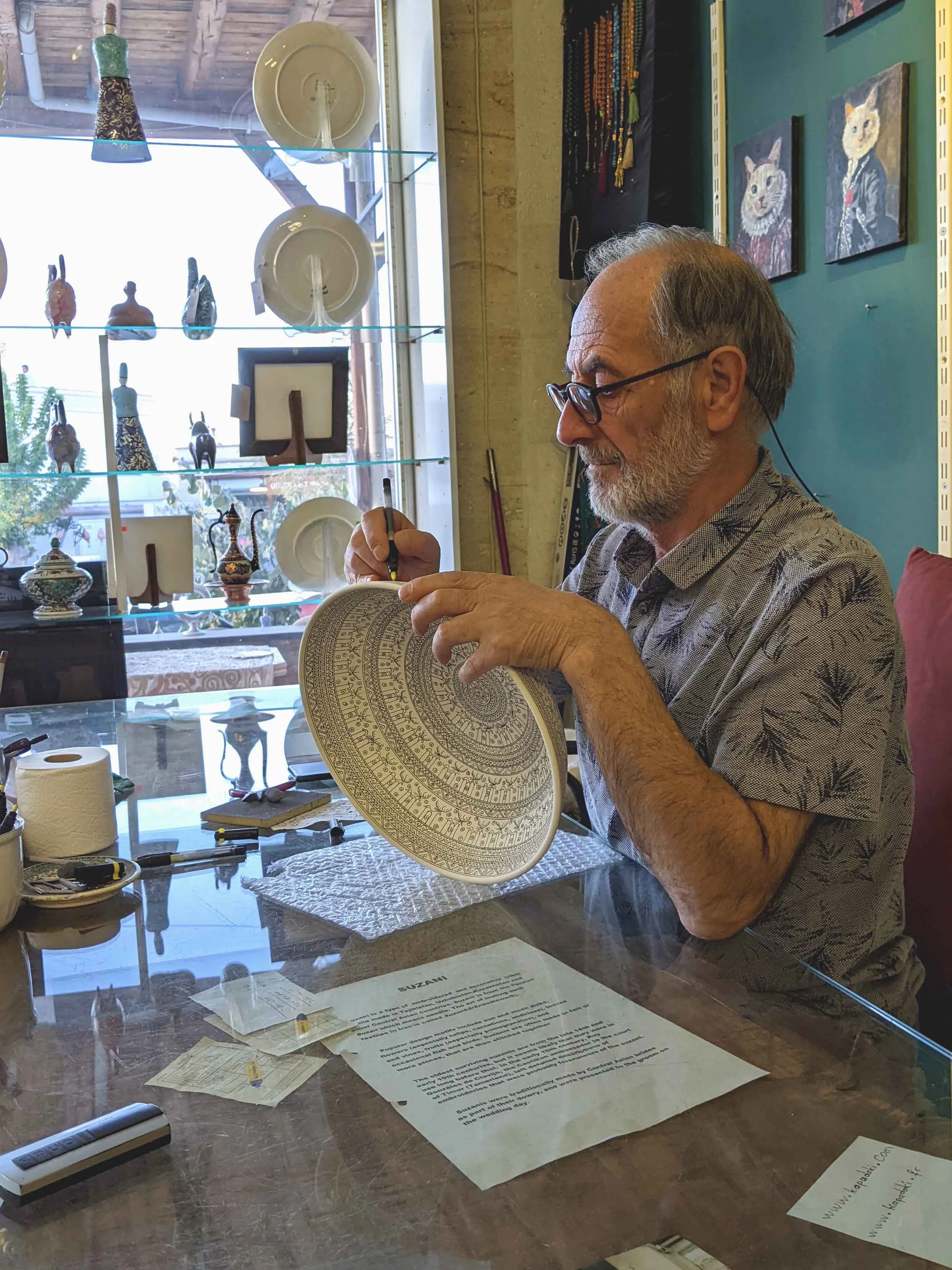
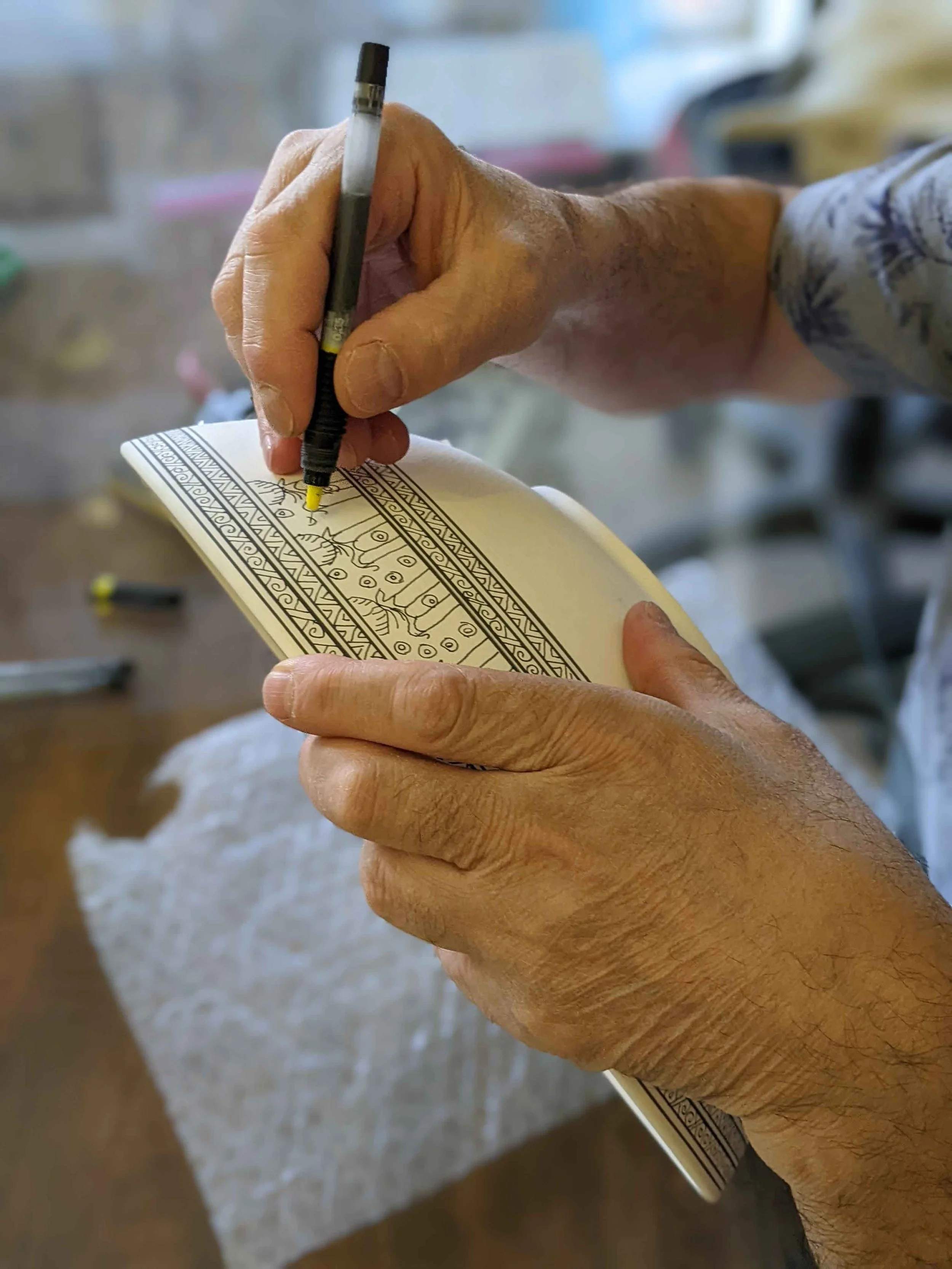
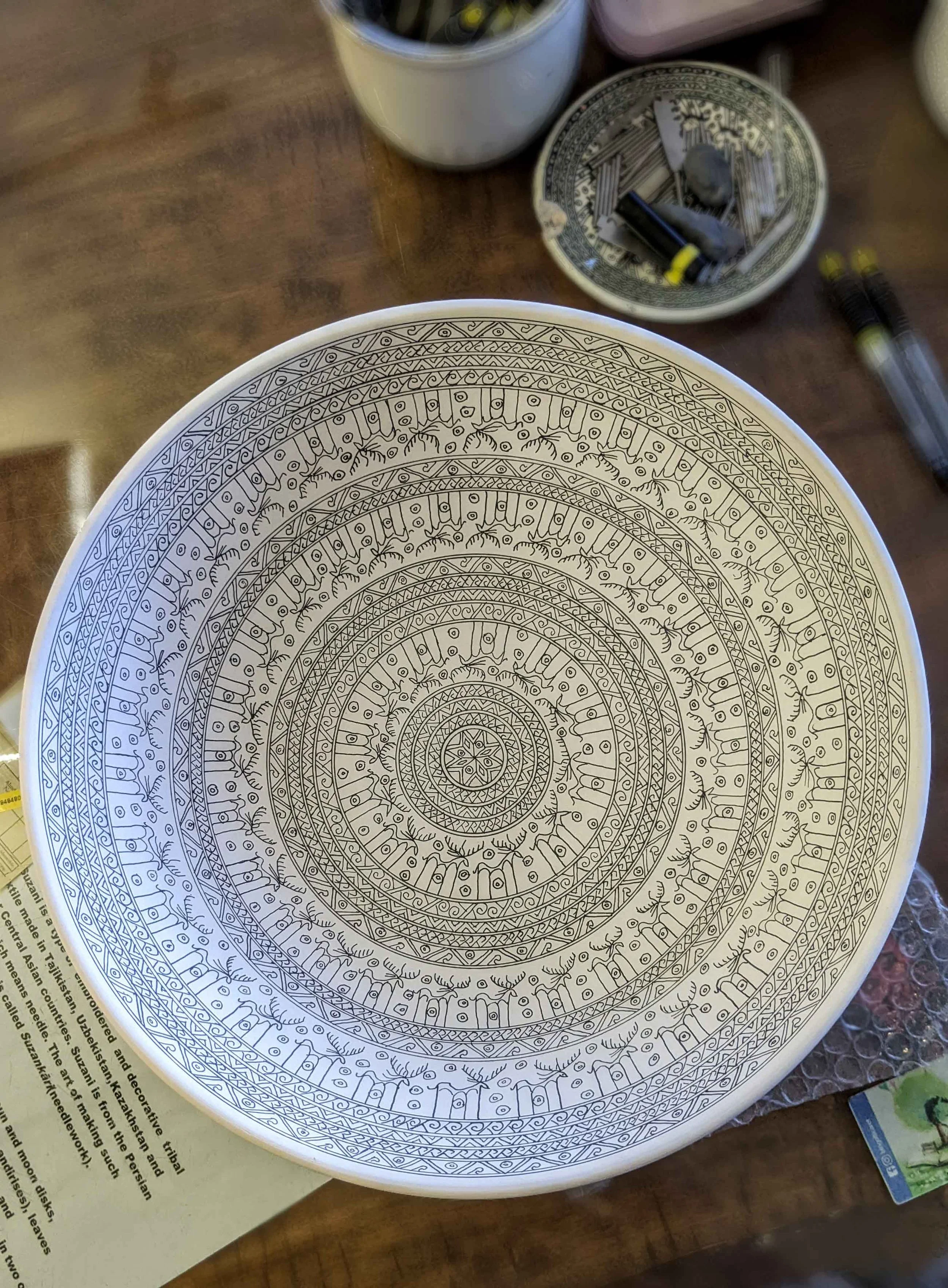
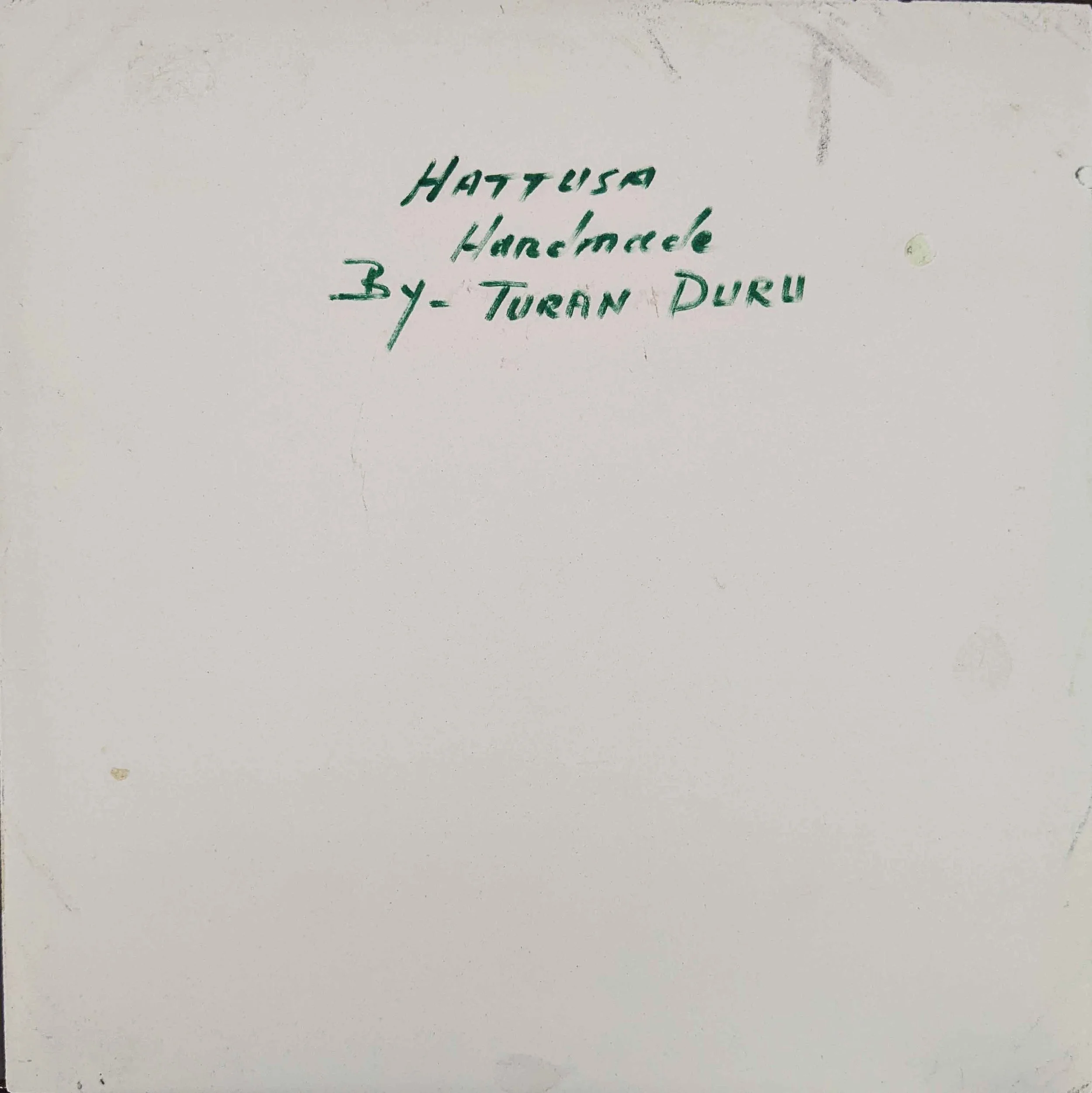
I am always intrigued by craftsmen and artists, but unfortunately, one rarely gets an opportunity to meet the creator of the work in person.  Being a small town, Cappadocia’s visit provided us with this rear opportunity as one of the random shops I visited had a maker present working on his piece. Turan, was an elderly gentleman in his late sixties who has been practicing his skills for decades, he specialized in a certain type of pattern and showed us around his shop. I asked him, where he got his training and he replied that he had learned the skills by watching others. 

Similarly, in another shop we met this old lady who was selling crochet crafts that she prepared herself. ‘Takes me about 7 days to prepare one’, she said ‘as my hands are getting frail and weak due to old age’.

While I can’t be certain, it seems most of the shops were operating as a commune with craftspeople sharing the outlet.

View fullsize 1.jpg
View fullsize 2.jpg
View fullsize 4.jpg
View fullsize 3.jpg
View fullsize 5.jpg
View fullsize 6.jpg

Cappadocia  Göreme valley where most of the action happens is about an hour’s travel from the airport, and this travel time needs to be accounted for while planning the trips, as with 3 hours before reporting requirements for international travel, this could lead to sleepless nights.

All in all, Cappodocia is an interesting place and worth having on one’s bucket list!

In Turkey, Cappadocia, Travel, Multicultural, Islamic Arts, Arts Tags cappadocia, Turkey, Hot air balloon, travel, pottery, kebabs, pottery kebabs, testi kebabs, quad bikes, Cappadocia
1 Comment

Reminiscing Rekindling Tour of Morocco

December 31, 2018

This post is not intended to be a travelogue per se; the intent is to record some experiences and insights during and after my travels and more importantly to acknowledge some of the beautiful people and personalities that I met and grew friendships with along the way.

It has been a long and uneventful flight. I had spent the 24 hours of flight time ‘wisely’ between sleeping, in-flight entertainment and flight meals; however, my attempts to go over the recommended reading materials again prior to landing in Morocco had been largely unsuccessful. Before this journey I had not met the organizer or the other fellow artist selected for this tour; and as the plane circled around Muhammad V airport, Casablanca, I was overwhelmed with mixed emotions of diffidence and excitement of what lay ahead for me.

My ‘Rekindling Tour’ journey started back in January 2018, with an email out of nowhere from someone who I hardly knew. A curator and an academic from Perth who studied Islamic art was putting together a grant to take a small number of artists to Morocco for training in Islamic arts and wanted to know if I was interested. She had come across my work done for SalamFest through the grapevine of social media and thought that I fulfilled the requirements for the grant.

Thrilled, honored and deeply humbled by this chance occurrence, I promptly conceded.

Hamida Novakovich who is an independent curator, writer and academic was the driving force behind the Rekindling: An Australian Artisans Tour of Morocco project.  She and her team (Professor Samina Yasmeen & Azim Zahir) at The Center for Muslim States and Societies (CMSS), University of Western Australia, initiated this project with an aim to establish ongoing links between emerging Australian artists and Masters of Islamic Art in Morocco. The intent of the project was to provide Australian artists an opportunity to visit and train under Master Artisans, to learn new skills in traditional Islamic arts and,upon their return, disseminate the acquired knowledge to the community through innovative community art projects.The tour was funded by The Department of Foreign Affairs and Trade’s Council for Australian Arab Relations. The grant applications and processing, selection of Australian artist, coordination of flights and accommodation in Morocco and more importantly planning and coordination of activities with local masters were all done through CMSS.  The challenges involved in coordinating artist from different states, art experiences and backgrounds and developing a program that fits all requirements and expectations cannot be understated and the Rekindling Tour organizing committee deserves high praise for putting together such a remarkable program.

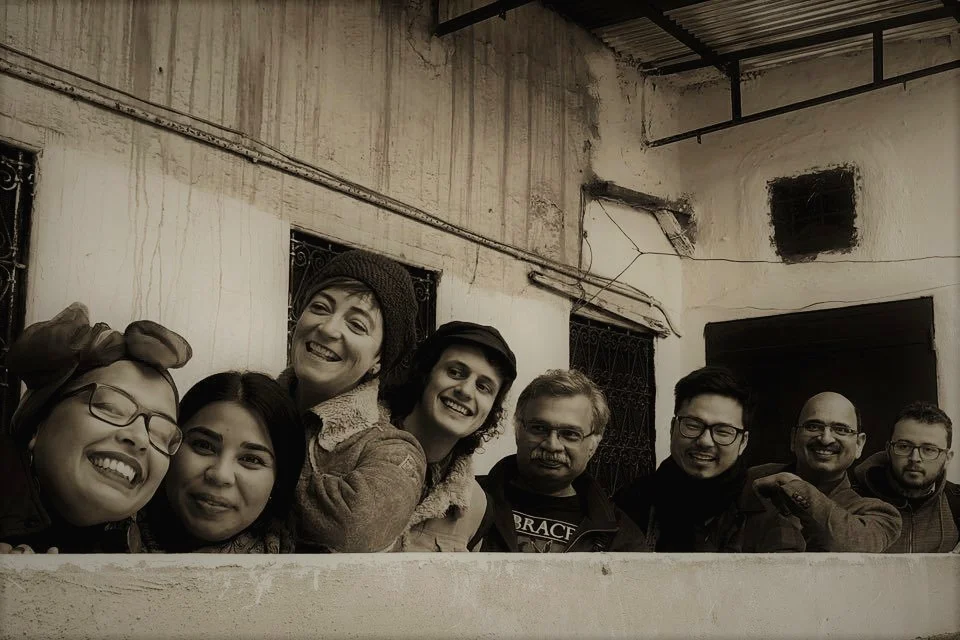
The artist selected for the tour came from three different states. Tusif Ahmed and Osama Mah joined us from Perth (WA), Niccy Pallant from Adelaide (SA) and Zahrah Habibullah, Majdi Faleh and I were from Melbourne (VIC).

Our artistic and professional backgrounds were equally varied. Tausif has a software development and jewellery design background and is a paper cutting artist par excellence. Osama has a digital graphic design and animation background; he is a philosopher, practicing calligraphist and a digital artist. Niccy has an arts education and teaching background; she is a print maker and a visual artist and also conducts workshops in sacred geometry and leather embossing. Zahrah is a professional photographer and artist, specializing in jewellery design and metal works. Majdi recently obtained his PhD in architecture focusing on Islamic design and practices geometric art, and I have a mechanical engineering background and dabble in visual and community arts.
The Rekindling Team

The Rekindling Team

The Journey Begins

Situated in Northwest of Africa, Morocco has been at the cross roads of history and presents an interesting mix of Berber, Arab, Islamic, Christian, Jewish and European traditions.

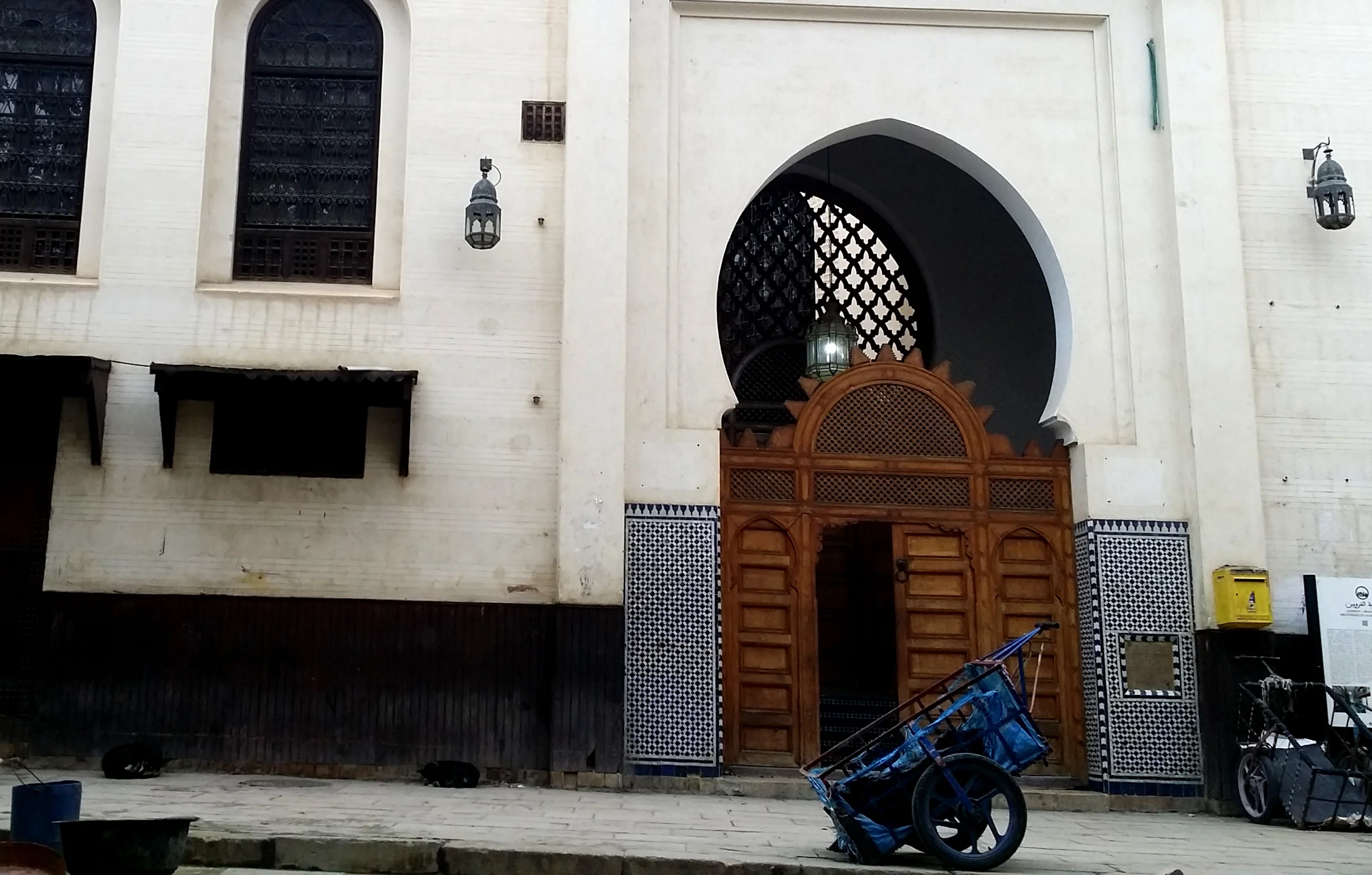
The first stop in the Rekindling tour was Fez. This city was founded in early 9th century by the Idrissi dynasty; they are also credited for establishing the University of Al-Qarawiyyin which is the oldest existing, continually operating higher educational institution in the world. In early 12th century Fez was considered to be one of the largest cities in the world and gained a reputation for its religious scholarship and as a hub for trade and commerce.

View fullsize 4.jpg
View fullsize 3.jpg
View fullsize 2.jpg
View fullsize 6.jpg
View fullsize 7.jpg
View fullsize 11.jpg
View fullsize 8.jpg
View fullsize 10.jpg
View fullsize 5.jpg

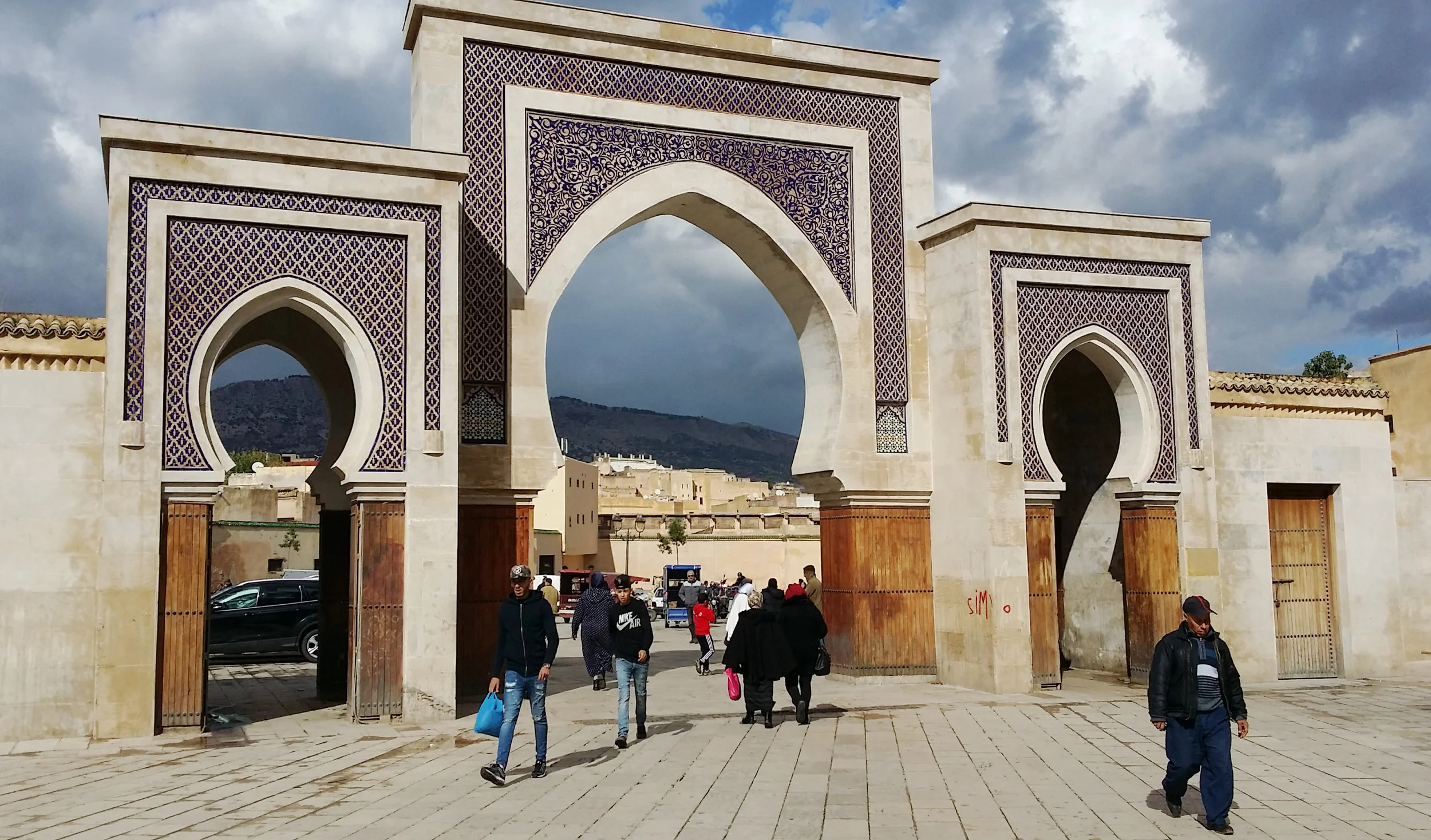
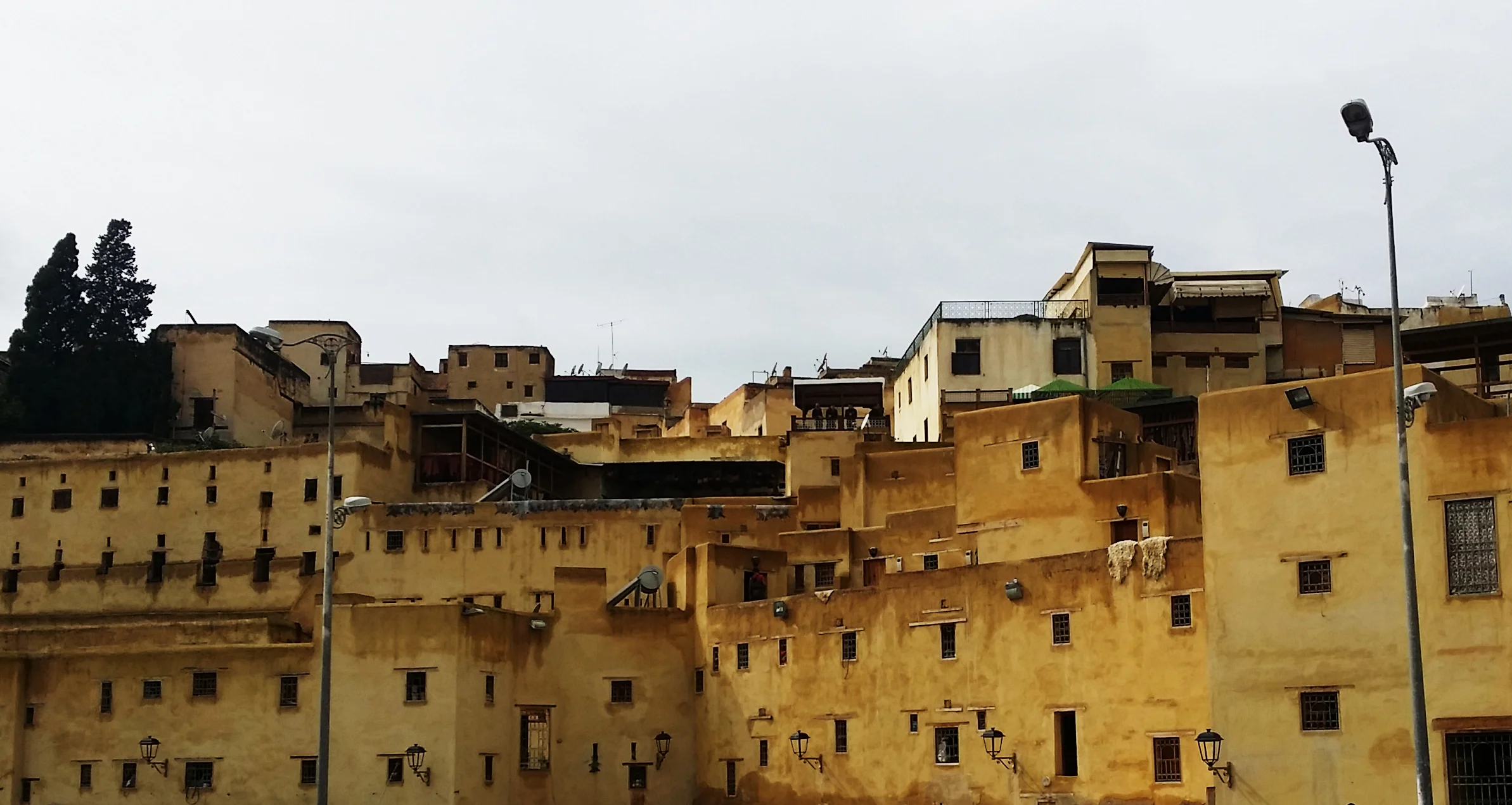
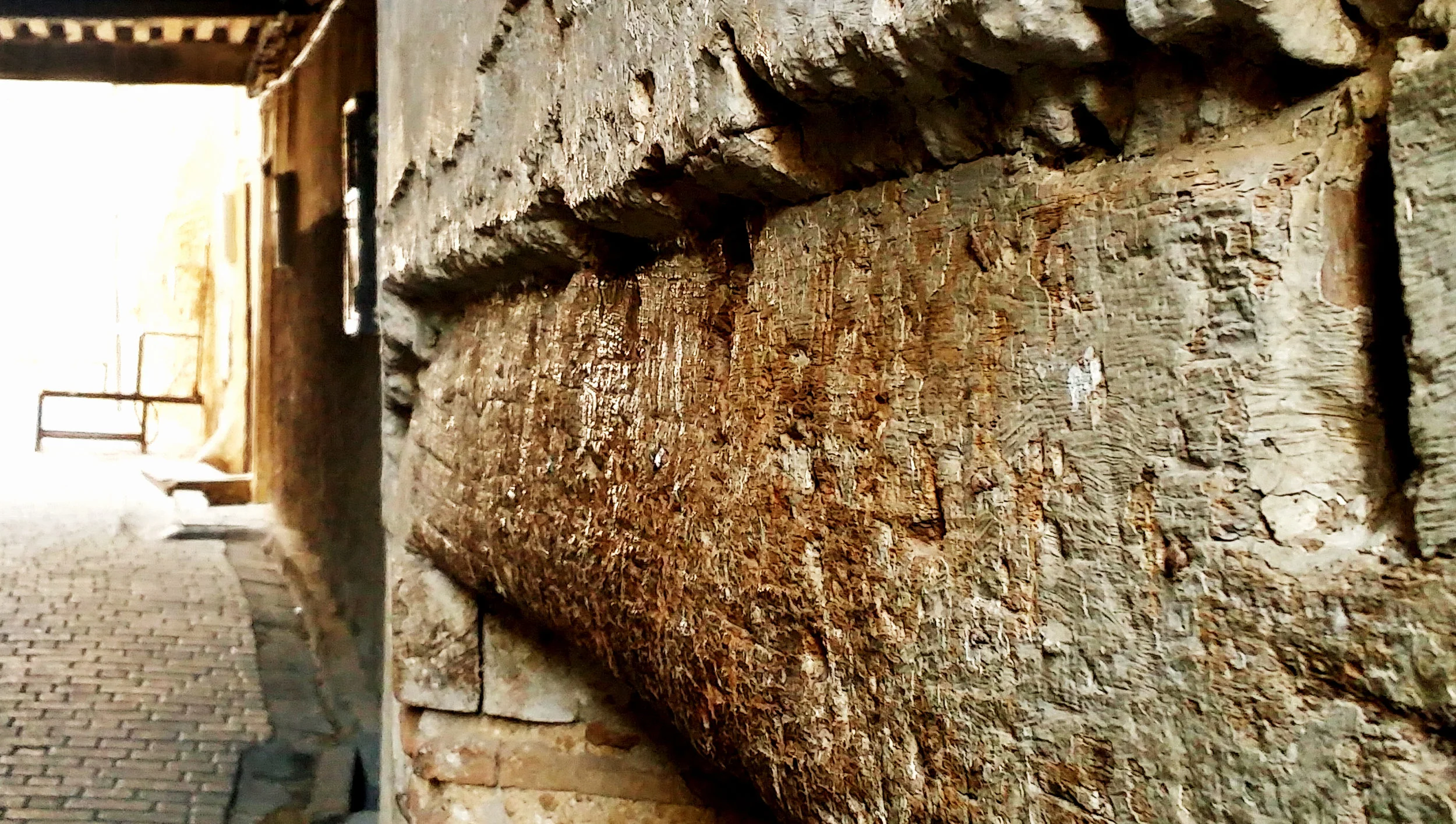
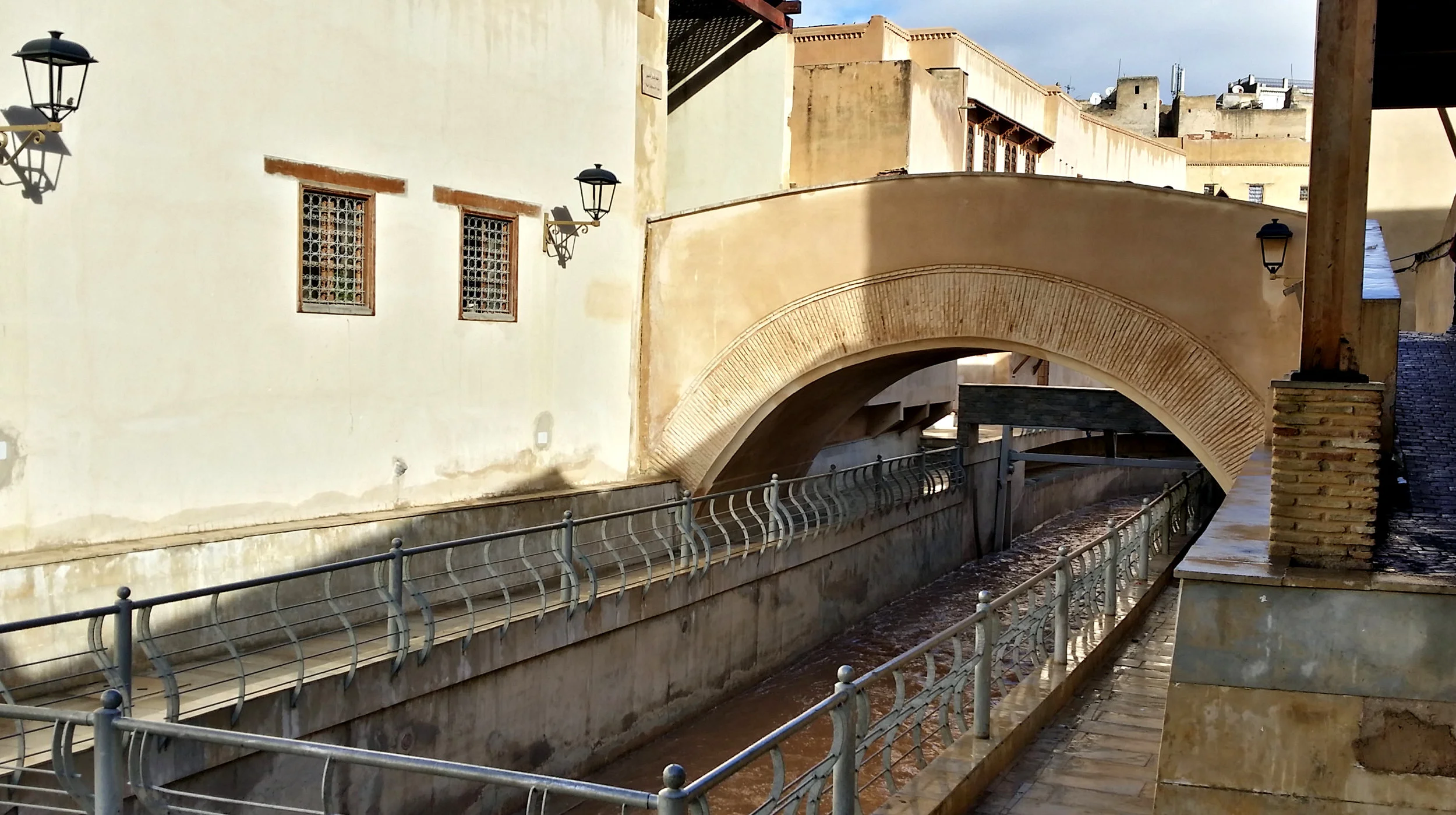
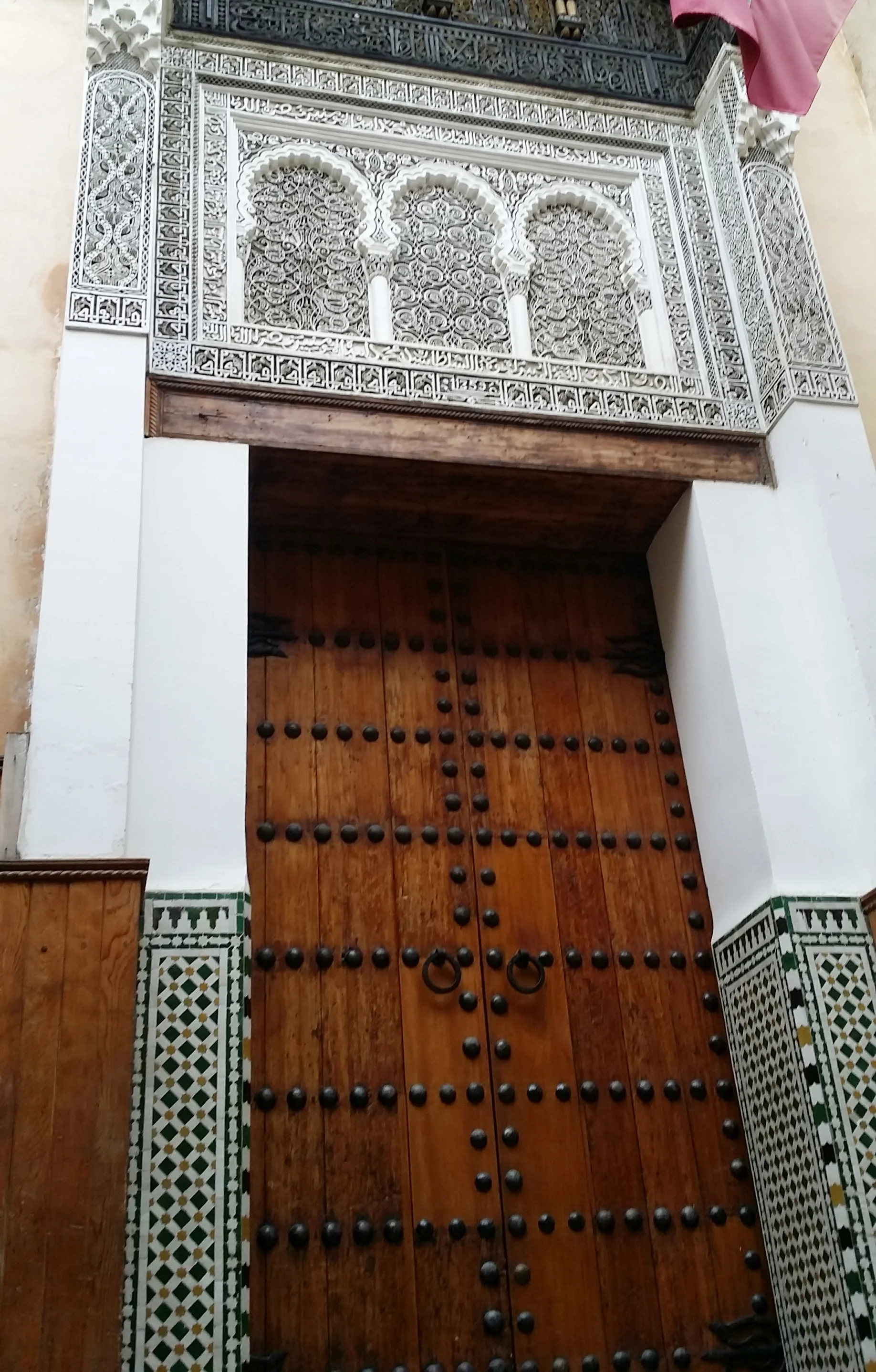
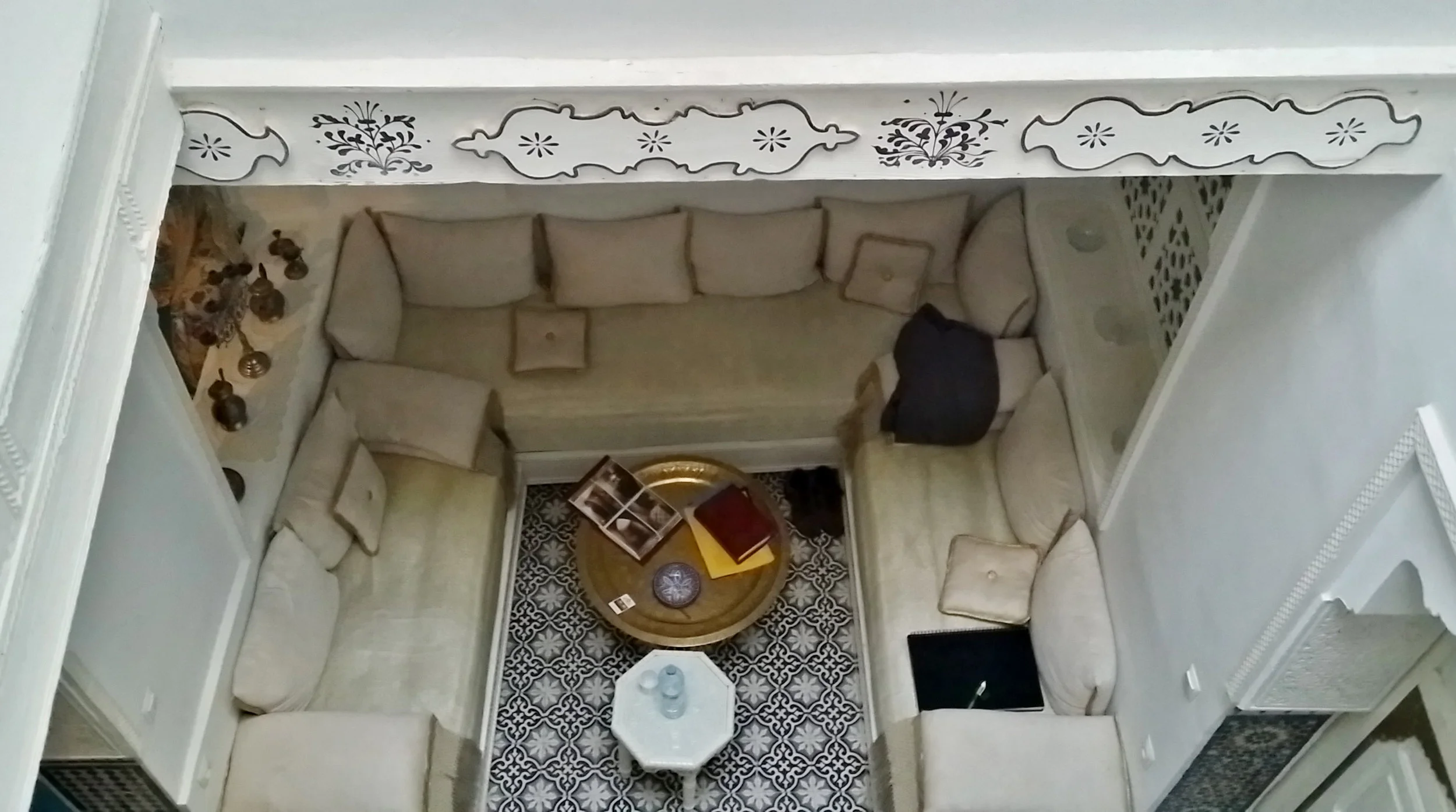
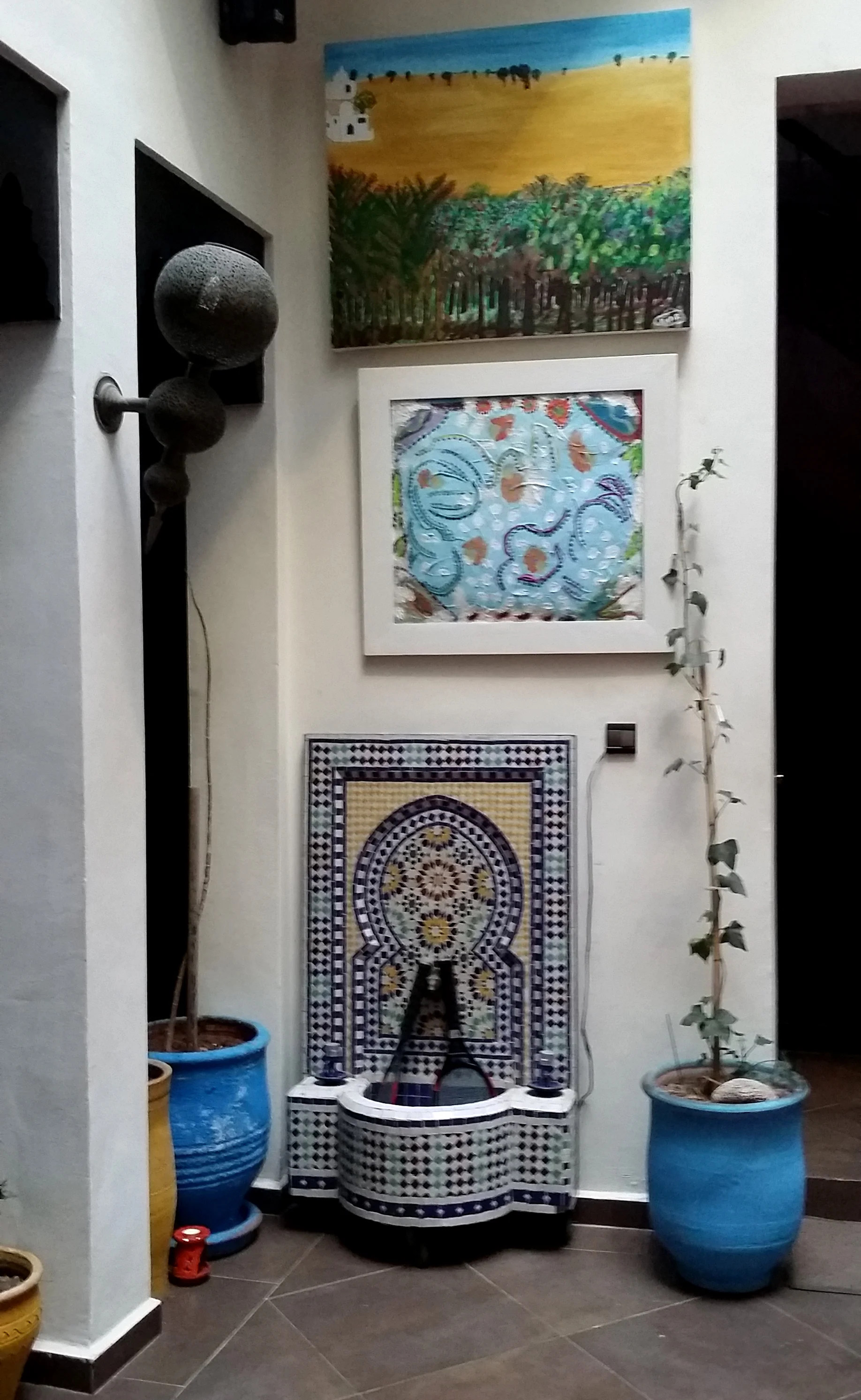
My first memories of this city are intertwined with the clattering sound of suitcase wheels on the cobbled stone streets of medina as the group dragged our luggage from Blue Gate (‘Bab Boujlood’) via narrow winding streets to the multilevel house; the ‘Dar ’that was to be our residence in Fez.Our hotel ‘Dar Arsama’; was managed by a Spanish visual artist- Violeta Caldres and her Moroccan, handyman husband - Adil.  Violeta and Adil had painstakingly restored an old house over four years to convert it to a residential hotel. Beautifully decorated and immaculately maintained with examples of traditional Moroccan tile designs and furnishings, in addition to Violeta’s own contemporary works on the walls, the house give a surreal feel.

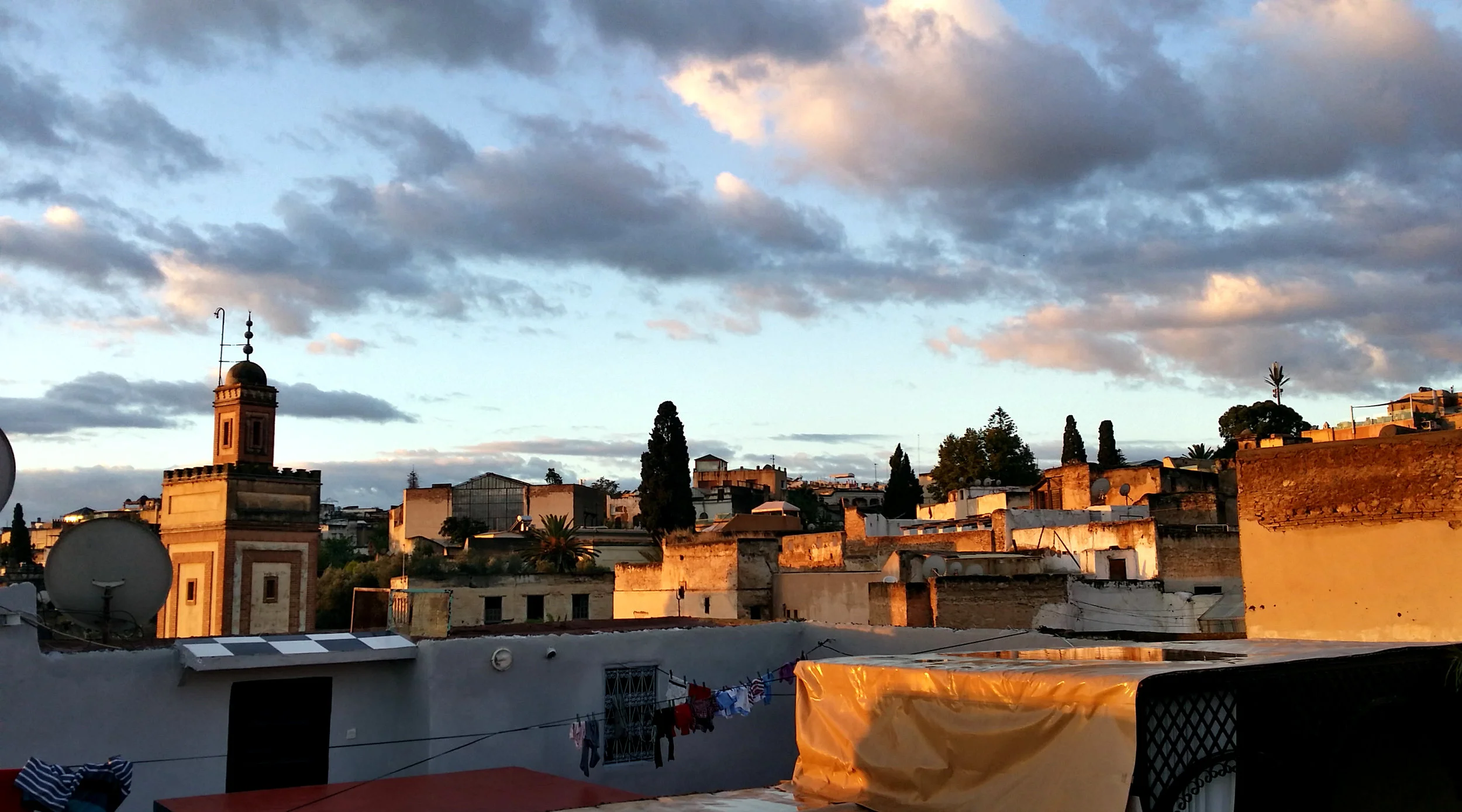
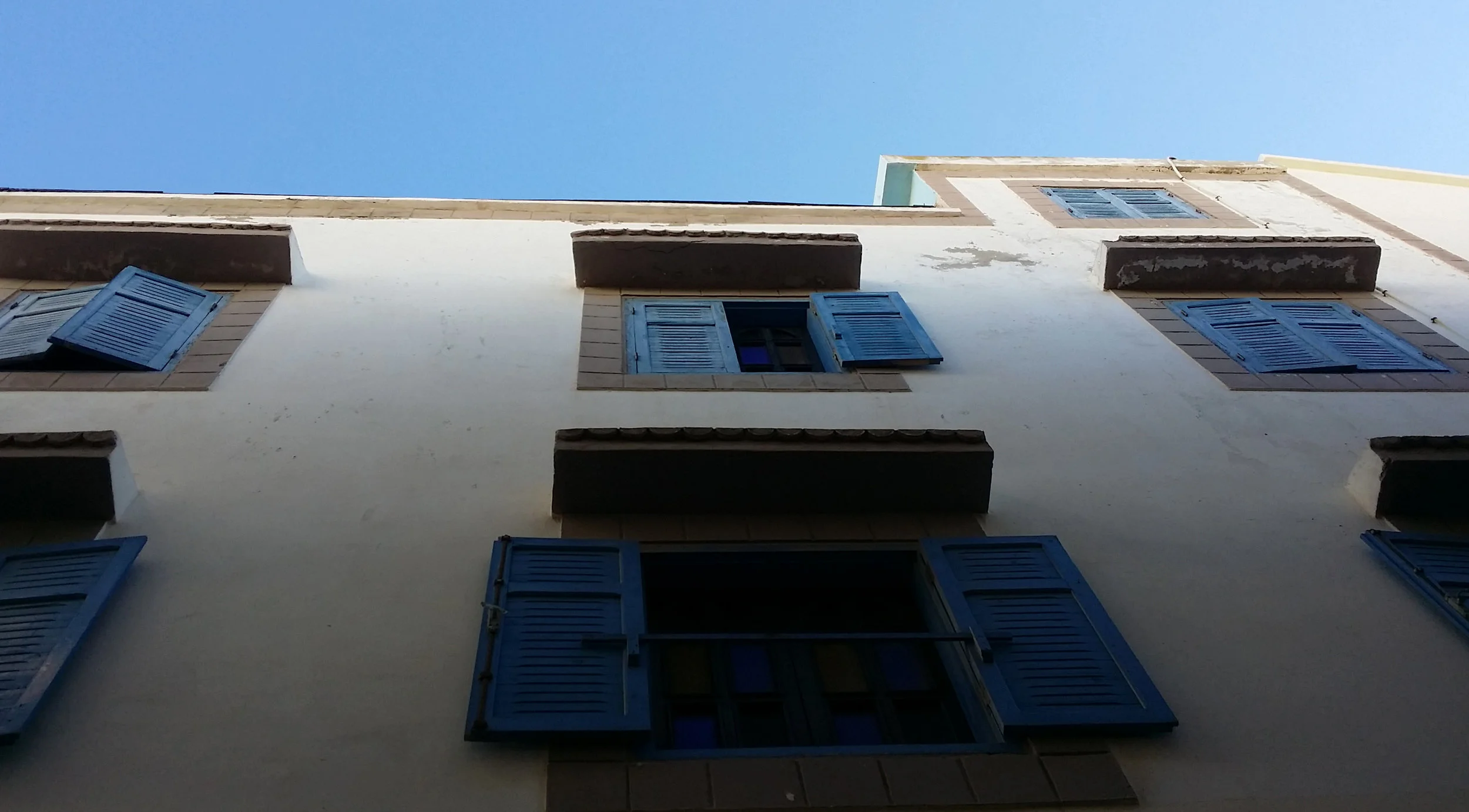
Appearances can be deceiving, and I believe in no place is this statement truer then in Morocco’s medinas. Chaotic or maze like from a ‘western’ viewpoint for urban planning, the medina’s were designed to provide a sustainable space keeping in mind the ideals for the short and long term well being of the community. The city’s compact and dense fabric of housing, streets, thoroughfares and open spaces allowed people to practice their trade and live in the city without being exposed to physical and human harm.

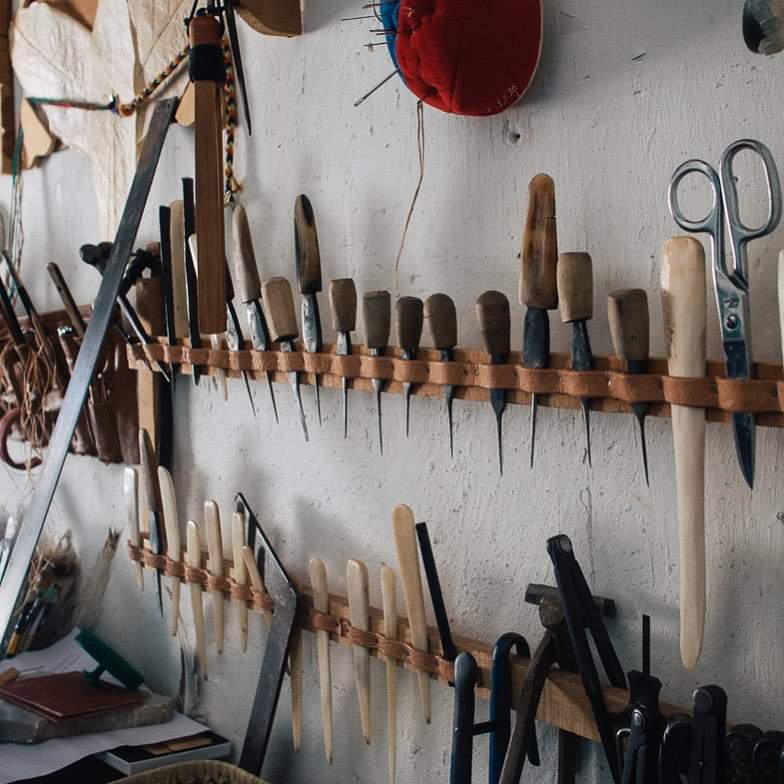
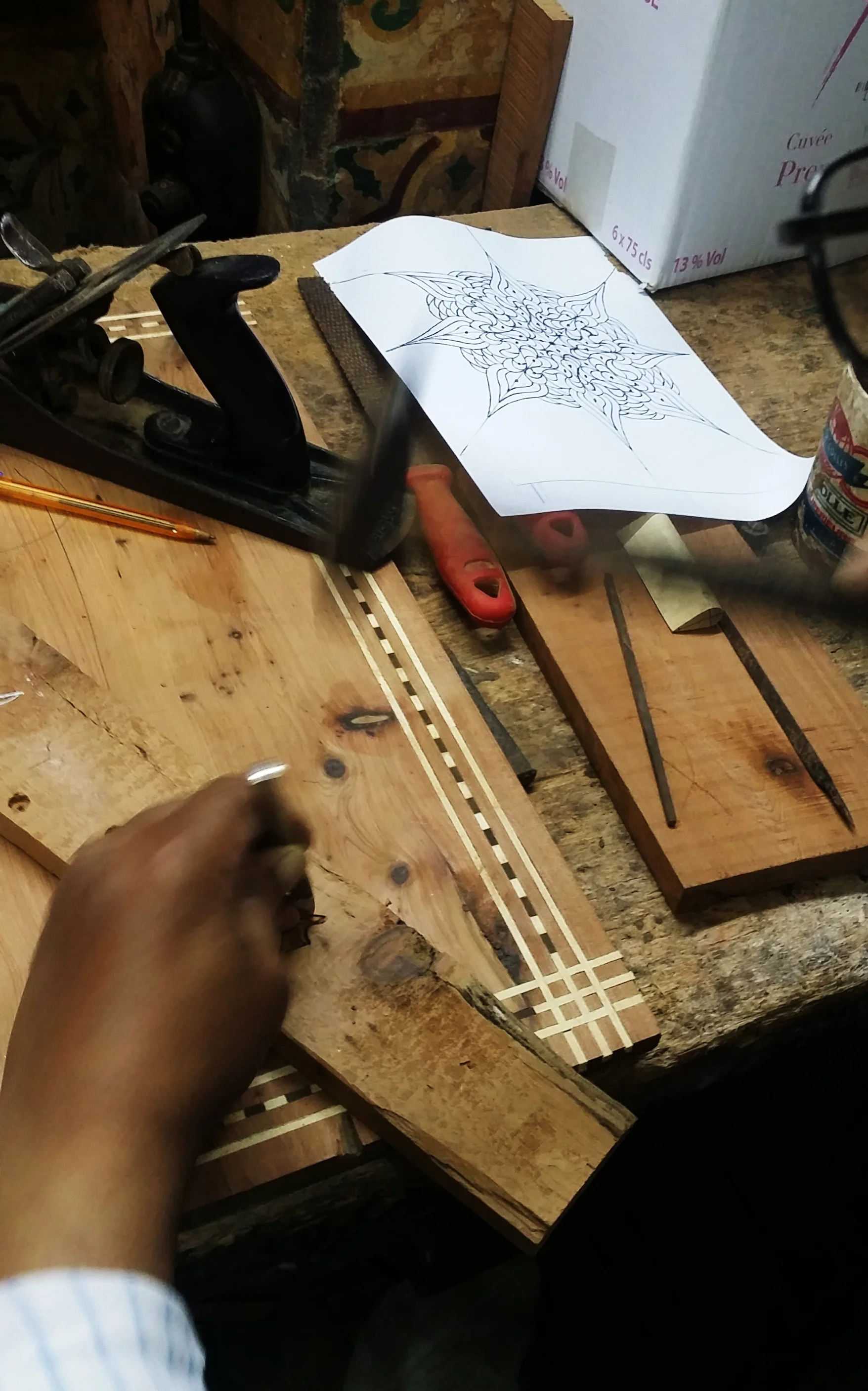
Our first workshop was at Craft Draft studios with Hamza El Fasiki. Hamza is a social entrepreneur, musician, author and an academic. He took over his family craft business from his father; who is a master craftsman and chair of the guild and founded Craft Draft studios with an aim to restore people’s connections to the traditional crafts. The studio provides an opportunity to learn and share the traditional arts by inviting both locals and foreigners to become apprentices and experience firsthand the traditional tools and techniques used by the artisans.

The great Muslim philosopher Imam Al-Ghazali stated “Four traits lift a person to the highest ranks, even if their works and knowledge are little: forbearance, humility, generosity, and good character”. 

The traditional artisan journey from apprentice to the master, instil these principles. Children as young as 6 or 7 years old would join the crafts workshop as apprentices. For the first 2 years they would only observe their Master’s work, then gradually be taught to hold tools and learn simple menial task and then actually introduced to the creative crafts. It took up to 10-12 years of learning to replicate the designs and another few to become a certified Master (maâlem) craftsman recognized by the Guild. This learning process was designed to develop apprentice skills as well as the inner self (Nafs). The aim was to develop humility and character in the students as they venture forward in life to become master craftsmen and contributing members of the society.

View fullsize sy2.jpg
View fullsize sy3.jpg
View fullsize 20181031_105722.jpg
View fullsize FB_IMG_1541142433596.jpg

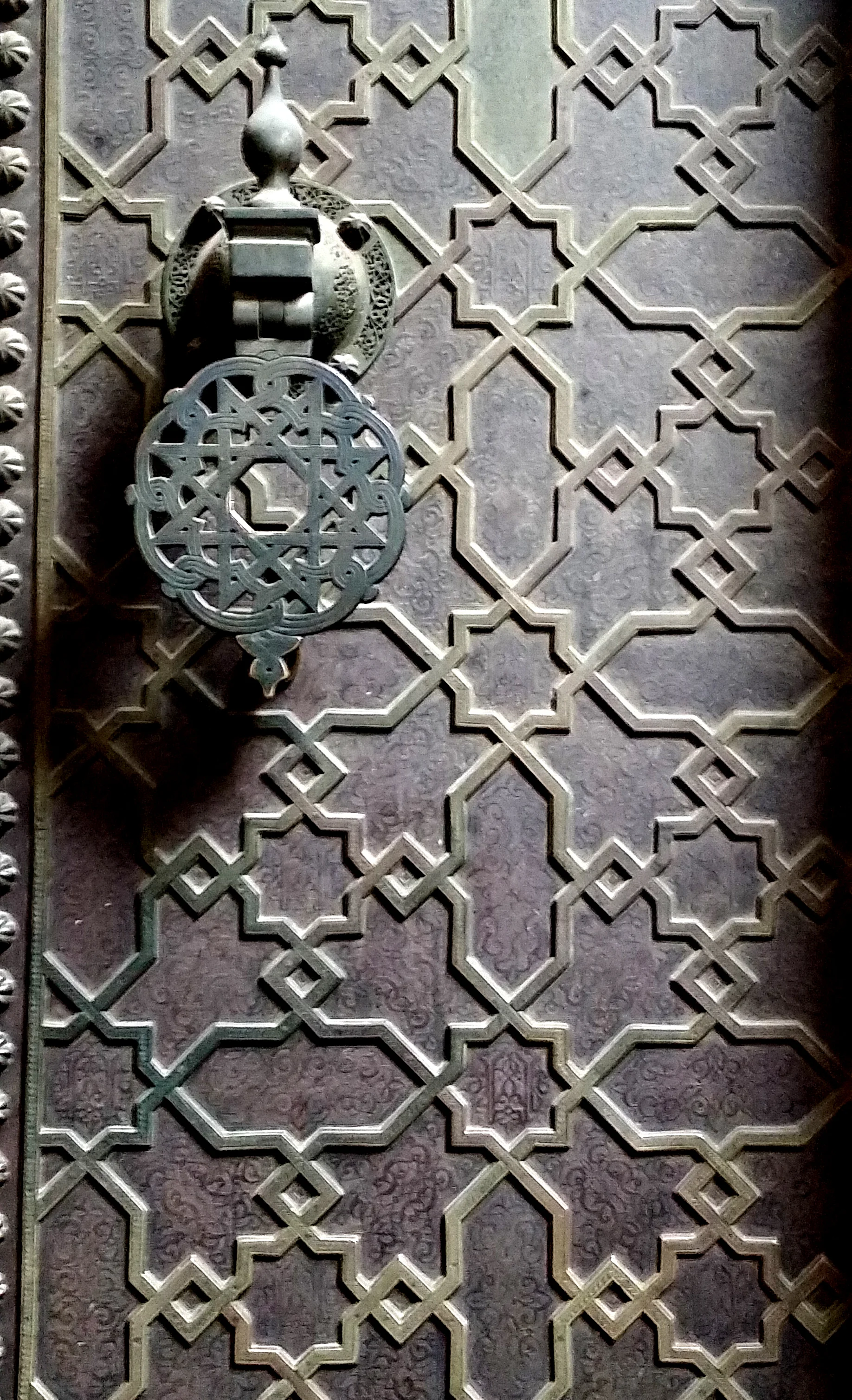
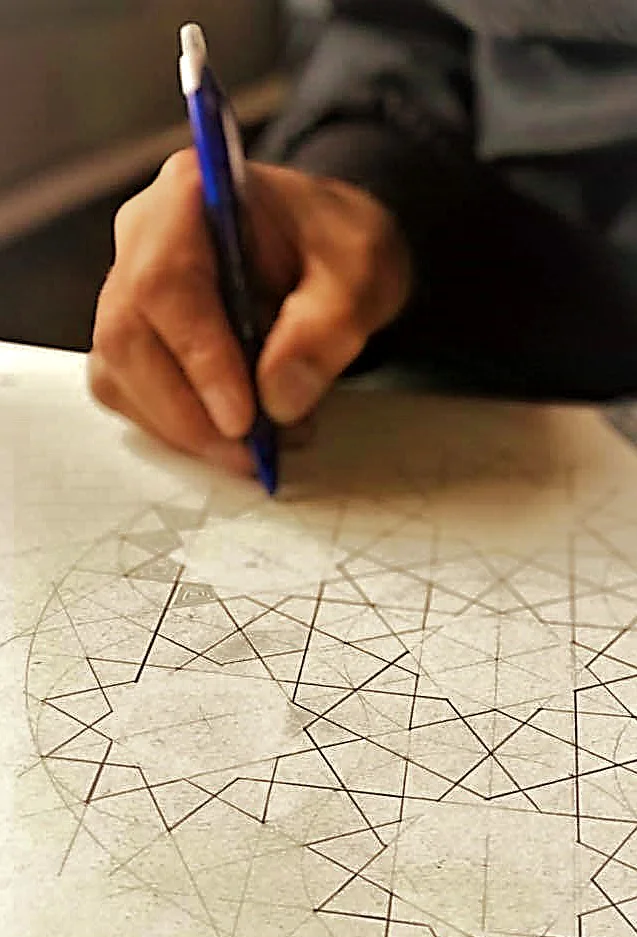
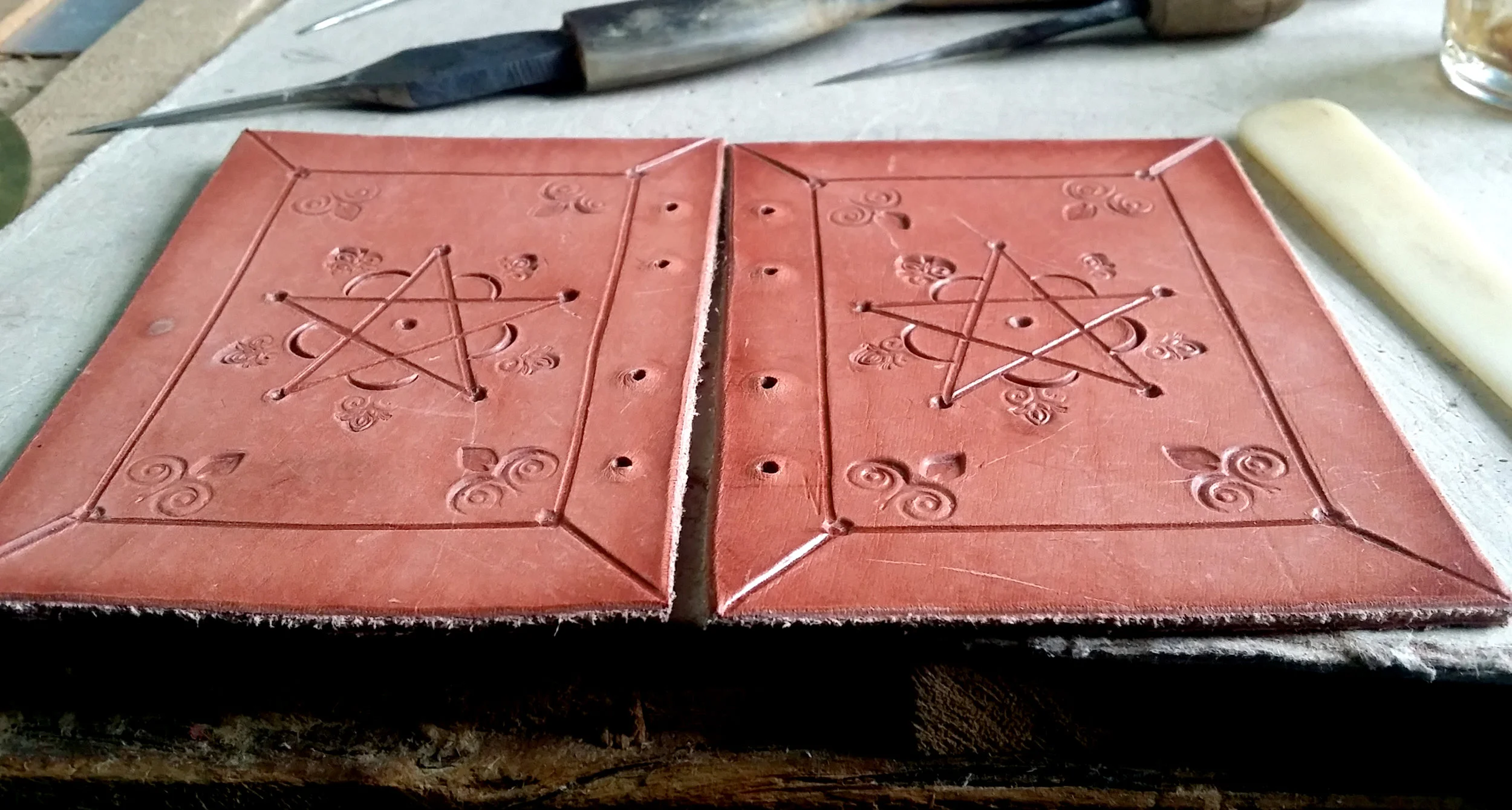
The workshops at Fez with Hamza were intriguing and introduced us to the crafts of Islamic geometric patterns, leather embossing, book binding and brass etching.
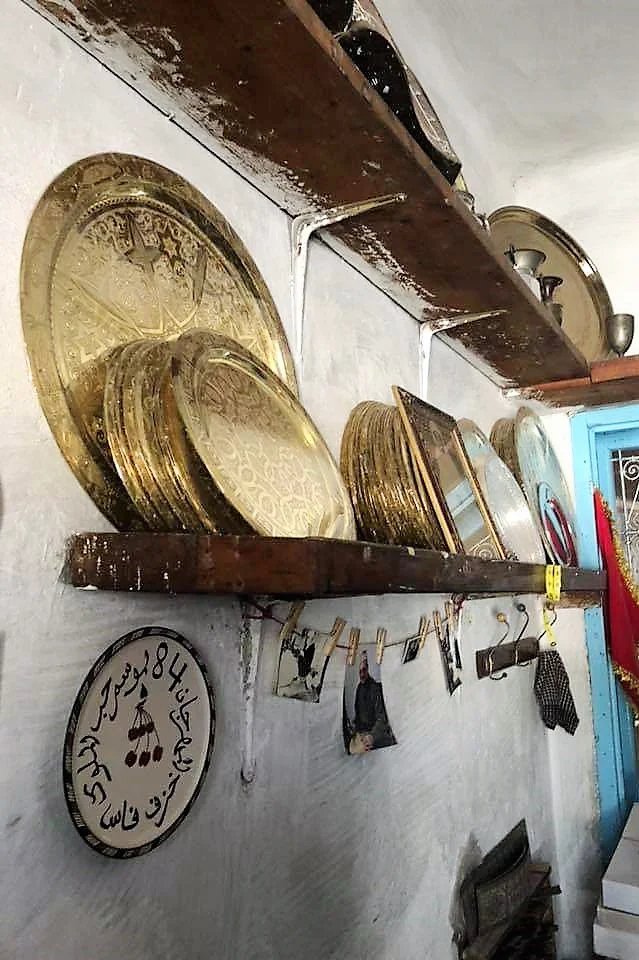
While in Fez, we also visited ‘Culture Vultures’, an arts and culture organization situated at the market town of Sefrou. Culture Vultures produce art based socially impactful programs and activities which are facilitated by a network of local and international artist. This visit provided us an opportunity to learn about the community art projects completed by the organisation and visit local artisans involved with textile manufacturing, black smithing and garment making.
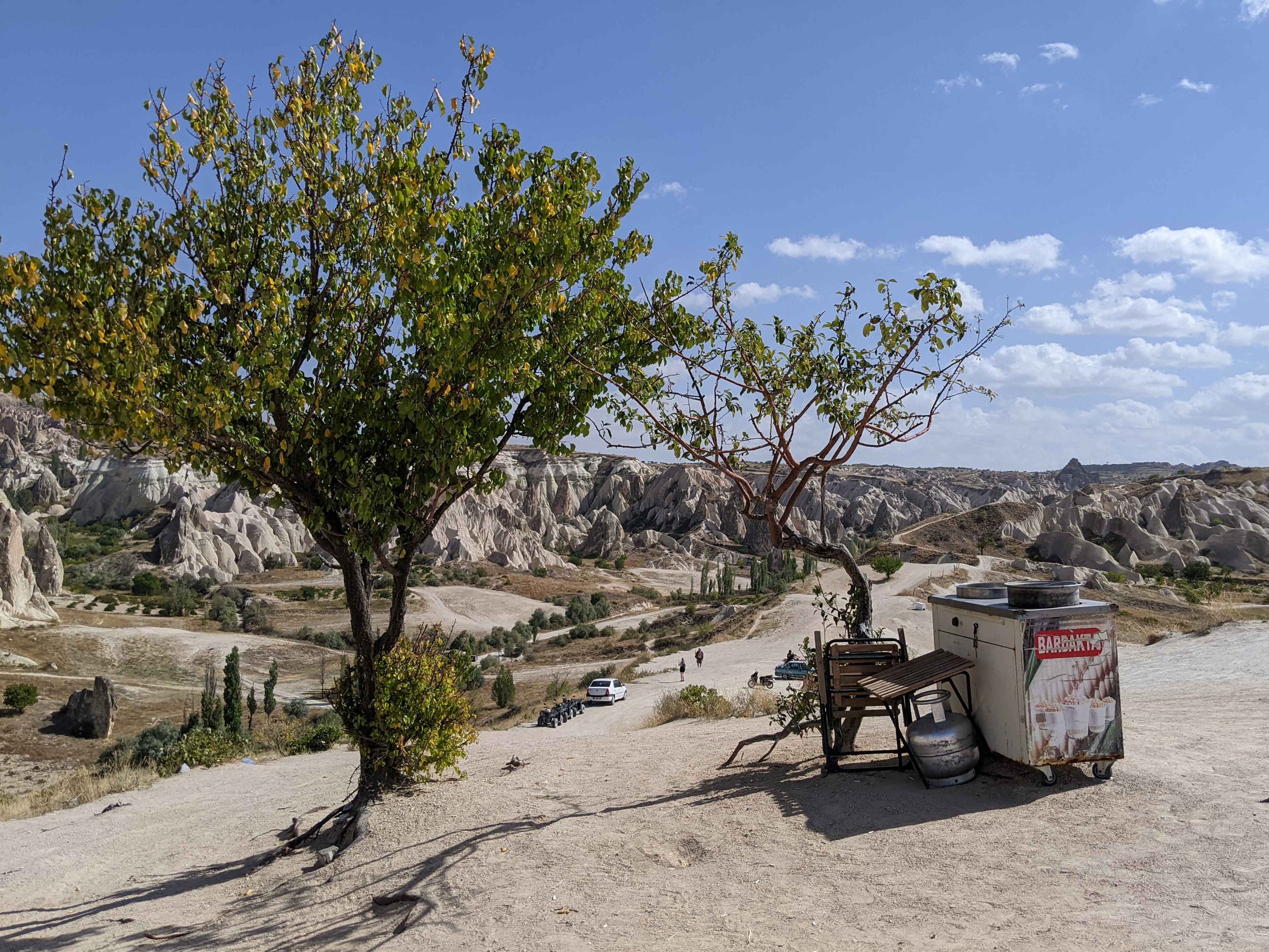
After a short hop at the Australian Embassy at Rabat, where the tour artists had opportunity to present about their works and the tour to the consul, our next stop was the coastal city of Essaouira.

Australian Embassy Morocco

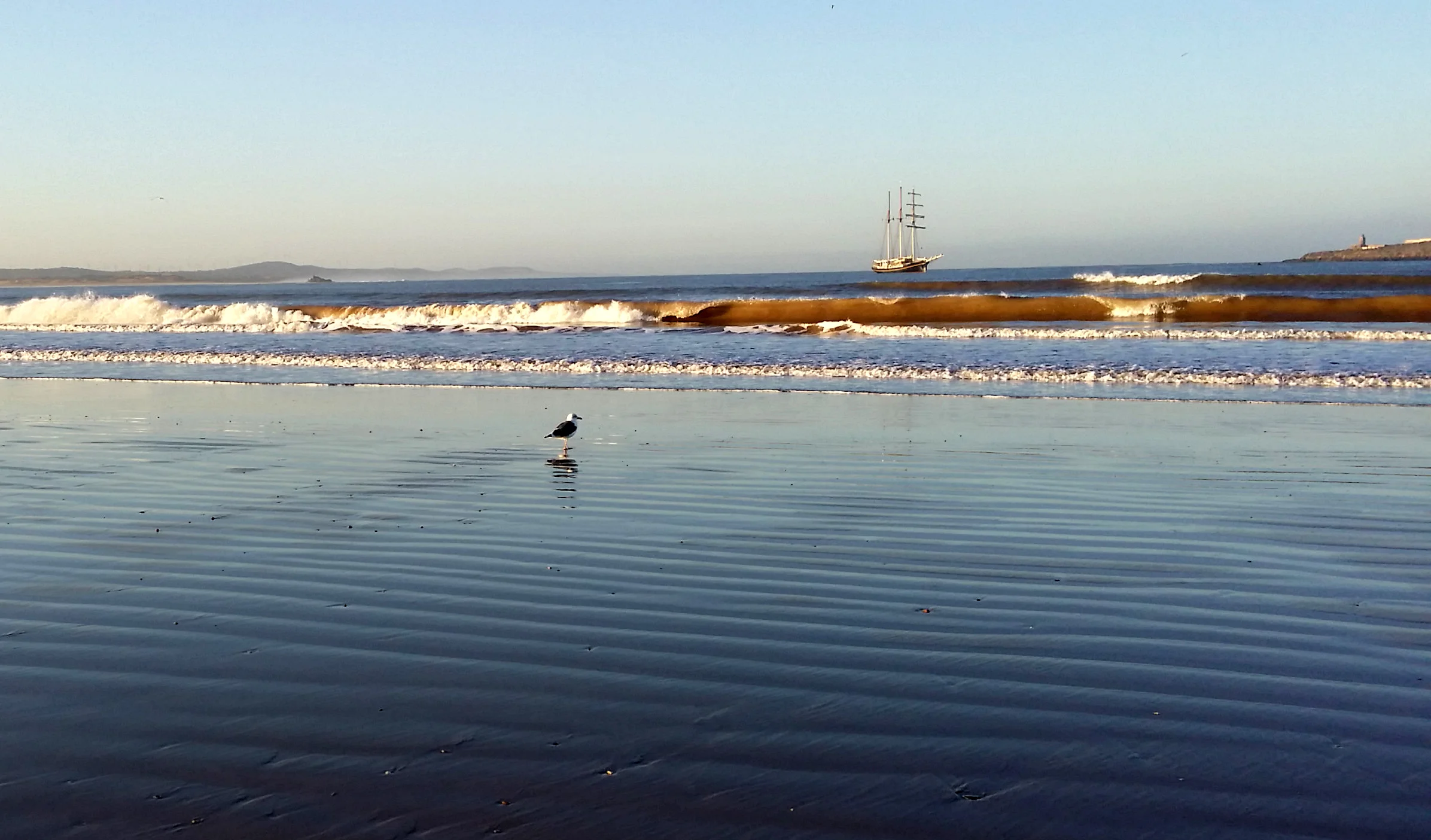
Essaouira is located at the Atlantic coast and for centuries was considered one of the best anchorages of the Moroccan coast. The history of the area goes back hundreds of years when the Phoenician established a trading post in the area; since then the city has changed hands and occupied by Berbers, Romans, Arabs, Portuguese and the French. The ‘modern’ day version of the town was founded by King Mohamed III in 1760 with an aim to secure a harbor as close to Marrakech as possible and facilitate trade with Europe. Since its foundation the town has been a multicultural and multi-confessional center with people from Amazighs, Arabs, Africans, Europeans, Muslims, Christians and Jews calling it home.

View fullsize a30.jpg
View fullsize A29.jpg
View fullsize a18.jpg
View fullsize a16.jpg
View fullsize a22.jpg
View fullsize a21.jpg
View fullsize a19.jpg
View fullsize 20181106_134155.jpg
View fullsize a26.jpg

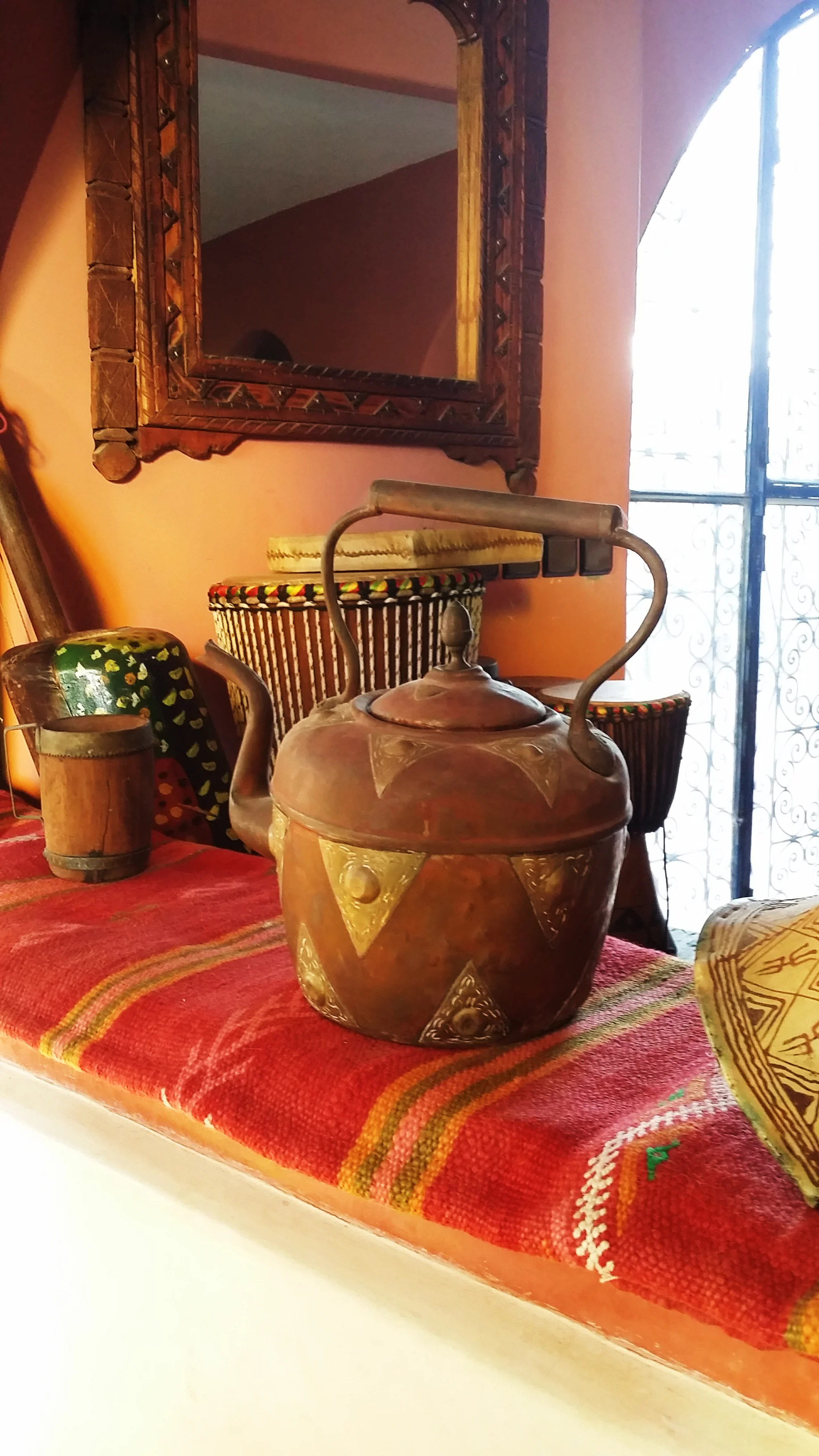
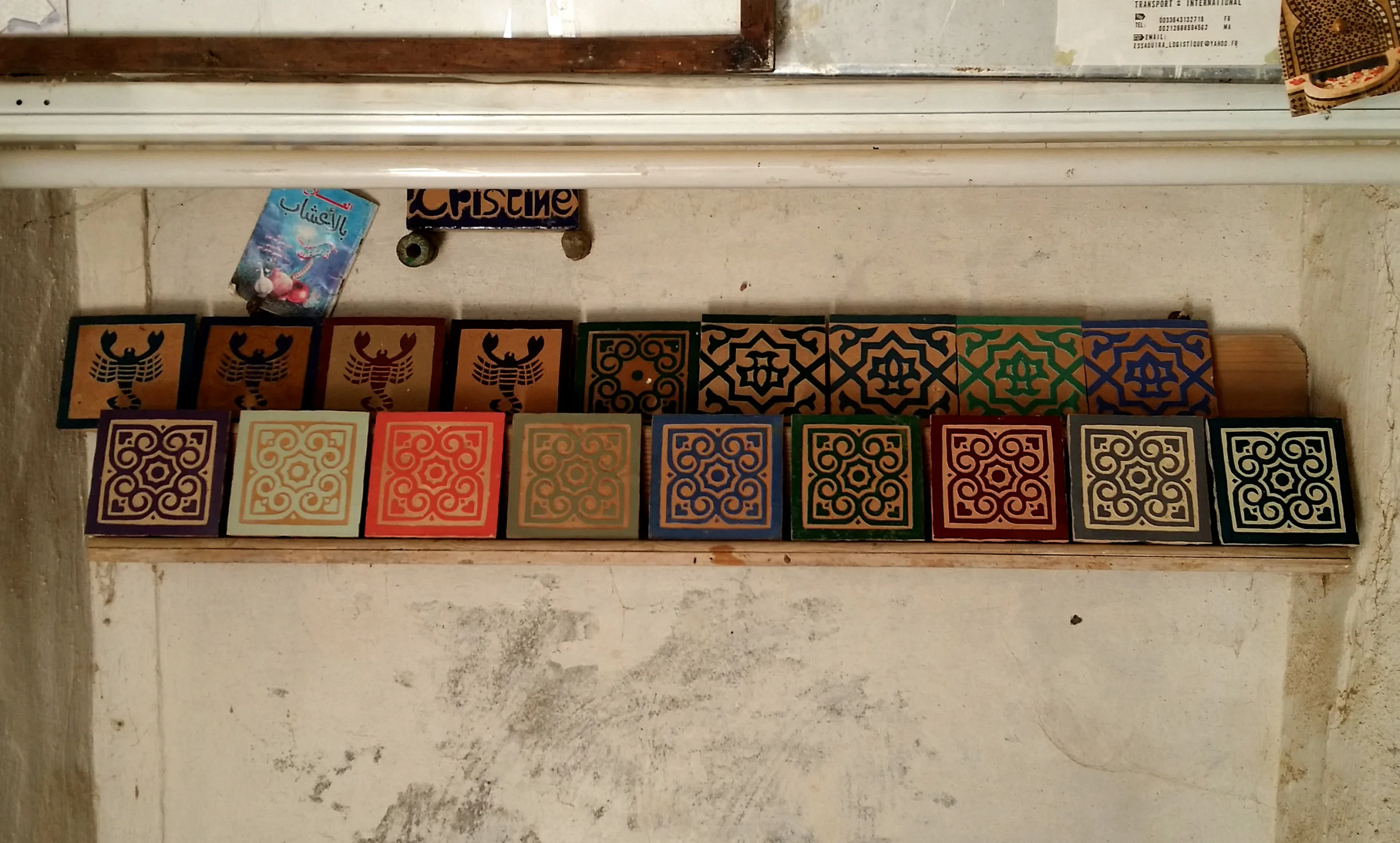
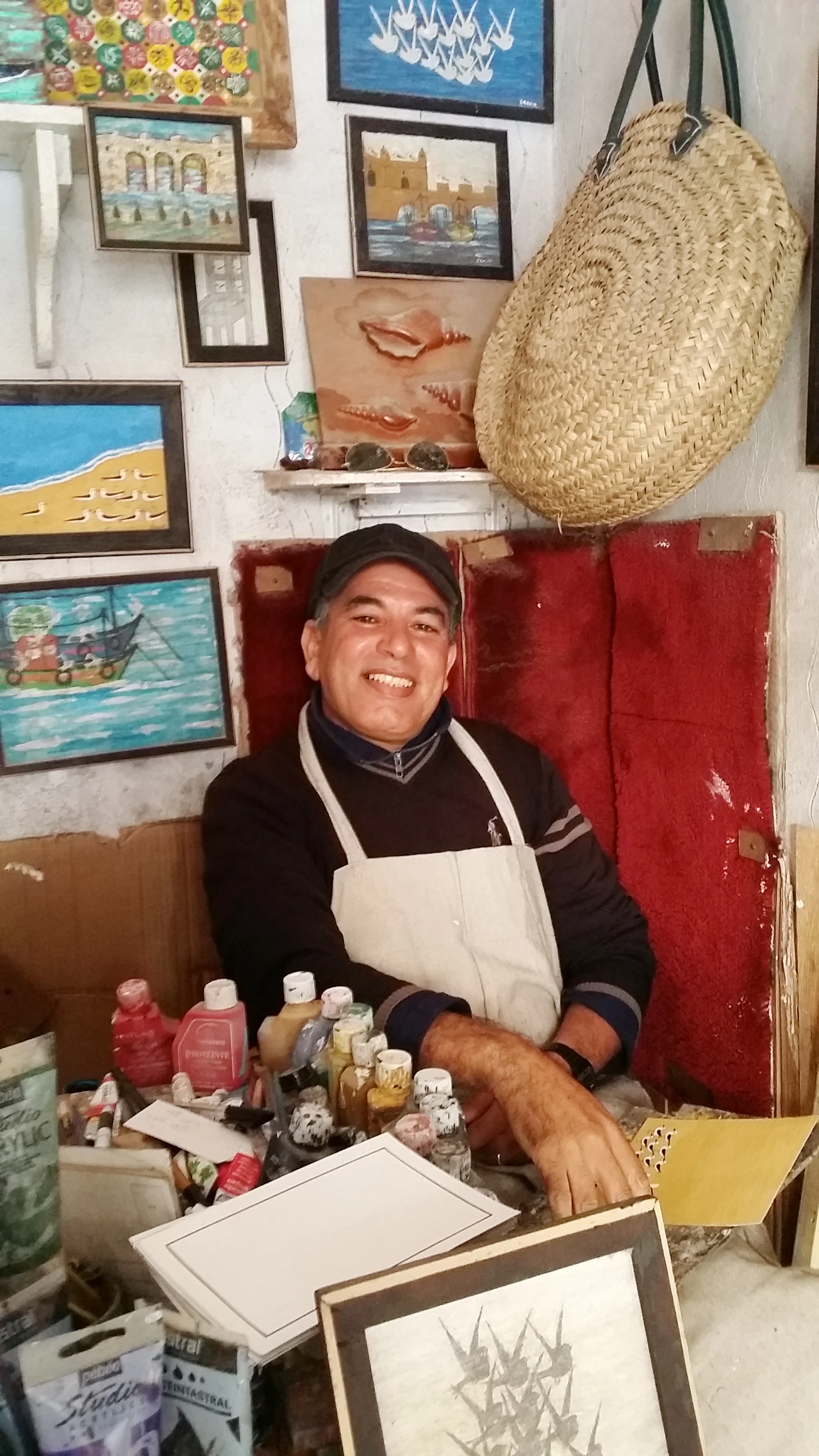
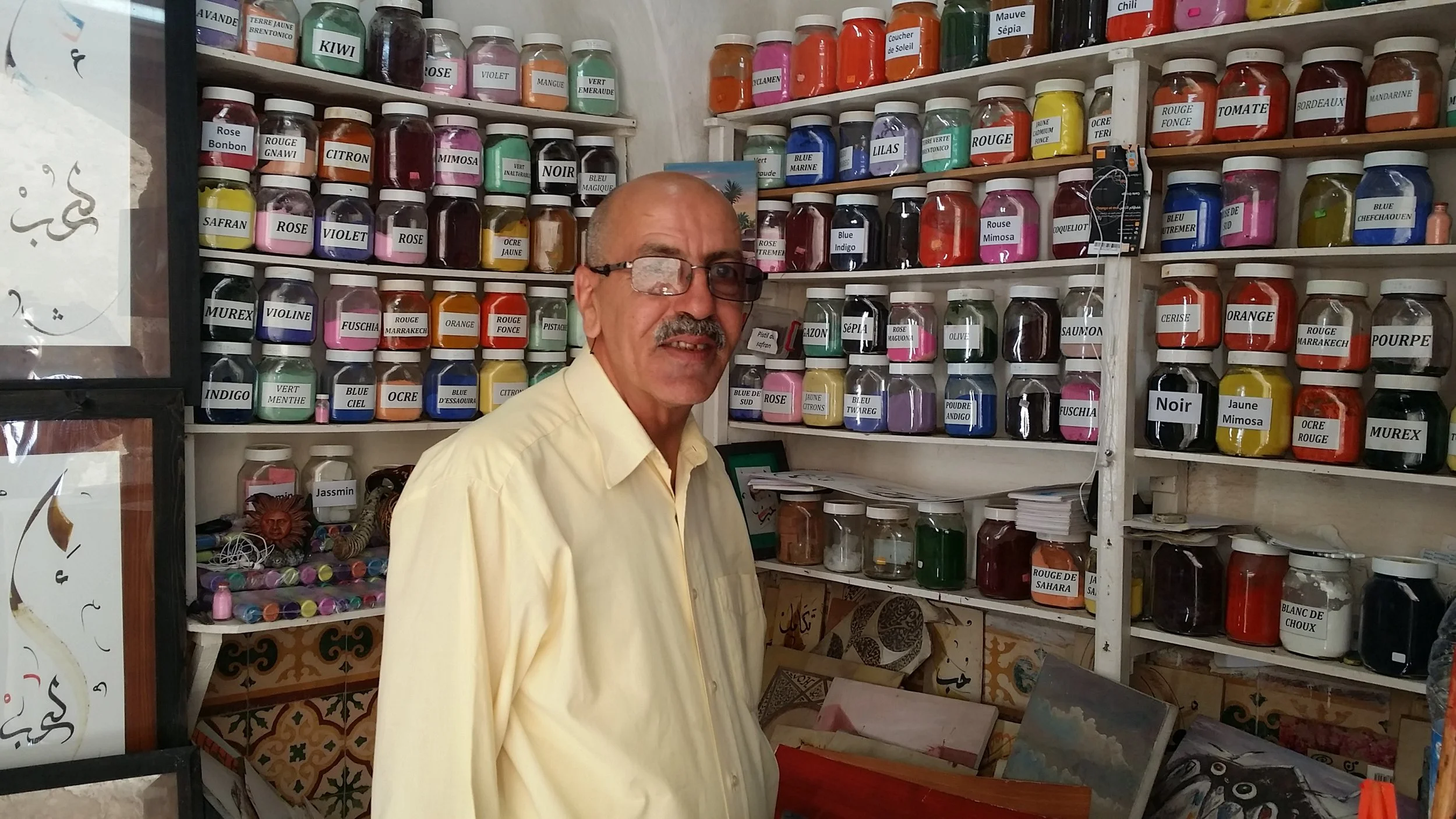
In Essaouira most of the group stayed at Riad 7 Stones. This awesome hotel is part-owned by Jamaican born; American graphic artist Adellee Haley otherwise known as ‘Babylass’ and managed by Ismail Mouyahada and musician Melisa Stone. Affable and deeply engaged in her faith, Adellee is an abstract expressionist working with acrylic paints and a digital photo artist using creative computer techniques to manipulate and enhance photographs for her artwork. During our stay in the city we also had the opportunity to visit her beautiful home and studios situated outside the city, enjoy her hospitality and firsthand experience her artistic endeavors. The Raid’s manager, Ismail had an equally generous and inspiring personality. With a background in Geology, Ismail speaks several languages and had a deep insight to life. Like all things Moroccan; he had creative flair waiting to emerge. I am sure one day; given the time, resources and opportunity, he will make his mark in this field.

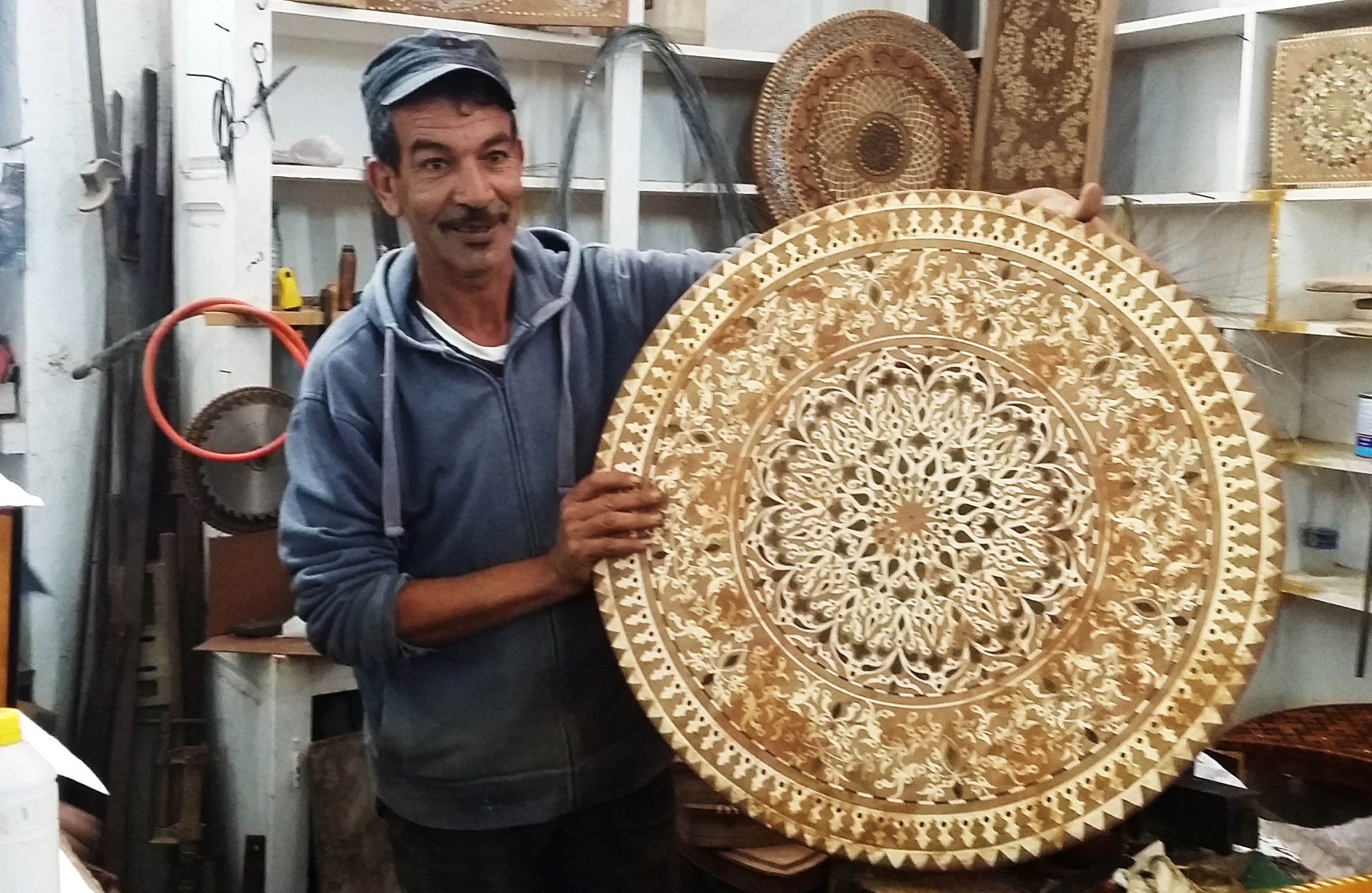
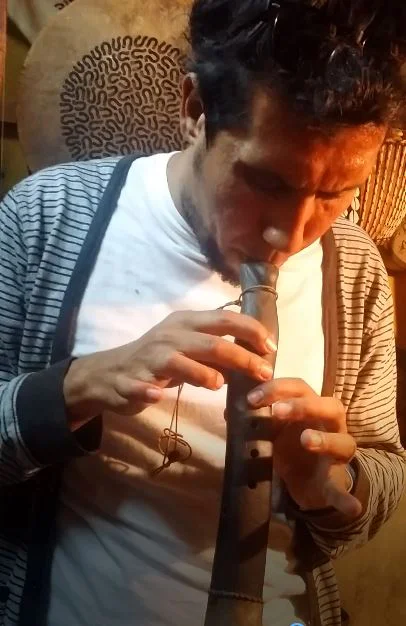
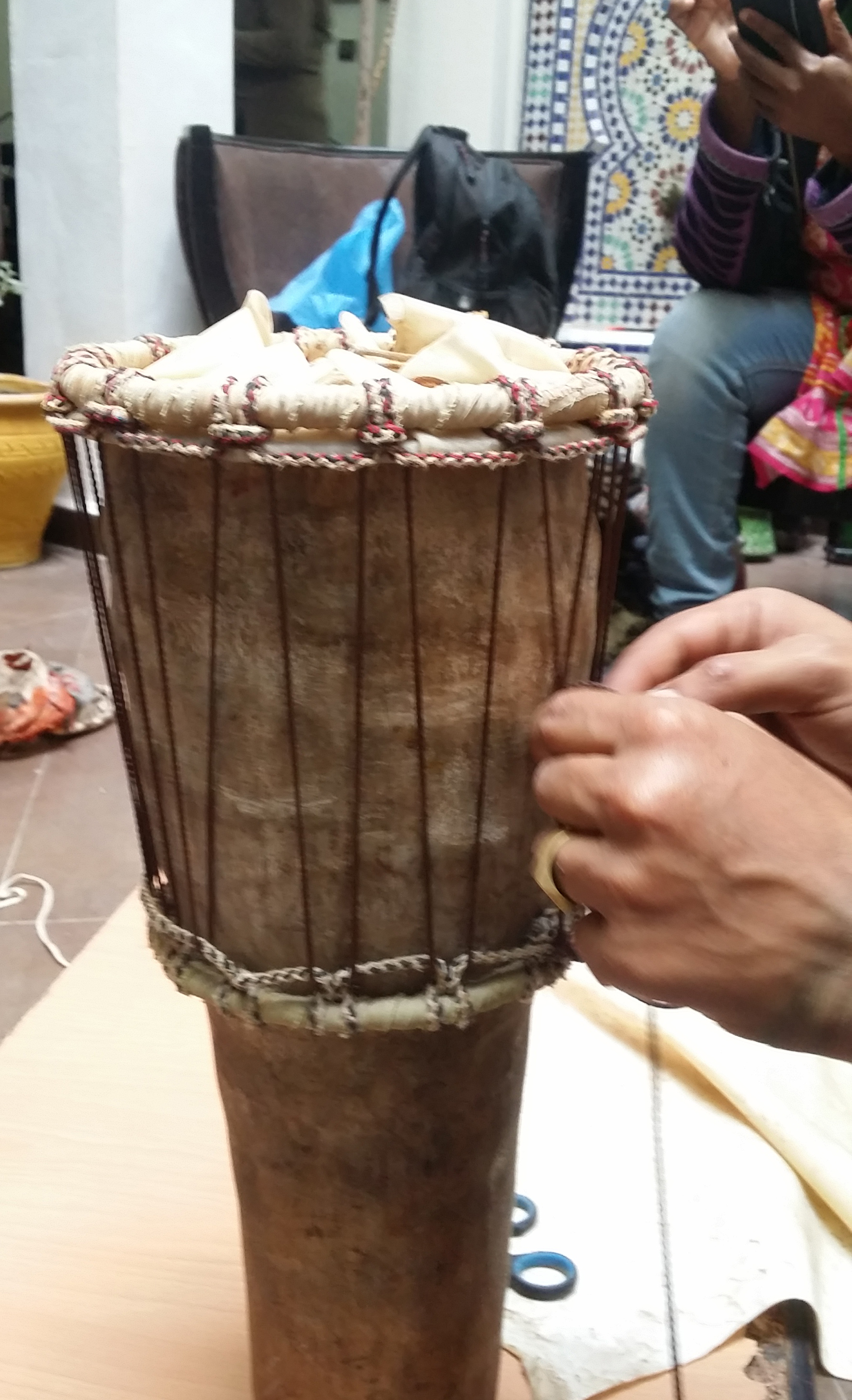
 Our mentor in Essaouira was Imad-Eddine Dably. Imad is a musician, a traditional instrument craftsman and tradesman. He briefed us about the history of Moroccan musical instruments and taught us how to make drums. Imad coordinated and arranged tours with a number of artist and craftsman, who graciously took time out and shared their skills and give us insight to their crafts.

View fullsize a1.jpg
View fullsize a2.jpg
View fullsize a4.jpg
View fullsize a8.jpg
View fullsize a10.jpg
View fullsize a14.jpg
View fullsize a5a.JPG
View fullsize a7.jpg
View fullsize a13.jpg

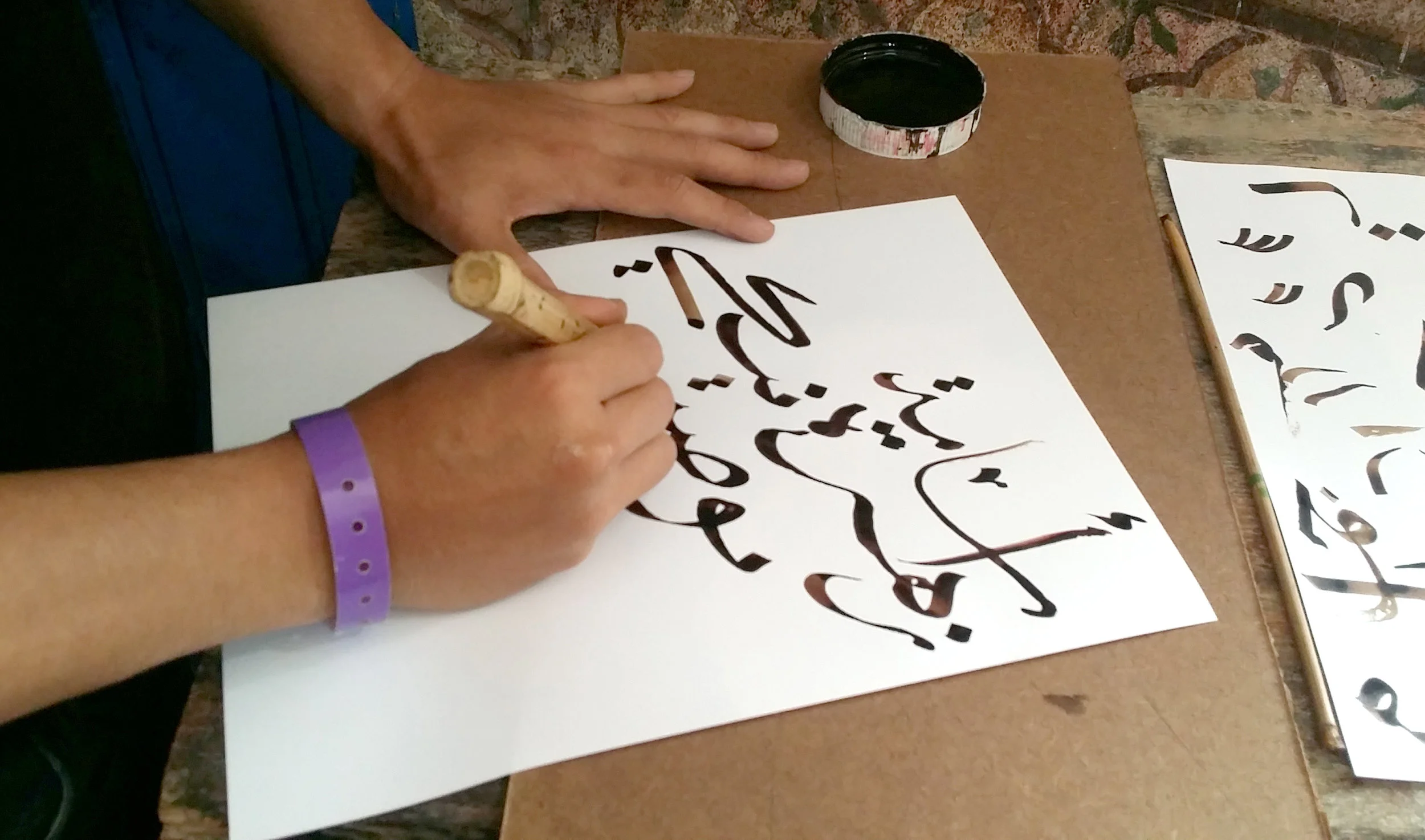
Mohammad Tifardine is a calligraphist par excellence. He has a unique contemporary style and has exhibited internationally including Australia. A serene and humble character, Mohammad Tifardine control over the lines and curves of the Arabic script is exceptional.His strokes are measured and yet fluid and it was a delight to see him work, let alone be taught a few skills and techniques of the trade.

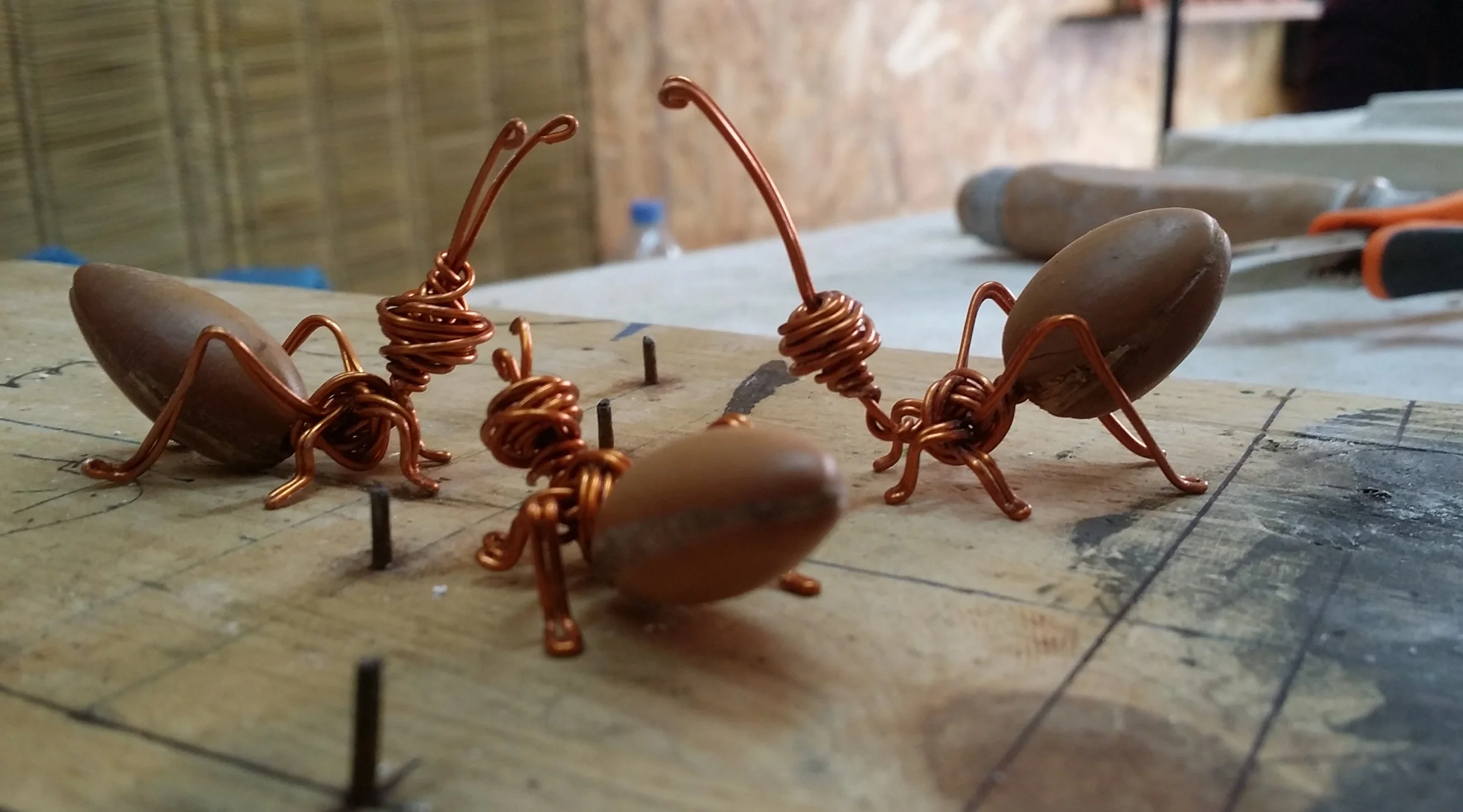
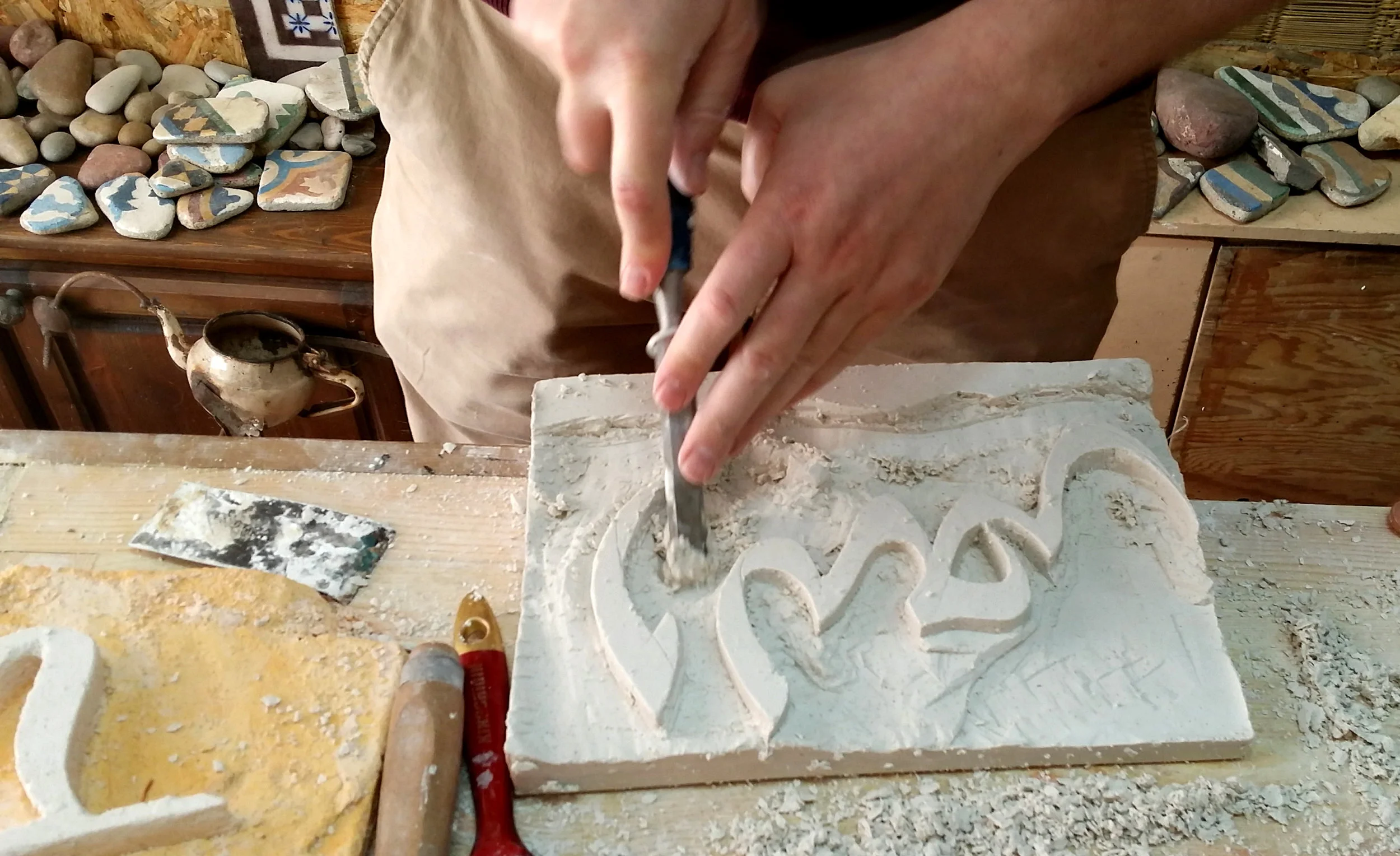
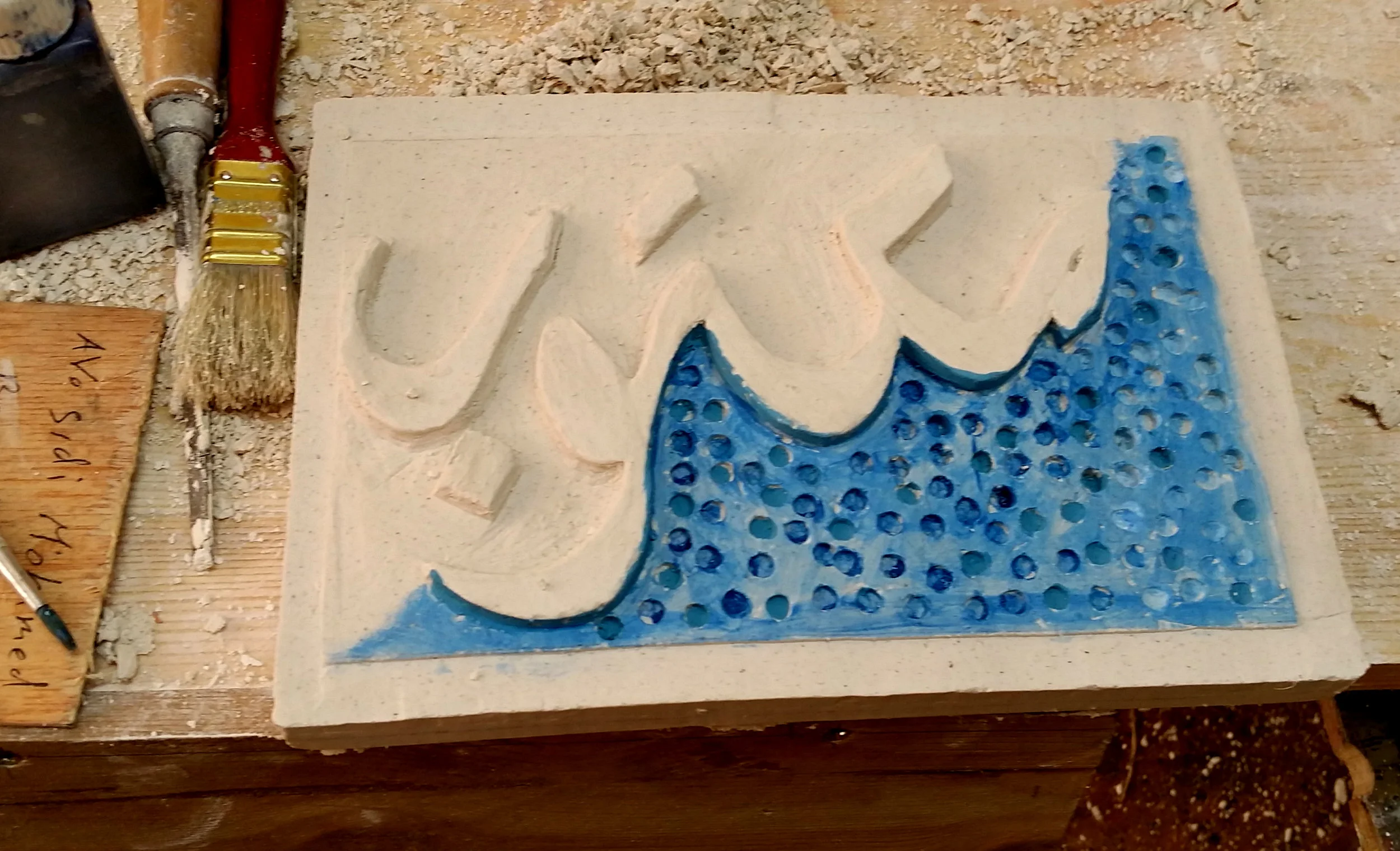
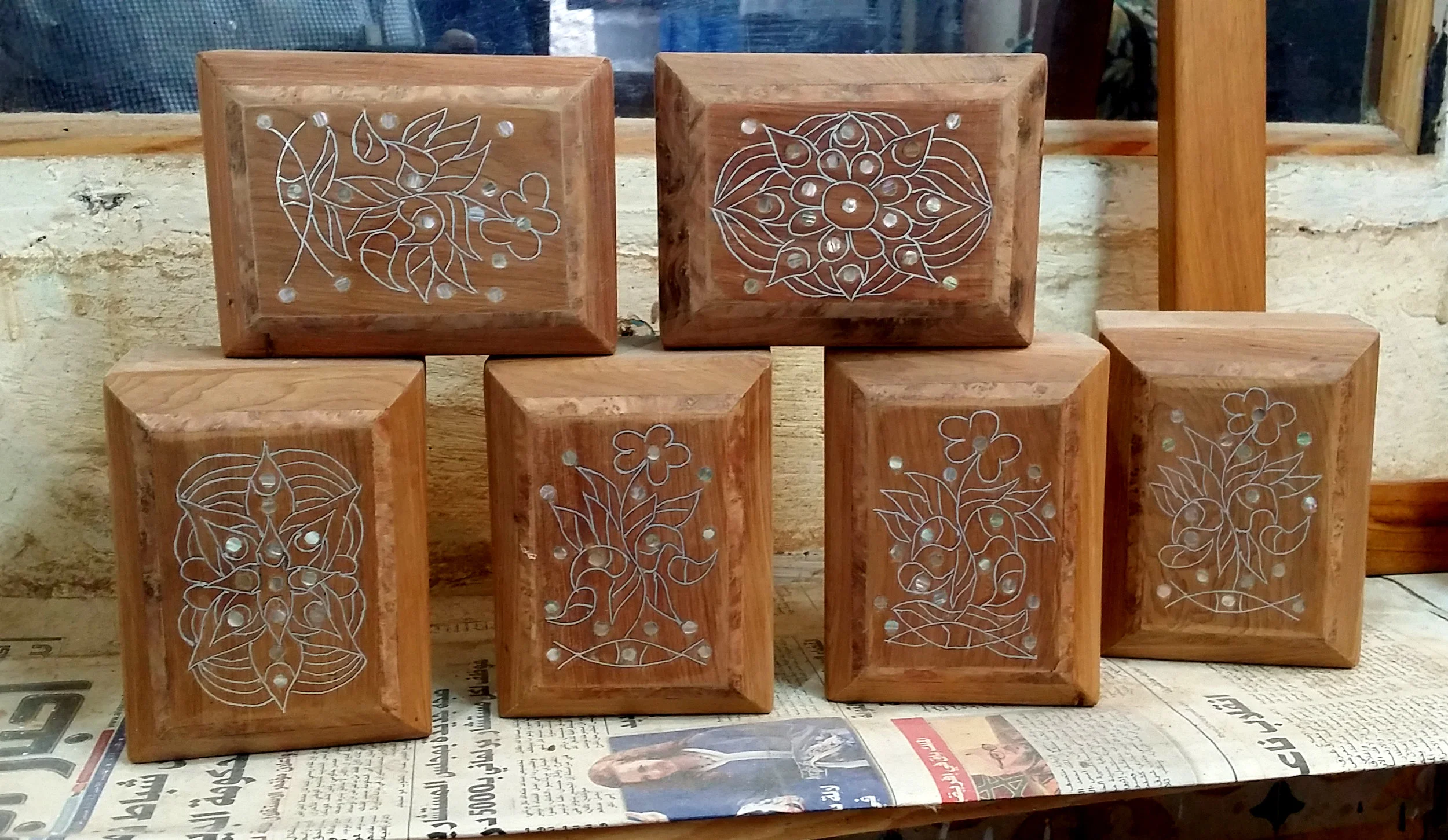
Smarrai Anouar, owner of ‘Artworkshop’, is a calligraphist, sculpturer and a plaster crafter. Anouaris one of the more technology savvy local artists we met and had a number of videos and presentations about his artistic exploits to share with the group;he specialises in recycled arts and makes interesting mini-sculptures out of everyday items such as seeds, shells, copper wire etc.

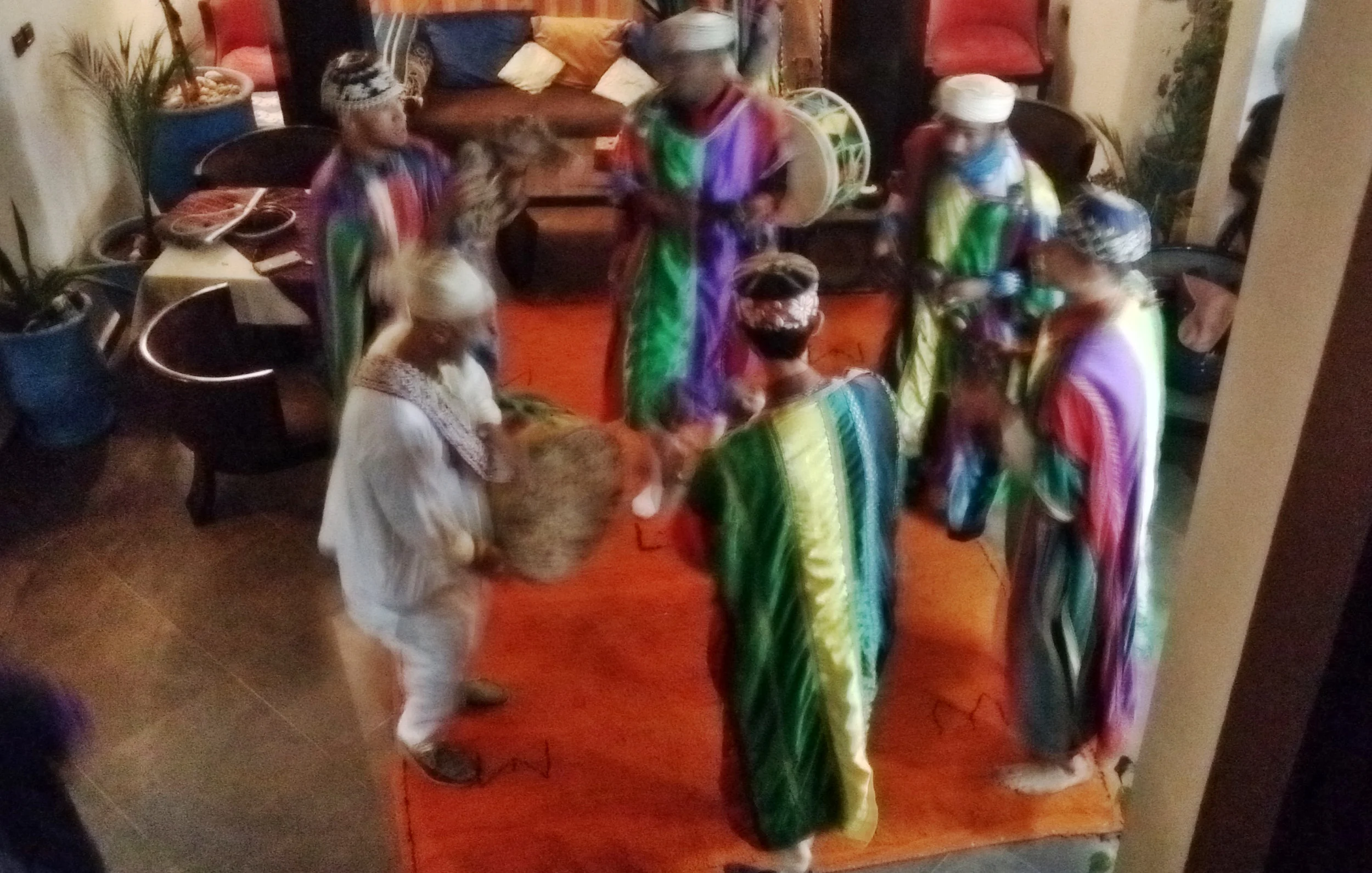
A trip to ‘Had Dra’ - to explore village life in the midst of artventure or listening to drums and dance of Gnaoua music in the Raids courtyard may seemed out of place for some, but the experience added to the overall context of the artisan’s journey and greatly added to the overall culture and historic experience of the visit.

View fullsize A31.jpg
View fullsize a33.jpg
View fullsize a32.jpg

Epilogue

Our formal exploits of the Rekindling tour ended in Essaouira as some of us headed back while others stuck around to explore the country further. Reading through my scribbles and notes it is very difficult to catalog each and every experience and occurrence, as they have been so many.

Being able to interact with ‘Master’ craftsmen and artists and being able to work and sit with them in their studios was enriching on a number of levels. Understanding the art journey of a traditional craft person from a student to becoming a master was humbling and thought provoking.
As we collected around the evenings, we work-shopped various aspects of Islamic arts, shared experiences and our own personal art journeys with our contemporaries. Getting to know fellow artist and sharing their respective art journeys was enriching and provided opportunities to learn from each other’s experiences.
Being able to soak in an environment so filled with art (albeit for a short time) has been a privilege and it is difficult to describe and predict what the future impact of this tour will be on my art. I am sure as my fellow artists and I move on with our respective art journeys, what we have learnt and observed will be reflected in our works.

In Community Art, Morocco, Islamic Arts, Sacred Arts, Abstract, Rekindling Tags #rekindling tour of Morocco, #salamfest, #morocco, #Islamic Arts, #CAAR, #Fes, #Essaouira, #artisian, #artisan, #Arts
2 Comments

Latest AND THE Greatest


TOGETHER

INTERACTIVE ART PROJECT

Powered by Squarespace